
Shop Loewe — $749
 Michael Ochs Archives/Getty Images
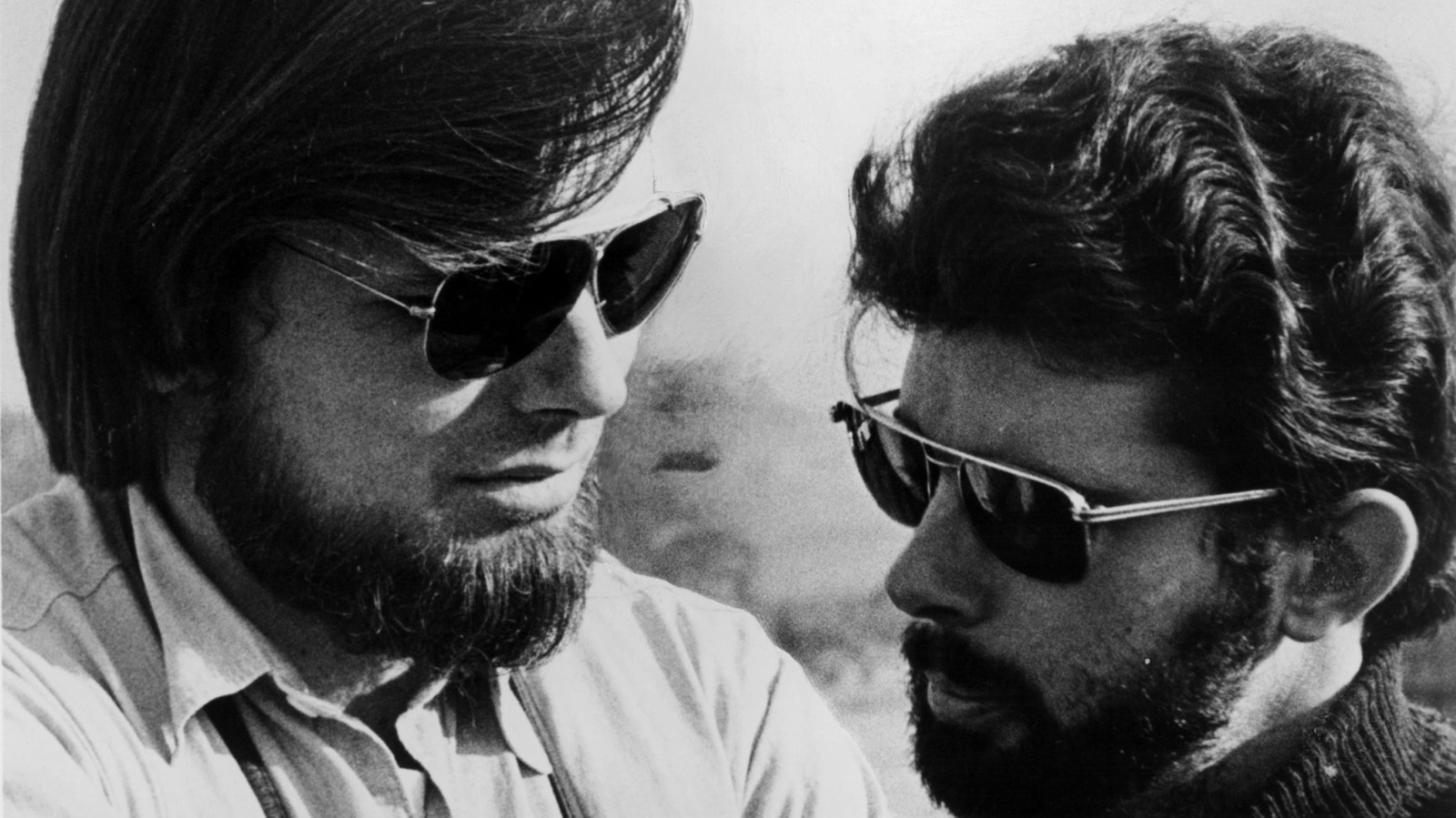
If you’re a fan of the first “Star Wars” trilogy but have serious reservations about its prequels, you’re not alone. In fact, you’re in excellent company with the late Gary Kurtz, producer of “A New Hope” and “The Empire Strikes Back”. In fact, Kurtz and “Star Wars” creator George Lucas were already at odds with the creation of “Return of the Jedi,” which at one point was titled “Revenge of the Jedi” (Lucas changed the title before release, saying that reJedi Knights shouldn’t focus on revenge).
The problem started when Lucas and Kurtz disagreed about changes Lucas had made to “Return of the Jedi.” While Lucas, famously, ended the first trilogy with a happily-ever-after celebration among the film’s heroes and the Ewoks, the original outline the duo conceived had called for an ending Kurtz described as “bittersweet and poignant,” and more “emotionally nuanced.”
By the time “Return of the Jedi” came out in theaters, Kurtz was no longer involved with the franchise. Kurtz’s replacement, Howard Kazanjian, claimed in an episode of “Icons Unleashed” that Kurtz had gone over budget and wasn’t told that he had been replaced until after he’d already started working on “Return of the Jedi.” However, Kurtz told The LA Times in 2010 that he and Lucas parted ways amicably over creative differences, freeing up Kurtz to produce “The Dark Crystal.”
Lightweight content, merchandising, and worse
 Ideabug/Getty Images
When Kurtz was interviewed for the documentary “The People vs. George Lucas,” he was very clear that he wasn’t a fan of the prequels. He called the storyline lacking and said the films did not fit well with the first trilogy. He compared them to “Raiders of the Lost Ark,” saying that both are “a lot of action and held together by story threads that work on the surface.”
Kurtz believed this was largely driven by a desire for merchandising. For example, in an early outline of “Return of the Jedi,” Han Solo was supposed to die during a raid on an Imperial base, which Kurtz felt would add depth to the story. But, he told the LA Times that Lucas overruled this, saying, “George then decided he didn’t want any of the principals killed. By that time, there were really big toy sales, and that was a reason.” Kurtz reiterated this in a 2002 interview with IGN, calling “The Phantom Menace” “a merchandise-driven project.”
“They knew that the money from the merchandising would make a lot more money than the money from the film,” Kurtz said, “It’s a tired film, in the sense that there’s no passion or energy there, and that comes from that kind of slightly cynical attitude, I think.” Kurtz may have been proven right on the money, as that marketing drive continues to push “Star Wars” even today, after Lucas sold the franchise to Disney in 2012.






