Posted on

This Groundbreaking Hydrogen Engine Could Rival Diesel Power Without The

A German research team at the Otto von Guericke University Magdeburg has showcased a hydrogen engine that might soon replace traditional diesel power. The study is helmed by Hermann Rottengruber in collaboration with WTZ Roßlau. The researchers at WTZ Roßlau proved the concept of a closed-loop argon power cycle (APC) engine back in 2022, but Rottengruber’s team is now touting it as a viable solution that can be used for high-load applications in the real world.

Traditional diesel engines release multiple pollutants, largely due to the formation of nitrogen oxides and the reaction of the fuel’s carbon with oxygen during combustion. In the argon power cycle, argon acts as a replacement for the nitrogen component of air, which eliminates nitrogen oxide creation and increases thermal efficiency. The injection of hydrogen and oxygen into the argon power cycle engine provides a fuel that can combust cleanly.

Rottengruber and his team assessed this engine and found it to be more economical in real-life scenarios. Much of the argon gas mixture remains within the closed system and is fed back into the cycle, allowing for a highly efficient process that does not rely on costly exhaust treatment systems. The result is a theoretical efficiency above 60% with no emissions besides water. By comparison, modern diesel engines max out at around 50% thermal efficiency while producing as many as 22 pounds of carbon dioxide emissions per gallon burned. Hybrid engines using renewable fuel are preferable to diesels, but even so, experts believe that innovations in hydrogen energy are necessary for a sustainable future.

The green impact of a hydrogen cycle engine

A worker at a hydrogen-powered energy plant FOTOGRIN/Shutterstock

There is an ongoing global effort to achieve net-zero emissions by 2050. Research institutions and government entities are proceeding apace with sustainability projects and funding beneficial infrastructure changes. Many of these initiatives are paying off; offshore windfarms have positive effects on local wildlife, in addition to generating clean electricity for the grid. Innovations in hydrogen engine technology are a natural step in weaning society off its fossil fuel reliance.

Hydrogen is a clean energy source, but currently, hydrogen fuel is not popular because manufacturing hydrogen creates approximately the same amount of emissions you would save by using it as fuel. An extraordinarily efficient hydrogen cycle engine might finally allow widespread use of hydrogen fuel with a net improvement to our carbon footprint.

However, the hydrogen cycle engine discussed by Rottengruber is not a finished product as of yet. The engine is currently limited by the amount of hydrogen that can be injected during each cycle, which means that it cannot achieve the level of power density required for practical industrial use. Rottengruber also noted an issue in which carbon dioxide would accumulate within the closed circuit. The good news is that the team has access to plenty of resources to help solve these issues. The research is backed by Germany’s Federal Ministry for Economic Affairs and Energy, and Rottengruber indicated that prominent manufacturers have already expressed interest in his team’s work.

Source

Posted on

Ever Noticed Those Lines On Car Rear Windows? Here’s What

Defroster wire lines visible on the rear windshield of a car. Danielli.capture/Shutterstock

If you ever find yourself questioning how certain elements of your car function, such as how electronic parking brakes work, then you may wonder what the lines your vehicle’s back glass are for. Not all cars have this feature, but, today, most do. The lines are usually horizontal but can also be in a grid pattern, and without them you might have difficulties driving safely, especially in inclement weather. That’s because they’re crucial elements of your vehicle’s defrosting system, referred to as the rear defroster. 

While the front windshield defroster is part of the car’s HVAC system and blows hot air through vents on top of the instrument panel to clear ice and fog, the rear defroster uses electrical current to produce heat to clear the back window. The lines are actually thin wires made out of conductive materials like metal or electrically conductive resins, and they are either attached to the inside of the glass or embedded within the glass during manufacturing. Sometimes, you’ll find similar defroster wires in rear side windows of SUVs and on the lower edge of the windshield, underneath the wipers; There are some luxury vehicles that use this process to offer heated side front windows and heated windshield functionality, and in the 1980s, Audi cleverly used the rear defroster to spell out its “quattro” branding.

Those rear defroster lines can malfunction and stop working

Rear defroster lines on a car working to remove frost and condensation. Poggensee/Shutterstock

Like any component or part in your vehicle, the rear defroster can malfunction and stop working, which could be hazardous when driving in cold weather. Broken electrical connections are the common culprit when dealing with an inoperative rear defroster, which can be the result of an unplugged harness or physical damage to the window (like scratches or corrosion). Overall, other than avoiding scratches and harsh, corrosive chemicals, there’s generally no special care required for cleaning back windows with a rear defroster system. That being said, aftermarket window tint can impact the effectiveness of this feature, and it may cause bubbling and/or discoloration in the tint itself.

If you don’t see any lines on your vehicle’s rear window, there’s a good chance your vehicle just doesn’t have a rear defroster, which is usually the case on older, base-model cars. On some newer cars, advancements in safety have resulted in rear defrosters being less noticeable than in the past due to the use of less-visible materials or ultra-fine wires. Similar to these defroster wires, there may be other components in your vehicle that you are curious about. For example, that circle on your car’s dashboard is really a sensor, here’s what that shark fin on top your car does, and here’s what that HDMI port in your is actually for.

Source

Posted on

5 Underrated Places To Get Free Ebooks For Kindle

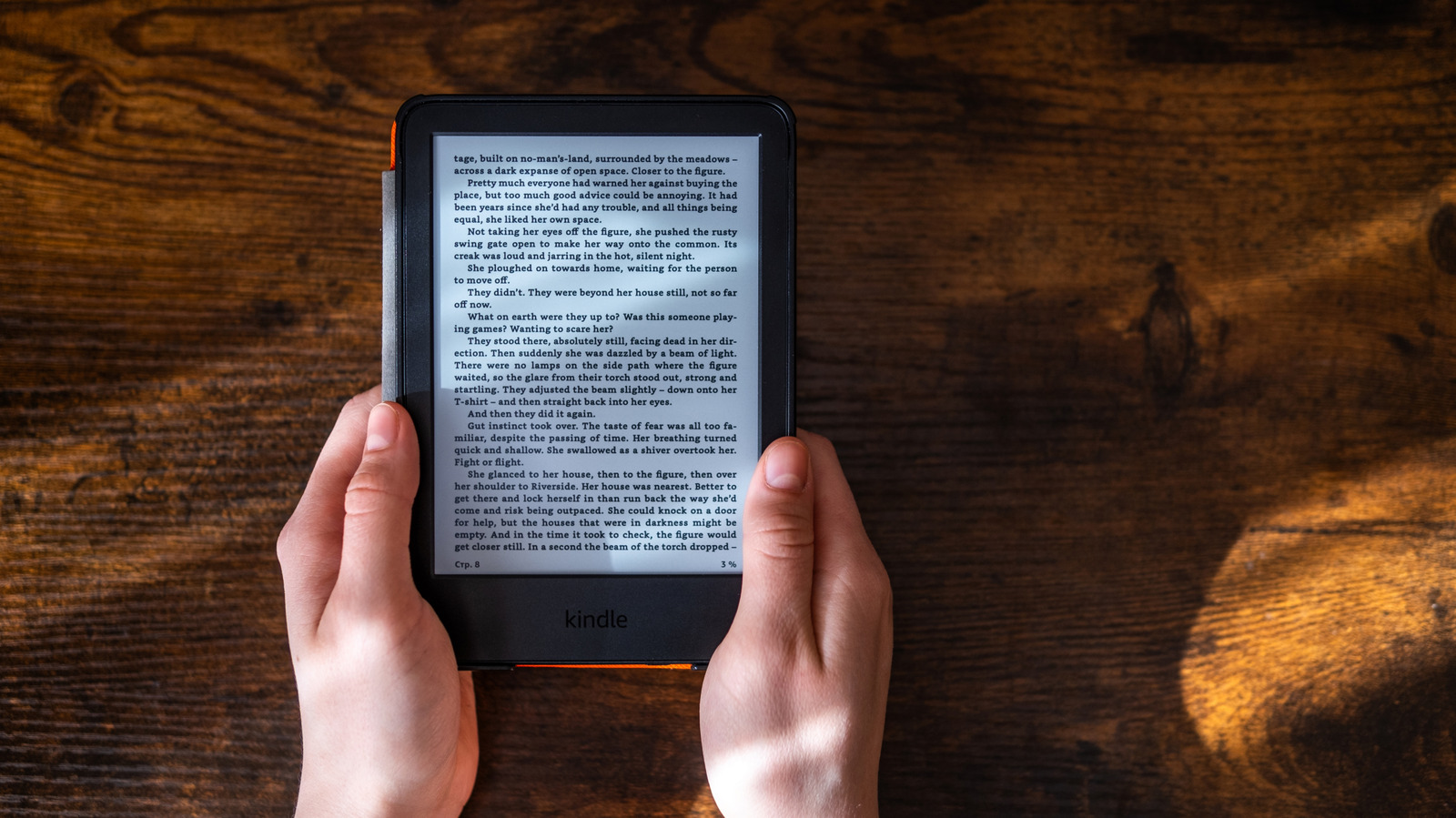
Two hands holding Kindle with case on showing text on screen bigwa11/Shutterstock

There are plenty of places to get free Kindle ebooks these days, from popular library borrowing services like Libby and Inkitt to Amazon’s very own First Reads program. It’s raining free ebooks out there if you know where to look, but there are also a few hidden gems available that aren’t mentioned as often, which is precisely why we’ve rounded them up. So rather than retreading the same old familiar sites and services to pad out your ebook library, here are five underrated options where you can snag as many free titles as your Kindle’s memory can fit, offering native formats that can be easily sent to your device through email or sideloaded with library management apps like Calibre.

Whether you’re looking to read through the classics, prefer cleaned-up scans that match the quality of your retail novels, enjoy random indie finds through community-driven promotions, wish to receive free ebook alerts conveniently sent to your email, or delight in diving through extensive libraries of archived books, these sites and services will help you load up on free reads for your Kindle. From nonprofit digital libraries like Project Gutenberg to community-driven preservation sites like Internet Archive, there’s a large community out there scanning, uploading, and even restoring texts and literature so it can be easily consumed in digital form by anyone who’s interested.

So, if you’re itching to pack your Kindle with some new free reads and are tired of the typical options bandied across the web, today’s roundup of five underrated places to get free ebooks for your Kindle is absolutely for you. With these five sites at your disposal, you’ll never have to buy an ebook again.

Project Gutenberg

If there’s one library out there that should be at the top of your free ebook list, it’s Project Gutenberg. Not only is it literally the oldest digital library in existence, founded in 1971, it’s also one of the largest libraries of free public-domain ebooks available today. Every ebook on the site is totally free, scanned by volunteers, providing decades upon decades of knowledge to anyone and everyone. There are 77,588 titles available, ranging from works of European greats like William Shakespeare to prominent American writers like Mark Twain.

Of course, many of Project Gutenberg’s listings offer formats like MOBI and EPUB3, both of which are compatible with Kindle e-readers. Best of all, three rounds of proofreading are performed on each scan before a book is uploaded, unlike services like Google Books that use an automated process. This way, you can read with confidence knowing that the titles found on Project Gutenberg are edited well, though there’s always room for improvement given the unpredictability of free-flowing, resizable text (see Standard Ebooks below).

All of this is totally legal, by the way, as the titles carried by Project Gutenberg are primarily books published before 1930, which means they are part of the public domain, free and clear of any copyright they may have once held. In other words, if you love reading ebooks, whether on a Kindle or any other e-reading device, Project Gutenberg is a great yet often underutilized resource for downloading classic ebooks across many genres, with no need for an app, account, or anything else. Just a quick download and sideload and you’re in business.

Standard Ebooks

If you’re a fan of what Project Gutenberg is doing with its volunteer system, you’re really going to love what Standard Ebooks brings to the table. Imagine if someone took the proofread public-domain ebooks from Project Gutenberg and lovingly updated those titles with new editions in order to offer a wider range of support for e-reading devices. That’s precisely what Standard Ebooks is up to — it’s a volunteer-driven project that creates high-quality versions of popular public-domain books and hands them out for free on its website. At this point, over 1,000 titles have been polished to a sheen. So if you’re a fanatic about your Kindle and you want your ebooks looking as good as possible, Standard Ebooks may appeal to your sensibilities a bit more than digging through Project Gutenberg’s library, albeit with a smaller selection.

Seriously, if you require modern formatting options that support a wider range of punctuation so that your free ebooks match your commercial titles in both style and quality, you should check out Standard Ebooks to grab some classics like “The Count of Monte Cristo” or “The Three Musketeers,” both available in the AZW3 format (along with every other title). What’s especially nice is that each ebook offers a full changelog on GitHub, so you can see precisely what was updated, such as typos fixed and updated HTML or CSS standards. This way, you don’t have to guess what was changed, while also getting an idea of which titles have seen the most significant improvements. Reading through these changelogs is an adventure in and of itself, allowing users to get up close and personal with Standard Ebooks’ improved editions.

Stuff Your Kindle

It’s challenging as an author to get noticed, which is why groups like Stuff Your Kindle exist. It’s a project that runs consecutive events with a range of free ebooks across many different genres, from mystery to young adult, romance, and fantasy. Its projects are organized by indie authors, submitted to Stuff Your Kindle and then listed on the site’s Book Blast for easy perusal. Better yet, these free ebooks are often available directly on Amazon, ensuring any Kindle owner can access the many titles promoted by Stuff Your Kindle, including those who use Kindle’s Android and PC apps. At the end of the day, Stuff Your Kindle offers a stream of free ebooks from a range of authors, making it a prime yet often underrated source for building out your personal ebook library.

It’s also worth pointing out that Stuff Your Kindle is a great way to discover new authors by stepping outside of your comfort zone. Periodic campaigns make it incredibly easy to jump headfirst into an unexplored world, like discovering the specifics of what makes a mystery cozy. While these events tend to run quarterly, many smaller events happen regularly, which is why it’s a good idea to check the site frequently to see what’s new. Since it’s not always clear when the next Stuff Your Kindle campaign will pop up, there’s fun to be had in the surprise of what’s next — or you can check public campaign calendars to ensure you don’t miss the bigger events from specific publishers.

BookBub

As a participant in Stuff Your Kindle events, BookBub actually excels as a service that notifies its users of ebook deals, along with alerts for free titles. Basically, BookBub’s a hub that tracks ebook sales, and you can sign up for the service to receive alerts that can be fine-tuned to specific publishers, authors, and genres. So rather than crawling the web yourself, spending a bunch of time looking for ebook deals, you can let BookBub do the hard work for you while you kick back and relax with that much more free time to read on your Kindle. And yes, BookBub’s primary service is free for both users and authors. This way, it helps independent writers promote their work to a large audience, with that audience benefiting from deals and giveaways.

Don’t be fooled, however, as you can use BookBub to track established authors just as you can independents, and this is where the service truly shines: in its flexibility. So not only can you use BookBub to help save money, but since the service is operated in cooperation with writers and publishers, you know full well that the free ebooks you snag will be high-quality. This all adds up to a resource that’s incredibly helpful for any avid reader looking to grow their ebook collection — and the service is growing fast, with over 20 million users, quickly shedding its underrated status as it becomes a go-to hub for ebook deal alerts.

Internet Archive

Internet Archive recently found itself in hot water for serving up copyrighted ebooks, and the publishers were none too happy. In fact, they sued, resulting in a ruling that Internet Archive had to remove 500,000 digitized titles. Now that they are gone, what remains is still a large library of over 50 million digitized texts and books, far exceeding the offerings of giants like Project Gutenberg. So even though Internet Archive probably isn’t the first website that comes to mind when hunting down free ebooks, it’s a very underrated resource that offers a mind-bogglingly large collection, including texts you’re simply not going to find anywhere else. And yes, Internet Archive often offers MOBI and AZW3 versions for many of its listings. It’s simply too good of a Kindle resource to pass up, especially if you have the patience to dig for hidden gems.

After the recent court injunction, copyrighted works have been restricted as Internet Archive spins down its program for scanning physical books and lending them out via an internal library program. Instead, the site is building partnerships with publishers so it can lend ebooks through legal channels sometime in the future. But until that happens, all of the site’s public domain content remains, and there’s a lot of it — so much so that Internet Archive is easily one of the more underrated places to snag new reading material for your Kindle.

Think of Internet Archive like an all-encompassing version of Project Gutenberg on steroids, offering one of the largest nonprofit digital libraries in existence today, with millions of digitized books, including rare historical texts and ones that are out of print. It’s a boon for academics and historians alike, and it’s all available for free.

Source

Posted on

Why There’s Simply No Need For Universal Remotes Anymore

A remote pointed at a television Goodlifestudio/Getty Images

It doesn’t take much to level up your home theater system for movie nights, binge-watching sessions, and gaming. All you need is a smart TV, soundbar, game console, and streaming service for the ultimate experience, but one thing that you don’t need these days is a universal remote. Long before smart devices and Bluetooth connectivity were around, universal remotes were required to control your complete entertainment system, but now you can control these devices with a standard smart TV remote and even your smartphone. For these reasons, the universal remote is as forgettable today as “Click,” Adam Sandler’s 2006 flick about a magical universal remote that controls time.

Unlike other forms of outdated home entertainment tech, you can still buy a universal remote online or in stores, which means that people are still using them. Pairing your TVs remote with other devices should be one of the first things you do with first things you do with your new smart TV right out of the box, and if you have newer devices like this, you probably have no use for an extra remote control.

Alternatives to a universal remote

A woman sitting on a couch and holding a remote Peopleimages/Getty Images

One alternative to using a universal remote is to use the smart TV remote that is included with your TV. It has the capability to control multiple devices connected to the TV such as the soundbar. Depending on the TV and accessory, the remote may even be able to control your entire home theater system. Not all smart TV remotes are compatible with other devices, though, so you’ll want to keep that in mind when shopping for new devices.

Mobile apps can also be used to control your TV and devices. Apps including Google Home and the SmartThings app pair with televisions and act as remotes in place of your main remote. This method allows your phone’s touchscreen to act as the remote to control various devices, and if you want to take another step in connectivity, you can even use voice commands through things like Alexa to control your TV. Again, you’ll want to make sure the social apps and voice command apps are compatible with your devices. The universal remote might not be completely useless when controlling a home entertainment system, but if you have newer smart devices and/or you’re trying to take full advantage of your smart home, there are much better options on the table.

Source

Posted on

10 Clever Ways To Use Door Sensors Around The House

Smartphone showing settings of a contact sensor on window alexei_tm/Shutterstock

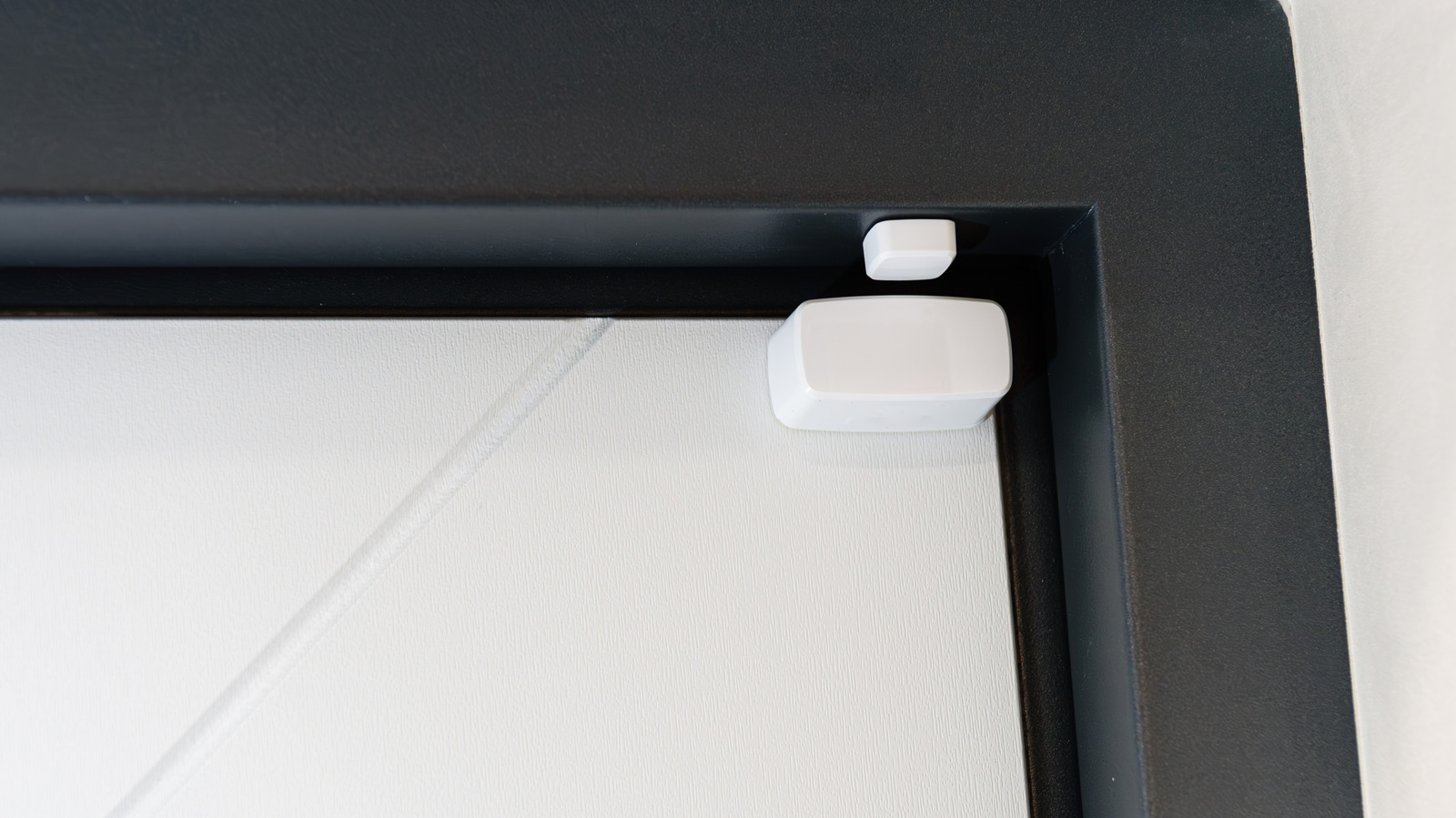
Door sensors are some of the simplest smart home devices you can get. Instead of anything fancy like measuring the heat or motion, all they do is detect when their two halves are separated. Yet, that simple function can be the basis for many interesting applications. From smart lights to smart heating, all sorts of home-automation devices rely on sensors to trigger their behavior. A door sensor is the simplest mechanism to drive these devices.

A common misconception is to confuse them with motion sensors. A motion sensor uses IR beams to detect movement. This makes it great at detecting passage over a general area, but it also makes it less precise and somewhat more expensive. A door sensor, on the other hand, just uses magnets. It can be used to detect the opening and closing of any hinged mechanism, be it a door, window, or something similar.

It doesn’t have to be a hinge. Any component that twists or turns in its operation — say, a knob or a handle — can be outfitted with a door sensor. This makes it one of the cheapest ways to turn your house into a smart home. The information it provides may be simple, but once paired with a smart hub and a Wi-Fi network, it can be factored into many complex behaviors. Here are some clever applications that use door sensors in unusual ways.

Light up closets

An illuminated walk-in closet Suchada Tansirimas/Getty Images

Walk-in closets are convenient for storing and displaying your clothes, without taking up space in your bedroom. But this additional area that’s not quite a room is a tricky situation for lighting. It doesn’t need to be lit throughout the evening as it’s not a hallway or a room anyone lives in. Yet you still do need a light, if only for the few minutes you spend picking out your clothes.

You can, of course, just install a normal light and be done with it, using a switch to manually turn it on and off every time you visit the closet. A better solution is to install a smart light that automatically activates when needed, without a switch. As to the trigger condition, it can be paired with a door sensor. Using a door sensor for room or hallway lights is generally pointless, as you don’t want the lighting there tied to the closing of the door, but rather to your actual presence. For a closet, though, it is ideal, since it is only opened when needed.

You can extend this setup to other such large storage spaces as well. Pantry, attic, basement, storage sheds — any small room or closet that you use for storage but don’t visit frequently just needs conditional lighting. This saves power because you don’t have to worry about forgetting to switch off the light when leaving, and it conveniently switches it on when you walk in.

Control the HVAC system

a smart thermostat on a wall Vitapix/Getty Images

One of the most common and useful smart home devices is a smart thermostat. A device like this monitors the temperature of the house, switching the heating or air conditioning on and off to keep it at a fixed preset level. Many think that’s enough, but there are many ways to get the most out of your smart thermostat. Ensuring there are no open windows, for example. A gap like that will keep heat leaking out, making the thermostat heat up constantly without addressing the core issue and wasting power.

If you have separate heating for each room, open doors can be a factor, too. You don’t want your bedroom system to keep running pointlessly, heating the hallway as well, because the door is ajar. The solution? Integrate a network of door sensors into your smart heating plan. Instead of relying solely on the thermostat to adjust based on the measured temperature, you can factor in the state of the surrounding doors and windows as well.

When a room being heated has any open windows, you can get an alert, reminding you to close them for improved efficiency and reduced wastage. You can even have the heating shut off if any doors or windows are opened, saving power and reducing bills. And not just heating, if you have active ventilation systems, these can be tied to this data as well, kicking in when the natural ventilation options are closed.

Monitor the fridge

A double-door refrigerator in a kitchen Onurdongel/Getty Images

If you go looking for doors in your house, wooden doors to rooms aren’t the only candidates. The refrigerator has a door too, so it can be outfitted with a door sensor. For what purpose, though? Surprisingly, there are multiple reasons to do this.

The first is simply an indicator. A sensor on the refrigerator door can alert you if it is left open for too long, preventing the common mistake of accidentally leaving the door ajar. With this setup, you no longer have to worry about waking up to see all the ice cream melted because someone forgot to shut it properly. But that’s not all. A door sensor on the fridge can also serve as an alert system. You can set up your smartphone to keep track of when it is opened, alerting you to any late-night snacking. This is a foolproof way to curb oversnacking and meet fitness goals.

This approach also works for keeping an eye on access to things more important than snacks. A gun safe, for example, may have a sensor like this to keep accurate records of when it is opened. Even a medicine cabinet can use monitoring like this to ensure that sensitive meds are not taken without your knowledge. For parents, simple tools like this can help raise awareness and serve as a safety net of sorts.

Keep an eye on the mailbox

A person opening an apartment mailbox M-Production/Shutterstock

A mailbox is nice for receiving mail and packages without having to deal with doorbells, but it also means you never actually know when a package is dropped off. You may have a set routine to check it once a day or something, but that feels like an unnecessary chore. Mail is not received as frequently these days, and when you are specifically waiting for something, you would rather receive it immediately than the next day.

One easy fix is to install a door sensor. That way, you will get a notification every time the mailbox is opened, so you know exactly when you have received new mail. This also helps prevent your packages from getting stolen, as you can remove them quickly after getting an alert.

This method can be used on the trash bin too, since it has a lid that can accommodate a door sensor. This alerts you when the trash bin is emptied every morning, letting you know when you can go out to pick it up. It may also alert you to the fact that some critters are feasting in your back alley. The only potential pitfall of installing door sensors on outdoor objects like this is that they can get damaged or vandalized. For this reason, it is recommended to install a sensor like this inside the mailbox or trash bin, where it will remain hidden and receive some protection.

Detect if oven knobs are on

closeup of oven knobs Milena Sta/Shutterstock

Leaving your oven running without anything in it is a common mistake. After all, there is often no clear indicator from the outside apart from a slightly turned knob, so it is easy to accidentally leave it on and walk away. This is a possibility with gas stoves as well, where the consequence can be even more severe, possibly causing a fire or gas leak. And there is no easy way to fix this — ovens and stoves aren’t always designed to be smart, with an easy WiFi link to your phone to check their status.

If your oven isn’t smart, you can educate it. Your instinct might be to use temperature sensors to detect when it is heating up, but that approach can be inconsistent and difficult to implement. An easier method is to detect the knob’s position instead. At the off position, the oven knob is straight, so placing a door sensor in this position can track it when the knob is turned.

You can build on this to get the oven’s status in many different ways. For example, you can set up an alert that goes off if the knob stays on for too long, reminding you before it becomes a disaster. You can also pair the sensor output with a smart light or an LED strip to glow whenever the knob is on, providing a clear visual indicator of the oven’s status.

Know when the washing machine is done

a washing machine loaded with clothes, door open New Africa/Shutterstock

Washing machines make laundry easy, but it’s easy to forget to take your clothes out when they’re done. After all, it’s not like you hang around in the laundry room all day. Now you can use many manual tricks like setting alarms or reminders, but nothing works more smoothly than an automated smart sensor. The washing machine has a door too, so simply installing a door sensor lets you know when it is opened. Once it closes again, you can have the system alert you after a set time, signaling the end of the wash cycle.

This is all unnecessary if you buy a smart washing machine that’s connected to your home WiFi. But unless you were already looking to upgrade or want the rest of the extra features this comes with, it is a waste of money just to get notified when the washing is complete. Smart washing machines are sometimes regarded as one of those smart home upgrades that are a waste of money.

A cheap door sensor on the lid can detect its status and pair wirelessly with your smart home hub. This means you can check it on your phone, set an automated alarm, or even have a smart light flash as an indicator. Just make sure to install the sensor on the outside of the door to protect it from water damage.

Track door locks

close up of a door handle with visible locks Alexphotostock/Getty Images

The intended purpose of door sensors is to track door openings and closings, but sometimes that’s not enough. This is because a door sensor used this way can only tell you whether the door is ajar, but how can you tell whether the door is locked? It might not be important for internal doors, but for any doors leading outside, you want that extra layer of security. A smart way to track this saves you from manually checking the door locks every night.

The usual way to do this is to just get smart locks. But smart locks might not be right for you, and they are not easy to install on many doors. If you want to keep your existing door locks but make them smart, door sensors can actually be used for this, too. The two-part sensor can be placed on the lock itself and on the latch that fits into it, detecting when the lock is in place.

You can set it up to alert you if the doors remain unlocked past a certain time, or to alert you every time someone unlocks them. A smart lock still has some advantages over using a door sensor on the lock, though. This method cannot actually lock or unlock the door remotely; it only detects it. On the other hand, you can consider it an advantage if you dislike the idea of a lock that can be opened with digital signals.

Build a rain gauge

A rain gauge placed on the ground Jeevan Gb/Getty Images

One of the more creative uses of a door sensor is to make a DIY rain gauge. This can both detect rain and even measure its intensity and duration. You can always buy a proper rain meter too for this, but it isn’t the cheapest device, and it can be more fun to put together your own project.

As to why you may even need a rain gauge, there are many uses. If you use an automated irrigation system, a rain gauge can be used to shut it off when it’s raining, preventing overwatering. You can also use these readings to determine when to close the windows, with an alert triggering during heavy rains. If you have door sensors installed in the windows as well, you can pair sensor data to trigger an alarm only when any window is open.

How exactly to achieve a rain gauge with a door sensor, though? It is a simple idea. A rain meter uses a plastic tipper that turns when it fills with rainwater, draining the water while also creating an indication that can be measured with a door sensor. By attaching a sensor to its default position, you will know whenever it tips over, giving you an instant alert for rain. And the duration it remains tipped will determine the intensity. Calibrate the exact levels, and you have a smart rain meter in your hands.

Activate movie mode

family cheering before the tv in the living room with special dim lights Jertography/Getty Images

A full smart home setup can be very convenient. You can control so many aspects of your house with smart commands, from the lights in your room to the window blinds. Manually controlling them is still a bit of a chore, especially if you have invested in specialized smart lights for your home theater. What if you could have a smart trigger for a movie mode as well, taking care of these details when you put your feet up?

With a door sensor installed on your recliner, you can do just that. On the footrest of the recliner, to be more specific. The design of the footrest means it remains folded beneath the recliner when not in use and extends when you need it. This means a door sensor attached exactly where the footrest and the recliner meet can detect when it is deployed and trigger any smart action you want.

In a full smart setup, you can have an automation scene that triggers based on this sensor, combining multiple actions without a single click from you. Dimming lights, drawing up blinds, switching on the TV — everything can happen right when you relax on the recliner. It doesn’t have to be linked to the recliner either. You can add a door sensor to your gaming controller to detect when you pull it out of the charging station, triggering all your gaming accessories. 

Sense chair occupancy

Office chair in a room Tolgart/Getty Images

A door sensor can detect many things indirectly, but can it detect if a person is sitting in a chair? Not by itself. But if you are willing to tinker a bit, you can combine a car seat sensor to do so. This is because a car seat sensor can detect pressure, determining whether a person is seated. Normally, it only uses this data to trigger car functions, but by combining it with a door sensor, you can turn it into a smart signal.

You will need a little bit of soldering to achieve this, but if you can get past that hurdle, you will have a very cheap way to detect seat occupancy. Simply place this combined sensor below your office chair’s cushions, and it is ready to work. As to its use, there are many creative applications. There are many smart gadgets that can transform your home office, but there is no uniform way to control them.

Motion sensors are inconsistent since you are not moving around once seated. A chair occupancy sensor is much more effective at detecting your presence and giving a consistent signal while you are there. This logic can be used by things like thermostats and lights as a trigger condition. And this is not limited to the chair occupancy either. You can also use the same sensor to detect bed occupancy, ensuring your smart devices know when you are sleeping and act accordingly.

Source

Posted on

5 Most Exciting Apple TV Shows Coming In Summer 2026

Days are getting hotter, nights are getting shorter, and viewers are starting to look for their next great summer binge. Few streaming networks are as reliably excellent as Apple TV+. Whether you’re looking for a wholesome comedy, a sci-fi thriller, or a dystopian work drama, Apple takes well-worn genres and gives them unexpected flare. Original shows like “Margo’s Got Money Troubles,” “Widow’s Bay,” “Your Friends & Neighbors,” “For All Mankind, “and “Imperfect Women” are dominating the Apple TV Top 10. But what’s in the pipeline for the tech conglomerate’s summer lineup?

Fans of Apple’s current roster of shows are in luck, as several favorites are returning to screens. For instance, “Sugar,” Colin Farrell’s seductively sinister private detective drama, makes its triumphant reprisal. Everyone’s favorite British Premier League soccer coach, “Ted Lasso,” also returns to Richmond for its fourth season, this time taking his talents to the women’s pitch. Several exciting original films are also in the pipeline. One comedy, “The Dink,” seems perfectly crafted for our fraught cultural times, investigating what Ben Stiller has jokingly dubbed the single most divisive issue dividing the American polity today: pickleball. Another buzz-worthy original film is “Mayday,” a genre-defying buddy comedy Cold War spy-thriller starring Ryan Reynolds and Kenneth Branagh.

But nothing is more exciting than Apple’s slate of original television series set to debut this summer. Featuring high-octane crime stories, a sci-fi alternative history, and a provocative drama previously barred from the airwaves, Apple’s lineup of summer blockbuster television has something for everyone. The most difficult question is deciding which to watch first.

Maximum Pleasure Guaranteed: May 20, 2026

Few dark comedies hit the cultural intrigue-nexus as squarely as Apple’s upcoming “Maximum Pleasure Guaranteed.” Starring Emmy-award winner Tatiana Maslany (Orphan Black) and Jake Johnson (New Girl), this half-hour comedy-thriller reveals the dark side of dating as a single parent.

The show follows recently divorced mom Paula (Maslany), who, while assuaging her late-onset-loneliness with a sexy video call service, witnesses what she believes to be a brutal murder. As she investigates, Paula descends “down a down a dangerous rabbit hole of blackmail, murder and youth soccer.” What parent couldn’t relate?  If that weren’t enough stress, Paula and her ex-husband Karl (Johnson) are in the midst of a contentious custody battle for her daughter (Nola Wallace). Whether Paula can head off the conspiracy, and her own demons, without unraveling herself and her family in the process is sure to be its own “mother of a mystery.” 

“Maximum Pleasure Guaranteed’s” 10-episode season is in the deft hands of showrunner David J. Rosen, a veteran television writer who’s worked on various popular shows, including Apple TV’s “Sugar” and “Invasion.” Its director, David Gordon Green, is an experienced hand, having directed hit films like “Pineapple Express” and the reprised “Halloween” trilogy. Also appearing on the show are Brandon Flynn (13 Reasons Why), Murray Bartlett (White Lotus), Dolly De Leon (Triangle of Sadness), and Jessy Hodges (Indebted). The show’s first two episodes will debut on May 20, 2026, on Apple TV+.

Star City: May 29, 2026

As sci-fi fans will attest, no one releases better original genre content than Apple. Between “Severance,” “Silo,” “Foundation,” and “Pluribus,” it seems the streamer has a stranglehold on sci-fi fandom. One of its greatest is “For All Mankind,” an alternative history in which the USSR beats the U.S. to the moon. Fans of the show, recently returned for its fifth season, will be delighted to know that their journey into Apple’s most compelling alternate reality is set to continue, this time from the Soviet perspective. According to Apple, “Star City” is a “paranoid thriller” that takes viewers behind the Iron curtain as the Soviet Union races to win the Cold War. Premiering at the Cannes International Series Festival, the spinoff is one of the most anticipated shows of the summer. Equal parts space-race drama and spy thriller, the show is a propulsive retelling of one of the most compelling alternate history stories since Phillip K. Dick’s “Man In The High Castle.” 

One look at the trailer, and its hard not to believe that “Star City” will live up to its forebearer’s sky high expectations. As it reminds us, “In the race for glory, every secret has gravity.” “Star City” sports a tantalizing ensemble of Rhys Ifans, Anna Maxwell Martin, Agnes O’Casey, and Alice Englert. “For All Mankind’s” creators Ronald D. Moore, Ben Nedivi, and Matt Wolpert will be making their triumphant return to direct the Soviets’ space effort. 

So, what would’ve happened if the Soviets beat Neil Armstrong to the moon? For one thing, we might be saying, “I take this step for my country, for my people, and for the Marxist-Leninist way of life.” To learn the rest, you’ll have to tune in on May 29. 

Cape Fear: June 5, 2026

No show on this list is more thrilling than “Cape Fear.” The third adaptation of John D Macdonald’s hit crime novel “The Executioners,” this gripping revenge tale follows Anna (Amy Adams) and Tom (Patrick Wilson) Bowden, two blissfully married attorneys who’ve used their high profile jobs to build the All-American home. But when notorious murderer Max Cady (Javier Bardem) is released from prison, their idyllic lives are thrown into chaos, as he wreaks havoc on the very people that caused his imprisonment. Ultimately, the Bowdens are forced to ask, how do you rid yourselves of ultimate evil? Particularly, if you deserve its rancor.

Any take on “Cape Fear” is bound to come with blood-curdling expectations. Both J. Lee Thompson’s 1962 adaptation and Martin Scorsese’s 1991 remake are chilling psychological horror shows that remain indelible touchstones of the thriller genre. Luckily, Scorsese and Steven Spielberg return as executive producers, assuaging some concerns. Still, any rendition of “Cape Fear” hinges on its hair-raising antagonist.

Previously played by Robert Mitchum and Robert De Niro, Cady is one of the most iconic characters in cinema. The show’s casting of Bardem is an inspired choice, as the Spanish actor is no stranger to playing infamous criminals, including his Oscarwinning performance as Anton Chigurh in “No Country For Old Men.” While Mitchum’s Cady is a gurgling tar pit and De Niro’s is all swagger and bombast, Bardem’s Cady promises a more seething, slow-acting venom, like a snake rattling through the tall grass. Judging by its trailers, Apple’s “Cape Fear” will be a psychological thriller of the highest order. 

Lucky: June 15, 2026

Apple’s new heist thriller “Lucky” is as obvious a hit as it gets. Featuring Anya Taylor-Joy, Annette Benning, Timothy Olyphant, Aunjanue Ellis-Taylor, and Drew Starkey, the series is undoubtedly the most star-studded show debuting this summer. Adapted from the eponymous best-selling crime novel by Marissa Stapley, “Lucky” follows con-artist Lucky Armstrong (Taylor-Joy) in the aftermath of a multi-million-dollar heist gone awry. On the run from both the FBI and an infamous crime boss, the titular Lucky is in a fight for her life. Raised in a life of crime she’d rather forget, she’s forced to embrace the very past she hopes to escape. As the series’ trailer asks, “How could someone so small cause so much trouble?”

In adapting Stapley’s novel, a Reese’s Book Club pick, Apple is embarking on its fifth collaboration with Witherspoon’s Hello Sunshine production studio. Previous collaborations include “The Morning Show,” “Truth Be Told,” “Surface,” and “The Last Thing He Told Me.” Writer and showrunner Jonathan Tropper is best known within television circles as the co-creator of critically-acclaimed thrillers “Banshee” and “Warrior,” both of which debuted on Cinemax.

His most recent hit is Apple TV+’s widely successful “Your Friends & Neighbors,” featuring perhaps John Hamm’s best role since “Mad Men.” If that wasn’t enough to convince you that Taylor-Joy’s triumphant return to the small screen is in impeccable hands, Tropper is also an accomplished novelist in his own right, with hits like “This Is Where I Leave You” and “One Last Thing Before I Go.” This time around, Tropper commands a screaming lightning bolt of a show. Lucky him. 

The Savant: July . . . probably

“The Savant” makes it onto this list despite not having a confirmed release date. Starring Jessica Chastain, it’s a thrilling investigation of domestic terrorism, plumbing the depths of the darkest rabbit holes plaguing American politics. The series follows Jodi, an undercover investigator known as “The Savant,” as she dives into the depths of online extremism, infiltrating internet hate groups in an attempt to prevent mass destruction. But when a new conspiracy threatens to pull Jodi down along with it, the savant’s entire world begins to spiral out of control. Juggling the duties of a loving mother, doting wife, and undercover snoop is a difficult task, especially when your work begins to bleed into your personal life, and Jodi’s is certainly work you don’t want to bring home.

“The Savant” is on this list as much for the intrigue surrounding it as those it portrays. The eight-episode thriller is based on Andrea Stanley’s 2019 Cosmopolitan article titled “Is It Possible To Stop A Mass Shooting Before It Happens?,” which detailed the life of a woman tasked with infiltrating extremist groups online. Originally slated for September 2025, Apple abruptly pulled the show from its schedule three days before release.

At the time, a flurry of political violence, culminating in the assassination of commentator Charlie Kirk, likely made the show too charged for Apple’s appetite. In the months since, “The Savant” cast wondered if the public would ever watch their excoriation of American extremism when the violence it investigates has become a staple of the American news cycle. However, it appears Apple is finally readying “The Savant” for its debut. According to Variety’s Mark Malkin, Apple is aiming for a July 2026 release date. 

Source

Posted on

What Does ‘Neo’ Mean On Samsung TVs?

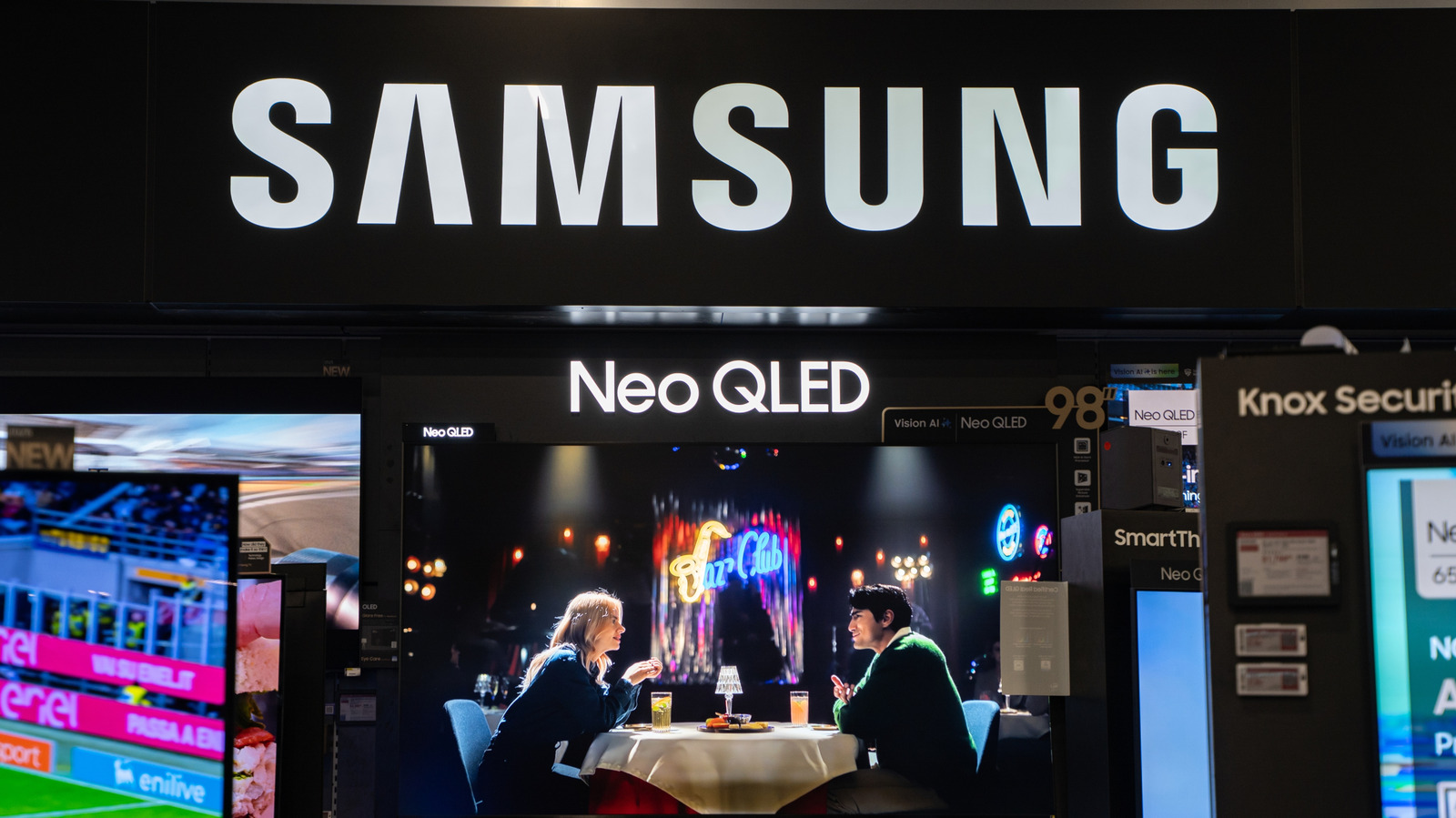
A Samsung Neo QLED display at what looks like a tech expo. Erman Gunes/Shutterstock

Buying a new TV can be an endless exercise of decoding acronyms. Brands like Samsung are constantly introducing new picture features, and many of these lighting and panel technologies have long, complex names. If you’ve been shopping for a new TV, you may have seen or heard the word “Neo” used to describe a Samsung TV. With this context in mind, Neo is simply the term Samsung uses to describe Mini LED backlighting, which improves brightness and color accuracy. 

Mini LED has been around for several years, and the lighting tech isn’t exclusive to Samsung; brands like Sony, Hisense, and TCL use Mini LED, too. But when you buy a “Neo” Samsung TV, you’re also investing in the company’s Neo QLED technology (great, more acronyms). 

“QLED” is actually a universal acronym shared by many TV makers, and it stands for Quantum Dot Light-Emitting Diode. These quantum dots are tiny particles used to enhance an LED-LCD TV’s brightness and colors. In 2021, Samsung started using Mini LED illumination on its QLED TVs — along with advanced local dimming — to deliver contrast levels and lighting details unheard of at the time. Samsung would spend the next five years perfecting its Neo QLED technology, which is now available in 4K and 8K displays. 

Is a Samsung Neo QLED right for you and your home theater?

Samsung Neo QLED TVs on display at a retail outlet. TY Lim/Shutterstock

We wouldn’t blame you for wanting to give up on TV shopping altogether; there’s a dizzying amount of sets on the market, and no QLED or OLED is created equal. That said, Samsung’s Neo QLED moniker represents one of the top LED-LCD lineups you’ll find in stores and online. These are excellent TVs for brightly lit rooms, as the powerful LED lighting is able to overcome glare from most ambient light sources.

Thanks to Mini LEDs and local dimming, Samsung’s Neo QLED TVs also do a great job at reducing haloingwhich is when lighting from one area of the panel accidentally spills into a zone it shouldn’t. This is a common issue that most LED TVs will struggle with in one form or another, and is often most evident around closed captioning and subtitles, especially during darker scenes.

Samsung’s Neo QLED TVs also use the company’s most advanced processor for picture refinements and upscaling, so your dust-caked DVD collection with low picture quality has a chance at a new life with improved resolution. Neo QLEDs are fantastic TVs for gaming, too, especially if you plan on hooking up a PS5, Xbox Series X|S, or a graphics-hungry PC. HDMI 2.1 is supported across all Neo QLED inputs, which means that console and computer gameplay are able to take advantage of HDMI features like variable refresh rate (VRR) and Auto Low Latency Mode (ALLM).

Source

Posted on

5 Cool New Features Recently Added To Your Kindle Scribe

We may receive a commission on purchases made from links.

The Amazon Kindle is one of the most popular e-readers you can buy. Sure, Amazon isn’t offering the support it once did — the company is sunsetting support for devices such as the Kindle 4 and Kindle Fire HD 7 – but the Kindle name is still going strong, as demonstrated by the latest versions.

Two of Amazon’s newest Kindle models include the Kindle Scribe 3rd Gen and the Kindle Colorsoft. The former is basically a Kindle with a large screen that provides more room to read and fit text, but it also lets you write. Meanwhile, the latter, as its name suggests, brings color screens to the Kindle ecosystem — a must for anyone who uses the Kindle to read digital comics. But these are only a sample of the device’s capabilities. 

The latest versions have added features that weren’t available in prior incarnations, including software integrations and AI functionality. And yes, these are actually useful. Instead of manually summarizing your notes, you can ask AI to do it for you. Moreover, you can now store your notes on a multitude of cloud platforms, including Google Drive and OneDrive. The latest Scribe and Colorsoft also support Dark Mode, which is a lifesaver when reading in the dark. Read on to discover the new features that Amazon has introduced in these latest Kindle products.

Send to Alexa+

Alexa is Amazon’s proprietary virtual assistant, and Amazon recently upgraded it to Alexa+, adding new features and AI tools. In February, Amazon introduced “Send to Alexa+” functionality to the latest Kindle Scribe and Colorsoft. The feature’s name says it all: You can send any notes you write on your Scribe and Colorsoft — as well as any documents — to Alexa+, which makes them available on other devices that are part of your Alexa network. Let’s assume you want to write down a vacation schedule and transcribe it into a Kindle Scribe. Alexa+ can add these plans to your calendar, create reminders, and even offer suggestions.

You can also view your shared documents on a device in the Amazon Fire TV family directly or ask Alexa+ for a summary or insight into them. However, you can only use this specific functionality if you have a Prime membership, which might be worth getting considering it brings a host of other perks.

Cloud integration

Storing your files is easier than ever thanks to cloud technology. Services such as Google Drive back up files for you — sometimes even as you write them. This advancement makes backing up data less of a headache, and the latest Kindles now offer the same peace of mind.

The latest Kindle Scribe supports the ability to upload notes (and notebooks) onto Google Drive, Microsoft OneDrive, and Microsoft OneNote. From there, you can access your Kindle’s notes on any device with access to these cloud services. Simply open the document you want to save, tap on the screen to open the toolbox, then select the share icon in the top-right corner. Then open the share menu, choose the drive you want to use, and select “Upload.” If you want to upload an entire notebook, you must first open the notebook, tap on the top of the screen to open the toolbox, and select the share icon. Tap “Share entire notebook.” Then select the cloud service you want to use, choose your preferred format, and finally tap on “Upload.” The format option is crucial because depending on the service, it will either save your handwriting as an image or convert it to text.

While this feature makes it easy to store and share your documents, it has some limitations. First off, Google Drive and Microsoft OneDrive will only accept PDF documents, whereas Microsoft OneNote only accepts PNG images or text files.

AI-powered tools

AI is a double-edged sword. Many companies seem to jump the gun and shove AI features into software that works just fine without it. And while AI slop filling your social media feed can be plain annoying, AI generally does a good job taking notes and organizing jumbled thoughts.

The latest Scribe models support two potentially useful AI tools. The first scours your library for specific information. Simply tap the top search bar, type in the keywords you want to search, and hit “Enter.” This feature is perfect for research or if you want to find a specific quote in your books. You can also use AI to narrow its search and only sift through your notebooks to find the data you need – perfect for people with disorganized notes.

The Scribe models also offer generative AI to provide summaries of your notes. Sure, you wrote them, but if they are jumbled stream-of-consciousness-type documents, you can ask an AI to help organize your thoughts. Simply open your notebook, tap the GenAI icon, select “Summarize,” pick whether you want to summarize the current page or the entire notebook, and tap “Start.” You can also use the AI model to refine your work. Instead of selecting “Summarize,” pick “Refine,” and follow the same instructions. Of course, Kindle’s AI model isn’t perfect. Your notes need to include at least 25 words, and the AI can only summarize up to 15 pages and refine up to 10 pages of handwritten notes.

Dark Mode

The Kindle Colorsoft is the Game Boy Advance if the original Kindle was the Game Boy. More processing power, a larger screen, and of course the all-important color display. But a common complaint was how the Colorsoft’s menus and homepages tended to flashbang readers who wanted some good nighttime reading. But then Amazon rolled out an update.

In April of this year, Amazon introduced a Dark Mode for the Kindle Scribe and the Kindle Scribe Colorsoft. This new lighting mode is easier on the eyes than standard modes, and while it normally applies to all of the Kindle’s menus and apps, you can customize the feature to only activate on certain screens. 

In order to use Dark Mode, you need to update your Kindle Colorsoft to the latest version. Once your device is running the newest OS, swipe down from the top of the screen to open the Quick Actions menu, then select “Dark Mode.”

Smart Shapes

Drawing takes a ton of practice, and even when you become an expert, drawing straight lines freehand can prove your undoing. That’s where tools come into play, and the latest Kindle Scribes have a built-in feature that helps artists of all stripes sketch the straightest lines and crispest corners every time.

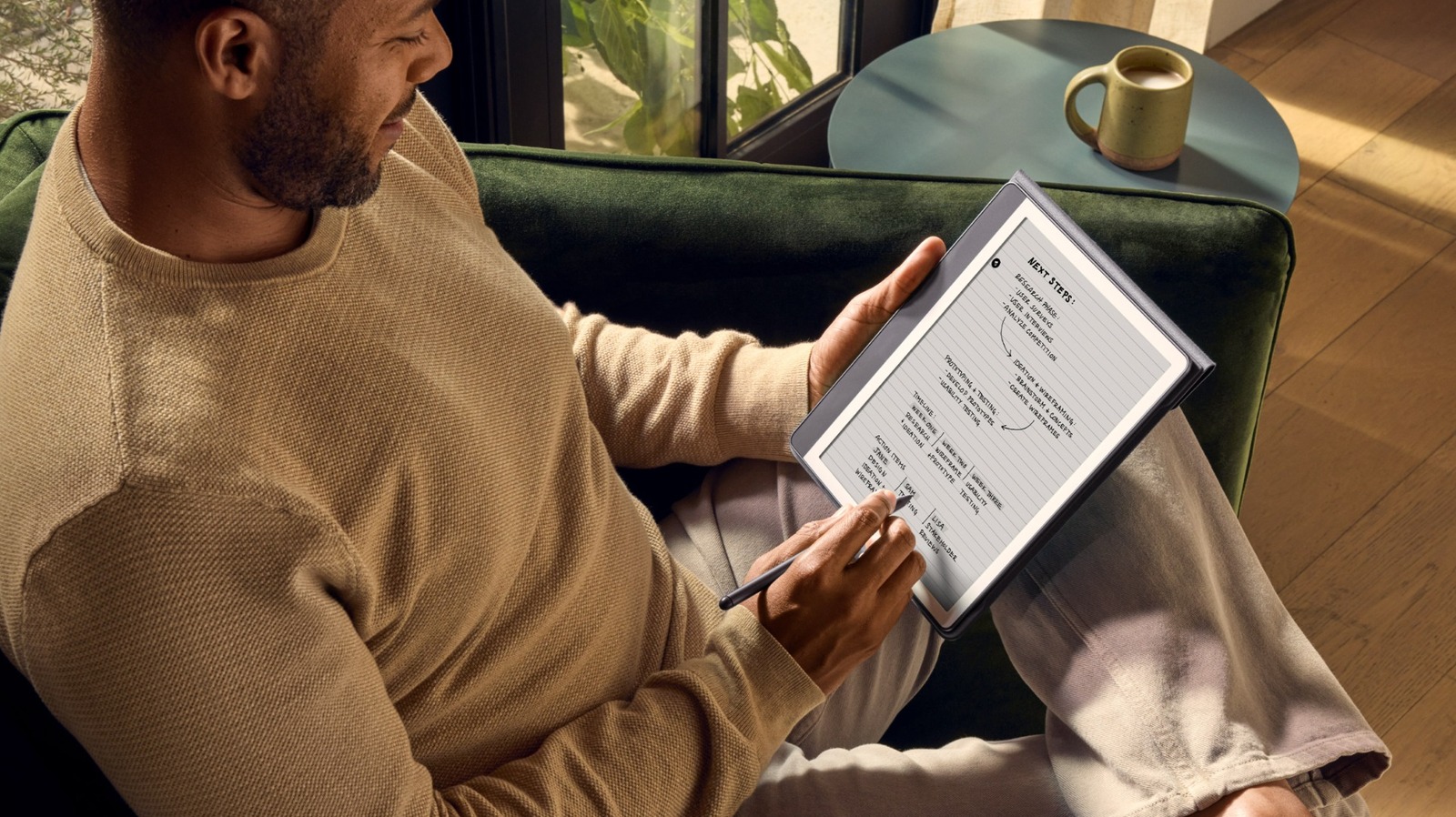
When Amazon rolled out the Dark Mode update, the patch also included the “Smart Shapes” feature for the Kindle Scribe and Kindle Scribe Colorsoft. As its name suggests, Smart Shapes translates sketches in your notes into simple shapes, including arrows, squares, lines, and triangles. Simply draw the shape in one go, and when you’re done, keep the stylus on the screen for a few seconds. The Kindle should transform your sketch into a clean shape. But it gets better. After Smart Shapes is done converting the sketch, you can drag various points on the shape to stretch, squash, and rotate it. Smart Shapes also provides several options to further customize the image, such as thickening the border line. Once you’re done, just tap outside the picture to finalize the figure.

Different shapes have different customization options in Smart Shapes. For instance, you can fill in a shape with color or transform a regular arrow going in one direction to a double-headed arrow. Also, since the feature relies on you to draw the shape first, it might take a few tries to make it recognize what you are trying to sketch. As with Dark Mode, you need to update your Kindle Scribe and Kindle Scribe Colorsoft to the latest version to use Smart Shapes.

Source

Posted on

Nintendo Switch 2 Price Hikes Are Finally Coming

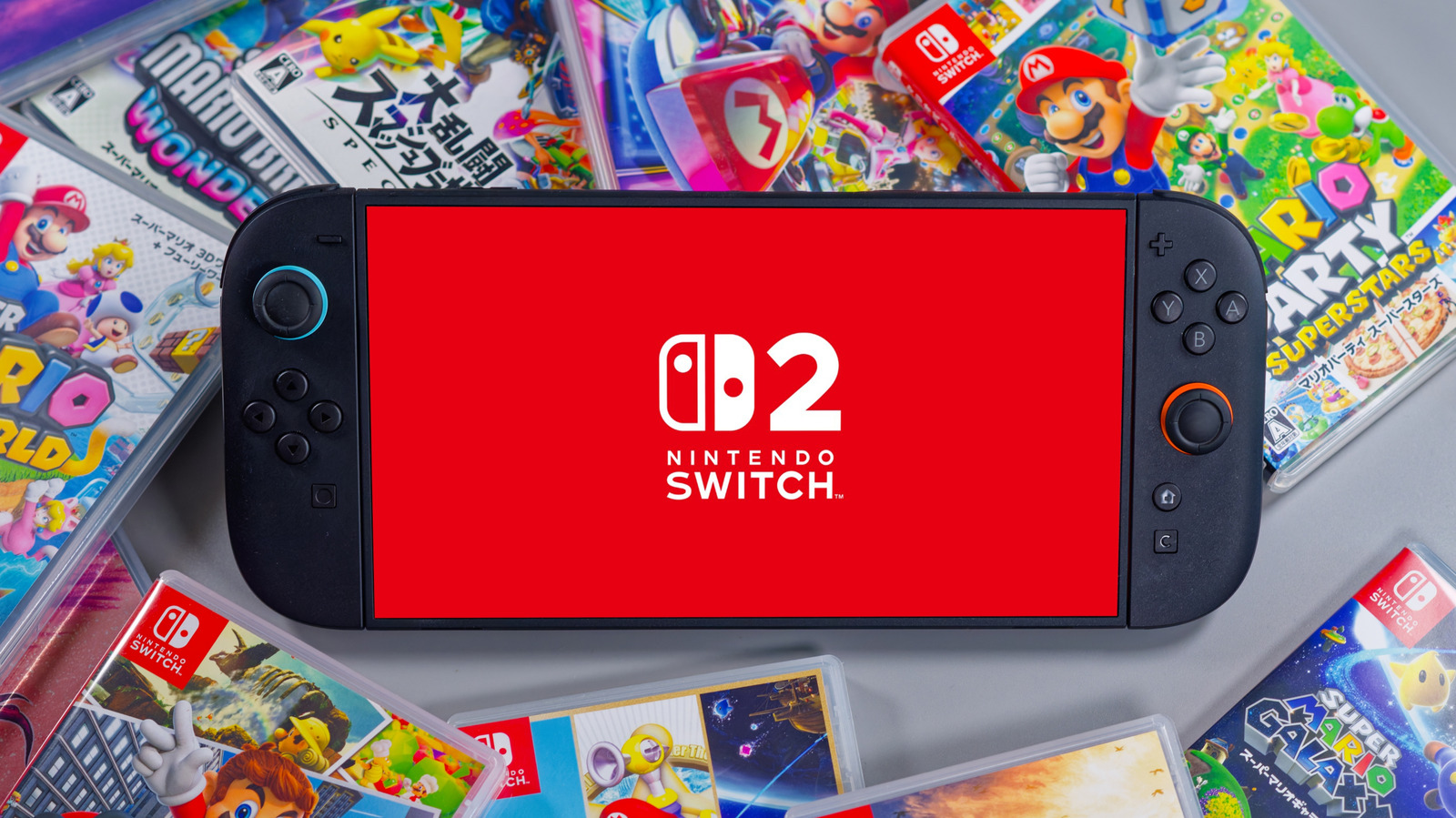
A Nintendo Switch 2 console surrounded by physical game cases Matthieu Tuffet/Shutterstock

The AI bubble has finally (or possibly) burst, but the fallout isn’t going away anytime soon. Because companies were snatching up RAM left, right, and center to power data centers, other industries that relied on the components felt the burn of chip shortages. As a result, countless gadgets jumped in price, and despite fighting the wave, Nintendo is adding the Switch family of devices to that list.

On May 8, Nintendo announced it will increase the prices of Switch 2 consoles across all markets, although some countries will be hit harder than others. For those living in the United States, Switch 2 prices will increase from $449.99 to $499.99 — the same price Nintendo previously sold bundles that included games such as “Mario Kart World” and “Pokémon Legends: Z-A.” Likewise, Switch 2 consoles in Canada will jump from C$629 (approx. $459.82) to C$679.99 ($496.31), while Europe will see a similar increase from €469.99 ($553.38) to €499.99. ($588.71).

Unfortunately, Japanese gamers have drawn the short straw. Not only will the Switch 2’s price increase in Nintendo’s home country, but so will all Switch models, including the Switch Lite and OLED. To add insult to injury, even though Nintendo Switch Online is a global service required to play online games (and an evolving library of retro titles), Japanese subscribers will have to pay more money each month. If you live anywhere else, your fees will stay the same — for now.

Nintendo used Price Hike Schedule Rollout, and it’s super painful

A person holding a Nintendo Switch 2 bundle box with Mario Kart World Wongsakorn 2468/Shutterstock

Different markets will be hit at vastly different times, versus a simultaneous worldwide rollout of price increases. If you live in the U.S., Canada, or Europe, you only have to worry about the Switch 2’s price increase starting September 1, which should provide a reasonable safety net to help you save up money. However, Nintendo is giving Japanese customers less time to prepare. The new Switch and Switch 2 console prices will go into effect as early as May 25, with Nintendo Switch Online fee increases following shortly after on July 1.

Previously, outlets such as Bloomberg reported that, while Nintendo held off increasing the prices of consoles, the company was internally being pressured to mark up its products due to the ongoing RAM shortage, among other issues. Now, Nintendo has finally relented, and while only the Switch 2 is affected in most countries, don’t be surprised if Switch OLEDs and Switch Online prices increase for these markets later down the line. On the bright side, at least Nintendo isn’t rolling back its decision to price digital games cheaper than physical copies, so your wallet won’t be too upset if you buy games through the eShop. Until you need to purchase a memory card to store them, that is.

Source

Posted on

Apple’s Rumored AI AirPods Upgrade Is Already Raising Major Privacy

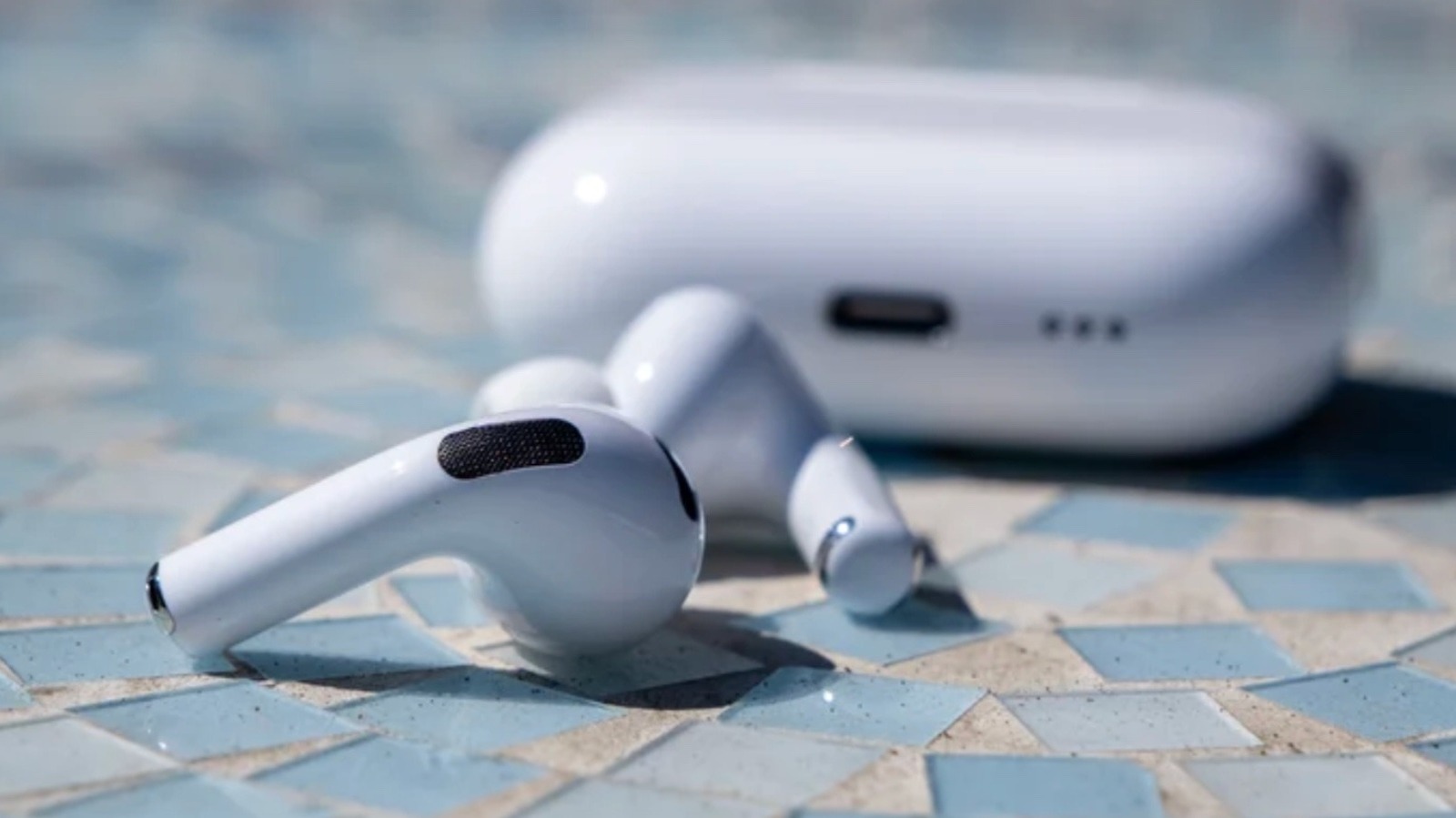
Close-up shot of AirPods Pro 3 outside of the charging case Christian de Looper/BGR

Apple has long been rumored to be introducing cameras onto its AirPods, and now Bloomberg suggests that the device has entered an “advanced testing stage,” meaning the final design and upcoming features have been decided, and it’s almost ready for production. With higher expectations regarding Apple’s first AI wearable, people are already taking to social media to discuss the possible privacy concerns.

One user on X wrote, “So we’re not going to have privacy anymore. You can be extra careful not to allow tracking or surveillance on your device. Meanwhile, someone at grocery store, bus, restaurant, etc. could be feeding info about you to Apple.” Another on X said, “What’s the purpose of putting a camera in your ear?” Over on Reddit, users say they don’t see a point in having AirPods with a camera, especially when people have mid to long hair, and the cameras will face sideways.

This device is expected to be introduced later this year, depending on the success of the new Siri, as the cameras are intended to work with the digital assistant. That said, privacy questions will be something Apple will have to address, but the people might just have to get used to cameras in Airpods. While the general public is used to people just raising their hands with their iPhone camera in public spaces, there’s still a discomfort whenever they see smart glasses with recording capabilities. AirPods with cameras might be the next frontier.

What’s AirPods with camera all about?

A hand holding AirPods Pro 3 inside the charging case José Adorno/BGR

According to Bloomberg, these AirPods will use the cameras to “see the space surrounding a user and provide information.” They’ll function like Siri’s eyes and aren’t designed to take photos or videos. Instead, they will capture data in low resolution and will always have a green light on whenever they’re capturing information.

Bloomberg suggests that this wearable could complement the iPhone’s Visual Intelligence, offering a hands-free experience with Siri. For example, users could ask Siri to add information from a flyer to their iPhone’s calendar, suggest a meal to cook based on their groceries, or even translate something in a different language. It could even “provide more advanced turn-by-turn directions,” which is something Google recently did with its new Maps app update.

With a similar design to the AirPods Pro 3, it’s unclear if Apple could upgrade this wearable with a new, more powerful H3 audio chip, or if the company will rely on the iPhone to process the data, or send the data to a cloud, using Apple’s Privacy Cloud Compute system. Still, there isn’t a lot of information about these new AirPods, but this isn’t the only AI wearable Apple has in the works, as it is also planning an AI pendant and smart glasses as well.

Source