Posted on

The road to quantum datacentres goes beyond logical qubits

One of the questions everyone involved in quantum computing is asked is, “When will the technology become commercially viable?”

This very question was posed to a panel of experts at the inaugural Quantum Datacenter Alliance Forum in London by Austin Li, who is working on quantum computing standards at Google and serves as chair and head of the United States Delegation to the IEC/ISO Joint Technical Committee on Quantum Technologies Standards. 

Although there tends to be a lot of industry noise around logical qubits and error correction, which are needed to make quantum computers that are capable of performing useful tasks, numerous pieces of the jigsaw required for a fully working and scalable quantum computing system are missing. 

Esoteric hardware 

Speaking at the forum, Alexander Keesling, chief technology officer at QuEra, discussed the limits of lasers, which are being optimised for completely different application areas. “You can find very high-powered lasers, but these lasers do not have any kind of coherence,” he said, which makes them unsuitable for use in quantum computers. 

Another challenge the industry needs to resolve, according to Keesling, is scalability. Realistically, a system with twice the number of qubits should not require a machine that is twice the size, he said, adding that the infrastructure required by a quantum computer must be kept in check as the number of qubits increases.

“If we just build another system next to a quantum computer and then figure out how to connect it, I would say that it is extensible. It’s not scalable,” he said. 

Owen Arnold, vice-president of product development at Oxford Quantum Circuits, discussed the challenges in working with suppliers of dilution refrigerators, which are needed to achieve a superconductive environment, as required by some quantum computer systems. “These are very impressive, but they have largely been built for an academic market,” he said.

In Arnold’s experience, the manufacturers of dilution refrigerators need to consider how such specialised equipment can be scaled to operate in a datacentre environment. “If you need a dilution fridge, then you will need the expertise to run that dilution fridge,” he added. 

Another consideration is that quantum computers tend to be built for experimentation. “The experiment goes down; it fails, which is largely acceptable. A small number of people are affected by that,” he said. 

But when you consider the ambitions of the quantum computing industry to deploy such machines in datacentres, it is no longer just an experiment that can fail with limited disruption. Instead, five-nines (99.999%) uptime is required. “We want to have much better diagnostics for these units. We want to control the maintenance cycle, and we want to make sure the redundant power is there,” Arnold added. 

Even if the science behind quantum computing can progress to the point where it can perform with a high degree of reliability, and the industry can make datacentre-ready quantum computing systems, ease of programmability will need to be addressed to achieve datacentre-scale adoption. 

Ease of programming and hybrid complexity 

Josh Savory, director of offering management at Quantinuum, discussed the company’s 2029 roadmap at the forum, and the challenges it will need to overcome to deliver something commercially viable by then. He believes there needs to be industry alignment around standards.

Savory said QIR, the community-wide effort to design and implement the necessary compiler technology to accelerate advances in quantum programming language design, and CQASM, a programming language for quantum computing that provides a way of expressing quantum circuits as code, are needed to provide a uniform programming interface for application developers. 

The panel of experts also discussed how quantum computers would fit alongside classical high-performance computing (HPC) as a kind of coprocessor. While this approach could be the direction of travel for many quantum computing companies in deploying their machines in datacentres, such an architecture is hugely complex. 

“How the types of problems that we are trying to solve today can be accelerated with a quantum computer is still unknown,” said QuEra’s Keesling.

Factors like considering the application code that can be sent to a quantum computer with code that is best run on HPC architecture, and orchestrating between these different classes of compute resources, are questions the industry will need to answer if a hybrid approach is adopted.

There has been plenty of research into quantum computing that suggests the goals of the industry are achievable, at least from a technology perspective. But the message from the panel of experts at the Quantum Datacenter Alliance Forum was that a heck of a lot more work needs to be done before these machines can truly scale in a commercial datacentre setup.

Source

Posted on

Check out the 8 new emoji coming to your iPhone

There are plenty of reasons to look forward to iOS 26 — the debut of Apple’s new Liquid Glass design language, custom backgrounds for text conversations, and CarPlay upgrades — but we are here to give you eight more. This week, the Unicode Consortium unveiled the emoji that will arrive as part of the Unicode 17.0 release this fall. It is a fairly eclectic crew, featuring a treasure chest, an apple core, and even Bigfoot. Sadly, they won’t join your iPhone’s emoji keyboard on day one, but a future iOS 26 update will include all eight.

New emoji coming in iOS 26

First, let’s take a look at the standard versions of all eight emoji characters that are being added to the Unicode Standard in Unicode 17.0:

New emoji coming in the Unicode 17.0 release. Image source: Unicode

Here’s a full list of the official names of all the new emoji, in case you’re curious:

  • Trombone
  • Treasure Chest
  • Distorted Face
  • Apple Core
  • Fight Cloud
  • Ballet Dancers
  • Hairy Creature 
  • Orca

Apple always creates its own variations of the emoji before rolling them out to its software. As a result, iPhone owners often have to wait a few months to get their hands on the new characters. The emoji that arrived in Unicode 16.0 didn’t hit iPhones until iOS 18.4 launched in March 2025. That was a full six months after Unicode 16.0 was released.

Tech. Entertainment. Science. Your inbox.

Sign up for the most interesting tech & entertainment news out there.

Thankfully, this is a much more entertaining set than what we got in Unicode 16.0. I’m not sure when or where I’ll use half of them, but I could see “Fight Cloud” becoming a mainstay in group chats with family members. And that “Distorted Face” sure is something.

Source

Posted on

Cloudflare to let customers block AI web crawlers

From today, Cloudflare users will be able to block artificial intelligence (AI) crawlers from accessing their web content without permission of monetary compensation by default, in a bid to stop AI models from scraping and using content in their training databases.

Use of intellectual property such as art, fiction, music, news media, video and other forms of creative endeavour and expression, to train AI models without recognition or recompense has become a major sticking point for creatives worldwide, fueled a wave of anti-AI sentiment, and led to lawsuits on both sides of the Atlantic.

Recognising the potential threat AI models pose to fundamental aspects of the human condition, Cloudflare said its new settings marked the “first step” towards a more sustainable future both content creators and AI innovators alike.

“If the internet is going to survive the age of AI, we need to give publishers the control they deserve and build a new economic model that works for everyone – creators, consumers, tomorrow’s AI founders, and the future of the web itself,” said Matthew Prince, co-founder and CEO of Cloudflare.

“Original content is what makes the internet one of the greatest inventions in the last century, and it’s essential that creators continue making it. AI crawlers have been scraping content without limits. Our goal is to put the power back in the hands of creators, while still helping AI companies innovate. This is about safeguarding the future of a free and vibrant Internet with a new model that works for everyone.”

Cloudflare, which handles over 15% of global internet traffic via its content delivery network (CDN) said that the internet has long operated on a simple exchange by which search engines index content and direct users to websites to generate traffic and ad revenue. While not perfect this system has proved fairly consistent in rewarding content creators with and web users alike.

However, the advent of AI crawlers has broken this bargain because in scraping content to improve the output of generative AI (GenAI) models without sending web users to the source, crawlers deprive content creators of views and revenues and cause them to become disincentivised to keep working, to the detriment of wider society.

Cloudflare had previously introduced a one-click block option to stop web crawlers in September 2024 – and said over a million customers have opted in to date. The introduction of a permission-based model adds more fine-grained controls to the equation.

The new settings will allow site owners to choose if they want AI crawlers to access their content and decide how AI companies are allowed to use it. AI companies, in turn, will be able to state the purpose of their crawlers – which is to say whether they are used for training, inference, or search purposes – to help site owners decide whether to allow them.

All new domain owners signing up to Cloudflare will now be asked if they wish to allow or block AI crawlers, with the default being to control their activity, meaning customers must make an explicit choice to opt in to allowing them. Existing customers can easily check their settings and allow AI crawlers at any point should they desire.

Multiple Cloudflare customers are already signing up, with many prominent publishers describing it as a “game changer” for content creators. Others said it could potentially help end the rush among news organisations to unpopular paywall-based business models.

Roger Lynch, CEO of Condé Nast, said: “When AI companies can no longer take anything they want for free, it opens the door to sustainable innovation built on permission and partnership.

“This is a critical step toward creating a fair value exchange on the internet that protects creators, supports quality journalism and holds AI companies accountable.”

Kristin Heitmann, chief revenue officer at The Associated Press (AP) agency, added: “The information landscape continues to change rapidly but the value of accurate, factual, nonpartisan journalism has never been more essential.

“We’re pleased to participate in this important framework that will help ensure intellectual property is protected and all content creators are fairly compensated for their work.”

Sharon Moshavi, president of the International Center for Journalists (ICFJ), a Washington DC-based non-profit, and co-CEO of ICFJ+, a provider of critical infrastructure for journalists and technologists to deliver information, also voiced her support.

“We see journalists across the world providing vital, original reporting to their communities, yet AI bots scrape their work for free while newsrooms struggle to stay open,” said Moshavi.

“At ICFJ+, we are working with small news sites – beginning in Africa and across a variety of languages – to help them protect and reclaim the value of their original work in the age of AI. We welcome this very promising initiative from Cloudflare.”

Pay up or get off my site

At the same time, Cloudflare has also announced the private beta of another tool, dubbed Pay Per Crawl.

The idea of Pay Per Crawl originated during conversations with content creators during the development of the crawler blocking tool. Cloudflare said that while all agreed that creators should be able to block or allow all AI crawlers depending on their wishes, creators had expressed a “consistent desire” for a third path in which AI crawlers are allowed to access their content but they also get paid.

While theoretically possible already, this requires knowing the right people at an AI provider and negotiating with them, a challenge for creatives who may lack the scale and leverage to do so.

Cloudflare engineers Will Allen and Simon Newton said they had now hit on a way to allow creatives to charge AIs.

“We’re excited to help dust off a mostly forgotten piece of the web: HTTP response code 402,” they wrote in a blog post. “Pay per crawl integrates with existing web infrastructure, leveraging HTTP status codes and established authentication mechanisms to create a framework for paid content access. 

“Each time an AI crawler requests content, they either present payment intent via request headers for successful access (HTTP response code 200), or receive a 402 Payment Required response with pricing. Cloudflare acts as the Merchant of Record for Pay Per Crawl and also provides the underlying technical infrastructure.”

Its creators hope Pay Per Crawl may herald a fundamental shift in how content is controlled online by empowering creators to keep working.

Other future use cases for the tool could help support different rates for different content types or different AI crawlers, for example. Allen and Newton said the tool may have even greater potential as agentic AI develops, where people querying AI agents could set them a specific budget based on the topic at hand – more for legal advice, less for a restaurant booking, for example. They envisage a future where intelligent AI agents “can programmatically negotiate access to digital resources.”

Source

Posted on

Apple Watch blood oxygen feature might finally return to the

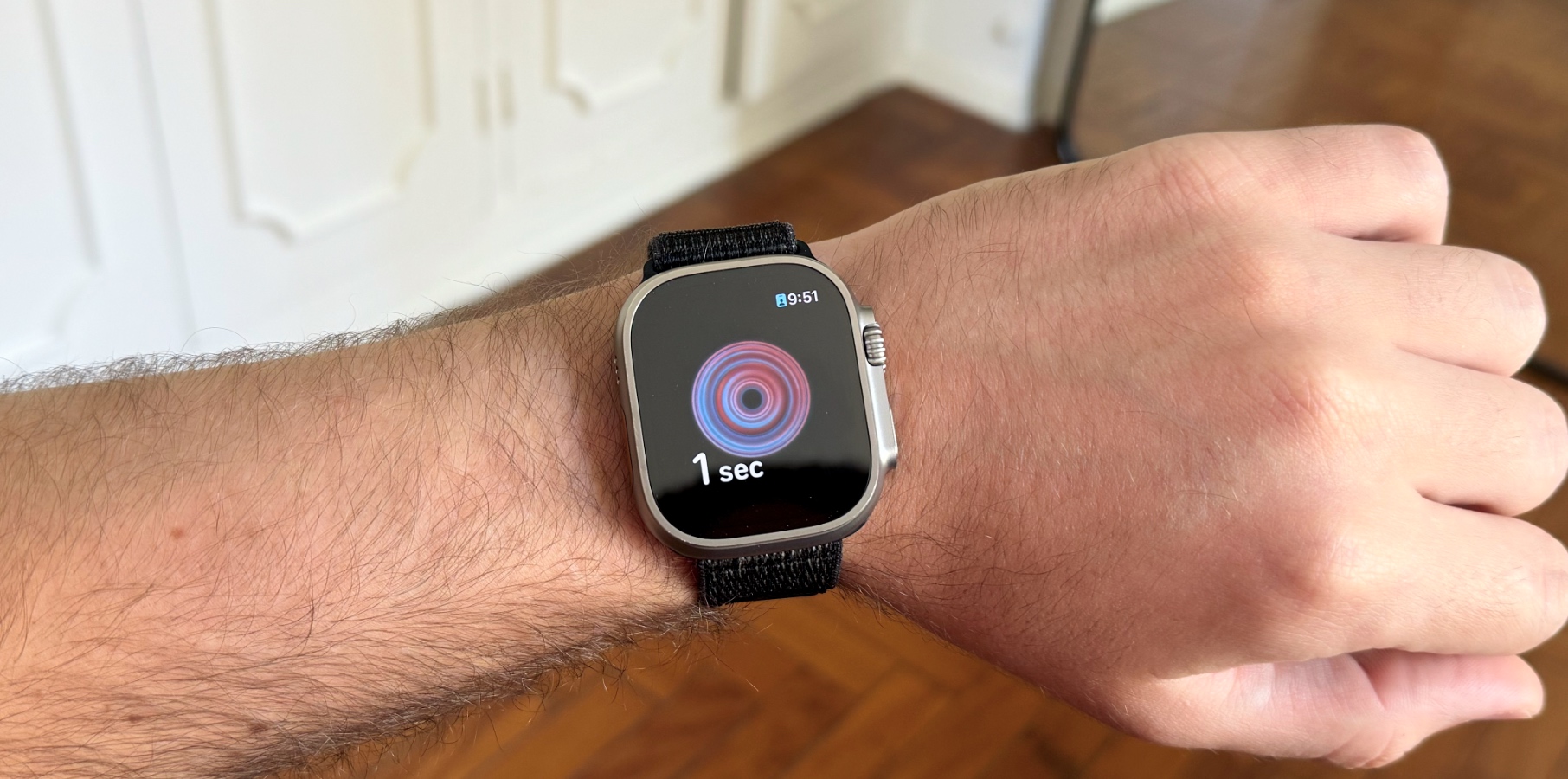
Apple had been oddly silent about the blood oxygen feature removed from its Apple Watch models sold in the US. Now, however, Reuters reports that Cupertino has just asked a US appeals court to overturn a tribunal decision that forced it to remove the blood oxygen technology from its Apple Watch models.

According to the report, Apple attorney Joseph Mueller told the court that the decision had “deprived millions of Apple Watch users” of this functionality. Meanwhile, Masimo’s lawyer argued that Apple was trying to “rewrite the law.”

The judges questioned “whether Masimo’s development of a competing smartwatch justified the ITC’s ruling,” as Apple claimed the ban wasn’t justifiable because the device in question was still “purely hypothetical.”

Now, the judges must decide whether to take up Apple’s appeal or let Masimo’s favorable ruling stand.

Tech. Entertainment. Science. Your inbox.

Sign up for the most interesting tech & entertainment news out there.

Apple Watch blood oxygen ban explained

The health sensors on the back of the Apple Watch Series 9. Image source: Christian de Looper for BGR

In December 2023, Apple announced it might have to stop selling the Apple Watch Series 9 in the US due to a legal battle with Masimo. At the time, the US International Trade Commission ruled that Apple had infringed on a couple of Masimo’s blood oxygen patents.

Apple had hoped the Biden administration would intervene during the Presidential Review Period, but that expired on Christmas, leading the company to remove the Apple Watch Series 9 and Apple Watch Ultra 2 from sale.

By mid-January 2024, the court denied Apple’s request, and the company was allowed to resume sales of these watches, but without the blood oxygen feature. Interestingly, if someone replaces their old Apple Watch in the US, they’ll also lose this feature.

At this point, Apple has two options: keep fighting in court, which it appears to be doing, or wait until 2028, when the patent expires and the feature could return to Apple Watches in the US.

Wrap up

BGR will keep you posted once we hear more about the judges’ decision. In the meantime, check out what’s expected for the Apple Watch Series 11 below.

Source

Posted on

ChatGPT is getting a new ‘Study Together’ mode: Everything we

You’re not alone if it feels like it’s been rather quiet on the AI front. We haven’t had any major announcements recently from the main players in the industry, and something feels off. But that’s only because of the strange nature of product announcements in the AI age.

Companies like OpenAI, Google, Anthropic, Microsoft, and others don’t follow an annual announcement schedule. Instead, they roll out new AI products whenever the software is ready for mass use. They also regularly try to outdo one another by introducing new features or enhancing existing AI capabilities.

Even if things feel quieter than usual, we still have AI startups launching exciting ideas. Plus, the big players are always testing new features, and OpenAI is part of that group.

Some ChatGPT users have discovered what could be OpenAI’s next product, and it’s not the GPT-4.5 or GPT-5 model you might be waiting for. Instead, OpenAI appears to be working on a ChatGPT model that asks you questions instead of the other way around.

Tech. Entertainment. Science. Your inbox.

Sign up for the most interesting tech & entertainment news out there.

It’s called ChatGPT Study Together, and it has already started showing up for some ChatGPT Plus users. The name suggests it’s geared toward students. If you’ve been following AI developments recently, you know OpenAI is catching up here, as some rivals already offer AI tutor modes for students.

Schools began banning ChatGPT use almost immediately after it went viral in late 2022. The chatbot could answer all sorts of questions and generate text with ease. In other words, ChatGPT made cheating a lot easier. The same applies to other AI chatbots that have launched since.

These models have become even more advanced since 2022, and most can now access the web to answer questions about current events. Cheating with AI has never been simpler.

Why we need AI tutors

That’s where the new ChatGPT Study Together mode could actually help students. Instead of simply answering questions or solving homework, Study Together aims to ask questions that guide students to find the answers themselves.

Having AI act like a knowledgeable tutor could be more helpful for students of all ages, supporting learning more effectively than just offering answers or writing essays. AI tutors have the potential to reshape education and make learning certain subjects easier.

That’s all still speculative. We don’t know when OpenAI will officially announce the new mode or what it will cost. But some ChatGPT users are already seeing the Study Together option in the app.

If you tap on Tools in the prompt composer, you might find Study Together listed under Deep Research mode. It may not be available to chat with just yet. It’s likely OpenAI is testing it with a subset of users, or perhaps the UI element was published earlier than planned.

I’m a ChatGPT user in Europe, and I don’t see the new Study Together model in the dropdown menu.

How much will it cost?

I’m pretty sure OpenAI wants to offer an AI tutor experience. This isn’t just about making ChatGPT a more powerful personal assistant. It’s also about matching features rivals already provide, especially for homework help.

Google already launched its LearnLM model for homework assistance. Just a few weeks ago, Google announced a Gemini for Education model for Workspace for Education users.

Earlier this year, Anthropic released a Learning Mode for Claude, which turns the AI into a tutor that can guide students during study sessions. Around the same time, Anthropic launched a Claude for Education program and partnered with select institutions to make Claude available to students and staff.

These efforts are commendable in a world where AI-assisted cheating is easier than ever. They also offer a potential revenue stream for AI companies. AI tutors aren’t likely to be free, but companies like OpenAI, Google, and Anthropic can strike deals with schools. Those deals might pay off in the long run when students choose their own AI chatbots, agents, or assistants.

That’s another big reason OpenAI needs its own AI tutor. It’s not just about appearances. It’s a smart move to bring more users into the ChatGPT fold.

Source

Posted on

7 biggest changes to your iPhone in iOS 26 beta

Following the release of iOS 26 beta 3 this Monday, Apple continues to tweak its upcoming major software update ahead of its fall launch. More interestingly, this is the first beta several iPhone users will try, as Apple usually offers the beta 3 build for its first public test version. That means the changes in this new beta represent the first experience many users will have with the new Liquid Glass UI and more.

With that in mind, these are the most important changes Apple made with iOS 26 beta 3.

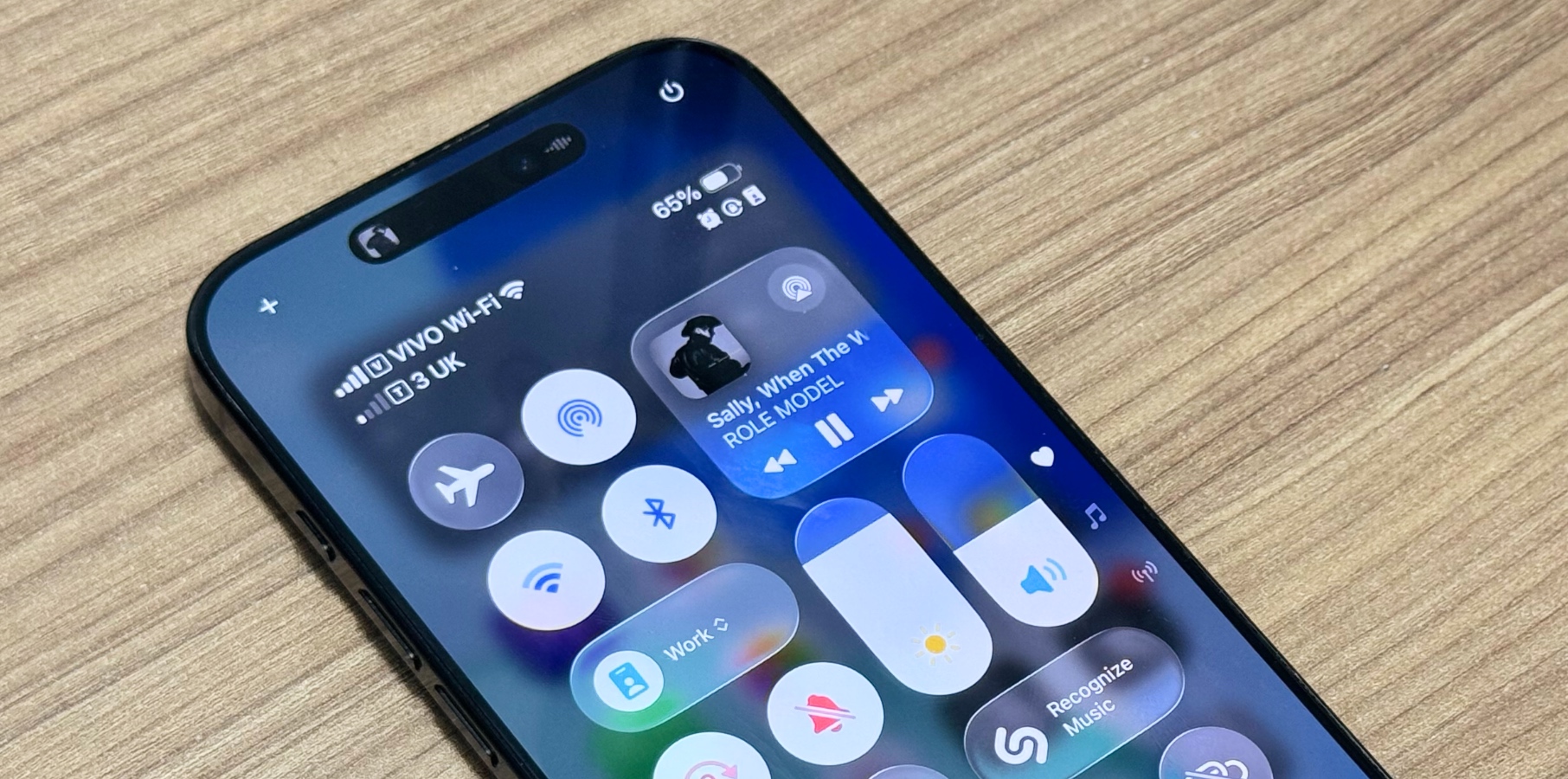
Liquid Glass doesn’t look as liquid: Following complaints on social media after just the first beta, Apple has made the Liquid Glass UI more subtle in upcoming betas. In Control Center, Apple Music, App Store, and Apple Podcasts, the navigation bars are now more opaque. While Apple could still tweak them in later betas, it seems we’re getting closer to a Frosty Glass look instead of the original Liquid Glass idea.

New Wallpapers: With iOS 26 beta 3, Apple changed the main wallpaper and now offers four options. They’re also more distinct in Dark Mode.

Tech. Entertainment. Science. Your inbox.

Sign up for the most interesting tech & entertainment news out there.

Image source: José Adorno for BGR

Commute Delays in Maps: With beta 3, Apple adds a new Apple Maps feature that can alert you if you might be delayed on your daily commute due to increased traffic. The company also added fog advisories, even when you’re using offline maps.

Aside from the iOS 26 beta 3 changes listed above, Apple also improved some of its other operating systems:

  • Safari gets better in macOS Tahoe: Apple fixed the annoying issue where unopened tabs would be highlighted instead of the one you’re using.
  • Liquid Glass expands on watchOS 26: The passcode entry screen now has the same Liquid Glass buttons as other parts of the UI.
  • iPadOS 26 gets Mac-like cursor: If you’re having a hard time finding the cursor on your iPad, just shake it back and forth rapidly to make it temporarily bigger.

iOS 26 beta 3 code reveals more features in the works

With the release of iOS 26 beta 3, BGR reported on two possible new features coming to Apple Maps in the future.

  • Natural-language search for Apple Maps: Apple is working on bringing natural-language search to Apple Maps. It already offers this feature in the App Store and other apps, and now it’s preparing to roll it out in Maps. Instead of searching for “trattorias,” you’ll be able to look for something like “Best trattorias with good Wi-Fi.”
  • Apple Maps behavior change: With a future iOS 26 update, Apple Maps will no longer keep your screen on so your iPhone can cool down.

You can learn more about these features here. Below, you can discover more details about iOS 26.

Source

Posted on

5XX Level Error

Sorry something went wrong. Contact customer support by email at :

Please reference the following information :

The web server reported a bad gateway error.

  • Ray ID: 9600ac00e5200c37
  • Your IP address: 66.29.132.72
  • Error reference number: 502
  • Cloudflare Location: Las Vegas

[Go Back]

Source

Posted on

GlobalLogic, Volvo Cars drive future of automotive mobility

As part of the Swedish auto giant’s plans to support the creation of next-generation digital mobility experiences and services, Volvo Cars has selected digital engineering firm GlobalLogic to be part of its partnership ecosystem and become one of its strategic partners in global engineering services.

Headquartered in Silicon Valley, and boasting over 20 years of automotive software expertise, GlobalLogic operates design studios and engineering centres around the world, with a stated aim to integrate experience design, complex engineering and data expertise to help its clients “imagine what’s possible” and accelerate their transition into tomorrow’s digital businesses.

Founded in 1927, Volvo Cars sells to customers in more than 100 countries, and has the ambition to become a fully electric carmaker as part of its commitment to an ongoing reduction of its carbon footprint, achieving net-zero greenhouse gas emissions by 2040.

Within the terms of their collaboration, GlobalLogic and Volvo Cars will work together to create what they believe will be the next generation of faster, smarter and scalable digital mobility experiences and services, using the latest technologies and “best-in-class” talent to drive innovation, operational efficiency and long-term business value.

GlobalLogic believes the partnership validates its deep expertise in product engineering, building on expertise in creating in-vehicle software and connected car platforms. It allows Volvo to use the GlobalLogic global delivery engine, combining technical prowess with deep industry expertise and a scalable, distributed model to design and build software-upgradable applications across the vehicle’s entire lifecycle.

“Volvo Cars is one of the most trusted leaders in the automotive industry, and we’re honoured to be selected as a trusted supplier and innovation partner,” said Ramki Krishna, group vice-president and general manager of mobility and industrial business at GlobalLogic.

“This partnership is further validation recognising our proven ability to deliver best-in-class solutions for the mobility industry, and we’re thrilled to support Volvo Cars in providing the freedom to move in a personal, sustainable and safe way.”

The GlobalLogic collaboration comes hot on the heels of the Swedish car giant expanding its partnership with IT behemoth Google to see the integration of Gemini artificial intelligence (AI) to accelerate automotive innovation. Volvo​ Cars will now serve as one of Google’s reference hardware platforms for future Android development in cars.

Volvo models with Google technology built-in, in particular the Gemini AI platform, include the Volvo EX90, an all-electric Volvo EX90 sports utility vehicle. Volvo says that among the features of the seven-seat family vehicle is an “invisible shield” of safety enabled by sensing technology including cameras, radars and lidar. These are connected to the car’s high core computers running Volvo Cars’ in-house software to create a real-time, 360-degree view of the world.

The partnership also comes just days after GlobalLogic announced it was working with automotive cyber security provider PlaxidityX to deliver an integrated and secure development environment for software-defined vehicles (SDVs).

The collaboration focuses on creating a coherent cloud framework for SDVs aimed at helping original equipment manufacturers and Tier 1 suppliers accelerate the development lifecycle and reduce engineering costs, while ensuring that all vehicle software meets high security standards.

Source

Posted on

Leak reveals trifold phone that will take on Samsung’s next-gen

Samsung will host its annual Unpacked event this week, where the Korean giant is expected to announce at least a couple of new foldable phones. These are the Galaxy Z Fold 7 and the Galaxy Z Flip 7 flagships, both of which have leaked extensively in recent months.

But Samsung fans also expect at least one more foldable surprise from the company. Samsung has been rumored to release a Galaxy Z Flip SE clamshell this year, aimed at lowering the entry price for its foldable phones.

It actually gets better than that. At the end of Unpacked, Samsung might tease its first trifold foldable phone. I’ve been calling it Galaxy G Fold 7 since it leaked, which seems like the most fitting name. It’s based on a previously leaked Galaxy G Fold moniker for this type of handset. The G Fold would use a different folding mechanism than Huawei’s trifold launched last year.

Samsung’s first trifold handset won’t be fully unveiled on Wednesday. Instead, it should be announced later this year, ahead of its launch in Korea and China.

Tech. Entertainment. Science. Your inbox.

Sign up for the most interesting tech & entertainment news out there.

We don’t have to wait for Samsung’s Galaxy G Fold 7 teasers to see this new foldable phone concept in action. Chinese smartphone vendor Tecno has teased its own Phantom Ultimate G Fold concept. The device looks almost identical to Samsung’s rumored model, and there are plenty of leaked images to explore.

If you’ve been following Tecno in recent years, you won’t be surprised to see this kind of marketing stunt. Last year, Tecno gave us the Phantom Ultimate 2 teaser ahead of Huawei’s launch event for the Mate XT.

Using the Tecno Phantom Ultimate 2 tri-fold phone in laptop mode. Image source: Tecno

The ultra-thin Phantom-branded concept never became a commercial product. The handset, seen above, served a different purpose: to show that a relatively new entrant in the smartphone market could deliver high-end, sophisticated designs.

This year’s Phantom Ultimate G Fold teaser follows a similar marketing approach. Tecno said in a press release that it will soon unveil the Phantom Ultimate G Fold. The company described the trifold as “a dual-screen, inward-folding tri-fold design and is engineered to be the thinnest of its kind.”

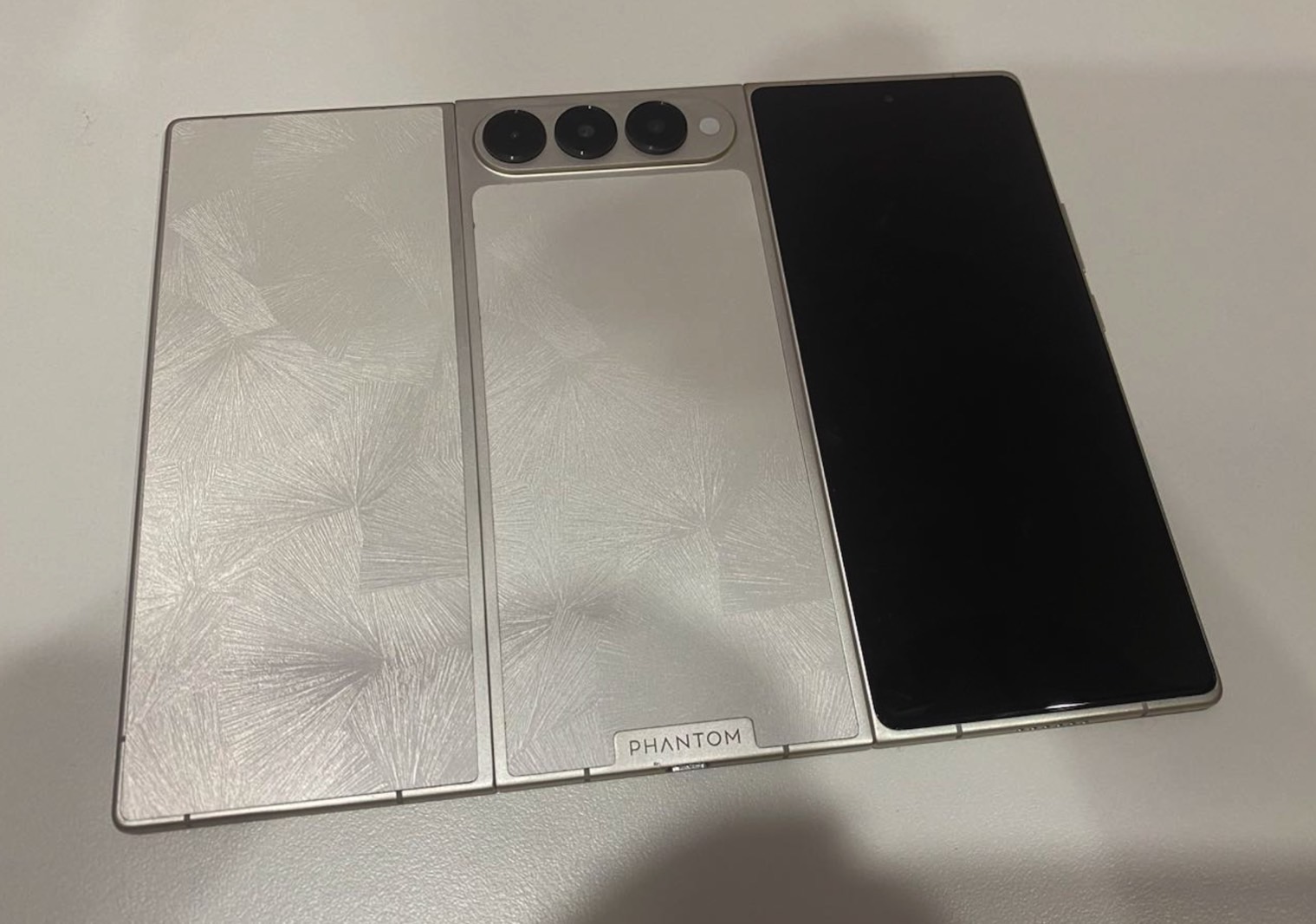
Tecno Phantom Ultimate G Fold trifold phone pictured folded on a table. Image source: BGR

Like the rumored Galaxy G Fold 7, the Phantom phone features a “G-Style design.” That means the phone folds twice inwards, protecting the foldable screen when closed. As shown above, one hinge is larger than the other to make this design work.

A second cover display sits on the outside, along with a triple-lens camera.

Tecno says the Phantom Ultimate G Fold will be as slim as “traditional book-style single-hinge foldables,” making it the thinnest tri-fold device seen so far. We still don’t know how thin the Galaxy G Fold 7 will be.

Tecno hasn’t revealed the trifold’s specs yet but teased a mid-July reveal for the concept. Then again, Tecno could say anything about the phone to steal the spotlight from Samsung, especially since the Phantom Ultimate G Fold won’t be a commercial product. There’s no requirement to actually ship it to buyers.

That said, trifold phones won’t come cheap. The Mate XT retails for around $3,000, and the Samsung G Fold model will likely cost about the same.

Tecno Phantom Ultimate G Fold trifold standing vertically on a desk. Image source: BGR

What’s great about the teaser is that we get a look at a trifold phone that can transform into a large tablet.

Leaker Ice Universe posted a few leaked images on X showing the Phantom Ultimate G Fold in hand and unfolded (below).

BGR obtained the images above that showcase the Phantom Ultimate G Fold concept phone, highlighting its slim profile, rear camera module, edge-to-edge cover display, asymmetrical hinges, and Phantom branding.

None of these images show the display turned on. We don’t get to see the Android-based OS or any multitasking features that might take advantage of the larger screen. Hopefully, Tecno will demonstrate a working version of the concept in the coming weeks.

Tecno Phantom Ultimate G Fold leaked on X. Image source: X

Finally, the Tecno G Fold concept doesn’t appear to be identical to what Samsung is working on. Rumors suggest the Galaxy G Fold will have the cover screen in the middle section, with the camera module placed vertically on the right side.

Source

Posted on

You might want to skip the iPhone 17e if this

After the launch of the iPhone 16e, analysts suggested Apple would continue to release an “e” model annually. Even though some rumors cast a shadow over these predictions, it seems Apple is indeed planning to release an iPhone 17e early next year.

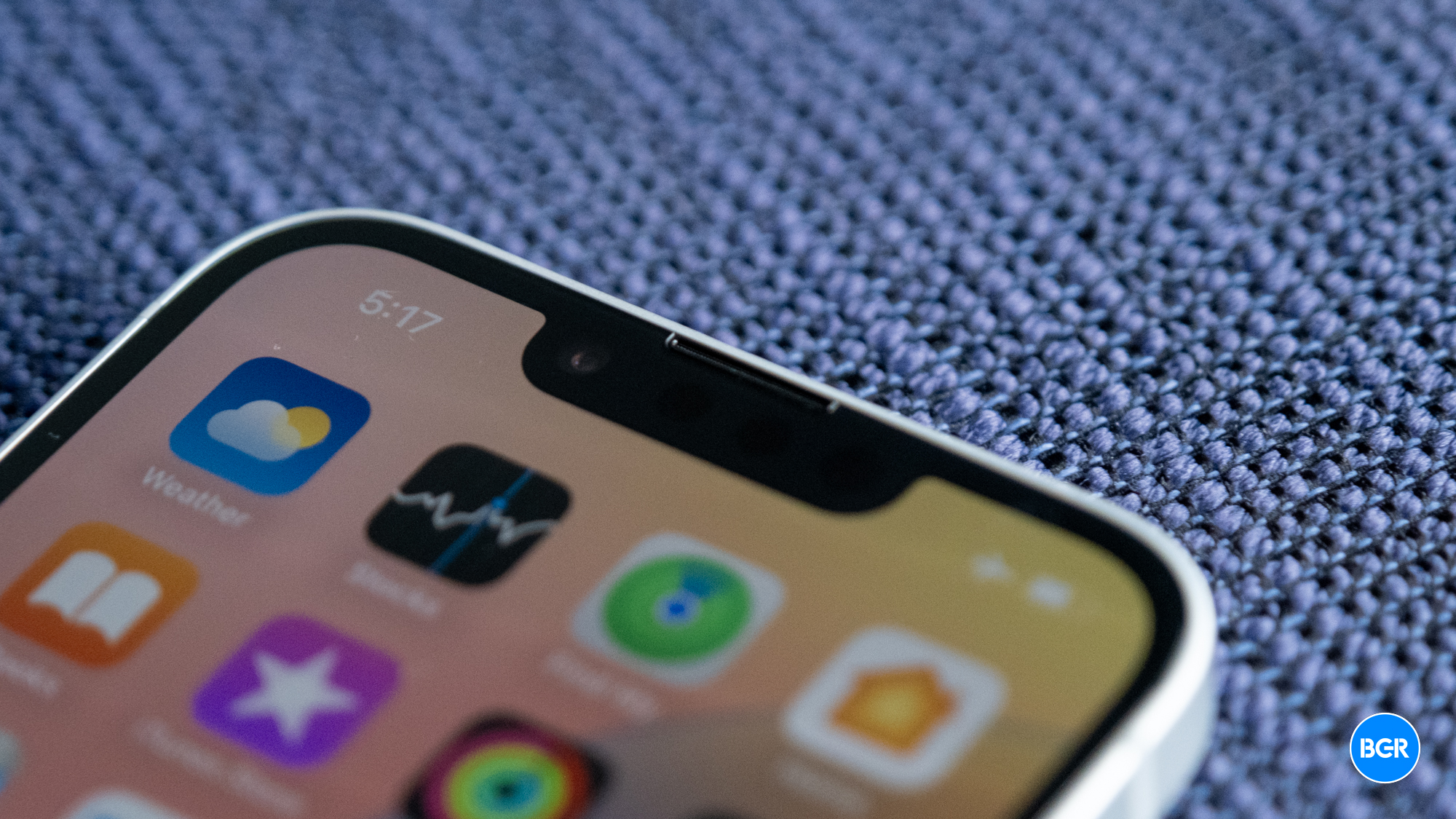
However, if you’re waiting for a new version to make the switch, we have bad news. According to the Korean news outlet The Elec, Apple will use the same panel as the iPhone 16e for the iPhone 17e. In other words, Apple will continue to rely on the iPhone 14 display, introduced in 2022, as part of an effort to use lower-cost components.

As a result, the notch will live on for at least one more year. Considering that rumors have suggested Apple will decrease the size of the Dynamic Island within the next year or two, it’s interesting to see that the company isn’t more focused on killing the notch anytime soon if it means low-cost components for the budget iPhone.

That said, the iPhone 17e won’t be without its improvements. For instance, it should feature a better camera, as Apple is expected to upgrade the lenses of the iPhone 17 lineup, as well as a newer A19 chip (with fewer GPU cores for the iPhone 17e, of course).

Tech. Entertainment. Science. Your inbox.

Sign up for the most interesting tech & entertainment news out there.

Rumors claim Apple will introduce a new C2 modem next year, which would have improved 5G capacities, including mmWave technology. However, it’s unclear if the C2 will debut on the iPhone 17e or if Apple is planning to roll out the chip with the iPhone 18 later in 2026.

What’s more interesting about the timing of the iPhone 17e is that over the next few years, Apple is reportedly planning to tweak its iPhone launch schedule. In late 2026, the company is expected to launch the iPhone 18 Air, iPhone 18 Pro, and the first iPhone Fold. The iPhone 18 and the iPhone 18e would then follow in early 2027.

Going forward, the company will focus on higher-end models at the end of the year and more affordable options at the beginning of the following year.

Source