Shop Loewe — $749
 Leopatrizi/Getty Images
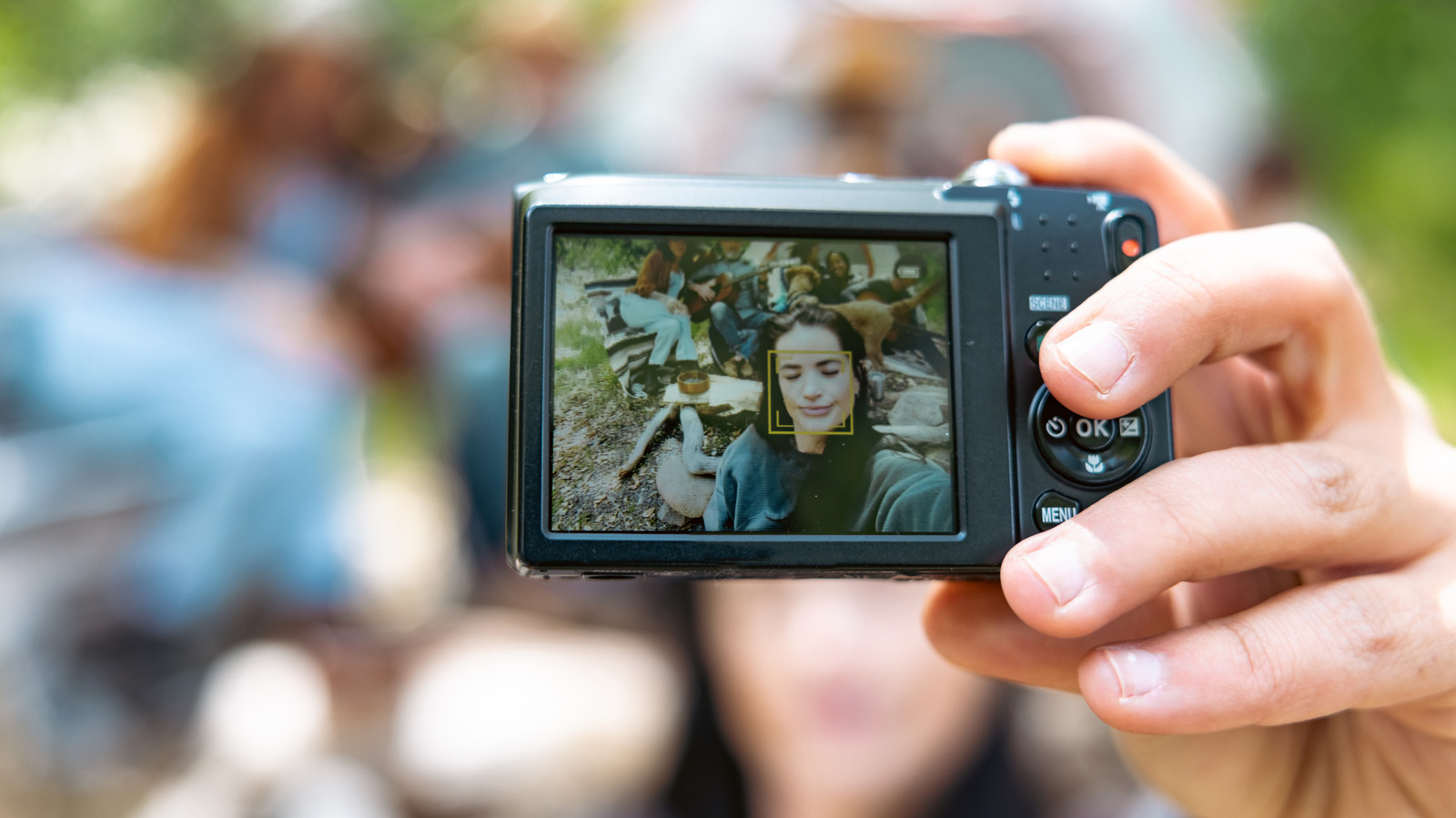
Smartphone camera technology has come a long way since the days of blurry pics captured via flip phones. There’s even an argument to be made that, given the strength of most smartphone cameras (which can vary depending on your particular brand of smartphone camera), there’s no need for a separate budget-friendly digital camera any longer. Thus, it may come as a surprise that consumers (and particularly teen and Gen Z tech users) have begun to re-embrace the compact digital cameras that millennials previously used out of necessity. However, upon closer inspection of this trend, it’s clear there are a few valid reasons younger amateur photographers have given digicams another moment to shine.
First, let’s address one of the more obvious factors likely driving the resurgence of compact digital cameras: nostalgia. Just as vinyl is making a comeback at least in part due to a desire to recapture the magic of the past, digicams are becoming a must-have accessory again because they directly remind users of the early 2000s. Some even point out that the look of digicam photos tends to differ from that of most smartphone photos, evoking the not-too-distant past in a way that may simply appeal to those who prefer pics with a slightly retro feel.
Shooting with a digicam may also add a ritual to the experience of taking a photo. Sometimes, an album “feels” more special on vinyl because you didn’t just select it on Spotify. The process of taking photos with a digicam may offer a similar experience.
Taking photos with a compact digital camera keeps you off your phone
 Leopatrizi/Getty Images
Guarding against distractions and allowing budding photographers to truly be in the moment is another reason digicams are seeing renewed popularity. When you take out your phone to snap a pic, you’re suddenly tempted to open other apps, check email, post on social media, doom scroll, and so on. That’s not something you need to worry about when you’re taking pictures with a device designed to do just one thing.
Similarly, and perhaps ironically, some of the limitations of compact digital cameras may account for their unique cachet among Gen Z. With a smartphone, you can snap a virtually unlimited number of photos. This flexibility may prevent you from taking photos with real intention. On the other hand, when the number of photos you can take is restricted, you may be more conscious about everything from framing to deciding which moments are worth capturing.
It’s certainly too early to tell whether the return of digicams is a fad or if it represents a long-term shift in how consumers approach photography. That said, while fads tend to be rooted in novelty, the digicam renaissance reflects certain practical advantages these retro cams offer. It’s entirely possible tech companies will take notice by releasing their own improved compact digital cameras that offer the appeal of the old with the capabilities of the new.