Posted on

Interview: Markus Schümmelfeder, CIO, Boehringer Ingelheim

Markus Schümmelfeder has spent more than a decade looking for ways to help biopharmaceutical giant Boehringer Ingelheim exploit digital and data. He joined the company in February 2014 as corporate vice-president in IT and became CIO in April 2018.

“It was a natural evolution,” he says. “Over time, you see what can be done as a CIO and have an ambition to make things happen. This job opportunity came around and it was when digitisation began. I saw many possibilities arising that were not there before.”

Schümmelfeder says the opportunity to become CIO was terrific timing: “It was a chance to bring technology into the company, to make more use of data, and evolve the IT organisation from being a service deliverer into a real enabler. My aim for all the years I’ve been with Boehringer is to integrate IT into the business community.”

Now, as the company’s 54,000 employees use more data than ever before across the value chain, including research, manufacturing, marketing and sales, Schuemmelfeder’s aim is being realised. He says professionals across the business understand technology is crucial to effective operational processes: “It’s about bringing us close together to make magic happen.”

Establishing the vision

Schümmelfeder says one of his key achievements since becoming CIO is leading the company on a data journey. His vision supported the company’s progress along this pathway.

“I went to the board and said, ‘This is what we should do, what we want to do, what makes sense, and what we perceive will be necessary for the future’,” he says. “We started that process roughly five years ago and everyone knows how important data is today.”

Making the transition to a data-enabled organisation is far from straightforward. Rather than being focused on creating reports, Schümmelfeder says his vision aimed to show people across the organisation how they could exploit information assets effectively. One of the key tenets for success has been standardisation.

“This is a fundamental force, and the team has done good work here,” he says. “10 years ago, we had between 4,500 and 5,000 systems across the organisation. Today, we have below 1,000. So, we reduced our footprint by 80%, which is a great accomplishment.”

Standardisation has allowed the IT team to deliver another part of Schümmelfeder’s vision – a platform-based approach to digitisation. Rather than investing in point solutions to solve specific business challenges, the platform approach uses cloud-based services to help people “jump start topics” as the business need arises.

The crucial technological foundation for this shift to standardisation has been the cloud, particularly Amazon Web Services (AWS), Microsoft Azure and a range of consolidated enterprise services, such as Red Hat OpenShift, Kubernetes, Atlassian Jira and Confluence, Databricks, and Snowflake. Schümmelfeder says the result is a flexible, scalable IT resource across all business activities. 

“You can create a cloud environment in minutes,” he says. “You can have an automated test environment that is directly attached and ready to use. You can create APIs immediately on the platform. We want people to deliver solutions at a faster pace, rather than creating individual solutions again and again.”

Building a platform

Boehringer recently announced the launch of its One Medicine Platform, powered by the Veeva Development Cloud. The unified platform combines data and processes, enabling Boehringer to streamline its product development. Schümmelfeder says the technology plays a crucial enabling role.

The One Medicine Platform is integrated with Boehringer’s data ecosystem, Dataland, which helps employees make data-driven decisions that boost organisational performance. Dataland has been running since 2022. The ecosystem collates data from across the company and makes it available securely for professionals to run simulations and data analyses.

“In the research and development space for medicine, there was nothing like a solid enterprise platform,” says Schümmelfeder, referring to his company’s relationship with Veeva. “We had about 50, maybe even more, tools that were often not interconnected. If you wanted to replicate data from one service to another, you’d have to download the data, copy and paste, and so on. That approach is tedious.”

The One Medicine Platform allows Boehringer to connect data across functions, optimise trial efficiency around its research sites, and accelerate the delivery of new medicines to treat currently incurable diseases. Schümmelfeder says the Veeva technology gives the business the edge it requires.

“We saw we were slower than our competitors in executing clinical trials. We thought we could be much better. We wanted to look for a new way of executing clinical trials, and we needed to discuss our processes and potentially redefine and change them based on the platform approach,” he says. “We chose Veeva because it was the most capable technology to help us deliver the spirit of a platform. It’s also an evolving technology with good future potential.”

Embracing data innovation

Schümmelfeder says the data platform he’s pioneered is helping Boehringer explore emerging technologies. One key element is Apollo, a specialist approach to artificial intelligence (AI), allowing employees to select from 40 large language models (LLMs) to explore their use cases and exploit data safely.

He says this large number of LLMs allows Boehringer employees to select the best model for a specific use case. Alongside mainstream models like Google Gemini and Open AI’s ChatGPT, the company uses niche models dedicated to research that can deliver more appropriate answers than general models.

Schümmelfeder says Boehringer does not develop models internally. He says the rapid pace of AI development makes it more sensible to dedicate IT resources to other areas. The company’s staff can use approved models and tools to undertake data-led research in several key areas: “We have a toolbox staff can dip into when they realise an idea or use case.”

He outlines three specific AI-enabled use cases: Genomic Lens generates new insights that enable scientists to discover new disease mechanisms in human DNA; the company uses algorithms and historical data to identify the right populations for clinical trials quickly and effectively; and Smart Process Development, which applies machine learning and genetic algorithms to create productivity boosts in biopharmaceutical processes.

“My aim for all the years I’ve been with Boehringer is to integrate IT into the business community”

Markus Schümmelfeder, Boehringer Ingelheim

Another key area of research and development is assessing the potential power of quantum computing. Schümmelfeder suggests Boehringer has one of the strongest quantum teams in Europe. He recognises that other digital and business leaders might feel the company’s commitment is ahead of the adoption curve.

“And I would say, ‘Yes, you’re right’, but then you need to understand how this technology works. We are helping to make breakthroughs, to bring code to the industry and to discover how we will use quantum. So, we have a strong team that brings a lot to the table to help this area evolve,” he says.

“I’m convinced quantum computing will be a huge gamechanger for the pharma industry once the technology can be used and set into operations. That situation is why I believe you have to be involved in quantum early to understand how it works. You need to bring knowledge into the organisation and be part of making quantum work.”

While Schümmelfeder acknowledges Boehringer isn’t pursuing true quantum research yet, the company has built relationships with other technology specialists, such as Google Research. He says these developments are the foundations for future success in key areas, such as understanding product toxicity: “It’s relatively early, but you can see the investment. I hope we can see the first real use cases by the end of this decade.”

Creating an impact

Schümmelfeder considers the type of data-enabled organisation he’d like to create during the next few years and suggests the good news is that the technological foundations for further transformation are now in place.

“We don’t need a technology revolution, I think we’ve done that,” he says. “We’ve done our homework, and we’ve standardised and harmonised. The next stage is not about more standardisation, it’s more about looking specifically at where we need to be successful. That focus is on research and development, medicine, our end-customers and how to improve the lives of patients and animals. That work is at the core of what we want to do.”

With the technology systems and services in place, Schümmelfeder says he’ll concentrate on ensuring the right culture exists to exploit digitisation. That focus will require a concerted effort to evolve the skills across the organisation. The aim here will be to ensure many people in all parts of the business have the right capabilities.

“When you talk about data, you don’t need 10 people able to do things, you need thousands of people who can execute,” he says. “You need to bring this knowledge to the business. That means business and IT must integrate deeply to make things happen. The IT team has to go to the business community and ask big questions like, ‘What do you need? Tell me the one thing that can make you truly successful?’”

Schümmelfeder says that finding the answers to these questions shouldn’t be straightforward. Sometimes, he expects the search to be uncomfortable. IT can’t sit back – the company’s 2,000 technology professionals must drive the identification of digital solutions to business problems. Line-of-business professionals must also feel comfortable and confident using emerging technologies and data.

He says the company’s Data X Academy plays a crucial role. Boehringer worked with Capgemini to develop this in-house data science training academy. Data X Academy has already trained 4,000 people across IT and the business. Schümmelfeder hopes this number will reach 15,000 people during the next 24 months and allow data-savvy people across the organisation to work together to develop solutions to intractable challenges.

“We want to ask the right questions on the business side and create lighthouse use cases in IT that show people what we can do,” he says. “We can drive change together with the business and create an impact for the organisation, our customers and patients.”


Source

Posted on

CVE Foundation pledges continuity after Mitre funding cut

In the wake of the abrupt termination of the Mitre contract to run CVE Programme, a group of vulnerability experts and members of Mitre’s existing CVE Board have launched a new non-profit with the intention of safeguarding the programme’s future.

The CVE Foundation’s founders want to ensure the continuity, viability and stability of the 25-year-old CVE Programme, which up to today (April 16) has been operated as a US government-funded initiative, with oversight and management provided by Mitre under contract.

Even reckoning without the impact of Mitre’s loss of the CVE programme contract – which is one of a number of Mitre-held government contracts axed in recent weeks – and has already led to layoffs at the DC-area contractor – the CVE Board members say they already had longstanding concerns about the sustainability and neutrality of such a globally relied-upon resource being tied to a single government.

Their concerns became suddenly heightened after a letter from Mitre’s Yosry Barsoum warning that the CVE Programme was under threat circulated this week. “CVE, as a cornerstone of the global cyber security ecosystem, is too important to be vulnerable itself,” said Kent Landfield, an officer of the foundation.

“Cyber security professionals around the globe rely on CVE identifiers and data as part of their daily work – from security tools and advisories to threat intelligence and response. Without CVE, defenders are at a massive disadvantage against global cyber threats.”

The founders said that while they hoped today would never come, they have spent the past year working diligently in the background to create a strategy to transition the CVE system into a dedicated, independent non-profit.

Unlike Mitre – originally a computer research spin-out at MIT in Boston that now operates multiple R&D efforts – the CVE Foundation will be solely dedicated to delivering high-quality vulnerability identification, and maintaining the integrity and availability of the existing CVE Programme database on behalf of security professionals worldwide.

The foundation says its official launch marks a “major step toward eliminating a single point of failure in the vulnerability management ecosystems” and safeguarding the programme’s reputation as a trusted, community-driven resource.

“For the international cyber security community, this move represents an opportunity to establish governance that reflects the global nature of today’s threat landscape,” the founders said.

Community in shock

Although at the time of writing the CVE Programme remains up and running, with new commits made to its GitHub in the past hours, reaction to the contract’s cancellation has been swift and scathing.

“With 25 years of consistent public funding, the CVE framework is embedded into security programmes, vendor feeds, and risk assessment workflows,” said Tim Grieveson, CSO and executive vice-president at ThingsRecon, an attack surface discovery specialist. “Without it, we risk breaking the common language that keeps security teams aligned to identify and address vulnerabilities effectively.

“Delays in sharing vulnerability data would increase response times and give threat actors the upper hand,” he added. “With regulations like SEC, NIS2, and Dora demanding real-time risk visibility, a lack of understanding of risk exposure and any delayed response could seriously hinder the ability to react effectively.”

To maintain existing levels of resilience in the face of the shutdown, it’s important for security leaders to ensure organisations have a clear understanding of their attack surface and their suppliers, said Grieveson.

Added to this, collaboration and information sharing in the security community will become even more essential than it already is.

Chris Burton, head of professional services at Yorkshire-based penetration testing and security services provider Pentest People, said he hoped cooler heads would prevail.

“It’s completely understandable there are concerns about the government pulling funding for the Mitre CVE Programme; it’s a troubling development for the security industry,” he said.

“If the issue is purely financial, crowdfunding could offer a viable path forward, rallying public support for a project many believe in,” added Burton. “If it’s operational, there may be an opportunity for a dedicated community board to step in and lead.

“Either way, this isn’t the end, it’s a chance to rethink and reimagine. Let’s not panic just yet; there are still options on the table, as a global community. I think we should see how this unfolds.”

Next steps for security pros

At a more practical level, Grieveson shared some additional steps for security teams to take right now:

  • Map internal tooling dependencies on CVE feeds and APIs to know what breaks should the database go dark;
  • Identify alternative sources to maintain vulnerability intelligence, focusing on context, business impact and proximity to ensure comprehensive coverage of threats, whether they be current, emerging or historic;
  • Accelerate cross-industry intelligence sharing to proactively leverage tactics, tools and threat actor data.

Source

Posted on

Claude AI has a moral code of its own, which

ChatGPT went viral in late 2022, changing the tech world. Generative AI became the top priority for every tech company, and that’s how we ended up with “smart” fridges with built-in AI. Artificial intelligence is being built into everything, sometimes for the hype alone, with products like ChatGPT, Claude, and Gemini having come a long way since late 2022.

As soon as it became clear that genAI would reshape technology, likely leading to advanced AI systems that can do everything humans can do but better and faster, we started seeing worries that AI would negatively impact society and doom scenarios where the AI would eventually destroy the world.

Even some well-known AI research pioneers warned of such outcomes, stressing the need to develop safe AI that is aligned with humanity’s interests.

More than two years after ChatGPT became a widely accessible commercial product, we’re seeing some of the nefarious aspects of this nascent technology. AI is replacing some jobs and will not stop anytime soon. AI programs like ChatGPT can now be used to create lifelike images and videos that are imperceptible from real photos, and this can manipulate public opinion.

Tech. Entertainment. Science. Your inbox.

Sign up for the most interesting tech & entertainment news out there.

By signing up, I agree to the Terms of Use and have reviewed the Privacy Notice.

But there’s no rogue AI yet. There’s no AI revolution because we’re keeping AI aligned to our interests. Also, AI hasn’t reached the level where it would display such powers.

It turns out there’s no real reason to worry about AI products available right now. Anthropic ran an extensive study trying to determine if its Claude chatbot has a moral code, and it’s good news for humanity. The AI has strong values that are largely aligned with our interests.

Anthropic analyzed 700,000 anonymized chats for the study, available at this link. The company found that Claude largely upholds Anthropic’s “helpful, honest, harmless” when dealing with all sorts of prompts from humans. The study shows that the AI adapts to users’ requests but maintains its moral compass in most cases.

Interestingly, Anthropic found fringe cases where the AI diverged from expected behavior, but those were likely the results of users employing so-called jailbreaks that allowed them to bypass Claude’s built-in safety protocols via prompt engineering.

The researchers used Claude AI to actually categorize the moral values expressed in conversations. After filtering out the subjective chats, they ended up with over 308,000 interactions worth analyzing.

They came up with five main categories: Practical, Epistemic, Social, Protective, and Personal. The AI identified 3,307 unique values in those chats.

The researchers found that Claude generally adheres to Anthropic’s alignment goals. In chats, the AI emphasizes values like “user enablement,” “epistemic humility,” and “patient wellbeing.”

Claude’s values are also adaptive, with the AI reacting to the context of the conversation and even mirroring human behavior. Saffron Huang, a member of Anthropic’s Societal Impacts, told VentureBeat that Claude focuses on honesty and accuracy across various tasks:

“For example, ‘intellectual humility’ was the top value in philosophical discussions about AI, ‘expertise’ was the top value when creating beauty industry marketing content, and ‘historical accuracy’ was the top value when discussing controversial historical events.”

When discussing historical events, the AI focused on “historical accuracy.” In relationship guidance, Claude prioritized ” healthy boundaries” and “mutual respect.”

While AI like Claude would mold to the user’s expressed values, the study shows the AI can stick to its values when challenged. The researchers found that Claude strongly supported user values in 28.2% of chats, raising questions about AI being too agreeable. That is indeed a problem with chatbots that we have observed for a while.

However, Claude reframed user values in 6.6% of interactions by offering new perspectives. Also, in 3% of interactions, Claude resisted user values by showing their deepest values.

“Our research suggests that there are some types of values, like intellectual honesty and harm prevention, that it is uncommon for Claude to express in regular, day-to-day interactions, but if pushed, will defend them,” Huang said. “Specifically, it’s these kinds of ethical and knowledge-oriented values that tend to be articulated and defended directly when pushed.”

As for the anomalies Anthropic discovered, they include “dominance” and “amorality” from the AI, which should not appear in Claude by design. This prompted the researchers to speculate that the AI might have acted in response to jailbreak prompts that freed it from safety guardrails.

Anthropic’s interest in evaluating its AI and explaining publicly how Claude works is certainly a refreshing take on AI tech, one that more firms should embrace. Previously, Anthropic studied how Claude thinks. The company also worked on improving AI resistance to jailbreaks. Studying the AI’s moral values and whether the AI sticks to the company’s safety and security goals is a natural next step.

This kind of research should not stop here, either, as future models should go through similar evaluations in the future.

While Anthropic’s work is great news for people worried about AI taking over, I will remind you that we also have studies showing that AI can cheat to achieve its goals and lie about what it’s doing. AI also tried to save itself from deletion in some experiments. All of that is certainly connected to alignment work and moral codes, showing there’s a lot of ground to cover to ensure AI will not eventually end up destroying the human race.

Source

Posted on

One of my favorite iPhone tricks has been hidden for

Every new iOS release brings more functionality worth learning. While BGR has already taught you about some of the most interesting iOS features, such as how to take care of your iPhone’s battery life, how to fast charge your device, or even how to use the new Visual Intelligence functionality, there are still some older features that you might have never used — and they can definitely change how you interact with your phone.

Do you remember the iPhone 6? It came out 11 years ago, but it featured one of Apple’s most notable advancements to date: Reachability.

At the time, the 4.7-inch and 5.5-inch screens were considered massive for the company. Before this, iPhone users could easily reach every part of the screen with their thumb. As the iPhone 6 grew bigger, Apple decided to add an awesome accessibility feature called Reachability.

This hidden iPhone feature has often flown under the radar. Previously, users had to slide their finger down on the Home Button, which wasn’t very intuitive. With Face ID iPhone models, it’s a bit simpler, but if no one ever told you about it, you might not even realize this functionality exists.

Tech. Entertainment. Science. Your inbox.

Sign up for the most interesting tech & entertainment news out there.

By signing up, I agree to the Terms of Use and have reviewed the Privacy Notice.

The best way to master this feature is by following these steps:

  • Unlock your iPhone and stay on the Home Screen
  • Slide your finger down from the middle of your dock
  • The display shifts down, and then back up after you tap something

This is the best way to reach a button at the top of the display when you can’t use both hands. While other companies, such as Samsung, have come up with better solutions — like offering most settings options in the lower half of the display — Apple still requires you to keep moving your fingers up and down to interact with the screen.

If that doesn’t work, you might need to turn on this iPhone feature like this:

  • Open the Settings app
  • Tap Accessibility, then Touch
  • Turn Reachability on

If you already knew about this feature, you probably use it fairly frequently. If not, here’s hoping it makes your life just a little bit easier going forward.

Source

Posted on

CISA extends Mitre CVE contract at last moment

In a last-minute intervention, the US Cybersecurity and Infrastructure Security Agency (CISA) has extended its contract for the Mitre-operated Common Vulnerabilities and Exposures (CVE) Programme, relied on by security professionals around the world to keep up to date on the latest publicly disclosed security vulnerabilities.

The future of the CVE Programme came into doubt earlier this week when a leaked letter from Mitre’s Yosry Barsoum warned that the contract pathway for the non-profit to run the programme was set to lapse within 24 hours.

Barsoum said that should a break in service occur, the programme would experience multiple impacts including “deterioration of national vulnerability databases and advisories, tool vendors, incident response operations, and all manner of critical infrastructure”.

The revelation caused consternation around the world, with security professionals bracing for massive change in the industry as a result of the removal of what Mitre describes as a “foundational pillar” for the sector.

Agreement to extend the contract under which Mitre oversees the vital CVE Programme was reached late on Tuesday 15 April, but news of this only began to trickle out on Wednesday morning.

A CISA spokesperson said: “The CVE Program is invaluable to the cyber community and a priority of CISA. Last night, CISA executed the option period on the contract to ensure there will be no lapse in critical CVE services. We appreciate our partners’ and stakeholders’ patience.”

CISA additionally confirmed that the contract extension will last for 11 months.

“Thanks to actions taken by the government, a break in service for the CVE Program,e and the Common Weakness Enumeration (CWE) Programme has been avoided. As of Wednesday morning, 16 April, 2025, CISA identified incremental funding to keep the programmes operational. We appreciate the overwhelming support for these programmes that have been expressed by the global cyber community, industry, and government over the last 24 hours. The government continues to make considerable efforts to support Mitre’s role in the program and Mitre remains committed to CVE and CWE as global resources,” said Yosry Barsoum, vice president and director at Mitre’s Centre for Securing the Homeland.

The narrowly averted disruption comes at a difficult time for the cyber security community as it works flat out to ward off a vast array of threats from financially motivated and nation-state threat actors.

At the same time, the industry must reckon with the impact of massive cuts being made across the US government by Elon Musk’s Department of Government Efficiency (DOGE). These cuts are now hitting America’s state cyber security apparatus including at the Department of Homeland Security (DHS) and CISA itself, which sits within the DHS.

According to reports, it is likely that CISA may be looking at a reduction in its workforce of between a third and 90%, which would have a significant impact on the agency’s ability to protect US government bodies and critical infrastructure from cyber threats, and internationally, its ability to collaborate with partner agencies such as the UK’s National Cyber Security Centre (NCSC).

CISA is also facing a comprehensive review of its activities over the past six years, focusing on instances in which its conduct may have run contrary to the purposes and policies established in Executive Order 14149, signed by president Trump on 20 January and titled Restoring freedom of speech and ending federal censorship.

This review comes alongside a deeper probe into former CISA leader Chris Krebs, who last week saw his federal security clearance, and those of his current employer SentinelOne, revoked by Trump, to the consternation of many.

Krebs was fired from CISA at the end of 2020 after he disputed Trump’s narrative that the presidential election had been rigged in favour of Joe Biden. Krebs and CISA had maintained there was absolutely no evidence of any interference.

This article was edited at 17:50 BST on 16 April to incorporate a statement on behalf of Mitre.

Source

Posted on

We might have just gotten our first look at part

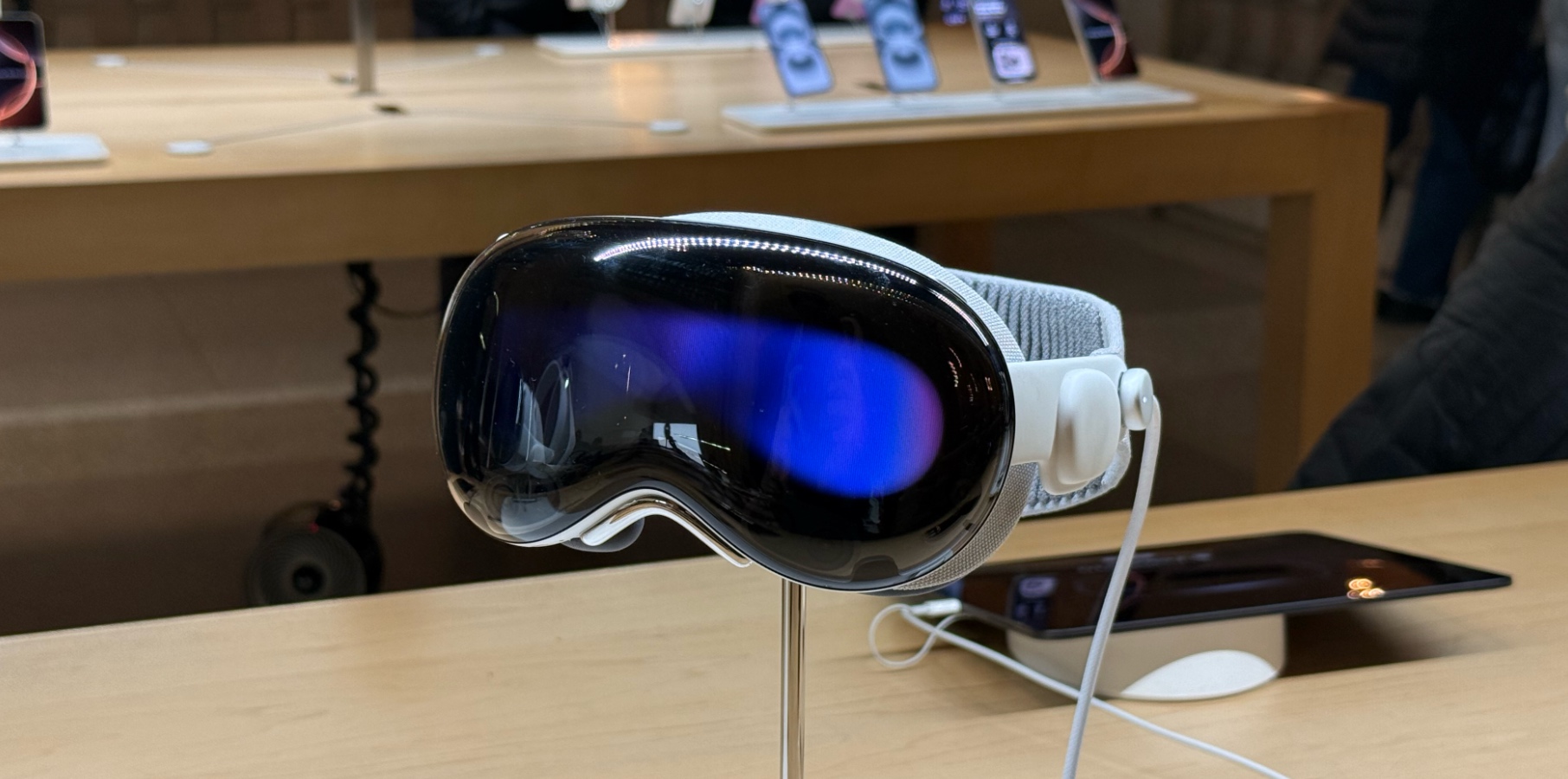
After hearing some exciting news about the upcoming Apple Vision Pro successor, the Apple Vision Air, we might have just gotten our first look at a small part of it: the cable for the external battery.

According to leaker Kosutami on X, the rumored Apple Vision Air plug is smaller and thinner than the original Lightning cable. The leaker also shared a bit more information about the alleged Apple Vision Air cable, including the part that connects to the spatial headset.

Earlier, Kosutami mentioned that this new device is expected to be thinner and lighter, as it will feature titanium to reduce weight, including in the connectors and battery. Additionally, Apple is planning a graphite dark blue model, similar to the iPhone 5.

At this point, it’s unclear whether Apple will release an updated Apple Vision Pro, a new Apple Vision Air, or both products at the same time. The company is expected to update its spatial computer with the M5 chip, but the company is also rumored to introduce a lighter model with fewer top-tier specs compared to the current version.

Tech. Entertainment. Science. Your inbox.

Sign up for the most interesting tech & entertainment news out there.

By signing up, I agree to the Terms of Use and have reviewed the Privacy Notice.

Earlier rumors suggested that Apple might remove the outer display, one of the most expensive parts of the device. The company may also consider ditching some cameras and sensors from the upcoming Air model to differentiate it from the more expensive version.

Even though the Apple Vision Pro has been out for over a year, rumors about it are still as unclear as they were during its development phase. Since it hasn’t been as popular as Apple hoped, reports vary on whether the company plans to simply improve its internals, wait a little longer and release a full second generation, or debut a lighter and cheaper version with a different name, similar to what happened with the HomePod and HomePod mini.

BGR will continue to follow the latest rumors about this device.

Source

Posted on

ChatGPT can now guess where a photo was taken, which

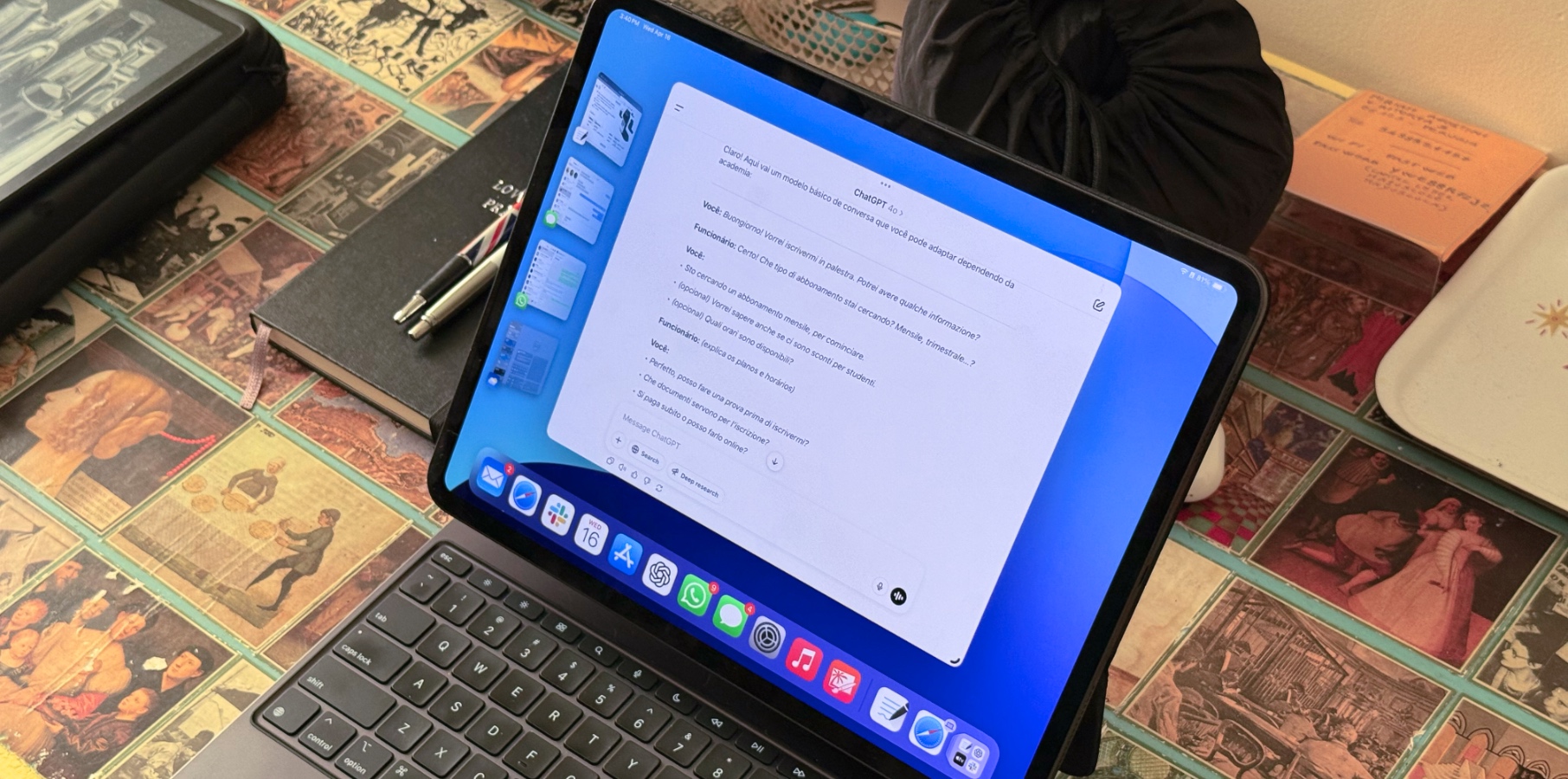
A new AI trend is going viral, and it’s as impressive as it is unsettling. Users are discovering that ChatGPT’s latest models can now deduce where a photo was taken using nothing but the image itself. It’s a bit unsettling to see a readily available AI tool like ChatGPT turned into a reverse location search tool, especially given how many images people share online.

The AI’s ability to pull this off comes courtesy of OpenAI’s o3 and o4-mini models, which were released with upgraded image reasoning skills. These models can now zoom in, crop, rotate, and examine photos—even blurry or distorted ones—to identify telltale visual cues like storefront signs, street markings, menus, and even architecture.

Combined with web search capabilities, the result is a surprisingly potent geolocation tool and users on X have been putting ChatGPT through its paces with everyday snapshots like neighborhood streets, restaurant menus, selfies taken outside bars, and more. The AI often delivers not just the correct city but specific venues, too. It’s essentially playing a real-world version of GeoGuessr, and it’s disturbingly good at it.

What’s raising eyebrows, though, is how easily this can be misused. With no built-in guardrails against this kind of function, anyone can upload a stranger’s photo—even a screenshot from Instagram or a Story—and ask ChatGPT, “Where is this?” The privacy implications are obvious and concerning.

Tech. Entertainment. Science. Your inbox.

Sign up for the most interesting tech & entertainment news out there.

By signing up, I agree to the Terms of Use and have reviewed the Privacy Notice.

To be fair, using ChatGPT for reverse location search isn’t flawless. Some guesses miss the mark, and in a few cases, the AI gets stuck in loops or offers vague answers. But even in OpenAI’s own comparisons, the newer o3 model occasionally outperformed other ChatGPT models in picking out obscure details.

For now, this capability is mostly being used for fun. But as with anything, bad actors are always looking for new ways to abuse tech, and this is one way that ChatGPT is ripe for the taking. Hopefully, OpenAI will come up with some way to combat the issue and put some safety standards in place.

Source

Posted on

Trump administration considering broader DeepSeek ban

DeepSeek’s moment in the spotlight appears to be over, at least for now, as talk of ChatGPT’s image-generation abilities has dominated the AI conversations. Add all the new OpenAI announcements and Google’s various Gemini upgrades, like the Gemini 2.5 Pro model, and there’s almost no room left for DeepSeek.

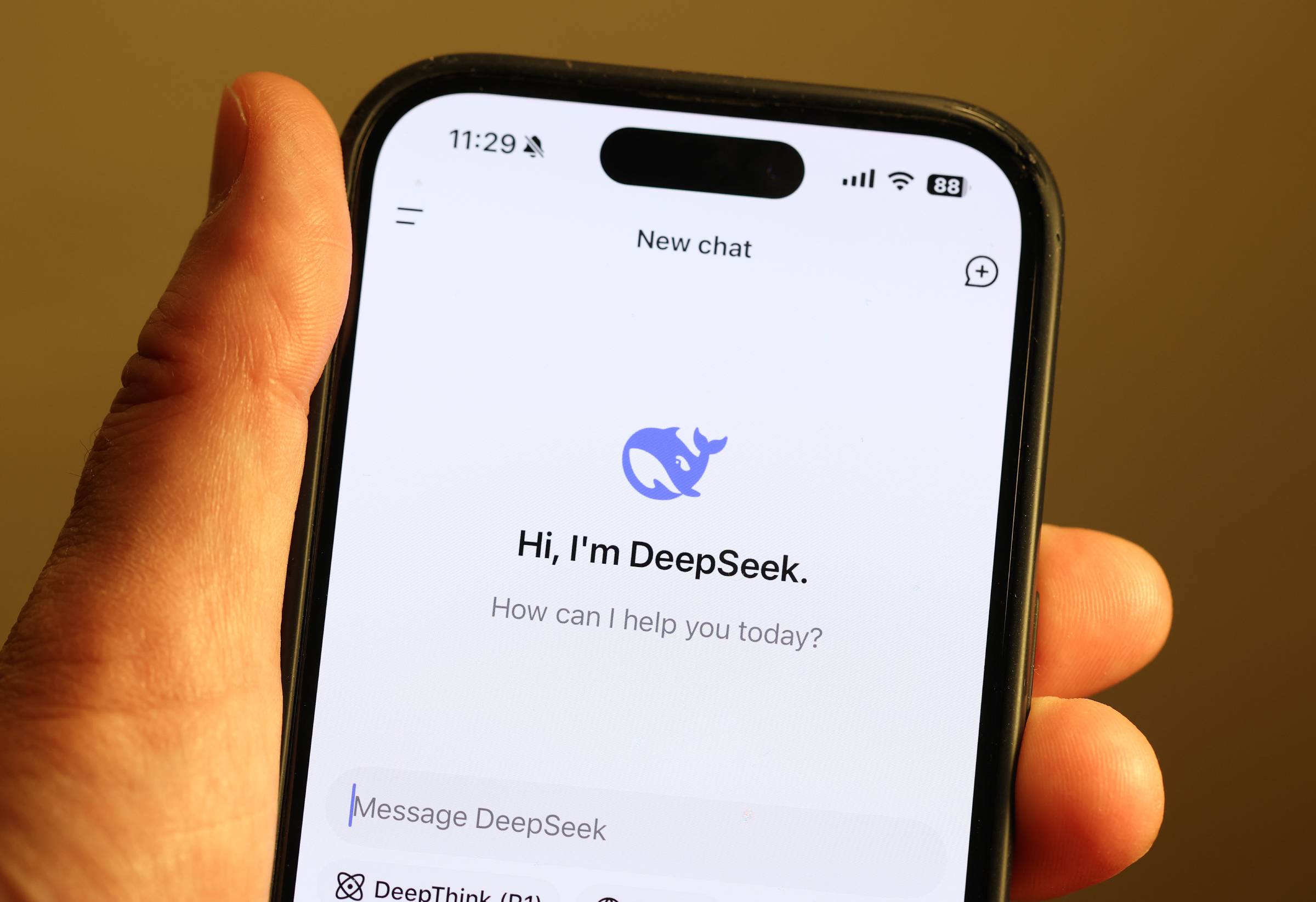
But the breakthrough AI chatbot that shocked the US a few months ago is still available to anyone looking to try it. DeepSeek is available on the web and on mobile and, due to its open-source nature, can be installed on any computer.

That’s assuming you can use DeepSeek. Some US governmental branches, as well as certain countries, have already banned the Chinese AI program.

It turns out that the Trump administration is considering a broader ban on DeepSeek in the US, and that’s not necessarily part of the ongoing trade war with China. There’s also an AI war between the US and China, each vying for supremacy. The US has maintained a lead, but government officials worry that China might leapfrog American firms, which would become a big national security risk.

Tech. Entertainment. Science. Your inbox.

Sign up for the most interesting tech & entertainment news out there.

By signing up, I agree to the Terms of Use and have reviewed the Privacy Notice.

The Trump administration is looking at more than just a DeepSeek ban. The government has also moved to restrict Nvidia’s ability to sell AI chips to China after finding that companies like DeepSeek might have smuggled components needed for AI development from other countries.

It’s always been believed that DeepSeek might have managed to obtain Nvidia chips that it shouldn’t have been allowed to purchase in addition to those it could legally get.

DeepSeek stunned the world in January because it proposed a way to train advanced AI models similar to OpenAI’s best ChatGPT models without having access to the same high-end infrastructure as US companies. Instead, DeepSeek relied on software innovations to do it. That was the official narrative, though some speculated that DeepSeek had on hand more AI chips than it could justify.

Also, OpenAI openly accused DeepSeek of using ChatGPT to train DeepSeek and thus speed up the process without actually starting development from scratch.

These matters have been the scope of a report that the congressional committee on China began in February, The New York Times explains.

The congressional report noted that DeepSeek had access to 60,000 Nvidia chips, including 20,000 that should have been restricted. The report also found that DeepSeek used ChatGPT to accelerate DeepSeek development.

As for the renewed crackdown on Nvidia from the Trump administration, The New York Times says it came after security briefings that the White House and Commerce Department officials have received on the security risk DeepSeek poses.

These briefings indicated that some of the DeepSeek researchers working on the DeepSeek models have ties to the People’s Liberation Army and other institutions in China sanctioned for aiding the Chinese military. These findings seem to contradict reports that DeepSeek is a private company whose charismatic leader inspired his team of AI researchers to develop the recent DeepSeek innovations.

The New York Times does note that it’s common for private companies in China to have close ties to state-backed resources, but the new research indicates the relationship between DeepSeek and the Chinese government is closer than believed.

In light of the new findings, the Trump administration restricted Nvidia’s ability to sell AI chips to China. People familiar with the matter also told The New York Times that the administration is looking at penalties, blocking DeepSeek from buying US technology, and banning DeepSeek in the US. 

While the Nvidia investigation is very much public, a DeepSeek ban has yet to be announced.

Source

Posted on

Instagram Blend will slide your friend’s Reels into your DMs

Instagram is one of the social networks where you might find yourself endlessly scrolling through various feeds and looking at reels, all while dealing with the ads that make Meta money. That doomscrolling experience is curated based on the accounts you follow, your interests, and how you use the app. Meta’s algorithm registers everything so it can keep you entertained for longer.

If you somehow thought you could use even more doomscrolling inside Instagram, Meta’s got you covered with a new feature called Blend. The name might sound similar to Spotify users who use a similarly called feature to blend playlists with friends.

Intagram’s Blend is similar, but it’s not about music (though most Reels do have sound and/or music). Instagram Blend is about sharing Reels with friends and groups inside DMs.

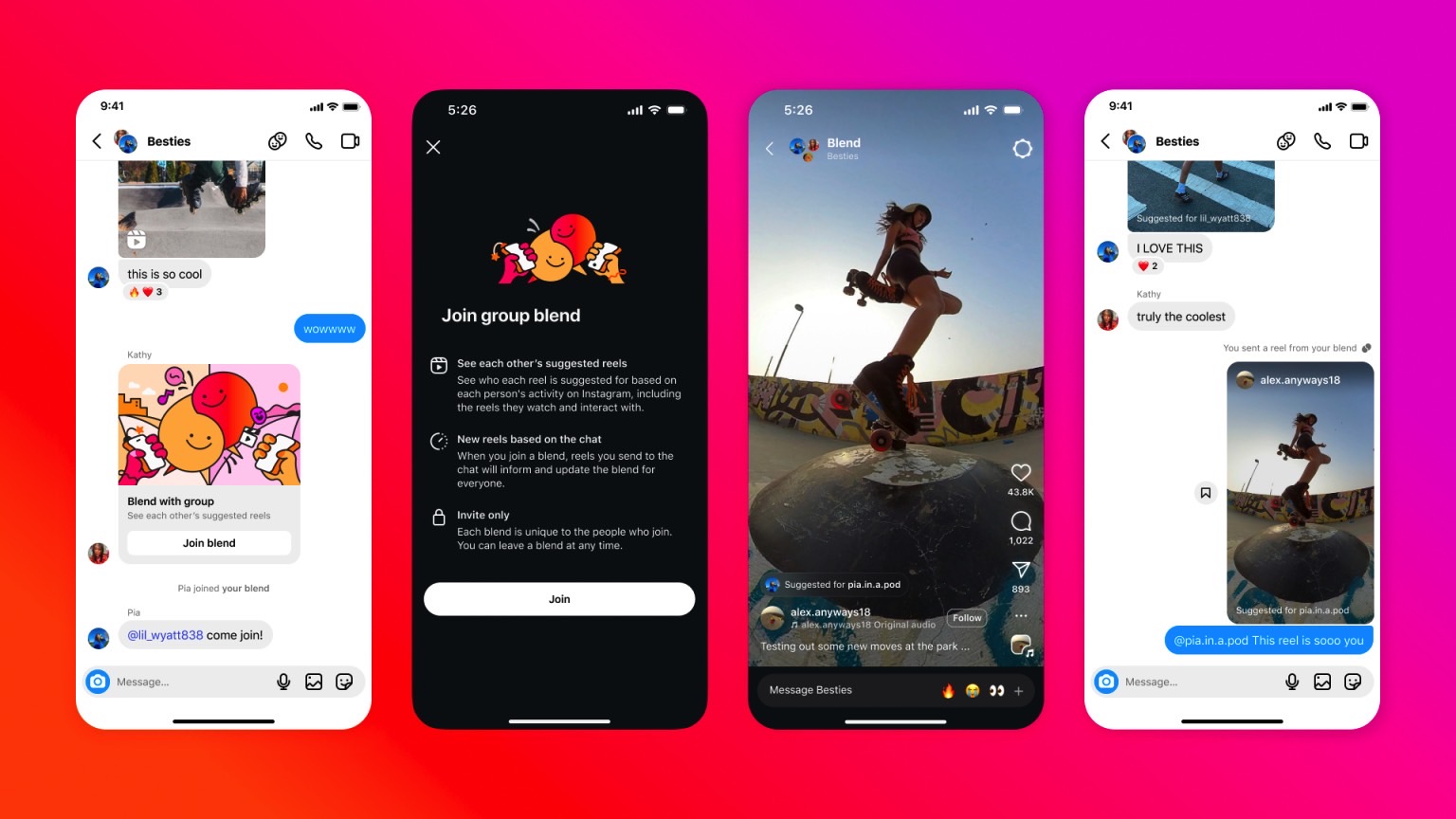
Blend’s purpose is to keep you entertained while you’re chatting to friends on Instagram. It will let you share a feed of Reels that you might like with friends inside DMs, and they can do the same. You won’t get to pick the Reels; Blend will do it for you automatically.

Tech. Entertainment. Science. Your inbox.

Sign up for the most interesting tech & entertainment news out there.

By signing up, I agree to the Terms of Use and have reviewed the Privacy Notice.

A new button will appear in the top right corner inside chats, letting you start or join a Blend. Instagram will then surface Reels content matching the interests of you and the other person in the DM (or the people in the group chat).

“Everyone has the option [to start a Blend] cause you’re actually sharing your interests implicitly,” Instagram’s Adam Mosseri said in a video. “What you’ll see if you go in there is Reels that we think you’re interested in, but also anybody else on that thread based on things like what people have shared in the DM thread earlier.”

Mosseri says Blend is a fun way to share your interests and learn what your friends like.

Instagram’s point is obvious here. They want to drive interest and usage up, and one way to do it is to have people talk about all sorts of Reels as easily as possible. Sliding those Reels into DMs is certainly a clever way to increase engagement.

While I’m not sure how much I’d use Blend or if I’ll ever do it, I do get the appeal. Each Blend you create or join will be unique, as it’ll be tailored to the interests of different people. Therefore, it can help you discover new content, including Instagram creators that you might want to follow.

You should start seeing the new Blend button in your DMs soon enough.

Source

Posted on

Kraft Group enlists NWN for New England Patriots network upgrades

The Kraft Group has announced a five-year strategic partnership with NWN to transform the technology framework underpinning its entire enterprise portfolio, which includes businesses in sports such as New England Patriots, New England Revolution and the Gillette Stadium.

In operation for more than 30 years, NWN has helped over 5,000 chief information officers deliver technology modernisation programmes with its intelligent workplace, customer experience, managed devices, cyber security, public safety, connectivity and cloud services.

The partnership will aim to combine NWN’s technological expertise with what the Kraft Group says is its commitment to “delivering excellence” throughout its entire organisation.

Claiming to recognise the pivotal role of next-generation technology in achieving this vision, the Kraft Group says it’s investing in innovative services that foster long-term success. These include network connectivity upgrades that will underpin new applications, modernised cloud-based collaboration services, and artificial intelligence (AI)-enabled applications that improve the stadium experience for fans and players alike.

A key component of the Kraft Group’s IT organisation is a standardised technology infrastructure that enables a cohesive work environment across all enterprise businesses. Employees benefit from integrated, best-in-class offerings that facilitate operational efficiency, and NWN is supporting the deployment of these tools and resources by modernising the Kraft Group’s existing tech stack to deliver what it said would be “seamless” connectivity across all areas.

As part of the collaboration, NWN is overhauling the existing IT infrastructure at the iconic Gillette Stadium to enhance the fan experience, modernising employee support offerings for the Kraft Group, and establishing what it says will be a “state-of-the-art” infrastructure foundation at the new Patriots training facility.

Given technology plays a crucial role in the modernisation of training and day-to-day operations, NWN is working with the Kraft Group to support applications that keep players informed and engaged. These include AI-powered managed services that automatically provide players with updated meeting times, adjust training schedules based on coaching feedback and deliver playbook content directly to a team member’s device. The training facility will also be equipped with AI environmental system monitoring that adjusts temperatures, powers on devices when a person enters a room, and changes lighting to optimise the workspace for coaches and players.

The enhanced connectivity and AI-driven services are also supporting new initiatives, such as wayfinding applications and the expansion of Gillette Stadium’s internet protocol television (IPTV) network.

Whether they are attending a sporting event, concert or other convention, guests can connect with the wayfinding application to determine the most direct route to their seat, locating amenities and services in the stadium, and effortlessly acquiring tickets. The IPTV network expansion introduces an enhanced digital viewing experience and improved content delivery, with interactive features aimed at increasing fan engagement during live events.

In a further key element of the project, the Kraft Group has recently started construction on a standalone training facility for the exclusive use of the New England Patriots, and NWN is supplying IT infrastructure and services for players and coaches. The building will house all football administration and personnel offices, meeting rooms that will feature new technologies for hosting the annual draft operations, and a media workroom. Additionally, the facility will feature cutting-edge virtual reality rooms.

The project’s multi-dimensional approach also includes revamping the Voice Over IP system for the Gillette Stadium campus, Rand Whitney Containerboard and Rand Whitney Group, consolidating networks and bolstering network reliability throughout the enterprise.

By implementing its cloud-based collaboration service on an improved network, NWN is confident the Kraft Group IT department can rely on NWN to augment its staff, deliver better interactions throughout its enterprise business portfolio and become a more agile organisation.

“Gillette Stadium is used throughout the year for a variety of events, and it is key for this venue to be as accommodating for our guests as possible,” said Jim Nolan, chief operating officer of Kraft Sports and Entertainment.

“Partnering with NWN ensures that we have the newest technological capabilities to exceed fan expectations. Their vast experience in the industry and ability to bring us new technologies – while supporting what we already have in place – is key to making our facilities a place where guests can always stay connected.”

Source