Posted on

New iPhone Update Fixes Annoying iCloud Bug

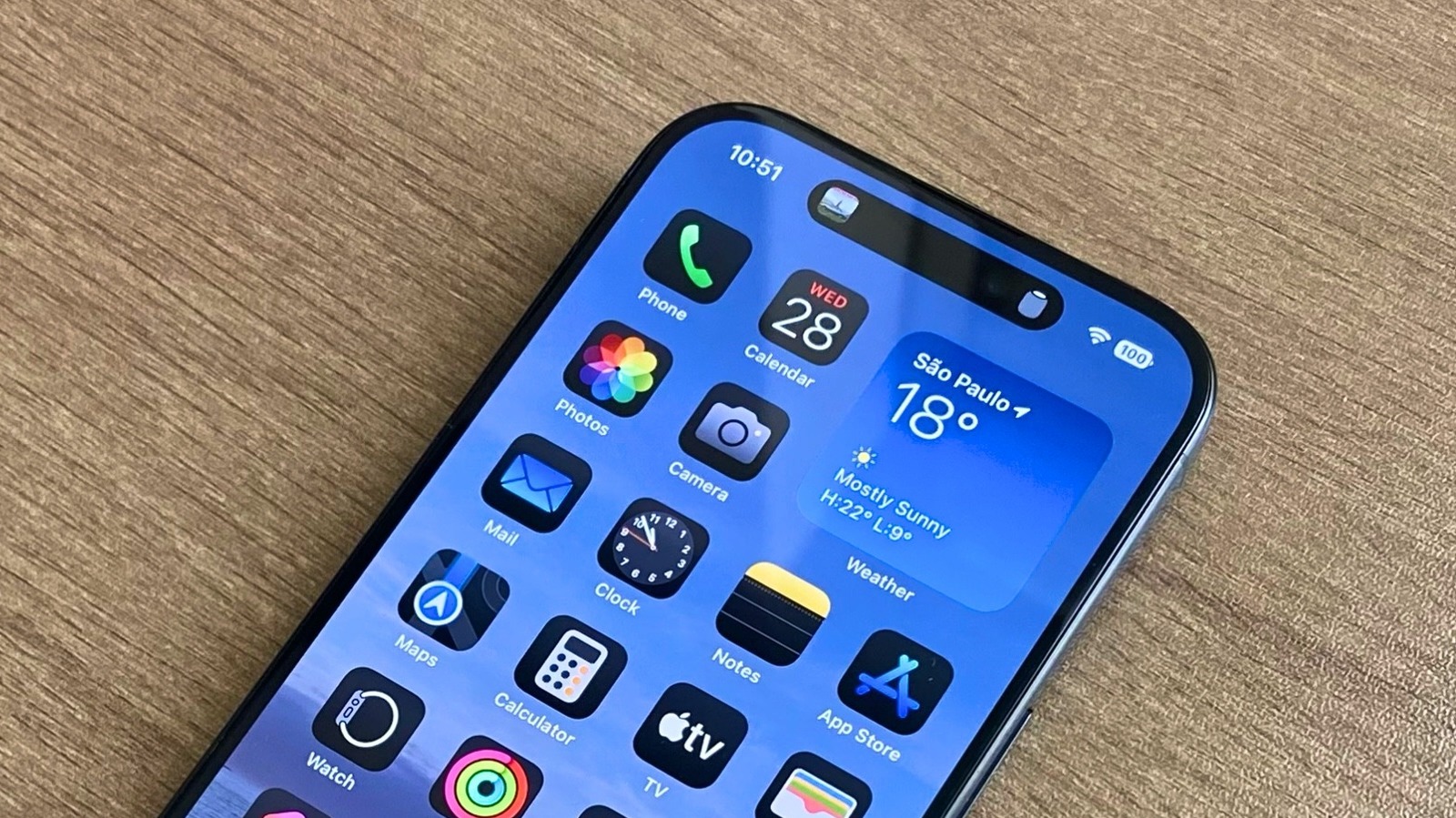
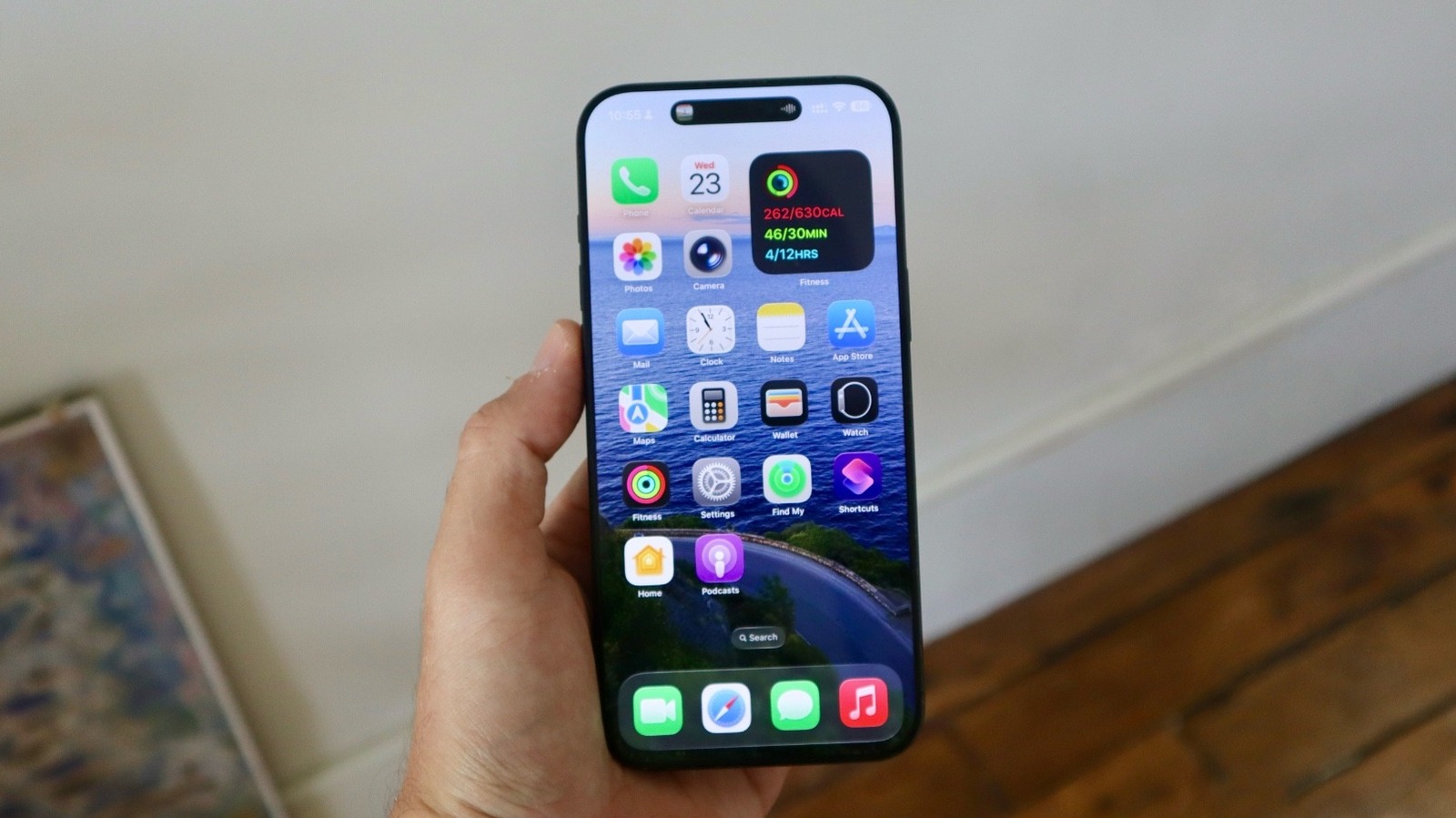
A hand holding an iPhone running iOS 26 José Adorno/BGR

A couple of weeks after Apple released iOS 26.4 to iPhone users, the company is now making iOS 26.4.1 available. With this version, Apple is fixing an annoying bug that was preventing users from syncing iCloud data, including apps like Apple Passwords. While Apple has been vague about this software update, 9to5Mac discovered a thread on the Apple Developer Forums that reveals iOS 26.4.1 fixes the iCloud Sync issue.

This thread was created after iOS 26.4 was released. One developer said that making changes to a document on a Mac didn’t trigger the same file on the iPhone to be updated. After this complaint, one Apple Worldwide Developer Relations suggested fixing the issue through macOS, as the app might have failed to export data to CloudKit. However, as more users reported the same issue, Apple started taking the reports very seriously, which led to this update.

With iOS 26.4.1, the same Apple employee posted in the threads asking whether these users could update to iOS 26.4.1 to see if the problem was resolved. Replies from users report that everything works perfectly now. 

iOS 26.5 beta users don’t have to worry about this bug

A hand holding an iPhone running iOS 26 José Adorno/BGR

If you’re running iOS 26.5 beta 1, you don’t need to worry about this iCloud Sync bug as long as you’ve installed the latest revised version. While Apple is still in the early days of the new iOS 26.5 beta cycle, it has seeded a new version of the first beta to address the iCloud app sync issue.

While we wait for Apple to announce the new Siri powered by a Google Gemini model, iOS 26.5 looks like a small update. So far, it’s adding end-to-end encryption for RCS and setting up ads on Apple Maps in the U.S. and Canada, allowing businesses to place ads in search results and a new “Suggested Places” section in the app.

Last but not least, Apple is working to offer forward notifications on third-party smartwatches in Europe in accordance with the Digital Markets Act legislation. With this update, Apple will also expand answering notifications, Live Activities, and AirPods-like pairing to third-party smartwatches and headphones.

Here’s what else iOS 26.4.1 offers if you’re still running an outdated version

A hand holding an iPhone outdoors. On the screen, the new distorted face emoji José Adorno/BGR

If you’re still running iOS 26.3 or an older version, there are several reasons to update. Not only does it fix this annoying bug with iOS 26.4, but it also carries all the improvements introduced with the iPhone’s latest software update. For example, Apple Music added five new functions, including an updated look for albums and playlists, an Upcoming Concerts tab, a redesigned Profile section, the ability to add a song to more than one playlist at a time, and Playlist Playground, which uses Apple Intelligence to help you create new playlists.

Apple Podcasts got some upgrades, too, introducing a new HTTP Live Streaming technology that improves video quality for viewers. It also added new monetization opportunities for creators. iOS 26.4 brings eight new emojis, including a gender-neutral option for the ballet dancer and skin tone modifiers for people wrestling and dancers with bunny ears. The highlight of this small batch is the distorted face emoji, which has already proven to be really popular.

The company also added some under-the-hood improvements, like the ability to identify a song even when you don’t have an internet connection, new widgets for Apple’s Ambient Music, and a few other Liquid Glass tweaks that improve readability.
Source

Posted on

Amazon Is Discontinuing Support For These Older Kindle Models

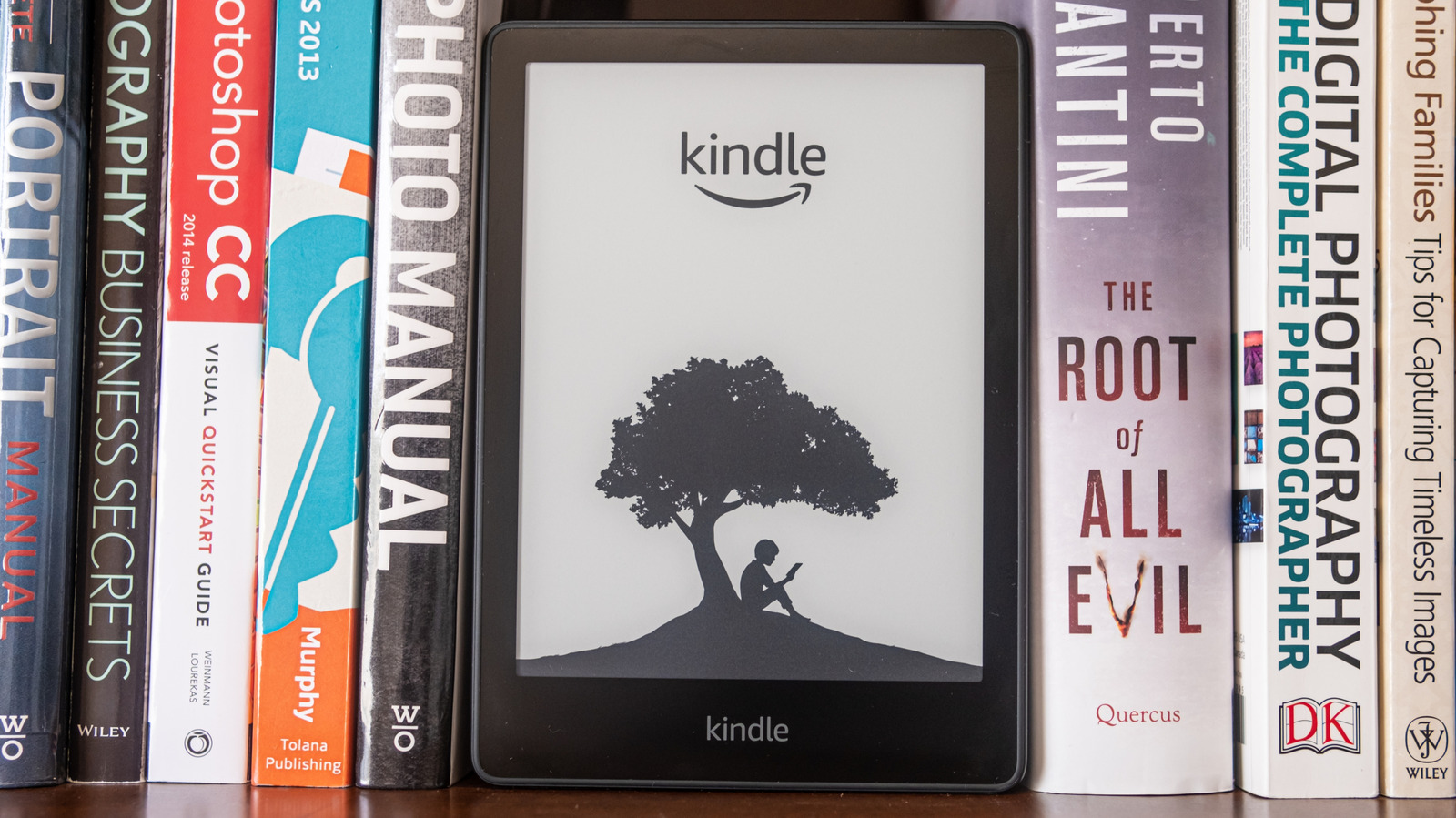
A Kindle e-reader on a shelf alongside classic novels Primestock Photography/Shutterstock

Amazon is cutting off support for older Kindle models very soon. Amazon issued the following statement (via PCMag): “Starting May 20, 2026, customers using Kindle and Kindle Fire devices released in 2012 and earlier will no longer be able to purchase, borrow, or download new content via the Kindle Store.” Affected models include the Kindle 4, Kindle Paperwhite 1st Generation, Kindle Fire HD 7, and all other models released before 2013.

So, why is Amazon discontinuing support for so many working e-readers? No official reason was given, but Amazon is extending a telling offer to existing owners of older Kindle models. Affected users should soon receive an email offering, “20% off select new Kindle devices as well as a $20 eBook credit that will be automatically added to your account after purchasing a new device (valid through June 20th, 2026, 11:59pm).” The reality is that a Kindle is worth buying even if you own an iPad, which is exactly why Amazon is eager to sell you a new one.

Kindle devices tend to have a lifespan of five to eight years, and some users on Reddit report their Kindles are still going strong after more than a decade. Total Kindle sales were estimated at roughly 20 million as of 2013. Considering the popularity and longevity of Kindle devices at that time, it’s clear that many people will be affected by Amazon’s frustrating decision to discontinue support for a series of devices that still work perfectly fine.

Can you still use your Kindle after Amazon cuts off support?

A person reading a Kindle on their lap Alexi Rosenfeld/Getty Images

After Amazon discontinues support for older Kindle models, you will still be able to read books that are already downloaded to the device. However, Amazon has explained that you should be careful not to deregister a device that has been cut off from support. “If you deregister or factory reset these devices, you will not be able to re-register or use these devices in any way,” the company said.

Another way to continue using your unsupported Kindle is by sideloading books from third-party sources. Sideloading is used for getting around app restrictions on your smart device, but manufacturers don’t like it when users bypass their official storefronts. Apple enforces a “walled-garden” approach that prevents sideloading in regions where such restrictions are allowed. Google’s new rules for sideloading Android apps have recently made the process more difficult for users in that ecosystem as well.

Sideloading books on Kindle is still a viable option for building a virtual library without connecting to the official Kindle Store. Third-party solutions, like the popular Calibre e-book management software, should theoretically continue to work on older Kindle models even after Amazon cuts off support on May 20. However, only time will tell whether or not Amazon attempts to roll out anti-sideloading measures as part of the company’s effort to phase out old devices and promote the purchase of newer models.

Source

Posted on

The 2 Biggest Upgrades To The AirPods Max 2 That

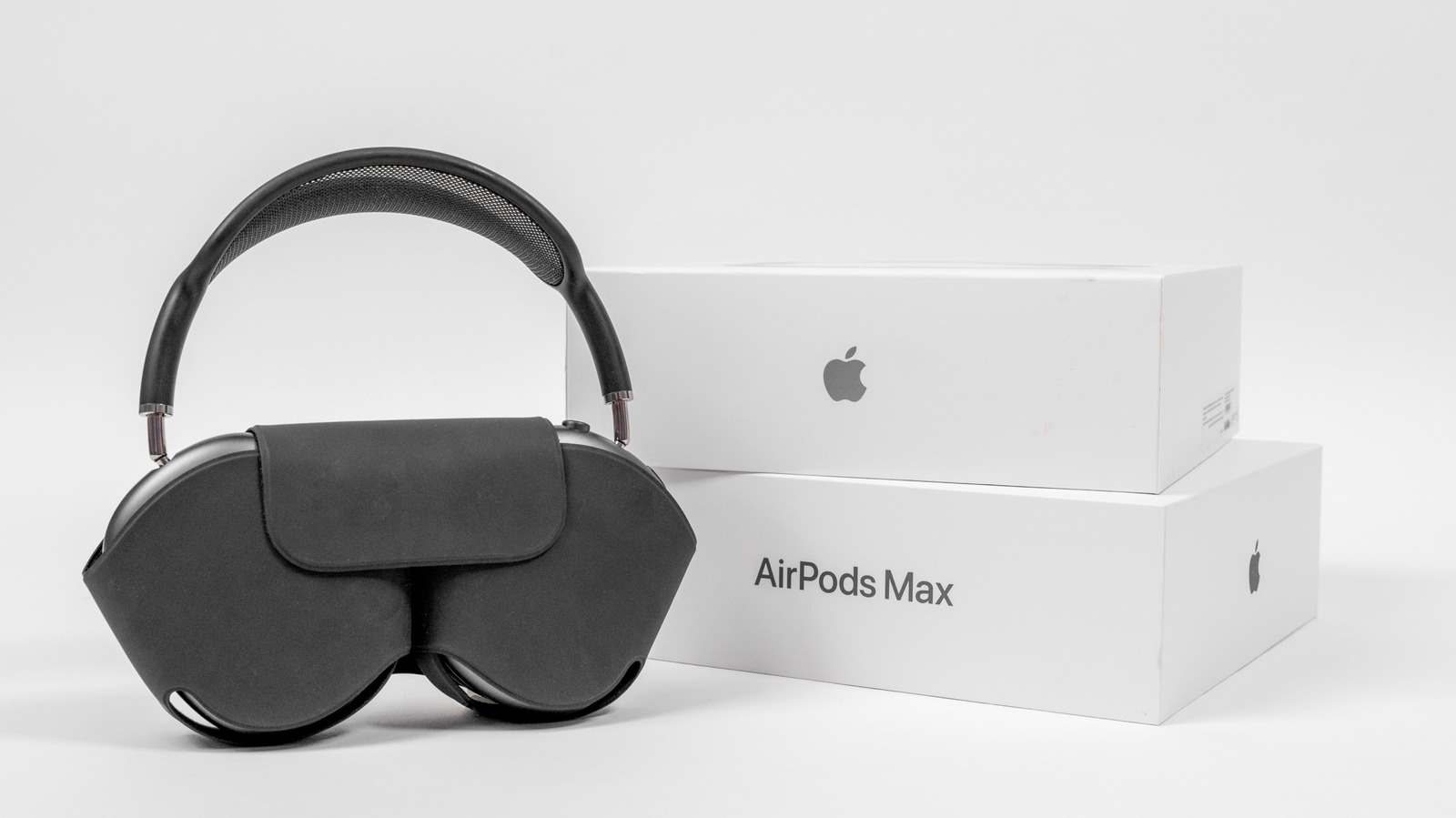
Apple AirPods Max space gray wireless headphones inside its case Masarik/Shutterstock

Apple announced the AirPods Max 2 in late March, surprising most folks with an unexpected launch. With the same design as the original model released in 2020, anyone can confuse the new generation with the USB-C version released a year ago. However, there are two main upgrades that are making early adopters really happy about these headphones: Better ANC and improved sound quality.

As an owner of the original AirPods Max, I’m still undecided whether to upgrade. After all, the high price point makes these headphones almost as expensive as an iPhone 17e or MacBook Neo. Truth be told, both of these products can be a lot more useful for that price.

Even though these new headphones feel a bit of a bittersweet upgrade since they maintain the same design, early adopters say the upgraded ANC and sound improvements are noticeable. If you never owned AirPods Max, or you’re planning to make the switch from the original model to the second-generation, then these early customer testimonials can help you decide.

The AirPods Max 2 looks the same, but just on the outside

A person holding the AirPods Max against a pink and blue background TatianaKim/Shutterstock

Apple says that the AirPods Max 2 has 1.5x better Active Noise Cancelling than the previous generation. Early adopters are helping us understand what difference it makes in the real world. Redditor GoatBaaa0, for example, claimed that they feel a 20% improvement over the previous AirPods Max. While the listening experience might be the same (which is very good), they said there is a noticeable difference when listening to podcasts.

Redditor Dense-Bee-2884 said that the AirPods Max 2 sounds similar to the original model, but Apple has given a boost to the mids and lows, thanks to the H2 chip. Some other users say Apple did a really good job in making different instruments of a song more recognizable, which means the company was able to mix the best of what it learned from the AirPods Pro 2 and AirPods Pro 3, but with an over-ear design.

On a different thread, several users also praise the improved ANC and sound quality. These changes, despite the same design language, were possible thanks to Apple’s H2 chip. Unlike the company’s earbuds, Apple adds one H2 chip to each earcup, making these headphones even better for sound quality. Besides that, Apple has also added all of the important features from the AirPods Pro 3, like Live Translation, head gestures, etc.

There’s something else you should consider, though

AirPods Max next to an iPhone and a MacBook Adrianhancu/Getty Images

While the AirPods Max 2 sounds better, and users will even be able to enjoy lossless and ultra low latency audio capabilities via the USB-C port, it’s important to note that Apple continues to sell the “same” headphones, for the same premium price, and no external changes, meaning that if you had issues with AirPods Max being uncomfortable to wear for longer periods, this new model will also be the same. Personally, I never had a discomfort issue with these headphones, but I did see my headband cushion degrade over the years, and even parts of its plastic started to peel off. Knowing that Apple kept the same design, I also know that, with time, the same issues will start to appear, and I’m not sure I want to deal with them again — especially at that price.

On the other hand, it’s unclear if Apple will ever give these headphones a complete revamp. After all, if it kept the same “refreshed” colors from a year ago, and the same design for the past six, customers might have to wait up to a decade to maybe get a proper upgrade. Besides that, these headphones maintain the same controversial carrying case, which means it’s not ideal for long travels or when you don’t have enough space in your backpack. Finally, this very expensive product doesn’t have any unique features to support the premium price, while the AirPods Pro 3, for example, even gets a heart rate sensor.

Source

Posted on

Your Foreign Router Now Has An Expiration Date, According To

An angry man takes a hammer to his internet Wi-Fi router besides his open laptop. Cunaplus_m.faba/Getty Images

The Federal Communications Commission made headlines last month when it imposed sweeping restrictions on the consumer router market. In a March 23, 2026, announcement, the FCC officially banned the sale of foreign-made internet routers. The fact sheet, which cites the President’s 2025 National Security Strategy to reduce American dependence on foreign technologies, applies to both domestic and foreign companies containing any foreign-made components. Critically, the ban only applies to routers that have yet to receive FCC approval, meaning those currently on the market, or currently on your shelf at home, are exempt from the ban. However, these routers aren’t fully outside of the administration’s crosshairs. According to the waiver, these routers will only be able to receive software updates until March 2027. Due to the ubiquity of foreign electronics components in the American router market, it’s more than likely that your router will be covered by this upcoming restriction. 

The ban adds foreign-made routers to the FCC’s “Covered List,” which it defines as “a list of communications equipment and services” that “are deemed to pose an unacceptable risk to the national security of the United States or the security and safety of United States persons.” First applied to ban Chinese telecom giants like Huawei and ZTE from the U.S. market, the Covered List has been used to limit the reach of select Chinese and Russian technologies that the federal government labeled national security risks. Recently, federal officials discussed applying the designation to TP-Link, a bestselling Chinese router brand that became the subject of U.S. security debates last year. In December 2025, the FCC created a precedent for the router ban by adding foreign-made UAS components to the covered list. However, due to the comparative ubiquity of consumer-grade routers, the recent ban is likely to be more disruptive.

The ban

A woman on the phone plugs in her white Wi-Fi router. Aquaarts Studio/Getty Images

The FCC’s ruling escalates previous discussions barring T.P. Link, which holds roughly 65% of the U.S. home router market, to include nearly every router sold in the U.S., as the vast majority of providers manufacture their products outside the United States. For instance, popular American brands like Netgear, Google, Amazon, and Ubituiti all rely on Asian manufacturers. Some have speculated that one exception may be SpaceX, which reportedly constructs its Starlink routers in Bastrop, Texas. However, it’s uncertain whether SpaceX will pass stricter requirements, as Vietnam has served as a significant supplier for Starlink router components since 2024. Importantly, even foreign companies that move the entirety of their manufacturing processes to the U.S. will need to seek an exemption, since the ban applies to any router designed outside the U.S. 

One key distinction is that these restrictions only apply to new router models. This means that consumers can still purchase routers that previously received FCC approval, including those currently populating store shelves. Retailers can even restock their inventories with these previously approved models. However, these routers will supposedly fall under the March 2027 updates ban.

FCC Chairman Brendan Carr posted on X that companies can earn an exemption if they do not “pose such unacceptable risks.” To seek approval, manufacturers must submit an application that includes “justification on why any foreign-manufactured router is not currently manufactured in the United States.” The submission also requires “a detailed, time-bound plan to establish or expand manufacturing in the United States,”  including an “inventory of the progress made on the U.S. manufacturing and onshoring plans.” Interestingly, beefed-up security protocols are not required for approval.

Uncertainties abound

A man looks worryingly at his phone while holding up his Wi-Fi router. Vladimir Soldatov/Getty Images

According to the FCC, the ban follows the recommendations of “a White House-convened” national security body recommendation that foreign consumer-grade routers pose a significant national security threat. The National Security Determination cited in the announcement states that all foreign-produced routers, “regardless of nationality of the producer,” pose “unacceptable risks to the United States.” Furthermore, it claims that foreign-made components create vulnerabilities in the U.S’s technological supply chains and “establish a severe cybersecurity risk.” Home routers have been targeted by major malware attacks, causing the FBI to warn consumers to reexamine their router options. In March, the Justice Department disrupted a scheme targeting millions of home routers. The FCC stated that foreign-produced routers were “directly implicated” in the Volt, Flax, and Salt Typhoon attacks, which “targeted critical American communications, energy, transportation, and water infrastructure.”

Critics argue that the ban prompts more questions than answers. For instance, if foreign-made routers are a security risk, why does the ban not protect the millions of Americans currently using them? Furthermore, although international cyberhackers have targeted foreign-made routers, their ability to do so isn’t necessarily linked to their country of origin. And while backdoors are a concern, critics argue that responding to that possibility with a full market freeze is likely to do more harm than good. In terms of the FCC’s update moratorium, barring updates could create more security problems than it solves. Furthermore, companies are not required to submit documents when issuing updates, making enforcement difficult. 

On balance, the ruling is likely to be less effective as a security measure than it is as a lever to force router companies to the negotiating table. Whether it sparks a domestic manufacturing spree or simply creates market instability is anyone’s guess.

Source

Posted on

Own A Piece Of Steve Jobs’ Turtleneck With This Over-The-Top

On October 5, 2011, Steve Jobs died due to complications caused by a pancreatic tumor. The man made Apple a household name and was rarely seen on stage without his black turtleneck. This article of clothing was simple but is probably more iconic than Mario’s red and white monogrammed hat. And now you can own part of the turtleneck — for a hefty fee.

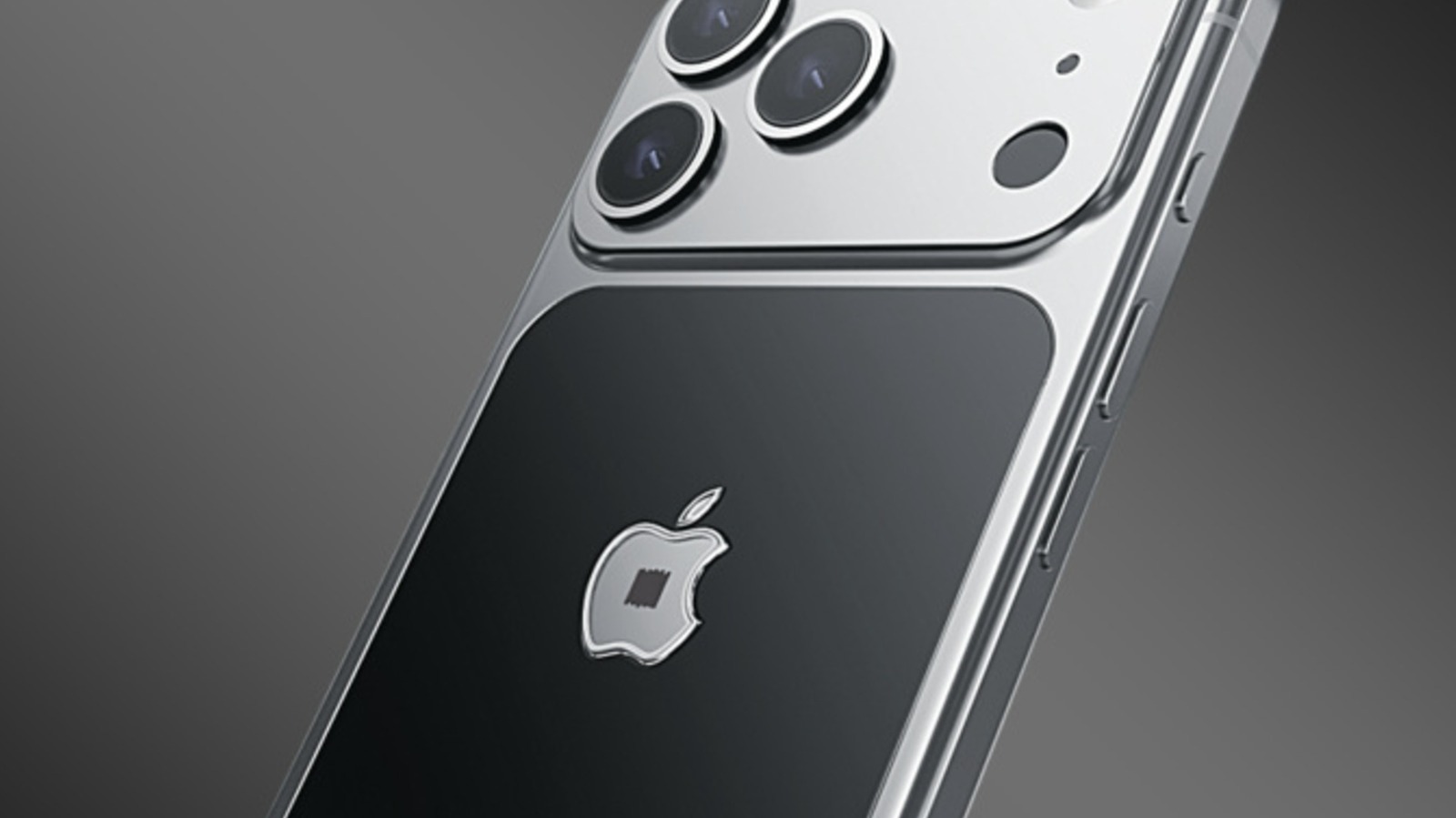
Caviar, a company known for selling luxury iPhones, recently announced the Apple 50th Anniversary Collection, which consists of three phones. Two of these products are custom black iPhone 17 Pros, but the third is a throwback to the original iPhone with part of Jobs’ sweater woven into the case. No, it’s not the big black rectangle on the back of the phone where you can find Jobs’ signature etched into the case. You see that tiny black square in the center of the Apple logo? That’s the piece of the turtleneck that allegedly makes this phone so special.

According to Caviar, this shred of fabric came from the turtleneck that Jobs wore when he introduced the NeXT computer to audiences in 1988. Why the company picked the clothing Jobs wore when he introduced one of his biggest product failures, and not, say, the turtleneck he wore when he introduced the first iPhone is anyone’s guess. In fact, if you watch the video of the NeXT computer reveal, it doesn’t look like Jobs is wearing a turtleneck. Maybe it was under his suit? But Caviar claims the fabric was authenticated, so we’ll just have to take its word for it.

This phone will cost you an arm and a leg

Caviar’s Jobs iPhone isn’t the first example of Steve Jobs’ personal effects being sold as memorabilia. His 1973 job application fetched $50,000 at an auction, but while this phone isn’t anywhere near as expensive as that item, it is still far and above one of the priciest functional Apple products available.

Caviar is selling two versions of the custom phone: An iPhone 17 Pro variant and an iPhone 17 Pro Max model. Both can ship with either 256 GB, 512 GB, 1 TB, or 2 TB of memory. At the “cheapest” (the 256 GB iPhone 17 Pro), this phone will set you back $9,630, whereas the iPhone 17 Pro Max 2 TB version costs a monumental $11,560. Delivery is free, but taxes and customs duties aren’t covered in the cost; the latter can add anywhere between $40 to $200 depending on your country. Oh, and you will have to wait somewhere between one week and four months to receive your phone — after Caviar officially completes production. 

Each copy of this phone includes a certificate of authenticity and a one-year warranty. However, since the device is a “museum-worthy collector’s piece” (Caviar’s words, not ours), it might be better left at home where it is safe. That way it can remain the golden apple of your collection for years if not decades.

Source

Posted on

Elon Musk’s Tesla Is Working On Something ‘Cooler Than A

Tesla isn’t the brand it used to be. The company’s stocks have plummeted, and many customers have lost faith in Tesla cars. However, Tesla’s CEO, Elon Musk, thinks he will impress drivers with an upcoming vehicle, which he said in a post on X on March 25 will be “way cooler than a minivan.”

You’re probably wondering what Musk has in mind. Well, so are we, because that’s all he said on the matter. Musk has followed up his post with claims that Neuralink lets people with ALS speak again, and plenty of videos generated by Grok (days after OpenAI decided to shut down its video generation app Sora). However, he’s said nothing on what could be Tesla’s figurative and literal biggest product to date.

Plenty of commenters have posted what they think this “cooler-than-a-minivan” car would look like. Most of these ideas resemble a modified Cybertruck and are dubbed the “CyberSUV,” while others think Musk is teasing the encroaching release of the Tesla Robovan, the autonomous van the company announced back in 2024. Although, for all we know, Tesla is just going to release another Powerwheels-esque vehicle for kids based on an existing Tesla car.

Take the announcement with a grain of salt

Usually, an announcement that a vehicle currently in development will be “cooler than x” is worth celebrating, if only slightly. However, if we are being honest, Musk has a history of overpromising and underdelivering.

Let’s start by looking at Tesla’s latest product, the Cybertruck. Many drivers think the Cybertruck is an unreliable vehicle. The car tends to fall apart and runs on technology that hasn’t seen a lot of action. In 2019, when Musk rolled out a physical version of the Cybertruck, he claimed the windows were bulletproof, but during the demo, they barely held up to a steel ball lazily chucked at them.

Musk’s ventures can flop. His plan for a cheap, fast, new method of transportation with the hyperloop, has so far turned out to be little more than a pipe dream. Don’t be surprised if the car Musk promises to be “way cooler than a minivan” just turns out to be a plain old minivan that runs on battery power instead of gas — assuming the car isn’t canceled before launch, that is.

Source

Posted on

Apple Just Made Its Best Monitor Cheaper

It’s been only a few weeks since Apple released a new Studio Display and the all-new Studio Display XDR, which BGR already reviewed. However, in a rare move, the company is lowering the price of its most expensive monitor. As spotted by MacRumors, Apple is now offering the Studio Display XDR with the VESA mount adapter for $2,899. (previously $3,299). The same is worth it for the nano-texture version, which now costs $3,199 (previously $3,599).

Besides that, MacRumors points out that Apple reworked the step-by-step process of buying this monitor. Now, the company offers users the ability to choose which stand they prefer, whether the tilt and height-adjustable version for $3,299, or the VESA mount adapter for $2,899. Once customers go through this part, they can choose whether they want the regular glass or the nano-texture version, followed by AppleCare coverage.

The publication speculates that Apple cut the price of the Studio Display XDR because that’s what most companies do when selling a VESA mount adapter monitor, as it doesn’t come with a proper stand. However, the company still offers the regular Studio Display for the same $1,599, whether customers choose the standard version or not. One can only dream about a similar $400 price drop, which would make the second-generation Studio Display a lot more competitive.

Studio Display XDR is Apple’s newest Pro monitor

Apple's Studio Display and Mac Studio on a desk José Adorno/BGR

Apple’s new Studio Display XDR takes the place as the company’s most expensive monitor, which was previously the 2019 Pro Display XDR. While it makes sense why the company discontinued this product, as it has also stopped selling the Mac Pro, this new model sits in between what the Pro Display used to be and the regular Studio Display.

After all, the Pro Display XDR offered a 6K 32-inch miniLED display, while the new Studio Display XDR features a 5K 27-inch miniLED screen. While this change alone makes the new model a lot cheaper than this other product, Apple also packed the Studio Display XDR with previously unseen or renewed features, like 2,000 nits of peak HDR brightness, 120Hz refresh rate, an A19 Pro chip to take care of all the smart features of the display, instead of relying on the connected Mac, in addition to improved speakers and a better 12MP Center Stage Camera with Desk View support,

The Studio Display XDR also comes with two Thunderbolt 5 ports and two additional USB-C ports to improve connectivity. For example, through the Thunderbolt 5 Pro cable, this monitor can fast-charge a 16-inch MacBook Pro thanks to its 140W of charging power. Still, it’s important to note that those who wanted a bigger or better resolution display compared to the Pro Display XDR won’t find the solution with Apple.

Apple also touts the Studio Display XDR for healthcare

In another unusual move, when Apple introduced the Studio Display XDR, the company announced it featured DICOM medical imaging presets and a Medical Imaging Calibrator. The company says these features can be used in diagnostic radiology. The reason behind this new feature is that since several medical professionals use the Mac, the Studio Display XDR could be the perfect all-in-one solution, as these professionals could enjoy all the perks of this personal/work display, in addition to a unique medical imaging feature. Apple says it’s still expecting FDA clearance to start offering this function.

The company also states that Apple products have been important tools to help healthcare professionals and developers improve patient outcomes, among other changes, such as improving research and efficiency in healthcare systems.

That said, the Studio Display XDR can now be found starting at $2,899 at Apple’s website, a fraction of what the $4,999 Pro Display XDR used to cost, in addition to its optional $999 stand, which Apple “only” charges $400 more on the new Studio Display. At this moment, it’s unclear if a similar change could happen to the regular Studio Display model, even though it’s unlikely, as the previous model used to cost the same for both options.

Source

Posted on

Apple Is Breaking Its Own Rules To Protect iPhone Users

An iPhone running iOS 18 José Adorno/BGR

Apple is issuing a rare iOS 18 update as it wants to protect more users against a dangerous hack. The company is now rolling out iOS 18.7.7 to more devices, so users who decided not to upgrade their devices to iOS 26 can also be protected against the DarkSword hacking tool.

What’s interesting about this update is that Apple rarely releases new software to older versions unless it’s patching a major flaw or updating some of the credentials that make iPhone services work. In this case, instead of pushing iOS 18 users to finally upgrade their iPhones to iOS 26, the company prefers to offer a security patch so users can continue on their preferred iOS version while still keeping themselves safe.

A few months ago, the company announced that over a third of iPhone users with an iPhone purchased in the past four years were already running iOS 26. Since the DarkSword hacker tool is so dangerous, the company decided take immediate action, which security analysts interviewed by Wired called “better late than never.”

What is DarkSword?

hacker scammer computer technology. cyber security concept. attack and data digital. Yellow Duck/Getty Images

What makes the DarkSword hacker tool so dangerous is that it tackles multiple iOS vulnerabilities to compromise your iPhone. Typically, attackers go for a Safari/WebKit bug, which then allows these hackers to run code when a user simply visits a compromised website. After that, it escalates privileges to take control of the device.

This is concerning because DarkSword doesn’t require much from the user, as there’s little to no user interaction beyond a loading page. Wired reports that infected websites can instantly and silently hack iPhones, which is unusually effective even by iOS standards.

Different groups have used this tool for espionage, surveillance, and financial theft, as they can extract messages, credentials, photos, and even crypto wallet data. There are also references to state-sponsored actors and commercial spyware vendors behind this sophisticated tool. This is why Apple is issuing this rare update to iOS 18 users, as it targets already-known vulnerabilities that Apple has already patched with new software.

That said, hundreds of millions of iPhones could be exposed to these vulnerabilities as they’re still running older iOS versions, whether because they don’t have enough storage space, don’t like Liquid Glass, or think the update will slow down their devices. Besides that, since the code of these hacker tools is now online, it can be used for espionage, as well as broader cybercrime activities, as anyone with the know-how can take advantage of these security flaws.

Are iOS 26 iPhone users safe?

A hand holding an iPhone running iOS 26 José Adorno/BGR

The bottom line is: If you are already running iOS 26, make sure you have the latest iOS 26.4 version installed. After all, the more recent version of iOS your iPhone is running, the smaller chance it has to suffer from a hacker attack, as Apple is constantly offering new security patches.

However, even if you updated your iPhone to iOS 26 and stopped there, there are a few changes that make it more secure than an iOS 18 device. For example, the company released Background Security Improvements in this new version, which means WebKit can be fixed silently without a full operating system update, which is not the case for iOS 18.

Besides that, iOS 26 also patched a flaw where malicious web content could bypass the Same Origin Policy, which is tied to WebKit’s navigation APIs. Finally, iOS 26 brought Memory Integrity Enforcement, which, combined with Memory-Level Protections from Apple’s latest hardware, makes the iPhone safer against memory corruption exploits, which is usually what hackers try to exploit in WebKit. That said, today’s iOS 18 release is a reminder not only for iPhone users who haven’t updated their iPhone yet, but also for those who occasionally update their devices, even if they’re running a somewhat new version.

Source

Posted on

Sony Is Temporarily Discontinuing Its Memory Cards

We may receive a commission on purchases made from links.

Many people associate the name “Sony” with the entertainment industry. After all, Sony manufactures the PlayStation 5 and some of the best home theater systems on the market. However, Sony also produces plenty of digital cameras and associated components, including memory cards. Well, it did. Sony is temporarily suspending production due to what is currently the final boss of the electronics industry: AI.

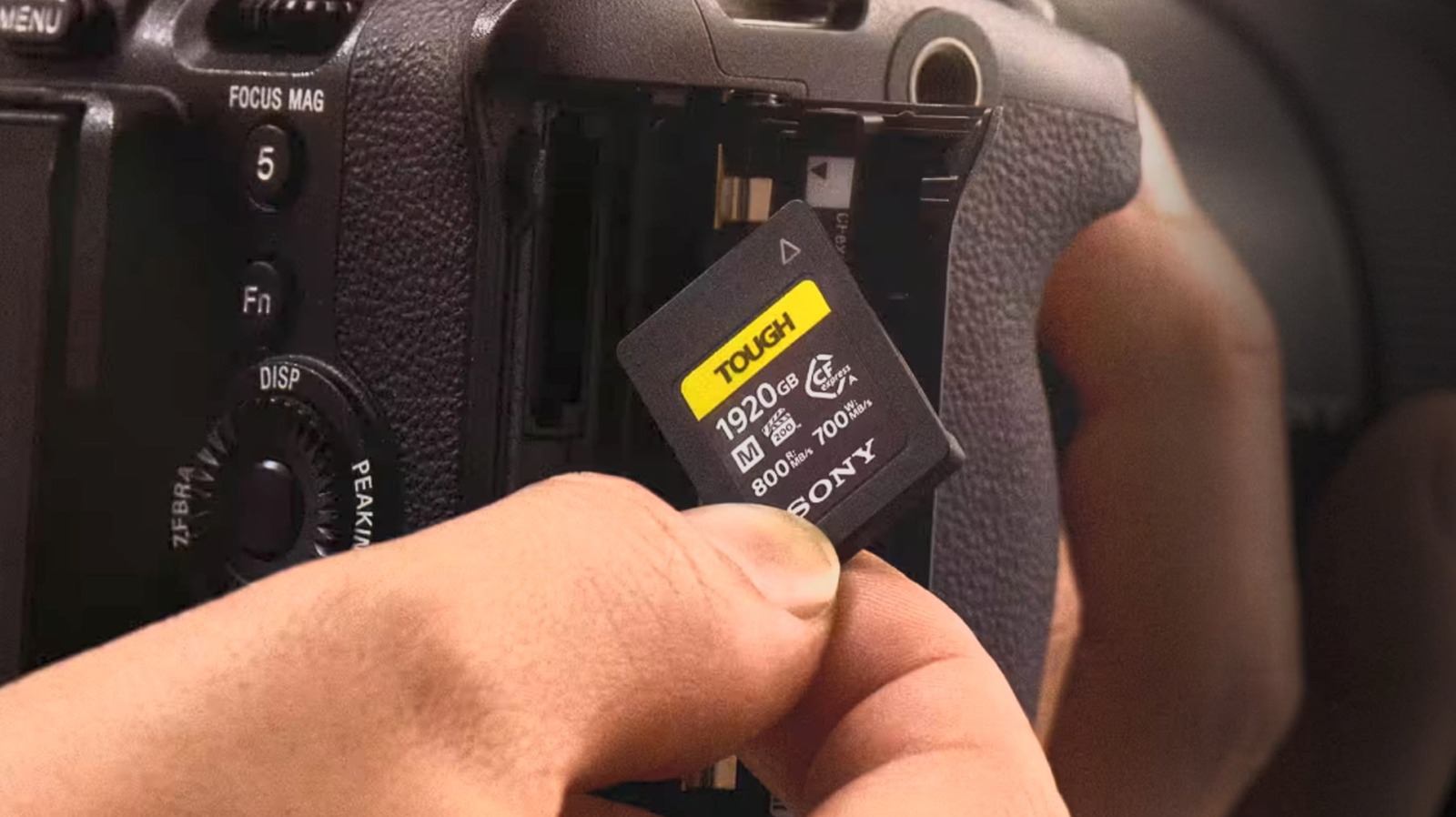
Recently, Sony announced that it would stop taking orders for its CFexpress memory cards and SD memory cards “for the foreseeable future.” The company stated it wouldn’t be able to meet future demands for these products due to the “global shortage of semiconductors (memory) and other factors.” As most computer aficionados will tell you, AI data centers and associated companies have been mass-purchasing semiconductors and their necessary materials to inflate the AI bubble as quickly as possible, leaving little for the rest of us. Sony’s memory cards are only the latest victims, as a few days ago, Sony decided to raise the prices of PlayStation 5 consoles because of, you guessed it, chip shortages fueled by a focus on AI.

Here is a list of all the memory cards you can no longer order from Sony:

  • CEA-G1920T
  • CEA-G960T
  • CEA-G480T
  • CEA-G240T
  • CEB-G480T
  • CEB-G20T
  • SF-G256T
  • SF-G128T
  • SF-G64T
  • SF-M512T
  • SF-M256T
  • SF-M128T
  • SF-E256
  • SF-E128A
  • SF-E64A

You can still buy Sony’s memory cards … for now

Since many photographers rely on Sony’s memory cards to store their digital pictures, this news is particularly painful. However, let’s not catastrophize yet. Just because you can’t place any new orders for a Sony-branded card doesn’t mean you can’t buy one.

Retailers such as Amazon and Best Buy still have plenty of Sony memory cards in stock, but only what the outlets could order before Sony cut everyone off. Once these stores run out of CEA-G480T and SF-E128A memory cards, then you have to worry. You also might see some stores “adjust” (i.e., raise) prices to reflect dropping stocks, not unlike how AI data centers are causing smartphone and TV prices to skyrocket. However, if you have encyclopedic knowledge of Sony’s memory card catalog, you probably noticed that some were left off the list of affected products, including the CFexpress Type B 960GB (CEB-G960T). That’s because Sony is still manufacturing and selling these products, although the G960T is one of Sony’s priciest cards, costing just shy of $1,000 on sites such as Amazon.

If worst comes to worst, you can always purchase memory cards through rival manufacturers such as SanDisk and Lexar, but don’t expect to save money. According to sites such as TechRadar, prices are spiking like crazy, so keep that in mind when shopping. Until the AI bubble finally pops, you might want to consider purchasing used memory cards.

Source

Posted on

Google Is Finally Letting You Change Your Gmail Username –

smartphone with Gmail logo on a white background resting on top of a laptop keyboard. JarTee/Shutterstock

Gmail has become one of the biggest email providers in the world, with Google proudly claiming that the service is used by more than three billion users. Despite all those users, though, the company has been slow to deliver one much-needed feature: the ability to change your Gmail username. We first saw reports about this possible feature back near the end of 2025, and now it seems Google is finally rolling it out, with the company sharing an unlisted YouTube video and new support documents detailing how to complete the process.

Being able to update your Gmail username is, honestly, a huge boon for many of us, especially if you’ve had your Gmail account for several years. That’s because you may have given that email a less-than-great name, especially if you were younger at the time that you made it. We certainly have our share of old, potentially embarrassing Gmail names, but the emails are so connected to other facets of our lives through application signups, etc, that changing out to an entirely new email might not always be feasible.

Well, now you don’t have to do that. The best part is, Google says that any mail that comes to your old email address will continue to be sent to the new one, which should hopefully allow for a seamless transition to the new username. Additionally, before you start updating your Gmail username, Google recommends making sure you won’t run into any problems. Most notably, if you use a Chromebook, use Sign-in with Google on third-party sites, or control your PC using Chrome Remote Desktop, then you may have sign-in problems after changing your email. If none of this affects you, though, then

How to change your Gmail username

The screen that appears when you select Change Your Google Account Email in Gmail. BGR

You can change your Gmail username by opening Gmail on a computer browser. Once loaded up, go ahead and locate your account icon in the top-right of the screen. Now, click on your name to pull down the menu and select Manage your Google account. You may be asked to verify your identity, so just follow the steps on the screen until you reach your account page.

Now select the Personal info section on the left side of the screen, then Email and select your Google Account Email at the top of the Email settings page. This will take you to another menu, which should give you the option to Change Google Account email. Clicking this will begin the changing process, so make sure you already have another email username picked out. You’ll also want to be sure you choose a good one, as Google says it will only allow you to change your Gmail username every 12 months.

The reason that your old email address will still continue to work is that it becomes an alternate email address on your account. Google also says that once you change your email username, you won’t be able to delete it for the next 12 months, but that you can revert to your old email username at any point. You’ll also be able to continue signing into apps and services such as Google Maps, Google Drive, and more using the old login information.

Source