Posted on

This Android Feature Could Make It Harder To Overheat Your

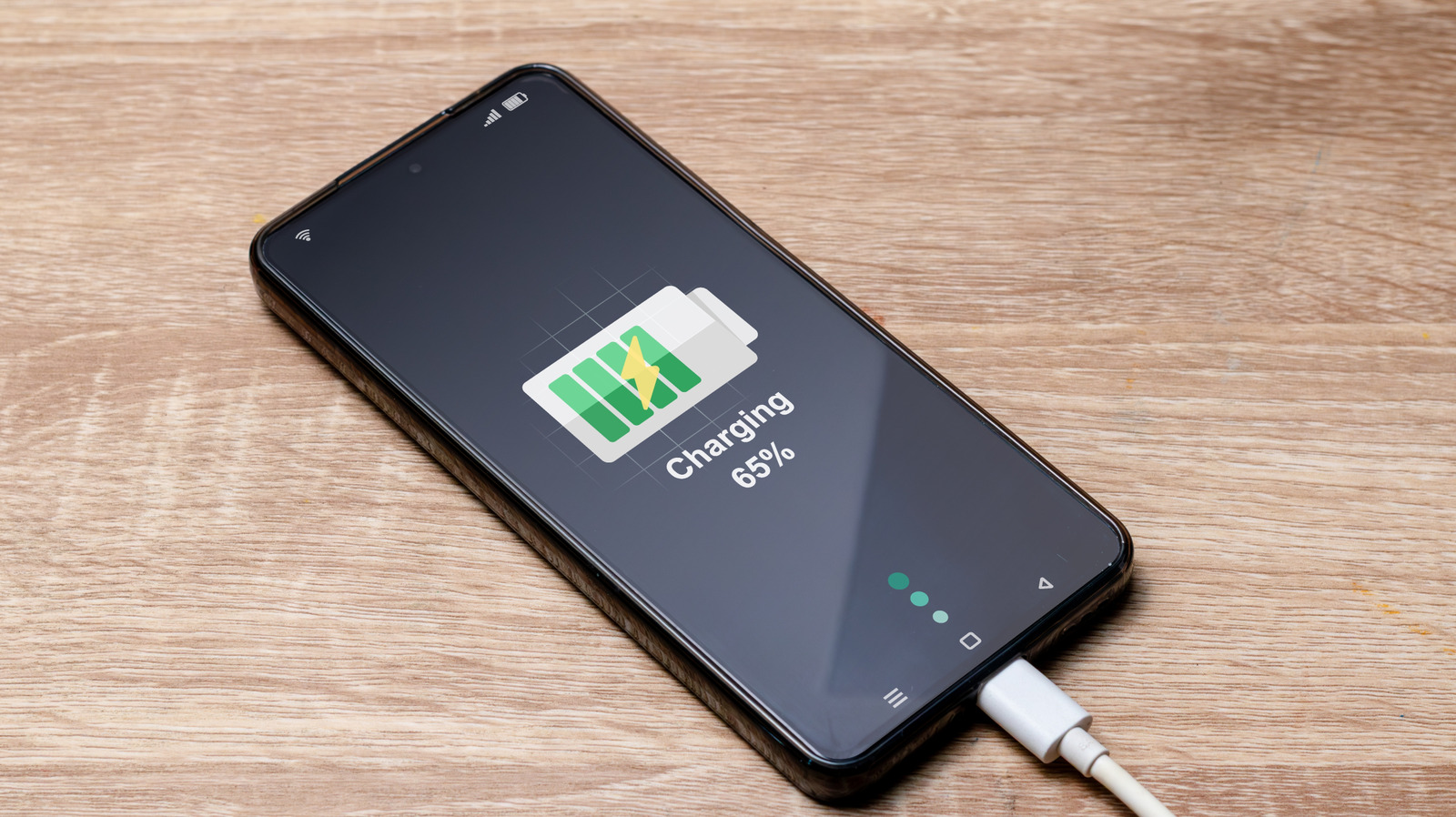
smartphone charging on a table, showing 65% charged fadfebrian/Shutterstock

Android 17 Beta 3 arrived last week, giving us even more of a taste of what to expect from Android this year. This also meant that users who love to complete APK teardowns of the updates had a slew of new information to work with, and one feature that Google has yet to share any official information about seems to have made the latest beta’s cut, appearing in code strings found within the update.

According to Android Authority, which conducted the teardown, the new feature is called Priority Charging. All we have to go off right now is the code information itself, but it sounds like this feature could be one of those exceptionally useful additions to Android, especially with how battery-hungry smartphones can be with all the new AI additions added in recent years.

The code strings shared during the APK teardown note that Priority Charging will temporarily pause some of your device’s background activity. The code then goes on to mention app updates specifically, which could mean anything from background activity for email apps, games, or weather applications, to background syncing for other apps that rely on it. Unfortunately, we don’t have enough information to know for sure what it will affect. It is worth noting that the string of code does specifically call out that you will continue to receive calls and texts, though, so it shouldn’t hinder any of your primary communication methods.

What’s the point of Priority Charging?

smartphone running android 12, showing the lockscreen while charging on a yellow table Tada Images/Shutterstock

The idea here appears to be to provide those quick moments of charging your phone in an ideal environment to focus the juice it pulls into your device. Smartphones have become much faster to charge in recent years. However, even when charging your phone, it typically continues to pull from the battery to power it — though some devices like the Pixel 10 do have something called bypass charging, which allows the phone to use power directly from the wall outlet after reaching a certain point. The point of Priority Charging in Android 17, though, appears to be related specifically to getting a faster charge even when short on time.

That’s exactly what the code that Android Authority discovered says. There’s also a bit of code that recommends using a 30W or higher-powered charger if you want to get the best results from the feature. Additionally, it says that when activated, the phone will manage the battery and how it charges to ensure the temperatures remain within a “normal range.” These kinds of features can greatly improve how you use your phone by making it easier to charge when you don’t have time to set your phone up in the best charging spots in your house — like if you’re getting ready to head out for the night and want to top off your device’s battery.

Unfortunately, as with any of the APK teardowns that we see coming out of new updates like this, there is no current release window for Priority Charging. We don’t even know if Google will finalize the feature with this name or work on it more and release it under a different name.

Source

Posted on

Sony Is Raising PlayStation 5 Prices Next Month

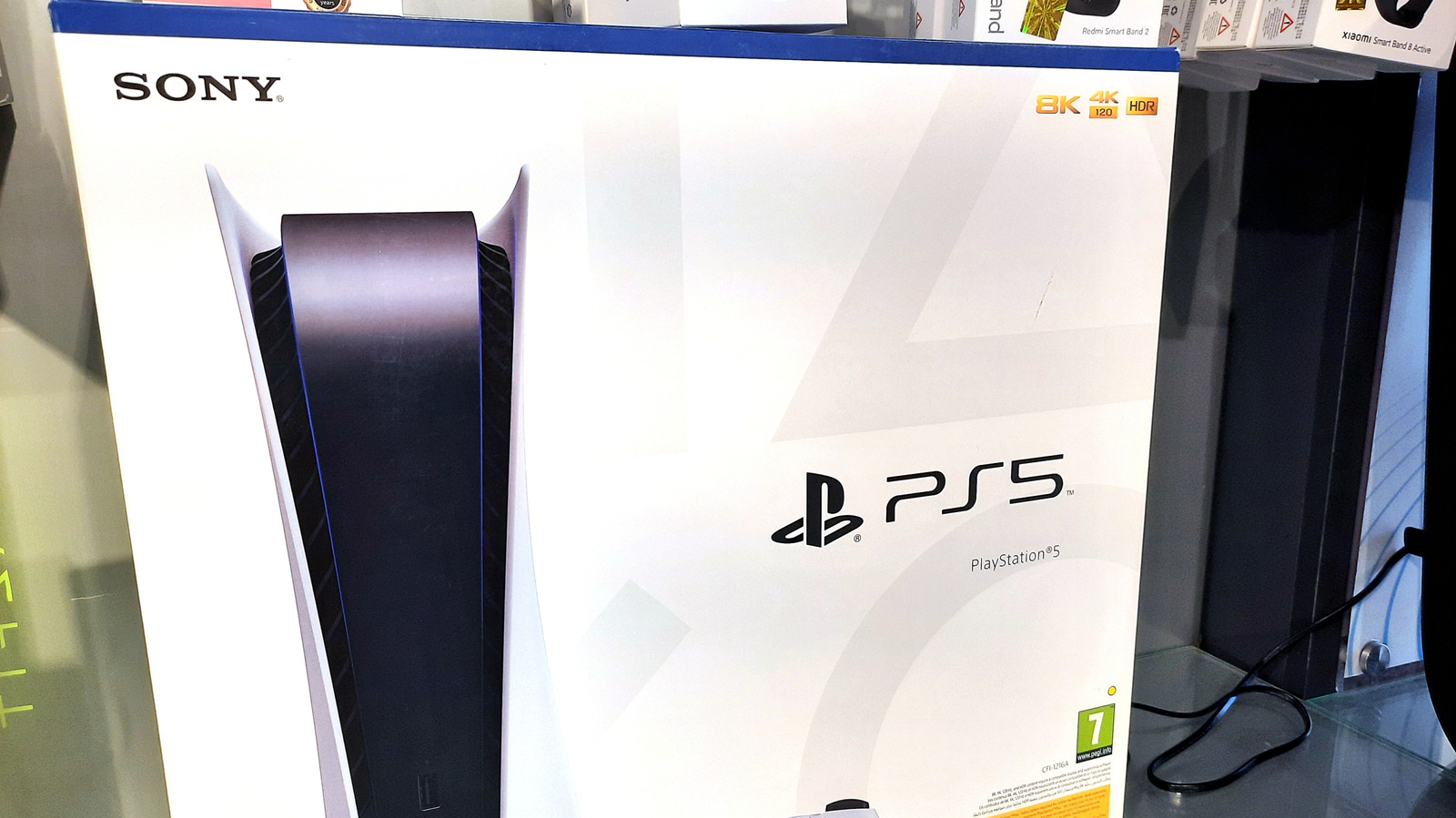
playstation 5 on a store shelf in the box Tamer Soliman/Getty Images

The prices of all of Sony’s gaming consoles are about to rise in several countries by at least $100 across the board. This includes all the current variations of the PlayStation 5, including the Pro model, as well as the PlayStation Portal remote console (though the company did not share price changes for the PlayStation Portal at this time). All the price hikes are expected to kick in on April 2, and Sony notes that these are just the recommended prices, so vendors may have the consoles listed for something different.

Sony shared the changes in a blog post, noting that the basic PlayStation 5 will leap from $549.99 to $649.99, a $100 difference, while the PlayStation 5 Digital Edition will see a jump from $499.99 to $599.99. As for the more powerful PlayStation 5 Pro, Sony is going hard on the price jump, raising it from the listed $749.99 to $899.99.

Sony last raised prices on the PlayStation 5 in August 2025, so it hasn’t even been a year since the last increase, which was only an increase of $50 in most cases. This also isn’t the first gamers have seen of recent price increases, as Nintendo recently announced big changes to how it prices Switch 2 games. As for why these hikes are coming, well, Sony says it’s because of the “global economic landscape.”

The global economy is currently in a volatile place

stack of P5 consoles on a store shelf pimpampix/Shutterstock

A price increase for gaming consoles like the PlayStation 5 isn’t wholly unexpected, especially given the aforementioned state of the global economy. There is a lot happening in the tech world, which is a big part of why there are these kinds of price changes hitting consumers’ wallets. A massive factor of this is the ongoing chip shortage due to the explosion of AI data centers around the world.

These AI chip shortages are driving up prices all around the tech industry, and you could see them impact smartphone prices, television prices, and more. These shortages have even led some SSDs to be worth their weight in gold, not to mention the rising price of RAM — thus the “RAMmageddon” moniker — being seen at the moment. All of these challenges are likely part of the struggles that Sony appears to be blaming for the coming increase in the PlayStation 5’s price.

Probably not the last time we’ll see prices increase

concept of rising prices - man calculating expenses while looking at his phone, coins stacked higher and higher in front of him Sutthiphong Chandaeng/Shutterstock

The unfortunate truth here, though, is that this is probably not the last time the price of PlayStation 5 consoles will increase, especially the higher-end model like the PlayStation 5 Pro. This is because there doesn’t appear to be an end in sight for the ongoing shortages AI is causing. And with some of the current political situations the world is facing, global supply lines could be affected in other ways, too.

Sadly, there’s no way to tell where those disruptions might surface, or when, which means consumers will have to wait for companies to make announcements and update prices as things unfold. As such, the best way to help ensure you get the lowest price on an item you’re wanting — like the PlayStation 5 — is to purchase it before the price increase hits on April 2, or wait for a good deal on Amazon or some other retailer.

Source

Posted on

Video Calling Just Got A Big Upgrade

Man using a smartphone to make a video call to his doctor Orbon Alija/Getty Images

RCS — or Rich Communication Services — has become the backbone of sending messages on Android phones, since it’s the default way that Google Messages handles sending and receiving texts. A recent update to the RCS Universal Profile has given us a glimpse of what the platform might be capable of in the future, though it will likely be a while before we see it start to hit applications.

For starters, GSMA shared that the update to RCS Universal Profile 4.0 will enable quite a few new additions to RCS messaging, including the ability to make video calls directly inside a message thread. Further, GSMA says that messaging-initiated video calls (MIVC) would also pave the way for the first native video calling experience across multiple operating systems and networks.

The upgrades don’t stop there, either. RCS Universal Profile 4.0 will also bring rich text and higher-quality media to the messaging experience. This means you’d be able to write text with more expressive formatting, like bold letters, italics, and even strikethroughs. As for the media upgrades, Universal Profile 4.0 has been finalized with the ability to send higher quality audio, video, and images by letting the device choose the most optimal encoding for the content it is transferring.

Why you shouldn’t expect RCS video calls anytime soon

a man watching sand in an hourglass, concept of waiting Ridvan_celik/Getty Images

Of course, as exciting as all of this is, it’s likely going to be a long while before we actually see these improvements hitting applications and smartphones. That’s because, though the profile has been finalized by the GSMA, it still needs to be implemented. So far, Google and Apple have both been taking their time implementing the previous upgrades that Universal Profile 3.0 brought to the table. This includes full-blown MLS encryption — which developers are just now starting to test on Apple devices, and which Google has been testing for several months now. Those profiles have been finalized for over a year already, and we haven’t even seen all the upgrades come to fruition.

Once smartphone brands introduce these features, though, carriers will also have to support them. This was especially prevalent back when Apple first introduced RCS on iPhone, as only certain carriers had turned RCS on for iPhone users. It seems like RCS is shaping up to be a fantastic messaging platform inside Google Messages, so long as Google continues to support it with useful new features like the recently added real-time location sharing.

Source

Posted on

Netflix Is Increasing Prices On All Plans Starting Today

A cellphone displaying the Netflix logo sits atop scatterings of hundred dollar bills, which are covering the background izzuanroslan/Shutterstock

It’s not always easy being a fan of streaming services, and Netflix just made it even harder. Along with implementing some big changes to Netflix in 2026, including a redesigned mobile app, the company is now increasing the price of all its subscriptions. Notably, this is the second price increase across all the tiers since January 2025, and the second time the ad-tier price has ever been raised.

Quietly announced today through an update of Netflix’s Plans and Pricing page, users can expect to pay one or two dollars more for accessing streaming content, and there’s also an additional price increase for adding more users to certain plans. According to Netflix’s support page, users should receive an email about the new increase.

It’s worth noting that prior to January 2025, the last Netflix price increase occurred in October 2023. Depending on the Netflix subscription you choose, it can affect how many devices you can stream on at once, as well as the quality in which the media is displayed. Higher tiers can also add extra members to their accounts, meaning you need to have at minimum the Standard package to add someone “who doesn’t live with you.” You also need the Premium tier if you want to stream in 4K.

Prepare to pay more for Netflix

The Netflix logo outside of a corporate office in California, the logo is surrounded by trees Mijansk786/Shutterstock

Along with the company deciding to stop supporting some older smart TVs in March 2026, Netflix is once again raising its prices for users. This means anyone looking to watch Season 2 of the live-action “One Piece” series can expect to fork out a little more. Though customers can expect an email prior to their price officially going up, current members can expect these changes to begin applying over the next few weeks.

Looking at Netflix’s Plans and Pricing page, users can expect to pay $8.99/month for Standard with ads, $19.99/month for Standard plan, and $26.99/month for the Premium tier. That’s up from $7.99, $17.99, and $24.99, respectively. Additionally, users can also expect to pay more for adding additional members to their plans, with prices for extra members jumping to $7.99 with ads or $9.99 without ads. That’s a dollar more, with prices previously being $6.99 and $8.99, respectively.

It is worth noting that while the prices are increasing, Netflix isn’t bringing anything new to the table to counteract these hikes. Members can still stream on the same number of devices concurrently, and  whatever resolution limits were in place will still apply. It will be interesting to see what impact this will have for the company regarding user retention, though time will be the judge of that.

Source

Posted on

7 Hidden iOS 26.4 Features You Didn’t Know Apple Added

A hand holding an iPhone 16 Pro Max. On the display, iOS 26's animated cover Lock Screen José Adorno/BGR

On March 24, 2026, Apple released iOS 26.4 with more emojis, new Apple Music features, a better video experience on Apple Podcasts, and a host of bug fixes. However, did you know that you can now use the Control Center song recognition feature without an internet connection or that adult members of a Family Sharing group can use different payment methods for making purchases?

These hidden features are also part of what makes iOS 26.4 such a significant update. While we still wait for Apple to introduce the revamped Siri for iPhone users, which will ultimately let the personal assistant tap into personal information, perform tasks on the iPhone on your behalf, and even work as a ChatGPT-like assistant, there’s plenty to discover right now.

The latest software update includes a number of new features you didn’t know you needed, like a redesign to the Wallpaper and Watch Face galleries. In fact, there are at least 7 hidden iOS 26.4 features we didn’t cover in our initial article that are now available for iPhone users, and they might make a big difference in your daily routine.

iOS 26.4 is full of under-the-hood improvements

An iPhone displaying the Control Center in iOS 26.4 José Adorno/BGR

One interesting iOS 26.4 hidden feature that many users might never notice on their own is that the song recognition button on the Control Center can now identify songs even when you don’t have an internet connection. The iPhone will record that piece of music, and once you’re back online, it will identify the song and the artist who performed it.

The second biggest change for those who share subscriptions with family members is that adults in a Family Sharing group can now use different payment methods for purchases. As a result, the account holder doesn’t need to pay for everything anymore, and members don’t need to ask the organizer for permission to use their card on file.

This isn’t the only change for Apple Accounts. After changing the Apple ID branding to Apple Account with the release of iOS 18, Apple has finally unified its design across different services. For example, whether you’re checking your account on the App Store, Apple Music, Apple TV, Apple Podcasts, or other company’s services, you’ll get an unified design with your name on top, information about that service, and the ability to redeem codes, send gifts, and check other settings.

More quality-of-life features for iPhone users

An iPhone displaying new Ambient Music widgets in iOS 26.4 José Adorno/BGR

If you like Apple’s Ambient Music feature, the fourth hidden iOS 26.4 feature might be your favorite of the bunch. Apple added a few new Ambient Music widgets, giving users the option to choose between sleep, wellbeing, productivity, and chill sounds.

You’ll find the fifth and sixth hidden features in Settings, where Apple now offers two Liquid Glass tweaks in Accessibility. The first one is the Reduce Motion option that further reduces the intensity of Liquid Glass animations. The other is Reduce Bright Effects. When this feature is enabled, some interface elements, like buttons, won’t flash as brightly.

Last but not least, the seventh hidden iOS 26.4 feature is a tweak to Hotspot. If you consistently use Personal Hotspot to connect to your Mac, iPad, or even your friends’ devices, you can now more easily see how much data you used. Of course, iOS 26.4 offers plenty more tweaks, features, and security updates, but these are the ones we recommend checking out first.

Source

Posted on

OpenAI Is Shutting Down Sora

close-up of sora app icon and loading screen on smartphone, desk or table visible in background Koshiro K/Shutterstock

Back in September 2025, OpenAI made headlines when it launched Sora 2, its next-generation AI video model, alongside a new mobile app. The company followed up with an Android launch of Sora in November, and the app garnered widespread success. However, it apparently hasn’t been successful enough, as OpenAI has announced it will shut down the Sora app, though no exact timetable was given as of this writing.

The Sora team shared the news on X, noting that they were bidding farewell to the app and thanking everyone who has created content using it. Beyond that, though, the exact details about why the app is being shut down have not been released, though the community definitely has some ideas about what might have caused it to happen this way.

Some believe the shutdown could be tied to OpenAI’s plans to turn the company into a potential IPO, something we have seen numerous reports about in the past few weeks. Others believe it’s simply that Sora just costs too much and OpenAI is running out of money. Both are reasonable reasons to shutter the app, especially if reports that OpenAI could be spending upwards of $15 million per day on Sora are anything to go by. Either way, the decision to shutter Sora has also led to the death of Disney and OpenAI’s potential deal, which sought to bring Disney characters to the AI video model.

Reactions are mixed

close-up of goodbye tweet from sora team on X, showcased on a smartphone display Nwz/Shutterstock

As far as reactions go, they’ve been pretty mixed across the board. Some users on X posted as if Grok — the AI model available on X — had somehow been the reason for its death. Others rejoiced that there might be less AI slop in the world, though considering how much AI ‘slop’ is being used to promote phones and other devices, those celebrations are likely short-lived. There were also users who seemed upset by the move, responding to the Sora team on X and asking if they knew what they were throwing away and asking if the company planned to open source its code.

Exactly what effect this will have on the Sora model as a whole is still unclear. Right now, the post on X only mentions that the Sora app is going away, and that more details about the app, API, and how you can preserve the content you might have made within the Sora app are expected to be released in the coming days or weeks. Unfortunately, without much more information to go off, the exact outcome of Sora’s future is a bit of a mystery. Considering just how good the AI video model can be, though, it is unlikely OpenAI will scrap it altogether. Information from insiders actually shows that it could be integrated directly into ChatGPT sometime in the future, a move we’ve been hearing about since last year.

Source

Posted on

Everything You Need To Stream MLB In 2026

Stadium overlooking home plate and baseball game Joseph Sohm/Getty Images

After a long winter, Major League Baseball is back. The first game of the season will air on Netflix (New York Yankees vs. San Francisco Giants) at 8:05 pm ET on Wednesday, March 25 (aka Opening Night). On Thursday, March 26 – MLB’s official Opening Day – 22 teams will play and all games will stream on NBC and Peacock. The other 8 teams will play on Friday, including the Yankees and Giants again. Two of those games will air on Apple TV.

If you’d like to catch every game of the season, you’ll need to sign up for a few streaming services and have access to live TV. Sadly, where exactly to stream an MLB broadcast on a given day is about as clear as the mud after a rained-out game. While there is a concept of a schedule, there are many exceptions, special deals, and broadcast conflicts to contend with. We have the basics here, but we recommend checking MLB’s website for specific games.

Where to watch your favorite MLB team’s games

Family watching a baseball game at home. New Africa/Shutterstock

If you live near your favorite team’s stadium, you’ll be dealing with in-market games, which should be easy to find. Depending on the night of the week, you’ll be able to watch the game on the teams’ home network. For example, the Mets (my favorite team, sob) have SNY, while the Yankees have YES Network and the Gotham Sports app. If you don’t live near your team, you’ll need access to out-of-market games, which are available with an MLB.TV subscription. No matter where you live, you can’t stream every game on just one service, as you’ll have to contend with local and national broadcast blackouts.

If you don’t live near your team, you can get an MLB.TV subscription that gives you access to out-of-market games, but blackouts will apply for local games. For example, if you live in Los Angeles and you’re a Yankees fan, you’ll be able to watch most Yankees games, except for when they’re in town to play the Dodgers (your home team). But you’ll be able to see home games on your local channels, because you’re in-market. Cable subscribers can save money by adding the MLB Extra Innings package, which includes out-of-market games and access to MLB.TV for streaming.

Outside of local networks and MLB.TV, some MLB broadcasts and streams are available on Apple TV, Fox, ESPN, NBC/Peacock, and TBS throughout the year. Fubo will also have some broadcasts. For regular-season games, the broadcast schedule is as follows: TBS on Tuesdays; Apple TV on Friday nights; Fox on Saturday nights; Peacock on Sunday morning starting May 3; and NBC on Sunday nights. However, if there’s a conflict with NBA or NFL games on NBC, the games will stream on Peacock. ESPN will air 30 games in the regular season as well.

Source

Posted on

The US Just Banned Routers Made In Foreign Countries

wireless router on a table, blurred background with plants visible Alxpin/Getty Images

Things are about to change a lot for consumers looking to purchase an internet router in the United States. That’s because just this week, the Federal Communications Commission (FCC) issued an update to the “Covered Equipment or Services” list, which includes all the currently banned equipment that can be purchased in the United States. The addition to this list now includes all consumer-grade “routers produced in a foreign country.” Exactly what routers this includes isn’t ever specified, so even if the company is based in the United States, if its production is handled outside of U.S. borders, then its products will no longer be purchasable by Americans throughout the country.

The move is part of an ongoing plan by the U.S. government to attempt to control the inclusion of foreign goods, especially electronics, within the United States. Just last year, the FCC moved to ban a popular drone company from selling new products in the U.S. That’s also not to mention that several years ago, a popular overseas electronics company, Huawei, was also banned from selling its products in the U.S. after being added to the Cover List.

But with the FCC banning all “foreign” routers, what exactly does that mean? Well, for starters, it means any router made outside of the U.S. that is not already on sale will not be released in the U.S. There is a way around this, as things on the Cover List can obtain what the FCC calls “Conditional Approval,” which basically requires the company to be vouched to not be a national security risk.

The risk to national security is key here

digital security concept, lock on digital screen Olemedia/Getty Images

Which brings us to the entire reason that this massive ban is being put in place: national security. In recent years, we’ve seen a number of large-scale cybersecurity attacks like the Volt Typhoon attack, which the FCC says was only possible thanks to key vulnerabilities within the infrastructure used by the Massachusetts’ Littleton Electric Light and Water Department’s operational technology network. The vulnerabilities allowed the threat group — which is believed to have ties to China — to access the network for ten months back in 2023.

That kind of access can be devastating, too, giving the threat group unbridled access to information and controls that they shouldn’t have access to. It seems the FCC is looking to cut off the possibility of consumer-grade technology being utilized in a similar method by cutting it off at the knees. By banning any devices that could possibly include these vulnerabilities, the agency hopes to maintain a bit more control over how Americans are being exposed to cybersecurity threats — at least that is how the FCC seems to be billing the change at this time.

How it affects your current router

wireless router with a wifi signal hovering above it Asbe/Getty Images

On top of the additional security that this is meant to add, it also means that the FCC ban will greatly change what kind of new routers are available to purchase by Americans. That’s because Reuters estimates that roughly 60% of the current consumer-grade routers sold in the United States are manufactured in China before being imported. That means that those companies — including heavy hitters like Google and Netgear — will need to move production to the U.S. if they want to continue offering new devices in stores.

The good news, however, is that this FCC ban doesn’t affect your current router in any way. So, if you’ve just recently purchased one of the best routers on the market, or have one that falls under a company related to the ban, then you’re still good to keep using it. You just shouldn’t expect future routers from those companies to be available in the United States without some major changes to how they manufacture and produce them.

Source

Posted on

New Apple Maps Feature Already Has Users Frustrated (And It

Following a Bloomberg report that Apple could be ready to introduce ads to its Maps service, the company revealed today that ads are coming to Apple Maps this summer in the U.S. and Canada. Still, while this “feature” hasn’t even been officially out yet, Apple Maps users have taken to social media to show their discontent regarding it.

“Apple putting ads in Maps makes me laugh. Search for ‘coffee’ and the top result is whoever paid the most to be there,” wrote a user on X. “The company worth $3.7T apparently needs more money from you looking for a flat white.” Another user wonders: “Imagine you are driving using Apple Maps to navigate and an ad pops up and stays for more than a minute and you miss taking the turn or a flyover.”

This announcement comes just a few days after Google revealed a complete revamp of its Maps experience, which is not only better for drivers to get to their destination quicker, but also offers special suggestions, based on Gemini, when you want to find a new coffee shop, plan a trip, or even book a reservation for dinner with your friends.

Here’s what ads on Apple Maps will look like

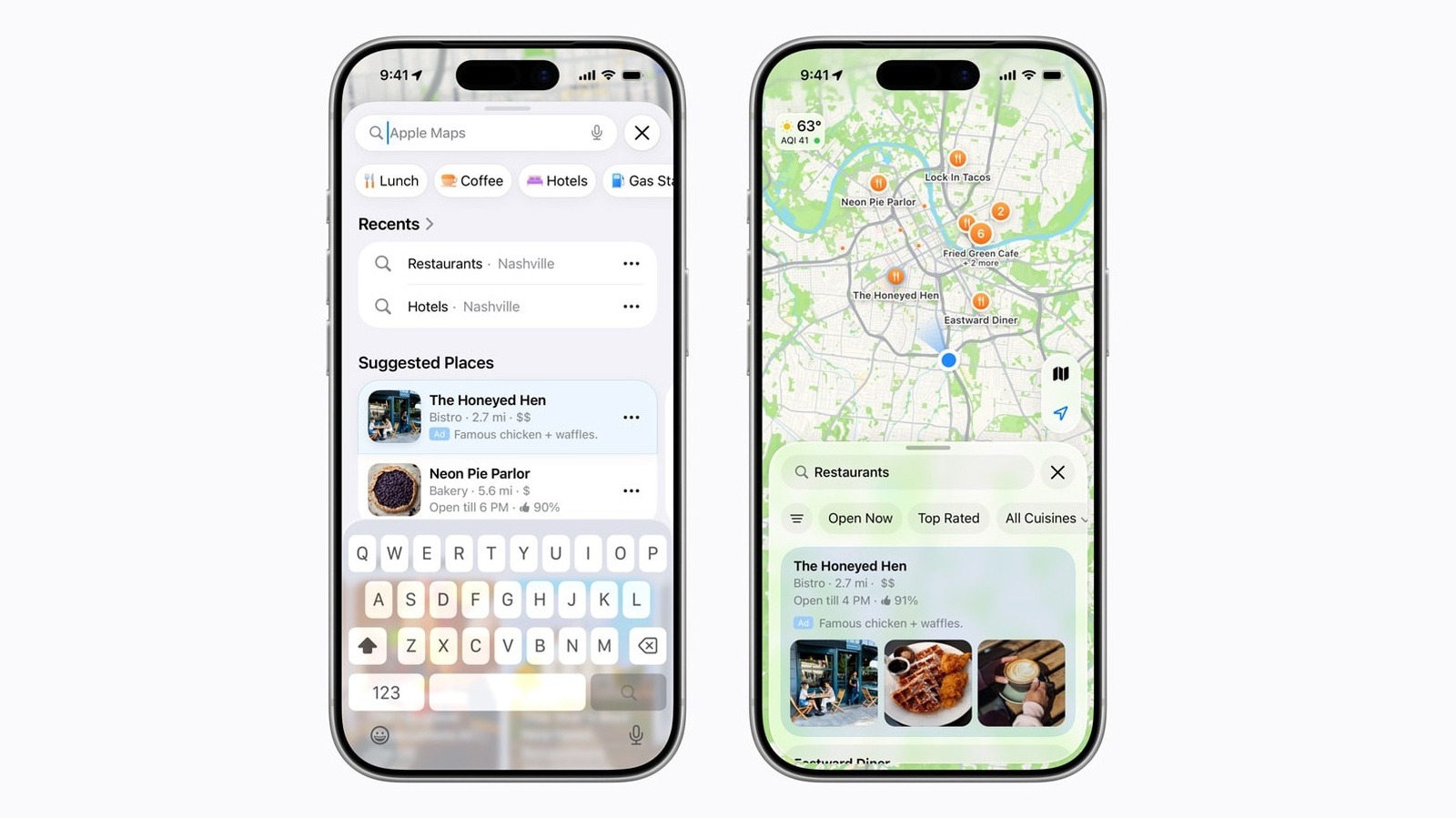
Ads on Apple Maps are part of the new Apple Business platform for businesses of all sizes. It combines mobile device management, business email, calendar services, and the ability to manage ads. Just like on the App Store, Apple Maps will start to offer, as soon as this summer, for business accounts to create ads on Maps.

The company says ads will appear at the top of search results for U.S. and Canada users based on relevance, in addition to a new “Suggested Places” tab, which will offer recommendations based on location, users’ recent searches, and more. Unlike Google, however, Apple says its ads are offered under its “privacy-first approach to advertising,” which means the user’s location and ads they interact with aren’t associated with their Apple Account, and their personal data never leaves the device, as neither Apple nor third-party vendors can collect that information. Besides that, the company says that minors under 13 years of age won’t get ads, and this new push won’t interfere in routes or general recommendations.

Before ads on Apple Maps go live, the company says that Apple Business members will need to claim their location on Maps starting this April, and then they will be able to automatically create ads through the platform.

Apple wants to increase revenue through ads

While the company already has $100 billion in revenue for services, it’s generating around $8.5 billion for ads, according to Emarketer. With yet another push to that segment, the company will get even more money, as ads will be available not only in several parts of the App Store, but on Apple Podcasts, Apple TV under the Major League Soccer subscription package, and now Apple Maps. Bloomberg says that Apple wants to sell more ads inside its News app as well.

Besides that push, the company announced it’s phasing out Apple Business Essentials, Apple Business Manager, and Apple Business Connect once it launches the new Business platform. The company says those on the Connect experience will have their claimed locations, place card information, photos, organization information, and more automatically migrated to the new Apple Business experience. The service will be free to new and existing users of the previous platforms, and it’s unclear when the company might roll out ads in Apple Maps to other locations besides the U.S. and Canada.

Source

Posted on

iOS 26.4 Is Out Now With 10 New Features

A hand holding an iPhone 16 Pro Max José Adorno/BGR

After a month of beta testing, Apple is finally releasing iOS 26.4 to iPhone users. Alongside this update, the company is making iPadOS 26.4, macOS Tahoe 26.4, watchOS 26.4, tvOS 26.4, and visionOS 26.4 available to the public.

Some of the most notable features of this update include improvements to Apple Music and Apple Podcasts and the addition of eight new emojis. However, there’s plenty more in iOS 26.4 beyond these additions the wait for the long-rumored Siri powered by Gemini models continues.

During the beta cycle of iOS 26.4, Apple started to test end-to-end encryption for RCS messages, but this functionality won’t ship with the final version, which means users will have to wait a bit longer for improved communication between iOS and Android over text. Besides that, with iOS 26.3, the company also tested forwarding notifications from the iPhone to a third-party smartwatch, which is going to be exclusive to European users, but it seems the company will push this feature to an upcoming software release as well — most likely iOS 26.5.

Apple Music adds five new features

A hand holding an iPhone 17 Pro Max. On the display, Apple Music's new full album background. José Adorno/BGR

The biggest update to Apple Music in the iOS 26 update cycle comes in iOS 26.4. Once users update to this version, they will discover that albums and playlists have a new look, as Apple brings full-screen artwork to our screens. Besides that, a new Upcoming Concerts tab lets you find upcoming shows from your favorite artists with links to buy tickets. Apple prioritizes your favorite artists, but it’s also possible to discover similar artists in this section as well.

Apple Music also brings a redesigned Profile section, which makes it a lot more convenient to manage your subscription, redeem a code, and simply access your Apple Music Profile. Another new feature is the ability to add a song to more than one playlist at a time, which should cut down on the number of times you’re tapping on your screen to bolster your playlists.

However, the biggest new feature — currently limited to U.S. users — is Playlist Playground. Powered by Apple Intelligence, you can use prompts in Apple Music to have the service create a playlist for you. Even though it’s still in beta, this is a superior integration over Apple Music with ChatGPT, as if you use Apple Intelligence, it can tap into your listening history and make more relevant suggestions, while ChatGPT doesn’t have that information available, and it usually insists on picking the weirdest album versions of songs you listen to constantly.

Apple Podcasts embraces video

Early in February, Apple announced that Apple Podcasts would get an improved video podcast experience with the company’s HTTP Live Streaming (HLS) technology. This will head to better video quality for viewers, while also making sure creators can create new monetization opportunities. With iOS 26.4, users can switch between watching and listening to podcasts with ease. Users can download video episodes to watch later, and Apple says its HLS standard offers smooth playback regardless of whether viewers are on Wi-Fi or using a cellular connection.

For content creators, they can use platforms like Cast, ART19, Triton’s Omny Studio, SiriusXM, AdsWizz, and Simplecast to upload their HLS videos. They can also insert video ads wherever they want, and Apple says that once creators start to use this new format, everything will integrate with their current shows without impacting followers or downloads.

Apple says HLS video technology is available in more than 170 countries and regions, and users will see other features from the Podcasts app make their way to the video side, like Enhance Dialogue, changing playback speeds from 0.5x to 3x, automatically creating chapters, timed links, automatic transcripts, and more. This feature is available for iPhone, iPad, and Apple Vision Pro users running the latest software updates.

New emojis

A hand holding an iPhone 17 Pro Max. On the display, several distorted face emojis. José Adorno/BGR

As in previous x.4 updates, iOS 26.4 brings eight new emojis, including a gender neutral option for the ballet dancer, and skin tone modifiers for people wrestling and dancers with bunny ears. They were first introduced last year by the Unicode Consortium, and they’re finally making their way to the iPhone with this new software.

The new emojis include distorted face, fight cloud, ballet dancer, orca, hairy creature, trombone, landslide, and a treasure chest. While these are all fun  additions, Unicode has been lowering the number of emojis it introduces each year. For example, iOS 18.4 and iOS 17.4 had fewer than 10 new emojis each, and the last time we saw a significant number of emojis introduced at once was as part of iOS 16.4, which introduced over 30 new figures.

Even though Apple has been touting the ability for users to create their own emojis with Genmoji — and other social media platforms, like WhatsApp, bet big on stickers — emojis remain the most common way for users to express themselves. We’re willing to take a guess that the distorted face will likely be the most popular of this generation. Once users update to iOS 26.4, they will be able to find these emojis on the emoji tab on the keyboard, and they can use the descriptions above to find these new figures.

Stolen Device Protection is now always on

An iPhone Lock Screen on iOS 26 José Adorno/BGR

Stolen Device Protection isn’t a new feature. Available since iOS 17.3, this feature was a response to a particular iPhone theft technique, where thieves would steal the lock screen passcode of an iPhone owner to get access to their device and either erase everything to resell it or try to get access to more sensitive information.

With Stolen Device Protection, Apple delays the ability of anyone to reset the password or erase the phone for an hour if they are in an unknown location, meaning that if you’re at home, you can easily erase your device or change its password, but if you try in a different city or region, it will require you to authenticate with the same password again in an hour. While very useful, Stolen Device Protection has always been an opt-in feature. However, iOS 26.4 turns it on by default, meaning that once you update your device, Stolen Device Protection will be enabled. If you don’t want it, you need to go to Settings to turn it off.

While we do hope Apple comes up with new protection features, like the privacy display Samsung added to the Galaxy S26 Ultra, this is yet another layer of protection for iPhone users. That’s on top of other useful features, like the ability to lock every app with Face ID or hide them in a Hidden Folder.

Apple Health improvements

An iPhone highlighting iOS 26's Sleep Score feature inside Apple's Health app José Adorno/BGR

Last but not least, iOS 26.4 adds two tweaks to the Apple Health app. Even though the company has reportedly scrapped its long-rumored Apple Health+ service, as one of the company’s top executives said the subscription wouldn’t top what users already can get elsewhere, it doesn’t mean Apple won’t continue to improve its Health app.

With iOS 26.4, the company is bringing back Blood Oxygen data in the Vitals overview. According to MacRumors, Apple redesigned this feature last August after an ongoing legal battle with Massimo, but U.S. Apple Watch users could only see this standalone metric. Now, with iOS 26.4, it can be found in the Vitals tab, which means users can have a proper look at their Health and Sleep metrics.

Speaking of sleep tracking, Apple continues to improve this feature, as users can see a breakdown of their bedtime over the last couple of weeks. This functionality is available under a new Sleep Highlight section, and you can see a few different insights about how you’ve been sleeping compared to the previous night and beyond as well.

Source