Posted on

How to Watch Brewers vs

The Milwaukee Brewers visit the San Diego Padres on Wednesday, October 7, 2026 at 10:00 p.m. ET from Petco Park in San Diego, CA, with Milwaukee leading the NLDS 2-1.

The Brewers won Game 1 by a score of 3-2 and Game 2 by 4-3, both at American Family Field, before San Diego took Game 3 by 4-3 on Tuesday. Jackson Chourio has driven in 5 runs in the series, and William Contreras homered in both Game 1 and Game 3, going 3 for 5 in the Game 3 loss.

For San Diego, Jake Cronenworth homered and had two hits in Game 3, and Michael King has struck out 14 this postseason, including 6 over five innings in Game 2. Walker Buehler gets the ball for the Padres, and Milwaukee has not yet announced its Game 4 starter.

Below, we’ll give you all the details you need to know about how to watch this game.

How to Watch Brewers vs. Padres

  • When: Wednesday, October 7, 2026 at 10:00 p.m. ET
  • Where: Petco Park, San Diego, CA
  • TV: FS1
  • Stream: Watch 3 days free on FOX One

Players To Watch

Manny Machado

Manny Machado has six hits and five walks in 21 postseason plate appearances, with two doubles and a home run. He went 2 for 4 with a double in Game 1 of this series, drew two walks in Game 2 and went 1 for 3 with an RBI and a walk in Game 3.

Milwaukee pitchers allowed their first home run of the series in Game 3, a 4-3 San Diego win that cut the Brewers’ series lead to 2-1. Machado went 5 for 24 without an extra-base hit in six regular-season games against the Brewers, and 12 of his 30 home runs came at Petco Park.

Ty France

San Diego’s first run of Game 2 came on a Ty France RBI single in the first inning, and he added another RBI single in the seventh. He is 7 for 19 in the postseason, a .368 average, including 0 for 4 in Game 3, after hitting .295 with 21 home runs and 72 RBI in the regular season.

Milwaukee held right-handed hitters to a .230 average and a .683 OPS in the regular season. France went 7 for 18 with a home run in six games against the Brewers, and he hit .303 with a .385 on-base percentage at Petco Park.

Jackson Chourio

Milwaukee’s walk-off in Game 2 came on a Jackson Chourio two-run single in the bottom of the ninth, one game after his two-run home run in the third inning of Game 1. He has five RBI in the series and went 0 for 4 with an RBI in Game 3. In the regular season, he hit .291 with 25 home runs and 23 stolen bases.

Game 4 is at Petco Park, where San Diego’s staff posted a 3.48 ERA and held opponents to a .223 average in the regular season. Chourio hit .272 with a .749 OPS on the road, compared with a .933 OPS at home.

Christian Yelich

Christian Yelich scored twice in Game 2. He doubled in the fifth inning and came home on a Sal Frelick single, then walked in the ninth, stole second and scored on the walk-off. He is 4 for 10 with a double and two walks in the series, including 2 for 4 with a walk in Game 3, and he drove in 49 of his 59 regular-season RBI with runners in scoring position.

The Padres also allowed 106 stolen bases in the regular season, when Milwaukee stole 162 as a team and Yelich added 11.

Brewers vs. Padres Odds

Learn more about the Milwaukee Brewers vs. San Diego Padres NLDS Game 4 and check the full schedule on FOX Sports!

Want great stories delivered right to your inbox? Create or log in to your FOX Sports account, follow leagues, teams and players to receive a personalized newsletter daily.

FOLLOW Follow your favorites to personalize your FOX Sports experience ]–>

Source

Posted on

Nebraska’s Matt Rhule Is Taking On Everyone, From Superheroes To

Preposterous, I thought. 

The sheer incredulity! 

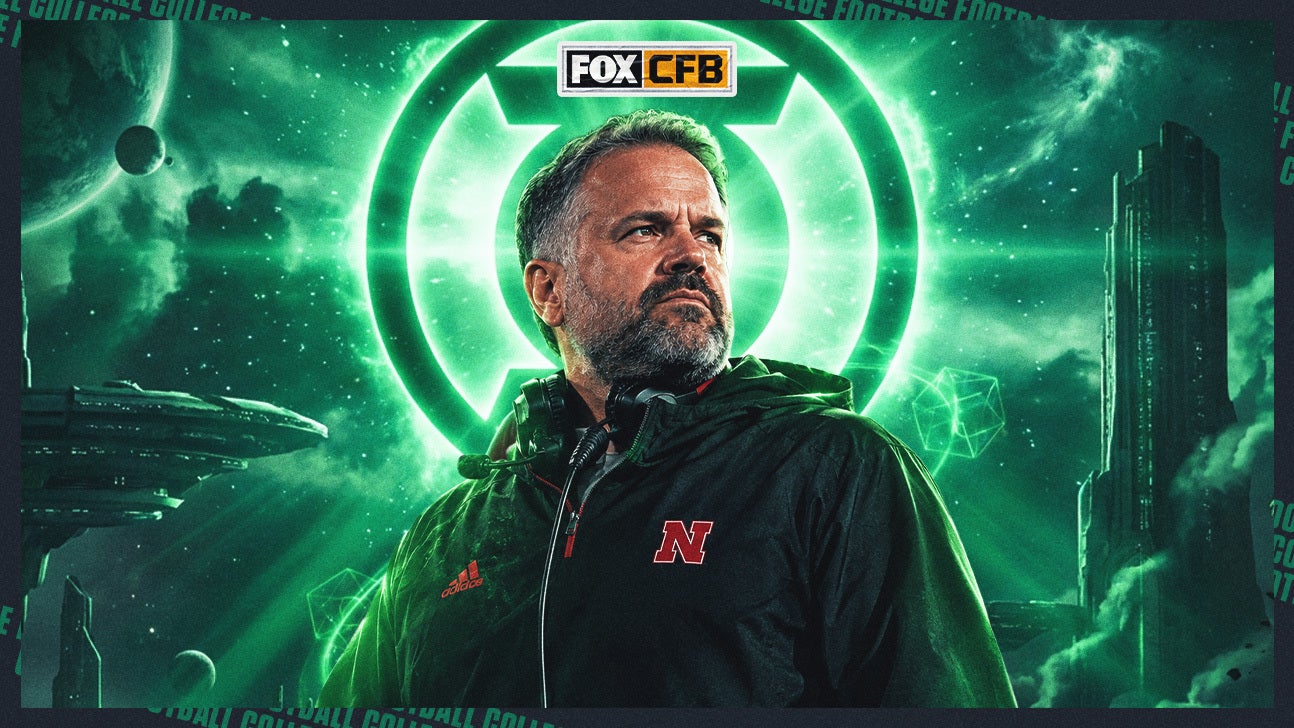
In an empty room, I was positively vituperative in discussion with absolutely no one when I saw Nebraska coach Matt Rhule appear on my television Sunday in the season finale of HBO’s “Lanterns.” As himself! Fictionally, recruiting and winning a five-star commitment from a character who is a member of cyborgs known as Manhunters.

Then it dawned on me. Nebraska has a chance to do something even more outrageous than see its head coach in a TV show about intergalactic space cops in the same universe as Superman, Batman and Wonder Woman: It could beat No. 7 Indiana on Saturday (noon ET, FOX).

In the show, which is set in Rushville, Nebraska, Rhule earned the commitment from a 5-foot-5 five-star quarterback — yes, really — named Noah Macon, an actual cyborg, and he sees the game like you’d expect a calculating, world-crushing alien to see it. Like Tom Brady.

I’m sure I was not the only person who found himself (delightfully?) surprised to see Rhule sitting in the stands while Macon quarterbacked his team to a state championship and then, after winning state, saw Rhule hand Macon a Nebraska flat bill and commit on the field. 

Matt Rhule holds a 24-19 record midway through his fourth season as Nebraska’s head coach. (Photo by Steven Branscombe/Getty Images)

–>

“I filmed that not this past summer but the summer before,” Rhule recalled Monday at his local media availability. “Chris Mundy is the executive producer. He’s a Nebraska native and huge Husker fan. So I got to know him at one point through somebody else, and we’d become friends.

“As they were doing the show, as it was obviously based in Nebraska, he asked me if I would want to go out and film that role, and so I did. … I’ve enjoyed trying to catch it here and there. I don’t know that I’ll be taking my talents to Broadway any time soon, but it was really cool to see Nebraska on HBO.”

Not just on HBO but in prime time. At 9 p.m. ET. In the “House of the Dragon” timeslot, “The Wire” timeslot. That timeslot is coveted and warrants only big-time players fit for big audiences. 

“Lanterns” is based on the popular DC Comics comic book character John Stewart and his journey to becoming Earth’s Green Lantern. Stewart’s job is simple: protect Earth from various forces of evil that might try to annihilate the inhabitants of this planet. Macon probably turns out to be a supervillain, and there’s a chance we get to find out as this TV show has become a hit.

How serendipitous the timing is for Rhule and Nebraska that this Saturday his 5-0 Cornhuskers have a chance to face not only another undefeated foe to prove their mettle at home, but also the defending national champion Indiana Hoosiers, who are riding a 21-game winning streak.

Curt Cignetti and Indiana haven’t lost since Notre Dame defeated them in the 2024 College Football Playoff. (Photo by Dan Squicciarini/NurPhoto via Getty Images)

–>

The stakes for Nebraska are as high as they’ve ever been and higher still when we focus on what a win could mean. Nebraska vs. No. 7 Indiana will be the first matchup at Memorial Stadium featuring two teams that are 5-0 or better in nearly 25 years (No. 3 Nebraska beat No. 2 Oklahoma on Oct. 27, 2001).

Without a question, a victory ignites the Lantern light in the middle of Rushville’s town square, announcing the Huskers as bona fide Big Ten title contenders and a College Football Playoff team. We’d have no choice but to rank Nebraska, and call it the biggest win for Nebraskans since Stewart and late Green Lantern Hal Jordan took down a mess of Manhunters outside a motel.

And this Nebraska team is surging. 

The 2026 season is the first that the Huskers have opened at 5-0 since 2016 — and the first season under Rhule with such a record. However, the Huskers remain unranked because we — I — have really had no reason to trust them to purport themselves like a ranked team. 

Consider that Nebraska hasn’t defeated a ranked team this season. Consider that Rhule and the Cornhuskers are 0-9 against top-25 teams. Now consider that Nebraska has not beaten a ranked opponent in its last 31 attempts dating back to Sept. 17, 2016, when Mike Riley’s Huskers knocked off No. 22 Oregon. 

A win against Indiana is a lot to ask for Rhule’s Huskers. 

It requires a certain suspense of imagination to even visualize such a thing — not unlike a 5-foot-5 quarterback reaching five-star status in a town with a population of 877, according to U.S. Census data. Or a Black Green Lantern who made his own way, picked his own path, created his own Green Lantern’s oath and powers his ring with traces of yellow fear. Or that one grossly arrogant ghost of Hal Jordan might help present a notion that serves Stewart as much as it can serve Nebraska when it kicks off against Indiana this Saturday. 

“Don’t be afraid to be afraid,” Jordan tells Stewart in the Season 1 finale.

For the Huskers, the fear of losing to a 32nd-straight top-25 opponent, of squandering another fast start to the season, of being ridiculed for coming up short in a big game once again, is all too real. And, yes, it could happen — it’s likely to happen — that they lose. 

Now, though, revel in knowing you’ve got a chance to be heroic when everyone is watching.

College FootballMORE CFB


Source

Posted on

How to Watch Dodgers vs

The Los Angeles Dodgers visit the Atlanta Braves on Wednesday, October 7, 2026 at 6:00 p.m. ET from Truist Park in Atlanta, GA, with Los Angeles leading the NLDS 2-1.

The Dodgers took Game 1 by a score of 5-3, and the Braves answered with a 3-2 win in Game 2, both at Dodger Stadium. Los Angeles then won Game 3 by 3-1 in Atlanta behind seven innings and 10 strikeouts from Yoshinobu Yamamoto. Freddie Freeman has homered in both Game 2 and Game 3, and Enrique Hernández hit a two-run home run on Tuesday.

Atlanta’s Michael Harris II went 3 for 5 in Game 2, and Chris Sale struck out 7 over five innings in Game 3. Tyler Mahle starts Game 4 for the Braves, and Tyler Glasnow gets the ball for the Dodgers.

Below, we’ll give you all the details you need to know about how to watch this game.

How to Watch Dodgers vs. Braves

  • When: Wednesday, October 7, 2026 at 6:00 p.m. ET
  • Where: Truist Park, Atlanta, GA
  • TV: FS1
  • Stream: Watch 3 days free on FOX One

Players To Watch

Michael Harris II

Michael Harris II is 9 for 24 with a home run and four RBI in six postseason games. He went 3 for 5 with a double, a triple, an RBI and a run in Atlanta’s 3-2 win in Game 2 and 1 for 4 in Game 3. In the regular season, he hit .294 with 26 home runs and 87 RBI.

Harris is 4 for 13 with a double and a triple in the NLDS, and Los Angeles won Game 3 by a 3-1 score to take a 2-1 series lead. Game 4 is at Truist Park, where he hit .293 with 12 home runs in the regular season.

Freddie Freeman

Los Angeles got its first run of Game 2 from Freddie Freeman, a solo home run in the fourth inning that tied the score 1-1. He is 4 for 11 with two home runs and two walks in the series, a .364 average and a .909 slugging percentage. He posted a .909 OPS on the road in the regular season, with 26 of his 32 doubles away from Dodger Stadium.

Freeman homered again in Game 3, a 3-1 Los Angeles win, and both of his home runs in the series have come in the last two games. Freeman went 4 for 23 with one home run in six regular-season games against the Braves.

Ozzie Albies

Two of Ozzie Albies’ five postseason hits are home runs, including a ninth-inning shot in Game 1 of this series. He has five RBI and five walks in six games. He posted a .728 OPS at Truist Park in the regular season, compared with .644 on the road.

Albies drew a walk in each of his first five postseason games, then went 1 for 4 with a double and two strikeouts in Game 3. He went 6 for 24 with four RBI against Los Angeles in the regular season.

Max Muncy

Max Muncy has two home runs in three games of this series, and both of his hits in eight at-bats have left the park. He went 0 for 1 with a strikeout in Game 3. He entered Game 2 off the bench in the fourth inning after Atlanta opened with left-hander Ray Kerr, then homered off right-hander Didier Fuentes in the ninth. He hit 29 home runs with an .838 OPS in the regular season, including 14 on the road.

Muncy drew 65 walks in the regular season, and he went 2 for 17 with a home run in five games against the Braves.

Dodgers vs. Braves Odds

Learn more about the Los Angeles Dodgers vs. Atlanta Braves NLDS Game 4 and check the full schedule on FOX Sports!

Want great stories delivered right to your inbox? Create or log in to your FOX Sports account, follow leagues, teams and players to receive a personalized newsletter daily.

FOLLOW Follow your favorites to personalize your FOX Sports experience ]–>

Source

Posted on

Padres Going With Seasoned Veteran As Game 4 Starting Pitcher

It’s Walker Buehler’s turn to keep the San Diego Padres’ season alive.

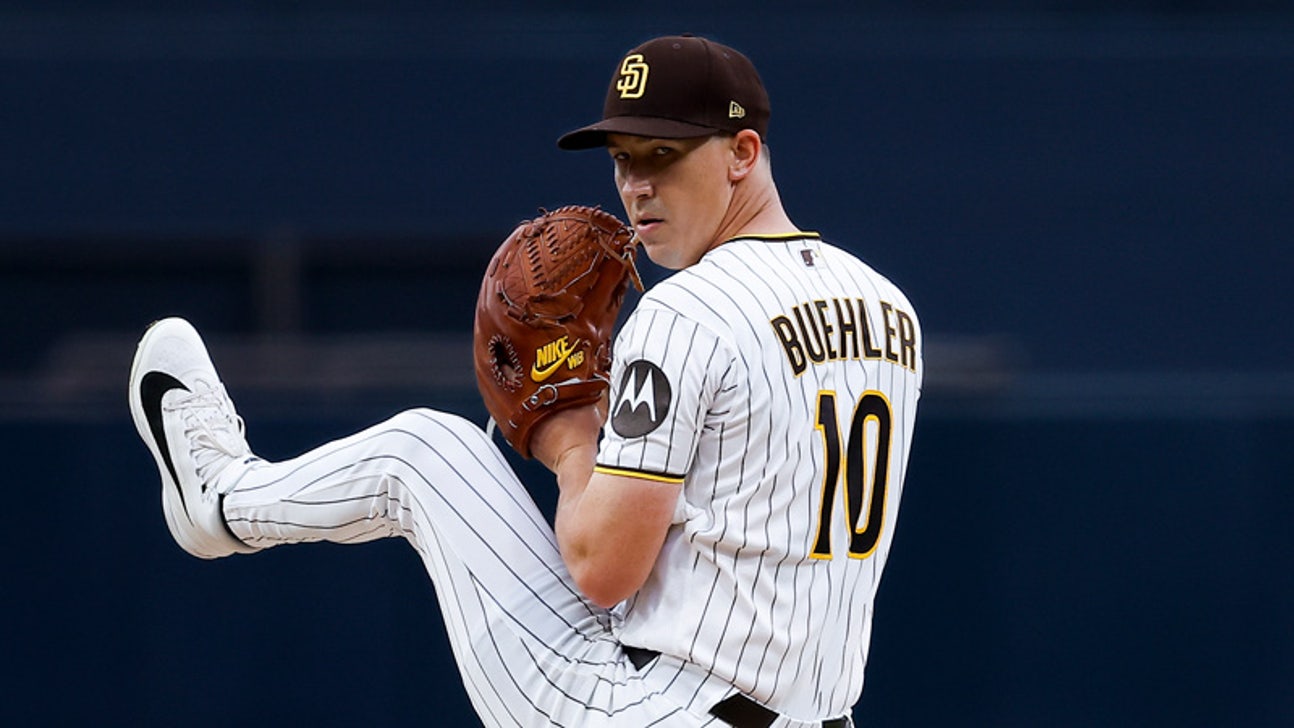
Following its Game 3 win over the Milwaukee Brewers in the National League Division Series on Tuesday night, San Diego announced that Buehler will start Game 4 on Wednesday night (10 p.m. ET on FS1).

Buehler missed Games 1 and 2 of the series, as he was placed on the paternity list. He was activated Monday, taking the place of fellow right-hander Randy Vásquez on San Diego’s roster.

Buehler made 32 starts for the Padres in the regular season, his most in a single season since 2021 — a year that saw the right-hander earn his second All-Star nod with the Los Angeles Dodgers (2019 was his other All-Star campaign). Over said outings, Buehler recorded a 4.63 ERA, a 1.35 WHIP and an 88 ERA+, while totaling 131 strikeouts and 0.9 strikeouts over 153 ⅔ innings pitched.

The 32-year-old Buehler has made 18 starts and 19 appearances altogether in the postseason, all of them coming with the Dodgers, with whom he spent the first seven seasons of his big-league career (2017-22 and 2024). Buehler boasts a career 3.04 ERA and 1.15 WHIP in the playoffs, while totaling 114 strikeouts over 94 ⅔ innings pitched.

The Padres went 4-2 against the Brewers in the 2026 regular season and are now a combined 4-0 at home against Milwaukee, which hasn’t yet named a starter for Game 4. Prior to the divisional round, San Diego swept the Chicago Cubs in the Wild Card Series, out-scoring Chicago 12-1.

Regarding Game 3, Padres ace Michael King pitched the final two innings, getting a game-ending double play after putting two runners on the basepath in the top of the ninth. King pitching the ninth inning was partially a result of superstar closer Mason Miller, ironically, being placed on the paternity list before Game 3 and, therefore, unable to pitch.

The Padres, who trail the Brewers in the series 2-1, are seeking their first trip to the NL Championship Series since 2022. Should San Diego pull off the series comeback, it would face the winner of the NLDS matchup between the Dodgers and Atlanta Braves in the NLCS.


Source

Posted on

Justin Verlander Reflects On 21-Year MLB Career And Emotional Decision

Justin Verlander officially retired from MLB after spending 21 seasons in the league. Now that his Hall of Fame playing career is behind him, it didn’t take long before he made his return to the sport.

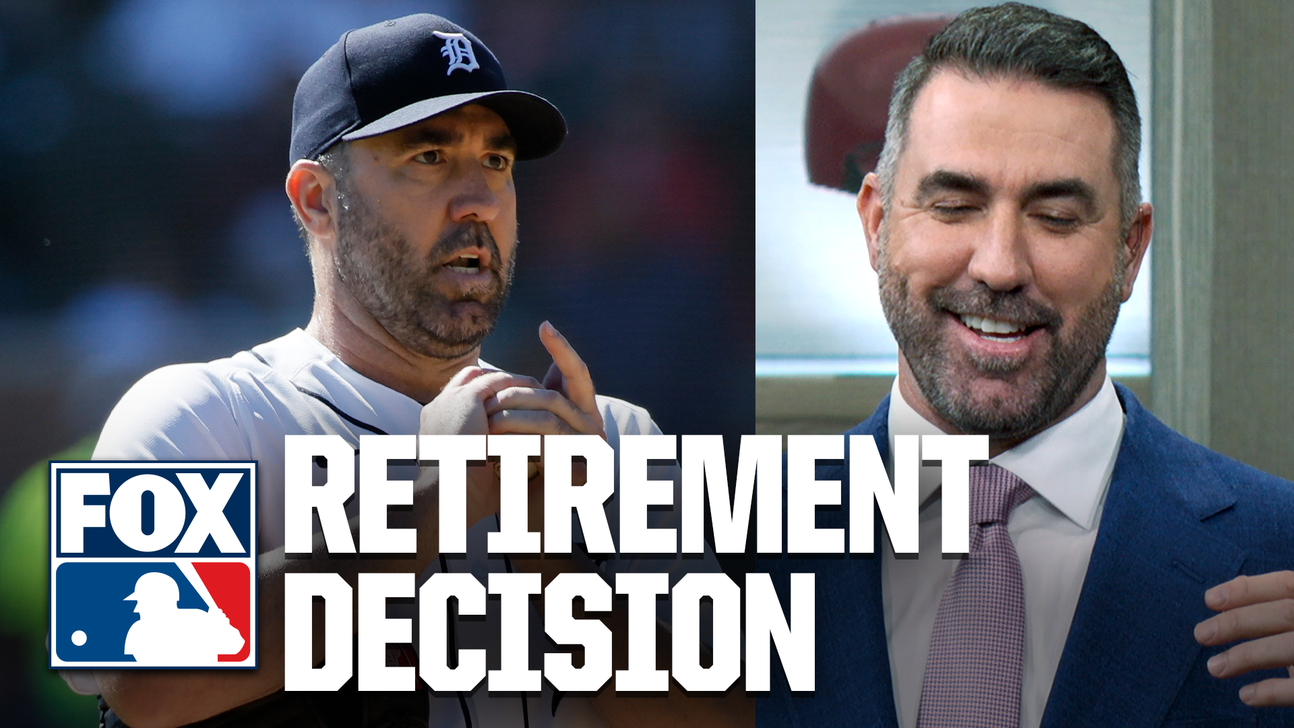
Verlander joined the “MLB on FOX Pregame” crew on Tuesday night alongside Kevin Burkhardt, Derek Jeter, Alex Rodriguez and David Ortiz. Making his TV studio debut, he opened up about his decision to retire and reflected on what went into finally calling it a career.

“It was pretty easy,” Verlander said. “I made my first start of the season and my leg started hurting. I’ve said my entire career, man, I love this game. I love giving it everything I got. I’m going to play until the wheels fall off. The arm held out great, but the leg gave out on me.”

Justin Verlander Explains When He Knew It Was Time To Retire

Justin Verlander Explains When He Knew It Was Time To Retire –>

It’s hard to imagine a more fitting farewell to Verlander’s legendary career. As he prepared to walk off the mound for the last time after allowing two runs over 5 ⅓ innings with six strikeouts, the 43-year-old was greeted by his daughter on the field. The two hugged, causing Verlander to start visibly crying with his teammates surrounding him on the mound – making for an unforgettable, emotional moment between father and daughter.

If Verlander was going to say goodbye to the game for good, it’s the kind of fairytale ending almost every pitcher dreams of.

“It still hits me,” Verlander said. “There’s so many thoughts going through your head, obviously just leading up to such an emotional weekend. Then to just be completely blindsided and look over and see my daughter running at me. It obviously hit me and it was pretty special.”

Verlander leaves behind an exceptional legacy. 

Over his 21 seasons in the league, he built a Hall of Fame résumé highlighted by two World Series titles, three Cy Young Awards and an American League MVP. However, what Verlander reflected on most was his durability and ability to maintain an elite workload year after year.

“I’m most proud of the volume,” explained Verlander, who threw 3,802 ⅔ innings between the regular season and postseason in his career. “I really pride myself on taking the ball and just being out there for as many pitches as the game would allow. When I look back, I always said that if I’m out there for every start the numbers fall where they may, but [at least] I’m doing my job.”

Verlander has given more to the game than most, becoming one of just 19 pitchers in MLB history to play 21 seasons or more. As he steps off the mound for good, fans can look forward to seeing him share his insights from behind the analyst desk.


Source

Posted on

Roll The Tape: Will Mike Macdonald Again Get The Best

The Dallas Cowboys just saved their season. The Chicago Bears are surviving without Caleb Williams. The Jacksonville Jaguars are the biggest surprise in the AFC. And the San Francisco 49ers and the Seattle Seahawks have picked up right they left off last year. 

Each week, I dive into the All-22 coaches’ film before offering a few insights to watch. Here are four developments that could be long-term storylines involving some of the best teams and players in the NFL.

1.

San Francisco 49ersSeattle Seahawks

If you enjoy watching a chess match on artificial turf, you might want to tune in when the San Francisco 49ers take on the Seattle Seahawks on Sunday (4:25 p.m. ET on FOX) for the battle of wits between Kyle Shanahan and Mike Macdonald. As brilliant schemers with voluminous playbooks loaded with creative play designs from various personnel groupings, the whiteboard matchup will showcase the imagination and innovative tactics of two of the league’s best coaches.

The 46-year-old Shanahan has revolutionized football with variations of a zone-based scheme popularized by his legendary (and Super Bowl-winning) father, Mike. The 49ers’ run-heavy formations are built on off-tackle plays perfectly complemented by exotic pre-snap shifts, motions and condensed alignments. With the constant movement and misdirection leaving defenders dazed and confused, San Francisco routinely generates explosive plays on blown assignments and misalignments.

The 39-year-old Macdonald, though, has often neutralized the Niners by featuring two-high safeties, light boxes and various sub-package personnel with five or six defensive backs on the field. Additionally, Seattle varies its adjustments to motions to give the quarterbacks false keys on whether the coverage is man or zone based on defensive backs running across the formation. The Seahawks will occasionally run their defenders across the field, shadowing the motion man before dropping into zone coverage. They will also “rock-and-roll” defenders and meet the motion man on the other side in man coverage.

The ever-changing tactics and intricate pre-snap disguises prevent the 49ers from exploiting the “tells” opponents give away with their alignments. With the Seahawks stockpiling interchangeable, versatile defensive backs, light boxes let the “Dark Side” use the speed and quickness of their hybrid defenders to contain the run while staying over the top of play-action passes.

To accomplish this, the Seahawks rely heavily on their imposing defensive line to control the point of attack, with Leonard Williams, Byron Murphy II and Jarran Reed whipping blockers with their individual and collective athleticism and physicality. The trio’s explosiveness clogs interior gaps and forces the 49ers to the edges against a group of fast defensive backs who excel at one-on-one tackles in space.

As Macdonald preaches a “12 as one” mentality throughout his team, the Seahawks’ defense takes the mantra a step further by playing like an extra defender is on the field through their effort and physicality between the lines. Against the 49ers, the Seahawks rely on that energy and flawless execution to match up with an offensive juggernaut that features blue-chip players at every marquee position, including quarterback (Brock Purdy), running back (Christian McCaffrey), wide receiver (Mike Evans), tight end (George Kittle) and left tackle (Trent Williams).

The 49ers’ offense has been rolling with its stars and veteran role players (see: Deebo Samuel and Kyle Juszczyk), making key plays in pivotal moments in a scheme that puts defenders in a mental and physical grinder. The complex shifts, motions, and condensed alignments force quick adjustments, while the downhill running game and “catch-and-run” aerial attack test every defender’s open-field tackling skills and overall physicality.

While Macdonald has typically gotten the upper hand against Shanahan — his defenses have held the Niners to less than 20 points in five of six meetings, including without a touchdown in their past two encounters — the first edition of their 2026 heavyweight battle will feature a few new tricks and tactics that keep the defensive guru running to the tablet to see how the offensive wizard is creating extra gaps in the running game and free access for his playmakers on passing plays.

Given Shanahan’s attention to detail in crafting a game plan that meshes an ultra-physical rushing attack with a razzle-dazzle passing game, Macdonald will need to come up with another masterpiece to cool off the league’s hottest team.

2.

Dallas Cowboys

While there is no disputing George Pickens and CeeDee Lamb as the most dynamic pass-catching duo in football, No. 88 is making a run at the NFL’s top spot overall. He’s strung together three 100-yard games, putting him atop the league’s leaderboard in receptions (37) and receiving yards (498) through four games. He is also tied for second in big plays (receptions of 20-plus yards) with seven. 

Such numbers are even more impressive when considering Lamb is in a playmaker-by-committee situation with Pickens roaming the opposite side of the field. Lamb is coming off his best game yet, collecting 17 catches for 189 yards and a jaw-dropping go-ahead touchdown against the Texans that showcased his spectacular route-running skills.

Although the three-time All-Pro is an unstoppable force on the perimeter, the Cowboys’ coaching staff has set him up for success by putting him in motion to give him free access to his routes. Per Next Gen Stats, Lamb has been targeted on 46.2% of his routes this season when put in motion, the fourth-highest rate among wide receivers with at least 10 such routes. Additionally, Lamb has generated the third-most yards after the catch (164), while tying for the fourth-most missed tackles among wide receivers.

As a former punt returner with exceptional balance and body control, Lamb can elude and evade defenders in space, making him nearly impossible to contain in a scheme that keeps him moving from various alignments. With an emerging superstar on the opposite side commanding double coverage, the Cowboys have found creative ways to get Lamb his touches without disrupting the offensive flow.

Moreover, they’ve put one of the league’s premier playmakers in a prime position to dominate the game and re-emerge as WR1 in a league loaded with blue-chip pass catchers. With Lamb on pace to notch his sixth straight 1,000-yard season and remaining a model of consistency on the perimeter, he might be primed to claim the crown as the league’s top playmaker.

3.

Chicago Bears

Bears head coach Ben Johnson has been celebrated as an offensive wizard since building Jared Goff and the Detroit Lions into a juggernaut during his tenure as OC, but the innovative playcaller deserves Bill Walsh-like treatment for transforming the Bears into a ground-and-pound machine that can light up scoreboards with or without Caleb Williams on the field.

While Johnson is properly recognized for his work as a quarterback-friendly schemer who can help former No. 1 overall picks maximize their talent and potential, he has quietly crafted some of the league’s most explosive rushing attacks with creative playcalls and exotic formations. After terrorizing opponents with an uptempo, three-receiver offensive package in Detroit that featured multiple running backs and wide receivers shuttling in and out of the game, he has crafted an electric offense in the Windy City that use deception, misdirection and creative personnel deployment to befuddle defensive coordinators around the league.

The Bears are among the league leaders in “12” (one running back, two tight ends and two wide receivers) and “13” (one running back, three tight ends and one wide receiver) usage, with tight ends Cole Kmet, Colston Loveland, and Sam Roush taking turns threatening the defense with their dual-threat capabilities as dynamic pass catchers and rugged in-line blockers. Although the Bears like to use the illusion of run-heavy formations to create explosive opportunities in the passing game, their heavy use of multi-tight end sets is part of a shell game that keeps defensive coordinators guessing when running backs D’Andre Swift and Kyle Monangai are on the field.

The duo has helped the Bears lead the NFL in rushing (196.3 rush yards per game), while doing most of their damage from spread formations against light boxes. Despite featuring run-heavy formations prominently in their game plans, the explosive plays and spectacular runs are coming on wide-zone plays with one tight end or fewer on the field. Additionally, the Bears have used more under-center formations, particularly with Williams on the sidelines, to enhance their potent running game with a complementary bootleg and play-action package.

With backside defenders unable to aggressively chase off-tackle runs to the opposite side of the field, Swift and Monangai have found plenty of creases and seams on impromptu cutback runs.

As carefully scripted game plans mix under-center formations, multiple tight-end groupings and perimeter runs, the Bears’ superior talent and tactics are producing explosive runs and time-consuming drives. For a team that loves to dominate opponents with physicality and pizzazz, the Bears’ high-powered offense has old-school football fans singing Johnson’s praises as an offensive guru with a throwback call sheet.

4.

Jacksonville Jaguars

If you are scratching your head and wondering how the Jaguars have quickly emerged as title contenders under Liam Coen, you should take a long, hard look at a turnover-obsessed defense that specializes in stopping the run and taking the ball away.

Since the start of the 2025 season, Jacksonville has forced 39 turnovers (tied with the Bears for the most during that time) while registering 13 multiple-takeaway games. Given the impact of turnovers on game outcomes, the Jags’ success in knocking the ball loose or picking off passes is directly tied to their ability to win. They led the league in points off takeaways in 2025 — 110 points off 31 turnovers — and they have continued to take advantage of the extra possessions and prime field position this season.

Part of the Jaguars’ success comes from their ability to stop the run and force opponents into long-yardage situations. Defensive linemen DaVon Hamilton, Josh Hines-Allen and Travon Walker, along with linebackers Foye Oluokun and Ventrell Miller, clog the holes at the point of attack, creating more opportunities to attack the quarterback in obvious passing situations.

Jacksonville is stout against the run because of its discipline and physicality in the trenches. The front line avoids “hero” plays that leave open gaps when defenders chase the ball instead of squatting in the hole and waiting for the runner to come back to them. As a result of its disciplined approach, Jacksonville has not allowed even a 75-yard rusher in 21 straight games — the fourth-longest streak in the Super Bowl era.

Studying the All-22 coaches’ footage, the Jaguars’ eye discipline and violent hands show up in every clip, with 11 defenders attacking blockers on the way to the ball. The organized approach and “hustle-hard” mentality that demands defenders finish at the ball carrier create a swarming unit that rarely concedes big plays on the ground.

In pass coverage, Jacksonville’s reliance on zone-based concepts lets second- and third-level defenders keep their eyes on the quarterback, leading to more aggressive breaks on the ball. Additionally, the “vision-and-break” philosophy provides defenders with more chances to snag interceptions off tipped passes or overthrown balls in their areas. With ball-hawking defenders such as Travis Hunter, Jourdan Lewis, Antonio Johnson and Jarrian Jones able to convert errant passes into turnovers, the Jaguars have snagged six interceptions, including three in the red zone.

Although the Jaguars’ vision-and-break tactics and “bend but don’t break” philosophy have frustrated some fans who prefer man coverage and a more aggressive approach, their disciplined defenders continue to come up with timely takeaways when the field shrinks and pressure from a persistent pass rush ramps up in pivotal moments.

With the umbrella coverage also limiting the “explosives” (passes over 20 yards) that directly lead to points or scoring chances, the Jaguars have kept points off the board — they rank second in scoring defense (13.25 points per game) — and produced the turnovers needed to beat title contenders. As the defense continues to follow second-year defensive coordinator Anthony Campanile’s teachings, the Jaguars are quietly becoming a championship-caliber unit that can spark a title run.


Source

Posted on

Kyle Juszczyk Gets the Win After NFL Fine for ‘Juice’

–>

San Francisco 49ers fullback Kyle Juszczyk won his appeal over the fines issued by the NFL for what it deemed an “offensive” celebration when he imitated drinking a beverage, which the league said looked like he was chugging a beer.

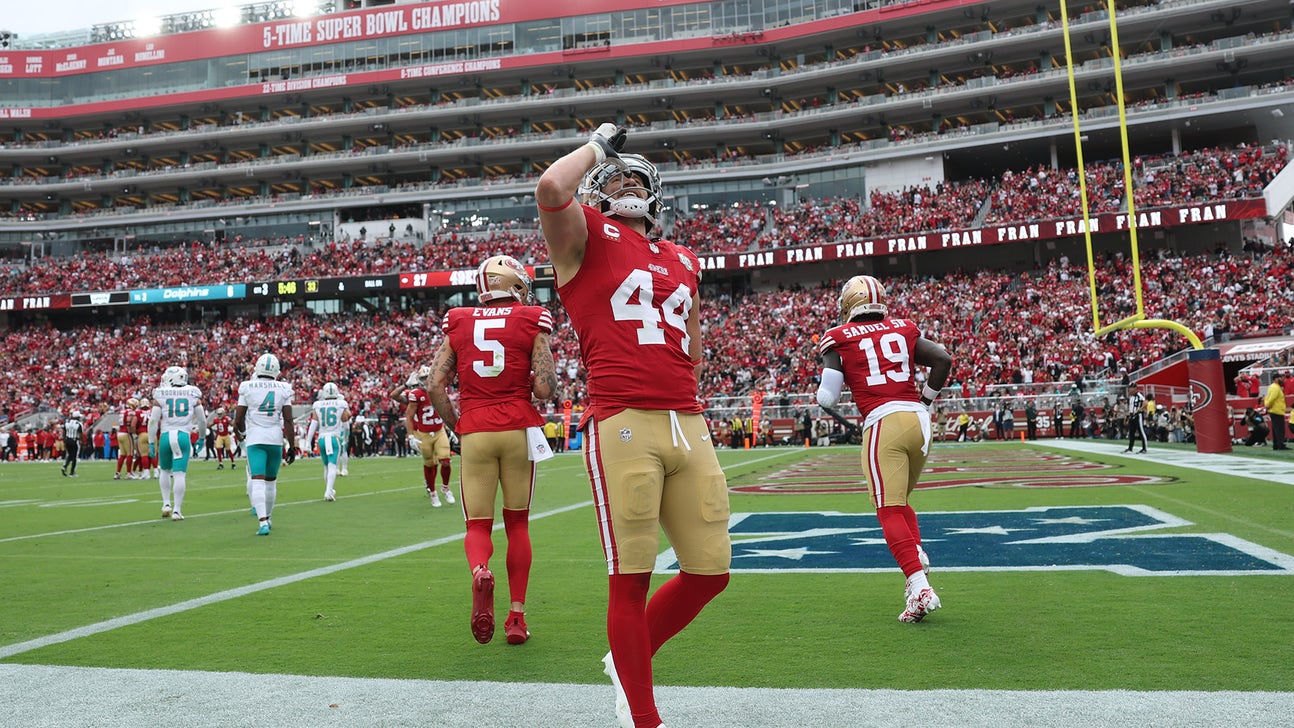
Juszczyk was initially fined $29,852 for two infractions of the league’s sportsmanship rules after celebrating two catches in the third quarter of a Week 2 win over the Miami Dolphins. Juszczyk performed the celebration he has done for years while the fans at Levi’s Stadium cheered “Juice!” for his nickname.

He appealed the fine and an appeals officer ruled in his favor, the league said Wednesday.

ESPN first reported that the fine had been rescinded on appeal.

The NFL has vowed to crack down on celebrations this season and initially ruled that the “imitation of chugging a beer constituted an offensive demonstration and could reasonably be construed as being in poor taste.”

Juszczyk has been doing a version of that celebration throughout his career in San Francisco in response to 49ers fans chanting his nickname after catches or other big plays. He argued in the appeal that he was imitating drinking juice.

“I don’t know how else to say it. I wasn’t drinking beer in my celebration,” Juszczyk said on Sept. 24. “I think you guys all know my nickname is Juice. I have Juice on my pads. The stadium yells ‘Juice!’ when I catch the ball. When I celebrate, I celebrate by drinking juice, and it’s been that way for years. So I was surprised as anybody when I got a fine this week.”

Juszczyk has been the 49ers’ nominee for the Art Rooney Award for sportsmanship for the past six seasons. The only fines he previously has had were for illegal use of the helmet and low blocks.

Juszczyk is in his 14th season in the NFL and 10th with San Francisco. He has made the Pro Bowl 10 times and was an All-Pro in 2023 and ’25.

Reporting by The Associated Press.

–> National Football League Get more from the National Football League Follow your favorites to get information about games, news and more [–>

Source

Posted on

If The CFP Expands, What Happens To Army-Navy And Conference

This week is crucial for College Football Playoff expansion talks.

The CFP’s 30-day exclusive negotiating window with ESPN is slated to end on Friday. Could that mean we get a decision on moving to a 24-team playoff? Perhaps. But we’ll just have to see how this all plays out.

More likely, though not certain, the CFP will open up to bidders beyond ESPN as it looks to make the financials work to expand beyond the current 12-team format, which expanded from a four-team playoff starting in the 2024 season. And as with any postseason expansion, the ripple effects could be abundant. 

Stay tuned.

Army Black Knights Navy Midshipmen The Main Event: Army-Navy Moving?

Navy leads the all-time series against Army with a record of 65-55-7. (Photo by David Jensen/Getty Images)

–>

College Football Playoff expansion might make sense on paper — but one set of stakeholders is working through the increasingly complicated scheduling puzzle it could present.

Sources briefed on discussions told me the Army-Navy game is likely to move to the first week of December — a weekend currently occupied by conference title games — if the College Football Playoff expands to 24 teams.

The move would likely ensure a protected television window for the contest, which would fall in line with an executive order issued by President Donald Trump in March. The order stipulated “no college football game, specifically college football’s CFP or other postseason games, be broadcast in a manner that directly conflicts with the Army‑Navy Game.”

Moving the game into the regular season, sources said, is a non-starter, despite conversation in recent months that Thanksgiving weekend might be an option.

“You’ve seen at the highest levels, people value the game, what our institutions represent, what they produce,” Army athletics director Tom Theodorakis told me. “What I appreciate is, as people are talking through these scenarios, they continue to value and appreciate America’s game, and that they want to preserve and want to put on the biggest stage possible while also providing the opportunity that when our institutions are competing for conference championships and have opportunities to be in the College Football Playoff, we have the opportunity to do so.”

Army QB Cale Hellums has thrown for 337 yards, three touchdowns and one interception this season. (Photo by Edward Diller/Getty Images)

–>

To understand the schedule shuffling the Army-Navy game would require if the CFP expands, we need to backtrack a bit.

Shifting to 24 teams almost certainly means the elimination of conference championship games — a slate of contests that, across the Power Four, is believed to bring in around $200-250 million annually. First-round games are expected to be shifted to the second week of December, compared to their current slot in the third week of the month.

Sources said the most likely scenario in that case would be slotting Army-Navy into the weekend previously occupied by conference title games in the first week of December.

That weekend would allow for a standalone window for the game — a crucial prong to the discussion, given the importance it has for viewership, sponsorship dollars and other financial factors.

Army-Navy has averaged more than 7 million viewers annually since 2014 and netted at least 7.5 million viewers in seven of the past 10 years. It also surpassed 8 million viewers three times in that span (2017, 2018 and 2024), while the 2024 contest brought in a modern record of 9.4 million viewers.

The calendar, however, presents its own challenges if Army or Navy are in the mix for a College Football Playoff bid.

Current CFP policy stipulates the game does not factor into selections, given it happens after they’re made. Those involved in the talks suggest keeping that policy in place would make sense even if the field expanded to 24 teams, though it opens the door for quirks.

Think, for a moment, that Army is in line for the Group of Six berth into the CFP in an expanded format. What happens if it gets blown out by a down Navy squad? How should that be factored in? That’s less clear.

“We continue to just request that Army-Navy remain in an exclusive broadcast window, and with the hope that that’s also positioned in the manner that Navy would have the ability to compete in the CFP if warranted,” Navy athletics director Michael Kelly told me. “There seems to be support from both sides of government and from the White House for that, and I’m grateful for the ways in which the commissioners have undoubtedly taken that into account as they thoughtfully deliberate the format for the college football postseason.”

It’s also not certain each Group of Six conference would shelve their conference championship game. For example, the American — of which Army and Navy are members — could cut one bye week and move its title game up to the last week of November if it wanted to keep the contest.

Still, all signs point to Army-Navy maintaining its own window if the CFP expands — even if the date shifts around.

Wake Forest Demon DeaconsBest Deal I Saw This Week

Wake Forest is shifting its multimedia rights from Learfield to Playfly. (Photo by Cory Knowlton/ISI Photos/ISI Photos via Getty Images)

–>

Wake Forest announced that it’s shifting its multimedia rights from Learfield to Playfly — a sports marketing company that also recently partnered with the NCAA.

The move is significant in the college sports business world as the school was the first client of ISP Sports — the spiritual predecessor to IMG College and what is now Learfield — in 1992. 

ISP Sports founder Ben Sutton also remains engaged at the school as a major Demon Deacons benefactor and has been intimately involved in helping the school break into the new-look world of college sports. Playfly now counts Appalachian State and East Carolina among its North Carolina-based properties, while its broader college portfolio is up to 32.

Arkansas RazorbacksBest Quote I Saw This Week

It’s no secret there’s some, shall we say, unrest at Arkansas these days.

That said, megabooster John Tyson had jokes on Monday while speaking to the Little Rock Touchdown Club. Asked about the impact Texas Tech’s Cody Campbell has had on the program, Tyson panned, “He’s got oil, I’ve got chickens.”

Whatever the case, Arkansas could sure use the extra cash based on the product it has put out on the field in Ryan Silverfield’s first fall in Fayetteville.

College FootballMORE CFB


Source

Posted on

NFL QB Notebook Week 4: Let Joe Burrow Cook; Diagnosing

Welcome to the Quarterback Notebook, where I’ll cover the past week in NFL quarterbacking — from the most interesting passers, plays and storylines to some other stuff that caught my eye while watching film this week.

This week, we’ll ask the Bengals to let Joe Burrow cook, dig into Jalen Hurts’ issues against the blitz, and get frustrated over Bo Nix’s checkdowns.

Let’s talk quarterbacks.

Joe BurrowCincinnati Bengals

Building a more comprehensive under-center offense was a pet project for the Bengals this past offseason, and it took about 3.5 games for the team to scrap it. You could make out the exact moment when Burrow decided enough was enough.

It came on the opening drive of the third quarter in Sunday’s loss to Jacksonville. Burrow was sacked on an under-center dropback on the very first play. After getting the drive back on track, Burrow lined up under center again and handed it off to Chase Brown, who was stuffed behind the line of scrimmage. The Bengals offense had logged 11 under-center plays up until that point. They ran just one more, a QB sneak at the goal line, for the rest of the game.

Cincinnati had just three points before flipping that switch. Burrow, who’s most comfortable in the gun, found a rhythm and nearly led a second-half comeback. Some of the plays he made during that rally were unreal.

He finished with over 400 passing yards on 54 attempts, which offensive coordinator Dan Pitcher called “not sustainable” after the game. Meanwhile, Burrow suggested the Bengals should “throw it more” to make up for a struggling run game.

Those seem like opposing viewpoints, but I agree with both sides. While throwing it 50-plus times is unsustainable for almost every team in the NFL, the Bengals have built their roster to be one of the few teams that can do it. Between the contracts they’ve given to Burrow and his two star wideouts, and the resources they’ve poured into the offensive line, they’re spending a lot on their dropback passing game.

Burrow is one of the few quarterbacks who’s been better in obvious passing situations this season. Per Next Gen Stats, he’s averaging 8.6 yards per attempt and 0.14 expected points added per dropback on plays with a pre-snap pass probability over 75% – based on down and distance and the score of the game. In all other situations, he’s averaging 6.4 yards per attempt and 0.0 EPA per dropback. 

Burrow should be better in situations where defenses can’t hone in on the pass, but the under-center portions of the pass game have tanked his early-down numbers.

Cincinnati may want to be a hard-nosed team that can line up under center and mash the football on the ground, but it doesn’t have the horses to do it. As Burrow said before the season, “A big part of the under center is the run game, and in the run game you have to break tackles to make it go, so we’ll see come the first game.”

Four games in, and Bengals running backs aren’t doing a good job of breaking tackles. They’re averaging a league-low 1.7 yards after contact. They’re one of three teams with no rush attempts that have gone for more than 10 yards “over expected,” per Next Gen Stats. Brown and backup Samaje Perine are solid backs who contribute to the pass game, but neither moves the needle as a runner.

If Cincinnati wants to make its ground game more explosive, it should look at how Kansas City did it this past offseason, and how Philadelphia did it in its Super Bowl-winning season. Those teams didn’t do it with a schematic overhaul. They added a superstar back who could turn three-yard gains into explosive plays.

Unless the Bengals want to call the Eagles and ask about Saquon Barkley’s availability — wait, that’s actually a pretty good idea — they need to drop this under-center plan and just let Burrow cook. 

Jalen HurtsPhiladelphia Eagles

We in the media throw around the word “blitz” too loosely. Any time five or more rushers come after the quarterback, we call it a “blitz.” Coaches use it a bit differently. To them, a “blitz” is an all-out pressure where the secondary plays man coverage across the field with no safety help — or Cover 0, as it’s conventionally known.

Here’s former NFL coach Wade Phillips complaining about our usage of the term back in 2016.

Apologies to Wade, but we still haven’t learned in the ten years since he tweeted that out, and we’re still using “blitz” as a catch-all term.

I say all that to say this: Hurts doesn’t have a blitz problem. In fact, he hasn’t seen many this season. Per Pro Football Focus, the Eagles quarterback has faced Cover 0 on just four dropbacks this season. Three of them came in the red zone, and the other came on a fourth-and-22 play against Chicago.

Hurts doesn’t have issues against all-out blitzes; he struggles against the five-man pressures Wade calls “dogs.” More specifically, he’s been rendered completely ineffective when teams send a five-man pressure with a two-deep zone behind it. His numbers on the season against those looks, via Pro Football Focus:

13 dropbacks
2 completions
13 passing yards
-10 sack yards
1 touchdown

The lone touchdown accounted for all of Hurts’ passing yards against the two-high zone pressures. That was wide receiver Darius Cooper’s jump-ball touchdown against the Rams this past Sunday, which could have been intercepted. Here are all 13 of the dropbacks against those defensive looks.

The core issue is one that Eagles fans have heard often: Hurts isn’t comfortable ripping throws over the middle against zone coverage. Against these two-deep zone defenses, the middle is wide open, whether it’s the Cover 2 or Quarters variant.

If you’re not attacking the middle of the field against those looks, you’re playing into the defense’s hands. The flats are well covered by the corners, and with two-deep safeties, it’s difficult to connect on deep perimeter shots, which have been the strength of Hurts’ game throughout his career. On top of that, with five rushers clogging up the interior rush lanes, Hurts has to get to the perimeter to scramble, where he’s not nearly as effective.

The Eagles offense was tormented by the same defensive looks back in 2023 and never found a solution. The fix came the following offseason when Saquon Barkley joined the team and started ripping off explosive runs. That changed how defenses could play Philadelphia. Now, with the run game struggling and Barkley out injured, the passing game is back where it was three years ago.

Nick Sirianni and Hurts have had three years to think about this problem. They have only 13 games to show they’ve figured it out and avoid some uncomfortable offseason conversations.

Bo NixDenver Broncos

It’s time for the internet’s favorite (and only) all-22 screenshot-based game show: “Where Did He Throw It?”

If you’re unfamiliar with the game, the rules are simple: I show you a screenshot of a quarterback at the top of his dropback, and you guess which receiver gets the target.  

Nix is in the hot seat this time. The play came on a second-and-4 early in Sunday’s loss to the 49ers. Nix has just finished his drop after a play-action fake, and he has four receiving options downfield:

So where did he throw it? Your options are…

A. Wide receiver Marvin Mims on the deep post designed to take the top off the coverage.
B. Tight end Evan Engram running the deep over route toward the left sideline.
C. Running back R.J. Harvey in the flat, with a cornerback in position to rally for the tackle.
D. Tight end Nate Adkins over the middle.

If you guessed B, you feel the same way head coach Sean Payton and offensive coordinator Davis Webb likely did when they watched the film back on Sunday night. That’s the route this play is designed to open up. Mims’ route pushes back the third level of the coverage. Harvey’s presence in the flat keeps Ji’Ayr Brown pinned down on the outside. Adkins occupies Fred Warner’s attention in the middle. Engram is running into open grass, and Nix has plenty of time and space in the pocket to make the throw.

Instead, he does this…

Congrats to everyone who picked D. You’re either familiar with Nix’s game or really like checkdowns.

That was one of the 13 checkdowns Nix threw against San Francisco, per Pro Football Focus. Only Raiders quarterback Kirk Cousins has thrown more in a single game this season. I watched all those dropbacks so you didn’t have to, and I found seven instances when Nix passed up an open option downfield to check it down.

Nix has thrown 30 checkdowns this season, per Pro Football Focus. That’s tied with Lions quarterback Jared Goff for the league lead. That wouldn’t be a bad thing if Nix wasn’t turning down big play opportunities to make those safe passes. Checkdowns can keep an offense on track. But Nix isn’t doing that for the Broncos offense.

If he’s not going to throw it downfield, Nix should consider scrambling more often. It’s one of his strengths, and he hasn’t tapped into it nearly enough this season. Only three quarterbacks who have logged at least 100 dropbacks have fewer scrambles than Nix this season: Steelers QB Aaron Rodgers, Packers QB Jordan Love and Cousins. Rodgers and Cousins can’t move, and Love is getting hit before he can even consider scrambling. Nix has no excuses. 

Bryce YoungCarolina Panthers

I remain skeptical of Bryce Young’s hot start to the season, but his performance Sunday against the Lions made me reconsider my stance on the Panthers quarterback. We’ve seen Young succeed by throwing perimeter go balls to his two big receivers, but he won a different way against the Lions. He targeted the middle of the field with confidence, which has been difficult to find on his tape over the first few seasons of his career. If Young can produce more passing maps like this against better defenses, he’ll have a much higher ceiling going forward. 

Dak PrescottDallas Cowboys

Considering the situation, that’s a ludicrous decision by Dak Prescott. Most quarterbacks see Texans safety Jalen Pitre buzzing underneath receiver CeeDee Lamb’s route and take the checkdown for a short gain to set up a manageable third down. This is a game of “Where did he throw it?” that Bo Nix definitely fails. But Prescott is a madman in the best way possible, which is why football nerds will always cherish him. 

Justin HerbertLos Angeles Chargers

This is seriously the worst throw I’ve ever seen from Justin Herbert. He’s had some playoff stinkers, but I’ve never seen him play as poorly as he did in the first half against the Seahawks. He was terrible, but I’m ashamed to admit that his second half pulled me right back in. I’m going down with the ship, and here’s why:  


Source

Posted on

How Michael King Saved The Padres For At Least One

PETCO PARK (San Diego, Calif.) – Just hours before Tuesday’s do-or-die NLDS Game 3, word started to trickle down to many of the Padres players that they’d be without their two best high-leverage relievers. Mason Miller was placed on paternity leave. Adrian Morejon’s shoulder felt fatigued.

Earlier in the day, Padres starter Michael King stopped by his manager’s office. King, who had thrown 72 pitches just two days prior as the Game 2 starter in the National League Division Series, told Stammen he was ready to pitch in Games 3, 4 and 5, should they need him with the season on the line. 

“I know that I have bullets in my arm that I don’t want to save,” King said. “I felt like it needed to be the right time.”

With Miller gone and Morejon aching, and the rest of the Padres’ high-leverage relievers already deployed, that time arrived in the eighth inning Tuesday night. 

And it continued on into the ninth, as King’s 40 pitches over two scoreless innings of relief preserved the save in a 4-3 win to force a Game 4 against the Brewers. 

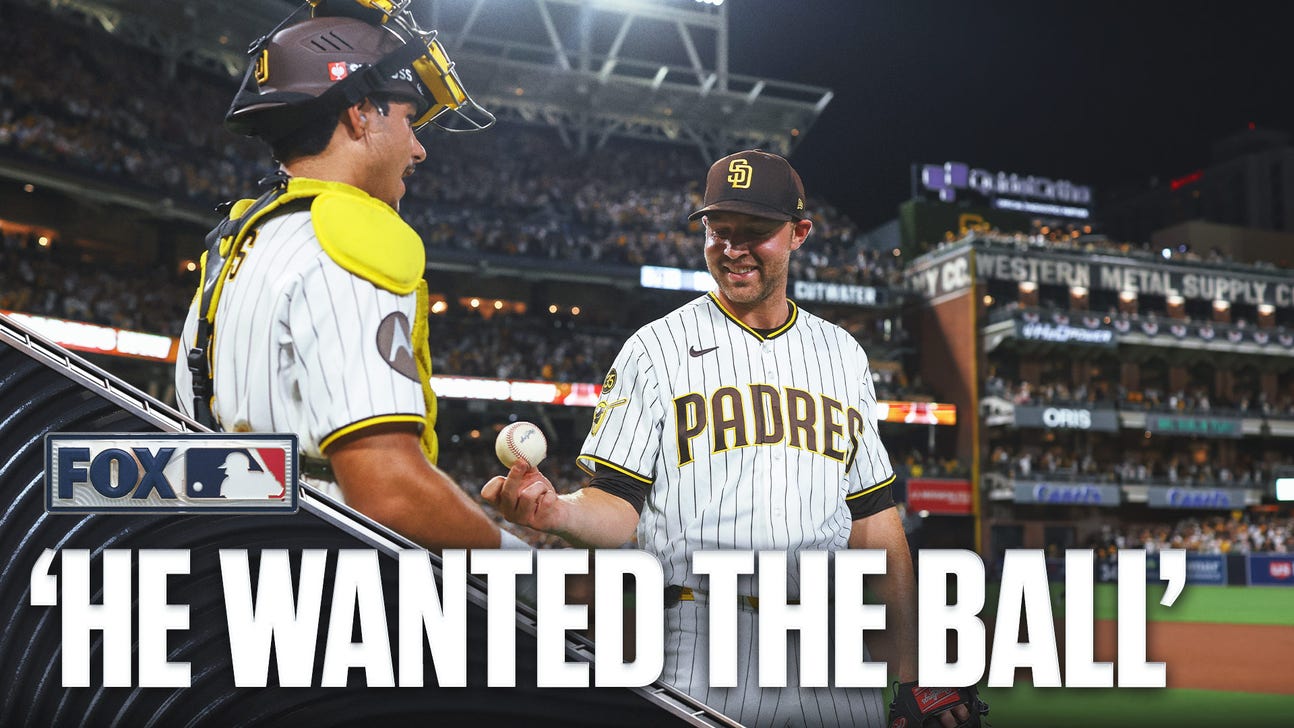
“It seemed like he put himself out there,” said Padres reliever Jason Adam. “He didn’t just go out there begrudgingly to cover. He said, ‘I want the ball.’” 

Michael King earned his first save since 2023. (Meg McLaughlin / The San Diego Union-Tribune)

–>

Somehow, King’s stuff still looked good. His four-seamer was up 1.6 mph from his season average. His two-seamer was up more than 2 mph. This was not a foreign concept to King, who was a star reliever with the Yankees. But that was three years ago, before he had transitioned to starting and transformed into San Diego’s ace. 

King made one regular-season relief appearance when he joined the Padres in 2024. He made another in last year’s postseason, striking out three in a scoreless inning against the Cubs. 

This one, however, was especially astonishing, given the circumstances. Many Padres players heard King might be part of the bullpen mix entering the night, but most weren’t sure what the role or the lane would be. King told the team right after he exited his Game 2 start that he would be ready to pitch in Game 3. Third baseman Manny Machado tried to talk him down. 

“I kinda told him, like, ‘Why? Get ready for Game 5,’” Machado said. “But, he wanted the ball, man.”

Shortstop Xander Bogaerts, meanwhile, was completely taken aback as the innings unfolded Tuesday night. He said he didn’t even know Miller and Morejon were both unavailable until he saw King entering the game. 

“I saw him warming up in one of the innings, and I was like, ‘That’s a little weird,’” Bogaerts told me. “For him not to throw one [inning], but to throw two, that’s the player of the game.”

The Padres had already used their best available bullpen weapons — Adam, Bradgley Rodriguez and Yuki Matsui — to extinguish fires earlier in the night as the Brewers staged their nightly comeback attempt. The Padres have scored first in every game this series, and each time the Brewers have clawed back. Tuesday was no exception. 

This time, though, San Diego had a different remedy for the final frames. They had, as Stammen described him, a “safety net” in King, who prepared for this possibility by doing more recovery work on Monday. 

He also didn’t throw his typical between-start bullpen session. 

“This was it,” said Padres pitching coach Ruben Niebla. 

Padres Win THRILLER Verlander, Jeter, Papi & A-Rod React to Gutsy Game 3 Win vs Brewers

Padres Win THRILLER  Verlander, Jeter, Papi & A-Rod React to Gutsy Game 3 Win vs Brewers –>

Then, on Tuesday, King tried to tap back into his bullpen mentality: “Just trying to make sure I had as much adrenaline as I possibly could.” 

He needed 19 pitches to get through the eighth. Bogaerts and Machado figured that would be it for him. The Padres were working through what to do for the ninth. 

But no one was warming. 

“I thought he was just going to be good for one, kind of like a bullpen day,” Machado said. “Yeah, surprised he went out there for a second. S––, screw it, let’s go. Let’s do it.”

“As soon as he came out,” Adam said, “I was like, ‘This is his game.’”

Leading by a run, King struck out Jake Bauers in the ninth before William Contreras worked a nine-pitch walk. Then, King issued another free pass to Brice Turang. As things began to get dicey, Joe Musgrove and Robbie Ray started getting warm. They wouldn’t be needed. 

“We were waiting to see how the game was developing at that point,” Niebla told me. “But when you have Michael King out there and what he’s capable of doing, and he is your best arm, we felt pretty good about it.” 

King then threw a first-pitch slider to Christian Yelich, who laced it up the middle 107.1 mph off the bat. At shortstop, Bogaerts dropped to his knees to field it, gathered himself, stepped on second base for the force and threw on to first to complete the double play. 

It wasn’t the typical shutdown ninth inning the Padres had grown accustomed to this year, but it might have been the most impressive. 

“Nobody buys the boring books,” Adam said. “A little adversity’s good for the boys.”

Michael King’s relief outing ensure there will be a Game 4. (Photo by Rob Tringali/MLB Photos via Getty Images)

–>

As of Tuesday night, Niebla said the team is expecting both Miller and Morejon to be back for Game 4. That, of course, is dependent on how everything goes with the birth of Miller’s first-born child and the response of Morejon’s shoulder. 

Miller contacted the Padres to let them know early in the afternoon about his circumstances. The San Diego coaching staff didn’t need to huddle afterward. According to Niebla, they already had contingency plans mapped out. Miller’s teammates all supported his decision. 

“We kind of knew the situation coming into it,” Machado told me. “If it was going to get to this, he was going to be there for the first-born.”

“It’s a hard thing to balance,” first baseman Ty France added, “but he’s doing the right thing.”

Adrian Morejon and Mason Miller are expected for Wednesday’s crucial game. (Photo by Orlando Ramirez/Getty Images)

–>

Morejon, meanwhile, threw off a mound Tuesday, but the Padres figured he wasn’t going to be available based on how he was feeling. The star left-handed reliever had reported some issues with his shoulder a day after throwing two innings in Game 1 of the series. Niebla called it “a little fatigue.” Stammen described it as “a little stickiness in the shoulder.” 

“If anything changed, that would have been good news,” Stammen said. “But, nothing changed. So, we knew we were going to have to rely on our whole pitching staff this postseason, and this was the first day of that.” 

If they need King again in relief, the “safety net” claims he’s ready. 

“Michael is willing to do anything for the team,” Stammen said. “It’s pretty awesome to have someone like that, star player, be able to articulate that to me, the manager, and the coaching staff, and then go out and do it.”

Major League BaseballMLB Related Stories


Source