Posted on

Ring Owners Are Returning Their Cameras

BrandonKleinPhoto/Shutterstock

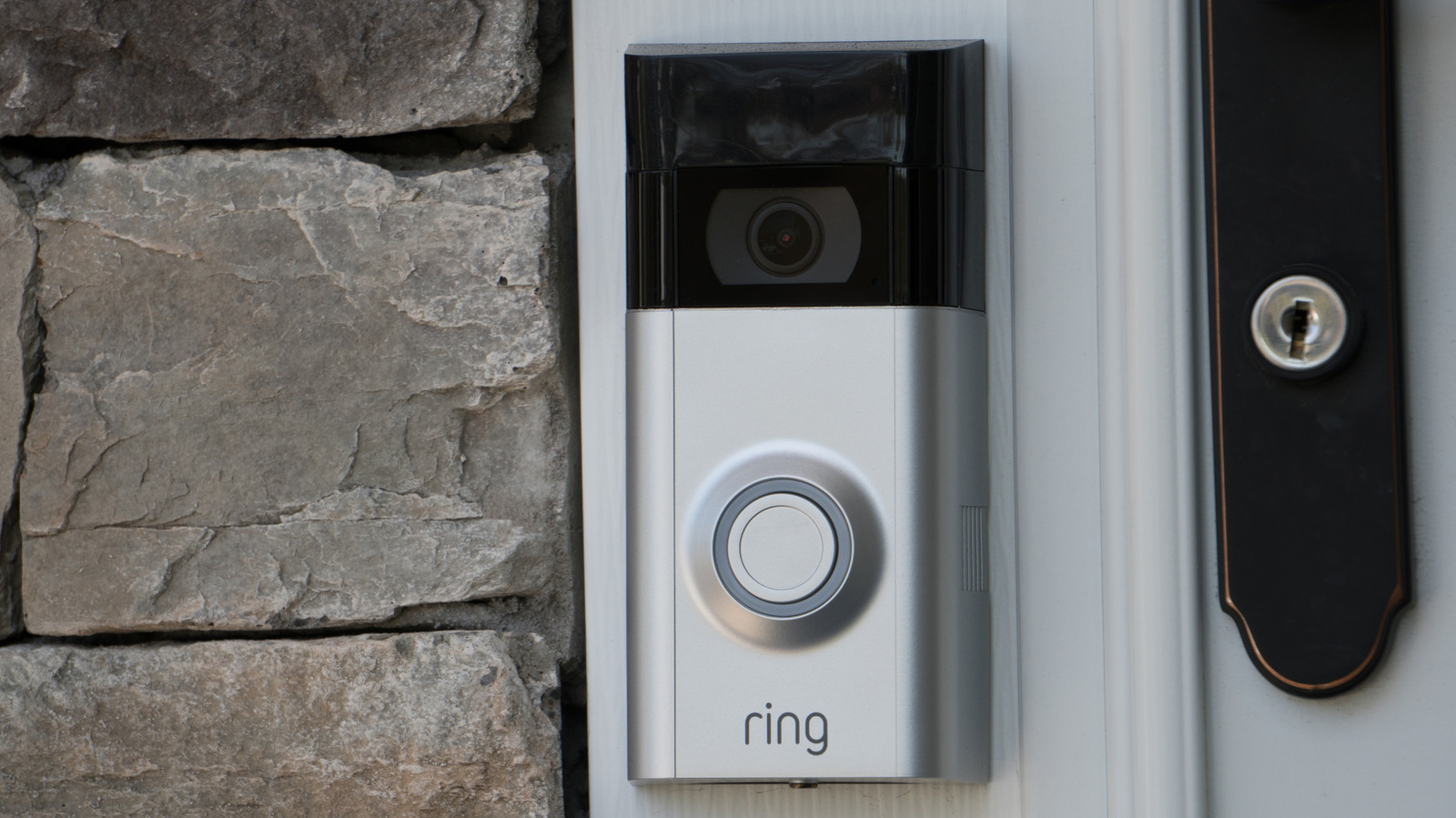
Ring camera owners online claim to be returning their devices for a full refund, citing that the company has broken its terms of service with users. Users claim they’re doing so because the Amazon-led company joined forces with Flock Safety and forced users to opt in to certain features. These Ring owners claim that the company is allegedly providing information to U.S. Immigration and Customs Enforcement. It’s a problem that is calling into question what home security can mean for users.

Ring told The New York Times that no user footage is being used to help ICE, and the company’s partnership with Flock Safety has been on standby since its announcement in October 2025. As of now, Ring has not provided a specific timeline for this partnership to start, but Flock Safety states that it does not allow federal agencies access to user data. Despite this, users on Reddit are still providing photos of their returns after speaking with customer service for Ring potentially breaking its terms of service with customers.

There is a way to ask for a Ring camera refund, should you choose. According to several Reddit users, Amazon is honoring these returns so long as you speak to customer service and explain that Ring has broken its terms of service. Users claim to be receiving a full refund for their Ring cameras and also successfully returning Ring doorbells, indoor cameras, multiple batteries, and a battery charger.

Why the refund is happening and how to claim it

PJ McDonnell/Shutterstock

Ring security systems are no strangers to scrutiny, despite being top-rated Amazon gadgets. In 2019, the company was accused of spying on customer camera feeds. More recently, its new Search Party feature, announced in a Super Bowl commercial, gives users reason to believe it’s allegedly leading to a surveillance state disguised as a lost dog search tool.

Now, users are asking for their money back. In a post on Reddit, user “aawolf” posted an image explaining how and why you should return your Ring camera. The post also claims that Ring footage can fall into the hands of Flock Safety, which is also responsible for license plate readers throughout the U.S.. This Reddit user is alleging that Flock has been working with ICE to locate “susceptible” individuals. The post also cites that another reason to return products is that Ring reportedly enabled AI and facial recognition features, previously optional, without user consent.

Essentially, so long as you state that Ring has changed the terms of service and that you disagree with Flock, Amazon may begin processing your return. If you wish to request a refund for your Ring camera, the fastest way is to speak to customer service through Rufus on the Amazon home page. From there, request your refund by stating that the company’s agreement with Flock invalidates the reason you purchased the product, and that the terms of service have been changed. You may need to provide an order number, but buyers did confirm that they have successfully returned cameras.

Source

Posted on

Apple CarPlay Might Be Getting AI Chatbots Soon (But They

Lloyd Vas/Shutterstock

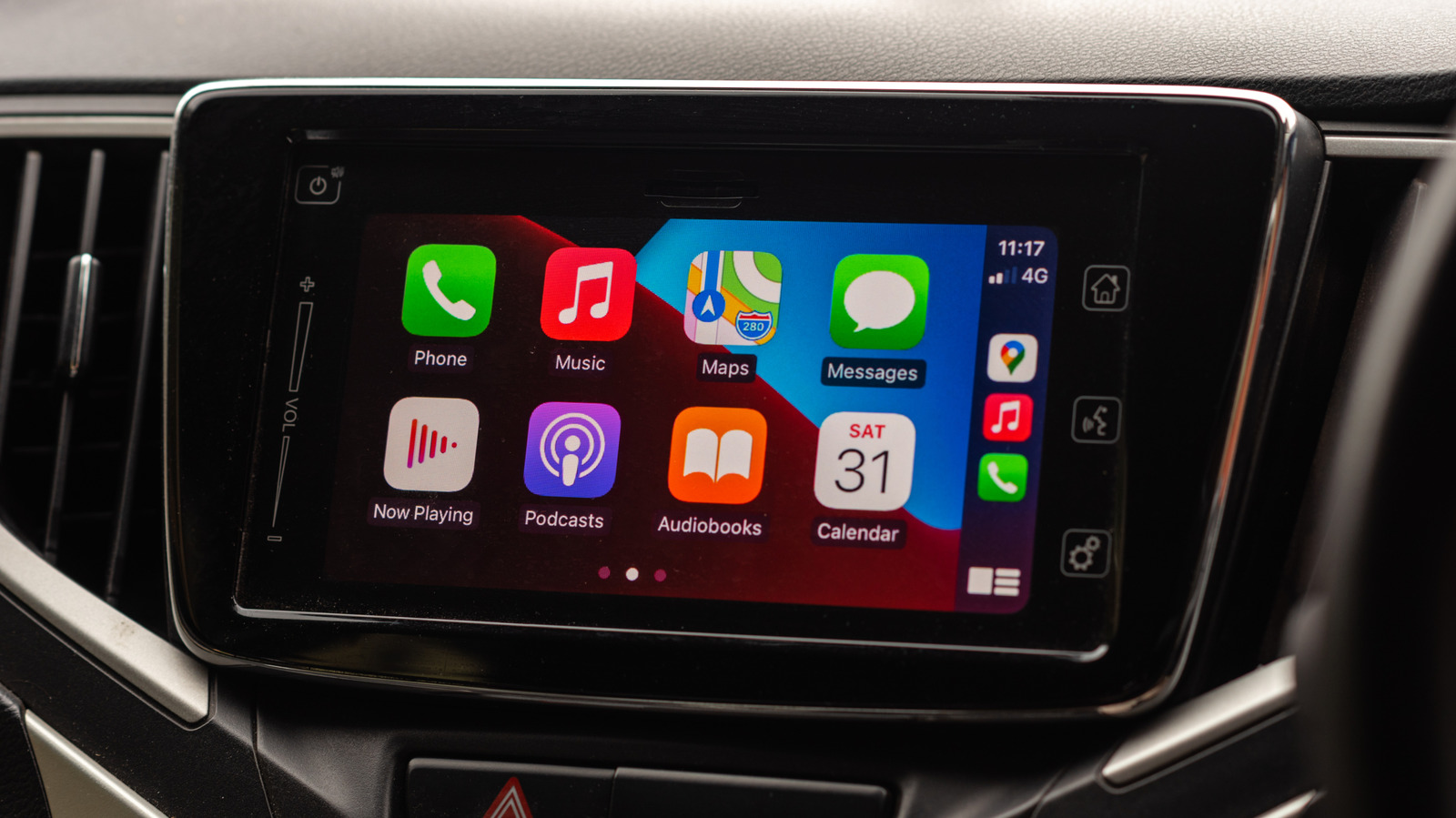
It appears Apple will finally let AI chatbots be used with CarPlay. According to reports from Bloomberg, OpenAI’s ChatGPT, Google’s Gemini, or even xAI’s Grok could be available for millions of CarPlay drivers in the coming months. While Apple won’t let CarPlay users change the way Siri is invoked (which means it will continue to be the standard experience for the infotainment platform), users will finally be able to use voice commands to talk to their favorite AI chatbots.

It’s possible Apple intends for this to be one of the top CarPlay features of iOS 27, which is expected to be previewed at the WWDC 2026 keynote in June. Apple’s timing might be just enough to improve its own personal assistant, which is expected to get supercharged by a Gemini model starting with iOS 26.4, and a full chatbot experience later this year with iOS 27. If Apple can offer an improved experience with Siri when it announces AI chatbot support, users might opt to stay with Apple for a more personalized and private interface.

CarPlay users are about to get what they always wanted

Hadrian/Shutterstock

Currently, CarPlay users have to use shortcuts and widgets to access AI chatbots, or directly from their iPhone through their vehicle’s stereo. With people using AI more and more, it’s been a missed opportunity that Apple still doesn’t support a native experience.

Apple is reportedly working to improve its updated Siri by bringing World Knowledge Answers. This would allow the personal assistant to finally be able to summarize information found online, instead of just providing a link or saying it can’t perform that task.

Last year, I had the experience of seeing Grok in action on a Tesla vehicle, and the experience was really smooth with xAI’s assistant answering to queries regarding the weather, what was going on in the world in real time, and, of course, even telling a couple of jokes. If Apple can improve Siri to provide a similar experience on CarPlay, it’s possible that even if people can download ChatGPT, Gemini, and other options, they would still stick with Siri. Bloomberg has also reported that the new Siri will be iOS 27’s main priority, which bodes well for users eager for an improved Siri above all else. 

Source

Posted on

Ditch Unreliable Modern Weather Apps For A Retro Solution

Frankramspott/Getty Images

We may receive a commission on purchases made from links.

You wake up in the morning and check with your weather app, which tells you that there is no snow today. You expect an easy commute. Ten minutes on the road, however, the flakes start to fall. The problem with modern weather apps is the reliance on algorithms with no real-time human oversight, which sometimes leads to inaccurate weather predictions. All apps can be susceptible to this, even if they have some of the best weather service features.

While you can tune into your local station to get a meteorologist’s opinion, there is one piece of tech that doesn’t require turning on the TV or going to the weather app on your smartphone. That is a Galileo thermometer. This retro thermometer, invented by astronomer Galileo Galilei, is great for showing local temperature in your area as well as predicting changes. These are available to buy at online retailers or in some physical stores.

Aside from offering an alternative to local weather prediction, Galileo thermometers are quite pretty to have on display and offer a nice, screen-free solution. Since staring at our phones too much can become addicting and lead to high levels of anxiety and depression, this is a way to remove yourself from constantly looking at your phone.

How a Galileo thermometer works

Hmvart/Getty Images

A Galileo thermometer works by taking advantage of how water’s density changes with temperature. Inside the sealed glass tube is water and several colorful glass bubbles, each tagged with a different temperature. The tags change each bubble’s weight, making every bubble a tiny bit denser or lighter than the others. As the surrounding air warms or cools, the water inside the thermometer expands or contracts, which changes its density. When that happens, some bubbles sink while others float. The lowest bubble that’s still floating matches the water’s density and shows the current temperature. Because rising or falling air pressure often brings temperature changes with it, watching these subtle shifts can give a rough clue about where your local weather might be headed.

Laurahilchey/Getty

Amazon offers such a thermometer also equipped with storm glass and an analog clock for $44 at the time of writing. It’s a neat full-service weather station. The Galileo thermometer itself shows the local temperature. The storm glass enhances the display of potential weather forecasting based on the changing temperature. Finally, it has a hygrometer for local humidity readings. The Galileo thermometer is a pretty piece to set out either at home or in your office. If you don’t want to spend $44, you can wait around for some of the best days to buy tech on Amazon to try to snag a better deal.

Why weather apps can be unreliable

Alex Photo Stock/Shutterstock

While you might consider your weather app essential for daily activities, and perhaps even among the great essential apps if you are an outdoor enthusiast, the problem is that they are not always reliable. This is especially true in areas that can have unpredictable weather patterns, like lake effect snow around the Great Lakes or the way the Rocky Mountains affect weather patterns ithose states.

Weather apps don’t have meteorological oversight to constantly check and update the data. Instead, they combine data from satellites, radar systems, and ground weather stations. The data gathered from these sources is then put together into forecasting models for the app. These apps may pull from various different computer weather models, which explains why two different weather apps can show two different forecasts for the day.

While these weather models and data processing systems are certainly advanced, they still rely on typical patterns. Subtle changes may not be accounted for and the way local geography impacts local areas is not always reflected. That is why your weather app may be wrong, and one of the benefits the Galileo thermometer has over it. The Galileo thermometer shows the weather as it happens, with the bubbles inside moving to forecast what you can expect in the near future. Though the Galileo thermometer has its limits in terms of wide-range, long-term forecasting, it is still a handy tool to have at your disposal.

Source

Posted on

Google Pixel 10a Touts FaceTime Support, But It’s Still Not

Elvard project/Shutterstock

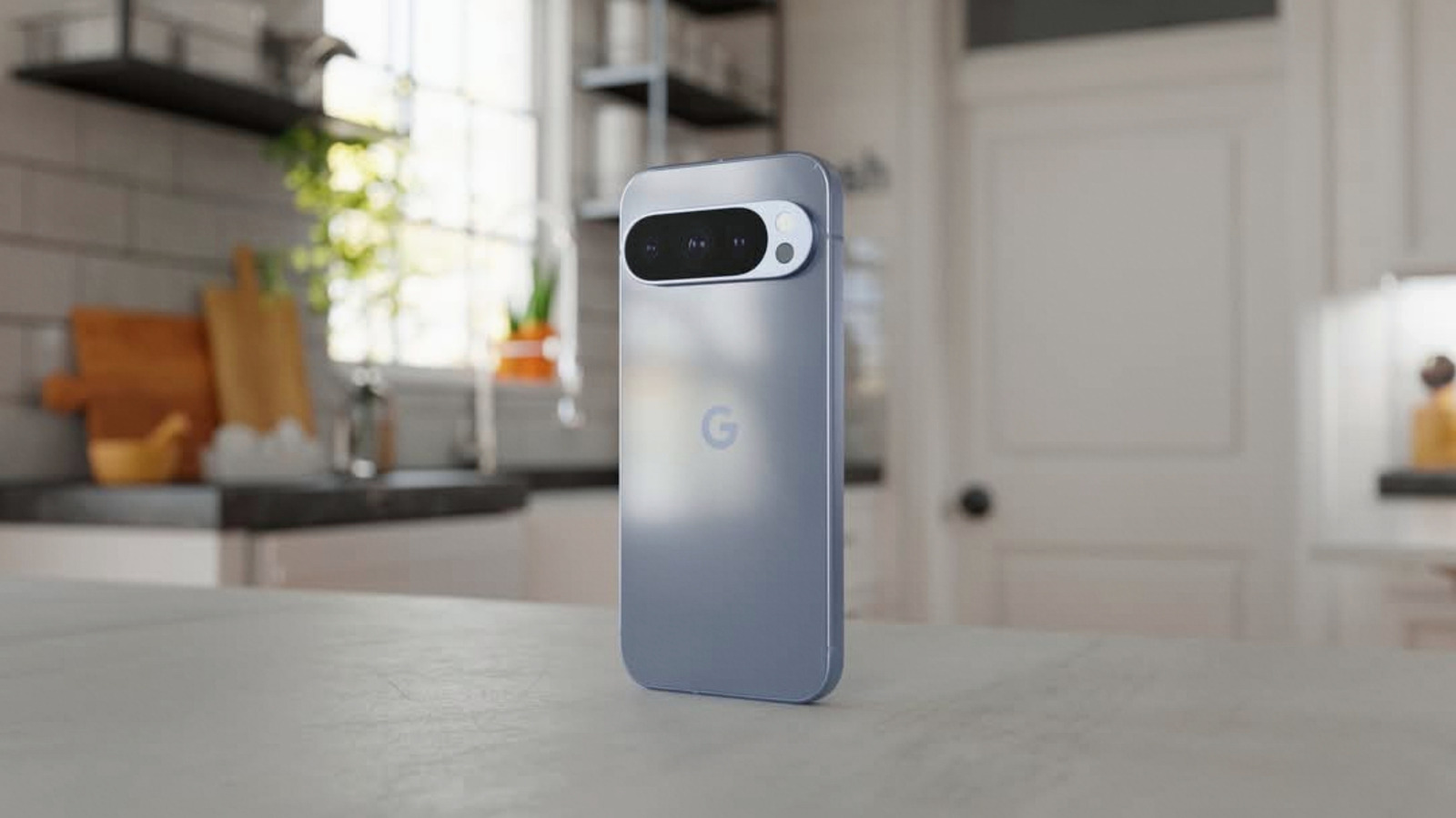
Well, it seems Google is up to some more shenanigans with the upcoming arrival of the Pixel 10a, its next budget-friendly Android phone. While our review of the Pixel 10 praised what Google is doing with its smartphones, the company still seems intent on trying to win over as many Apple iPhone users as possible. That’s because on the latest store page for the Pixel 10a, Google actually advertises being able to use FaceTime — Apple’s exclusive video chatting functionality — with its latest phone.

Now, it’s important to note that this isn’t the first time that we have seen Google doing something like this. In the past, Reddit users spotted similar claims on the Pixel 10’s store page, and the same advertisement bit actually shows up on the main store page for the Pixel lineup. So, what’s the big deal? Does the Pixel lineup offer some kind of special deal with Apple that gives users access to FaceTime on Android?

No. It does not. While it might sound like Google is saying that FaceTime is more readily available on Pixel phones, you have to look at the fine print to truly understand what that statement means. Because, instead of the Pixel actually offering any kind of extended support for FaceTime, Google is simply riding the addition of FaceTime links in iOS 15, which allows Apple users to invite both Android and Windows devices to FaceTime calls by creating a call group and then sending the link to the other users.

What Google’s FaceTime advertisement really means

Being able to join FaceTime calls on Android is absolutely a handy functionality to have, and just one way that Apple has been working to make iPhones and its other products work more seamlessly with Android and Windows devices. However, there’s nothing different about what the Pixel is offering here. Instead, it seems Google might just be trying to add in some extra buzzwords to help entice new users to pick up its phones. There’s nothing inherently wrong with Google outlining that you’ll still be able to chat with FaceTime users on Pixel. However, the exact wording has certainly led to some confusion with consumers.

Of course, Google’s own response to FaceTime, Duo, arrived on iPhone and Android several years ago, but slowly died off as the service was pushed into Google Meet. That’s likely because FaceTime works so seamlessly with devices, with some on Reddit even calling it “phone calling 2.0.” As such, this ongoing popularity and ease-of-use is probably why Google is using it as a selling point for its devices. Another confusing part of the equation, too, is the fact that Google actually made AirDrop work with its Android phones, so it makes sense that some might believe they’d somehow cracked the code or made a deal with Apple for FaceTime support. But that remains unlikely.

Source

Posted on

5 Cool USB Port Gadgets That Can Make Your Car

rukawajung/Shutterstock

We may receive a commission on purchases made from links.

Driving a car is a lot of responsibility. On the road, there is no shortage of laws to adhere to and plenty of other drivers to contend with. While it’s up to everyone to keep the avenues and highways safe, it’s not a job all drivers take seriously. There are plenty of dangerous people behind the wheel, and the only individual who can defend you, yours, and your vehicle from the brake-checkers and speed demons of the world is you. 

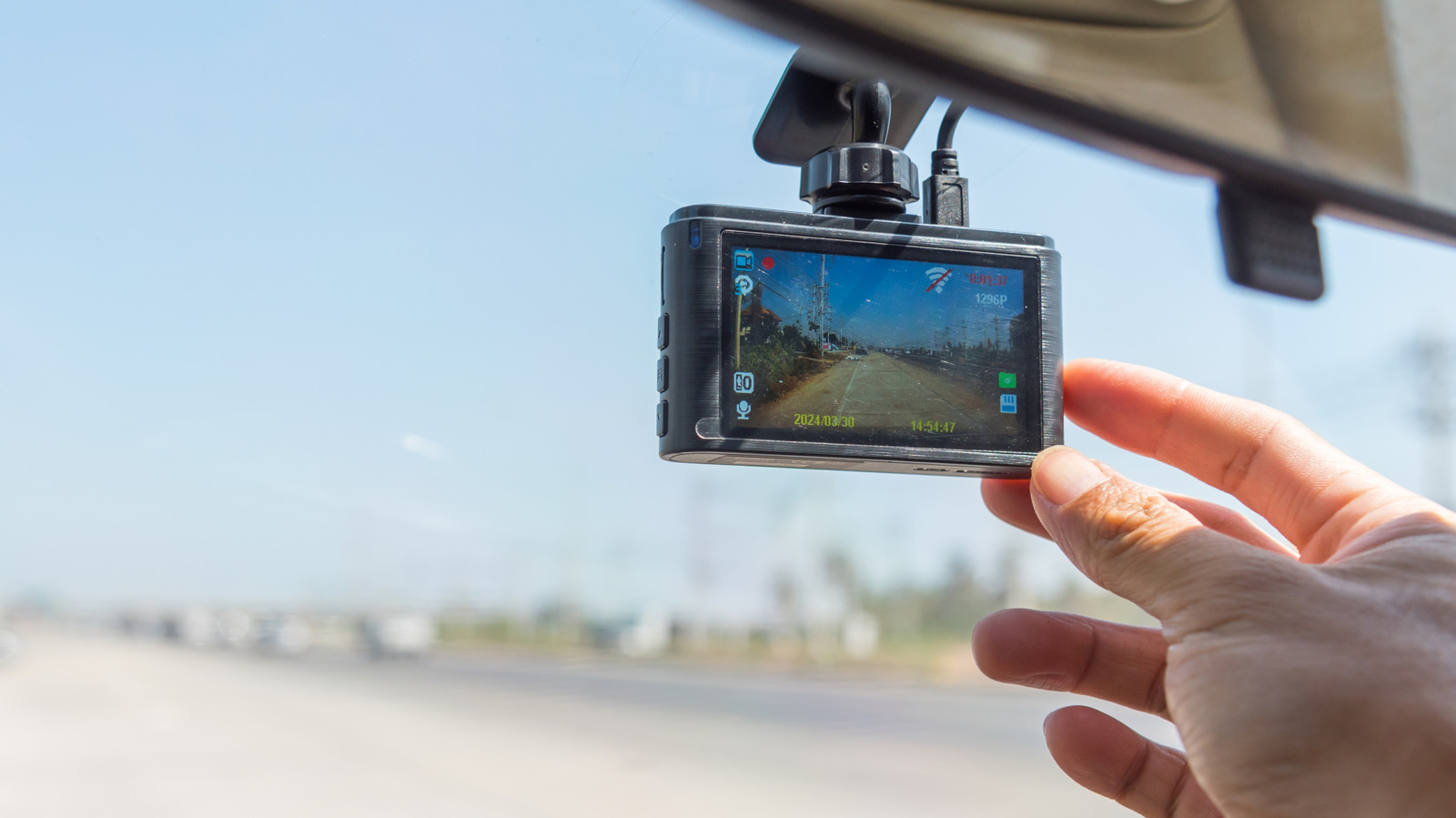
Fortunately, there are also plenty of car-friendly USB port gadgets on the market, and many are designed with safety in mind. Whether you’re looking for front and rear dash cams that never stop recording, or a plug-and-play LED light in case of emergencies, you can make all your four-wheel excursions safer and more efficient with any of the five devices we selected.  

When choosing items, we did our best to stick with top-rated devices with bountiful user feedback and hands-on reviews from trusted publications. We also made sure to include a couple of budget-friendly devices that folks with nothing more than $15 can reap the benefits of. 

70mai A810 Dash Cam

Everyone should own a multi-view dash cam system, and frankly, they should be built into all new road-bound vehicles. But until that day comes (if it ever does), we’ll be forced to invest in our camera tech. Fortunately, cam combos like the 70mai A810 are readily available, and at a price most folks will be able to wrap their heads around.

The entire A810 rig runs off USB-A and DC power, and comes with a front-facing cam that delivers 4K recordings and a 146-degree field of view (FOV). The back cam records in 1080p HD, has a 130-degree FOV, and plugs into the side of the front cam for power. The system stores all footage to a microSD and accepts cards up to 256GB.

On Amazon, the A810 combo scored a 4.4 out of 5 stars, based on nearly 1,600 reviews. Most users were pleased with the overall video quality and easy setup. While the rear cam could do with some processing improvements — and perhaps a more conventional USB connection down the line — the 70mai A810 is well worth the investment. Plus, it’s often on sale for less than its $180 list price.

Ecoangel LED Road Flares

No one ever wants to be in a position where firing up a road flare is necessary, but it’s better to be safe than sorry. To that end, we recommend the Ecoangel LED Road Flares 3-Pack, a versatile set of disc-shaped emergency lights with nine different flash modes and flashlight capabilities. Each disc contains a 650-milliamp lithium-ion battery that recharges via USB, and all three units are waterproof.

Perfect for flagging down the AAA tow that’s coming to rescue you, the road flares can be programmed to flash intermittently, strobe repeatedly, or stay solid. When it’s time to recharge, simply use the provided USB cable to connect to your vehicle, and wait until the flare indicator switches from red to green (indicative of a full charge).

Amazon shoppers gave this bundle 4.8 out of 5, based on over 4,300 reviews. Most folks love how well the lights work and how simple they are to use. Others praised the durability of the product, as well as the magnetization that lets you stick them to certain parts of your vehicle. Ecoangel was even kind enough to provide a carrying case for all three flares.

AstroAI L7 Tire Inflator

A tire repair tool is another gadget every driver should have, and we think the AstroAI L7 Tire Inflator is worth every penny. It scored a 4.3 out of 5 stars on Amazon, and that’s based on over 10,300 user reviews. The AstroAI L7 has a 4,000-milliamp battery, which the manufacturer claims is enough power to inflate up to eight tires (195/65R15 size) from 30 to 36 PSI.

Conveniently, it even pulls double duty as a backup charger for phones and other tech products. The USB ports are located on the bottom of the gauge, and AstroAI recommends recharging every three months for optimal performance. With four vehicle modes to choose from and a custom mode that lets you set your own PSI value (3-150 PSI), the L7 probably won’t be a tool you use often — but it’s one you’ll be glad to have should a tire decide to deflate.

The tire inflator comes with everything you need in the box, including a USB charging cord, air nozzles, a needle valve adapter, and a Presta to Schrader adapter. We read a few reports of folks who ran out of battery faster than anticipated, so definitely make sure you stick to that three-month recharge schedule.

RunningSnail Emergency Radio

A portable radio may not be at the top of your list of cheap car gadgets to invest in, but this RunningSnail Emergency Radio shouldn’t be ignored. Priced at $27, it’s inexpensive even when it’s not on sale. What you’re getting is a 2,000-milliamp hub with AM/FM/NOAA tuning, an integrated LED flashlight, and three ways to charge the battery: USB, solar, and a manual hand crank.

Measuring 5 inches tall and 2.4 inches wide, the RunningSnail is small enough to fit in a pocket, making it easy to switch the device between vehicles. If push comes to shove, and your phone is minutes from dying, you’ll even be able to use the radio’s USB port to top off mobile devices. That said, 2,000 milliamps isn’t a ton of power, so it’s still a good idea to carry around one of the best portable chargers.

Amazon shoppers gave this RunningSnail radio 4.5 out of 5 stars, and that was based on over 22,750 reviews. People love the reliability of the device when the power’s out, as well as the audio quality of the weather stations it’s able to pick up. Some users complained that the battery doesn’t hold a charge, while others had no issues. To play it safe, we recommend unboxing and giving it a test run.

Ztylus Stinger Escape Tool

Car escape tools aren’t the friendliest-looking gadgets, but a tool like the Ztylus Stinger Escape Tool should be an essential part of your vehicle’s emergency kit. The window-breaking mechanism is spring-loaded; all you have to do is press the Stinger up against one of your tempered glass side windows and press the trigger. We also appreciate the inclusion of a seatbelt cutter.

One of our favorite features is the DC connector the device uses. When plugged into your car’s 12-volt DC port, the Stinger doubles as a dual USB charger for phones and other portable tech. Amazon shoppers gave it a 4.6 out of 5 stars, based on over 1,850 reviews, and most folks were pleased with how well the Stinger performs. Others weren’t so keen on how long it takes the USB-A ports to charge a phone.

Even if you don’t want to keep the Stinger plugged into your vehicle’s DC port, it’s small enough to be tucked away in a glovebox or center console. Just make sure you know exactly where it is at all times.

Methodology

Anyaberkut/Getty Images

Vehicle-friendly emergency gadgets may not be as fun or feature-packed as the consumer tech products we usually cover, but these types of tools exist for several reasons. Saving lives and keeping people safe is at the top of the priority list, and safety and convenience are exactly what we had in mind when choosing these five products. We also made sure to stick with reliable brands and parsed both user feedback and professional reviews for pros, cons, and other critical feedback. Lastly, we did our best to include a couple of products that even the strictest of safety budgets can afford.

Source

Posted on

London Assembly member: Police should halt facial-recognition technology use

The Metropolitan Police’s rapid “unchecked” expansion of live facial-recognition (LFR) technology is taking place without clear legal authority and minimal public accountability, says Green London Assembly member Zoë Garbett in a call for the force to halt its deployments of the controversial technology.

Made during an ongoing government consultation on a legal framework for the technology, Garbett’s call for the force to immediately halt its deployments of LFR is informed by concerns around its disproportionate effects on Black and brown communities, a lack of specific legal powers dictating how police can use the tech, and the Met’s opacity around the true costs of deploying.

Garbett’s intervention also comes as the High Court is considering the lawfulness of the Met’s approach to LFR, and whether it has effective safeguards or constraints in place to protect people’s human rights from the biometric surveillance being conducted.

“Live facial-recognition technology subjects everyone to constant surveillance, which goes against the democratic principle that people should not be monitored unless there is suspicion of wrongdoing,” said Garbett, adding that there have already been instances of “real harm” in children being wrongly placed on watchlists, and the disproportionate targeting and misidentification of Black Londoners.

“These invasive tools allow the police to monitor the daily lives of Londoners, entirely unregulated and without any safeguards. The Met repeatedly claim that live facial recognition is a success, yet they continue to withhold the data required to scrutinise those claims.

“It makes no sense for the home secretary to announce the expansion of live facial recognition at the same time as running a government consultation on the use of this technology. This expansion is especially concerning given that there is still no specific law authorising the use of this technology.”

Highlighting in a corresponding report how facial-recognition technology “flips the presumption of innocence” by turning public spaces into an “identification parade”, Garbett also outlined ways in which both the Met and the Home Office can make its use safer in lieu of a full-blown ban.

This includes creating primary legislation with “strict controls” that limits LFR to the most serious crimes and bans its use by non-law enforcement public authorities or the private sector; and openly publishing deployment assessments so that watchlist creation, location choice and tactical decisions are publicly available for Londoners to review.

On watchlist creation specifically, Garbett dismissed the police claim that LFR is a “precise” tool, highlighting how nearly every watchlist used is larger than the one preceding it.

Highlighting how the number of faces being scanned by the Met is “increasing at a near exponential rate”, Garbett likened the forces watchlist tactics to a “fishing trawler” that it keeps adding to so it can find people.

“Data suggests that rather than making a new unique watchlist for each deployment based on the likelihood of people being in the area of the deployment, it seems from the outside that the MPS is just adding additional people on to a base watchlist [it has],” she said.

Garbett also called on the Met to publish the true financial and operational costs of all LFR deployments, arguing that the force has not only failed to provide a compelling business case for the technology, but is actively obfuscating this information.

“The MPS has a history of a lack of transparency. This is perhaps best summarised by Baroness Casey in her review of the MPS where she said, ‘The Met itself sees scrutiny as an intrusion. This is both short-sighted and unethical. As a public body with powers over the public it needs to be transparent to Londoners for its actions to earn their trust, confidence and respect’,” said Garbett.

She added that while freedom of information requests returned in mid-2023 revealed that, up until that point, the force had spent £500,000 on the tech, without up-to-date reliable figures, it is impossible to verify the Met’s claims that it is delivering a greater impact on public safety through LFR.

“The NHS wouldn’t be able to roll out a new treatment without being able to prove it was worthwhile and effective, but it seems that the police operate under their own rules and seemingly answer to no one,” said Garbett.

Computer Weekly contacted the Met about Garbett’s report. A spokesperson said that LFR “has taken more than 1,700 dangerous offenders off the streets since the start of 2024, including those wanted for serious offences, such as violence against women and girls. This success has meant 85% Londoners support our use of the technology to keep them safe.

“It has been deployed across all 32 boroughs in London, with each use carefully planned to ensure we are deploying to areas where there is the greatest threat to public safety. A hearing into our use of live facial recognition has taken place and we look forward to receiving the High Court’s decision in due course. We remain confident our use of LFR is lawful and follows the policy which is published online.”

A lack of meaningful consultation so far

While the use of LFR by police – beginning with the Met’s deployment at Notting Hill Carnival in August 2016 – has already ramped up massively in recent years, there has so far been minimal public debate or consultation, with the Home Office claiming for years that there is already “comprehensive” legal framework in place.

The lack of meaningful engagement with the public by police and government over facial recognition is reflected in Garbett’s report. She highlights, for examples, that Newham Council unanimously passed a motion in January 2023 to suspend the use of LFR throughout the borough until biometric and anti-discrimination safeguards are in place.

While the motion highlighted the potential of LFR to “exacerbate racist outcomes in policing” – particularly in Newham, the most ethnically diverse of all local authorities in England and Wales – both the Met and the Home Office said that they would press forward with the deployments anyway.

“Since that motion was passed, LFR has been used 31 times in Newham by the MPS,” said Garbett.

On the deployment of permanent LFR cameras mounted to street furniture in Croydon, Garbett added while the Met promised it would consult with the local community, councillors from there are have told her the force did not follow through with this consultation.

The technology was similarly rolled out in Lewisham without meaningful consultation, despite the Met’s claims to the contrary.

However, in December 2025, the Home Office launched a 10-week consultation on the use of LFR by UK police, allowing interested parties and members of the public to share their views on how the controversial technology should be regulated.

The department has said that although a “patchwork” legal framework for police facial recognition exists (including for the increasing use of the retrospective and “operator-initiated” versions of the technology), it does not give police themselves the confidence to “use it at significantly greater scale…nor does it consistently give the public the confidence that it will be used responsibly”.

It added that the current rules governing police LFR use are “complicated and difficult to understand”, and that an ordinary member of the public would be required to read four pieces of legislation, police national guidance documents and a range of detailed legal or data protection documents from individual forces to fully understand the basis for LFR use on their high streets.

Consultation responses

In a section on how people can respond to the Home Office’s LFR consultation, Garbett urged people to call for its ban, adding that further protections in lieu one could include requiring a warrant to be placed on a watchlist, and limiting it to “the most serious and urgent crime purposes”.

She noted that, as it stands, the Met has not used LFR to make any terror-related arrests, with the most common offence being variations on theft or court order breaches

“In a recent press release, the lead example the MPS give for how they have used LFR is using it to arrest a 36-year-old woman who was wanted for failing to appear at court for an assault in 2004 when they were probably 15 years old,” she said. “The public might feel differently about LFR if they knew it was being used on cases such as these.”

On the permanent installation of LFR cameras in Croydon, Garbett added that while the police have said they are only switched on when an operation is taking place, “there is still the potential for 24/7 monitoring, with Londoners unable to tell if the cameras are operational or not. This makes the feeling of being under surveillance in London feel routine and begins to be a slippery slope to preventative policing and a blurry line between safety and social control.”  

Garbett concluded that the rapid deployment of LFR must stop while safeguards are in place to protect people’s rights: “I urge everyone to respond to the government consultation and use the guide I’ve prepared to make sure we have a say in how this technology is used going forward.”

Computer Weekly contacted the Home Office about the contents of Garbett’s report and its decision to massively expand facial-recognition deployments before concluding its consultation.

“Facial recognition is a crucial tool that helps the police locate suspects and those wanted by the courts. In the past two years alone, it has helped the Metropolitan Police locate and arrest more than 1,700 offenders, including rapists, domestic abusers and sex offenders,” said a spokesperson.

“The Home Secretary has announced plans to roll out facial recognition across the country. The number of live facial recognition vans will triple, with 50 vans available to every police force in England and Wales.”

Source

Posted on

CVE volumes may plausibly reach 100,000 this year

The total number of common vulnerabilities and exposures (CVEs) disclosed in 2026 is set to romp past the 50,000 mark in 2026 and may plausibly run as high as six figures for the first time ever, according to the Forum of Incident Response and Security Teams’ (First’s) annual Vulnerability report.

In its latest set of predictions, First said that this year, the upper bounds of its 90% confidence interval in fact approaches 118,000 CVEs, and according to the data, realistic scenarios suggest 70,000 to 100,000 disclosed vulnerabilities are “entirely possible”. The median figure for 2026, it said, would most likely be around 59,000.

First said that whatever the figure turns out to be, it underscored an “urgent need” for organisations to both scale their security ops and strategically prioritise their vulnerability response and patching practices.

“The question organisations need to ask right now is: are my people and processes ready to handle this volume, and am I prioritising the vulnerabilities that actually put my data at risk?” said Éireann Leverett, first liaison and lead member of First’s Vulnerability Forecasting Team.

“Our forecast allows defenders to stop reacting to every new CVE and start making strategic decisions about where to focus limited resources before attackers exploit the gaps.”

The 50,000 vulnerability question

In its 2025 report, First said that the higher end of its predicted range topped out at 50,000 CVEs – the number its analysts expect to comfortably exceed this year. This was partly due to the rapid adoption of open source software (OSS) and the use of AI tools both in vulnerability discovery. During the course of the year, the emergence of the vibecoding phenomenon likely also had an impact.

In the event, First’s prediction was bang on, Leverett revealed, tipping over the upper confidence mark on 31 December 2025 for a final total of 49,972 observed CVEs, just 28 short of the magic number.

However, ideally, the upper confidence point would fall somewhere in 2026, with the median confidence point falling on New Year’s Eve, and as a result, First has reviewed its approaches and methodology going forward. Whether or not this means its 2026 forecast will be even more accurate remains to be seen.

“[Our] new method of forecasting…allows for asymmetric confidence intervals. This means we are taking into account that the publication number is more likely to exceed last year than be less than last year,” Leverett told Computer Weekly.

“So while we expect the number to be closer to 60,000, there is a 10% chance it exceed 118,000. Most of this is just statistics, but there is also discussion about emerging technologies and how they might stretch the range of possible numbers, which meant we were more comfortable publishing the results of this modelled outcome than some others.”

Next steps

While at first glance First’s annual CVE report might seem just an interesting statistical marker, the forecast serves as a potentially critical planning tool for the security sector when it comes to planning patching capacity, writing coordinated disclosures, or developing new detection signatures for SIEM, EDR or IDS platforms.

“Much like a city planner considering population growth before commissioning new infrastructure, security teams benefit from understanding the likely volume and shape of vulnerabilities they will need to process,” said Leverett. “The difference between preparing for 30,000 vulnerabilities and 100,000 is not merely operational, it’s strategic.”

Whether they end up facing 50,000 or 100,000 CVEs, and keeping in mind that not every flaw will affect every business, security leaders at end-user organisations can start the work to get out in front of the problem right now.

A strong jumping off point is to assess whether the organisation has the people, processes and capacity to handle so many issues. A well-prepared CISO will have prepared for the median forecast but will also have built contingency plans for the higher-volume scenarios.

Security pros also need to master the art of ruthless prioritisation, focusing on the flaws that pose the greatest risk to their specific IT estates, and not just those with the most critical CVSS numbers.

Finally, leaders should leverage external vulnerability forecasts alongside their own asset inventories to make vendor- and product-specific preparations.

“No company can solve vulnerabilities and cyber security in isolation. The organisations that recover fastest are the ones with trusted networks already in place, sharing threat intelligence and coordinating response before a crisis hits,” said First CEO Chris Gibson.

Source

Posted on

College of Policing accounts ‘disclaimed’ by auditor for second year

The National Audit Office (NAO) has refused to endorse the audited accounts of the College of Policing for a second year running, as the policing organisation continues to recover from serious failures in an IT project that left it unable to properly manage its finances.

The accounting watchdog said that, although there had been no new financial issues, it “disclaimed” the college’s latest 2024–25 accounts because of the continuing “fallout” from financial reporting problems that resulted from a problematic IT project.

“We were not able to provide a complete opinion on the opening position or in-year transactions for 2024–25, both of which are heavily derived from the closing position of the prior year,” it added.

The College of Policing, the professional body for policing in England and Wales, ran into difficulties when it replaced its SAP-based accounting systems with the Home Office’s Oracle-based Metis accounting system in October 2023.

It transferred its payroll systems from CGI UK IT limited to a new supplier, Shared Services Connected Limited (SCCL), on the same day.

‘Significant concerns’

The move left the college unable to produce accurate figures for financial transactions, leading to “significant concerns” about the integrity of the college’s financial records, which contributed to an overspend of £1.3m.

College CEO Andy Marsh said in a statement that it had now addressed its previous financial problems.

“We have introduced stringent new procedures to stabilise our financial processes and made further progress by enhancing the college’s financial controls, including building greater resilience and expertise at board, executive and operational levels,” he added.

Computer Weekly reported in July 2025 that the NAO found the college failed to manage the risks of the project, and did not address known defects before going live with its new accounting systems.

There was a failure to segregate financial report data held by the Home Office and the college, and the problem remained unresolved during testing and “go-live”, leading to “potential inaccuracies” in financial reporting, the NAO found. Issues with data conversion and migration were also not resolved, creating further risks to the integrity of financial data.

The college had failed to check on a “line by line” basis that the transactions on the SAP systems had been accurately and completely transferred to Metis, an outsourced service shared with other government departments, and was unable to obtain “a significant amount of information” required from its 2023–24 financial audit.

Contract issues

The Home Office’s contact with SCCL did not require the service provider to hand over the payroll information the college needed for its 2023–24 audit, delaying the information required by auditors to complete their work by four months.

The problems were exacerbated because the college lacked people with the right technical and financial skills. It had only one member of staff with knowledge of the SAP accounting system, who went on an extended leave of absence, and the board member overseeing the accounting team was not a qualified accountant.

Marsh added that the National Audit Office acknowledged the improvements the college has made this year.

“The auditor stated that: ‘For 2024 to 2025, the college has successfully produced a set of auditable financial statements, which is a significant achievement from a difficult starting position.’ This progress represents a crucial step in the college’s financial recovery and is a notable achievement given our challenging starting point,” he said.

“In 2023, we encountered major challenges with our accounts, caused by the introduction of a new finance and HR system. The auditor’s disclaimer on the 2024 to 2025 accounts relates solely to these previous financial problems, which have now been addressed.”

The college described this year’s audit as the first step in a three-year audit recovery plan. It remained “on trajectory” to restore a fully unqualified audit opinion in 2026–27, according to its published accounts.

The college said it had conducted a lessons learned exercise and undertaken best practices training with the NAO, in addition to appointing a chief financial officer and director of delivery.

It addressed 40 technical and systems issues identified by the NAO, and is continuing to work through the list with the support of the Home Office.

The college also worked with SSCL to ensure that previous problems with not having “timely access” to audit information – particularly payroll – were not repeated.

Source

Posted on

European Commission: TikTok’s addictive design breaches EU law

The European Commission (EC) has preliminarily found that TikTok’s addictive design features violate the bloc’s Digital Services Act (DSA).

The preliminary decision outlines how addictive design features on the platform, such as infinite scroll and autoplay, are resulting in users going into “autopilot mode”, with the EC stating this may lead to “compulsive use”.

The DSA, which sets out rules for online services used by European citizens, is designed to strengthen consumer rights and consumer choice, while also minimising the risk of harm. The act also requires platforms to carry out a risk assessment of negative effects on children’s mental health and present it to the EC.

TikTok is one of the 17 companies defined as Very Large Online Platforms under the act, which means it has to comply with the most stringent rules of the DSA because the size of its user base means there is greater potential for systemic harms to occur.

In its ruling, the EC stated that TikTok had failed to implement reasonable and effective measures to mitigate risks from its addictive design features, arguing that minors and vulnerable adults are at particular risk of harm.

The EC’s investigation also revealed that TikTok’s risk assessment had not adequately addressed how its design features and dark patterns could cause harm to the physical and mental health of its users.

On the protective measures that are in place, including screen time management and parental control tools, the EC noted they “do not seem to effectively reduce the risks stemming from TikTok’s addictive design” due to being easy to dismiss or overlook.

“At this stage, the Commission considers that TikTok needs to change the basic design of its service. For instance, by disabling key addictive features such as ‘infinite scroll’ over time, implementing effective ‘screen time breaks’, including during the night, and adapting its recommender system,” it said.

European Union (EU) tech chief Henna Vikkunen told reporters that minors are more at risk because “they don’t have the same tools” to avoid compulsive behaviour.

The decision could force the app, which has more than one billion users globally, to make design changes to avoid penalties, the European Commission said.

If it fails to make the necessary changes, the app could face fines of up to 6% of annual revenue, which it reportedly hoped could reach $186bn last year. TikTok was also accused of breaking digital advertising rules over transparency in May 2025.

The ruling marks the first time the EC has taken a legal stance on the design features of a social media company, tackling what many online safety advocates and campaigners recognise as addictive design.

Responding to the EC’s preliminary findings, a TikTok spokesperson said they “present a categorically false and entirely meritless depiction of our platform, and we will take whatever steps are necessary to challenge these findings through every means available to us”.

However, many hope this could set a precedent for future action against recommender systems that amplify allegedly harmful and illegal content. In December, the first-ever fine for breaching the DSA was given to X, with a total of £104m.

These findings confirm what people have been saying for years: TikTok’s addictive design is not an accident, it’s a business model Ava Lee, People vs Big Tech

“These findings confirm what people have been saying for years: TikTok’s addictive design is not an accident, it’s a business model. We need [EC president] Ursula von der Leyen to stand up for European citizens and show the political leadership this moment calls for,” said Ava Lee, executive director of People vs Big Tech.

US states have already pursued a case against TikTok for its addictive design features, with the lawsuit alleging the product is damaging children’s mental health. 

The move by the EC comes at a time when concerns around the safety of social media platforms are growing across the continent.

France, for example, has voted on a social media ban for children under the age of 15, while Spain has proposed to criminalise algorithms that amplify illegal content. In his speech to the World Governance Summit in Dubai, Spanish prime minister Pedro Sanchez vowed to protect children “from the Digital Wild West”.

In January 2026, the UK’s House of Lords voted to back a social media ban for under-16s by 261 votes to 150, with the government launching a national consultation to discuss next steps for online safety and digital well-being.

Von der Leyen has expressed support for an EU-wide age limit, following Australia being the first country in the world to ban under-16s from accessing social media in December last year.

“Amidst current discussions of restrictions on children’s access to social media platforms, governments must remember they also have a duty to protect children’s right to participate in the digital world,” said Lisa Dittmer, Amnesty International researcher on children and young people’s digital rights.

“To do so, their focus must be on tackling the toxic design of leading social media platforms, including through effectively enforcing laws like the Digital Services Act,” she added.

Research by Amnesty International has previously found that despite risk mitigation measures announced by TikTok since 2024, the platform continues to expose vulnerable users to content that normalises self-harm, despair and suicidal ideation.  

The European Commission’s announcement of its preliminary findings comes just days after a report was published by the US government’s House Judiciary Committee, titled The foreign censorship threat, Part II: Europe’s decade-long campaign to censor the global internet and how it harms American speech in the United States.

The publication states that the European Commission has “pressured major social media platforms to change their global content moderation rules”, revealing growing discontent from the Trump administration towards EU tech regulation.

“For the first time, the European Commission is critically examining the recommender mechanisms through which platform operators manipulate the free choice of users,” said German MEP Alexandra Geese. 

“Coupled with high personalisation, this system distorts the idea of freedom online. I expect these recommender mechanisms to be scrutinised on other platforms, too. There are better algorithms for ensuring choice online. It’s not the users who want disinformation, hate and violence, but the platforms.”

Source

Posted on

Google Adds AI Health Coach For iOS Fitbit Users As

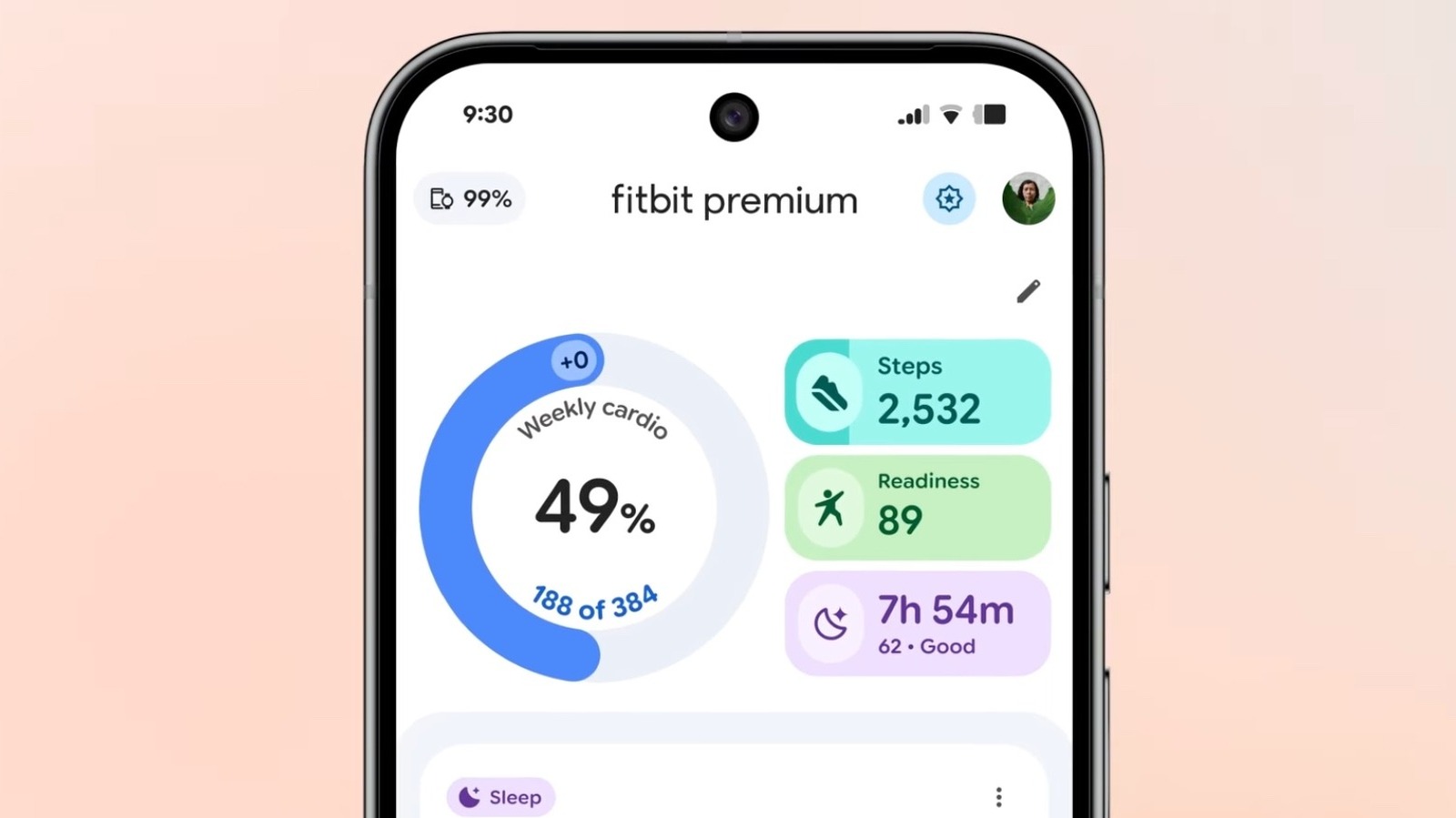
Following a report that Apple pushed back its plans to introduce an AI health coach subscription as part of its new features expected for iOS 27, Google is doing the exact opposite, introducing an AI health coach to Fitbit Premium users on iOS. According to a Fitbit community blog post, the health tracker is offering a Public Preview of its upcoming AI personal health coach for iOS users.

For now, only paid or trial Fitbit Premium subscribers with an up-to-date app and operating system, in addition to a few other requirements, can join the Public Preview. If they meet the criteria, they can take advantage of Google’s AI health coach, which has been available to try on Android devices for a few months now. Google says this 24/7 digital advisor can offer tips and guidance across three main points: fitness, sleep, and holistic health, which are all features the activity tracker already offers.

Here’s everything Fitbit’s AI coach will be tackling

According to Fitbit, the experience of using its AI health coach will be like going to the gym for the first time. You’ll talk with the AI about your goals and lifestyle, so it can understand how to provide you with the best data (as if you live an active life, if you’re trying to lose weight, get back on track after an injury, and so on).

The difference of this AI coach is that it’s expected to be highly adaptable, so if you had a poor night’s sleep, there’s something on your schedule, or priorities changed, it will give you guidance based on everything happening in your life. Besides that, Google says this AI coach looks at the “bigger picture,” and not only at daily goals, as the ultimate goal is to bring consistency to users’ health and fitness initiatives.

In an enterprise page, Google also highlights how the personal health coach can be great for preventive care, as it can understand and interpret your wellness data, in addition to overall fitness information and sleep consistency. The company says the health data isn’t used for Google Ads, and that users have total control over what to share with the AI personal coach and also what not. Still, not everybody is sold on these privacy claims.

What happened to Apple AI coach efforts?

José Adorno/BGR

Apple has reportedly been planning to introduce its AI health coach for at least over a year, as this feature was expected for last year’s WWDC 2025. While the company postponed the announcement, recent rumors indicate that it could be unveiled as soon as iOS 26.4, or even at the WWDC 2026 with the iOS 27 introduction.

However, with Bloomberg saying Apple scrapped its plans due to the AI health coach not meeting the standards for a new subscription, it seems the company might slowly integrate some of its ongoing efforts on the Health app in the upcoming updates. For example, Apple has reportedly made a studio in California to record medical-based information about health data, offering users guidance over their data.

Besides that, the company just started testing AI features for Apple Watch, with functions like Workout Buddy, and Apple Fitness+ AI dubbed programs to offer its catalog to a broader audience. At the end of the day, it seems Apple might continue to add value to its current subscriptions and features, even though it isn’t offering anything on top of what competitors already are. That said, we’ll discover more about its health-related plans in a couple of months, once WWDC 2026 kicks in.

Source