Posted on

Urban digital twins – missing pieces and emerging divides

Digital twins – virtual representations of environments and dynamics of interest – can address a wide range of decision-making needs and opportunities, and expectations for the technology and related applications are high.

A study from Fortune Business Insights projects the market to grow from $24bn in 2025 to more than $250bn in 2032. Digital twins can support research, planning and operations across a wide range of application areas, such as biological systems, machines and infrastructures, industrial operations, communities and cities, and even simulations of global and geopolitical dynamics. Recent discussions have centred on their use for robotics and robotics management.

The versatility of digital twins is substantial, but hurdles exist that prevent them from reaching their full potential. Some dynamics are not fully captured, while other dynamics are difficult to address comprehensively. In some cases, artificial intelligence (AI) can reduce existing limitations, but use of AI can create its own problematic issues.

Injecting human behaviour

Machines and equipment can be modelled according to physical formulas and accumulated sensor data that capture real-time and real-world behaviour. The same is true for electricity and water networks, for example. These systems are complicated but can be modelled in theory.

Complicated systems behave in predictable ways. Complex systems, in contrast, will behave differently each time, in part because of human behaviour that can change according to many influences. Most digital twins tend to omit human behaviour, while others treat human behaviour as predictable placeholders – in a way, they mechanise human behaviour. But human behaviour and interactions are of crucial importance in simulating dynamics for digital twins for cities and urban environments – after all, that’s what cities and communities are ultimately created for.

Farzin Lotfi-Jam, assistant professor at Cornell University’s College of Architecture, studies the use of technologies to govern cities. He is the director of Cornell University’s Realtime Urbanism Lab, which “investigates the impacts of new technologies that virtualise cities and populations”.

He says: “The global proliferation of urban digital twin models compels a research agenda that investigates the intertwined social, political and technical dimensions of their development, from design to use in planning and governance. In each of these digital twinning concepts is a concept of what a city is. I noticed, looking at all of these, that there’s no people anywhere in any of these concepts.”

A research field far removed from Lotfi-Jam interests could potentially add guidance in populating digital twins for cities. Tianyi Peng, assistant professor in the decision, risk and operations division at Columbia Business School, is looking at the use of AI for decision making. His research looks at what can be used to generate AI agents that mimic human behaviour, such as that in the context of market decisions like shopping preferences and reactions to product stimuli.

The current use of digital twins for urban environments is limited for the lack of realistic representations of humans and their actions and interactions. It is easy to see how the study of individual behaviour and the simulation of group interactions will find use in city digital twins over time.

Peng’s colleague Olivier Toubia, professor of business at Columbia Business School, who is investigating interactions between AI-generated behaviour and how these interactions affect collective behaviour, “combines methods from social sciences and data science to study human processes such as motivation, choice, and creativity”.

Meanwhile, Lydia Chilton, associate professor of computer science at Columbia University School of Engineering & Applied Sciences, is contributing research into how AI agents in simulated environments can mimic unique behaviours of human interactions that can be unpredictable.

Providing comprehensive data

Mutualistic technologies offer ways looks at the wider set of technologies that interact with each other with impact on digital twins and robotics. The emerging network of mutualistic technologies features AI and sensors as the glue that creates positive feedback loops between these technologies. Data is needed to create realistic representations and relevant interactions between virtual and real world. Many times, real-world data can be difficult or expensive to extract though. Then synthetic data can find use. Synesthetic data can come from simulations in digital twins or from AI-based applications.

Commercial relevance of capturing comprehensive data is substantial, particularly for digital twins for urban environments where data from many interdependent networks require inclusion to realistically mirror activities and interactions of systems in cities. Road networks affect traffic patterns and public transportation impacts how people move through cities and therefore where businesses spring up.

Electricity networks, gas distribution, water and sewage lines crisscross urban maps and affect what neighbourhoods might lose power first during outages or which areas are prone to flooding. And flooding can affect power outages, which then can affect public transportation’s reliability, and so on. A very comprehensive view of urban activities is required to visualise interdependencies.

One of the general hurdles to effective and efficient city management are the silos in which urban networks and services operate. Data cannot easily connect; platform and format issues prevent seamless interfacing between systems, thereby posing genuine hurdles to all-encompassing digital twins that can truly capture and reflect the operational, commercial and social ongoings within cities. Therefore, a first step to creating genuinely beneficial urban digital twins often is a rather mundane, administrative step. Collaboration between administrations and agencies is key and the need for compatible data is crucial.

The city of San Diego’s managers realised the importance of such collaboration and created a partnership between the San Diego Association of Governments; the San Diego Regional Economic Development Corporation; San Diego State University; University of California, San Diego; and industrial partners. Interconnected dynamics and challenges in urban environments require connected, relatable data and digital twins that can represent resulting complexities – the collaboration of city administrations and network users is the first step.

Cautioning against developing communal divides

Digital twins will transform the way we plan, design, operate and maintain equipment, networks and urban environments. AI will accelerate their development, improve their performance and enhance their usability. But on the road to ubiquitous use, hurdles and issues need overcoming – some considerations generally associated with virtualisation technologies and use, others relate to AI, which currently is experiencing almost unchecked excitement and investment.

The Brookings Institution recently highlighted the emerging industrial and geographic unevenness of implementing and leveraging AI. The diffusion of AI will occur on different timelines in various industrial sectors. Spending on AI will depend on productivity and economic growth that companies and industries will expect or experience. Available investment capital and shareholder agreement will also play a role.

While it is natural that technology-related companies and finance, logistics and manufacturers firms already foresee substantial changes to their operations, agriculture, mining, personal services (including some aspects of healthcare) and many government services will see less immediate application opportunities. AI’s use for digital twins of cities will therefore initially create uneven representation in various sectors of urban planning and management.

Existing disparities between countries and regions will create geographical unevenness in the use of AI, and therefore in the adoption and diffusion of AI-empowered digital twins. Research by the Brookings Institution states: “Artificial intelligence is transforming the US economy, yet regional disparities in talent development, research capacity and enterprise adoption are stark and not yet fully understood.”

The digital divide emerged as a major concern at the end of the 1990s. Although the effects did not pan out as dramatic as some observers initially warned, the Covid pandemic from 2020 and following years highlighted unevenness in the way individuals, regions and entire countries were able to move personal and commercial activities online. Geographical laggards could develop in which AI implementation is slow, leaving other regions to charge ahead.

The report continues: “Such gaps and deficits may result in unrealised opportunities for productivity growth across disparate industries, and limit discovery and dissemination of the full range of AI use cases. For that matter, disparities in AI readiness may leave some communities to fall behind or slump into ‘development traps’. Imbalances in AI talent, innovation infrastructure and business adoption very well could decide which people and places will prosper in the future – and which will not.”

Internationally, such gaps can lead to “geo-algorithmic inequality”. Digital twins that replicate commercial activities, urban environments, entire ecosystems and eventually even economies as a whole will support the development of climate-resilience strategies, affect investment flows and establish the foundation for regional development plans in developed countries and metropolises.

“By contrast, much of Africa, the Caribbean and parts of Southeast Asia remain invisible in major digital twin ecosystems,” says the report. Data availability is spotty, often non-existent. Therefore, “decisions around infrastructure aid, disaster prevention or carbon offsetting are made with incomplete information – or without them in mind at all”.

Thinking globally, acting locally

The impact on these regions can be dramatic. Geo-algorithmic inequality results in “the uneven inclusion of countries and communities in the simulations that shape global policy, investment, and resilience planning”, according to Brookings Institution.

The effect can cascade towards digital twins that attempt to simulate the global ecosystem. In such virtualisations of the entire planet, structural bias can encode misrepresentations in digital twins and therefore distort resulting applications.

Potential approaches to alleviate such concerns exist. The Gaia-X initiative is looking to establish digital sovereignty by establishing “an ecosystem, whereby data is shared and made available in a trustworthy environment”. And the World Avatar effort is working on an “ecosystem of tools and services that can be used to create an individual digital twin, or network of connected digital twins, to provide a platform of data and model interoperability”.

Data silos of networks or country initiatives can then easily connect to each other. Although laudable, a concerted policy framework is needed to create incentives for corporations and organisations to buy into and fully embrace such efforts.

Martin Schwirn is the author of Small data, big disruptions: How to spot signals of change and manage uncertainty (ISBN 9781632651921) on foresight and horizon scanning. He is a strategy and innovation consultant for Global 2000 companies.

Source

Posted on

Large language models provide unreliable answers about public services, Open

Popular large language models (LLMs) are unable to provide reliable information about key public services such as health, taxes and benefits, the Open Data Institute (ODI) has found.

Drawing on more than 22,000 LLM prompts designed to reflect the kind of questions people would ask artificial intelligence (AI)-powered chatbots, such as, “How do I apply for universal credit?”, the data raises concerns about whether chatbots can be trusted to give accurate information about government services.

The publication of the research follows the UK government’s announcement of partnerships with Meta and Anthropic at the end of January 2026 to develop AI-powered assistants for navigating public services.

“If language models are to be used safely in citizen-facing services, we need to understand where the technology can be trusted and where it cannot,” said Elena Simperl, the ODI’s director of research.

Responses from models – including Anthropic’s Claude-4.5-Haiku, Google’s Gemini-3-Flash and OpenAI’s ChatGPT-4o – were compared directly with official government sources. 

The results showed many correct answers, but also a significant variation in quality, particularly for specialised or less-common queries.

They also showed that chatbots rarely admitted when they didn’t know the answer to a question, and attempted to answer every query even when its responses were incomplete or wrong. 

Burying key facts

Chatbots also often provided lengthy responses that buried key facts or extended beyond the information available on government websites, increasing the risk of inaccuracy.

Meta’s Llama 3.1 8B stated that a court order is essential to add an ex-partner’s name to a child’s birth certificate. If followed, this advice would lead to unnecessary stress and financial cost. 

ChatGPT-OSS-20B incorrectly advised that a person caring for a child whose parents have died is only eligible for Guardian’s Allowance if they are the guardian of a child who has died. 

It also incorrectly stated that the applicant was ineligible if they received other benefits for the child. 

Simperl said that for citizens, the research highlights the importance of AI literacy, while for those designing public services, “it suggests caution in rushing towards large or expensive models, which emphasise the need for vendor lock-in, given how quickly the technology is developing. We also need more independent benchmarks, more public testing, and more research into how to make these systems produce precise and reliable answers.”

The second International AI safety report, published on 3 February, made similar findings regarding the reliability of AI-powered systems. Noting that while there have been improvements in recalling factual information since the 2025 safety report, “even leading models continue to give confident but incorrect answers at significant rates”.

Following incorrect advice

It also found highlighted users’ propensity to follow incorrect advice from automated systems generally, including chatbots, “because they overlook cues signalling errors or because they perceive the automation system as superior to their own judgement”.

The ODI’s research also challenges the idea that larger, more resource-intensive models are always a better fit for the public sector, with smaller models delivering comparable results at a lower cost than large, closed-source models such as ChatGPT in many cases.

Simperl warns governments should avoid locking themselves into long-term contracts when models temporarily outperform one another on price or benchmarks.

Commenting on the ODI’s research during a launch event, Andrew Dudfield, head of AI at Full Fact, highlighted that because the government’s position is pro-innovation, regulation is currently framed around principles rather than detailed rules.

“The UK may be adopting AI faster than it is learning how to use it, particularly when it comes to accountability,” he said.

Trustworthiness 

Dudfield noted that what makes this work compelling is that it focuses on real user needs, but that trustworthiness needs to be evaluated from the perspective of the person relying on the information, not from the perspective of demonstrating technical capability.

“The real risk is not only hallucination, but the extent to which people trust plausible-sounding responses,” she said.

Asked at the same event if the government should be building its own systems or relying on commercial tools, Richard Pope, researcher at the Bennett School of Public Policy, said the government needs “to be cautious about dependency and sovereignty”.

“AI projects should start small, grow gradually and share what they are learning,” he said, adding that public sector projects should prioritise learning and openness rather than rapid expansion.

Simperl highlighted that AI creates the potential to tailor information for different languages or levels of understanding, but that those opportunities “need to be shaped rather than left to develop without guidance”.

With new AI models launching every week, a January 2026 Gartner study found that the increasingly large volume of unverified and low-quality data generated by AI systems was a clear and present threat to the reliability of LLMs.

Large language models are trained on scraped data from the web, books, research papers and code repositories. While many of these sources already contain AI-generated data, at the current rate of expansion, they may all be populated with it. 

Highlighting how future LLMs will be trained more and more with outputs from current ones as the volume of AI-generated data grows, Gartner said there is a risk of models collapsing entirely under the accumulated weight of their own hallucinations and inaccurate realities. 

Managing vice-president Wan Fui Chan said that organisations could no longer implicitly trust data, or assume it was even generated by a human.

Chan added that as AI-generated data becomes more prevalent, regulatory requirements for verifying “AI-free” data will intensify in many regions.

Source

Posted on

Leaker Suggests Satellite 5G Is Coming To New iPhones

José Adorno/BGR

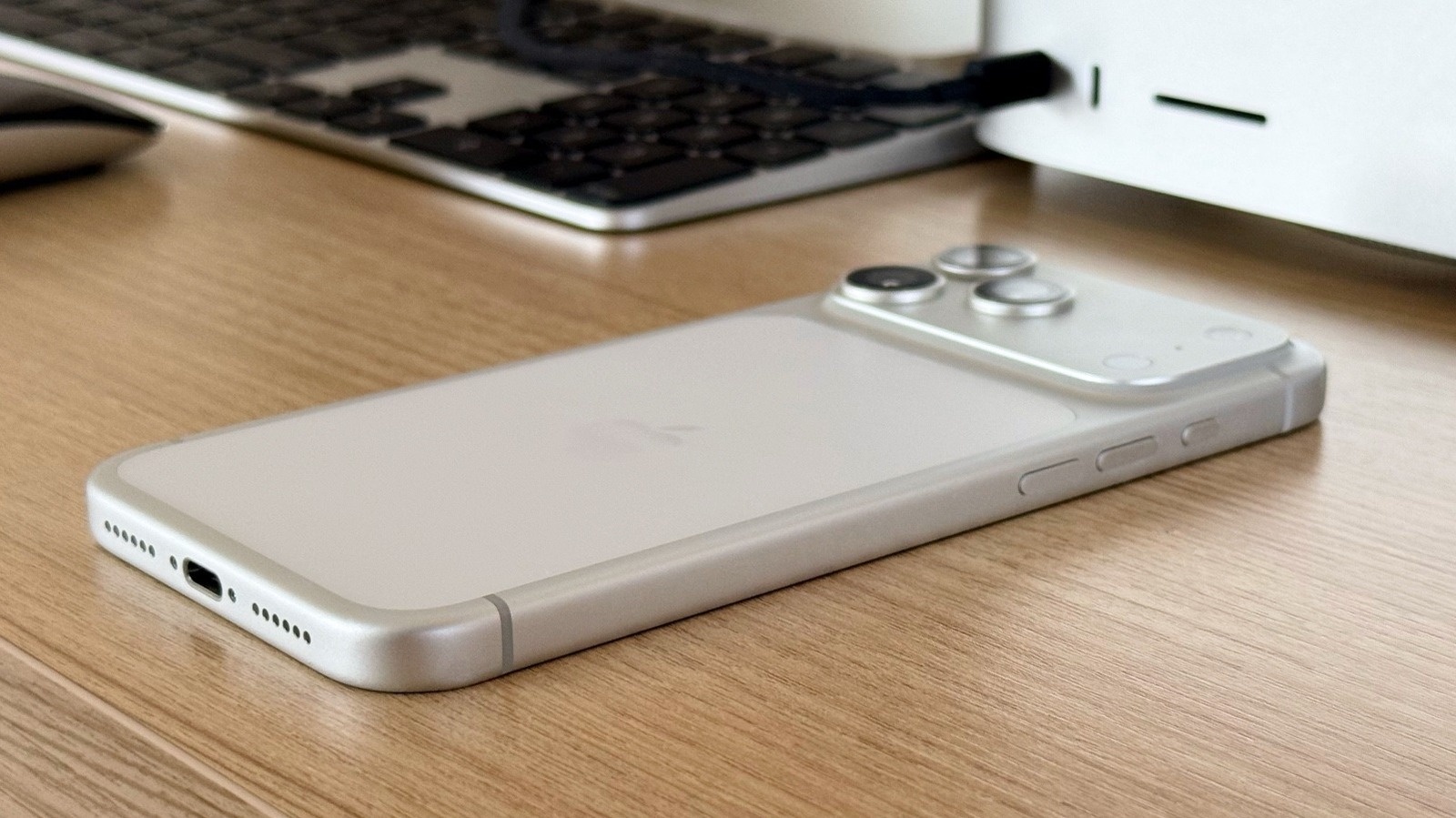
Yet another report suggests satellite 5G support might be a key upgrade for upcoming iPhone models. This time, Weibo leaker Fixed Focus Digital, who is known for revealing the iPhone 16e brand before its release, says iPhone models with the C2 modem will support 5G New Radio for Non-Terrestrial Networks (NR-NTN). With that, an iPhone would be able to connect straight to a satellite instead of just traditional ground cell towers, to take advantage of 5G capabilities.

While much still needs to be discussed, as Apple is not the only one working to make that technology mainstream, Fixed Focus Digital says this might be “a pivotal starting point for mobile phone manufacturers to enable satellite internet connectivity.”

With the iPhone 14, Apple started offering satellite features, which now include SOS Emergency Calls and Texts, the ability to be found through Find My when there’s no Wi-Fi or 5G signal, and roadside assistance. So far, this service has been free, even though the company said it would only be offered for two years without cost. However, as we move to the middle of the iPhone 17 lifecycle (more than three years since the iPhone 14 introduction), the company continues to offer everything for free and is still slowly expanding the service to more regions.

A variety of new iPhones could get this feature

José Adorno/BGR

If the rumor turns out to be accurate, Apple could bring 5G satellite connectivity to all iPhone 18 models, iPhone Air 2, and the upcoming iPhone Fold. At this moment, Apple works with Globalstar, a Starlink rival, to provide its satellite functionalities. Still, a report from The Information suggests Apple might join forces with Elon Musk’s SpaceX as Starlink uses the same radio technology that Apple has on its iPhones.

Even though a recent Reuters report suggested SpaceX might release its own phone with 5G satellite capabilities, it’s more likely that Musk might find in Apple a potential partner to promote this new era of connectivity. Then, if Apple indeed goes down that path, it would make sense if the company charged a subscription for the service, as more than paywalling a feature that could save someone’s life, it would bring 5G connectivity even in places where cellular signal doesn’t reach.

Besides that, the iPhone 18 generation is expected to get mild improvements, as no design changes have been rumored so far, and Apple will start testing the grounds with its new foldable phone. With the regular iPhone 18 and iPhone Air 2 expected for early 2027, the company is reportedly focusing on a “Pro” September launch, and nothing screams Pro like a feature no one else in the market has yet.

Source

Posted on

Europe’s data protection supervisors warn over plans to ‘narrow’ privacy

Europe’s data protection supervisors have warned that proposals by the European Commission to reform privacy law by narrowing the definition of personal data could erode privacy rights for European Union (EU) citizens.

The regulators said in a joint response with the European Data Protection Board (EDPB) that the proposed changes raise “significant concerns” and could adversely affect the level of protection for individuals’ personal data.

The warning comes as the European Commission presses ahead with proposals to reform a raft of EU data protection laws through a “Digital Omnibus” regulation which it says will simplify compliance for businesses and boost EU competitiveness.

The EDPB and national European Data Protection Supervisors warned in a joint opinion that some of the proposed measures could damage privacy rights of individuals, create legal uncertainty and make data protection law more difficult to apply.

The contested proposals include changes to the definition of personal data that would weaken privacy rights by allowing organisations to treat personal data as non-personal data if they processed it in a way that did not identify individuals.

Proposals ‘go beyond’ European law

Although the proposals had been welcomed by many data protection practitioners as a way to simplify compliance with data protection and privacy regulations, the regulators have sounded a warning bell.

They “strongly urge” legislators not to adopt the proposed changes to personal data, arguing that they “go far beyond a targeted or technical amendment” and far beyond EU case law by “significantly narrowing the concept of personal data”.

The regulators also raise concerns about proposals that could water down individuals’ rights not to be subject to automatic decision-making by artificial intelligence (AI) or software through a proposed “exhaustive list” of cases where automatic decision-making would be allowed.

Another proposal, which would allow the European Commission new powers to determine whether pseudonymised data should no longer be classed as personal data, has also sparked calls for clarification.

The regulators warn that proposals to restrict the right of people to make subject access requests to people motivated by “data protection” concerns is not compatible with EU law.

If implemented, this proposal is likely to exclude access requests made by journalists, academics or policymakers, for non-data protection purposes, such as journalistic or academic research.

They also call for the commission to fine-tune proposals that would allow organisations to use special categories of data – including data on political opinions, religious beliefs, trade union membership, health and sexual orientation – when they are used in an “incidental” and “residual” way to train AI systems.              

Reporting data breaches simplified

The EDPB and the data protection supervisors support many of the EU’s proposals, including plans to make reporting data breaches less painful for companies.

The European Commission proposes raising the threshold of risk before companies need to make a notification and extending the deadline to file a notification from 72 to 96 hours.

“This change is not expected to substantially affect the level of protection for data subjects but would significantly reduce the administrative burden for controllers, given that they would only have to notify data breaches that are likely to result in a high risk to the rights and freedoms of data subjects,” they said.

Another proposal to offer alternative ways for people to consent to cookies to avoid “consent fatigue” and a “proliferation of cookie banners” – for example, by consenting to cookies once on a particular computer – has also been welcomed.

However, the regulators remain concerned about the proposed changes to the definition of personal data.

European Data Protection supervisor Wojciech Wiewiórowski said: “These changes are not in line with the court’s case law and would significantly narrow the concept of personal data.”

Anu Talus, chair of the European Data Protection Board, said any changes to EU Data protection law must bring legal certainty while maintaining a high level of protection of individual rights and freedoms.

“We strongly urge the co-legislators not to adopt the proposed changes to the definition of personal data,” she added. “These changes are not in line with the court’s case law and would significantly narrow the concept of personal data.”

Isabelle Roccia, managing director for Europe for IAPP, a professional association with 90,000 members, said that privacy and data protection professionals were in favour of the EU’s proposals.

“The commission proposal to narrow the scope of personal data definition was welcomed by many practitioners as a sign of pragmatism in the interpretation of the GDPR,” she said. “If adopted, it would have consequential impact in easing many friction points across contractual obligations and data transfer rules among others.

“With this joint opinion, EDPS and EDPB are signalling that they want to preserve the conservative and data-subject-first approach they have established in the past decade,” added Roccia.

She said that business leaders would also welcome legal certainty around the legal basis for when developers can use “legitimate interest” to process personal data to train AI models.

Commission proposals benefit US big tech 

Campaign group Noyb said that the “Digital Omnibus” proposed sweeping changes to the GDPR and the ePrivacy Directive that were disguised as simplification measures.

The group claims the changes would not help EU businesses that have to complete “useless” paperwork to comply with data protection laws, but would mainly be useful to big US tech companies.

Max Schrems, privacy lawyer and honorary chair of Noyb, said “the independent authorities have called out key changes for what they are: neither ‘technical change’ nor ‘simplification’, but limitations of the right to data protection for EU residents”.

Source

Posted on

Openreach appoints new chief executive

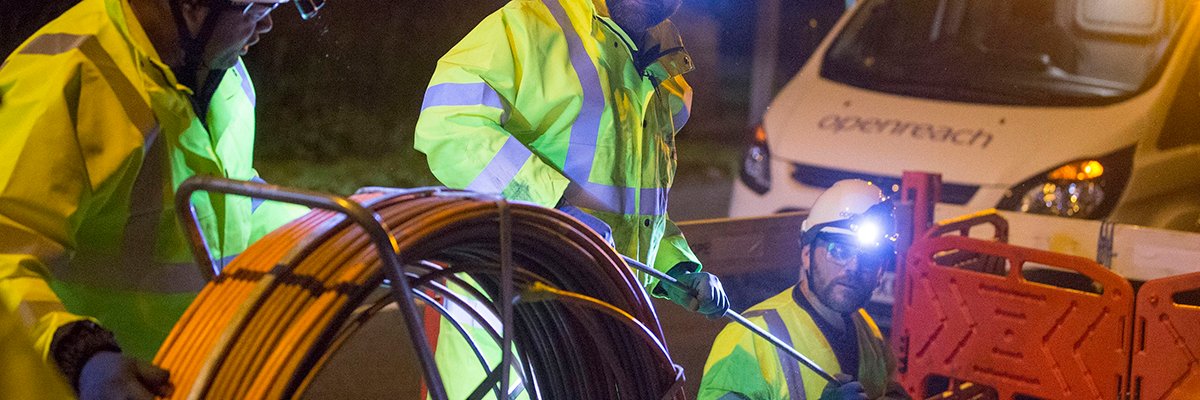
Having led the UK’s leading broadband provider through a decade of “unprecedented investment and transformation”, Clive Selley is to step down as chief executive officer of Openreach at the end of March 2026, to be replaced by current deputy CEO Katie Milligan.

A wholly owned and independent subsidiary of the BT Group, Openreach said that its infrastructure is already becoming the backbone of Britain’s digital economy, supporting everything from smart farming and sustainable transport to remote working and virtual healthcare.

Employing around 27,000 people, it is aiming to make its full-fibre network available to as many as 30 million premises in all corners of the UK by the end of the decade and has invested £15bn to build a new infrastructure to 25 million homes and businesses by the end of 2026. For the year up to the end of March 2025, Openreach reported revenues of £6.157bn.

Openreach claims to be building its new network to connect customers faster and further than any other provider in the UK, reaching an average of 85,000 new premises every week. In total, more than 3,500 UK towns, cities, boroughs, villages and hamlets have so far been included in the build programme, with others being reached through publicly funded partnerships.

The operator describes its build-out project as one of the largest and fastest broadband infrastructure programmes in Europe, with engineers claimed to be now reaching more than a million new homes every three months. It has so far included around 33,000 medical facilities and more than 25,000 colleges, schools and universities, helping to “transform” access to critical services.

The firm’s wholesale broadband network – the UK’s largest – supports more than 680 service providers including BT, SKY, TalkTalk, Vodafone and Zen to provide broadband, TV, phone, data and mobile services to their customers.

Milligan has been with Openreach since 2009 and, before becoming deputy CEO, was the company’s chief commercial officer, driving its commercial strategy and leading customer relationships. She is said to have played a pivotal role in accelerating the adoption of full fibre broadband nationwide, as well as strengthening relationships with Openreach’s partners, customers and stakeholders.

Commenting on his decision to step down, Selley said that it has been an honour to deliver on a mission to connect the UK building what he said was a new digital platform for growth and prosperity across the country. “Openreach is a remarkable business with amazing, talented people – and I’m incredibly proud of what we’ve achieved together,” he said.  

“I’m also delighted that Katie will now be taking the reins. She knows our business inside-out, she has the right set of skills and experience for this role, and she’s passionate about delivering for our people, our customers and the nation. There is nobody I’d trust more to take care of the future and Openreach has a strong future under her leadership.”

BT Group chief executive Allison Kirkby added: “Openreach is a critical national asset – the digital backbone of the UK – and a key driver of BT Group’s long-term value. Clive’s contribution at the helm of Openreach has been exceptional. His leadership – particularly the scale, pace and quality of the full fibre broadband build – has set new standards for our industry.”

“We are deeply grateful for the commitment, expertise and integrity he has brought to the role. Clive’s lasting legacy is a world-class digital infrastructure that will serve the UK for generations to come.”

Source

Posted on

AI investment and the effect on urban digital twins

A popular topic of conversation of late has been the existence of an artificial intelligence (AI) bubble and the likelihood that it will burst with great detriment to the IT industry as a whole. Yet, and perhaps surprisingly, the impact of a bursting bubble on digital twins might not be as problematic as one might think.

Ready adoption and fast diffusion of AI might warrant the tremendous investment flows of past years and could create revenue and profit streams quickly. We might as well be standing on the precipice of a bubble popping that will lead to sweeping valuation corrections. But digital twins stand to benefit from advancing AI either way. That said, the timeline of AI-enabled applications of digital twins might move, however.

Since the start of 2023, AI-related company valuations have ballooned. OpenAI is often attributed with starting the AI frenzy when releasing ChatGPT at the end of 2022. The company was valued at $29bn in 2023 and reached $500bn in October 2025, with observers wondering if the company can pull off a $1tn initial public offering soon.

AI chip leader Nvidia’s stock, meanwhile, multiplied by 13 between the beginning of 2023 and the end of October 2025, making it the first $5tn company ever. Even companies that are related but not at the centre of AI developments have increased substantially in value, with the stock price of Microsoft and Alphabet more than doubling and tripling, respectively, during that time period.

AI encompasses many different types of technologies and has many use cases, so it should be seen as an enabling technology rather than a sole application or a market per se. AI will play a major role across most application areas, but to varying degrees. Much like the way the internet shaped past decades – and will continue to shape coming decades – AI will transform industries for good in the long term. Potential potholes on the path that create setbacks are only par for the course.

Looking back to gaze ahead

It is worthwhile recalling the dot com era from the end of the last century to judge AI’s current hype. The Nasdaq Composite index – a stock index that skews toward information-technology companies – peaked at more than 5,100 points in March 2000 and then rapidly declined to a final low of barely above 1,100 points in October 2002. It took more than 12 years to move beyond 5,000 points again.

The January 2000 Super Bowl event marked the height of the bubble, with 14 in-game ads by dot com companies – only one of which is still active as an independent company today. Now, many analysts see the signs of an immense AI bubble accumulating.

Likely, a crash is in the making. Similarly to 2000, a bursting bubble does not mean AI will go away, as internet-enabled companies and business models did not vanish. On the contrary, AI will flourish as the internet did. In fact, many infrastructure elements, such as datacentres, will become affordable for general use after lofty valuations come down.

During the late 1990s, the construction of fibre communication networks was perceived as a promising business opportunity. The business never became as profitable as expected, but the initial excitement created an infrastructure of dark fibre – unused but readily available communication lines – that supports today’s business models as a commodity that can be readily leveraged.

AI as an enabling technology will boost capabilities and accelerate the use of advanced digital twins. In particular, digital twins that have to work with difficult-to-capture data and not-completely-understood real-world dynamics will benefit tremendously. Digital twins of machinery can rely on a solid understanding of physics and measurable data that sensors can capture cost-effectively.

Factory environments have many known equipment dynamics and interactions – even workers’ likely movement patterns can be plugged into simulations. But urban digital twins attempt to capture the dynamics and behaviours of relevant elements across entire cities. They are not only subject to less understood dynamics, but also phenomena that are difficult – often impossible – to measure. AI can make available data usable and create additional data of unmeasurable phenomena.

AI in digital twins also allows the use of scenarios to better prepare for sudden events that can affect the entire system in unexpected ways. For example, city managers might use it to develop strategies for unusual weather events, pandemic-like occurrences, or localised industrial accidents with ripple effects across the urban landscape.

Digital twins and AI to plan for tomorrow’s cities

Digital twins of urban environments are difficult to design, implement and maintain, but the potential commercial and societal impact such digital twins can have promises to be substantial. Because of the number of parameters, intersecting dynamics and range of conceivable scenarios, the benefits AI can provide in understanding urban environments are considerable. AI and digital twins reinforce each other.

Digital twins of urban environments are difficult to design, implement and maintain, but the potential commercial and societal impact such digital twins can have promises to be substantial

AI can speed up the building of digital twins by supporting code development for virtual environments. Such applications accelerate overall design development and allow design details to be embedded more easily. For clients and users, AI reduces costs, enables faster implementation of digital twins, and allows for quick and inexpensive changes and alterations as requirements change or new needs arise. In addition, AI can improve the interface experience between virtual environments, as well as simulations of operations and users.

Ari Lightman, a professor at Carnegie Mellon University, explains: “Generative AI would be used to look at the entire simulation and turn it into a summary for humans. It could tell me things I might be missing and summarise things in a way I can understand.”

AI doesn’t only benefit digital twins, but digital twins also support AI’s capabilities. Scott Likens, emerging technology leader at PwC, points out: “We’re using digital twins to generate information for large language models…. We see an opportunity to have the digital twins generate the missing pieces of data we need, and it’s more in line with the environment because it’s based on actual data.”

Nvidia serves the market of smart cities as city planners and managers “are turning to digital twins and AI agents for urban planning scenario analysis and data-driven operational decisions”. The company is providing a range of solutions to enable users to create photo-realistic, simulation-ready digital twins of urban environments to optimise city operations.

A partnership of Japanese companies is developing the digital entertainment city Namba in Osaka, Japan. The aim is to “create the world’s first smart city that integrates artificial intelligence, extended reality and decentralised physical infrastructure networks [a blockchain-based approach to manage decentralised networks] on a city-wide scale”. The group intends to offer services beyond entertainment and tourism. Namba is a neighbourhood within Osaka, thereby limiting the claim to city-wide application of the concept.

The silver lining of AI over-investment

The existence of an AI investment bubble is increasingly perceived as a foregone conclusion. AI companies and technology suppliers are now even investing in each other’s operations, adding to lofty valuations. There are obvious indications of a bubble, but positive effects can emerge from the current investment excitement. Whatever the outcome, applications for digital twins will see their timeline solidify as the immediate future of AI plays out.

Over-investment in fibre during the dot com years ended up creating dark fibre – overbuilt fibre cables for data transmission. This infrastructure has served as a ready and inexpensive resource ever since. For AI, investment in datacentres is comparable to the fibre investment from 30 years ago

If use of AI applications proves to be an all-encompassing and rapidly growing market opportunity, the immense investment of the past couple of years will be retroactively viewed as forward-looking wisdom that locked in favourable competitive positions and profits for years to come. More likely, though, investors have outrun their headlights, and expectations of adoption and diffusion of AI applications over the next few years are overrated.

If so, there will be a shock to the system, like the burst of the dot com bubble at the beginning of the century when the Nasdaq Composite Index dropped by almost 80% within 30 months. Initial warnings existed – the former chairman of the Federal Reserve used the phrase “irrational exuberance” when discussing the development of the stock market in December 1996. Warnings of an exuberant AI bubble are common today.

Bursting investment bubbles hurt investors and bring down many companies. Indeed, 25 years ago, a slew of dot com companies vanished. But related over-investment in infrastructure can make assets suddenly affordable, opening up new opportunities. Such affordability changes cost structures that enable business models that could not have become successful at previous valuations. Infrastructure overhang – infrastructure built for rapid growth that does not materialise in the short run – leads to commodification of infrastructure elements, which can democratise a technology for incumbents and startups alike.

The over-investment in fibre during the dot com years ended up creating dark fibre – overbuilt fibre cables for data transmission. This infrastructure has served as a ready and inexpensive resource ever since. For AI, investment in datacentres is comparable to the fibre investment from 30 years ago. Morgan Stanley analysts forecast datacentre spending globally of up to almost $3tn between now and 2028. The amount is staggering, and it is difficult to imagine use cases and adoption rates that will provide the required return on investment for any business model. But as initial investors see their investments decrease or vanish, new players can snap up or use related infrastructures at bargain prices.

Alkesh Shah, a tech analyst at the Bank of America, explains the underlying reason for such recurring dynamics: “You always over-estimate how fast the change will happen. And you underestimate the magnitude of the change.”

The impact digital twins will have on the marketplace will follow a similar dichotomy between today’s expectations of rate of change and tomorrow’s impact of such change. Digital twins require many technological bits and pieces to come together. And AI will play an important role in digital twins, if not tomorrow, then the day after tomorrow.

Source

Posted on

UK government calls for review into mobile market

The UK government is launching a call for evidence on how technology, changing market dynamics and regulation are shaping investment in mobile networks.

The call for evidence was introduced as an important step in securing a “comprehensive” view of how the UK mobile market was changing, and identifying what more can be done to support investment, innovation and competition for the benefit of consumers and business. It will look to assess the impact of factors affecting investment in high-quality connectivity by 2030, identify actions to support the sector to achieve government objectives over the next decade, and assess how the regulatory framework can be improved to support investment, innovation and competition.

As part of this, the government is announcing an action plan based on four key principles: drive investment in comprehensive, high-quality connectivity by 2030; deliver for consumers; support innovation and growth across the economy; and provide secure and resilient connectivity.

Introducing the call, Liz Lloyd, parliamentary under-secretary of state at the Department for Science, Innovation and Technology and minister for digital economy, said that in an era of rapid technological transformation, new technologies and wireless services were critical to day-to-day lives, the economy and society in general.

Lloyd added that digital infrastructure is the core enabler of this transformation, and that it was crucial the UK’s telecommunications networks were ready for the future. She stressed that mobile and other digital networks, such as fibre networks, will drive growth and innovation across the country, deliver modern public services, increasingly underpin critical national infrastructure, and be essential for ensuring people everywhere were digitally included.

To that end, she said, its ambition remains for all populated areas to have access to higher-quality standalone 5G by 2030, and the immediate challenge was to secure investment to deliver this ambition by 2030, driving digital inclusion and ensuring business could depend on the connectivity that underpins modern life.  

“Our coverage ambition goes hand in hand with affordability of access so that everyone can carry out essential online activities and, aligned with the government’s tech adoption agenda, supports take-up of premium 5G-enabled services across the economy,” said Lloyd.

Looking forward, Lloyd said the government must also anticipate how the mobile market – and technologies that underpin it – will evolve, and what this means for its objectives over the next decade, shaping a framework that supports innovation, investment and the needs of future users.

In its action plan, the minister referenced the digital inclusion action plan, in which access to secure and reliable connectivity was seen as the foundation to ensuring that people everywhere can get online. That said, delivering these benefits was dependent on substantial investment in mobile networks.

To date, the UK mobile network operators have been investing heavily in the country’s mobile networks, averaging £2bn annually between 2020 and 2024. In particular, as a result of the merger between the two component parties, VodafoneThree has committed to investing £11bn in creating its merged network, while competitors BTEE and Virgin Media O2 have also planned to invest in upgrading their networks. For example, BTEE has an ambition to deliver standalone 5G to 99% of the population by the end of 2030.

Lloyd assured that the UK government would support industry to deliver this investment, including through removing barriers to deployment and ensuring digital connectivity is appropriately considered and built into new infrastructure projects from the outset. However, she warned that the UK mobile sector stands at a critical inflection point of rapid market changes, coupled with persistent investment challenges.

Lloyd said governments and regulators across the globe are considering how their telecoms policies and regulatory frameworks can best drive innovation and investment in this new era. That, she emphasised, is why it is necessary to act immediately to understand the challenges, safeguard the UK’s international competitiveness, and deliver the high-quality, nationwide connectivity the UK relies on.

The call to action and the four-point plan were designed to realise the potential of the mobile sector, and the UK government said it recognised that doing so would require concerted and coordinated action across government and industry, to deliver the coverage needed in this decade and shape the mobile market for the future.

The government said that, in creating its call to evidence, it welcomed responses from across the ecosystem, including mobile operators, infrastructure providers, technology companies, local authorities, public sector bodies, civil society organisations, academia and investors.The call will run until 11:59pm on 21 April 2026.

Source

Posted on

Direct-to-device connectivity set to underpin next generation of industrial IoT

One of the key trends of the comms market over the past year has been the rapid spread of non-terrestrial networks (NTNs), particularly around their usage within the internet of things (IoT). Now, research from satellite communications Viasat has found that providing ubiquitous direct-to-device (D2D) connectivity – such as from satellites – will enable the deployment of “game-changing” technologies across critical industries such as agriculture, mining and energy.

The great connectivity convergence: NTN in industrial IoT study surveyed 600 IoT decision-makers from five major industries (agriculture, energy, transport and logistics, mining and utilities). It asked professionals about new D2D IoT devices, which enable organisations to track, monitor and control operations by sharing data over satellite and cellular without the need for existing, dedicated satellite terminals.

Among the topline findings was that D2D is all set for mass adoption in industrial IoT within 18 months, with rising urgency among decision-makers to adopt D2D IoT devices in their organisations (91% of respondents).

Furthermore, the majority (90%) of those surveyed agreed that D2D will accelerate the roll-out of IoT globally. Current terrestrial IoT users are particularly keen to tap into the technology, with almost a third (32%) planning to adopt D2D within the next six months. However, while intent is high, most respondents (81%) said adoption in IoT would only be feasible after the next one-to-two years.

Across all IoT decision-makers surveyed, over a quarter intend to adopt D2D within six months, over two-thirds within 12 months, and the vast majority (91%) within 18 months. On top of this, 89% of organisations said they would consider replacing their current IoT connectivity with D2D within the next two-to-three years.

Respondents reported high confidence that new applications can have significant benefits, with respondents reporting D2D could provide an advantage due to its smaller form factor (61%), ability to support large scale deployments (59%), and in deployments in areas without cellular coverage (55%).

The survey highlighted that most beneficial use cases provided through D2D include crop storage monitoring in agriculture (33%), automated haulage vehicles in mining (36%), vehicular tracking and route optimisation in transport (43%), water infrastructure monitoring in utilities (43%), and wellhead monitoring in energy (33%).

Within the context of their existing IoT roll-out, 78% of respondents said their organisations’ progress has increased over the past 12 months. Organisations are also increasingly integrating satellite into their deployments. More than half of organisations (55%) reported using satellite in their IoT estates, a rise from the 41% reported in the study taken a year ago.

Assessing the trends revealed in the latest study, Andy Kessler, vice-president of enterprise at Viasat, noted that organisations were rightly excited by the potential for standards-based D2D and are planning to deploy new technology quickly and at scale.

“The excitement makes sense because we know new devices can lower the barrier to entry for organisations by reducing the cost, complexity and physical size of IoT terminal,” he said. “But while companies rightly want to move fast, the change represents a major shift. It’s our job to work with our partner ecosystem and customers to help them access the safety, efficiency and sustainability benefits satellite-enabled IoT can bring.”

Source

Posted on

GSMA transforms Formula E circuit into 5G testbed

With its flagship MWC exhibition about to open its doors in a matter of weeks, global mobile trade body the GSMA has announced a raft of technology partners for the CircuitX project for which it is a joint partner, and which aims to provide a practical blueprint for how interoperable connectivity can scale across smart venues and live events.

Established in March 2025, CircuitX comprises a three-year initiative designed to champion mobile technology across motorsports and transform the circuit experience with connectivity.

It is led by the GSMA’s innovation hub, GSMA Foundry; Fira Circuit, a company formed and managed by Fira de Barcelona to transform the Circuit de Barcelona-Catalunya into a centre for innovation and next-generation motorsport experiences; and Mobile World Capital, a public-private foundation that promotes the digital development of society.

CircuitX’s project will cover five core areas to highlight where mobile connectivity can support innovation across motorsport and large-scale events. This includes travel and navigation including real-time journey management and traffic optimisation; security and safety with enhanced emergency communication and crowd monitoring; fan movement based on smart venue navigation and crowd flow management; fan experience comprising personalised content, live data and immersive experiences; and race telemetry, with secure, efficient data transmission for teams and fans. 

“CircuitX is more than a showcase; it’s a blueprint for the future of connected experiences,” said GSMA CEO John Hoffman. “By integrating mobile technology into motorsport and entertainment, GSMA and its partners aim to set new standards for safety, efficiency and fan engagement. This reinforces the pivotal role of mobile connectivity as a catalyst for ongoing innovation.”

A showcase demonstration at Circuit de Barcelona-Catalunya and MWC26 Barcelona, set for 1 March, is set to feature participation from leading motor racing teams and technology collaborators to showcase tele-driven vehicles, in-race telemetry, live broadcast, drone safety and security measures, as well as immersive augmented reality (AR) and virtual reality (VR) experiences for fans.

The showcase will feature leading partners showcasing what is described as advanced mobile technology and connectivity services, supported by Al Kamel, Semtech & Domo Broadcast Systems, Barcelona Drone Center, Elmo, Ericsson, Into Reality, MatSing, NTT Data, Prospeed, Telefónica and Formula E.

Formula E’s participation will encompass sustainability-driven racing innovations, integrating connectivity for enhanced telemetry and fan engagement. The Gen3 EVO Formula E race car demonstrates its capabilities on the track, able to accelerate from 0 to 60mph in just 1.82 seconds.

Joining the initiative as the official connectivity partner, Telefónica will provide 5G network coverage at both locations. IT services provider Al Kamel will show how ultra-low latency networks transform race operations, from instant incident detection and dynamic race strategies, and will also offer what it said was a glimpse into the future of precision motorsport management supported by Semtech and Domo Broadcast Systems.

Barcelona Drone Center will showcase its devices that see use in crowd monitoring, emergency response and perimeter security, using advanced Unmanned Aircraft System technology and regulatory expertise. These are regarded as critical for modern smart venues.

Ericsson will bring its private 5G technology to deliver a secure, high-performance network tailored to the device mobility demands of motorsport environments – essential for telemetry, video streaming and safety-critical systems, while Elmo will demonstrate real-time teledriving of vehicles over public 5G networks, including stable remote operation at higher driving speeds, enabled by network quality APIs that ensure low latency, reliability and service continuity for safety-critical vehicle control.

NTT Data will show AI-enabled applications, including services that enhance operations and safety, as well as mobile applications that leverage live data and AI-driven insights to deliver a digital-first fan experience both on- and off-site.

Source

Posted on

iOS 26.3 Now Available With 5 New Features

José Adorno/BGR

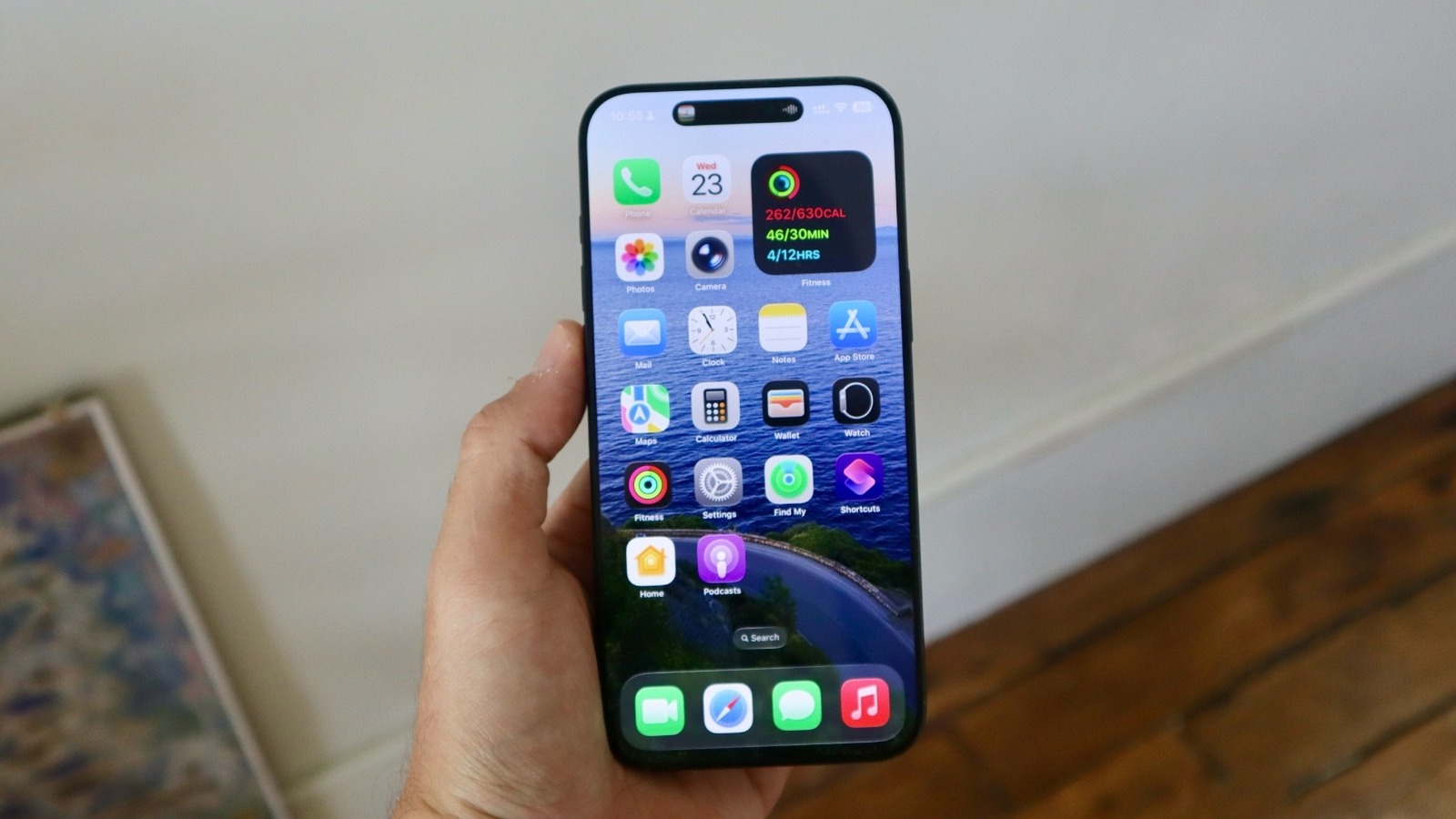
A couple of months after Apple started testing iOS 26.3, the company is finally releasing it alongside iPadOS 26.3, macOS Tahoe 26.3, watchOS 26.3, tvOS 26.3, and visionOS 26.3. Unlike previous software updates, this one is more focused on bug fixes and general stability. Still, iOS 26.3 adds a new iOS-Android transfer feature, improved privacy settings, and three exclusive European functions that Americans won’t be getting.

The lack of several new features could be explained by the fact that Apple is readying a major iOS 26.4 update, which is rumored to have a super-powered Siri enhanced by Google’s Gemini AI, new emojis, and more. That said, while iOS 26.3 might not feel groundbreaking for most of us, it’s an important step towards iOS 26.4, which is expected to be released around April.

For example, iOS 26.3 is splitting Weather and Astronomy wallpapers in two different sections. While it’s unclear why Apple decided to make that move, it shows how little the system has changed. Here’s everything you need to know about the top iOS 26.3 features that just arrived for iPhone users.

Easier iOS-Android data transfer

José Adorno/BGR

So far, Apple and Google have relied on its Move to iOS and Android Switch apps to help users transfer data between operating systems. Now, both companies are making the process more straightforward by releasing a new standard for transferring data. With iOS 26.3, iPhone users can place their phone side-by-side with an Android phone to start the process (and vice-versa).

Right now, Apple and Google allow users to transfer photos, messages, notes, apps, passwords, mail accounts, phone number, voice memos, and WhatsApp content. In the future, the two companies might offer additional features that could be transfer between one system to the other, such as health data and Bluetooth-paired devices, which continue to be tied to their original software.

Both devices need to be connected to the same Wi-Fi and have Bluetooth enabled. Once the new device senses the other, there will be a QR code displayed so users can initiate the transfer.

Hide your location setting

José Adorno/BGR

Probably the most interesting feature of the iOS 26.3 cycle is a new privacy setting that lets you hide your exact location. Unfortunately, this feature is still limited to devices with Apple’s own 5G modems, including the iPhone 16e and iPhone Air, though that list will expand once the upcoming iPhone 17e and iPhone 18 devices are released. The 17e is expected to feature Apple’s C1X chip, but all iPhone 18 models should get Apple’s future C2 modem.

This extra privacy layer makes it harder for cell service providers to know precisely where a user is at any give time. Instead of providing your exact address, this feature could only identify your approximate neighborhood; without interfering with apps that intentionally share your exact location, such as the Find My app.

The only “issue” so far is that hiding your location is not only limited to a few devices, but also a few mobile carriers, including Telekom in Germany, EE and BT in the United Kingdom, Boost Mobile in the U.S., and AIS and True in Thailand. If you have a compatible phone and carrier, just go to the Settings app > Cellular > Cellular Data Options, and you’ll find it there.

Exclusive European features

José Adorno/BGR

If you’re in Europe and you also have a European Apple Account, you’re getting four new additional features with iOS 26.3. The first one is that Apple will need to offer an AirPods-like smooth pairing for third-party headphones. While an app might be required for additional features, accessory makers will be able to use a similar system that Apple has for AirPods, so you just have to approach the new earbuds to your phone to get a fast-pair.

The second update gives developers the ability to use NFC capabilities in their apps, so instead of relying on the Apple Wallet, a bank could let you use a digital card to make payments using NFC from inside their app. Lastly, Apple is allowing other devices to better communicate with an iPhone, so data transfers like AirDrop, AirPlay, or Continuity Camera can be implemented to other devices, instead of being exclusive to Apple devices. While implementation from developers might take a while, iOS 26.3 finally unlocks those perks to them. 

Besides those features, Apple tested the ability to reply to messages using a third-party smartwatch. By choosing Apple’s new Notification Forwarding feature, users could react to notifications using a smartwatch that’s not an Apple Watch. However, with the release of iOS 26.3, this function remained in beta. Apple has up until June 1st to implement this change.

Source