Posted on

Is Pixelmator Pro Apple’s true follow-up to the defunct Aperture

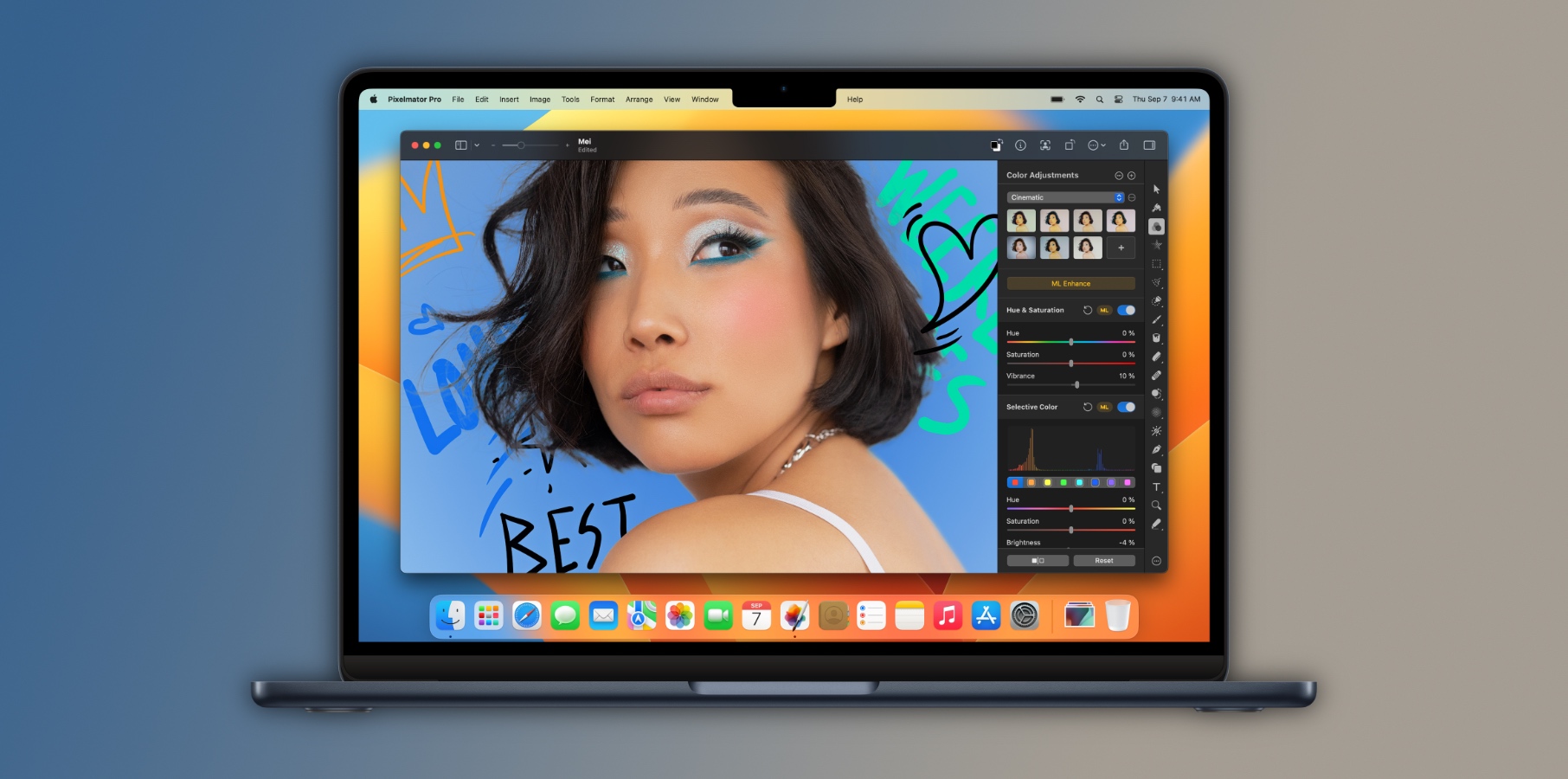
A decade ago, Apple officially ended support for its professional photo editing app Aperture. While people familiar with the matter told BGR several times that Apple continued to work on a new version of Aperture, like it did with Final Cut Pro and Logic Pro for iPad, it seems these plans eventually turned into the 2024 Pixelmator acquisition.

Interestingly enough, BGR expected Apple to eventually phase out Pixelmator apps and move its features over to the Photos app before one day launching its reimagined Aperture app. However, with Pixelmator Pro receiving a substantial 3.7 update this week, it looks like Apple sees Pixelmator as the modern answer to the defunct Aperture app.

Currently, users can download Pixelmator Pro on the Mac. For iPhone and iPad, users can still download Photomator, a touch-enabled tool for editing photos on the go.

With version 3.7, Pixelmator added support for these Apple Intelligence features:

Tech. Entertainment. Science. Your inbox.

Sign up for the most interesting tech & entertainment news out there.

  • Image Playground: Create fun, original images based on a photo, description, or people from the Photos library.
  • Writing Tools: Proofread, summarize, rewrite, or modify the tone of any text in your designs
  • Other Improvements: Open and edit RAW images from OM SYSTEM OM-1 Mark II cameras, improved VoiceOver, and hover over items in the Tools sidebar.

While Apple hasn’t been clear on whether it will keep Pixelmator apps running and updated far into the future, the company still sells them across its different app stores.

A different approach from Dark Sky

Image source: José Adorno for BGR

So far, Apple’s approach to Pixelmator is slightly different from the one it took with the popular weather app Dark Sky. When it acquired the software in 2020, it took the company three years to discontinue the app and then offer most of its features in the Weather app after the major iOS 17 and iOS 18 updates.

Over these three years, the company only offered small tweaks, such as accessibility and Apple Watch features. With Pixelmator Pro, Apple continued to fix bugs, but with added Apple Intelligence support, it might mean the company is actually considering keeping the Pixelmator brand around.

However, if Pixelmator is part of Apple’s future, the company needs to be more vocal about it. So far, the software editing tool is only known by hardcore Apple users. To make the app mainstream, Apple needs to promote it in keynotes, press releases, or ads.

BGR’s take

While a revamped Aperture app could be enticing for users, especially with Pixelmator’s incredible machine learning tools, it would also mean some features would be lost for good, as Apple wouldn’t make a 1:1 copy of the app.

For those like me who ditched Adobe’s subscription for a lifetime license of Pixelmator software, I would be disappointed if I had to buy the app again or switch to a subscription of a service that already does everything I need at the moment.

Still, only time will tell what Apple will do with Pixelmator Pro and Photomator. So far, it seems that the two apps will continue to exist on their own.

Source

Posted on

Orange France, Samsung establish vRAN, Open RAN first pilot

After “rigorous” lab and field tests, Samsung and Orange France have completed a pilot test marking the first 4G and 5G calls on Orange France’s virtualised radio access network (vRAN) and Open RAN network around the Lyons region in southwestern France.

The collaboration follows the two firms achieving the industry’s “first 2G vRAN call in a shared Open RAN network” in Romania in 2024.

Orange and Samsung said the latest pilot represents a significant step forward in their existing strategic partnership, with their shared commitment accelerating the shift toward a more open, software-based architecture that is optimised for current fast-evolving networks.

They believe that through Samsung’s flexible vRAN and Open RAN, operators can advance wide-scale network sharing adoption in Europe to reduce hardware costs, power consumption and the need for duplicate sites.

Before the field testing, the companies conducted tests in the Orange labs in Lyons, demonstrating technical and operational readiness. For the field project, Samsung provided its vRAN solutions with multi-generational support, O-RAN compliant triple-band radios for low- and mid- bands (700MHz, 800MHz, 900MHz, 1.8GHz, 2.1GHz and 2.6GHz), and 3.5GHz 32T32R Massive MIMO radios.

Its offerings included Samsung CognitiV Network Operations Suite (NOS), a set of AI applications and software solutions, including an AI-powered service management orchestration (SMO). This simplified network automation and enabled zero-touch provisioning (ZTP), helping Orange France to rapidly adopt new technologies and emerging services in the network, according to the companies. 

Samsung’s vRAN features intelligent automation, AI integration and energy-saving functionalities designed to allow operators to further enhance their network capabilities, increase energy efficiency and open opportunities to modernise their network infrastructure across multiple regions. 

Building on its vRAN and Open RAN ecosystem, Samsung is also collaborating with industry-leading partners – Dell Technologies (servers), Intel (processors) and Wind River (cloud platform) – for this pilot project.

Throughout the field tests, the observed performance was said to have showed strong potential for high-quality and reliable network delivery in future live deployments. The companies now plan expansion to additional sites in southwest and western parts of France by the end of 2025.  

By using Samsung’s vRAN solutions, Orange France said that it has enhanced its network capabilities benefiting from the increased flexibility and innovation offered by vRAN and Open RAN. Introducing systems into its network is also a part of Orange’s strategy to diversify its supplier ecosystem, paving the way to fostering a richer and healthier ecosystem. 

“This first call on a virtualised RAN in France, based on Samsung technology, paves the way for our future cloud RAN deployment,” said Emmanuel Lugagne Delpon, CTO of networks at Orange France. “This important milestone is the result of an efficient cooperation between Samsung and Orange teams, and the promise to get new achievements through this partnership.”

June Moon, executive vice-president, head of R&D, networks business at Samsung Electronics, added: “We are proud to take part in Orange France’s journey toward next-generation networks. Samsung’s globally proven vRAN and Open RAN solutions will not only provide high-quality and reliable connectivity, but will also offer the optimal ground for bringing transformative technologies like AI to the network in France.”

Source

Posted on

Android is finally going to let users edit text messages

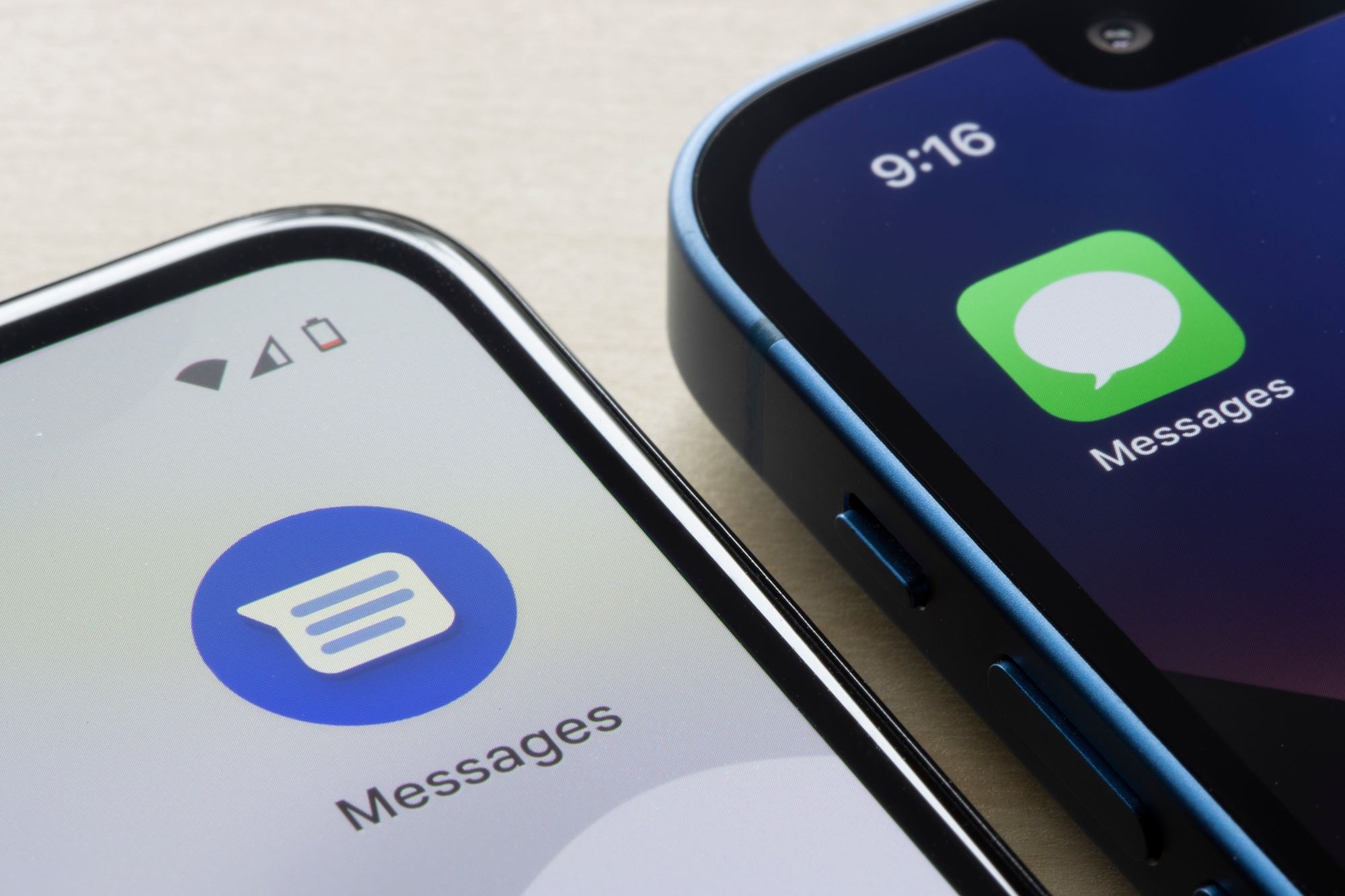
With the arrival of Rich Communication Services (RCS) on iPhone last year, the experience of texting from iOS to Android improved dramatically. As Apple says on its website, RCS supports delivery receipts, read receipts, and typing indicators on messages from non-Apple devices. It’s a step in the right direction, but there is always room for improvement. Thankfully, another long-awaited RCS feature appears to be getting closer to a public rollout.

As spotted by Android Authority on Tuesday, the introduction of a new RCS Universal Profile earlier in 2025 has seemingly opened the door to cross-platform text editing. Apple added the ability to edit and unsend texts in iOS 16, but that was only possible between two iOS devices. Android users could similarly only edit texts to other Android devices. As RCS Universal Profile 3.0 rolls out, some Android users are suddenly able to edit texts sent to iPhones.

It’s unclear who all has access to this functionality, but there’s an easy way to find out if you do. Owners of Android phones can send an RCS message to an iPhone, and then tap and hold the sent text. At the top of the screen, you should see a pencil icon. Tap that icon and the reply box should populate with the original text, which you can now edit.

According to Android Authority, the feature worked when sending texts to iPhones running iOS 18.5 as well as the iOS 26 beta. They were able to edit the sent text messages within the same 15-minute window that each platform operates under.

Tech. Entertainment. Science. Your inbox.

Sign up for the most interesting tech & entertainment news out there.

Unfortunately, there’s a pretty major issue with the feature at the moment. While the edited text shows up as expected on the Android user’s end, the iOS user receives a second message with the edited text preceded by an asterisk.

In other words, the feature is clearly not ready for primetime yet. Android Authority also pointed out that there have only been a couple of other reports from users who have spotted the feature, including this Redditor. For now, only a limited number of testers have access to the feature, but here’s hoping a wide release is being prepped for later this year.

Source

Posted on

Dassault Systèmes accelerates virtual twin offer with Ascon Qube acquisition

Dassault Systèmes has acquired the Ascon Qube technology from software-defined automation systems firm Ascon Systems Holding, taking a major step toward smarter, more agile manufacturing in automation-heavy industries to model, simulate and optimise entire production systems at the machine level.

A single platform for next-generation industrial automation, Ascon Qube is an edge-to-cloud platform designed to let companies plan, monitor, control and optimise and manage factory floor automation systems and machinery. Live-synced digital twins deliver can complete transparency and an interface to execute low-code changes while production data streams flow into a digital shadow. Using this contextualised data, analytics can generate valuable insights.

In addition, with a focus on eliminating the inefficiencies of hard-coded PLCs and rigid, heterogeneous production systems, the SaaS-ready technology uses AI to plan, build and control production through a model-based software platform to provide “unparalleled” interoperability and flexibility across industrial automation processes.  

Dassault Systèmes regards the acquisition as enabling it to accelerate its ability to deliver premium industry systems to model, simulate and optimise virtual twins of an entire factory. This should enable companies in automation-intensive industries to program machine-specific software through an AI-powered platform approach and optimise production processes.

Moreover, the move is an extension of the progress that Dassault Systèmes has made in generative engineering. The company said that in the generative economy, adapting and modifying production line automation to meet fast-changing demand and introduce new products is complex.  Each machine or device uses software that is programmed specifically for that machine.

In a factory with hundreds of machines, software programming and reconfiguration can delay production quality, changeovers and product delivery. Software-defined automation enables companies to mitigate these challenges by accelerating their ability to change production, improve quality and maximise asset use.

Dassault Systèmes will integrate Ascon Qube technology into its Delmia portfolio, deployed worldwide and powered by the 3DExperience knowledge and know-how platform.

The technology will also materialise in  Experiences as a Service (Xaas) to model, simulate, optimise and execute manufacturing to a new level of granularity, with software-defined automation at the machine level, replacing traditional PLCs. Dassault Systèmes claimed that this will mean customers will benefit from faster decision-making, reduced downtime, long-term efficiency gains and operational resiliency.

Dassault Systèmes also sees the acquisition as a “concrete milestone” in accelerating the delivery of its 3D Uni+rses environment, combining virtual twins, training AI engines and protecting customer IP.

In February 2025, Dassault Systèmes announced that it was to integrate the Apple Vision Pro into 3D Univ+rses, powered by the 3DExperience platform and integrated into the 3DLive visionOS app. This would see digital twins “leap off the screen and into a user’s physical space”, enabling real-time visualisation and team collaboration in lifelike environments.

The company added that Apple Vision Pro’s advanced cameras, sensors and tracking will allowing virtual twins to interact with the physical world around them in 3D Univ+rses with scientific accuracy.

The ultimate result, Dassault said, will be a “unique and powerful way” to model, simulate, manufacture, train and deliver value across all industry sectors and roles, enabling users to harness the full potential of 3D Univ+rses and spatial computing to adapt quickly to market demand, ensure scientifically accurate product quality, accelerate workforce training, collaborate and share knowledge.

Source

Posted on

The new Nothing Phone 3 is hideous, but I totally

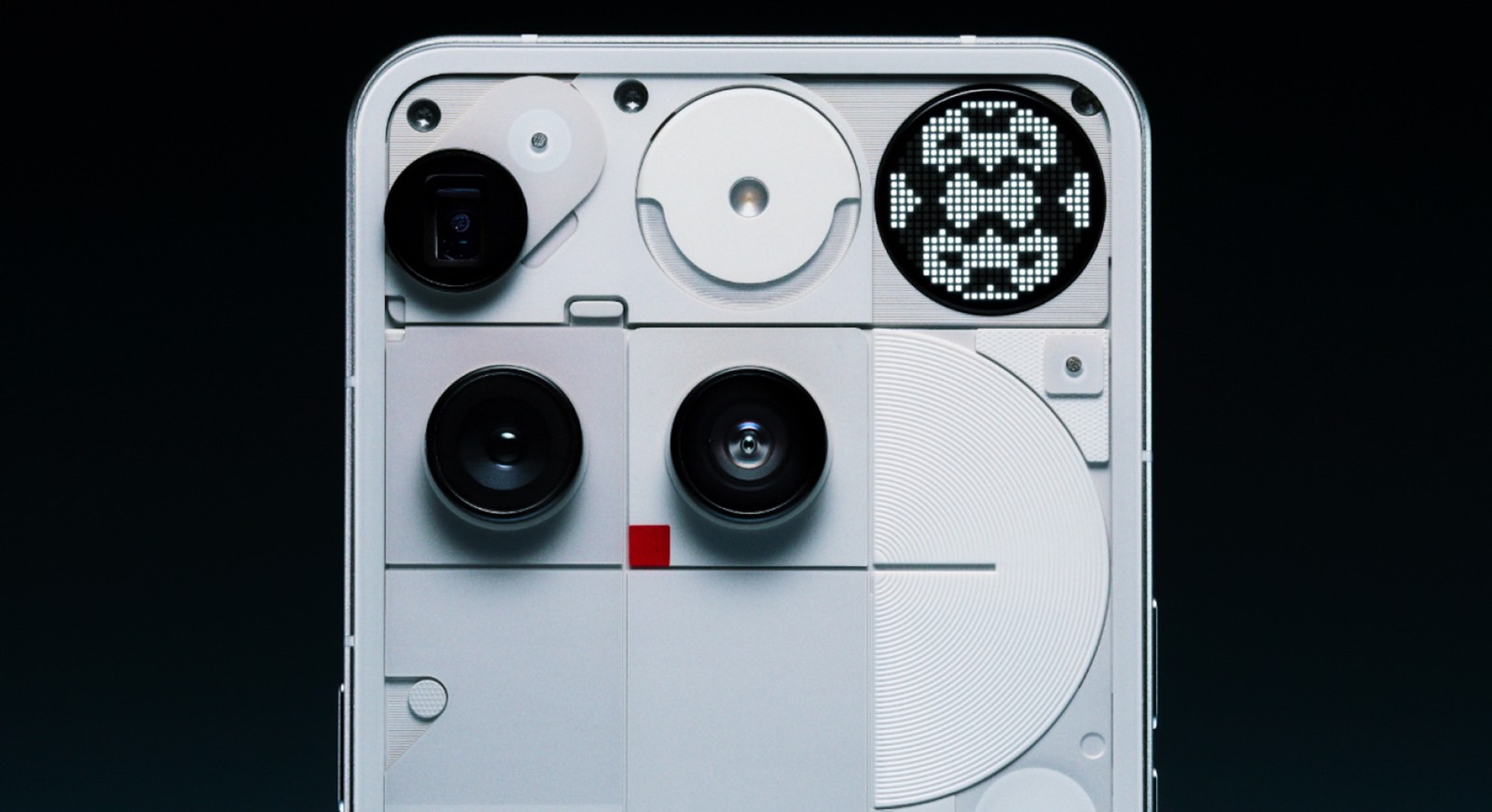
There’s no question about it, the back of the Nothing Phone 3 is easily one of the ugliest designs we’ve seen in recent years, or maybe ever. I say that as someone who has repeatedly told you that the camera bump on the iPhone, Galaxy S, or Pixel doesn’t matter as long as we get great pictures out of that smartphone.

The rear camera design on a flagship phone is a huge compromise between looks and functionality. We have to accept the growing bump until technology advances enough to let smartphone vendors shrink camera modules without impacting photo and video quality.

The same applies to the Phone 3’s rear camera system with its scattered lenses. This is the Nothing flagship some fans have been waiting for for years. The rear design shouldn’t matter more than the iPhone 16, Galaxy S25, or Pixel 9. And in theory, it doesn’t.

While I know the rear camera design shouldn’t matter, every time I look at it, my brain tells me it’s ugly. I blame it on the phone beauty standards we’ve grown used to over the years, as smartphone vendors kept refining familiar models.

Tech. Entertainment. Science. Your inbox.

Sign up for the most interesting tech & entertainment news out there.

That said, I get what Nothing is doing with this unusual phone design, and I love it. The odd camera placement and the Glyph Matrix next to it give the Phone 3 the one thing many phones lack: identity.

Nothing’s display is nothing special

A Nothing marketing image that shows the Phone 3’s display. Image source: Nothing

Analyze Nothing’s marketing materials for the Phone 3 in this post and you’ll quickly see that the hole-punch display barely gets any screen time. Most videos and photos focus on the back of the handset, because there’s nothing special about the front.

The 6.67-inch 120Hz screen has a hole-punch 50-megapixel camera at the top and impressive 1.87mm bezels. It delivers 1.5K resolution and a peak brightness of up to 4,500 nits. But if you look at the Phone 3’s display, you won’t be able to tell it apart from any other Android smartphone.

This design is as generic as they come. Maybe that’s why Apple is rumored to move its hole-punch camera to the left on a future iPhone once Face ID goes under the hood.

What about the specs?

Nothing Phone 3 in black and white. Image source: Nothing

All Android phones tend to share the same set of specs every year. The same goes for the Phone 3. Almost. Nothing opted for the Snapdragon 8s Gen 4 high-end chip instead of the Snapdragon 8 Elite rivals use this year. It’s paired with up to 12GB or 16GB of RAM and 256GB or 512GB of storage.

Add three 50-megapixel cameras on that ugly back, a 5,150 mAh battery with 65W wired charging, and Nothing OS 3.5 with AI features at the core (including Essential Space), and you get a flagship Android experience similar to other 2025 high-end phones.

Maybe the 5,150 mAh silicon-carbon battery stands out. It’s a battery technology that lets smartphone vendors increase energy density without using a larger battery.

The phone also has dedicated buttons for Essential Space and the Glyph Matrix. Then there’s the red pulsating “pixel” on the back that glows when you’re recording video.

But all of that still isn’t enough to build a strong identity for a phone brand that’s still in its early years.

Is it the price?

The Phone 3 will start at $799, matching the price of most flagship phones from Apple, Samsung, and Google. Carl Pei might have helped make affordable “flagship killers” before founding Nothing, but the Phone 3 doesn’t fall into that category. It’s priced like a regular flagship, which is better than cutting corners to make it cheaper.

Back to the back

The camera layout stands out the most in the white version. Image source: Nothing

With all that in mind, the Nothing Phone 3 seems like a perfectly fine Android flagship, but one that wouldn’t get much attention without that unusual back design.

Remember that Nothing introduced the Glyph interface years ago to generate buzz. I never liked it, and I’m sure I wouldn’t need or use the Glyph Matrix either. But I get the point. The rear design of a phone can be a powerful marketing tool. It sparks engagement and debate.

That’s why the ugly camera design makes sense. The Phone 3 still tries to look transparent without actually being transparent. The camera chaos triggers my brain to dislike it, mostly because I’m used to expecting some symmetry.

The periscope camera in the top left corner is especially off-putting. But when you combine it with the other two camera lenses and the Glyph Matrix, you get a controversial design that gives the Phone 3 a distinct and refreshing personality.

Also keep in mind that Nothing wants you to look at that rear design often to use the Glyph Matrix. You won’t be able to ignore the unusual design choices. And I’m sure others will stare at your Phone 3 when you use it in public.

A teardown of the Phone 3 will probably show this was the only way to fit all these components on the back without affecting battery size, thermals, or durability. Until then, there’s always Nothing’s video below that explains how and why the company designed the Phone 3 this way.

Source

Posted on

Boost for European space sovereignty as Open Cosmos gets Connected

Open Cosmos has acquired Connected, a Portuguese startup dedicated to offering “pioneering” affordable, standardised internet of things (IoT) connectivity from space. Open Cosmos stated that the move will strengthen Europe’s technological autonomy as well as fast-track its connectivity capabilities and anchor long-term industrial growth in Portugal.

Claiming to be one of Europe’s fastest-growing space infrastructure companies, Open Cosmos designs, builds and operates complete satellite missions, with production facilities in the UK, Spain, Greece and now in Portugal. 

Founded in 2023, Connected initially developed a proprietary hosted payload platform for narrowband IoT connectivity, launched pilots across Europe and secured strategic partnerships with EchoStar Mobile, Fraunhofer and other international partners. In these two years, Connected has evolved from a research-driven idea into a commercially operational platform shaping the future of space-enabled IoT.

Its technology, based on standardised protocols such as 5G NB-IoT and mioty, is designed to reduces “dramatically” the cost and complexity of space-based communications, enabling applications from infrastructure monitoring to emergency response and ocean surveillance to smart agriculture and off-grid renewable energy systems.

The company has also received strong institutional backing, including support from the European Space Agency (ESA) and the Portuguese Space Agency, strengthening its positioning as a key enabler of interoperable, sovereign space services.

Initially accelerated by the ESA BIC at Instituto Pedro Nunes (IPN) in Coimbra and later hosted at UPTEC in Porto, Connected was also selected for the Unicorn Factory Lisboa Scaling-Up Programme and the SpaceFounders European Accelerator. Just months after incorporation, the company raised €2m in what was said to be the largest pre-seed round ever by a Portuguese space startup.

“We were in the middle of raising our Seed round when the opportunity emerged,” said Tiago Rebelo, former CEO at Connected, now chief revenue officer (CRO) at Open Cosmos and managing director at Open Cosmos subsidiaries in Portugal. “The offer from Open Cosmos was simply too aligned – in mission, culture and ambition – to ignore. It was a clear recognition of our technology and of the real-world progress we achieved with limited resources and relentless focus.”

Open Cosmos regards the transaction as marking one of the fastest successful startup exits in European space-tech history, as well as a major milestone for Portugal’s emergence as a leading innovation and manufacturing hub for the space economy.

“Connected has built in two years what takes others five – [It is] one of Europe’s most capable space startups,” said Open Cosmos founder and CEO Rafel Jordà Siquier. “[Its] hosted payload model fits seamlessly into our OpenConstellation vision, accelerating our ability to deliver scalable, multi-purpose and mission-flexible space infrastructure that serves both institutional and commercial needs across Europe and beyond.”

The deal will see Connected become dedicated IoT connectivity unit at Open Cosmos’ and all 22 Connected team members will join a growing Open Cosmos Atlantic team of 18. Connected Cosmos will now lead the Open Cosmos’ connectivity strategy, offering scalable and affordable products for industries ranging from maritime to energy, logistics and beyond.

The acquisition also builds on Open Cosmos’ expanding presence in Portugal. The company has invested more than €15m in national operations to date, with that figure is expected to exceed €50m over the next three years as its local presence scales. This includes the launch of a new satellite factory at IPN in Coimbra, where three Portuguese-engineered satellites will be assembled and operated starting in late 2025. These missions, powered by Connected’s payloads, will deliver integrated Earth Observation data and IoT connectivity from orbit.

Source

Posted on

iOS 18: Features, release date, beta, download, Apple Intelligence

iOS 18 is Apple‘s current operating system for iPhone models, including the new iPhone 16. Previewed during the WWDC 2024 keynote, this software update offers a Home Screen redesign, more privacy features, and Apple Intelligence.

BGR has a guide highlighting the upcoming iOS 26, set to be released later this fall.

Release Date

iOS 18 has been available since September 16, 2024. Its first beta was released on June 10, with a public beta made available the following month.

Features

iOS 18 is full of new features for iPhone users. BGR has compiled the most important ones here for you.

Tech. Entertainment. Science. Your inbox.

Sign up for the most interesting tech & entertainment news out there.

Home Screen, Lock Screen, and Control Center revamp

iOS 18: Big home screen redesign Image source: Apple Inc.

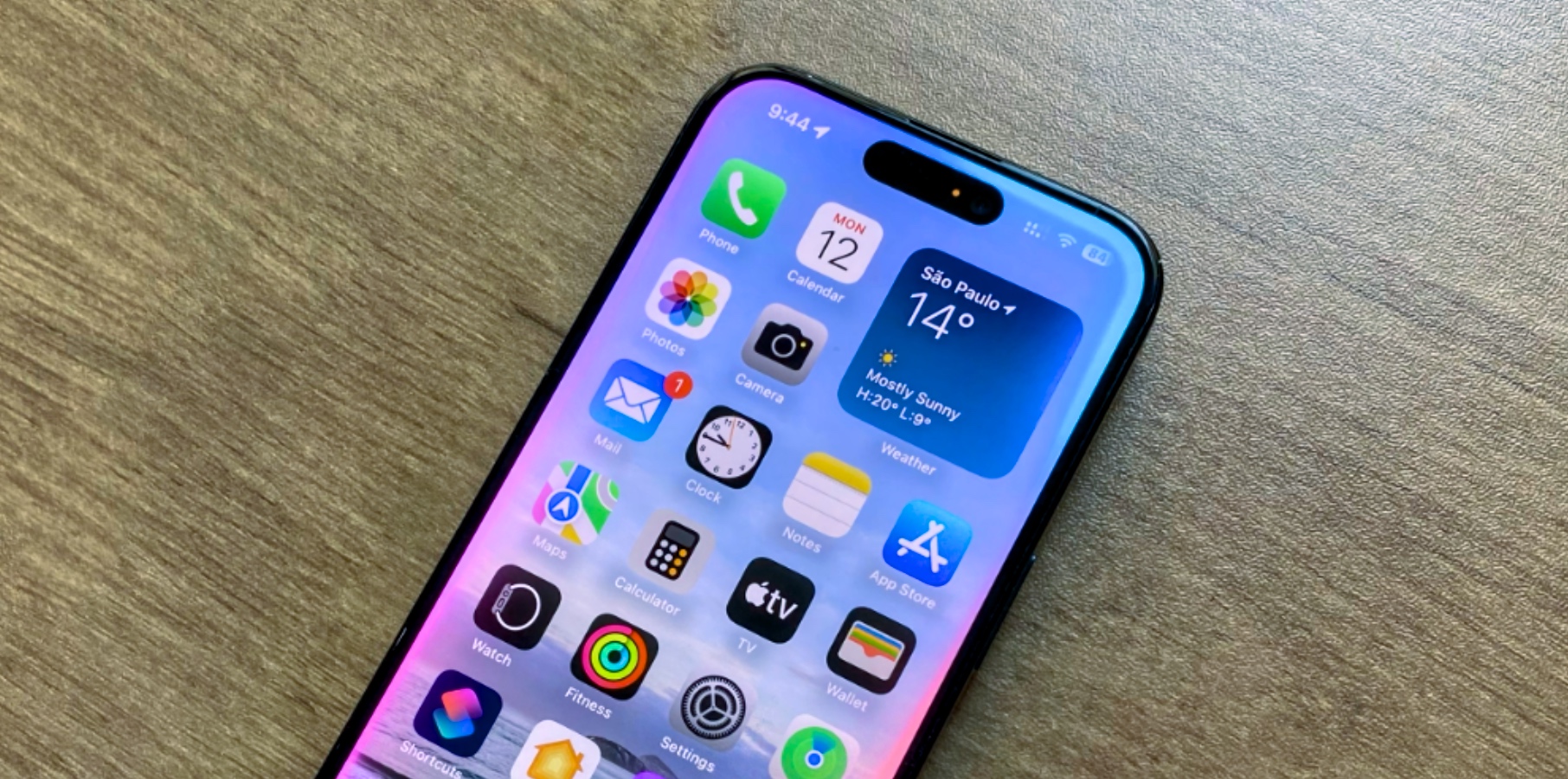
In previous iOS updates, Apple has tweaked the Home Screen, Lock Screen, and Control Center. This time, the company has finally taken customization to a new level. Now, apps can be organized in any way, which means they can be placed anywhere.

App icons and widgets can take on a new look with a dark or tinted effect, and users can make apps appear larger to create the perfect experience. In the Lock Screen, it’s possible to choose new widgets instead of the Flashlight and Camera options. Here’s how to customize the iPhone’s Home Screen in iOS 18.

Image source: José Adorno for BGR

Finally, the Control Center has been redesigned. Users can create new groups of widgets for Home controls, connectivity, and music listening and reorganize the widgets’ locations. The new controls gallery displays the full set of available options, and users can customize how the controls are laid out, including adjusting them to the ideal size and creating entirely new groups. Here’s how to customize the iPhone’s Control Center in iOS 18.

There’s even an over-the-top new interactive flashlight widget. However, with all of these changes, adding a new wallpaper seems more confusing than ever.

Photos app gets the biggest update to date

Image source: Apple Inc.

Apple has an ambitious plan for iOS 18’s Photos app. With its redesign, Apple wants to make it easier for users to find and relive special moments. With a single-view display, it offers new collections to help users browse by themes without having to organize content into albums.

Collections can be pinned to keep favorites easily accessible. While there was a new carousel view, Apple removed it during the beta test in favor of a more simplified experience. Apple says that auto-playing content throughout the app brings libraries to life “so past moments can be enjoyed while browsing.”

With iOS 18.2, Apple improved the app with these changes:

  • Albums in the Photos app can now be sorted alphabetically, by date created, or manually.
  • The Favorites album now appears in the Utilities collection in addition to Pinned Collections.
  • Improvements when viewing videos include the ability to scrub frame-by-frame and a setting to turn off auto-looping video playback.
  • Improvements when navigating Collections views, including the ability to swipe right to go back to the previous view.
  • Recently Viewed and Recently Shared album history can now be cleared, and more.

Still, months after iOS 18 was released, many iPhone users have continued to complain about the “Indexing Your Library” issue.

If you disliked the new look, there’s a way to almost bring back the old design. Here’s how to fix the iOS 18 Photos app.

Messages get powerful new features

Image source: Apple Inc.

With iOS 18, Apple is adding even more features to Messages. These are the top new functions:

  • All-new text effects: You can amplify any letter, word, phrase, or emoji with dynamic, animated appearances
  • Personalize messages: Users can better express tone by adding formatting like bold, underline, italics, and strikethrough;
  • Tapbacks: Includes any emoji or sticker;
  • Schedule messages: Over the iMessage menu, you can schedule a message to send later;
  • Messages via satellite: When cellular and Wi-Fi connections aren’t available, you can send and receive texts, emojis, and Tapbacks over iMessage and SMS.

Passwords App and new ways to stay safe

Image source: Apple Inc.

Building on the foundation of Keychain, the new Passwords app makes it easy for users to access their passwords, passkeys, Wi-Fi passwords, and verification codes. 

In addition, Apple has released new features that let users lock and hide apps. When an app is locked or hidden, content like messages or emails inside the app is hidden from search, notifications, and other places across the system. Users can only unlock it with Face ID and Touch ID. BGR teaches you how to hide and lock iPhone apps in iOS 18.

CarPlay and CarPlay Ultra features

Image source: Apple Inc.

iOS 18 also brings new features for CarPlay users. Here they are:

  • Announced Notifications support: Announce Notifications can read aloud your notification summaries when using AirPods or CarPlay.
  • Spatial Audio: Drivers can now listen to Spatial Audio songs and albums available in Apple Music and third-party apps while connected to CarPlay. Vehicles with multichannel audio capabilities can enable an immersive sound experience. Spatial Audio with support for Dolby Atmos can also be implemented in compatible vehicles.
  • Accessibility: Color Filters, Bold Text, Voice Control, and Sound Recognition accessibility settings are now available in CarPlay in IOS 18, providing a consistent experience between the iPhone and the vehicle.

Apple also announced CarPlay Ultra, its long-awaited “next-generation CarPlay.” Here, you can learn more about it.

Everything new with Apple Music in iOS 18

Image source: José Adorno for BGR

  • Event Tickets with Apple Wallet: The new Tickets in Wallet feature improves event information with venue and parking details, in-seat food delivery, and even recommended playlists from Apple Music. It all depends on the promoter.
  • Music Haptics: Apple Music has a breakthrough feature coming with iOS 18, but it’s likely not for you. With Music Haptics, Apple brings a new way for users who are deaf or hard of hearing to experience music on iPhone. The company explains: “With this feature enabled, the Taptic Engine in iPhone plays taps, textures, and refined vibrations to the audio of the music.”
  • UI tweaks: Apple has tweaked the Shuffle, Repeat, and Autoplay icons with bigger buttons.

You can learn more about Apple Music features in iOS 18 here.

RCS is here

Image source: José Adorno for BGR

Last year, Apple announced that RCS messaging support would come in 2024. With iOS 18 now available, Cupertino brings RCS-supported texts, better integration on group messages, high-quality photos and videos, and more between iPhone and Android. However, if you don’t see RCS support on your device, you must wait for an update from your carrier.

Still, features like memoji, stickers, edit, and unsend messages will continue to be iMessage-exclusive. You can have a first look at RCS texting here.

Additional iOS 18 features

There’s even more Apple available with iOS 18, including:

  • In Apple Maps, users can browse thousands of hikes across national parks in the United States and easily create their own custom walking routes, which they can access offline;
  • Game Mode enhances the gaming experience with more consistent frame rates, especially during long play sessions;
  • SharePlay with Apple Music allows even more users to share control of music playing from HomePod, Apple TV, or any Bluetooth-enabled speaker, making listening together more fun and engaging;
  • iPhone Mirror: You can control your iPhone on a Mac running macOS Sequoia; it’s possible to follow notifications and even drag and drop content;
  • In the Notes app, formulas and equations entered while typing are solved instantly with Math Notes; you can learn more about the new Notes app here;
  • In Journal, an all-new insights view helps users keep track of their journaling goals, and the ability to search and sort entries makes it easy to enjoy past memories. You can learn more about the new Journal app here;
  • Calendar becomes even more helpful by showing both events and tasks from Reminders;
  • iPhone Contacts app gets a security layer, and Apple now asks if you want to share only a few contacts or all your agenda with an app.

Here are 13 hidden features that you should be using every day on your iPhone.

iOS 18 Apple Intelligence’s major features

Apple Intelligence running on iPhone, iPad, and Mac. Image source: Apple Inc.

Exclusive to iPhone 15 Pro and iPhone 16 models, Apple offers Apple Intelligence, which is an AI platform built-in with “privacy from the ground up.” These are the main features:

  • Writing Tools: Users can rewrite, proofread, and summarize text nearly everywhere they write, including Mail, Notes, Pages, and third-party apps;
  • Image Playground: Users can create playful images in seconds, choosing from Animation, Illustration, or Sketch. This app is built right into apps like Messages and is also available in a dedicated app;
  • Genmoji: With this function, iPhone users will use AI to generate new emoji characters based on text input, such as “T-rex wearing a tutu on a surfboard.” Learn more about it here;
  • Memories in Photos: Users can create stories they want to see just by typing a description. Apple Intelligence will pick out the best photos and videos based on the description, craft a storyline with chapters based on themes identified from the photos, and arrange them into a movie with its own narrative arc;
  • Clean Up tool: This Photos app feature can identify and remove distracting objects in the background of a photo without accidentally altering the subject;
  • Siri: Users type to Siri and switch between text and voice to communicate with Siri in whatever way feels right for the moment.
  • ChatGPT integration: When you feel Apple Intelligence isn’t enough, you can allow ChatGPT to access Writing Tools and other features for a better response.

Here, you can learn everything iPhone users can test so far.

Delayed iOS 18 features

Apple has one iOS 18 delayed feature that it won’t deliver:

Major software updates

These are all major iOS 18 updates:

iOS 18.1 features

Image source: José Adorno for BGR

iOS 18.1 was released on October 28. The main features regard Apple Intelligence. These are the highlights:

  • Writing Tools: Proofread your text, rewrite different versions until the tone and wording are right, and summarize the selected text with a tap.
  • Improved Siri: With a new design, Siri can maintain context between requests. Even if you stumble over words or shift what you’re saying mid-sentence, Siri can understand what you actually want.
  • Priority notifications: They appear at the top of the stack, letting you know what to pay attention to at a glance. Notifications are summarized, so you can scan them faster.
  • Priority messages in Mail: Elevate time-sensitive messages to the top of your inbox, like an invitation that has a deadline today or a check-in reminder for your flight this afternoon.
  • Clean Up: This Photos app feature can identify and remove distracting objects in the background of a photo without accidentally altering the subject.
  • Summarization: Apple Intelligence can now summarize more than just Messages and Mail notifications.
  • Record and transcribe calls in the Notes app: Just hit record in the Notes or Phone apps to capture audio recordings and transcripts. Apple Intelligence generates summaries of your transcripts, so you can get to the most important information at a glance.
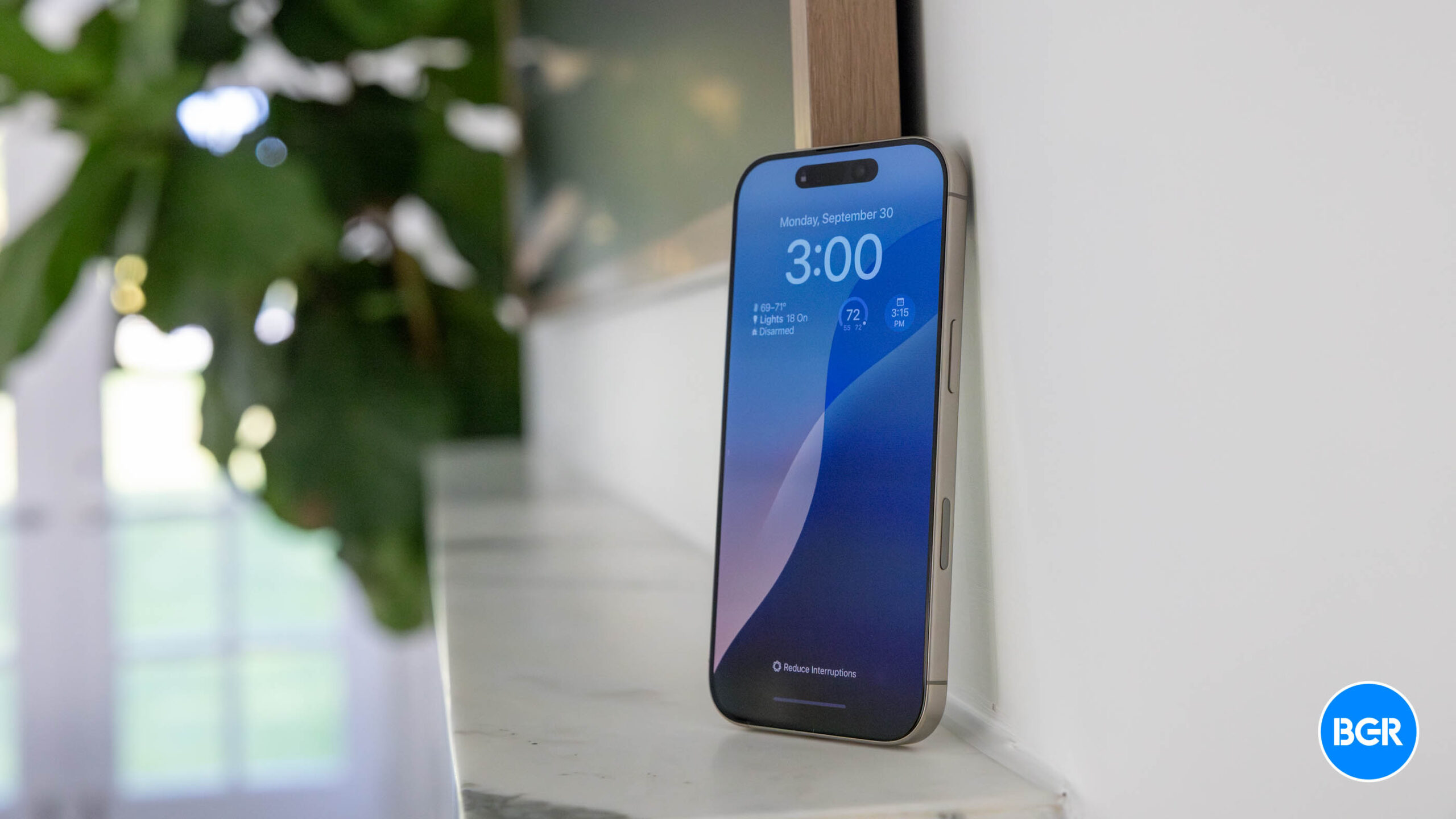
  • Reduce interruptions: An all-new Focus Mode understands the content of your notifications and shows you the ones that might need immediate attention, like a text about picking up your child from daycare later today.
  • Smart Reply in Mail: Quickly draft an email response with all the right details. Apple Intelligence can identify the question you were asked in an email and offer relevant selections to include in your response.

You can learn more about this software update here. It also includes security patches and bug fixes with it.

iOS 18.2 features

Image source: José Adorno for BGR

iOS 18.2 was released on December 12. The main features regard Apple Intelligence. These are the highlights:

Apple is expanding Apple Intelligence features:

  • Genmoji support: Create custom emojis by combining two figures; users can type a prompt like “monkey with pink hat” to make an entirely new emoji — here’s how to use Genmoji on your iPhone
  • Image Playground: Users can create playful images in seconds, choosing from Animation, Illustration, or Sketch. This app is built right into apps like Messages and is also available in a dedicated app — here’s how to request access to Image Playground so you can use Genmoji
  • ChatGPT integration: When you feel Apple Intelligence isn’t enough, you can allow ChatGPT to access Writing Tools and other features for a better response — how to stop Apple Intelligence from making you confirm every ChatGPT request
  • Visual Intelligence: It helps users learn about objects and places faster than ever. Users can click and hold Camera Control to pull up the hours or ratings for a restaurant they pass, add an event from a flyer to their calendar, quickly identify a dog by breed, and more
  • Image Wand: “Rough sketches can be turned into delightful images, and users can even select empty space to create an image using context from the surrounding area” in the Notes app

There are other functions available with this update:

  • All-new Mail app: Mail is introducing new ways for users to manage their inboxes. On-device categorization organizes and sorts incoming emails into Primary for personal and time-sensitive emails, Transactions for confirmations and receipts, Updates for news and social notifications, and Promotions for marketing emails and coupons. Mail also features a new digest view that pulls together all of the relevant emails from a business, allowing users to quickly scan for what’s important at the moment
  • Change default apps: iOS 18.2 lets iPhone users change the Messages and Phone default apps
  • Volume Limit: The Settings app now has a new Volume Limit control. This lets you limit how loud your iPhone speakers can play media
  • Voice Memos: During the iPhone 16 event, Apple announced the iPhone 16 Pro would get a Voice Memos upgrade. With iOS 18.2, users can layer multiple tracks on top of each other.

iPhone users complained about several iOS 18.2 bugs, including an iPhone camera issue and battery life drain.

iOS 18.3 features

Image source: Apple Inc.

iOS 18.3 was released on January 27. The main features regard Apple Intelligence. These are the highlights:

Notification summaries (All iPhone 16 models, iPhone 15 Pro, iPhone 15 Pro Max)

  • Easily manage settings for notification summaries from the Lock Screen
  • Updated style for summarized notifications better distinguishes them from other notifications by using italicized text as well as the glyph
  • Notification summaries for News & Entertainment apps are temporarily unavailable, and users who opt-in will see them again when the feature becomes available

This update includes the following enhancements and bug fixes:

  • Calculator repeats the last mathematical operation when you tap the equals sign again
  • Fixes an issue where the keyboard might disappear when initiating a typed Siri request
  • Resolves an issue where audio playback continues until the song ends even after closing Apple Music

You’ll also find these changes in this version:

  • Camera Control icons: Apple has updated the Camera Control icons to the new Dark Mode. This change has been spotted by X user Aaron Perris. In addition, the Camera Control has renamed the AF/EF toggle to “Lock Focus and Exposure.”
  • Visual Intelligence improvement: iOS 18.3 adds Visual Intelligence support for adding events to the Calendar app. So when viewing a poster or flyer, Apple will give you an option to add an event to the Calendar app.
  • Plants and animals on Visual Intelligence: Similar to Visual Look Up, the Visual Intelligence feature enabled by the Camera Control can identify plants and animals in real time.
  • Black Unity wallpapers: As usual, Apple released new Black Unity wallpapers with iOS 18.3 and iPadOS 18.3. This time, Apple was inspired by the “rhythm of humanity” to create this collection.

iOS 18.4 features

Image source: José Adorno for BGR

iOS 18.4 was released on March 31. The main features regard Apple Intelligence. These are the highlights:

  • New languages: Apple adds Chinese, French, German, Italian, Brazilian Portuguese, Spanish, Japanese, Korean, and localized English for Singapore and India.
  • Image Playground: The long-awaited Sketch style is now available alongside the Animation and Illustration options.
  • Genmoji: Apple tweaked the Genmoji icon on the keyboard, as it now reads “Genmoji.”
  • Apple News+ Food: This update will bring a new Food section to Apple News. Subscribers can access recipes, tips for healthy eating, restaurants, and more.
  • Vision Pro app: With iOS 18.4, Apple Vision Pro will get its own iPhone app. It will help you download apps, visionOS content, tips, and information and even set up Guest Mode.
  • Apple Maps change: You can now set a Preferred Language to get directions instead of the one you use on your iPhone.
  • Ambient music: iOS 18.4 adds new Control Center toggles for Ambient Music, including Chill, Productivity, Sleep, and Wellbeing.
  • CarPlay update: Cars with bigger screens now get three rows of apps displayed.
  • AirPods Max with Lossless: The USB-C headphones now support lossless audio.

iOS 18.5 features

iOS 18.5 was released on May 12. This is one of the lightest iOS 18 updates so far, focused on bug fixes:

  • Parents now receive a notification when the Screen Time passcode is used on a child’s device
  • Buy with iPhone is available when purchasing content within the Apple TV app on a 3rd party device
  • Fixes an issue where the Apple Vision Pro app may display a black screen
  • Support for carrier-provided satellite feature is available on all iPhone 13 models.

The company is currently testing iOS 18.6.

Apple revealed iOS 18 accessibility features before WWDC 2024

Image source: Apple Inc.

Before WWDC 2024 kicked off, Apple announced several accessibility features coming to the iPhone. Here are some of them:

  • Music Haptics: Music Haptics is a new way for users who are deaf or hard of hearing to experience music on the iPhone. With this accessibility feature turned on, the iPhone’s Taptic Engine plays taps, textures, and refined vibrations to the music’s audio. Music Haptics works across millions of songs in the Apple Music catalog and will be available as an API for developers to make music more accessible in their apps.
  • Wide Range of Speech: With Vocal Shortcuts, iPhone and iPad users can assign custom utterances that Siri can understand to launch shortcuts and complete complex tasks. Listen for Atypical Speech, another new feature, gives users an option for enhancing speech recognition for a wider range of speech.
  • Vehicle Motion Cues: Vehicle Motion Cues is a new experience for iPhone and iPad that can help reduce motion sickness for passengers in moving vehicles. With Vehicle Motion Cues, animated dots on the edges of the screen represent changes in vehicle motion to help reduce sensory conflict without interfering with the main content.
  • CarPlay gets Voice Control: Accessibility features coming to CarPlay include Voice Control, Color Filters, and Sound Recognition. With Voice Control, users can navigate CarPlay and control apps with just their voice. With Sound Recognition, drivers or passengers who are deaf or hard of hearing can turn on alerts to be notified of car horns and sirens. For users who are colorblind, Color Filters make the CarPlay interface visually easier to use, with additional visual accessibility features including Bold Text and Large Text.

Official iOS 18 download

iOS 18, codenamed Crystal, has been announced on June 10. The official download has been available since September 16, 2024.

How to download iOS 18

Image source: José Adorno for BGR

Here’s how to download iOS 18:

  • On your iPhone, open the Settings app
  • Tap on General and Software Update

How to download iOS 18 beta and public beta

iOS 18 beta has been available since June 10, and the public beta since July 15, 2024. After enrolling in the Apple Beta Software Program, follow the steps below:

  • On your iPhone, open the Settings app
  • Tap on General and Software Update
  • Tap on Beta Updates and enable iOS 18 Public Beta

Here we detail nine reasons to install the newest beta. Or, if you need to, here’s how to uninstall the iOS 18 beta. So far, using beta gives you early access to Apple Intelligence features.

Supported devices

iPhone 15 Pro Max camera system. Image source: Christian de Looper for BGR

With iOS 17, Apple ditched the iPhone 8 and iPhone X models from its lineup. With iOS 18, Apple continues to offer support for the same iPhones. However, Apple Intelligence features will be exclusive to iPhone 15 Pro models.

That said, these are the iPhone models that can run this new system:

  • iPhone XR, XS, and XS Max
  • iPhone 11
  • iPhone 11 Pro and 11 Pro Max
  • iPhone SE (2nd gen)
  • iPhone 12 mini and iPhone 12
  • iPhone 12 Pro and iPhone 12 Pro Max
  • iPhone 13 mini and iPhone 13
  • iPhone 13 Pro and iPhone 13 Pro Max
  • iPhone SE (3rd gen)
  • iPhone 14 and iPhone 14 Plus
  • iPhone 14 Pro and iPhone 14 Pro Max
  • iPhone 15 and iPhone 15 Plus
  • iPhone 15 Pro and iPhone 15 Pro Max
  • iPhone 16 and iPhone 16 Plus
  • iPhone 16 Pro and iPhone 16 Pro Max
  • iPhone 16e

Review

In our iOS 18 review, BGR praises the redesign available with this software update. However, the most important features aren’t here yet.

iOS 18 has several quality-of-life improvements, and even if you can’t enjoy Apple Intelligence, Cupertino has lots of features that will almost make you feel like you’re using a new device. This is the beginning of a new era, even if we can’t enjoy it just yet.

Source

Posted on

Nokia, Telstra team for network API development

In a project targeting industry use cases for enterprises that use Open Gateway technology, leading comms operator Telstra has forged a collaboration with Nokia to give developers secure access to network application programming interfaces (APIs) to help build smarter applications and integrate them into advanced use cases for enterprises and industries.

The main focus of the Nokia and Telstra collaboration will be on real-world use cases across industries, such as managing network traffic during large events, improving network observability and prioritising critical services.

The partnership will also support Telstra’s network as a product vision of a software-defined, programmable network and explore fixed network use cases, having the developer platform consume APIs from Nokia’s service orchestration software, already deployed in Telstra.

Under the partnership, Telstra’s Muru-D Labs will provide access to a select mix of live and simulated network APIs on Nokia’s Network as Code platform with developer portal, to make it easier for developers to build, test and deploy applications that securely tap into Telstra’s network capabilities.

Muru-D is a development hub for incubating ideas, products and technologies, and is said to have already played a pivotal role in accelerating a portfolio of around 80 startup investments. The hub is currently exploring emerging technologies and prototype services, drawing on expertise in 5G, the internet of things, connectivity, edge computing and applied artificial intelligence (AI).

Through partnerships with industry, experts and universities, Muru-D Labs looks to co-develop real-world solutions to real-world problems. In addition to supporting Telstra’s innovation projects, Muru-D also backs founders driving social and technological impact across AI, virtual and augmented reality, drones, satellites, and robotics. Its process includes prototyping, proof-of-concepts, customer trials, human-centred design workshops and hackathons.

The Nokia and Telstra collaboration will also feature a hackathon later in 2025 for developers to test new ideas and gain hands-on access to live network APIs, looking to open the door for future monetisation opportunities.

Kim Krogh Andersen, group executive of product and technology at Telstra, said the collaboration reflects the company’s recent Connected Future 30 strategy, delivering “increasingly sophisticated and flexible” connectivity capabilities to meet evolving customer needs.

“We’re radically innovating at the core of our business and pushing the boundaries of our network leadership, so that our customers can get the connectivity they need in a changing environment,” he said. “This new collaboration with Nokia is another way we are testing and learning how the power of the network can unlock new value in the tech ecosystem.

“By giving access to advanced capabilities through our network APIs, we’re enabling developers to create smarter, more responsive applications for enterprises. This is about working with our partner ecosystem to demonstrate how developers can securely interact with Telstra’s network and innovate at scale.”

Shkumbin Hamiti, vice-president of network monetisation platform at Nokia, said: “Our collaboration will deepen Telstra’s network integration into developer ecosystems, and provide developers with greater choice, flexibility and security in creating new applications. As more developers explore network APIs, their feedback will shape the next generation of services, and we are excited to work alongside Telstra to drive this.”

Source

Posted on

Pure Enterprise Data Cloud bundles its IP for business outcomes

Pure Storage has launched Enterprise Data Cloud (EDC), which knits together several existing elements in its offering to provide enhanced visibility of data storage and simpler policy-based management-oriented outcomes for the business.

It has also announced new high-performance flash arrays and the availability this year of a 300TB (terabyte) Direct FlashModule, including a solid-state drive (see box).

Also added in EDC – and announced at its Accelerate event in Las Vegas this week – is the capability to build in application and workload-specific orchestration that combines storage, server, networking and application configuration.

Mostly, EDC is a bundling of existing Pure Storage architectural elements. These are the Purity storage OS, which is common to all the company’s arrays; Fusion, which allows discovery and management of storage resources; Pure1, which allows for fleet management in terms of performance and detailed management of resources; and Evergreen, which is the company’s consumption purchasing offer that allows for as-a-service procurement.

But it is a bundling of existing elements that leans into the established mainstream of cloud operating models and builds on common architectural and operating environment elements across the Pure Storage range.

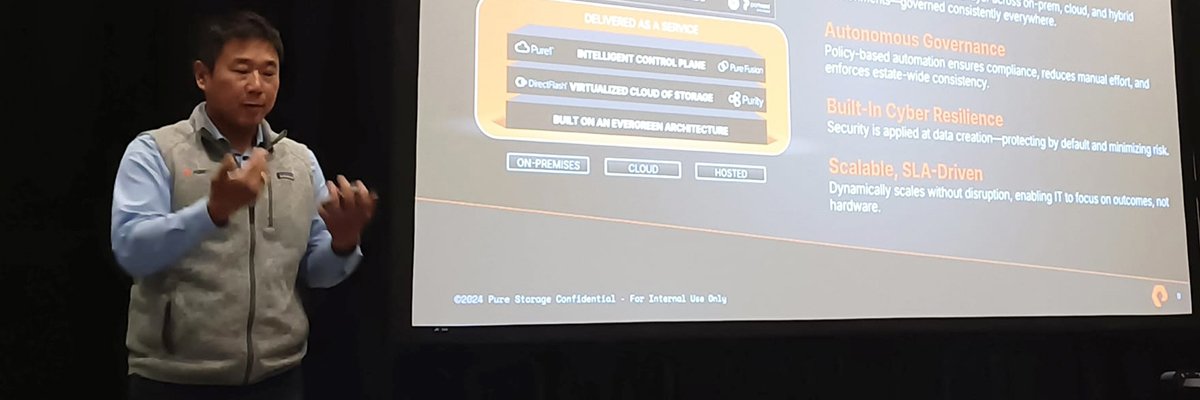
All this combines to provide a cloud-like storage management environment that Pure intends will allow customers to implement “declarative, policy-driven management”, said chief technology officer Rob Lee (pictured above).

The way Pure executives presented EDC is that it provides “higher-level concepts” in storage management that will allow customers to focus on business outcomes rather than managing infrastructure. So, instead of administrators having to manage individual arrays and to provision storage at a very granular level – configuring volumes on a specific array for specific application requirements – that will be superseded by workload-focused outcomes.

“If we look at a lot of the challenges we see customers grappling with today, it boils down to a lot of the elements that really are legacy,” said Lee. “Things like having to do a lot of manual management, driving inefficiency, having to manage tons of individual silos that aren’t making maximal use of the resources that you have on the ground.”

He continued: “We’ve got an opportunity to take some of those lessons from the consumer world, take some of the lessons from the public cloud world, and bring those into the enterprise.”

In other words, customers won’t need to specify storage management activity step-by-step, but will allow the system to decide the details. This, in turn, will allow greater visibility and control over data for the organisation.

“I can transform how I think about, manage, catalogue my datasets, and think about what data I have sitting where, for what purpose, where it came from, how it is secured, what policies are provided for it, etc,” said Lee. “Right now, with too many data footprints, those are questions that can’t even be answered because people don’t have a good handle on what data is sitting where.”

EDC will allow IT organisations to provide storage from on-premise and cloud capacity. It will not be able to directly include storage capacity from third parties, although it will talk to other suppliers’ storage provisions via application workload templates that are another key part of the EDC announcement.

Pure has said it will deliver thousands of orchestrated workflows for specific applications. These connect the Pure environment to third-party applications, such as Cisco, VMware, ServiceNow and Slack. Pure executives term these “recipes” that customers can build for specific applications, with wider collections, or “menus”, possible for multiple applications and workloads. It also expects that customers will write their own or get them from third parties.

Additionally, Pure has partnered with data protection provider Rubrik, where the latter’s cyber monitoring capability triggers Pure snapshots to give the most recent possible snapshot prior to infection by ransomware or the like.

Last year, Pure announced AI Copilot, which allowed customers to interact with their storage at the fleet level and ask questions about it in natural language. That went from beta to general availability at this year’s event.

Also last year, Pure launched Pure Protect, which offers disaster recovery as a service. Then it offered recovery to the Amazon Web Services (AWS) cloud. At this year’s event, it announced that customers would be able to recover VMware environments to a second VMware deployment.

Source

Posted on

Foldable iPad may be delayed, as focus shifts to foldable

Samsung is about to launch the seventh generation of its foldable Galaxy devices, with the Galaxy Z Fold 7 and Flip 7 set to star in an Unpacked press conference next Wednesday. Almost every other big player in the smartphone business has released at least one foldable phone since Samsung’s first Fold device.

Apple is the notable exception, a company known for taking its time before matching the tech offerings of its biggest rivals. But even Apple is now widely expected to launch foldable devices, starting with a foldable iPhone that will be part of the iPhone 18 series next year.

A foldable iPad should follow as early as a year later, unless Apple decides to postpone the release of the larger device. A new report from Asia claims that Apple is doing just that, putting the foldable iPad development on hold while it proceeds with prototyping the foldable iPhone.

Will the foldable iPhone be delayed?

According to Digitimes (via @Jukanlosreve), supply chain sources say the foldable iPhone reached the P1 (Prototype 1) phase this June.

Tech. Entertainment. Science. Your inbox.

Sign up for the most interesting tech & entertainment news out there.

The prototyping period should end by late 2025, when the EVT (Engineering Verification Test) stage begins. Apple would then release the foldable iPhone in the second half of 2026.

The same sources noted that Apple’s original plan included the foldable iPad among the new products in development. The report says it’s “now confirmed” that the foldable iPhone will be released first, with the foldable iPad temporarily on hold.

Digitimes, which isn’t always accurate with Apple rumors, notes that several issues might delay the foldable iPad launch. For example, foldable panels may be more difficult to produce. Also, a higher price tag could impact sales.

Interestingly, analyst Jeff Pu said just a few days ago that the foldable iPhone and foldable iPad might go into production around the same time in late 2026. Pu’s analyses aren’t always accurate. I explained then that his timeline seemed to contradict other reports suggesting the foldable iPhone would launch about a year earlier than the foldable iPad.

Foldable iPhone isn’t a done deal

The Galaxy Z Fold 6 features a camera under the foldable display. Image source: Christian de Looper for BGR

While most rumors suggest the foldable iPhone is a certainty for next year, the same Digitimes story explains that Apple suppliers are cautiously optimistic. Apple can always change its mind during prototyping and cancel or delay products.

Some past rumors claimed Apple had abandoned the foldable iPhone. I explained then that Apple is probably just waiting for foldable display makers and hinge suppliers to meet the desired quality standards.

Later rumors claimed Apple is investing significant effort and money to eliminate the crease seen on most foldable phones on the market.

Suppliers tell Digitimes that only once the foldable iPhone reaches the EVT phase will mass production be certain. The handset has been in development for at least five years, and reaching the P1 prototype phase alone doesn’t guarantee Apple will move forward.

An iPhone typically goes through three prototyping stages, each lasting about two months. The foldable iPhone will have to pass through the same P1-to-P3 phases before entering EVT in early 2026.

Suppliers will begin small-volume trial production during the P1 to P3 stages. Apple’s main assemblers will manufacture the first foldable iPhones for inspection. Apple will review the production run and product yield.

The foldable iPhone production schedule mirrors that of the iPhone 17 series launching this year. The report says iPhone 17 models completed EVT early in the second quarter.

There’s no similar schedule for the foldable iPad, or perhaps the same suppliers haven’t leaked that information yet.

If everything goes according to plan, we might see the first schematics for the foldable iPhone leak in late 2025. Dummy models could follow in early 2026. Once that happens, a September 2026 launch would seem likely.

Source