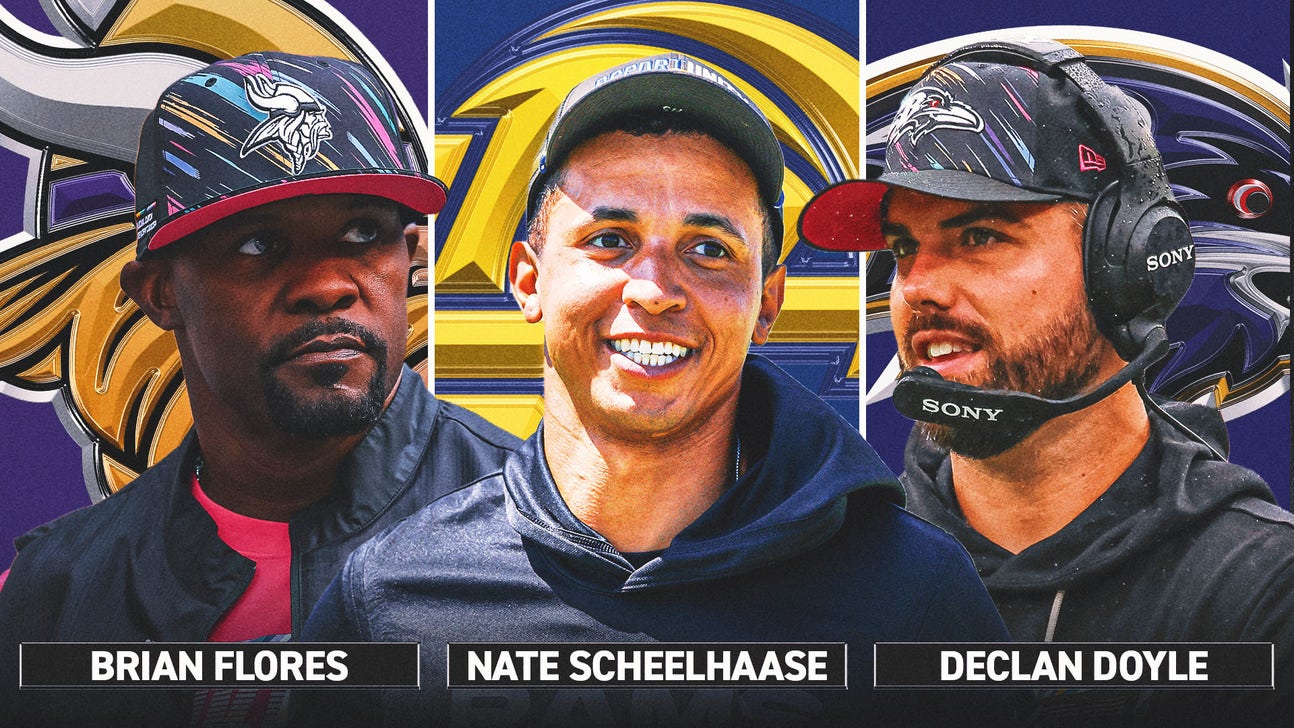
Head coaches are already firmly on the hot seat this season. These coordinators are the names to pay attention to.
There were 10 new head coaches entering this season, including a few surprising changes like Sean McDermott being out in Buffalo or John Harbaugh in Baltimore. Veterans like Todd Bowles (Buccaneers), Jim Harbaugh (Chargers) and Dan Quinn (Commanders) are potentially on thin ice after slow starts to the season. Fans will be wondering who might be the next man up to lead their team.
Who could be the coordinators who replace those head coaches on the hot seat? Here are the 10 names you need to know before the coaching carousel begins this offseason.

Why He’s A Candidate
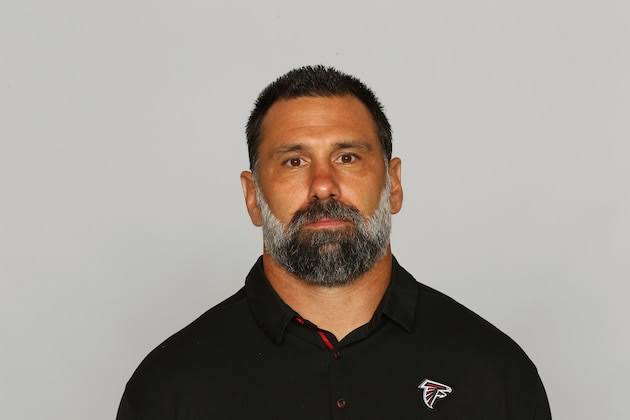
Ruiz: Ulbrich has been a fringe head-coaching candidate since serving as Jets defensive coordinator under Robert Saleh. Nothing has changed since he parted ways with his former boss, and Ulbrich has strengthened his résumé by running the Falcons’ defense. He got above-average results from a young Atlanta defense in 2025 and had the unit playing at a top-10 clip by season’s end. Atlanta pummeling Josh Allen and derailing his MVP campaign on “Thursday Night Football” was one of the season’s biggest shocks and put Ulbrich back on the head-coaching radar.
Ulbrich isn’t a flashy defensive playcaller. You won’t find exotic blitzes and fancy coverages on the Falcons’ defensive tape. But you will find a defense that’s structurally sound and always plays hard. Atlanta has punched well above its weight defensively since Ulbrich’s arrival.

After a trial-by-fire with the Jets, Jeff Ulbrich has the Falcons playing structurally sound defense. (Photo by Perry Knotts/Getty Images)
–>
What We’re Hearing
Vacchiano: “I’ve always wondered why he doesn’t get more play [in head coaching hiring cycles]. His defenses are always tough, and his players really respond to him,” an NFL executive told me. “I mean, what he did with the Jets [as defensive coordinator from 2021-24], when the offense gave them no help at all, was a miracle. I know Robert Saleh gets credit for that, but it was really Ulbrich leading them.
“And don’t discount what he did as interim [head coach for the Jets in 2024] either. That team was a mess. The whole organization was dysfunctional. And he kept a team with a lot of strong personalities from completely tearing itself apart. He’s under the radar, but he’s going to be a terrific head coach someday if someone gives him a chance.”

Why He’s A Candidate
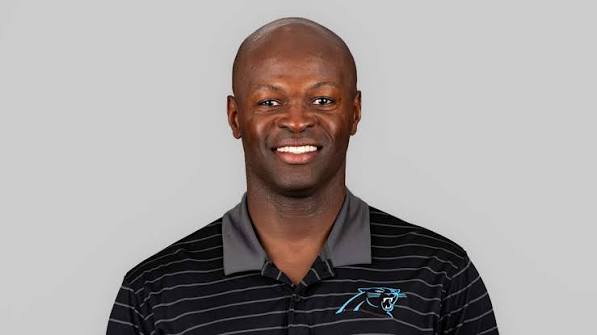
McKenna: He first burst onto the scene in 2022 in Denver when his chops with X’s and O’s started to turn heads. But the defense faltered late in the year, in part because of shaky leadership at the top from former Broncos head coach Nathaniel Hackett. That meant Evero had to find a new home, and the Panthers scooped him up. And it speaks to his impressive acumen that he has remained the DC in Carolina despite coaching turnover, working for former Panthers coach Frank Reich and current coach Dave Canales.
The numbers haven’t been pretty for a substantial portion of Evero’s time in Carolina, because the defensive personnel has been … quite bad. But GM Dan Morgan has invested in that side of the ball, and the Panthers have bona fide stars in cornerback Jaycee Horn and defensive lineman Derrick Brown. They also seem to have a few newcomers on the rise, from linebacker Devin Lloyd to edge Jaelan Phillips. Phillips and Horn are dealing with injuries.
But this group could ascend quickly — and help the Panthers make the playoffs. If/when that happens, Evero will get the respect that’s overdue.

Ejiro Evero has an up-and-coming defense in Carolina, which makes him an up-and-coming head coaching candidate. (Photo by Jared C. Tilton/Getty Images)
–>
What We’re Hearing
Williams: Considered a head-coaching candidate since his time with the Rams under McVay, where he rose from safeties coach to passing game coordinator, Evero has coached a top-10 defense two times over the past five years as a DC. The 45-year-old remains an up-and-coming head coaching candidate. Evero interviewed for vacancies with the Falcons, Steelers and Raiders during the last hiring cycle.
“He is a smart, strong leader respected by the team and carries himself like an alpha,” one league personnel executive, who worked in the same building as Evero, told me.

Why He’s A Candidate
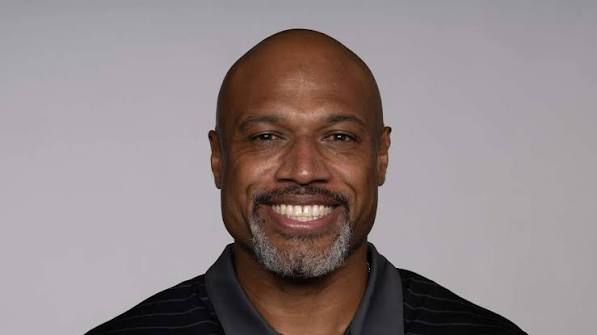
McKenna: The more you look at Weaver’s work with the Dolphins, the more you’ll see that he achieved something special. We’re seeing former Miami head coach Mike McDaniel’s reputation dissolve with every interception and sack from Justin Herbert. So if you look back, you’ll have even more respect for how Weaver quietly produced a strong Miami defense in 2024. It’s even more impressive considering he took over after the strange exit by Vic Fangio, who was Miami’s DC in 2023.
And so that informs the Ravens’ defensive success. It’s an aging unit — not unlike the rest of the roster. But he (and defensive-minded head coach Jesse Minter) are getting the most out of the players. If Baltimore’s defense keeps getting better as the year goes on, Weaver should graduate to his first head coaching job.

After a stint in Miami, Anthony Weaver is continuing the tradition of strong Ravens defenses. (Photo by Kevin C. Cox/Getty Images)
–>
What We’re Hearing
Vacchiano: “What I hear over and over about him is ‘leader of men,’” an NFL assistant GM told me. “I know it’s an overused cliché, but he comes across as powerful and in charge. I’ve heard that from a bunch of teams that interviewed him in recent years. That can matter almost as much as strategy. And he’s good at that part, too. But when he’s in front of a room, his players listen. And they believe.”

Why He’s A Candidate
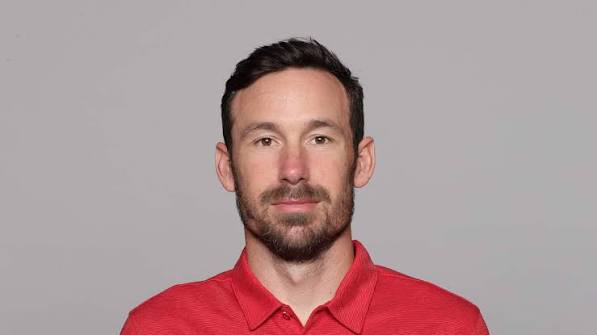
Ruiz: It’s easy to write off Klay Kubiak as just another Kyle Shanahan assistant. Having taken his first pro coaching job in 2021, he doesn’t have a long NFL track record. He’s never called plays above the high school level. And with Shanahan calling plays for the 49ers, it’s unclear exactly what Kubiak’s job entails as offensive coordinator. But the 49ers offense has taken massive steps forward since Kubiak took over the job in 2025. Shanahan’s run game is more diverse than ever, and the pre-snap motion and player usage have been more creative over the past two seasons.
Even if Kubiak isn’t relaying the plays to QB Brock Purdy, he deserves some credit for this recent glow-up. The offense looks like a machine in Kubiak’s second season as the coordinator. And don’t sleep on his Year 1 work, when he helped the offense stay afloat despite numerous injuries, including a high-ankle sprain that knocked Purdy out for seven weeks.

Will 49ers OC Klay Kubiak become the next Kubiak to become an NFL head coach? (Photo by Steph Chambers/Getty Images)
–>
What We’re Hearing
Williams: The younger brother of Las Vegas Raiders head coach Klint Kubiak and son of former longtime NFL head coach Gary Kubiak, Klay is a former high school teacher and head coach who steadily ascended from defensive quality control assistant to offensive coordinator during his six years with the 49ers.
“Klay is one of the best coaches I’ve ever been around,” former San Francisco quarterbacks coach Brian Griese told me. “He has a lot of his dad in him — really smart and able to communicate well. He was a teacher, so you have someone who has character and values that he lives every single day, and the players can see he genuinely cares about them. And he has the acumen and the mind to really execute and innovate and be ahead of other coaches on the defensive side.”

Why He’s A Candidate
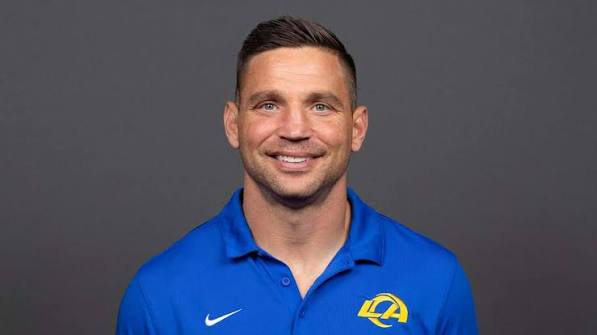
McKenna: Look at the way Shula had the Rams — without Aaron Donald or Myles Garrett — punishing Eagles QB Jalen Hurts on third down in Week 4. Look at the way Shula had the Rams deceiving Bo Nix in Week 3 to the point where the Broncos QB looked lost — throwing five turnover-worthy passes, even if the Rams only secured one (and errantly got a DPI on the other).
Shula has put together some of the more dominant defensive game plans in the NFL over the past two years. That’s no doubt partially because of all the talent he’s had. And given all that talent, Shula’s defenses should probably be a little bit more consistent. But he has demonstrated the acumen and upside that teams will want in a defensive coach.

Rams defensive coordinator Chris Shula has the legacy and the connections and is now working on the experience needed to become an NFL head coach. (Photo by Steph Chambers/Getty Images)
–>
What We’re Hearing
Williams: The grandson of the winningest head coach in NFL history in Don Shula, Chris Shula brings a legacy of coaching to the job. He’s coached with good friend and former Miami of Ohio teammate Sean McVay for the past decade, so he’s learned how to build a culture from one of the best. Shula also cut his teeth learning from the likes of Wade Phillips, Raheem Morris and Brandon Staley, so he brings with him a diversity of defensive schemes that he can implement.
“He has been on some good staffs at different levels and certainly has been successful with the Rams,” a scout who worked in the same building as Shula told me. “But I’ve seen young coaches become head coaches too soon, just from the depth of life and football experience, which is usually a precursor for success as a head coach. But Chris always seemed like a squared-away dude when I knew him.”
Why He’s A Candidate
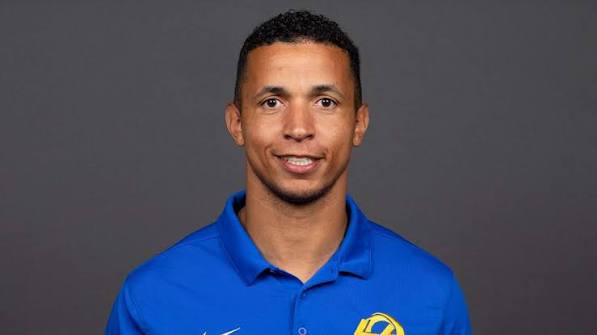
Ruiz: Anyone in Sean McVay’s orbit is going to get interest during the hiring cycle. After just two years on the Rams’ staff, Scheelhaase earned three interviews for head coaching gigs last offseason, and it feels like a matter of time before he lands a head job after being promoted to McVay’s offensive coordinator.
Scheelhaase is a smart, diligent coach by all accounts, but with just a year of college playcalling experience, it’s unclear what he’ll bring to a team as an offensive mind. Will he even call plays? If so, will he be any good at it? That never stopped teams from hiring offensive coordinators away from McVay’s staff. Kevin O’Connell got the Vikings’ job with no playcalling experience. The same goes for Zac Taylor in Cincinnati. Liam Coen and Matt LaFleur had to leave McVay’s nest to call plays elsewhere, but both proved qualified when they got their chance to lead a team.
Hiring McVay’s assistants has been a trend for nearly a decade, and teams that jumped on it seem happy with the decision. O’Connell, LaFleur, Coen and Zac Taylor are all still employed. Even if “proximity to McVay” is Scheelhaase’s only notable qualification, that could be enough for coach-needy teams.

Rams offensive coordinator Nate Scheelhaase is the latest member of Sean McVay’s staff to be in demand around the NFL. (Photo by Katelyn Mulcahy/Getty Images)
–>
What We’re Hearing
Williams: League sources I spoke with said Scheelhaase interviewed well during the last head coaching cycle. I wrote a profile on Scheelhaase at the start of the regular season, and the head coaches he worked for in college and the pros spoke glowingly of his work ethic and ability to connect with players.
“He’s got great organizational skills, great communication skills,” Rams head coach Sean McVay told me. “He shows great leadership to be able to bring people together. He’s got a great capacity for the game, and he’s continuing to learn the foundation of some of the things we’ve been doing. But he’s been awesome. I’ve been really pleased with the job he’s done.”

Why He’s A Candidate
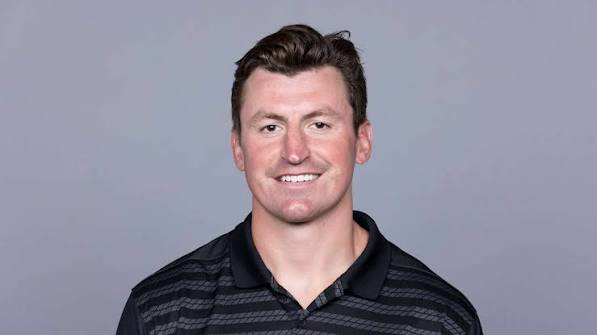
McKenna: Ever since Liam Coen arrived, Trevor Lawrence has elevated into the player we thought he’d be: a top-tier and (most importantly) consistent QB. Quietly, behind the scenes, the 30-year-old Udinski has watched and learned. But it’s not a passive gig for him. He has also participated heavily in the quarterback’s progress.
Maybe he hasn’t made the move that Doyle made — jumping laterally to a different OC job to take over playcalling — but that doesn’t mean Udinski isn’t turning heads. Last interview season, he impressed people around the league. And with the Jaguars off to an even crisper start on offense, there’s so much to like about Udinski’s candidacy in a league that was — last year at least — starved for young offensive minds.
Ultimately, Udinski’s candidacy will be based on Lawrence’s performance and upward trajectory. If that holds, he’ll likely be a head coach in 2027.

Jaguars offensive coordinator Grant Udinski has helped to turn Trevor Lawrence into a top-tier quarterback. (Photo by Logan Bowles/Getty Images)
–>
What We’re Hearing
“He’s really young — like Sean McVay young when he was hired. There’s no doubt he’s a rising star, and everyone is always looking for the next McVay,” an NFL assistant GM told me. “But I think he’s going to need to get a little more experience. He might need to get away from Jacksonville, too. It might be hard for some to get past the perception that Liam Coen is the brains down there. Maybe that’s unfair, but it’s also why he might need to succeed somewhere else first.”
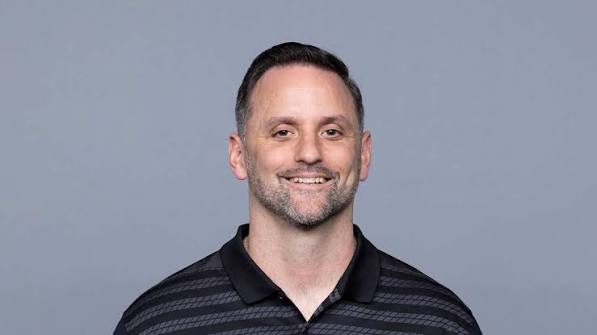
Why He’s A Candidate
Ruiz: Watch Anthony Campanile run one team meeting, and you’ll get it. The guy can fire up a room. And he’s much more than some rah-rah meathead. The dude knows ball. You can see it in the design of the Jaguars’ defense. It checks all the boxes for a modern scheme. Jacksonville stops the run without sacrificing coverage. On obvious passing downs, Campanile has several pitches to throw at an opposing quarterback. He’ll play man, he’ll play safe zones, he’ll send overload blitzes and simulated pressures. It is not easy to prepare for.
More importantly, Campanile has gotten results wherever he’s been. He was hired as Packers run game coordinator in 2024 and immediately fixed Green Bay’s run defense, which finished third in yards per attempt. Liam Coen brought him to Jacksonville in 2025, and the Jaguars’ defense went from one of the league’s worst units to an above-average outfit. The results have been even better in 2026. Consistent, linear improvement is a sign of good coaching.

Anthony Campanile has the Jaguars at the top pf the league in rushing defense. (Photo by James Gilbert/Getty Images)
–>
What We’re Hearing
Vacchiano: “I hate going up against his defenses,” an NFL offensive assistant coach told me. “They’re hard to predict. He’s coached under Vic Fangio and Brian Flores and you can see the influence from both of them. And he’s great at adjusting based on what he thinks you’re going to do. The way they’re playing, a lot of NFL teams will take notice.”
“Still a little light on experience, but you can’t argue with the job he’s done with that Jacksonville defense,” an NFL executive told me. “And it’s only a matter of time before the NFL starts picking apart that staff. His defenses are unpredictable, and his players play for him. I’d want to see more, but he’s going to get a lot of interviews.”
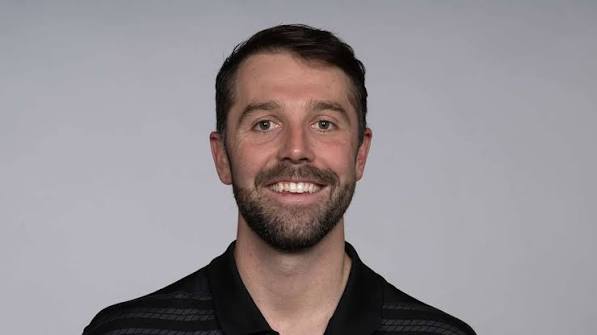
Why He’s A Candidate
Henry McKenna: As a case study for how Doyle has been one step ahead of defenses all year,look at his usage of receiver Zay Flowers. The 30-year-old first-year Ravens OC has conceived of seemingly endless concepts to get Flowers open on the same crossing route. Doyle just has a way of putting elaborate window dressing on simple plays — and the flourish and sleight-of-hand have made the Ravens extremely successful.
Doyle’s influences include Ben Johnson in Chicago and Sean Payton in both New Orleans and Denver. He spent a few years as a tight ends coach before jumping into an offensive coordinator role in 2025 with the Bears. He then followed Ravens coach Jesse Minter to Baltimore in order to get a playcalling job on top of his OC duties. And it has been a smart move for Doyle to step away from Johnson’s shadow. Neither of them seem to be suffering.

Before getting his first shot to call plays, Ravens offensive coordinator Declan Doyle learned from Ben Johnson with the Bears and Sean Payton with the Saints and Broncos. (Photo by Scott Taetsch/Getty Images)
–>
What We’re Hearing
Ralph Vacchiano: “We love the hot offensive coach in this league, so he’ll get a [head-coaching] job eventually,” an NFL executive told me. “Maybe soon. But [next year] might be a little too quick. Let’s be honest, it was Ben Johnson running the [Bears’] offense last year, not [Doyle]. I’m not diminishing what he did. But let’s see him on his own for a couple of years first.
“That said, I can see why so many wanted him as offensive coordinator. He learned from one of the best, and he’s obviously got a great offensive mind. But let’s give him a little time to develop into a leader.”
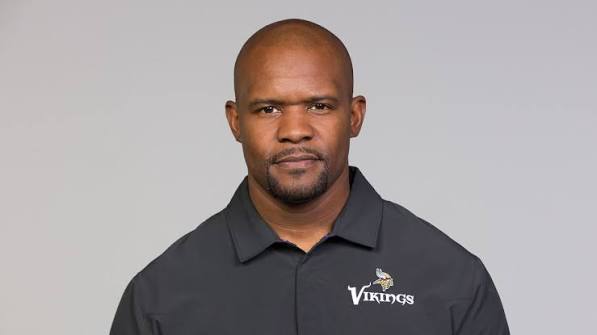

Why He’s A Candidate
Steven Ruiz: No defensive coordinator has done more with less since Flores started calling plays for the Vikings in 2023. Minnesota finished in the top seven in points allowed in 2024 and 2025, and it’s leading the league this season. Flores has accomplished that feat with just one All-Pro player (Danielle Hunter in 2023) and two Pro Bowlers (Andrew Van Ginkel and Jonathan Grennard in 2024). And as the roster continues to churn — Hunter and Greenard have both been replaced with younger, cheaper players — the results just keep on improving.
If Flores’ defense isn’t the best in the NFL, it’s certainly the most feared. It’s a nightmare for quarterbacks, who face incessant blitzing from every angle. It’s controlled chaos. Flores isn’t just sending the house recklessly. He has a strong handle on opponents’ protection plans and always finds the weak points.
There are no questions about Flores’ X’s and O’s. He’s one of the league’s top defensive minds, but that’s just one part of the job. After Flores clashed with several Dolphins players as Miami head coach from 2019-21, including first-round quarterback Tua Tagovailoa, questions remain about his ability to lead a locker room.
Flores has said all the right things since his failed stint in Miami. He’s talked about evolving his teaching methods, and players in Minnesota, where he essentially acts as a second head coach under Kevin O’Connell, go to bat for him. When I visited Vikings camp last summer, several veteran players told me they came to Minnesota specifically to play for Flores. The players rave about his coaching style as much as his scheme.

Vikings defensive coordinator Brian Flores’ attacking scheme is a nightmare for opponents and a pleasure for Minnesota defenders. (Photo by Elizabeth Flores/The Minnesota Star Tribune via Getty Images)
–>
What We’re Hearing
Eric D. Williams: Arguably the top defensive coordinator in the league, Flores won more games than he lost in two of his three seasons as head coach of the Dolphins.
“Not only will he have an opportunity, but he will also be much more selective this time,” a league source told me. “He knows what exactly he is looking for. And he has already been a head coach, so being a head coach is not his dream job like it is for other coaches who have never been one before.”
Flores might already be a head coach if not for his ongoing systemic racial discrimination litigation with the league. And according to sources I spoke with, he has softened his abrasive approach to leading a team from his time in South Beach.
“He is one of the most thoughtful and creative coaches I have ever been around,” a longtime personnel man who worked in the building with Flores told me. “He deserves a second chance. He learned from his past, but owners are holding his lawsuit against him in my opinion.”
Source





 CFB Related Stories

 Get more from the College Football Follow your favorites to get information about games, news and more [–>


 How Will This Impact Future Of Commanders?

 Get more from the Major League Baseball Follow your favorites to get information about games, news and more [–>
 Hill’s Pick: Under 40.5





