
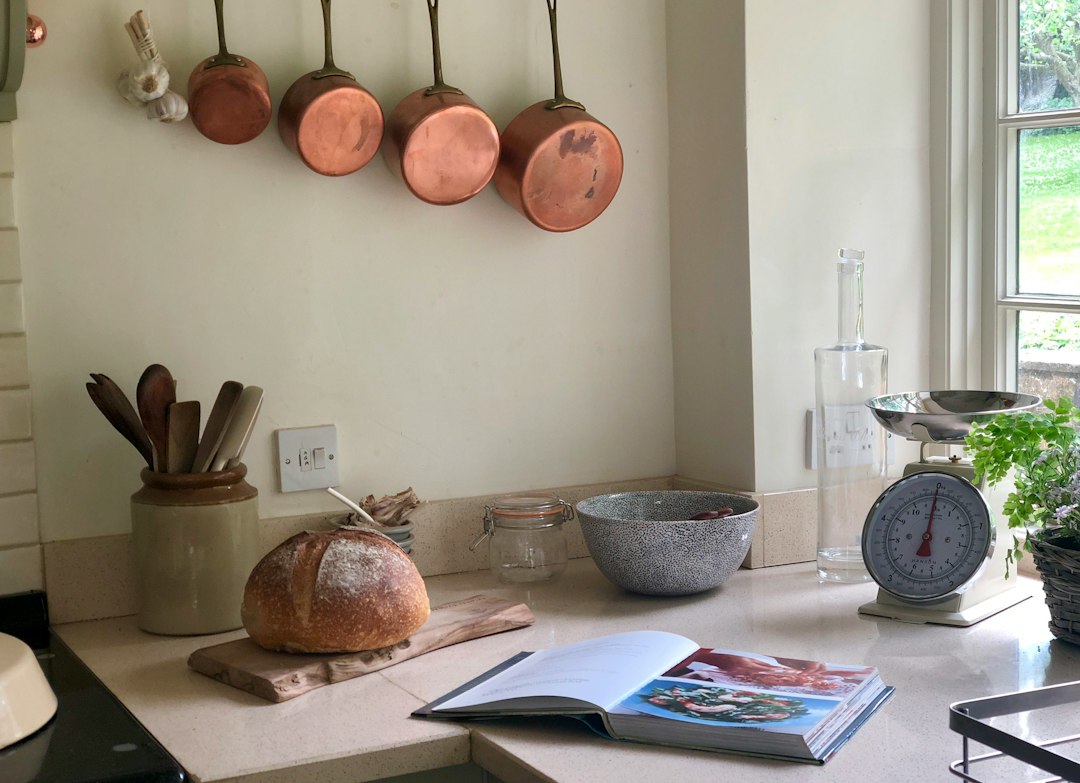
Baking fresh bread at home is a rewarding experience that combines basic ingredients with simple techniques. While starting out can seem intimidating, understanding the core fundamentals allows anyone to create delicious loaves right in their own kitchen.
Understanding the Essential Ingredients
Every traditional loaf relies on a few fundamental components: flour, water, yeast, and salt. Flour provides the structure through gluten development, while yeast acts as the leavening agent that creates air pockets inside the dough. Salt plays a crucial role not only in enhancing flavor but also in controlling yeast activity and strengthening the dough network. Maintaining the right balance among these basic elements creates the foundation for successful baking.
Kneading and Fermentation
Proper handling during kneading helps build the elastic structure needed for bread to rise evenly. Kneading aligns the gluten proteins, creating a smooth and stretchable dough. After kneading, allowing the dough to proof in a warm, draft-free environment gives the yeast time to ferment. This fermentation process develops rich flavors and creates the internal texture of the bread. Giving your dough adequate time to rise is one of the most important factors in achieving a great loaf.
Baking for Texture and Crust
The final stage requires heat to set the structure and form a rich, flavorful crust. Steam during the initial minutes of baking helps the loaf expand fully before the outer surface sets. As the bread finishes baking, the crust turns golden and crisp while the interior cooks through completely.
Mastering homemade bread is a journey of practice and observation. By paying attention to how your dough feels and reacts at each step, you can consistently bake satisfying, fresh loaves at home.
Leave a Reply