Posted on

What Happened To Samsung Edge Displays?

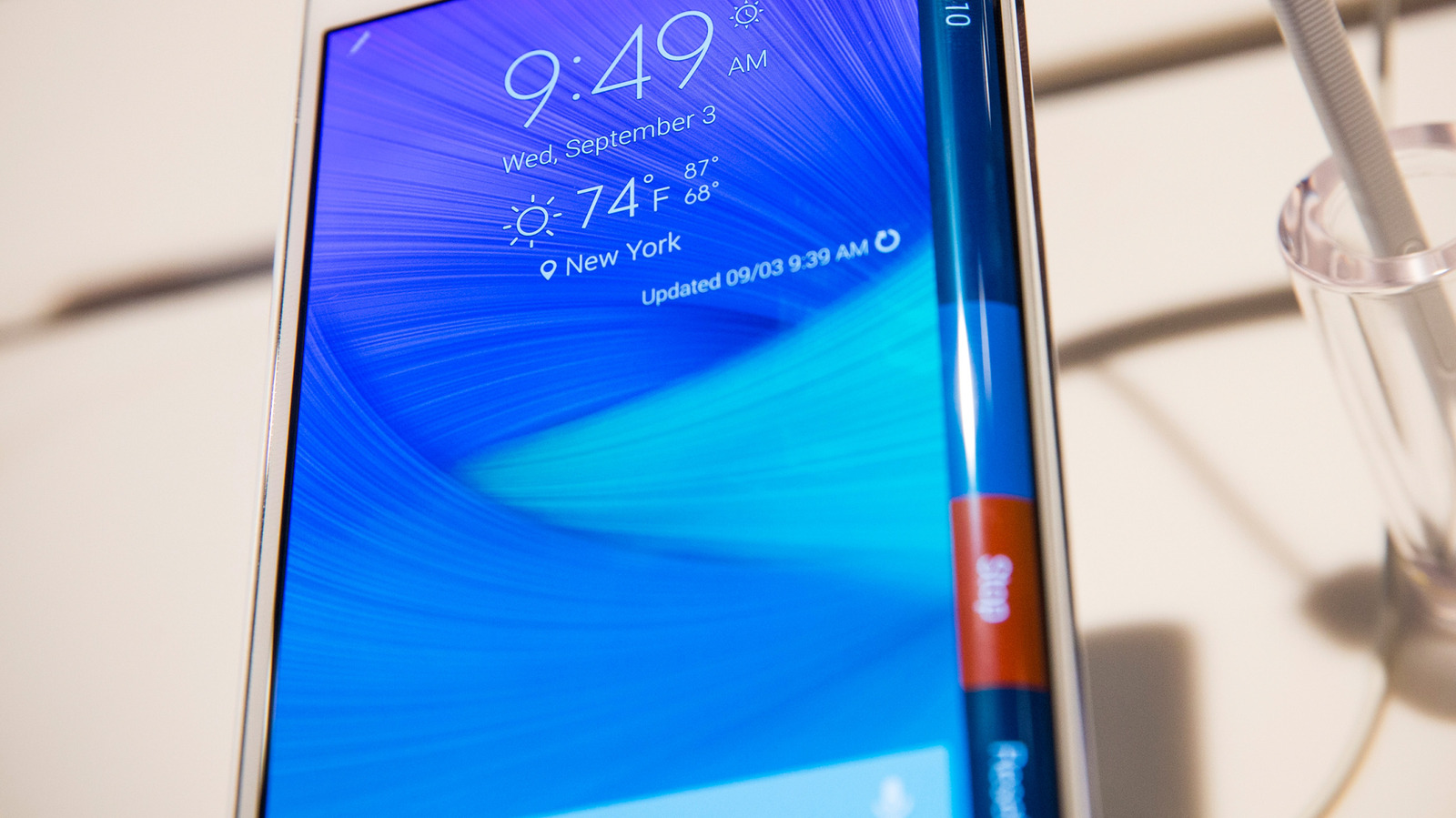
A Samsung edge screen Andrew Burton/Getty Images

The Edge Display from Samsung was one of the defining features of its flagship phones during the mid-2010s. A small slope off to the side gave this illusion of the content on the phone running (literally) edge-to-edge. However, the design and added risk for damage, along with the cost of the Galaxy Edge line, have driven buyers away.

By October 2025, the fad seemed to have run its course, with South Korean outlet NewsPim reporting that Samsung was planning to discontinue the line. The move appears to be due to low sales of its latest Edge-branded phone, the S25 Edge, which was also said to have had its production cut. With that news, it’s expected that Samsung will completely do away with its rounded screens altogether, which some users may have already noticed were being phased out.

In fact, the last phone that Samsung produced with an edge (curved) screen was the Galaxy S23 Ultra. Even then, it wasn’t as pronounced, with it looking flatter than others in the roster. When the brand returned with the Samsung Galaxy S25 Edge, it no longer featured the rounded screen whatsoever. Instead, it was an iPhone 17 Air competitor, with the Edge in the name denoting its thinness.

Samsung Edge displays get sunsetted

A Samsung Galaxy S7 Edge Poravute/Getty Images

Samsung’s Edge displays were cool in concept. Having additional space on the screen for widgets or other icons to easily access apps was super handy. The issue with them mostly came down to the fact that it was a sticking point for those with butterfingers or those who wanted extra protection for their phone.

With the rounded screen sloping down, normal cases couldn’t be used. Official and unofficial cases or slipcovers featured a much thinner holster for the phone, so that users could access the full screen, including the edges. It also became even more apparent with each iteration of the concept that the Edge display wasn’t as popular as Samsung had hoped.

The idea of a rounded screen hasn’t completely died off, though. Motorola has begun using its own version of the edge concept on some of its phones. The Motorola Edge 60 Pro, which was released in April, 2025, features that original Samsung edge-to-edge concept, but at a lower price point, much like the Moto G Power from 2026. The follow-up model, the Motorola Edge 70 Pro, launched in April 2026, retaining the edge display for anyone still pining for a couple of millimeters of extra screen real estate.

Source

Posted on

Amazon Users Call This Warming $90 Gadget A ‘Life Changer’

Keenray towel warmer buckets in a bathroom Keenray/Amazon

We may receive a commission on purchases made from links.

There are plenty of bathroom gadgets that can be surprisingly useful. For instance, water leak sensors help you detect unwanted drips that drive up your water bill, while smart mirrors help ensure you look good and stay on top of your daily agenda at the same time. But for a “life-changing” bathroom gadget that brings a touch of luxury to your shower routine, there is the Keenray Towel Warmer Bucket. 

From the outside, it just looks like a fancy container, but on the inside, it works to warm up your clothing and linens in six minutes or so. This should be more than enough time to get your towel toasty and ready for when you get out of the shower. It has earned 4.5 stars from over 6,000 reviewers on Amazon, many of whom are saying that the device looks great and improves their showers, especially in the winter. As of this writing, Keenray’s warmer bucket is on sale for $90.

Give your bathroom a warm, spa-like vibe

Towel warmers are a great little luxury gadget to buy on Amazon, and the Keenray unit is designed to add spa-like vibes to your home by warming your clothing and linens. It has a 20-liter capacity, making it large enough to accommodate oversized towels, blankets, and bathrobes. If you’d like some warm pajamas before bed, you can throw those in there too. Once turned on via the push button, it heats your items for up to an hour before automatically shutting off. 

Keenray notes to only use cotton or cotton blend fabrics and avoid chemical fiber materials or dropping in wet items. The container has a white finish with wood-tone accents, so it should fit nicely into most home aesthetics. It also features a fragrance disc within the lid to help with odors. 

Amazon users praise the Keenray towel warmer for its practicality and nearly 80% have rated it five stars. One user said that it was a “life-changer” at home as it makes wearing a robe after a shower and curling up in bed with a blanket feel more luxurious with warm pieces. Another user mentioned that the large capacity easily handles towels for their family of five. 

Source

Posted on

Shut Down Vs. Sleep: Which Is Better For Your MacBook?

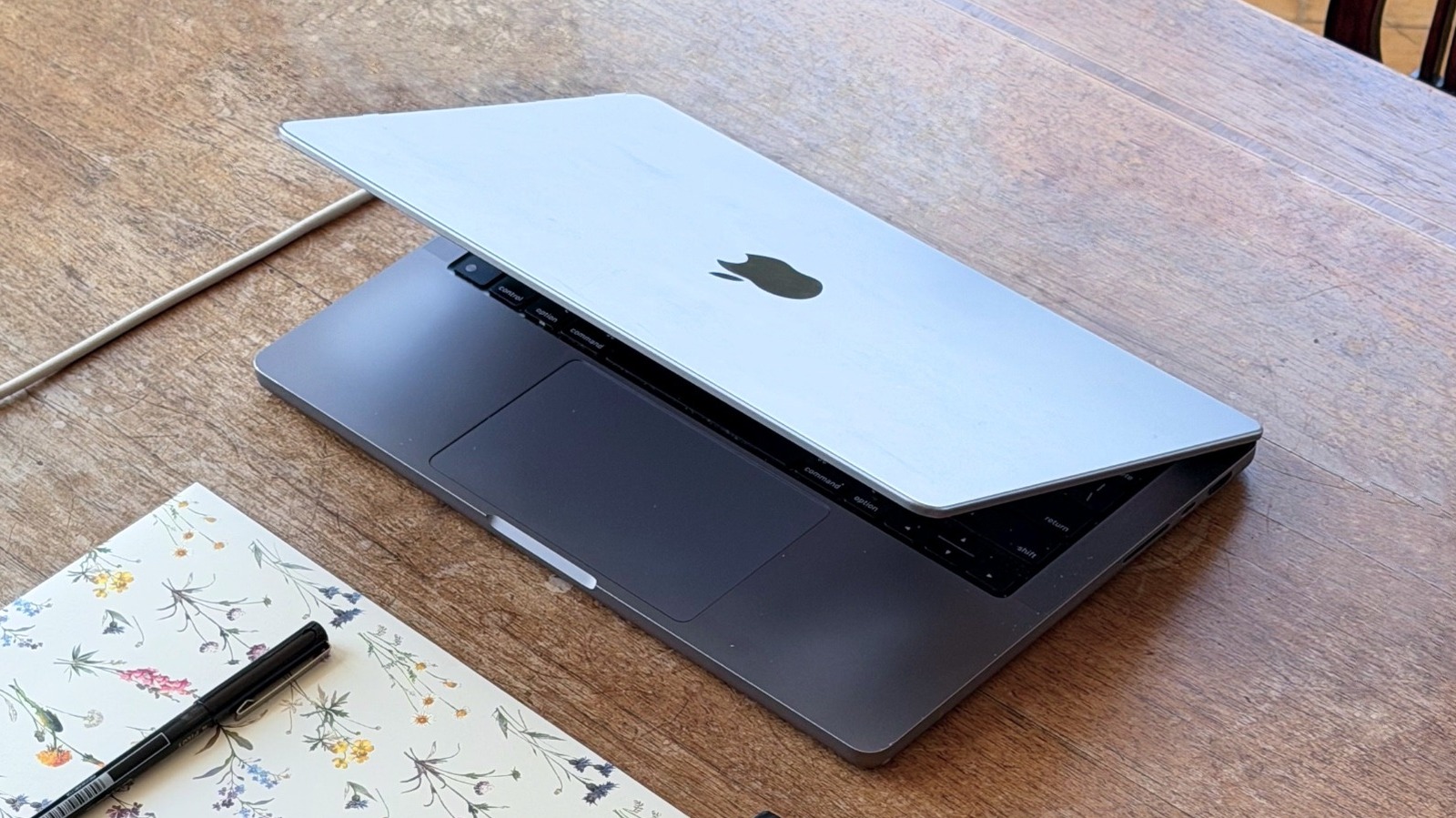
A MacBook Pro half closed on a desk alongside some flowery paper and a pen José Adorno/BGR

Modern computers are so power efficient and effective at handling tasks in the background that there’s no need to shut down your MacBook when you stop using it. This is not just a tip for MacBook users, but also for Windows laptop owners. While it’s been more than a decade since I last used a Windows laptop, I was surprised to discover from long-time Windows users that the same applies to these computers. If you’re away from your MacBook for a few hours or even overnight, there’s no need to shut down the computer.

For example, whenever I finish working, I just close my MacBook lid, so it’s ready to go the next morning. By Friday afternoon, I actively shut down the computer because I’ll stay the weekend away from the computer. It’s not recommended for Intel MacBook owners to leave their Macs switched on for extended periods, as apps can clog up RAM and worsen performance. Fortunately, this is not an issue present on Apple silicon Macs. It is important to reboot your computer every now and again to install updates for new macOS features, and to give it a fresh start after a little break.

Putting your Mac into sleep mode is usually the best option

A MacBook Pro on a table with its lid open. There are a few book and remote controls around it. José Adorno/BGR

Have you ever questioned why the M4 Mac mini has the power button on the bottom, making it harder to keep switch it on and off? Senior Vice President of Marketing Greg Joswiak says he can’t recall the last time he shut down his Mac, which indicates that they are made to keep running nonstop. Apple relocated the power button on the Mac mini because putting the computer in sleep mode is more than enough, and the same is true for MacBooks. These machines are very power-efficient; they don’t consume a lot of battery in idle mode, and Apple silicon machines can instantly power on whenever you open the lid.

Turning your Mac off is also not an issue. But as these newer processors can boot instantly, the debate between shutting down and sleep mode is largely a matter of user preference. Shutting down your MacBook makes the system reboot everything, while just putting the laptop to sleep will let you catch up from where you last stopped. That said, there’s no correct way to use your MacBook, you can do whatever is more convenient. Apple suggests that keeping your device on all the time is not an issue.

How to put your MacBook in sleep mode or shut it down

A close-up on the USB-C ports of the new MacBook Neo Christian de Looper/BGR

Putting your MacBook to sleep is as simple as closing the lid. Or if you leave your Mac a while without using it, the machine automatically enters sleep mode. Users can tweak the amount of time for the Mac to enter sleep mode by going through Settings > Lock Screen > Turn display off on battery when inactive, and select the period. Another option to instantly put your Mac into sleep is pressing the Apple logo on the left upper corner, and selecting Sleep.

To shut down your Mac, you need to click on the Apple logo in the upper left corner, and select Shut Down. MacBooks automatically turn on when you open the lid or if you press the Touch ID button in the upper-right corner of your keyboard. For desktop Macs, you need to press the power button, or the Touch ID button on an Apple keyboard.

If you keep your Mac into sleep mode overnight or less than a day, you can also instantly unlock it with your Apple Watch or Touch ID. If you shut your Mac down, then you need to type once again the password to activate the Touch ID button on your keyboard.

Source

Posted on

5 Switch 2 Accessory Brands That Can Compete With Nintendo

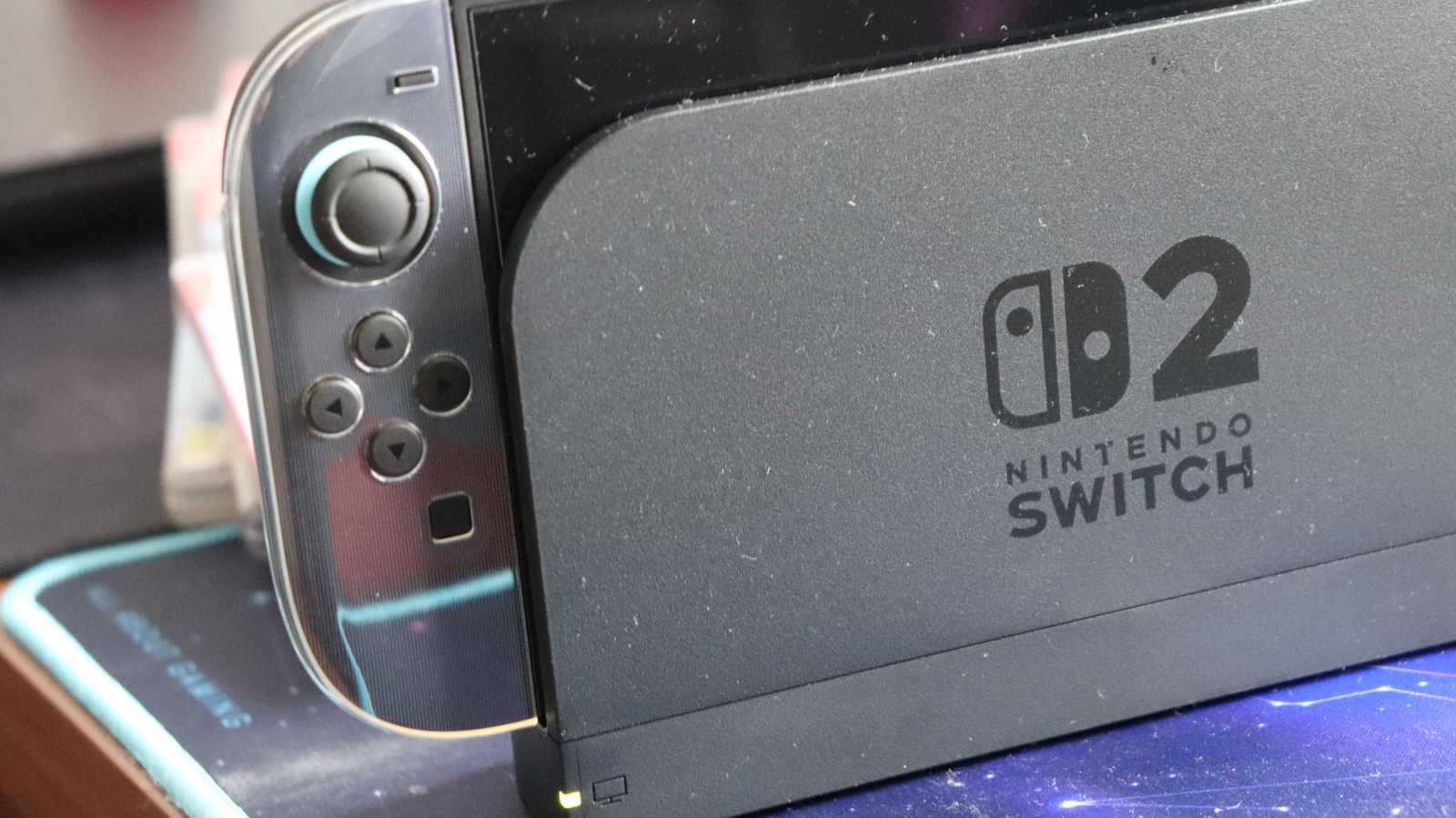
A Nintendo Switch 2 in its dock. laur2321/Shutterstock

We may receive a commission on purchases made from links.

The Nintendo Switch 2 improves on the original in numerous ways. It’s more powerful, its screen is bigger and more vibrant, and it supports mouse controls. However, these advancements come at a high cost, and that doesn’t just mean a reduced battery life. The Switch 2 costs almost $500, whereas additional Joy-Cons and Pro Controller require close to an additional $100 each. To be blunt, the Switch 2’s official accessories are overpriced, but they are quality products.

However, if you know where to look, you can purchase third-party alternatives that match (and occasionally surpass) Nintendo-branded gadgets. Sure, third-party controllers don’t have NFC readers, so if you want to scan your amiibo, you will have to break out the Joy-Cons that came with the console. But that sacrifice is often worthwhile thanks to significantly lower price points and arguably superior thumbstick precision.

And that’s to say nothing of the accessories that fill niches Nintendo ignores to its detriment — if you own more than two Joy-Cons, you can only charge them one pair at a time unless you buy a third-party accessory. So you have to keep an eye out for quality third-party brands that can hold their own against products that bear Nintendo’s Quality Seal of Approval.

8BitDo

Third-party controllers for the Switch 2 make a ton of compromises. They don’t include features such as HD rumble or NFC scanning, but these peripherals make up for it in other departments. While plenty of companies sell controllers for the Switch, one of the best is 8BitDo. 8BitDo manufactures third-party controllers for all modern gaming platforms, including the Switch and Switch 2. The majority of its products are compatible with most consoles thanks to their reliance on a wired connection and 2.4 GHz dongles, though some can switch to Bluetooth connections.

However, you can tell a controller was made with the Switch/Switch 2 in mind because its face buttons follow the Switch’s layout (the A and B buttons are reversed). Many of 8BitDo’s offerings offer smoother controls when compared to Switch 2 peripherals. While Switch 2 thumbsticks use potentiometers, modern 8BitDo controllers utilize Hall Effect and Tunneling Magneto Resistance (TMR) technology – Hall Effect and TMR thumbsticks are more precise and less prone to stick drift.

Also, many 8BitDo controllers use polling rates that shoot past those of stock controllers, which is perfect for games where twitch-based reaction speed can mean the difference between victory and defeat. You might have to spend around $60 or $70 through retailers such as Amazon, but that is still cheaper than a Switch 2 Pro controller, and according to users, you will probably love its solid, ergonomic grip and smooth TMR joysticks.

PowerA

Wired and wireless controllers make up the meat and potatoes of PowerA’s library. Like 8BitDo’s offerings, PowerA’s Switch 2 controllers include Hall Effect joysticks for superior precision, but they also pack in a feature that most third-party accessories lack: a dedicated GameChat button. Plus, unlike Switch 2 Pro controllers, you have plenty of styles to choose from, including classic Nintendo characters like Kirby and Mario.

Amazon users praise PowerA controllers for their responsive and mappable buttons, and the battery life is a selling point for the wireless variant. While the wireless controllers are often $70, you can save some money by purchasing a wired version for only $40. PowerA also sells plenty of non-controller accessories that cater to audiences who prefer to take their Switch 2s on the go. These include products such as game card cases and protection cases.

While the former works with both Switch and Switch 2 cartridges, the latter is only compatible with Switch 2 consoles because of the vast difference in size. Buyers generally praise the cartridge cases for their durable construction and soft inner silicone – and they come in a variety of sizes. Owners on Amazon also heap similar praises on the Switch 2 protection cases, stating they are solid and hold cartridges reliably. However, due to their size, you can’t store the charging brick in PowerA travel cases, but that’s a minor complaint.

DBrand

While some companies produce third-party peripherals that are on par with, if not superior to, Nintendo’s own controllers, others take a different approach. If the Joy-Cons aren’t broke, why fix them? Why not just make them more comfortable? DBrand specializes in skins and protective cases for countless electronic devices, from smartphones to AirPods. And yes, that includes the Switch 2. DBrand’s Killswitch line of shells is designed for gaming on the go and has been redesigned for the Switch 2.

Users can seamlessly detach the Joy-Cons while protecting the console, making it more comfortable to hold. One of the Killswitch’s main draws is its enlarged gripping handles, which are designed to be more ergonomic and prevent carpal tunnel syndrome. The Switch 2 Killswitch is available for $59.95 through the DBrand store, and users through BestBuy claim the case makes playing the Switch 2 in handheld mode much more comfortable. Then again, that’s exactly what you should expect from the company that created one of the best Steam Deck cases out there.

DBrand also sells plenty of other peripherals, including the Joy-Lock Controller Holder. This accessory serves the same purpose as the Joy-Con Grip (Joy-Cons attach to form one controller) but has the added advantage of an adjustable hinge that lets you change the button angles to make them more comfortable. And, the holder is compatible with the DBrand’s Joy-Con grips. The Joy-Lock controller is $20 through the DBrand store ($5 less than a Joy-Con Grip).

Hori

Hori sells plenty of accessories that you won’t find through other manufacturers, some of which can be considered the best accessories for the PlayStation 5. Arguably, the most noteworthy Switch 2 accessory from Hori is the Piranha Plant Camera. It works like the Nintendo Switch 2 Camera, but it resembles the iconic Piranha Plant from the Mario games, so it adds personality to your set up. Its built-in privacy shutter works as a charming articulated mouth.

Not only is Hori’s camera cheaper, it has a clip that can attach to the top of most TVs, and you can pull out the camera’s “stalk” and plug it into the Switch 2 to chat in handheld mode. Nintendo’s own camera lacks such features. Hori also offers a wide range of carrying cases. Some of these are slim and only have enough room for a console and several cartridges, but others, such as the Puff Pouch and Adventure Pack, can also fit in the charging cable.

And then there is Hori’s answer to Nintendo’s All-In-One Carrying Case: the Compact Carry All. It’s not as rigid as the All-In-One, but it is way more affordable and can fit everything the All-In-One case can — plus a bit more. And yet the Compact Carry All remains very portable, making it a must-own for anyone who wants to take a Switch 2 on a trip.

Belkin

When you hear the name “Belkin,” you probably think about power banks, wireless phone chargers, and USB cables. In the spirit of fairness, some of these items are compatible with the Nintendo Switch 2, but it’s Belkin’s cases that deserve the spotlight here, as it sells several varieties of travel cases for the Switch 2. One is your standard shell that can carry a console and several games, but Belkin also offers two versions of the much more novel “charging case.”

Each comes with a power bank with a cable designed to charge the Switch 2 while it’s in storage; the only difference is that the Charging Case Pro has a built-in stand. Sure, so does the Switch 2, but the case’s stand lets you rest the console on a table while plugged into the battery. Even when a carrying case has enough room for a power bank (e.g., Nintendo’s All-In-One Case), it isn’t designed for charging on the go because of how all the compartments are laid out. This design flaw gives Belkin the leg up on most Switch 2 travel solutions.

Admittedly, Belkin cases run a tad on the expensive side, starting at $29.99 for the standard case and cap out at $99.99 for the Charging Case Pro. However, many buyers are willing to put up with that since they associate the Belkin name with premium quality. According to Amazon users, the charting case’s battery is perfect for long flights and trips, but it can get a tad hot when in use. If you keep the battery off your lap, it shouldn’t be a problem.

Source

Posted on

Incognito Mode Vs. VPN: Which Is Better For Your Online

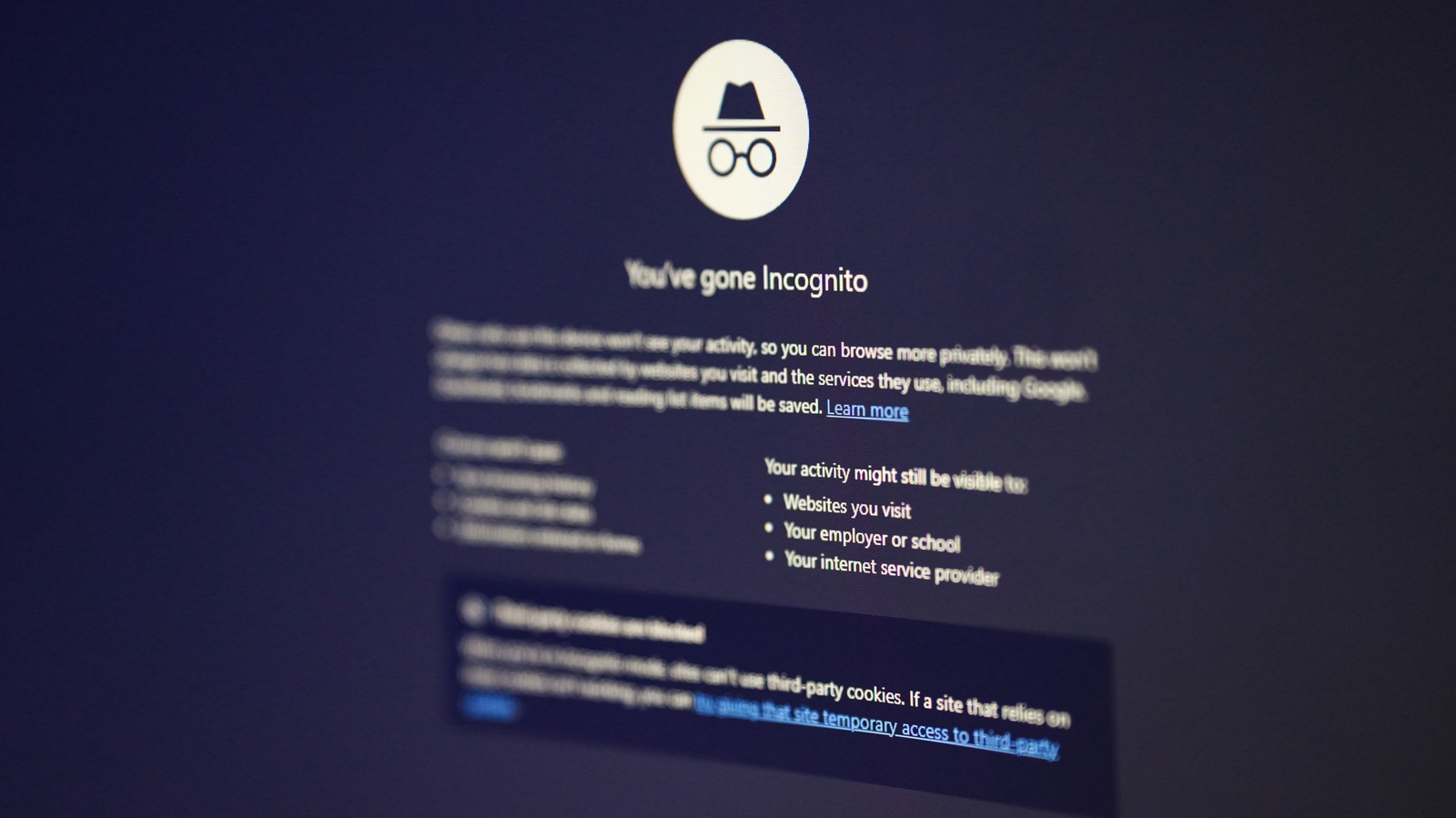
a computer screen showing the incognito mode window in Google Chrome fireFX/Shutterstock

Almost every browser these days comes with an incognito mode, although it’s often named differently. Google Chrome calls it Incognito Mode, Microsoft Edge dubs it InPrivate Browsing, and Mozilla Firefox refers to it as Private Mode. They all do the same basic job, adding a level of privacy to your browsing. But is it the same as using a VPN, or even close? The answer is a plain “No.”

Keep in mind that VPNs and incognito mode serve very different purposes, although both are marketed around privacy. Incognito mode hides your browsing history, cache, and cookies locally (i.e., from other people using the same PC), while a VPN masks your internet traffic by encrypting and routing it through servers based in another location. Myths about incognito mode being completely safe likely stem from the “Private” label it uses. But with Incognito mode, your activity is still visible to the ISP and the website. All it does is clear cookies, cache, and browsing history after the session ends.

For improved privacy and anonymity on the web, VPNs remain a popular choice. For this reason, VPN adoption has witnessed a massive rise in the last decade, especially in regions with heavy censorship. At the same time, setting up and using a VPN has become much easier. With a single click, you can quickly route your traffic through a server based in another country or continent.

VPNs offer better protection than incognito mode

person lying on a sofa holding a laptop with a VPN connection screen Andreypopov/Getty Images

A VPN does more than simply offer a higher level of privacy. First, it encrypts your traffic. That makes it nearly impossible for anyone, whether it be your ISP or a hacker trying to intercept your connection, to actually monitor your web activity. That’s why it’s recommended to use VPNs on public Wi-Fi for enhanced security. By encrypting traffic and masking the IP address, a VPN also helps you remain anonymous on the web. Your activity can’t be easily traced by websites. In an ad-driven world, a VPN also makes it harder for advertisers to serve targeted ads. For privacy-conscious users, this is another reason to use a VPN. Incognito mode, on the other hand, doesn’t offer any of these features.

Remember, while VPNs deliver a more private browsing experience, there are still some risks. Most importantly, it doesn’t protect you against browser fingerprinting, a technique that allows websites to build a profile of you using data collected from the browser. This includes information about your device, operating system, browser, and audio and media settings. And VPNs are largely ineffective against this script-based data collection. Apart from that, your choice of VPN plays a major role too. While VPNs from reputed providers are generally safe, some collect logs and even sell data to third parties. That’s why it’s recommended that you stick with top-rated VPNs. Lastly, your browsing history is still stored locally even while using a VPN, allowing anyone with system access to view it.

Using a VPN and incognito mode together is the smart approach

PC screen showing vpn settings on Windows PixieMe/Shutterstock

As we’ve established, VPNs and incognito mode serve different purposes. And for maximum privacy, it’s best to use both. This way, others using the same PC won’t see your browsing history, and the ISP and network administrators will have a harder time monitoring your traffic. For example, if you are using a shared computer in a public space, incognito mode clears your local tracks, while a VPN offers network-based privacy. Even on home computers shared between family members, this combination makes sense.

To do this, launch the VPN app, enable the connection, and then open your browser in incognito mode. If you are using a VPN extension within your browser, things get a little tricky because extensions are disabled by default in incognito mode. But you can easily enable one. To do that, simply head to your browser’s extensions page, click on “Details” under the VPN, then enable the “Allow in Incognito” option (or similar).

All that said, the smartest approach for maximum privacy is to practice cyber hygiene. This includes keeping your system and software up-to-date, avoiding sharing personal information online, securing the router and network, and not downloading files from unknown sources. By doing all of this, your web experience will be far more private and secure.

Source

Posted on

This $700 Laptop Is Consumer Reports’ Top Budget Pick

We may receive a commission on purchases made from links.

Gadget prices are rising in 2026, all thanks to the AI-fueled memory shortage that’s driving up the price of key components used in consumer electronics. Fortunately, even in challenging times like these, there are still some gadgets that sell at attractive prices and fit the bill for anyone shopping on a tight budget. The only problem is that finding such well-priced products that are worth buying is typically challenging. However, Consumer Reports has a panel of experts who review products and rate them to help you make the best purchasing decisions when you’re in the market for a new gadget. The site’s experts have ratings for over 180 laptops so far, and roughly 20 Chromebooks, so when they recommend a model as worth buying, you should definitely check it out. 

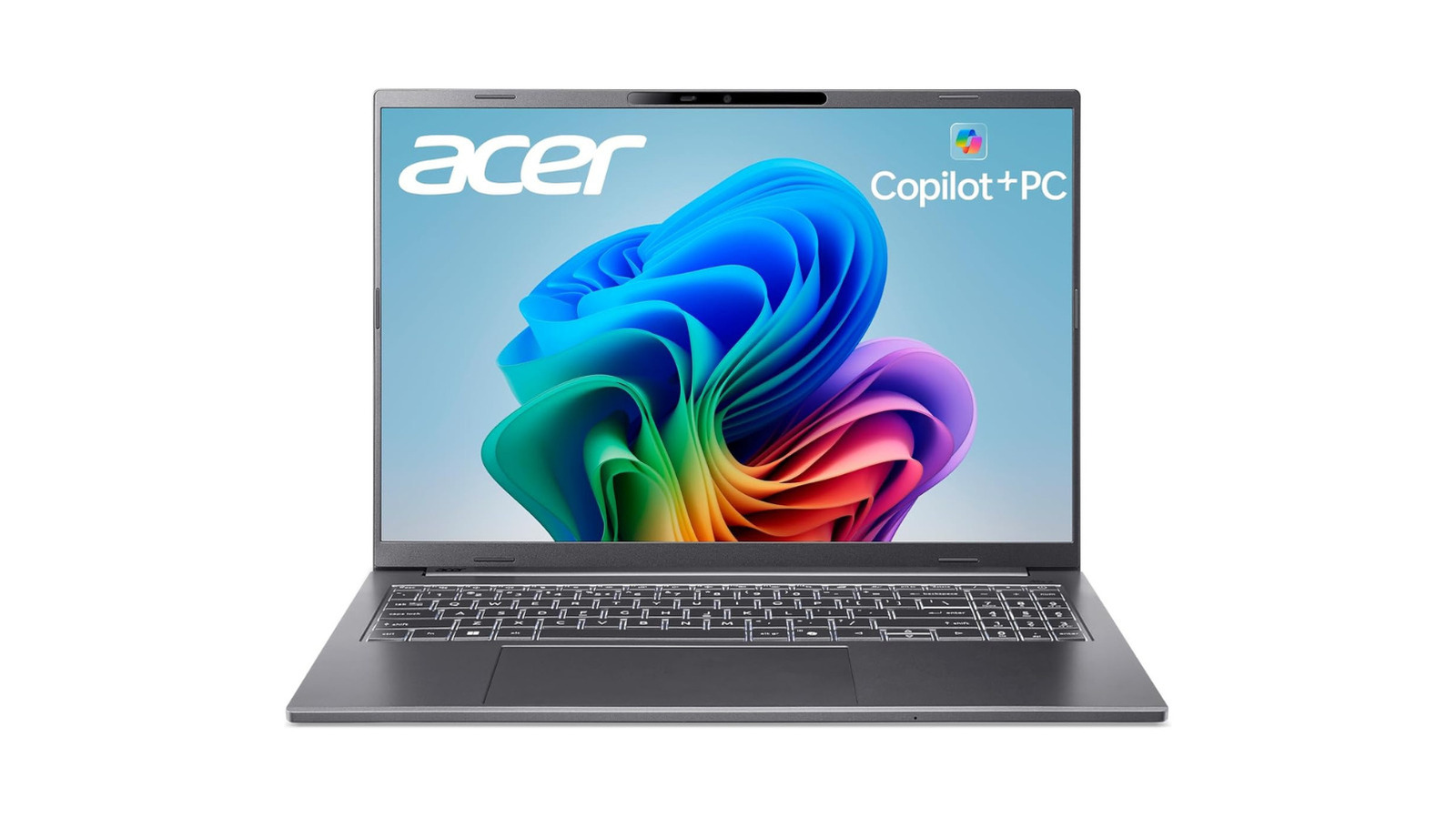
If you’re shopping for a laptop on a budget, CR recommends the Acer Aspire 16 AI laptop. This model has been put through CR’s rigorous tests, and it emerged as a standout option with the highest overall score among budget laptops, earning the site’s CR Recommended label. That label indicates that it has met CR’s “high evaluation standards,” which the site says might include testing for “performance, safety, predicted reliability, and owner satisfaction.” The Acer Aspire 16 AI typically sells for $800, but it’s currently discounted to $700 on Amazon, making it even more affordable for anyone looking for a top-rated budget laptop that also has CR’s approval.

Why CR recommends the Acer Aspire 16 AI

Two Acer Aspire 16 AI laptops Acer/Amazon

CR praises the Acer Aspire 16 AI as “proof that you don’t need to spend a fortune to get a capable everyday laptop.” This is because of the large 16-inch display, good-enough performance that can handle regular tasks easily (like web browsing and working on documents), good battery life, and balanced ergonomics that the laptop offers. It’s also a Copilot+ PC, and with Windows 11 Home onboard, you’ll get to enjoy Microsoft’s Windows AI features on this laptop. Specs-wise, the laptop features a 16-inch WUXGA display with a 120 Hz refresh rate, 1,920 x 1,200 resolution, 100 percent sRGB coverage, and up to 350 nits of brightness. CR says the display is generous enough for its price, although you shouldn’t expect sharp visuals that rival more expensive options. 

Under the hood, this laptop is powered by Qualcomm’s Snapdragon X ARM-based processor with 8 CPU cores, paired with 16 GB of LPDDR5X RAM and a 512 GB PCIe Gen 4 SSD. It has a 1440p webcam and comes with a backlit keyboard that includes a dedicated numpad. The laptop offers a wide selection of ports, some of which are hard to come by these days, like a microSD card slot. In addition to the microSD card slot, you get two USB-C and two USB-A ports as well as a single HDMI 2.1 port, and a 3.5 mm headphone jack.

What do Amazon reviewers say about the Acer Aspire 16 AI?

Customer review concept showing a person tapping a 5 star graphic Garun .Prdt/Shutterstock

Although this laptop is highly recommended by CR for reasons we’ve already covered above, you might still have some doubts about it. If that’s the case, Amazon reviewers who have bought the laptop should give you peace of mind about what to expect. Being a recent laptop on the market, the Acer Aspire 16 AI hasn’t received a lot of reviews. It currently has a total of 37 reviews with an aggregate rating of 3.9 out of 5. Amazon reviewers say it’s a “great laptop,” and it impressed one user by being better than their previous model on both performance and battery life. 

One Amazon reviewer even goes so far as to say that “if you can’t decide if this laptop is worth it, it is!” Others praise the laptop for being lightweight for a 16-inch laptop and a good value for the money. That said, the laptop’s weight of 3.4 pounds might not feel particularly light to many users. Moreover, not all the reviews are positive, though. One reviewer notes that it’s not powerful enough, and another claims their unit didn’t come with a valid Windows license.

Source

Posted on

Amazon Users Say This $30 Projector Is An ‘Unbeatable’ Deal

We may receive a commission on purchases made from links.

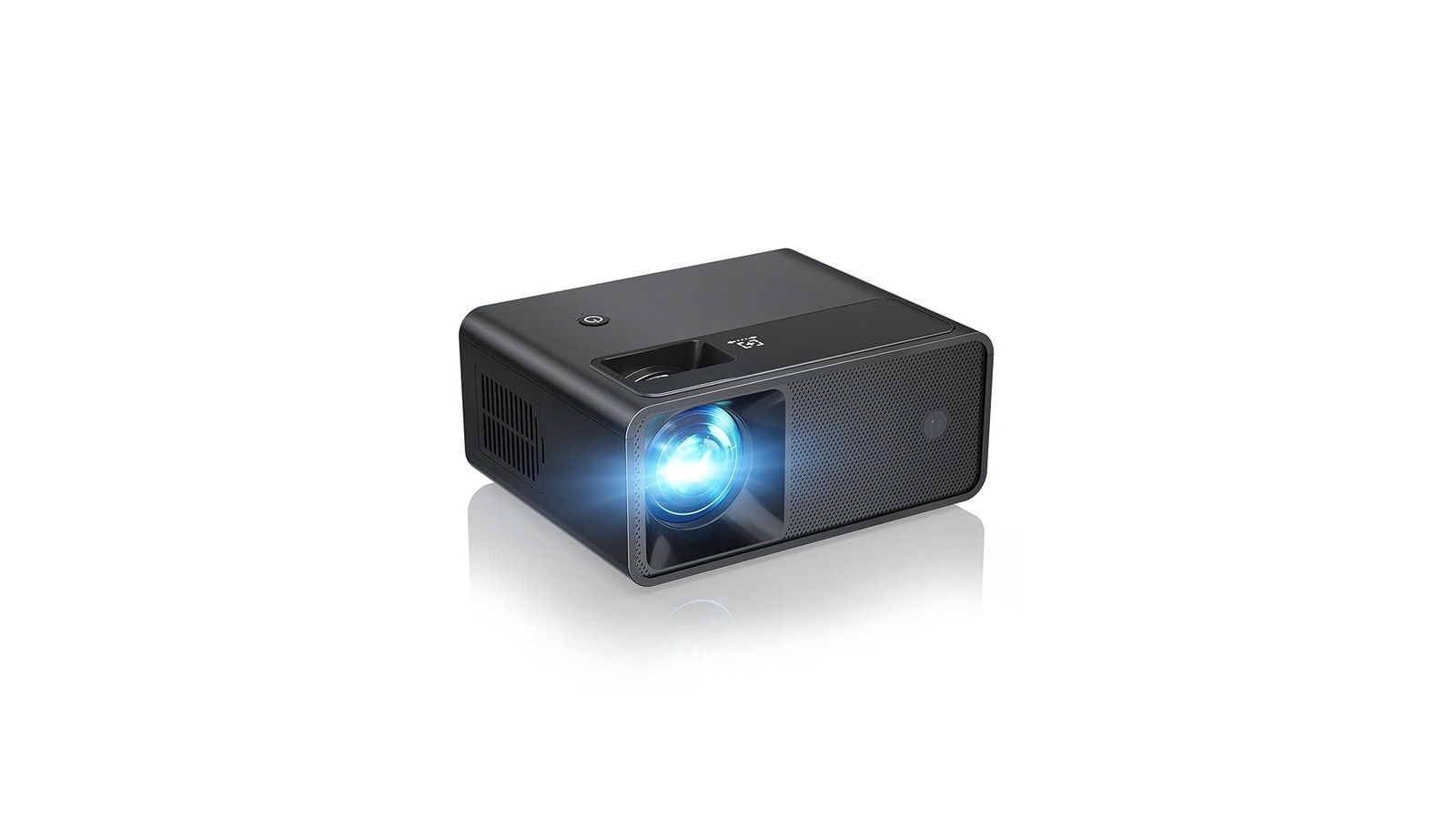
Be it fireside film nights while camping, backyard barbecue wrestling streams, or slumber party video mixtapes — a compact and portable mini projector can turn any dark space into a mini theater. If you’re looking for one, you’re in luck. The CiBest W13 Mini Projector normally costs $39.97, but is on sale now from a third-party seller on Amazon for $29.99. Some of the 10,000 ratings suggest the projector isn’t perfect, but you’re getting a quality casual movie night on the go for cheap. Others are more impressed, with one reviewer saying the ease of use and durability make it “unbeatable.”

If you’re looking for a high-end viewing experience, there are other major projector brands to consider. But the CiBest W13 has a 4.3-star rating, with about two-thirds giving it five stars. Reviewers say the picture quality is surprisingly clear for the price. The projector connects via wired inputs (HDMI, USB) to phones, tablets, computers, and external storage devices –- which means you can finally show off those exciting Fourth of July fireworks you record every year.

The best feature of the portable mini projector isn’t listed as a tech spec. The W13 weighs about 1.15 pounds and measures 5.5 x 2.4 x 4.3 inches –- perfect for a backpack. Portability is key. Reviewers mention taking it on road trips. One reviewer said they hook up their old game consoles. Imagine playing rounds of “Star Fox 64” on the tent wall with your family while it’s pouring outside. Camping trip saved.

What to know before buying the CiBest W13 on Amazon

The biggest difference between expensive projectors and a budget option like the CiBest W13 is brightness. Reviewers say you need low light to see the image clearly. One reviewer said the image quality was sharp in the middle but fuzzy on the edges. The Amazon listing notes the best screen size is 60 to 130 inches. It also says the W13 supports 1080p Full HD. For many lower-priced projectors, the spec essentially means that they accept 1080p input but may downscale it to a lower resolution. The seller, Reefer Technology, doesn’t offer a manual to confirm the exact stats.

To stream major apps, you’ll need to plug in a Roku Stick, Amazon Fire Stick, or similar streaming device. You can also connect an iPhone with a Lightning-to-HDMI adapter, but digital licensing restrictions mean you may not be able to mirror Netflix, Prime Video, Hulu, or similar apps directly from a phone or computer. The W13 comes with built-in stereo speakers, which receive mixed opinions from reviewers. Some say the audio is fine, while others recommend an external speaker because it doesn’t get loud enough. Again, the projector doesn’t have Bluetooth. You can connect speakers or headphones via an audio jack or through your streaming device, but the projector doesn’t support Dolby. Some streaming devices may need to be set to PCM — a basic stereo format. Despite some limitations, many reviewers say they’re happy with the CiBest W13, especially for the price.

Source

Posted on

4 Clever Uses For Your Printer At Home

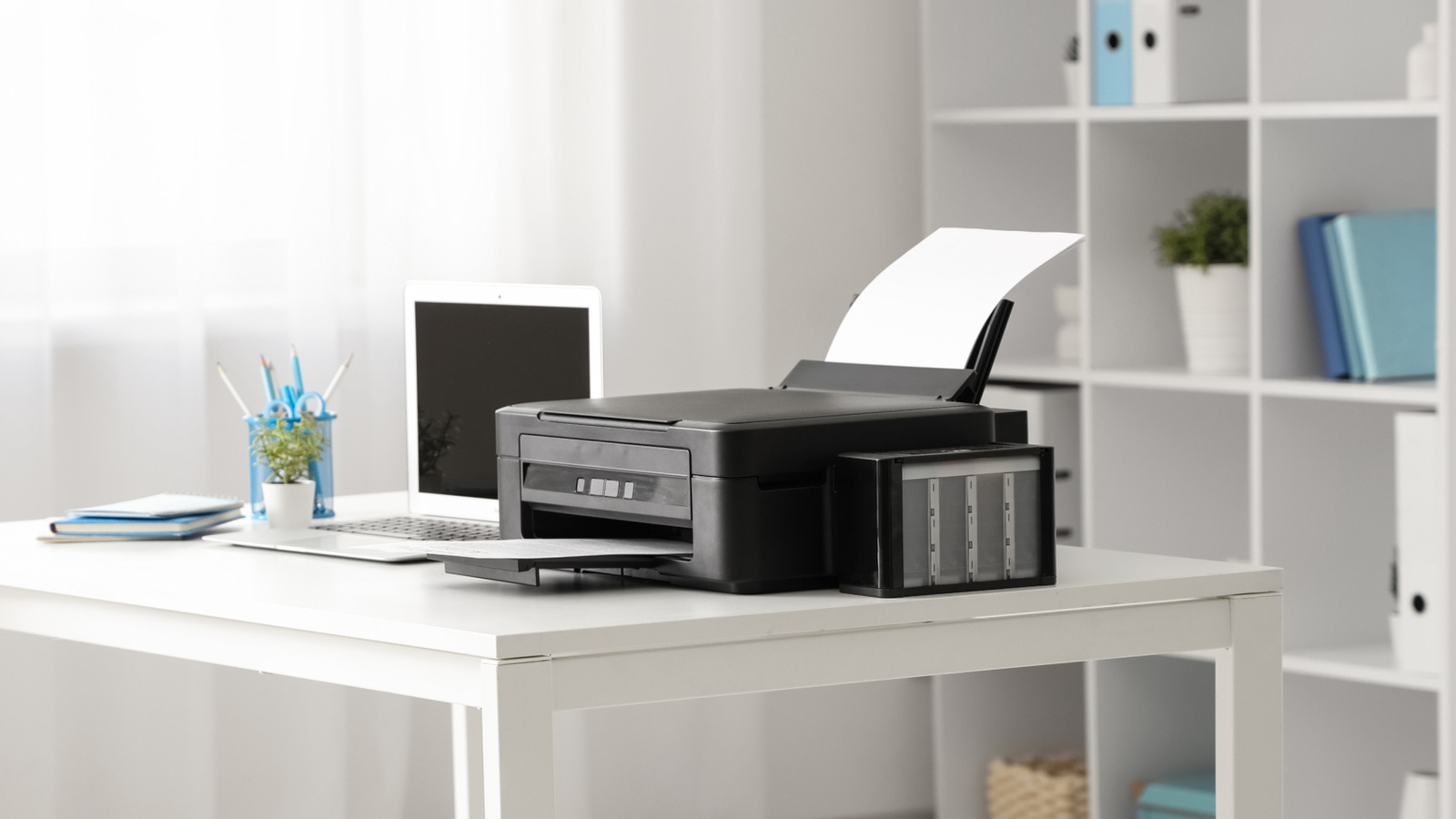
Home printer on home office desk Pixel-Shot/Shutterstock

When not reminding users that paper jams are an inescapable aspect of existence we all must accept, a home printer can be a very useful device. It can also be more versatile than many users realize. On top of supplying hard copies of important documents, a home printer can be used for a variety of purposes and projects you may not have considered.

Of course, not all home printers are created equal. If you’re looking for the ideal home office printer, it’s important to do research to confirm you’re investing in a unit worth your money. If you’re on a budget, but still want something reliable, you can look into inexpensive home printers that help you save money on ink. With the right unit and a little creative inspiration, you’ll find that a home printer can be much more than a practical office tool. On the contrary, a home printer might just unleash the artist inside you.

A home printer can help you keep the kids entertained

Child's hand with elf sticker on top Phoscar/Shutterstock

Are there any particularly young members of your household in need of some creative stimulation? If so, don’t neglect the ways a printer can turn a mundane afternoon into a fun-filled activity day. Depending on your kids’ tastes, there are various ways to leverage your home printer to show the kids a good time while letting them flex their artistic muscles.

For example, you could teach the kiddos the basics of Canva or a similar program and let them design their own stickers. Print the designs out on a printer-friendly sticker paper and let your kids cut them out with scissors. Or, they could design characters and print them out into masks. Along with giving your children something to do that doesn’t involve mindlessly consuming content via a screen, this could be an inexpensive way to let them experiment with different ideas for Halloween costumes. A potential added benefit: Finding out your kid is an artistic genius with a flair for design.

With a home printer and temporary tattoo paper, you can be an ink master

Close-up of person applying temporary rainbow tattoo to hand Jordi Mora Igual/Getty Images

This is another example of a clever use for a home printer that kids might find appealing. However, it’s by no means a kids-only project. Anyone who likes the idea of applying a tattoo they don’t have to cope with forever can have fun with this activity.

All you have to do is buy temporary tattoo home printer paper, which is widely available online and at office supply stores. Create designs using Canva, digital illustration apps like Procreate, or even analog paper-and-pencil methods (although you’ll have to upload your designs to a digital format first). Naturally, someone who wants to sport a tattoo that will eventually wash away might want to give this home printer activity a try. However, it’s worth noting that this could also be a smart way to test out different tattoo designs before committing to a permanent one. You’ll be less likely to regret that ink if you had the opportunity to try it out temporarily first.

Design your own apparel with a home printer

Person ironing design onto shirt with iron on transfer paper Andrey_Popov/Shutterstock

Just as temporary tattoo printer paper lets you unleash your inner body ink artist, iron-on transfer paper for home printers allows you to create designs that you can apply to otherwise blank shirts (and, theoretically, other garments) to create your own apparel. There are many reasons you might want to give this a try, ranging from creating custom shirts for a family event to experimenting with fashion design to see if it’s a hobby you’d like to pursue in earnest. That said, it’s important to carefully read the instructions for this type of paper to confirm that you’re using it with compatible clothing.

Again, this is another potentially kid-friendly home printer activity. Does one of your little ones have an idea for a shirt they’d love to rock? Have you struggled to find a garment that matches their vision? If you can’t find it in a store, you could let them create their dream apparel at home. Of course, you don’t have to be a kid to like the idea of creating a T-shirt or other such item of clothing that’s uniquely you.

Print out a comic book at home with your printer

Child and parent reading custom-bound comic book Media_Photos/Shutterstock

Do you think you just might be the next Alan Moore? Or, once again, do you have creative kids whose artistic tendencies you can’t help but indulge? In either case, with your favorite design program, you can create your very own comic book and print it out via your home printer. Give yourself bonus points if you can find some glossy, comic book-style paper to print it on, but that’s certainly not a requirement. As Pam from “The Office” knows, this project could also be a smart way to create a truly personalized gift.

Just remember, the strength of your printer will determine how fun and easy these projects are. If your unit is a few years old, consider researching how long a typical home printer lasts. If you’re due for an upgrade, before spending any money, look into your options to confirm you’re getting a device that can handle these activities.

Source

Posted on

What Is The 83% Rule For Speaker Placement?

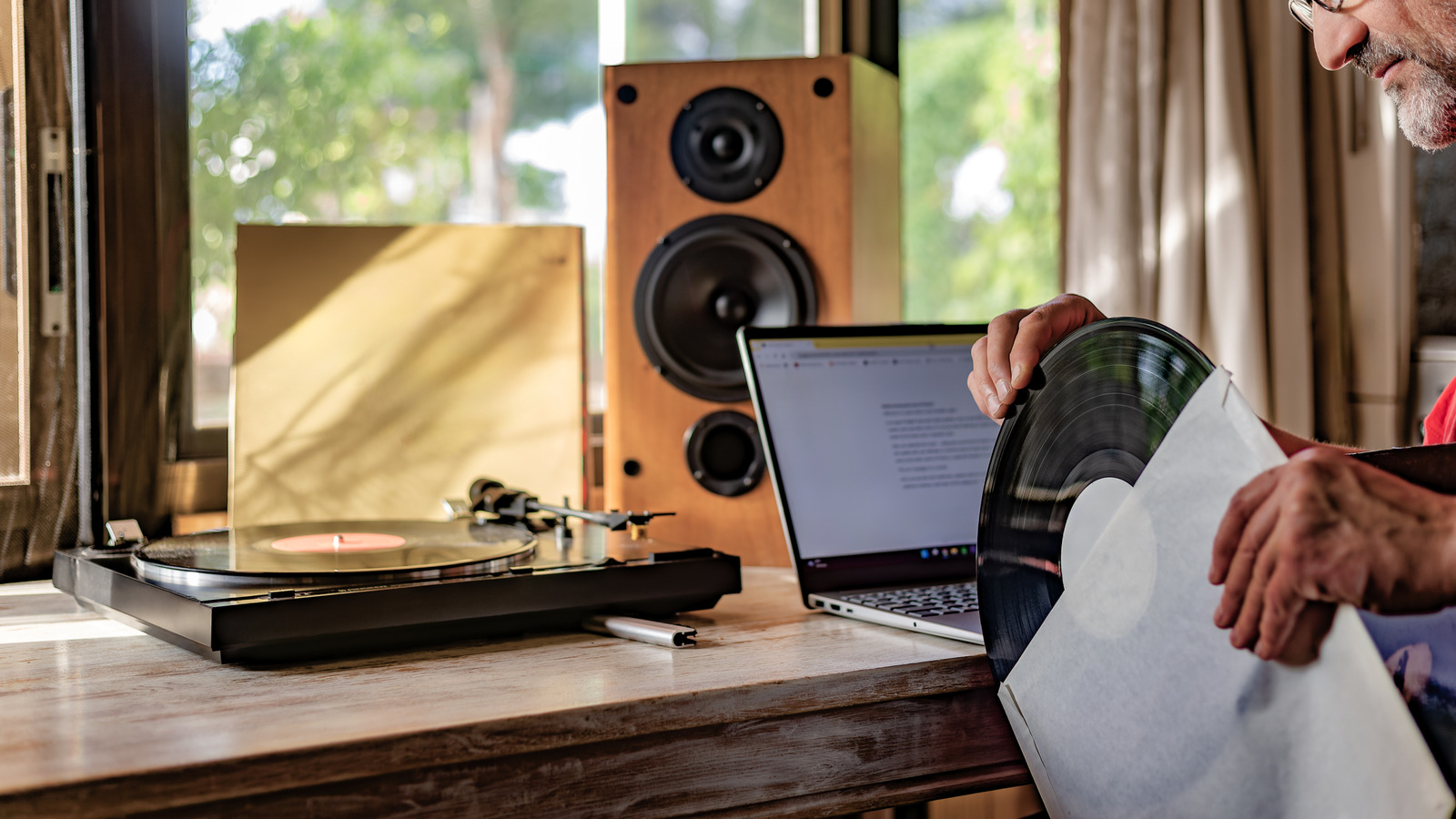
A man sleeving a record in front of an audio setup Jose Gonzalez Buenaposada/Getty Images

It’s not uncommon for audiophiles to get lost in the world of high-end equipment, spending thousands of dollars while never fulfilling their quest for the perfect soundstage. The reality so many audiophiles miss is that regardless of how high-quality your equipment is or how many cool new audio gadgets you’ve upgraded your music setup with, the basic, physical factors of an audio setup can be as important to cohesive sound as the brand of your speakers. That means making a plan of where you and your speakers are positioned in a room is crucial to getting the most from your audio experience.

According to Jim Smith, an audio expert, consultant, and author, the golden ratio is determined by the distance between your speakers in relation to where you are listening from. Smith, best known for this book (and brand) “Get Better Sound,” suggests that the distance between your speakers should be 83% of the distance between you and the midpoint of the plane between those speakers. While not a hard and fast rule, Smith uses that initial 83% measurement as a baseline when doing new installs and then adjusts from there.

How the 83% rule works

A stereo flanked by speakers Customdesigner/Getty Images

To put it simply, the 83% rule measures two distances in a dual-speaker setup. The first measurement is the distance between your speakers. The second imagines the plane between the speakers as a flat line and measures the distance from the middle of that plane back to where a listener will be seated. The positioning forms a triangle, with the two speakers and the listener as the points of the triangle.

Smith recommends using the listening point as the anchor. With that set, you can begin by finding the optimal position for the two speakers and then make fine adjustments. The reason the rule works is basic acoustics. If the speakers are placed too widely, the stereo image can sound precise but disconnected, and the lower mids may not blend as naturally (Smith describes setups where distances have formed an equilateral triangle, which he says results in a technical sound but boring music presentation). If the speakers are placed too closely together, the presentation can collapse inward and lose width, and presentation is key, even if you’re just using Bluetooth speakers in your home gym.

Room setup examples

A vintage stereo system Ryanjlane/Getty Images

To set up your own space according to the 83% rule, you’ll want to start with the equation of X/Y=0.83, where the distance between your speakers is the X value and the listening distance from the midpoint is the Y value. From there, it’s just simple math. For example, if your speakers are 10 feet apart (representing X), then you should multiply that number by 0.83 to see that your optimal listening location is about 8.3 feet (Y) away from the midpoint. 

Of course, in smaller rooms that this rule isn’t possible, it may take more of a manual setup to get the sound just right. Also, be sure to account for toe-in, which is the angle you turn a speaker to face the listener(s). Once you have the spacing and seating roughly in place, you can angle the speakers inward and make small adjustments until vocals snap into focus and the presentation starts to feel musical rather than analytical. And while you’re setting up your rear speakers, don’t forget to check out the best soundbars you can buy in 2026.

Source

Posted on

5 Essential Apps That Will Upgrade Your iPad Experience In

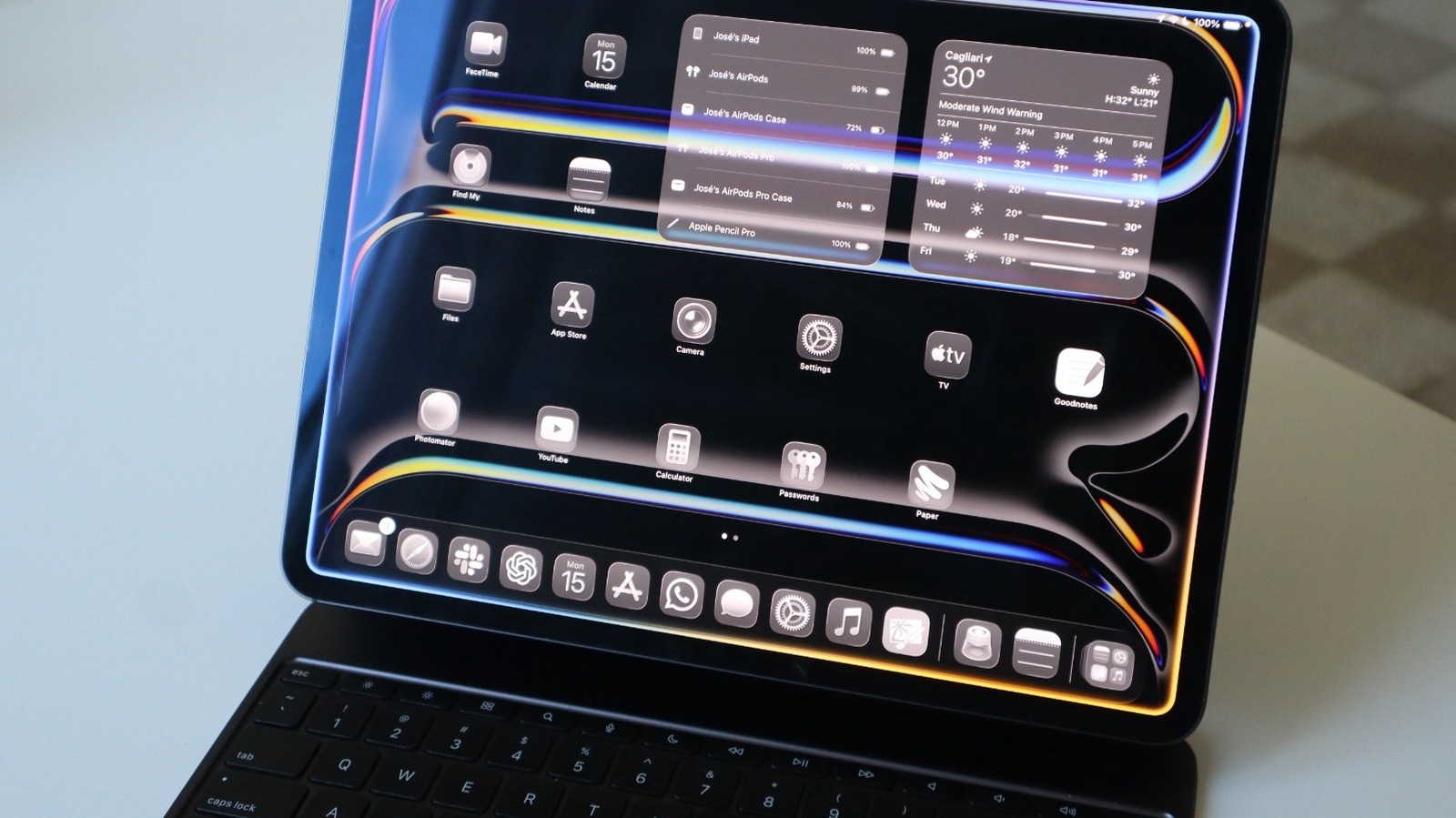
An iPad Pro with a Magic Keyboard attached to it José Adorno/BGR

The iPad is the perfect device between the powerhouse that the Mac is and the always-on-the-go experience of the iPhone. Being an iPad user since the early days of this tablet has let me see it evolve from a “bigger iPhone” to a multitasking device that is also my favorite for watching my favorite TV shows, writing my thoughts, and exploring my creativity. From an iPad 2 to the iPad Pro M4, I had a range of iPad models, including Air and mini options. 

Over the years, I also tried hundreds of different apps. While I do think my most used apps on the iPad are usually Netflix, YouTube, Apple Music, and ExpressVPN — especially when I’m in different countries and I need to access specific content of a region –, these apps listed below contain a mix of taking advantage of the iPad’s big screen, its touch capabilities, and even the great combo of matching this tablet with a Magic Keyboard and Apple Pencil Pro. Bonus if, like me, you also have an iPad Pro with an M4 or M5 chip, as these tablets have the best display in Apple’s mainstream products and make everything you do pop up on the screen.

Goodnotes

Up-close shot of Goodnotes on an iPad Pro José Adorno/BGR

Goodnotes is the app I never fully took advantage of in college, but it was my go-to whenever I had to open a PDF, mark up something, or even sign a document. Little did I know the powerful app it was for taking notes, organizing my thoughts, and studying languages. With this app, you can create several notebooks and split them between subjects, ideas, or whatever you feel like. Currently, I use Goodnotes the most to study Italian and French, as I have specific tabs for my classes. I can add photos, PDFs, add handwritten notes, and even use tools that make my notebook look a lot better.

Even though I bought Goodnotes 5 so many years ago, Goodnotes now focuses on a subscription-based plan, which includes AI, so you can brainstorm, mind-map and diagram on an infinite canvas, record and transcribe audio meetings in real time, and even create documents that bring ideas with external insights, while still letting you collaborate with teammates. While I use GoodNotes as a personal app, the AI part wasn’t an attractive upgrade. I highly recommend this app to anyone in college, taking several meetings, or just wanting well-organized notebooks. The best part is the great integration with Apple Pencil, as this is the only way I use this app with a 13-inch iPad.

Photomator

Close up shot of Photomator on an iPad Pro José Adorno/BGR

Apple acquired Pixelmator software and its team a couple of years ago. Way before that, I was already using this company’s software around the iPad Air 2 release and Apple’s great focus on Machine Learning, which we all now see the company calling AI. At the time, the app was called Pixelmator Photo and was eventually rebranded as Photomator. What made this app so incredible at the time was its ability to quickly fine-tune any of the photos I took, and it also offered a powerful eraser tool that, even though it wouldn’t drastically change any image, could remove certain objects, people, or other things that seemed off. The best part: I could do all of that on my iPad screen.

In early 2026, we finally discovered that Apple wouldn’t phase out Pixelmator software, as it would continue to update the Photomator app. However, the company also surprised users by releasing an all-new iPad version of Pixelmator Pro as part of the Apple Creator Studio bundle, which offers nine apps for a single subscription.

While I think Pixelmator Pro is the best option for those who want a similar experience to that on the Mac, especially for editing photos, I think Photomator is a more interesting tool, as you can buy it once and focus on improving your photos with its easy-to-tap features.

Portal – Escape into Nature

Up close shot of an iPad Pro on a table with Portal app opened up José Adorno/BGR

If you’re having a long day at work, want to relax a bit, or really need to focus, Portal might be the best option for you. While the iPad app can’t replace your desktop background, as it can on the Mac, it takes advantage of the iPad Pro’s beautiful OLED display with breathtaking high-resolution images and Spatial Audio support.

Basically, you can choose between several cinematic and vivid landscapes to jump into. The idea behind this app is to connect users with nature, which helps them spark creativity, ease anxiety, and more. One of the best features introduced in 2025 is Circadian Flow, which synchronizes portals with your time zone, helping you experience different natural scenes and sounds based on the time of day. Usually, if I’m working on the Mac, I just use Portal there, but if I’m cooking, trying to relax, or even preparing to go to bed, Portal is a good way for me to just relax.

Even if you use your iPad to work instead of a Mac, you can still take advantage of the app by putting on your AirPods and just listening to the sound of nature while you work, study, or organize your thoughts. The app has a 7-day free trial and offers both a subscription and a lifetime pass. The subscription is $12.99/month or $69.99/year; the lifetime pass costs $299.99.

Paper – Sketch, Draw & Create

A hand holding an iPad Pro with the Paper app opened up José Adorno/BGR

I’m far from being good at drawing. However, my very expensive iPad Pro pushes me to explore everything I can do with it, including sketching and drawing. Paper is the best app to do that. After all, it offers tools for sketching, collage, painting, and drawing. Usually, I like to add photos or other images and draw above them, so I can later delete the photo and see if I did it right.

The app also lets you add multiple photos on a single page, so you can create mood boards, storyboards, find inspiration, or just organize your ideas. Users can create different journals depending on what they want, so you can save a notebook for a moodboard, another for little drawings, another for work, and so on.

While the software is free to use, subscribing to its Pro tier unlocks unlimited journals, custom templates, canvas clips, new brush adjustments, iCloud sync, and other advanced tools. The app, of course, works better with an Apple Pencil, as you can take advantage of this accessory’s pressure sensor on the iPad display. Besides that, the big display of the iPad helps you better organize your thoughts, as you can zoom in to improve a very specific part of your drawing, or have a more outside look, as if you’re actually taking advantage of a physical notebook.

Ulysses: Writing App

Up-close shot of an iPad Pro running Ulysses José Adorno/BGR

Whether you’re a writer, aspire to become one, or you just like to share your thoughts every once in a while, Ulysses might be one of the most essential iPad apps. It’s also available for iPhone and Mac, but there’s something unique about using Apple’s Magic Keyboard attached to an iPad Pro when working on your next essay, novel, or story.

Ulysses offers a markup-based, distraction-free editor that focuses on what matters the most: your creative process. With that, you don’t need to stress about how pretty your text will look, as the most important part is putting your ideas out there. Ulysses lets you organize your text through projects, which you can split between different files. For example, I usually write my news stories on Ulysses, so I have a file of drafts and another one of published articles. It also lets me add links so I can back up my stories or mention other things I’ve written.

The app also flags wrong capitalization, punctuation, semantics, redundancy, and style. Users can create eBooks, DOCX, PDFs, and HTML files to export into different formats. Finally, it’s also possible to publish from Ulysses to WordPress, Ghost, Substack, and other platforms. The app is free to download but requires a subscription for users to take full advantage of the most minimalist, yet best writing app available for iPhone, iPad, and Mac.

How I picked apps for this list

An iPad Pro on a table José Adorno/BGR

Covering Apple for over a decade and owning several iPad models since I was a teenager, I have used hundreds of apps across the multiple tablets I’ve used. In selecting the apps for this list, we considered many other solutions that were helpful for a while but lacked that spark. These apps also represent a mix of popular apps from larger companies and indie developers, resulting in a well-regarded selection of iPad apps. 

Source