
Shop Loewe — $749
 Theo Wargo/Getty Images
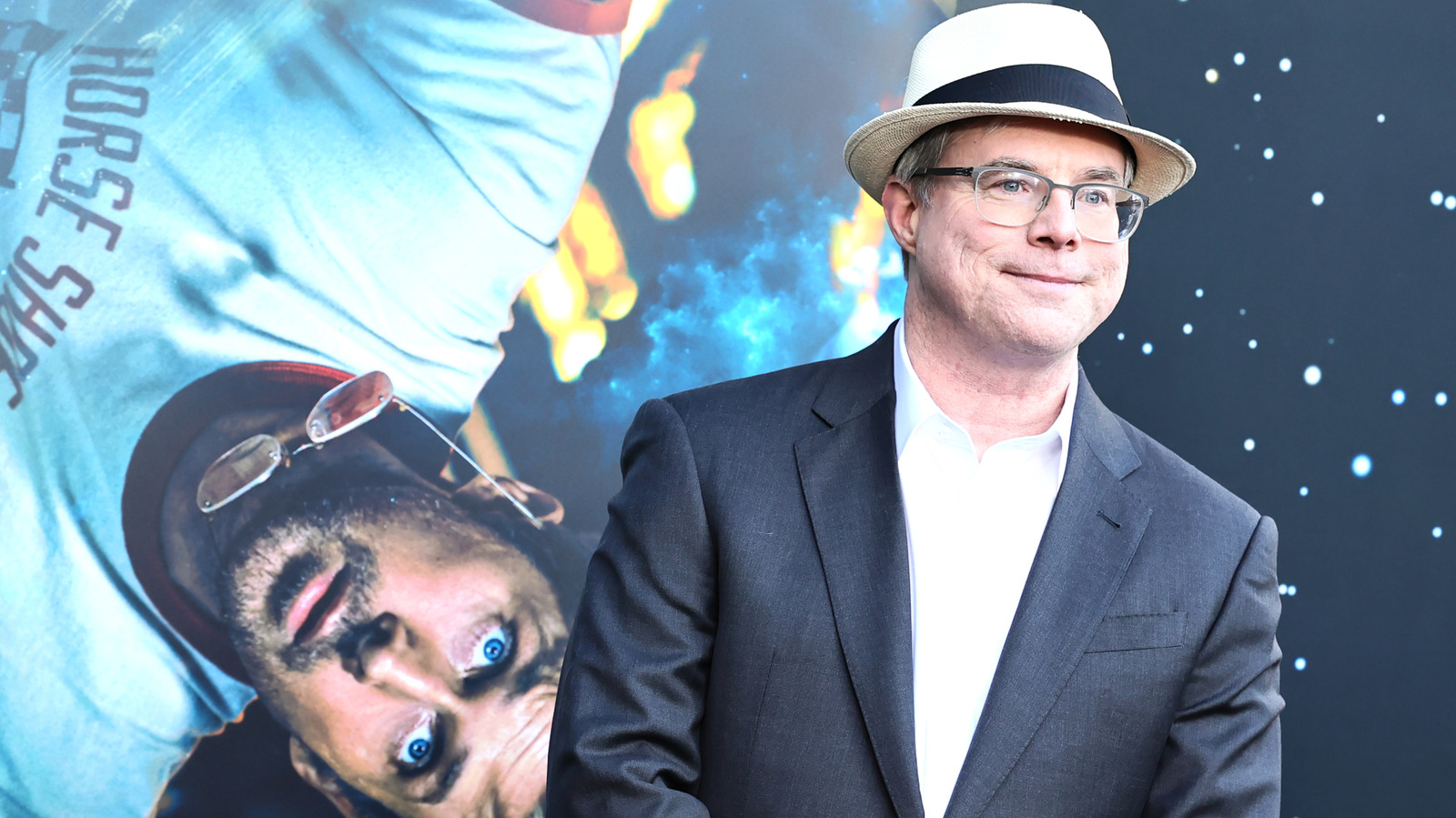
The acclaimed sci-fi author responsible for “Project Hail Mary,” one of the most inspiring and heartwarming movies of 2026 so far, has an unsettling prediction about artificial intelligence and its use in art. In an interview with Julien Crockett of the Los Angeles Review of Books, author Andy Weir (who also wrote “The Martian”) was asked about AI’s “potential” in the writing world. Weir revealed that he experimented with AI early on out of curiosity and found “it was really bad at writing.” However, he expects “it will be good later on” and makes the chilling prediction that he “might be among the last generation of human authors.”
In Weir’s mind, AI will eventually be capable of writing “more entertaining, compelling, and exciting stories than any human,” drawing from the vast catalog of literature and piecing together the parts people enjoy most. Beyond that, he predicts art will “shift away from collective entertainment to a personal form.” In other words, Weir thinks AI will be widely used to create stories tailored to an individual’s known preferences, and it’ll happen “probably within our lifespans.”
When asked about the communal experience of art and of getting to know the people who create it, Weir dismisses the idea that people will miss human artists. As he points out, “nobody wants to talk to [Photoshop] … People accept that there are tools that do this.” He believes there will always be some room for humans in all art forms, though he thinks they’ll play a smaller role. He gives the examples of live performances and portrait painting, which still exist despite TV, movies, and photography being far more convenient and popular, saying, “What was once routine becomes niche.”
Why Weir is still optimistic about humanity’s future
That all sounds pretty bleak for those concerned about the role of AI in entertainment, but Weir doesn’t sound particularly upset about being put out of a job. In fact, he calls himself “an optimistic guy” and seems more excited by AI’s future as a vital scientific tool for biological research and simulation than worried about how it’ll impact art.
Additionally, Weir points to the COVID-19 pandemic as evidence that “Project Hail Mary”-style global collective action is possible. Though he acknowledges the confusion and mismanagement, Weir sees it as “a good example of the world working together” to confront a crisis. As he explains, “If it were not for the pandemic, it would probably be 20 or 30 years of slow, methodical research before [mRNA vaccines] were being used. But within one year, we got it working.”
If you’ve read or seen “Project Hail Mary” or “The Martian,” Weir’s overall positive view of humanity shouldn’t come as a surprise. His stories are all about what humans are willing to sacrifice in a crisis and the importance of science in solving big problems, while centering around heroic protagonists like Ryland Grace (Ryan Gosling). They don’t present anything with rose-tinted glasses, but “Project Hail Mary” and sci-fi movies like it remind us that, while the problems may seem insurmountable, there’s always reason to stay hopeful.






