
Shop Loewe — $749
 Tamakhin Mykhailo/Shutterstock
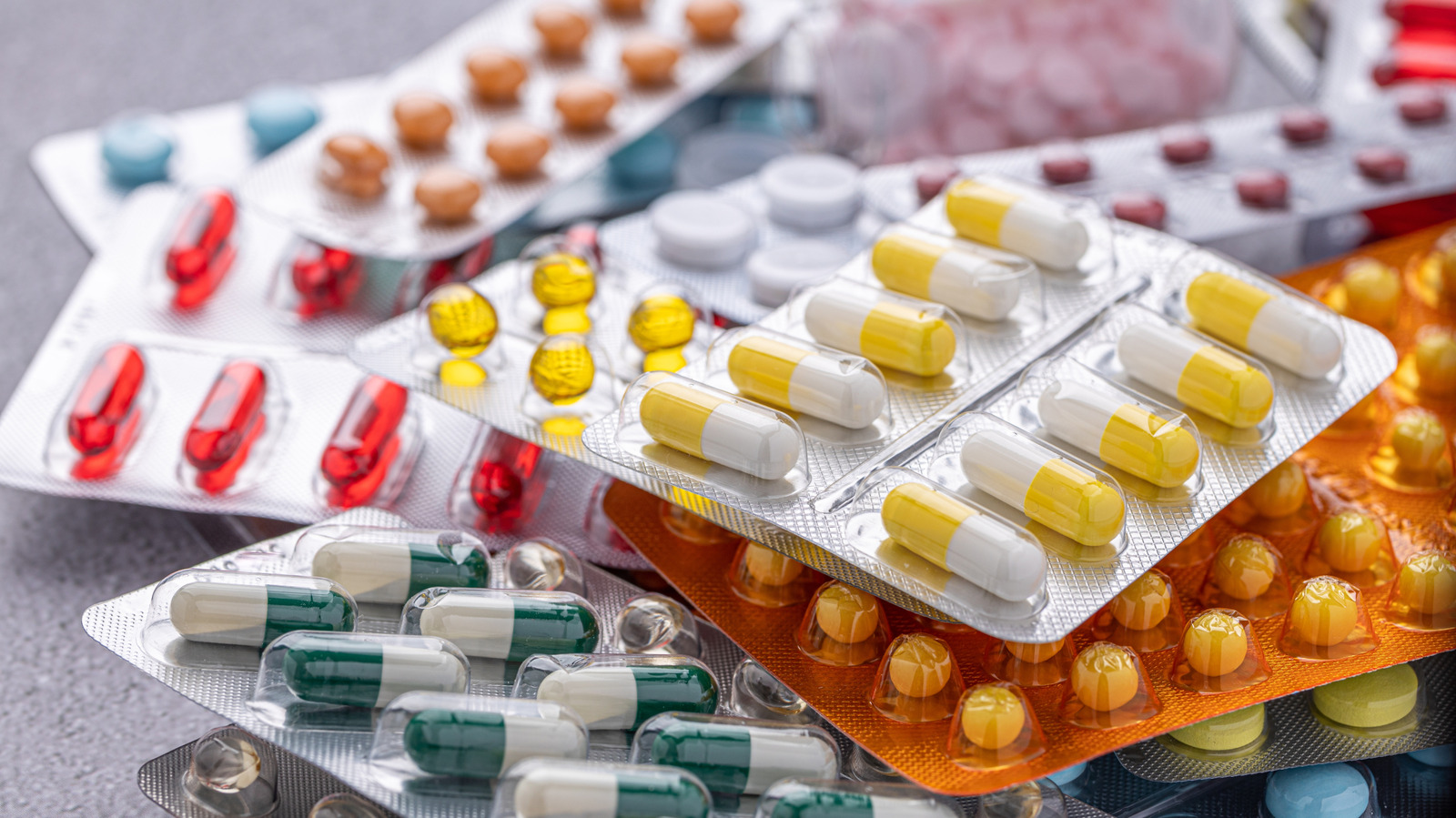
Counterfeit medications are a growing issue worldwide that has deadly consequences. In the U.S., illegal online pharmacies sell cheap, unprescribed medications sometimes laced with fentanyl. The situation is even more dire internationally. The World Health Organization estimates 10% of medical products in developing countries are counterfeit or “substandard,” and a United Nations health report estimates that nearly 500,000 people in sub-Saharan Africa die annually from falsified drugs.
Finding quick, simple, and cheap ways to detect fake drugs is increasingly important, and researchers from the University of California, Riverside have developed a potential solution. In a report published in Analytical Chemistry, researchers presented a counterfeit drug detection device that uses some tech from an unlikely source: a toy robot.
Using a simple sensor made for a toy, the UC Riverside invention measures the amount of light reflected back by the particles released when a pill is dissolved in water. Since legitimate drugs are highly regulated, pills of the same kind will dissolve identically every time, distinct from other medications. By determining the number of particles released over time, scientists can create what they call a pill’s “disintegration fingerprint” (DF). That can be used to tell if a drug is legitimate, as a counterfeit won’t have the same fingerprint.
UC Riverside’s counterfeit drug detection device has a long way to go
UC Riverside’s creation is promising. In a proof-of-concept study, they determined the disintegration fingerprint of 32 drugs including antibiotics, opioids, antidepressants, and birth control; in 90% of cases, DF could tell the difference between legitimate and counterfeit versions. The researchers also tested different versions of similar drugs, which DF correctly identified 100% of the time. That includes distinguishing between name and store brand aspirin and American and Canadian versions of the same drug.
Also promising is that the fake drug detector gives results in only an hour and is inexpensive to produce. According to the study, it can currently be manufactured for $33 and could fall to as low as $5, which could make it a simple and accessible way to test suspicious pills and avoid a potentially costly mistake.
Still, there’s a long way to go before this technology can be widespread. While fairly accurate, a 10% false negative rate is far too high, and there’s a huge difference between testing something in a lab and having it work as intended out in the world. Additionally, disintegration fingerprinting has yet to be tested on fake and authentic antimalarial medications, a serious issue where the detector could really make a difference. The good news is that UC Riverside has made the design open source, so other researchers create their own fake drug detectors for further studies.






