Posted on

5 Sci-Fi Movies That Should Have Been Massive Hits But

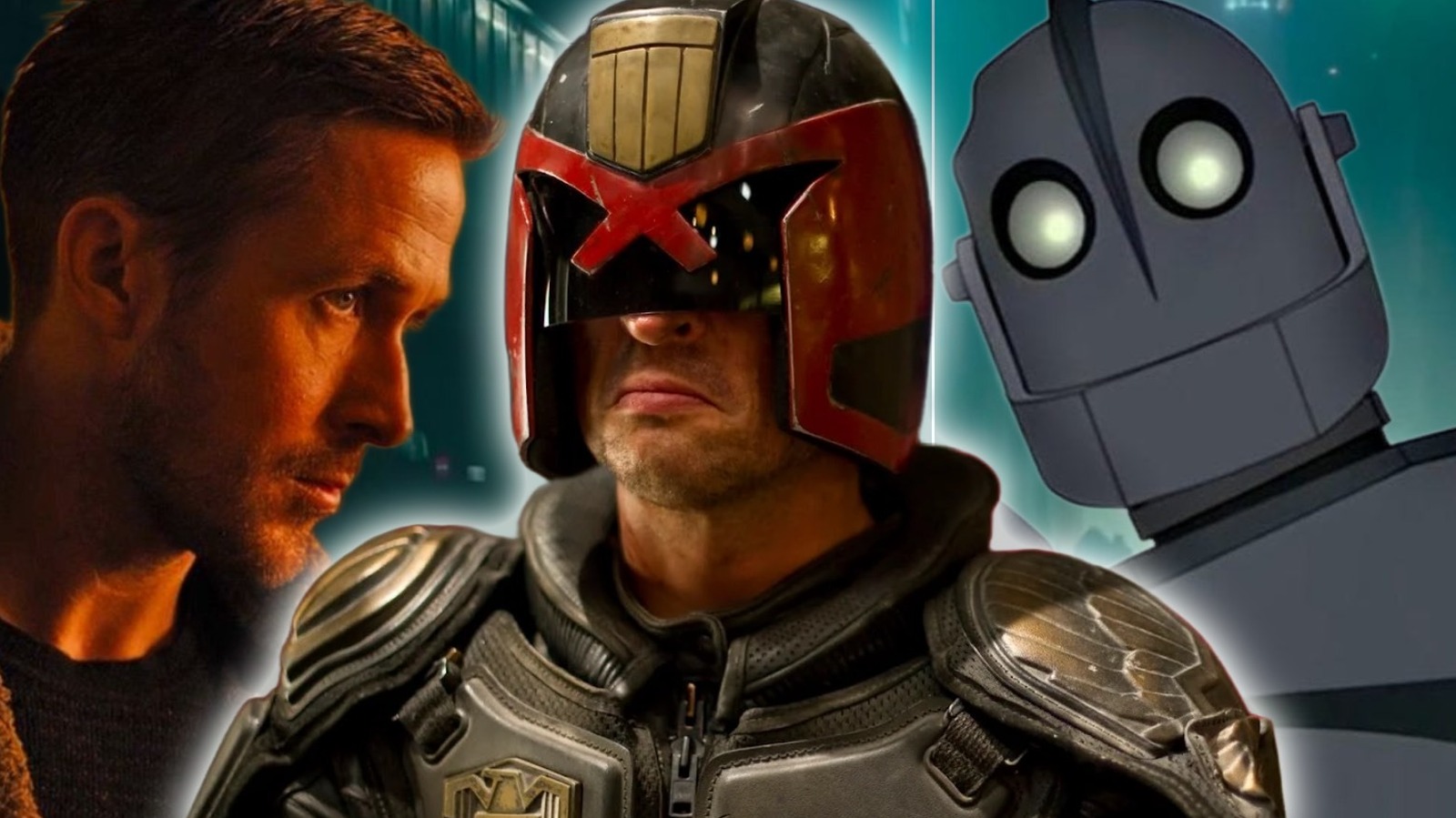
K from Blade Runner 2049, Dredd, and The Iron Giant together Static Media

Just like a time-traveler once said to a bunch of clueless ’50s high-schoolers, “I guess you guys aren’t ready for that yet. But your kids are gonna love it.” In the case of some sci-fi stories that braved the big screen, that’s certainly true.

Sci-fi movie history is littered with misfits that, upon initial release, didn’t check enough of the general audience’s boxes. As a result, they were lost to the box-office bin of financial failure. It would only be a few years later that they’d gain a second life from diehard fans or become acknowledged as the sci-fi greats they’d always been. 

But just which of the best sci-fi films were unlucky enough to find themselves on this list? What was it that saw some now-adored movies make their debut as immense misfires because of poor advertising or mega competition at the box office? Why was it that in some cases, movies were greeted by audiences that simply couldn’t wrap their heads around a film that was years ahead of the curve? To kick things off, there’s a cult classic that thankfully just waited a while to see what happened, and eventually went on to become a sci-fi body horror masterpiece for the ages.

The Thing

Kurt Russell as MacReady looking at a frozen body in The Thing Universal Pictures

It might’ve gone on to become one of John Carpenter’s most beloved works, but “The Thing” had a tough time becoming a success when it debuted in theaters. The impressive remake of “The Thing from Another World” had all the ingredients to be a hit, including some incredible body horror sequences and a consistently brilliant lead in Kurt Russell. Unfortunately, even the movie’s adaptable alien couldn’t compete with a creature from another world that was dominating Hollywood in 1982, and doing so in a far more welcoming fashion. It turns out that rather than watch Russell give a blood test that would turn into the stuff of nightmares, audiences were more interested in making a family-friendly call to “E.T. The Extra-Terrestrial.”

Steven Spielberg’s movie about a boy and his best friend from beyond the stars was unstoppable, changing sci-fi forever and adding yet another immense hit to the director’s growing filmography. Unfortunately, it proved that audiences wanted aliens to come in peace and take us on flying bike rides, not rip our arms off with an open chest cavity with teeth.

As a result, while having a two-week head start in theaters, “E.T.” grossed $619 million at the box office (although it was banned in some countries). “The Thing,” however, crawled away with a disappointing $20.9 million. The positive, of course, is that time was kinder than initial audiences, with “The Thing” becoming a beloved sci-fi horror and widely regarded as one of the greatest remakes ever made.

Strange Days

Angela Bassett holding Ralph Fiennes in Strange Days 20th Century Studios

The biggest gamble with sci-fi movies is that sometimes they’re simply just way ahead of their time. Such is the case for “Strange Days,” which on paper should’ve been a hit when it arrived in 1995, written by James Cameron and helmed by “Point Break” and “The Hurt Locker” director, Kathryn Bigelow.

Starring Ralph Fiennes and Angela Bassett, the movie takes us into a future where people have become addicted to SQUID (Superconducting Quantum Interference Device), which records memories and allows the wearer to relive them with startling accuracy, as if it were real life. A murder mystery begins to unfold, though, when Fiennes’ former cop gets hold of a SQUID that stores evidence of a murder that sees him and Bassett on the run.

Watch “Strange Days” now, and it’s hard not to see fragments of “Minority Report” and “The Matrix” woven into Cameron’s tale, which didn’t receive as warm a welcome as either of those films. Instead, the movie grossed an abysmal $8 million at the box office, which couldn’t cover the $42 million budget. Audiences weren’t willing to get hooked into this dark future, where police corruption was on the rise and society was dependent on technology. Nowadays, even finding a physical copy of “Strange Days” is rare, but worth it for a film that has rightfully earned cult status.

The Iron Giant

Hogarth on the shoulder of the Iron Giant Warner Bros.

Before Vin Diesel lent his voice to a talking tree with only a three-word vocabulary, he breathed life into the highly advanced nuts and bolts of a killer robot who just wanted to live in “The Iron Giant.” Helmed by Brad Bird, the director of “The Incredibles” and “Mission: Impossible — Ghost Protocol,” the film was loosely adapted from author Ted Hughes’ book, “The Iron Man” (no affiliation to Tony Stark), and followed a young boy in 1957 named Hogarth Hughes (Eli Marienthal) who befriends the titular hero. The premise was inspired by Bird’s sister, who was tragically shot and killed by her husband. Bird wanted to tell the story about “what if a gun had a soul? Would it still want to be a gun?”

With Jennifer Aniston and Harry Connick Jr. joining the proceedings and “Happy Gilmore’s” Christopher McDonald in top form as the paranoid federal agent with his sights set on Hogarth’s big pal, the film had enough talent and heart to earn immense praise from critics. Unfortunately, it wasn’t enough.

Given that Warner Bros. had already been stung by the animated box-office bomb “Quest for Camelot” the previous year, the studio wasn’t willing to put in the effort to promote the film, regardless of how much of a hit it could’ve been. The result was disappointing worldwide earnings of $31.3 million against a $50 million budget. Thankfully, over the years, the film has become a cult classic that younger generations have belatedly discovered, giving them a heartwarming introduction to a different kind of Superman.

Dredd

Judge Anderson and Judge Dredd standing together in Dredd Lionsgate

Karl Urban has petitioned for roles he wanted like Henry McCoy in “Star Trek,” and just recently elevated a floundering franchise as Johnny Cage in “Mortal Kombat II,” but one part he’s hungry to go back to is Judge Joseph Dredd in Pete Travis’ “Dredd.” The problem is that when he made his debut as Mega City One’s toughest lawman, not a lot of people showed up for the fanfare. Against a $45 million budget, the reboot of the hard-as-nails comic book character earned only $41.5 million, which feels criminal in itself.

Critics and fans’ initial reactions were overwhelmingly positive, praising Urban for staying under the iconic helmet in contrast to Sylvester Stallone’s 1995 attempt, in which Sly’s face was often placed front and center. The movie was also riding on a sterling script from “Civil War” and future “Elden Ring” director, Alex Garland, who, according to some, practically ghost-directed the film as well.

In Urban’s eyes, though, “Dredd” died a death in theaters thanks to the studio’s poor effort in getting the word out that a new judge was in town. “Dredd represented a failure in marketing,” he told Yahoo. “I saw the tracking of that film weeks before it came out, and the fundamental problem was no one knew it was being released. Once it came out on DVD and it sold 750,000 copies in the first week in North America alone, it was very clear that the audience had discovered it.”

Blade Runner 2049

K standing at a bar in Blade Runner 2049 Warner Bros.

“Blade Runner 2049” faced an uphill battle from the get-go. After 35 years, the original, a misunderstood masterpiece in its own right (and which had given fans multiple endings to boot), had a tumultuous legacy that director Denis Villeneuve would help shape. Unfortunately, the original’s cult status seemed to carry over to its successor, with “Blade Runner 2049” falling short of expectations.

The film might’ve broken past its $185 million budget, but it ended up at around $276 million, leading to failure for a multitude of reasons. For one, the movie was going up against killer clowns returning to screens with “IT,” which was breaking records of its own in the horror genre. Additionally, there was yet another poor marketing strategy for a film sequel that, while coveted by cinephiles, wasn’t on the radar of regular moviegoers.

Even with the big names of Ryan Gosling and Harrison Ford, marketing kept story details to a minimum, hiding as much as they could, which ostracized viewers who didn’t even know what happened in the original. Warner Bros.’ domestic distribution president, Jeff Goldstein, said in a statement to Reuters, “The audience for it was narrower than we anticipated. We did well in the major and high-profile markets. Alcon and Denis made an amazing movie.” There’s no question about that, because just like our first outing with a Blade Runner, “2049” is a masterpiece in its own right and deserves the same amount of love, even if the world was just a little late to give it.
Source

Posted on

4 Cool Things You Didn’t Know Your PlayStation 5 Controller

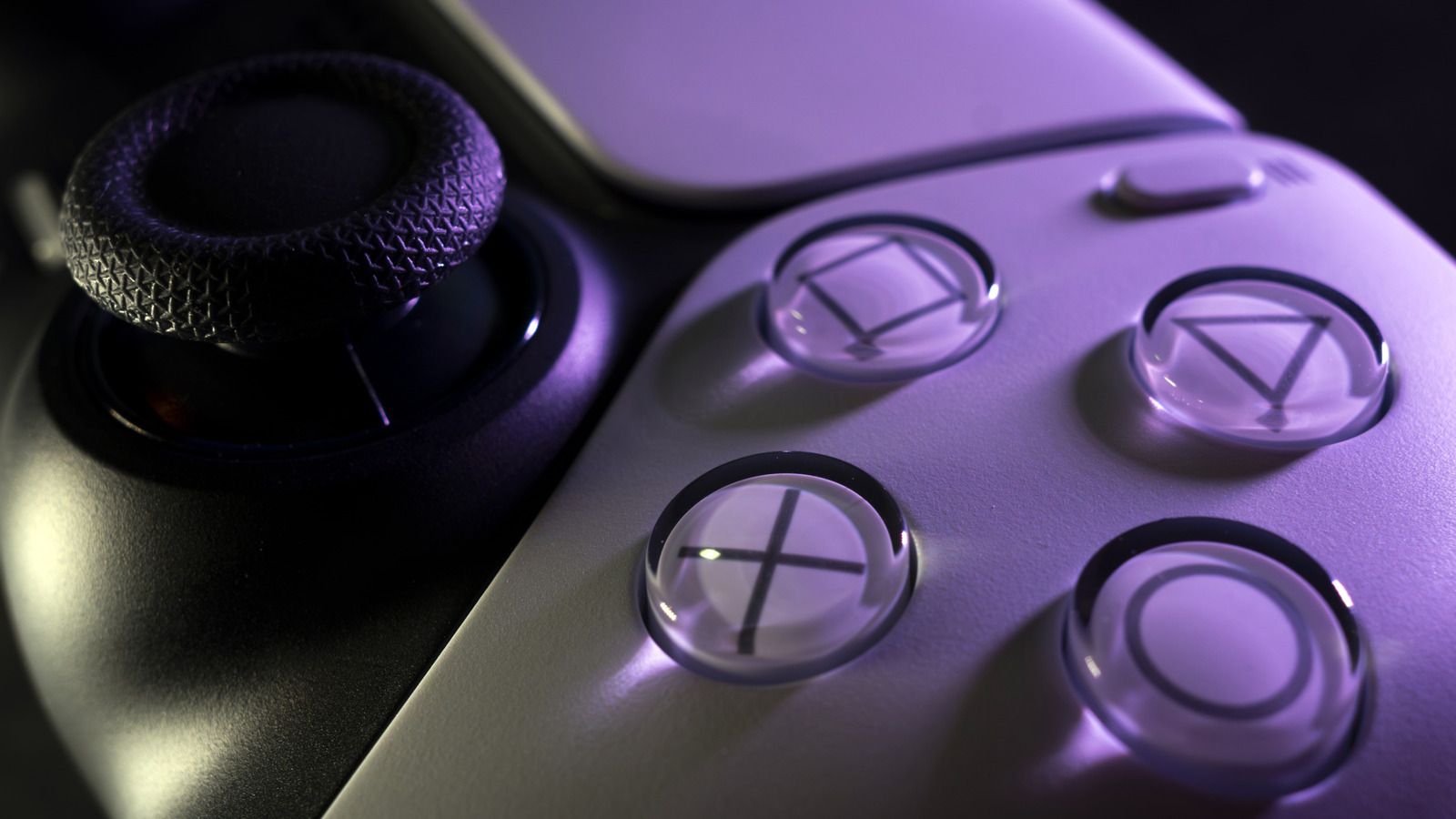
An extreme close up of a PS5 controller's buttons and right joystick Studio Aurelia/Shutterstock

The PlayStation 5’s DualSense controller is designed to maximize immersion with its haptic feedback and adaptive triggers that simulate things like falling rain and the distinct feel of firing different weapons. Sony has added new features over the years, such as the ability to pair it to multiple devices and adaptive charging, which is one of the reasons you should always update your PS5 controller when prompted by your console.

Some on Reddit have even said that the DualSense has changed the way they play, with one calling it “a literal game changer” that convinced them to get a PlayStation 5 over an Xbox Series X. Not all of the PS5 controller’s features are immediately apparent, though. The sleek device is hiding some cool things in the settings and beyond that can improve your gaming experience, further enhancing immersion and accessibility. That includes 3D audio options and Create button customizations you probably didn’t know existed.

Set up 3D Audio for headphones

For games that support it, 3D Audio does a great job of simulating surround sound. It makes it feel like you’ve been dropped into a new world when you’re swinging across Manhattan in “Marvel’s Spider-Man: Miles Morales” or exploring the whimsical, reference-filled world of “Astro Bot.” What you may not realize is that you don’t need any fancy equipment to use it.

3D Audio isn’t just for TV speakers or high-end gaming headsets. In fact, any pair of headphones that you can plug into the DualSense’s audio jack can use 3D Audio. All you need to do is go to Settings, Audio, then 3D Audio (Headphones). From there, select Create Personalized 3D Audio Profile and follow the instructions to customize the sound to your liking. It’s worth noting that not all games support 3D Audio, and users have reported that having it enabled for games not specifically designed for the feature can muffle the sound. Still, it’s great that you can access the feature for compatible games without needing to buy new headphones.

Connect to other devices

Close up of someone using a white PS5 controller Teamjackson/Getty Images

While it was made for the PlayStation 5, that’s not the only device your DualSense can connect to. You can use your PS5 controller to play games on other platforms, including PC, Mac, mobile, and Steam Deck via Bluetooth or USB connection, which is perfect for anyone who doesn’t want to buy or get used to another controller. Most games don’t support DualSense-specific features like haptics and adaptive triggers, but they’ll work if you’re playing ports of games like “Horizon Forbidden West” or “Death Stranding Director’s Cut” that were designed to take full advantage of the controller’s capabilities.

Following a July 2025 update, you can simultaneously pair a DualSense with up to four devices. That means you don’t have to unpair and re-pair your controller every single time you want to use it on a different platform, which is perfect for those who swap between console, PC, and mobile gaming but prefer the feeling of a PS5 controller.

Check accessibility features in the PlayStation Store

The Accessibility Features page for The Last of Us Part II in the PlayStation Store on PS5. Noelle Corbett / BGR

PlayStation 5 and its controller have various settings and customization options that make gaming more accessible to players with disabilities, like button remapping, a screen reader, and haptic feedback meant to help users navigate menus. However, while accessibility features within games have become more common, not all of them have equally robust options. That’s why it’s great that the DualSense makes it easy to check what kinds of options a game has before you purchase it. 

Developers have the option to include Accessibility Tags, and all you have to do to see a detailed breakdown of a supported game’s accessibility features is open its PlayStation Store page and press the Triangle button. That will bring up a page that goes over specific video, audio, control, and gameplay options. It’ll also tell you if a game supports chat transcription, which converts voice chat speech from other players to text and reads aloud your typed responses. It’s a shame not all games have Accessibility Tags, but it’s a useful tool that makes finding important information as simple as pressing the Triangle button.

Customize Create button shortcuts

The PS5's Shortcuts for Create Button menu Noelle Corbett / BGR

Button customization is important for accessibility, but being able to remap controls to fit your needs and preferences isn’t just for gamers with disabilities. There’s also one button on the DualSense you may not have realized you can customize: the Create button. There are three different ways to press the Create button. By default, a quick press will bring up the Create menu, a double tap will save the last 30 seconds of gameplay as a recording, and holding it for three seconds takes a screenshot.

To change what these different inputs do, go to Settings, Captures and Broadcasts, then Shortcuts for Create Button. There are two additional options outside the default. Easy Screenshots swaps the screenshot and Create menu inputs, while Easy Video Clips lets you start or end recording video clips with a double-tap. You can even change how much recent gameplay gets saved, with options ranging from 15 seconds to one hour. If you’re the type who loves to dive into Photo Mode or share gameplay clips with friends, it’s worth checking out these Create button options to make it work better for you.

Source

Posted on

What Happened To Clippy? Why Microsoft Retired Its Office Assistant

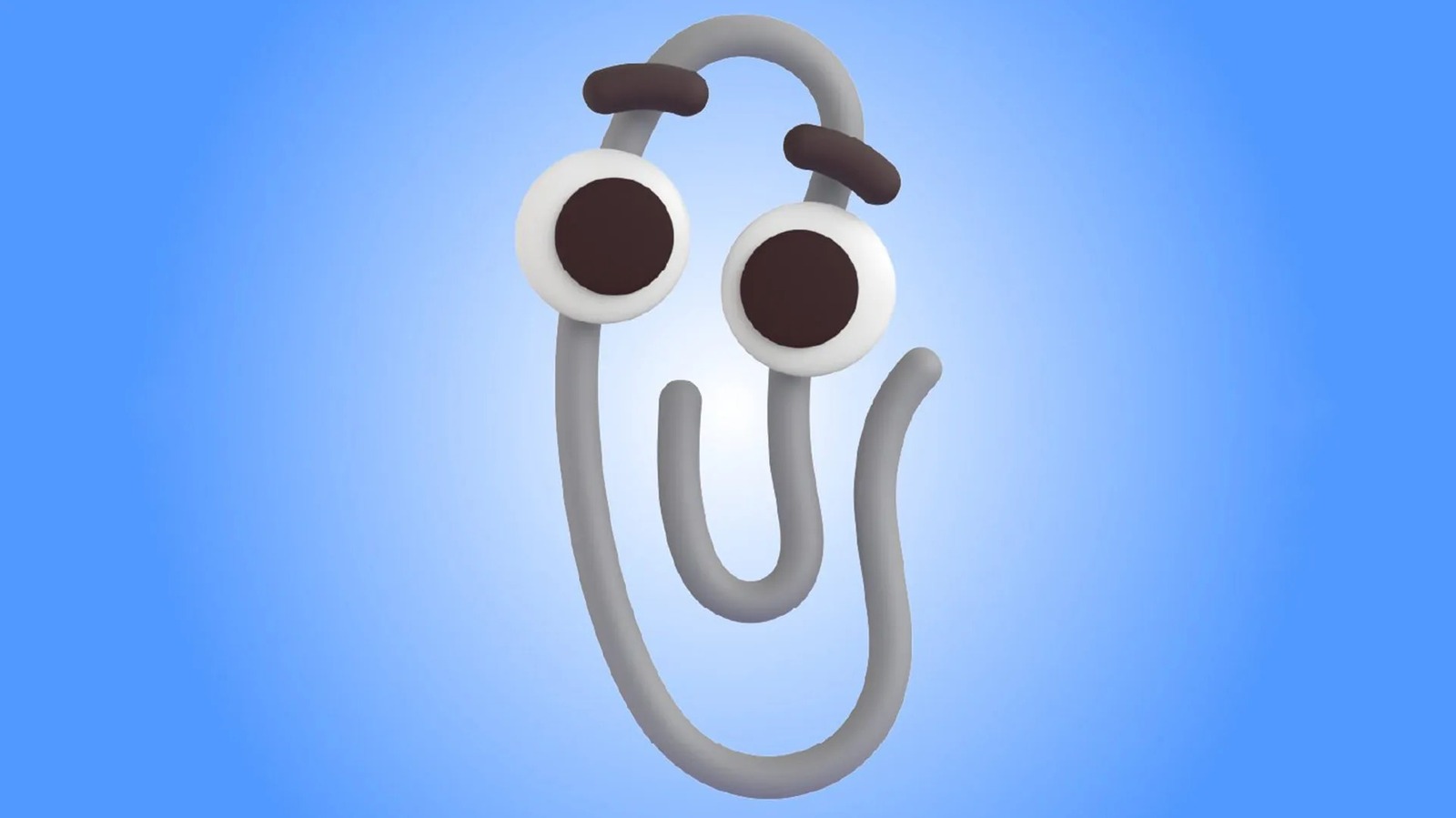
“It looks like you’re writing an email. Would you like help?” If you used Microsoft Office during the 90s, these words (or similar) echo in your memory. The Office Assistant, better known as Clippy, was one of Microsoft’s early attempts at creating a digital assistant. However, Clippy was doomed from the start because it was the product of misunderstood data.

While Microsoft Office 97 featured several avatars, Clippy was the default, so it attracted the most attention (and vitriol). Clippy was intended to offer advice on different tasks and help improve productivity — think Navi from “The Legend of Zelda: Ocarina of Time.” The concept behind Clippy was inspired by a Stanford University study that demonstrated humans generally react to computers the same way they do to other people; the parts of the brain that light up when engaging with other people and when hitting keyboards and moving mice were the same. Microsoft’s tragic mistake was to take the next “logical” conclusion and anthropomorphize the program. Clippy proved an immediate annoyance.

It frequently pestered users and asked them if they needed help with even the most basic of tasks (again, like Navi), but users didn’t hate the programmers; they hated the program because Microsoft literally gave the source of their annoyance a face. And customers reacted. On the bright side, Microsoft listened to its user base. While Clippy shipped with the next iteration of Microsoft Office, it was turned off by default, forcing users to search Clippy out. Microsoft finally gave Clippy and its cohorts their walking papers with Office 2007.

Those who don’t learn from history are doomed to repeat it

A phone displaying the Microsoft Copilot logo in front of the Microsoft logo gguy/Shutterstock

While Microsoft eventually realized that few people liked Clippy, the company never abandoned its dream to shove digital assistants into its many programs. On the bright side, Microsoft isn’t anthropomorphizing its products anymore, but on the not-so-bright side, the company isn’t giving users enough time to forget its past mistakes before making new ones.

In 2009, Microsoft started research into a new virtual assistant. This project would eventually culminate in the Bing-powered digital helper Cortana. Yes, the real-world virtual assistant was named after the “Halo” character, but the Cortana was far more knowledgeable and adaptable than Clippy. It was also built into multiple operating systems, so users couldn’t escape it short of using Linux or macOS. While reception was tepid compared to Clippy, interest eventually dropped off. Microsoft stopped implementing it and emphasizing its functionality until Cortana was completely shelved in 2023.

Before the embers of Cortana’s metaphorical funeral pyre had even cooled, Microsoft announced its next digital assistant iteration: Copilot. Unlike Cortana and Clippy, this assistant is powered by AI. Like Clippy, though, Copilot is designed for the Microsoft Office environment. This new AI assistant can summarize data and draft documents. If you think that last part sounds like Clippy, you aren’t alone; the studio FireCube released its own unofficial Clippy app, which integrates with Copilot.

Clippy lives on in our hearts, nightmares, and tributes

While Clippy is gone in an official capacity — hopefully for good, depending on who you ask — the mascot finds its way back every now and then, and not just because of FireCube’s unofficial app. Clippy can be seen in “Family Guy” and “The Simpsons,” but few organizations reference/mock Clippy quite as readily as Microsoft. In 2007, the company hosted the TechEd conference and opened with a skit starring then-President of Microsoft Bob Muglia and Christopher Lloyd (aka Doc Brown from “Back to the Future”).

Time travel shenanigans ensued, and they were eventually threatened by a big holographic Clippy. Clippy also returned in 2011’s “Ribbon Hero 2: Clippy’s Second Chance,” a free video game that teaches users about the ins and outs of Office 2007. For the most part, Microsoft’s Clippy references are short and don’t overstay their welcome — unlike the character. Some have been semi-permanent, though.

For instance, particularly nostalgic “Halo Infinite” players can purchase a Clippy weapon charm from the in-game shop, and a Clippy-themed nameplate was an unlockable reward in the game’s Season 2 battle pass. And in 2021, Microsoft’s X (when it was still Twitter) account made a post that stated that if over 20,000 people liked it, Clippy would return as the new paperclip emoji in Microsoft 365. And that’s exactly what happened. It’s hard to tell if people liked the post ironically, thinking it would never reach 20,000 upvotes, or if opinions have softened on Microsoft’s failed mascot.

Source

Posted on

Google Chrome Just Silently Installed A 4GB AI Model On

Google Chrome logo in the background with Gemini AI title in the foreground. Thrive Studios ID/Shutterstock

Resourceful users have discovered a file approximately 4 GB in size that Google silently installed on all machines with Google Chrome. It’s essentially part of a mass-distributed AI model available through the browser that no one had the opportunity to decline. As reported by privacy proponents like ThatPrivacyGuy – on any machine with Chrome installed, you’ll find a weights.bin file tucked away. More specifically, in the user profile directory, and nested in a folder called OptGuideOnDeviceModel, is the weights file necessary for Gemini Nano – Google’s on-device “efficient” AI model. It’s part of Google’s new push for AI support features in the browser, such as “Help me Write” or the scam detection functionality. Chrome’s new AI layer is also one of the reasons to stop using Google Chrome altogether on your devices.

The download of this file occurs when AI features are active, but that’s the interesting part. AI features are active by default in the newest releases of Chrome. Realistically, this isn’t completely new. People discovered the weights file last year, around five months ago, as of writing. Even when you delete the file manually, Chrome will redownload and reinstall it in a continuous cycle. To truly disable the feature and remove the file from storage for good, you must disable the Chrome flags related to AI tools. You can also use the enterprise policy tooling – but that’s not available to most casual users — it’s a commercial administration option.

How to disable the Chrome flags and remove the weights.bin file

Chrome Flags menu with AI optimization setting being modified through dropdown. Briley Kenney / BGR

To disable the necessary flags, open Chrome and enter chrome://flags in the address bar. Search for “Optimization Guide On-Device” in the search bar at the top. In the dropdown next to the option, select disabled. That should stop the 4 GB model download in the background. Restart Chrome to apply the changes, and you’ll also need to delete the weights.bin file if you haven’t already. That’s in %LOCALAPPDATA% > Google > Chrome > User Data on a Windows machine. On a Mac, you’ll find the file in ~/Library > Application Support > Google > Chrome. We have tested this entire process on a Windows 11 laptop and a desktop running Windows 10. Other users have reported that this works on Mac as well. If you are on an iPhone, Apple warns that you should stop using Chrome altogether.

Some other flags you might want to disable related to AI features include AI mode omnibox entrypoint — to remove the AI button from the address bar, and NTP compose or NTP composebox — to disable AI on new tabs. Within Chrome settings, navigate to System and disable “On device AI” for good measure. While you’re at it, you might want to clear your Google Chrome cache, which includes your browsing history and personal data. It’s a good idea to do that regularly, and when you do, you can double-check that those AI features weren’t turned back on by a recent update.

Source

Posted on

This Raspberry Pi Mod Can Fix The PlayStation 5 Controller’s

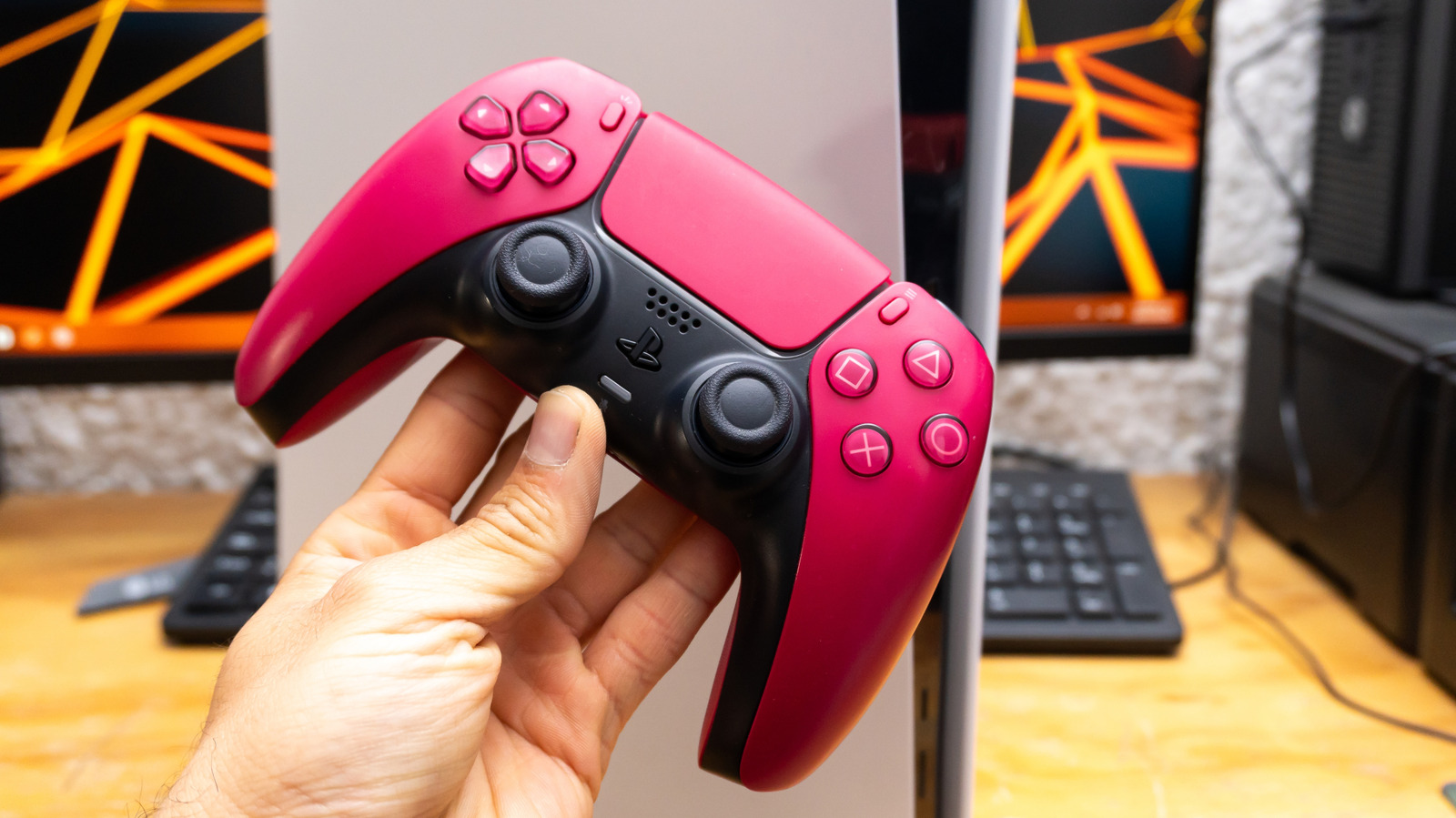
PlayStation 5 DualSense controller in red in front of PS5 console and desk. Nara_money/Shutterstock

Sony’s DualSense controllers originally designed for the PS5 are excellent for PC gaming, too, especially if you already own a couple and go back and forth between console and computer. The engineering is solid, as they’re durable and feel good to use, with decent battery life and precise controls. There is one major drawback to using them with a PC, however. If you want to leverage the exclusive adaptive triggers and haptic feedback, compatible mainly with Sony’s PC ports, you have to connect the controller using a USB cable. If you go wireless, you lose those features.

A resourceful developer came up with a tool called DS5Dongle that makes those features work on PC via a wireless connection. As shared on Reddit, you can use this software to turn the $7 Raspberry Pi Pico 2W into a wireless dongle for PS5 controllers. It effectively routes the wireless signal through a low-latency connection while allowing you to retain access to the adaptive triggers and haptic feedback.

It’s simple enough to set up, as well. You hold the BOOTSEL button on the Raspberry Pi Pico 2W and connect it to your PC via USB, then download the DS5Dongle firmware and transfer it to the Pi. Put the DualSense controller into Bluetooth pairing mode, wait for the Pico 2W to detect it and connect, and then away you go. Of course, the Pico 2W by itself is fairly barebones, but you can 3D print a case or find one online to make yours look a little cleaner. There are some really creative uses for a Raspberry Pi, and this wireless dongle certainly fits the bill.

How does the Raspberry Pi mod work, and what are people saying about it?

If you didn’t know how it all works, it would seem too good to be true. The Raspberry Pi acting as the wireless dongle connects to the PC, and when the DualSense connects to the Raspberry Pi, the dongle makes the PC think the controller is using a wired connection, enabling the USB-only features. Alternatively, you can use software like DualSenseX to customize some of these features without the dongle, but now, you can also get the DualSense features working with a relatively inexpensive device and an accessible setup method.

People are already praising the setup as a “game changer,” with multiple threads speaking highly of the Raspberry Pi Pico 2W and DS5Dongle combination. You should know that some games will support the adaptive triggers and haptic feedback, while others do not. “Rocket League,” “No Man’s Sky,” “Horizon Zero Dawn,” “Fallen Order,” “Death Stranding 2,” “Cyberpunk 2077,” and “Days Gone” are a few examples of games that support it.

It may not look tough without a case, so if you’re wondering how long Raspberry Pis last, most users say between 7 and 10 years. If you treat this little Pico 2W dongle with care, you should get some decent life out of it. The exception, of course, is if these features are natively supported later or another software tool makes them available sans dongle — but at that point, you could always repurpose the Pico 2W. There are quite a few quick and easy Raspberry Pi projects for new users, after all.

Source

Posted on

4 Common Hisense TV Problems That Owners Run Into (And

hisense logo on bottom of TV bang_rahmad/Shutterstock

There’s something especially frustrating about sitting down in your living room, booting up your TV to watch your favorite program, and running into nothing but problems. While smart TVs have continued to give us more access to our favorite shows, it sometimes feels like they’ve also given us more problems to contend with. It’s almost paramount now to look into the best smart TV brands before you buy one, and even then, any tech is prone to encountering issues here and there — especially as new firmware has a chance to introduce new bugs or problems.

One TV brand that has become pretty popular in recent years, especially thanks to its affordable pricing, is Hisense. And while Hisense TVs offer a lot for their price, like any tech, they might face issues at some point or another. In fact, there are a few common issues that seem to plague these TVs, and knowing how to address them can make dealing with them a good bit easier when they pop up. From black screens to missing sound, here’s what you need to know to fix some of the most common problems Hisense TVs might run into.

Apps freeze and crash consistently

hand holding smart tv remote with a blurred TV screen visible in background Ronstik/Getty Images

One of the biggest benefits of smart TVs is being able to download and natively run different applications like Netflix, Apple TV, and Disney+. But what happens when some of these apps start crashing consistently? Well, the first thing you should do is make sure there aren’t any updates available for the TV software. This can help rule out any possible issues that might have arisen from not updating, and you can usually check for updates on Hisense TVs by navigating to Settings > Support > System Upgrade. From there, you can select the Check Firmware Upgrade option and make sure you have Auto Firmware Upgrade turned on, too. This will help avoid any issues with running outdated firmware.

If this doesn’t work, you can try a full reset of your Hisense TV, which you can do by going to Settings > Support (or System) > Factory Reset. Depending on the type of Hisense TV you own, the setting names might be slightly different. For instance, resetting a Hisense TV that uses Roku as the operating system will require you to go into Settings > System > Advanced System Settings > Factory Reset. Remember that factory resetting will erase any data or apps that you might have previously installed on your TV, so proceed only when app crashes become too frequent.

The screen remains black when turned on

black screen TV in modern living room environment Tulcarion/Getty Images

You might run into this issue at some point, where you turn on your Hisense TV and the screen starts to boot up, but it ultimately just remains black the entire time. This can be really frustrating, especially since you can’t get into the TV’s settings to see what is going on. If this happens, the first thing you’ll want to do is restart the TV completely by unplugging it and plugging it back in. If the issue persists, then you’ll want to check all of the power cables and ensure they are properly plugged in and not loose in any way.

If the issue still persists, then you can try resetting your TV. While you’d normally require the screen to work to do this, you can actually reset some Hisense TVs without the remote. First, access the back of the TV and check if it has a reset button, which is often visible as a small recessed button near the connectors on your TV. Using a paperclip or some other small object, press the button until the TV restarts, and then release it. This should reset your TV back to factory defaults, which can help alleviate any software issues that might have been causing the black screen.

Flickering picture

screen flickering static as if on TV firoz miya/Shutterstock

Another common Hisense TV issue is the flickering of the picture when watching shows or browsing applications. If you notice this happening, the first thing you should do is check whether or not all of your video connections are secured, and that none of your HDMI cables are damaged in any way. If they are damaged, you’ll want to replace them immediately. Even if there doesn’t appear to be any physical damage, it is worth checking if another HDMI cable results in the same flickering, just to rule out any possible problems.

You can try changing your Hisense TV settings related to picture quality to ensure they aren’t causing any issues. You can also try adjusting the brightness of the display if the problem persists. The reason you should try your cables and settings is because sometimes the issue can occur when a cable is not inserted into the connector well enough. This leads to additional signal noise, which can then lead to other problems such as the screen flickering. It’s also worth checking to make sure there isn’t a new firmware update available, and if there is, you can always download it and see if that resolves the issue.

The TV is on, but you don’t have any audio

hand holding a remote with a smart tv blurred in background Organic Media/Getty Images

Another common issue that you might face with your Hisense TVs is the no audio bug. The first thing to do if you run into this problem is to ensure you didn’t accidentally mute the TV. You can do this by changing the volume on the remote. If that isn’t the cause of the problem, then you’ll want to move on to other troubleshooting steps.

First, try restarting the TV by unplugging it from the wall for 30 seconds to a minute. This gives the components and connections time to reset, and when you plug it back in, the issue may have resolved itself. If that isn’t the case, though, boot up your TV completely and navigate to Settings > Sound and check the audio output to ensure it is going to the correct device. If you’re using a soundbar with your TV, then make sure the soundbar’s cables are properly seated in the TV’s connectors, as if they have come loose, the TV won’t be able to transfer sound data to the speakers.

If none of these fixes make a difference, then navigating to Settings > Sound and then choosing the Reset option can help clear out all the audio settings so you can start fresh. If, for some reason, that still hasn’t resolved the issue, going for a full factory reset is your only remaining option.

Source

Posted on

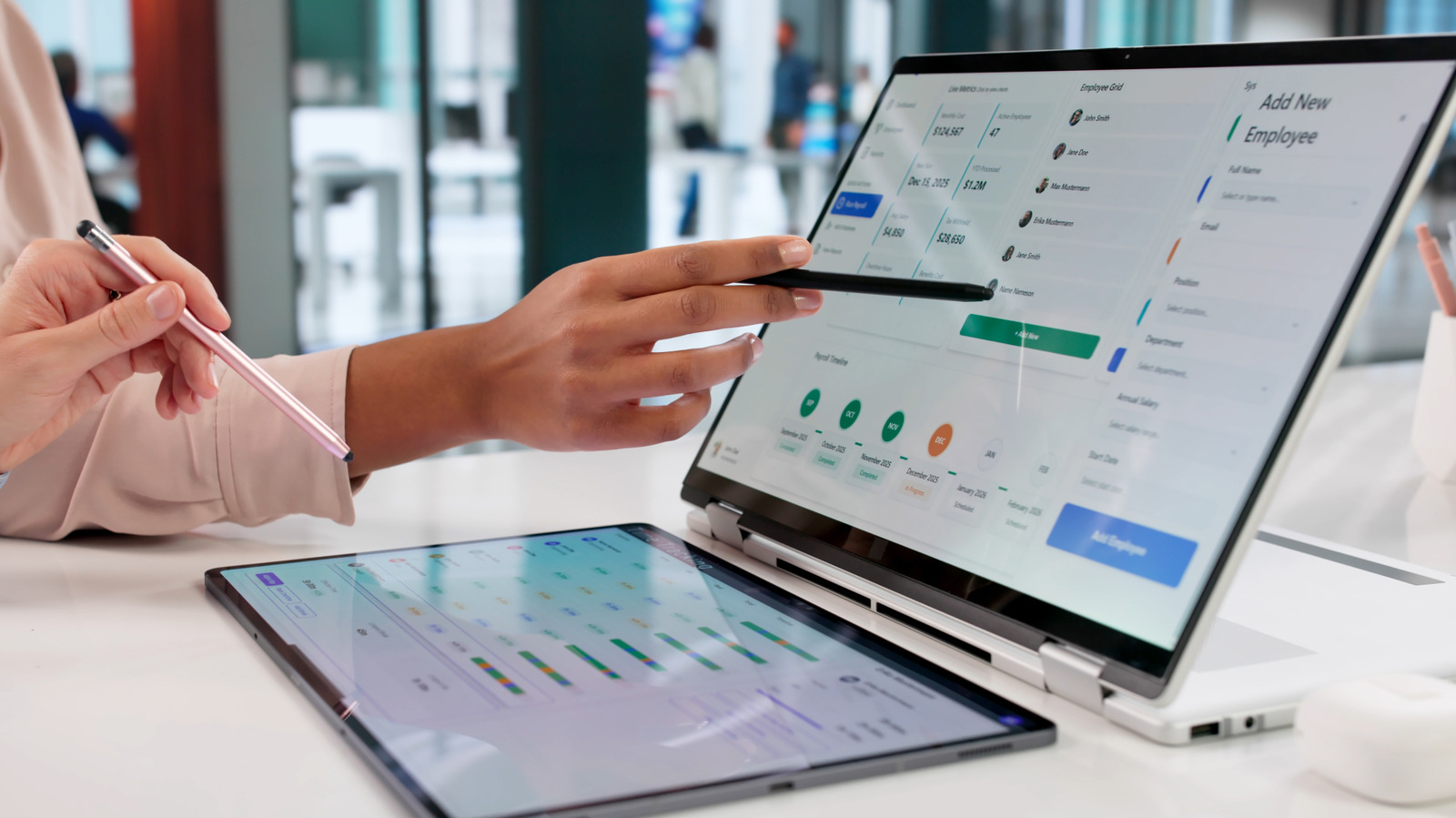
Why There’s Simply No Need For 2-In-1 Laptops Anymore

A person using a 2-in-1 laptop next to a tablet. Andrey_Popov/Shutterstock

2-in-1 laptops, a hybrid of a laptop and a touchscreen tablet, have technically been around since the ’90s, but they came into prominence in the early 2010s, particularly with the release of the 2-in-1-encouraging Windows 8. While the idea seemed novel and convenient at the time, the unfortunate reality is that the industry has largely moved away from the 2-in-1 format, due to tablets becoming cheaper on their own and PC apps remaining unoptimized for touchscreens.

While there are some appealing aspects of having a touchscreen on your laptop, such as quickly browsing documents, the cost of purchasing one today makes the idea far less appealing, especially compared to just buying a regular laptop and tablet separately. Even if a current laptop has a touchscreen, it’s more just a neat extra feature rather than a central selling point. If you’re currently shopping for your next laptop, you might want to filter out 2-in-1 models, since you’ll be paying for features you’ll likely never use.

Tablets are cheap, apps are unoptimized

A person typing on a keyboard in front of a 2-in-1 laptop. Proxima Studio/Shutterstock

The very first iPad tablet was released in 2010 and changed a lot of what we knew about on-the-go computing. The touchscreen made it easy to navigate certain kinds of apps and documents, in contrast to the occasionally iffy touchpads on laptops of the time. This sparked a major rush of tablet- and touchscreen-centric innovations in subsequent years; as we mentioned, Windows 8 was designed with touchscreens in mind, particularly the then-new Microsoft Surface.

However, in the decade since then, the novelty of tablets has largely worn off. Compared to when the iPad first launched, tablets are now available from a multitude of different brands and in a much wider price range. Where a 16GB iPad with 3G and Wi-Fi would cost you $629, you can now get a Samsung Galaxy tablet with better specs on Amazon for less than half that price. At these prices, paying an upcharge to get tablet-like functionality in a laptop is simply pointless.

Even if cost weren’t a factor, current PC apps aren’t designed for touchscreens anymore. Compared to Windows 8’s enthusiasm for them, touchscreens are basically an afterthought for Windows 11, with even Windows tablets with removable keyboards having little in the way of touch-optimized interfaces. “Optimization” is a keyword here, as most current Windows applications aren’t optimized for touchscreens, with touchpads or a USB mouse being much more comfortable options. 

Granted, Apple’s devices are a little more accommodating of hybrid interfaces than Windows. Even so, if you wanted all-encompassing device flexibility, you’d be more likely to get that from purchasing a MacBook Neo and an iPad Mini piecemeal than a device that tries and fails to serve both functions.

Source

Posted on

PlayStation’s 5 Weirdest Controller Ideas Ever

It’s no secret that we love the PlayStation 5 DualSense controller. We think it’s the best gaming controller currently on the market. The controller is sleek, comfortable, and many developers sneak in additional functionalities, such as sounds that play through the DualSense’s speaker. The controller is the culmination of five generations worth of advancement and weird ideas.

Throughout its life, the PlayStation has been home to (or the inspiration for) some strange controller designs. Remember when Capcom partnered with Nubytech to create a novel chainsaw-shaped controller (complete with sound-activating ripcord) to celebrate the release of “Resident Evil 4?” Or when Capcom collaborated with Hori to manufacture a katana-shaped controller to go with “Onimusha 3: Demon Siege?” Fun times. But these are nothing compared to Sony’s weirdest controller ideas. The company has manufactured and even toyed around with strange controller concepts that make playing a game with a toy chainsaw sound positively banal.

Here are some of Sony’s weirdest controller concepts. For this article we will only cover controllers that were (or would’ve been) first-party products, so no UltraRacer PS1 or Wu-Tang Shaolin Style controllers here.

PS5 Access Controller

Most of this article will consist of controller concepts that were too weird to make it to production (so far), so let’s start out with a strange idea that you can buy right now. Just because something is weird doesn’t mean it isn’t helpful.

The Access Controller is Sony’s proprietary controller designed for people with disabilities. Customizability is the central philosophy behind this device, as every “button” and “trigger” is a paddle you can alter and orient to suit your specific needs. The same is true for the joystick. Although the Access Controller only has one, you can overcome that shortcoming by combining it with other controllers — including another Access or standard DualSense.

Admittedly, the Access Controller looks weird to the average gamer because, to be blunt, we take our full range of finger and arm motion for granted. Sony worked with accessibility consultants to fine tune the Access Controller’s functions and shape to work with people who have various disabilities, and judging by videos people have posted using the peripheral, it works as advertised. Sony is hardly the first company to develop features for people with disabilities — Apple added accessibility functions to many of its devices — but the Access Controller is necessary for people with limited hand mobility that still want to play “Horizon: Zero Dawn.”

Controller with deformable buttons

From here on out, this article will discuss controller concepts that either were too weird for release or Sony has yet to finalize. Case in point: One of the company’s newest patents tries to turn buttons into components that aren’t quite buttons but still are.

Recently, the outlet Cheat Happens uncovered a patent for a series of “deformable buttons” that would be arranged on a “grid-shaped controller.” According to the patent, users will be able to twist, push, and pinch (ew) the buttons — for instance, instead of pressing the X button to make a character jump in a game, players would instead pull it. However these components will also push back since the buttons can deliver “force, weight, impact, and vibrations” to provide haptic feedback, and these would all “dynamically simulate sensations” from gameplay.

The patent and its description read like Sony is trying to make the lovechild of a DualSense controller and back massager with a deforming cloth sheath — or a Bop It, depending on how you read the patent. Could the aforementioned buttons only make up a small part of the controller (e.g., the face buttons), or would they be arranged on the grips? Would the controller be nothing but buttons that reform to create the silhouette of a standard controller? The design is so out there that we have trouble grasping the concept.

Fully touchscreen controller

In order to play video games on a tablet or smartphone, you often need to swipe and tap on virtual thumbsticks and buttons onscreen. Accessories like the Backbone Pro let you slot physical controllers into your device, but nine times out of ten, you’re limited to onscreen controls that rub against your skin. Once upon a time, Sony thought this was the future of gaming. Or maybe it still does.

In 2023, Sony filed a patent for a controller that’s all touchscreen and no physical buttons. Apparently, the idea was players could use the touchscreen to customize the controller layout however they choose. They want to create a left-handed controller where the main face buttons are on the left side? All they have to do is slide the buttons over on the screen. The device would even let players resize buttons, just in case they prefer the layout of the Nintendo GameCube controller.

On paper, the idea has promise, but what makes the controller so weird is why Sony thought it would be a good idea. History has shown that gamers generally prefer physical buttons — it’s why a market for devices like the Backbone Pro exists in the first place. Plus, physical controllers are generally more accurate than virtual buttons. Even if Sony makes this controller, it would never be able to compete with a physical device, especially one with Hall Effect or Tunneling Magnetoresistance joysticks. Now if Sony took inspiration from the Turtle Beach Stealth Pivot or Thrustmaster ESwap S Pro controllers, that peripheral could work.

Hybrid Move controller

The Nintendo Switch and Switch 2’s Joy-Con is a novel controller design. Who ever thought two halves of a controller that could snap together to form a larger controller or the sides of a handheld device could be so fun? Sony did, apparently.

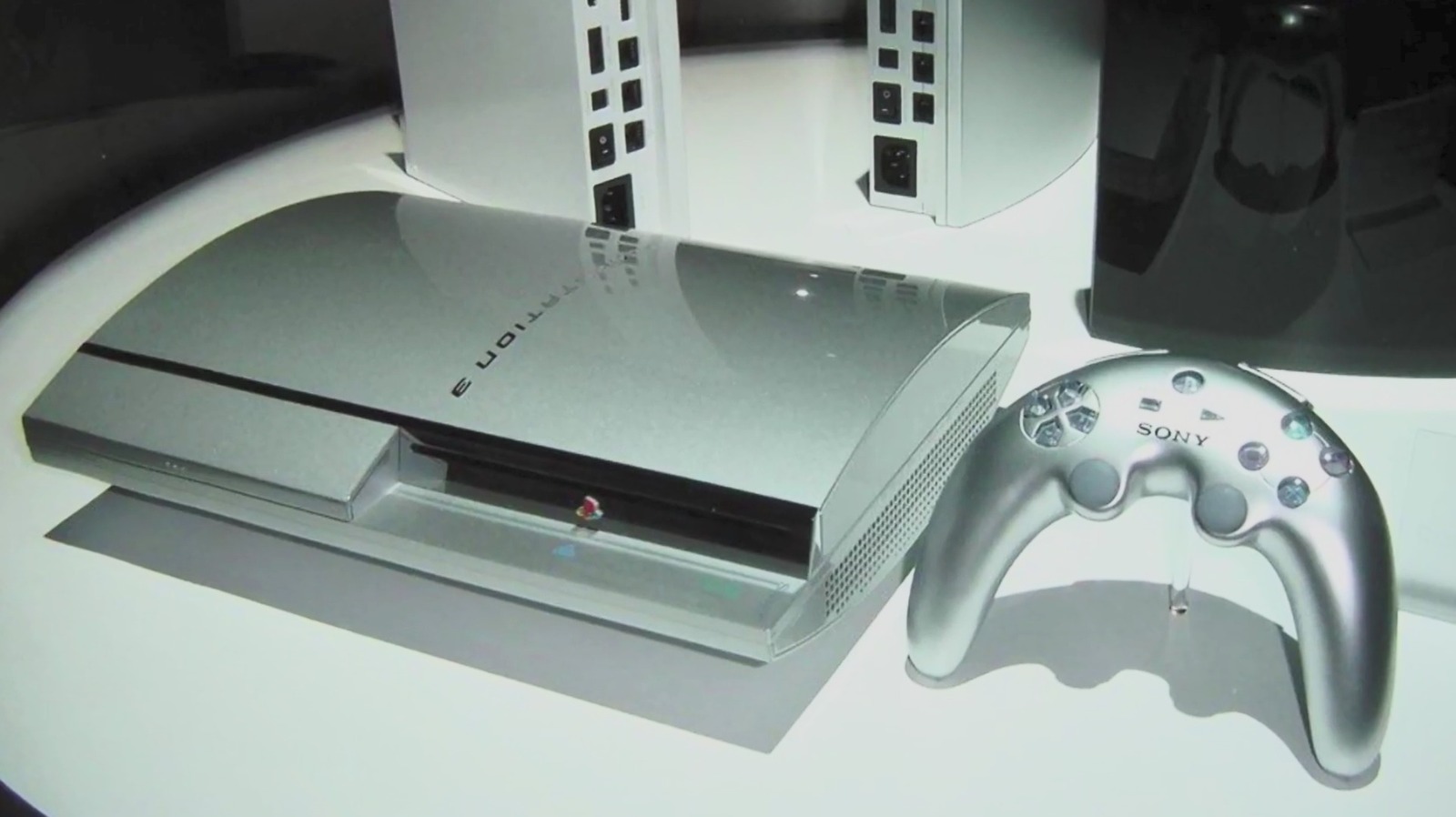
In 2011, Sony patented a controller that could split apart into two separate controllers. The basic idea was that they normally formed a whole Sixaxis controller (the controller Sony designed for the PlayStation 3) but could decouple into two separate PlayStation Move controllers. However, the company didn’t quite nail down how to secure the controller halves. Judging by the patent’s pictures, Sony was toying with ideas such as a twist-and-lock and a rail system.

Sony’s concept (which obviously never came to fruition) was admittedly ambitious, but what was the endgame? Did Sony want to go all in on the PlayStation Move for the PlayStation 4 and wanted to develop a device gamers could use for all titles regardless of control method? Were the balls on the end (a big part of all Move controllers) supposed to be a precursor to the light bars in DualShock 4 and DualSense controllers? And more importantly, why did Sony abandon this idea? We have so many burning questions.

Prototype PS1 Controller

Anyone with even a modicum of video game history knowledge knows the original PlayStation began life as a collaborative console between Sony and Nintendo. This is why the original prototype controller looked like a Super Nintendo controller. But after Nintendo reneged, Sony had to create its own console and peripherals, and since the company had no experience doing that, it came up with many weird designs.

Arguably the most infamous (and strangest) prototype for a proper PlayStation controller was one of if not the first development kit controllers. Like the finalized controller, this one had a d-pad and face buttons — analog sticks weren’t added until 1996/1997 — but it lacked the DualShock’s iconic gripping prongs. However, the controller had six face buttons (not including Start and Select), and its main gripping surfaces were two circular areas that faced towards the console instead of away from it.

Let’s be blunt: This prototype controller looks like it was uncomfortable to hold. It doesn’t matter whether a device has prongs or not, as the best ones have d-pads, buttons, and other components that sit above where the palm would rest on the controller’s underside. PlayStation’s first stab looks more like a backwards Sega Genesis (and by extent Sega Genesis Mini) controller. And what’s with the extra two buttons near the main four face ones? At least when third-party controller manufacturers add extra buttons, they’re usually placed in areas that don’t get a ton of traffic. Had Sony gone with this design, gamers would probably have been turned off, because six face buttons is two too many.

Source

Posted on

What Is The ‘Pause Break’ Key On Your Keyboard Actually

close up of pause break key on a keyboard Tomasz Śmigla/Getty Images

Ever looked down at your keyboard and wondered what all the buttons on it do? While some are pretty easy to understand — like Backspace or Page Down — there are some keys that you might not immediately recognize the benefit of, like the Pause Break key. This key is usually found on the top-right portion of the keyboard, and can sometimes be labeled with Pause, Pause Break, or just an abbreviation like PSE. Like all elements of the keyboard, including the bumps on the F and J keys, the Pause Break key has a reason for existing. It has just changed slightly over time.

This key originates from the mid-19th century, when telegraphs were used for long-distance communication. The original Break key could be used to break the circuit, allowing one side of the telegraph conversation to let the other know they needed to send a message. This has evolved over the years, especially with the move to computers, and the reason you might not immediately know why this key exists is that its functionality has mostly been moved to other keys in recent years.

For example, many apps now use the spacebar to activate their pause functionality instead of the Pause Break key. However, in older systems, the key was used to send a specific signal to the computer’s mainframe, allowing it to break off and interrupt certain functions. It can still be used as part of the debugging process, especially in Windows, when using the Command Prompt and other terminal-like applications that allow more granular access to the system.

Here’s what the Pause Break key can do on modern systems

fingers holding a pause break key from a keyboard, customization concept Sasar/Getty Images

While the use of the Pause side of the Pause Break key has mostly been replaced, the key can still be used for a myriad of things. For example, you can disable or remap the key entirely if you so choose. However, there are also a few easy hotkey setups you can use with the Pause Break key. Pressing the Windows Key + Pause Break opens the System Properties window (or System settings, depending on your version of Windows), allowing you easy access to information about your PC. You can also press Control + Pause Break to stop long-running console commands in Command Prompt or PowerShell, especially if there are legacy utilities or scripts involved.

Another use for the Pause Break key is during boot up, typically called Post, of your PC. When you have all the boot-up text displayed on your screen, you can press the Pause Break key to pause the text, allowing you to pause the information as it scrolls so you can check for any errors. It doesn’t work on every PC, but you can test it easily to see if it does on yours. It’s also possible that your keyboard doesn’t have the Pause Break key, as modern keyboards can vary widely, especially between countries, as seen in the differences between American and British keyboards.

Source

Posted on

5 Old Android Tablets Still Worth Buying In 2026

Man using tablet at kitchen counter while browsing or reading content Jacob Wackerhausen/Getty Images

Even though newer, better models exist today, some older tablets are still worth buying in 2026. That’s because you can find secondhand models in good condition at promotional prices from retailers and the marketplace. Even without the same hardware as the latest flagship models, some older tablets still handle most basic tasks for many users.

For anyone looking to save money on tablets while still getting premium features, older tablets are the best option. You can find AMOLED screens, or even capable hardware, that, among recent models, are available only in more expensive versions. Some older high-end tablets even offer a better experience than an entry-level model released later.

However, that does not mean every old tablet deserves your money. Some models lost important security updates or even have weaker components, such as low RAM or processor power. These factors can make those tablets struggle with modern apps, so you should try to avoid them.

Samsung Galaxy Tab S8 and S8+ (2022)

The Galaxy Tab S8 has already been around for four years, but Samsung Galaxy tablets are still a great choice over flagship models and can save a bit of money at the same time. This mainly comes from the Snapdragon 8 Gen 1 processor it uses, and although it is not suitable for gaming, it remains a pretty powerful processor nonetheless.

The main reason to consider buying it is, surely, the price. Because the Tab S8 has been around for so long, promotional pricing can put it on par with current mid-range tablets. It’s also easier to find a secondhand version. Even though newer models may outperform it, it’s still a powerful tablet for everyday use, and it costs much less than the latest ones. The S8 is still within Samsung’s update window and should receive new security patches this year, but don’t expect One UI 9 or Android 17.

The Tab S8+ is always up there if you want a large display size. It has the same chip and hardware, but a better display than the baseline model. This model offers a 12.4” AMOLED display, a standout option for all those looking for productivity and entertainment solutions.

Samsung Galaxy Tab S9 FE (2023)

Samsung typically releases “Fan Edition” versions of its flagship models, cutting some features to lower the price while keeping some premium elements. That’s what makes the Galaxy Tab S9 FE one of the best Samsung tablets for the price, because you can still get some of that flagship-like stuff for a lower price. One, for instance, is the S Pen included in the box, which is good for people who enjoy drawing or need precision when touching the screen.

Other than these features, there’s also the inclusion of an IP68 rating for dust and water resistance, something that you can hardly find within this budget. On the other hand, the Exynos 1380 may struggle with gaming, while it’s still good for other daily tasks.

However, with its IPS LCD screen, this tablet offers excellent video quality, featuring a 10.9-inch display, 2304×1440-pixel resolution, and a 90Hz refresh rate. Also, since the S9 FE is within the Samsung update window, it should receive significant software and security updates until 2028.

Google Pixel Tablet (2023)

The Google Pixel Tablet is one of the most unique devices around, since it acts as both a tablet and a Nest Hub. That’s because it comes with a dock that lets you transform the device into something resembling a smart display. Even if you don’t use those features, this version of Google’s Android operating system is far cleaner than many of its competitors.

Another great thing about the Google Pixel Tablet is that early in 2026, Google said it would extend support for the product from three to five years. Updates that would have ended sooner are now guaranteed to run until 2028 — especially after Google announced it had shelved development of a follow-up device. Still, it is good news for anyone who already owns one or plans to buy it.

The Google Pixel Tablet is equipped with the Tensor G2 chipset and 8GB of RAM.  While it is slower than most Snapdragon chipsets, it can handle your everyday tasks. The only negatives are the device’s 60Hz screen and the lack of a MicroSD slot, meaning you’re limited to the device’s internal storage.

OnePlus Pad (2023)

One of the reasons the OnePlus Pad struggled at launch was that it didn’t have much of a reputation in the tablet segment. It also had a MediaTek Dimensity 9000 chip, not the Qualcomm chip many consumers were already used to. So going with one of the tried-and-true offerings from Apple or Samsung felt safer than spending on something new, as it did with the first one.

However, this model came with impressive specs and is still one of the best Android devices you can find on a budget. For example, the 11.6″ display has a 144Hz refresh rate. The battery is extremely powerful, as the 9,510mAh provides up to 12 hours of video playback. Some versions come with 12GB RAM, which makes them great for some games too.

There are a couple of cons for this OnePlus Pad, namely limited update availability, despite running Android 16 and OxygenOS 16. This model also doesn’t include 5G connectivity, but even with these downsides, the price drop makes this device worth buying in 2026.

Xiaomi Pad 6 (2023)

Despite some issues with future software updates, the Xiaomi Pad 6 remains one of the best old tablets you can buy in 2026. It’s an affordable tablet if you find one in the secondhand market, and it offers both a Snapdragon 870 processor and a 144Hz display.While it might not be the best tablet for gaming, this model’s high-resolution screen is great for watching videos.

The Xiaomi Pad 6 has a pretty big battery capacity. Its battery comes in at 8,840 mAh, with estimates that it will provide around 12 hours of battery life while performing common tasks like browsing the web or watching videos.However, while the hardware is really impressive in this product, the Xiaomi Pad 6 lacks some future software upgrades. The latest update of this device was released in 2025, being Android 14 with Xiaomi’s HyperOS system. The Xiaomi will not support Android 15 or later, so it’s important to keep that in mind if you’re considering this one. 

How we chose these tablets

Person holding tablet displaying analytics dashboard with charts and graphs Brothers91/Getty Images

To make the cut as a good option for an older tablet to use in 2026, these tablets were evaluated mainly by performance. Several models on this list no longer handle heavier tasks, such as gaming, as they did when they were new, but are still good choices for daily use. 

Models with at least 6GB of RAM were selected to ensure better performance. Prices were also considered. The major point of those devices is that you’re paying less than their launch price or a 2026 model without sacrificing everyday performance.

Lastly, although some tablets listed above no longer support software updates, they continue to receive security patches. It’s crucial for such gadgets to have this support, since if your tablet contains sensitive information, including banking apps, you reduce the risk of vulnerabilities and data breaches.

Source