Posted on

The Nostalgic Software That Made Microsoft Huge Is Now Open

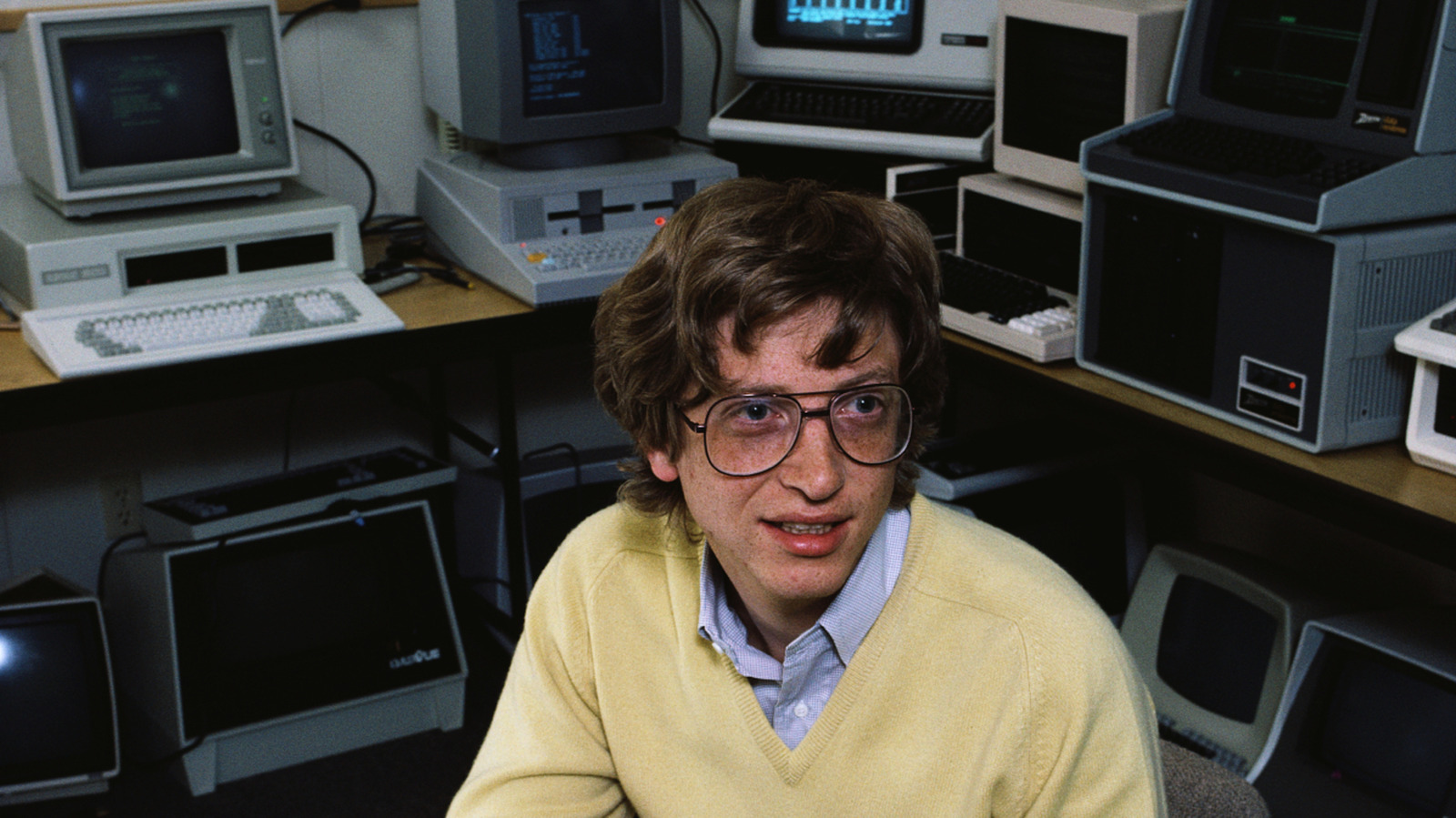
A young Bill Gates with computers behind him Doug Wilson/Getty Images

Microsoft has published the earliest-discovered version of the DOS operating system on an open-source GitHub repo. This comes after MS-DOS 1.25 and 2.x were open-sourced in 2018 and the source for MS-DOS 4.0 was released in 2024. The version being published in 2026 actually predates the MS-DOS branding — it’s 86-DOS 1.00, and the release was timed to coincide with the software’s 45th anniversary. That naming disparity hints at the fact that Microsoft didn’t write MS-DOS entirely on its own — rather, it purchased the rights to 86-DOS (which was originally called “QD-DOS,” for “Quick and Dirty”) and hired its creator, Tim Paterson, in the process.

After purchasing the rights to 86-DOS, Microsoft rebranded the software and MS-DOS was born in July 1981. That became the basis of PC DOS 1.0, which Microsoft adapted for the IBM Personal Computer 5150 that debuted in August 1981. Microsoft would then go on to license MS-DOS to other IBM-compatible PC makers like Compaq and Zenith. These versions of DOS (disk operating system) are what came before Windows, and until Windows XP, served as the brains behind the operation. Windows would effectively run on top of MS-DOS or PC DOS, acting as a graphical user interface for the system’s functions, rather than requiring the use of the command line.

According to Scott Hanselman, who helped release these ancient operating systems for anyone to tinker with, the “earliest DOS source code” was found in Paterson’s garage. These printouts had handwritten notes scrawled over them, giving a snapshot of how development worked in the ’80s, long before Microsoft features started to become invasive. You could, in theory, rewrite all of this in assembly code and produce your own version of DOS.

86-DOS 1.00 helped kick off DOS domination

The legacy of 86-DOS 1.00 cannot be overstated. So many of the office machines that ruled the ’80s would eventually adopt one of its derivatives: PC DOS on IBM-branded machines, or MS-DOS on computers marketed as “IBM-compatible.” Ultimately, the latter became the more common disk operating system — even IBM itself ended up using MS-DOS in some capacity, despite having OS/2 and PC DOS.

Shortly after version 1.00, 86-DOS 1.10 added support for the EXE executable format. Following Microsoft’s acquisition, the software was rebranded as MS-DOS 1.10, and the first release to not feature any “86” branding (MS-DOS 1.25) debuted in June 1982, adding the ability to use double-sided disks. By March 1983, MS-DOS 1.25 was superseded by MS-DOS 2.0, which brought about a groundbreaking concept still in use today: installable device drivers.

Those into PC gaming who remember using MS-DOS would have likely used a much later version. DOOM, released in 1993, would have been played on MS-DOS 6.0, which was released the same year. Starting with Windows 95, however, MS-DOS began to take a back seat. With prior versions, MS-DOS had served as the OS, while Windows was a GUI running on top of it. Windows 95 started taking some of the operating system-level responsibilities into its own hands, and Windows 98 took things further. The final version of MS-DOS, 8.0, came bundled with Windows Me, but by the release of Windows XP in 2001, MS-DOS was no more.

Source

Posted on

If You’re Wondering Why Netflix Looks Like TikTok Now, This

The Netflix logo on a phone and the Netflix catalog in the background, on a computer. Miguel Lagoa/Shutterstock

Netflix has announced a big redesign for its mobile app, unveiling a new “Clips” feature that will remind users of TikTok, Instagram Reels, YouTube Shorts, and every other social media app that offers a feed of short-form vertical videos that users can keep scrolling for entertainment purposes. Netflix isn’t looking to replace TikTok with the new Clips feature, but it is competing for users’ attention in those moments when quick social media scrolling might scratch an itch that the regular mobile Netflix experience can’t. Netflix addressed that point at the start of the press release announcing the new feature: “Whether you’re on your lunch break, commuting, or waiting for your next flight, Netflix on your phone is always with you.” The new Clips feature is an “exciting first step towards evolving mobile for members,” according to Netflix.

Netflix also put the mobile app redesign on par with last year’s redesign of the Netflix TV app, an experience that some users criticized at launch. However, Netflix thinks “the same focus on simplicity and delight” is going to work for the mobile experience, at least for content discovery. The purpose of the vertical video feed in the new Clips section is to help users find new content to watch, and it may have some value. Rather than endless scrolling in the regular Netflix app, on mobile, PC, or desktop, a highly personalized feed of clips may be more helpful.

Importantly, the Clips section will not offer users endless scrolling like TikTok and Instagram do. That’s something Netflix addressed in the press release, suggesting a limited number of videos will appear at any time in the Clips section.

When will Clips be available?

The new mobile experience will be available beginning April 30, 2026, in several markets, including the U.S., U.K., Australia, Canada, India, Malaysia, Pakistan, the Philippines, and South Africa. Users in those markets may need to update the Netflix mobile app to start seeing the vertical video feed. The rest of the world will get access to Clips in the coming months. Initially, the Clips section will show videos from movies, TV shows, and specials. Netflix said that videos from podcasts and live programming will be available later. Also, specific Collections based on genres may be featured in the Clips section (as seen in the image below).

As for the personalization features, Netflix said that the vertical videos that will appear in the Clips section will be based on the user’s preferences. This suggests that the Clips feed will be different for all users, rather than showing the same reel of trailer-like clips. There’s no indication that the Clips section will feature ads, but considering Netflix’s focus on personalization, that might happen in the future. “Our vision is to make our mobile experience as entertaining as what you watch, delivering increasingly personalized, immersive experiences for any mood or moment,” Netflix’s Chief Product and Technology Officer Elizabeth Stone said in a statement. “This is just the beginning.”

Since the Clips feature competes with TikTok vertical videos and other social media apps for user attention, it’ll also have a somewhat similar interface, with buttons placed on the right side of the vertical video, including buttons for adding titles to the user’s list and discovering new content. A Share feature is also available, letting users send clips from their favorite shows to friends and followers. It’s unclear how the followers feature would work, however.

Clips isn’t exactly a surprise

Longtime Netflix users and investors may not find the Clips feature surprising. Netflix explored vertical videos in the past, such as with the Fast Laughs feature. The company also launched a Netflix Moments feature in 2024 that allowed users to highlight specific scenes from Netflix shows and share them with friends. More importantly, the company started testing a TikTok-style vertical feed in the Netflix mobile app in May 2025. In January 2026, Greg Peters mentioned the pilot, hinting that Netflix was already seeing it as a success, and that plans for more vertical video content were in the works. In mid-April, Netflix said in a letter to shareholders that the updated mobile experience, including a vertical video feed feature, would be launched by the end of the month.

The focus on vertical video is limited to the Clips section, which aims to boost content discovery. That means subscribers will still have to consume long-form Netflix content in landscape mode on their mobile devices, not portrait mode. The vertical video format is restricted to the Clips feature.

Source

Posted on

Apple TV’s New Comedy Horror Series Launches With 100% Rotten

Apple TV is no stranger to producing some primo content. With shows like “Severance” and “Ted Lasso” under its belt, the service is also home to the Academy Award-winning movie “Coda,” among other critically celebrated hits. However, fans of the horror-comedy genre may have been longing for something new to binge — especially after Drew Barrymore’s “Santa Clarita Diet” was canceled too soon — and an emerging series on Apple TV is winning the approval of critics and audiences.

For anyone interested in a terrifyingly entertaining time, the new series “Widow’s Bay” is showing promise. So far, the 10-episode series is off to a rather impressive start in terms of reviews, as it currently holds a 100% Tomatometer score and a 93% Popcornmeter score on Rotten Tomatoes. Only a couple of episodes of Season 1 are currently available, meaning you may need to check our recommendations if you want an Apple TV miniseries you can finish in a day.

In a review for the Tech Advisor, critic David Opie says “Assuming that an old-timey curse doesn’t come along and spill everything, we might just have the next big hit from Apple TV on our hands. It’s a classic in the making.” Of course, if critics and the internet aren’t enough motivation to give it a watch, know that series creator Katie Dippold is no slouch in Hollywood, as she has writing credits for shows like “Parks and Recreation” and “The Heat,” if that helps give you an idea of what you’re in for.

Widow’s Bay is a horrifyingly fun time on Apple TV

While not super predominant on the platform, there is horror content to be found on Apple TV. In fact, the first terrifying offering from the service was M. Night Shyamalan’s 4-season series “Servant,” which did take on some dark comedy elements from time to time. Naturally, there’s also plenty of corporate-horror and thrills in the previously mentioned “Severance” as well. However, the company’s latest series aims to make you laugh just as often as it makes you scream.

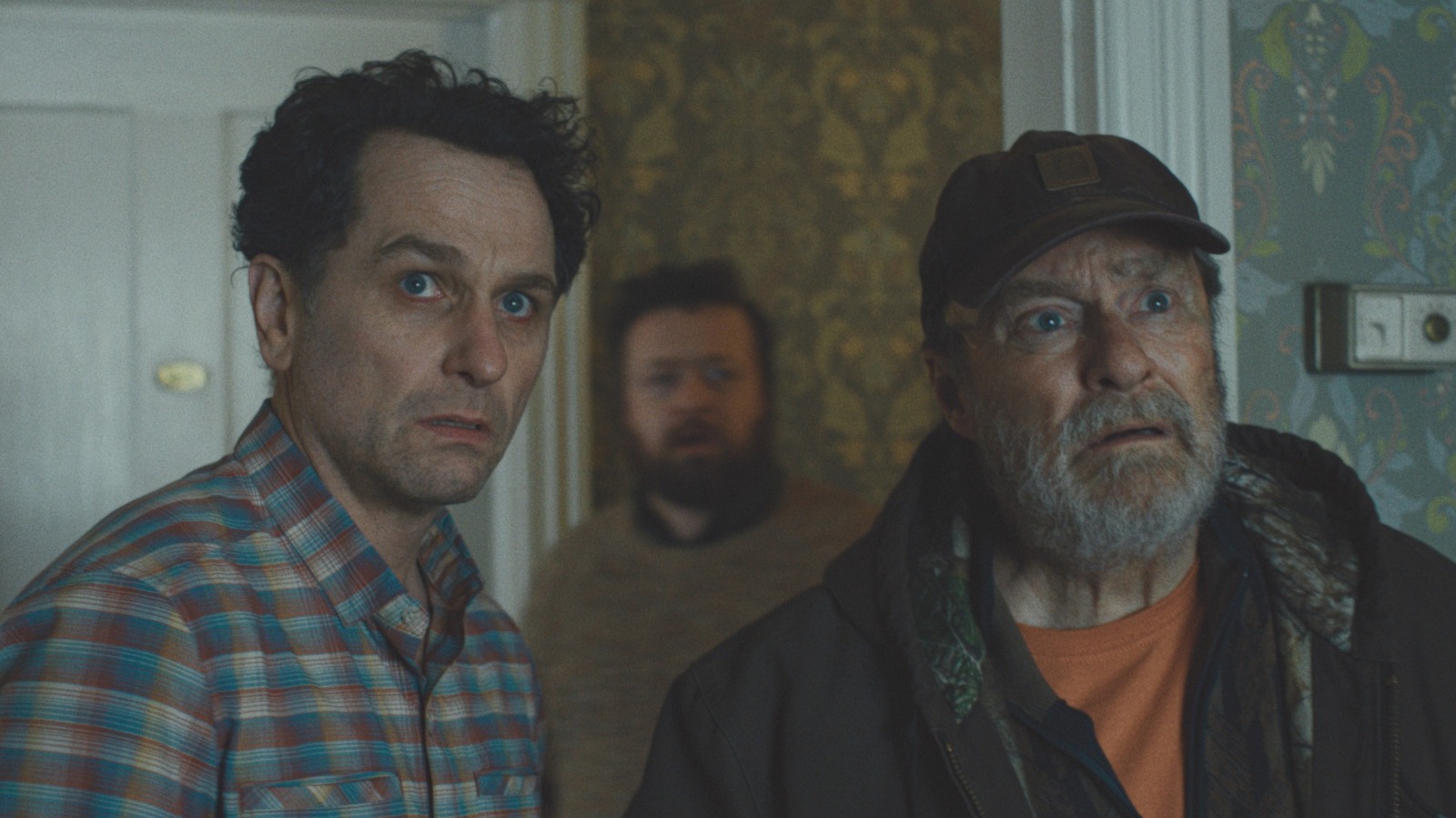
Following a small island town off the New England coast of the same name, “Widow’s Bay” centers on the story of Mayor Tom Loftis (Matthew Rhys). Longing to bring some vitality to the townspeople’s poor living conditions (no Wi-Fi!), Mayor Loftis does his best to appease his constituents despite being convinced the island is under a curse. While the mayor slowly begins bringing tourists to the island, it turns out the locals of Widow’s Bay were right to be worried, as the superstitious stories plaguing the island soon become a reality.

Along with Rhys, “Widow’s Bay” also stars Stephen Root, Kate O’Flynn, Kingston Rumi Southwick, Dale Dickey, and Kevin Carroll. The series currently has its first three episodes streaming on Apple TV, with new episodes arriving each Wednesday until June 17. While things look rather promising for the series so far, we’re hoping “Widow’s Bay” becomes an Apple TV show you can binge again and again — but for now, we’ll just have to wait and see.

Source

Posted on

Your Google TV Is About To Look Very Different —

For those with a Google TV-powered television or a standalone device like the Google TV Streamer, your experience is about to include some more doomscrolling. With Google now having a larger focus on its artificial intelligence assistant Gemini, the company is delivering even more tools to users, with the most impactful addition being the inclusion of a new “Short videos for you” section directly on the Google TV home screen. Now, users will be able to easily scroll through collections of YouTube Shorts, though Google is also bringing some additional changes. 

According to a Google blog post, along with the new feed, the company is also bringing generative AI photo and video tools to the platform. Now, users will be able to generate images and video clips directly from their TV. Along with these features, there will also be the ability to search through a Google Photos library and add additional elements to located images. While some of these features are already beginning to roll out, those looking for the new Shorts feature should expect it later this year. 

The news follows Google’s introduction of artificial intelligence features to its TV platform in January, including Google Photos support and new Gemini features for Google TV. Though the new generative AI features introduced for Google TV will have some novelty appeal, it will be interesting to see how users react to the new row of short-form videos being added directly to their home screen.

Google brings more Gemini features to Google TV

A smartphone displaying the Google TV logo, the device is in front of a blurred background that appears to be a movie selection screen for a streaming service or a smart TV jackpress/Shutterstock

Along with users being able to scroll through a collection of “snackable videos” primarily arriving from YouTube Shorts on their Google TV home screen, the wording in the company’s blog post suggests this will be a starting point for content, with the possibility that more will arrive in the future. Additionally, Google states that the new feature will begin rolling out to those in the U.S. this summer. 

The company is also bringing Nano Banana and Veo photo and video editing tools to Google TV, providing users with options to build new media from scratch based on prompts or to add additional elements to existing pictures. Those in the U.S. with a TCL Google TV that has Gemini enabled may already be able to take advantage of these tools, which may grow into the type of hidden features every Google TV user needs to know. For those that have access to the feature, you can start prompting by navigating to the Gemini tab on your device and choosing Create.

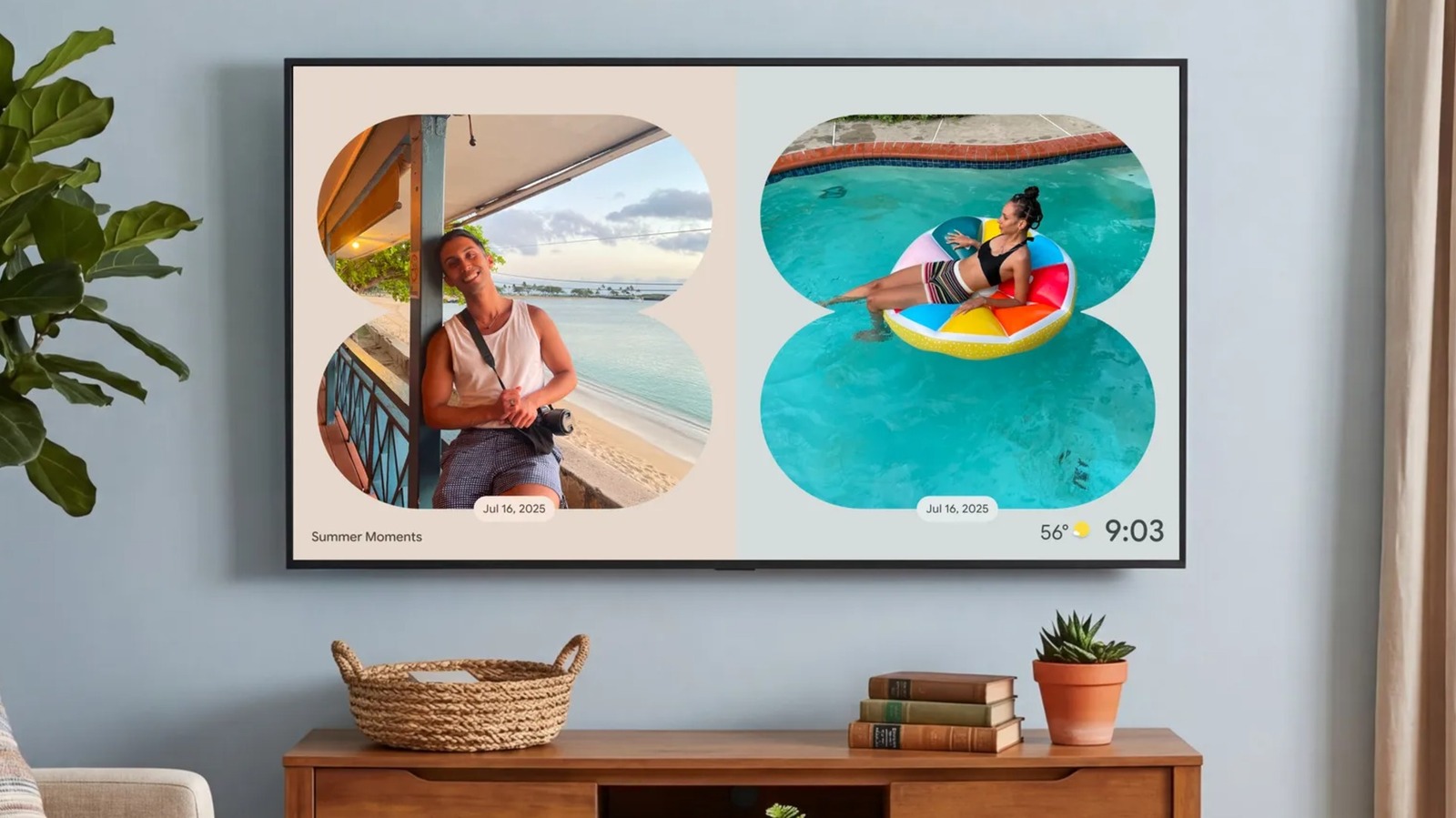
Lastly, additional image options are also arriving, including the ability to search through your Google Photos library using Gemini. Once you’ve found a photo, you’ll then have options like the ability to create a dynamic slideshow or tweak the image using Google Photos Remix, a feature that allows users to bring a new twist to an old shot. Both search and Remix are coming to devices in the U.S. that feature Gemini, whereas slideshows will be available at some point globally.

Source

Posted on

5 Canceled Sci-Fi Shows That Had Their Stories Continued As

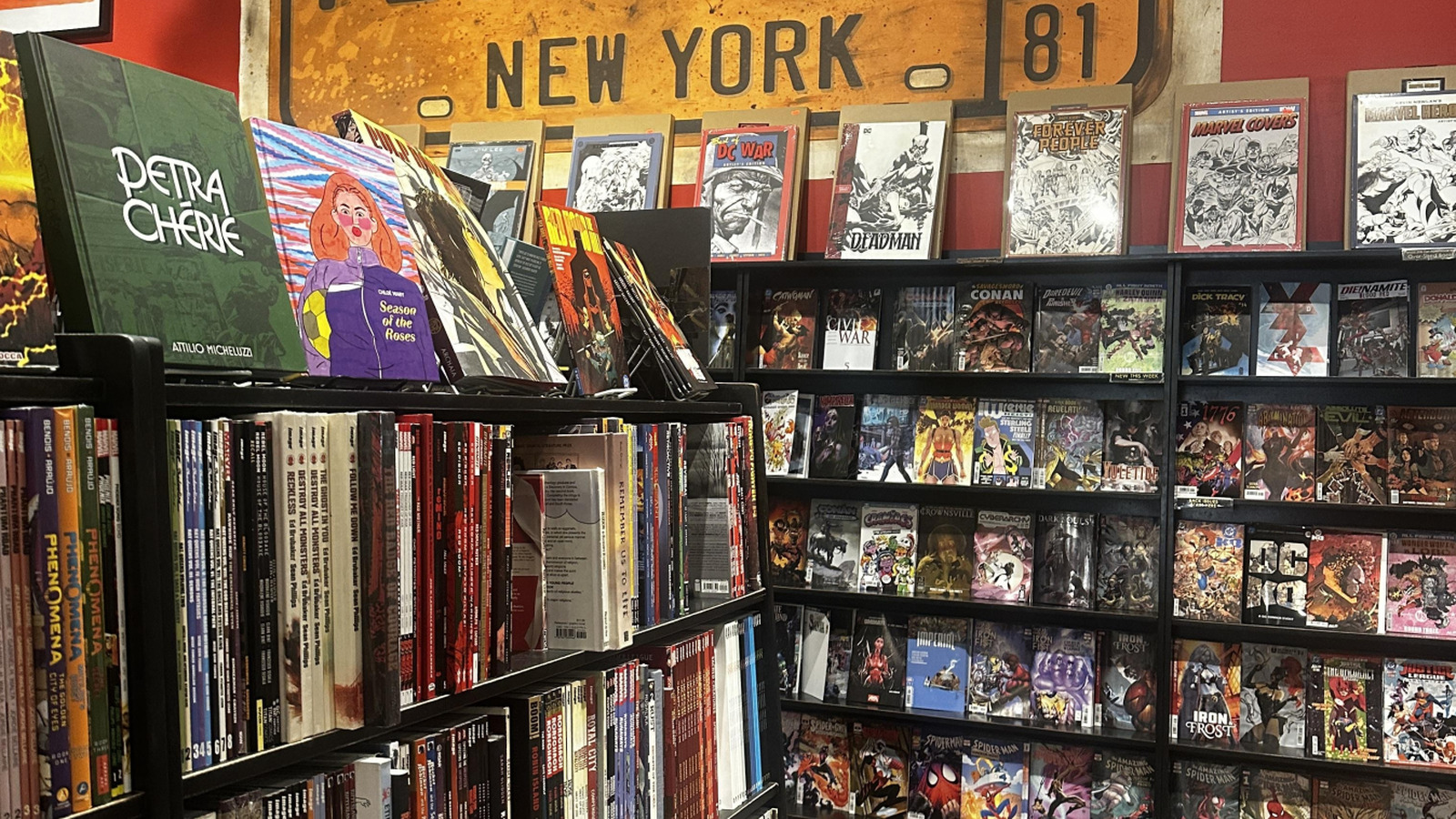
A picture of inside a comic book store MrWanderful/Shutterstock

Sci-Fi fans are having a good time, with shows like “Severance,” “Resident Alien,” and “Pluribus.” This genre has given them seasons of television that have captured the minds of many by pushing the boundaries of human imagination. Some managed to end their run, but left fans without a true sense of closure. Others ended abruptly due to factors beyond the creators’ control, such as declining viewership, budget constraints, and studio interference. While many have disappeared into the ether, others have continued in a form that is free from the constraints of the TV format: comics.

Comic books give creators of canceled shows a chance to flex their imagination even more. They don’t have to worry about things like big budgets, special effects that may not age well, and locking in actors for the next few years. They are gifts to fans for sure, but they can also present the uncompromised vision of the showrunners. These shows include the early years of a young Man of Steel, a beloved cheerleading vampire slayer, and a cult-classic space western. 

All these found a home in the comic book fandom and have told stories that often expand the lore, instead of just being distant tie-ins. With TV show reboots all the rage these days, you can only hope they have a chance to come back. But even if they don’t, at least you have a way to catch up with them and see how certain cliffhangers or lingering questions were resolved.

Invader Zim

“Invader Zim” was a NickToon that debuted on Nickelodeon in 2001. It centers on the titular character, Zim, who belongs to the Irken Empire, a race of conquering bug-like aliens from the planet Irk. His leaders find Zim annoying since he is such a screw-up, and they send him to Earth just to get him out of the way. They hope he fails and never returns, but Zim is so determined to succeed. While on Earth, he disguises himself as a human child and even attends school. But only one person in his class, Dib, can see through his disguise. The problem is that everyone thinks he’s crazy.

The series is all about Zim learning about the human race in order to conquer it, while Dib tries to stop him. For a kids’ show, “Invader Zim” earned a cult following for its dark and gritty humor. It ran until 2006, but it had such a troubled production cycle that it only had two seasons. It was canceled due to low ratings since the target audience was just not watching it. Zim would return in 2015 in comic book form, which had a monthly run that ended in 2020. It has 50 issues in total, but the comic book as a whole ended in 2021 with a one-shot — a single issue that tells a stand-alone story.

Smallville

“Smallville” is about a young Clark Kent (Tom Welling), who would grow up to become Superman. Despite Clark only becoming The Man of Steel for a brief moment in the series finale, characters from the comic books made an appearance earlier than they should have, including Lex Luthor, Lois Lane, Supergirl, Bizarro, The Flash, Aquaman, and Cyborg. It also introduced new characters, such as Clark’s best friends, Chloe Sullivan and Pete Ross, and Lex’s father, Lionel Luthor. It was a lore-breaking show, but an enjoyable one, considering it lasted 10 seasons.

Just when fans thought the story of “Smallville” was done, season 11 was announced by DC Comics in early 2012. The first issue dropped digitally on April 12, 2012, picking up six months where the show left off, with Clark trying to figure out what being Superman is all about. The digital chapters of “Smallville” season 11 were released weekly for the majority of its run, from 2012 to 2014. It had 69 chapters in total, but the story was continued through 47 more chapters in a mini-series. There were 19 print issues in total.

To the surprise of fans, Tom Welling would briefly reprise his role of Clark Kent in the “Arrowverse” on the CW. He played a version of Clark that gave up his Superman powers in the crossover event “Crisis on Infinite Earths.”

Jericho

“Jericho” was an intriguing post-apocalyptic series that aired on CBS in 2006 for two seasons. The story centers around Jericho, a fictional small town in Kansas, where its residents are trying to rebuild life after a devastating nuclear strike isolates it from the rest of the world. It focuses on the lives of a core group of characters after seeing the mushroom cloud from the nuclear strike that hit Denver, Colorado. The intrigue that made the show a cult hit stems from its strong cast of characters and its mix of shifting power dynamics, the establishment of a local government, and uncovering the mystery behind who attacked the U.S.

The show was canceled in 2007 due to low ratings, but a massive fan campaign brought it back for a second season. When ratings remained low, CBS pulled the plug permanently, but that wasn’t the end of “Jericho.” “Jericho Season 3: Civil War,” published by IDW Publishing, was a direct continuation of the series, and it was written by the original writers of the TV show. It ran from 2009 to 2011 and consisted of six issues. Then came “Jericho Season 4,” which ran from 2012 to 2013 for five more issues.

Buffy the Vampire Slayer

“Buffy the Vampire Slayer” was originally a 1992 movie that flipped the script of the monster chasing the girl to be the other way around. In the movie, cheerleader Buffy Summers (Kristy Swanson) discovers she is a chosen warrior known as the Slayer, with superhuman physical abilities like enhanced strength and sharper reflexes, for the purpose of killing vampires. The movie was a flop, but the writer, Joss Whedon, didn’t give up on the concept.

Whedon felt his original vision was butchered by studio involvement, turning the movie into a comedy. Instead of using the movie as a prequel, he wrote a show that was darker, grittier, and would serve as a fresh start. “Buffy the Vampire Slayer” premiered on The WB in 1997, with Buffy being played by Sarah Michelle Gellar. She transferred to Sunnydale High in California, a school that happens to sit on top of a Hellmouth, a supernatural portal that attracts all sorts of evil, including vampires, demons, and witches, that she must stop with the help of her friends.

The show ran for seven seasons, but Dark Horse Comics picked it up for an eighth season, which ran from 2007 to 2011 and had 40 issues. It’s a direct sequel to the TV show and was written by Whedon and several other writers. There was a “Buffy the Vampire Slayer” reboot in the works at Hulu, with Gellar set to return (without Whedon’s involvement). Sadly, Hulu passed on it.

Firefly

“Firefly” was another Joss Whedon show that was prematurely canceled. The show is a space western that stars Nathan Fillion as Malcolm ‘Mal’ Reynolds, the captain of a small ship called the Serenity. The show didn’t have any world-ending stakes, just Mal and his crew of renegades doing what it takes to survive in the dangerous parts of the galaxy that have been ravaged by a universal civil war years earlier. At the same time, they must avoid warring factions, with the most feared being the flesh-eating Reavers. Naturally, the crew also has frequent run-ins with the authorities.

The show debuted on the Fox network in 2002, but low ratings and high production costs led to this sci-fi show being canceled after one season. “Firefly” would become a cult hit, and fans would have a chance to go on one more adventure with the crew in the movie “Serenity,” released in 2005. Dark Horse Comics would then release “Serenity” comics from 2005 to 2017, which started out as prequels to the movie and follow-ups to the TV show, but would later continue the story beyond the movie. 

Boom Studios Comics would also release “Firefly” comics in 2018, with some being prequels and others continuing after the “Serenity” movie. In 2026, Nathan Fillion announced that “Firefly” would be returning as an animated TV show. The series is a prequel to “Serenity” and will feature the entire cast of the original show reprising their roles.

Source

Posted on

China’s First ‘Pre-6G’ Network Claims It’s Up To 10 Times

A hand reaching out to a stylized Wright Studio/Shutterstock

Smartphones are an integral part of almost everyone’s lives. We use them to stay in touch with one another just as much as we use them for entertainment. However, without a mobile network, a smartphone is little more than an expensive flashlight. Currently, 5G is the fastest network type that is widely available, but China is experimenting with the next iteration. And it is already a huge improvement over 5G.

Recently, China began testing what officials hope will become its first 6G network. This “pre-6G” trial network is built off the skeleton of a pre-existing 5G framework but is allegedly 10 times faster than its predecessor. The test took place in Nanjing, a major city in the Jiangsu Province, but it didn’t just show off the burgeoning technology’s speed — it also demonstrated features such as extremely high bandwidth, lower latency, and AI integration. It’s unclear how AI was implemented in the cellular network, however.

While the test was promising, 6G networks are nowhere near ready for the general public. Engineers don’t expect to finalize system specifications and capabilities until 2028 at the earliest. However, China is funding a $485 million investment into 6G technologies and their associated applications and talent, so don’t be surprised if the release build of 6G zooms past the recent pre-6G test network’s speeds.

6G networks could finally give us holographic communication

If we are being blunt, we can’t wait for 6G. This technology could revolutionize the communication industry if the speeds it displayed in the pre-6G network test are any indication. But connecting to websites and downloading apps faster only scratches the surface of 6G’s capabilities.

During the network test, engineers conducted verifications regarding 6G’s application in numerous fields. These included low-altitude inspections, industrial manufacturing, and even holographic communications. This last one is of particular interest, as in 2024, scientists developed an antenna that used 6G signals and made holograms a hypothetically viable communication method. If you thought using apps like Zoom to video chat with coworkers was impressive, imagine talking to a small holographic projection of them. That would be every “Star Wars” fan’s dream come true.

6G could also completely upend the transportation industry. Earlier this year, reports surfaced that Chinese engineers were developing a “smart surface” that could draw energy from 6G radar waves. With the power coursing through 6G signals, this technology hypothetically could give anything using this material all the fuel it could ever need. While this technology is intended for jets, imagine EVs built with the smart surface. Sure, you could probably only drive them in major cities with 6G networks, but they would never need to recharge or refuel. A small price to pay.

Source

Posted on

This One Common Car Accessory Has A Massive Impact On

An electric vehicle at an EV charging station alinailasi/Shutterstock

Aftermarket roof racks are one of the most common attachable car accessories, and projections from Market Research Future indicate that the market for roof racks will grow from $1.747 billion to $2.909 billion by 2035. But if you have a roof rack attached to your electric vehicle, it is undeniably affecting your battery range. This is because a roof rack increases the frontal surface area of your vehicle, which also increases the amount of wind drag your car has to overcome while traveling down the road.

Experiments have shown that an empty roof rack reduces a gasoline-powered car’s fuel efficiency by up to 12%. Of course, roof racks are often used to carry bulky objects like bicycles, storage boxes, and outdoor recreational gear, and mounting these types of objects on your roof could reduce efficiency by 30% or more.

Electric vehicles are far more fuel-efficient than gasoline-powered cars. The best electric vehicles convert up to 95% of their stored energy into mechanical power, while a gasoline car only converts up to 30% of its chemical energy into motion. The aerodynamics of wind drag are the same for either type of car, but you’ll actually notice its effects much more starkly if you’re driving an EV. The average EV battery range of 2026 model-year EVs is 325 miles. So if an empty roof rack is causing you to lose 12% from your 95% efficient EV battery, your car’s range may decrease by more than 35 miles per charge. Similarly, a full roof rack could cause you to lose more than 90 miles in range.

How to improve EV battery range while using a roof rack

A storage box mounted on an electric vehicle's roof rack Kostsov/Getty Images

The best way to extend your EV battery range is to simply detach your roof rack while it’s not in use. If that’s not an option, though, there are a few other ways to extend your electric vehicle’s range. If you’re going on a long trip with a bicycle or a roof box mounted on top of your vehicle, preserve your battery range by properly inflating your tires, keeping the windows rolled up, and making smart use of regenerative braking features.

Keep in mind that some EVs exceeded their advertised range in Consumer Reports’ tests. That’s why it’s not always a good idea to reference your car’s advertised range. When you want to see exactly how much a common car accessory is affecting your energy efficiency, try to conduct your own tests or rely on expert testers like those at CR. If you plan to use a roof rack on a regular basis, it’s definitely better to have an EV that exceeds its advertised range, rather than one that falls short.

Source

Posted on

Here’s How Satellite Connectivity Works On Your Smartphone

Conceptual image of Earth with data streams and digital overlays, ideal for themes involving artificial intelligence, big data, and global tech innovation. Imaginima/Getty Images

Some of the most premium smartphones available on the market offer satellite connectivity, like the iPhone 17, Galaxy S26, and Pixel 10 series. This technology can help reduce the dead zones you might encounter in remote areas, deserts, or oceans, and it can even provide a crucial lifeline for travelers and those in rural areas. If your phone has satellite connectivity, it can communicate with a satellite in Low Earth Orbit (LEO), which essentially acts like a cell tower in space to help you message someone, contact emergency services, or more recently, access limited app functionality.

Apple was the first smartphone company to embark on the satellite connectivity feature with the emergency SOS functionality introduced with the iPhone 14 series, which means there are several iPhones that support it. Other key players like Samsung and Google have caught up with Apple in some regards, although specific technologies and partnerships can vary between providers. For example, Apple partnered with Globalstar, and Google went with Skylo to provide emergency SOS features that closely mirror Apple’s. Meanwhile, Samsung’s situation is more conditional and carrier-dependent.

But from the perspective of an end user, there are two different types of satellite connectivity that you should be aware of. The first is the emergency SOS functionality that Apple introduced, which is typically provided free of charge with the purchase of a device and includes limited connectivity meant to be used in emergencies. The second type is known as direct-to-cell (D2C) service, and it’s currently being rolled out by carriers like T-Mobile and Verizon. With D2C service, the connection treats the satellite similarly to a 5G cell tower, enabling more features than just emergency calls and texts.

Here’s how emergency SOS satellite connectivity works on a phone

A space satellite above the Earth's surface. Artsiom P/Shutterstock

If you have an iPhone 14 or newer or a Google Pixel 9 or newer, you can use emergency SOS features. This is built-in functionality that uses satellite connectivity to support certain emergency-focused features, and the service it relies on is included with the purchase of your phone instead of being tied to your carrier plan.

To enable it on your iPhone, open the Control Center, tap the Cellular button on the right, then Satellite, and choose the satellite feature you want to use — however, to make this connection, your device can’t have access to Wi-Fi or cellular data. To use emergency SOS functionality on your Pixel, open the Phone app, and if you have no mobile data or Wi-Fi connectivity, the dialer interface will show a Satellite SOS option. Tap this, then press Use Satellite SOS and hit Start. For best results, you’ll want to be outside with a clear view of the sky and the horizon, and ideally, away from trees, dense foliage, or buildings. 

Currently, Apple offers the most complete satellite-based emergency SOS functionality, as you can send and receive messages (although no photos or video), use the Find My app to share your updated location, get roadside assistance, and contact emergency services. On the Android side of things, Google has copied much of Apple’s built-in emergency SOS functionality on the Pixel 9 and later, including the ability to contact emergency services and share location. Samsung does not offer a built-in emergency SOS service — instead, the Galaxy S25 series and newer flagships support emergency SOS features provided by certain carriers. That’s the second type of satellite connectivity that you need to know about, and we’ll explain that in detail next.

Direct-to-cell satellite service is the next big thing

An iPhone 17 Pro laying down on a table José Adorno/BGR

While emergency SOS has been available for a few years now, the next generation of satellite connectivity involves direct-to-cell (D2C) satellites. In the U.S., T-Mobile has partnered with Starlink to let you send texts (and photos), voice chat with WhatsApp, and even use select apps via satellite connectivity. The carrier offers this functionality through its Experience Beyond plans and as an add-on for other plans. T-Mobile calls this service “T-Satellite,” and it works with most phones released in the last few years, including iPhone, Galaxy, and Pixel devices.

Besides T-Mobile, Verizon also offers the ability to text using satellites, but for free, as the offering is not as complete as the other carrier. The service is provided in partnership with Skylo, but currently only works with recent Samsung Galaxy and Google Pixel phones. AT&T’s D2C service, the product of a partnership with AST SpaceMobile, is still a work in progress. The company says it’s “too early to give a specific date” on a potential rollout, but that it’s “working towards a commercial launch” now that a partnership is in place with the satellite provider.

To enjoy these new features, not only will you need a carrier that supports these technologies, but a phone that has access to direct-to-cell satellites. As mentioned, T-Mobile’s service is available for most newer phones, but other carriers require specific handset models. One thing that may help spur more widespread availability is the rumored functionality purportedly coming with the iPhone 18 Pro and its C2 5G modem. This would help the next generation of iPhone models treat a satellite like a standard 5G cell tower, which could enable the features above in addition to other rumored functions reported by Bloomberg, like Apple Maps navigation via satellite.

Source

Posted on

A New Update To Philips Hue Smart Lights Will Transform

Philips Hue smart lighting brand logo on a smartphone display. Maor_Winetrob/Shutterstock

If you have Philips Hue smart lights that take advantage of the Bridge Pro, an AI-powered smart hub that introduces a ton of extra features, you’ll want to listen up. Philips released a new update, exclusive to the Bridge Pro, that adds new functionality called Hue SpatialAware. It introduces what the brand describes as a “whole new level” of intelligent, dynamic lighting that adapts to your spaces.

Marketing aside, it actually sounds really cool. Where most smart lighting solutions treat each light as a separate source or unique device, SpatialAware recognizes where they’re placed inside a room. Using augmented reality scanning via a phone or tablet camera, it maps out the position of each light. Philips says if you remove or add lights it’s as easy as doing a quick rescan to instantly update the layout. Then, the feature brings your lighting to life “in the most natural and immersive way.”

Imagine realistic sunsets in your living room, cascading color washes, or the ebb and flow of water as the lighting naturally transitions between each section. By description alone, SpatialAware will rival even some of the best smart lights for your home theater setup. No more piecemeal color or brightness adjustments. No wonky workarounds to sync your lights — provided they work with Hue Bridge Pro, of course. The update is free and available to existing users. There’s no need to upgrade to new lights, install additional hardware, or pay for any subscriptions. A Philips Hue Bridge Pro, if you’re not aware, is about $99, excluding the cost of any lights.

More was added in this update for Hue Bridge Pro users

In addition to the above, Philips says the Hue Scene Gallery has been revised and optimized to work with the new SpatialAware functionality. The Scene Gallery previously allowed you to select themes and various lighting modes for your network of lights, like holiday-themed quick presets. Now, you’ll find integrated SpatialAware options. Philips describes some as nature-inspired, like Savannah Sunset with orange and yellow glows, Mountain Breeze, or Lake Mist. More scenes will be added over time as well. All scenes can be activated through voice controls and used with lighting automations.

One distinction to make here is that SpatialAware doesn’t use AI to generate lighting effects, despite the Bridge Pro’s AI capabilities. Instead, Philips says everything is “designed by humans,” with research teams using algorithms to tailor the light scenes to a “specific layout” and “light positions” in a space. That also means privacy is built into the design. Images are not sent to the cloud, nor are they processed by a remote AI solution. All processing happens locally, and no data or information is shared, according to Philips. “Your room stays your own, always.”

It’s certainly an interesting evolution for smart lighting. Depending on how you set everything up, smart lights can improve your home security, and the new SpatialAware scenes could even help with that approach, making it look like you’re home even when you’re not. Smart bulbs are also among the easiest and cheapest ways to turn your regular house into a smart home. If you don’t have any other smart devices installed, it’s a great place to start.

Source

Posted on

Xiaomi 17 Ultra Review: The Camera Champion

There’s a lot to like about the design of the Xiaomi 17 Ultra. It looks and feels premium, and Xiaomi has put a lot of attention into the small details that come together to make for a high-end device. Like, a seriously high-end device.

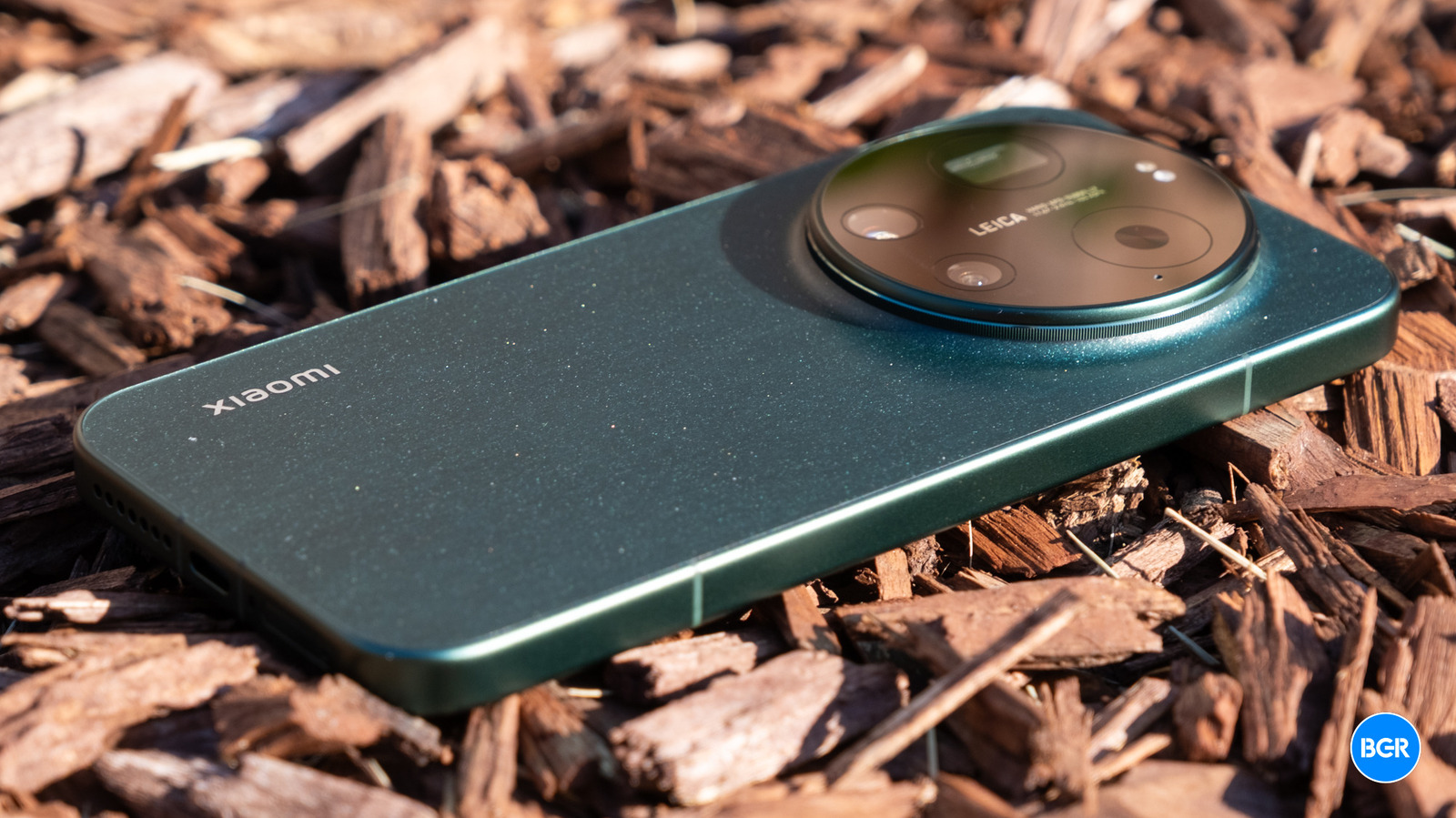
The basics of it aren’t all that unique. The first thing you’ll notice about its look is the now-signature oversized Xiaomi camera module, along with the flat-edged build that pretty much every phone has these days (not that I’m complaining). Look a little closer, however, and you’ll start to notice things that make the phone look and feel nicer than the majority of the competition.

For starters, the green color looks amazing. The device comes in Black, White, and Starlit Green, and thankfully, that last one is the one I have. The green color has subtle sparkles that catch the light, which is a nice, premium touch. Also premium-feeling are the buttons on the sides. The phone has nice little round buttons for the volume controls, and they feel clicky and satisfying. So does the power button.

I highlight the premium look and feel because, in truth, the build isn’t especially premium. The frame is aluminum, which isn’t a bad thing, but the back is a so-called fiber-reinforced plastic. I didn’t notice that it was plastic until looking at the spec sheet though — and I suspect most will have a similar experience. On that plastic back, you’ll find a Xiaomi logo and a little Leica logo in the corner.

Xiaomi notes that the 17 Ultra is the thinnest Ultra device it has ever shipped, but don’t take that to mean it’s actually slim. This is no iPhone Air. In truth, it’s only the thinnest because the others were pretty thick, and while the 17 Ultra doesn’t feel overly thick most of the time, that giant camera module does make it a bit top-heavy.

Thankfully, the phone is relatively durable. It actually has an IP69 water and dust-resistance rating, so it can handle high-pressure jets and high-temperature water. Like any phone, you won’t want to intentionally submerge it, but this one is more likely to survive if you do.

The device also works with Xiaomi’s Photography Kit, like previous-generation models. It’s designed to make the phone look and feel more like a traditional camera, plus it gives you physical controls for features like a two-stage shutter, a custom dial, and a dedicated video button. It’s pretty cool — but not something I would want to carry around in my pocket.

Source