Posted on

MWC 2026 Was All About Chinese Phones, 6G, And Dancing

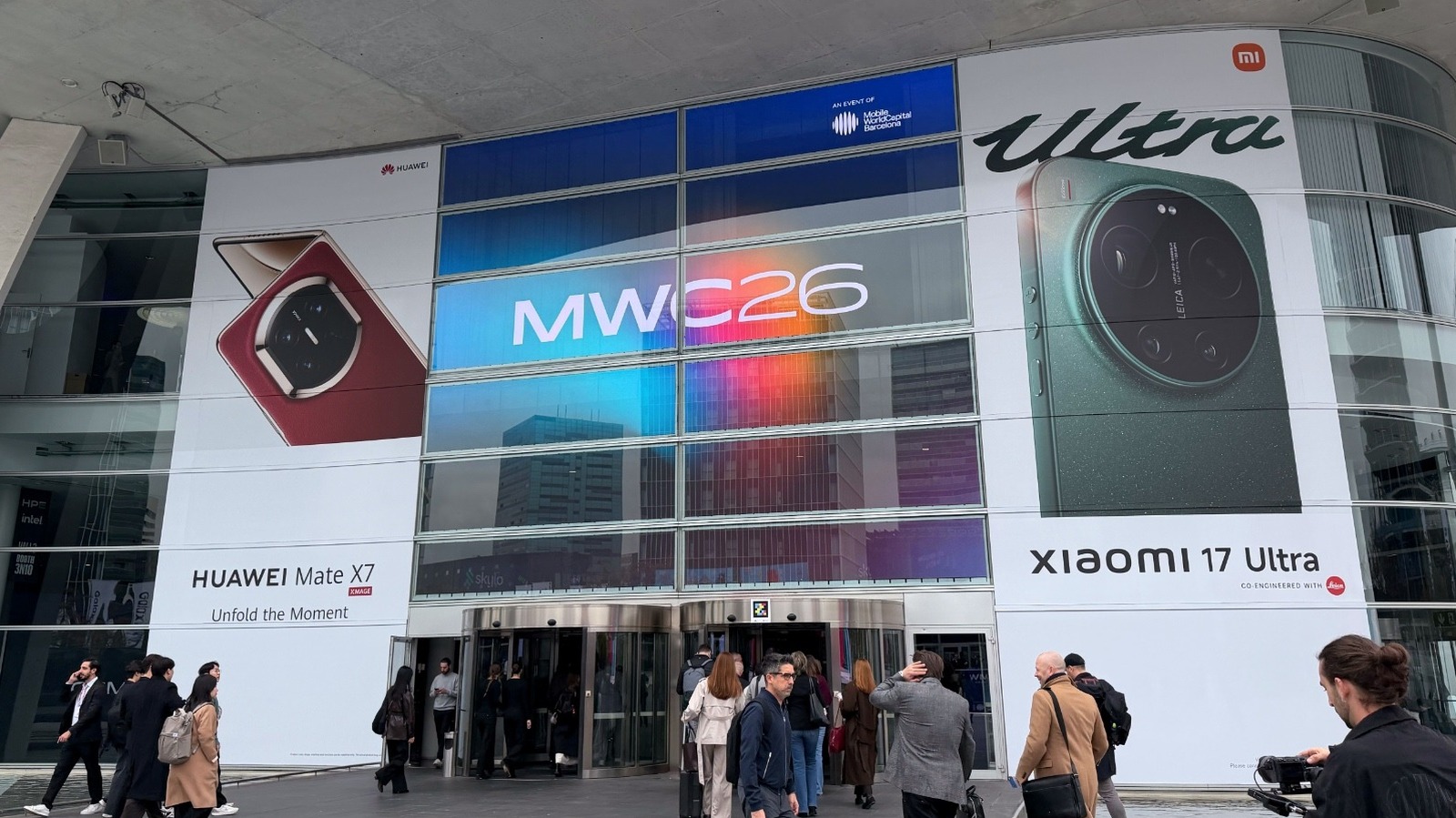
Entrance of Mobile World Congress 2026 José Adorno/BGR

Mobile World Congress 2026 is about to wrap up in Barcelona. Over the past few days, BGR exhaustively walked through the Fira Gran Via venue to discover all the latest mobile tech, which this year has been represented by Chinese phones, 6G and Wi-Fi 8 promises, and, of course, one too many robots.

From the best of Showstoppers to all the crazy concepts on display from Lenovo, like a tabletop robot that could be the ultimate personal assistant, the trade show was marked by Honor hosting its first global announcement event hosted outside of China with the new Honor Magic V models. Besides that, we’ve seen mobile phones unveiled by Nothing, Huawei, Xiaomi, and even Oukitel, which ranged from copycats of the latest iPhone and Samsung Galaxy devices to a mockup of a very tiny smartphone that looks suspiciously like a potential Galaxy S27.

Galaxy S27 Ultra and a not-Galaxy mini phoneJosé Adorno/BGR

Also at the show, Qualcomm committed to the upcoming 6G standard alongside many industry players, as they expect the first appearance of this technology to arrive before the end of the decade. Even more optimistic than that, these companies are now promising the next step of Wi-Fi, the Wi-Fi 8 standard, to start showing up in products by the end of this year or early 2027. In other words, these tech players are getting ready for more AI, consistent connectivity, and blazing-fast speeds.

Restaurant robots, leasing robots, fighting robots, and dancing robots

Quadruped robots and half of a humanoid robot in Converse José Adorno/BGR

While Mobile World Congress isn’t often overrun by robots, as CES usually is, several companies still took the time to show off some of their latest technology innovations combined with top-of-the-line connectivity capabilities. While walking through the halls, I’d often see a horde of people walking behind Exergio’s humanoid robot paired with Converse shoes, and it would even make cameos at other booths like MEI and Unitree.

Humanoid robots boxingJosé Adorno/BGR

Unitree, once again, was showing the capabilities of its boxing robots, which so far are more fun than actually dangerous, unlike some of the other devices they have in store. Like many other attendees, I spent a good 15 minutes watching these robots weirdly trying to attack each other, while Exergio’s robot would be just standing there… capturing data.

Honor robot shaking handsJosé Adorno/BGR

Another surprise was Agibot and its new leasing program for robots. Starting at 899 euros per day, anyone can rent a robot for a kid’s party, as a museum tour guide, to provide security, or even to dance with you. We also had the chance to visit a restaurant that was operated entirely by robots. It was a bit slow, but the technology is (allegedly) only getting better.

How are humans going to connect with each other in the next decade?

A panel discussing the future of human connection with Sparks, Ericsson, OURA, and ReinaXance José Adorno/BGR

During MWC, we were also invited to attend the Wired x Sparks’ panel at the Monastery of Sant Miquel. Executives from Sparks, Ericsson, OURA, and RenaiXance took part in the discussion of what to expect from technology in the next decade. While the hot topics on the show floor involved faster connectivity, more displays, and AI assistants, for Sparks’ Chief Growth Officer, Adam Charles, the next decade will be about “more intentional personal experiences,” as people will look for more ways to use technology to connect with one another.

OURA’s CEO, Tom Hale, also talked about how non-intrusive technologies will continue to play a big role in that paradigm shift. Of course, being chief executive officer of a company that gets health data from your finger, Hale talked about how his technologies, and future ones, could help users read the room better. “Understanding people around you takes time, maybe you could understand the physiological sense of others without doing the hard work, which could help you approach a conversation with your wife, boss, or someone else differently.”

At the end of the day, Mobile World Congress, just like this panel, was all about improving human connectivity. It might happen through 6G, Wi-Fi 8, XGIMI’s AR glasses, or as simply by getting to know others. The answer lies somewhere in between.
Source

Posted on

The Samsung Galaxy S26 Ultra’s Privacy Feature Makes Me Want

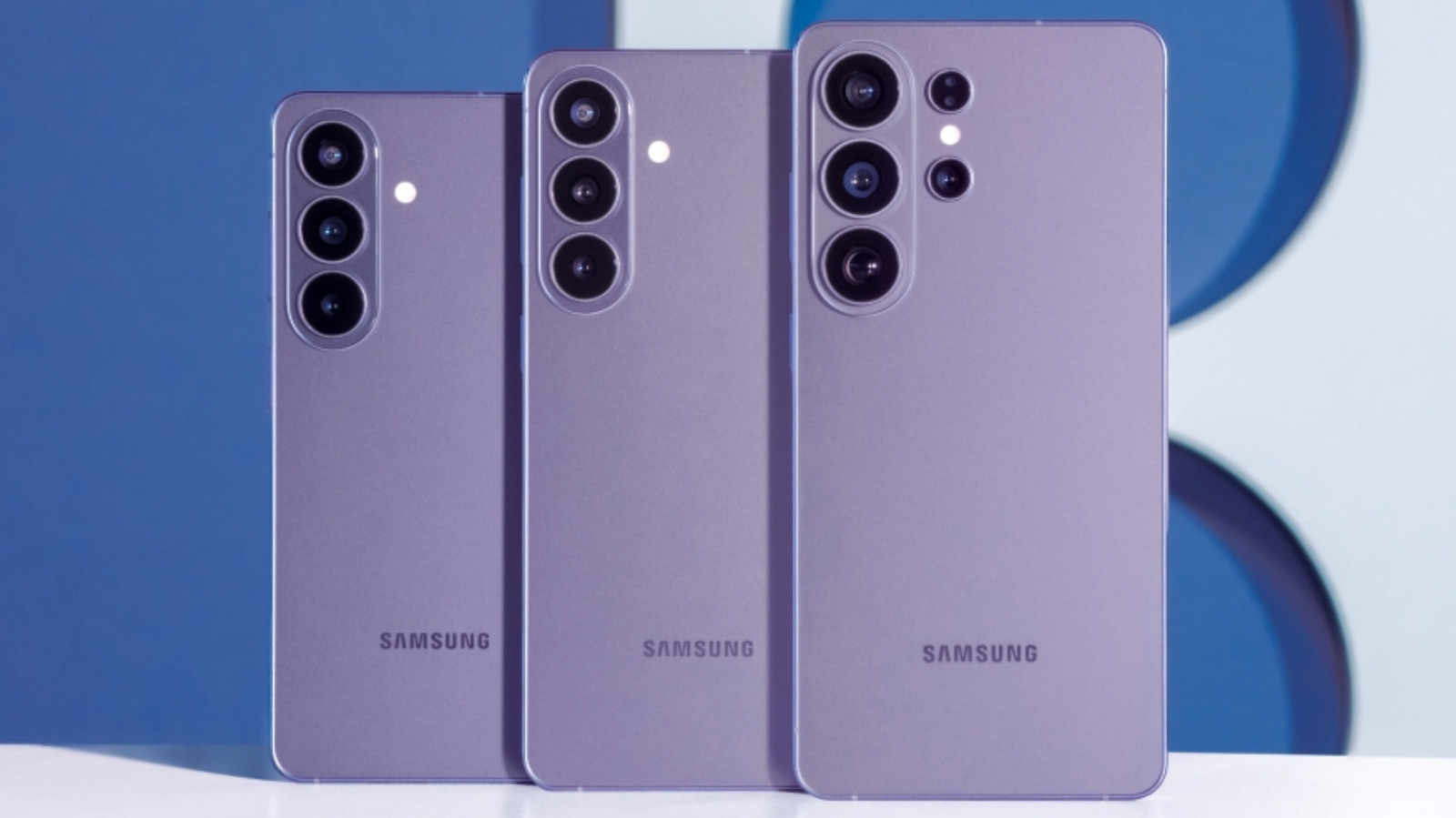
After months of rumors, Samsung finally introduced its new Galaxy S26 family, including the new Galaxy S26 Ultra. While the company added a few new design changes, such as a glass module to wrap the main cameras, an aluminum finish instead of titanium, and improved the chipset with new Snapdragon 8 Elite Gen 5 “For Galaxy,” what makes this device so enticing is its new privacy display.

This feature has been widely rumored to land with the Galaxy S26 Ultra, and Samsung was also not shy to tease it over the past few months. However, now that it’s actually being released as a product, the company’s privacy display seems even more interesting than before. After all, it’s a working product. According to the company, it’s able to turn off some pixels on the display that are made to make it visible from all angles, which means that in some cases, the user will be the only person taking a look at the display. That said, instead of offering a privacy screen protector, Samsung was able to bring that technology built into its display.

Here’s how Samsung privacy’s display works

Samsung says there are two types of pixels on its displays. One emits light directly to the user’s eyes while the other emits light to make it easier to view content from all angles. With the Privacy Display, users can decide if they want the entire display to be hard to see from all angles, just certain apps, or even just notifications. With this technology, Samsung feels to be revolutionizing privacy on the smartphone, as users can rest assured to open any message, app, or photo without worrying about others peeking, whether they’re at home, at work, or commuting.

What makes this technology so interesting is that it doesn’t make the display worse, nor does it need an accessory, as everything is built into the screen. Since Samsung can deactivate each pixel individually, it gives users control as precise as just a notification getting blurred while all the rest remain visible.

This feature is also great to prevent criminals from peeking at your password from a distance or people from taking a look at sensitive information without your permission. In other words, Samsung was able to make a tiny upgrade, the most important reason for customers to upgrade their phones to a Galaxy S26 Ultra.

Could the iPhone get a similar feature?

iPhone 16 Pro Max's Home Screen José Adorno/BGR

So far, rumors don’t suggest Apple is working on a new display technology that could bring the same level of privacy to the iPhone. Most rumors talk about a smaller Dynamic Island, under-screen Face ID, and even a brighter display. While all of those features, combined with a more resistant panel introduced with the iPhone 17 models, make the iPhone always an enticing upgrade, it also gives the feeling that Apple is really behind Samsung on that specific feature.

After all, the past privacy functions introduced by Apple don’t seem to address how exposed iPhone users are in public. For example, the company already has a hidden folder; it’s now testing to offer Stolen Device Protection as an opt-out feature, instead of opt-in, but if you’re opening your bank app on the streets, or you need to check a confidential e-mail, you just need to be extra careful. A few years back, the Wall Street Journal reported that criminals kept peeking at users’ passcodes to then rob people; Apple’s response was Stolen Device Protection, but it’s not as effective as Samsung’s Privacy Display.

I’m sure that just not me, but many iPhone users might have started to consider a different alternative just for the sake of having such a well-thought-out idea in their pockets, and if Apple doesn’t do something in the near future, it might start losing high-end market customers to its competitors.

Source

Posted on

Google Now Shows You Which Android Apps Will Drain Your

Close-up of smartphone charging on a yellow-orange background Ancoay/Getty Images

Battery anxiety is a huge issue with smartphones in this day and age. While many smartphones have started to offer more efficient and larger batteries — like the newly announced Galaxy S26 Ultra — they continue to deal with an array of battery-related problems. This leads people to look for easy ways to extend their phone’s battery life, which often requires jumping through a few hoops. Now, though, Google is working on a way to make it easier than ever to tell if an application will drain your battery more than it should.

This mostly started late last year, when Google shared a blog post detailing some of its plans to start implementing big changes to help Android users find applications that misuse or overuse the battery in smartphones and tablets. The goal, based on that blog post, was to come up with a solution for identifying applications that abuse the “wake lock” system built into Android phones. This system essentially allows for apps to keep the CPU in the phone or tablet running despite the screen on the device being turned off. Because the CPU continues to run, the battery in the device runs down much faster. Now, it seems Google is finally ready to debut its solution.

On top of rolling out new technical quality treatments to help mitigate to overuse of the wake lock system, Google says it will also start adding a disclaimer to applications that consistently exceed the limit of a stat called “Excessive Partial Wake Lock.” Further, if the issue persists, Google says it may even limit how those applications appear in the Play Store’s recommendations.

How this helps

The change is all part of Google’s ongoing initiative to improve battery drain in Android smartphones as a whole. While the company has instituted features into Android, like the Battery Health function, it is important for users to know when apps might abuse the battery life on their smartphone before they download those applications. Google showed what the warning might look like on an app’s page, and it’s pretty easy to see.

Beyond breaking down when an application abuses its access to the wake lock system, Google says it is also working closely with developers to help optimize applications that rely on background resources to ensure they aren’t draining your battery. In fact, the company actually mentioned WHOOP by name in the most recent blog post, noting that by working with the fitness-based accessory brand, Google has leveraged some of the recommendations it has instituted in recent updates to improve performance and battery draining from WHOOP’s related apps.

With so many of our apps relying on background information — social media, emails, etc all require background processes to keep up-to-date in real-time — Google can hopefully stave off some of the battery anxiety Android users might be feeling. This is especially important as we wait for more brands to adopt newer battery technology, like silicon-carbon batteries.

Source

Posted on

The Rumors About The Next Xbox Console Were True, And

close-up of Xbox logo on Xbox Series X console djgis/Shutterstock

It’s been over five years since we stepped into the “next generation” of gaming with the Xbox Series X and PlayStation 5. And, depending on who you ask, the decline of the Xbox has been fairly apparent as the ongoing rise of Xbox Game Pass and the availability of the console’s “exclusives” on PC — and pretty soon PlayStation, too — has only grown thanks to the company’s broad approach to supporting multiple platforms. However, it seems Xbox isn’t quite ready to step away from hardware. Rather, the next Xbox console will break new ground, as Microsoft says it cane play PC and Xbox games.

While rumors have been swirling for months at this point, we’ve finally been given our first real taste of what to expect from Microsoft’s next Xbox. Recently-appointed Xbox CEO Asha Sharma shared on X today that the new console, codenamed Project Helix, will “play your Xbox and PC games,” and that the gaming company plans to share more about what it is and what to expect at GDC later this month.

And that’s the kicker. We still know so little about the next generation of Xbox consoles. Sure, there are plenty of rumors, but with the ongoing chip shortage and skyrocketing RAM prices — they’ve gotten so bad that future laptops setups could completely change — a more gaming console that potentially doubles as a PC could help consumers justify the purchase and Xbox justify the price.

PC games are coming to the next Xbox

Most of the rumors we’ve been seeing over the past few months began in 2025, when Microsoft shared the first details about its plans to release an Xbox-branded version of ASUS’s ROG Ally. The ROG Xbox Ally X was an interesting take on Xbox gaming, not only offering access to PC games, but letting users play Xbox games, too, so long as they had a PC version. And that’s where it ceased to be an Xbox, as it couldn’t play Xbox-only games natively.

Of course, the ROG Xbox Ally and Ally X were just part of the “This is an Xbox” campaign, in which the company highlighted all of the devices capable of playing Xbox games via the cloud. Plus, with the Xbox ROG Ally seeing the success it did at putting the Xbox UI on a portable Windows device, it doesn’t seem all that far-fetched that the company will take the next logical step of making its next console more of a PC, too. In fact, we’re already seeing other companies develop living-room friendly PCs with the reveal of the Steam Machine from Valve. Then there’s Xbox’s continued partnership with AMD. In a video celebrating the agreement, from June 2025, Sarah Bond, former President of Xbox, seemed to imply that next-generation Xbox consoles would not be tied to a single store.

While the ROG Xbox Ally can’t play native Xbox games, Bond assured fans that wouldn’t be the case for its future consoles. And if Microsoft does lean fully into making anything and everything an Xbox, then it will fundamentally change the how we play. Thankfully, we won’t have to wait long to find out more, as GDC kicks off on March 9, 2026.

Source

Posted on

YouTube Adds A Big New Feature, But It Probably Isn’t

youtube logo and URL visible in a browser on a mac computer Ekin Kizilkaya/Getty Images

Just like Spotify brought direct messaging to the masses, it seems YouTube is also continuing its move to do the same. The company first began testing the feature in November 2025, but the sample size for it was limited, with it only being available in Ireland and Poland. On March 3, 2026, YouTube shared an update that the direct messaging feature is available in even more European countries — a total of 31, to be exact.

Chief among these other countries are Austria, Belgium, Germany, Greece, France, and Italy. The list, of course, goes on, but there is no mention of when it will come to the Americas as of this writing. But the arrival of direct messaging on YouTube also has some stipulations tied to it. For starters, the feature is limited to users who have verified their age is 18 or older. This means you’ll need to use Google’s age verification system, which is driven by AI, and even slightly based on your viewing habits. Further, you’ll need a YouTube account and to be signed into it.

The primary point of this feature is to simplify sharing videos. This is a similar focus to what has been seen with Spotify’s foray into direct messaging. However, much like Spotify’s launch of the feature, this isn’t the first time that direct messaging has been available on YouTube, as the company previously ditched private messages in 2019.

An old feature made new

people chatting via direct messages concept Peopleimages/Getty Images

This latest move is certainly an interesting one, especially as many of the approaching feature drops for YouTube appear to be more related to AI-powered features and functionality. If you were hoping for other features, then finding out about YouTube’s return to direct messaging might not be that big of a win for you. However, it does appear that many users are actually excited about the return of messaging to the platform, with some on Reddit noting that they loved the feature before it was sunset and are excited to see it make a return.

Even still, some have also expressed concerns that it might fall into the same trap as some other messaging options, with direct messages being flooded with random advertising texts instead of actual, useful information and interactions. Others believe it could improve the amount of friendships between YouTubers and users on the platform by allowing YouTubers to interact with their fans more directly without having to go outside of the system.

Thankfully, it doesn’t appear that Google is trying to do anything extra funny, like locking DMs behind YouTube Premium or YouTube Premium Lite — though the company did recently bring two of its best premium features to the more affordable subscription.

Source

Posted on

New Windows 12 Rumors Were Immediately Debunked

Microsoft logo on a concrete background gguy/Shutterstock

In early March, PCWorld and its German counterpart PC-Welt published articles speculating on a possible release window and feature set for the hypothetical Windows 12 operating system. The articles claimed that industry leaks were suggesting a 2026 release date and that the operating system would deeply integrate AI in its architecture. Furthermore, the articles claimed it was “likely” that Windows 12 would lock premium AI features behind subscription models.

People were quick to believe the false report because it sounds entirely like something modern Microsoft would do. After all, this is the company that uses its invasive Copilot AI for data gathering. Concerned Windows users understandably voiced their disapproval at the now-circulating rumors of an imminent subscription-based and AI-focused OS.

The good news is that the content of those articles was immediately debunked by the head of PCWorld’s Executive Editor, Brad Chacos. He explained that the original German article did not include any source links or attributions to lend authoritative weight to its claims. Despite this, the article was machine-translated into English and published on PCWorld before the content could be thoroughly reviewed. Chacos assures readers that PCWorld will “apply much more scrutiny to translated articles going forward.”

What the false report got wrong about Windows 12

A reporter comparing details between sources Liubomyr Vorona/Getty Images

The claims made in the Windows 12 article were not a result of original reporting, so practically none of the statements therein are reliable. Microsoft publishes a Windows Roadmap that indicates ongoing development and refinement for Windows 11, making the supposed 2026 release window for Windows 12 all the less likely. Microsoft knows that Windows 11 is a broken mess, so the company is in no position to roll out a new operating system until it at least irons out the kinks in the current one.

The article also wrongly claimed that Windows 12 would be an AI-focused modular OS, citing Microsoft’s CorePC project that touted modularity as a fundamental principle. A modular OS would be highly configurable, able to serve as either a lightweight or more traditional system, but experts believe that the CorePC project was likely scrapped after it failed to launch during its targeted 2024 release window.

The world can breathe a sigh of relief knowing that these claims were debunked, but the situation does raise a compelling question. When will we actually see Windows 12? The February 2026 Steam Hardware Survey showed a 12% increase in Windows 10 users and a 10% decrease in Windows 11. Considering that Microsoft is struggling to wrangle consumers between two modern operating systems, adding a third to the mix does not seem like a challenge they should tackle anytime soon.

Source

Posted on

New Android Update Finally Turns Your Phone Into A Portable

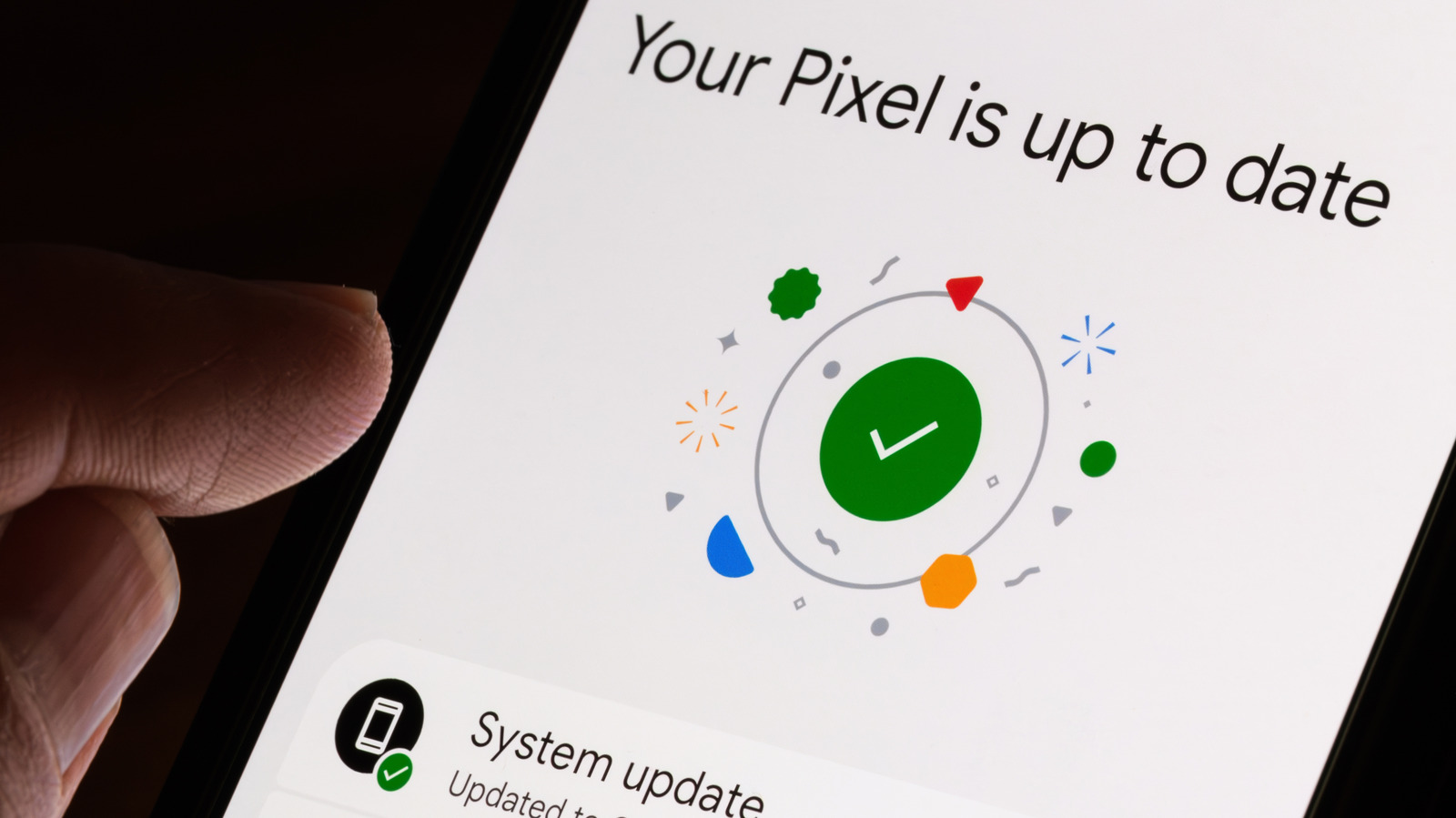
close-up of pixel phone with update screen showing up to date Ascannio/Shutterstock

It has been known that Google has been working on an official “desktop mode” for Android since 2025. Since the feature’s first unofficial debut with Android 16’s QPR release, users have seen Google working to improve and update desktop mode, adding in fixes for some of the biggest annoyances to help make the native desktop option more in line with Samsung’s DeX feature — a Samsung feature everyone should take advantage of. And now, after all that work, Google is finally dropping Android’s desktop mode on Pixel devices with the March Pixel Drop.

The new feature is currently only available on Pixel 8 devices or newer. Additionally, Google says you’ll need a monitor that can connect to a USB-C port to plug your phone in for desktop mode. Once enabled, you can connect a keyboard and mouse to the phone for easy navigation. One of the biggest perks to using desktop mode, of course, is the option for a much larger display when connected to an external display. This should make it easier to multitask on Android.

Alongside the new desktop mode, the March Pixel Drop also brings desktop windowing to the Pixel Tablet, allowing you to run multiple apps directly on the screen by resizing them however you see fit. This functionality should also be available in desktop mode when using a Pixel phone.

Other changes coming with March’s Pixel Drop

The updates don’t stop at desktop mode’s full release. Google is also going even harder on AI, taking Gemini access to a new level by allowing the Gemini AI to handle your routine and everyday tasks like ordering food, booking a ride, and even putting together a grocery list. This particular feature is part of the Gemini beta, though, so it might not be available on all Pixel phones right away.

Google has also dropped new comfort display filters for the Pixel, allowing you to cut down on some of the noise on your display by using AI to soften the brightness of colors. This lets your phone create a “calmer” and “more grounded” viewing experience for you directly on the device itself. Circle to Search has also received a big update, letting you find every piece of an outfit or even try on new clothes entirely.

Google has also updated the Now Playing app to help keep track of what music you’re listening to, as well as some updates to the At a Glance app, which now includes the most important info you care about — like sports scores — directly on your lock screen. If you’re someone who loves personalization, you can also find new custom icons on Pixel phones after the March Pixel Drop, too. Of course, the rollout of these features might take some time depending on where you are in the world and which Pixel device you’re rocking.

Source

Posted on

Apple Is Preparing A Wave Of ‘Ultra’ Products To Launch

Modern smartphone Apple iPhone 15 Pro and Apple Macbook Pro laptop. Cupertino technology gadgetes. Brand logo name. Vadym Plysiuk/Getty Images

Following the announcement of the MacBook Neo – the cheapest MacBook that Apple has ever released – Bloomberg’s Mark Gurman, in his Power On newsletter, suggests that Apple might be readying a new lineup of “Ultra” products. While the company already offers Apple Watch Ultra and M-series Ultra chips for its high-end Macs, the journalist reports that Apple could bring the naming convention to the iPhone and the MacBook in the near future. Gurman also claims that AirPod Ultra and iPad Ultra could be in the cards as well.

The journalist says that Apple isn’t moving away from its popular Pro brand. On the contrary, it’s planning to expand to even higher prices. Consumers now have the option to buy a MacBook Neo, Air, or Pro, and they will soon be able to go an spend even more on a MacBook Ultra. The same would be true for the iPhone, as the company currently sells the “e” model, the base model, the Air, and the Pro.

Gurman says that the redesigned MacBook Pro with an OLED display and the foldable iPhone, both set to be released later this year, could end up with “Ultra” names. They’d also start at higher price points and feature technologies that are currently not available in those lineups.

Ultra is the new fold

eSIM-only iPhone 17 Pro Max on a tablet. Behind it, a Mac Studio and Magic Keyboard José Adorno/BGR

Even though Gurman was careful not to guarantee that Apple will call its foldable phone the iPhone Ultra, he suggests that it will be Ultra in at least one sense: It’s $2,000 price tag, in addition to a far bigger inner display and new technologies like in-display sensors. He admits that Apple could be a bit more literal and just call this upcoming device the iPhone Fold. However, it would make sense to tag it with the “Ultra” moniker if it wants to start building on the branding.

After all, besides a price bump over the current iPhone Pro models, Apple has never sold a foldable device, which could highlight all the latest technologies it’s been developing. Rumors so far suggest that Apple was able to crack the crease-free look, which is one major issue of most foldables on the market. In addition, the company might add a few features from iPadOS to the iPhone, which could indicate the inclusion of more RAM or a slightly improved processor.

Some of the features that could make the leap from the iPad to the iPhone Ultra include proper multitasking capabilities, Apple Pencil support, and Split View. In my opinion, the only “non-Ultra” feature about the foldable phone is that reports suggest it won’t have three main cameras, but two, which means that, in at least one way, the Pro might remain superior.

What does a MacBook Ultra look like?

A MacBook Pro on a desk running macOS Tahoe José Adorno/BGR

Gurman also suggests that the next high-end MacBook Pro update could theoretically get the MacBook Ultra label, as it’s expected to get an all-new OLED display, a touchscreen, a Dynamic Island, and even cellular capabilities. All those features could justify a higher price point, but it’s unclear if that means Apple would phase out the M-series Pro chip in favor of the Max and Ultra options.

After all, an Ultra product should probably have an Ultra chip. That said, with the current memory crisis, and Apple going so far as to reduce the maximum amount of RAM its most powerful computer can ship with, it’s unclear if it will release multiple options or focus on ensuring that these high-end devices are at least somewhat affordable.

That said, the MacBook Pro will undoubtedly get a lot more “Ultra” later this year, and macOS 27 is a great indicator of that. After all, Apple already announced it’s ditching support for Intel Macs with this new software update. As the company will be free to focus on its proprietary hardware, we might be looking at a big year for the Mac. With the M5 chip now widely available, Gurman also says the Mac mini, Mac Studio, and iMac will get this new processor, while the company still aims to unveil the M6 lineup in 2026.

Source

Posted on

New Windows Malware Impersonates Everyday Apps To Infect Your Computer

illustrated concept for downloading file hovering above laptop, man's hands visible in background SuPatMaN/Shutterstock

Malware has become a prevalent part of the online ecosystem. It’s become so bad, in fact, that the FBI has even warned Americans to replace certain wi-fi routers in the past, to help avoid known vulnerabilities. As if that wasn’t bad enough, we’ve even seen some bad actors turning to the growing AI expansion to help fuel their efforts to create new ways to expose users to malware. However, one of the oldest tricks in the book is the old ‘bait and switch.’ This is where bad actors take malware and disguise it as something else, thus tricking users into downloading the malware and infecting their own systems. Unfortunately, it looks like a group of threat actors has turned to this method once more, as Microsoft has issued warnings about a new malware threat that impersonates everyday applications.

According to Microsoft’s security blog, the bad actors behind the attack are using highly convincing phishing emails to trick users into interacting with counterfeit PDF attachments. After opening the PDF, the users are then directed to click a button to “open with Adobe.” However, instead of taking the user to the official Adobe website, it takes them to a spoofed download page instead of the document they are trying to view. From here, the system automatically downloads the infected file. Microsoft says that there are also versions of the malware system that prompt users about “out of date” programs, sending them to download infected files masquerading as Teams, Zoom, or Google Meet.

Deeper than just faking a name

red warning sign on screen, exclamation point in center, triangular malware warning sign Olemedia/Getty Images

What makes this malware campaign especially troubling, though, is that it goes far beyond simply masquerading as the programs that it pretends to be. Instead, Microsoft says that each of the fake software is able to successfully act like the legitimate app by using an Extended Validation certificate that has been issued to TrustConnect Software PTY LTD.

This means that when installing the programs, they’ll appear as “signed,” which is usually a sign that something can be trusted. Once installed, Microsoft notes that the fake applications then deploy their malware, infecting the target computer with tools like Tactical RMM, ScreenConnect, and other remote monitoring or management applications. What makes this malware especially tricky, too, is the fact that the system creates a secondary copy of itself under the Program Files directory, thus reinforcing that it is an “official” application. From there, the actual malware digs into the system as a Windows service, which allows it to execute itself during system startup.

Of course, this isn’t the first time that we’ve seen malware pretend to be legitimate apps. When these campaigns surface, though, it is a good reminder of just how far some of these threat actors are willing to go to score a hit on someone’s machine.

Something to look out for

laptop showing a scanning for viruses screen and progress bar on screen KGBR/Shutterstock

While the brunt of this attack appears to be mostly focused toward workers, based on Microsoft’s report, all users should be aware of the issue, and if you receive something in an email that prompts you to download anything, do not open or install any of the applications that it installs. Instead, make sure to visit the official websites yourself, download the files you need, and then if the file still prompts you to download or upgrade, you probably shouldn’t trust it.

You can also check in directly with any coworkers or friends through other services such as text messages, direct messages, etc, if you receive any emails with strange links. While it might sound silly to approach every attachment with this kind of caution, it’s one of the best ways to help ensure you never become infected with malware designed to steal your private information. You may also want to look into installing a trusted antivirus for your Windows PC, as those can help catch things that might get through your network.

Source

Posted on

7 Products Apple Already Discontinued In 2026

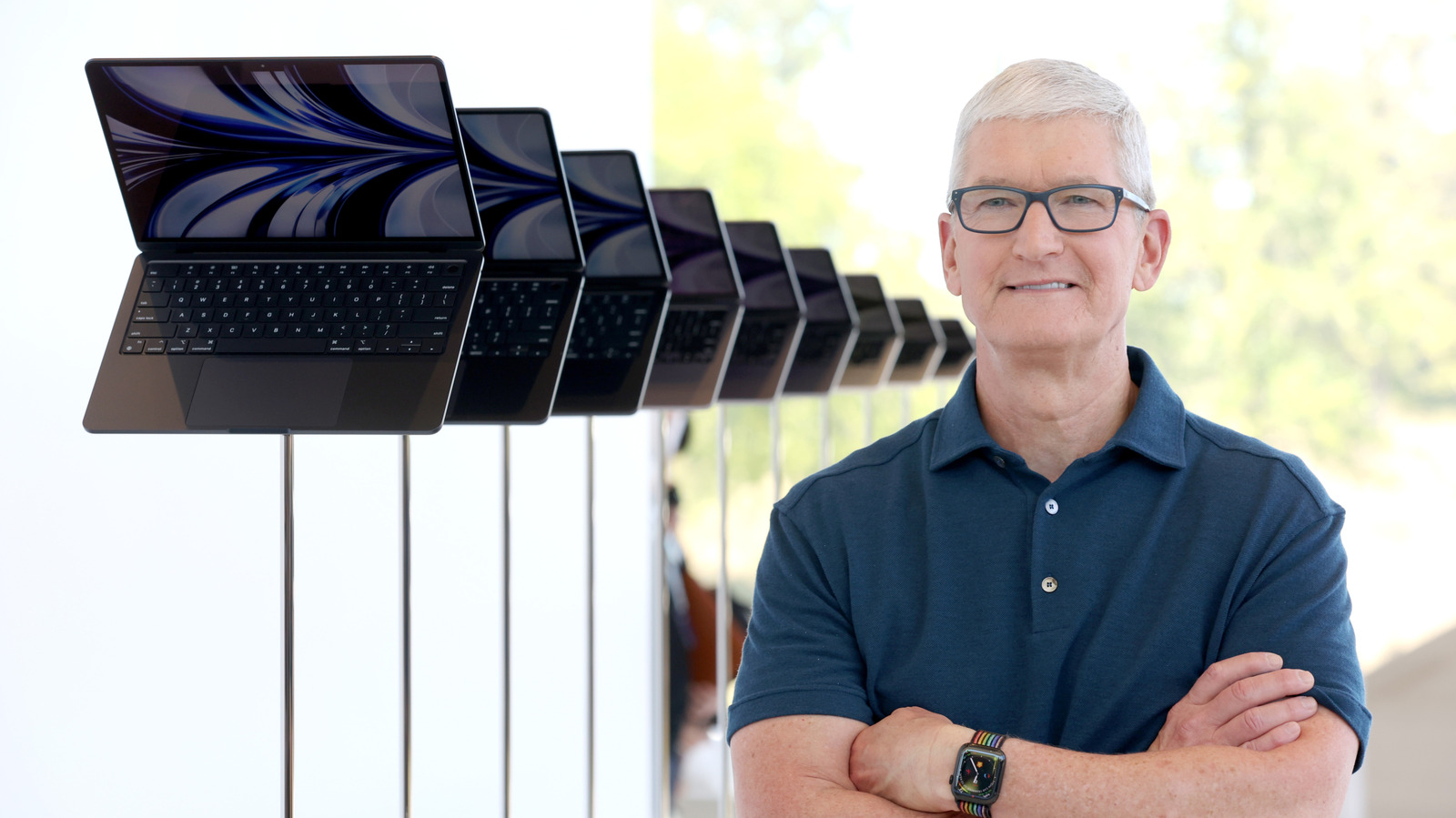
Apple CEO Tim Cook stands next to a display of newly redesigned MacBook Air laptop during the WWDC22 at Apple Park Justin Sullivan/Getty Images

It’s only March, but Apple has already discontinued seven products this year. We expect this to be a big year for the company, and we’ve already seen 20 leaked Apple products to look forward to in 2026. This also means there are a lot of old products that will be discontinued from the lineup. In January, Apple stopped selling its first-generation item tracker in favor of a new AirTag with several important improvements. Then in March, the company announced several new products that are replacing previous generations.

In the span of a few days, Apple announced the all-new iPhone 17e with MagSafe charging, a new MacBook Air with an M5 processor, M5 Pro and M5 Max variations of the MacBook Pro, and a really cheap laptop line called the MacBook Neo that will be available on March 11. As if these releases weren’t enough, Apple also introduced the iPad Air M4, which is being launched only a year after the M3 option was introduced, and two new displays that expand the Studio Display brand while killing the Pro Display XDR line. Here’s everything you need to know about these discontinued products and their successors.

First-generation AirTag

Three AirTags on a table José Adorno/BGR

Apple introduced the first generation of its item tracker, the AirTag, almost five years ago. At that moment, the world was struggling with a pandemic, so finding lost items while stuck at home felt a bit weird. Still, as life slowly got back to normal, the item tracker started to make more sense, as it could be attached to backpacks, luggage, keychains, and other belongings. Eventually, it even became commonplace for AirTag users to put them inside their vehicle or a nice jacket they didn’t want to lose.

From the first generation to the new one, not much has changed. Second-generation AirTags still rock the same circular design with a removable coin cell battery, but Apple improved Precision Finding by adding a second-generation ultra-wideband chip to the device, expanding the range up to 1.5 times further than before. The new generation also added a louder speaker, which makes it easier for people to discover an AirTag nearby or find the ones they lost.

Perhaps the biggest change in the new generation is that Precision Finding is now available on the Apple Watch, provided both the AirTag and the watch are new models. The company has also improved the reset process on the AirTag while maintaining the same price as before: $29 for a single unit or $99 for a pack of four.

iPhone 16e

Up close shot of the iPhone 16e notch Christian de Looper/BGR

Introduced in early 2025, the iPhone 16e was the spiritual successor to the iPhone SE. While Apple made its cheapest iPhone a bit more expensive in this iteration, it also tried to make it feel more like a part of the current generation of iPhones, much like Samsung does with its FE models. However, when Apple unveiled the iPhone 16e, it felt somewhat out of place, as it had a lower-binned A18 chip, a single 48 MP main camera that wasn’t the same as the base iPhone 16 model, and lacked MagSafe charging, which had been available on all main iPhone models since the iPhone 12. Not only that, but the iPhone 16e still lacked the Dynamic Island design of the other models.

Apple was able to address many of those issues with the new iPhone 17e. The budget model now includes MagSafe support and the Ceramic Shield 2 technology introduced with the iPhone 17 lineup. It even features the same C1X 5G modem chip as the iPhone Air. It still has a lower-binned A19, cameras that aren’t as good as the rest of the lineup, and an iPhone 14-era camera notch, but the iPhone 17e now feels closer to a proper mainline iPhone — not just an SE variation.

M4 MacBook Pro and MacBook Air

Up close shot of the MacBook Pro dock on macOS Tahoe José Adorno/BGR

With its early March announcement, Apple also discontinued some MacBook products with the M4 chip, as it no longer sells the MacBook Air M4 or the MacBook Pro with the M4 Pro and M4 Max processors. These laptops represented a big leap for the lineup, as Apple introduced a new Sky Blue color, added a 12 MP webcam, and made the MacBook Air M4 cheaper with a starting price of $999. With the MacBook Pro M4 Pro and Max models, the company added a nano-texture option for the first time, in addition to an improved, brighter display.

With the M5 generation, Apple isn’t focusing on external changes, as the incoming models look almost identical to the outgoing ones. However, the M5 chip offers a different GPU with Neural Accelerators built into every core, which Apple says will greatly improve graphics performance. Specifically for the M5 Pro and M5 Max, the company fundamentally changed its silicon with a new Fusion Architecture, which allows it to connect two dies into a single chip, creating new possibilities to scale GPUs.

Some buyers may want to wait for the rumored MacBook Pro redesign later in 2026, which could include touchscreen capabilities and 5G connectivity. But the M5 MacBook Air might be the perfect choice for those who have been hanging on to their M1 iteration since late 2020.

iPad Air M3

Despite being introduced only a year ago, Apple has already discontinued the M3 iPad Air, as it unveiled a new version with the M4 processor. From the outside, the iPad Air continues to look exactly the same since the M2 version, but Apple has made a few internal tweaks to the new M4 model. Besides a new chip, Apple also added its own N1 connectivity chip for this device and the C1X 5G modem for those who choose the cellular version. With these new components, the iPad Air gets more reliable AirDrop and improved connectivity features with other Apple devices.

However, what’s interesting here is how quickly Apple has been updating the iPad Air lineup over the past two generations, especially when there weren’t many differences from one version to the next. As a result, these new models are pretty much only significant upgrades for someone coming from a pre-M1 device. Otherwise, the capabilities presented with these devices are just too similar, and even the color options continue to be the same.

Apple touts the iPad Air line as great devices for students, but with a minimum $549 price point and many first-party accessories starting at over $100, this device might not be as enticing as the new MacBook Neo, for example. Still, Apple continues to update it, in case you want the latest chip possible.

2022 Studio Display and Pro Display XDR

Apple's Studio Display and Mac Studio on a table José Adorno/BGR

Finally, the most interesting products discontinued by Apple in early March are the 2019 Pro Display XDR and the 2022 Studio Display. The Pro Display XDR was unveiled at the last in-person WWDC keynote alongside the redesigned Mac Pro. At the time, Apple touted this display as something akin to a cinema’s reference monitor, but at a more affordable price (still at least $4,999 for everyday users).

Over the following three years, this was the only monitor Apple would sell before it introduced the Studio Display alongside the Mac Studio in 2022. This option was a lot more affordable (yet still expensive), as it started at $1,599.

With the new Studio Display and Studio Display XDR models, Apple has moved all of its monitors under the same brand. While the cheaper version still lacks HDR and 120 Hz support, Apple addressed that with the XDR version. Compared to the Pro Display’s 32-inch screen, the Studio Display XDR has a smaller 27-inch display area. Still, Apple was able to make this product considerably cheaper than the one it replaced while adding new features.

But these seven products are just the tip of the iceberg in 2026. In the coming months, Apple is expected to continue ditching current models as it refreshes other Macs, iPads, iPhones, Apple Watches, and more.

Source