Posted on

MacBook Neo Reviews Are Out, And Critics Are All Saying

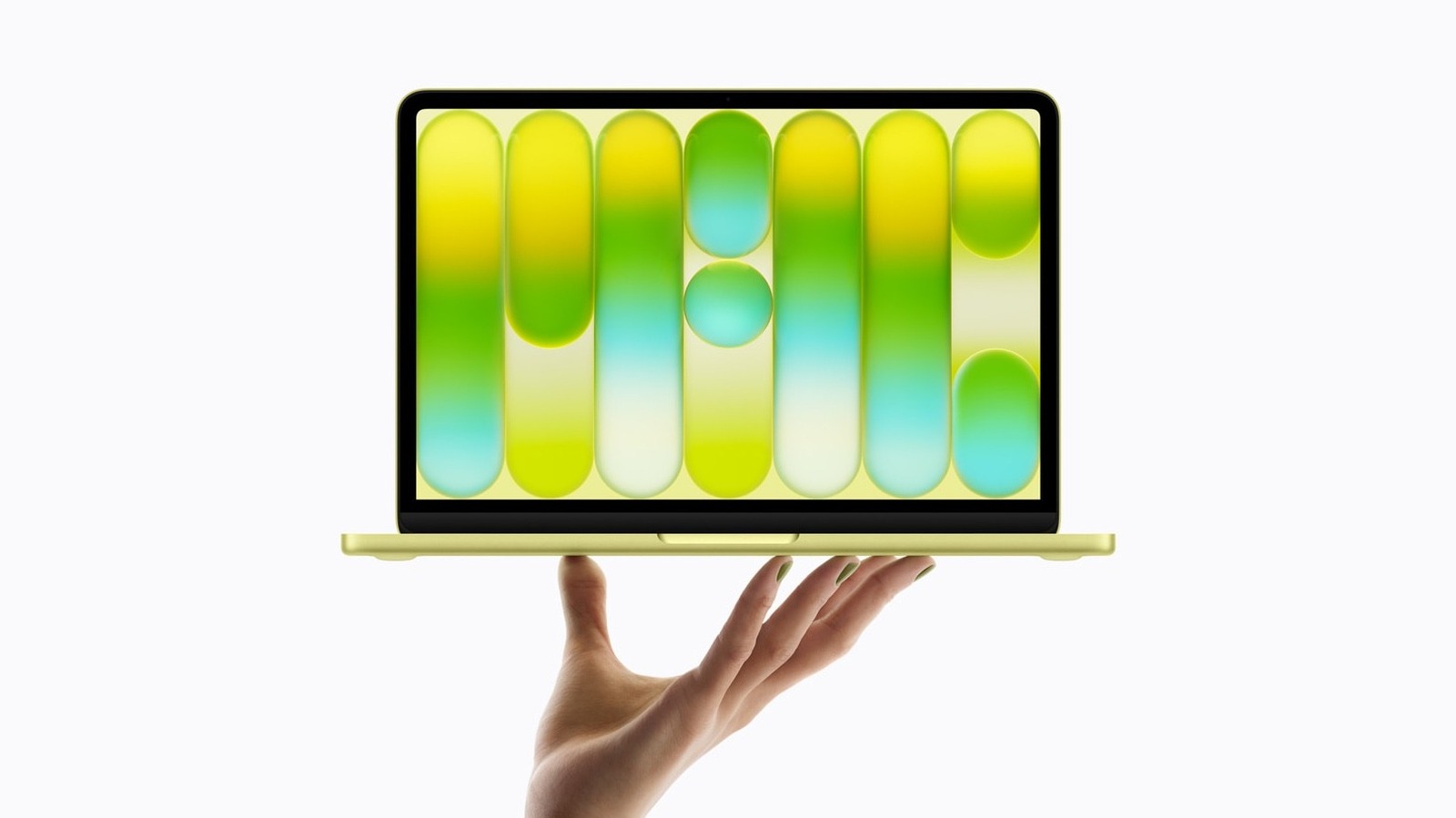
Apple will officially launch the MacBook Neo this Wednesday, March 11. Ahead of the release, journalists and influencers shared their hands-on impressions, first thoughts, and reviews of Apple’s upcoming budget-friendly laptop. Interesting enough, there seems to have been a general consensus about this laptop: This laptop is a steal for what it offers, and if you’re concerned about anything it doesn’t feature, you should be prepared to buy a more powerful MacBook.

From the early reviews, iJustine and Tyler Stallman are the most interesting ones to watch, as they showcase how one can edit videos and photos with the MacBook Neo even with several apps open in the background. While Apple seems to have primarily sent out the 512GB model for reviews, the only real difference between the 256GB and 512GB models is the addition of Touch ID on the Magic Keyboard. Therefore, whether you’re buying the entry-level model or spending $100 more, you’re still getting the same performance. After all, this laptop has 8GB of RAM, and Apple offers the same A18 Pro chip in both configurations.

If you need real power, this laptop isn’t for you

On The Verge’s review, as with a few others, the drawbacks of the MacBook Neo are the 8GB memory limitation, lack of keyboard backlighting, and slow 20W charger. Meanwhile, Bloomberg pointed out that it would have been nice if this laptop were slightly thinner than the MacBook Air or had more vibrant colors. While these are all fair points, and Apple might address some of these in a second generation (as the A19 Pro supports 12GB of RAM), it’s also important to note that if you require more RAM for daily tasks, you want a more true-to-color display, or you miss Apple’s Force Touch on the trackpad, then it means this laptop probably just isn’t for you.

This is where Apple draws a line between consumers switching from a Chromebook and or a Windows laptop and long-time Mac users. The goal here isn’t to attract someone who is looking to upgrade from an old MacBook Air or MacBook Pro — Apple wants to to break into a new price range to seek out new customers, knowing this won’t fit the bill for many current MacBook owners.

Other missing features, as noted by 9to5Mac, include a 1080p webcam without Center Stage support — unlike newer Macs with a 12MP Center Stage camera — Wi-Fi 6E instead of Wi-Fi 7, fewer microphones, and no Spatial Audio with dynamic head tracking. Once again, these probably won’t be dealbreakers for anyone on a budget.

Is the MacBook Neo worth it?

From what reviewers have said, the MacBook Neo is the laptop to get if you’re in school or you just need a laptop for simple, everyday tasks. So, if you work with spreadsheets, like to listen to songs on a streaming service, check social media feeds, ask ChatGPT for help, and occasionally need a bit more power for light photo and video editing, this colorful new MacBook is worth considering.

One important note is that the A18 Pro isn’t a slouch compared to Apple’s older M-series chips. While the A18 Pro debuted on the iPhone 16 series, it’s significantly more powerful than the M1 processor, and for some tasks, it’s on par with the M2, M3, and even the M4.

While 8GB of memory will impact the longevity of this laptop somewhat, anyone who needs more power can spend a little more on a more recent MacBook Air. Now, we just have to wait and see how this laptop performs after months of use, how it handles software updates, and where Apple will take the Neo line in future generations.
Source

Posted on

Google Messages Is About To Get A Lot Better At

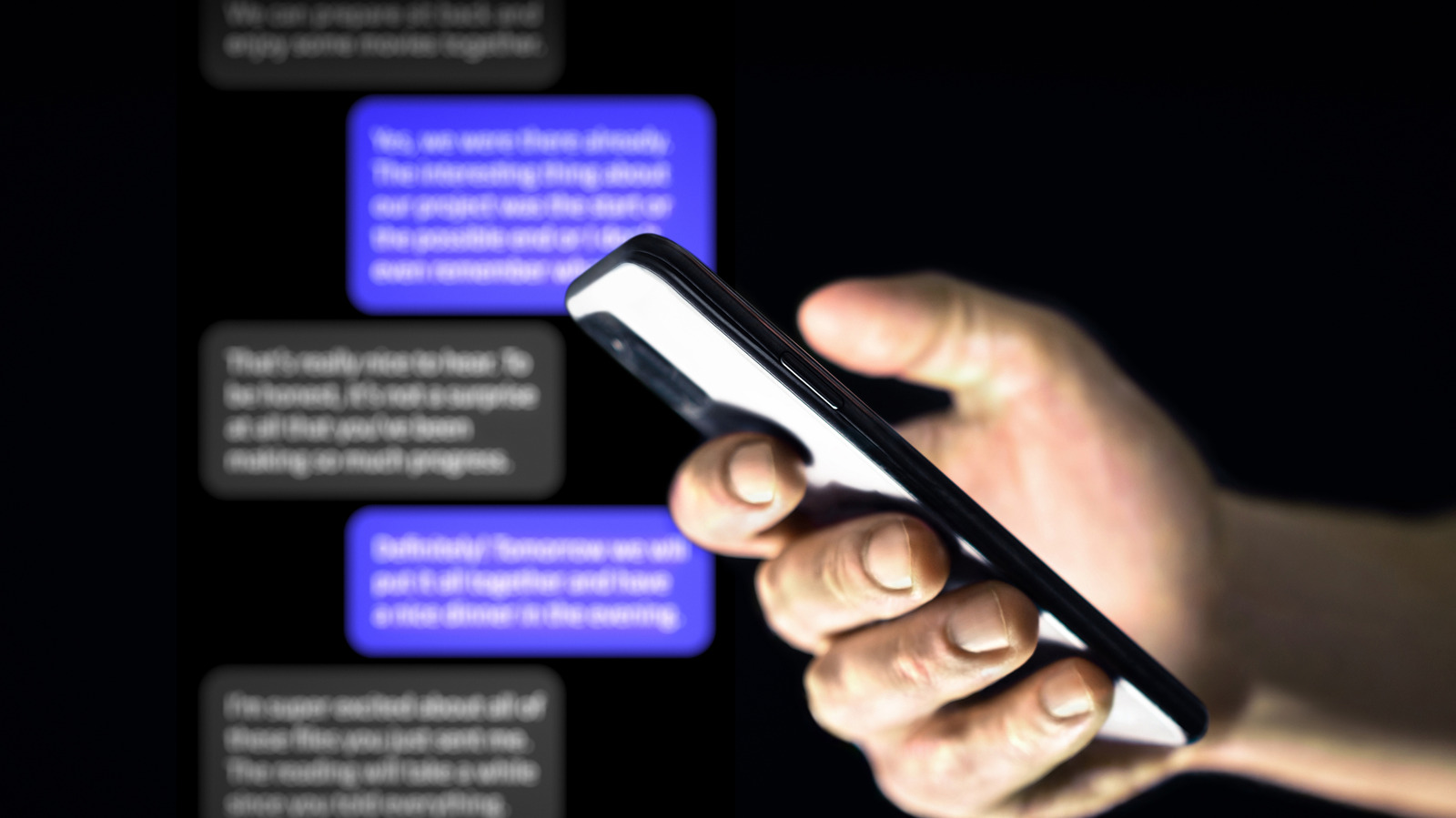
person holding smartphone, texts visible on black screen in background Tero Vesalainen/Shutterstock

Text phishing continues to be a major issue, even though most smartphones have moved beyond standard SMS messaging in favor of RCS or iMessage. While Google has already been taking some great measures to protect users from text scams, the data shows that scammers are still looking for ways to get around those safety settings. One way that threat actors have become fond of is to use a device called an SMS blaster, which forces devices to connect to it by downgrading them to 2G connections. This requires the bad actor to carry the blaster around to a localized environment, but once it connects to a device, it can send a barrage of phishing scam texts to the user.

Google previously recommended that users disable 2G connections on their smartphones. However, a recent breakdown of the latest Google Messages beta by the folks at Android Authority suggests that the company is taking another step toward protecting Android users. Google has added code that points toward some kind of dedicated “SMS blaster protection.” Right now, the code specifically seems to only point to a toggle, which suggests users will be able to turn it on and off. Unfortunately, details on how it might work are pretty much nonexistent at the moment.

Added protection to Android’s already strong anti-spam features

person using smartphone with lock icon above, security concept Tsingha25/Getty Images

While this feature has yet to go live — there also aren’t any exact details on how it would work — it is just one possible addition to what is already a fairly strong arsenal of features that Google employs on Android phones to help keep users safe. And those features continue to grow, too, with Google recently updating Circle to Search to allow users to check texts for scams really easily using one of Android’s best features.

On top of the Circle to Search option, Google has continued to update Android and RCS, which is the underlying service that Google Messages uses to send messages between devices, to include end-to-end encryption as well as higher-quality messaging capabilities. This helps protect your messages while also ensuring that threat actors can’t easily get access to what you’re typing to your friends and family. Because this SMS blaster protection toggle has only been found in the code, thanks to an APK teardown, there is no real information on when it might debut for mainstream users.

However, the fact that Google is looking into the feature suggests that it wants to find a way to curb the use of SMS blasters sooner rather than later. So hopefully there will be more updates about this feature in the coming months. Until then, though, make sure to follow important safety rules when interacting with messages on your Android phone.

Source

Posted on

New iOS 26.4 Beta Brings The Real Reason Why You’ll

A distorted face emoji being sent on iMessage on an iPhone 17 Pro Max José Adorno/BGR

It won’t take long for Apple to introduce iOS 26.4 to all users, as it just seeded beta 4. With rumors suggesting that the new Siri features might be introduced with iOS 26.5, this means there is also no reason for the company to stay too long in this beta cycle. After all, it already announced new products over the past week, and the next batch of announcements shouldn’t come before WWDC 2026, when Apple is expected to introduce iOS 27 and the other new operating system updates.

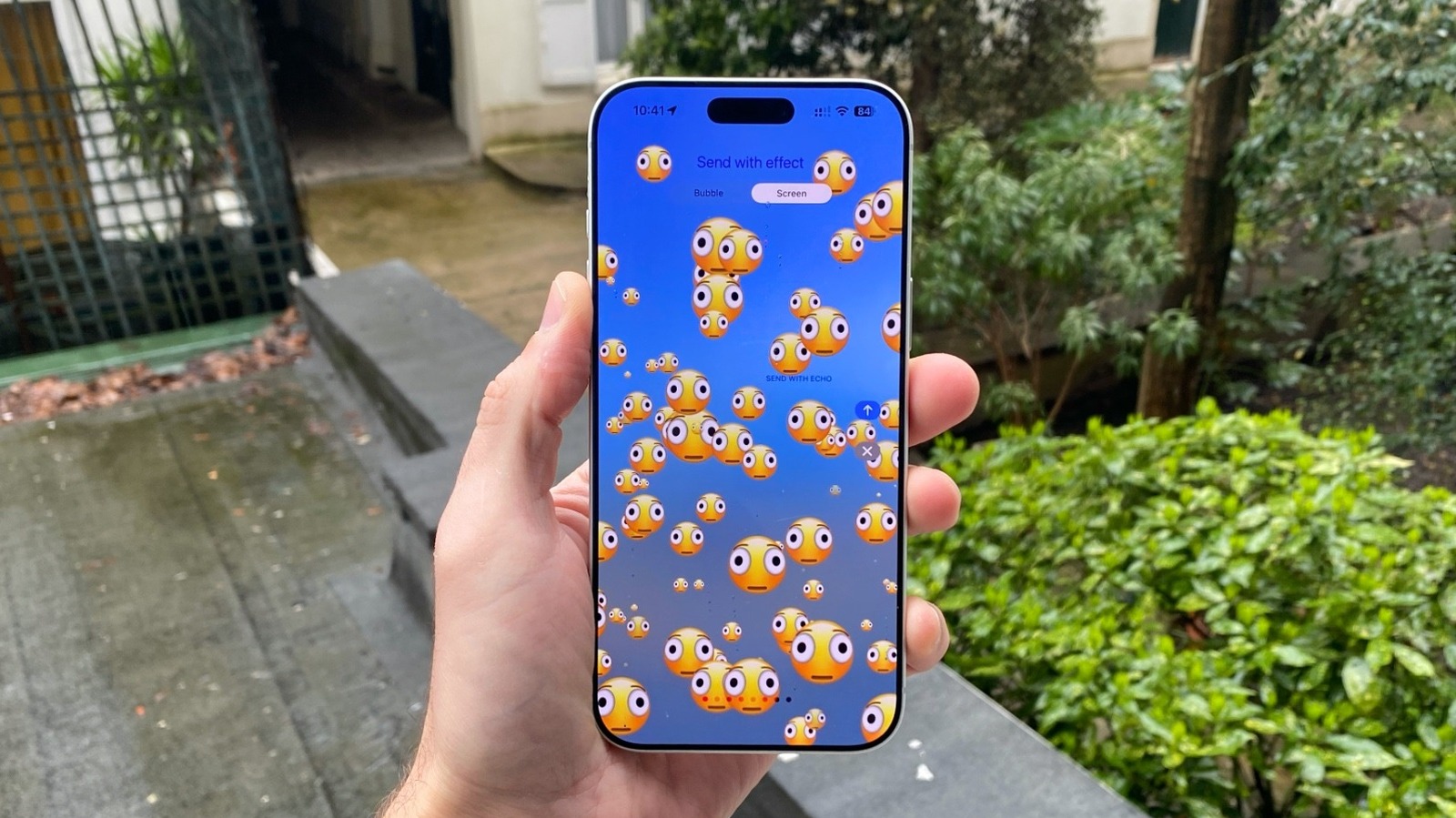
Even though iOS 26.4 is full of new features, the latest beta 4 introduced what could possibly be the real reason why many iPhone users will update their iPhone soon: New emojis. While the number of emojis introduced each year has been decreasing considerably, there will be eight new figures available with iOS 26.4, including a gender neutral option for the ballet dancer, plus skin tone modifiers for people wrestling and dancers with bunny ears. Of all the new figures, the distorted face is likely to be the most popular due to its comic value — and it’s fairly easy to see why people will use it all the time.

iOS x.4 has a history of bringing new emojis to users

Up-close look at the new emojis coming to iOS 26.4 José Adorno/BGR

Apple is accustomed to introducing new emojis around March, depending on its iOS x.4 schedule. Firstly, the Unicode Consortium introduces a preview of the new emojis it plans to make available, and then companies like Google, Samsung, Meta, and Apple start work on adopting these new figures.

Unfortunately, over the past few years, Unicode has introduced just a handful of new figures, as we already have several hundreds to choose from. iOS 18.4 and iOS 17.4 had less than 10 new figures each, while iOS 16.4 introduced over 30 new emojis for users. Besides that, with the rising popularity of stickers on WhatsApp and Apple’s Genmoji, users can express themselves online in different ways, without waiting for Unicode to introduce new figures. Still, as emojis feel like the standard way to communicate through figures, it’s always nice to see new options available.

If Apple follows the trend, iOS 26.4 should become available in a couple of weeks, as after beta 4, the company usually releases its first Release Candidate version, followed by the official version. With the previous iOS 18.4 launch, the company aimed for the official introduction by the end of March. It seems with iOS 26.4, this could come slightly early.

There’s more to get excited about with iOS 26.4

Apple Music's new UI in iOS 26.4 José Adorno/BGR

Besides fun new emojis, iOS 26.4 is full of new features. For Apple Podcasts, Apple is unlocking video podcasts with a new HTTP Live Streaming technology. The company says it brings the “highest-quality viewing experience for users,” and adds a good way for creators to expand on ad revenue. For Apple Music, users have a new look to albums, playlists, and Profile settings, and a new “Upcoming concerts” tab. American users also get a Playlist Playground feature, which works similarly to ChatGPT integration on Apple Music, but with extra perks, as ChatGPT doesn’t actually have access to your tastes or listening preferences.

Other new features of iOS 26.4 include: Personal Hotspot’s new function that shows how much data each device has used, instead of just displaying a total; always-on Stolen Device Protection, which was first introduced with iOS 17.3 and creates a secure delay when someone tries to deactivate your iPhone in an unknown location; and, finally, a tweak to the wallpaper settings experience.

Source

Posted on

LG’s Newest OLED TVs Just Got An Exciting Price Update

LG OLED TVs on display in a retail setting PJ McDonnell/Shutterstock

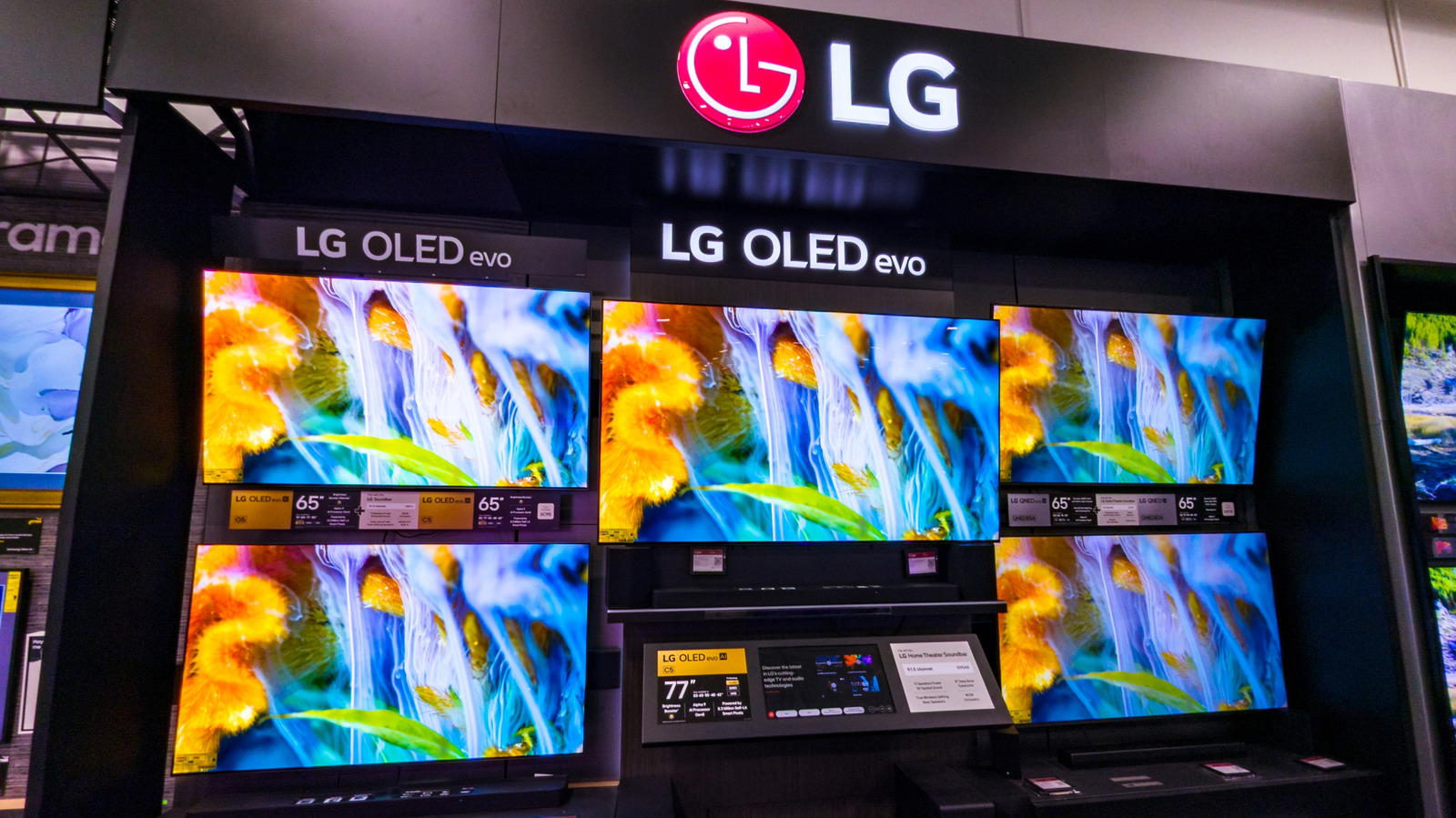
Preorders are now available for LG’s newest OLED TVs, and the price reveal is an exciting update for potential buyers. The LG OLED C6 starts at $1,399 for the 42-inch model, while the more premium LG OLED G6 starts at $2,499 for the 55-inch model.

Shockingly, these are the exact same prices for the same-sized C5 and G5 models from last year. The price hasn’t gone up, and in fact, the price for this year’s 83-inch C6 is $100 cheaper than last year’s. If you’ve been on the fence about buying an OLED TV, now’s a great time to jump in without feeling like you missed a deal.

The LG C6 and G6 both come equipped with the Alpha 11 AI Processor Gen 3 and a gaming mode with a 165Hz refresh rate. They also boast an enhanced viewing experience powered by Dolby Vision, Dolby Atmos, and Filmmaker Mode. LG is one of the major OLED display brands that offers burn-in protection for its TVs, so there’s no reason to shy away from these models even if you plan to use them extensively.

Are the LG OLED G6 and C6 worth buying?

A person shopping for a TV in an electronics store Gorodenkoff/Shutterstock

The price reveal for LG’s newest OLED TVs comes across as a great deal in a time when smart TVs are jumping in price due to RAM shortages. Even so, it’s understandable to hesitate at dropping $1,399 or more on a single display. There’s a reason why OLED TVs are expensive, though. Improved contrast ratios, higher peak brightness, and better viewing angles ensure that panels like the C6 and G6 deliver value for your money. This is especially true when manufacturers manage to avoid inflating prices on their latest models.

LG’s new C6 OLED is available in 42-inch, 48-inch, 55-inch, 65-inch, 77-inch, and 83-inch models at prices ranging from $1,399 to $5,299. The G6 OLED comes in 55-inch, 65-inch, 77-inch, 83-inch, and 97-inch sizes available for $2,499 to $24,999. LG also describes the G6 as its brightest OLED yet, with “Perfect Black” and “Perfect Color” verification. You can get one of the most cutting-edge OLED displays at an exciting price that is consistent with expectations set last year.

Source

Posted on

Steam Machine Verified Details Are Out (And You Should Be

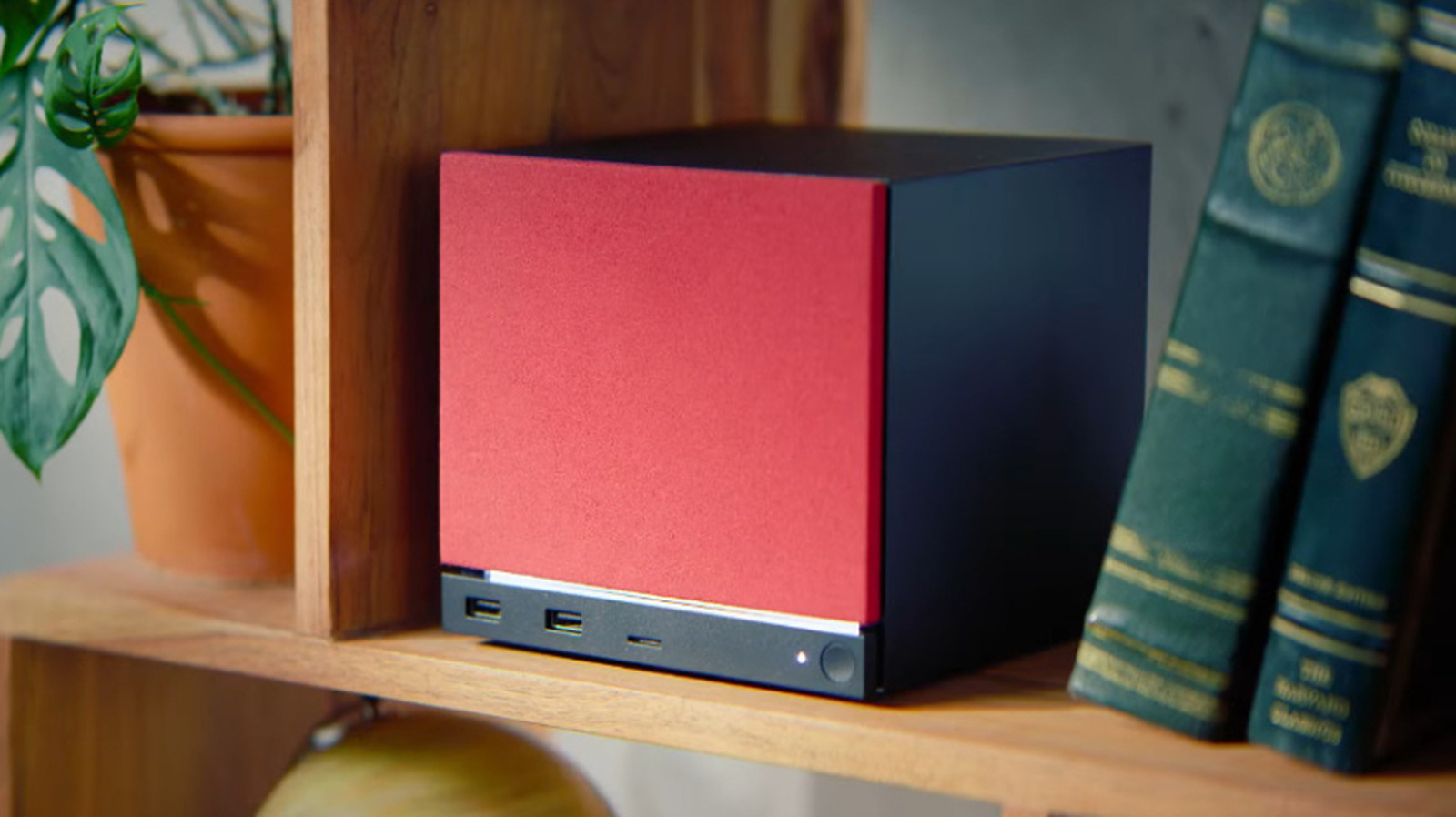
During a Steam Hardware Talk at GDC 2026, Valve (link will download a PDF to your device) unveiled new information about the much-anticipated Steam Machine. In particular, details about the “Steam Machine Verified” program have been released. Similar to the Steam Deck Verified program, games will need to meet certain performance requirements on the device in order to earn Steam Machine verification.

What’s concerning is that Steam Machine verification only requires a minimum of 1080p resolution and 30 FPS framerate. For a machine that touts 4K and 60 FPS gaming capabilities on Steam’s official product page, it’s a worrying realization that many “verified” games will likely fall short of that promise. Gamers see the “verified” tag as a reassurance that a desired game will run as expected on their device, so many Machine owners are sure to be disappointed when a hot new release struggles to exceed a resolution and framerate that became standard more than a decade ago.

One silver lining from the latest Steam Hardware Talk is that all games that are verified for Steam Deck will automatically have Steam Machine verification. If you decide to pick up a Steam Machine on day one, you’ll find an extensive library of verified games ready to run at stable performance out of the gate.

Is the Steam Machine still worthwhile for gamers?

The new information regarding Steam Machine Verification isn’t the only thing that might deter gamers from Valve’s new hardware. The Steam Machine price leak from January spurred rumors that it may cost close to or more than $1,000. Valve remained mysterious about the hardware’s pricing and went on to delay the Steam Machine launch window via a February blog post. Altogether, the situation paints a worrisome picture of a troubled gaming device that might underperform despite a high cost.

That isn’t to say that the Steam Machine will disappoint everyone. The Steam Hardware Talk at GDC 2026 confirmed that the Steam Machine is capable of 6x greater performance than the Steam Deck. Games that were only deemed “Deck Playable” for legibility or resolution reasons will automatically be “Machine Verified.” Anyone who entered the Steam ecosystem via Steam Deck will find a superior gaming experience on the Steam Machine. Moreover, the plug-and-play nature of the Steam Machine is still likely to appeal to audiences who would rather not fuss over the modular nature of a typical gaming PC.

Source

Posted on

YouTube Just Made Your TV Experience Worse On Purpose

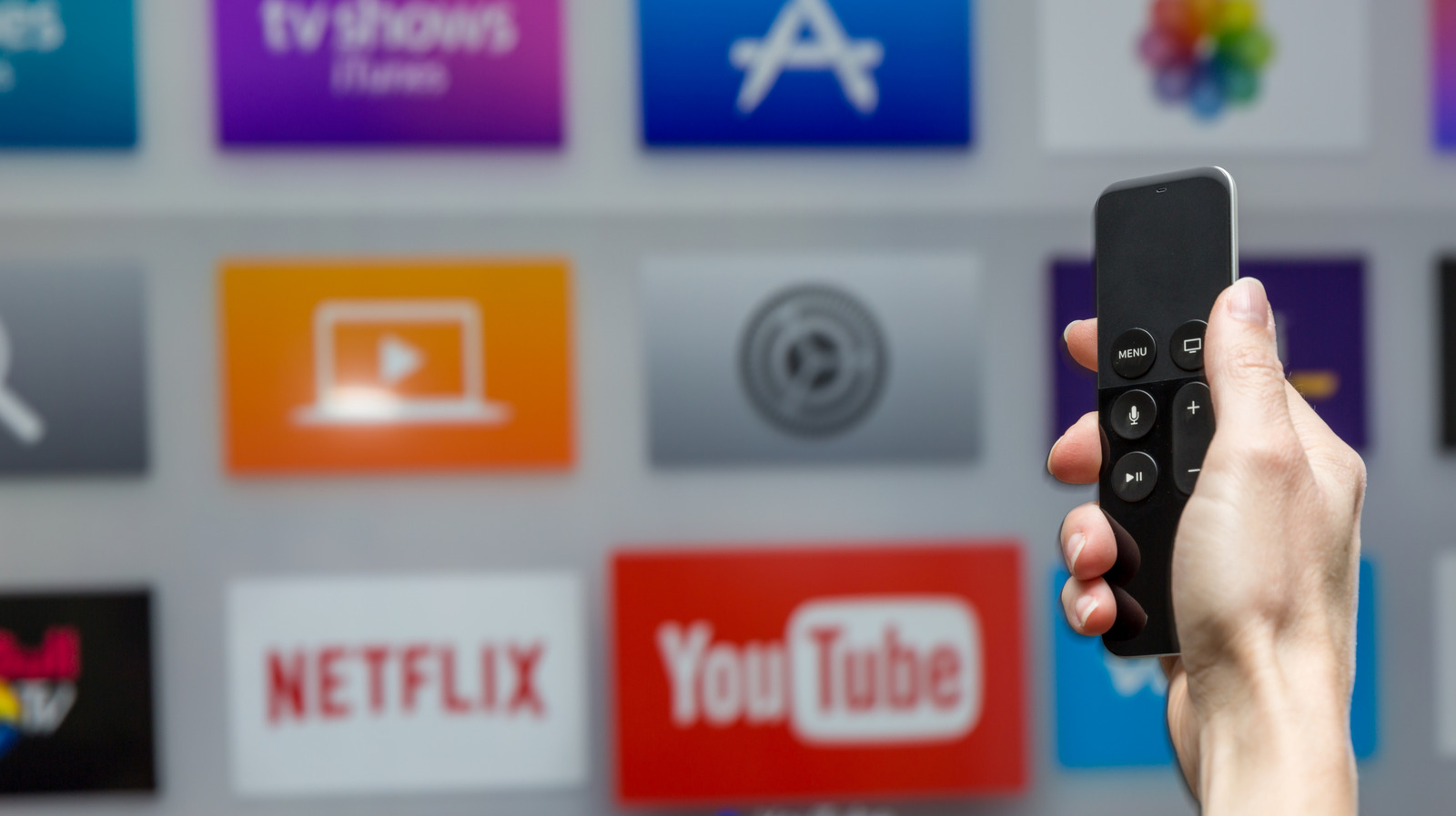
A person holding a smart TV remote with the YouTube app icon visible on screen Onfokus/Getty Images

Google continues to make some interesting choices when it comes to how the company approaches YouTube and advertising. Aside from all the different ways that the tech company has tried to push users to purchase YouTube Premium instead of using ad blockers, the company has also been making some interesting changes to the platform as a whole since 2023. It recently expanded testing for direct messaging — a feature that was originally retired in 2019. Now, it looks like Google is turning its attention back to advertising, as the company has announced some big changes coming to the YouTube app on smart TVs.

According to a post shared on Google’s Ads & Commerce Blog, the company has now brought unskippable ads to the YouTube app on TVs. The ads are designed to use AI to help optimize their deliveries. These ads will range from six-second bumpers to 15- and 30-second “CTV-only” unskippable formats. Google says the move is to help ensure that advertisers’ campaigns can reach the “right audience at the right time.”

Of course, that doesn’t change what it will mean for users, and being forced to potentially watch 30-second unskippable ads in videos is bound to be annoying for anyone. Considering ad blockers are a bit less of an issue on TVs, and YouTube was one of the highest-watched streamers on TVs last year, this move might not feel great to many. Unfortunately, it’s not the first time Google has done something like this.

The latest in a long line of ad changes

Youtube logo on a browser window Primakov/Shutterstock

Over the past several years, we’ve seen Google take some extreme measures to increase the number of ads that reach YouTube viewers. These measures include blocking Adblock Plus users in Chrome and even slowing down load times for users with ad blockers. Now, while many people understand the nature of advertising online and how it helps to cover costs for websites, there’s also the fact that it is hard not to be a bit frustrated by how bad YouTube’s advertising setup has become for viewers, with people complaining on Reddit that they had multiple unskippable ads within a matter of minutes when watching a video.

So, the fact that YouTube is about to start forcing TV watchers to view unskippable ads throughout their videos just feels like another chapter in the long-running gag that is Google’s attempt to increase advertising efforts on the platform. Whether or not it will make any changes to the system going forward remains to be seen, but in the meantime, your best bet to avoid these new ads is to subscribe to YouTube Premium.

Source

Posted on

US Medical Company Hit With Cyberattack, And This Hacker Group


A hacker successfully breaches a target with a cyberattack Vadishzainer/Getty Images

On March 11, a hacker group known as Handala Team claimed responsibility for a cyberattack launched against the U.S. medical tech company Stryker. As reported by NBC News, this attack is seemingly the first significant instance of an Iranian entity hacking an American company since the start of the ongoing war between the two countries.

Stryker is a medical equipment manufacturer headquartered in Portage, Michigan. A statement posted by Stryker on the company’s website described the hacking situation as “a global network disruption to our Microsoft environment as a result of a cyber attack.” The company explained that there was no indication of ransomware or malware and that the incident seems to be contained. This comes at a time when hackers are using AI to break AI, so the contained nature of this attack is a lucky break for Stryker.

A report from KrebsOnSecurity indicates that the attack may have entailed the use of a service called Microsoft Intune to remotely wipe data from devices connected to the company’s Microsoft environment. Microsoft did not respond to requests from NBC News for comments or details about the cyberattack despite the nature of this breach.

Who is the Handala Team hacker group?

A hacker group executing a cyberattack DC Studio/Shutterstock

Handala is a “hacktivist” group that has been profiled by Palo Alto Networks and confirmed to be linked to Iran’s Ministry of Intelligence and Security. The team is known to brag about its exploits on social media and has claimed responsibility for other large-scale hacking operations, such as the compromising of an Israeli energy exploration company and the compromising of fuel systems in Jordan.

The recent hacking by Handala has had a real effect on Stryker and the medtech industry as a whole, with more than 5,000 employees at Stryker’s Ireland location being sent home on the day of the attack. The report from KrebsOnSecurity also suggests that a major university medical system in the United States would be unable to order surgical supplies normally sourced through Stryker.

Recently, a Google AI report exposed new cyberattack threats and the possibility that hackers might use AI for adversarial purposes. In the hands of an impassioned group like the Handala Team, AI-powered search algorithms and malware coding could lead to further cyberattacks that are even more harmful than the Stryker breach.

Source

Posted on

An iPhone Fold Might Not Be The iPad Replacement You


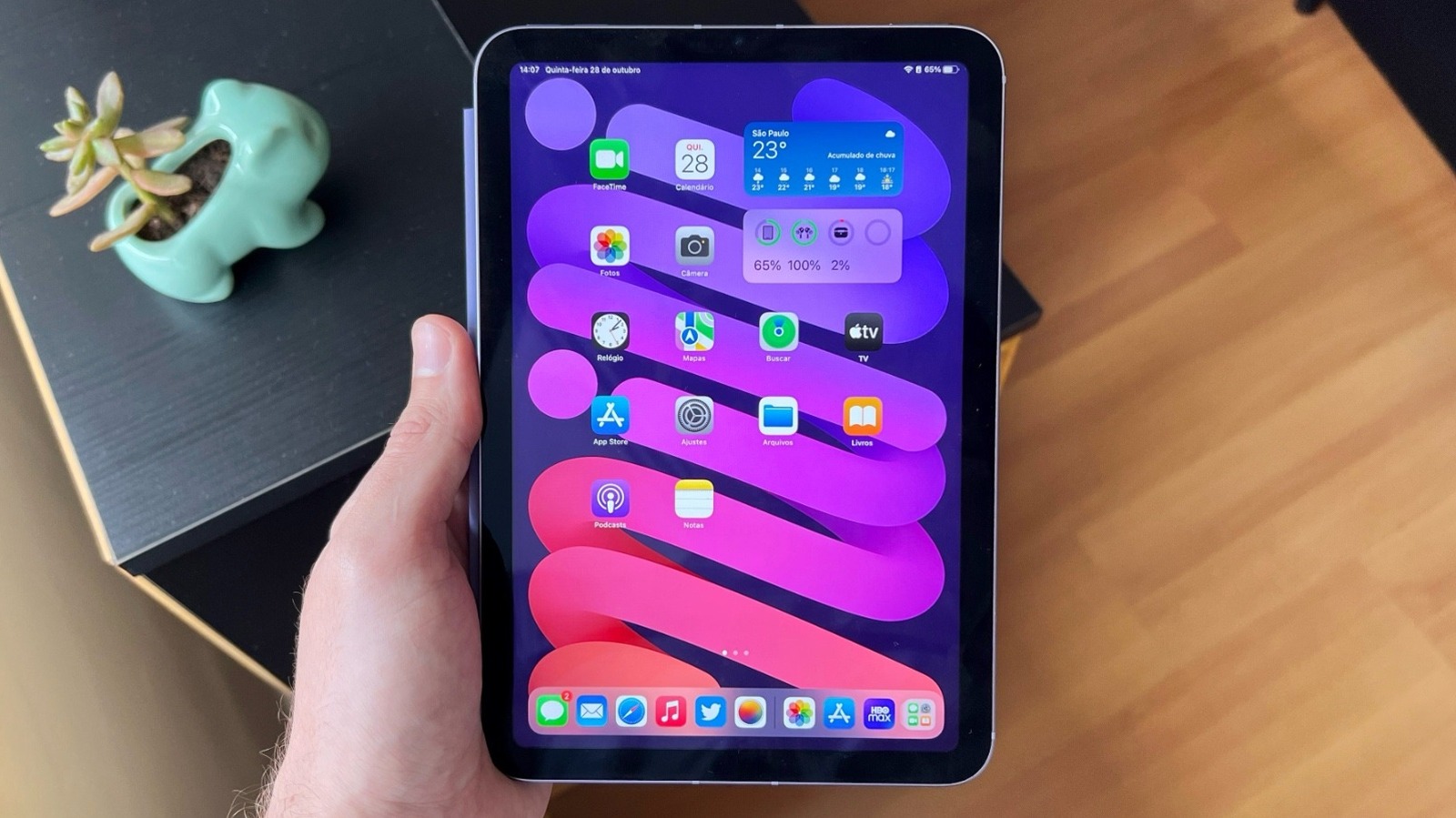
A hand holding an iPad mini 6 José Adorno/BGR

Apple is expected to introduce the iPhone Fold later this year. The company’s first foldable device is rumored to feature a 7.8-inch inner display and take a similar approach to the Galaxy Fold with a price point around $2,000. As the release date approaches, a report by Bloomberg’s Mark Gurman reveals more details regarding the software of this product. According to the publication, Apple will run a customized version of iOS, which will bring some capabilities of iPadOS but it won’t make it a replacement for a proper iPad, as it will lack proper multitasking capabilities and even iPad apps.

Gurman reports that Apple will make this device appealing for watching video, and developers will have to adopt Apple’s sidebar for these new iOS apps, something similar to what users already have with the iPad and the Mac. While WWDC 2026 is just around the corner, it’s unlikely that we’re going to get details about this tweak to the iPhone software, even though Apple might give hints ahead of the official launch to give developers time to adapt their apps to this new experience.

The iPhone Fold will lack the iPad’s best feature

An iPad Pro running several apps at once José Adorno/BGR

Seven years after Samsung introduced its first foldable device, Apple will try to shake up the market. Still, it might be hard to justify this device if Bloomberg’s report is accurate. After all, the apps will continue to run the standard iOS, with Apple apparently aiming at only split view usage, and not window tiling or Stage Manager. Users will reportedly only be able to use two apps side by side, and that will be it.

Gurman, citing people familiar with the matter, says more than two windows could be a problem as content could be hard to read and usability wouldn’t be ideal. Besides that, Apple wants to blur the lines of what an iPhone and an iPad can do, the same way it does with the iPad and the Mac, while still offering specific limitations so each product makes sense on their own.

The journalist writes that apps on the iPhone Fold will run similar to landscape mode on iPad mini, and it should be fairly easy for developers to adapt their apps. That said, the first few months might be filled with black bars, and some apps getting used before compatibility rolls out broadly.

Apple wants to address two issues with the foldable market

A stand host displays the new Samsung Galaxy Fold smartphone at the 2019 IFA Sean Gallup/Getty Images

Bloomberg says Apple wants to fix two main issues of foldable phones, which are narrow internal displays and visible crease. While previous reports suggested Apple was able to create a crease-free design, Gurman says it will greatly reduce the crease but without eliminating it entirely. The journalist also says Apple was able to solve display durability, as these screens can eventually break after a while due to all the fold and unfold process.

Bloomberg’s story also expands on the overall design of this product, as the outer display will feature a hole-punch cutout for the camera. According to the journalist, Apple tried placing the sensor under the display, but it wasn’t satisfied with the results. The same is true for the Face ID components, as Apple will choose Touch ID authentication on the side button instead. Last but not least, the biggest turn down for this foldable is that Apple will include two rear cameras instead of three, meaning that the most expensive iPhone won’t have all the best specs, and users will have to choose between the regular Pros, with all the bells and whistles, or the innovative phone with a few setbacks.

Source

Posted on

Microsoft restates commitment to OpenAI amid analyst note about datacentre expansion rollbacks

Microsoft has pushed back against claims its decision to cancel and defer at least 2GW of datacentre projects in the US and Europe is indicative of its “fraying relationship” with OpenAI.

US analyst TD Cowen published a research note on 26 March 2025 that suggested the public cloud giant had cancelled and deferred datacentre lease agreements in the US and Europe that would have increased its compute capacity by at least 2GW.

The reason for the rollback on its plans was, according to TD Cowen, due to Microsoft’s decision not to support OpenAI’s incremental training workloads.

TD Cowen had previously said the two companies were involved in a “fraying relationship”, after Microsoft confirmed in January 2025 that the exclusivity cloud hosting deal between the two firms had been rejigged.

A Microsoft blog post, dated 21 January 2025, confirmed OpenAI had made a “large Azure commitment” that included “changes to the exclusivity on new capacity, moving to a model where Microsoft has a right of first refusal”.

This means Microsoft gets first refusal on whether or not it wants to host OpenAI workloads, but OpenAI also reserves the right to build its own capacity with other partners if Microsoft cannot meet its needs.

Microsoft has now issued a statement to Computer Weekly, pushing back on TD Cowen’s take on the situation, while also restating the strength of the working relationship between the company and OpenAI.

In reference to its decision to scale back its datacentre expansion plans, Microsoft said it’s “well-positioned” to meet the current and increasing customer demand it’s seeing for its services thanks to the “significant investments” it’s made in its infrastructure to this point.

“Last year alone, we added more capacity than any prior year in history,” said a Microsoft spokesperson. “While we may strategically pace or adjust our infrastructure in some areas, we will continue to grow strongly in all regions.

“This allows us to invest and allocate resources to growth areas for our future. Our plans to spend over $80bn on infrastructure this financial year remain on track as we continue to grow at a record pace to meet customer demand.”

Microsoft has been a partner in OpenAI since 2019, with the two firms previously stating that they were working towards a shared goal to “responsibly advance artificial intelligence research” while democratising the technology and making it accessible to all.

Around the same time that Microsoft released details of its reworked cloud hosting arrangement with OpenAI, the latter released details of its $500bn effort to expand the infrastructure underpinning its services through the launch of the Stargate Project.

Softbank, Oracle, MGX and OpenAI are the equity funders for the initiative, while Microsoft is listed as a technology partner.

In reference to its ongoing partnership with OpenAI, the Microsoft spokesperson said: “OpenAI continues to be a great partner. We remain committed to pushing the frontier of AI forward, driving innovation, and making cutting-edge models accessible to our customers and partners.”

Source

Posted on

OpenAI’s Sam Altman just announced release timing for GPT-5

It feels like ages, but just a few months ago, the DeepSeek R1 model shook off the artificial intelligence world and made the big American techs reassess their schedules and release dates for their latest LLM updates.

This is why, in February, OpenAI highlighted its roadmap for its future releases, including the long-anticipated GPT-5 launch. Since then, much has happened, and the company has unveiled new features almost weekly, including the breakthrough success of the latest GPT-4o Image Generation, which made the ChatGPT servers fail due to so many people generating hundreds of thousands of AI images.

While OpenAI’s plans were to stop unveiling several ramifications for its GPT advancements, the company’s CEO Sam Altman gave an update on that, saying it’s been “than we thought it was going to be to smoothly integrate everything.”

In a post on X, Altman wrote: “Change of plans: We are going to release GPT-o3 and o4-mini after all, probably in a couple of weeks, and then do GPT-5 in a few months. There are a bunch of good reasons for this. But the most exciting one is that we are going to be able to make GPT-5 much better than we originally thought,” he writes.

Tech. Entertainment. Science. Your inbox.

Sign up for the most interesting tech & entertainment news out there.

By signing up, I agree to the Terms of Use and have reviewed the Privacy Notice.

Raising concerns about the demand OpenAI might get, Altman says his team “wants to make sure we have enough capacity to support what we expected to be unprecedented demand.”

Finally, he says OpenAI was able to “really improve on what we previewed for GPT-o3 in many ways.” That said, the Deep Research model will likely be faster, as it can take anywhere from 5 to 30 minutes to offer responses while also being smarter to reason.

Fortunately, we won’t have to wait long to learn more about the GPT-3o official release, as Altman already teased it will be in a couple of weeks. More importantly, it will only take a few more months before OpenAI’s GPT-5 lands.

Source