Posted on

Netmore claims Actility acquisition to herald transformation of Massive IoT

Noting that demand for a resourceful and transformational leader of the global LPWAN ecosystem has “been on the market’s wish list for years”, Massive internet of things (MIoT) network operator Netmore Group has taken control of low-power wide-area network (LPWAN) solutions provider Actility.

Actility is one of the co-inventors of technology based on the LoRaWAN specification, operating in unlicensed radio frequency bands and is known for its long-range capabilities (up to 15 km in rural areas), low-power consumption and the ability to connect a large number of devices to a single network. A founding member of the LoRa Alliance, the company regards itself as a leader in industrial-grade LPWAN connectivity and IoT tracking solutions.

Actility’s ThingPark platform, which supports multi-radio connectivity standards – such as LoRaWAN, NB-IoT and LTE-M – powers many public networks and numerous private and enterprise networks worldwide. Through its Abeeway subsidiary, Actility offers patented ultra-low power, multi-radio trackers and indoor and outdoor geolocation services.

Assessing what the move could mean for his company, Actility CEO Olivier Hersent regarded joining Netmore Group as a transformative step for Actility, its customers and the market.

“Our shared commitment to advancing IoT innovation creates a unique opportunity to power some of the most advanced IoT solutions globally,” he said. “Through our close alignment on values, culture and commitment to service, we can accelerate adoption across industries, enabling operators and enterprises to unlock the full potential of connected ecosystems. Together, we will make LoRaWAN the default infrastructure for massive IoT.”

By combining Actility’s multi-technology mediation capabilities with its carrier-grade network expertise, Netmore claims that is creating a “powerhouse” for scalable and reliable IoT connectivity solutions, unifying the global LoRaWAN ecosystem and turning years of market fragmentation into “a new world of connections”.

Netmore believes that the transaction will lead to synergies across commercial markets, and that this transaction strengthens Netmore’s leadership in its primary vertical segments – including utilities, buildings and smart cities – while expanding reach into the enterprise, industrial, asset tracking and operator sectors.

Actility is said to be able to bring Netmore thousands of LoRaWAN project deployments across more than 100 countries, partnerships with more than 50 LoRaWAN network operators, and a customer base that includes tier-1 operators and global utility and manufacturing leaders. Contracted IoT devices now under Netmore management total more than 14 million.

Other additions to Netmore’s offerings include on-premise, high-availability LPWAN network infrastructure for regulated or security-sensitive environments; native DLMS (Device Language Message Specification) over LoRaWAN for smart metering; autonomous all-in-one gateways with embedded network server and direct BACnet/Modbus connectivity, enabling Building Management systems (BMS) expansion; LoRaWAN Relay functionality that enhances reach and fulfilling SLAs in challenging environments, which could be a game-changer for water metering; and firmware broadcast and firmware update tools that allows customers to match the upcoming EU Cybersecurity Resilience Act (CRA).

The move also creates a ThingPark Exchange (TEX) roaming hub that allows private and public networks to exchange sensor data and expand coverage, bringing an open ecosystem for network roaming and partnerships with operators including KPN, Swisscom and Orange.

Commenting on the acquisition, Etienne Robert, head of unified communications, network and IoT integration of Orange Business, which operates one of the largest public LoRaWAN networks powered by ThingPark, said: “As a long-standing strategic partner…we welcome this exciting milestone for Actility and Netmore. For Orange, the acquisition supports the continued operation of our LoRaWAN-based enterprise and smart-territory solutions and it maintains a solid partnership for the delivery of IoT projects. We see this consolidation as very positive news for the entire European IoT ecosystem.”

Source

Posted on

Expect to use seven different providers for data management

A survey from Wakefield Research for Informatica has found that organisations expect to partner with seven tech providers to support their data management priorities in 2026.

Along with having to organise multiple data management providers, the poll of 600 data leaders reported that those companies that have adopted generative artificial intelligence (GenAI) say they expect they will be working with eight IT providers, while those deploying agentic AI anticipate they will need nine.

The survey suggests that some organisations are opting for multiple partners for more practical reasons, such as perceived cost-effectiveness (41%) or to meet the specific requirements of their organisation (41%).

Looking at regional difference, data leaders in the US say cost-effectiveness is more likely to be a reason for companies to use multiple IT providers (48%) compared with those located in the Asia-Pacific region (36%). The UK and European Union falls in the middle at 40%.

According to Informatica, using multiple IT providers for data and AI management increases risk. It believes that the multi-supplier approach suggested by the survey results is just a temporary trend.

As companies develop the skills to do more of their own AI development – combined with industry consolidation of tools and platforms – Informatica believes there will be less reliance on using multiple data management software providers in the future, which it claimed would improve the total cost of ownership of an organisation’s data management strategy.

Among European data leaders, the survey found that 85% of European businesses are increasing their data management investments in 2026, with 23% expecting to significantly increase their spend. The top drivers for this are: upskilling employees to improve data and AI fluency (44%); improving data privacy and security (44%); and enhancing data and AI governance (44%). Businesses in the UK have a heightened appetite to improve data literacy, with 49% planning to invest in this area.

When asked about their AI readiness, more than three-quarters (77%) of European businesses say their company’s AI visibility and governance has not kept pace with employee use of AI technology.

There also appears to be a lack of data and AI literacy. Data leaders believe the majority of employees trust “most” or “all” of the data that their organisations are using for AI. However, 96% believe that employees need more data or AI literacy training to use AI or its outputs responsibly. In fact, 82% say their employees need more data literacy training, and 71% feel there is a need to improve employees’ AI literacy training.

“The promise of AI is immense, but so are the risks if you don’t have confidence in a reliable data foundation,” said Krish Vitaldevara, chief product officer at Informatica. “Although employees generally trust the data used for AI, many are lacking in data and AI literacy skills, and organisations lack underlying AI governance structures for achieving the responsible and ethical outcomes they desire. This poses significant risk exposure and hurts confidence in AI initiatives.” 
 
He added that organisations need to prioritise data reliability, invest in rigorous AI governance and upskill their workforce to help ensure their AI-driven decision-making is based on trusted, high-quality data.

Source

Posted on

Platforms must adapt to IoT demand to support eSim growth

The embedded subscriber identity module (eSIM) market has gained momentum over the past two years or so.Now, two research studies from Juniper Research and CCS Insight have confirmed this trend, adding that the internet of things (IoT) arena is ripe for eSIM, especially in connected logistics, oil and gas, and smart street lighting in 2026.

Juniper Research’s eSIMs and iSIMs market 2025-2030 report predicted that the number of IoT devices using eSIMs will grow by 30% in 2026, rising from 1.2 billion in 2025.

Looking at drivers for the market, Juniper Research highlighted the GSMA’s eSIM IoT Architecture and Requirements SGP.32 specification, launched in 2025. This is the global mobile trade association’s eSIM standard for IoT that enables scalable, server‑driven remote SIM provisioning. It is designed to offer benefits such as bulk activation, reduced operational costs and greater flexibility to switch connectivity providers.

Juniper believes that as the standard gains traction across the IoT market, connected logistics, oil and gas, and smart street lighting will be the fastest-growing IoT eSIM sectors in 2026. In turn, the analyst believes that these industries will benefit the most from the standard in 2026, contributing a combined 75 million new eSIM connections.

Yet despite its optimism, Juniper noted several challenges for eSIM platforms, the biggest of which is pivoting away from pull models (in which the device pulls a single profile to it) to a push model where profiles are pushed to multiple devices at the same time. Juniper Research urges these platforms to develop their own push model to serve enterprise eSIM users as adoption among enterprise IoT users proliferates.

“Enterprise users demand a completely different set of requirements, most notably a server-driven approach that enables centralised orchestration of deployments,” said Ardit Ballhysa, senior research analyst at Juniper Research. “For enterprise IoT users, it is inefficient to use a pull model to provision so many devices, and eSIM platforms must adapt.”

Meanwhile, CCS Insight found that in the UK there has been a surge in eSIM awareness and users are increasingly deploying the technology to connect to a domestic or international provider.

Across the sample of more than 1,000 respondents, nearly three-quarters said they had heard of eSIM, up from just 27% in 2022. Among these, almost a third used the technology to sign up with a UK provider. iPhone customers were the top users, which CCS Insight said is a reflection said of Apple’s drive for adoption that included the launch of the eSIM-only iPhone Air in 2025.

Almost three-quarter of respondents in the survey are considering using a travel eSIM for their next international trip, including 86% of those who have used one before. The main reasons cited were convenience and saving money.

Assessing the trends revealed in the survey, Kester Mann, CCS Insight director of consumer and connectivity, said the results cemented the “indelible” role of eSIM in people’s journeys to get connected.

“We’ve seen a surge in awareness of eSIM, as well as encouraging intention to use the technology,” he added. “Combined with rising compatibility in smartphones and support from operators, it won’t be long before eSIM becomes the de facto way to sign up to a mobile service.” 

Source

Posted on

The 5 Best E Ink Tablets You Can Get Right

Fluxfactory/Getty Images

We may receive a commission on purchases made from links.

An E Ink tablet gives you the best of both worlds: the satisfying feel of using pen and paper and the convenience of keeping all your notes in one place. E Ink tablets are best known for offering a distraction-free environment to jot down your notes while providing a paper-like reading and writing experience. Moreover, they minimize the chances of eye strain that comes with looking at regular displays for hours on end, making them a must have for any avid reader. So if you’re done buying physical notebooks and want something that can offer you an almost identical experience but with the added convenience of digital tools, an E Ink tablet is worth getting. 

But E Ink tablets aren’t cheap. You may have to fork out at least $300 to get one, so you certainly have to do your research well to avoid buying a model that doesn’t deliver on its promise or meet your specific needs. Although we’ve reviewed several models, such as the reMarkable Paper Pro Move, we set out to find the best E Ink tablet that online users swear by because user reviews can be a solid metric to base your purchasing decisions on. 

10.2-inch Amazon Kindle Scribe

In our Kindle Scribe review, we loved this device, and unsurprisingly, it stands out as one of the best E Ink tablets based on user reviews — it boasts an excellent 4.4 out of 5 rating from over 3,000 reviews, with 85% of reviewers giving it at least 4 stars. The Kindle Scribe features a 10.2-inch display with 300 pixels per inch that should make text look crisp. However, the Scribe is meant for writing, and Amazon includes its Premium Pen for the job, which doesn’t need to be charged. 

The Scribe comes with a built-in notebook for taking notes with 18 preloaded note-taking templates (and you can download more) to make your work easier when writing. Furthermore, it includes two handy AI-powered features in the built-in notebook: text summary and handwriting to text conversion. The Scribe is also a capable reading device, and Amazon allows you to import your documents to it using the Send to Kindle feature. While reading, the Scribe gives you the ability to annotate documents, and you can even write notes in Kindle eBooks using Active Canvas. 

Many users praise its usefulness when it comes to both reading and writing. Users also say how easy it is to transfer documents to the device and organize notes. However, it’s not perfect. Some say you can’t export notes written in books, and others find it to be bulky. It also lacks built-in speakers for reading text aloud with Amazon’s Assistive Reader feature, forcing you to pair it with a Bluetooth speaker. You can buy the 10.2-inch Kindle Scribe from Amazon with either 16GB, 32GB, or 64GB of storage for $399.99, $419.99, and $449.99, respectively.

reMarkable 2

The reMarkable 2 is a highly-rated E Ink device by users. As of this writing, the device has earned an average rating of 4.3 out of 5 from over 2,100 reviews, with over 70% of the users giving it a 5-star rating. Priced at $449, this E Ink tablet has a 10.3-inch black and white display and ships with a pen that has a built-in eraser for taking notes, so you don’t have to spend extra for that. What’s even cooler is that reMarkable includes nine spare tips for the pencil. 

For note-taking, reMarkable 2 has a built-in notebook with templates and makes writing easier with useful features like undo, erase, resize, move, and copy and paste. The tablet is built with organization in mind and offers folders and tags to make it easier to organize files and notebooks. Similar to the Kindle Scribe, you can write in PDFs and even convert your handwritten notebooks into typed text. For the latter, reMarkable supports 33 languages. In addition to writing notes with your hand, you can also type on a keyboard if you purchase reMarkable’s $199 Type Folio. 

The reMarkable 2 promises up to two weeks of battery life and charges via USB-C. There’s no app store here to download distracting apps, but you can import web articles or Microsoft Office documents to read or work with in the reMarkable 2. Multiple users say the reMarkable 2 is a great product, and one reviewer says it’s “one of the most life-changing products” that they have bought in a while. However, some say it’s pricey, and others point out that the pen tips must be changed often, which might be a challenge.

reMarkable Paper Pro

As the successor to the reMarkable 2, the Paper Pro delivers some additional niceties for more convenience. So if the reMarkable 2 doesn’t quite feel like the perfect E Ink tablet for you because of its black and white display, the Paper Pro should be better, as it uses a colored display. The display measures 11.8 inches and has a 2160 x 1620 resolution with a front light for night use. The Paper Pro is available on Amazon for $679.99 and includes reMarkable’s so-called Marker Plus pen (with a built-in eraser at the end of the stylus) with six spare tips. 

The company promises up to two weeks of battery life under normal use, which should be more than enough. Weighing slightly over a pound, the Paper Pro is lightweight and easy to carry around. You can write your notes using the stylus, a virtual keyboard, or a physical one (if you purchase the keyboard folio). The Paper Pro also supports the conversion of handwritten notes to text and document annotation. You can bring your files to the Paper Pro, although you can only do so via reMarkable’s app or website. 

For writing, you get the same handy tools available on the reMarkable 2, such as copy and paste, but since it has a color E Ink display, you can write in colors other than black. The Paper Pro has a 4.1 out of 5 rating from over 1,500 user reviews on Amazon. Users say it’s easy to use, lightweight, feels paper-like, makes organizing notes easier, has great battery life, and is a reliable notebook and a game changer. But some feel it’s expensive, and others find the display to be too dark.

Kobo Libra Colour

Kobo’s Libra Colour E Ink tablet is the most affordable option on this list and has one of the highest average ratings of 4.4 out of 5 from close to 3,000 reviews on Amazon. It features a 7-inch colored display with 1264 x 1680 resolution. It also has the smallest display on the list, which is the perfect option if you feel the other options might be tedious for you to handle due to their 10- or 11-inch displays. The only catch with the Libra Colour is that the $229.99 reader doesn’t include a stylus pen out of the box – the Kobo Stylus 2 is sold separately for $70. 

The stylus has a built-in eraser, three pen styles, and supports writing, drawing, and highlighting text in different colors. As an e-reader, the Libra Colour has dedicated page-turn buttons next to the display. Using the Libra Colour, you can highlight and write notes in eBooks and create notes from scratch using the built-in notebook. The Libra Colour is IPX8 rated, meaning it can withstand up to 6.56 feet of water submersion for up to an hour without any damage. Kobo says this tablet can last up to 40 days on a single charge with 30 minutes of reading per day. 

The tablet comes in either black or white, and you get 32GB of storage as standard. Users love it for its long battery life, lightweight profile, user friendliness, customizable reading experience, and the fact that it doesn’t restrict you to a specific book vendor. Some downsides of the Libra Colour are that it’s slow to start, doesn’t support Kindle and Hoopla eBooks, and the software experience could be better.

Kobo Elipsa 2E

The Kobo Elipsa 2E retains the best parts of what Kobo’s E Ink tablets are best known for, including excellent battery life, deep integration with OverDrive and Libby eBook library services, and a customizable reading experience. This one packs a bigger 10.3-inch touchscreen display with 1404 x 1872 resolution, although it’s black and white. Despite the relatively large screen, the Elipsa 2E only weighs 0.84 pounds, so it shouldn’t feel heavy in your hands. In fact, users do say it’s thin and light. And unlike the Libra Color, Kobo ships the reader with the Stylus 2 pen out of the box. 

However, the Kobo Elipsa 2E is slightly more expensive than the Libra Color at $399. The Elipsa 2E also comes with 32GB of storage to store your eBooks and promises up to several weeks of battery life per charge, depending on your usage patterns. You can also annotate eBooks by highlighting, underlining, and even writing in the margins. And if you need space to write your notes, it includes a built-in notebook that has search functionality, making it easy to find keywords or certain notes in your notebooks. 

Like some E Ink tablets, the Elipsa 2E also lets you convert your handwritten notes to typed text. The Kobo Elipsa 2E has earned a 4.0 out of 5 rating from over 450 reviews on Amazon. Users say it’s great for reading, responsive when writing, and has impressive battery life. However, multiple users have raised concerns about its writing functionality, with one saying it doesn’t allow you to adjust the brush size when writing.

How we selected these E Ink tablets

Nathaphat/Getty Images

The main criteria for choosing the best E Ink tablets were to find models that are highly rated with at least an average rating of 4.0 out of 5, and have more than 400 reviews. Of course, based on these two factors alone, our selection tends to favor older products that have been selling for a while and have earned more reviews. 

To do our research, we mainly focused on three of the major e-commerce sites, including Amazon, Walmart, and Best Buy. In addition to that, we also considered what users who reviewed each product said, including the overall user experience and why they thought a given product is worth buying. 

And since no product is perfect, we didn’t shy away from considering the negatives of any given tablet, especially from reviewers who rated each item low, as these reviews are great for pointing out any caveats you should keep in mind before buying a certain item. We’ve listed these products in no particular order.

Source

Posted on

UK competition regulator looks into Google’s AI search

The Competition and Markets Authority (CMA) has proposed what it describes as a “package of measures” to improve how Google delivers search services in the UK.

Last October, the CMA classified Google search and search advertising with strategic market status (SMS). This designation enables it to consider proportionate, targeted interventions to ensure that general search services are open to effective competition, and that consumers and businesses relying on Google can have confidence that they are treated fairly.

Following on from the SMS designation, the regulator is now looking at how it can ensure the 200,000 UK businesses that spend £10bn a year on Google advertising are treated fairly.

The CMA sees internet search as central to the economy and everyday life. Search engines are increasingly providing AI-generated responses, a development of the search engine giant’s capabilities that the regulator is now focused on. 

In a blog post discussing the proposal, Will Hayter, executive director for digital markets at the CMA, said: “Our goal is to support innovation and growth, ensure people benefit from a high-quality digital experience, deliver fairer outcomes for content publishers and help businesses and consumers make active, informed choices.

Looking at Google’s AI Overview functionality, the CMA has proposed that Google gives publishers a meaningful choice over how their content is used in AI-generated responses within and outside internet searches. The CMA also wants Google to be more transparent about how publisher content feeds into AI-generated responses in search, and how people use these features. In addition, it is calling for proper attribution of publisher content in AI results, along with a clear explanation of how this works.

With regards to the way the Google search engine lists websites in its search results, the CMA has proposed that Google ranks organic results fairly, which, in effect, means it should not favour websites that advertise on Google or have entered other commercial arrangements with Google. The CMA also wants Google to provide more information on how it ranks results, including in AI Overviews and AI Mode. In addition, the CMA is proposing that Google strengthens the complaints processes for ranking issues.

Sarah Cardell, chief executive of the CMA, said: “Today is an important milestone as we consult on the first conduct requirements under the digital markets competition regime in the UK.

“These targeted and proportionate actions would give UK businesses and consumers more choice and control over how they interact with Google’s search services – as well as unlocking greater opportunities for innovation across the UK tech sector and broader economy. They would also provide a fairer deal for content publishers, particularly news organisations, over how their content is used in Google’s AI Overviews.”

The CMA will be closely following the US Department of Justice’s attempt to curb what has been ruled as anti-competitive practices by Google in the search engine market.

In August 2024, the US District Court for the District of Columbia released a 277-page opinion, concluding that “Google is a monopolist, and it has acted as one to maintain its monopoly” in violation of Section 2 of the Sherman Act. In September, the Justice Department said it would continue to review the opinion to consider its options and next steps regarding seeking relief.

Source

Posted on

Your Google Pixel 10’s Magic Cue Might Finally Be Useful

Elvard project/Shutterstock

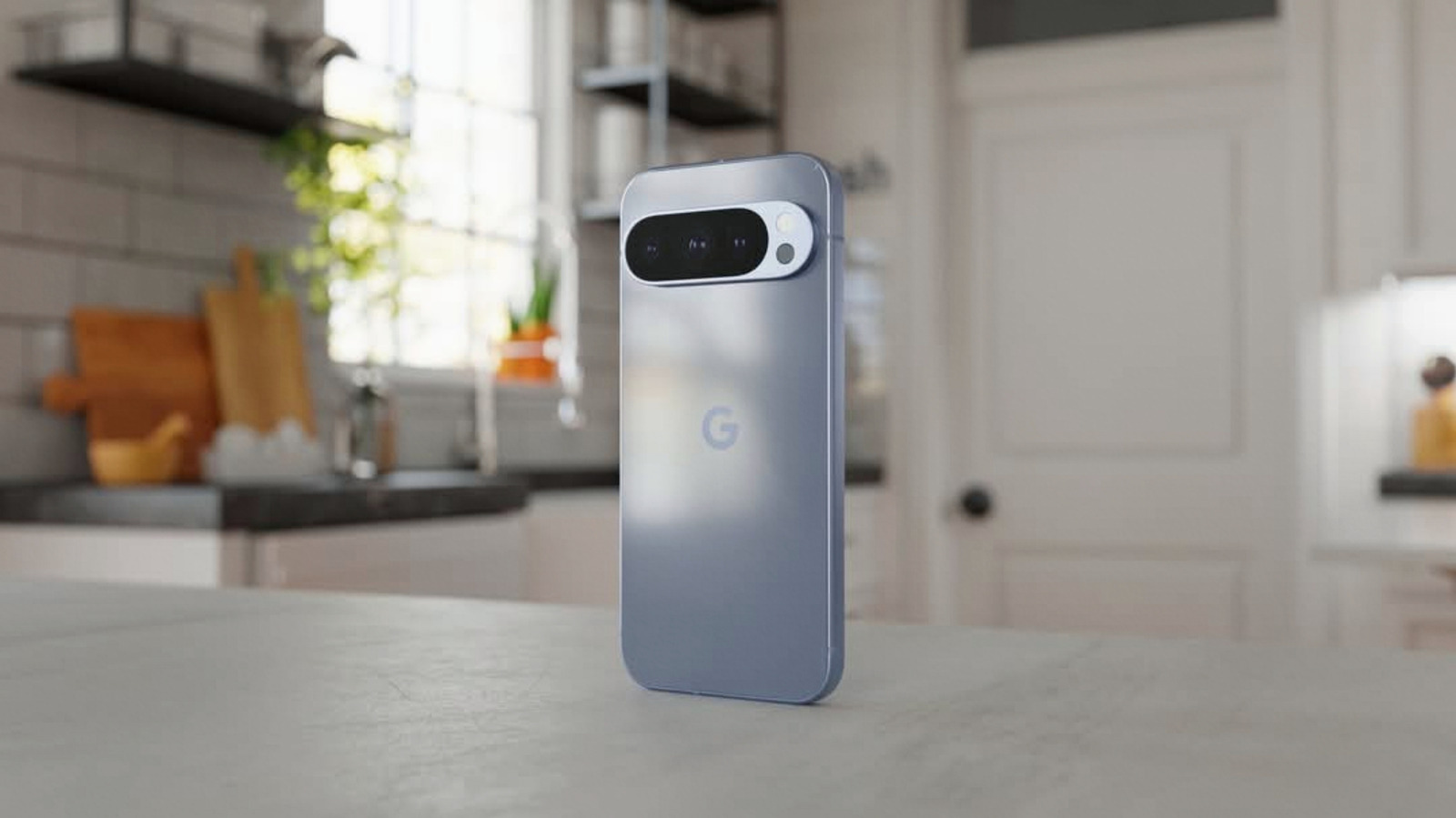
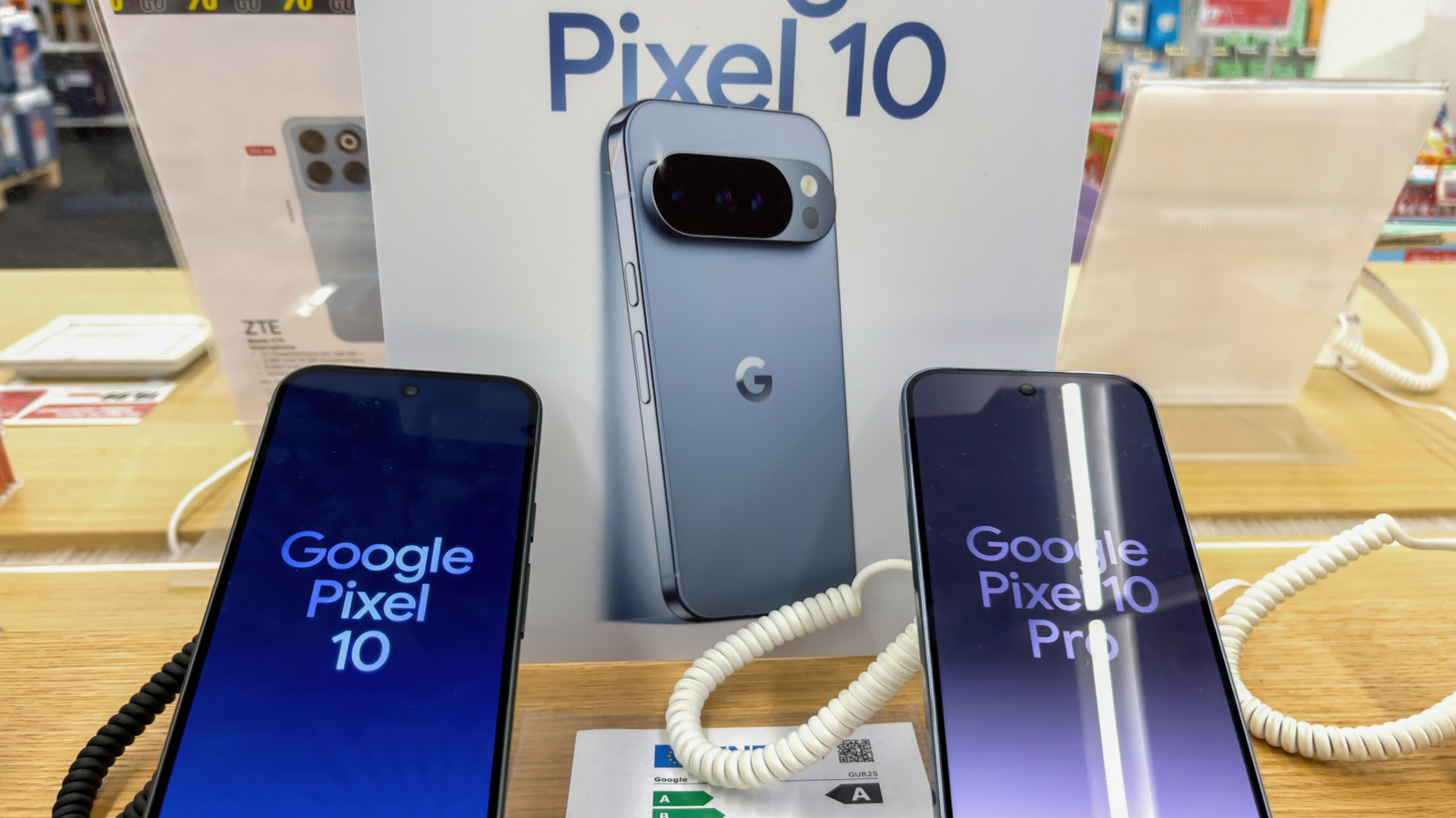
The Magic Cue feature on the Google Pixel 10 and Pixel 10 Pro is due to get a lot better with Google Wallet and Google Task integration, reports Android Authority. Available for over six months, the new Google Pixel lineup promised an AI revolution with Magic Cue, which could theoretically use AI to suggest certain tasks based on your usage patterns. For instance, if you told someone you’re taking a flight the next day, Magic Cue would automatically fetch your flight details from Gmail and prompt you to send them details like your flight’s timings, flight number, etc. Something that the long-rumored iOS 27 Siri chatbot aims to deliver, too.

However, during the first month of the Pixel 10, it was nearly impossible to use Magic Cue, as it lacked a deeper integration with the Android system. A couple of months later, users started to report that the company finally rolled out a broader experience, as they noticed Magic Cue suggestions throughout the UI. Google says Magic Cue integrates with Gmail, Messages, Calendar, Notes, Screenshots, Contacts, and more. Powered by on-device AI thanks to the Tensor G5 processor, it seems the company is about to announce the next big upgrade for Magic Cue with Wallet and Tasks integration.

Magic Cue keeps expanding its capabilities, and it’s about to get a lot better

Elvard project/Shutterstock

If a Google Pixel 10 owner adds a trip to their calendar, Magic Cue will automatically provide weather information for the location, along with travel suggestions on what to pack, what places to visit, etc. If the integration reported by Android Authority launches soon, Magic Cue will offer support for the Google Wallet, which could help display real-time information about tickets (train, flight, and even cinema) or even help you better understand your spending.

On the other hand, the Google Task integration could mean that Magic Cue can access your to-do list and calendar events to suggest relevant actions based on your schedule. At this moment, it’s unclear when Google plans to integrate both these services with Magic Cue. However, since Telegram user Kieron Quinn was able to find the settings toggle for these two apps within Magic Cue, it’s only natural that the feature might be coming sooner rather than later.

Source

Posted on

Google’s Newest Pixel Update Might Break Your Phone

VGV MEDIA/Shutterstock

It’s not a good time to be a Pixel user, especially if you installed Google’s recent January 2026 update.  The update is causing a series of issues, according to a growing number of reports on Reddit and Google’s own forums, including Wi-Fi and Bluetooth connectivity problems. As 9to5Google reports, the wireless connectivity issues aren’t new, as Pixel users have reported them after the last software update. However, the January Android update is impacting more devices than before, and there’s no fix in sight.

As of this writing, Pixel 10 series devices and the Pixel 8 Pro have been affected. The Pixel 10 series was launched last August, while the Pixel 8 series debuted in 2023. Since the issues appear across multiple Pixel models, a hardware problem isn’t likely to cause these issues. In addition to Wi-Fi and Bluetooth problems, some Pixel owners have also complained of camera and flashlight issues. Specifically, the camera may not turn on. The Android phone’s flashlight can also fail to turn on, especially if the software sees the non-functioning camera app in use. 

It’s likely that a software patch will fix these issues in the future. Google has not provided specifics, but the company is aware of the problems, according to posts on social media.

What you can do to fix your Pixel

Justin Sullivan/Getty Images

If you’ve installed the January Android 16 update and are experiencing connectivity issues, there’s not a lot you can do. A Reddit user explained that they’ve tried “every recovery or reset fix” they could think of. They even performed a phone factory reset, while consuming a “heap of mobile data” to restore their Pixel 10 handset. These procedures didn’t work. Google advised the user to take the phone to a technician or mail it to Google. Google users are also reading through Reddit threads and advising users to reach out to the Pixel support teams, pointing users to Google’s support page.

You have some limited options while you wait for an official fix from Google. Losing Wi-Fi access means you will have to rely on mobile data, which should not be a problem for Pixel owners on unlimited data plans. But anyone dealing with data usage caps may have a tougher time until Google fixes the problem. If Bluetooth isn’t available, you won’t be able to connect to wireless earphones, speakers, and other accessories. Buying a pair of cheap wired earphones can be a temporary fix, assuming you get USB-C buds or a USB-C to AUX adapter. 

The camera issues may be just as bad as the lack of Wi-Fi to some users. However, if the camera doesn’t work, there’s little you can do. You may want to try a third-party camera app from the Play Store, but that doesn’t mean that app will work. The flashlight failure might be the least of your problems, but it’s still a nuisance.

Is Google Play Services to blame?

Georgeclerk/Getty Images

Some intrepid Pixel users have tried to fix the problem. Pixel 8 Pro owner Julas23 shared a detailed account of their investigation on Google’s forums. After tinkering with their Pixel device, they discovered that the Google Play Services (GMS) might be responsible for the Wi-Fi issues. They were able to fix their Wi-Fi connectivity by uninstalling or disabling “Sandboxed Google Play Services and Fitbit” and clearing the cache. However, this caused a “massive security headache” for the user. With GMS crashing, the push notifications for 2FA authentication failed to reach the device, locking the user out of their Google and Microsoft accounts.

Separately, a Reddit user tried to fix the issue by booting in safe mode and clearing the phone cache, without seeing improvements. They claim they were able to fix the Wi-Fi connectivity problems by downloading the latest public Android build and following specific recommendations. However, they don’t detail their update process so others can attempt to replicate it.

Source

Posted on

UK government to develop AI tutoring tools

The UK government is working with industry and teachers to develop an artificial intelligence (AI) tutoring tool to give more students access to one-to-one learning.

The Department for Science, Innovation and Technology (DSIT) claimed this technology would be particularly helpful for students from disadvantaged backgrounds who may not otherwise have access to digital tools or tutors.

Education secretary Bridget Phillipson said: “Our mission is to break the link between background and destiny, and we’re working hand-in-hand with teachers to make that a reality. AI tutoring tools have the potential to transform access to tailored support for young people, taking tutoring from a privilege of the lucky few to every child who needs it – so all children can achieve and thrive.

“But AI tools are only helpful in education if they are safe and support learning – and that is a non-negotiable. We will ensure tutoring tools are designed with teachers and rigorously tested, so they enhance pupils’ learning and keep our children safe online, never replacing the human connection that only great teachers can provide.”

As it stands, AI skills are not even widespread among tech workers, and access to AI and the ability to use it depends on many factors including gender and socioeconomic background.

The AI divide is not the only barrier many children face when it comes to effectively accessing education, with many children not having access to technology at home. DSIT said 450,000 children between the ages of nine and 11 from disadvantaged backgrounds could benefit from this technology based on the number of children who are currently accessing free school meals programmes.

According to DSIT’s research, having access to a private tutor can advance a child’s level of learning by five months, giving them more chance of grade attainment at GCSE level, but because of unequal access to these services, children from affluent socio-economic backgrounds are more likely to perform well.

Government-backed AI tools will offer personalised learning support to users with the aim of ensuring a “level playing field” for all students by helping those whose families may not be able to afford tutors outside of school.

To ensure these tools are developed to provide safe and relevant access to education, the government will be looking for the right industry providers to work alongside teachers to create these AI tutoring tools in line with the national curriculum.

Personalisation within these tools will include features such as identifying areas students need more practice in and nudging them along in areas they’re stuck. Trials will begin in secondary schools summer 2026, supported by teachers who will give their feedback on how effective the products are. Education providers will be given training to help them understand and use the tools, and benchmarking will be developed to measure the success and safety of these tools going forward.

The development of AI tutoring tools joins many other technology-related measures announced this year by UK government, all aimed at advancing student education and keeping children safe in digital spaces, including social media bans, banning phone use in schools, guidance on screen time for children under five, and the announcement of a £23m EdTech Testbed pilot programme to allow 1,000 schools and colleges to test AI tools.

Technology secretary Liz Kendall said: “Every child should have an equal shot at success, no matter their background – but in reality, too many disadvantaged children are falling behind their peers in school. We’re determined to close that gap. That’s why we are going to work with teachers and tech experts to make safe, smart AI tutoring tools available to schools by the end of 2027 – providing extra help for kids who couldn’t otherwise afford it.

“Alongside the high-quality, face-to-face teaching of our brilliant educators, this will help to level the playing field for hundreds of thousands of children from disadvantaged backgrounds to make the most of their education by removing the barriers that get in the way.”

The goal is for AI tutoring tools to be available for free in schools by the end of 2027.

Source

Posted on

5 Useful Samsung TV Features You Need To Start Using

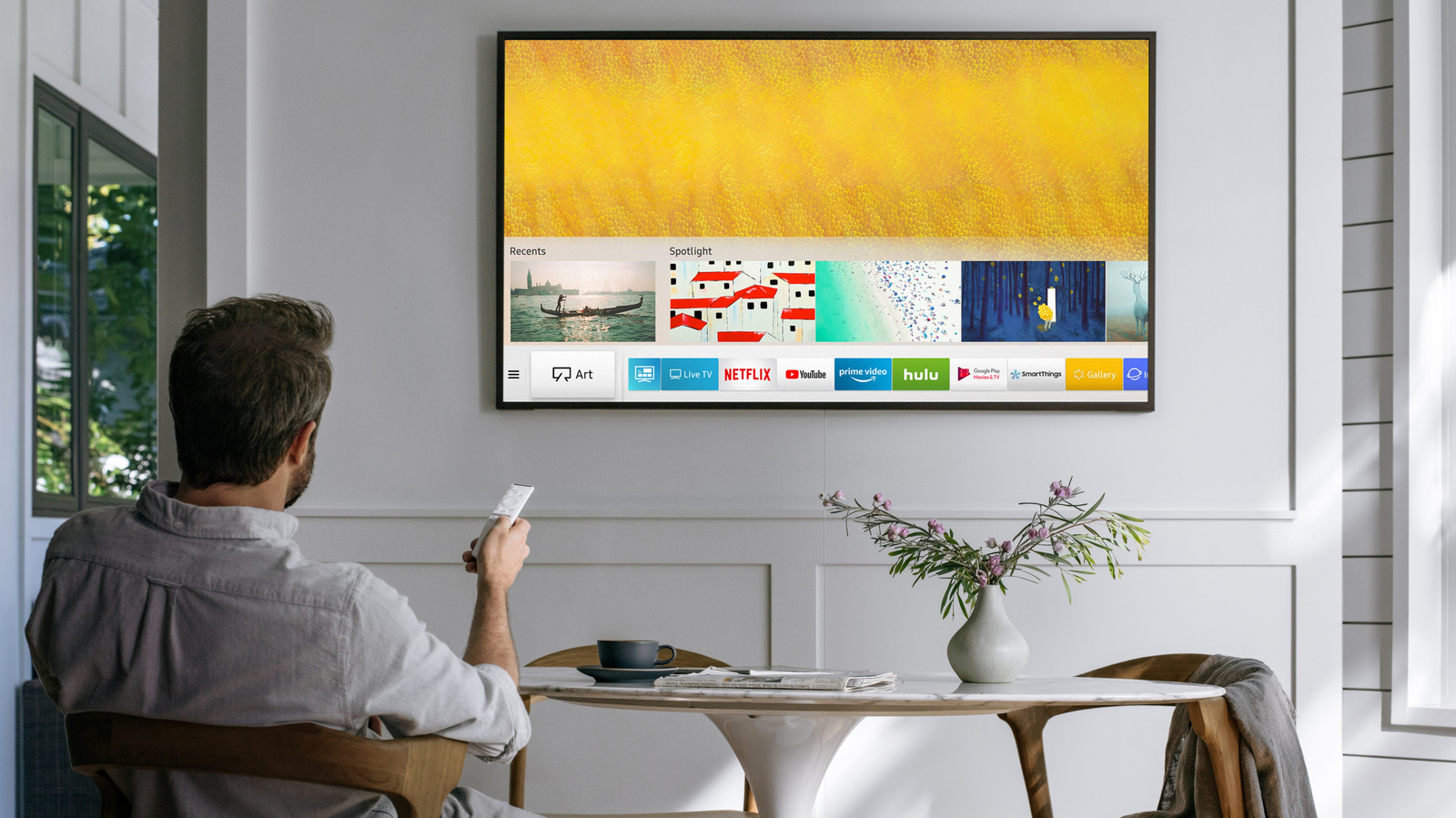
Samsung is one of the best major smart TV brands out there, and for good reason. They’re durable, come with great picture quality, and are paired with a convenient remote that charges via solar power. They also offer a range of features in the software department. For instance, there’s the smart assistant Bixby that answers any query you have. You even get hundreds of apps to install, thousands of free channels, and a gaming hub that’s accessible even without a connected console.

However, Samsung TVs have more to them than meets the eye. Beyond the typical streaming apps and TV channels, they include nifty features to improve your viewing experience and expand the capabilities of your TV outside of entertainment. These features are pretty much tucked away in the menus, though, so you might not be as familiar with them. That isn’t to say they won’t be just as useful in your everyday life. To get you started with making the most out of your Samsung TV, here are five of the handy Samsung TV features worth exploring.

Find your phone

Every time you misplace your phone at home, your first instinct is to call it from another device — typically someone else’s mobile or your computer. But if you have a Samsung TV, you can actually use that to ring your lost phone. This feature is powered by SmartThings, so you need to add your smart TV to SmartThings to get started. Here’s how:

  1. Turn on your TV.
  2. Launch the SmartThings app on your phone.
  3. When prompted, grant the necessary permissions.
  4. Tap the Devices tab at the bottom.
  5. Click the plus icon in the upper-right corner.
  6. Go to Add device.
  7. In the Samsung devices section, press Add.
  8. Choose TV.
  9. Wait for your phone to finish scanning for nearby devices.
  10. Select your Samsung TV from the results.
  11. On your Samsung TV screen, take note of the PIN code that appears.
  12. Back on your phone, enter the TV’s PIN code.
  13. Hit Done.
  14. Change the Location, Room, and Device name as needed.
  15. Tap Done to exit the setup.

Your TV should now be connected to SmartThings. From here, you can locate your misplaced mobile. Follow these steps:

  1. Go to your TV’s home screen.
  2. Navigate to Connected Devices on the left panel.
  3. Open SmartThings.
  4. Select the Life tab.
  5. Under Ring my phone, click on your lost device.

Your phone will start ringing. Once you find it, simply swipe up to dismiss the alert. The “Ring my phone” feature works via internet connection, so even if your phone is disconnected from your home Wi-Fi and is only running on mobile data, it should still ring when prompted.

Share the Mobile Remote with others

It’s now pretty common to use your phone as an alternative remote for your smart TV. After all, it’s always with you, quick to set up, and sometimes even easier than a standard remote. The only downside, though, is that it usually isn’t as convenient for group use. You might not be comfortable with other people holding your device or passing it around. Fortunately, Samsung TV lets you share your Mobile Remote with others. This way, when your original remote is nowhere in sight, they can still control the TV without touching your phone.

To access this feature, you’ll need a 2025 Samsung TV and either an Android phone running at least Android 11 or an iPhone with iOS 16 or later. If you satisfy these requirements, here’s how you can share your Mobile Remote:

  1. Install SmartThings on your phone and the other person’s phone.
  2. Add your Samsung TV to your SmartThings app:
    1. Power on your TV.
    2. On your phone, open SmartThings.
    3. Select Devices.
    4. Hit the plus icon at the top.
    5. Go to Add device.
    6. Choose Add under Samsung devices.
    7. Navigate to TV > [your TV].
    8. Type the PIN code presented on your TV.
    9. Wait until your TV is successfully registered.
  3. Go back to the Home tab on your SmartThings app.
  4. Under Favorites, select your TV.
  5. Press Remote in the bottom-right corner.
  6. Tap the share icon.
  7. Choose Use a QR code.
  8. Ask the other person to stay close to the TV.
  9. Let them scan the QR code on your phone.

The Samsung Mobile Remote will then open on their end, and they can begin controlling the TV as usual.

Access and create Microsoft 365 files without external devices

In office settings, TVs typically serve as large monitors for meetings and presentations. Just hook it up to your laptop via HDMI and start displaying your Word, PowerPoint, or Excel file. But while this works perfectly fine, Samsung TV offers a more convenient way to access Microsoft 365: via Workspace. This native app lets you use Microsoft 365 directly from your TV, without connecting any external sources like a laptop. All you need is a keyboard and mouse combo to control the TV and run your presentation as you normally would.

Keep in mind, though, that this setup doesn’t actually install Microsoft apps on your TV; it simply opens Microsoft 365 from a browser. This means you won’t get the full desktop features. But if you’re only presenting a file or doing basic tasks like writing a document or filling out an Excel sheet, then you shouldn’t have any issues. Follow this guide to use Microsoft 365 on your Samsung TV:

  1. Press the home button on your remote.
  2. Go to the left side panel.
  3. Click on Daily+.
  4. From the apps at the top, select Workspace.
  5. Under Web Service, tap Microsoft 365.
  6. Type your Microsoft 365 email address.
  7. Hit Next.
  8. Enter your password.
  9. Press Next.
  10. When prompted to stay signed in, choose Yes.

Once you’re in Microsoft 365, you can then create a new file from the left side panel or open one of your existing files from the main menu. The interface looks like you signed into Microsoft 365 from a computer browser, so navigating might feel familiar.

Turn your phone into a computer alternative

Your phone can now handle nearly anything your computer can, but what’s probably limiting you from doing more is its screen size. It can be too small for tasks like multitasking and showing presentations. The good news is, Samsung TV lets you convert your phone into a desktop-style interface with Samsung DeX. It’s one of the most practical uses for your Samsung phone’s USB port anytime you need to work on a bigger screen fast. To get Samsung Dex on your Samsung TV up and running, here’s what you need to do:

  1. Plug your Samsung phone to the TV via a USB cable.
  2. On your TV, go to the home screen.
  3. Navigate to Connected Devices > Daily+ > Workspace > Samsung DeX.
  4. On your phone, swipe down twice to view your Quick Settings.
  5. Select DeX.
  6. Press Start now.

If you prefer to pair your phone to your Samsung TV wirelessly, do the following:

  1. Connect your TV and mobile to the same Wi-Fi network.
  2. On your phone, launch Settings.
  3. Tap Connected devices.
  4. Select Samsung DeX.
  5. Hit Start DeX.
  6. Press Allow in the pop-up.
  7. Choose your TV from the list.
  8. Click on Start now.
  9. On your TV, select Allow to proceed.
  10. Back on your phone, scroll down through the Samsung DeX reminders.
  11. Hit Start.

Your Samsung TV will then display the DeX interface, which looks a little like Windows. You can use your phone as a mouse to navigate, but for the best experience, it’s recommended to go with either a Bluetooth or USB keyboard and mouse. With your peripherals, you can proceed with using and installing apps as needed. To close DeX, click the Start menu in the bottom-left corner of your Samsung TV and select Exit DeX. You’ll automatically be taken to your TV home screen afterward.

Control the TV with gestures

Using the physical remote or your phone to control your smart TV is pretty much the standard. But Samsung TV came up with an unconventional way to navigate your TV, all without holding anything in your hands. It’s called Universal Gestures, and it has been a Galaxy Watch feature for a few years now. It was originally designed to control the smartwatch using just hand movements, but in early 2025, Samsung integrated the feature into its newest Samsung TV lineup, too.

Universal Gestures works on 2025 Samsung TVs and 2023 and 2024 U7000 TVs running a 2025 OS update. You can’t, however, use the gestures without a Galaxy Watch 4 or newer with at least Wear OS 5. With these devices ready, follow these steps to get started:

  1. Install the latest SmartThings app on your phone and Galaxy Watch.
  2. Log in to the same Samsung account on both devices.
  3. Register your Samsung TV to SmartThings from your phone.
  4. On your Galaxy Watch, launch SmartThings.
  5. Tap on the TV listed under Favorite devices.
  6. Scroll up twice.
  7. When prompted, hit the check mark to pair your watch to the TV.
  8. On the Bluetooth pairing request on your TV, click on the Pair button.

Afterward, make sure to leave your phone next to the TV and stand close enough as you’re controlling it. Then, you can proceed with using Universal Gestures. There are six gestures to remember. First is simply moving your wrist back and forth to move the cursor. Next, press your index finger and thumb together to select an item. Then, make a fist to go back or cancel an item. If you’re watching a show or movie, move your hand towards you to pause and then flick it outward to play. Finally, clench your fist two times to go to the home screen. To stop using Universal Gestures, just cover your watch screen.

Source

Posted on

The HDMI Cable Upgrade That’s Perfect For Your Super Bowl

Vladans/Getty Images

We may receive a commission on purchases made from links.

If you’re hosting a Super Bowl party, everything needs to be perfect in time for Sunday. You want to blow everyone’s socks off, but there’s more to it than just getting the best 4K TV that money can buy. Every part of your home entertainment setup is crucial for ensuring smooth on-screen motion, vivid colors, and crisp imagery. Here’s the rundown of what upgrades you should make before the big game: a 4K streaming device, a souped-up router, and a new HDMI cable.

That’s right, upgrading your HDMI cable is essential for having the best Super Bowl experience – especially if it’s been close to 10 years or more since the last time you bought one. The best HDMI cable you can buy right now is an HDMI 2.1 cable. The Ugreen HDMI 2.1 UHS cable is a perfect example of a modern cable that can handle 4K or 8K streaming at a super-high refresh rate. It’s the perfect upgrade to make sure your Super Bowl party goes exactly the way you’re envisioning it.

Why you probably need to upgrade your HDMI cable

Zheka-boss/Getty Images

Not every HDMI cable is the same. Newer standards can handle higher-resolution content at higher refresh rates. This means a more detailed display and less smear or blur when things are moving on-screen. In fact, if you’re trying to stream 4K video with an outdated HDMI cable, you might notice occasional pixelation, audio cuts, or intermittent screen blackouts. This is because older HDMI cables simply don’t have enough bandwidth to handle all the data being transmitted when your device is trying to send 120 frames of 4K video to your TV every second.

The best HDMI cables you can currently find are the HDMI 2.1 standard, also known as Ultra High Speed HDMI cables. If you bought a PlayStation 5 or Xbox Series X video game console in the last few years, you probably already have an HDMI 2.1 cable that came with those devices. Otherwise, it’s worth upgrading ASAP.

Make sure your HDMI cable is plugged in properly

Jatupronv/Getty Images

It sounds silly, but it’s actually true that there’s a wrong way to plug in an HDMI cable. Your TV has multiple HDMI ports, and they have different capabilities. It’s important to know which HDMI port to use on your TV for what purpose to get the best results. If you already have a modern HDMI cable, but you’ve noticed that the picture on your display isn’t as good as it should be, this might be the problem. Just like HDMI cables, HDMI ports follow particular standards: Your TV might have an HDMI 2.1 port, an HDMI 2.0 port, etc.

However, the ports are not always clearly labeled. Each manufacturer has its own way of labeling ports and identifying each port’s capabilities. Luckily, there are a few telltale signs you can look for. If a port is labeled as eARC, 4K 60 Hz, or a higher resolution and/or refresh rate, then it is likely an HDMI 2.1 port that supports high-bandwidth data transfer. These are the ideal ports to plug your upgraded HDMI 2.1 cable into on game day.

Upgrade your HDMI cable for cheap

sdss sumbar/Shutterstock

The best part about all of this is that an HDMI cable is one of the cheapest upgrades you can make to your TV setup. An Ultra High Speed HDMI cable will set you back less than $20, despite being one of the most impactful purchases you can make in your TV setup. Consider this: your entertainment center is only as strong as its weakest link. Your 4K TV and 4K streaming device are simply not providing what you paid for if the HDMI cable is holding them back. The cost of the $10-20 upgrade is well worth the price.

Passions flare up when everyone is gathered around to watch the Super Bowl. Imagine the argument when a receiver fumbles the ball, but nobody can agree on who was at fault because the screen was blurry or blacked out. Make it the perfect day by bicker-proofing your party with an easy HDMI fix.

Source