Posted on

Multiple US States Are Considering Mandating Speed-Limiting Devices

A yellow car races past a red sign that states the country road's speed limit is 60. Bitsandsplits/Getty Images

The United States has a road fatality problem. Heightened safety regulations, anti-impaired driving laws, and road design improvements have forced traffic-related deaths to decline, cutting deaths per capita in half since 1972. However, vehicular deaths have also increased by over 10% between 2019 and 2023. 12,000 of these deaths, almost 30%, were related to excessive speeds. And while some lawmakers are adding automated cameras to address speeding, others have opted for a more direct approach.

One increasingly popular fix is mandating speed limiters for drivers convicted of reckless driving. Speed assistant devices limit a car’s maximum speed to prevent it from reaching dangerous levels. A new strain of smart speed limiters, dubbed intelligent speed assistance (ISA) devices, utilizes GPS tracking to adjust caps based on posted speed limits. The technology has proven to be a powerful tool in Europe, where the European Commission’s Vehicle General Safety Regulations mandate ISAs be installed in all new European vehicles since 2024.

American lawmakers are pushing to utilize these technologies to halt reckless drivers in their tracks. To date, Virginia, Washington, and Washington, D.C. have begun rolling out ISA pilot programs, while at least 10 other states are considering speed limiter legislation. For the most part, American regulators favor targeted enforcement, focusing on drivers with dangerous histories. Federal lawmakers continue to grapple over whether to deploy speed limiters in the commercial trucking sector. 

Speed limiters: an overview

A car dashboard and speedometer light up against a dark night. 123ducu/Getty Images

Intelligent speed assistance devices prevent drivers from reaching dangerously excessive speeds. They also collate data from a variety of sources to accurately determine the speed limit. Typically, ISAs utilize GPS, camera-based traffic sign recognition software, and digitally mapped speed limits to determine the appropriate driving speed. Speed limiters filter said information through the engine’s computer system, which regulates the fuel and air used to accelerate. Some systems allow drivers to toggle these functions. 

ISA devices take several approaches to preventing reckless driving. The least invasive are dubbed ‘open systems,’ in which ISAs provide visual or auditory signals to alert drivers when they exceed the speed limit. Such a warning can take place via dashboard lights, loud beeps, or even pedal vibrations. A second approach, similar to cruise control, is a ‘half open system,’ in which an ISA adds physical resistance to the accelerator to prevent excessive speeding. Mandatory speed compliance systems prevent drivers from exceeding driving limits by physically curtailing the car’s maximum speed. Critically, ISAs do not engage a vehicle’s brake system. These systems provide significant advantages to speed governors, as they allow speed restrictions to adjust depending on a driver’s location. 

According to the National Highway Traffic Safety Administration, studies have shown ISAs to be an effective means of reducing speeding, and “suggest widespread or universal deployment of ISA could lead to significant crash, fatality, and injury reductions.” Meanwhile, the European Transport Safety Council expects the EU’s ISA regulations to reduce road deaths by 20%. 

The U.S. speed limiter landscape

A red car speeds past a black vehicle's side mirror on a tree-lined road. Gehringj/Getty Images

Washington, D.C., implemented the country’s first ISA law in October 2025. Following DC’s successful Ignition Interlock Device Program, which mandates that drivers with DUI convictions install an ignition interlock device, the pilot program requires drivers convicted of aggravated reckless driving to install an ISA. Both Washington and Virginia enacted similar ISA regulations. In both cases, ISA enrollment serves as an alternative to suspending a driver’s license following severe driving convictions. Maryland, meanwhile, passed its Stop Super Speeders bill in April 2026. The law now awaits Governor Wes Moore’s signature.

As it stands, several states are considering ISA programs to slow down super speeders, including Arizona, New York, Vermont, Wisconsin, Pennsylvania, New Hampshire, Hawaii, Connecticut, and Illinois. California, meanwhile, attempted to follow Europe’s lead and mandate that ISAs be installed in every new vehicle, but Governor Gavin Newsom vetoed the law in 2024. Now, the state’s assembly will consider the Stop Super Speeders Act, a more targeted ISA program similar to those implemented in Virginia and Washington. Meanwhile, Georgia Governor Brian Kemp vetoed his state’s speed limiter law in 2025.

Not every lawmaker is enthusiastic about speed limiters. The Trump administration’s Department of Transportation, for instance, nixed potential mandates requiring trucks with a gross weight over 26,001 pounds to install speed limiters. The controversial proposal, an Obama-era suggestion reupped by the Biden administration, saw safety and trucking advocates tussle over the merits of mandating speed limiters in the commercial sector. Republican lawmakers doubled down on this decision by proposing the DRIVE Act to bar federal agencies from imposing speed-limiter regulations. Interestingly, the DOT included intelligent speed assist strategies in its April 2026 Pathways to Safer Streets” initiative announcement. In either sense, if state-level regulations are any indicator, the technology is likely here to stay. 

Source

Posted on

This New Study Has A Theory On How DNA Could

DNA strand on a monitor surrounded by science equipment Alcato/Shutterstock

Scientists say they may be able to design DNA without copying it, opening the door for major advancements in biology and biotech. Specific enzymes can sometimes create DNA that strays from a given template — a process called untemplated DNA synthesis or doodling. Scientists have treated doodling as little more than a curiosity since its discovery in the 1960s, but now researchers at the University of Bristol believe they may be able to influence doodling to help design DNA, as reported in a study published in Nature Communications. For decades, scientists relied on enzymes called polymerases to build DNA one nucleotide at a time, following an existing template. However, the study suggests they may not need a template, and doodling can produce DNA strands up to 85,364 nucleotides long. Chemically synthesized strands typically max out at 200 nucleotides, though a recent record from another study topped 1,700 nucleotides.

Scientists have only tested the process in labs, using specific enzymes and carefully tuned conditions to guide doodles. Translating the results into living cells is a different challenge, though. Polymerases will face a living system that wants to eliminate doodles. During the DNA replication process, polymerases check their own work as they go. Mismatched or doodled DNA will be removed almost immediately. Certain proteins also keep DNA creation clamped to a template, making it more difficult to doodle. And there are cell-cycle checkpoints, where a cell can pause the process if replication looks abnormal. Despite the difficulties ahead, the implications of this study could have an incredible impact on our lives.

How doodled DNA could transform medicine

A scientist in a lab looks into a microscope Dragos Condrea/Getty Images

DNA design often relies on trial and error. Scientists work from existing sequences, modifying them and testing what works. The discovery suggests scientists may not have to start with existing DNA to create something new. To be clear, the breakthrough doesn’t mean doctors will be able to erase your family’s history of colon cancer. And don’t expect scientists to doodle new organs, even as other research explores 3D printing inside your body. This discovery is more about moving research forward.

Drug development currently requires a lot of luck. Researchers test thousands of compounds to see what works. If they can control doodling, it could allow them to design DNA sequences more predictably. In theory, that would mean building biological therapies faster, including utilizing gene-editing systems like CRISPR (which another study says might be able to treat cancer), as well as antibodies that can detect and block viruses, dangerous bacteria, and cancer cells. Instead of mass-producing treatments, designed DNA could establish therapies to match your genetic profile, such as drugs that fit your metabolism and immune response, and dosing with fewer side effects.

The biggest advancement could happen outside of your body, though. The study suggests the background noise doodling creates could be filtered out, eliminating false positives in testing. It would make early cancer screenings and infection tests more reliable, potentially stopping diseases before they cause damage. Scientists still have years of research before controlled doodling reaches everyday applications, but the breakthrough pushes DNA research into new territory, much like recent breakthroughs in the creation of artificial DNA.

Source

Posted on

The First Thing To Replace When Your PC Feels Outdated

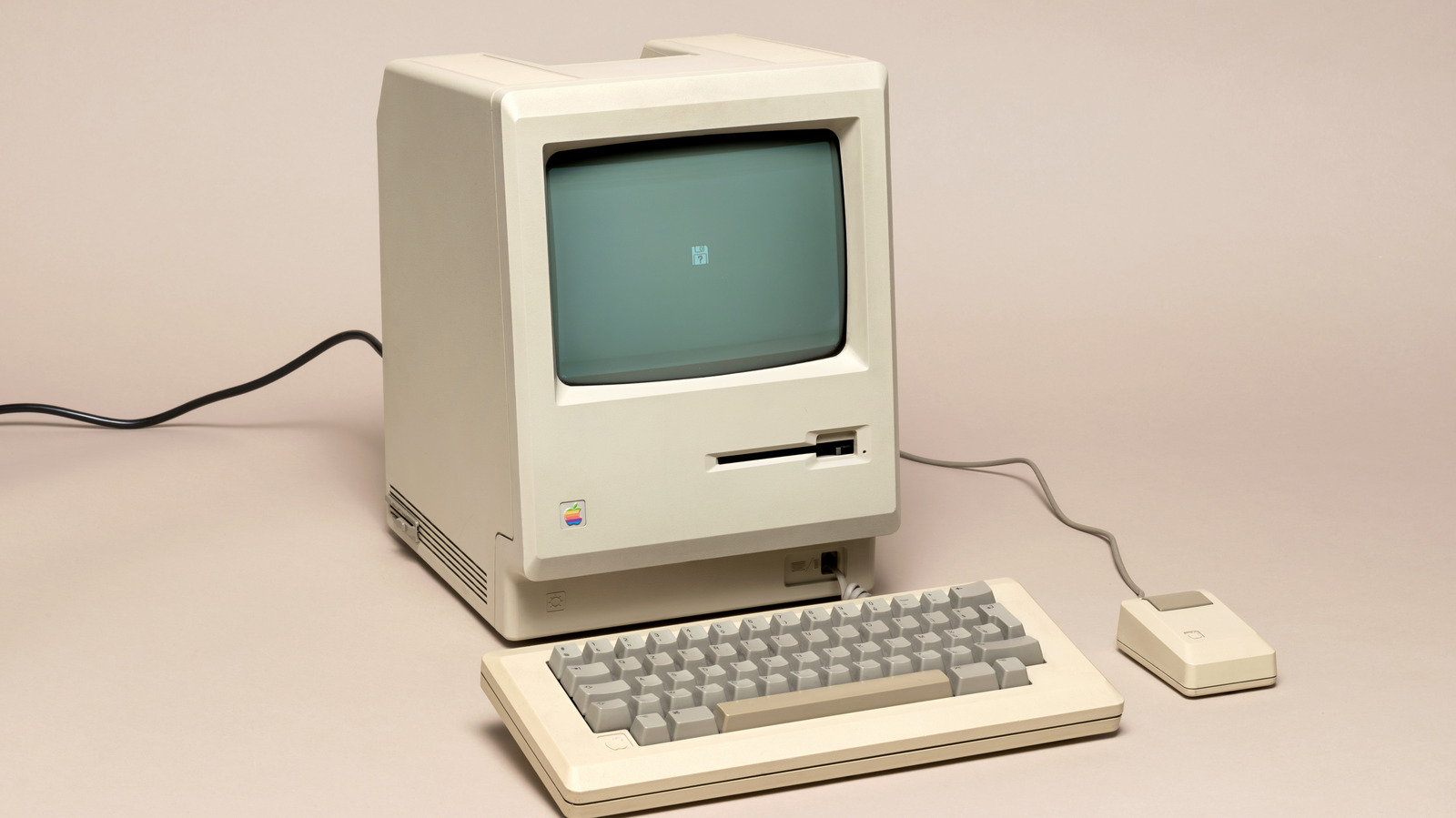
An old computer on a gray or beige backdrop Photology1971/Getty Images

If your PC is chugging along and trying its best to load programs and play games, but it struggles to boot up, you don’t have to buy a new one. There are several upgrades you can make to an outdated computer that can improve its performance, making it like new once again. That’s one of the greatest features of a desktop: They’re customizable, so all you may need to do is replace one part to have your older model operating more smoothly.

There are many components you could replace to beef up your PC. Even with AI leading to rising prices of RAM and storage like DDR4 RAM, there are options to make sure your PC operates at its best potential without spending thousands on parts. One essential piece of technology you may want to look into first when deciding to upgrade is a solid-state drive (SSD) or hard disk drive (HDD).

Solid-state drives are the norm for more modern PCs built in recent years, but older models are more prone to feature spinning hard disk drives. Upgrading either the SSD or HDD for your PC is a great first option if you’re looking to expand the capabilities, speed, and latency of your PC. Both drive types serve a similar purpose when it comes to storing data, games, and files, but they operate rather differently when it comes to load times and booting up the system and applications.

The differences and similarities between SSD and HDD

A hand holding an SSD card for a PC Smith Collection/gado/Getty Images

Upgrading the SSD or HDD of a dying PC is a great way to ensure it continues to operate at or near peak efficiency. You’re free to decide between them as both serve the same purpose of expanding storage for your PC. However, there are key components to take note of when choosing which drive works best for you. One operates more quickly than the other, but all that speed comes at a cost.

Knowing how you intend to use your PC will help you decide on a drive. If you just need to save documents or shuttle some pictures off to long-term storage, you may not need an expensive SSD since HDDs work best for containing data at a much lower price tag. However, they tend to be slower than SSDs and may work best as an additional drive to your previously installed one, mainly for backup or overflow storage. If you’re after enhanced performance, an SSD provides quicker boot times, enhanced program launch speed, and faster file transfers. Yet all of that does come with a steeper price point, but there are cheap, reliable SSD brands available. Both drive types are available as external or internal upgrades and, in many cases, if your PC feels outdated or is struggling to perform, upgrading its storage can make it more reliable.

What to replace after SSD and HDD

A woman gaming on her PC and looking happy Urbazon/Getty Images

Drives are just the tip of the iceberg when it comes to upgrading an outdated PC. They are a great starting point, though, and once you’re through adding your drive of choice, you can move on to additional upgrades. You really should replace these popular GPUs in 2026, then pick up some RAM, once your SSD or HDD is installed. Adding new parts can save you money and time in the long run when compared to outright purchasing a brand-new PC.

If your PC is running out of memory and you want to improve the performance of your applications and overall system, adding more RAM is vital. While SSD and HDD can be added to just about any PC — desktops and even laptops — RAM is a more specialized component. You’ll need to make sure it is compatible with your computer before purchasing so it will function properly. Often, RAM slots into your PC easily, and you can add multiple memory cards for additional capacity, but adding RAM to your laptop can be a bit complicated.

For those who have older PCs that may seem to be getting slower as time passes by, you don’t have to be stuck with a dinosaur or spend your hard-earned cash on a new machine. If you’re looking to breathe new life into your dying computer, replacing parts is one of the best things you can do, starting by adding an upgraded SSD or HDD.

Source

Posted on

How To Clear Your Google Chrome Cache (And Why You

Closeup image of the Google Chrome icon Primakov/Shutterstock

Whenever you visit a website for the first time, your browser downloads the data needed to display it. If the website has a lot of graphic elements, this can take a while, which is why websites load slower the first time you open them (especially if you have a slow Wi-Fi connection). Downloading the same data each time you visit the same website isn’t efficient, and waiting for the same images to load while your browser redownloads them isn’t ideal either. Fortunately, your browser is quite smart and uses cached data to deal with this.

While certainly a useful feature, there are many reasons you might want to clear your browser cache. For example, if Chrome is suddenly slow or a website isn’t loading, one of the most common troubleshooting methods is clearing the browser’s cache. Fortunately, Google makes doing so very straightforward. On a PC or laptop, click on the three vertically aligned dots on the top-right corner of your browser window, then go to Settings and open the Privacy and security submenu on the left before clicking on Delete browsing data.

This will open a prompt where you can choose what to delete (cached images, browser history, or cookies) and also what time period you want to clear the selected options for (the last hour, the last month, or all time). You can follow the same steps to clear Google Chrome cache on a Mac, but you also get a Delete browsing data shortcut right when you click the three dots in the top-right corner.

How to clear Google Chrome cache on your phone

A person holding a phone with the Google search page open Mawaddah F/Shutterstock

Deleting Google Chrome cache on your phone is similar to how the process works on Windows or Mac. On Android, tap the three vertical dots in the top-right corner of your screen, then scroll down and open Settings. Here, tap on Privacy and security and then Delete browsing data.

On iOS, you’ll find the three dots in the bottom-right corner instead. Tap these and select Settings from the menu that appears. Just like with Android, scroll down and tap Privacy and security and then select Delete browsing data. Just like on a computer, you can select the type of data to be deleted and how far back you want the deletion to go, regardless of whether the phone’s running Android or iOS.

Alternatively, if you just want to quickly delete the cached images and other storage-hoarding files and don’t care about targeting specific areas, you can delete your browser cache from your phone’s settings, but this only works on Android. To do this, open the Settings app on your phone and select Apps, then choose Google Chrome from the list — if you don’t see it, you may have to tap See all apps first. Next, tap on Storage or Storage & cache. You can then select Clear cache to get rid of excess temporary files, or tap on Clear user data to get rid of cache while resetting the browser.

When to clear your Google Chrome cache

Google Chrome open, showing the Chrome History option in its settings

There’s not a straightforward answer as to when you should clear your Google Chrome cache. Generally, you only need to clear your browser cache when you’re facing an issue that might be caused by this cache. This can be a laggy or slow browser, specific sites refusing to load, or an issue with images and videos being displayed. You might also want to clear your browser cache if a website loads properly, but always defaults back to a specific anchor each time you do so — such as your Slack or Discord showing old messages each time you reload the website.

If you’re not facing any issue, then it’s completely fine to not worry about clearing your browser cache. It’s still a good idea to do cleanups every month or so, because older cache can become corrupted with time, leading to slower load times. This cache can also pile up and lead to storage issues, especially if you’re on a phone with limited storage space and often visit sites that display lots of images or play large videos.

Source

Posted on

10 Useful Car Gadgets You Need For Your Next Road

We may receive a commission on purchases made from links.

Planning a road trip means you have to think from multiple angles, such as what you would you do in case the tire goes flat in the middle of the trip with no repair station to be found nearby. For such scenarios, you should have a portable tire inflator at hand to get your tires up and running again. Similarly, there are other useful car gadgets that you might need for your next road trip.

To save time and make things easier, we have compiled a list of such gadgets, picked from Amazon (a major online retailer that is trusted worldwide), making sure each of them is rated at four or more from a minimum of 1,000 reviews. Therefore, it helped us judge whether a gadget is actually practical and worth purchasing at the given price. 

Buying these road trip gadgets will help you overcome travel-related nuisances, such as heating up food during the journey in an electric lunch box or keeping your beverages cool in a portable refrigerator.

DeWalt Tire Inflator

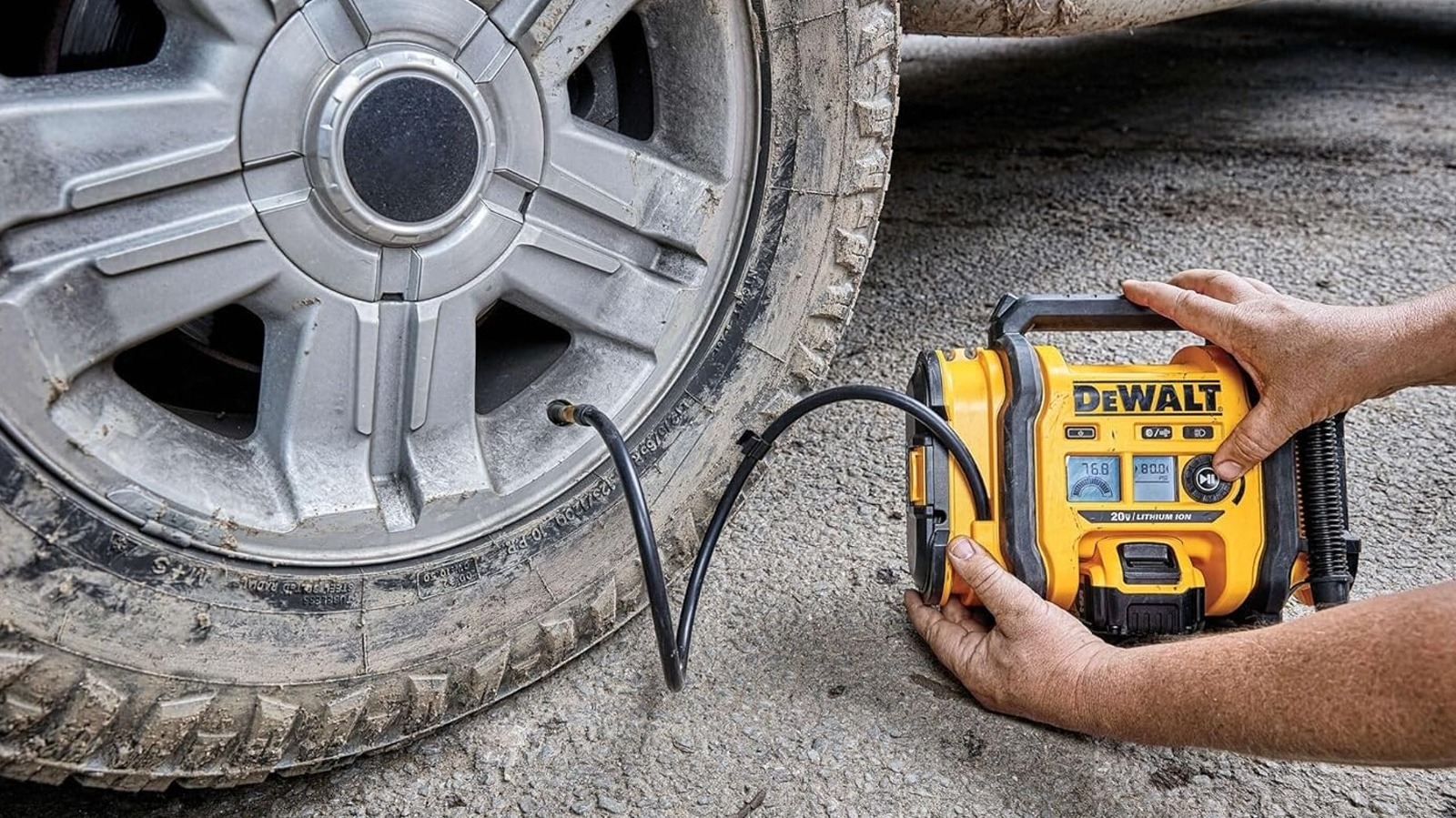
Tire inflators are one of the most useful gadgets you should carry along on every road trip, or else you would find yourself stranded in the middle of nowhere in case any of the tires go flat. The DeWalt Tire Inflator offers three ways to power it: a 20-volt max battery, a 12-volt DC connection, or a 110-volt AC connection. Furthermore, it produces a maximum pressure of 80 pounds per square inch, and you can set the desired pressure you want to achieve via the buttons present on the machine. Once reached, the tire inflator will shut off automatically to avoid the risk of tire bursts.

In addition, this is a compact tool that won’t occupy much space in your car and also comes with a built-in LED light to help you see clearly in low-light environments. The onboard storage lets you arrange all the provided accessories neatly, such as the nozzle and the Presta valve adapter. Not only tires, but it also works well with other inflatable objects, such as kids’ toys, balls, and more. You can buy this tire inflator on Amazon for a discounted price of $128.23, down from $179. It sits at an impressive 4.6-star rating following 17,701 reviews that applaud the gadget’s easy-to-use mechanism and power.

Travelismo Electric Lunch Box

The Travelismo Electric Lunch Box is another practical travel accessory that will help you warm up your food during a road journey. All you have to do is pour your food into the stainless steel tray, with a capacity of 1.5 liters, and power the device using your car’s 12-volt socket, a 24-volt, or a 110-volt connection, and it will supply 100 watts of power to heat up your food in about 20 to 30 minutes. Therefore, you can enjoy your favorite meals completely hot.

This food warmer possesses a score of 4.5 on Amazon from 23,235 reviewers and is priced at $39.99. On a side note, if you are warming up dry items, like rice or pasta, remember to add a few drops of water so the food remains moist upon heating. Also, the tray is dishwasher-friendly for stress-free cleaning and can be kept in the refrigerator to store leftover food. But do not put the electric lunchbox in the microwave, as it could cause serious damage. 

iOttie Easy One Touch Universal Car Mount

You can dock your smartphone on the iOttie Car Mount and forget the worries of the phone slipping out of your hands mid-drive. It is super useful for when you want to navigate the directions to a certain spot through online maps — just place the smartphone on this mount and stick the bottom cup onto the dashboard for easy navigation. And worry not, because the suction cap offers a strong grip on the attached surface to prevent accidental falls.

This car mount has adjustable side hands that can fit any smartphone, while the telescopic arms can extend to eight inches long and pivot up to 260 degrees, so you can adjust the gadget to the perfect viewing angle. Up for sale for $24.95, this cool gadget holds an average rating of 4.4 from 48,594 customers who liked its superior grip for multiple phone sizes and the ability to stay intact in place despite the temperatures outside. 

Euhomy 12 Volt Refrigerator

The portable Euhomy Refrigerator has a unique magnetic design that creates a firm seal with the rubber gasket, so no air can escape. It has a 19-quart capacity and can cool your food from 77 degrees Fahrenheit to 32 degrees Fahrenheit in 15 minutes with 45 watts of power. Moreover, you can also pair it with the Euhomy app to control the temperature settings, choose between maximum and eco-friendly modes, and more. There’s also a digital display that updates you on the current settings, though the brightness is non-adjustable for this one.

This car fridge, currently priced at $134.98, has received over 2,000 reviews with an average rating of 4.6 out of five. Additionally, the device operates at 42 decibels, so it won’t become a nuisance during the road trip (Amazon buyers loved this feature). They also loved its ability to keep food cold for hours without draining the car’s battery.

Noco Boost UltraSafe Jump Starter

With the Noco Boost Jump Starter on hand, you can power start a dead car battery anywhere, thanks to its 1,000 amperes of current output that can cater to engines of up to six-liter gasoline and three-liter diesel. The device can provide around 20 starts per single charge and also includes a built-in power bank with a USB-A output that can juice your smartphones, music players, emergency lights, and more. Hence, you can utilize your car’s USB port for other cool road trip gadgets.

You can keep track of the jump starter’s charge via the indicator light bars on the front. There’s an error LED light that indicates a wrong connection or other types of errors for timely fixing.

Furthermore, this jump starter comes with a 100-lumen LED flashlight with multiple effects, like strobe, blink, and even SOS to signal for help in dangerous situations. Consisting of an IP65-rated housing, it is protected against water and dust, while the rubberized overmold keeps it safe from impact. Buy this Noco Boost Jump Starter on Amazon for $99.95. This emergency car gadget is rated as the number one best seller in the Jump Starters category and boasts a rating of 4.6 from 125,624 reviewers.

Ceeniu Smart Car Air Fresheners

The Ceeniu Smart Car Air Freshener will keep your car smelling like your favorite scent during your entire trip. It has an aluminum alloy exterior with dual-leak protection to keep your car clean from spills. The gadget automatically detects when the car is in motion and turns on or off, eliminating manual controls. With the integration of a powerful battery, it can provide up to two months of performance in a two-hour charge, while one refill can keep your car smelling fresh for around four months.

Plus, there’s a touch control panel that lets you modify the fragrance intensity. You can conveniently place it in the cup holder of your car to scent up the entire car. Head to Amazon to purchase the Ceeniu Car Air Freshener for $99.99. With over 3,600 reviews, it has achieved a 4.4-star score on the product page, where customers liked its long-lasting performance and minimalist design.

Foxwell Diagnostic Code Reader Tool

Purchasing the Foxwell Diagnostic Code Reader Tool from Amazon at a 20% discounted price of $55.99 will allow you to skip a trip to the mechanic. The device plugs into your car’s OBD2 port, located under the dashboard in most cars, and scans your car to bring real-time data, such as the engine’s revolutions per minute (RPM), accelerator position, vehicle’s speed, coolant temperature, and other relevant data, so you can keep an eye on the car’s health and help you catch possible errors early on.

In case of an engine error, it can help you pinpoint the exact fault code triggering the “check engine” light. This functional gadget doesn’t require WiFi or Bluetooth, just a wired connection. With a 4.5 rating from over 29,000 user reviews, this diagnostic tool has helped buyers save money on professional automotive repairs.

Shynerk Baby Car Mirror

Get the Shynerk Baby Car Mirror for a reduced price of $16.46 on Amazon — down from $25.99 — if you are traveling with a baby. This mirror securely attaches to the headrest, and the 360-degree adjustable pivot design lets you set the mirror at your desired viewing angle. The crystal-clear mirror’s wide-angle convex design gives a full picture of the backseat.

Plus, the manufacturers claim the acrylic glass is shatterproof, minimizing risks to the baby in unforeseen low- to mid-level impacts. It can fit into any type of car or SUV with adjustable buckle straps. The baby car mirror is one of the top-rated gadgets on Amazon, with a score of 4.7 from almost 31,000 reviewers, most of whom like its large design and ability to stay intact at the installation site.

JoyTutus Car Cup Holder Expander

The JoyTutus Car Cup Holder Expander is another great road trip gadget that will allow you to eat your meals in peace without making a mess. It features a 10-inch car tray with a dedicated hole to hold soft drink glasses. There’s also a charging hole, along with a support against which you can rest your smartphone to watch and eat simultaneously. 

Moreover, the tray can be rotated in a 360-degree motion, thanks to the stand and a flexible connecting arm. Therefore, you can bring the tray closer when eating and move it to the side once done. Also, it is detachable for easy cleaning.

Apart from these, the gadget has a lower cup holder for bottles and cups between 3.4 and 3.7 inches in diameter. This product has an average rating of 4.2 stars on Amazon with 1,972 reviews and is commended for stability and the ability to hold multiple food and drink items without falling apart.

Hotor Car Trash Can

Driving on long routes means you enjoy your way while munching on your favorite snacks and meals, which tends to produce litter in the car. To keep your car tidy, get the Hotor Car Trash Can that attaches to the headrest of the front or back seats and can store the garbage for the journey. It has a rubber opening that is waterproof and stain-resistant, along with a metal zipper for easy opening and closing. Plus, the interior is covered with a waterproof lining where you can store up to 11 pounds of trash, be it wet or dry.

In addition, the trash bag has three mesh pockets on the front for extra storage, along with two supporting braces on each side to maintain a firm position. Perfect for all kinds of vehicles, you can buy it on Amazon for just $9.49, following a 27% reduction on its original price of $12.99. Besides, this car trash can has garnered reviews from over 54,000 customers who rated it an average of 4.5, making it the number one best seller in the Automotive Garbage Cans category on Amazon. 

Methodology

Holographic images of feedback emojis beside a laptop and smartphone Bongkod Worakandecha/Getty Images

We kept certain metrics in mind while creating this list. Each of these car gadgets has a minimum rating of four or above on Amazon from at least a thousand customers who purchased the respective product. 

We also read the customer comments to get the general consensus about the product and whether it successfully fulfilled the marketed purpose. All these gadgets are useful for someone planning a road trip.

Source

Posted on

This Sci-Fi Series Starring Jerry O’Connell Should Have Been A

Actor Jerry O'Connell waves at a camera. Bg048/bauer-griffin/Getty Images

If there’s a particular genre of serialized television that seems to have remarkable pop-culture staying power, it’s sci-fi, from the many iterations of “Star Trek” to the cult-classic “Firefly.” Amongst these beloved shows, a name that frequently pops up from the mid-90s is “Sliders,” a sci-fi series that ran from 1995 to 2000, following the exploits of a young genius, played by Jerry O’Connell, who “slides” between parallel Earths and attempts to return home. Next to his childhood role in Rob Reiner’s “Stand By Me,” it’s one of O’Connell’s most notable performances.

“Sliders” ran for five seasons in total: the first three on Fox and the last two on the Sci-Fi Channel. The show was a fan-favorite in its time thanks to its novel premise and some clever social commentary, though behind the scenes, there were routine disagreements between the actors, the writers, and the network that created an overall rocky production. There are a number of factors that one could attribute the show’s ultimate cancellation to, but at the very least, it does still maintain cult-classic status in the sci-fi community.

Sliders followed a group jumping through various parallel realities

A 3D render of multiple parallel Earths. vchal/Shutterstock

The initial premise of “Sliders” focused on Jerry O’Connell’s character, Quinn Mallory, a genius physics student whose experiments inadvertently open a wormhole through the fabric of space and time, through which is a parallel version of Earth. Quinn enters the hole alongside his companions, Professor Arturo (John Rhys-Davies), Wade (Sabrina Lloyd), and Rembrandt (Cleavant Derricks), using a device that allows them to return home after a set period. However, when the group uses the device earlier than anticipated, it loses the coordinates for their home dimension, sending them to a completely different Earth. Stranded and with no clear path home, they have no choice but to keep sliding in the hope that they will make it back to their Earth.

Each episode of the show focused on a different parallel Earth with a unique setting and history. Some episodes would have radically different histories, such as the pilot episode, in which the United States is ruled by the Soviet Union, while others would present ostensibly normal Earths with unusual circumstances, such as one about to be impacted by a catastrophic asteroid. This allowed the show to present some interesting social commentary and conundrums, which was a major element that endeared it to fans. It was certainly a more nuanced take on a multiverse than what we see these days from the MCU.

The show was fraught with disagreements between crew, writers, and networks

John Rhys-Davies on-stage at a convention. Gerardo Mora/Getty Images

While the strong premise of “Sliders” helped it find its fans, the behind-the-scenes production was notoriously contentious. Part of the initial problem was that the first few episodes of the first season on Fox aired out of order, despite the show being serialized, which confused viewers. The corporate meddling would continue in the third season, which saw a major shift from thought-provoking stories to mindless action. It was this particular shift that John Rhys-Davies found objectionable, leaving the show midway through the third season due to conflicts with the writing staff, and costing it one of its most beloved characters, Professor Arturo.

Fox ultimately canceled the show after the third season, but it was picked up by the Sci-Fi Channel, which ordered two more seasons. Unfortunately, Sabrina Lloyd wasn’t interested in continuing, so the show dropped Wade, and at the end of season four, even its protagonist, Jerry O’Connell, was out. For the fifth season, O’Connell was replaced by Robert Floyd, with a hand-waving explanation for why the character of Quinn Mallory suddenly looked different. Despite the season ending on a cliffhanger, the Sci-Fi Channel canceled “Sliders,” leaving the story unresolved over 20 years later.

Despite everything, both Jerry O’Connell and John Rhys-Davies have expressed fondness for the show at its peak, with Rhys-Davies even floating the idea of a modern revival in the spirit of the early seasons. For the time being, the show is available to stream on Peacock, where newer fans can appreciate it for what it was.

Source

Posted on

The Kindle Colorsoft Is Finally Getting A Highly Requested Update

kindle colorsoft with colored background showing books in the sky Primestock Photography/Shutterstock

We may receive a commission on purchases made from links.

Since Amazon unveiled the Kindle Colorsoft, the ereader has seen quite a bit of hype. Not only do some argue it’s the first Kindle they want to buy, but the device finally makes it easier to enjoy the colorful illustrations of books and covers that you previously had to read on a tablet or physical edition to make the most of. However, there’s one big feature that has been missing from the Colorsoft since its launch a couple of years ago: dark mode. Thankfully, Colorsoft owners will soon be able to take full advantage of the more night-reading-friendly theme, and some are already seeing it on their devices.

The new feature is currently being pushed out to both Kindle Colorsoft and Kindle Scribe Colorsoft, reports note, and once it arrives on your Kindle, you should be able to enable it from the quick settings panel (accessed by swiping down from the top of the screen). Once enabled, it will affect your home screen, reading screen, and even your library, though you should be able to customize it so that it does not affect your notebooks on the Scribe Colorsoft.

A meaningful update

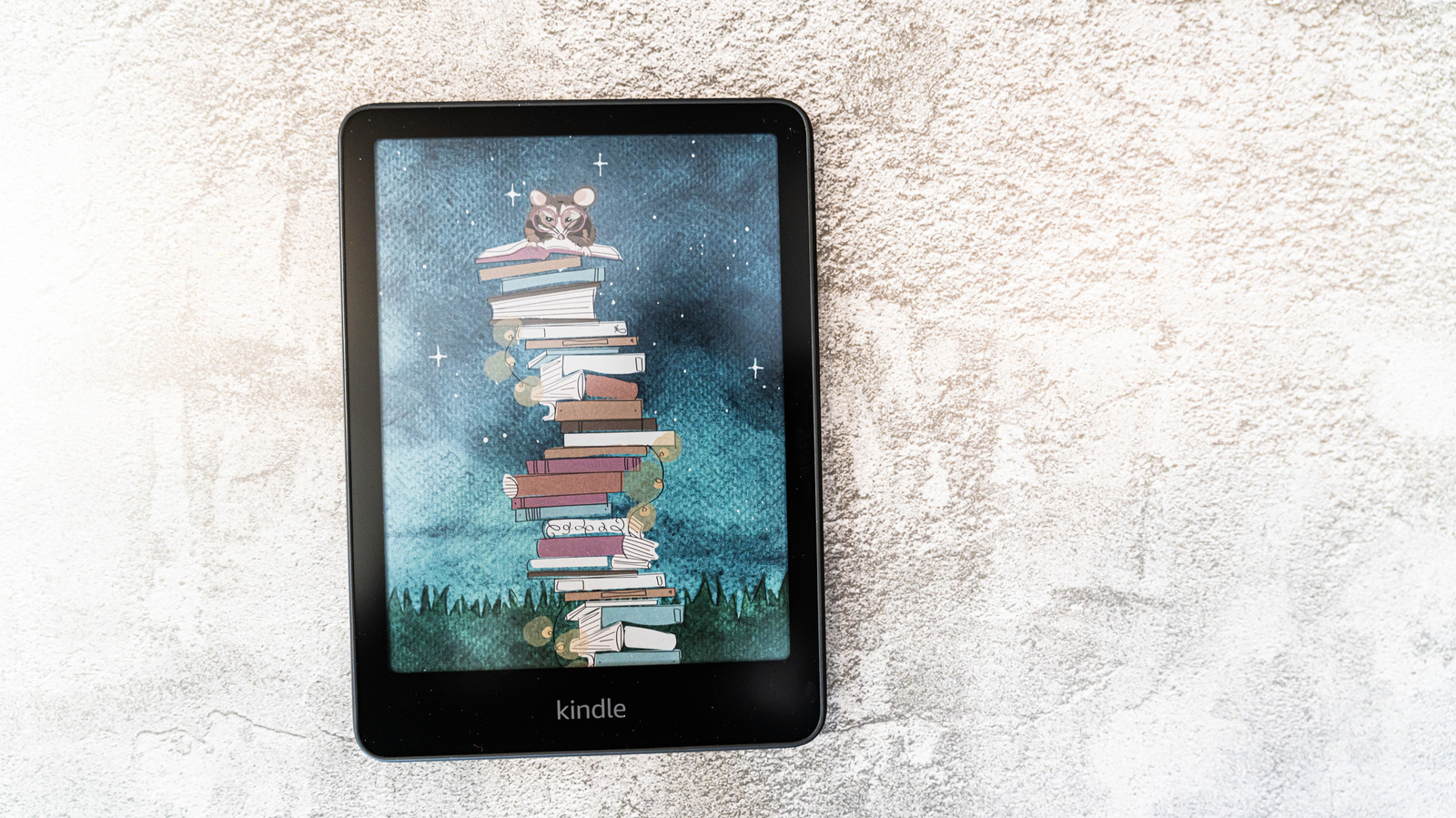
kindle colorsoft on a concrete backing Primestock Photography/Shutterstock

While dark mode might seem like a small feature, it’s almost a must-have for night-time readers, especially if you prefer to read in darker environments. While it is believed to be easier on the eyes, the jury is still out on exactly how scientifically backed the assumption that it’s better for your eyes is. Still, there’s no arguing that dark mode has become a bit of a staple on devices these days, and while the Kindle’s starker white light mode can be genuinely useful in bright environments, it can feel almost blinding in dimmer rooms.

Unfortunately, Amazon hasn’t shared an exact rollout timetable for the update that brings dark mode to the Kindle Colorsoft and Scribe Colorsoft. You can check out the latest update details for all Kindles on Amazon’s website, where the company will post the full patch notes once they are live. As for when it will roll out, reports suggest it should arrive on devices within the next few weeks, and that it has already appeared on some Colorsoft devices within the last week or two.

While dark mode has taken a bit to get to the Kindle Colorsoft, the arrival just means one less reason to read on your smartphone, and it could make upgrading to the Colorsoft now that Amazon is killing support for some older Kindles even more appealing.

Source

Posted on

NASA Plans To Put A Nuclear Reactor On The Moon

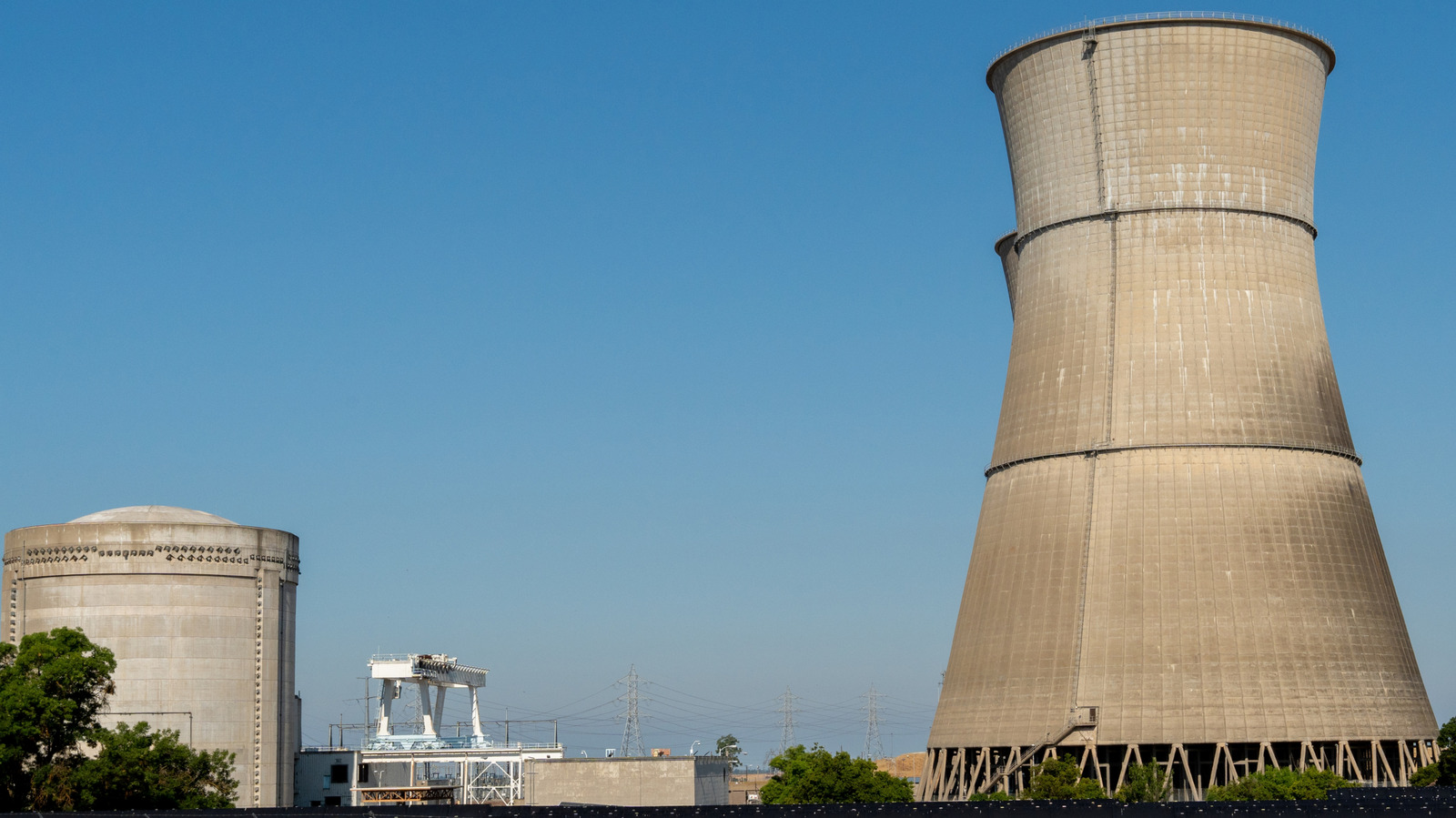
A view of a cooling tower above a nuclear reactor at a power plant 8point3 Photography/Shutterstock

While the Artemis II mission captured the public’s imagination and revitalized interest in space exploration, it’s only the first step. The ultimate goal of the Artemis program is to establish a permanent footprint on the moon by way of a base on the lunar South Pole. However, any such colony will require sustained nuclear power to drive vital systems like life support. Despite slashing the agency’s budget, the White House has tasked NASA with providing said lunar nuclear development.

Nuclear power is the only viable solution to power a moon base because of the challenges presented by other fuel sources. Continuously transporting traditional fossil fuels from Earth is unfeasible due to the logistics and expense of such a project, and because the lunar surface alternates between two weeks of sunlight and two weeks of night, solar is out as well. There’s also no wind nor flowing water on the moon’s surface to drive turbines, leaving nuclear as the only realistic option.

The White House has instructed agencies to begin prototyping nuclear reactors that can be deployed to the lunar orbit as soon as 2028, with surface reactors following by 2030. Here’s how Washington envisions the timeline, giving us a better idea of NASA’s future of space exploration including an eventual mission to Mars.

The blueprint for lunar nuclear power by 2030

To achieve its goal of deploying nuclear power to the moon for an eventual lunar base, the White House has created a program dubbed the National Initiative for American Space Nuclear Power. As part of the initiative, the White House has instructed NASA to begin prototyping nuclear reactors with the goal of developing a mid-power reactor suitable for the moon’s surface by 2030. In the memorandum laying out the mission, NASA defines a mid-power reactor as capable of generating at least 20 kWe (kilowatts electrical) — enough power to run about 10–15 average U.S. homes at once — “during at least 3 years in orbit and at least 5 years on the lunar surface.”

As a stepping stone, the memo recommends that NASA consider developing low-power (1 kWe) reactors that can share components or development insights with higher-powered reactors. The ultimate goal of the program is to supply more potent generators, capable of outputting 100 kWe or more, enough power for 60-90 average U.S. homes. Low- to mid-power reactors should all be built, according to the memo, with extensibility to a higher output level in mind.

NASA’s long term nuclear ambitions

The initiative was revealed in an executive order issued on December 18, 2025, and it was formalized at an event in April by Office of Science and Technology Policy (OSTP) Director Michael Kratsios and NASA Administrator Jared Isaacman. An early goal is to create nuclear electric propulsion (NEP) systems alongside the reactors, which will pair with “launch vehicles that are or will be readily available by 2029”. Part of the NEP side of the program is repurposing the Power and Propulsion Element that was originally developed for the Gateway (a scrapped space station meant to orbit the moon) by 2028.

It will become the Space Reactor 1 Freedom (SR-1), an NEP system featuring a 20-kWe fission reactor at one end that will power ion thrusters at the other. The SR-1 will deposit three robot helicopters on Mars before continuing its journey further into the solar system. The Ingenuity-class helicopters will scout the Marian surface for potential landing sites for future human missions as part of a project called Skyfall.

NASA has released a “user’s guide” that lays out three phases of research, development, and deployment all building to an operational moon base. According to the guide, a moon colony will allow researchers to “develop, test, and demonstrate needed technologies, capabilities, systems, and operational paradigms for future human missions to Mars” and “provide experts with data needed to understand the impacts of long-duration spaceflight missions on human explorers.”

Source

Posted on

5 Reasons Why The Apple Vision Pro Failed

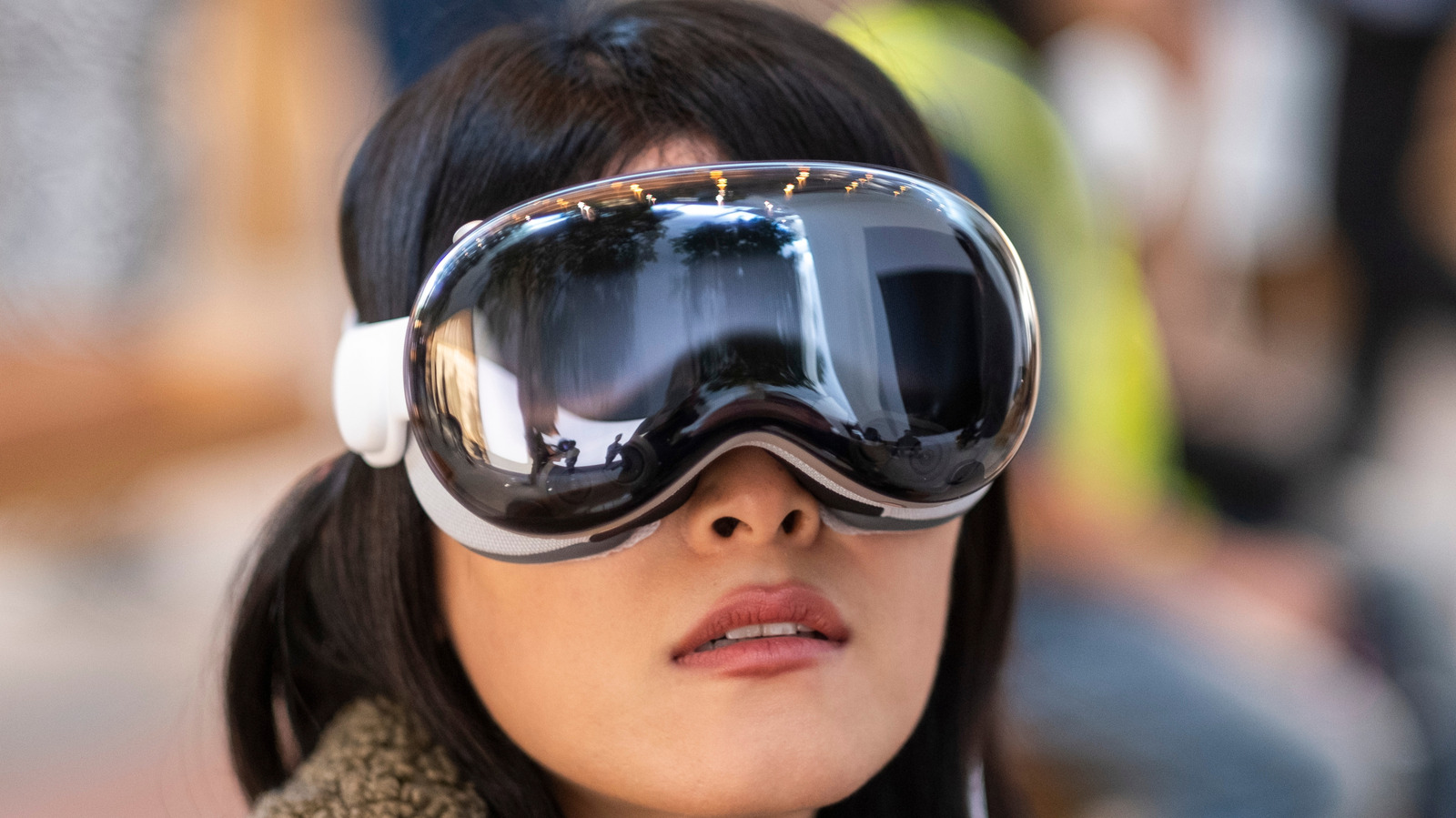
A customer tries the Vision Pro at Apple The Grove in Los Angeles Ringo Chiu/Shutterstock

A report from MacRumors suggests Apple is done with the Apple Vision Pro, as it doesn’t plan to update the mixed reality headset with a new generation anytime soon and the team dedicated to the project has purportedly been redistributed within the company. Unlike the AirPods or Apple Watch, both of which debuted within the past decade and helped reshape the company’s product lineup, the Apple Vision Pro struggled to catch on. Among other reasons, its high price tag, limited availability, and lack of native apps may have helped doom this futuristic, yet troubled product.

While the headset carved out a niche for itself in specialist sectors — for instance, doctors used the Apple Vision Pro to assist in surgery — the product struggled to find mass appeal, as a report suggests Apple sold only 600,000 Vision Pro units since release. Even though it felt like there was a lot of momentum at first, several issues with this device prevented it from becoming a successful product, despite the Apple Vision Pro’s high-end materials and well-crafted UI.

With Apple reportedly working on true augmented reality smart glasses, the company may be looking to pivot from its previous approach to XR. However, there hasn’t been an official announcement regarding the Apple Vision Pro being discontinued, nor has Apple confirmed that it doesn’t have plans to update this product in the near future.

An exorbitant price tag

The Apple Vision Pro headset is displayed at Apple The Grove in Los Angeles Ringo Chiu/Shutterstock

The first problem with the Apple Vision Pro was clear from day one: its cost. The $3,499 price tag made it hard for regular customers to justify the expense when they didn’t know how much usage they would get out of the device or if developers would support the platform. Apple itself seemed to be aware of these limitations, as CEO Tim Cook addressed the price shortly after launch. “At $3,500, it’s not a mass-market product. Right now, it’s an early-adopter product. People who want to have tomorrow’s technology today — that’s who it’s for. Fortunately, there’s enough people who are in that camp that it’s exciting.”

However, while people are seemingly willing to spend more money on products they already know, like the iPhone, the iPad, and the Mac, such an expensive investment into “tomorrow’s technology” failed to resonate with the masses, as indicated by poor sales reports over the past few years. Still, a high price tag wasn’t the only issue with this product — its slow rollout also didn’t work in favor of the mixed reality headset.

A lack of worldwide availability

An Apple Vision Pro headset is displayed inside an Apple Store Cheng Xin/Getty Images

Imagine you’re actually willing to spend at least $3,499 on the Apple Vision Pro, but you live in a country where the headset isn’t officially available. Unlike the HomePod, which is another product that didn’t resonate with most customers and has a limited availability worldwide, you can’t import an Apple Vision Pro and use it with the Apple Account you created in your country.

Suppose you’re from Brazil. If you bought an Apple Vision Pro overseas, you’d have to use an Apple Account from the U.S., France, or another supported country to access your apps and subscriptions, and even then, you’d have to pay for them in the currency of that country. Supported languages are also not as broad as the ones available on your iPhone, so just using this device in your second language might not be as comfortable as in your mother tongue.

To top that off, if anything went wrong with your very expensive mixed reality headset, Apple couldn’t help with the product in a region where it’s not sold. So you might just end up with a very expensive mixed reality brick at home, further preventing some customers from experiencing spatial computing for the first time.

A lukewarm reception from app developers

customer tries the device for the first time at the Apple Champs-Élysées store during the launch of the Apple Vision Pro Kristy Sparow/Getty Images

Price and availability weren’t the only major factors working against the Apple Vision Pro. Third-party app developers weren’t exactly lining up to embrace the mixed reality era, and Apple’s first-party offerings were a bit lackluster. Similar to how it took Apple 14 years to bring the Calculator app to the iPad, the Vision Pro never got native versions of core Apple ecosystem apps like Pages, Numbers, or even the Find My app.

Even today, users won’t find some of their favorite third-party apps on the platform, like Spotify or Netflix. YouTube wasn’t available for a while, but the app finally launched in February 2026. That said, if you want to watch a Netflix TV show or movie on the Vision Pro, which is touted for its cinema-like experience, you’ll need to open it in Safari. Similarly, if you want to listen to your favorite tunes on Spotify, you’ll need to rely on a browser.

While Apple Music, Apple TV, HBO Max, and Disney+ users can get a native, immersive experience, it’s undeniable that the absence of apps like Netflix and Spotify showed a lack of faith in the platform from developers, likely because there weren’t enough customers requesting support. Unfortunately, this creates a vicious cycle where customers don’t buy the product because there aren’t many apps available, and developers don’t port their apps to the platform since people aren’t there.

Battery life and comfort troubles

The Apple Vision Pro is on display at an Apple store in the Barton Creek Square mall Brandon Bell/Getty Images

Another big issue with the Apple Vision Pro — one that might explain why it failed to please some customers — is that it’s uncomfortable to wear for long periods. Similarly, its battery life is minimal, only offering around two or three hours of usage, and that’s with the unit tethered to a power bank-like accessory in your pocket the whole time.

Even though Apple addressed some of the discomfort problems by releasing a Dual Knit Band for the revised Apple Vision Pro with the M5 chip, original buyers needed to purchase this accessory separately. In several Reddit threads, users have shared that they had to rely on third-party accessories to make Vision Pro more usable for extended periods of time.

Another issue that contributes to discomfort is that choosing the proper seals for an Apple Vision Pro can be tricky. Unlike an Apple Watch band, you actually need to buy the mixed reality headset at an Apple Store so you can try the different seals and get a sense of how they feel on your head. One Redditor captured the clunkiness of this situation in a comment: “I bought a Vision Pro to take advantage of Apple’s extended return period over the holidays and really try it out in my own space, but it’s super uncomfortable. I’m wearing a Large Dual Knit band with a 33N Light Seal. I started with a 21W, but the store swapped it out after I tried the 33N and preferred it. I actually tried a Medium band, which felt a bit better in the store.”

Siri wasn’t quite there yet

The new Apple Vision Pro on the first day of its Australian release at the Apple Store Sydney Rocket Weijers/Getty Images

Finally, Siri might deserve a fair share of blame for the Apple Vision Pro’s failure. After all, this mixed reality headset offers innovative ways to interact with software by pinching the air and looking at objects. When I had limited experiences with this headset, it was really interesting to see this new way to interact with familiar apps in a completely different environment.

Still, the innovative UI could have been better supplemented by a capable voice assistant, but Siri is still not there yet. With the personal assistant often struggling with even the more basic queries, people just forget to use it. While Apple is expected to introduce an all-new Siri powered by a Google Gemini model at WWDC 2026, the upgraded assistant won’t be widely available for some time, as an official launch isn’t expected until the release of iOS 27.

With reports suggesting that Apple might have given up on Vision Pro, the company could be less motivated to introduce a proper Siri to the mixed reality headset, instead focusing on delivering a satisfactory experience on the iPhone first. That said, we’ll only know for sure what Apple will do with Siri when it unveils its official plans and the timeline to make it work at least a bit like it promised a couple of WWDCs ago.

Source

Posted on

Samsung’s Next Laptop Lineup Might Be Abandoning Windows 11

Samsung users are no strangers to toggling between operating systems. As it stands, the company’s products, which include laptops, smartphones, televisions, and smartwatches, run on a range of operating systems, including ChromeOS, Tizen, Windows, and Android. Its laptops, however, have historically offered a more limited range of OS options. The popular Galaxy Book line, for instance, runs exclusively on Windows, while the company’s Chromebooks depend on Google’s ChromeOS. However, fans of the company’s laptops are in for a surprise, as the South Korean tech giant may be shaking up its product line.

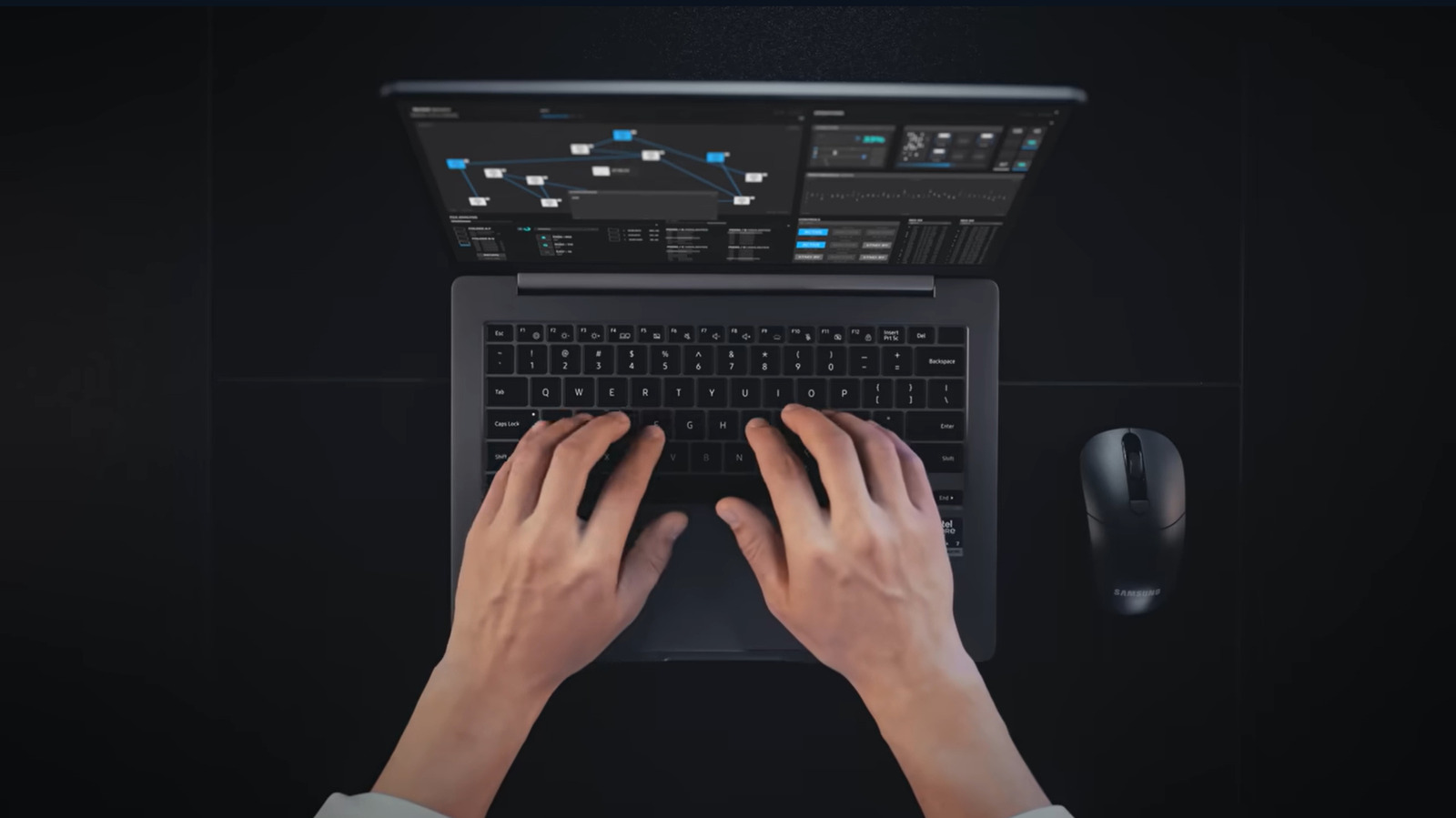
According to a report from SamMobile, Samsung is set to shake up its popular Galaxy Book laptop lineup. The shift would see Samsung swap Windows 11 for Google’s next Android-based operating system on some models. According to SamMobile, these laptops “will run Android 17-based One UI 9 software.” The report may come as a slight surprise to some Android fans, as Android 17 is currently only available in beta on select devices. However, it is uncertain whether Samsung plans to ditch its partnership with Windows, or if it is merely expanding its operating system offerings. To date, no official announcement has confirmed the change.

The leak comes as Google pushes toward its much-anticipated release of Aluminum OS, which looks to combine both Android and ChromeOS for phones, laptops, and tablets alike. However, Android’s next big evolution continues to see delays. Whether Samsung’s timeline corresponds with Google’s much anticipated Aluminum release, or if the new line of Galaxy Books will predate the operating system’s rollout, remains to be seen.

How Android changes the Galaxy Book

Currently, Samsung offers two broad lines of laptops, each deploying a different operating system. The company’s Windows laptops, those in the Galaxy Book series, offer top-end performance at a premium price. Although new models cost well over $1,000, the Galaxy Book is one of the best premium laptops you can buy in 2026. Its Galaxy Chromebook series, meanwhile, is a strong budget option. A lightweight laptop that provides a strong cloud-first experience via ChromeOS, its speed and battery life are ideal for online browsing and basic tasks.

Not much is known about Samsung’s next Galaxy Book line. According to SamMobile’s reporting, the company is developing low, mid, and high end models of its upcoming Galaxy Books. As SamMobile suggests, these will run on One UI 9 built atop Google’s Android 17. Importantly, Samsung’s phones, watches, televisions, and tablets already run the One UI software, causing some to speculate that the new Galaxy Book will offer improved integration across Samsung’s product lines. Predictably, these laptops will reportedly include a host of Galaxy AI features, similar to what is currently seen across Samsung’s other products. Separately, SamMobile reports that Android-powered Galaxy Book models might feature an improved version of Samsung DeX to boost integration with Galaxy phones and tablets that include the feature.

A great unknown

As it stands, Samsung’s next line of laptops is more defined by its unknowns than its features. In terms of hardware, SamMobile’s report only states that the flagship model “is said to feature a very sleek design.” Importantly, even this small detail is couched with uncertainty, as the outlet includes the caveat that the “popularity” of Apple’s MacBook Neo, a mass-market budget laptop that looks to launch Mac beyond the premium laptop market, “could adjust [Samsung’s] design priorities.” 

To date, no details are known about the laptop’s potential launch. While the report speculates that Samsung could pair its next laptop line with Google’s swiftly approaching Android 17 reveal, predicted to occur at the company’s May 2026 Google I/O developer conference, no company announcements confirm that Samsung’s Android 17 laptop will be released this year. Furthermore, it’s still possible that Samsung could continue releasing Windows laptops, potentially deploying the powerful Window-on-ARM system alongside its Android offering. How Google’s development of Aluminum OS might affect these plans remains to be seen.

The ramifications of Samsung potentially expanding its longstanding partnership with Google could be a hotly debated topic over the coming months. Of course, bringing a unified interface, shared app ecosystem, and consistent AI features could provide deeper integration possibilities across the two tech giants’ collaborative products. However, as it stands, any projections concerning the potential new laptop are merely speculative until more details are known. Whether those details come in May is anyone’s guess.

Source