Posted on

These were 10 the biggest internet outages of 2024

There are few disasters as unifying as an internet outage. Whether it’s a popular website, social network, or online service, everyone collectively freaks out when it goes offline, as was the case when all three major US cell carriers suffered outages on the same day earlier this year.

With that in mind, the network intelligence firm Ookla sifted through Downdetector data from the first three quarters of 2024 to pinpoint the biggest outages of the year. Based on the data Ookla gathered, these were the world’s 10 largest outages of 2024:

World's largest outages in 2024 according to Downdetector.World’s largest outages in 2024, according to Downdetector. Image source: Ookla

The analysis is not an exact science, as the rankings only take into account the number of user reports on Downdetector during the outage. That said, it’s clear that the major Facebook outage on March 5 impacted more people than any other individual outage in 2024.

It wasn’t an especially long outage, but it was the most widespread of the year (so far). Some of these outages impact a small subset of users or users in specific regions, but the Meta crash hit everyone all at once, which is why it received so much attention.

Tech. Entertainment. Science. Your inbox.

Sign up for the most interesting tech & entertainment news out there.

By signing up, I agree to the Terms of Use and have reviewed the Privacy Notice.

“The second largest global outage may be the most memorable. While CrowdStrike is not a service most people think of, we saw nearly 5 million reports to services that rely on it (or rely on Microsoft which relies on Crowdstrike), including emergency services, airlines, and ride sharing apps when a routine software update went bad on July 19,” Ookla notes.

Even if you’ve forgotten about Facebook and Instagram going down, you probably remember when the faulty update from CrowdStrike nearly turned the world upside down.

Source

Posted on

Intel Battlemage GPUs could hit shelves on December 12 – but price rumors are worrying some PC gamers

  • Intel’s B580 and B570 GPUs are rumored for a December 12 launch
  • Team Blue will supposedly reveal them next week on December 3
  • Price rumors hint at $250 MSRP, but don’t get carried away with that idea

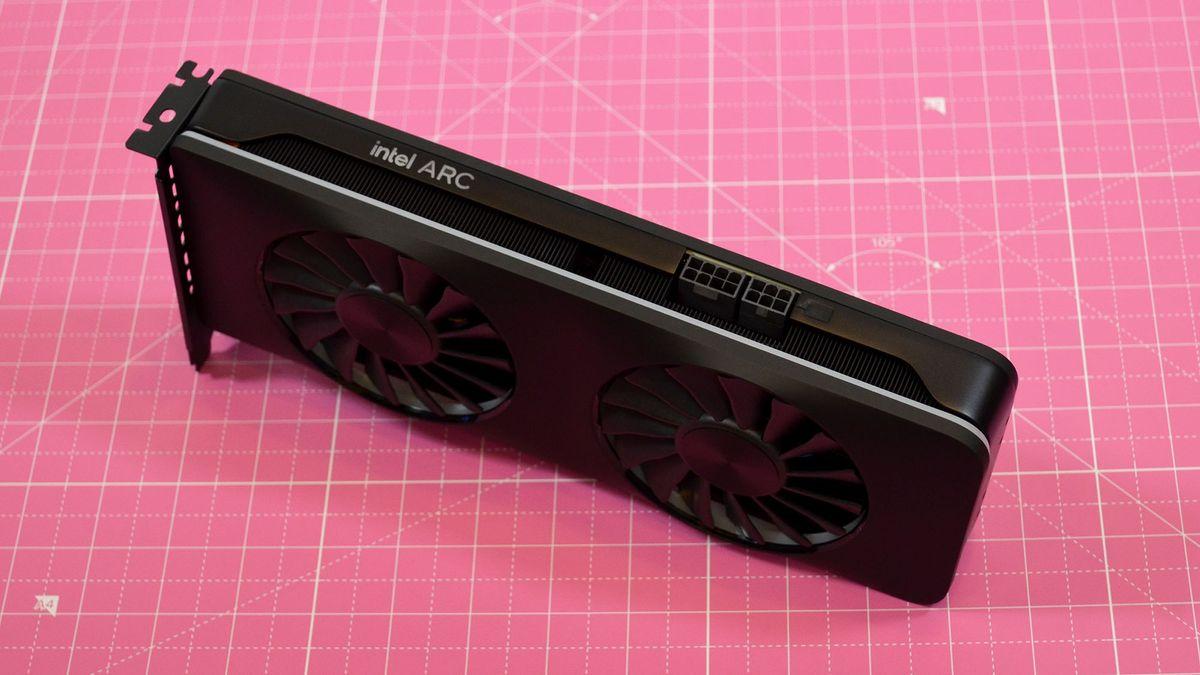
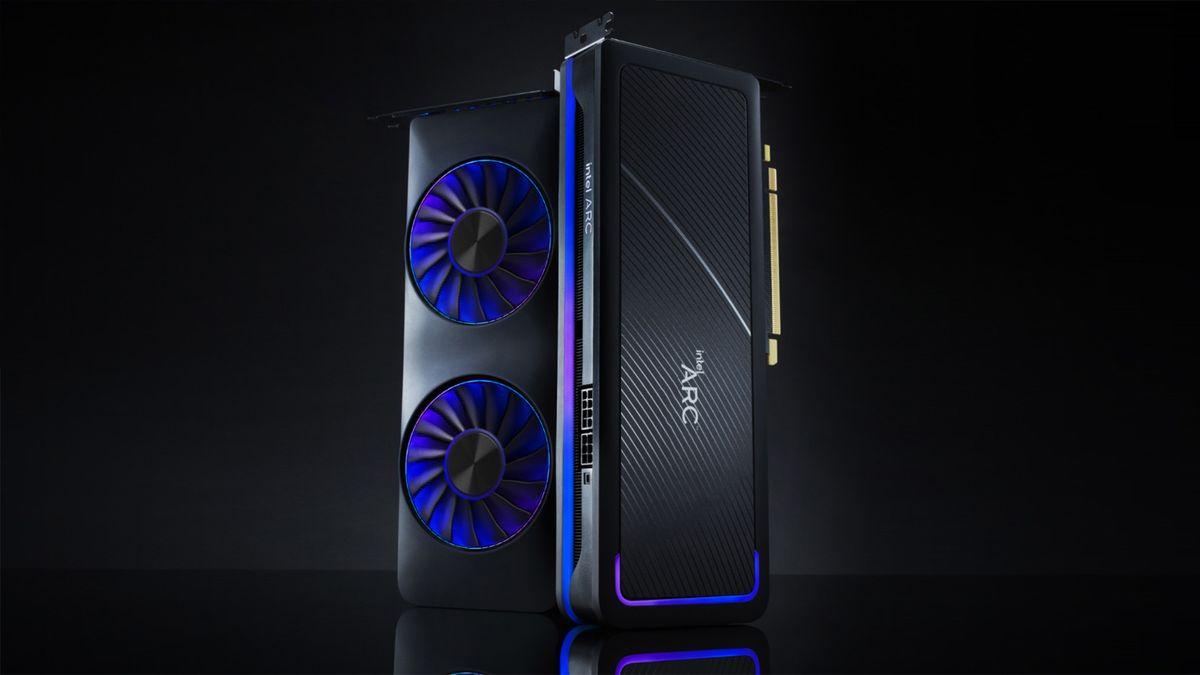
Intel’s next-gen Battlemage GPUs are going to be out next month, according to the latest rumor, which gives us a specific release date for the first time – December 12.

VideoCardz claims that the Arc B580 (which has been widely leaked) and B570 desktop graphics cards are in the pipeline, and will be on sale at the same time reviews will apparently be aired, on the mentioned December 12 date.

We will get an announcement from Intel before that, on December 3, according to information VideoCardz has obtained – take all this with a teaspoon of seasoning, naturally.

Intel will supposedly have its own reference boards (or limited edition Arc products, as it calls them) for these GPUs, which will emerge first, and custom graphics cards from third-party partners are going to launch the day after (December 13). This slightly staggered approach to launch is not uncommon these days in the graphics card world.

Meanwhile, fresh buzz on the pricing of the Arc B580 has also emerged, with the usual early retailer listings popping up – some of which are around the $250 mark from US outlets.

Acer Predator BiFrost Arc A770 GPU, pictured against a bright blue and green background.

(Image credit: Acer, Intel)

Analysis: Maintain a keen sense of skepticism

Regarding the price leaks, these are notoriously flaky – and probably placeholder prices – so that part of the latest rumor dump must be regarded with even more caution than the release date-related spillage.

Assuming that the $250 rumor is close to ballpark for a moment, though, it’s coming in on the heavy side compared to the A580, which kicked off with an MSRP of $180 – and this has caused some fretting among some PC gamers out there.

{ window.reliablePageLoad.then(() => { var componentContainer = document.querySelector(“#slice-container-newsletterForm-articleInbodyContent-CvbsAngYZFtzyPs3cW4mfT”); if (componentContainer) { var data = {“layout”:”inbodyContent”,”header”:”Get daily insight, inspiration and deals in your inbox”,”tagline”:”Sign up for breaking news, reviews, opinion, top tech deals, and more.”,”formFooterText”:”By submitting your information you agree to the Terms & Conditions and Privacy Policy and are aged 16 or over.”,”successMessage”:{“body”:”Thank you for signing up. You will receive a confirmation email shortly.”},”failureMessage”:”There was a problem. Please refresh the page and try again.”,”method”:”POST”,”inputs”:[{“type”:”hidden”,”name”:”NAME”},{“type”:”email”,”name”:”MAIL”,”placeholder”:”Your Email Address”,”required”:true},{“type”:”hidden”,”name”:”NEWSLETTER_CODE”,”value”:”XTR-D”},{“type”:”hidden”,”name”:”LANG”,”value”:”EN”},{“type”:”hidden”,”name”:”SOURCE”,”value”:”60″},{“type”:”hidden”,”name”:”COUNTRY”},{“type”:”checkbox”,”name”:”CONTACT_OTHER_BRANDS”,”label”:{“text”:”Contact me with news and offers from other Future brands”}},{“type”:”checkbox”,”name”:”CONTACT_PARTNERS”,”label”:{“text”:”Receive email from us on behalf of our trusted partners or sponsors”}},{“type”:”submit”,”value”:”Sign me up”,”required”:true}],”endpoint”:”https://newsletter-subscribe.futureplc.com/v2/submission/submit”,”analytics”:[{“analyticsType”:”widgetViewed”}],”ariaLabels”:{}}; var triggerHydrate = function() { window.sliceComponents.newsletterForm.hydrate(data, componentContainer); } if (window.lazyObserveElement) { window.lazyObserveElement(componentContainer, triggerHydrate); } else { triggerHydrate(); } } }).catch(err => console.error(‘%c FTE ‘,’background: #9306F9; color: #ffffff’,’Hydration Script has failed for newsletterForm-articleInbodyContent-CvbsAngYZFtzyPs3cW4mfT Slice’, err)); }).catch(err => console.error(‘%c FTE ‘,’background: #9306F9; color: #ffffff’,’Externals script failed to load’, err)); ]]>

Sign up for breaking news, reviews, opinion, top tech deals, and more.

However, what we have to remember is that the B580 is a beefier model, at least if the rumored spec is right, particularly as it’ll purportedly come with 12GB of VRAM (up from 8GB with its predecessor), and seemingly a much faster boost clock. So, in that light, a price increase doesn’t look quite so bad – but with the specs and pricing being just speculation at this point, we’ll reserve judgement for now.

What we really want from Intel, though, is for Battlemage to bring in some truly affordable (sub-$200) GPUs. Although of course they should be coming down the line (fingers crossed).

There’s certainly a whole pile of evidence suggesting there’ll be a December launch for next-gen Battlemage desktop graphics cards, mind you, and it’s looking more and more likely that we could witness a new generation of Arc GPUs as soon as next week.

You might also like

Source

Posted on

Justifying ECC upgrade: A Computer Weekly Downtime Upload podcast

“We all want to do this,” says Conor Riordan, chair of the UK and Ireland SAP User Group (UKISUG),” describing the transition to cloud-based ERP with SAP Rise. “We all want to get to the end point. We just can’t get there as fast as SAP wants us to go.”

Computer Weekly met up with Riordan during the user group’s annual Connect 2024 event, which took place in Birmingham at the start of December.

Upgrading and moving to the SAP cloud has been a hot topic for UKISUG for a number of years.

Mainstream support for SAP Enterprise Core Components (ECC), officially ends in 2027. Moving to SAP Rise is regarded by many as too big a step to take in one go and instead, as Riordan explains, users need financial support to make the transition from ECC to S4/Hana, which is a stepping stone towards Rise. But for Riordan, many SAP customers will not find this step easy. However, he says: “SAP responded and it has come up with a modernisation programme,  which was well received by customers and our members.” 

He is confident the newly appointed UK and Ireland managing director for SAP, Leila Romane, has recognised this challenge and the move to SAP Rise is more of a marathon than a sprint. “User group members aren’t convinced about SAP’s strategy, but we need to manage risk,” he says, adding: “We probably need to do the migrations in multiple steps rather than one big step.”

Riordan believes that for SAP customers the move to Rise is inevitable. “The majority of customers will go to Rise at some stage, whenever it’s right for them. That might be next year. That could be 20-30 years. Who knows. It’s about doing the upgrade when it’s right for the customers rather than doing it when it’s right for SAP.”

Although upgrading SAP will offer new functionality like a more modern user experience through Fiori, for Riordan the most important consideration is “Going live with no business impact”. For a lot of companies, success is when a project goes live without business disruption.

Discussing what can seem like a push from the IT industry to make sure businesses spend a lot of money upgrading, Riordan notes that there is a constant need to be more efficient in business and drive better earnings per share to get better margins. This, in turn, means the business is rated as a growth company by the financial markets. “People are under more pressure to drive more innovation and in order to deliver more innovation, you need a more modern platform,” he says.

As Riordan points out most companies that are still on ECC tend to be running manufacturing, procurement, sales and finance business processes. “You’re doing these in the same way you have done over the last 20 years,” he says. “But now in this new digital world, you’ve got access to an infinite amount of data that can help drive better decision-making. If you want to innovate and have smarter ways of running your business, you need to be on a better platform.”

An example of this is forecasting, as Riordan explains. “In the past you’d have planners that would try and figure out a forecast and put the forecast into SAP. Now you can get artificial intelligence (AI) to do that and figure out what your demand plans are and it can probably do it better than the planners because an AI forecast can bring in many different sources of information.”

Source

Posted on

Desperate to see Nvidia’s RTX 5090? A graphics card maker rep just accidentally revealed that next-gen flagship GPU will be unveiled at CES 2025

  • A rep from Inno3D Brazil let slip info about the next-gen flagship
  • On a YouTube livestream they initially said it’d be available in a few weeks
  • They then backtracked and said the reveal is set for CES 2025

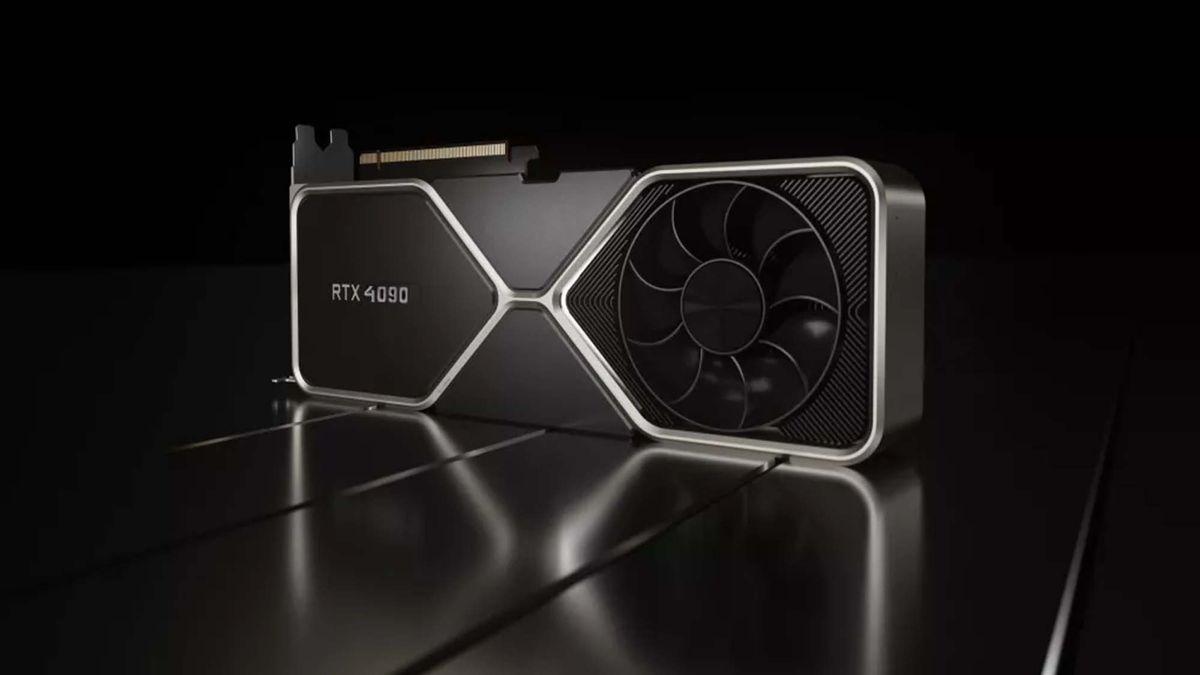
Nvidia’s RTX 5090 is widely expected to be revealed at CES 2025, and here’s another leak to add to the growing pile of speculation suggesting that this is indeed the case for the next-gen flagship GPU.

VideoCardz spotted that a representative from the Brazilian arm of Inno3D, a graphics card maker, accidentally let this nugget of info slip in a livestreamed interview on YouTube with Brazil-based retailer Pichau. (The video has just been taken down, we should note – it was live when we started writing this story, but is now marked as unavailable).

The Inno3D rep was responding to questions from viewers about the next-gen Blackwell GPUs, and there were mentions of the RTX 5090, whereupon the representative said that the graphics card would be ‘available’ in just three weeks.

You can imagine the reaction to that from viewers, which led to the representative backpedaling and saying that the RTX 5090 will “only be announced at CES 2025 in January.”

A mockup of the Gigabyte RTX 4090 Windforce graphics card

(Image credit: Gigabyte)

Analysis: CES 2025 looks a pretty sure bet now – as does a price hike

As VideoCardz theorizes, what’s probably happened here (grab your saltshaker now) is that the rep was referring to Inno3D receiving its first RTX 5090 cards in a few weeks – so it’s probably prelaunch samples that’ll be ‘available’ to the board maker (not the public, of course).

However, this does indicate that Nvidia is readying everything for the big launch early next year, and that as many previous rumors have now insisted, the RTX 5090 is set to be revealed at CES 2025. (To be fair, there was some buzz about a late 2024 launch in recent times, but we think that idea has pretty much been sidelined again).

When the RTX 5090 does turn up, if the rumors are right, it’ll be very powerful – a big step on from the RTX 4090 – but also very power-hungry. And perhaps most worryingly, very expensive too, possibly to the point that Nvidia is pitching it as a GPU targeted at professionals, rather than PC gamers, to justify the price. Although GeForce is a gaming brand, so as we’ve discussed in the past, that doesn’t really make a lot of sense.

{ window.reliablePageLoad.then(() => { var componentContainer = document.querySelector(“#slice-container-newsletterForm-articleInbodyContent-hMycHXDnxA3xLMChaw5N5K”); if (componentContainer) { var data = {“layout”:”inbodyContent”,”header”:”Get daily insight, inspiration and deals in your inbox”,”tagline”:”Sign up for breaking news, reviews, opinion, top tech deals, and more.”,”formFooterText”:”By submitting your information you agree to the Terms & Conditions and Privacy Policy and are aged 16 or over.”,”successMessage”:{“body”:”Thank you for signing up. You will receive a confirmation email shortly.”},”failureMessage”:”There was a problem. Please refresh the page and try again.”,”method”:”POST”,”inputs”:[{“type”:”hidden”,”name”:”NAME”},{“type”:”email”,”name”:”MAIL”,”placeholder”:”Your Email Address”,”required”:true},{“type”:”hidden”,”name”:”NEWSLETTER_CODE”,”value”:”XTR-D”},{“type”:”hidden”,”name”:”LANG”,”value”:”EN”},{“type”:”hidden”,”name”:”SOURCE”,”value”:”60″},{“type”:”hidden”,”name”:”COUNTRY”},{“type”:”checkbox”,”name”:”CONTACT_OTHER_BRANDS”,”label”:{“text”:”Contact me with news and offers from other Future brands”}},{“type”:”checkbox”,”name”:”CONTACT_PARTNERS”,”label”:{“text”:”Receive email from us on behalf of our trusted partners or sponsors”}},{“type”:”submit”,”value”:”Sign me up”,”required”:true}],”endpoint”:”https://newsletter-subscribe.futureplc.com/v2/submission/submit”,”analytics”:[{“analyticsType”:”widgetViewed”}],”ariaLabels”:{}}; var triggerHydrate = function() { window.sliceComponents.newsletterForm.hydrate(data, componentContainer); } if (window.lazyObserveElement) { window.lazyObserveElement(componentContainer, triggerHydrate); } else { triggerHydrate(); } } }).catch(err => console.error(‘%c FTE ‘,’background: #9306F9; color: #ffffff’,’Hydration Script has failed for newsletterForm-articleInbodyContent-hMycHXDnxA3xLMChaw5N5K Slice’, err)); }).catch(err => console.error(‘%c FTE ‘,’background: #9306F9; color: #ffffff’,’Externals script failed to load’, err)); ]]>

Sign up for breaking news, reviews, opinion, top tech deals, and more.

Whatever the case, the RTX 5090 is likely to see a price hike of some variety, the rumor mill is pretty certain about that – and possibly the RTX 5080 as well, the other Blackwell GPU supposedly set to be sprung on the world at CES 2025.

If you want an affordable high-end card – and affordable is a heavily relative term these days at the top of the graphics card spectrum – your soundest bet might be to check out some of the best GPU deals for Black Friday currently in play, with some tempting offers to be had (which is true at the mid-range, too).

You might also like

Source

Posted on

Intel confirms Arc desktop GPU launch on December 3, while Battlemage B570 leak hints that it could be a dream budget graphics card

  • Intel has announced an Arc launch event on December 3
  • Teaser video clearly shows a desktop GPU which must be Battlemage
  • B570 GPU spec leak suggests what to expect from the sibling of the B580

Intel has officially confirmed that there’s a big Arc GPU announcement tomorrow, on December 3, which surely must be Battlemage, as rumors have already suggested – and we’ve caught some leaked specs for the purported Arc B570 graphics card, too.

First off, let’s consider that revelation from Intel which arrived on X, with Team Blue noting that it has some “big graphics news” while providing a video giving us more clues as to what this is.

In the video clip, Intel doesn’t directly mention Battlemage, but rather this is a teaser which tells us that an Intel Arc-related announcement is coming on December 3. Given that we see a desktop graphics card from various angles in the video, clearly the revelation is for a desktop product – which can only be Battlemage.

There’s no way a new Alchemist board could be in the works, and anyway, as mentioned, this lines up with the many rumors that a Battlemage unveiling is coming on December 3. Indeed, given the weight of that speculation, perhaps Intel felt at this point it might as well (almost) confirm what’s happening this week.

The rumor mill reckons that we’ll see new Battlemage B580 and B570 graphics cards, and we’ve seen the leaked spec for the B580 already. The B570 remained a mystery, spec-wise, up until now, but as ever, treat this fresh leak with plenty of skepticism.

The leak comes via a tip from a reader of VideoCardz (which also spotted the Intel tweet above) and if correct, the B570 will run with 18 Xe2 cores and 10GB of VRAM (GDDR6) along with a 160-bit memory bus. The boost clock will hit 2.6GHz.

That’s according to a leaked product brief for ASRock’s Arc B570 Challenger OC which looks authentic enough, but as mentioned, season liberally here.

{ window.reliablePageLoad.then(() => { var componentContainer = document.querySelector(“#slice-container-newsletterForm-articleInbodyContent-rQcfSWeC2s9kue67k5XDfM”); if (componentContainer) { var data = {“layout”:”inbodyContent”,”header”:”Get daily insight, inspiration and deals in your inbox”,”tagline”:”Sign up for breaking news, reviews, opinion, top tech deals, and more.”,”formFooterText”:”By submitting your information you agree to the Terms & Conditions and Privacy Policy and are aged 16 or over.”,”successMessage”:{“body”:”Thank you for signing up. You will receive a confirmation email shortly.”},”failureMessage”:”There was a problem. Please refresh the page and try again.”,”method”:”POST”,”inputs”:[{“type”:”hidden”,”name”:”NAME”},{“type”:”email”,”name”:”MAIL”,”placeholder”:”Your Email Address”,”required”:true},{“type”:”hidden”,”name”:”NEWSLETTER_CODE”,”value”:”XTR-D”},{“type”:”hidden”,”name”:”LANG”,”value”:”EN”},{“type”:”hidden”,”name”:”SOURCE”,”value”:”60″},{“type”:”hidden”,”name”:”COUNTRY”},{“type”:”checkbox”,”name”:”CONTACT_OTHER_BRANDS”,”label”:{“text”:”Contact me with news and offers from other Future brands”}},{“type”:”checkbox”,”name”:”CONTACT_PARTNERS”,”label”:{“text”:”Receive email from us on behalf of our trusted partners or sponsors”}},{“type”:”submit”,”value”:”Sign me up”,”required”:true}],”endpoint”:”https://newsletter-subscribe.futureplc.com/v2/submission/submit”,”analytics”:[{“analyticsType”:”widgetViewed”}],”ariaLabels”:{}}; var triggerHydrate = function() { window.sliceComponents.newsletterForm.hydrate(data, componentContainer); } if (window.lazyObserveElement) { window.lazyObserveElement(componentContainer, triggerHydrate); } else { triggerHydrate(); } } }).catch(err => console.error(‘%c FTE ‘,’background: #9306F9; color: #ffffff’,’Hydration Script has failed for newsletterForm-articleInbodyContent-rQcfSWeC2s9kue67k5XDfM Slice’, err)); }).catch(err => console.error(‘%c FTE ‘,’background: #9306F9; color: #ffffff’,’Externals script failed to load’, err)); ]]>

Sign up for breaking news, reviews, opinion, top tech deals, and more.

Intel Arc A7 graphics card

(Image credit: Intel)

Analysis: B500 series spec shootout – with caveats

So, how does that B570 spec compare to the B580, bearing all the usual caveats in mind about both of these being rumored specifications at this point.

In theory, the B580 is going to run with 20 Xe2 cores, so the B570 will drop a pair of cores, and the B580 supposedly has 12GB of VRAM, so the B570 will drop 2GB. Sticking with that theme, the B570 will also be 200MHz slower for its boost clock, and it will have a lesser amount of memory bandwidth to the tune of a near 17% drop.

That will, of course, make for a somewhat less powerful GPU, but the lower-tier B500 series model shouldn’t be too far off the performance of the B580.

What we’re hoping the B570 will provide is a considerably more affordable alternative, if the price rumors about the B580 are correct – namely that it could arrive at around $250 in the US (and proportionate to that elsewhere, of course). If the B570 can sneak under $200, though, with 10GB of VRAM – when Nvidia still insists on 8GB with rival models in this bracket – Intel could have a budget winner on its hands.

And more importantly, PC gamers could have a budget GPU winner on their hands, too – but there’s some road to cover yet, in terms of the accuracy of these leaks, and that big price tag reveal.

You might also like

Source

Posted on

AMD RX 8800 XT could match RTX 4080’s performance – and easily outgun Nvidia’s GPU for ray tracing

  • RX 8800 XT is rumored to equal RTX 4080 for non-ray tracing performance
  • The RDNA 4 graphics card could match the RTX 4080 Super for ray tracing
  • The GPU is about to enter mass production, hinting at an early 2025 launch

AMD’s rumored Radeon RX 8800 XT could pack a real punch – especially for ray tracing – if a fresh leak about the next-gen GPU turns out to be true.

In theory, this will be the top-tier RDNA 4 graphics card – although it’ll be a mid-range GPU, as AMD isn’t doing the high-end this time around, going by the rumor mill – and the new info on performance and a possible release date comes from Zhangzhonghao, a leaker over at the Chiphell forums (in China).

Add plenty of seasoning, but the claim (as highlighted by Wccftech) is that the RX 8800 XT is a huge improvement in ray tracing performance, and a good step up for rasterization performance (no ray tracing) too.

Zhangzhonghao believes that rasterization performance will equal Nvidia’s RTX 4080 GPU, and that the 8800 XT will be more in the ballpark of the RTX 4080 Super when it comes to ray tracing.

The leaker also claims that the RX 8800 XT is 45% faster in ray tracing compared to the current flagship, the RX 7900 XTX, with the Resident Evil 4 Remake. And that in other popular games, the 8800 XT’s generational ray tracing boost is ‘epic’ albeit partly because the performance levels seen with RDNA 3 were pretty shoddy.

Another point to note is that power consumption for the 8800 XT should be 25% less than the 7900 XTX, although we aren’t provided with any specific metric here, just a vague assertion.

Regarding the release date, we’re told that the RX 8800 XT is about to start mass production in the middle of December. In theory, then, it could emerge late in January 2025, or perhaps February, which fits with current rumors of a Q1 launch for RDNA 4 graphics cards.

{ window.reliablePageLoad.then(() => { var componentContainer = document.querySelector(“#slice-container-newsletterForm-articleInbodyContent-yEv5nMGg9pXBdcLzgJ7dvk”); if (componentContainer) { var data = {“layout”:”inbodyContent”,”header”:”Get daily insight, inspiration and deals in your inbox”,”tagline”:”Sign up for breaking news, reviews, opinion, top tech deals, and more.”,”formFooterText”:”By submitting your information you agree to the Terms & Conditions and Privacy Policy and are aged 16 or over.”,”successMessage”:{“body”:”Thank you for signing up. You will receive a confirmation email shortly.”},”failureMessage”:”There was a problem. Please refresh the page and try again.”,”method”:”POST”,”inputs”:[{“type”:”hidden”,”name”:”NAME”},{“type”:”email”,”name”:”MAIL”,”placeholder”:”Your Email Address”,”required”:true},{“type”:”hidden”,”name”:”NEWSLETTER_CODE”,”value”:”XTR-D”},{“type”:”hidden”,”name”:”LANG”,”value”:”EN”},{“type”:”hidden”,”name”:”SOURCE”,”value”:”60″},{“type”:”hidden”,”name”:”COUNTRY”},{“type”:”checkbox”,”name”:”CONTACT_OTHER_BRANDS”,”label”:{“text”:”Contact me with news and offers from other Future brands”}},{“type”:”checkbox”,”name”:”CONTACT_PARTNERS”,”label”:{“text”:”Receive email from us on behalf of our trusted partners or sponsors”}},{“type”:”submit”,”value”:”Sign me up”,”required”:true}],”endpoint”:”https://newsletter-subscribe.futureplc.com/v2/submission/submit”,”analytics”:[{“analyticsType”:”widgetViewed”}],”ariaLabels”:{}}; var triggerHydrate = function() { window.sliceComponents.newsletterForm.hydrate(data, componentContainer); } if (window.lazyObserveElement) { window.lazyObserveElement(componentContainer, triggerHydrate); } else { triggerHydrate(); } } }).catch(err => console.error(‘%c FTE ‘,’background: #9306F9; color: #ffffff’,’Hydration Script has failed for newsletterForm-articleInbodyContent-yEv5nMGg9pXBdcLzgJ7dvk Slice’, err)); }).catch(err => console.error(‘%c FTE ‘,’background: #9306F9; color: #ffffff’,’Externals script failed to load’, err)); ]]>

Sign up for breaking news, reviews, opinion, top tech deals, and more.

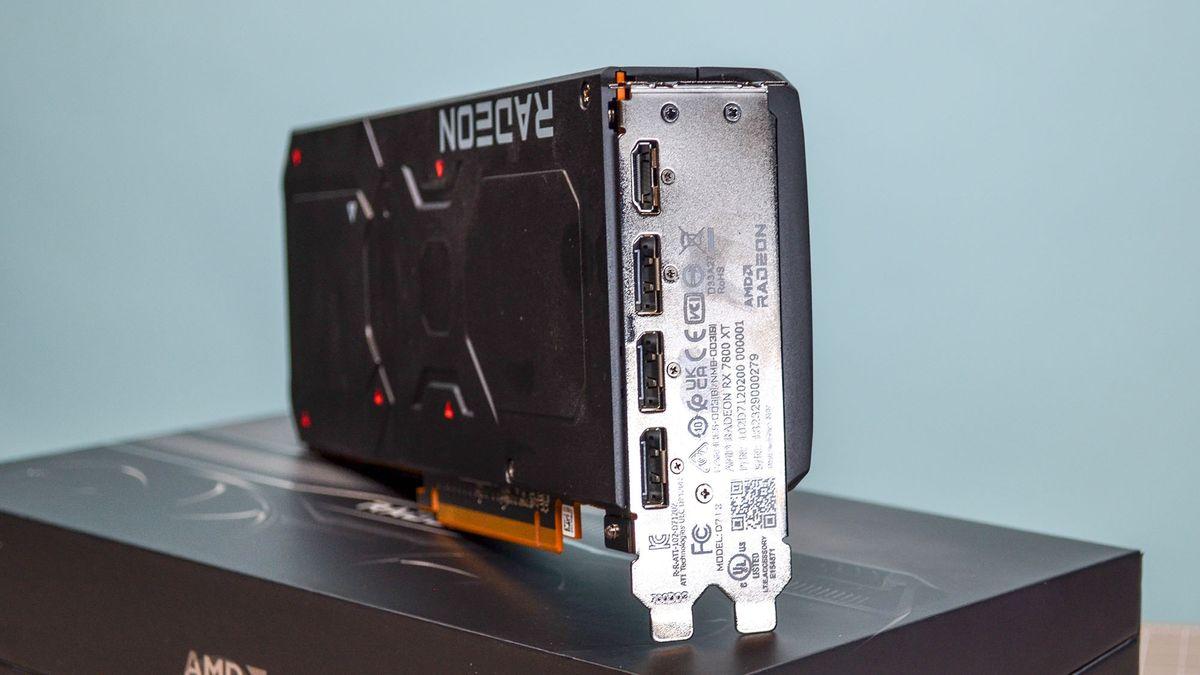
An AMD Radeon RX 7700 XT on a table

(Image credit: Future / John Loeffler)

Analysis: Reasons to be hopeful

Interestingly, most of the recent buzz is about the RX 8800 XT, and we’re not hearing anything much on the 8700 XT which would, in theory, be the likely partner GPU (based on guesswork and past rumors).

Considering that the unveiling of AMD’s RDNA 4 desktop GPUs is apparently planned for CES 2025, in just over a month, we’d expect more spillage about a sibling GPU to come through soon – unless Team Red is kicking off with a solo launch here before other RDNA 4 cards arrive further down the line, but we’d be very surprised if that was the case.

With the performance leaks, previous speculation has suggested that the top RDNA 4 GPU (in theory this 8800 XT) could be a bit faster than the 7900 XT, and equating the 8800 XT with the RTX 4080 here indicates that is indeed the case (though other rumors have suggested it’ll be level with the 7900 XT, so a touch slower than the 4080).

That’s for rasterization, but the leap with ray tracing looks to be a huge one – and that makes sense in terms of AMD wanting to fix that weakness with its next-gen desktop graphics cards. Fingers crossed on that front, as often the arguments in favor of Nvidia being the superior choice revolve around ray tracing (and DLSS too).

On the topic of power usage, with the current 7900 XTX flagship having a TDP of 355W, based on the above info, we could be looking at 265W or so for the 8800 XT, which would put it in much the same bracket as the 7800 XT. That suggests AMD is concentrating on driving performance with RDNA 4, rather than efficiency (but not performance at the cost of efficiency, crucially).

You might also like

Source

Posted on

Met Police challenged on claim LFR supported by ‘majority of Lewisham residents’

The Metropolitan Police has claimed its live facial-recognition (LFR) deployments in Lewisham are supported by the majority of residents and local councillors, but a community impact assessment (CIA) obtained by Computer Weekly shows there has been minimal direct consultation with residents, while elected officials continue to express concern.

In August 2024, Lewisham councillors complained there had been no engagement with the local community ahead of the controversial technology being deployed in the area, with the Met announcing the tech would be used in Tweet just a month after being urged by councillors to improve its community engagement around LFR.

Responding to Computer Weekly’s questions about the concerns raised by Lewisham councillors, a Met Police spokesperson said at the time that its LFR deployments “have been very much supported by the majority of Lewisham residents, business owners and political representatives – namely Lewisham councillors”.

The spokesperson added that over the previous six months, the force had delivered “more than six briefings at a mixture of public forums, private council and independent advisory group sessions” to explain what its LFR deployments entail and to answer all enquiries posed by committee members.

However, according to the CIA obtained under freedom of information (FoI) rules by Computer Weekly, the only mention of “residents” in the entire document is when detailing the press response given to Computer Weekly.

Despite the Met claiming its LFR deployments are supported by the majority of residents, the CIA also explicitly notes “there is mixed opinion for the operation within the community”, adding that while there is nothing to suggest there would any form of “disorder/criminality in relation” to the deployment, “there is likely to be some opposition”.

In terms of actual engagement conducted by the Met, the CIA notes the force held seven meetings between March and August 2024, including five with various council bodies, and two sets of public discussions: one at the “New Met for London event held at the Albany in Deptford”, and another held in relation to the Met’s “London Race Action Plan”.

The council bodies engaged with included a select committee tasked with scrutinising LFR deployments, the Lewisham Independent Advisory Group (IAG) for LFR, and the Safer Neighbourhoods Board (SNB).

“Members of the Safer Stronger Communities Select Committee urged improved communication with residents concerning LFR deployments, as well as a need to increase stakeholder engagement,” the committee told Computer Weekly in response to the CIA document.

Many councillors are on record (as evidenced in meeting minutes) calling for improved communication with residents and stakeholders, noting there has been minimal stakeholder engagement regarding LFR deployments thus far.

Expressing her own views on the matter, independent councillor and Safer Stronger select committee member Hau-Yu Tam – who previously stressed the need to give local people the ability to scrutinise the Met’s approach – told Computer Weekly she is personally only aware of one instance of consultation between the Met and Lewisham’s SNB, the boroughs independent forum for community engagement with the police.

The CIA document confirms there has been one formal meeting with the SNB recorded, which took place on 26 March 2024.

“Policing is touted as being legitimised by community consent, so they tick the box of community consultation, but it doesn’t take much digging to find that the consultation is extremely poor,” she said, adding that the effectiveness of the consultation is limited by the fact that “not a lot of people get consulted”, and the use of leading questions by the Met when they talk to people about the technology, which are designed to sell LFR to the public, rather than understand and act on the areas of concern.

People who would be hurt or harmed by LFR don’t have the means to access the consultation, nor are their views really allowed to be registered Hau-Yu Tam, Lewisham Council

“It’s similar to a lot of large public institutions, including Lewisham Council, in that consultation is undertaken poorly because communities are not engaged. Above all, budget cuts – including to communities – are being passed down, with the political and executive leadership failing to formulate alternatives or even to believe alternatives can be possible.

An example of the leading nature of the Met’s engagement process is shown by an email to an SNB member (not recorded in the CIA), which has been shared with Computer Weekly. In it, a Met police officer explains that local policing teams are proposing to run an LFR operation in the area, highlighting only the benefits of the technology.

“This is used to identify individuals who are sought by police in relation to ongoing investigations – with a focus on violence against women and girls. Previously, this has been extremely successful in other local boroughs – e.g. identifying an individual who was sought for a serious domestic violence incident and had been evading police by changing appearance,” they said.

“Facial-recognition technology is a very valuable tool to help to catch perpetrators of crime that impact individuals and communities. Is this something that you think is a good idea, and would support? We appreciate your comments.”

Tam said the email shows the Met framing LFR solely around the prevention of violence against women and girls in a way that would appeal to the recipient, because “obviously” they would express support in that context.

She added that the biggest issue is the lack of mechanisms in place for dealing with critical comments about LFR: “What people support is safer streets and improved equity and community cohesion. They don’t necessarily support live facial recognition, which they’re not given the full rundown of, or they’re given very misleading information about.”

She further added that while the Met does seek input from legitimate voices, the same sorts of voices are over-represented: “People who would be hurt or harmed by LFR don’t have the means to access the consultation, nor are their views really allowed to be registered.”

Tam said that while the Met may have formally engaged with the SNB on LFR issues, many members of that body have raised concerns around the use of LFR by police, adding: “There’s a lot of trepidation about this.”

Met responds

Computer Weekly contacted the Met about the CIA process and every aspect of the story.

“The Met is committed to making London safer, using data and technology to help identify offenders that pose a risk to our communities,” said Lindsey Chiswick, the force’s director of performance. “We continue to engage with and listen to views from a range of voices across Lewisham on our use of LFR technology, including local residents, councillors, local businesses and retailers.”

A spokesperson for the force added that the Met is committed to transparency and community engagement in its use of LFR technology, which they described as a key tool for enhancing public safety that also enables police to identify individuals wanted for serious offences while minimising disruption to the wider public.

“Officers have conducted extensive engagement with the Lewisham community, including local residents, councillors, businesses, and advisory groups,” they said. “These sessions provide an open platform for discussion, allowing us to explain how LFR works, the intelligence-led process behind deployments, and the safeguards in place to protect privacy and human rights. We also share data, such as the number of arrests, other outcomes and false-positive alerts, to ensure accountability and transparency.

“We understand the concerns raised by some community members and are committed to listening to all voices, including those critical of LFR. Engagement is intended to be inclusive, and we work with independent advisory groups [IAGs] and community leaders to reach those who may not always have access to formal consultation processes.

“Our focus is on ensuring the safety of London’s streets while maintaining open, honest dialogue about the use of LFR technology.”

Civil society reacts

Responding to the contents of the CIA, Charlie Whelton, policy and campaigns officer at human rights group Liberty, said: “Facial-recognition technology effectively enables the police to identify and track anyone they choose. But instead of reaching out to the residents of Lewisham on the impacts of this dangerous surveillance tech, the Met has redefined ‘community engagement’ as speaking to high-level officials. 

“The real community impact of facial recognition is that our privacy is undermined, our movement restricted, and our risk of being subjected to a false stop from a dodgy algorithm is increased as we just go about our lives. None of these were addressed within the assessment as the Met Police continue to push forward this unknown and unchecked technology.”

He added that the huge power LFR grants police is particularly concerning after years of high-profile scandals involving violent, racist and sexist police forces in the UK: “The government must urgently introduce safeguards to restrict the use of this invasive technology and for the police to recognise the true impact on the communities they are spying upon.” 

Jake Hurfurt, head of research and investigations at privacy campaign group Big Brother Watch, added that it is hard to evaluate the efficacy of the Met’s community engagement in Lewisham because the CIA is so light on detail: “It doesn’t demonstrate very good engagement at all.”

Instead of reaching out to the residents of Lewisham … the Met has redefined ‘community engagement’ as speaking to high-level officials Charlie Whelton, Liberty

Echoing sentiments from Tam that the CIA is a box-ticking exercise, he further added that because there is so little genuine community engagement over LFR with people who live in Lewisham, the engagement process becomes a “rubber stamp” for the Met’s continued deployments.

“To be honest, do it properly or don’t bother,” he said, adding that the way the Met has characterised its engagement with councillors is also an issue. “We’re in conversation with councillors and a lot of them aren’t happy.”

According to a spokesperson for Lewisham Council, the local authority “will continue to carefully monitor its implementation in our borough and will continue to engage with the police and other local authorities where it’s being used”.

Hurfurt concluded that for there to be meaningful community engagement, the process needs to be done without “the Met’s thumb on the scale” by limiting its consultation to mostly high-level council meetings and officials.

“You have to properly consult people, giving them a chance to object, to raise concerns and listen to them, rather than tick a box… there’s a chance this undermines trust in the police if it’s not done properly,” he said, adding that while a number of local authorities have passed motions that express their opposition to the police deployment of LFR in their boroughs, “it’s been deployed anyway.”

In January 2023, for example, Newham Council unanimously passed a motion to suspend the use of LFR throughout the borough until biometric and anti-discrimination safeguards are in place.

While the motion highlighted the potential of LFR to “exacerbate racist outcomes in policing” – particularly in Newham, the most ethnically diverse of all local authorities in England and Wales – both the Met and the Home Office said that they would press forward with the deployments anyway.

“As part of the authorisation process and before any deployment, a specific community impact assessment is completed by the local BCU [Basic Command Unit],” said a Met police spokesperson at the time. “This assessment involves speaking to a wide number of local groups so that policing is informed of those views and can take those into consideration before any decision to deploy is made.”

The Met’s own LFR policy document states it “may be appropriate to pursue engagement opportunities with a number of stakeholders” prior to any deployments taking place.

Chiswick, speaking as the Met’s then-director of intelligence, has also previously told Lords that LFR is “a precision-based, community crime-fighting tool”, adding in a later session that because of a lack of support for police among specific community groups, there would need to be engagement with them prior to any LFR deployments to quell any fears people might have.

“You get told there’s all this engagement by the Met, but they’re just cracking on,” said Hurfurt.

On 13 November 2024, MPs held their first-ever debate on the police use of LFR technology, eight years after the Met first deployed the technology at Notting Hill Carnival in August 2016.

MPs – including members of both front benches – discussed a range of issues associated with the technology, including the impacts of LFR surveillance on privacy; problems around bias, accuracy and racial discrimination; the lack of a clear legal framework governing its use by police; and how its wider roll-out could further reduce people’s dwindling trust in police.

While there were differences of opinion about the efficacy of LFR as a crime-fighting tool, MPs largely agreed there are legitimate concerns around its use by police, with a consensus emerging on the need for proper regulation of the technology.

The majority of MPs involved in the debate openly lamented why there had been no debate about the use of the technology by police up until now.

Source

Posted on

Galaxy Z Fold 7 will be just as thin as the Fold SE, insider claims

As soon as the Galaxy Z Fold Special Edition (SE) foldable came out a few weeks ago, I said that Samsung has no choice but to use the same ultra-thin design for the Galaxy Z Fold 7 next year. Any other option would be admitting that it can’t manufacture thin, foldable phones in large numbers or that it can’t keep up with Chinese foldable smartphone vendors.

The Galaxy Z Fold SE isn’t just thinner than any of its predecessors; it also features larger displays. The best part about the Galaxy Z Fold SE design is that Samsung managed to almost eliminate the crease. The phone is routinely sold out in Korea but is not widely available elsewhere. China is the only market that has a model of the Galaxy Z Fold SE.

Ross Young, a well-connected display analyst, said a few days ago that Samsung’s Galaxy Z Fold 7 will not look like the Galaxy Z Fold SE. But there will be a Galaxy Z Fold 7 SE from Samsung next year. A few days later, the same analyst corrected his previous stance. The Galaxy Z Fold 7 will inherit the Galaxy Z Fold SE design, and that’s amazing news.

Young is the CEO of Display Supply Chain Consultants (DSCC), which just released a report saying that Apple’s first foldable iPhone could hit stores in the second half of 2026. The handset will revitalize foldable phone sales, which are currently experiencing a slump.

Tech. Entertainment. Science. Your inbox.

Sign up for the most interesting tech & entertainment news out there.

By signing up, I agree to the Terms of Use and have reviewed the Privacy Notice.

The DSCC hinted that Samsung will use the Galaxy Z Fold SE design for next year’s Galaxy Z Fold 7, without naming the latter:

Samsung is expected to introduce a second clamshell model in 2025, more aggressively priced as well as a larger infolding model that resembles its recently introduced Z Fold 6 Special Edition.

However, Young clarified those comments on X after the report was released. He said the Galaxy Z Fold 7 will have the same display sizes as the “Fold 6 SE.” The Special Edition phone “will basically become the Fold 7.”

That’s what I was suspecting all along. Samsung has the design of a thinner Fold-type phone ready. All it needs is to update the Galaxy Z Fold 7 specs. I’d expect the 2025 Samsung foldables to feature the same Snapdragon 8 Elite chip as the Galaxy S25 series.

Young also addressed the Flip 7, saying the next-gen clamshell will feature larger displays. We’re looking at a 6.85-inch foldable panel and a 4-inch cover screen.

Also, as seen in the quote from the DSCC report, Samsung should launch a cheaper Galaxy Z Flip 7 next year, a phone Young mentioned a few days ago.

Source

Posted on

Government agencies urged to use encrypted messaging after Chinese Salt Typhoon hack

US government agencies have been urged to use end-to-end encrypted messaging services, including WhatsApp, Signal and FaceTime, following disclosures that China has breached US telephone networks in a hacking operation that undermines US national security.

In a letter to the US Department of Defence (DOD), two prominent senators warned the DOD is placing security at risk through its continued use of unencrypted landlines, and unencrypted platforms such as Microsoft Teams.

The warning follows confirmation from the FBI and the US Cyber Security and Infrastructure Agency (CISA) that groups linked to the People’s Republic of China have compromised multiple telephone networks and had accessed private communications of a “limited number” of people in government and politics in a hacking operation dubbed Salt Typhoon.

Democratic senator Ron Wyden and republican Eric Schmitt criticised the defence department for failing to use its purchasing power to require wireless telephone service providers to provide cyber defences and accountability, in a letter on 4 December 2024.

“DOD’s failure to secure its unclassified voice, video and text communications with end-to-end encryption has left it vulnerable to foreign espionage,” they warned.

US Navy tests encrypted messaging

The senators disclosed previously classified details of a trial by the US Navy to test end-to-end encryption communications platform Matrix, an open-source, decentralised service widely used by Nato countries. The US Navy is testing Matrix to send encrypted messages from 23 ships and three on-shore sites.

“While we commend the DOD for piloting such secure, interoperable communications technology, its use remains the exception; insecure propriety tools within the DOD and the federal government generally,” the senators said.

“The widespread adoption of insecure, proprietary tools is the direct result of DOD leadership failing to require the use of default end-to-end encryption, a cyber security best practice, as well as a failure to prioritise communications security when evaluating different communications platforms.”

The Salt Typhoon attack, first reported by the Wall Street Journal, has targeted individuals including president-elect Donald Trump, vice-president-elect JD Vance and Senate majority leader Chuck Schumer, according to press reports. 

“This successful espionage campaign should finally serve as a wake-up call to the government’s communications security, despite repeated warnings from experts and Congress,” the senators wrote.

The FBI and CISA have recommended that people use encrypted messaging and voice services such as Signal and WhatsApp to reduce the risk of hackers intercepting text messages.

CISA executive assistant director for cyber security Jeff Greene told broadcaster NBC this week: “Encryption is your friend, whether it’s on text messaging or if you have the capacity to use encrypted voice communication. Even if the adversary is able to intercept the data, if it is encrypted, it will make it impossible.”

According to a blog by cyber security expert Bruce Schneier in October 2024, Chinese hackers appear to have accessed backdoors used by the US government to execute wire-tapping requests, which have been mandated by the Communications Assistance for Law Enforcement Act, enacted in 1994.

“For years, the security community has pushed back against these backdoors, pointing out that the technical capability cannot differentiate between good guys and bad guys,” he said. “And here is one more example of a backdoor access mechanism being targeted by the ‘wrong’ eavesdroppers.”

Matthew Hodgson, co-founder of Matrix.org, a non-profit foundation developing standards for end-to-end encryption, told Computer Weekly that the Salt Typhoon hack was an “unfortunate validation” of concerns raised about the impact of the UK’s Online Safety Act, which contains measures that could be used to weaken end-to-end encrypted communications services.

“It is morbidly amusing to see all of the intelligence agencies telling everybody that actually, end-to-end encryption is a good idea, and the backdoors are a bad idea, and everybody should hop on encrypted systems like Matrix or Signal rather than trust the phone network anymore,” he said.

Source

Posted on

Podcast: Storage and AI training, inference, and agentic AI

In this podcast, we look at storage and artificial intelligence (AI) with Jason Hardy, chief technology officer for AI with Hitachi Vantara.

He talks about the performance demands on storage that AI processing brings, but also highlights the extreme context switching it can result in as enterprises are forced to pivot between training and inferencing workloads in AI.

Hardy also talks about a future that potentially includes agentic AI – AI that designs its own workflow and takes decisions for itself – that will likely result in an even greater increase in workload context switching.

Antony Adshead: What demands do AI workloads place on data storage?

Jason Hardy: It’s a two-dimensional problem. Obviously, there is that AI needs speed, speed, speed, speed and more speed. Having that level of processing, especially when talking about building LLMs and doing foundational model training, it [AI] needs extremely high performance capabilities.

That is still the case and will always be the case, especially as we start doing a lot of this stuff in volume, as we start to trend into inferencing, and RAG, and all of these other paradigms that are starting to be introduced to it. But, the other demand that I think is – I don’t want to say overlooked, but is under-emphasised – the data management side of it.

For example, how do I know what data I need to bring and introduce into my AI outcome without understanding what data I actually have? And one could say, that’s what the data lake is for, and really, the data lake’s just a big dumping ground in a lot of cases.

So, yes, we need extremely high performance, but also we need to know what data we have. I need to know what data is applicable for the use case I’m starting to target, and then how I can appropriately use it, even from a compliance requirement, or a regulatory requirement, or anything like that from those themes.

It’s really this two-headed dragon, almost, of needing to be extremely performant, but also to know exactly what data I have out there, and then having proper data management practices and tools and the like all wrapped around that.

And a lot of that burden, especially as we look at the unstructured data side, is very critical and embedded into some of these technologies like object storage, where you have these metadata functions and things like that, where it gives you a little bit more of that descriptive layer.

But when it comes to traditional NAS, that’s a lot more of a challenge, but also a lot more of where the data’s coming from. So, it’s, again, this double-sided thing of, “I need to be extremely fast, but I also need to have proper data management tools wrapped around it.”

Features for AI use cases

That leads me nicely to my next question, which is, what features do enterprise data storage arrays need for AI use cases?

Hardy: You’re absolutely right. One is leading into the other, where, just like we said, we need to be extremely performant, but what we also need to be is performant at scale.

If you look at it from, for example … if we talk about model training, model training was always about, “I need a massive amount of volume and a huge amount of throughput so I can just crunch and learn from this data and go from there.”

Now what we’re seeing is [that] we’re starting to operationalise and bring a level of enterprise-ness into these AI outcomes that requires a lot more of the compliance side of it and the data visibility side of it, while also being very performant.

But the performance side is also changing a bit, too. It’s saying, yes, I need high throughput and I need to be able to constantly improve on or fine-tune these models … But then it’s also [that] I now have an indescribable workload that my end users or my applications or my business processes are starting to integrate into and creating this inferencing-level workload.

And the inferencing-level workload is a little bit more unpredictable, especially as we start to step into context switching. Like, “Hey, I always need to be fine-tuning and improving on my models by injecting the latest data, but I also need to introduce retrieval augmentation into this, and so I now have the RAG workload associated with it.”

So, I need to be able to do this high-throughput, high-IOPS context switching back and forth, and be able to support this at enterprise scale.

But also, as new data is introduced into the ecosystem – generated through applications and normal business processes – I need to understand, not necessarily in real time, but almost in real time, what new data is made available so I can incorporate that.

[That’s] as long as it’s the right data and it has the right wrapper and controls and everything around it. Depending again on the data type, to allow for me to embed or improve on my RAG processes or whatever, but [also] how I can incorporate a lot of that data into it.

And then at the same time, too, is the source systems that we’re pulling this information from. Whether it’s an OLTP environment like an SQL or some sort of structured environment, or if it’s an unstructured environment, those source systems also need to be equipped to be able to support this additional workload as well.

I need to have this data awareness, but I need to have performance even outside of just what’s generally made available to the GPU directly from the high performance file system that’s supporting directly against the GPU workload. So, one is really the other, and it’s not a mystery, this major epiphany or anything. These are common data practices that we at Vantara have always been practicing and preaching for a long time, [that] data has value.

You need to understand that data is [using] proper indexing, proper tagging – again, all of those data processes – and proper data hygiene. But also now, how do you do that at scale and do that very performantly?

Training and inference needs

How do the needs of training and inference in AI differ when it comes to storage?

Hardy: That’s a great question. And like I said, we’ve been focused so heavily on – “we” being the market – I’ve been so focused on how to build models and how to integrate in and create these foundational models that can start to really revolutionise how we do business. That was all well and good; massive amounts of volume. Hitachi ourselves are creating these for a lot of the markets that we work inside of from the big Hitachi perspective.

But now what’s happening is we’re shifting from – and we’re going to start to see this trend in 2025 and 2026 … just [being] exclusively about building models into how we integrate in and we do inferencing at scale.

Inferencing at scale, like I said, is very random because it’s driven by end users or applications or processes, not in a predictable fashion like, “Hey, I’m going to start a training process, and I’m going to evaluate it and do another training process where it’s very regimented and scheduled in a way.”

This is kind of at the whim of how the business operates and almost at the whim of, “I have a question that I want to ask the system” … and then it now spins up all these resources and processes to be able to support that workload.

So, this becomes a lot more random. Additionally, it’s not just one use case. We’re going to see many use cases where the infrastructure needs to support this all simultaneously.

It’s loading the proper model up, it’s tokenising, it’s then being able to get the output from what’s being interfaced into, and then being able to portray that back to the customer or the consumer, and then the back and forth nature of that. So, from our perspective, what you’re going to see here is inferencing is going to drive a huge level of random workload that is also going to be more impactful to the source data sides as well, not just the model.

So, again, like I mentioned earlier, retrieval augmentation, agentic AI, things like that.

These are spinning up all sorts of different levels of consumption against the storage platform that is specifically being driven by inferencing.

Agentic AI, this new trend that’s starting to appear, is going to make this more of an exponential problem as well, because now, instead of traditionally, if I’m going to interface with a system, I ask it a question, a model gets loaded, it does its tokenisation, I get the result back, etc, etc. That whole process.

Well, now what’s happening is that same level of communication of working with the system is turning into not just one model, but many different models, many different queries or the same queries being done against many different models to try to get to the best outcome or the best answer for that specific question.

Now what’s happening is this is spinning up that exponential level of more workload. And then, once that’s done, you need to spin that down and shift back over to doing your fine-tuning or your training or whatever other workload, because you don’t just have an idle set of resources there that are just going to wait. It’s going to be constantly used for both sides now, the inferencing and the training workloads.

This context switching is going to put a big burden on the storage platform to be able to support really high-speed checkpointing so that I can stop my tuning or stop my model training and then shift into using those resources to fulfil the end user or the process demand as quickly as possible, because that is a real-time interface.

Then that gets spun down because the inferencing is done, and then I spin back up and I continue with where I left off on the training and tuning side. So, you’re going to see now this really weird, random level of workload that both of these types of demands are going to place onto the storage systems.

Source