Posted on

How the foldable iPhone’s unusual design could support Face ID

A report from Ming-Chi Kuo said a few weeks ago that Apple’s first foldable iPhone will be an iPhone Fold-type device that resembles Samsung’s. The handset will be ultra-thin, which is one reason why Apple will have to abandon Face ID and bring back Touch ID.

The fingerprint sensor would be embedded in a side button similar to the iPad and other foldable phones from competitors, including Fold and Flip models.

I said at the time that the lack of Face ID might be a dealbreaker for me, as the 3D face recognition system plays a huge role in my iPhone experience. Face ID does more for me than just unlocking the phone. I use Face ID in every app that supports it, and thanks to iOS, I can also add Face ID support to any app.

Of course, all of that can happen with Touch ID. I just happen to prefer Face ID over Touch ID and would always choose face recognition over fingerprints.

Tech. Entertainment. Science. Your inbox.

Sign up for the most interesting tech & entertainment news out there.

By signing up, I agree to the Terms of Use and have reviewed the Privacy Notice.

But what if Apple’s unusual design for the foldable iPhone will actually help it bring Face ID to the handset? I’ve had this idea thanks to an unexpected foldable that launched last week, a device with a quirky design that I think heralds the iPhone Fold design.

What’s unusual about the foldable iPhone’s design?

Leaks that predate Kuo’s claims about the foldable iPhone’s revival of Touch ID say the phone will have an unexpected aspect ratio for a Fold-type foldable. The phone will not be as tall as Samsung’s Fold. Also, it should be wider when folded. The result is an unfolded device that looks more like an iPad mini 7.

I already used ChatGPT to determine the dimensions of a foldable iPhone based on screen size leaks, and it all makes sense.

But considering the thickness factor in Kuo’s report, Face ID might not happen. I explained recently why the iPhone 17 Air’s horizontal camera bar needs to happen. It might be related to Face ID components, which could be thicker than the phone.

If the foldable iPhone is even thinner than the iPhone 17 Air, it won’t have room for Face ID. 

Also, there’s another problem. Where do you put the Face ID sensor? On the cover screen or on the inside? The cover screen lets you unlock the device and the apps you use on that display. But you’re likelier to use apps that benefit from Face ID protection on the larger foldable screen.

Meet the Huawei Pura X

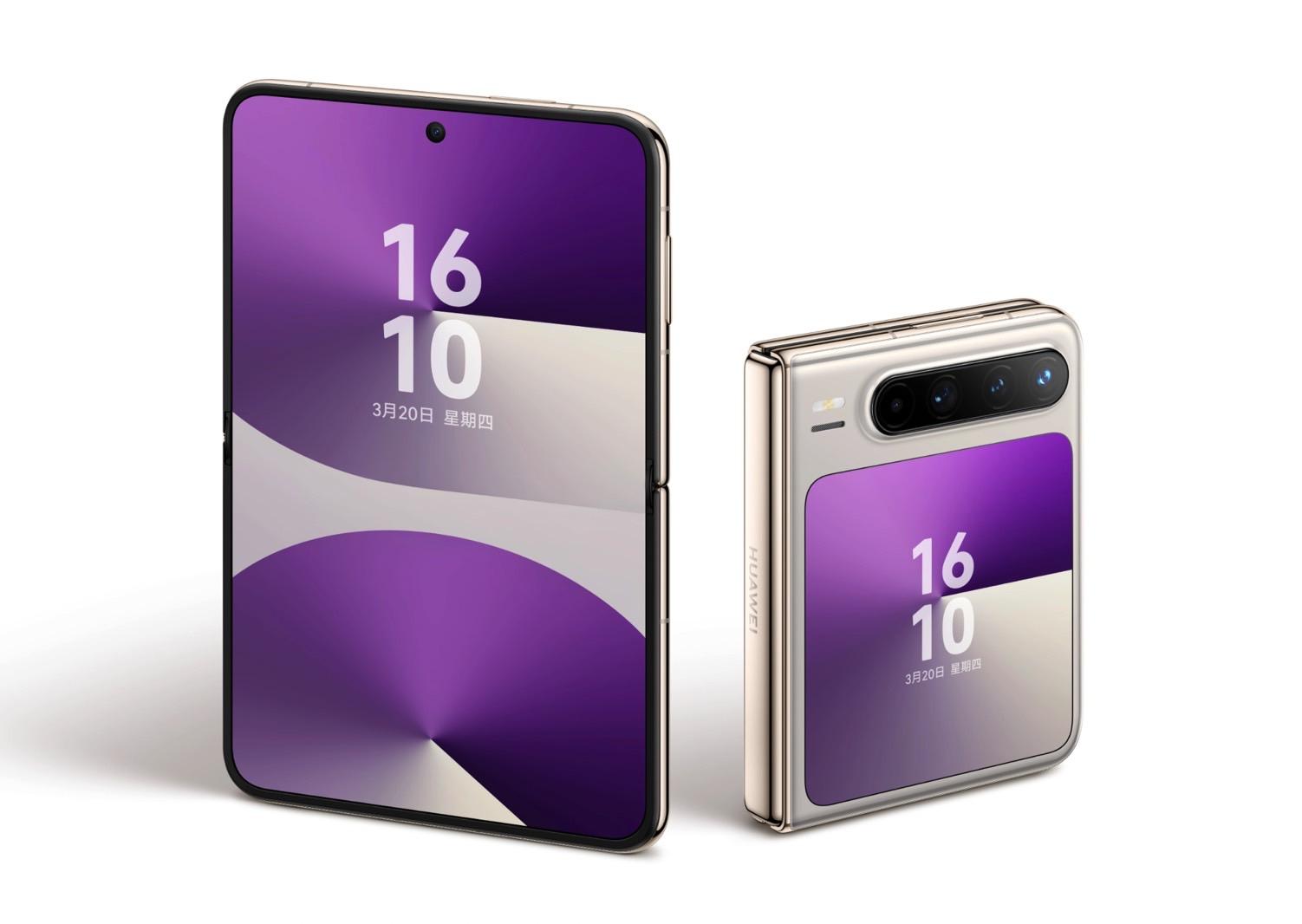
Huawei Pura X folded and unfolded.Huawei Pura X folded and unfolded. Image source: Huawei

Last week, Huawei unveiled the Pura X, a device unlike any other foldable. If anything, the Pura X (seen above) teases the iPhone Fold design.

The Pura X folds into a phone about as big as a clamshell foldable. Think Samsung’s Galaxy Z Flip 6. But when it unfolds, you get a tablet experience similar to the Galaxy Z Fold. That’s because this Flip-type device is wider than others. Put differently, You can look at the Pura X as a Fold-type device much shorter than the Galaxy Z Fold.

How does this design help Apple put Face ID on the foldable iPhone? Check out the horizontal camera bar of the Pura X. That’s the phone’s main camera system, which sits on top of the cover screen when the phone is folded, acting as a more advanced selfie camera system than your usual selfie cam.

Unfold the Pura X, and that camera system can be used both vertically and horizontally, depending on how you hold the foldable.

What interests me here is the Pura X’s main camera system always pointing at your face when you take the phone out to use it. If the iPhone Fold has a similar design, it could have an identical main camera placement.

There’s precedent in other foldables

I’m speculating here, but I think Apple could integrate Face ID components into the camera modules that are usually reserved for the back of the iPhone. With an iPhone Fold similar to the Pura X, that camera module would actually sit on the front. As ugly as that protrusion might be on the Pura X, a similar main camera placement would give the foldable iPhone Face ID support.

All of this is speculation at this point, yes. Also, I’d still have a Face ID problem that needs fixing. Unfold the Pura X, and you get a foldable phone with a hole-punch camera at the top. If that’s how the foldable iPhone looks, you can’t also place Face ID at the top of the foldable iPhone.

Therefore, unlocking apps with the screen unfolded remains a problem. 

Back to Samsung’s Galaxy Z Flip 6, I’ll tell you that the phone does support face recognition. The system works both with the hole-punch camera and the main camera lens placed atop the cover screen. I’ve used Samsung’s face unlock tech, and it works, even if it’s not as sophisticated as Apple’s.

Galaxy Z Fiip 6's camera supports face recognition scans.Galaxy Z Fiip 6’s camera supports face recognition scans. Image source: Chris Smith, BGR

What I’m getting at is that Apple could get Face ID working on the cover screen by turning the main camera module into a Face ID sensor. When the iPhone is unfolded, Apple could use 2D face unlock for non-sensitive apps or switch to Touch ID.

It all sounds complicated, yes. Using only Touch ID to unlock everything on your phone would be less trouble for users. But I still hope that Face ID will be available on foldable iPhones. Eventually, Face ID components will shrink, and foldable iPhones will support Face ID. But I’d want the tech in a first-gen device as well.

That said, the Pura X doesn’t support 3D face unlock. The Huawei foldable has a side-mounted fingerprint sensor instead.

Rumors say the iPhone Fold will not feature Face ID, but the foldable’s unusual design might make it possible.
Source

Posted on

iPhone Fold might look like this quirky new foldable you probably can’t buy

The first foldable iPhone is coming next year, barring some sort of really unfortunate event. After years of covering countless iPhone rumors, I’m comfortable saying that. We’ve reached a point in the rumor phase that precedes the launch of a big iPhone release where we see an increasing number of leaks from sources all saying the same thing.

Apple is preparing to launch the first foldable iPhone next year. The company has reportedly settled on the Fold-type design we’ve already seen from Samsung, Honor, Google, Oppo (OnePlus), and others. Rumors also say that Apple will deliver an almost crease-less foldable display, a design detail that’s been a priority for the iPhone maker.

Reports have also mentioned the purported screen sizes for the foldable iPhone, saying the handset will feature a 7.75-inch foldable screen and a 5.49-inch external screen. You don’t need schematics or dummy units to realize those measurements make no sense at first glance. They make no sense if you think Apple’s iPhone Fold will look like the Galaxy Z Fold.

That’s what I thought, and I employed ChatGPT to give me the dimensions of an iPhone foldable featuring those two screen sizes. The conclusion was obvious: Apple would work with a different aspect ratio. The iPhone Fold would not be as tall as the Galaxy Z Fold. When open, it would look more like a tablet than a Fold-type device.

Tech. Entertainment. Science. Your inbox.

Sign up for the most interesting tech & entertainment news out there.

By signing up, I agree to the Terms of Use and have reviewed the Privacy Notice.

Reports that followed also said the iPhone Fold will have a different aspect ratio.

Fast-forward to mid-March, and we have a brand new foldable phone launch on our hands. It’s a phone you’ll probably not be able to buy, and you might not even want to get it if it were launched in the States. It’s the Huawei Pura X in the image above. But what’s amazing about this foldable is that it gives us a visual idea of what the foldable iPhone will look like.

The Pura X, launched in China on Thursday, is priced at 7,499 yuan ($1,037). It’s a flagship device running Huawei’s proprietary HarmonyOS 5.

Huawei Pura X: Cover screen and back panel.Huawei Pura X: Cover screen and back panel. Image source: Huawei

Huawei developed this operating system after Trump banned the Chinese company from working with US tech companies during his first term. This forced Huawei to abandon Google’s Android and Qualcomm’s Snapdragon chips, significantly impacting its ability to compete.

The difference between the early versions of Harmony and HarmonyOS 5 is that the latter is Huawei’s brand-new OS that has no trace of Android. That might be a huge dealbreaker for anyone looking to buy the Pura X, even if the foldable was available in the US and other Western markets.

What’s really exciting about the Pura X is the design, which I immediately associated with the foldable iPhone rumors.

Huawei Pura X: Foldable screen looks like a small tablet.Huawei Pura X: Foldable screen looks like a small tablet. Image source: Huawei

Folded, the Pura X features a 3.5-inch cover screen with a triple-camera sensor placed at the top. This screen design suggests we’re looking at a Galaxy Z Flip-style clamshell, but that’s not really so.

Unfold the Pura X, and you get a massive 6.3-inch screen with an unusual 16:10 aspect ratio. The phone has small, symmetrical bezels and a hole-punch camera at the top. You can hold it in portrait mode like a regular candybar (or Flip clamshell) phone.

But that aspect ratio turns the Pura X into a much better tablet than the Galaxy Z Fold 6. The tablet experience makes me think of the iPad mini 6 or 7.

The two iPad mini variants feature the same design. I’ve long fantasized that a foldable iPhone would unfold to look like an iPad mini. The Pura X, combined with the foldable iPhone screen leaks from a few weeks ago, further reinforces my thinking.

The Pura X tablet experience.The Pura X tablet experience. Image source: Huawei
That said, the Pura X is smaller than the iPhone Fold-type phone, considering those rumors. The Pura X is 91.7mm tall when folded. That height becomes the width of the handset when you unfold it.

My ChatGPT calculations told me the foldable iPhone will have a height of 120.4mm to accommodate the 5.49-inch cover and 7.75-inch foldable displays. Both those screens are larger than the Pura X handset.

I’ll also point out that the Pura X design potentially solves one of my big issues with the foldable iPhone. The main camera module’s cover display placement could help Apple make Face ID possible. Some rumors say that Apple will bring back Touch ID for the handset, as Face ID components might not fit in an ultra-thin foldable iPhone.

The Pura X doesn’t seem to have 3D facial recognition support. It does feature a fingerprint sensor on the side button.

Separately, the thickness is another quirk about Huawei’s strange foldable. The phone measures 7.15mm when unfolded or 15.1mm when folded. That’s much thicker than even Samsung’s foldables. The foldable iPhone should be much thinner than that, according to reports.

Source

Posted on

Samsung to launch Galaxy Buds with bone conduction this summer

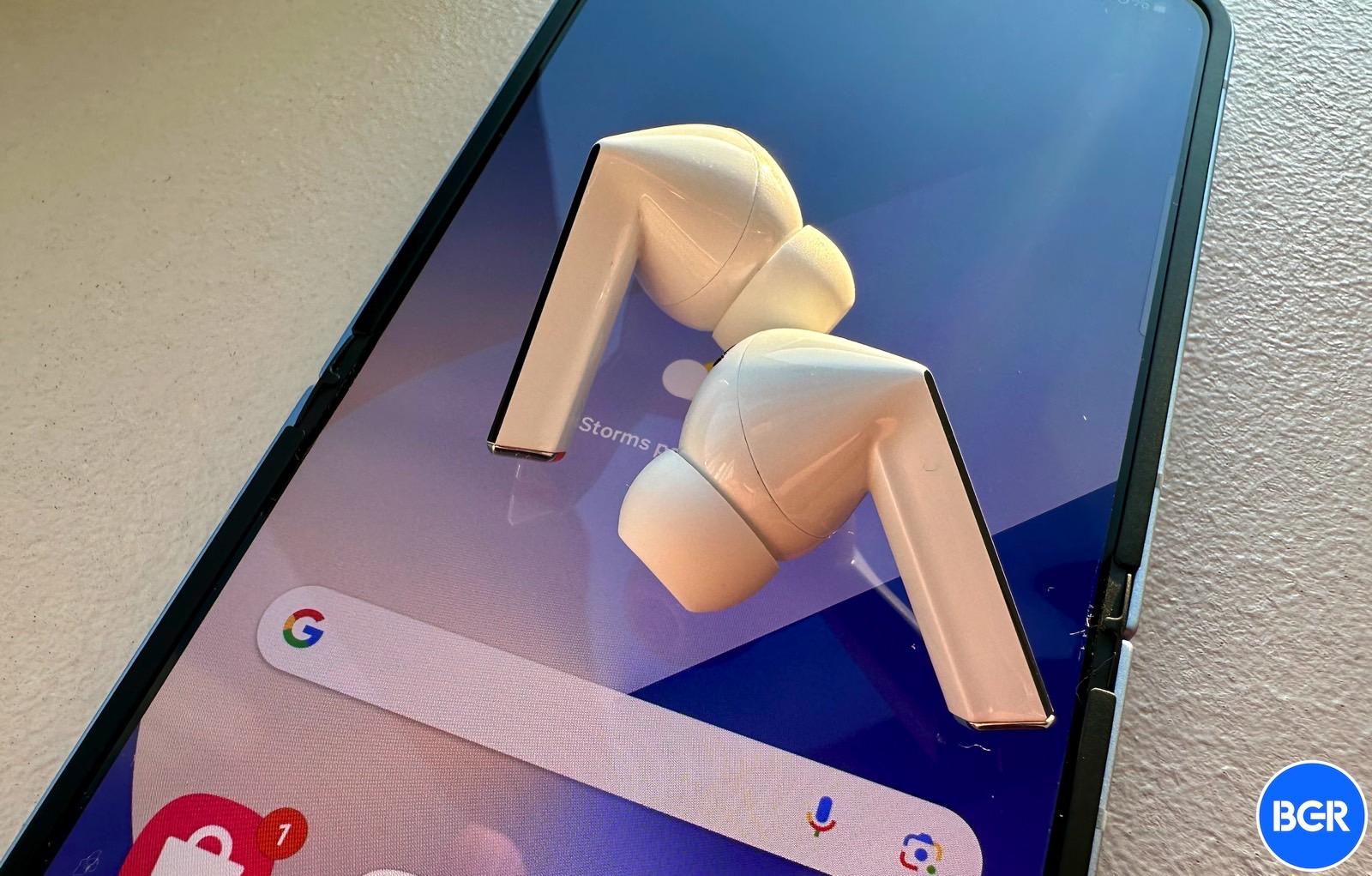
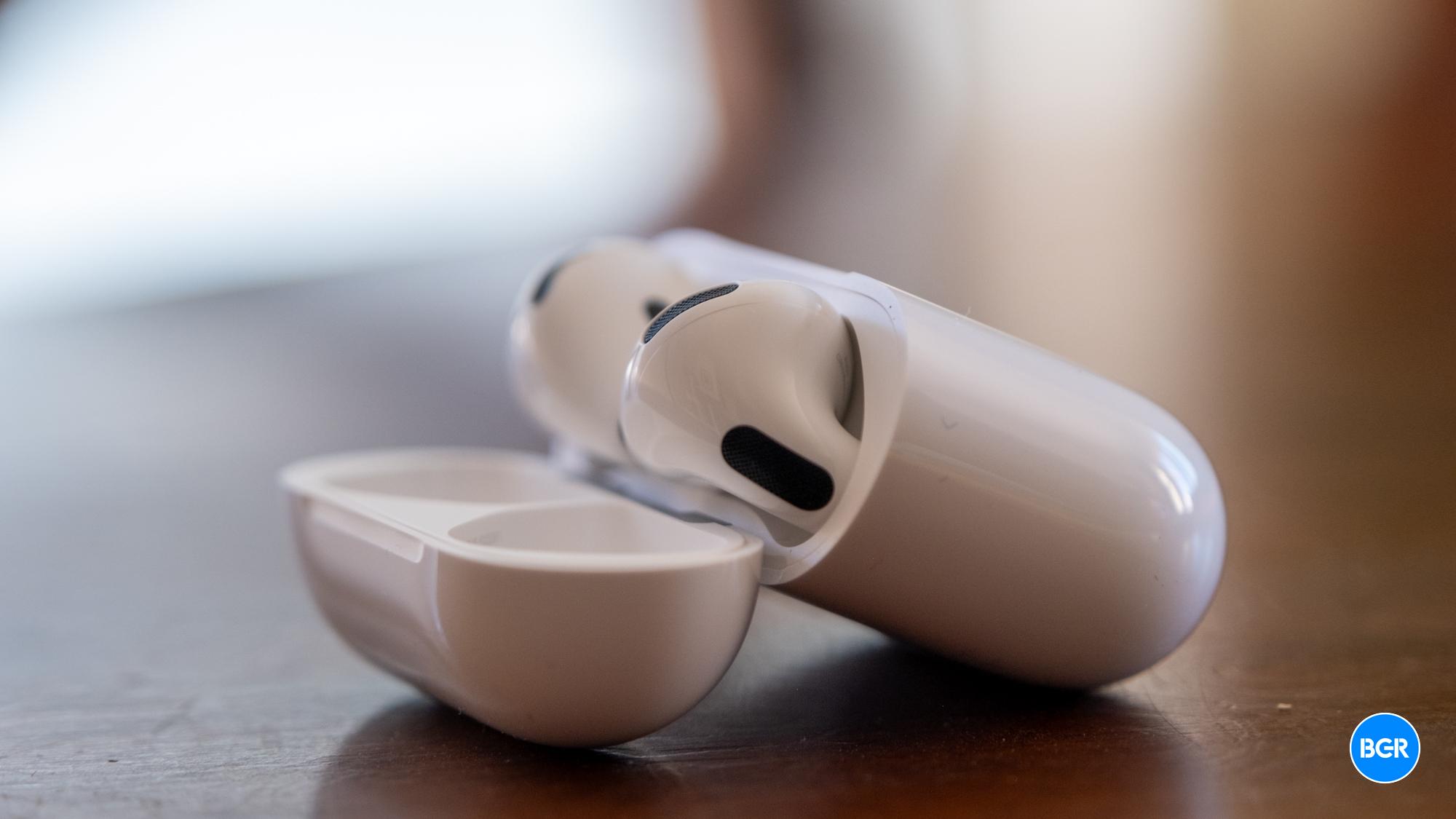
Last summer, Samsung launched new Galaxy Buds models with a brand new design (above), which turned out to be the least controversial aspect. The new earphones look a lot like Apple’s AirPods, featuring a stem for the first time. Samsung stayed away from adopting AirPods-like designs for years before deciding this was going to be the new look of the earphones.

I didn’t think copying Apple was such a big deal. I was more worried about the quality issues the first batch of Galaxy Buds models displayed. 

According to a report from Korea, Samsung will release new earphones this summer. The company is about to launch open-ear buds in a form factor it has never made before, beaming sound through the bone. This is in addition to updating the regular Galaxy Buds line with a new Galaxy Buds FE 2 model.

I ran my third marathon recently, wearing second-gen AirPods, the same wireless earphones I wore before.

Tech. Entertainment. Science. Your inbox.

Sign up for the most interesting tech & entertainment news out there.

By signing up, I agree to the Terms of Use and have reviewed the Privacy Notice.

But just before the race, I had a chance to test and buy the new Shokz OpenFit 2 open-ear earphones. The sound quality blew me away, but I didn’t buy them on the spot, thinking I’d find them later.

It turns out I can’t find them that easily. These are the latest earphones from Shokz launched at CES 2025. While they don’t rock the company’s bone-conduction tech, it’s still a new sound technology for this type of product. Essentially, your ears are open as sound is beamed through the air.

But I stopped at the Shokz booth before the race in the first place because I associate the company with bone-conduction earphones. I’ve considered buying a pair of Shokz more than once, but I kept finding excuses not to.

What I’m getting at is that I’m a runner who doesn’t want Active Noise Cancellation (ANC). I want to be aware of my surroundings, and bone-conduction earphones or open-ear models might be the way to go. Also, I’m looking forward to chatting to AI via voice more in the future, and I’ll need comfortable earphoens for that. Traditional AirPods might not cut it. 

All that is to say is that I’m not surprised to hear that Samsung is considering a new design for its Galaxy Buds line of earphones. Seoul Economic Daily says Samsung plans to unveil the product in July, likely during the Galaxy Z Fold 7 and Flip 7 launch event.

Codenamed “Able,” the product aims to cater to the needs of people who are into cycling or running, as bone-conduction sound tech allows them to hear their surroundings.

Also, this Galaxy Buds design might appeal to people who find regular AirPods-like earphone designs uncomfortable, and those who worry about hearing loss issues that might follow prolonged exposure to traditional earphones.

Samsung isn’t the only company exploring such designs; Sony and Huawei have also made similar devices. And, again, Shokz is well-known for its bone-conduction earphones.

It’s unclear how much the new Galaxy earbuds will cost or what they will look like. But Samsung reportedly plans to manufacture some 1.7 million units this year, which will account for 15% of the total number of Galaxy earphone shipments this year.

As for the actual design of the Able product, it hasn’t leaked. But since Galaxy products tend to leak before their official launch, expect to see this new Buds design in unofficial photos before the Unpacked event in July.

Source

Posted on

iOS 19 will bring live translation to your AirPods

Apple will supposedly give iOS 19 a big design overhaul this year, making the iPhone operating system look more like the visionOS than previous iOS releases.

A major design makeover might just be what Apple needs in light of its recent Apple Intelligence fiasco. The smart Siri assistant Apple promised last summer isn’t coming for at least a year. The best way to make iOS exciting is to give it a new coat of paint. At least that’s something ost iPhone users will care more about than AI features.

But Apple is also readying new features to go along with the redesign, and one interesting AirPods functionality has leaked. Apple plans to bring live translation support to AirPods via the iOS 19 upgrade, and the good news about it is that the feature should work with your existing AirPods.

Also, since I mentioned Apple Intelligence before, live translation is easily something Apple could sell under the iPhone’s AI umbrella of features. It wouldn’t be the only one.

Tech. Entertainment. Science. Your inbox.

Sign up for the most interesting tech & entertainment news out there.

By signing up, I agree to the Terms of Use and have reviewed the Privacy Notice.

Live Translate is one of the first Galaxy AI features that Samsung announced in late 2023. We learned that flagship phones would translate call conversations in real time, on-device, before we saw all the other tricks in the Galaxy AI suite of apps and features.

Samsung updated Live Translate before last summer’s Unpacked event to work on Galaxy phones with foldable displays. Regardless of phone form factor, you do not necessarily need earphones for Live Translate to work.

I wouldn’t be surprised if Apple included live translation in Apple Intelligence because translating live speech as it happens is actually a process that involves AI. Algorithms understand speech, convert it into text, and then translate and turn it back into voice.

We’ll have to wait for Apple to explain how live translation works in iOS 19, but Bloomberg’s Mark Gurman has an example:

The capability will work like this: If an English speaker is hearing someone talk in Spanish, the iPhone will translate the speech and relay it to the user’s AirPods in English. The English speaker’s words, meanwhile, will be translated into Spanish and played back by the iPhone.

That’s a clever use of hardware for both parties in the conversation to be able to chat by voice in real time.

Given that the iPhone will do the actual translation, the feature should work with any existing AirPods model. It should also work with other wireless earphones, assuming Apple wants to expand support to AirPods rivals. But I think Apple would rather keep the feature as an AirPods-only functionality that helps the company further differentiate its earphones from competitors.

The report also notes that Apple is working on new AirPods hardware, including AirPods Pro 3 and a model with built-in cameras for Apple Intelligence.

Source

Posted on

Galaxy S25 Edge specs leak teases an amazing ultra-thin phone

People in attendance at the Galaxy S25 Unpacked event last month might’ve been surprised by the product Samsung used to open the show: the new ultra-thin Galaxy S25 Edge. Then, during the hands-on experience, people crowded the Galaxy S25 Edge tables to take photos of the sleek new phone that Samsung teased briefly on stage.

Despite not being launched officially, the Galaxy S25 Edge was the big star of the show, and I’m not surprised. It can’t be just me who is interested in an ultra-thin flagship phone. I’m already looking forward to buying the iPhone 17 Air that Apple is expected to introduce this year. That’s the iPhone model that supposedly inspired Samsung to rush and unveil the Galaxy S25 Edge before Apple shows off its super-thin handset in September.

Samsung did not reveal Galaxy S25 Edge specs details at the show. While we speculated the handset would have high-end hardware like the rest of the Galaxy S25 series, we didn’t get actual confirmation at the event.

Now, someone posted on YouTube a very early hands-on video showing the Galaxy S25 Edge in action, complete with specs. The video was quickly pulled, but it confirmed leaks saying that the handset will rock high-end hardware despite being so thin.

Tech. Entertainment. Science. Your inbox.

Sign up for the most interesting tech & entertainment news out there.

By signing up, I agree to the Terms of Use and have reviewed the Privacy Notice.

According to SamMobile, which was among those quick enough to see the video before it was removed, the Galaxy S25 Edge is under 6mm thin. This seems to confirm rumors pointing to a profile of 5.84mm. Comparatively, the base Galaxy S25 model is 7.2mm thick.

The same YouTuber also provided the main hardware specs for the Galaxy S25 Edge units they tested. The phone features the Snapdragon 8 Elite chip, 12GB of RAM, 256GB of storage, and a 4,000 mAh battery.

The specs app the YouTuber used also provided purported camera details, suggesting the phone has three 12-megapixel cameras. However, the Galaxy S25 Edge only features two cameras on the back.

SamMobile explained that the app used to collect specs details usually messes up camera hardware, as the app looks at the default resolution of photos. The Galaxy S25 is rumored to feature a 200-megapixel main sensor rather than a 12-megapixel camera.

Camera specs aside, the rest of the hardware specs tell an impressive story. The Galaxy S25 Edge will apparently feature specs on par with the thicker Galaxy S25 phones.

All three Galaxy S25 models pack the same Snapdragon 8 Elite chip and pack at least 12GB of RAM. The list includes the Galaxy S25 Ultra, the best Galaxy S25 flavor you can buy.

Samsung Galaxy S25+ blue backSamsung Galaxy S25 Plus in blue back. Image source: Christian de Looper for BGR
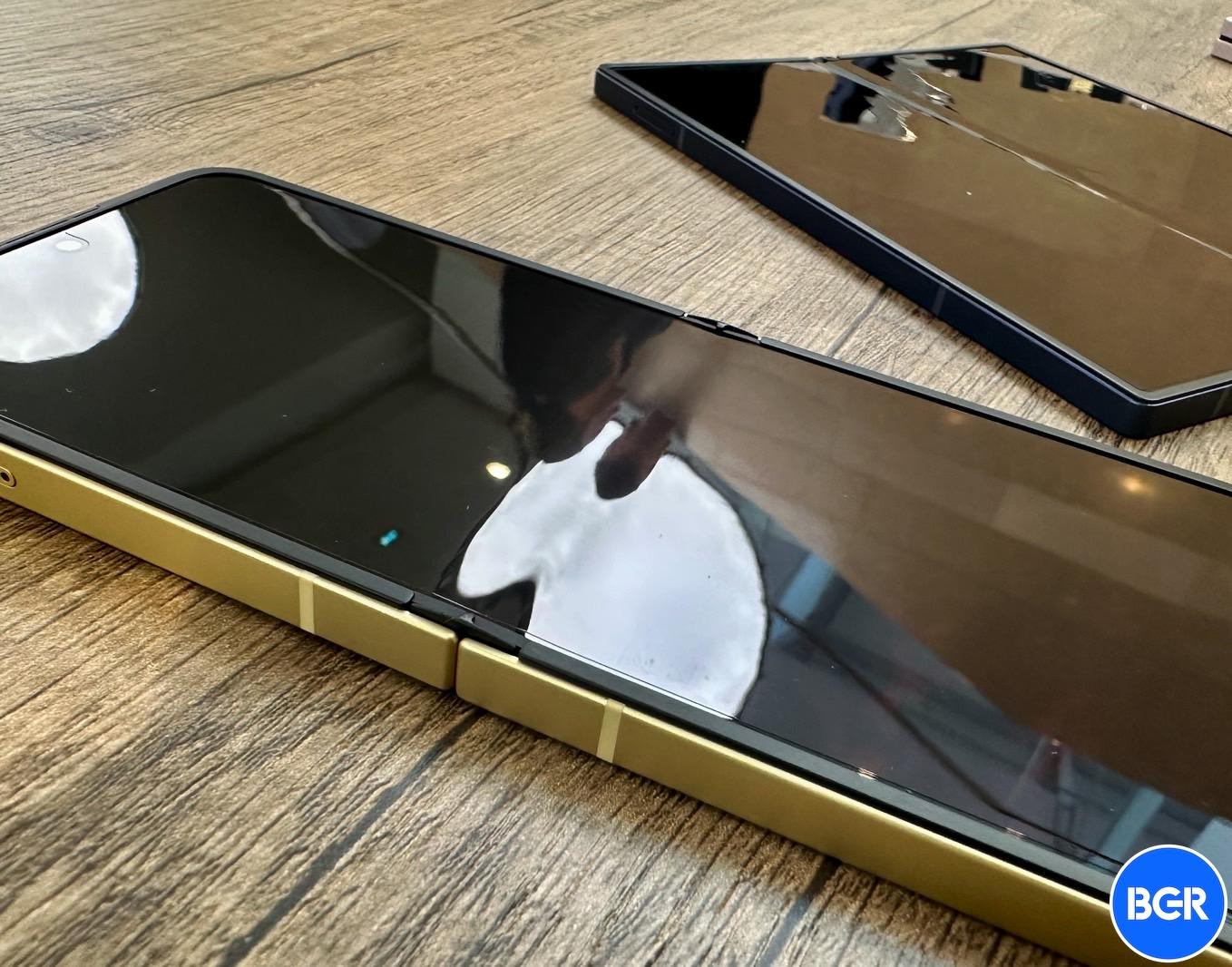
The base Galaxy S25 model, which we’ve called maybe the most minor update in history, starts at 128GB of storage. The Galaxy S25 Plus model above starts at 256GB of storage.

More interesting is the Galaxy S25 Edge battery claim. At 4,000 mAh, the battery is as big as the Galaxy S25’s battery pack. However, given the phone’s nimble profile, the Galaxy S25 Edge battery has to be thinner and taller.

It’s unclear what compromises Samsung might have made to reduce the Galaxy S25 Edge’s thickness. The Snapdragon 8 Elite chip might be underclocked compared to the regular version. The phone’s thickness might have impacted the cooling system and other internal components. 

The battery might match the Galaxy S25’s size, but the phone should have a larger screen, which will inevitably consume more energy.

Even if the specs aren’t confirmed for the camera, we know the handset will feature two lenses instead of three.

That said, I’m cautiously optimistic about the Galaxy S25 Edge. The phone will have high-end specs in an ultra-thin body.

Samsung’s confidence in its ability to pull off a high-end ultra-thin Galaxy S phone makes me even more excited about the iPhone 17 Air. Remember that Samsung would have never made an ultra-thin Galaxy S phone without Apple first making a slim iPhone.

With March approaching, we’re getting closer to the Galaxy S25 Edge launch event. Samsung only teased the handset in January, but the ultra-thin phone should be launched in the second quarter.

Source

Posted on

How Apple plans to fix the biggest design flaw of foldable phones

Apple will supposedly launch its first foldable iPhone in 2026, a phone we’ve been calling the iPhone Fold on account of its presumed design. The phone will fold like a book, which is the design Samsung first used for a foldable of its own, called the Galaxy Z Fold. Since then, many Chinese smartphone vendors released Fold-type phones.

When the iPhone Fold arrives, Apple might do something that Samsung and other Chinese companies haven’t really been able to do. Apple might release a foldable phone with an almost perfect foldable screen. That is, the foldable display might be creaseless, with Apple having reportedly spared no expense to fix this foldable phone design compromise. 

That’s according to a report from Korea that claims Apple will finalize its supply chain for the first-gen iPhone Fold this year, with component manufacturing to start by the end of the year.

Apple’s purported manufacturing plans for the iPhone Fold come from ETNews. The Korean outlet has learned that supplier selection is imminent, as Apple managed to improve the display crease significantly. By April, Apple should have chosen the suppliers that would manufacture key iPhone Fold components.

Tech. Entertainment. Science. Your inbox.

Sign up for the most interesting tech & entertainment news out there.

By signing up, I agree to the Terms of Use and have reviewed the Privacy Notice.

This development suggests that Apple will indeed release a foldable iPhone next year, matching claims from other recent rumors.

Samsung will be the sole manufacturer of that nearly creaseless display. Apple reportedly worked only with Samsung since last year. Apparently, it’s only Samsung Display that managed to deliver a screen that matches Apple’s needs.

Galaxy Z Fold 6 crease.Galaxy Z Fold 6 has a large crease. Image source: Chris Smith, BGR
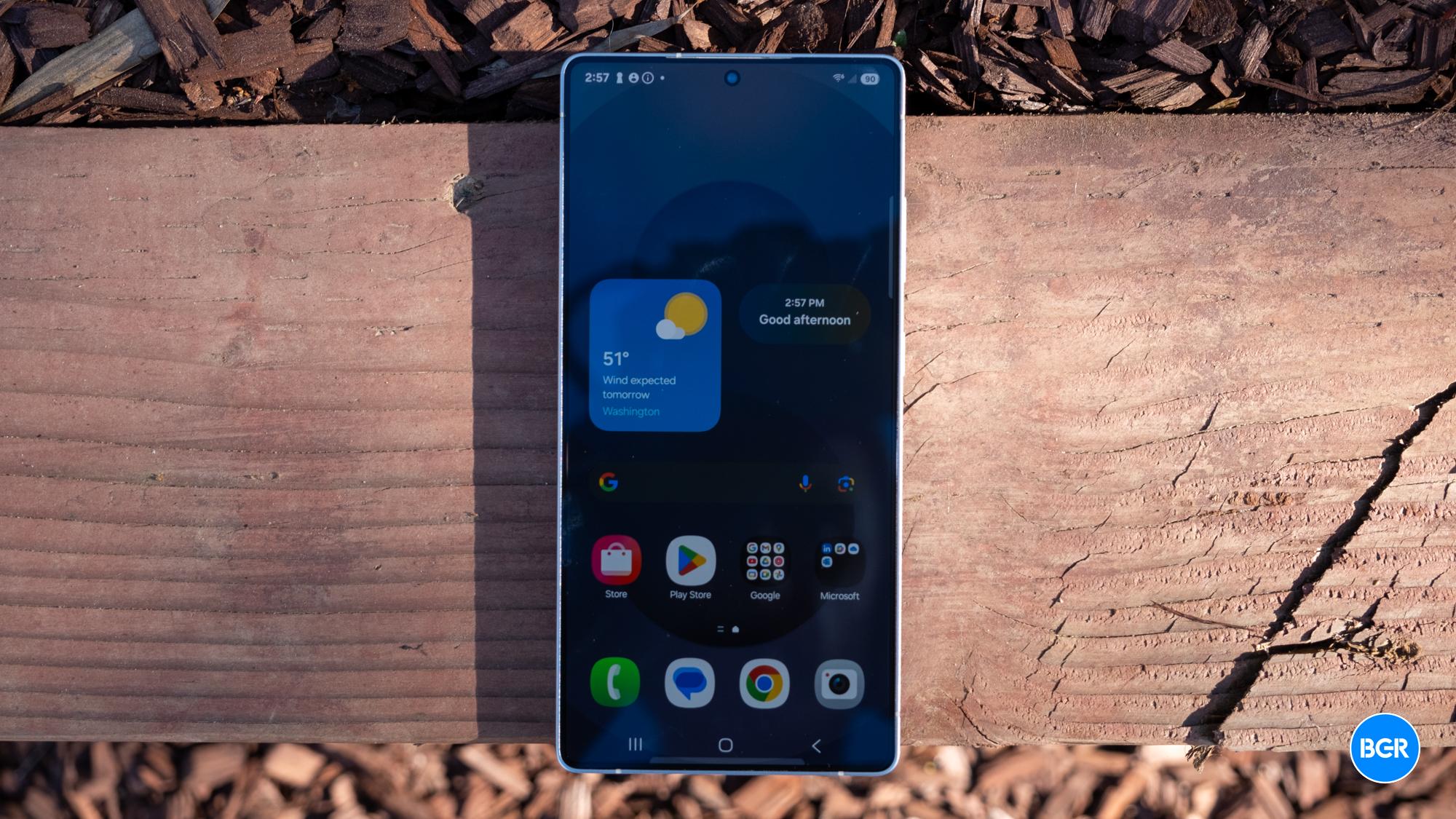
That means Samsung might be the first company to significantly improve the foldable display crease. As a reminder, the Galaxy Z Fold SE has a significantly reduced crease. The upcoming Galaxy Z Fold 7 should be based on the same design. It’s unclear, however, if Samsung is using the same innovations on its own phones.

Unsurprisingly, Apple had strict technical requirements from Samsung on how to fix the display crease.

“Apple has made the decision to eliminate creases completely, regardless of cost, in order to differentiate their foldable phone from existing models,” an insider told the outlet. “It is understood that they have successfully achieved this by using new materials that prevent creases from forming on the display.” It’s unclear what these materials are.

The report provides another interesting detail about the iPhone Fold design. Fixing the crease doesn’t mean fixing only the foldable screen. It also means looking at how the screen connects to the hinge below it and the ultra-thin glass at the top. 

Apparently, Apple has found a way to prevent creasing by looking at the problem holistically. The report also says Apple has encouraged cooperation between the various parts suppliers.

Samsung will provide the foldable OLED panel for the iPhone Fold. Amphenol, which manufactures hinges for MacBook Pros, has been tapped to make the iPhone Fold’s hinge.

Apple will reportedly use Corning cover screens, likely for the external display. The foldable screen will get ultra-thin glass covers, similar to Samsung’s Galaxy Z Fold models. Samsung might provide UTG tech, though Apple is reportedly working with other components.

A foldable display with no crease will surely offer Apple an advantage over rivals next year. That’s assuming Samsung and others won’t come up with almost creaseless foldable phone screens themselves. It’s not just the Galaxy Z Fold SE that might feature a smaller crease. The recently launched Oppo Find N5 also supposedly features a smaller crease.

The crease might not be the only thing that sets the iPhone Fold apart. Recent reports from China have revealed the purported screen sizes for the foldable iPhone. They suggest the phone will be much shorter than the Galaxy Z Fold 6. When opened, this phone would look a lot like an iPad mini.

Source

Posted on

Galaxy S25 Ultra vs. iPhone 16 Pro Max real-life battery test: Almost indentical

Apple’s iPhone 16 delivers great battery life, as we’ve seen in various tests and reviews performed after Apple unveiled the phone in September. The iPhone 16 Pro Max, which rocks the largest battery capacity of the four models, also delivers the best battery life.

Now that the Galaxy S25 phones are out, the obvious battery life comparisons have started to drop, comparing Samsung’s latest phones against the latest iPhones. The most obvious contest is between the Galaxy S25 Ultra and the iPhone 16 Pro Max the phones with the largest battery packs of their respective series.

A few months ago, we saw battery life comparisons between the Galaxy S24 Ultra and the iPhone 16 Pro Max, with each phone coming out on top.

One of the more objective comparisons, offering a test meant to mimic the real-life use of a smartphone, came from the YouTube channel PhoneBuff. The iPhone 16 Pro Max won that battle by nearly an hour of extra life, though the Galaxy S24 Ultra put up a great fight.

Tech. Entertainment. Science. Your inbox.

Sign up for the most interesting tech & entertainment news out there.

By signing up, I agree to the Terms of Use and have reviewed the Privacy Notice.

Fast-forward to mid-February, and we have a similar battery life test featuring the Galaxy S25 Ultra and the iPhone 16 Pro Max. Apple’s handset won the contest, but by only a few minutes.

Ahead of the Galaxy S25 launch event, we knew the Snapdragon 8 Elite chip did tremendously well in battery life tests. This prompted me to speculate the ultra-thin Galaxy S25 Edge will feature great battery life despite rocking a smaller battery. While we’re yet to see the Edge in the wild, we know the Galaxy S25 Ultra can offer great battery life.

We noted in our Galaxy S25 Ultra review that battery life seems to have improved for the Galaxy S25 Ultra. The phone can easily last up to two days with light use. The Snapdragon 8 Elite, a custom version for the Galaxy S25 Ultra, delivers better performance than its predecessor and improved efficiency gains. The Galaxy S25 phones also feature vapor chambers to help cool the processor off.

We already saw that processor in action in a speed test from the same YouTuber, where the Galaxy S25 Ultra crushed the iPhone 16 Pro Max in a way I didn’t think possible.

Galaxy S25 Ultra vs. iPhone 16 Pro Max battery life test results.Galaxy S25 Ultra vs. iPhone 16 Pro Max battery life test results. Image source: YouTube
The processor’s efficiencies must be the reason the Galaxy S25 Ultra does so well in the battery life test PhoneBuff posted on YouTube.

Like the speed test, the battery life battle features a robot programmed to navigate apps in a specific order to mimic real-life use. The robot went through phone calls, texting, internet browsing, social apps, games, music, video streaming, and even navigation apps to replicate what we normally do on phones.

The battery life test also included a standby period to account for battery depletion when the handset is not used.

The iPhone 16 Pro Max won the battery life duel with 28 hours and 1 minute, while the Galaxy S25 Ultra died after 27 hours and 50 minutes. The advantage of the iPhone dropped significantly compared to the Galaxy S24 Ultra. The iPhone’s performance is impressive, considering it actually has a smaller battery than the Galaxy S25 Ultra.

However, it’s clear the Snapdragon 8 Elite chip is responsible for the phone’s battery life gains. After all, Samsung used the same 5,000 mAh battery for both the Galaxy S24 Ultra and the S25 Ultra.

The only other thing that’s different is the operating system. The Galaxy S25 Ultra runs Android 15 (One UI 7) out of the box, while the S24 Ultra rocked Android 14. One UI 7 is still too new. Additional optimizations might improve battery life down the road. But even so, the Galaxy S25 phones should deliver better batery life than its predecessors, especially the Ultra.

The battery life test follows in full below:

Source

Posted on

Apple Invites and Sports apps could hint at major iOS 19 redesign

This past year, Apple released two new apps: Apple Invites and Apple Sports. Besides that, with iOS 18, the company unveiled two unique UIs for the Action Button and the iMessage menu. With all that in mind, some iPhone users think Apple might be preparing a big iOS 19 redesign, and they might be correct.

Before iOS 18 was introduced, there was an ongoing rumor that Apple was planning a visionOS-like redesign for this software update. While it didn’t happen, it’s only natural that this rumor might be passed to iOS 19.

In January, Front Page Tech also suggested iOS 19 might get a redesign inspired by visionOS, especially the Camera app, which several users find more confusing than ever. With several layers of interaction, some have suggested Apple might need to make the Camera app simple again, and redesigning it with the visionOS UI might be a possibility.

On social media, one X user shared several screenshots of the Apple Invites app and asked, “Does this mean iOS 19 is getting a UI redesign?” Another was more confident: “iOS 19 is redesign year. I’m calling it.”

Tech. Entertainment. Science. Your inbox.

Sign up for the most interesting tech & entertainment news out there.

By signing up, I agree to the Terms of Use and have reviewed the Privacy Notice.

So far, it’s unclear if Apple plans to redesign iOS 19. Since the significant iOS 7 overhaul, Apple has been cautious enough to make slight changes over the updates. While the company hasn’t completely overhauled its system at once, the iPhone operating system is far different from what it was a decade ago.

Apple Sports appImage source: Apple Inc.

Still, that didn’t stop Apple from revamping the Control Center and the Home Screen with customizable widgets, tinted icons, and so on.

Users have been asking for a visionOS-inspired iOS update as Apple has prioritized rounder cards, glassy effects, and other UI changes previously unavailable on iOS. In addition, with less exciting iPhone updates, Apple needs to make the software stand out so upgrading becomes more enticing. Otherwise, the company might have its Samsung Galaxy S25 moment, with the same smartphone with a few software tweaks as new features.

Wrap up

BGR has a comprehensive iOS 19 guide. We’ll keep updating it as we learn more about this future software update, which is expected to be announced at WWDC 2025 around June.

Source

Posted on

DeepSeek AI bans in the US have begun

The other day, I wondered whether the US should consider a DeepSeek ban amid all the excitement. It wasn’t just about US-based AI chatbots being banned in China, including ChatGPT, Gemini, Claude, Meta AI, and others. It’s also about the DeepSeek privacy policy since all data is sent in China. Also, there’s the DeepSeek censorship related to sensitive topics for China, and the risk of China using AI algorithms in its own interest, similar to how TikTok allegedly operated its algorithm.

While I started wondering whether a US ban on DeepSeek was imminent, it looks like localized bans were in effect long before then. The US Navy issued an order on Friday warning “shipmates” not to use DeepSeek AI “in any capacity” due to “potential security and ethical concerns associated with the model’s origin and usage.”

A spokesperson for the US Navy confirmed to CNBC that the email it reported on was genuine. The email was in reference to the Department of the Navy’s Chief Information Officer’s generative AI policy.

“We would like to bring to your attention a critical update regarding a new AI model called DeepSeek,” the email said. The US Navy informed everyone in the OpNav distribution list that it was “imperative” that members do not use DeepSeek AI “for any work-related tasks or personal use.”

Tech. Entertainment. Science. Your inbox.

Sign up for the most interesting tech & entertainment news out there.

By signing up, I agree to the Terms of Use and have reviewed the Privacy Notice.

Recipients were told to “refrain from downloading, installing, or using the DeepSeek model in any capacity.”

OpNav stands for Operational Navy, which means the email was an all-hands demo. CNBC further explains that the warning was based on an advisory from the Naval Air Warcraft Center Division Cyber Workforce Manager.

A specific, localized ban on the use of generative AI like ChatGPT isn’t surprising for any new AI tool, whether DeepSeek or something else. It happened during the early days of ChatGPT, both in the US and internationally. Countries in the EU even briefly banned OpenAI’s chatbot, citing privacy issues.

Such bans were applied at the company level, with Samsung’s ban on ChatGPT being one of the memorable ones. At the time, some Samsung employees uploaded sensitive code to ChatGPT. The early days of ChatGPT use were not the best for privacy-conscious individuals. It wasn’t easy to opt out of model training, as OpenAI made several improvements to its privacy policy along the way.

Similar precautions should be taken with DeepSeek AI, especially by governmental employees like the US Navy. I wouldn’t be surprised if other military or government branches issued similar messages in the US and other countries. In a way, this mimics the US government’s reaction to TikTok, which was initially banned from devices belonging to government employees.

Then there are the special concerns mentioned above. DeepSeek user data and chat content go to China, and DeepSeek also conducts censorship in real time. It makes sense for the US Navy to ban DeepSeek and do it very early. The memo was sent out on Friday, just a few days before DeepSeek went viral.

Source

Posted on

This ‘boring’ new iPhone 17 Air leak is music to my ears

The iPhone 16 Plus was the first large device in my long history as an iPhone user. I wanted the larger display but couldn’t settle for the Plus’s larger footprint. After nearly two months with the handset, I’m convinced that the iPhone 17 Air will be the best option for me once the iPhone 17 hits stores.

I’m ready to make all sorts of compromises to get a large-screen iPhone with a slim profile. I’ll accept a single-lens camera experience, the disappearance of SIM cards in Europe, a less-than-stellar speaker, and even battery life that can’t possibly be as good as the iPhone 16 Plus.

The compromise I’m not going to go for concerns iPhone performance. The iPhone 17 Air should rock the same A19 chip as the base iPhone 17 model. I wouldn’t want Apple to nerf the Air variant in any way by throttling performance to prevent overheating. That’s something Apple could always do, especially considering the brief overheating issues with the iPhone 15 Pro in the first weeks after launch.

That’s why a leak saying every iPhone 17 model will get vapor chambers this year is music to my ears, no matter how boring it might sound.

Tech. Entertainment. Science. Your inbox.

Sign up for the most interesting tech & entertainment news out there.

By signing up, I agree to the Terms of Use and have reviewed the Privacy Notice.

Most iPhone buyers will not care about how the iPhone they’re about to buy handles the heat coming from that fast processor and the battery. They’ll want the brand-new device to “just work” as soon as they take it out of the box.

But then, when the same buyers experience overheating issues with devices like the iPhone 15 Pro, they’ll want it fixed. They’ll want Apple to handle it without impacting the iPhone’s performance.

The iPhone 16 series doesn’t come with cooling issues, or they would have been obvious by now. Overheating was never a thing on the iPhone 16 Plus. Apple did, after all, improve cooling on these iPhones.

Apple didn’t add a vapor cooling chamber to the iPhone 16 models, though it might have such plans for this year’s iPhones. A vapor chamber might move heat more efficiently from the processor to the phone’s exterior.

Galaxy Z Fold 6 features a larger vapor chamber than the Fold 5.Galaxy Z Fold 6 features a larger vapor chamber than the Fold 5. Image source: Chris Smith, BGR


During the Galaxy Z Fold 6 and Flip 6 launch events last summer, Samsung made a point of showcasing the larger vapor chambers inside these devices. Many Android flagships feature vapor chamber cooling.

A report from Ming-Chi Kuo said last August that the iPhone 17 Pro Max would feature a vapor chamber, a first for the iPhone. Fast-forward to mid-January, and MyDrivers now claims that all four iPhone 17 models will get vapor chambers for better cooling.

As with other rumors, this iPhone 17 hardware detail is unconfirmed for now. We’ll need to wait until Apple unveils the phones to see the cooling system in action. Teardowns following the iPhone 17’s release will also give us a look inside the four iPhones.

But the rumor is all the more exciting when you consider the latest iPhone 17 Air reports. The ultra-thin phone might be just 5.5mm thick. Apple will have to squeeze a decent battery in that space, along with all the other components that an iPhone 17 series phone will get. Packing a vapor champer inside such a thin body will be a feat of engineering.

We won’t even have to wait until September to see a vapor chamber inside an ultra-thin flagship phone. The Galaxy S25 Slim will reportedly hit stores this May. The phone will feature the same Snapdragon 8 Elite chip as Samsung’s thicker Galaxy S25 flavors. Since Samsung uses vapor chamber cooling tech in these phones, it’ll probably craft one for the Galaxy S25 Slim to ensure proper cooling.

Source