Posted on

This controller could turn your iPhone into a real gaming console

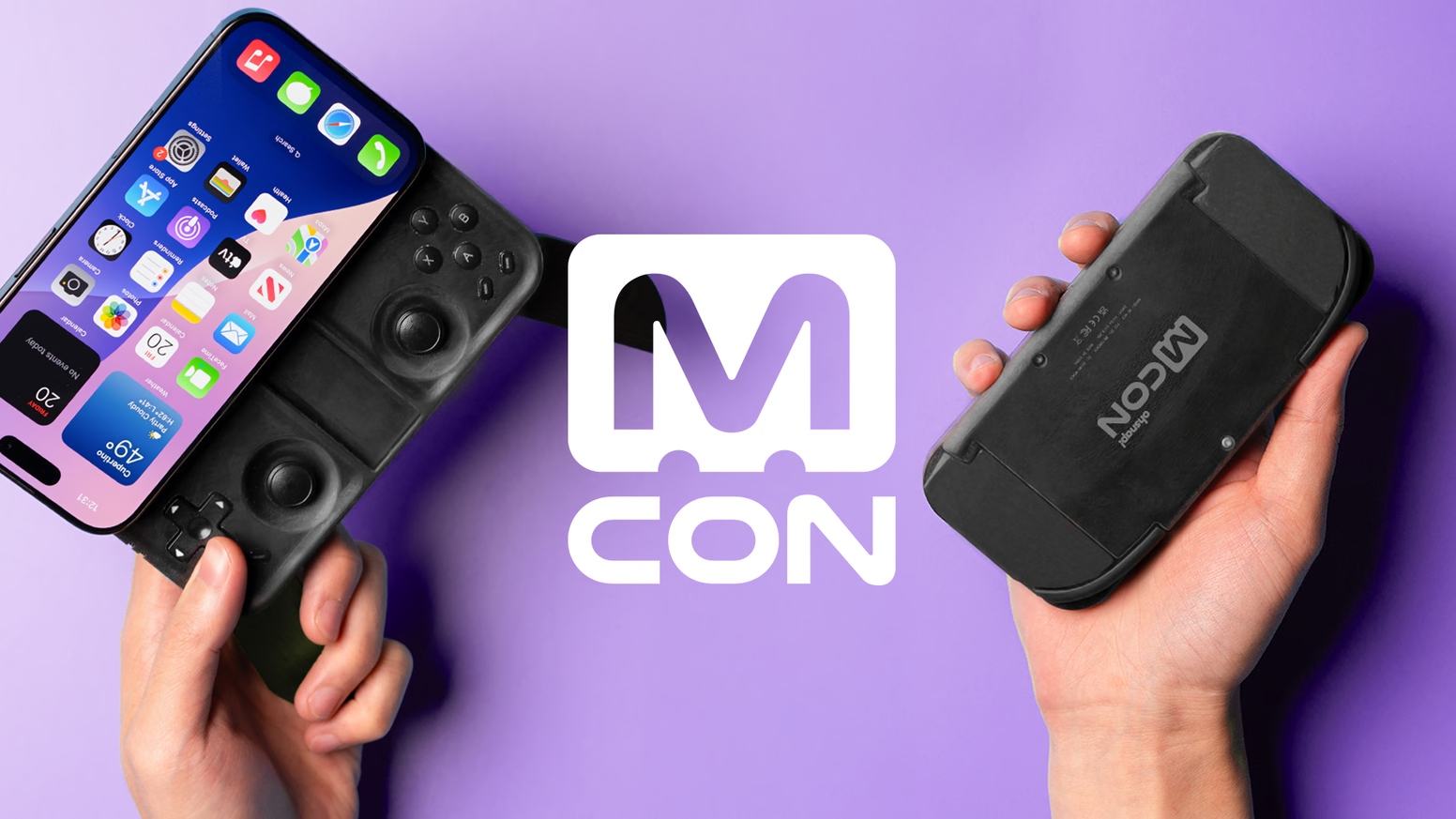
Over the past few months, I’ve been following an intrepid creator looking to solve a problem I’m familiar with. Finding a solid video game controller for a smartphone has always been a struggle. There are tons of Bluetooth controllers on the market, as well as some that attach directly to the phone. The problem with these controllers is that you have to lug around a separate accessory with you everywhere you go. The MCON solves that problem.

Now available to back on Kickstarter, the MCON is a mobile controller that attaches to the back of any phone magnetically. When not in use, the MCON slides behind your phone, allowing you to leave it attached at all times, even if you use a case.

Once you’ve attached the controller to your phone, you can quite literally “launch” it at any time by pressing down on two buttons that will spring your phone up. The controller itself features A, B, X, and Y buttons as well as a D-pad, two Hall-effect joysticks, function buttons, and right and left triggers. There are also two fold-out grips that improve the ergonomics during your long play sessions and make the device look more like a traditional controller.

In order to support as many phones as possible, the controller ships with two 2.5mm discs that are embedded with MagSafe magnet arrays. If your iPhone has a camera bump, you can stack one or both of the pucks on the MCON to ensure there’s enough clearance. If you have a case, it might create enough clearance on its own.

Tech. Entertainment. Science. Your inbox.

Sign up for the most interesting tech & entertainment news out there.

By signing up, I agree to the Terms of Use and have reviewed the Privacy Notice.

On the other hand, if you have an Android phone or a device without MagSafe, you can use the included adhesive MagSafe adapter to make the controller fit your phone.

The MCON controller will retail for $149, but there are several early bird promotions available to those who back the product on Kickstarter, bringing the price as low as $99. It will come and white and black colors, and should be delivered in August 2025.

If you decide to pick one up, inside the box, you’ll find the MCON controller, a USB-C cable, two magnetic pucks, and an adhesive MagSafe adapter.

Source

Posted on

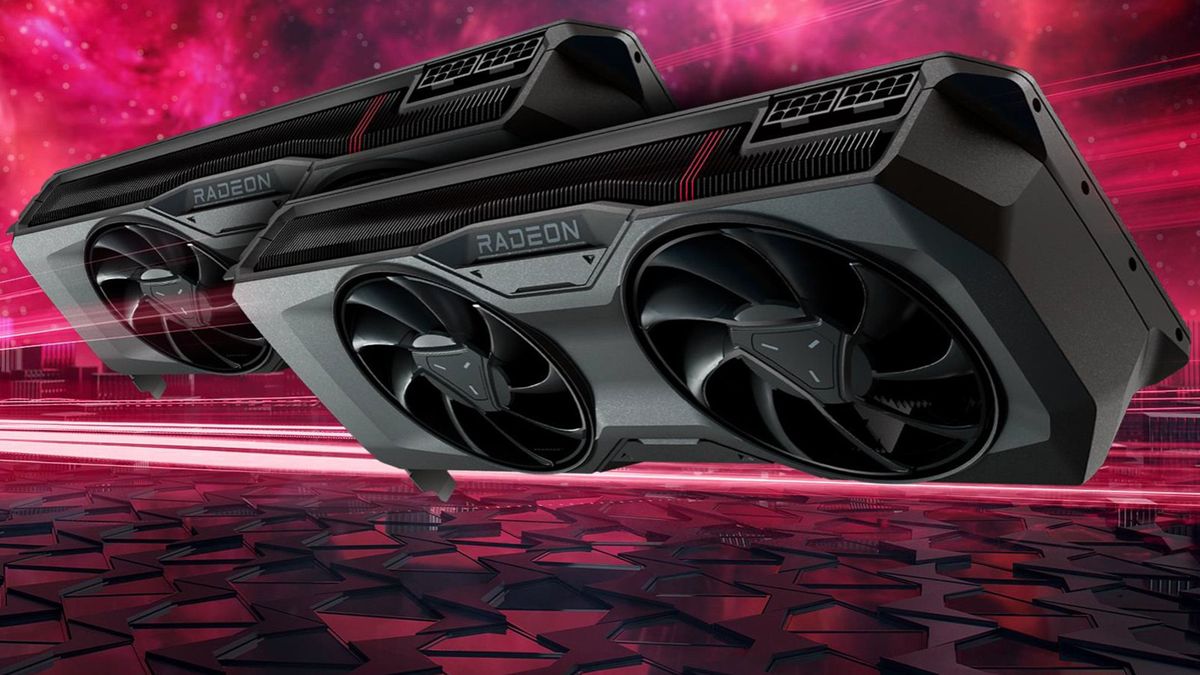
AMD announces new Radeon RX 9070 XT and RX 9070 graphics cards at CES 2025

AMD announced its latest RDNA 4 graphics cards at CES 2025 this week, the AMD Radeon RX 9070 XT and AMD Radeon RX 9070, both targeting the midrange graphics card segment, as was widely expected.

There isn’t much that we know about the two new cards yet, other than the new numbering scheme is intended to make it easier to compare AMD’s Radeon cards against the competition, namely Nvidia.

Under this new numbering scheme, the Radeon RX XX70 cards are now meant to compete against Nvidia’s XX70 cards, with the Radeon RX 9070 XT going up against the Nvidia GeForce RTX 5070 Ti and the RX 9070 going up against the RTX 5070. AMD has also teased a later launch for Radeon RX 9060 cards, which would then go up against the Nvidia RTX 5060 Ti and RTX 5060.

Things get a bit more complicated when comparing these new cards against their predecessors, with AMD indicating that the RX 9070 series is replacing everything from the AMD RX 7900 XT to the RX 7800 XT, while the RX 9060 series is roughly replacing the RX 7700 XT and RX 7600 XT (the RX 7600 would presumably be replaced by a lower tier than these two).

It hasn’t said whether or not there will be any RX 9080 or RX 9090 cards, but given all of the talk about AMD conceding the premium enthusiast segment to Nvidia this generation, the 9070 and 9060 series cards are likely to be the only cards we get this go around.

No price or firm release date has been given, only that we should expect the new Radeon cards in Q1 2025.

Is abandoning the enthusiast segment a smart move for AMD?

AMD’s apparent decision to cede the enthusiast segment to focus on the midrange and upper-budget segments has been telegraphed by AMD for a while now, and it appears that this is in fact what AMD has planned.

{ window.reliablePageLoad.then(() => { var componentContainer = document.querySelector(“#slice-container-newsletterForm-articleInbodyContent-eKtHmQxXsDaUyB3uDFEMp”); if (componentContainer) { var data = {“layout”:”inbodyContent”,”header”:”Get daily insight, inspiration and deals in your inbox”,”tagline”:”Sign up for breaking news, reviews, opinion, top tech deals, and more.”,”formFooterText”:”By submitting your information you agree to the Terms & Conditions and Privacy Policy and are aged 16 or over.”,”successMessage”:{“body”:”Thank you for signing up. You will receive a confirmation email shortly.”},”failureMessage”:”There was a problem. Please refresh the page and try again.”,”method”:”POST”,”inputs”:[{“type”:”hidden”,”name”:”NAME”},{“type”:”email”,”name”:”MAIL”,”placeholder”:”Your Email Address”,”required”:true},{“type”:”hidden”,”name”:”NEWSLETTER_CODE”,”value”:”XTR-D”},{“type”:”hidden”,”name”:”LANG”,”value”:”EN”},{“type”:”hidden”,”name”:”SOURCE”,”value”:”60″},{“type”:”hidden”,”name”:”COUNTRY”},{“type”:”checkbox”,”name”:”CONTACT_OTHER_BRANDS”,”label”:{“text”:”Contact me with news and offers from other Future brands”}},{“type”:”checkbox”,”name”:”CONTACT_PARTNERS”,”label”:{“text”:”Receive email from us on behalf of our trusted partners or sponsors”}},{“type”:”submit”,”value”:”Sign me up”,”required”:true}],”endpoint”:”https://newsletter-subscribe.futureplc.com/v2/submission/submit”,”analytics”:[{“analyticsType”:”widgetViewed”}],”ariaLabels”:{}}; var triggerHydrate = function() { window.sliceComponents.newsletterForm.hydrate(data, componentContainer); } if (window.lazyObserveElement) { window.lazyObserveElement(componentContainer, triggerHydrate); } else { triggerHydrate(); } } }).catch(err => console.error(‘%c FTE ‘,’background: #9306F9; color: #ffffff’,’Hydration Script has failed for newsletterForm-articleInbodyContent-eKtHmQxXsDaUyB3uDFEMp Slice’, err)); }).catch(err => console.error(‘%c FTE ‘,’background: #9306F9; color: #ffffff’,’Externals script failed to load’, err)); ]]>

Sign up for breaking news, reviews, opinion, top tech deals, and more.

Personally, I think it’s a great move on AMD’s part. If you’ve got a grand to spend on a graphics card, you’re all but certain to go for an Nvidia GPU. But the AMD Radeon RX 7900 GRE currently sits atop our best graphics card list for a reason. The RTX 4090 and RTX 4080 are ideal for 4K gaming, but according to Valve’s Steam Hardware Survey, the vast, vast majority of gamers out there are gaming at 1080p, with 1440p gaming being the area with the most growth. 4K gamers, meanwhile, make up less than 5% of gamers out there.

Which makes a lot of sense. Gaming at 4K is extremely expensive for increasingly marginal benefit. As TechRadar’s components editor, believe me, I’ve extensively tested all of the best 4K graphics cards over and over again, and I can hardly tell the difference between 1440p and 4K in terms of visual sharpness, but I can sure tell the difference in terms of framerate, and unless you have a 120Hz or better gaming monitor, you’ll never get to see the much faster 1440p framerate that a 4K graphics card like the RTX 4080 (or AMD RX 7900 XTX, for that matter) can give you.

The only people who can really benefit from a 4K graphics card at this point are people with a hell of a lot of money to spend on building the best gaming PC possible with a high-end gaming monitor. That’s a very narrow market, and if you’re that kind of gamer, you’re just going to splurge on a premium Nvidia card.

AMD’s apparent acknowledgment of this gives it a great opportunity to market its otherwise fantastic graphics cards to the vast majority of gamers, especially those whose goodwill has been burned by Nvidia’s increasingly high prices.

You might also like…

Source

Posted on

Which came first, the iPhone 17 Air or the Galaxy S25 Slim?

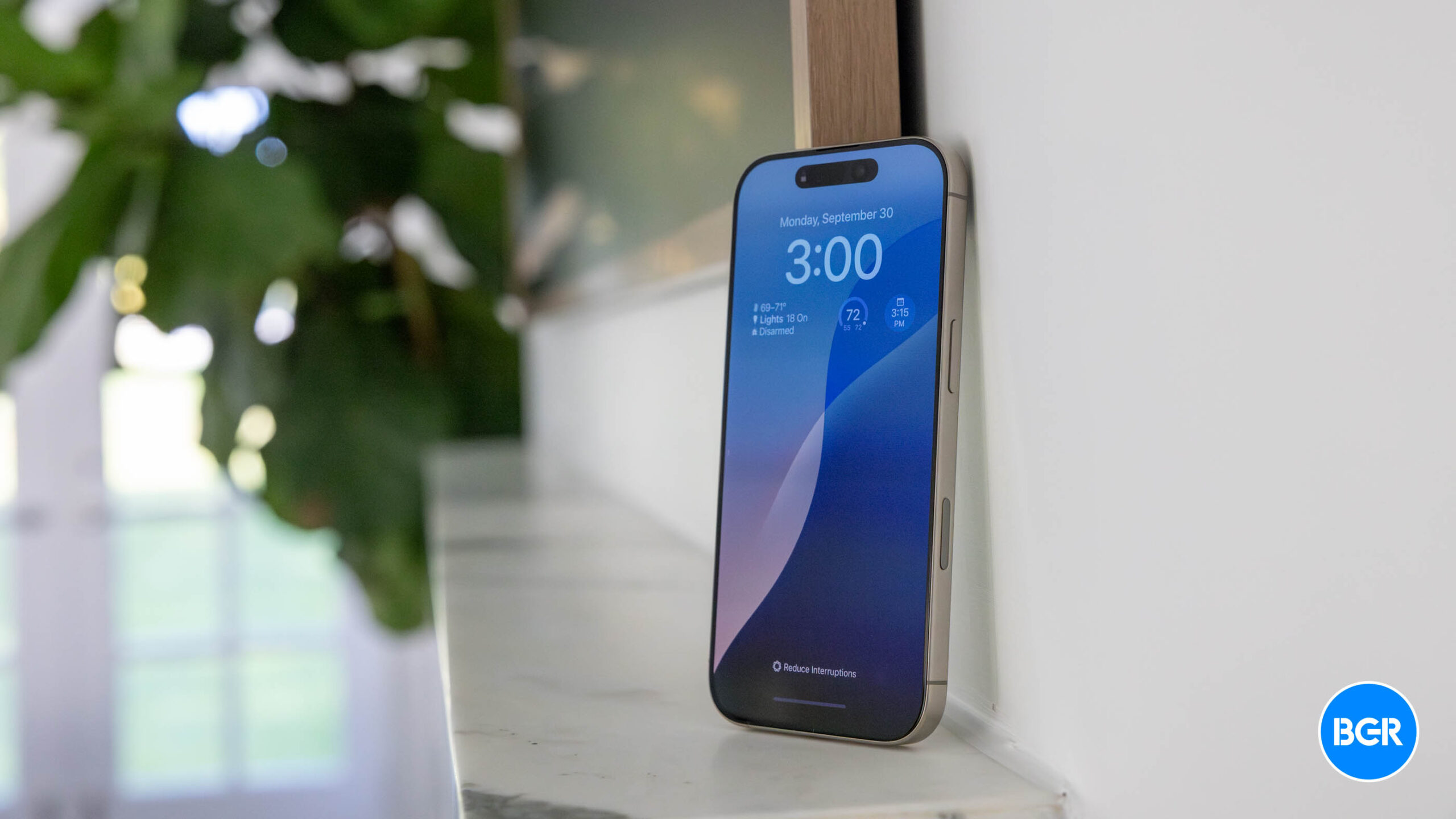
Apple and Samsung are both expected to launch ultra-thin smartphones this year. The iPhone 17 Air will be Apple’s thinnest iPhone 17 flavor and the thinnest iPhone ever made. The Galaxy S25 Slim will also be much thinner than the rest of the Galaxy S25 lineup.

The iPhone 17 Air was the first to appear in rumors and reports, while the Galaxy S25 Slim showed up in leaks only recently. However, the release order will be reversed.

Word on the street is that the Galaxy S25 Slim will make an appearance at Unpacked this month but hit stores in the second quarter of the year. The iPhone 17 Air will be unveiled in the first half of September and start selling in stores about 10 days later.

This would make it seem like Samsung was the first to the market with an ultra-thin phone. Regardless of the Slim’s appeal to the public, I still expect Samsung to use it as a marketing tool the second Apple unveils the iPhone 17 Air this September.

Tech. Entertainment. Science. Your inbox.

Sign up for the most interesting tech & entertainment news out there.

By signing up, I agree to the Terms of Use and have reviewed the Privacy Notice.

But who was really the first to come up with the idea of making an ultra-thin handset? A new story from Korea offers the answer you might already be expecting.

Korean-language news outlet SisaJournal detailed both ultra-thin devices in a report, repeating some of the claims that appeared in other rumors.

The iPhone 17 Air will have a profile of around 6.25mm, which is up to 1.6mm thinner than the iPhone 15 (7.8mm). The Galaxy S25 Slim will be slightly thicker than the Air at 6.6mm, but the Samsung phone will still be thinner than the 7.6mm Galaxy S24. The Galaxy S25 Slim could have a big camera advatage over the Air, a multi-lens camera on the back.

The report also notes that the iPhone 17 Air will replace the Plus model. The Air will be unveiled in September and cost about as much as the Plus. This is where things get interesting, as the report quotes an unnamed industry official who said Apple has already completed product planning for the iPhone 17 Air.

Moving on to Samsung, the report says the Korean giant will unveil the Galaxy S25 series soon. But the Galaxy S25 Slim will be released in the second or third quarter of 2025. This release window would still ensure that Samsung’s ultra-thin phone will be available in stores before the iPhone 17 Air launches.

The Galaxy S25 Slim’s price will be lower than the Ultra, which isn’t a surprising claim. The report cites an official from the smartphone industry saying that the Galaxy S25 Slim can’t be expensive. Its main purpose is to respond to the iPhone 17 Air preemptively. Samsung also wants to see how the market reacts to a thinner flagship phone.

The report says that Samsung decided to make a Galaxy S25 Slim phone only when Apple decided to go forward with the iPhone 17 Air model. That could settle the upcoming dispute about which ultra-thin phone came first. Then again, none of this is official.

How would Samsung even know about Apple’s plans? For starters, we’ve had rumors about the iPhone 17 Air long before the Galaxy S25 showed up in leaks. We also know that Samsung phones are never well-kept secrets. Neither is the iPhone, but Apple at least manages to save a few surprises here and there.

More importantly, Samsung Display and LG Display are rumored to supply the LTPO OLED panels Apple needs for the entire iPhone 17 series. All four phones should support ProMotion (120Hz refresh rate).

The iPhone 17 Air screen will be smaller than the iPhone 16 Plus. It might have other particularities that Samsung and LG would have to be aware of during the manufacturing phase. Therefore, Samsung would have some knowledge that the iPhone 17 series might see a specific design change.

Separately, I’ll point out that Samsung made an ultra-thin foldable last year. The Galaxy Z Fold SE is a limited edition device released in Korea and China a few months ago. Samsung only developed it after years of pressure from competitors. The handset seems to be a success, and rumors say the Galaxy Z Fold 7 will inherit that design.

What I’m getting at is that Samsung has the tech to make such devices happen, whether they’re foldables or not. It doesn’t have the courage to be first, even if it’ll say so once the Galaxy S25 Slim beats the iPhone 17 Air to market.

Source

Posted on

The Security Interviews: Martin Lee, Cisco Talos

The first thing worth knowing about the first ever ransomware locker is that its use was apparently motivated by revenge rather than outright criminality. The second thing worth knowing is that there was not a Russian speaker in sight.

In fact, its author, Joseph Popp, grew up in Ohio and was educated at Harvard University. He was an anthropologist and biologist and an expert on HIV/AIDS, who worked closely with the World Health Organisation (WHO) in Africa – and was passed over for a job there, something that may have led to the apparent mental breakdown that resulted in the creation of the concept of ransomware.

The AIDS Trojan that Popp “unleashed” on the world in December 1989 was a simple piece of software by any standard. Technically, it was really a denial of service (DOS) scrambler, which replaced the AUTOEXEC.bat file used to execute commands when the computer system started up.

It then counted the number of boot cycles the system went through until it hit 90, at which point it hid directories and encrypted the names of the C drive files on the system. Victims, or targets, then saw a message informing them that their systems were infected by a virus.

“Remember, there is NO cure for AIDS,” the message chillingly read.

How were they infected? Popp posted 20,000 floppy disks to fellow attendees of a WHO AIDS conference, and created what we would now know as a phishing lure by labelling them “AIDS Information – Introductory Diskettes”.

Victims were told to send $189 (about $480, or £378 adjusted to 2024) to a PO Box number belonging to the PC Cyborg Corporation in Panama. The software also included an end user licence agreement (EULA) informing “users” that they would be liable for the cost of “leasing” it.

Popp, who was arrested in the US and extradited to the UK, never stood trial after a British judge ruled him mentally unfit to do so – he had developed a habit of wearing condoms on his nose, hair curlers in his beard, and cardboard boxes on his head, according to media reports at the time. Whether or not this was a deliberate ploy rather than an expression of insanity remains unclear. Back in the States, Popp went on to open an eponymously named butterfly sanctuary and tropical garden in upstate New York, and died in 2007.

Reflecting on the weird story behind the AIDS Trojan, Martin Lee, technical lead for security research at Cisco’s Talos intelligence and research unit, describes the malware as the creation of “an insane criminal genius”.

“It really was something completely new, a new dimension that hadn’t been mentioned before,” Lee tells Computer Weekly. “If we think back to the year 1989, the internet was still basically a dozen computers in universities and the military. The internet, as we know it, had not taken off, the World Wide Web had not taken off. Most computers were not networked at all, even hard disk drives were very much a luxury optional extra.

“All of these things that we now take for granted – distribution over a network, payment by cryptocurrency – none of this existed. It was a fairly limited attack…It is not known, but it is not believed, that anybody paid the ransom.”

Moreover, the cyber security profession simply did not exist in its current form in 1989. “It was nowhere near what it is today. It was a different world,” says Lee, who characterises the IT of the day as “prehistoric”.

“The term cyber security didn’t exist and the industry didn’t exist. There were individuals we would recognise as practicing information security, but they tended to be in the types of environments that required security clearance, like the military or governments. It would have been a tight community where everyone knew each other.

“Certainly at the time, the first ransomware did not make a big splash in the news,” he adds.

Ahead of his time

That Popp was somewhat ahead of his time is clear in that the idea of ransomware didn’t really rear its head again until the mid-90s, when academics and computer scientists first starting playing around with the idea of combining computer virus – or malware – functionality with cryptography.

But even then, the world spent another decade in blissful ignorance before the first attempt was made at a criminal ransomware attack of the type we would recognise in the 2020s.

Gpcode, as it was termed, first popped up in Russia in December 2004, 20 years ago, when reports started to emerge that individual people’s files were being encrypted by some strange new form of cyber attack.

“Ultimately, it turned out that an individual was, if I remember correctly, harvesting information from Russian job sites and emailing jobseekers saying, ‘Hey, we would like you to apply for this job’,” says Lee.

“The lure document purported to be a job application form, but in fact it was ransomware which encrypted the files, and the ransom was to be paid by money transfer. This is really the first modern criminal ransomware where the objective – to make money – is clear.”

Gpcode was “incredibly rudimentary” as ransomware goes – it used a 600-Bit RSA public key to encrypt its victim’s files, and Lee says that demanding the ransom be paid by money transfer (Bitcoin was still a few years off) was a dangerous gamble for the cyber criminals behind Gpcode, because it left them open to being tracked by law enforcement.

Gpcode was not a runaway success – in that it did not net millions for its creators as ransomwares do today – but it was notable in that it meant ransomware was starting to cut through, both in the still-emerging cyber security community and among laypeople.

Gpcode also helped to establish some of the popular tropes around ransomware phishing lures – today, phantom job offers are frequently used against victim organisations, particularly when executed as part of a targeted attack via a highly placed executive, for example.

Continuous innovation

Over the decade that followed, the story of ransomware became one of almost continuous innovation, as cyber criminals became more motivated to extort money and to avoid capture and prosecution.

Anonymity during the payment process was a particularly thorny problem that the criminal underground needed to overcome, says Lee.

“In 2004, Gpcode had a single software engineer slash operator conducting the attacks, and they had this problem of how are they going to get the ransom paid to them in a way that’s easy for the victim, but provides anonymity for the criminal,” he says.

“Initially, we have the rise of digital currencies, E-Gold and Liberty [Reserve] to name but two, which were mechanisms outside of the traditionally regulated banking industry for transferring value between individuals,” says Lee. “They were – how should we put this – abused.”

The big disadvantage of these digital currencies is that they both had a single point of failure from the cyber criminals’ perspective, in that law enforcement agencies and regulators could act to disrupt the flow of illicit payments traversing them, which of course is exactly what happened.

“This then coincides with the rise of cryptocurrencies, giving an alternative way for criminals to collect their ransom through crypto,” says Lee.

“The other big innovation addressed the weak point of early ransomware – is it was one developer and operator – so we did see in the mid-2000s the development of the first ransomware as a service.

“Malicious software engineers who were very good at writing code but maybe not so good at distributing ransomware or coming up with social engineering lures could focus on the code and then develop a partner portal so that less technically sophisticated cyber criminals could participate in attacks – they could be hired, or enter into a partnership,” says Lee. “If they divide up the tasks, it makes it more efficient.”

Though it may surprise some to learn that the concept of ransomware as a service, or RaaS, is well over 10 years old, it emerged at a very different time, and the ransomware ecosystem had to go through a few more evolutions to reach its present, devastating form.

Up to date

Lee explains: “The next big change comes in 2016 with the gang using SamSam. Prior to that, ransomware was a mass-market attack, distributing as much ransomware as possible to as many end-users as possible, getting it onto PCs, and demanding a few hundred dollars for the victim to get what’s on their endpoints back.

“The big innovation was the gang distributing SamSam chose their victims in a different way. Instead of going for sheer numbers, they would identify businesses, get inside their networks, and combine traditional hacking techniques – infiltrating the network, finding key servers that businesses relied on, and getting the ransomware on those key servers.

“In encrypting the files and stopping the functionality of those key servers,” says Lee, “SamSam brought the entire business to a half, and at that point the gang could ask for a much, much larger ransom.”

This is not to say that mass-market, end-user focused ransomware has gone away, it is very much still a threat, and in many ways, it is more devastating for the average person to be hit with ransomware than it is for a well-insured, regulated corporation.

“I’ve had people reach out to me with an elderly parent whose laptop has been hit with ransomware and it had the last photos of their deceased spouse on it, is there a way of getting it back?” says Lee.

“It’s heartbreaking, and nine times out of 10 the answer is no. So, this has not gone away and it’s not going to. Businesses may have more to lose than an end-user, but that’s not to say that end-users can’t suffer significant pain.

“But the big money for the bad guys is in businesses, getting inside businesses, causing high-value disruption and destroying large amounts of value, because the profits are so much higher.”

This brings us neatly to the developments we have seen since 2020, when the scourge of ransomware really took off, and cyber security broke out of its niche and started to make national headlines. These have all been well-documented, including the rise of double extortion attacks and the emergence of an extensive underground economy of affiliates and brokers. We are even seeing what looks like collaboration between financially motivated cyber criminal gangs and politically motivated cyber espionage operators.

This year, we have seen the beginnings of a new trend in which ransomware gangs actually forego the ransomware locker entirely. Just last month, the Australian and American authorities released new intelligence on the work of the BianLian ransomware gang, which has shifted solely to extortion without encryption.

Could it be that ransomware, in its traditional form, is starting to reach the end of the line?

Looking ahead

Probably not, says Lee, looking ahead, although it will look different: “You know IT brings enormous positives to our lives and enables so much – but anywhere where IT is creating value, criminals are looking for ways to piggyback and steal that value. Ransomware has proved to be a very profitable way for them do it.

“I think that for any new ways in which we use IT in the near- and medium-term future, we can expect there will be criminals looking to make money off that, and one of the ways that they’re going to do it, for certain, is going to be through ransomware.”

From ransomware’s birth pangs as the howl of the frustrated and aggrieved Joseph Popp, we can chart a clear line to the big bucks ransomware hits of the 2020s, and this continuity of criminality and innovation leads Lee to a simple conclusion.

“We need to be much more aware that for anything IT touches, we need to think about cyber security, we need to think about how the bad guys might disrupt it, because for certain, they’re going to be thinking too and someone’s going to try it.

“The history of ransomware has been one of constant innovation, and we can expect that to continue into the future,” he says.

Source

Posted on

An iPhone camera bug in iOS 18.2 is driving me and other users insane

iOS 18.2 has been available for a few weeks now. However, some iPhone users — myself included — noticed a bug that has prevented the camera from working since they updated to this new version. A Reddit thread was posted two weeks ago, and users are still complaining about the issue with no fix in sight.

The user who initially posted the thread on Reddit wrote:

Ever since i updated to ios 18.2 my camera refuses to work sometimes, for example i try to use the camera app it’s just a black screen, have to re open it 2-3 sometimes to finally get it to work, same for snapchat the camera will just be black and have to restart the app once or twice to get it to work. My flash light also refuses work or is very delayed to activate via the action button or control center sometimes, more often via action button it doesn’t work.

One of the top comments on this thread mentioned the same issues: “Same with me, too. I thought it was my phone at first, but looking at forums, it seemed to be happening with 18.2. I just got my phone last weekend, so I thought it was just my phone and was about to go back and exchange it, but it seems to be a SW issue. I get the same black screen whether I use the camera control button, camera icon, or from the lock screen.”

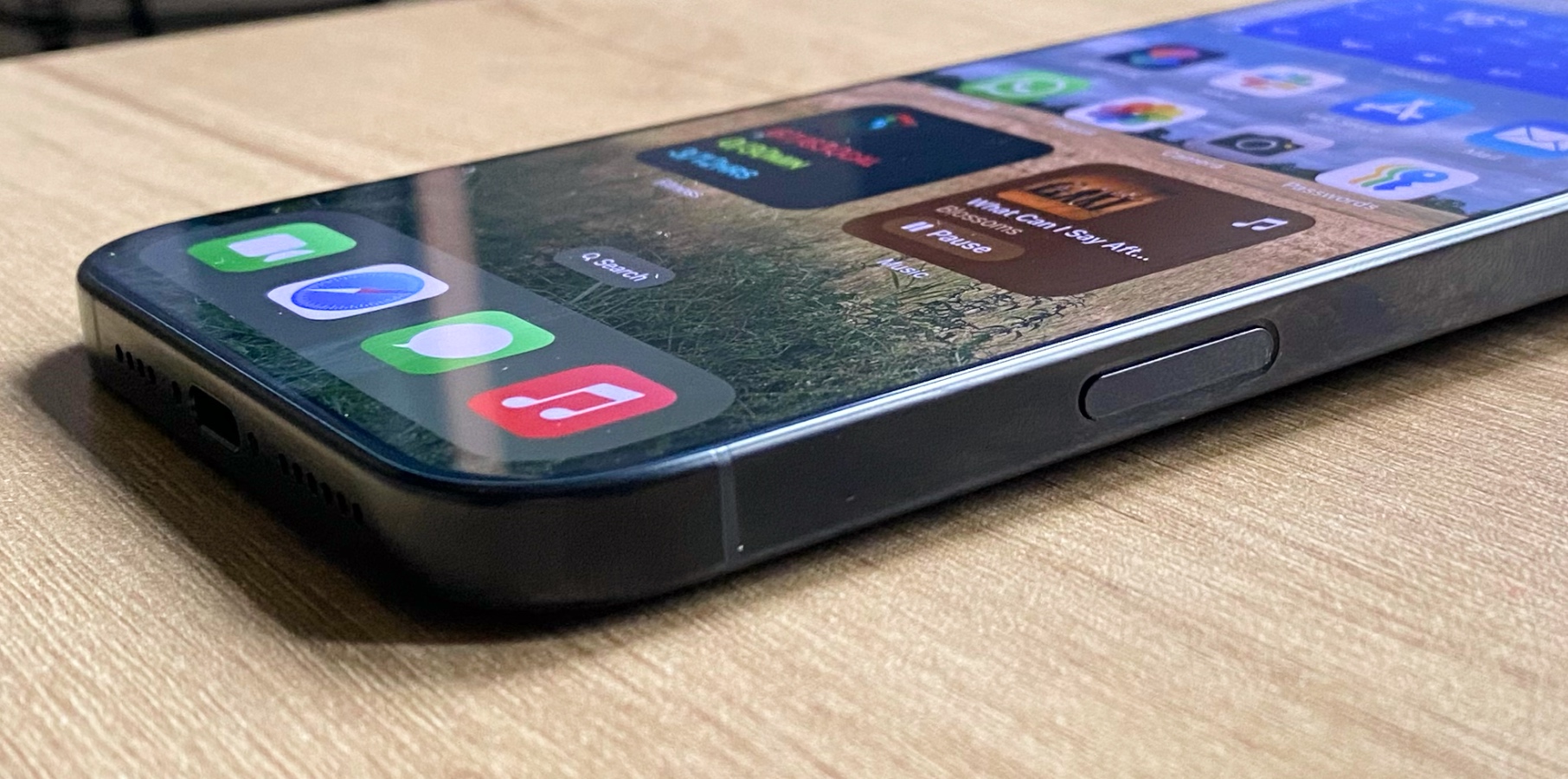
I have personally been dealing with this iOS 18.2 camera bug, specifically when opening the iPhone 16 Pro camera with the Camera Control before being recognized by Face ID. By pressing the Camera Control with the display locked, the camera app usually opens to a black screen, and even Face ID stops working.

Tech. Entertainment. Science. Your inbox.

Sign up for the most interesting tech & entertainment news out there.

By signing up, I agree to the Terms of Use and have reviewed the Privacy Notice.

Fortunately, reports claim that Apple is working on an iOS 18.2.1 update. While it’s unclear if this version could fix this particular iOS 18.2 bug, some iPhone users found that replacing their device with Apple doesn’t even fix the bug.

Another option is to download iOS 18.3 beta 1. A new build is expected soon, as Apple is rumored to be planning a release for later this month.

Source

Posted on

iPhone 17 Air price and exact thickness may have just leaked

The upcoming iPhone 17 Air looks more like a real product after every leak. This time, South Korea’s Sisa Journal (via MacRumors) reveals the iPhone 17 Air’s price and its exact thickness.

According to the publication, Apple aims for this device to be 6.25mm thick, which would make this device the thinnest iPhone ever. Comparatively, MacRumors points out that this would make the iPhone 17 Air 20% thinner than the regular iPhone 16 models and 25% thinner than the iPhone 16 Pro versions.

This leak is corroborated by other sources who previously stated that Apple plans to release an iPhone 17 Air with a thickness of around 5mm to 6mm. Now, after rumors saying Cupertino wants to charge extra for this device, Sisa Journal believes this iPhone will be a replacement for the Plus model, and Apple will likely keep the exact price point of the iPhone Plus for this Air version.

That means the iPhone 17 Air’s price could be $899—or at least a variation of the iPhone 16 Plus price, depending on the configuration Apple offers.

Tech. Entertainment. Science. Your inbox.

Sign up for the most interesting tech & entertainment news out there.

By signing up, I agree to the Terms of Use and have reviewed the Privacy Notice.

Still, it’s safer to assume that the iPhone 17 Air will be cheaper than the Pro models, but it doesn’t mean Apple won’t offer a price hike across the lineup. Last December, Well-connected leaker jukanlosreve shared the following quote from Jong Wook Lee, a senior researcher at Samsung Securities Research Center:

Although there were initial expectations that Apple’s iPhone prices would rise this year, prices were unusually not increased. As a result, profit margins have declined since the third quarter of this year. iPhone prices are expected to increase next year.

The leaker speculated that the Galaxy S25, S26, iPhone 17, and iPhone 18 might all get price hikes. Obviously, if the Galaxy S25 and iPhone 17 were to see price hikes, their successors would also be more expensive than the 2024 Galaxy S24 and iPhone 16. Samsung and Apple would not necessarily have to raise prices two years in a row. And I’m not sure customers would stomach such a scenario.

Below, you can learn more about the iPhone 17 Air.

Source

Posted on

Top 10 women in tech and diversity in tech stories of 2024

This year signalled a worrying time for diversity, equity and inclusion in the technology sector as many firms began rolling back their initiatives and efforts.

This lack of commitment led many notable diversity organisations to dial back their own efforts, not wanting to contribute to allowing firms to pretend to be making a difference rather than actually turning the dial.

As the year bows out, many questions still remain about how the diversity landscape will look next year in the UK’s tech sector.

At the beginning of the year, women in the technology and finance sectors mobilised to reverse a government decisions which threatened to cause a diversity rift for startup funding.

Following a consultation, HM Treasury decided to change the criteria for what defines a “high-net-worth individual”, making it more difficult for women to become angel investors.

MP Caroline Dinenage backed the investHER campaign, which called for a change in the new law, and eventually the decision was reversed.

Research from BCS, expanding on the organisation’s study from before the pandemic, found that growth of diversity in the UK’s tech sector has been slow in the past five years.

Using women in tech as an example, the research found the number of women who make up UK tech professionals was 20% in 2022, only a 4% increase since 2018.

There is lots of debate about what exactly prevents people from underrepresented groups choosing a tech sector career.

The Institute of Coding claimed in some research that people aren’t fully sure what a role in the technology sector involved, and this misunderstanding, alongside the lack of representation of the UK’s general population among those in tech roles, is a huge barrier for those considering a career in tech.

In the summer of 2024, network for women in business, Everywoman, announced the winners of this year’s technology awards, in partnership with Bupa.

‘Empower. Transform. Thrive’ was the theme this year, with much of the conversation surrounding the importance of increasing the visibility and accessibility of female role models in the tech sector to encourage others into tech.

Each year, Computer Weekly, alongside its partner Harvey Nash, hosts a diversity in technology event to discuss subjects relating to the topic and to announce its list of the most influential women in UK technology.

The writeup from the 2023 event was released this year, including advice from tech experts on how to promote diversity and inclusion in tech businesses and why everyone needs to be involved where diversity, equity and inclusion is involved.

As part of ServiceNow’s Knowledge24 event, actress Viola Davis spoke on her career, on women in tech, and on the importance of supporting those around you both in your career and in your life.

Stating that you “can’t go it alone” in life, Davis explained how mentorship and help from others massively helped her through her career, mirroring the conversation in the technology sector surrounding the importance of role models for encouraging others to pursue a tech role.

Artificial intelligence (AI) is becoming increasingly important in both life and business, leaving many concerned about the diversity of the teams who are developing it.

Research from IBM found that business leaders in the UK believe that making sure women are in decision-making positions in the technology sector will be vital for ensuring AI and other technologies are developed with everyone in mind.

After its annual report found that the tech industry is dialling back on diversity initiatives, the Tech Talent Charter announced it would be disbanding after nearly 10 years in operation.

As it closed its doors, it issued a call to action to the industry not to go backwards in its efforts to improve the industry, giving advice on what to do next.

The industry’s concern that not having women involved in the development of technologies such as AI would have a detrimental affect on some user groups was confirmed by research from Code First Girls and Tech Talent Charter.

Job automation is 40% more likely to affect women than men, according to the joint research, though this could be improved with ongoing training.

In 2024, Sheridan Ash, co-CEO of technology education charity Tech She Can, became the 13th person to be named Computer Weekly’s most influential woman in UK tech.

The announcement was made alongside the rest of the top 50, as well as Computer Weekly’s 2024 Rising Stars, and the list of women in tech Hall of Famers.

Source

Posted on

Nvidia RTX 5050 to 5090 laptop GPUs spotted, suggesting next-gen graphics cards are ready for rumored CES 2025 launch

  • Nvidia’s RTX 5000 laptop GPUs have been sighted in the PCI ID repository, hinting they’re imminent
  • RTX 5050 to 5090 Max-Q models are listed, but there’s some confusion relating to the chips used
  • AD108M is present in the graphics cards lower than the RTX 5080, which surely must be a mistake

Nvidia’s next-gen laptop GPUs have been spotted again, although this mention of the mobile Blackwell graphics cards is an oddity indeed.

Wccftech reports that a bunch of Max-Q designs – more power-efficient GPUs for slimmer laptops, as opposed to full-fat flavors in beefy gaming laptops – for the RTX 5000 series have been sighted (by HXL on X) in the PCI ID repository

This is the official public list of ID numbers used with PCI devices, and products can pop up here before their launch. That’s exactly what’s happened for a number of RTX 5000 models, from the RTX 5050 Max-Q up to the flagship RTX 5090 Max-Q, in fact (some next-gen Blackwell models have been flagged up before, too).

This is the full list of Blackwell mobile GPUs complete with the chips used in these graphics cards which are in brackets at the end:

  • GeForce RTX 5090 Max-Q (GB203M)
  • GeForce RTX 5080 Max-Q (GB203M)
  • GeForce RTX 5070 Ti Max-Q (AD108M)
  • GeForce RTX 5070 Max-Q (AD108M)
  • GeForce RTX 5060 Max-Q (AD108M)
  • GeForce RTX 5050 Max-Q (AD108M)

Keen-eyed readers will spot the strange element here, which is the mention of ‘AD108M’ as the chip in the next-gen laptop graphics cards below the RTX 5080 level.

AD is the Lovelace range, albeit AD108M is a hitherto unknown mobile part, and so the suggestion here is that Nvidia will somehow be using an old chip (once Blackwell is launched) for the RTX 5050 to 5070 Ti Max-Q GPUs.

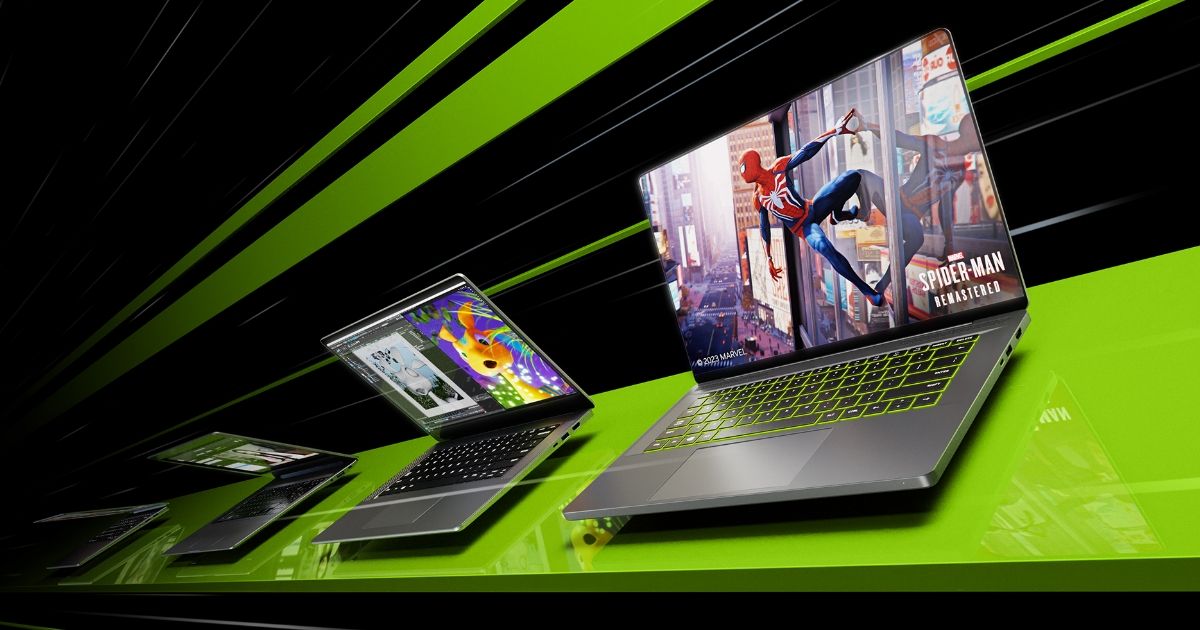
Render of a new RTX 4000 Max-Q gaming laptop.

(Image credit: Nvidia)

Analysis: Mistakes were (surely) made

What to make of this, exactly? I’m inclined to think this must simply be an error. While it is, in theory, conceivable that Nvidia might draft in what’ll be last-gen chips when Blackwell laptop GPUs are launched, the mentioned model – AD108M (M means Mobile, in case you weren’t aware) – would be at the bottom of the stack, beneath AD107M which is currently the lowest tier.

{ window.reliablePageLoad.then(() => { var componentContainer = document.querySelector(“#slice-container-newsletterForm-articleInbodyContent-twH6y2UB7Vz35su5z2yXSF”); if (componentContainer) { var data = {“layout”:”inbodyContent”,”header”:”Get daily insight, inspiration and deals in your inbox”,”tagline”:”Sign up for breaking news, reviews, opinion, top tech deals, and more.”,”formFooterText”:”By submitting your information you agree to the Terms & Conditions and Privacy Policy and are aged 16 or over.”,”successMessage”:{“body”:”Thank you for signing up. You will receive a confirmation email shortly.”},”failureMessage”:”There was a problem. Please refresh the page and try again.”,”method”:”POST”,”inputs”:[{“type”:”hidden”,”name”:”NAME”},{“type”:”email”,”name”:”MAIL”,”placeholder”:”Your Email Address”,”required”:true},{“type”:”hidden”,”name”:”NEWSLETTER_CODE”,”value”:”XTR-D”},{“type”:”hidden”,”name”:”LANG”,”value”:”EN”},{“type”:”hidden”,”name”:”SOURCE”,”value”:”60″},{“type”:”hidden”,”name”:”COUNTRY”},{“type”:”checkbox”,”name”:”CONTACT_OTHER_BRANDS”,”label”:{“text”:”Contact me with news and offers from other Future brands”}},{“type”:”checkbox”,”name”:”CONTACT_PARTNERS”,”label”:{“text”:”Receive email from us on behalf of our trusted partners or sponsors”}},{“type”:”submit”,”value”:”Sign me up”,”required”:true}],”endpoint”:”https://newsletter-subscribe.futureplc.com/v2/submission/submit”,”analytics”:[{“analyticsType”:”widgetViewed”}],”ariaLabels”:{}}; var triggerHydrate = function() { window.sliceComponents.newsletterForm.hydrate(data, componentContainer); } if (window.lazyObserveElement) { window.lazyObserveElement(componentContainer, triggerHydrate); } else { triggerHydrate(); } } }).catch(err => console.error(‘%c FTE ‘,’background: #9306F9; color: #ffffff’,’Hydration Script has failed for newsletterForm-articleInbodyContent-twH6y2UB7Vz35su5z2yXSF Slice’, err)); }).catch(err => console.error(‘%c FTE ‘,’background: #9306F9; color: #ffffff’,’Externals script failed to load’, err)); ]]>

Sign up for breaking news, reviews, opinion, top tech deals, and more.

So, if this is accurate, it would mean that the RTX 5070 Ti is set to use a chip that’s lower in the Lovelace pecking order than AD107M which is in the RTX 4050 mobile GPU. And that makes less than no sense at all.

In all probability, this has to be some kind of mistake. Wccftech points to Tech Powerup listing AD108M in its database, too, under Nvidia’s next-gen GPUs, but those entries have now been deleted – so again, this appears to back up the theory that it’s simply an error that has crept in somehow.

Tech Powerup actually listed both AD108M and GB206M (GB being the Blackwell chip) as two GPU options, but now only GB206M remains. This should be the chip that serves as the engine for lower tier Blackwell GPUs, and maybe GB205M too, although that, notably, isn’t mentioned in these PCI IDs.

All in all, we’d treat this with a lot of skepticism, and the main point here is that it’s another piece of spillage that indicates we’re likely to get next-gen laptop GPUs very soon from Nvidia – and that past rumors of a CES 2025 launch are correct. Time will tell, and we don’t have much time to wait out now, as Nvidia’s big keynote is on January 6, where desktop Blackwell GPUs are certainly expected (and they could potentially be very power-hungry).

You might also like

Source

Posted on

iPhone 18 might get a major battery breakthrough

The iPhone 16 has terrific battery life, which I can attest to as a former iPhone 16 Plus owner. Battery life was the least of my worries, and I miss only having to charge the iPhone every other day. It’s not just the Plus and Pro Max that have better battery life, but all iPhone 16 variants.

As we approach the launch of Apple’s iPhone 17 series, I expect Apple to keep improving battery life on at least three of the four models. The rumored iPhone 17 Air will likely have to compromise battery performance so Apple can make the phone as thin as possible.

I hope the iPhone 17 generation delivers the big battery breakthrough rumors teased in previous years. Apple is supposedly developing new battery tech that would allow it to increase the iPhone battery life significantly. Rumors have mentioned solid-state batteries in the past, as well as new materials for the anode and cathode. The next-gen batteries would have higher density in addition to higher capacities, and they might support faster charging rates.

However, this big battery upgrade might not be ready in 2025. Instead, we may have to wait until the iPhone 18 series rolls out, which would be perfect timing because it might include a foldable iPhone model.

Tech. Entertainment. Science. Your inbox.

Sign up for the most interesting tech & entertainment news out there.

By signing up, I agree to the Terms of Use and have reviewed the Privacy Notice.

Next-gen battery tech is in the works

Well-known Korean leaker named yeux1122 penned a blog post about battery innovations coming to smartphones in the coming years. Apparently, Chinese vendors are looking to equip 2026 smartphones with batteries ranging from 7,000 mAh to 8,000 mAh, but they don’t want to make their devices any thicker.

The leaker says that Apple and Samsung are also developing battery tech innovations to respond to this type of competition.

The Chinese batteries will use high-silicon materials rather than relying on previous lithium-ion tech. Samsung is supposedly working on its new battery materials for the cathodes and anodes, looking to develop a new type of battery.

The leaker says Samsung has made significant progress with the technology. The company was able to increase the silicon in its batteries while avoiding side effects like battery expansion.

yeux1122 also says that Apple has a nearly identical strategy, with the first iPhone battery breakthroughs likely coming in 2026. That implies the iPhone 18 models could deliver sigificant battery life improvements.

Chinese phones already use silicon-carbon batteries

Nothing is confirmed right now, but I’ll remind you that Chinese vendors like Honor have been using silicon-carbon batteries for a couple of years. Initially, the battery tech was restricted to units sold in China. Honor then brought the tech to Europe last year with the Honor Magic 6 Pro’s 5,600 mAh battery.

Honor advertises industry's first silicon-carbon battery tech during Magic 5 Pro launch event at MWC 2023.Honor advertises industry’s first silicon-carbon battery tech during Magic 5 Pro launch event at MWC 2023. Image source: Chris Smith, BGR


Interestingly, Honor announced the Magic 7 Lite phone this week, a mid-range device with a 6,600 mAh silicon-carbon battery and 66W charging support. Honor seems ready to use the new battery tech in cheaper phones while significantly increasing capacity. This confirms, at least in part, that Chinese vendors are pushing new smartphone battery tech to other phones.

What exactly is Apple working on?

Looking at the yeux1122 report, a different leaker connected the story with a rumor from late 2023. Jukanlosreve pointed to an ETNews story that I recognized. Back in 2023, I said I hoped the iPhone would get the custom Apple battery tech the Korean report described.

It wasn’t clear at the time when Apple would have the tech ready, and it still isn’t. But the ETNews report said Apple was creating a “completely new battery” by developing new materials for the cathode and anode. Apple was looking to replace graphite with silicon in the anode while ensuring the new material would not expand during charging and discharging.

The silicon-carbon batteries that Chinese vendors use also feature anodes that replace graphite with silicon.

What I’m getting at is that Apple might be on the verge of delivering a big breakthrough for iPhone battery life, though it might not be ready this year.

In addition to competing against Chinese phones with monster batteries, the tech could also significantly improve the battery life of the iPhone 18 Air and iPhone 18 Fold, which could launch next year. But that’s just speculation and wishful thinking from this longtime iPhone user.

Source

Posted on

iOS 19 will reportedly work on every iPhone that supports iOS 18

Reports in the past few weeks claimed that Apple’s main focus remains Apple Intelligence. The company was working on the now-released iOS 18.2, which brings ChatGPT integration to the iPhone and iPad, and iOS 18.4, which will deliver a smarter Siri.

Those reports said work on iOS 19 had been delayed. Therefore, some iOS 19 Apple Intelligence features might see delays similar to what happened this year.

As for the non-AI features in iOS 19, I said at the time that I expect Apple to ship novelties in next year’s operating system. After all, Apple Intelligence will only work on the iPhone 17, iPhone 16, and the iPhone 15 Pros.

While we’re yet to find out the big non-AI features of iOS 19, there is good news for iPhone owners that use older models. A leak says that all the models that can run iOS 18 will also run iOS 19 next year. The only compatibility change will impact the iPad, as certain models will lose support for iOS 19.

Tech. Entertainment. Science. Your inbox.

Sign up for the most interesting tech & entertainment news out there.

By signing up, I agree to the Terms of Use and have reviewed the Privacy Notice.

French blog iPhoneSoft learned from a purported source inside Apple that development work on iOS 19 had not started for this particular person. That’s a first for the leaker compared to previous years. Instead, they’re supposedly working on iOS 18.x updates and visionOS.

This person reportedly learned the iPhone models that will run iOS 19 next year, telling the blog that all the iPhones compatible with iOS 18 will also support the next OS upgrade. iPhoneSoft listed all the iPhones that will support iOS 19 next year, including the unreleased iPhone 17 and iPhone SE 4 models:

  • iPhone 17, 17 Air, 17 Pro, 17 Pro Max (2025)
  • iPhone 16, 16 Plus, 16 Pro, 16 Pro Max (2024)
  • iPhone 15, 15 Plus, 15 Pro, 15 Pro Max (2023)
  • iPhone 14, 14 Plus, 14 Pro, 14 Pro Max (2022)
  • iPhone 13, 13 Mini, 13 Pro, 13 Pro Max (2021)
  • iPhone 12, 12 Mini, 12 Pro, 12 Pro Max (2020)
  • iPhone 11, 11 Pro, 11 Pro Max (2019)
  • iPhone XS / XS Max (2018)
  • iPhone XR (2018)
  • iPhone SE (4th generation) (2025)
  • iPhone SE (3rd generation) (2022)
  • iPhone SE (2nd generation) (2020)

Regarding iPadOS 19, Apple will stop models for some older iPads that can still run iPadOS 18. You’ll need an iPad with an A12 chip or later to run iPadOS 19 next year. Here’s the list of supported iPads: 

  • iPad mini (5th generation or later)
  • iPad (8th generation or later)
  • iPad Air (3rd generation or later)
  • iPad Pro (2018 or later)

While these early iOS 19 and iPadOS 19 compatibility claims make sense, there’s no way to confirm any of them. Apple will hold its WWDC 2025 event next June. We’ll see plenty of iOS rumors by then, which will shed further light on the features Apple might be working with and the devices that will support them.

Source