Posted on

Next-gen HomePod and Apple TV could become AirPort update we’ve been waiting for

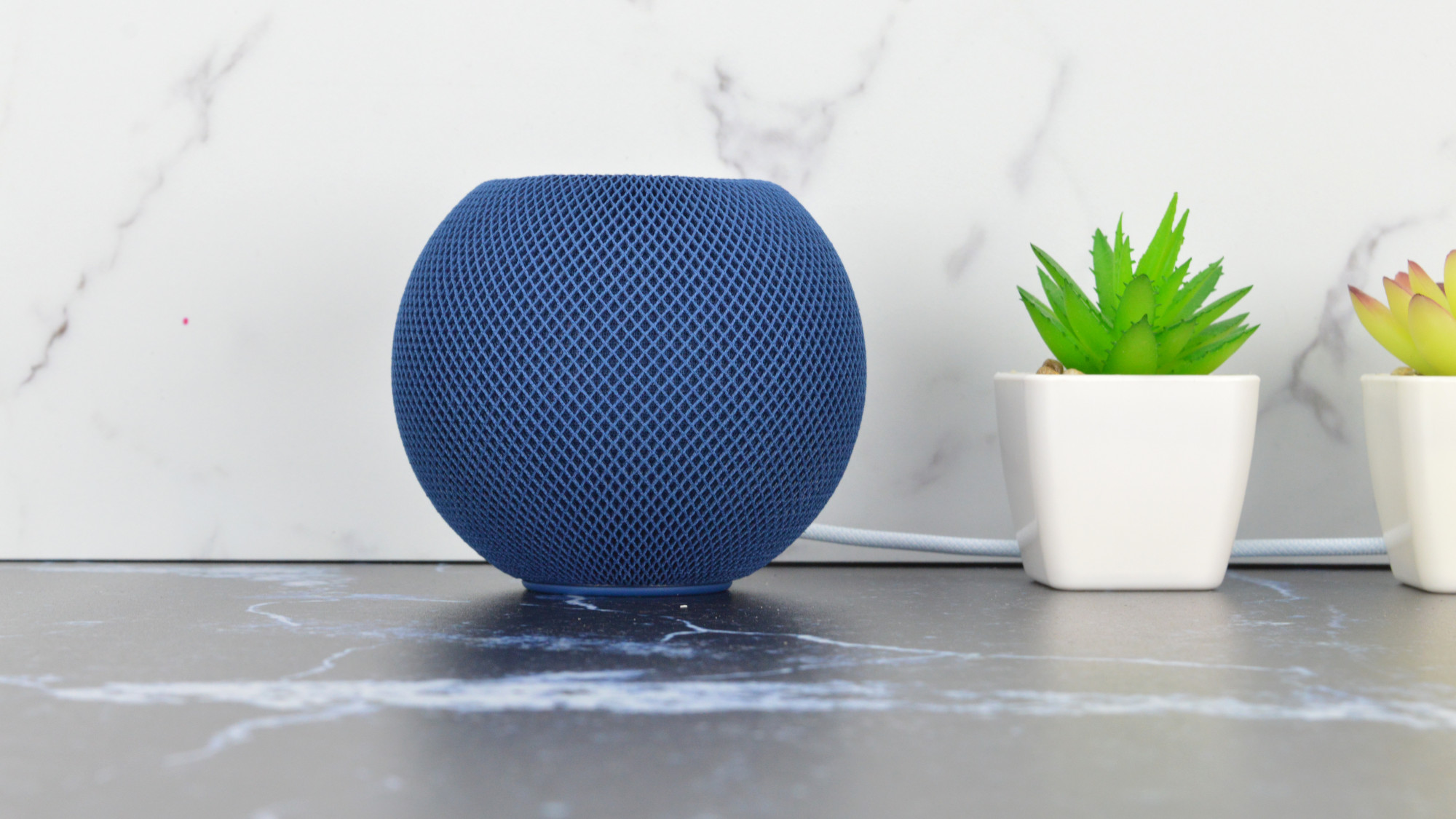
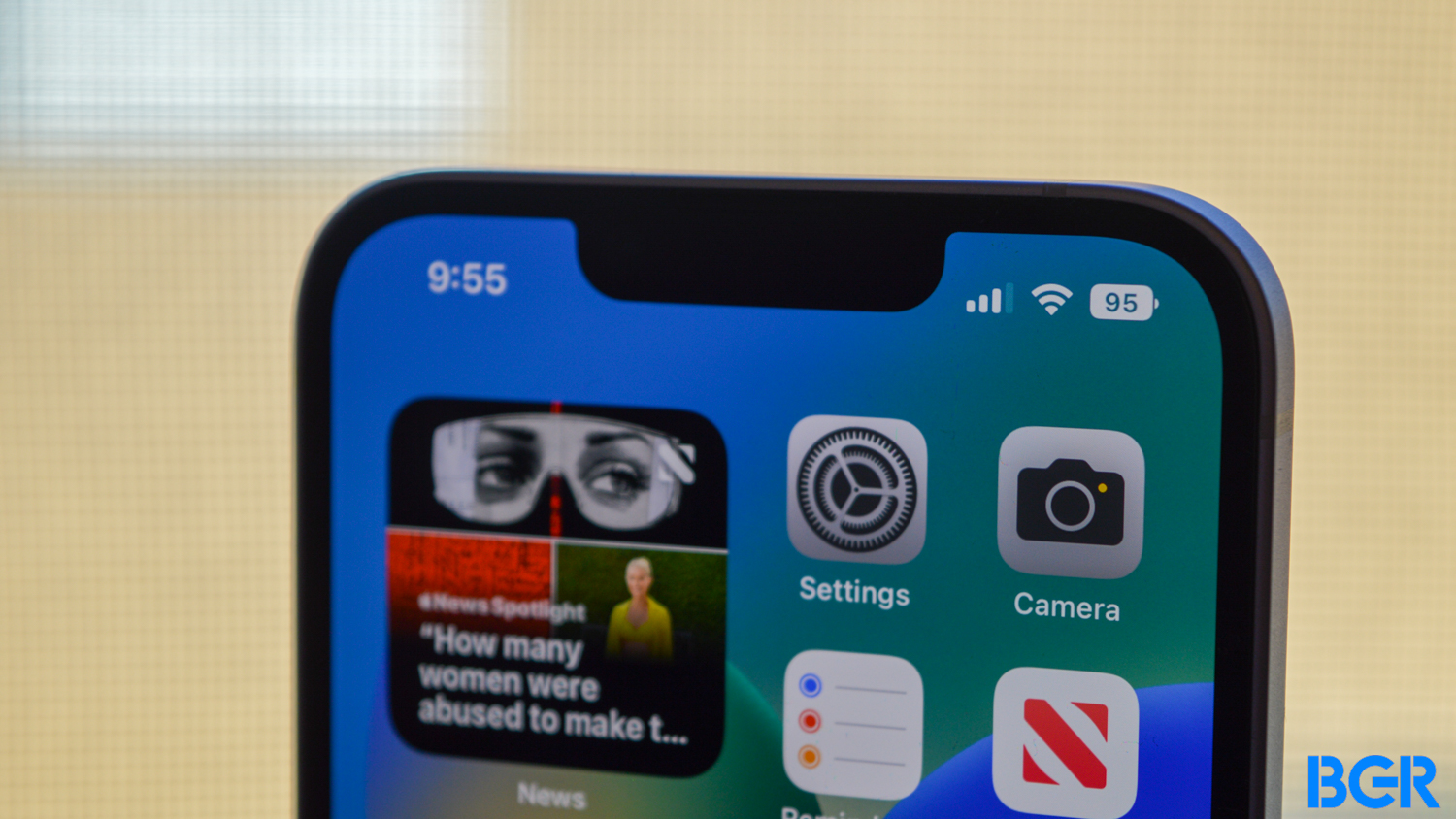
A couple of weeks ago, Bloomberg‘s Mark Gurman reported that upcoming Apple TV and HomePod mini devices are coming in 2025 with a bigger new feature: Apple’s custom-designed Wi-Fi and Bluetooth chip. According to the report, the codenamed Proxima chip will be available with the new Apple TV, HomePod mini, and iPhone 17 models, and a new iteration of this processor will be available on iPad and Mac devices in 2026. He says the custom-designed chip will support Wi-Fi 6E and help “synchronize data more quickly.”

This change could benefit Apple’s creation of thinner devices and new wearable technology, as ultimately, the company wants to integrate the Wi-Fi and Bluetooth chip with a cellular modem and the core processor on its devices.

However, this custom Wi-Fi chip could provide even greater news for those waiting for a new AirPort iteration – which is not in the works.

In his latest Power On newsletter, Bloomberg‘s Mark Gurman gives another tidbit about this future Proxima Wi-Fi chip, which is “so sophisticated that it could theoretically turn a home device like an Apple TV box or HomePod with a wireless access point.”

Tech. Entertainment. Science. Your inbox.

Sign up for the most interesting tech & entertainment news out there.

By signing up, I agree to the Terms of Use and have reviewed the Privacy Notice.

While the journalist doesn’t believe this will be a “main selling point of the devices,” they could add this feature. Users could improve the range of their Wi-Fi through these wireless access points.

However, it’s important to note that while Apple’s custom Wi-Fi chip could theoretically turn a home device with a WAP, it’s possible that Cupertino never turns this feature on. With the HomePod mini, the company took a long time to add smoke detection and in-house weather, even though the capabilities were inside the device since day one.

The future Apple TV is expected to feature Apple’s A18 chip and this new Wi-Fi chip. It’s unclear what improvements Cupertino is working on in the future HomePod mini, even though a more powerful sound with more noticeable bass would be a great addition.

BGR will let you know once we learn more about these devices.

Source

Posted on

Norton VPN Plus is so much more than just a VPN, and it’s 54% off

This is a sponsored article. All content and opinions expressed within belong to the author.

There was a time not long ago when you could install basic antivirus software on your PC and then rest assured that you’d be protected. In 2024, however, that’s no longer the case. Sure, you still need antivirus software to protect your computer from viruses and malware. But antivirus is just one part of a much bigger equation.

If you want to ensure that you and your family are fully protected from online threats, you should also be using a VPN. If you’re a savvy user, you probably already know that. What you might not realize, though, is that one of the best VPN services out there comes from the same trusted company you might already be using for antivirus software. It’s called Norton VPN Plus, and we’re going to tell you all about what sets it apart from other VPNs.

For those unaware, VPN stands for “Virtual Private Network.” We don’t need to get too deep in the weeds here, but it’s important to understand what a VPN does.

A VPN service connects your computer, smartphone, or tablet to an intermediate secure server that acts as a go-between for everything you do online. Instead of transferring data directly from the sites you visit, everything passes through the VPN server first. Here’s the most important bit: All of the data that is transferred between your device and the VPN server is fully encrypted.

Tech. Entertainment. Science. Your inbox.

Sign up for the most interesting tech & entertainment news out there.

By signing up, I agree to the Terms of Use and have reviewed the Privacy Notice.

What does that mean in practice? It means that your privacy is protected because it’s much more difficult or even impossible to track what you do online. As an added bonus, it means you can often get around regional restrictions by connecting to a VPN server in a different country.

Many of our readers likely already knew all that. But what you may not be fully aware of is that not all VPNs are created equal. Our favorite VPN service here at BGR is Norton VPN Plus, and there are several key reasons why that’s the case.

Norton VPN Plus isn’t just a VPN

First and foremost, Norton’s VPN service is outstanding.

You get lightning-fast data connections with an average data transfer rate of more than 300 Mbps. That’s probably an order of magnitude faster than it needs to be for 99% of what you do online. To put that speed in perspective, you need an average of about 5 Mbps to stream Full HD 1080p video, and between 15 Mbps and 25 Mbps to stream Ultra HD 4K video.

Also important is how secure Norton VPN Plus is. It goes without saying that Norton is a leading cybersecurity company, and it has one of the most robust and secure VPN networks in the world. Also, you and your entire family are all covered. Norton VPN Plus includes protection for up to 5 computers, smartphones, and tablets, while Norton VPN Ultimate covers up to 10 devices.

On top of all that, it’s crucial to keep in mind that Norton VPN Plus isn’t just a VPN service — it’s so much more.

In addition to VPN, you also get:

  • Full-ledged antivirus, including Norton’s 100% Virus Protection Promise
  • Block scams, malware, and hacking
  • Password manager to create, store, and share passwords between your devices
  • Block annoying targeted ads
  • Dark web monitoring so you’re notified if your info is leaked
  • 10GB of secure cloud storage for your Windows PC files (or 50GB with Norton VPN Ultimate)
  • Parental controls, screentime limits, unfit content blocking, and the ability to pinpoint your children’s Android/iOS device locations (Ultimate plan only)

With all that in mind, it seems crazy to pick a different VPN service when Norton VPN Plus offers all these services. Plus, they’re all backed by one of the top cybersecurity brands on the planet.

Save over 50%

If you’re reading all this and you get the feeling that Norton VPN Plus might be cost-prohibitive, prepare to be pleasantly surprised.

Norton is offering a first-year discount that slashes 54% off your first year of Norton VPN Plus. That means you’ll pay just $49.99, which works out to $4.17 per month. How crazy is that?!

Or, if you want the best of the best, Norton VPN Ultimate is currently 53% off at $59.99 for the first year. That works out to $5 per month for a comprehensive online security suite with everything you need to keep you and your family safe.

Norton VPN Plus is worth every penny and more at its full price. With these deals, you’d have to be nuts to pass it up.

Source

Posted on

iPhone 18 Pro details and M5 Mac release date both might’ve leaked

In a blog post on Medium, Apple insider Ming-Chi Kuo revealed interesting details about Apple’s future iPhone 18 and M5 Mac releases. According to the analyst, BE Semiconductor will drastically benefit from Apple’s upcoming products as the company has business with Apple’s manufacturers.

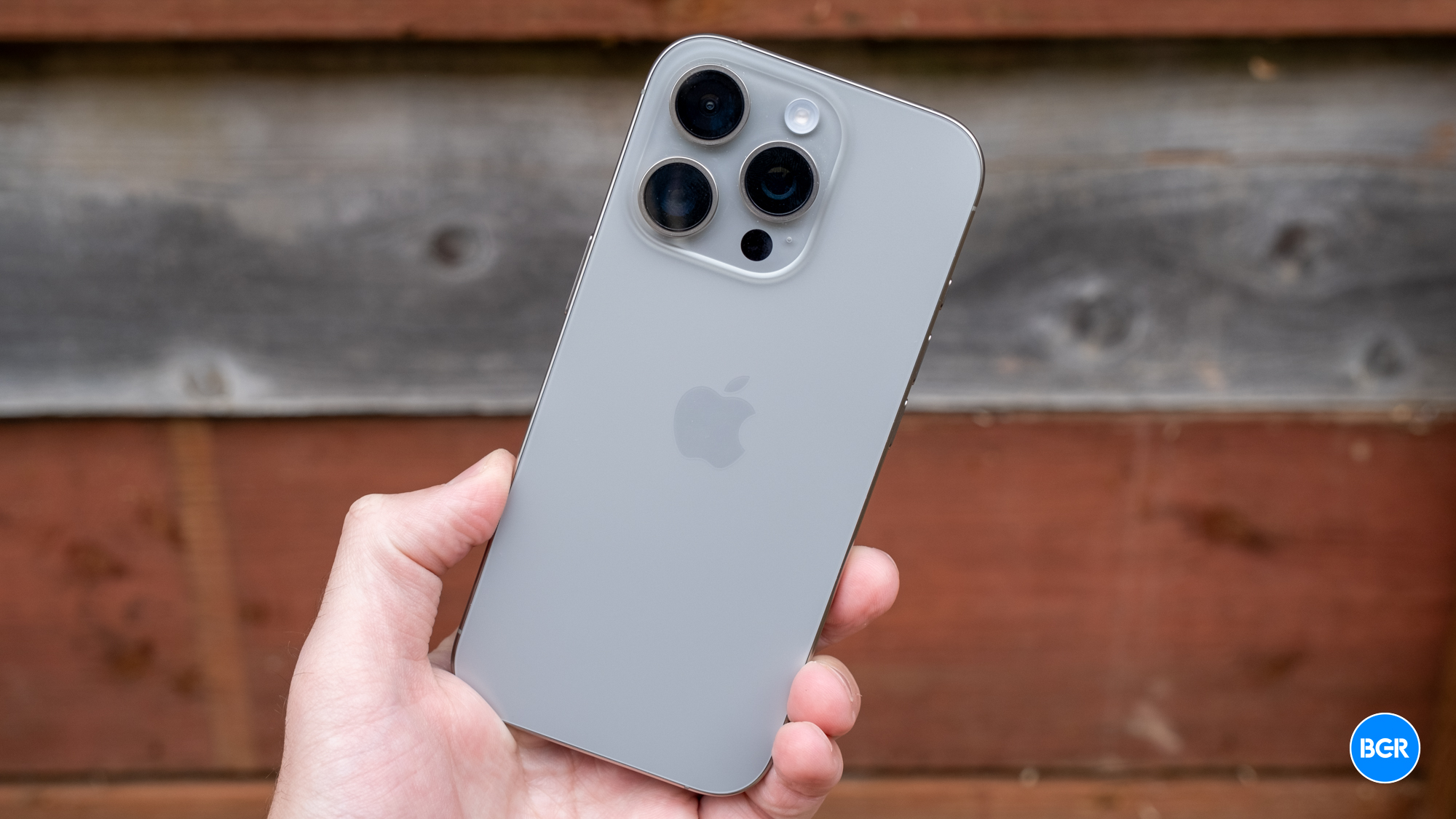
Kuo says that the iPhone 18 Pro’s wide camera will be upgraded to variable aperture in 2026, and BESI is the supplier of assembly equipment for aperture blades, a critical component of this upgrade. Last month, Kuo already revealed that Apple planned to add this change to the iPhone.

At the time, the analyst wrote that the “2026 high-end iPhone 18” will feature a wide camera lens with a variable aperture, “significantly enhancing the user photography experience.” The insider, known for his generally accurate predictions about unreleased iPhones, probably refers to the iPhone 18 Pro or iPhone 18 Pro Max. Apple has introduced new camera features with the iPhone Pro Max model before making them available to other models.

Apple wouldn’t be the first smartphone vendor to adopt cameras with variable apertures. Earlier this year, we saw similar features from phones like the Xiaomi 14 Ultra and the Honor Magic 6 Pro. Before that, Samsung phones like the Galaxy S9 and S10 featured cameras with variable apertures.

Tech. Entertainment. Science. Your inbox.

Sign up for the most interesting tech & entertainment news out there.

By signing up, I agree to the Terms of Use and have reviewed the Privacy Notice.

Besides the iPhone 18 Pro improvements, the analyst also leaked information about Apple’s upcoming M5 chips. According to him, the M5 processors will adopt TSMC’s N3P node, which is known as the third generation of the 3nm process. With that, mass production for upcoming chips is expected in this timeline:

  • Base-model M5: 1H25
  • M5 Pro and M5 Max: 2H25
  • M5 Ultra: 1H26

That said, Apple will likely unveil M5 Macs by the second half of 2025, as it still has some M4 Macs to unveil throughout 2025.

In addition, the analyst says Apple will continue to build out it’s Private Cloud Compute infrastructure by producing high-end M5 chips, which will be better suited for AI inferencing. Previously, rumors revealed Apple wanted to ask other companies to create specific chips for its PCC infrastructure starting in 2026.

BGR will let you know once we learn more about future Apple products.

Source

Posted on

iPad 11 leak may reveal release timing for Apple’s new entry-level tablet

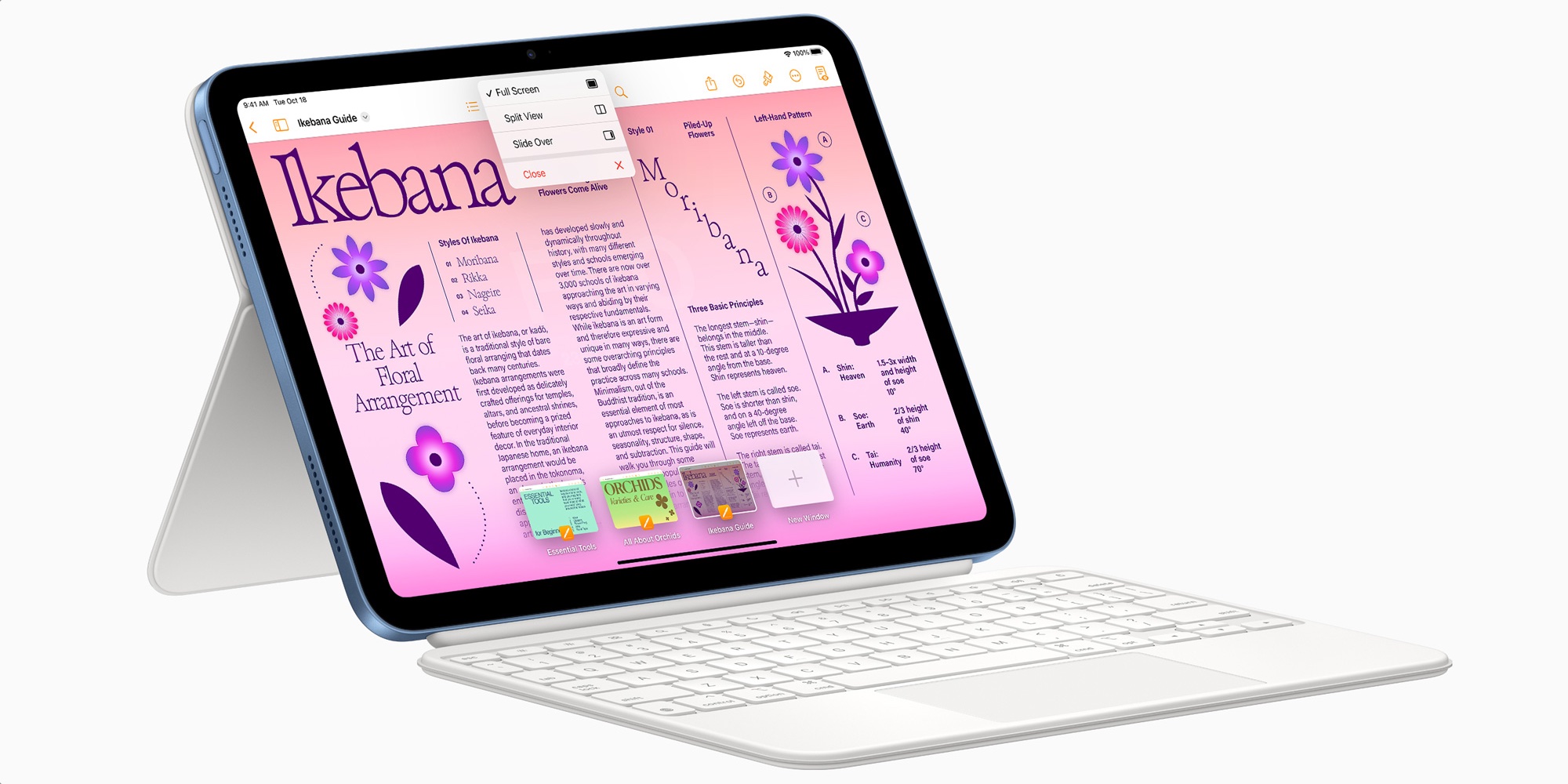
Apple’s upcoming iPad 11 can’t come soon enough. The latest leak says that Cupertino’s entry-level tablet will be released with iPadOS 18.3. While we don’t think this device will be announced alongside iPadOS 18.3, the news suggests that an iPad 11 release is coming before iPadOS 18.4 rolls out in April.

The information comes from a prominent X leaker who prefers not to be named. The device will have two options: Wi-Fi and Wi-Fi + Cellular. So far, leaks on the iPad 11 reveal Apple will bump its specifications to bring Apple Intelligence to the company’s entry-level tablet.

That being said, the iPad 11 will feature 8GB of RAM and, most likely, Apple’s A18 chip. More interestingly, today’s leak reveals that this tablet could have Apple’s upcoming custom 5G modem, which is also expected to be available with the new iPhone SE 4.

Even if Apple keeps the same design, display, and ports, this $349 tablet would be an instant hit. People in school would have a powerful tablet with several capabilities without having to spend a ton of money. In addition, when this tablet is released, Apple Intelligence will be a more reliable platform with even more features.

Tech. Entertainment. Science. Your inbox.

Sign up for the most interesting tech & entertainment news out there.

By signing up, I agree to the Terms of Use and have reviewed the Privacy Notice.

Bloomberg’s Mark Gurman says Apple is also working on a revamped keyboard for the entry-level iPad 11 and the iPad Air, which could be released in mid-2025. This tablet will support the USB-C Apple Pencil.

iPad 11 will likely debut at a spring event

With today’s iPad 11 leak, it makes sense for Apple to release this tablet at a spring event. So far, iPadOS 18.3 is expected to launch in late January. If Cupertino follows the trend, we could see a keynote in March highlighting this entry-level tablet, the new iPhone SE 4, Apple’s 13-inch and 15-inch MacBook Air with the M4 chip, and AirTag 2.

Fortunately, it won’t take long until the company unveils this tablet, which is a top seller for education and those looking for a more reliable device than an entry-level Windows notebook.

Source

Posted on

The Data Bill: It’s time to cyber up

In the latest deliberations on the Data Use and Access Bill in the House of Lords, I set out two amendments to offer well overdue updating to the Computer Misuse Act (CMA) of 1990. In preparing for committee stage of the bill I remain incredibly grateful to everyone involved with the CyberUp campaign, their analysis and commentary always so perfectly on point.

I hardly think I need to rehearse the backdrop to the CMA, many people will be well aware of the act and its shortcomings. Curiously, in the intervening thirty-four and a half years, despite seismic changes in our society and technologies – crucially, including the rise of cyber security threats – the act remains unamended.

Having said that though, I’ve tempted myself a little as it is the case that the act was originally drafted to protect telephone exchanges in 1990, when only 0.5% of the population had access to the internet. 

The CMA was the UK’s first computer crime law and came about following an attack on Prestel in the mid-1980s. Anyone under the age of 40 is probably wondering what Prestel was – a forerunner of internet-based online services launched by the Post Office in 1979 – which only serves to make the point.

Significant change

My amendments to the new Data Bill seek to achieve a very clear and materially significant change, to enable cyber security professionals to do what we have asked of them without the legislation tying at least one hand behind their back.

Thirty-four years on, the CMA still governs how we tackle cyber criminals. As it is currently written, the act inadvertently criminalises legitimate cyber security research. This includes a large proportion of vulnerability research and threat intelligence activities which are critical in protecting the UK from increasingly sophisticated cyber attacks. 

Fundamentally, it restricts cyber security researchers from conducting essential work to protect the UK, including critical national infrastructure. While improving data access is a positive move, it is equally crucial to modernise cyber security laws to protect not just the data but also the systems that underpin it.

The wording of my amendments in full is:

Data use: definition of unauthorised access to computer programs or data

In section 17 of the Computer Misuse Act 1990, at the end of subsection (5) insert—

“c) they do not reasonably believe that the person entitled to control access of the kind in question to the program or data would have consented to that access if they had known about the access and the circumstances of it, including the reasons for seeking it, and

(d) they are not empowered by an enactment, by a rule of law, or by order of a court or tribunal to access of the kind in question to the program or data.

Data use: defences to charges under the Computer Misuse Act 1990

(1) The Computer Misuse Act 1990 is amended as follows.

(2) In section 1, after subsection (3) insert—

(4) It is a defence to a charge under subsection (1) to prove that—

(a) the person’s actions were necessary for the detection or prevention of crime, or

(b) the person’s actions were justified as being in the public interest.

(3) In section 3, after subsection (6) insert—

(7) It is a defence to a charge under subsection (1) in relation to an act carried out for the intention in subsection (2)(b) or (c) to prove that—

(a) the person’s actions were necessary for the detection or prevention

of crime, or

(b) the person’s actions were justified as being in the public interest.

As I said in the debate, don’t take my word for it, the National Cyber Security Centre acknowledged the widening gap between the risks facing the UK and its ability to mitigate them in its 2024 annual review, clearly stating that “updating this out-of-date legislation is a crucial step in closing this gap”.

Statutory defence

Introducing a statutory defence would provide legal clarity and protection for ethical cyber security professionals undertaking legitimate vulnerability research and threat intelligence activities. Such a defence would align the UK with best practices internationally, ensuring that we keep pace with nations like the US and EU, which are moving to safeguard ethical cyber security work.

To put some numbers to this, there have been nine million instances of cyber crime against UK businesses and charities since May 2021, according to the Department for Science, Innovation and Technology’s 2024 cyber breaches survey, published April 2024. Half of businesses and 32% of charities suffered a cyber breach or attack last year, with £2.4bn estimated increased revenue potential post-update for the sector.

Analysis based on CyberUp’s recent industry report suggests that 60% of respondents said the CMA is a barrier to their work in threat intelligence and vulnerability research, and 80% believed the UK was at a competitive disadvantage due to the CMA.

Concluding my remarks, I asked whether the minister would be able to provide an update on the work to reform the Computer Misuse Act? I also asked her whether she believed that my amendments as drafted would provide the legal protection that we seek and, if so, why the government would not bring them into force via the means of the Data Bill.

The minister’s answers to both questions were largely the same – we must wait, the amendments are “premature”, there was not consensus among those who responded to last year’s consultation on the matter so the path forward must continue with no timeline or sense of when this most pressing of issues will be resolved.

If the government needs some public support to increase its pace on this project, how about the fact that two-thirds of UK adults are inclined to support a change in the law to allow cyber security professionals to carry out research to prevent cyber attacks?

There is also support for such a statutory change from the excellent report of the then chief scientific advisor, Patrick Vallance, earlier this year which concluded that, “Amending the CMA to include a statutory public interest defence that would provide stronger legal protections for cyber security researchers and professionals”.

Other nations have already led in this area, not least France and the Netherlands. Belgium, Germany and Malta are currently amending their legal frameworks to this end. As I stated in the debate, it’s time to pass these amendments, it’s time to afford our cyber security professionals the safety they need to do the self-same thing for us, all of us. As has been the case for far too long – it’s time to CyberUp.  

Source

Posted on

Latest attempt to override UK’s outdated hacking law stalls

Two amendments to the Data (Access and Use) Bill that would have established a statutory legal defence for security professionals and ethical hackers to protect them from prosecution under the 1990 Computer Misuse Act (CMA) have failed to make it beyond a House of Lords committee hearing after being withdrawn.

The 34-year-old CMA broadly defines the offence of “unauthorised access to a computer” that is frequently relied upon in the UK when prosecuting cyber criminals, but given it became law when Margaret Thatcher was prime minister, it has not been updated to reflect the emergence, and practices, of the legitimate cyber security profession.

Campaigners say this is putting the UK at a competitive disadvantage because security pros fear they may be prosecuted simply for doing their jobs – for example, by accessing a system during the course of an incident investigation – while their employers lose out to companies located in more permissive jurisdictions.

Introduced by Lord Chris Holmes and Lord Tim Clement-Jones, the changes would have introduced two amendments into the Data Bill to amend the CMA such that security professionals could prove their actions were “necessary for the detection or prevention of crime” or “justified as being in the public interest”.

Speaking in support of the amendment on 18 December 2024, Holmes spoke about how the CMA was introduced to defend telephony exchanges in an era when 0.5% of the population was online, and if that was the act’s sole purpose, that alone would indicate it needs updating given the profound advances in technology made in the past three-and-a-half decades.

“The Computer Misuse Act 1990 is not only out of date but inadvertently criminalising the cyber security professionals we charge with the job of keeping us all safe. They oftentimes work, understandably, under the radar, behind not just closed but locked doors, doing such important work. Yet, for want of these amendments, they are doing that work, all too often, with at least one hand tied behind their back,” said Holmes.

The Computer Misuse Act 1990 is not only out of date but inadvertently criminalising the cyber security professionals we charge with the job of keeping us all safe Lord Chris Holmes

“Let us take just two examples: vulnerability research and threat intelligence assessment and analysis. Both could find that cyber security professional falling foul of the provisions of the CMA 1990. Do not take my word for it: look to the 2024 annual report of the National Cyber Security Centre, which rightly and understandably highlights the increasing gap between the threats we face and its ability, and the ability of the cyber security professionals community, to meet those threats.

“These amendments, in essence, perform one simple but critical task: to afford a legal defence for legitimate cyber security activities,” he said. “That is all, but it would have such a profound impact for those whom we have asked to keep us safe and for the safety they can thus deliver to every citizen in our society.

“It’s not time, it’s well over time that these amendments become part of our law. If not now, then when? If not these amendments, what amendment? And if not these amendments, what will the government say to all those people who will continue to be put in harm’s way for want of these protective provisions?” added Holmes.

Government responds

During the hearing in Westminster, other parliamentarians, including the amendment’s co-sponsor Lord Clement-Jones and Lord James Arbuthnot, better known for his campaigning work in the Post Office Horizon scandal, spoke in favour of reform, but to no avail.

Lord Timothy Kirkhope said: “This just demonstrates, yet again, that unless we pull ourselves together, with better smart legislation that moves faster, we will never ever catch up with developments in technology and AI [artificial intelligence]. This has been demonstrated dramatically by these amendments. I express concerns that the government move at a pace that government always moves at, but in this particular field it is not going to work.”

Responding to the meeting, under-secretary of state at the Department for Science, Innovation and Technology (DSIT) Baroness Margaret Jones said the government agreed the UK needed a revised legislative framework to enable the authorities to tackle the harms posed by cyber criminals, and that it was committed to ensuring the CMA remains up to date and is effective in this regard.

However, said Jones, reform is a “complex and ongoing” issue that is being considered as part of a Home Office review of the CMA itself.

“We are considering improved defences by engaging extensively with the cyber security industry, law enforcement agencies, prosecutors and system owners. However, engagement to date has not produced a consensus on the issue, even within the industry, and that is holding us back at this moment – but we are absolutely determined to move forward with this and to reach a consensus on the way forward,” she said.

“The specific amendments … are premature, because we need a stronger consensus on the way forward, notwithstanding all the good reasons … given for why it is important that we have updated legislation. With these concerns and reasons in mind, I hope that the noble Lord [Holmes] will feel able to withdraw his amendment,” said Jones.

Katharina Sommer, group head of government affairs at cyber firm NCC Group, said she was thrilled to see such passionate calls for reform, and that the session had rightly highlighted the outdated nature of the CMA and how it holds back cyber security professionals.

“We need a statutory defence, like that proposed by Lord Holmes’ welcome amendment, to allow this vital work to proceed unimpeded, at a time where the cyber threat is rising unabatedly. Reforming the CMA would unlock huge opportunities, strengthen our defences, and help the UK compete on the world stage,” she said.

“It is heartening to see the minister recognise the need to provide legal protections for legitimate cyber security activities, and hear about her determination to reach consensus on the way forward, particularly as this follows her colleague the security minister’s recent commitment to reviewing the CMA,” said Sommer.

“We do hope sincerely that all those involved in keeping the UK safe in cyberspace are prepared to work together, and find compromise rather than risk deadlock. We look forward to working with the government and all partners to ensure the UK’s cyber laws reflect 21st century threats.”

Disappointment

Andrew Jones, strategy director at The Cyber Scheme, a supporter of the CyberUp Campaign for legal reform, said: “Whilst we are slightly disappointed by the government’s decision not to seize this opportunity to bring the Computer Misuse Act into the 21st century, we are encouraged by their recent comments suggesting a review of the act is being considered. Until then, the CMA will remain an outdated piece of legislation, preventing our cyber security professionals from defending organisations effectively and leaving us lagging behind peer nations, as the US and EU move to safeguard ethical cyber security work as a cornerstone of national resilience.

“With the CEO of the National Cyber Security Centre recently acknowledging that hostile activity in UK cyberspace has increased in ‘frequency, sophistication and intensity’, it is vital that the UK takes measures to upgrade its cyber resilience. 

He added: “The statutory defence we propose – drafted in consultation with industry and legal experts – would protect legitimate cyber security professionals, strengthen UK cyber defences, and reinforce its place as a cyber security leader. We are fully prepared to work with the government to help implement this necessary change in the future, as soon as it is ready to act.”

Source

Posted on

Apple’s new AirPods Pro 3 features may have just leaked

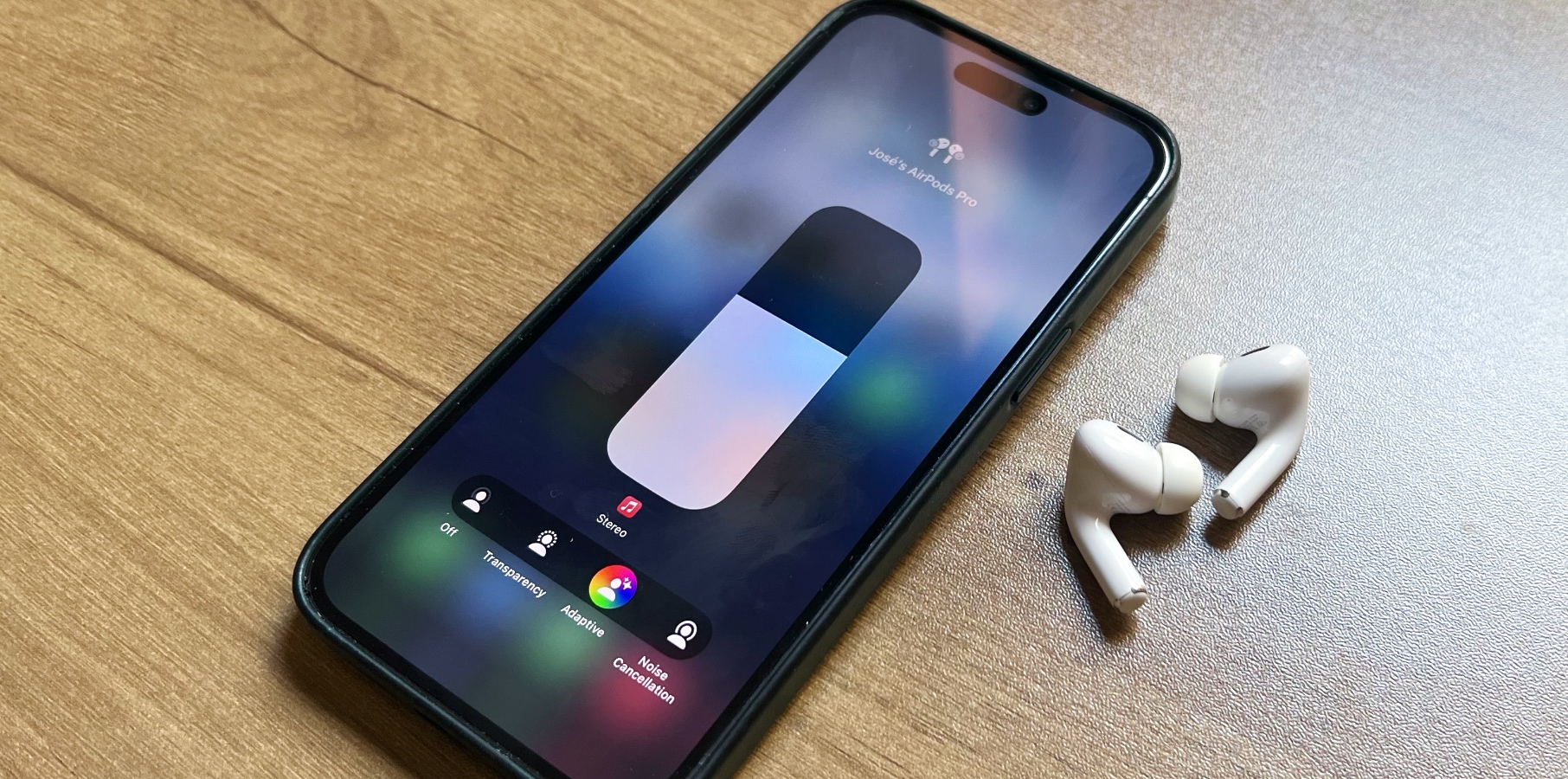
Future iterations of Apple’s AirPods Pro may include impressive health monitoring features, according to a new report in Mark Gurman’s PowerOn newsletter. While specific details are scarce, reports indicate that Apple is exploring capabilities that include heart rate monitoring and other physiological metrics. 

The development of these features is still in its early stages, with initial tests indicating that the heart rate monitoring functionality has yielded encouraging and relatively accurate results. And while there’s no telling when such a feature will hit the market, Gurman writes that it might “be ready for the next-generation AirPods Pro.”

Potential AirPods Pro 3 release

Admittedly, there haven’t been any concrete rumors about when we might see Apple release AirPods Pro 3. If history is any indication, however, it might be coming up sooner than you think.

For context, recall that the first AirPods Pro hit stores in October of 2019. AirPods Pro 2 then came around about three years later, in September of 2022. If Apple sticks with a 3-year upgrade cycle, there’s a chance we’ll see new a AirPod Pro model in the fall of next year. And remember, Apple typically aims to keep its upgrade cycle on a consistent schedule.

Tech. Entertainment. Science. Your inbox.

Sign up for the most interesting tech & entertainment news out there.

By signing up, I agree to the Terms of Use and have reviewed the Privacy Notice.

Rumored AirPods Pro 3 features

Notably, an AirPods Pro model with a heart rate monitor is reportedly the feature Apple is most focused on.

Gurman writes:

The main work right now is getting the AirPods to reliably measure a user’s heart rate. Though the Apple Watch already does this, the feature could be a selling point for people who don’t like wearing watches or just want a backup fitness tracker… 

In Apple’s testing, heart-rate data is more accurate on the watch than AirPods, but the earbuds aren’t terribly far off. 

Besides rumors of a heart rate monitor, some other AirPod Pro 3 rumors we’ve seen point to improved audio performance, a new H3 chip, more robust water and dust resistance, more seamless integration with the Vision Pro, and improved battery life. One feature we can likely look forward to is improved Active Noise Cancellation. One interesting but peculiar rumor claims that AirPods Pro 3 might include a feature that would allow users to measure their body temperature and perspiration level.

Apple’s commitment to health

Apple’s commitment to adding new health-oriented features to its AirPods Pro line shouldn’t come as much of a surprise. After all, the current AirPods Pro 2 have a clinical-grade Hearing Aid feature that was brilliantly showcased in the ad below:

Additionally, Apple CEO Tim Cook has been quite vocal about Apple’s commitment to leveraging its product line towards improving individual health. Notably, Cook during an interview a few years back said that Apple’s work in the health space may ultimately be what the company is most known and revered for.

If you zoom out into the future, and you look back, and you ask the question, ‘What was Apple’s greatest contribution to mankind?’ It will be about health.

We are taking what has been with the institution and empowering the individual to manage their health.

Lastly, it’s worth noting that Apple has also devoted a lot of resources to figuring out a way to get the Apple Watch to measure a user’s blood glucose levels. There’s no telling if Apple will ever be able to achieve this, but if it does, it will truly prove to be a godsend for millions of people across the globe.

Source

Posted on

Face ID could give Apple the best video doorbell on the planet

When Apple launched the first Face ID device, the iPhone X, I said it was the start of a world where seamless, perpetual, passive authentication would change the way we use Apple computers and software.

Then, Apple brought Face ID to the iPad but not to the Mac, where I always thought it could be very useful. Seven years later, the Mac still lacks Face ID, but that’s only because Apple can’t fit its components inside the laptop’s lid, which is much skinnier than iPhones or iPads.

However, Apple might be working on a Face ID product that could be even cooler than a Mac with 3D face authentication support, and one I should have totally seen coming. According to Bloomberg’s Mark Gurman, Apple is developing a Face ID doorbell that will integrate with other Apple devices, including upcoming smart home products.

While it’s unclear when or even if Apple will actually launch the doorbell, a Face ID doorbell would change the way home security works. It would be even cooler than smart locks that let you unlock the door with an iPhone or a wearable. The door would recognize your face and let you in as easily as unlocking your iPhone with Face ID.

Tech. Entertainment. Science. Your inbox.

Sign up for the most interesting tech & entertainment news out there.

By signing up, I agree to the Terms of Use and have reviewed the Privacy Notice.

Recent rumors, including previous coverage from the Bloomberg reporter, mentioned other smart home devices in Apple’s product roadmap. Next year, Apple will launch a smart home display that looks like a smaller iPad and acts like a smart home hub. Apple is also reportedly working on security cameras for the home that would work with the smart display.

A video doorbell with Face ID support seems like the kind of product that Apple would have to develop in this context. It would leverage some of Apple’s best features, including the secure 3D authentication algorithm and the strong privacy and security of Apple’s ecosystem. Gurman says the doorbell would protect consumer data using Apple’s upcoming Proxima chipset and its secure enclave feature.

The work on the Face ID doorbell is said to be in the early stages. If Apple decides to proceed with it, it might launch the product before the end of next year.

Apple is reportedly assessing some risks associated with this type of product. Face ID is very secure, with Apple saying that the system has less than a 1-in-1-million chance of a security breach. But if a breach does happen with a doorbell, an intruder could gain entry to the user’s home.

Gurman also cites another danger that Apple must account for. Since the doorbell would work with third-party smart locks via the HomeKit ecosystem, Apple would also have to deal with the home invasion risks associated with those devices.

Finally, Gurman says Apple may decide against selling the product under its own brand and partner with Logitech or Belkin. The reporter still notes that Apple is very interested in turning the smart home market into a moneymaker, regardless of whether the Face ID doorbell project is greenlit or canceled.

Source

Posted on

ChatGPT o3 is coming in January, but there’s still no word on GPT-5

OpenAI ended its “12 Days of ChatGPT” announcements on Friday with a bang. The company unveiled the next-gen reasoning model that will power ChatGPT, which is called o3. A ChatGPT o3-mini will also be available to users.

According to OpenAI’s presentation, the o3 models will deliver big performance boosts over their predecessors. OpenAI also revealed that it’s conducting safety training for the new reasoning models and taking registrations for third-party safety testers ahead of the models’ release. OpenAI also revealed that it plans to give o3-mini a late January release date, with o3 to follow.

You wouldn’t be alone if you thought Friday’s ChatGPT surprise might be OpenAI soft-launching GPT-5. However, it turns out that the big upgrade we’re waiting for is reportedly behind schedule and incurring massive costs. Therefore, o3 isn’t the GPT-5 model in disguise, but rather a precursor of that next big ChatGPT upgrade.

Sam Altman & Co. detailed the capabilities of the o3 models during a short live stream on Friday. That’s where he said that OpenAI will launch o3-mini around the end of January, with the full o3 model to follow shortly after that.

Tech. Entertainment. Science. Your inbox.

Sign up for the most interesting tech & entertainment news out there.

By signing up, I agree to the Terms of Use and have reviewed the Privacy Notice.

Then, The Wall Street Journal penned a detailed report about OpenAI’s struggles with GPT-5 development, indicating the o3 models are entirely different projects. It’s unclear when GPT-5 training will be ready, and there’s no release estimate for the next ChatGPT breakthrough model.

The hype around GPT-5 is real, however. The expectation is for the next genAI model to outperform GPT-4o while making fewer errors than its predecessors.

Called Orion internally, GPT-5 has been in development for 18 months. It was initially expected to drop in 2024, but OpenAI encountered unexpected delays while burning through cash. Training GPT-5 might cost up to $500 million per run, and the results aren’t exciting. Training GPT-4 cost the company over $100 million, according to Altman.

One issue with the training process concerns the lack of data. The internet, which OpenAI and others mined for data during the training phases of previous AI models, is finite. OpenAI needs more data of better quality to train the GPT-5.

That data needs to be generated by humans tasked with solving specific problems, whether coding or math. The alternative is the production of synthetic data from a reasoning model like o1.

The GPT-5 training process isn’t just generating high costs for processing all that data. It’s also time-consuming. A training run can take months and can’t guarantee success. If it fails, the teams have to rethink the process and restart it.

The report also details the various staffing problems OpenAI has been dealing with since Sam Altman was ousted and rehired in November 2023. Many high-ranking executives and researchers have left the company.

OpenAI has diverted resources to other products that might have impacted the development of GPT-5. This happened only after OpenAI researchers realized the Orion training runs failed to produce the expected results.

The Journal’s report isn’t the first to say GPT-5 will be delayed. Others said recently that several next-gen AI models deal with the same setbacks, not just GPT-5. With that in mind, it’s unclear when OpenAI will have GPT-5 ready. But, if you had any doubts, o3 isn’t GPT-5 by another name. It’s just a more advanced reasoning AI from OpenAI.

Reasoning could be the key to developing better genAI in the future. The report cites a quote from a recent Ted Talk featuring OpenAI senior research scientist Noam Brown. He said that “having the bot think for just 20 seconds in a hand of poker got the same boost in performance as scaling up the model by 100,000x and training for 100,000 times longer.”

On that note, I’ll speculate that the o3 models may be what OpenAI needs to generate that additional data to train GPT-5. That’s speculation, however, and there’s no indication that’s what’s happening behind the scenes. As for OpenAI, the company is not ready to make any GPT-5 announcements.

Source

Posted on

Nvidia in 2024: year in review

Nvidia experienced a memorable 2024 in some ways, and certainly CEO Jensen Huang won’t forget the year in which his company finally outdid Apple as the most valuable firm in the world.

We also received a clutch of powerful new GeForce GPUs from Team Green, along with a huge move on the software front too, and, inevitably, AI continued to be a massive driving force for Nvidia.

Nvidia’s value exceeded $1 trillion in 2023, but it blew through the roof this year, with its stock heading steeply upwards throughout 2024 – driven, of course, in large part by its AI GPUs.

Indeed, Nvidia became the world’s most valuable company in June 2024, beating out the likes of Apple and Microsoft, exceeding a market cap of $3 trillion. Team Green slipped back a bit as the year went on, but then retook pole position from Apple in November 2024, approaching a $3.5 trillion valuation. Nvidia also barged Intel off the Dow Jones Industrial Average index.

Throughout the year, Jensen was gleefully stoking the AI hype furnace, unsurprisingly. A lot of leather jackets can be bought for the kind of cash Nvidia is now worth, and the swiftness with which this financial rise has occurred has been nothing less than breathtaking.

Is Nvidia going to be the first company to hit the $4 trillion mark? It’s a fair bet if the momentum behind AI keeps on chugging the way it has been – and maybe Nvidia is even set to become a household name eventually (something it most definitely isn’t yet, despite all this success).

An Nvidia GeForce RTX 4080 Super on a desk

(Image credit: Future / John Loeffler)

The year of the Super graphics cards

Nvidia continued to dominate the desktop GPU market in 2024, to no one’s surprise, to the point of a near-monopoly in fact.

{ window.reliablePageLoad.then(() => { var componentContainer = document.querySelector(“#slice-container-newsletterForm-articleInbodyContent-jUamdD2HT8rV4VaGqCApam”); if (componentContainer) { var data = {“layout”:”inbodyContent”,”header”:”Get daily insight, inspiration and deals in your inbox”,”tagline”:”Sign up for breaking news, reviews, opinion, top tech deals, and more.”,”formFooterText”:”By submitting your information you agree to the Terms & Conditions and Privacy Policy and are aged 16 or over.”,”successMessage”:{“body”:”Thank you for signing up. You will receive a confirmation email shortly.”},”failureMessage”:”There was a problem. Please refresh the page and try again.”,”method”:”POST”,”inputs”:[{“type”:”hidden”,”name”:”NAME”},{“type”:”email”,”name”:”MAIL”,”placeholder”:”Your Email Address”,”required”:true},{“type”:”hidden”,”name”:”NEWSLETTER_CODE”,”value”:”XTR-D”},{“type”:”hidden”,”name”:”LANG”,”value”:”EN”},{“type”:”hidden”,”name”:”SOURCE”,”value”:”60″},{“type”:”hidden”,”name”:”COUNTRY”},{“type”:”checkbox”,”name”:”CONTACT_OTHER_BRANDS”,”label”:{“text”:”Contact me with news and offers from other Future brands”}},{“type”:”checkbox”,”name”:”CONTACT_PARTNERS”,”label”:{“text”:”Receive email from us on behalf of our trusted partners or sponsors”}},{“type”:”submit”,”value”:”Sign me up”,”required”:true}],”endpoint”:”https://newsletter-subscribe.futureplc.com/v2/submission/submit”,”analytics”:[{“analyticsType”:”widgetViewed”}],”ariaLabels”:{}}; var triggerHydrate = function() { window.sliceComponents.newsletterForm.hydrate(data, componentContainer); } if (window.lazyObserveElement) { window.lazyObserveElement(componentContainer, triggerHydrate); } else { triggerHydrate(); } } }).catch(err => console.error(‘%c FTE ‘,’background: #9306F9; color: #ffffff’,’Hydration Script has failed for newsletterForm-articleInbodyContent-jUamdD2HT8rV4VaGqCApam Slice’, err)); }).catch(err => console.error(‘%c FTE ‘,’background: #9306F9; color: #ffffff’,’Externals script failed to load’, err)); ]]>

Sign up for breaking news, reviews, opinion, top tech deals, and more.

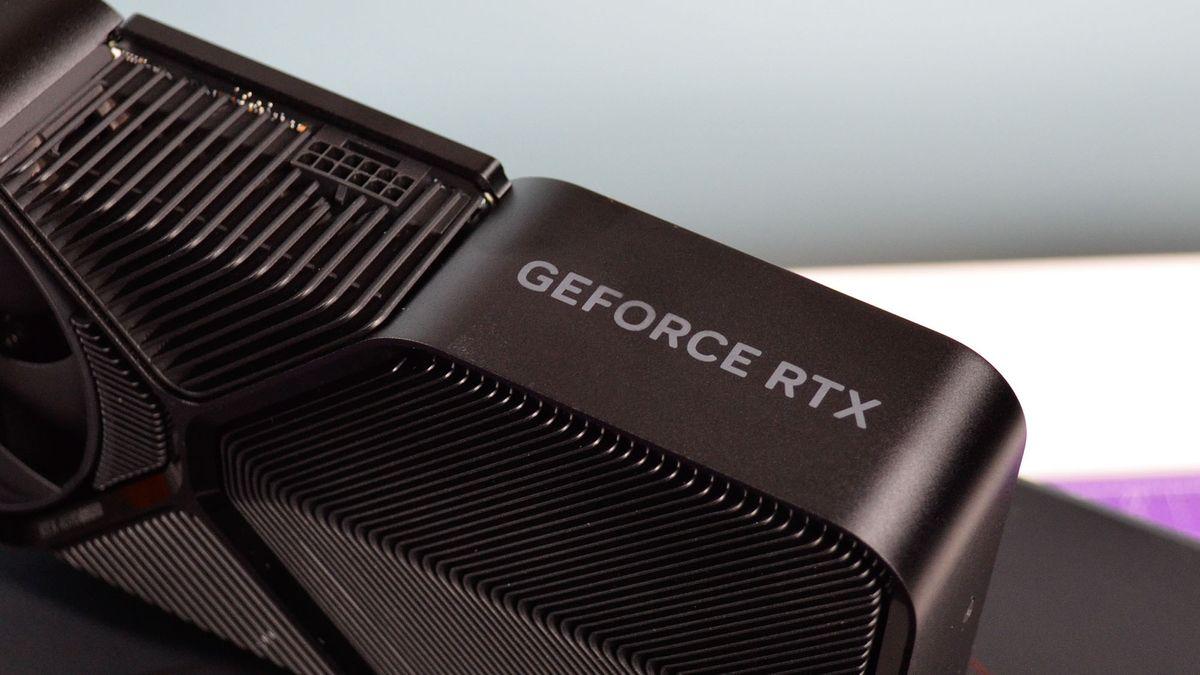
Helping to maintain its momentum here was a trio of new graphics cards for the Lovelace range which Nvidia revealed as the year kicked off. These fresh additions to the best Nvidia GPUs out there were the GeForce RTX 4070 Super, RTX 4070 Ti Super, and RTX 4080 Super.(And yes, we still can’t get over the fact that Nvidia made a ‘Ti Super’ as a way to jam an extra model into a cluttered mid-to-upper-range space).

These Super GPUs replaced the existing models in all but the case of the RTX 4070, which was kept in production to run alongside the RTX 4070 Super, but at a cheaper price point (obviously).

Overall, the new graphics cards were welcome introductions and powerhouse offerings, but what wasn’t so welcome were the price tags attached to them. In true Nvidia style, these mid-to-higher leaning GPUs were all expensive. Notably, the RTX 4070 Ti Super fell a little short in our review, being rather overshadowed by the RTX 4080 Super, which we declared was the enthusiast GPU we’ve all been waiting for.

Our review of the RTX 4070 Super also represented a big thumbs-up for the GPU, and it proved to be our favorite overall of the new graphics cards (even if its 12GB of VRAM limits the card’s 4K chops – the 4080 Super become the new champ here, of course).

On the issue of priciness, it’s true that some of these new Super variants got price cuts to a limited extent as the year rolled on, but overall, AMD’s mid-range remained the much better value picks compared to Team Green.

Otherwise, we didn’t see much else from Nvidia in the way of GPU releases, save for a fresh spin on the RTX 4070 with slightly slower video RAM. It was effectively the same as the original RTX 4070, though, and a move made by Team Green to ensure supply remained strong, we were told.

An EVGA RTX 3060 on a table in front of its retail packaging

(Image credit: Future/Jackie Thomas)

There was nothing to be seen elsewhere, and once again, tumbleweeds at the lower-end of the market. The old RTX 3060 remained a strong seller as a result – the 12GB flavor, with that VRAM loadout proving a definite carrot for some gamers – despite chatter from the grapevine around the middle of the year that Nvidia might be discontinuing this model.

Indeed, the RTX 3060 is still the most popular GPU out there going by the Steam hardware survey, with the RTX 4060 making good headway too – that graphics card remains our top pick for 1080p gaming (and it’s solid for 1440p as well).

Despite plenty of rumors suggesting a 2024 launch earlier in the year, we didn’t see the RTX 5000 series turn up this year, with the expectation now being that Nvidia will launch new RTX 5090 and 5080 (and possibly RTX 5070) GPUs at the very start of 2025 at CES.

NVIDIA App | Essential Companion for PC Gamers & Creators – YouTube NVIDIA App | Essential Companion for PC Gamers & Creators - YouTube Watch On

There was some super new software, too

Broadly speaking, Nvidia GPU owners have had a somewhat rocky relationship with GeForce Experience. A good chunk of gamers with an Nvidia graphics card preferred to just install the graphics driver, and not bother with the companion software, GeForce Experience, at all – and Team Green took the hint. In 2024, Nvidia canned GeForce Experience and made an all-new official app.

The Nvidia App (oh, the hours upon hours that must’ve been spent in brainstorming marketing meetings coming up with that name) arrived in beta in February 2024. It was billed as an all-in-one replacement for GeForce Experience and the Nvidia Control Panel, plus the RTX Experience. All these separate pieces were instead housed under one convenient umbrella (where driver installs are handled, too).

The Nvidia App emerged as a full release in November, after being worked on extensively during the year. Nvidia even actively solicited feedback from gamers on which legacy features should be preserved, and more besides.

That feedback was listened to in terms of implementing elements such as in-game frame rate and latency info (plus much more) in the revamped overlay for the Nvidia App, and it offered some smart new features such as easy GPU overclocking. The new app was generally well-received, appears to run smoothly and responsively in the main, and fortunately, there are no onerous account or login requirements here either – hopefully that’ll remain the case going forward.

There was one notable niggle that cropped up in mid-December, though, when reports emerged that an option in the Nvidia App could cause considerable slowdown of gaming frame rates. Nvidia is currently investigating that problem (at the time of writing), and there’s a fix (of sorts) for the apparent bug.

Also on the software side of the equation, DLSS continued to dominate the frame rate boosting scene, and remains a powerful weapon in Nvidia’s armory of GPU tricks.

Nvidia CEO Jensen Huang at Nvidia's pre-Computex 2024 keynote showing off Nvidia Rubin

(Image credit: Nvidia)

AI FTW still

Naturally AI remained an area where Nvidia realized some big successes this year, and as we already mentioned, it helped to drive the company’s market value skywards (or moon-wards, perhaps we should say).

Team Green was predictably keen to push forward with new Rubin AI chips, the successor to Blackwell for AI workloads, being announced just a few months after the latter.

It’s possible that Rubin, which was the focus of Computex 2024, could power the GeForce graphics cards that follow the next generation – mirroring the way Blackwell has been deployed for AI GPUs and RTX 5000 desktop boards – so this could have been our first (sort of) sighting of RTX 6000. (If RTX 6000 ever happens, and here at TechRadar, we’ve made arguments as to why there are valid reasons to doubt this – namely the juggernaut profits in the AI world, of which there are a bunch of major concerns around, it has to be said).

GeForce Now 4K streaming on laptop

(Image credit: Nvidia)

GeForce Now continues to evolve – with a catch

Last year was an important one for Nvidia’s streaming service for PC gamers, with the new ‘Ultimate’ subscription coming in (offering up to 240 frames per second, and a less laggy experience – for those with an internet connection up to the task, that is).

Early in 2024, Nvidia introduced a Day Pass for GeForce Now – allowing you to try out the full service for a day, to see how it works for you – and then towards the tail end of the year, a big upgrade was announced for the middle tier ‘Priority’ membership. This was renamed ‘Performance’ and Nvidia boosted its visual quality from 1080p to 1440p resolution (with ultrawide monitor support on top), all with no additional cost.

At least there was no financial cost, but there was a catch in the form of a monthly time limit imposed on these subscribers (and Ultimate tier members too). On the face of it, capping play time was a move to help Nvidia shorten queues and keep the streaming quality running smoothly, but it went down badly with some subscribers, who felt the 100-hour limit was too stingy.

Note that the new time limit doesn’t come into force until 2025 starts, and won’t apply to existing subscribers until 2026. Still, this led to plenty of threats of quitting GeForce Now on online forums – we’ll just have to see if that turns out to be mere noise, or whether a bunch of subscribers are indeed about to exit stage left.

Nvidia CEO Jensen Huang

(Image credit: Nvidia)

Concluding thoughts

In 2024, Nvidia brought some high-quality graphics cards into its Lovelace range, although the more affordable end of the GPU market was totally neglected (again). The company continues to dominate the desktop graphics card arena, and that won’t likely change in the near future – especially not at the higher-end where Nvidia won’t even be challenged going forward, if the rumors are right.

The Nvidia App was a high point for Team Green – and it’s great to see gamer feedback helped to shape the software – with DLSS also helping to build on, and reinforce, its consumer GPU success.

AI was the massive money-spinner, though, and the driving force behind Nvidia exploding to become the world’s most valuable company.

As we touched on above, the worry for PC gamers might be that the blistering success of AI GPUs – if it continues, and it doesn’t seem a good idea to bet against that – could mean Nvidia’s gaming graphics cards are eventually side-lined, or perhaps dispensed with entirely. With AMD also looking to cash in on AI, and Intel’s GPU prospects seeming shakier these days, all this does prompt some concern around the future of desktop graphics cards in the consumer marketplace.

You might also like

Source