Posted on

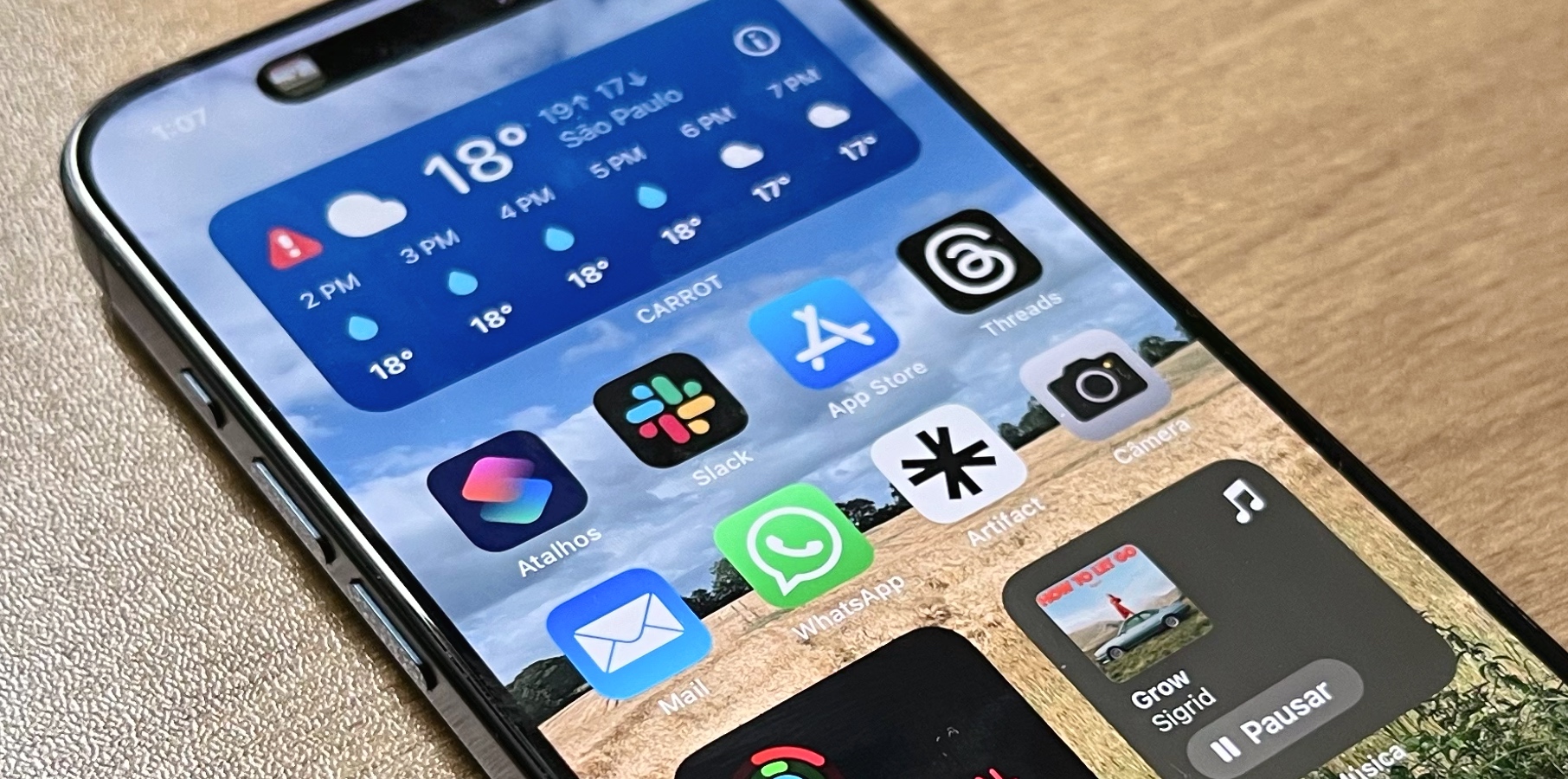
Top insider says foldable iPhone will enter mass production this year

Alongside the imminent release of the iPhone SE 4 and the launch of a new iPhone 17 Air later this year, it seems Apple is busier than usual with its smartphone lineup.

According to top insider Ming-Chi Kuo, the company plans to start mass production of the foldable iPhone in the second half of 2025. Currently, this device is in “the planning stage.” As already pointed out by my colleague Chris Smith, the release of the iPhone 17 Air will be crucial for this upcoming foldable device.

Since Apple is preparing an ultra-thin device, the company will take advantage of that technology (and compromises, such as being eSIM-only) to produce the long-awaited foldable iPhone.

Apple could be readying the iPhone Fold for 2026 or 2027

The Information believes Apple started this project around 2020, and it won’t take long until the company reveals it. The Korean outlet The Elec learned that Apple is considering a 2026 or 2027 release date for a foldable device about the same size as the iPad mini.

Tech. Entertainment. Science. Your inbox.

Sign up for the most interesting tech & entertainment news out there.

By signing up, I agree to the Terms of Use and have reviewed the Privacy Notice.

The report doesn’t call it a phone. Previous rumors said that Apple’s first foldable device might be a tablet rather than an iPhone

While The Information believes a 2026 release makes more senseThe Elec points out that 2027 would mark the 20th anniversary of the iPhone and the 10th anniversary of the first iPhone with an OLED panel. The latter isn’t really a cause for celebration. The 2017 iPhone X had to be different because Apple celebrated the handset’s 10th anniversary. And the OLED screen allowed Apple to make an all-screen display in addition to the TrueDepth system.

Other analysts also claim this device will likely launch between 2026 and 2027. That said, we’ll still have to wait a little longer, as Apple’s focus is now on the future iPhone 17 models, which you can learn more about below.

Source

Posted on

Samsung’s Galaxy S25 Slim specs leaked from an early benchmark test

Samsung will unveil the Galaxy S25 in less than two weeks at its first Unpacked press event of the year. Rumors say the keynote will deliver at least one surprise in the form of an ultra-thin Galaxy S25 Slim phone. The handset will be introduced at Unpacked, but it might not ship for several months. Development of the phone might be running behind compared to the regular Galaxy S25 variants.

Samsung reportedly decided to make the Galaxy S25 Slim after it became clear that Apple plans to launch an ultra-slim iPhone 17 Air handset this fall. Coming out with the Galaxy S25 Slim before Apple unveils the thinner iPhone 17 variant could be in Samsung’s favor, at least from a marketing perspective.

A new discovery seems to back up rumors that the Galaxy S25 Slim was added to the Galaxy S25 lineup later than usual. The first purported Geekbench 6 benchmark leaked for the handset, confirming some of its specs in the process.

Found by leaker Jukanlosreve, the Geekbench 6 test for the Galaxy S25 Slim is available at this link.

Tech. Entertainment. Science. Your inbox.

Sign up for the most interesting tech & entertainment news out there.

By signing up, I agree to the Terms of Use and have reviewed the Privacy Notice.

At the time of this writing, two such tests were available on Geekbench for the same phone. It’s a Samsung phone with model number SM-S937U. The Galaxy S25 Slim name doesn’t appear anywhere in the identifiers, of course. But we’ve seen that codename in previous Galaxy S25 Slim rumors.

Leaked Galaxy S25 Slim Geekbech 6 benchmark test.Leaked Galaxy S25 Slim Geekbech 6 benchmark test. Image source: Geekbench

Regarding performance, we’re looking at single-core scores of around 3,000 and multi-core scores of almost 7,000 points. While the single-core test nearly matches the Galaxy S25 Ultra’s early tests that leaked in early November, the multi-score performance lags by about 3,000 points.

This indicates we’re looking at an early test or that Samsung will have to throttle performance on the thinner phone to prevent overheating. While I’m speculating, ultra-thin handsets will come with compromises.

Despite the performance differences there’s good news here. The Galaxy S25 Slim will share some of the most important specs with the Galaxy S25 Ultra. The phone in the benchmark test above runs on the same Qualcomm chip as the one in the Galaxy S25 Ultra tests. They’re identical, down to the clock speeds. It means the Galaxy S25 Slim will pack the Snapdragon 8 Elite chip.

That’s great news for buyers looking for an ultra-thin flagship phone. I say that as an iPhone user looking forward to the iPhone 17 Air. I know the handset should be as powerful as the base iPhone 17 because that’s how Apple does things.

The benchmark test above indicates that Samsung will take a similar approach. The Galaxy S25 Slim will not feature a less powerful chip than the rest of the Galaxy S25 line. That is, Samsung won’t try to cut costs. It also implies the Galaxy S25 Slim won’t be more affordable, as the Elite processor is an expensive component.

The test also reveals another detail about the Galaxy S25 Slim’s specs. The phone will feature 12GB of RAM, while the Ultra will pack 16GB of RAM. However, I don’t expect memory to be a problem on a phone like the Galaxy S25 Slim.

Source

Posted on

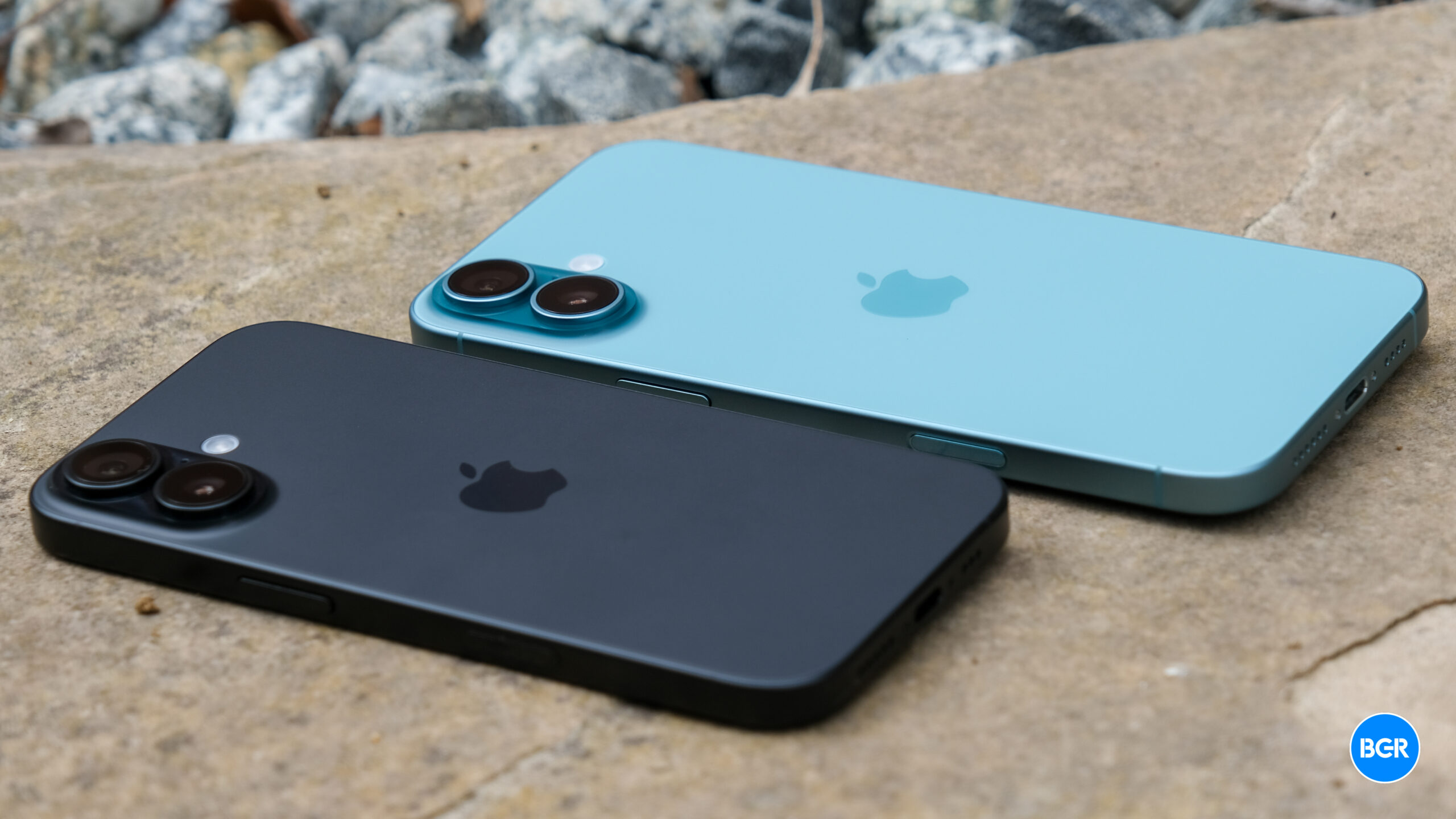
iPhone 17 Air could be even slimmer than anticipated

With the iPhone 17 Air expected to replace the Plus model, reports have speculated about one of its key qualities: How thick it will actually be. Just days ago, South Korea’s Sisa Journal said this device would be 6.25mm thick, which would make it the thinnest iPhone ever.

This would make the iPhone 17 Air 20% thinner than the base iPhone 16 models and 25% thinner than the iPhone 16 Pro. However, top insider Ming-Chi Kuo believes Apple could make this device incredibly thin, with the thinnest part being around 5.5mm.

If Cupertino achieves that, this device would be remarkably thin. That being said, the analyst could have been speculating over previously reported information. Other reports suggest that the iPhone 17 Air would be 5mm to 6mm thick.

Still, even if Apple can’t deliver a 5.5mm thick iPhone, it will still be thinner than any other model released so far. In addition to that, Kuo doesn’t believe this iPhone will be responsible for improving Apple’s iPhone sales, even though it’s expected to sell better than the iPhone Plus models.

Tech. Entertainment. Science. Your inbox.

Sign up for the most interesting tech & entertainment news out there.

By signing up, I agree to the Terms of Use and have reviewed the Privacy Notice.

“Although the ultra-thin iPhone 17 may ship in higher volumes than the iPhone Plus, it likely won’t significantly boost iPhone sales overall, partly due to downgraded components paired with a high price and a user experience similar to current models,” says the analyst.

Besides that, the eSIM-only option would make it unavailable in China, one of Apple’s key markets. The Asian country doesn’t offer eSIM-only phones, which could be an issue for Cupertino. Possible shipping momentum challenges and other compromises, such as smaller battery life and a weaker 5G modem, could make users focus on a Pro model instead.

Below, you can learn more about the latest details on the iPhone 17 lineup, including the upcoming iPhone 17 Air.

Source

Posted on

Galaxy S25 price leak sparks concern about imminent hikes

Now that CES 2025 has come and gone, the next big event in the tech world is Samsung’s Galaxy Unpacked event on January 22nd. Samsung will unveil the Galaxy S25 lineup at the show, including a Galaxy S25 Slim variant.

The ultra-thin phone might hit stores in just a few months, but that’s hopefully not the only surprise Samsung has prepared for fans. Rumors say Samsung will unveil its Android XR-based AI-infused smart glasses at the show. We certainly expect to see the Vision Pro rival, Project Moohan, unveiled officially. Samsung might also announce a new Galaxy Ring 2 model.

But Unpacked might also bring some unexpectedly bad news: Price hikes for the three (well, four) Galaxy S25 models, the show’s stars.

We saw warnings a few weeks ago that at least one of the three main Galaxy S25 versions could cost more than last year’s model. Now, a new report from Europe suggests price hikes might be in order for all three models, which will be available in stores by February.

Tech. Entertainment. Science. Your inbox.

Sign up for the most interesting tech & entertainment news out there.

By signing up, I agree to the Terms of Use and have reviewed the Privacy Notice.

Reports from Korea detailed in mid-December the two factors that might force Samsung to raise prices for the Galaxy S25 models. First, there was the political turmoil in Korea that impacted the dollar-won exchange. Then there’s the Snapdragon 8 Elite processor, the high-end chip that will power all Galaxy S25 models, that’s significantly more expensive than its predecessor.

The report singled out the Galaxy S25 Ultra as the likely model to get a higher price tag than the Galaxy S24 Ultra.

A month later, Italian blog SmartWorld says that a local store in Italy has already set up placeholder pages for the Galaxy S25 phones that will go on sale after Unpacked.

The store listed prices for all three Galaxy S25 versions and their respective memory options, indicating that price hikes will be in order. According to this information, the Galaxy S25, S25 Plus, and S25 Ultra will cost at least €50 more than their predecessors.

While that might seem troubling, I’ll say there’s nothing official about these prices. That’s a point the Italian blog makes. Maybe it’s just placeholder information waiting to be edited once Unpacked drops. SmartWorld also says that well-known inside Roland Quandt said in December that the Galaxy S25 European prices would match last year’s models.

If the price hikes are real, they might not reflect Samsung’s plans worldwide. It’s unclear in which markets Samsung will raise prices for the Galaxy S25. After all, a €50 hike isn’t as big as expected. If it translates to a $50 price hike in the US, you can offset it by simply registering to preorder a Galaxy S25 flavor. Registration will give you $50 in Samsung credit.

On the other hand, European prices also factor in VAT. The actual price hike might be lower when you remove the tax.

I’ll also remind you that Samsung and its carrier partners will run plenty of promos during the preorder period to make the Galaxy S25 price more palatable. One already leaked: free Gemini Advanced access for up to a year. That’s a subscription that usually costs $20/month. It offers plenty of cloud storage in addition to Google’s best AI model.

Finally, a recent rumor says that Samsung wants to launch a hardware subscription plan soon for devices like the Galaxy S25. While it will be available only in certain markets initially, a hardware subscription plan might make the Galaxy S25 a lot easier on the wallet.

As for the Galaxy S25 Slim, the handset doesn’t have a predecessor, so we can’t predict how much it’ll cost. But I don’t expect it to be more affordable than the base Galaxy S25 model. The ultra-thin phone will still run on the same high-end Snapdragon chip as the rest of them.

Source

Posted on

Show this AI a single image, and it can imagine an entire world

Imagine transforming a single still image into an entire virtual world. This futuristic capability isn’t just a dream; it’s the reality of GenEx (Generative World Explorer). Designed to eliminate the need for physical exploration, GenEx saves time and cost and reduces risk.

The potential of such a system spans from disaster response to immersive gaming, offering a new lens through which we can view and interact with the world, the researchers behind the new system explain in a pre-published paper. GenEx stands out for its human-like reasoning.

Much like how we infer the presence of a hidden object based on context, GenEx uses cues and prior knowledge to imagine unseen areas of an environment. This probabilistic prediction allows for logical decision-making even without direct observation, mimicking the cognitive leaps we make daily.

For instance, just as a driver deduces why a car suddenly stops, GenEx predicts unseen scenarios to guide decisions. The applications here are far-reaching. In disaster response, it can remotely explore hazardous zones using a single surveillance image, enabling safer and quicker rescue operations.

Tech. Entertainment. Science. Your inbox.

Sign up for the most interesting tech & entertainment news out there.

By signing up, I agree to the Terms of Use and have reviewed the Privacy Notice.

For navigation, GenEx enhances the training of autonomous robots and navigation apps by providing a detailed understanding of their environment. Gaming and virtual reality also stand to benefit from this technology, creating more immersive and lifelike experiences for users.

At the heart of GenEx are several key features. It generates synthetic, navigable environments from static images and employs “spherical consistency learning” to ensure seamless 360-degree panoramic views. With its “imagination-augmented policy,” GenEx empowers AI agents to make logical, adaptive decisions and flexibly navigate virtual spaces based on directional input and distance parameters.

Tests have shown that GenEx’s capabilities aren’t just theoretical. GenEx has outperformed traditional benchmarks in video generation and improved human decision-making in augmented scenarios. Looking ahead, integrating real-world sensor data and dynamic scenes could make virtual worlds even more realistic.

We’ve seen AI do some crazy things—like making accurate images based on street noise—but we’ve yet to see something as promising as GenEx and its virtual environment generation.

Source

Posted on

Meta is about to ruin WhatsApp with AI bots no one wants

Of all the generative AI assistants out there, Meta AI must be the most annoying for the simple fact that Meta is shoving it down our throats. No app is safe, from Facebook to Messenger to WhatsApp to Instagram. Meta AI is there whether you want it or not, and there’s no way to deactivate it.

Meanwhile, ChatGPT is entirely optional, not that OpenAI can really force it on anyone. Apple’s Apple Intelligence is also optional; you don’t have to use it even if you have access to it. Then there’s Google Gemini, which is baked into many Google products but doesn’t feel as intrusive as Meta AI. The same goes for Microsoft’s Copilot.

The worst part about Meta AI is that Meta isn’t done ruining its apps with overdoing the AI presence. We’ve just learned of AI profiles coming to Facebook and Instagram, which is extremely annoying. It gets worse; Meta will now give AI bots prime plans inside WhatsApp, a feature that nobody really asked for from the one Meta app that’s actually useful.

WhatsApp is the world’s largest chat app. It works on iPhone and Android and supports end-to-end encryption across platforms. That’s the only reason I’m still using it. That, and the fact that Meta relented on its annoying WhatsApp policy change a few years ago.

Tech. Entertainment. Science. Your inbox.

Sign up for the most interesting tech & entertainment news out there.

By signing up, I agree to the Terms of Use and have reviewed the Privacy Notice.

Come to think of it, the only reason WhatsApp is so good and still encrypted, is that the app was built this way well before Meta bought it for a small fortune.

The last thing I want in WhatsApp is support for AI chatbots. Yes, it’s great that you can save a ChatGPT number to chat with the chatbot from WhatsApp, but that’s optional.

Say that Meta feels like it has to put AI bots in WhatsApp to expose more people to Meta AI and potentially make some money in the process. I still hate the idea of WhatsApp getting a dedicated AI menu. That’s wasted screen real estate right there. It’s a feature I’ll never use, and I’m sure others will be equally uninterested.

The new AI bots menu in a WhatsApp beta release for Android.The new AI bots menu in a WhatsApp beta release for Android. Image source: WABetaInfo

Meta is testing the new interface in an Android beta version of WhatsApp. Always reliable WABetaInfo surfaced the image above that shows the new AI tab replacing the Communities tab. That menu, which might actually be useful, is merging with the Chats tab.

The new AI tab will include all sorts of AI chatbots to talk to, including third-party models that can talk to you about specific topics.

I don’t doubt that some WhatsApp users will want to use these services. I say that as a longtime ChatGPT user who chats with OpenAI’s chatbot about all sorts of things daily. But I absolutely hate the idea of any AI product being forced on me the way Meta is doing with Meta AI.

WhatsApp is especially important to me as I use it to talk to many people. It’s not just Android users in my family or friends group that like WhatsApp; plenty of iPhone owners prefer the platform over iMessage. AI isn’t needed. Or if it is, it should be hidden somewhere and accessible on demand.

It might get even worse than that. WABetaInfo found evidence in a different WhatsApp beta version that Meta wants to let users create custom AI chatbots right inside the app. The process might be similar to what’s already available on Instagram.

Support for custom AI bot creation in a WhatsApp beta release for Android.Support for custom AI bot creation in a WhatsApp beta release for Android. Image source: WABetaInfo

The feature resembles the custom chatbots available in ChatGPT and Gemini, so it’s not entirely surprising. But, again, it’s not something I want to clutter a key app like WhatsApp.

I don’t see any value in adding AI bots to WhatsApp or supporting the creation of custom ones.

Remember that if left unchecked, some custom AI chatbots might be harmful, especially when certain types of users are exposed to them. And it’s not like Meta is improving its content moderation policies, so we have no idea how it’ll police this universe of AIs it’s bringing to apps like WhatsApp and Instagram.

I can only hope that Meta will not bring these features out of beta, but that’s just wishful thinking. If anything, I take some solace in knowing that it’ll take longer for Meta to deploy the AI changes to WhatsApp in Europe.

Source

Posted on

Apple leaker reveals marquee features for several future iPhone models

The iPhone 17 will be the most important product Apple ships in 2025, and we already have a few exciting rumors about the series. First, the iPhone 17 Air will be Apple’s thinnest iPhone in years. The base iPhone 17 variants will get a 120Hz display, and the iPhone 17 Pro Max will get a smaller Face ID Dynamic Island. That is if all the current rumors come true.

But Apple is also working on iPhone innovations for future generations. A leaker from Asia claims that Apple’s current parts suppliers are already developing components that might serve future iPhone generations. The insider mentioned a foldable display and Face ID components that might help Apple reduce the 3D face recognition system’s footprint.

Weibo user Digital Chat Station, who is known for various accurate leaks in the past, posted an update that mentions multiple components for iPhone models that Apple might be working on.

A machine translation of the post tells us Apple’s supply chain is developing a multi-fold periscope lens, a variable aperture main camera, a foldable screen, and a miniaturized ToF (Time of Flight) technology for Face ID.

Tech. Entertainment. Science. Your inbox.

Sign up for the most interesting tech & entertainment news out there.

By signing up, I agree to the Terms of Use and have reviewed the Privacy Notice.

While the leaker doesn’t mention the specific iPhone models these innovations might debut on, this isn’t the first time we’ve seen such claims.

The foldable screen might concern the foldable iPhone Apple is expected to launch in 2026. A main camera with a variable aperture is reportedly in the works for next year’s iPhone 18. Recent reports also said that the main camera would get a lens from Samsung instead of Sony.

The smaller ToF component for the Face ID system might be related to previous rumors that Apple wants to shrink the Dynamic Island and transform it into a circular hole in the coming years. The Face ID components would move under the display, while the selfie camera would still peek through the OLED panel.

The transition to a smaller Dynamic Island might start this year with the iPhone 17 Pro Max. The premium phone should feature metalens optics for the Face ID system inside the Dynmic Island. The pill-shaped cutout will be smaller than the version Apple has used since the iPhone 14 Pros.

The only purported iPhone component in the leaker’s list that is more puzzling is the multi-fold periscope lens. Apple uses a tetraprism zoom lens in the iPhone 15 Pro Max and the 16 Pro models. Apple will likely want to improve the digital zoom experience in future models by using a more complex prism to bend light.

It’s unclear which iPhone model will introduce the next-gen zoom camera. But if parts suppliers are already sending Apple samples for prototype testing, it should happen in the not-too-distant future.

That’s assuming Apple is happy with the components and goes forward with these features. The iPhone maker tests all sorts of ideas for the headset, but not all of them get promoted to commercial products. As for some of the ones that do leak, they can get postponed.

Source

Posted on

Samsung just hallucinated that it will become the global AI leader in 2025

Samsung was the first big smartphone vendor to launch a flagship phone with AI at the core of its marketing efforts. Last year’s Galaxy S24 series introduced the Galaxy AI suite of features. Samsung followed with the Galaxy Z Fold 6 and Flip 6, which got additional AI capabilities. Samsung then extended Galaxy AI support to older flagship devices. And in a few weeks, Samsung will launch the Galaxy S25 series, which should introduce even more Galaxy AI novelties.

But Samsung leadership is hallucinating worse than an AI program ever could about Samsung’s global role in genAI. In a New Year’s address, Samsung Electronics CEO and Vice Chairman Han Jong-hee and DS Division Vice Chairman Jeon Young-hyun addressed Galaxy AI, saying that Samsung should become the undisputed leader of device AI this year.

“Now is the time for bold innovation that goes beyond the existing success methods as we face an inflection point in AI technology,” the execs said, according to a machine-translated Samsung release. “Let’s establish ourselves as a clear device AI leader this year through advanced intelligence.”

The goal of becoming the undisputed AI leader is noble. It’s what you’d expect key execs to say ahead of a busy year when AI will continue to dominate the tech world. It’s also something officials at other leading tech companies could say, considering AI is the main priority right now.

Tech. Entertainment. Science. Your inbox.

Sign up for the most interesting tech & entertainment news out there.

By signing up, I agree to the Terms of Use and have reviewed the Privacy Notice.

But Samsung is nowhere close to being a leader in AI, and I don’t see it happening in 2025 either. The main problem with Samsung’s Galaxy AI approach is that it doesn’t have a meaningful model of its own to power the genAI tech on phones like the Galaxy S24 and S25.

Using Google's Circle to Search AI feature on the Galaxy S24 Ultra.Using Google’s Circle to Search AI feature on the Galaxy S24 Ultra. Image source: Samsung

Galaxy AI is a mix of AI technologies. Google’s Circle to Search is a good example. Also, Galaxy S25 phones are rumored to come with free Google Gemini Advanced, Google’s best version of Gemini AI.

I’ll also point out that Samsung’s upcoming XR devices, Project Moohan and unnamed AR smart glasses, will work on Google’s Android XR platform, with Gemini playing a key role. I expect Galaxy AI to be part of the picture for both types of products because Samsung can’t AI on its own.

Samsung doesn’t have an alternative to ChatGPT or Gemini. If it is working on Bixby upgrades and Gauss upgrades, matching these AI models will take a long time.

Also, Samsung doesn’t have a desktop presence. ChatGPT is my primary AI tool right now, and I use it across devices. Most of the time, I access it on my Mac rather than a mobile phone.

OpenAI and Google have better models. Meta, Claude, and Microsoft also have AI tools that are more advanced than Samsung’s. Apple is working on a Siri LLM that will behave like ChatGPT and has incorporated ChatGPT into Apple Intelligence on the iPhone.

As for on-device AI, Samsung might have been the first to push AI on mobile devices with Galaxy AI, but it’s not the only one. Google is doing it with Pixel phones and Android in general. Apple laid out an even better vision of on-device AI with Apple Intelligence this year, which Samsung doesn’t appear to be able to match.

Samsung's Project Moohan Android XR headset.Samsung’s Project Moohan Android XR headset. Image source: Samsung

Apple Intelligence might be behind Galaxy AI and other rivals, but Apple has something rivals can’t match: a massive base of devices that can use Apple Intelligence, and the list is growing rapidly. Once Apple Intelligence matures, Apple could very well become the undisputed device AI leader.

Speaking of Apple’s AI vision, Samsung has yet to match what Apple wants to do with iPhones. It’s not just about text and notification summaries, text generation, wallpaper generation, photo editing, and translation. It’s about Siri becoming a more useful assistant by accessing on-device contextual information about the user.

Apple has a plan, at least; one that Samsung might follow. Samsung’s Galaxy AI teasers during the Fold 6 and Flip 6 launch event revealed the company is working on a similar vision. But Samsung waited for Apple’s Apple Intelligence reveal before it unveiled its own plans.

I’ll also point out that Apple Intelligence is designed to offer more on-device AI features and better privacy for cloud-based AI than Galaxy AI can. Turn off Galaxy AI on your phone right now, and you’ll lose many of its useful features. Samsung has yet to match Apple’s Private Cloud Compute, a private cloud-based AI system.

What I’m getting at is that it’ll take years for any company to become the undisputed leader in device AI. If that ever happens. And it’s way too early for Samsung to call for that title, especially considering its massive reliance on partners like Google.

Also, suppose the Samsung execs only want the company to sell as many products that can run third-party AI programs within Galaxy AI. In that case, that still doesn’t qualify as being the undisputed leader of device AI.

Source

Posted on

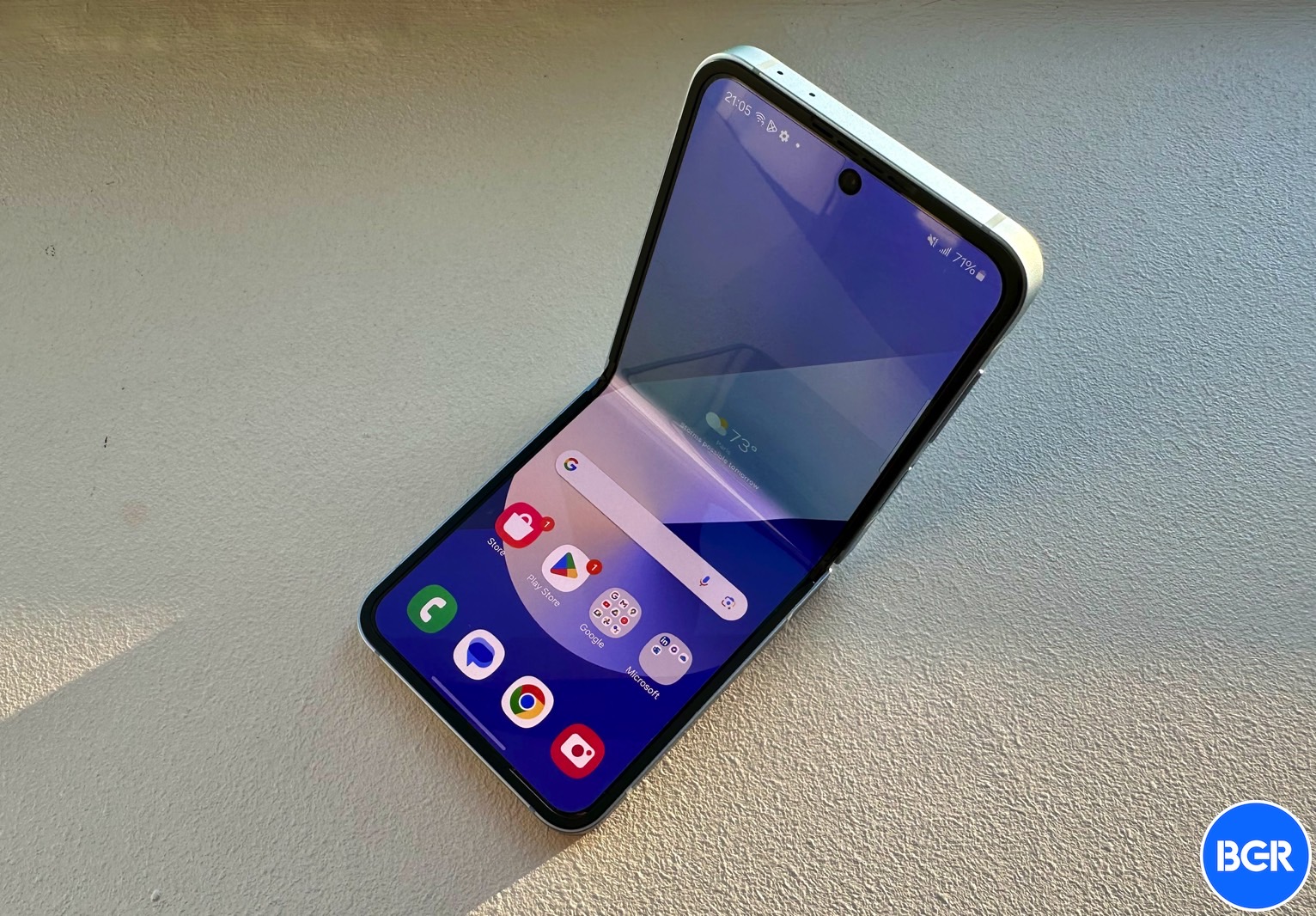
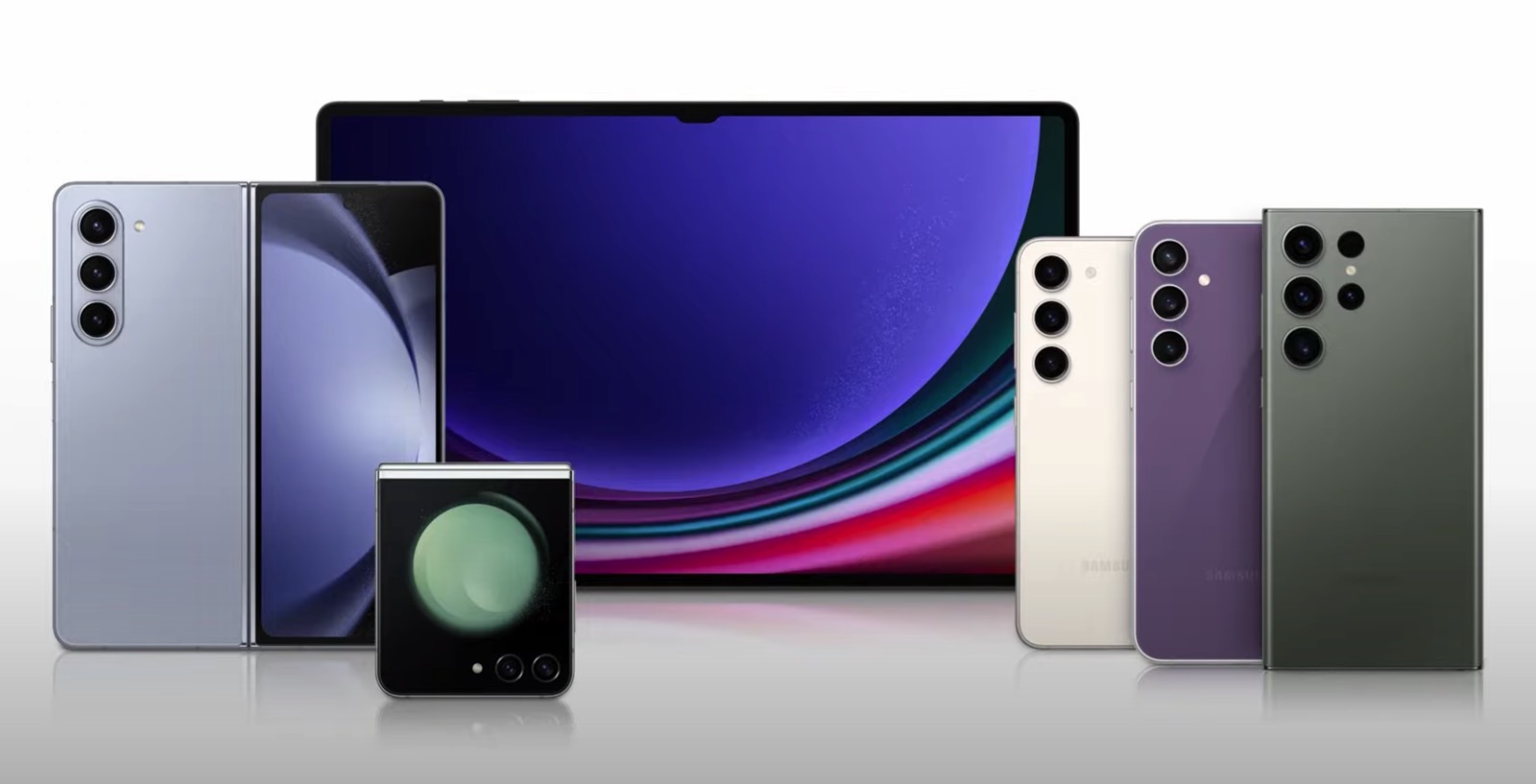
A more affordable Galaxy Z Flip FE is set to launch this year

Samsung’s next-gen foldable phones are at least seven months away, but it looks like 2025 will be the year when the Korean giant introduces cheaper models instead of giving us another round of price hikes.

Rumors in November and December mentioned the affordable Galaxy Z Flip FE model that Samsung is supposedly developing for a summer 2025 launch. We now have more evidence that indicates the “Fan Edition” version of the Galaxy Z Flip 7 is real and likely launching this year.

According to SmartPrix, the Galaxy Z Flip FE appeared in the GSMA database already. The device has been added to the database after Christmas, listed as a “Galaxy Z Flip XE” device with model number SM-F761B.

The “XE” designator in the name is either a spelling mistake or an attempt to avoid detection. Another possibility is that Samsung is not sure which moniker to use.

Tech. Entertainment. Science. Your inbox.

Sign up for the most interesting tech & entertainment news out there.

By signing up, I agree to the Terms of Use and have reviewed the Privacy Notice.

Fan Edition (FE) is a name Samsung routinely uses for the cheaper Galaxy S models that launch in the second half of the year. Then there’s the Special Edition (SE) name that Samsung used in late 2024 for a limited version of a thin Galaxy Z Fold 6.

Considering the previous leaks that claimed Samsung is developing a cheaper Flip-type foldable, the Fan Edition name seems more likely. That’s why the Galaxy Z Flip FE designator makes more sense.

Also, the Galaxy Z Flip line sells much better than the Fold, as it’s more affordable. Also, the Fold 6 got slightly more expensive last year. Making a cheaper version of the foldable that gets more attention from buyers might be the better play here.

The GSMA listing doesn’t provide details about the Galaxy Z Flip FE. It’s unclear what compromises we should expect from a cheaper Flip variant launching this year. Samsung will also have a regular Galaxy Z Flip 7 in stores and a Fold 7 phone that will look much like the Galaxy Z Fold SE.

I expect the Galaxy Z Flip SE to use the Flip 6 design and some of its main specs. Samsung can also save money by replacing the Qualcomm flagship chip with an Exynos variant, but that’s all just a guess.

Last year’s Galaxy Z Flip 6 is easily Samsung’s best Flip phone to date, a better flagship than any of its predecessors. The phone starts at $1,099 before any deals, which is more expensive than candybar flagships. It’ll be interesting to see what Samsung prices the Flip FE variant.

The base 2024 Motorola Razr costs $699.99, which is a great price for a foldable handset. I’d expect Samsung to target this price point with the Galaxy Z Flip FE.

Source

Posted on

2025 is the year flying taxis might finally take off

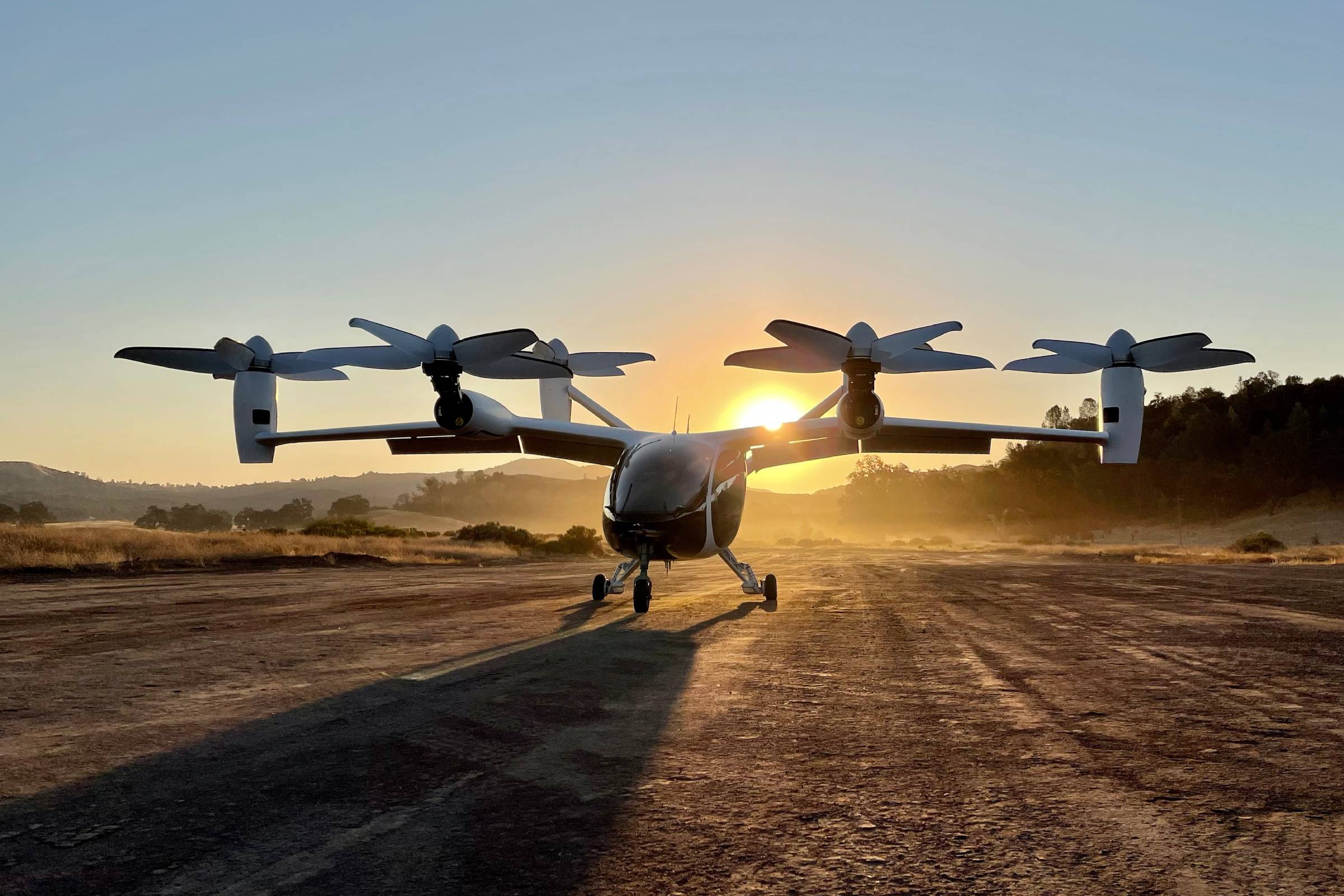
The dream of flying taxis is edging closer to reality, thanks to the emergence of electric vertical take-off and landing (eVTOL) aircraft. Unlike helicopters, these machines use multiple small propellers, akin to drones, to take off and land vertically.

Once airborne, their rotors can tilt forward, allowing them to cruise like fixed-wing planes. This offers a blend of versatility, efficiency, and environmental benefits. Major players like Joby Aviation are leading the charge, with plans to launch commercial air taxi services as early as 2025.

Cities like Dubai, New York, and Los Angeles are on the map for these futuristic transport systems. Meanwhile, China’s EHang is pioneering pilotless eVTOLs, aiming to cater to the tourism sector, New Scientist reports. This rapid development suggests that flying taxis could soon become a fixture in our skies.

flying taxi in mid-airImage source: Joby Aviation

eVTOL aircraft come with several advantages, of course. They are designed to be significantly quieter than helicopters, which would make them more acceptable for urban and suburban use. They’re also powered by batteries and hold the promise of zero carbon emissions when charged with clean energy.

Tech. Entertainment. Science. Your inbox.

Sign up for the most interesting tech & entertainment news out there.

By signing up, I agree to the Terms of Use and have reviewed the Privacy Notice.

Their reliance on advanced computer systems not only enhances their operational efficiency but also reduces the risk of pilot error, potentially achieving safety standards comparable to commercial airlines. However, the road—or rather the sky—to widespread adoption of flying taxis isn’t without challenges.

Current battery technology limits eVTOLs to a flight range of 185 to 370 kilometers, well below the 400 to 800 kilometers conventional helicopters offer. This restricts their use to shorter journeys, making them ideal for city commutes or quick inter-city hops rather than long-haul travel.

We have seen advancements in EV batteries that can recharge in five minutes and allow EVs to run for longer ranges. Additionally, financial support from military programs has been a lifeline for companies like Joby, which hold substantial contracts under the U.S. Air Force’s Agility Prime initiative.

The real test for this technology lies in proving demand beyond initial trial flights. To truly transform urban mobility, flying taxi services will need to be practical, accessible, and not just a luxury for the wealthy. As 2025 approaches, flying taxis may well lift off, marking a groundbreaking shift in how we navigate our cities.

Source