Posted on

Apple’s first smart display might launch much later than expected

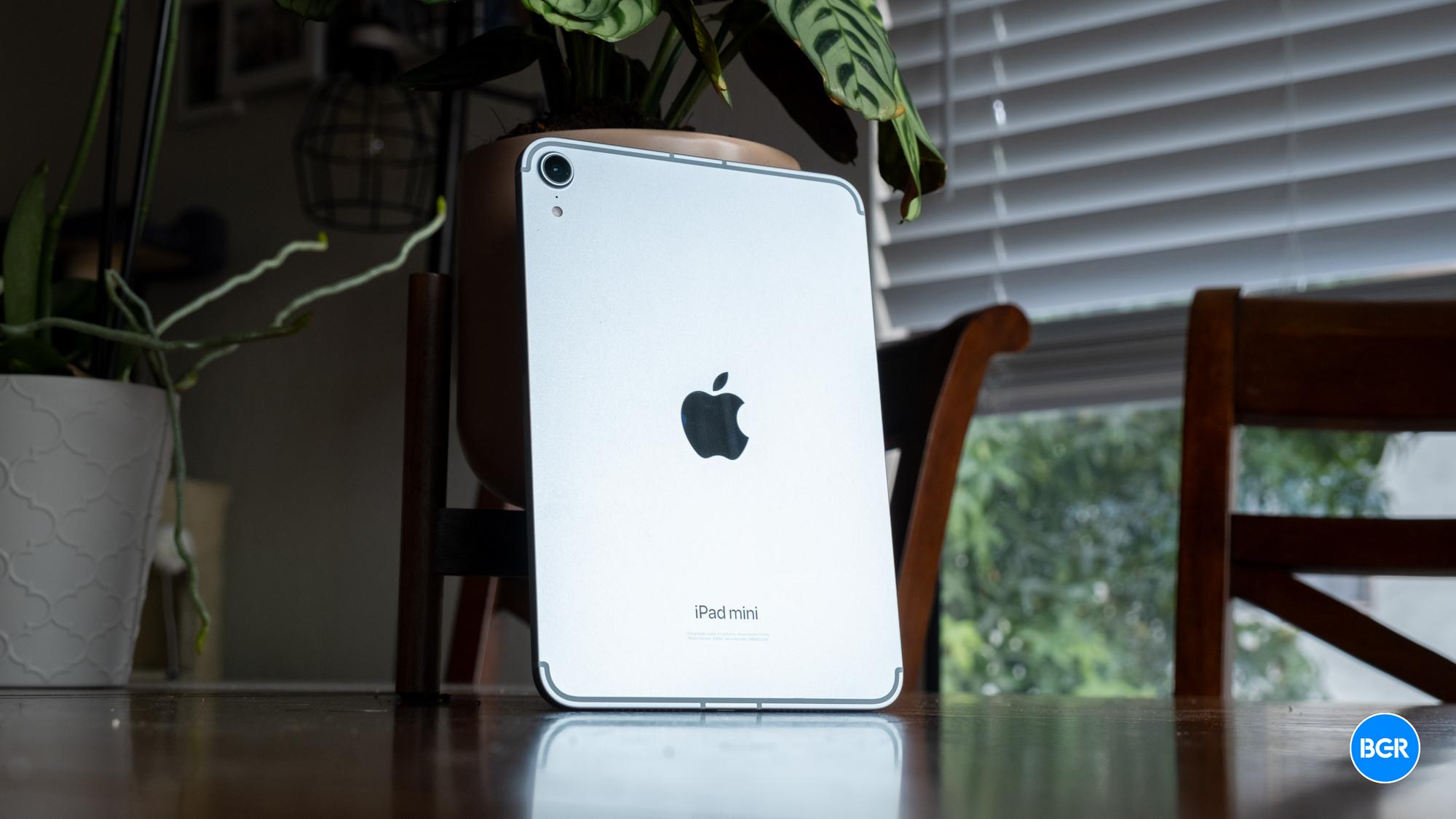
Reports last month said that Apple would introduce a wall-mountable smart display for the home as soon as March 2025. The device would look like an iPad, though it would be smaller than the iPad mini. It would run a new homeOS operating system that would feature elements from watchOS and iOS.

Those reports already gave us an idea of how Apple’s smart display will work, but the software experience might not be ready for a March launch. That’s what Ming-Chi Kuo said in a new note, indicating that the smart display’s release date was postponed to the second half of 2025.

Kuo wrote on Medium that the “display-equiped HomePod” mass production had been delayed multiple times.

Apple supposedly wanted to release it in 2024 but postponed it to the first quarter of 2025. More recently, Apple moved the smart display’s release to after WWDC 2025 or to the third quarter of 2025.

Tech. Entertainment. Science. Your inbox.

Sign up for the most interesting tech & entertainment news out there.

By signing up, I agree to the Terms of Use and have reviewed the Privacy Notice.

“The delay in production is mainly due to software development,” Kuo said without offering specifics.

Kuo did mention some of the smart display’s specs, which are in line with previous reports. The display-equipped Homepod should feature an A18 processor and a 6-inch to 7-inch screen. That A18 chip means the smart display will support Apple Intelligence. Previous reports also said that Apple Intelligence will be available on the device.

Kuo also says the smart display will “emphasize smart home functionalities more.” That’s what other reports have also claimed. The smart display will act as the central hub of the smart home, allowing users to control various features and devices from a single place.

The analyst also reiterated that Apple will make a smart home surveillance camera in 2026. The camera will eventually connect to the smart display wirelessly.

Kuo estimates that Apple will sell about 500,000 units in the second half of 2025. If the smart display becomes popular, annual shipments could reach million-unit levels. In a separate report, Kuo identified BYD Electronic and Tianma Microelectronics as the main beneficiaries of Apple’s orders for the smart display.

The only thing missing from these reports is the price of Apple’s home display. It’ll be interesting to see how much Apple will charge for a device that will essentially be a smaller iPad for the home.

Source

Posted on

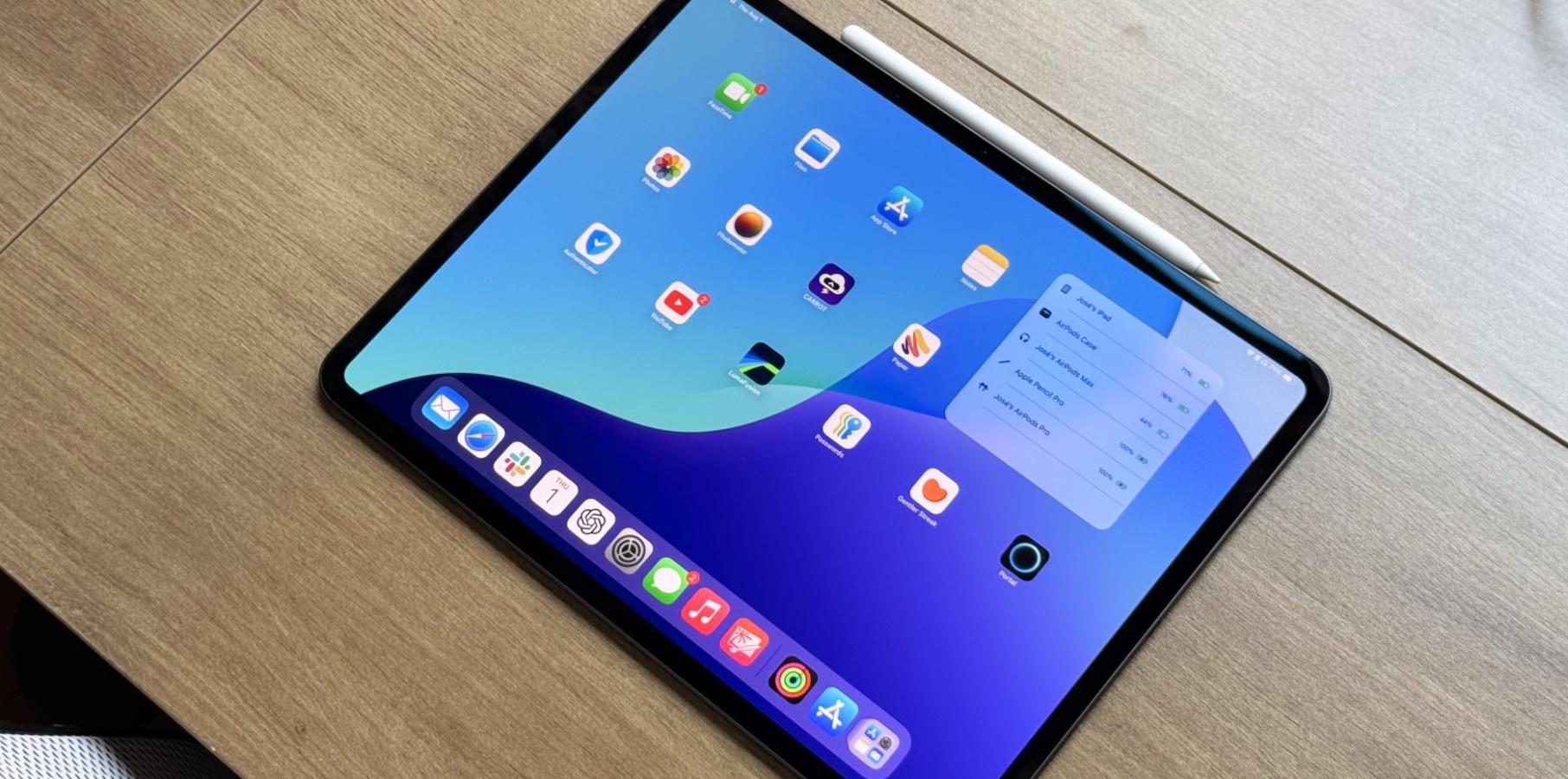
New iPad Pro won’t be Apple’s first product with an M5 chip

Apple won’t follow the trend of introducing a brand new chip with its best new iPad models, as it did with the M4 iPad Pro. According to the latest reports, the M5 iPad Pro won’t arrive before late 2025 or even early 2026.

Top insider Ming-Chi Kuo wrote a blog post on Medium saying the M5 iPad Pro is expected to enter mass production in the second half of 2025. “The iPad Pro equipped with the M5 processor is expected to enter mass production in 2H25,” he wrote. “The company’s business momentum in 2H25 is anticipated to benefit significantly from Apple’s new product launches.”

While this might not mean much, Kuo is likely talking about the significant refreshes expected by this time of the year, such as the iPhone, Apple Watch, and possibly a new version of the Apple Vision Pro. That said, users shouldn’t be that worried about their M4 iPad Pro becoming an obsolete product in the near future.

If rumors are accurate, the iPad Pro with the M4 processor could be almost two years old before Apple introduces a new variant. Even when that happens, we don’t expect significant changes. Based on what we’ve heard so far, it seems that the iPad Pro will only get a specs bump with the M5 processor, and the next-generation chip won’t even be such a big deal.

Tech. Entertainment. Science. Your inbox.

Sign up for the most interesting tech & entertainment news out there.

By signing up, I agree to the Terms of Use and have reviewed the Privacy Notice.

Image source: Apple Inc.

While the M4 greatly improves over the M3, Apple has apparently canceled the M5 with the newer 2nm process developed by TSMC due to cost concerns. According to The Elec, the M5 chip will adopt a new System On Integrated Chip technology, which enhances thermal management and reduces electrical leakage.

With that, we could see enhancements in performance and efficiency and a broader focus on Neural Engine tasks for AI and Apple Intelligence. While knowing that Apple has moved on to producing its newer processors, we still have several months with M4 products, including some new ones that need to be unveiled.

When will Apple start introducing new M5 products?

If the company follows the schedule analysts predict, the M5 family won’t be available before the end of next year. Here’s what we expect:

  • Late 2025: Apple should unveil at least new M5 MacBook Pro models with the M5 Pro and M5 Max options; the company could also update the Mac mini and iMac, although it’s unclear at this moment;
  • Late 2025/Early 2026: Apple introduces the M5 iPad Pro;
  • Early 2026/Mid 2026: Cupertino unveils new MacBook Air models with the M5 processor;
  • Mid 2026/Late 2026: Apple expands the M5 chips for the Mac Studio and potentially to Mac Pro, depending on the upgrades expected for this processor.

It’s important to note that bigger changes are expected to start appearing by 2026 or 2027, when Apple will unveil a new OLED display technology for the MacBook Pro, followed by an improved display on the iPad Pro. In the next couple of years, we could also see Apple unveiling its first foldable products as well.

Source

Posted on

Tim Cook says Apple Intelligence was always going to be free

If you own an iPhone 15 Pro, iPhone 15 Pro Max, or any of the four iPhone 16 models, you can use Apple Intelligence for free. The same goes for iPads and Macs that feature Apple M-series chips. Apple Intelligence is available for free as part of the respective iOS, iPadOS, and macOS updates.

At the same time, Apple Intelligence, in its current state, is incomplete compared to what Apple showed at WWDC 2024. It’ll take several more months to get that full Apple Intelligence functionality on the iPhone. And even then, work on Apple Intelligence will not stop as the company should add new capabilities year after year.

In its current state, Apple Intelligence can only be free. Will Apple ever charge for it? Tim Cook addressed the question in an interview, saying that the tech is as similar and pivotal as the iPhone’s multitouch feature, which you also get for free with your iPhone purchase.

Apple Intelligence was one of the main topics in Wired’s wide-ranging interview with Tim Cook. That’s when the question about Apple Intelligence’s potential price came up:

Tech. Entertainment. Science. Your inbox.

Sign up for the most interesting tech & entertainment news out there.

By signing up, I agree to the Terms of Use and have reviewed the Privacy Notice.

Wired: Some companies charge for AI-enhanced services. Did you consider that?

Tim Cook: We never talked about charging for it. We view it sort of like multitouch, which enabled the smartphone revolution and the modern tablet.

That’s a great way to frame the answer. Cook is practically saying that Apple Intelligence will be a key tech for Apple products, including the iPhone, just like multitouch is. The latter is a key innovation that made touchscreen devices like the iPhone and iPad possible.

We hardly talk about multitouch support in iPhone or Android products because that’s a feature we take for granted. They’re all touch-first devices. That’s how we interact with them.

Cook’s answer is somewhat misleading because the comparison is valid up to a point. While I’m sure multitouch gets innovations that go under the radar, Apple Intelligence and genAI, in general, will see tremendous progress in the coming years that will not go under the radar.

Apple’s Apple Intelligence innovations will take the spotlight year after year. Some of those features might require extra costs, which might be passed on to the buyer.

As a user, I’ll want to pay for a secure, private, ad-free AI experience, whether Apple’s or someone else’s.

That said, Cook’s take on Apple Intelligence being free is in line with what I’m expecting for Apple’s AI in the near future. I explained earlier this year why Apple Intelligence should always be free. Well, make that “free,” because iPhone users will always be paying for it by paying a premium price for the iPhone.

I still think that’s going to be true for several years, even after Apple catches up with its rivals. Cook’s remark above further reinforces my line of thinking.

Then again, even if Apple is developing premium Apple Intelligence plans, don’t expect Cook to confirm anything years in advance. Some rumors say paid Apple Intelligence features will come in 2027 at the earliest.

As for the more distant future, if Apple can ship a multi-device Apple-Intelligence-first operating system similar to the movie Her, that operating system might be worth paying a subscription.

Speaking of a more distant future of AI, Cook also addressed AGI questions. That’s the advanced general intelligence holy grail that OpenAI and others are trying to achieve. AGI will be able to reason and approach any problem as a human would, though it’ll have a far vaster knowledge database.

The CEO suggested AGI isn’t necessarily a priority for Apple, but the company is certainly looking at where the future might lead. For now, AI is “good enough where we can deliver it to people and change their lives, and that’s what we’re focused on.”

Source

Posted on

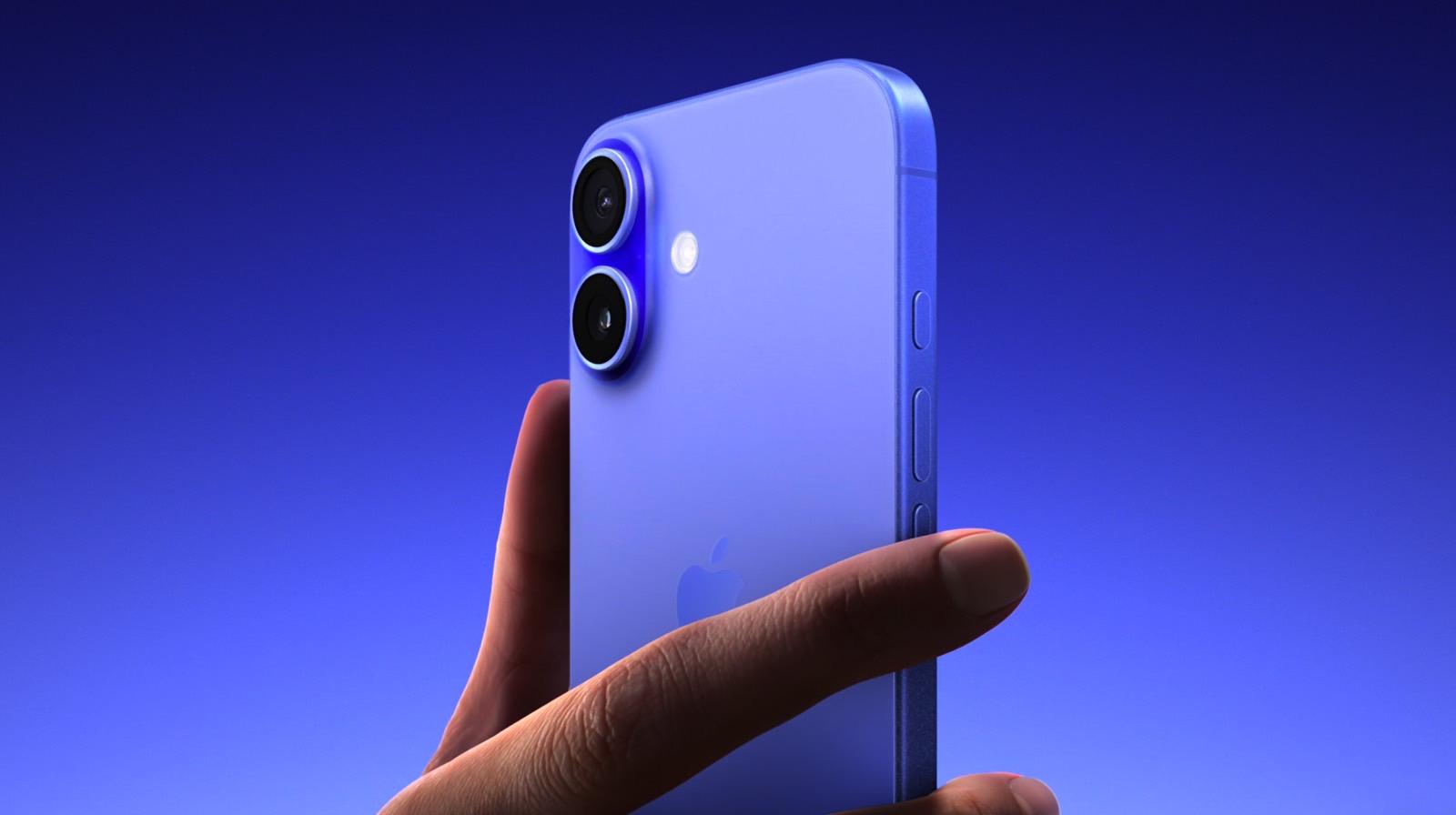
iPhone 17 Air may ditch these 5 Pro features to achieve its ultra-thin design

Following the report of a redesigned iPhone 17 Pro, The Information‘s Wayne Ma details Apple’s efforts to release the ultra-thin iPhone 17 Air next year. According to the journalist, Cupertino will remove several features to make this innovative iPhone that thin.

Ma reports that iPhone 17 Air prototypes are between 5 and 6 millimeters thick, which could possibly make it thinner than the iPhone 6, released a decade ago. While the iPhone 16 is 7.8mm thick, this could make the iPhone 17 Air as thin as the new M4 iPad Pro.

Unfortunately, not everything is good news. Apple will have to sacrifice several crucial features to achieve this ultra-thin design. For example, The Information says Apple engineers are “finding it hard to fit the battery and thermal materials into the device,” which means Cupertino will likely have to add a smaller battery to this iPhone.

Besides, a major compromise on the iPhone 17 Air might be a single earpiece speaker. According to Ma, “the iPhone will only have a single speaker in its earpiece because there’s no room for a second speaker at the bottom, which is standard in other models.”

Tech. Entertainment. Science. Your inbox.

Sign up for the most interesting tech & entertainment news out there.

By signing up, I agree to the Terms of Use and have reviewed the Privacy Notice.

The journalist also confirms another rumored change: the iPhone 17 Air will have a “large, centered camera bump.” That said, forget about one of the iPhone’s most widely-used camera features, the optical zoom.

While Apple’s in-house 5G modem is expected to be available with this iPhone, the chip doesn’t perform as well as Qualcomm’s. The report says it’s more efficient, but it won’t be as fast, and it will lack a feature some US users benefit a lot, the mmWave 5G technology, which Apple’s future processor won’t have.

Finally, Apple engineers couldn’t figure out how to add a physical SIM tray to the iPhone 17 Air. While iPhone users in the US are used to that, Apple will have issues, at least in China, which requires phones to be sold with a SIM card. Without this market, sales of this upcoming iPhone might not be as enticing as they could.

Wrap up

Considering all that, I wonder if these trade-offs are worth it for an all-new iPhone design. I still think Pro users will keep buying Pro phones, while regular iPhone users won’t be enticed to pay extra for this new design. So, who might be this new iPhone for?

Source

Posted on

I want Apple’s iPhone 17 Air, but I have one major concern

I’ve been a fan of the iPhone 17 Air rumor for months now, hoping that Apple will indeed release its thinnest iPhone in years, or perhaps ever. After using the iPhone 16 Plus for nearly two months, I’m convinced I need an iPhone with a large display, but I definitely want it to be a lot thinner.

I’ll probably buy the iPhone 17 Air as soon as it comes out next year, even though I’ll have to accept certain compromises. Considering what Apple did with the ultra-thin M4 iPad Pro, I knew the camera would be the phone’s main compromise. The battery size is another obvious area where Apple will have to make compromises.

But a new report gives us a few additional issues iPhone 17 Air buyers might have to deal with. Among them, there’s a change that could prove to be my biggest concern about buying an ultra-thin iPhone. It’s also something I didn’t see coming: The potential lack of a physical SIM card slot.

Apple stopped selling new iPhones with SIM cards in the US in 2022 when the iPhone 14 series was released. However, international versions of the phones came with the same physical SIM cards as their predecessors. The iPhone 16 models also feature SIM cards in markets like the European Union (EU), where I happen to shop for new iPhones.

Tech. Entertainment. Science. Your inbox.

Sign up for the most interesting tech & entertainment news out there.

By signing up, I agree to the Terms of Use and have reviewed the Privacy Notice.

I never switched to eSIM cards because I never had to. I hoped Apple would take longer to drop physical SIM cards in Europe. Then again, I also understand why removing SIM cards makes sense. eSIM cards might be safer and easier to use. Best of all, they free up space inside the iPhone, which can then be repurposed for the battery. This is exactly what Apple might want to do with an iPhone 17 Air that’s between 5mm and 6mm thick.

But the EU isn’t like the US. It’s a lot easier to manage multiple physical SIMs in Europe, where the mobile market is far more competitive. Roaming charges are almost gone, but some limitations exist. Prepaid plans are quite affordable and a great solution for avoiding potential roaming charges when traveling. Buying prepaid SIM cards is incredibly easy, as is swapping between them.

That’s my biggest issue about a SIM-less iPhone 17 Air in Europe. It’s not that it would be difficult to manage multiple eSIMs on the same phone. The iPhone 16 can store more than eight eSIMs, two of which can be active simultaneously. It’s that carriers might have to make changes to the way they sell prepaid cards in Europe.

It’s also about my convenience, which, yes, is based on habit. I routinely travel with at least one backup phone. That second phone might be something as old as the 2015 iPhone 6s, which doesn’t have eSIM card support. If I were to convert physical SIMs into eSIMs for the iPhone 17 Air, I’d be unable to switch cards between the main phone and the one on mobile hotspot duty.

This is a very specific problem that I have, one I will eventually have to deal with. Whether it’s happening with the iPhone 17 Air or future models, SIM cards are probably going to disappear from EU iPhones sooner rather than later. All 2024 cellular iPads sold in the region only support eSIMs. I just hoped it would be later and that I would have more time to adjust to the iPhone abdandoning physical SIMs.

I don’t care as much about the iPhone 17 Air rocking a single lens on the back, featuring worse battery life than the base model, lacking a speaker on the bottom, or packing Apple’s 5G modem instead of Qualcomm.

Then again, I’m certain I want a thin iPhone. If that means losing the ability to quickly and easily switch SIM cards, so be it.

Source

Posted on

Your Apple ID was not suspended

With over 2 billion Apple devices in use worldwide, it’s likely that hundreds of millions of people receive scary emails telling them they need to act fast as their Apple ID is in some sort of danger. Maybe the Apple ID was suspended, or perhaps you need to refresh your Apple Pay information because it’s supposedly not up to date.

These emails look similar to what Apple might send. They try to convince you to click a button to help you rectify the problem. That button will lead to a website that looks like Apple’s, but it’s not. 

Whatever you do, don’t click the link, and do not fill in your information. Why? Well, your Apple ID was not suspended, and your Apple Pay cards still work. It’s not Apple contacting you; it’s hackers trying to steal access to your Apple Account.

I get these emails occasionally, and you probably do as well. They’ll even send scary Apple ID emails to email accounts that aren’t actually associated with my Apple Account. They have no way of knowing that, and that’s the first red flag you’re dealing with phishing attacks.

Tech. Entertainment. Science. Your inbox.

Sign up for the most interesting tech & entertainment news out there.

By signing up, I agree to the Terms of Use and have reviewed the Privacy Notice.

By the way, Apple ID is no longer called that. It’s an Apple Account, and that’s another hint that you’ve received a phishing email trying to get access to your login credentials.

How do hackers target you?

With so many data breaches occurring in the past years, hackers have obtained a treasure trove of information about hundreds of millions of people. All they need is a valid email address to start sending phishing attacks in bulk. 

That explains why you’ll receive “Apple ID suspended” emails from email accounts not associated with your Apple Account. 

The hackers hope a percentage of the unsuspecting victims will click the links in the emails where they’d fill in passwords and/or credit card numbers. 

What do the hackers want?

Any phishing attack is looking for access first and foremost. You’ll be told to click a link that looks like something you’d get from Apple. From there, you might be prompted to log into your Apple ID on a website that looks like Apple’s, but it’s fraudulent. Just look at the URL you’re being directed to. It’ll have a strange address rather than something simple associated with Apple.com or iCloud.com.

The attackers might even try to obtain two-factor authentication (2FA) codes from you once you fill in your login details to bypass Apple’s security protections. Never accept that, either. 

Once they obtain your login data and 2FA data, they might try to purchase products and gift cards or just snoop around. Maybe you hold passwords in your iCloud Notes, which would become accessible to them once they get in. 

Or they might be after Apple Pay data so that they can use credit cards to buy things online, which they’ll then sell on the black market.

Logging into my Apple ID on iCloud.com.Logging into my Apple ID on iCloud.com. Image source: Chris Smith, BGR

What you should do

First of all, do not panic. Rather than acting in a rush, just inspect the email carefully. Email services usually catch some of these, sending them directly to the spam folder. But others make it to your inbox. 

The first thing you should do is look at the sender’s email address and compare it to emails you receive regularly from Apple. If your Apple ID is associated with the same email account, you can easily compare them.

Hackers might spoof their emails to make them look like they’re coming from Apple. Just hover over the “From” field to see what it says without clicking. Do the same for links and buttons in the phishing email.  They might say, “Go to Apple ID” or “Update Account,” but these are not official. 

Next, look at the text in the email. It often includes inconsistencies. Hackers might try to make it look like the real thing, using Apple logos and similar colors. The email might also include your name if the hackers obtained it from the data breach your email address came from and purported case IDs.

However, the text will often contain grammar and punctuation mistakes. It’ll be easy to spot them. 

After all of that, just go about your day. Send that scary email to the spam folder, and forget about it. 

What if…

I know what you’re thinking: maybe the email is from Apple after all.

In that case, continue to do nothing the sender tells you to do. Instead, inspect your Apple ID on your iPhone, Mac, or iPad and ensure it’s working properly. Go outside and use Apple Pay to make sure you can make payments. 

You’ll notice that your Apple ID has not been suspended, and Apple Pay still works. 

The email you’ve just received will often contain a deadline to pressure you into action. You have 24 or 48 hours to save your account. Wait it out. The hackers might reach out again or not. Your Apple ID will continue to work properly.

You should also contact Apple directly and ask for guidance. Apple actually has a detailed support document that explains some of the scams associated with Apple products, including Apple Accounts.

Finally, if these emails are increasingly frequent, you should change your Apple ID email address to a freshly minted email address. Then, use that email address only for your Apple account and nothing else.

While we’re at it, change your Apple ID passwords from time to time. Use password managers to create unique, strong passwords for each online service you might use.

Mind you, some hackers might also call you pretending to be Apple support staff. They’re looking to extract the same information. Whatever you do, don’t provide it. Hang up, and call Apple yourself. If you’re lucky, some scammers will talk to a Grandma AI instead of you, which will keep them on the line so they can’t target real people.

Apple will never ask you to provide critical account information over the phone or email. Here’s what Apple says in the support document above: 

Apple will never ask you to log in to any website, or to tap Accept in the two-factor authentication dialog, or to provide your password, device passcode, or two-factor authentication code or to enter it into any website.

Rinse and repeat every time you receive a scary email telling you your Apple ID has been suspended. 

Mind you, the same scam can apply to all sorts of online accounts. But hackers will target Apple users first. Treat those emails with the same circumspection and do nothing to fix the problem they instruct you to fix.

After your first shock when receiving such an email, you’ll soon get used to recognizing phishing attacks that warn you that your internet account has just been suspended because you’ll continue to get these emails time and again.

Source

Posted on

iPhone 17 Air will be the thinnest iPhone ever made, new rumor claims

Last week, we wrote about how Apple’s rumored “iPhone 17 Air” doesn’t need to break records to be a worthwhile experiment. That said, it would undoubtedly draw quite a crowd if Apple could make it thinner than any other iPhone, and according to a reliable source, that’s still in the cards for the ultra-slim iPhone 17.

In a research note released this week, Apple analyst Jeff Pu appeared to corroborate the recent rumor which suggested the iPhone 17 Air would be the thinnest iPhone yet.

“We agreed with the recent chatter of [a] 6mm thickness ultra-slim design of the iPhone 17 Slim model,” he wrote in the note seen by MacRumors. This is in line with a blog post from yeux1122, which said that “the industry expects the slim model to be around 6mm.”

MacRumors points out that the thinnest iPhone to date is the iPhone 6, with a width of 6.9mm. Every model prior to the iPhone 6 was between 7.6mm and 12.3mm thick, while newer models measure in between 7.1mm and 8.3mm thick.

Tech. Entertainment. Science. Your inbox.

Sign up for the most interesting tech & entertainment news out there.

By signing up, I agree to the Terms of Use and have reviewed the Privacy Notice.

None of these phones are as slim as the 13-inch iPad Pro that launched this year, which is just 5.1mm thick. That’s the thinnest portable device Apple has put out into the world, and based on the latest reports, the iPhone 17 Air (or iPhone 17 Slim, as Pu calls it in his research note) is not likely to top it when it launches in September 2025.

There’s still plenty we don’t know about the iPhone 17 lineup, but other rumors have suggested that the ultra-slim model will feature a 6.6-inch display, an A19 chip, a Dynamic Island, a single rear camera, and a 5G model designed and built by Apple.

Source

Posted on

This is Apple’s official fix for the bug that makes notes disappear in iOS 18

Some iPhone owners recently discovered that their Notes were missing from the handset. Savvy users figured out that accepting the new iCloud terms of service on the iPhone triggers the bug, and the Notes disappear. It happens after the iOS 18 update, but the iPhone doesn’t delete the Notes documents.

That data is still safe in iCloud, but the Notes app won’t sync with it properly after agreeing to the updated terms of service.

We showed you how to fix the disappearing Notes bug a few days ago. People figured out that syncing their Notes from iCloud would do the trick. Judging from the emails I received, the solution actually works, and the affected users have already regained access to their Notes.

Meanwhile, Apple has issued a support document that addresses the issue. The company doesn’t explain what’s causing the problem, but it offers a solution that matches the unofficial fix from a few days ago.

Tech. Entertainment. Science. Your inbox.

Sign up for the most interesting tech & entertainment news out there.

By signing up, I agree to the Terms of Use and have reviewed the Privacy Notice.

I’ve been using the Notes app religiously since Apple introduced it several years ago. It’s my go-to note-taking app on Mac and iPhone, and I don’t want to imagine losing access to local or iCloud notes.

I haven’t experienced the disappearing Notes bug at any point since running iOS 18. I have installed the first beta as soon as it came out this summer, and I’m currently on the latest iOS 18.2 beta.

In the process, I have agreed to all terms of service updates, without really reading any of it. I have no idea if I already agreed to the new iCloud tems of service, but I suspect I did.

This is the Notes toggle you are looking for.This is the Notes toggle you are looking for. Image source: Chris Smith, BGR
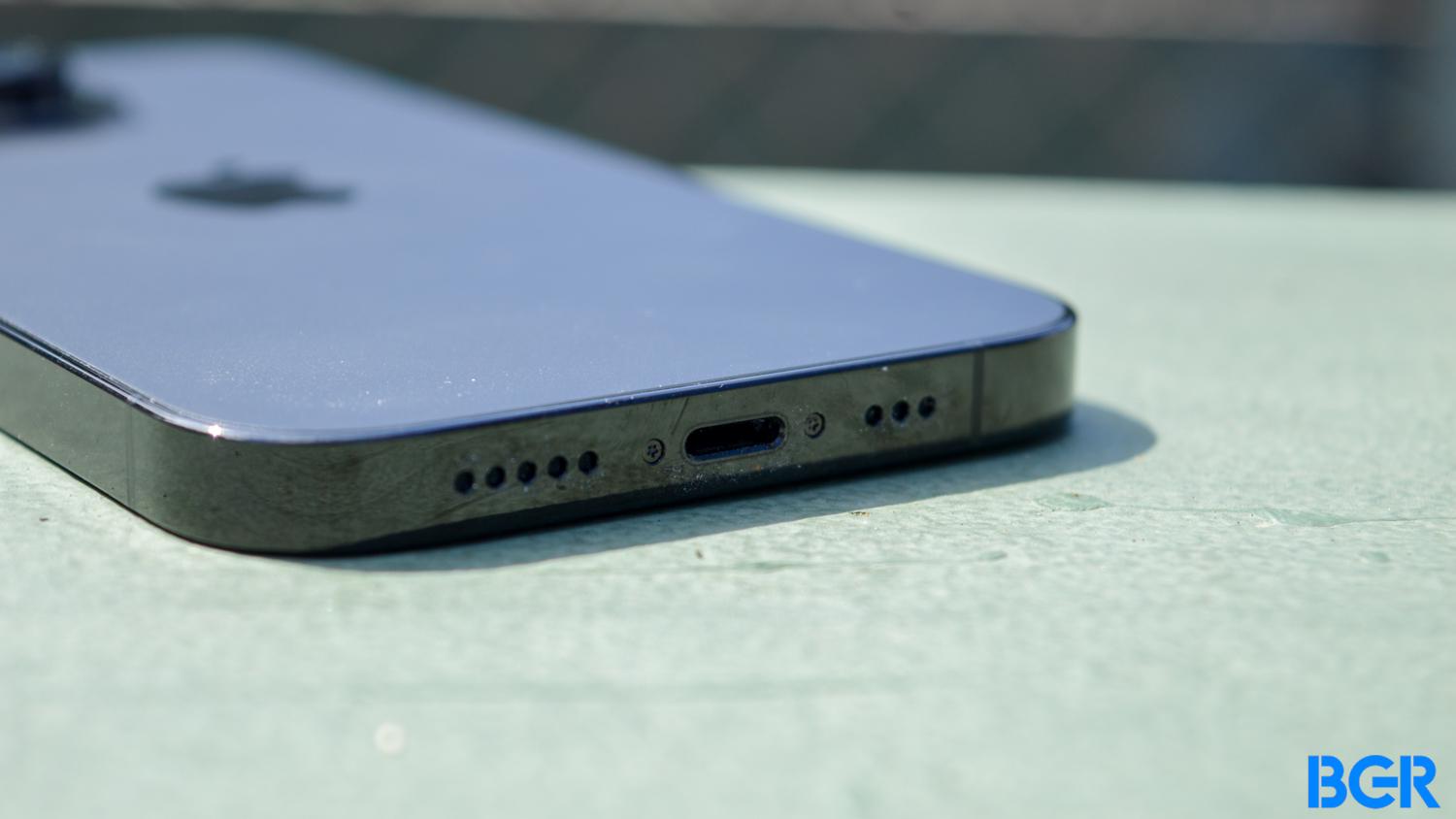
Plenty of iPhone users would be affected if Apple decided to put out a support page to address the problem. Here’s the entirety of Apple’s support document:

Here’s how to check your iCloud sync settings and restart if needed.

If your iCloud notes aren’t appearing on your iPhone, iPad, or Apple Vision Pro, follow these steps.

  1. Open the Settings app and tap your name.
  2. Tap iCloud, then tap Notes.
  3. Make sure Sync this [device] is on, then check the Notes app.
  4. If you still don’t see your notes, restart your iPhone, iPad, or Apple Vision Pro. After restarting, check your settings again.

After these steps, your iCloud notes should appear and start syncing again on devices signed in to the same Apple Account. When syncing completes, content previously synced to iCloud should appear.

That’s all you need to do to recover your Notes. Again, they were not deleted, you have not lost anything. A synchronization issue is to blame here, as the iCloud notes did not sync with your Notes app.

Apple’s solution matches the unofficial fix we covered a few days ago. It’s unclear whether Apple will prevent it from happening with subsequent iOS 18 updates. If you still haven’t fixed your Notes problem, or you’re running into it for the first time, you should follow the steps above.

You should also make a mental note of the fix and return to iCloud every time you encounter any sort of iCloud sync issues, whether it’s Notes or a different app. The fix is as easy as turning a toggle off and back on again.

Source

Posted on

Here are all the devices Apple sells that still have Lightning ports

With Apple’s recent iPhone 16 event and M4 Macs release, the company followed an important path by eliminating the Lightning port from more devices. By opting for USB-C, not only is the company agreeing with the European Union’s Digital Markets Act, but it’s also showing a future where customers will be able to use the same cable for all their electronic devices.

That said, there are still some products that require a Lightning port and a few accessories that support this old standard. Here they are.

Apple still sells four iPhone models with Lightning port

iPhone 14 Plus salesImage source: Apple Inc.

Although the iPhone 16 series offers a USB-C port, Apple still has three other iPhone models that still rely on Lightning cables. The 2022 iPhone 14 and iPhone 14 Plus, and the 2022 iPhone SE 3.

While Apple is said to be planning a new iPhone SE 4 for 2025, this means the company will take another year to fully eliminate the Lightning port from all the iPhone models it sells. That means that only when the iPhone 17 is announced will we have a full lineup of USB-C phones.

Tech. Entertainment. Science. Your inbox.

Sign up for the most interesting tech & entertainment news out there.

By signing up, I agree to the Terms of Use and have reviewed the Privacy Notice.

Not only is there still a long way to go, but millions of customers will hold with their iPhone 14 – or older models – for years to come.

All iPad models sold by Apple are USB-C, but the first-gen Apple Pencil is still here

Apple iPad 9Apple iPad 9 with keyboard accessory. Image source: Apple Inc.

The 2021 iPad 9 was the last iPad model with a Lightning port. Earlier this year, Apple discontinued this product and lowered the price of the USB-C iPad 10.

While both iPads work with the first-gen Apple Pencil, Apple also released a USB-C accessory that’s perfect for the iPad 10. However, millions of people with a Lightning iPad still require that first-gen Apple Pencil, which is why the company still sells it.

There are other accessories Lightning-compatible still available

Apple EarPodsImage source: José Adorno for BGR

Apple recently revamped the AirPods lineup. With no more second and third generations available, the company also updated the AirPods Max with a USB-C port. With that, there are only a few Lightning accessories, which include:

  • Lightning EarPods
  • USB-C to Lightning cable
  • USB-A to Lightning cable

Wrap up

As you can see, in a year, Apple almost killed all the Lightning products it used to have. By 2025, we’ll likely only have those three accessories available alongside the first-gen Apple Pencil, as the company will continue to offer them for older devices.

Source

Posted on

Apple’s hotly anticipated iPhone SE 4 might not launch as soon as we hoped

The iPhone SE 4 isn’t even out, yet I can’t stop recommending this unreleased Apple product. That’s because all rumors paint the same picture of this mid-range iPhone that’s supposed to hit stores next year. If you’re not buying the iPhone 16 but want a new iPhone, the iPhone SE 4 is probably for you.

The iPhone SE 4 will deliver flagship performance comparable to the iPhone 16 since Apple wants it to run Apple Intelligence. The only real compromises concern the design and camera. Apple will recycle the iPhone 14 design for this model, and you’ll get only one camera on the back instead of two or three.

But if you consider the likely price of the iPhone SE 4 — $499 — it should be an instant hit.

The good news is that the iPhone SE 4 should launch soon. All reports say the phone is coming in early 2025. But it won’t be as early as you might have hoped, with a more recent report indicating the handset won’t hit stores until March 2025.

Tech. Entertainment. Science. Your inbox.

Sign up for the most interesting tech & entertainment news out there.

By signing up, I agree to the Terms of Use and have reviewed the Privacy Notice.

Korean website AjuNews says that LG Innotek will provide the 48-megapixel camera module for the iPhone SE 4. It’s currently testing the component, and LG will reportedly start mass-producing the camera module next month.

The report notes that LG Innotek usually supplies camera modules three months before the launch of a new product. With manufacturing expected to start in December, the iPhone SE 4 should get a March 2025 release date.

While some iPhone fans might have hoped for an earlier launch, the March window makes sense for Apple. Previous iPhone SE variants were launched around that time each year.

I’ll add that an iPhone SE 4 specs and price leak also recently offered a March 2025 release window. But that might have been an educated guess based on Apple’s iPhone SE release history. The report from Korea says that LG is a confirmed camera supplier for the upcoming iPhone model. The iPhone SE 4 camera will be produced at a factory in Vietnam.

The report notes that the LG camera will feature a 48-megapixel sensor, which should be a big upgrade over the iPhone SE 3’s camera. It’s probably the same sensor Apple uses in the iPhone 16 series.

AjuNews provides the same story about the iPhone SE 4 that other leaks have offered. The iPhone SE 4 should support Apple Intelligence, which implies the handset should feature the same hardware as the iPhone 15 Pros or iPhone 16 phones. These are the only handsets that can run Apple Intelligence right now.

The A18 is the chip that makes the most sense for the iPhone SE 4. It’s the processor that powers the iPhone 16 and 16 Plus, and it’s more energy efficient and cheaper than the A17 Pro that powers the iPhone 15 Pros. Whatever silicon Apple goes for, the company will pair it with 8GB of RAM, the minimum amount of memory Apple Intelligence needs.

The report doesn’t mention a precise release date for the iPhone SE 4, nor should we expect one yet. But other rumors say that Apple will launch several new products next quarter. The list includes the M4 MacBook Air, a new iPad Air, and new accessories. Seeing all these products come out around the same time would make sense.

Source