Posted on

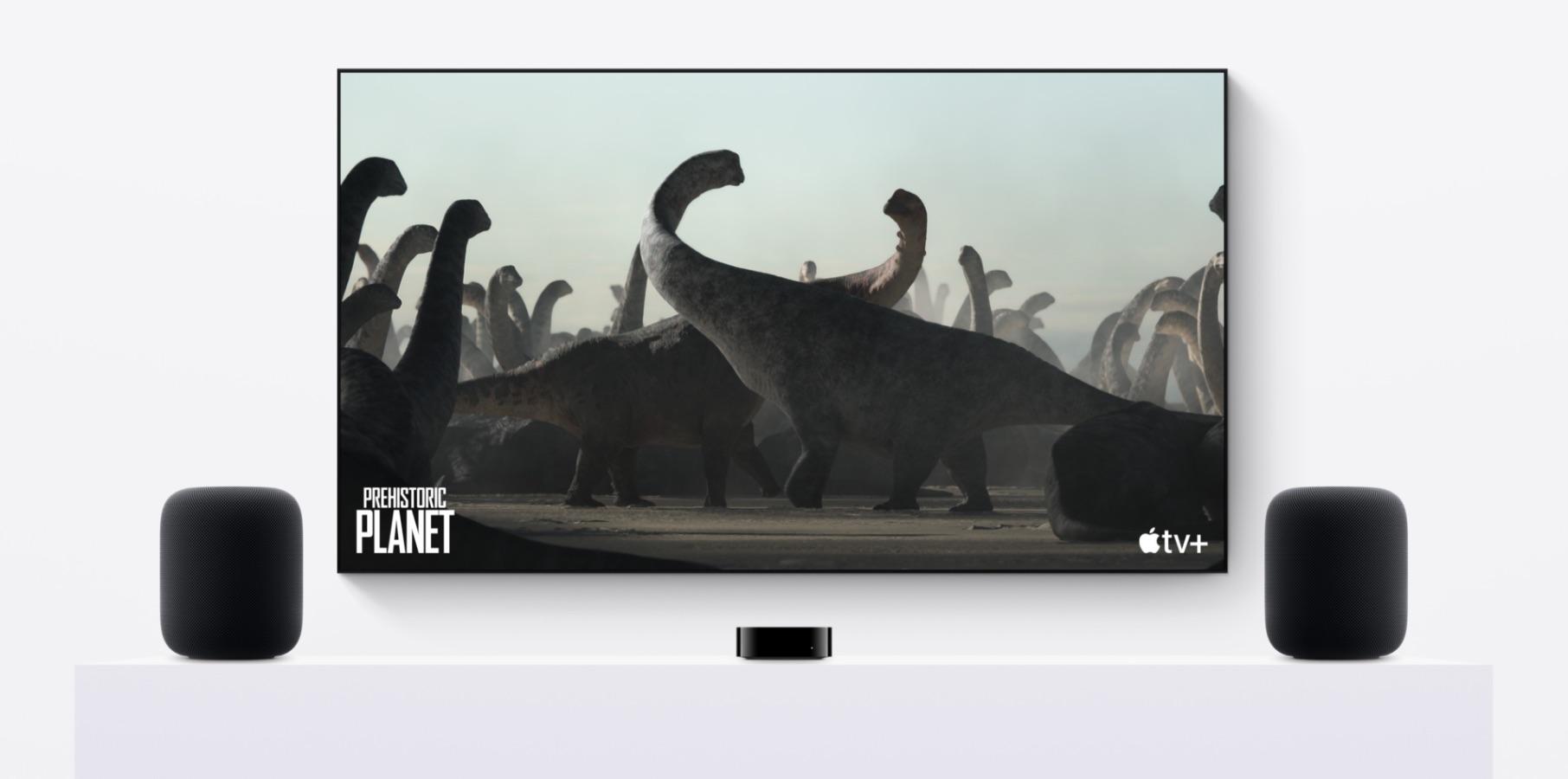
tvOS 18.4 and watchOS 11.4 RC available with new emojis

Apple is nearing the end of its upcoming operating systems beta testing, including watchOS 11.4 and tvOS 18.4. At this moment, only one main feature—seven new emojis—has been confirmed for watchOS 11.4 RC. Besides that, we expect a few tweaks for Apple Watch and Apple TV users with tvOS 18.4 RC.

As mentioned above, watchOS 11.4 RC added new emojis. Back in May, Unicode previewed seven new emojis, including a face with bags under the eyes, a fingerprint, a leafless tree, a root vegetable, a harp, a shovel, and splatter.

With watchOS 10.4, Apple added the following figures: Mushroom, phoenix, lime, broken chain, and shaking heads. In addition, 18 people and body emojis were added, with the option to face them in either direction. With that update, Apple also added Siri improvements, which we could see again. Since Apple Intelligence is unavailable for Apple Watch users, it shouldn’t stop the company from improving its personal assistant on the watch.

For tvOS 18.4, there are two main features we are still waiting for:

Tech. Entertainment. Science. Your inbox.

Sign up for the most interesting tech & entertainment news out there.

By signing up, I agree to the Terms of Use and have reviewed the Privacy Notice.

  • New screensavers: Besides Snoopy screensavers, Apple promised another option for its Shows and Movies. During tvOS 18.2 beta testing, MacRumors found references to two other screensavers, but they have been removed on the following tvOS 18.3 beta; it’s unclear if Apple will bring new screensavers or if it’s already saving them for tvOS 19;
  • Robot vacuum support: While it was rumored to arrive later last year, Apple postponed this feature. It’s possible that tvOS 18.4 finally adds it.

Besides those features, watchOS 11.4 and tvOS 18.4 RC seem light on features. We also don’t know any rumors about the company’s focus on watchOS 12 and tvOS 19, even though there are reports that Apple plans to revamp its smart home offering with an Amazon Echo Show-like device, a doorbell ring with Face ID, and more.

Alongside watchOS 11.4 and tvOS 18.4 rc, Apple also seeded the release candidate versions of iOS 18.4, iPadOS 18.4, macOS 15.4, and visionOS 2.4.

Source

Posted on

AirPods Pro 3 may be the world’s best earbuds with these 8 rumored features

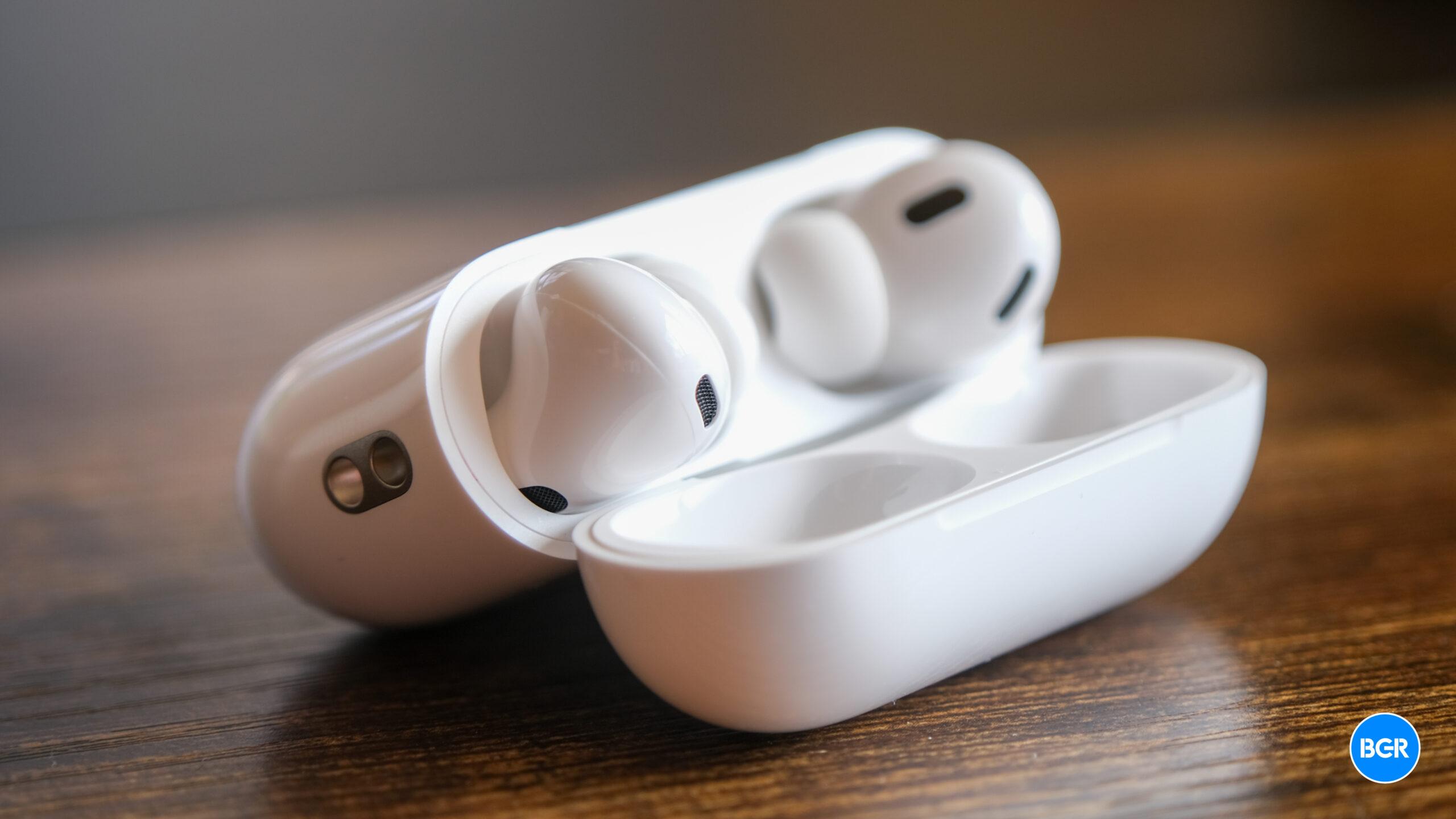
Apple is expected to release AirPods Pro 3 in late 2025. Three years after the first iteration of AirPods Pro 2 with Lightning port was released, Cupertino is expected to significantly improve its best earbuds. Despite the fact that last year’s AirPods Max update was so disappointing, we expect Apple’s next-gen AirPods Pro to be a much bigger update thanks to several new features and upgrades.

This article covers eight rumored features that should make AirPods Pro 3 an instant hit and potentially the best earbuds on the planet.

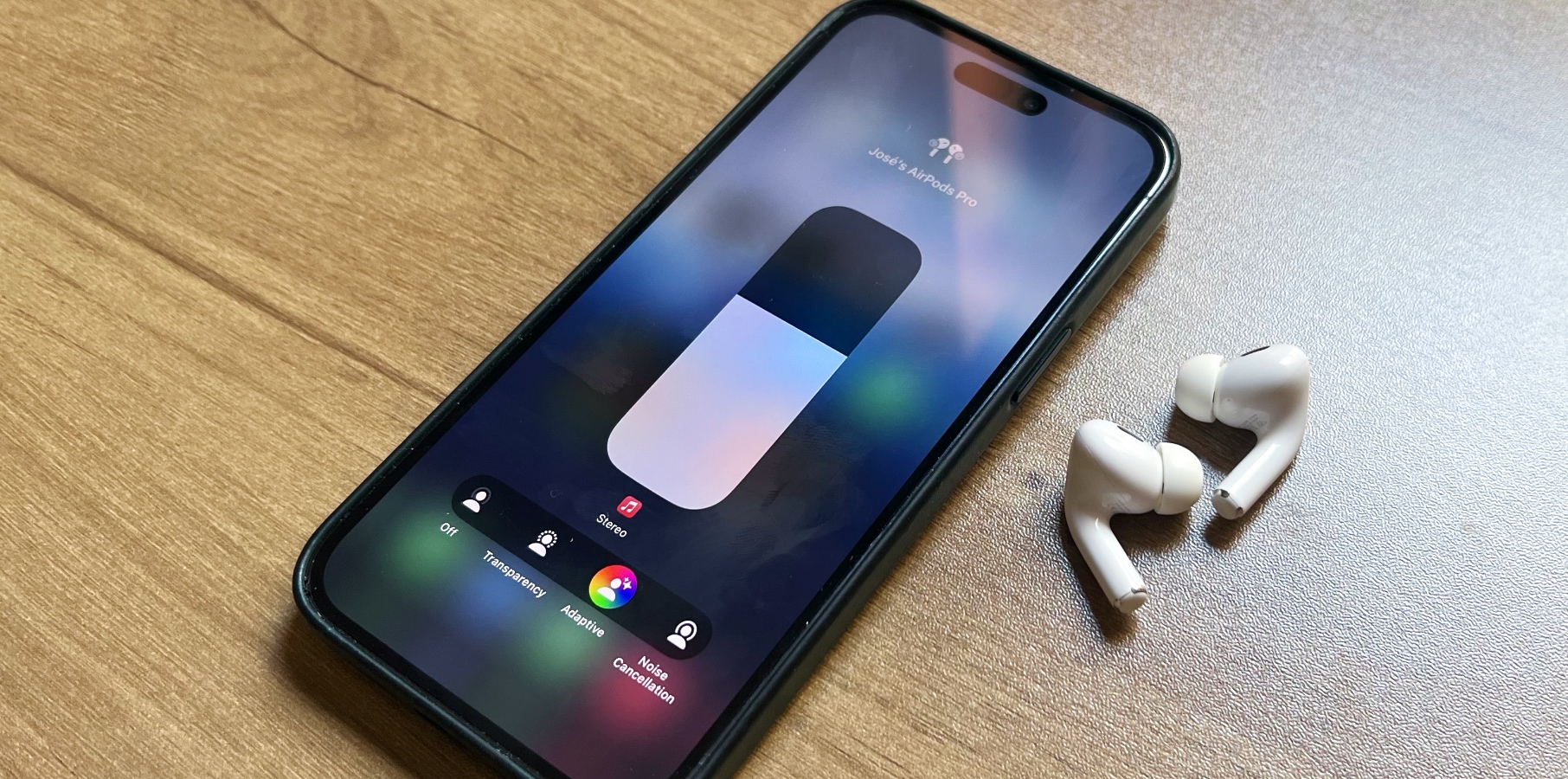
Much better ANC: Apple already offers incredible ANC. With its advanced algorithms, the company also offers best-in-class Transparency and Adaptive modes. For the third generation of AirPods Pro, Apple is expected to greatly improve the ANC, and it could build up on the technology available for AirPods 4, which offers ANC even without ear tips.

Improved hearing aid capabilities: AirPods Pro 2 are the first earbuds to offer hearing aid capabilities. It’s only natural to assume that Apple will continue to enhance this feature with upcoming versions of its pro earbuds. In addition, there’s another reason why hearing aid capabilities will be better with this next generation.

Tech. Entertainment. Science. Your inbox.

Sign up for the most interesting tech & entertainment news out there.

By signing up, I agree to the Terms of Use and have reviewed the Privacy Notice.

H3 chip: Apple does a great job with its audio chips. All the way from the W1 chip and its magical features, the company has walked a long path to bring the H2 processor. To this day, Apple keeps adding more features to AirPods Pro 2. It’s only natural to assume that Cupertino will continue to improve the audio quality and the connectivity between AirPods and iPhone while delivering new features, such as better ANC, improved hearing aid capabilities, and so on.

Heart rate measurement: According to Bloomberg‘s Mark Gurman, one of AirPods Pro 3 top features could be heart rate measurement. At the time, the journalist said Apple Watch measurements were more accurate than the prototype AirPods, but not much. This could be perfect for those who don’t like wearing smartwatches all the time. With the Powerbeats Pro 2, we know this feature works without an Apple Watch on, and it’s only active while the user is exercising.

Body temperature: Finally, Apple has also been working on a body temperature sensor for future AirPods. The company may add a camera to help measure the body’s temperature, which could be more accurate than the sensor available with the Apple Watch.

Other tidbits for the upcoming AirPods Pro 3 might include improved battery life, a thinner case (if we consider AirPods 4), more robust water and dust resistance, and so on.

Wrap up

These are the features you should look forward to the most in the upcoming AirPods Pro 3. BGR will let you know once we learn more about this device.

Source

Posted on

iPhone 16e reportedly has a Bluetooth audio problem that can’t be fixed

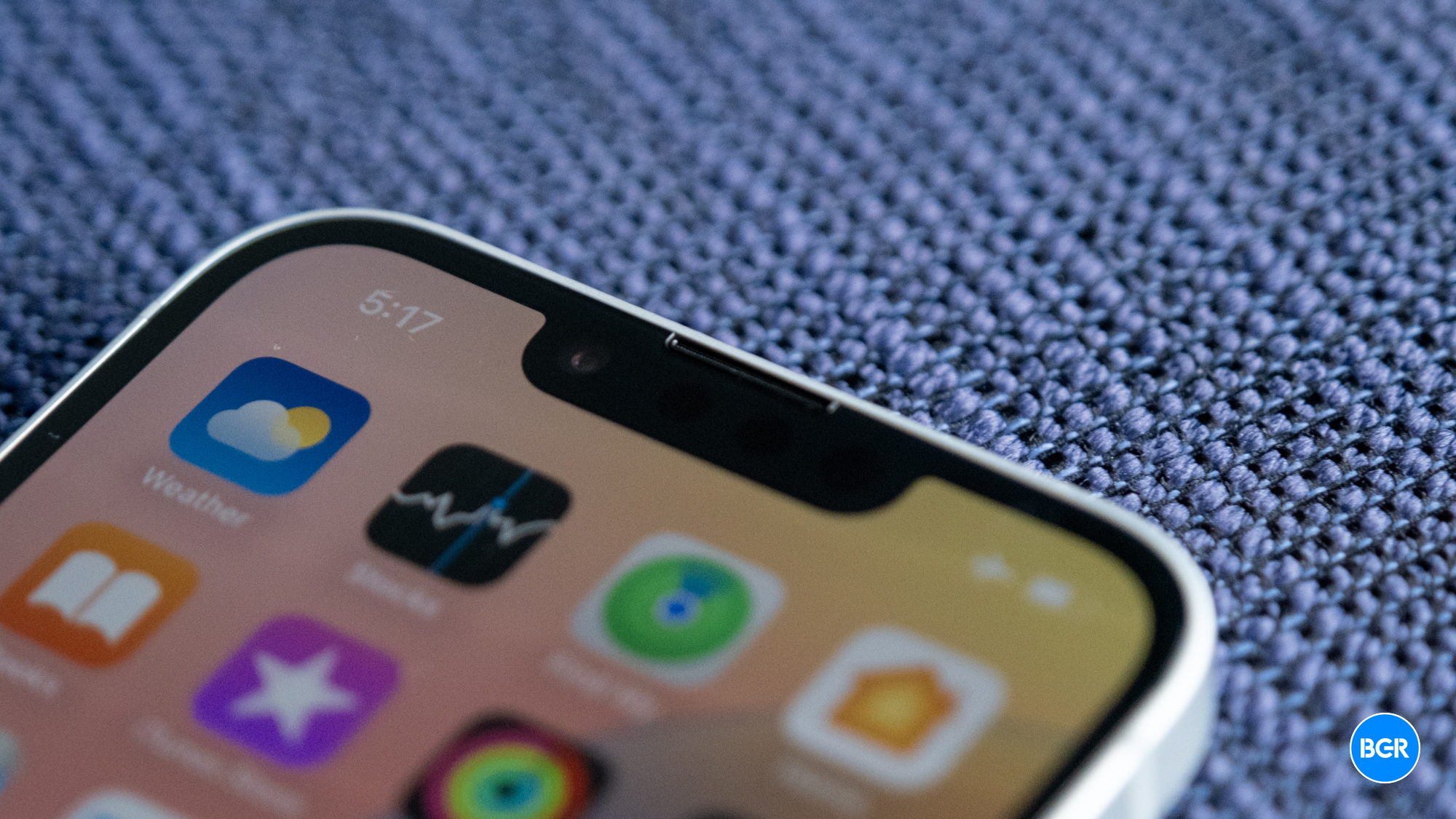
New iPhone hardware might launch with functionality issues that need to be ironed out via subsequent software updates, assuming software can provide fixes. The same goes for Android products. Hearing that the iPhone 16e has a Bluetooth issue where the audio cuts out briefly while music is playing should not be that surprising. However, the iPhone 16e isn’t exactly a new iPhone, is it? It has the same design as every other iPhone with a notch that has been released since the iPhone 12.

Apple also recycled many of the internal components to make this device. Even the iPhone 16’s A18 chip and the 8GB of RAM inside the iPhone 16e aren’t new-new. Therefore, other internal components, including the Bluetooth chip, shouldn’t be brand new.

The only completely new iPhone 16e components might be the new battery, which gives the handset the best battery life in 6.1-inch iPhones, and the C1 modem.

With all that in mind, one shouldn’t expect Bluetooth audio connectivity issues with the iPhone 16e. But it turns out that several iPhone 16e owners have encountered Bluetooth disconnects, and Apple doesn’t know how to fix them for the time being. It doesn’t seem like a hardware issue, so exchanging your iPhone 16e for a new one might not fix it.

Tech. Entertainment. Science. Your inbox.

Sign up for the most interesting tech & entertainment news out there.

By signing up, I agree to the Terms of Use and have reviewed the Privacy Notice.

Some iPhone 16e owners suspect the device has issues handling multiple Bluetooth connections, like an Apple Watch and AirPods. That’s actually a nightmare scenario for this longtime iPhone user. I run a lot, and I wear the Apple Watch to track my workouts while AirPods handle the entertainment.

As is often the case with issues concerning new devices, affected users took to social media and forums to complain. A discussion on Apple forums is particularly interesting, as an iPhone 16e owner details their issues with the Bluetooth audio and their experience with Apple support.

After talking to UK/Europe support, the user was escalated to Apple’s US support, and they had him perform a diagnostic test on the iPhone 16e to figure out why the Bluetooth audio stops:

Then they had me install a profile on my iPhone which logged the Bluetooth and Wifi signals / exchanges in a diagnostic report, which ran for about 20 minutes, whilst I reproduced the issue and noted down the time (to the second) of whenever the audio stutters. This was done with data over Wifi, and data over 5G. Then they phoned me up again, the logs were packaged up, and sent through. All they could do was tell me the data and timestamps etc. were going to be looked at by engineering and they would contact me back if they wanted me to run more test…

The same person said the update to iOS 18.3.2, which dropped earlier this week, did not fix the problem.

A different person found that using an Oura ring might impact the Bluetooth audio on the iPhone 16e. Closing the app completely seems to fix the problem:

Yes, I have the same problem, too. I found a couple of reddit threads with people experiencing the same issue. In my case it appears that the stuttering is related to having another Bluetooth connection (an Oura smart ring). If I close the Oura app, so it’s not running in the background, the audio appears to work OK, but it’s early days and I’m still investigating. Do you have multiple Bluetooth connections other than the headphones? I hope it’s not a hardware issue with the phone.

Over on Reddit, a Fitbit user said that closing the Fitbit app didn’t work, but they removed the wearable from the iPhone 16e, and the Bluetooth audio was fixed.

Obviously, these aren’t acceptable fixes. Again, Apple is selling us devices that are connected via Bluetooth to the iPhone, whether it’s Apple Watch models, AirPods, or Beats earphones. Apple wants iPhone users to buy both the Apple Watch and AirPods, so both should stay connected to the iPhone at the same time.

Even if you use non-Apple wearables and wireless earphones, you should be able to mix and match products without experiencing Bluetooth audio issues.

It’s unclear how widespread the iPhone 16e Bluetooth audio problem is, but Apple is certainly aware of it. Hopefully, a permanent fix will be available soon.

Source

Posted on

Apple Watch Series 10 just dropped to $299 and you need one in your life

As a longtime user of most of Apple’s products, I have to say that I’ve been less impressed with the company’s recent updates. Yes, each new iteration of an iPhone or MacBook obviously refines and improves upon the last. But lately, it seems like Apple is focused mainly on trying to catch up in the AI wars, and other things are falling through the cracks.

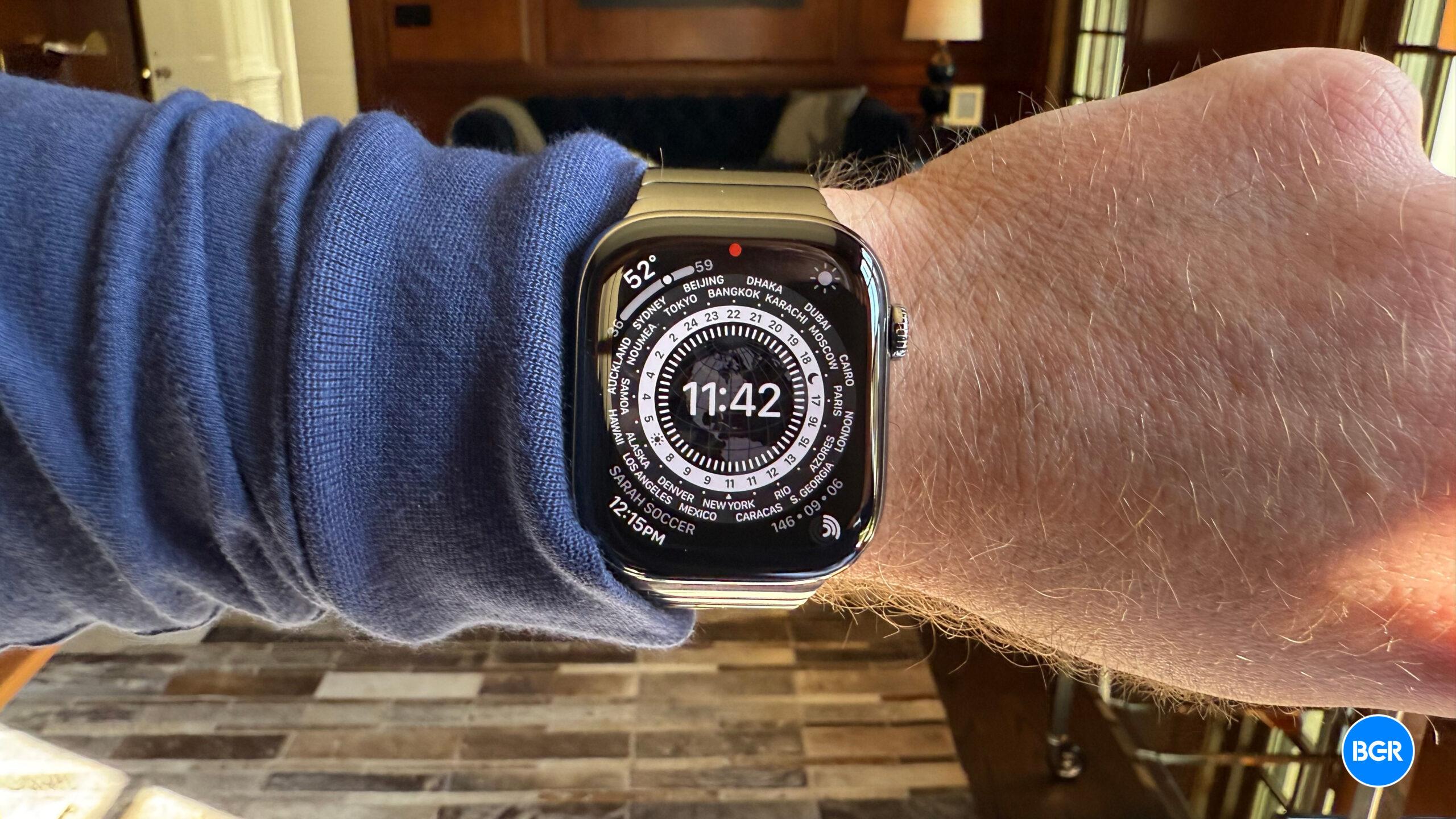
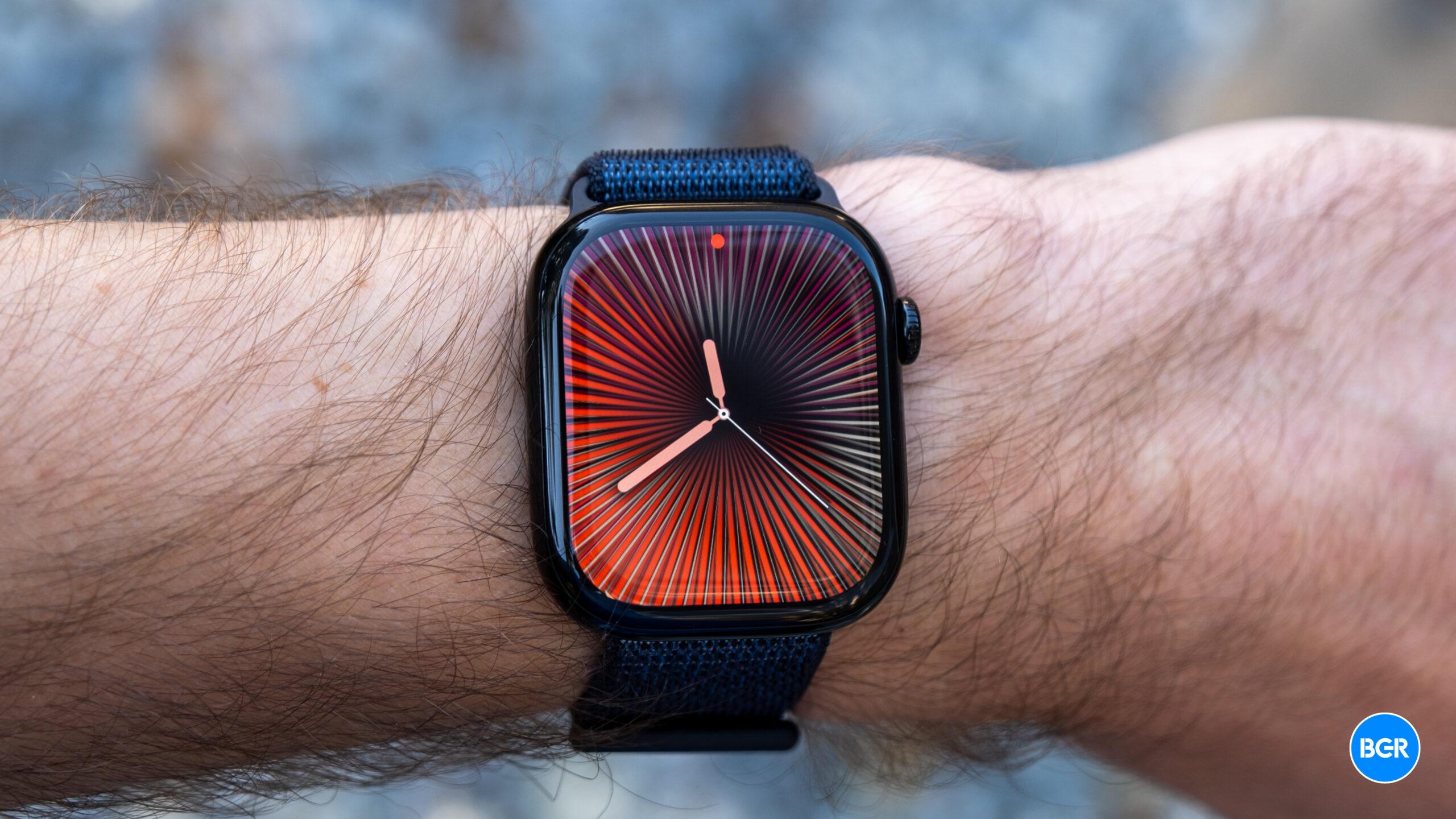
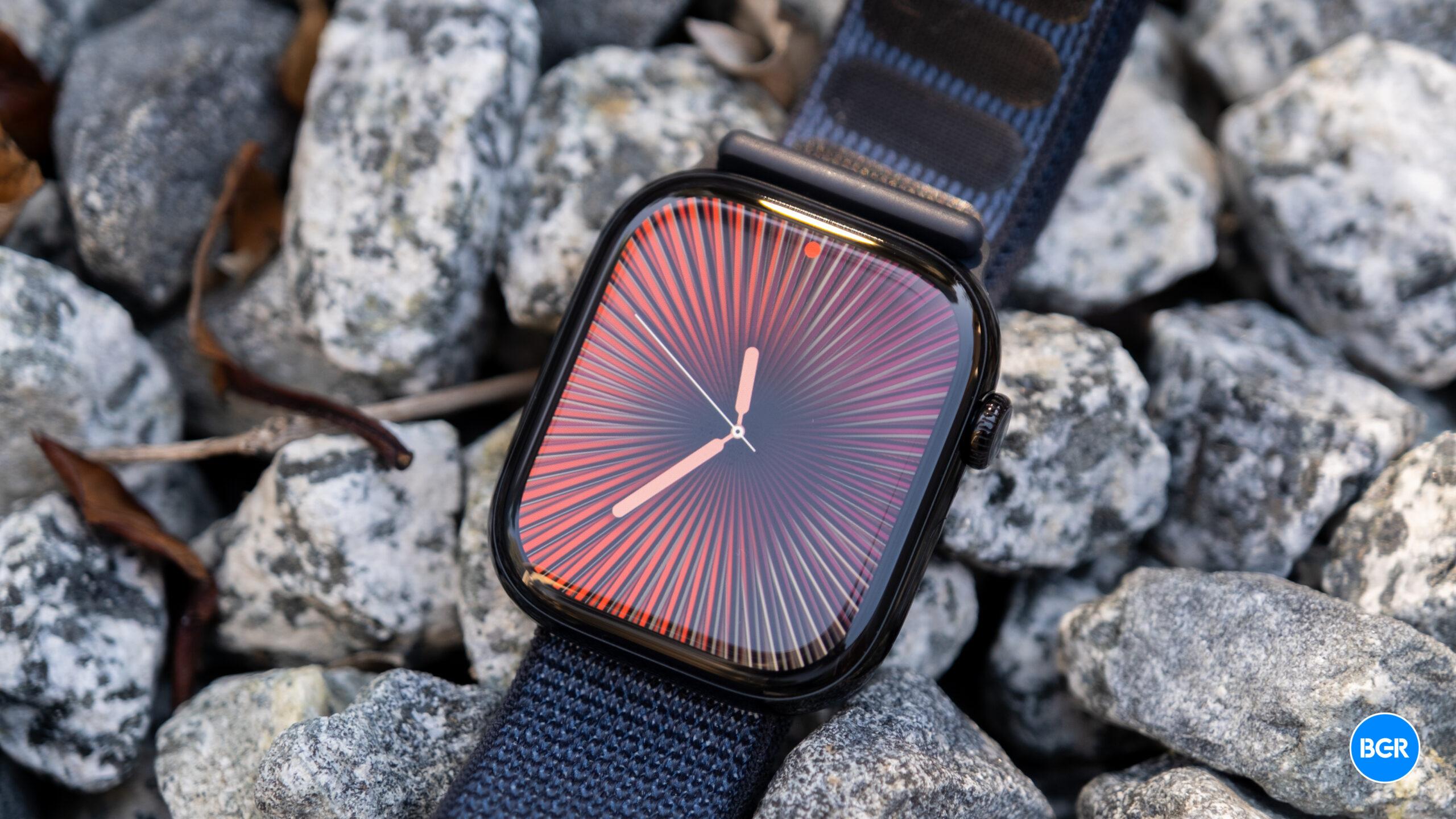
Despite all that, there was one update released last year that I was pretty impressed with — the Apple Watch Series 10. It’s not a massive update with tons of new features, and it’s still missing the pulse oximetry feature that Apple was forced to remove in the US. However, it features a thinner design that’s so much sleeker on the wrist, plus larger displays with narrower bezels around them. It’s absolutely gorgeous, and it’s currently on sale starting at just $299. If ever there was a time to upgrade to a Series 10 model, it’s right now while it’s on sale at all-time low prices.

Amazon Logo See Pricing Amazon Logo See Pricing Amazon Logo See Pricing Amazon Logo See Pricing

The Apple Watch Series 10 is the model that I personally use. To be frank, I have tested dozens of other smartwatch models, and I wouldn’t consider using any of them over the Series 10. With or without a blood oxygen sensor like the older models have, it’s easily the best smartwatch for most Apple users.

Tech. Entertainment. Science. Your inbox.

Sign up for the most interesting tech & entertainment news out there.

By signing up, I agree to the Terms of Use and have reviewed the Privacy Notice.

The only other model that piques my interest is the Apple Watch Ultra 2, which is a fantastic upgrade from Apple’s regular smartwatch models. But it’s also massive, and it’s way too big for my wrist. If you’re interested in the Apple Watch Ultra 2, you should know that it’s currently on sale with a $67 discount if you want the black titanium model. That’s not the best deal I’ve seen, but it’s still a pretty solid bargain.

As for the Series 10 model, it appeals to a much wider range of users. It also comes in two sizes that look great on just about any wrist size. You can read BGR’s in-depth Apple Watch Series 10 review to learn all about what makes this model so impressive.

One of my favorite features is the enhanced sleep tracking that’s bolstered by Apple’s newer temperature sensor. I have issues falling asleep and staying asleep, so it’s great to get some insights into which sleep aids work best when I try new ones. The good news is that Apple’s sleep tracking still works great for me, even without pulse oximetry.

On top of that, the new design with a larger screen is so sleek. I love how thin the Series 10 is on my wrist. Also, believe it or not, the bigger 46mm model actually has a larger display than the Ultra 2, even though the Ultra 2’s overall footprint is bigger. That’s how narrow the bezels are on Apple’s latest model!

Amazon Logo See Pricing Amazon Logo See Pricing

There are plenty of other great features on the Apple Watch Series 10, of course. It’s not Apple’s biggest update ever, but it definitely refines much of what made the Series 8 and Series 9 models so impressive.

Just like I stated earlier, prices start at just $299 right now, and most of Apple’s different colorways are on sale. Also, the 46mm GPS version is on sale starting at $329 instead of $429. Those are both all-time low prices.

If you want cellular connectivity in addition to GPS, prices start at $399 instead of $499 for the 41mm Cellular + GPS Apple Watch Series 10. Again, that’s the lowest price ever for this SKU.

Amazon Logo See Pricing Amazon Logo See Pricing

Be sure to visit our extensive guide for all the best Apple Watch deals on other models, including previous-generation Apple Watches that are on sale with deep discounts.

Source

Posted on

Apple’s new AirPods Pro 3 features may have just leaked

Future iterations of Apple’s AirPods Pro may include impressive health monitoring features, according to a new report in Mark Gurman’s PowerOn newsletter. While specific details are scarce, reports indicate that Apple is exploring capabilities that include heart rate monitoring and other physiological metrics. 

The development of these features is still in its early stages, with initial tests indicating that the heart rate monitoring functionality has yielded encouraging and relatively accurate results. And while there’s no telling when such a feature will hit the market, Gurman writes that it might “be ready for the next-generation AirPods Pro.”

Potential AirPods Pro 3 release

Admittedly, there haven’t been any concrete rumors about when we might see Apple release AirPods Pro 3. If history is any indication, however, it might be coming up sooner than you think.

For context, recall that the first AirPods Pro hit stores in October of 2019. AirPods Pro 2 then came around about three years later, in September of 2022. If Apple sticks with a 3-year upgrade cycle, there’s a chance we’ll see new a AirPod Pro model in the fall of next year. And remember, Apple typically aims to keep its upgrade cycle on a consistent schedule.

Tech. Entertainment. Science. Your inbox.

Sign up for the most interesting tech & entertainment news out there.

By signing up, I agree to the Terms of Use and have reviewed the Privacy Notice.

Rumored AirPods Pro 3 features

Notably, an AirPods Pro model with a heart rate monitor is reportedly the feature Apple is most focused on.

Gurman writes:

The main work right now is getting the AirPods to reliably measure a user’s heart rate. Though the Apple Watch already does this, the feature could be a selling point for people who don’t like wearing watches or just want a backup fitness tracker… 

In Apple’s testing, heart-rate data is more accurate on the watch than AirPods, but the earbuds aren’t terribly far off. 

Besides rumors of a heart rate monitor, some other AirPod Pro 3 rumors we’ve seen point to improved audio performance, a new H3 chip, more robust water and dust resistance, more seamless integration with the Vision Pro, and improved battery life. One feature we can likely look forward to is improved Active Noise Cancellation. One interesting but peculiar rumor claims that AirPods Pro 3 might include a feature that would allow users to measure their body temperature and perspiration level.

Apple’s commitment to health

Apple’s commitment to adding new health-oriented features to its AirPods Pro line shouldn’t come as much of a surprise. After all, the current AirPods Pro 2 have a clinical-grade Hearing Aid feature that was brilliantly showcased in the ad below:

Additionally, Apple CEO Tim Cook has been quite vocal about Apple’s commitment to leveraging its product line towards improving individual health. Notably, Cook during an interview a few years back said that Apple’s work in the health space may ultimately be what the company is most known and revered for.

If you zoom out into the future, and you look back, and you ask the question, ‘What was Apple’s greatest contribution to mankind?’ It will be about health.

We are taking what has been with the institution and empowering the individual to manage their health.

Lastly, it’s worth noting that Apple has also devoted a lot of resources to figuring out a way to get the Apple Watch to measure a user’s blood glucose levels. There’s no telling if Apple will ever be able to achieve this, but if it does, it will truly prove to be a godsend for millions of people across the globe.

Source

Posted on

Apple Watch Series 10 has a frustrating problem with workout tracking

I switched from a 40mm Apple Watch SE 2 to a 42mm Apple Watch Series 10 in late September, and it’s the best thing I’ve ever done. But there’s an unexpected twist, and it’s so annoying.

I run marathons now, and I want Apple’s wearables to track my health parameters during races and the entire training phase leading up to a race. My old Apple Watch SE’s battery health dropped below 80%, at which point I had to recharge it twice a day to ensure it would not die suddenly.

I could have replaced the battery or purchased another SE model. But, as I get older, I also want better health tracking — and the premium Apple Watch Series 10 delivers that. I want the wearable to track my health parameters around the clock, not just while I’m training.

I should also tell you that I’m always running the latest watchOS 11 beta, which can often explain various bugs. But there’s one that I keep seeing, and it has nothing to do with the current beta OS I’m running: The Apple Watch Series 10’s sensors don’t consistently track my heart rate during workouts.

Tech. Entertainment. Science. Your inbox.

Sign up for the most interesting tech & entertainment news out there.

By signing up, I agree to the Terms of Use and have reviewed the Privacy Notice.

I started noticing this bug in mid-October. Since then, I’ve seen some improvements, but I’m still missing data from the run and walk session. It turns out I’m not the only one. BGR’s editor Zach Epstein got a 46mm Apple Watch Series 10. He also encountered the same issue during an elliptical workout, and he’s not running a beta version of watchOS. He also had the same problem with his older Apple Watch Ultra, which means the problem isn’t just an issue with the Series 10 model.

We both dealt with this heart rate tracking issue sometime during the early watchOS 11 betas over the summer. Zach found a workaround I’ve used on my Apple Watch SE 2 for weeks, until Apple seemingly fixed it.

We would take heart rate readings with the watch’s dedicated Heart Rate app just before starting a workout. This would sort of warm up the heart rate sensor, so to speak, and it would keep working throughout the subsequent workout. Apple appeared to have addressed it a few weeks later, as my Apple Watch SE 2 started working fine.

But fast-forward to October, and the same problem appeared on the Apple Watch Series 10. By early December, the issue is still here.

It’s unclear exactly what is causing the Apple Watch Series 10 to fail when performing readings. I’ve already shared some screenshots that prove heart rate data was absent when I first covered the issue, so I’ll share a few fresh ones below.

The missing heart rate data

Here’s Zach’s most recent elliptical session, which lacks about 10 minutes of heart rate data at the start of his workout:

Missing heart rate data from an elliptical workout.Missing heart rate data from an elliptical workout. Image source: Zach Epstein, BGR

Here’s my 9K run from Sunday afternoon that shows two different types of behaviors. First, we can see that it’s missing all of my heart rate data early in the workout. But then, the Apple Watch Series 10 also runs into issues later in the workout:

Missing heart rate data from a 9K run.Missing heart rate data from a 9K run. Image source: Chris Smith, BGR

I ran my second marathon — which was my first while wearing the Apple Watch Series 10 — a few days before the 9K run. The Apple Watch Series 10 was amazing when it came to battery life. And, from the looks of the following graph, it registered my heart rate throughout the race.

Heart rate data captured during a marathon race.Heart rate data captured during a marathon race. Image source: Chris Smith, BGR

But did it really? Or are we simply too zoomed out in the graph to spot any missing information? After all, this was a race that lasted more than four hours. The app had to fit all the heart rate data into the same limited space as my 9K run or Zach’s elliptical workout.

I’ve been using the Apple Watch since the first generation came out. There’s no chance here that I’m wearing it wrong. I know how snug it has to be to record health parameters. I wear the Watch on the same arm and same location. I also don’t have any tattoos that would interfere with the sensor.

What I’m getting at is that heart rate readings were not as big of a problem before watchOS 11 and the Apple Watch Series 10.

It’s not just about workouts

I didn’t buy the best Apple Watch out there, save for the Ultra, just for training. I want it to provide health readings around the clock. But considering the repeated issues during my workouts, how would I even know the Apple Watch Series 10 is taking the regular heart rate readings it has to perform with accuracy?

I could manually review the logbook of readings and compare them with Apple Watch SE 2 readings from the past to see if the number of data points matches during rest or sleep, but I’m not going to do that.

Hopefully, the Apple Watch will catch heart rate issues in the early stages once I’m older. For that to happen, and for the Apple Watch to save my life, I would have to know for certain that it’s always performing pulse readings without hiccups.

Finally, I want to upgrade my dad’s Apple Watch to a Series 10. But the accuracy of heart rate readings is paramount here. Unlike me, he has heart issues that come with age, and the Apple Watch is potentially a life-saving device.

It’s unclear what’s causing the issue and how many people have encountered it. But we have at least two cases that we can talk about. I’ll also point out that I bought my Apple Watch Series 10 in Europe, so I still have a working blood oxygen sensor, whereas Zach got his in the US. These units come from entirely different batches.

Is this a software issue? I could always jump off beta and find out. But, again, Zach isn’t currently running a beta OS on his watch. Is it a hardware issue? I can’t tell.

As much as I love the Apple Watch Series 10, I’ll have to take it in for potential repairs if the situation persists. I would have returned it if I knew the heart rate issue would persist, but my return window has passed.

Source

Posted on

New iPad Pro won’t be Apple’s first product with an M5 chip

Apple won’t follow the trend of introducing a brand new chip with its best new iPad models, as it did with the M4 iPad Pro. According to the latest reports, the M5 iPad Pro won’t arrive before late 2025 or even early 2026.

Top insider Ming-Chi Kuo wrote a blog post on Medium saying the M5 iPad Pro is expected to enter mass production in the second half of 2025. “The iPad Pro equipped with the M5 processor is expected to enter mass production in 2H25,” he wrote. “The company’s business momentum in 2H25 is anticipated to benefit significantly from Apple’s new product launches.”

While this might not mean much, Kuo is likely talking about the significant refreshes expected by this time of the year, such as the iPhone, Apple Watch, and possibly a new version of the Apple Vision Pro. That said, users shouldn’t be that worried about their M4 iPad Pro becoming an obsolete product in the near future.

If rumors are accurate, the iPad Pro with the M4 processor could be almost two years old before Apple introduces a new variant. Even when that happens, we don’t expect significant changes. Based on what we’ve heard so far, it seems that the iPad Pro will only get a specs bump with the M5 processor, and the next-generation chip won’t even be such a big deal.

Tech. Entertainment. Science. Your inbox.

Sign up for the most interesting tech & entertainment news out there.

By signing up, I agree to the Terms of Use and have reviewed the Privacy Notice.

Image source: Apple Inc.

While the M4 greatly improves over the M3, Apple has apparently canceled the M5 with the newer 2nm process developed by TSMC due to cost concerns. According to The Elec, the M5 chip will adopt a new System On Integrated Chip technology, which enhances thermal management and reduces electrical leakage.

With that, we could see enhancements in performance and efficiency and a broader focus on Neural Engine tasks for AI and Apple Intelligence. While knowing that Apple has moved on to producing its newer processors, we still have several months with M4 products, including some new ones that need to be unveiled.

When will Apple start introducing new M5 products?

If the company follows the schedule analysts predict, the M5 family won’t be available before the end of next year. Here’s what we expect:

  • Late 2025: Apple should unveil at least new M5 MacBook Pro models with the M5 Pro and M5 Max options; the company could also update the Mac mini and iMac, although it’s unclear at this moment;
  • Late 2025/Early 2026: Apple introduces the M5 iPad Pro;
  • Early 2026/Mid 2026: Cupertino unveils new MacBook Air models with the M5 processor;
  • Mid 2026/Late 2026: Apple expands the M5 chips for the Mac Studio and potentially to Mac Pro, depending on the upgrades expected for this processor.

It’s important to note that bigger changes are expected to start appearing by 2026 or 2027, when Apple will unveil a new OLED display technology for the MacBook Pro, followed by an improved display on the iPad Pro. In the next couple of years, we could also see Apple unveiling its first foldable products as well.

Source

Posted on

I ran a marathon with the Apple Watch Series 10, and the battery blew my mind

Early last year, I got back into long-distance running, aiming to start running half-marathon races. I used ChatGPT to get back into shape, and the experience has been amazing. I now run a half-marathon almost every week. It’s just another day at the park.

I also decided to move on to marathons last year, something I had never done before and never thought I’d be able to do. I employed the services of ChatGPT once again, and I’ve now completed two official races. If all goes well, more will follow.

I ran my first marathon using an Apple Watch SE 2 model that was about 18 months old at the time of the race. The battery health was at 83%, and the Apple Watch SE barely made it through the marathon.

Six months later, I used an Apple Watch Series 10 to run my second marathon. I’ve been wearing it since late September, and the battery health is still at 100% after about two months. The Apple Watch Series 10 would have easily lasted the entire marathon race even if the battery health were slightly lower. Even if I were slower, it would have made it.

Tech. Entertainment. Science. Your inbox.

Sign up for the most interesting tech & entertainment news out there.

By signing up, I agree to the Terms of Use and have reviewed the Privacy Notice.

I knew the Apple Watch Series 10 battery life was amazing before the race. I never had any doubts. As I explained more than once, the Apple Watch Series 10 can last up to 36 hours with mild activity. It routinely lasts for 30 hours, even on harder training days. And I always use the Watch to track my sleep.

But knowing all of that, the Apple Watch Series 10 battery still blew my mind, and it’s not just because of the stellar longevity.

I’ve never run professionally, so I’m not one of those runners who can pull off sub-3-hour marathons. Yet.

I’m also unable to run a marathon under 4 hours, though that was my intention this time. I’m telling you this because the longer a wearable has to track activity, the more battery it will consume.

The 40mm Apple Watch SE 2 depleted almost its entire battery to track my first marathon. I finished the race in around four hours and 30 minutes. The Watch died about an hour after I crossed the finish.

The 42mm Apple Watch 10 had about 27% battery life when I finished the run. That was at around four hours and 16 minutes. I was faster, yes, even though I didn’t achieve my goal. But the point I’m trying to make here is that the Apple Watch Series 10 battery life was simply amazing.

I’m sure it would have lasted a six-hour marathon race, assuming I’d have been much slower. Or if I had to walk a lot following an injury.

It’s not just the battery life that’s amazing, but also the battery charging time. The Apple Watch Series 10 charges much faster than any previous model.

Charging the Apple Watch Series 10 before and after a marathon race.Charging the Apple Watch Series 10 before and after a marathon race. Image source: Chris Smith, BGR


I put the Apple Watch 10 on its charger for about an hour at around 10:00 PM the night before the race (image above). It still had over 50% charge, but I couldn’t risk it.

I removed it with a 98% charge, which dropped to 90% by the morning of the race. Again, I’m always sleeping with the Apple Watch Series 10 on, looking to track my vitals as long as possible. Comparatively, I topped up my Apple Watch SE 2 the morning of my first marathon, knowing I’d need every bit of juice for a race that could have lasted up to six hours.

The Apple Watch used up to 63% of its battery life for the marathon race. I say “up to” as I walked about 2km to the venue and then forgot to check the battery capacity at the start of the race. Obviously, I had to walk the same distance back home, which took what felt like forever. Human feet don’t work similarly after a marathon.

I put the Apple Watch Series 10 on its charger at around 2:00 PM, when it dropped to around 24%. After about an hour, it reached 96%, and I removed it to wear it.

Again, I want to keep the Apple Watch Series 10 on a charger as little as possible, especially on days when I have races scheduled. I want the wearable to collect as much data as possible, which might come in handy at some point in the future.

The Watch battery lasted 16 hours, including the entire night and the full marathon race. Given the intensity of the effort, I couldn’t be happier.

I know some runners prefer to use wearables from Garmin and other companies. I’m happy with the Apple Watch because I use it to track all my health data. I figure it’ll offer similar performance during training and at rest. That’s even if some runners say the Apple Watch isn’t as good for running as other wearables. I’d have no way of knowing.

Also, the Apple Watch Series 10 I wear had issues recording my heart rate correctly during the first weeks of use, which appear to have been mostly resolved by now. I’m also on the latest watchOS 11 beta.

I’m telling you all that so you have the complete picture. The bottom line is that the Apple Watch Series 10 is so efficient that you’ll have no problem using it for longer activities that require tracking. Whether it’s a marathon race or a hike that lasts several hours, the Apple Watch Series 10 will be ready to record your parameters. And it’ll only need about an hour of charging to go from about 25% to over 95%.

Put differently, you don’t need an Apple Watch Ultra to get you through a marathon. If Apple gives a future Watch SE the same chip and battery tech as the Watch 10, you could just get that and be on your way.

How will the Apple Watch Series 10 perform once the battery health drops? That’s a story for a different marathon. Then again, I’m trying to get faster myself, so hopefully, I’ll finish future races well before the wearable dies.

Source