Posted on

Google has started rolling out a fix for all the broken Chromecasts

Google started rolling out a fix for its broken second-generation Chromecast and Chromecast Audio devices on Thursday. The issue temporarily bricked thousands of streaming dongles due to an expired license earlier this week.

Here’s what the Google support team said on the Google Nest Community forum:

Hey everyone, thank you for your patience while we work to resolve this issue. Here’s the latest:

We have started to roll out a fix for the problem with Chromecast (2nd gen) and Chromecast Audio devices, which will be completed over the next few days. Your device must be connected to receive the update.

If you performed a factory reset during initial troubleshooting, you may still be experiencing an issue where you cannot re-setup your device. We are working to resolve this as soon as possible. Please continue to check the Community page here for updates and next steps.

We’ll update this post again when Google shares more updates.

[The original article follows below.]

Tech. Entertainment. Science. Your inbox.

Sign up for the most interesting tech & entertainment news out there.

By signing up, I agree to the Terms of Use and have reviewed the Privacy Notice.

Last year, Chromecast joined the Google Graveyard as the company ended production of the streaming dongles. The streaming devices themselves are still usable (for now), but this week, thousands of Chromecast second-gen and Chromecast Audio owners discovered that their TV streaming dongles had suddenly stopped working. Thankfully, they haven’t been turned off for good, as Google acknowledged the issue and began working on a fix.

Anyone who tried to connect their phone to the 10-year-old Chromecast models this week saw an error message indicating that it was an untrusted device or couldn’t be authenticated. While some users suspected that Google was quietly bricking the aging dongles, it turns out that it’s actually a technical problem involving the firmware.

As explained by a Reddit user in a busy thread (via Ars Technica), Google built a certificate into the 2015 Chromecast models that expired on March 9, 2025. That just so happens to be exactly when all of these Chromecast users started running into trouble.

In a post on the Google Nest Community forums, Google confirmed finding “an emerging issue impacting Chromecast 2nd gen and Chromecast Audio devices” and said that a fix is coming. In the meantime, the company tells users not to factory reset their devices.

“Do not factory reset your device – we will keep you all updated when the fix rolls out,” warns Google in a message. “If you have already factory reset your device, we will provide instructions to set your device back up as soon as possible.”

Whether Google will continue to support these older streaming media players for the long haul remains to be seen, but at the very least, the company is committed to solving this problem. Be sure to check the Google Nest Community thread for updates.

Source

Posted on

iOS 19 will bring live translation to your AirPods

Apple will supposedly give iOS 19 a big design overhaul this year, making the iPhone operating system look more like the visionOS than previous iOS releases.

A major design makeover might just be what Apple needs in light of its recent Apple Intelligence fiasco. The smart Siri assistant Apple promised last summer isn’t coming for at least a year. The best way to make iOS exciting is to give it a new coat of paint. At least that’s something ost iPhone users will care more about than AI features.

But Apple is also readying new features to go along with the redesign, and one interesting AirPods functionality has leaked. Apple plans to bring live translation support to AirPods via the iOS 19 upgrade, and the good news about it is that the feature should work with your existing AirPods.

Also, since I mentioned Apple Intelligence before, live translation is easily something Apple could sell under the iPhone’s AI umbrella of features. It wouldn’t be the only one.

Tech. Entertainment. Science. Your inbox.

Sign up for the most interesting tech & entertainment news out there.

By signing up, I agree to the Terms of Use and have reviewed the Privacy Notice.

Live Translate is one of the first Galaxy AI features that Samsung announced in late 2023. We learned that flagship phones would translate call conversations in real time, on-device, before we saw all the other tricks in the Galaxy AI suite of apps and features.

Samsung updated Live Translate before last summer’s Unpacked event to work on Galaxy phones with foldable displays. Regardless of phone form factor, you do not necessarily need earphones for Live Translate to work.

I wouldn’t be surprised if Apple included live translation in Apple Intelligence because translating live speech as it happens is actually a process that involves AI. Algorithms understand speech, convert it into text, and then translate and turn it back into voice.

We’ll have to wait for Apple to explain how live translation works in iOS 19, but Bloomberg’s Mark Gurman has an example:

The capability will work like this: If an English speaker is hearing someone talk in Spanish, the iPhone will translate the speech and relay it to the user’s AirPods in English. The English speaker’s words, meanwhile, will be translated into Spanish and played back by the iPhone.

That’s a clever use of hardware for both parties in the conversation to be able to chat by voice in real time.

Given that the iPhone will do the actual translation, the feature should work with any existing AirPods model. It should also work with other wireless earphones, assuming Apple wants to expand support to AirPods rivals. But I think Apple would rather keep the feature as an AirPods-only functionality that helps the company further differentiate its earphones from competitors.

The report also notes that Apple is working on new AirPods hardware, including AirPods Pro 3 and a model with built-in cameras for Apple Intelligence.

Source

Posted on

RCS on iPhone will finally get end-to-end encryption

Apple brought RCS support to the iPhone’s Messages app with the iOS 18 update last September, effectively putting an end to the bubble wars. The green bubbles did not disappear from the iPhone all of a sudden, but iPhone and Android users could message each other using a much richer standard than SMS. The green bubble remained in place so that users could tell them apart from iMessage messages (the blue bubbles).

As I said more than once, I wasn’t necessarily a fan of getting RCS support on my iPhone and that it wouldn’t change my texting habits. Half a year later, this still holds true. I don’t really use RCS to talk to any of my friends and family who are Android users. WhatsApp is the chat app that bridges the two operating systems. WhatsApp is also the favorite chat app for some iPhone users in my group.

I want to use chat apps that offer end-to-end encryption, and both iMessage and WhatsApp satisfy that need. Strong encryption is key for strong security and privacy, and RCS didn’t support that on the iPhone. 

Why do we need strong encryption? Because hackers are always working to intercept your data. Just remember last fall’s China hack of major US telecoms, when law enforcement officials advised everyone to rely on encrypted chat and voice apps while they dealt with the threat. RCS on iPhone did not qualify as a secure chat app at the time.

Tech. Entertainment. Science. Your inbox.

Sign up for the most interesting tech & entertainment news out there.

By signing up, I agree to the Terms of Use and have reviewed the Privacy Notice.

Fast-forward to Friday, and Apple announced that end-to-end encryption is coming to RCS on the iPhone. That’s terrific news. We knew encryption was in the works, and I’m not surprised to see it happen.

The GSMA published a blog post to announce the new features coming to RCS. The iPhone is getting end-to-end encryption RCS messages via the Messaging Layer Security (MLS) protocol:

Most notably, the new specifications define how to apply MLS within the context of RCS. These procedures ensure that messages and other content such as files remain confidential and secure as they travel between clients. That means that RCS will be the first large-scale messaging service to support interoperable E2EE between client implementations from different providers. Together with other unique security features, such as SIM-based authentication, E2EE will provide RCS users with the highest level of privacy and security for stronger protection from scams, fraud, and other security and privacy threats.

The GSMA also announced a new RCS Universal Profile 3.0 that brings other new features. Users will be able to talk to businesses over RCS “through a richer deep link format and includes additional smaller enhancements such as improved codecs for audio messaging and easier management of subscriptions with business messaging senders.”

That said, strong encryption isn’t available right away on iPhones. Apple still has to implement the new profile, and that will happen in the future via software updates. Apple confirmed it all to 9to5Mac:

End-to-end encryption is a powerful privacy and security technology that iMessage has supported since the beginning, and now we are pleased to have helped lead a cross industry effort to bring end-to-end encryption to the RCS Universal Profile published by the GSMA. We will add support for end-to-end encrypted RCS messages to iOS, iPadOS, macOS, and watchOS in future software updates.

Source

Posted on

iPhone 16e reportedly has a Bluetooth audio problem that can’t be fixed

New iPhone hardware might launch with functionality issues that need to be ironed out via subsequent software updates, assuming software can provide fixes. The same goes for Android products. Hearing that the iPhone 16e has a Bluetooth issue where the audio cuts out briefly while music is playing should not be that surprising. However, the iPhone 16e isn’t exactly a new iPhone, is it? It has the same design as every other iPhone with a notch that has been released since the iPhone 12.

Apple also recycled many of the internal components to make this device. Even the iPhone 16’s A18 chip and the 8GB of RAM inside the iPhone 16e aren’t new-new. Therefore, other internal components, including the Bluetooth chip, shouldn’t be brand new.

The only completely new iPhone 16e components might be the new battery, which gives the handset the best battery life in 6.1-inch iPhones, and the C1 modem.

With all that in mind, one shouldn’t expect Bluetooth audio connectivity issues with the iPhone 16e. But it turns out that several iPhone 16e owners have encountered Bluetooth disconnects, and Apple doesn’t know how to fix them for the time being. It doesn’t seem like a hardware issue, so exchanging your iPhone 16e for a new one might not fix it.

Tech. Entertainment. Science. Your inbox.

Sign up for the most interesting tech & entertainment news out there.

By signing up, I agree to the Terms of Use and have reviewed the Privacy Notice.

Some iPhone 16e owners suspect the device has issues handling multiple Bluetooth connections, like an Apple Watch and AirPods. That’s actually a nightmare scenario for this longtime iPhone user. I run a lot, and I wear the Apple Watch to track my workouts while AirPods handle the entertainment.

As is often the case with issues concerning new devices, affected users took to social media and forums to complain. A discussion on Apple forums is particularly interesting, as an iPhone 16e owner details their issues with the Bluetooth audio and their experience with Apple support.

After talking to UK/Europe support, the user was escalated to Apple’s US support, and they had him perform a diagnostic test on the iPhone 16e to figure out why the Bluetooth audio stops:

Then they had me install a profile on my iPhone which logged the Bluetooth and Wifi signals / exchanges in a diagnostic report, which ran for about 20 minutes, whilst I reproduced the issue and noted down the time (to the second) of whenever the audio stutters. This was done with data over Wifi, and data over 5G. Then they phoned me up again, the logs were packaged up, and sent through. All they could do was tell me the data and timestamps etc. were going to be looked at by engineering and they would contact me back if they wanted me to run more test…

The same person said the update to iOS 18.3.2, which dropped earlier this week, did not fix the problem.

A different person found that using an Oura ring might impact the Bluetooth audio on the iPhone 16e. Closing the app completely seems to fix the problem:

Yes, I have the same problem, too. I found a couple of reddit threads with people experiencing the same issue. In my case it appears that the stuttering is related to having another Bluetooth connection (an Oura smart ring). If I close the Oura app, so it’s not running in the background, the audio appears to work OK, but it’s early days and I’m still investigating. Do you have multiple Bluetooth connections other than the headphones? I hope it’s not a hardware issue with the phone.

Over on Reddit, a Fitbit user said that closing the Fitbit app didn’t work, but they removed the wearable from the iPhone 16e, and the Bluetooth audio was fixed.

Obviously, these aren’t acceptable fixes. Again, Apple is selling us devices that are connected via Bluetooth to the iPhone, whether it’s Apple Watch models, AirPods, or Beats earphones. Apple wants iPhone users to buy both the Apple Watch and AirPods, so both should stay connected to the iPhone at the same time.

Even if you use non-Apple wearables and wireless earphones, you should be able to mix and match products without experiencing Bluetooth audio issues.

It’s unclear how widespread the iPhone 16e Bluetooth audio problem is, but Apple is certainly aware of it. Hopefully, a permanent fix will be available soon.

Source

Posted on

HMRC looks to upgrade SOC with advanced SIEM tech

His Majesty’s Revenue and Customs (HMRC) is firming up plans to procure more security information and event management (SIEM) services as it seeks to enhance its existing Security Operations Centre (SOC) capabilities, according to a request for information (RFI) published this week.

As the UK’s tax authority, HMRC is tasked with upholding the integrity of the country’s financial systems and ensuring public trust. It serves a broad public sector customer base of more than five million businesses and 45 million individuals, and manages over £800bn every financial year. As such, it faces significant and sophisticated cyber security threats on a day-to-day basis.

“This RFI seeks solution and service related information that would be capable of enhancing HMRC’s SOC through the deployment of advanced technological tools and expertise,” the department said in a tender notice. “Ideal partners will demonstrate a clear technological roadmap aligned with HMRC’s strategic needs, show a commitment to effective communication, and provide flexible and scalable solutions.

“A strong focus on long-term collaboration is essential to meet our cyber security objectives, as outlined in the RFI documents, effectively safeguarding against the continuously changing global geopolitical and economic landscape.”

At their core, SIEM systems such as the one proposed for HMRC are data aggregation services that draw information from various sources, identify anomalies that could indicate cyber threats, and take action – such as generating alerts for SOC teams or activating other countermeasures. More advanced SIEM capabilities incorporate elements of user and entity behaviour analytics (UEBA) and security orchestration, automation and response (SOAR).

Government departments unprepared

In recent weeks, both the Public Accounts Committee (PAC) and National Audit Office (NAO) have gone on record to say that departments across the British government appear to be woefully unprepared for a “catastrophic” cyber attack – largely as a result of over-reliance on legacy IT systems, a long-acknowledged issue in government.

Earlier this week, the PAC head witness statements from government IT leaders who discussed how civil servants across Westminster lack visibility into their IT systems and the extent to which they are vulnerable to cyber attacks.

The NAO report, published at the end of January 2025, found that 58 critical government IT systems had “significant gaps” in cyber resilience, and that the state of resilience of a further 228 legacy IT systems was essentially unknown.

Besides this lack of understanding, the NAO identified a lack of coordination within government that risks jeopardising a joined-up approach to cyber security at Westminster, including a lack of understanding of departmental roles and responsibilities, including those of the National Cyber Security Centre (NCSC).

It also warned of a serious skills gap, with roughly a third of open cyber security roles in government either vacant or filled by temporary contractors.

Its findings were based off a series of interviews with Cabinet Office officials who have been tasked with implementing the current Government Cyber Security Strategy: 2022-2030, as well as staffers from the NCSC, the Central Digital and Data Office (CDDO), and other civil servants working around cyber security. The NAO also sought input from the British Library, which fell victim to a significant ransomware attack in the autumn of 2023.

HMRC’s contract is currently set to begin on 1 December and will run for three years to 30 November 2028. The closing date for the RFI is midday on Friday 27 March. The department has not yet put a value to the contract.

Source

Posted on

Bad news PC gamers – it seems AMD’s aggressively low price for its Radeon RX 9070 GPU will only be for a limited time

  • Some worldwide retailers have confirmed the RX 9070’s timed MSRP
  • It’s claimed only the first batch of select models will be available for $549
  • Once sold, the new prices could match (or narrow) that of the RX 9070 XT

It’s launch day for AMD‘s RDNA 4 graphics cards, with the RX 9070 and RX 9070 XT now available on store shelves. However, as some online retailers have mentioned already, the former’s respective MSRP ($549) may only apply to the initial batch of the GPUs sold, with future supply seeing a potential price increase.

As spotted by Videocardz, it’s alleged that the RX 9070 will only be sold at its MSRP of $549 for a limited time, as AMD’s partners will be able to set their prices. Swedish retailer Inet.se informed the outlet that the MSRP would only be respected for the first run, as the company evidenced this with its selling of PowerColor Reaper variants, as the prices of a second shipment are reportedly already higher.

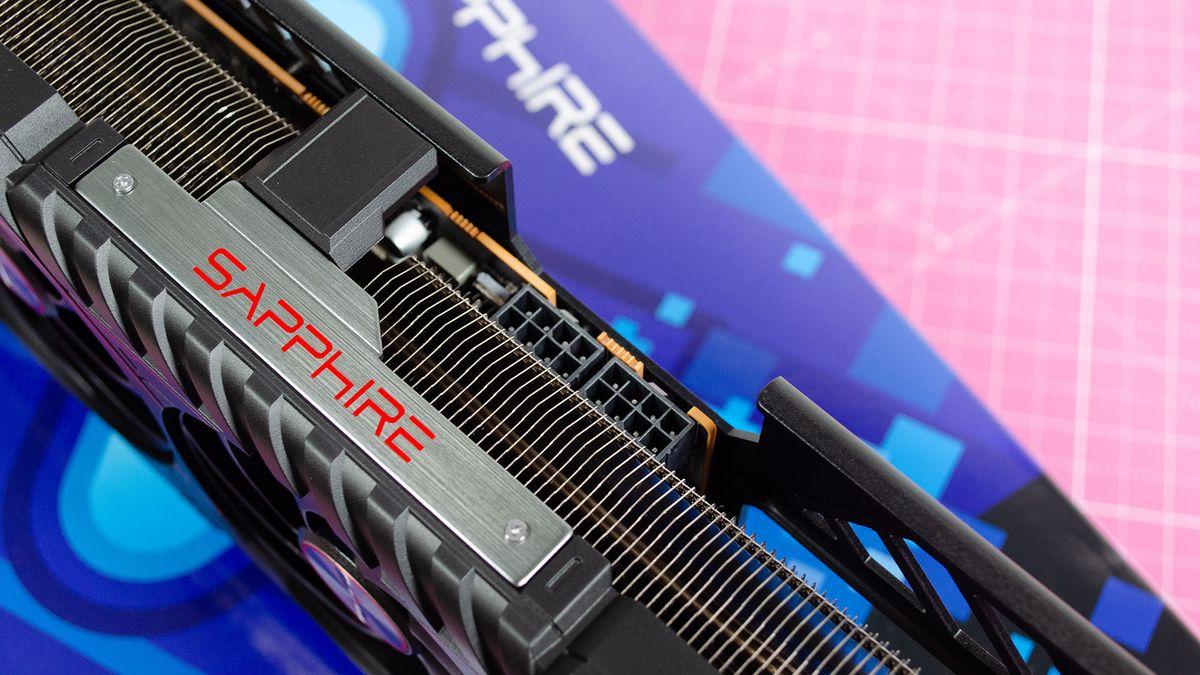
The retailer explained how its AMD RX 9070 stock prices will depend on the manufacturer shipping the different cards, outlining that with “Sapphire and Asus it will be just usual” as you’ll be able to buy the GPUs at MSRP until they run out. However, it also said that it will be different with PowerColor. “Our second shipment from PowerColor is already waiting, and we cannot it at MSRP prices”.

To clarify, it says it will sell the first run of PowerColor Reaper RX 9070 cards it has in stock until they are sold out, and then increase prices when it is fulfilling orders from the second batch. “If you receive an order with MSRP price even though the cards are sold out we will of course give you that price, but unfortunately we have no way of continuing to sell cards at MSRP after the first deliveries are sold out”.

This is a problem that seems to impact prospective buyers in the UK as well. Andrew Gibson, Purchasing Manager for Overclockers UK, spoke about the limited amount of RX 9070 stock at MSRP from the retailer. He explained the retailer had around 5,000 cards in total from Sapphire (2,000), PowerColor (1,000), and ASRock (1,000), but that “MSRP is capped quantity of a few hundred, so prices will jump once those are sold through”.

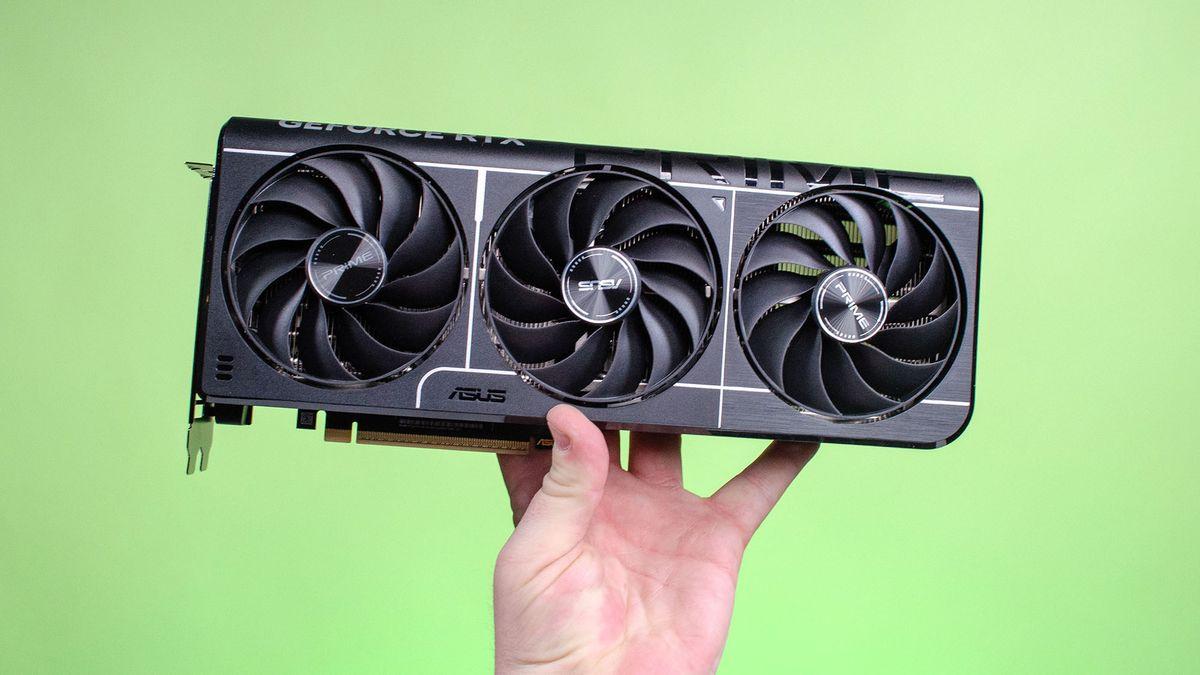
It’s believed that only four different variants of the AMD RX 9070 will be available for its MSRP price: the PowerColor Reaper, Sapphire Pulse, Asus Prime, and XFX Swift, at least for the initial shipment window, as outlined in Sweden and the UK. There’s a possibility that things could be broadened in the US; however, there’s also no guarantee that the prices you’ll see today (and over the next few days) will be as low as what could come shortly if you don’t pull the trigger early.

A wrench in the works for RDNA’s budget performer

Earlier today, we praised the fact that many retailers were (seemingly) flush with options for RX 9070 XT stock on launch day, something that we cannot say for the dismal state of Nvidia‘s RTX 50 series in contrast. However, while availability doesn’t appear to be marred the same way, the fact that the aggressive $549 starting price seems so ephemeral is disappointing, given the overall value proposition.

{ window.reliablePageLoad.then(() => { var componentContainer = document.querySelector(“#slice-container-newsletterForm-articleInbodyContent-j9KvYY9xXDxLRdVVrqVLCU”); if (componentContainer) { var data = {“layout”:”inbodyContent”,”header”:”Get daily insight, inspiration and deals in your inbox”,”tagline”:”Sign up for breaking news, reviews, opinion, top tech deals, and more.”,”formFooterText”:”By submitting your information you agree to the Terms & Conditions and Privacy Policy and are aged 16 or over.”,”successMessage”:{“body”:”Thank you for signing up. You will receive a confirmation email shortly.”},”failureMessage”:”There was a problem. Please refresh the page and try again.”,”method”:”POST”,”inputs”:[{“type”:”hidden”,”name”:”NAME”},{“type”:”email”,”name”:”MAIL”,”placeholder”:”Your Email Address”,”required”:true},{“type”:”hidden”,”name”:”NEWSLETTER_CODE”,”value”:”XTR-D”},{“type”:”hidden”,”name”:”LANG”,”value”:”EN”},{“type”:”hidden”,”name”:”SOURCE”,”value”:”60″},{“type”:”hidden”,”name”:”COUNTRY”},{“type”:”checkbox”,”name”:”CONTACT_OTHER_BRANDS”,”label”:{“text”:”Contact me with news and offers from other Future brands”}},{“type”:”checkbox”,”name”:”CONTACT_PARTNERS”,”label”:{“text”:”Receive email from us on behalf of our trusted partners or sponsors”}},{“type”:”submit”,”value”:”Sign me up”,”required”:true}],”endpoint”:”https://newsletter-subscribe.futureplc.com/v2/submission/submit”,”analytics”:[{“analyticsType”:”widgetViewed”}],”ariaLabels”:{}}; var triggerHydrate = function() { window.sliceComponents.newsletterForm.hydrate(data, componentContainer); } if (window.lazyObserveElement) { window.lazyObserveElement(componentContainer, triggerHydrate); } else { triggerHydrate(); } } }).catch(err => console.error(‘%c FTE ‘,’background: #9306F9; color: #ffffff’,’Hydration Script has failed for newsletterForm-articleInbodyContent-j9KvYY9xXDxLRdVVrqVLCU Slice’, err)); }).catch(err => console.error(‘%c FTE ‘,’background: #9306F9; color: #ffffff’,’Externals script failed to load’, err)); ]]>

Sign up for breaking news, reviews, opinion, top tech deals, and more.

As it stands, the RX 9070 is just $50 cheaper than the (current) RDNA 4 flagship model, the RX 9070 XT, which is available for $599. However, if you’re unable to secure a non-XT model for its recommended retail price, then the overall point of the card in the face of its sibling seems moot by comparison. While stock is flying off the shelves (many of the MSRP models mentioned above are no longer available), you’re prompted to pay extra to get one instead, which is far from ideal.

As such, what’s the point of the RX 9070 if you’re going to have to spend the same money (or more) than purchasing the RX 9070 XT instead? The latter appears more available with retailers such as Best Buy, Newegg, B&H, and Micro Center having stock by comparison. To try to avoid disappointment, we recommend keeping up with our regularly updated dedicated RX 9070 and RX 9070 stock tracker.

You may also like…

Source

Posted on

Nvidia’s 572.70 Game Ready Driver promises a black screen fix

  • Nvidia released a new Game Ready Driver for RTX 5070 support and DLSS 4 updates for some new and current games
  • Users continue to voice frustrations regarding black screen issues after new driver update
  • It may be ideal to hold off on updates until Team Green releases more stable builds

The tables are gradually turning in the battle between Nvidia and AMD in the GPU market, with the former’s RTX 5000 series launch coming with a litany of problems, which AMD is taking full advantage of with its Radeon RX 9000 series launch. While Team Green’s new Game Ready Driver promises a fix for some previous issues, it may be a good idea to stay away from it for the time being.

In a blog released by Nvidia, a new Game Ready Driver (572.70) is available which provides support for its new RTX 5070 GPU, along with DLSS 4 Multi-Frame Generation support for some games. It also suggests a fix for a previous black screen issue when attempting to boot into systems while using DisplayPort.

This issue seemed to be widespread after people installed driver 572.60 – I can corroborate this as booting into Windows 11 resulted in the login screen disappearing, leaving only the mouse cursor. The solution was uninstalling the ‘latest quality update’ in Windows 11‘s recovery mode, and rolling the driver back to 572.47 for stability.

It’s not the first time this has occurred – the driver that introduced DLSS 4 override for RTX GPUs (572.16), reportedly caused Blue Screen of Death errors when gaming, notably in Marvel‘s Spider-Man 2 when activating or adjusting Frame Generation settings.

A hotfix (572.65) was released to address 572.60’s major bug, but the issue remained (according to some Reddit users). Meanwhile, whilst the release notes for the new 572.70 update suggest the black screen issues have been resolved, users are still reporting the same problems, alongside stuttering in games and a black screen bug during the driver’s installation. This isn’t ideal, particularly for those using Team Green’s new RTX 5070 (the driver has been specifically released to support the GPU), and adds to the list of controversies surrounding the new Blackwell GPUs.

Comment from r/nvidia

Comment from r/nvidia

Comment from r/nvidia

An Nvidia GeForce RTX 5080 leaning against its retail packaging with the RTX 5080 logo visible

(Image credit: Future)

Roll back your drivers, and stay away for now

Unless you’re using an RTX 5070, I would suggest you roll back your Nvidia graphics driver as soon as possible – I’ve been using driver 572.47 ever since encountering the black screen booting issue, and haven’t looked back.

Team Green is under fire for several problems regarding its Blackwell GPUs, and I worry that it won’t end anytime soon. The last thing you want to happen is for a future unstable driver to drastically affect your system, and recurring BSoDs, in-game crashes, installation issues and unresponsive black screens are not a great sign in my book.

{ window.reliablePageLoad.then(() => { var componentContainer = document.querySelector(“#slice-container-newsletterForm-articleInbodyContent-BU6f3eAFPAd5KET7SL2mbi”); if (componentContainer) { var data = {“layout”:”inbodyContent”,”header”:”Get daily insight, inspiration and deals in your inbox”,”tagline”:”Sign up for breaking news, reviews, opinion, top tech deals, and more.”,”formFooterText”:”By submitting your information you agree to the Terms & Conditions and Privacy Policy and are aged 16 or over.”,”successMessage”:{“body”:”Thank you for signing up. You will receive a confirmation email shortly.”},”failureMessage”:”There was a problem. Please refresh the page and try again.”,”method”:”POST”,”inputs”:[{“type”:”hidden”,”name”:”NAME”},{“type”:”email”,”name”:”MAIL”,”placeholder”:”Your Email Address”,”required”:true},{“type”:”hidden”,”name”:”NEWSLETTER_CODE”,”value”:”XTR-D”},{“type”:”hidden”,”name”:”LANG”,”value”:”EN”},{“type”:”hidden”,”name”:”SOURCE”,”value”:”60″},{“type”:”hidden”,”name”:”COUNTRY”},{“type”:”checkbox”,”name”:”CONTACT_OTHER_BRANDS”,”label”:{“text”:”Contact me with news and offers from other Future brands”}},{“type”:”checkbox”,”name”:”CONTACT_PARTNERS”,”label”:{“text”:”Receive email from us on behalf of our trusted partners or sponsors”}},{“type”:”submit”,”value”:”Sign me up”,”required”:true}],”endpoint”:”https://newsletter-subscribe.futureplc.com/v2/submission/submit”,”analytics”:[{“analyticsType”:”widgetViewed”}],”ariaLabels”:{}}; var triggerHydrate = function() { window.sliceComponents.newsletterForm.hydrate(data, componentContainer); } if (window.lazyObserveElement) { window.lazyObserveElement(componentContainer, triggerHydrate); } else { triggerHydrate(); } } }).catch(err => console.error(‘%c FTE ‘,’background: #9306F9; color: #ffffff’,’Hydration Script has failed for newsletterForm-articleInbodyContent-BU6f3eAFPAd5KET7SL2mbi Slice’, err)); }).catch(err => console.error(‘%c FTE ‘,’background: #9306F9; color: #ffffff’,’Externals script failed to load’, err)); ]]>

Sign up for breaking news, reviews, opinion, top tech deals, and more.

I must note that all PC configurations aren’t the same, and it’s likely some may not run into any of these issues (which I hope is the case) – but with the consistency of frustrations shared and the similarity between them, I’m willing to stick with what is most stable for now (even if it means losing out on any game enhancements).

I hope that Nvidia can get back to launching stable drivers that don’t further damage its reputation – though bear in mind, drivers may always have one or two issues for a number of users – but until then, I’ll be keeping my system clean of any GPU driver updates.

You may also like…

Source

Posted on

AMD might go for Nvidia’s jugular in Q2 with a faster RX 9070 ‘Extreme’ GPU that could leave the RTX 5070 Ti in the dust

  • AMD is rumored to be planning a faster take on its RX 9070 models
  • This ‘Ultimate Navi 48’ GPU is supposedly being readied for a Q2 release
  • AMD is apparently aiming for a performance level of between the RTX 5070 Ti and RTX 5080

AMD could be releasing a faster take on its RX 9070 GPUs as soon as Q2 2025, according to a fresh rumor.

Moore’s Law is Dead (MLID) has a new video out on YouTube which discusses a range of topics across AMD’s new RDNA 4 GPUs, with the excellent RX 9070 XT and vanilla 9070 having gone on sale yesterday – and part of the chatter here is more reinforcement of what we’ve already heard about the MSRPs of these boards.

Before I get into that, though, the most interesting revelation here (in my book) is that AMD is purportedly set to produce a new RDNA 4 graphics card using the Navi 48 chip – the one RX 9070 models are built on – with the GPU pushed to the absolute max.

According to one of MLID’s sources at a big US retailer, AMD’s graphics card making partners have been briefed on an ‘Ultimate Navi 48’ GPU which could be released in Q2, though I’d guess this would be more towards June than April (as this is the first whisper of such a board).

Team Red is apparently shooting for a performance level of between the RTX 5070 Ti and the RTX 5080. Naming-wise, this GPU would presumably be an RX 9070 XTX (or 9070 XT Extreme Edition as MLID suggests).

MLID doesn’t have anything else to share about this theoretical graphics card in terms of how the spec might pan out, so this is an early-stage rumor, for sure.

As mentioned, the YouTuber also talks about the RX 9070 launch supply, which was apparently triple the volume of the entire amount of Blackwell GPUs (all RTX 5000 models) that have arrived so far since the end of January.

{ window.reliablePageLoad.then(() => { var componentContainer = document.querySelector(“#slice-container-newsletterForm-articleInbodyContent-zcAtSDQdWxFisQiUnACfEb”); if (componentContainer) { var data = {“layout”:”inbodyContent”,”header”:”Get daily insight, inspiration and deals in your inbox”,”tagline”:”Sign up for breaking news, reviews, opinion, top tech deals, and more.”,”formFooterText”:”By submitting your information you agree to the Terms & Conditions and Privacy Policy and are aged 16 or over.”,”successMessage”:{“body”:”Thank you for signing up. You will receive a confirmation email shortly.”},”failureMessage”:”There was a problem. Please refresh the page and try again.”,”method”:”POST”,”inputs”:[{“type”:”hidden”,”name”:”NAME”},{“type”:”email”,”name”:”MAIL”,”placeholder”:”Your Email Address”,”required”:true},{“type”:”hidden”,”name”:”NEWSLETTER_CODE”,”value”:”XTR-D”},{“type”:”hidden”,”name”:”LANG”,”value”:”EN”},{“type”:”hidden”,”name”:”SOURCE”,”value”:”60″},{“type”:”hidden”,”name”:”COUNTRY”},{“type”:”checkbox”,”name”:”CONTACT_OTHER_BRANDS”,”label”:{“text”:”Contact me with news and offers from other Future brands”}},{“type”:”checkbox”,”name”:”CONTACT_PARTNERS”,”label”:{“text”:”Receive email from us on behalf of our trusted partners or sponsors”}},{“type”:”submit”,”value”:”Sign me up”,”required”:true}],”endpoint”:”https://newsletter-subscribe.futureplc.com/v2/submission/submit”,”analytics”:[{“analyticsType”:”widgetViewed”}],”ariaLabels”:{}}; var triggerHydrate = function() { window.sliceComponents.newsletterForm.hydrate(data, componentContainer); } if (window.lazyObserveElement) { window.lazyObserveElement(componentContainer, triggerHydrate); } else { triggerHydrate(); } } }).catch(err => console.error(‘%c FTE ‘,’background: #9306F9; color: #ffffff’,’Hydration Script has failed for newsletterForm-articleInbodyContent-zcAtSDQdWxFisQiUnACfEb Slice’, err)); }).catch(err => console.error(‘%c FTE ‘,’background: #9306F9; color: #ffffff’,’Externals script failed to load’, err)); ]]>

Sign up for breaking news, reviews, opinion, top tech deals, and more.

MLID asserts that the supply of RX 9070 boards is going to be more robust than Nvidia’s RTX 5000 models going forward – not just at launch – with one obvious caveat.

That catch is that only a percentage of the entry-level RDNA 4 graphics cards were sold at MSRP, and as we saw yesterday, once that initial batch was gone, those baseline boards got a fair bit more expensive.

If you’re hoping to grab one of AMD’s new graphics cards, don’t forget, we’re here to give you a leg up with securing your purchase courtesy of our guide on where to buy the RX 9070 XT and RX 9070.

RX 9070 XT & RTX 5070 Launch Analysis | AMD RDNA 4 Supply Leak – YouTube RX 9070 XT & RTX 5070 Launch Analysis | AMD RDNA 4 Supply Leak - YouTube Watch On

Analysis: An explosive Q2 beckons – and AMD is clearly off to a better start than Nvidia

Presumably with the supposed RX 9070 XTX, or Extreme Edition, we’d be looking at beefed up clock speeds, and possibly more VRAM (perhaps with the memory notched up on the speed front, too, MLID speculates). Whatever the case, however AMD might go with the spec, the intention is clear enough – to produce a GPU that would be roughly equivalent to a (theoretical) RTX 5070 Ti Super, or thereabouts.

What’s also planned for Q2 officially, as announced by AMD at the RX 9070 reveal at the end of February, is the debut of RX 9060 models, bringing more wallet-friendly fodder to the GPU world. So, in theory there’s plenty to look forward to as we head into Q2 which starts in only a few weeks.

As for the RX 9070 launch, from what I saw, stock did appear to be present in reasonable quantities – even if MSRP-level graphics cards sold out quite quickly (but not in the blink of an eye).

Is it fair that there aren’t any MSRP boards left now, because AMD is only willing to subsidize a limited number of RX 9070 graphics cards to get them at that price level for the on-sale day, so the recommended launch price is technically correct?

Well, it’s not an ideal situation, of course. We’re told by MLID that the entry-level price for the RX 9070 XT is likely to be around $670 going forward in the US, and looking at UK pricing now, entry-level 9070 XT boards are actually in stock, but they’re now 10% over the MSRP (roughly the same as that expected US price).

However, as MLID points out, at least a 10% hike isn’t terrible – when the 9070 XT looks good value in the first place, certainly – and there is still stock available in the UK at least (not in the US, mind, that I can see at the time of writing).

With restocking expected to be more robust, too, with AMD’s RDNA 4 graphics cards, this is at least a lot better than the situation with Nvidia’s RTX 5000 GPUs. That said, it’d be difficult to imagine a launch scenario much worse than Blackwell has been, sadly.

Team Red has done okay here, then, on balance, but it remains disappointing to me that the MSRP of RX 9070 models has proved to be something of an illusion spell cast by AMD. Still, with some Black Friday or Prime Day magic, those asking prices may well return later this year…

You might also like…

Source

Posted on

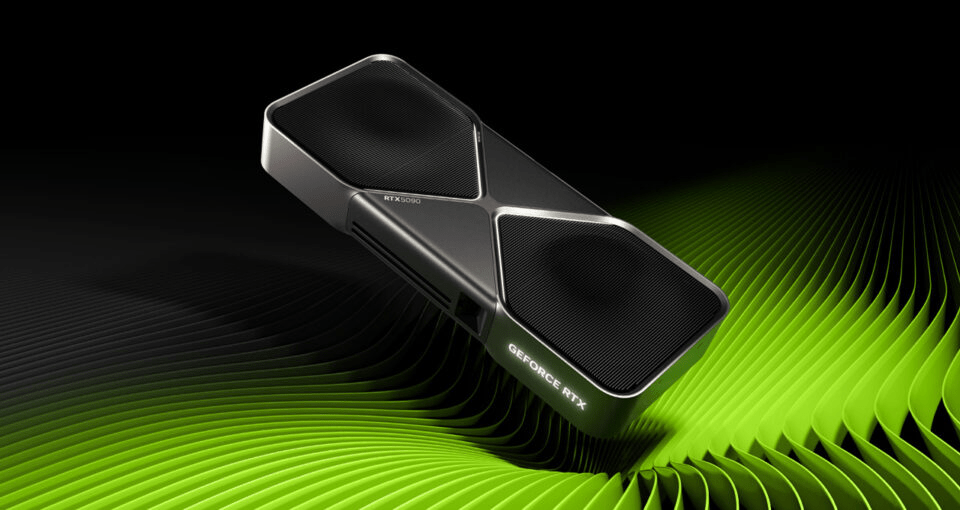
Budget gamers rejoice as Nvidia RTX 5050 and RTX 5060 are rumored to launch in April

  • The RTX 5050 and RTX 5060 are rumored to launch in April 2025
  • It’s believed the MSRP of the former could be $299, matching the RTX 3050
  • Claims are circulating that there will be three variants of RTX 5060 available

The Nvidia RTX 5050 and RTX 5060 are rumored to launch next month, based on the latest rumors circulating online.

According to WCCF Tech, the two mainstream Blackwell RTX 50 series graphics cards will be released soon, following the midrange RTX 5070, which launched earlier this week.

It’s believed that the RTX 5050 will use the PG162 PCB with 8GB GDDR7 VRAM and a 145W TDP. Its pricing is expected to fall within the range of $199 to $249, depending on the manufacturer. This would position it alongside other entry-level graphics cards on the market, such as the Intel Arc B580 from December 2024, which we praised with a five-star score in our review.

April could also see the launches of both the RTX 5060 and the RTX 5060 Ti, with the former launching at the end of the month and the latter claimed to be coming earlier. It is rumored that both GPUs will utilize 8GB GDDR7 VRAM (with the Ti supposedly having a 16GB option), with the RTX 5060 expected to retail from $299, but this is unconfirmed at this time, and so far few concrete details are known about the hardware inside the two budget offerings.

Additionally, alleged industry insider MEGAsizeGPU has claimed that the RTX 5060 family could be announced 10 days from now to hit the shelves “a month later”. This backs up WCCFTech’s information about a launch coming sooner rather than later, and it’s certainly believable considering the trajectory we’ve typically seen in Nvidia’s graphics card launches. Historically, the 90 and 80-class cards come first, with 70-class and mainstream offerings following closely behind.

While unconfirmed, TechPowerUp claims that the RTX 5060 will be built on the GB206 graphics processor with 4,608 cores, 144 Texture Mapping Units, and a 128-bit memory bus combined with its 8GB GDDR7 VRAM. In contrast, this source claims the RTX 5060 Ti’s 16GB variant will be otherwise identical, save for double the VRAM. It’s likely a placeholder until an official reveal and tech specs are announced, however, it gives us a rough idea of how they could stack up to the company’s best graphics cards on the market.

A return for Nvidia’s 50-class dedicated graphics cards

Should these rumors be true, then we will be seeing the return of the 50-class graphics cards for the first time since January 2022 with the desktop RTX 3050. While far from gaming powerhouses, these affordable cards have (traditionally) given wallet-conscious gamers a way to keep up with today’s demanding games in 1080p, even featuring some light ray tracing functionality.

{ window.reliablePageLoad.then(() => { var componentContainer = document.querySelector(“#slice-container-newsletterForm-articleInbodyContent-TuStSqqZkvwvNnNVVxnUs5”); if (componentContainer) { var data = {“layout”:”inbodyContent”,”header”:”Get daily insight, inspiration and deals in your inbox”,”tagline”:”Sign up for breaking news, reviews, opinion, top tech deals, and more.”,”formFooterText”:”By submitting your information you agree to the Terms & Conditions and Privacy Policy and are aged 16 or over.”,”successMessage”:{“body”:”Thank you for signing up. You will receive a confirmation email shortly.”},”failureMessage”:”There was a problem. Please refresh the page and try again.”,”method”:”POST”,”inputs”:[{“type”:”hidden”,”name”:”NAME”},{“type”:”email”,”name”:”MAIL”,”placeholder”:”Your Email Address”,”required”:true},{“type”:”hidden”,”name”:”NEWSLETTER_CODE”,”value”:”XTR-D”},{“type”:”hidden”,”name”:”LANG”,”value”:”EN”},{“type”:”hidden”,”name”:”SOURCE”,”value”:”60″},{“type”:”hidden”,”name”:”COUNTRY”},{“type”:”checkbox”,”name”:”CONTACT_OTHER_BRANDS”,”label”:{“text”:”Contact me with news and offers from other Future brands”}},{“type”:”checkbox”,”name”:”CONTACT_PARTNERS”,”label”:{“text”:”Receive email from us on behalf of our trusted partners or sponsors”}},{“type”:”submit”,”value”:”Sign me up”,”required”:true}],”endpoint”:”https://newsletter-subscribe.futureplc.com/v2/submission/submit”,”analytics”:[{“analyticsType”:”widgetViewed”}],”ariaLabels”:{}}; var triggerHydrate = function() { window.sliceComponents.newsletterForm.hydrate(data, componentContainer); } if (window.lazyObserveElement) { window.lazyObserveElement(componentContainer, triggerHydrate); } else { triggerHydrate(); } } }).catch(err => console.error(‘%c FTE ‘,’background: #9306F9; color: #ffffff’,’Hydration Script has failed for newsletterForm-articleInbodyContent-TuStSqqZkvwvNnNVVxnUs5 Slice’, err)); }).catch(err => console.error(‘%c FTE ‘,’background: #9306F9; color: #ffffff’,’Externals script failed to load’, err)); ]]>

Sign up for breaking news, reviews, opinion, top tech deals, and more.

While there technically was an RTX 4050 GPU, it was solely used as a graphics solution inside cheap gaming laptops and never saw a release as a dedicated graphics card. The RTX 4060 was the mainstream leader of Nvidia’s previous gen, starting at $299. Depending on the MSRPs of the RTX 5050 and RTX 5060, we could see a disparity in price similar to the difference between AMD‘s RX 9070 ($549) and 9070 XT ($599).

At a time when it looks as though Nvidia is solely focused on pushing the goal posts in terms of both price and performance, the addition of a 50-class and three 60-class versions of Blackwell could make DLSS 4 (and Multi Frame Generation) far easier to access for those who don’t want to pay out $600 or more at the minimum.

Performance of these cards are unlikely to be groundbreaking, but if upscaling from 720p to 1080p for the RTX 5050 and 1080p to 1440p with MFG, we could see the perennially popular RTX 3060 12GB and RTX 4060 finally dethroned from their top spots in the Steam Hardware Survey.

You may also like…

Source

Posted on

AMD officially announces price and release date for Ryzen 9 9900X3D and 9950X3D processors

  • Both the AMD Ryzen 9900X3D and 9950X3D are releasing on March 12, 2025
  • The respective MSRPs for both CPUs are $599 and $699, similar to previous gen
  • The former features a 120W TDP whereas the latter uses a 170W TDP instead

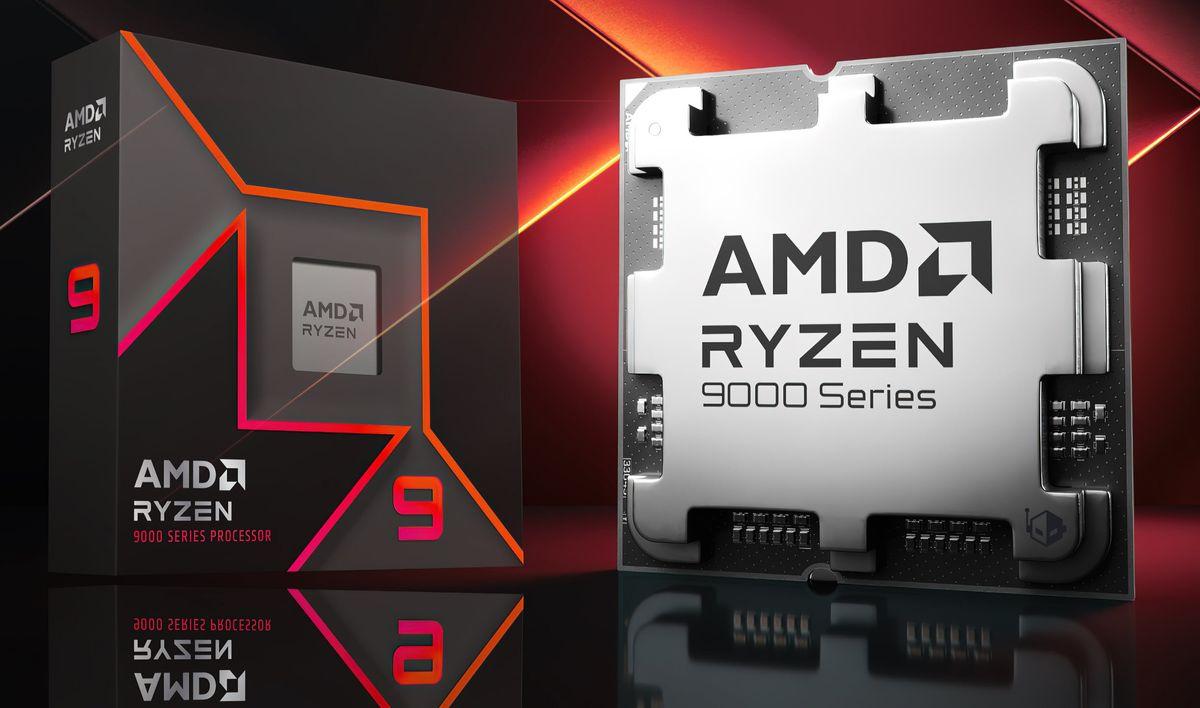
Several months after first being announced at CES 2025, AMD has now officially confirmed the price and release date for its Ryzen 9 9900X3D and 9950X3D processors. They’re billed as the “world’s best processor for gaming and content creation”.

Both the Ryzen 9 9900X3D and 9950X3D processors will be available starting March 12, 2025. The former carries an MSRP of $599, with the latter available for $699, being the two most expensive (and high-performance) chips from the company.

On the technical side of things, the Ryzen 9 9950X3D is confirmed to feature 16 cores (32 threads) with a base clock speed of 4.3 GHz and a boost clock of up to 5.7 GHz. There’s 144 MB of second-generation 3D V-cache stacked onboard with a 170W TDP.

In contrast, the secondary processor, the AMD Ryzen 9 9900X3D, features 12 cores (24 threads) with a base clock speed of 4.4 GHz and a boost clock of up to 5.5 GHz and 128MB of 3D V-cache pool available. Unlike the flagship model, this processor features the lower 120W TDP of the Ryzen 9 9900X (and cheaper Ryzen 7 9800X3D), which debuted back in August and November 2024.

As with all Ryzen 7000 and Ryzen 9000 processors, the 9900X3D and 9950X3D are built on the AM5 platform, meaning you’ll need a compatible motherboard. Similarly, these chips are built exclusively for DDR5 RAM and have PCIe 5.0 compatibility out of the box. If you’re thinking of upgrading from an older AM4 platform, then you’ll have to do more than just swap out the chips.

Regardless of which of the two new processors you choose from, you’re going to want to invest in one of the best CPU coolers in 2025 to keep those core temperatures down whether you’re gaming, rendering projects, or more. This is particularly true for the Ryzen 9950X3D with its 170W TDP, matching that of the non-3D variants, something we had not seen up until this point.

With a higher thermal design power comes increased heat along with the performance. We recommend a dedicated AIO with a large radiator attached (such as 240mm or 360mm) with a PC case with sufficient airflow and fans inside the computer case.

{ window.reliablePageLoad.then(() => { var componentContainer = document.querySelector(“#slice-container-newsletterForm-articleInbodyContent-V54UzRS2yxwbp54tsay6PE”); if (componentContainer) { var data = {“layout”:”inbodyContent”,”header”:”Get daily insight, inspiration and deals in your inbox”,”tagline”:”Sign up for breaking news, reviews, opinion, top tech deals, and more.”,”formFooterText”:”By submitting your information you agree to the Terms & Conditions and Privacy Policy and are aged 16 or over.”,”successMessage”:{“body”:”Thank you for signing up. You will receive a confirmation email shortly.”},”failureMessage”:”There was a problem. Please refresh the page and try again.”,”method”:”POST”,”inputs”:[{“type”:”hidden”,”name”:”NAME”},{“type”:”email”,”name”:”MAIL”,”placeholder”:”Your Email Address”,”required”:true},{“type”:”hidden”,”name”:”NEWSLETTER_CODE”,”value”:”XTR-D”},{“type”:”hidden”,”name”:”LANG”,”value”:”EN”},{“type”:”hidden”,”name”:”SOURCE”,”value”:”60″},{“type”:”hidden”,”name”:”COUNTRY”},{“type”:”checkbox”,”name”:”CONTACT_OTHER_BRANDS”,”label”:{“text”:”Contact me with news and offers from other Future brands”}},{“type”:”checkbox”,”name”:”CONTACT_PARTNERS”,”label”:{“text”:”Receive email from us on behalf of our trusted partners or sponsors”}},{“type”:”submit”,”value”:”Sign me up”,”required”:true}],”endpoint”:”https://newsletter-subscribe.futureplc.com/v2/submission/submit”,”analytics”:[{“analyticsType”:”widgetViewed”}],”ariaLabels”:{}}; var triggerHydrate = function() { window.sliceComponents.newsletterForm.hydrate(data, componentContainer); } if (window.lazyObserveElement) { window.lazyObserveElement(componentContainer, triggerHydrate); } else { triggerHydrate(); } } }).catch(err => console.error(‘%c FTE ‘,’background: #9306F9; color: #ffffff’,’Hydration Script has failed for newsletterForm-articleInbodyContent-V54UzRS2yxwbp54tsay6PE Slice’, err)); }).catch(err => console.error(‘%c FTE ‘,’background: #9306F9; color: #ffffff’,’Externals script failed to load’, err)); ]]>

Sign up for breaking news, reviews, opinion, top tech deals, and more.

Leading CPU options, provided you’ve got the cash to spend

While both the AMD Ryzen 9900X3D and 9950X3D processors are expensive, the company has made the smart decision to keep the prices consistent with the previous generation versions (7900X3D and 7950X3D) from 2023. Whether the generational performance gains are strong enough to consider investing in is something that we’ll only know after thorough testing, but those considering upgrading from AM4 should notice sweeping benefits.

How AMD’s second-generation 3D V-cache works is by having a dedicated pool of L3 memory stacked onto the chip which acts as a short-term (but incredibly fast) resource for the processor to access immediate data, for higher gaming framerates and lower rendering times than what’s seen from processors without a surplus of L3 cache / V-cache. By having frequently accessed data so close to the CPU cores, there’s less of a delay between processes and higher performance as a result.

With that said, AMD chipsets with a higher TDP can (usually) outperform the lower TDP 3D options when it comes to productivity and synthetic performance. However, gamers and content creators will notice the edge in performance thanks to the 3D V-cache. It’s a curious (but welcome) decision to see the Ryzen 9 9900X3D and 9950X3D with identical TDPs to their non-3D counterparts. We could, therefore, see improved performance across the board.

You may also like…

Source