Posted on

Major strike by Fujitsu staff at ‘cash cow’ HMRC

Fujitsu staff supporting IT services contracts at HM Revenue & Customs (HMRC) will strike for 22 days in protest after in-house colleagues in similar roles received significantly higher pay rises.

Members of the Public and Commercial Services (PCS) Union at the scandal-stained supplier will down tools at HMRC on 21 March and not return until 23 April.

Fujitsu staff working on HMRC contracts were offered a 1.5% pay rise – compared with the 5% received by in-house colleagues in similar roles.

The union said: “The new round of action is expected to affect time-sensitive work, putting Fujitsu at risk of financial penalties for missing targets.”

A Fujitsu spokesperson said:“We are disappointed by PCS’s decision to proceed with industrial action following extensive negotiations around pay. We have worked with our clients to ensure all services are maintained.”

Following a two-day strike by the workers in January, the union did not rule out further action in the coming weeks because “members are angry that Fujitsu reports large profits from the HMRC account while offering them below-inflation pay rises”.

HMRC has become a UK cash cow for Fujitsu, which has continued to win major deals despite its pledge to pause bidding on government contracts after public anger over its role in the Post Office Horizon scandal.

As revealed by Computer Weekly, despite reports suggesting Fujitsu will be replaced on HMRC’s Traders Support Service, an internal meeting revealed Fujitsu is, in fact, bidding for the new £370m contract and is confident of a renewal of its contract, which was worth £240m when it was signed in 2020.

Computer Weekly also revealed a direct deal between HMRC and Fujitsu for hardware and cloud procurement, worth over £200m and known as North Star, where there is no competitive tender. Meanwhile, the department is also extending its Computer Environment for Self-Assessment (CESA) contract worth just shy of £60m, where Fujitsu is the incumbent.

In regard to the latest strike, an HMRC spokesperson said: “We have robust plans in place to ensure we continue delivering critical services for our customers during any industrial action.”

Fujitsu told its UK staff in September 2024 that there would be no UK-wide pay rise this year as it prioritised a limited budget, fuelling anger among a workforce with low morale.

One Fujitsu worker not involved in this action showed support for the striking staff, saying: “Good luck to them for standing up for their rights at a company that dodges accountability.”

Fran Heathcote, general secretary at the PCS, said: “Fujitsu continues to report large profits from the HMRC account, but never offers staff anything close to inflation, devaluing our members’ salaries over many years, despite their skills and knowledge being vital in ensuring HMRC’s tax systems remain working.

“This is a classic example of all that’s wrong with outsourcing – colleagues working side by side being paid different rates for doing similar jobs.”

Fujitsu also faces pressure from politicians to pay an interim contribution to the huge cost to taxpayers of the Post Office scandal. Last month, peer Kevan Jones demanded that Fujitsu make an interim payment of £300m.

Since then, the government and Fujitsu have initiated talks about Fujitsu’s contribution to the scandal bill, which will run into billions of pounds. The announcement of talks made no mention of an interim payment.

Computer Weekly first exposed the scandal in 2009, revealing the stories of seven subpostmasters and the problems they suffered due to Horizon accounting software, which led to the most widespread miscarriage of justice in British history.

Source

Posted on

Apple sued over false advertising claims tied to Apple Intelligence

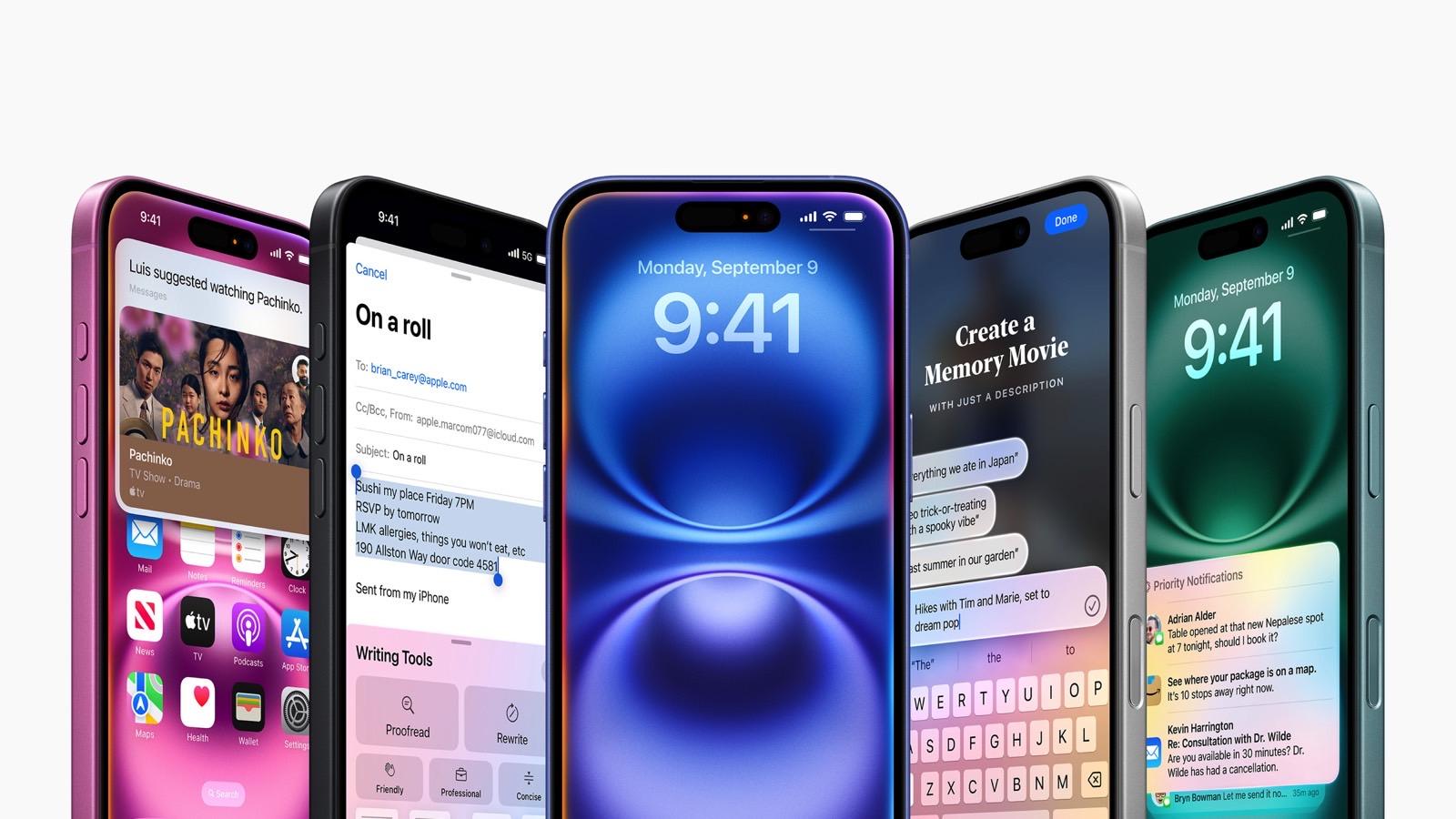
Apple had to come clean a few days ago and reveal that the smart Siri features it demoed at WWDC 2024 would not be available via Apple Intelligence this year. They might hit the iPhone, iPad, and Mac next year. Apple also withdrew that ad featuring Bella Ramsay that advertised the smart Siri features in Apple Intelligence ahead of the iPhone 16 launch.

We all realized the smart Siri Apple envisioned is practically vaporware, a rare event for Apple. The company essentially announced an advanced AI concept at WWDC 2024 that it could not deliver. Apple insiders like John Gruber drew scathing reviews of Apple’s behavior related to Siri, further reinforcing the idea the AI assistant was vaporware.

Since then, we heard of Apple internal meetings over Apple Intelligence, including a purported exec reshuffling that Apple is yet to announce.

Apple didn’t fire anyone over the Siri fiasco, but the company reportedly appointed the Vision Pro boss Mike Rockwell to lead the Siri efforts. Like I said before, I still expect that smart Siri version to be available in Apple Intelligence on iPhone, no matter how long it takes. Apple seems determined to deliver it, too.

Tech. Entertainment. Science. Your inbox.

Sign up for the most interesting tech & entertainment news out there.

By signing up, I agree to the Terms of Use and have reviewed the Privacy Notice.

However, when Apple had to acknowledge the delay of smart Siri, it was clear that lawsuits would follow, particularly after Apple pulled that ad. That first lawsuit is already here, alleging Apple engaged in false advertising to sell the iPhone 16 series.

According to Axios, the Clarkson Law Firm filed the federal lawsuit on Wednesday in U.S. District Court in San Jose. The suit seeks class-action status, asking for unspecified damages for those who bought Apple Intelligence-ready iPhones and other hardware.

The lawsuit has just been filed, and it’ll take some time to settle, but this potential class action already looks like it will cost Apple. After all, Apple received plenty of criticism in the weeks following the iPhone 16 launch for advertising Apple Intelligence features for the new phones that would not be there when buyers received their units.

Apple Intelligence features would roll out in phases, starting with iOS 18.1. The world accepted this outcome, trusting Apple would ship the promised software features. There was no precedent suggesting Apple might run into issues.

That’s what the lawyers point out right from the start.

“Apple’s advertisements saturated the internet, television, and other airwaves to cultivate a clear and reasonable consumer expectation that these transformative features would be available upon the iPhone’s release,” the suit writes.

“This drove unprecedented excitement in the market, even for Apple, as the company knew it would, and as part of Apple’s ongoing effort to convince consumers to upgrade at a premium price and to distinguish itself from competitors deemed to be winning the AI-arms race.”

The lawyers go further, saying that Apple knew the Apple Intelligence features it was demoing were not working.

“But Apple also knew none of it was true. Recently, under mounting pressure from outraged consumers and industry scrutiny, Apple was forced to acknowledge that the heralded Apple Intelligence features, including the Siri enhancements that fueled the greatest consumer excitement, did not exist then and do not exist now,” they say.

As Gruber aptly pointed out a few days ago, Apple clearly knew that the smart Siri features in the WWDC 2024 presentation were not good enough to demo live in front of a large or more limited audience. The absence of the smart Siri feature in the iOS 18.4 beta release further suggested Apple had big problems on its hands.

“Worse, Apple has admitted that if these features ever materialize, it won’t be until 2026—two years after its pervasive marketing campaign built on a lie. 8,” the suit reads. “Against this backdrop, Apple deceived millions of consumers into purchasing new phones they did not need based on features that do not exist, in violation of multiple false advertising and consumer protection laws.”

Unsurprisingly, the lawsuit (available at this link) contains screenshots from the Ramsey commercial and Apple’s website. It also includes claims Apple made about Apple Intelligence and the smart Siri assistant coming to iOS 18.

What happens next? We’ll have to wait a while to see this lawsuit play out. Before we ever get to a settlement, Apple will hold its WWDC 2025 event in a few months, during which it will inevitably have to address the Apple Intelligence mess while unveiling its new software features for the coming year.

Apple will hopefully apologize for the smart Siri delays before WWDC, or at the event. But I can’t blame any iPhone buyer who purchased an iPhone 16 device if they want to join the lawsuit and seek damages from Apple.

Source

Posted on

Latest leaks reveal iPhone Fold may have impressive battery life and an innovative hinge

There are two new leaks regarding the upcoming iPhone Fold, the Galaxy Z Fold-like device Apple is expected to unveil in late 2026 or early 2027. One of them comes from the news aggregator account yeux1122. According to them, Apple is working to improve the display DDI part to make the panel thinner.

Still, yeux1122 says that even though Apple wants to make the iPhone Fold as thin as possible, the company will also make sure to add the best battery available to its device, as it’s working on power-efficiency-related features. We can also assume that some of these functions could include a new C1 chip, Apple’s 5G modem, and the company’s own Wi-Fi chip, which is expected to be available with this year’s iPhone 17 lineup.

With these new processors, Apple will likely improve battery life, as It will have better control over both hardware and software. Analyst Ming-Chi Kuo also brings the latest leak on the iPhone Fold.

According to his industry research, Apple will use liquid metal in the hinges of this upcoming device. He writes: “Apple is focused on improving durability, enhancing screen flatness, and minimizing crease marks in its foldable iPhone design. To achieve these goals, key components like the hinges will be crafted from liquid metal using a die-casting process.”

Tech. Entertainment. Science. Your inbox.

Sign up for the most interesting tech & entertainment news out there.

By signing up, I agree to the Terms of Use and have reviewed the Privacy Notice.

The analyst says Apple has used liquid metal for small components, such as SIM ejector pins, for years. Still, the iPhone Fold will mark the first significant use of the material in a critical mechanical part. Interestingly, Android manufacturers are rumored to start using this technology to improve durability and minimize the crease of the display.

According to the rumors and leaks, Apple wants to deliver an ultra-thin iPhone Fold with great battery life and a creaseless foldable display. If the company can achieve that, it might show the competitors that even though it took a long time to enter the foldable market, it has waited enough to outperform every competitor.

Source

Posted on

iPhone Fold might look like this quirky new foldable you probably can’t buy

The first foldable iPhone is coming next year, barring some sort of really unfortunate event. After years of covering countless iPhone rumors, I’m comfortable saying that. We’ve reached a point in the rumor phase that precedes the launch of a big iPhone release where we see an increasing number of leaks from sources all saying the same thing.

Apple is preparing to launch the first foldable iPhone next year. The company has reportedly settled on the Fold-type design we’ve already seen from Samsung, Honor, Google, Oppo (OnePlus), and others. Rumors also say that Apple will deliver an almost crease-less foldable display, a design detail that’s been a priority for the iPhone maker.

Reports have also mentioned the purported screen sizes for the foldable iPhone, saying the handset will feature a 7.75-inch foldable screen and a 5.49-inch external screen. You don’t need schematics or dummy units to realize those measurements make no sense at first glance. They make no sense if you think Apple’s iPhone Fold will look like the Galaxy Z Fold.

That’s what I thought, and I employed ChatGPT to give me the dimensions of an iPhone foldable featuring those two screen sizes. The conclusion was obvious: Apple would work with a different aspect ratio. The iPhone Fold would not be as tall as the Galaxy Z Fold. When open, it would look more like a tablet than a Fold-type device.

Tech. Entertainment. Science. Your inbox.

Sign up for the most interesting tech & entertainment news out there.

By signing up, I agree to the Terms of Use and have reviewed the Privacy Notice.

Reports that followed also said the iPhone Fold will have a different aspect ratio.

Fast-forward to mid-March, and we have a brand new foldable phone launch on our hands. It’s a phone you’ll probably not be able to buy, and you might not even want to get it if it were launched in the States. It’s the Huawei Pura X in the image above. But what’s amazing about this foldable is that it gives us a visual idea of what the foldable iPhone will look like.

The Pura X, launched in China on Thursday, is priced at 7,499 yuan ($1,037). It’s a flagship device running Huawei’s proprietary HarmonyOS 5.

Huawei Pura X: Cover screen and back panel.Huawei Pura X: Cover screen and back panel. Image source: Huawei

Huawei developed this operating system after Trump banned the Chinese company from working with US tech companies during his first term. This forced Huawei to abandon Google’s Android and Qualcomm’s Snapdragon chips, significantly impacting its ability to compete.

The difference between the early versions of Harmony and HarmonyOS 5 is that the latter is Huawei’s brand-new OS that has no trace of Android. That might be a huge dealbreaker for anyone looking to buy the Pura X, even if the foldable was available in the US and other Western markets.

What’s really exciting about the Pura X is the design, which I immediately associated with the foldable iPhone rumors.

Huawei Pura X: Foldable screen looks like a small tablet.Huawei Pura X: Foldable screen looks like a small tablet. Image source: Huawei

Folded, the Pura X features a 3.5-inch cover screen with a triple-camera sensor placed at the top. This screen design suggests we’re looking at a Galaxy Z Flip-style clamshell, but that’s not really so.

Unfold the Pura X, and you get a massive 6.3-inch screen with an unusual 16:10 aspect ratio. The phone has small, symmetrical bezels and a hole-punch camera at the top. You can hold it in portrait mode like a regular candybar (or Flip clamshell) phone.

But that aspect ratio turns the Pura X into a much better tablet than the Galaxy Z Fold 6. The tablet experience makes me think of the iPad mini 6 or 7.

The two iPad mini variants feature the same design. I’ve long fantasized that a foldable iPhone would unfold to look like an iPad mini. The Pura X, combined with the foldable iPhone screen leaks from a few weeks ago, further reinforces my thinking.

The Pura X tablet experience.The Pura X tablet experience. Image source: Huawei
That said, the Pura X is smaller than the iPhone Fold-type phone, considering those rumors. The Pura X is 91.7mm tall when folded. That height becomes the width of the handset when you unfold it.

My ChatGPT calculations told me the foldable iPhone will have a height of 120.4mm to accommodate the 5.49-inch cover and 7.75-inch foldable displays. Both those screens are larger than the Pura X handset.

I’ll also point out that the Pura X design potentially solves one of my big issues with the foldable iPhone. The main camera module’s cover display placement could help Apple make Face ID possible. Some rumors say that Apple will bring back Touch ID for the handset, as Face ID components might not fit in an ultra-thin foldable iPhone.

The Pura X doesn’t seem to have 3D facial recognition support. It does feature a fingerprint sensor on the side button.

Separately, the thickness is another quirk about Huawei’s strange foldable. The phone measures 7.15mm when unfolded or 15.1mm when folded. That’s much thicker than even Samsung’s foldables. The foldable iPhone should be much thinner than that, according to reports.

Source

Posted on

Claude 3.7 Sonnet AI now supports web search, but only for paid users

Anthropic CEO Dario Amodei said in early January that Claude would get a few upgrades to put it on par with OpenAI’s ChatGPT. He mentioned advanced reasoning support and internet search abilities were in the works for Claude, but didn’t commit to rollout schedules for either feature.

Anthropic released Claude 3.7 Sonnet a few weeks ago, which offered the reasoning features Amodei teased, including an extended thinking mode feature. However, search was not part of the deal, which isn’t ideal. After using ChatGPT with online search support for so long, I can’t imagine going back to genAI experiences that do not involve the ability to look up new information on the internet.

Thankfully, Anthropic added online search support to Claude 3.7 Sonnet, which should further enhance its responses. The feature is limited, as you might expect. You’ll need access to a paid subscription to get it, and you also have to be in the US.

Unlike OpenAI, Claude isn’t launching a search product. When OpenAI did that a few months ago, it led to a big overhaul of the ChatGPT UI. ChatGPT now performs internet searches when you click the Search button, but I never do that. I usually tell the AI to find me specific information, which ChatGPT interprets as having to search the web. The AI complies.

Tech. Entertainment. Science. Your inbox.

Sign up for the most interesting tech & entertainment news out there.

By signing up, I agree to the Terms of Use and have reviewed the Privacy Notice.

Anthropic’s internet search support will work similarly. The AI will know when to search the web for updated information based on how you formulate your prompt. There’s no new internet search button in the composer, at least in the demo the company offers in the blog post.

Like ChatGPT, Claude provides a source for the information it cites so you can check for accuracy. Given that AIs still hallucinate information, you’ll want to check the sources for what Claude says in its responses.

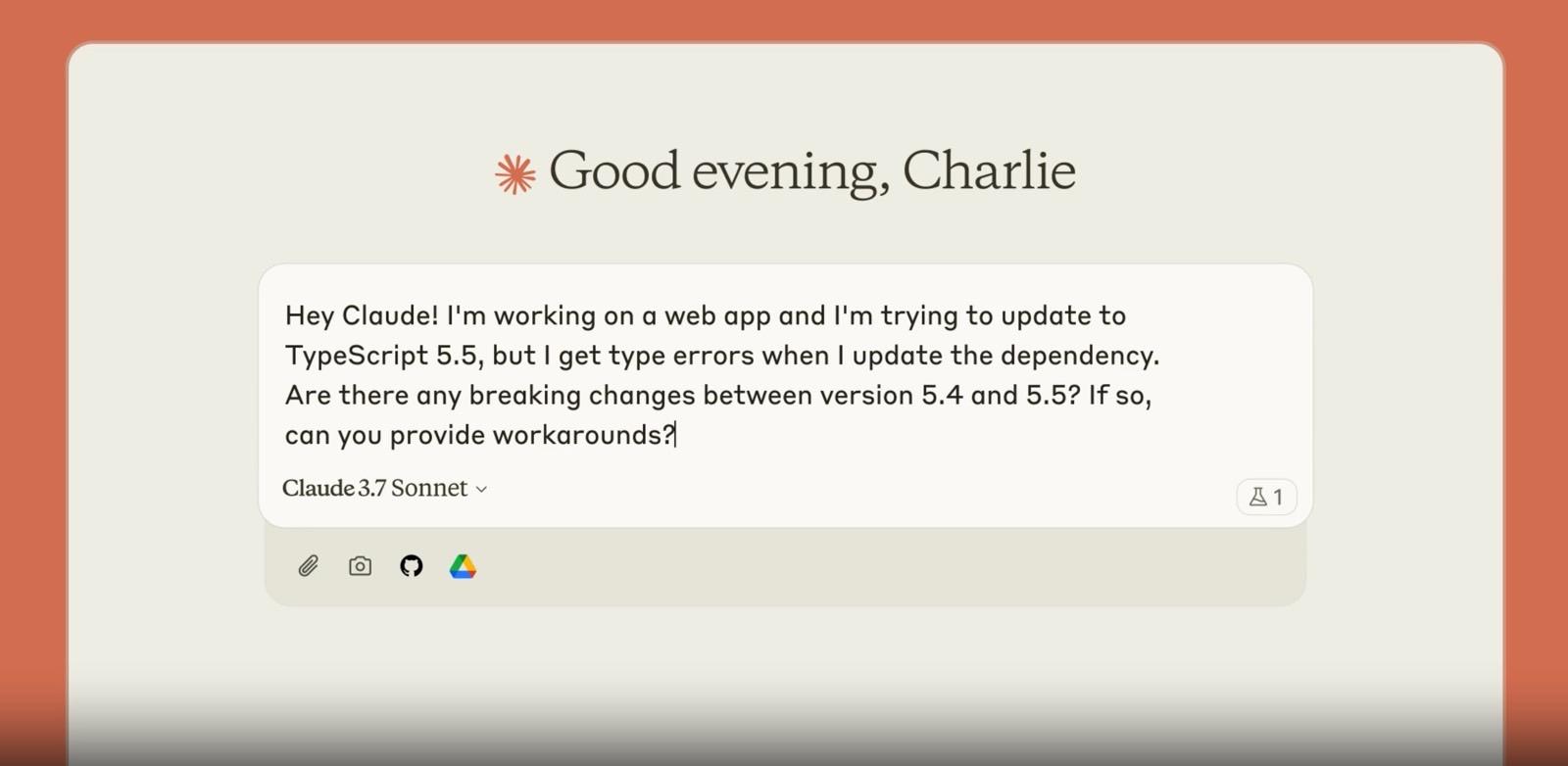
Claude will tell you when it's searching the web.Claude will tell you when it’s searching the web. Image source: Anthropic
Anthropic offers various examples of using Claude with web search, most of them focusing on enterprise customers who might subscribe to Claude. Sales teams, financial analysts, and researchers are the first three categories of Claude users that can benefit from AI web searches.

But the company also mentions shoppers who “can compare product features, prices, and reviews across multiple sources to make more informed purchase decisions” with Claude.

I’ll repeat what I said above. I don’t want to talk to chatbots that can’t access the web for updated information. The training data cutoffs might not be that old, but they aren’t good enough for most of my needs.

To get started with Claude search, you’ll have to toggle on the web search option in your profile, assuming you’re a paying subscriber in the US. Thankfully, Anthropic says support for the free Claude plan and more countries is coming soon.

Claude Pro starts at $20/month, matching the ChatGPT Plus subscription price.

Source

Posted on

IR35 reforms: HMRC’s assessment of private sector impacts called into question

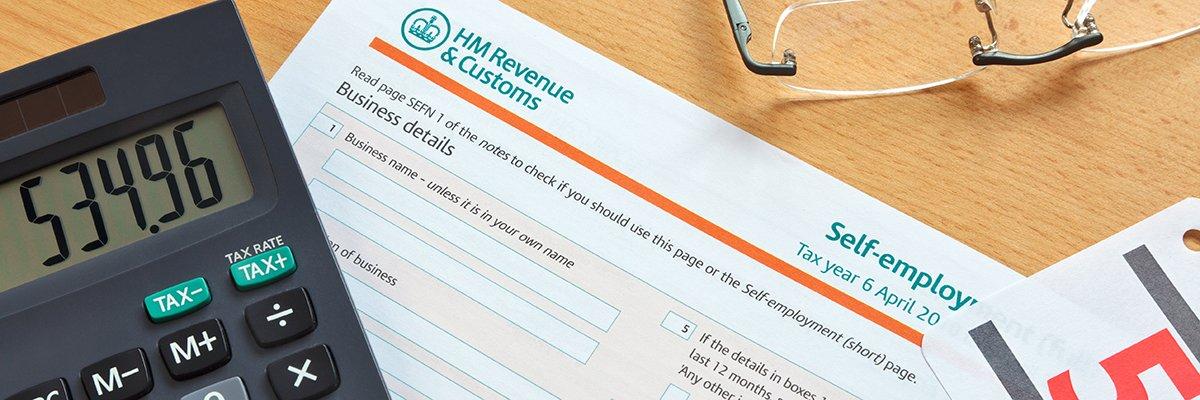
The news that HM Revenue & Customs (HMRC) has collected £1bn more in tax than expected from the 2021 private sector roll-out of the IR35 reforms should not be considered a sign of the initiative’s success, IT contractor market stakeholders claim.

The government tax collection agency published figures in late February 2025 about the impact caused by extending the IR35 reforms to the private sector in April 2021, in terms of how many workers were affected by the changes and how much additional tax HMRC raised by introducing them.

The reforms, introduced as part of HMRC’s ongoing clampdown on disguised employment, were originally rolled out to the public sector from April 2017, and saw contractors cede responsibility to the end-client organisations engaging them for determining whether their work means they should be taxed like an employee (inside IR35) or in the same way as an off-payroll worker (outside IR35).

Several years later, the government announced plans to extend the reforms to medium to large private sector businesses, which – following a 12-month delay due to the Covid-19 coronavirus pandemic – occurred in April 2021.

According to HMRC’s figures, around 120,000 individuals who were providing services through their own limited companies or person service companies (PSCs) were “likely to have been affected” by extending the reforms to the private sector in April 2021.

This includes contractors who may have had their engagements classified as inside IR35 as a result of the changes, and individuals who may have opted to provide their services through an umbrella company since April 2021, confirmed HMRC.

It is worth noting that HMRC originally forecast that the reforms would affect 170,000 individuals, according to a document published on 3 April 2020 that outlined the government’s rationale for rolling out the reforms and the projected benefits the move would generate.

That same 2020 document also predicted the reforms would generate an additional £2.395bn in unpaid tax, generated over the course of three tax years spanning 2020/21 to 2022/23.

However, HMRC’s February 2025 impact assessment data shows the reforms generated £1.8bn more than projected across the three tax years spanning 2021-2023, despite 50,000 people fewer than expected finding themselves in-scope of the private sector reforms.

The discrepancies in the figures have raised eyebrows among contracting market stakeholders, including Dave Chaplin, CEO of contracting authority ContractorCalculator, who told Computer Weekly that HMRC’s calculations simply do not add up.

“It’s implausible that 50,000 fewer people could generate 75% more tax revenue. The 120,000 figure seems significantly underestimated,” he said.

“If the original projection of £2.4bn was based on 170,000 people, that equals £14,088 per person. Using this same rate, achieving the new projection of £4.2bn would require 298,121 people – not 120,000.”

It’s implausible that 50,000 fewer people could generate 75% more tax revenue. The 120,000 figure seems significantly underestimated Dave Chaplin, ContractorCalculator

Chaplin continued: “The only reasonable conclusion is that HMRC’s figure of 120,000 affected individuals is incorrect. Our calculations indicate 58% of the original PSC population (510,000) was affected – not the claimed 23%, which is more than double HMRC’s estimate.”

Speaking to Computer Weekly, Andy Chamberlain, director of policy at the Association of Independent Professionals and the Self-Employed (IPSE), said there were a couple of different ways that HMRC’s figures could be interpreted.

For one, the fact the reforms have raised £1bn more than expected suggests that in its quest to improve the private sector’s IR35 compliance, what it has actually achieved appears to be a sizeable “overcompliance” with the rules.

“[This is] where individuals were forced onto payroll even though they were genuinely in-business and in ‘outside IR35’ roles,” he said.

In the lead-up to both the public and private sector IR35 reforms being rolled out, Computer Weekly reported on numerous instances whereby organisations tried to fast-track their compliance with the reforms in several ways.

Some sought to reduce the additional administrative burden the reforms put on them by declaring all the contractors they engaged as working inside IR35.

Other organisations side-stepped the reforms by issuing blanket hiring bans on off-payroll workers. This led to many insisting the contractors they engaged could only continue to provide services to them if they did so through an umbrella company, as the IR35 rules do not apply to umbrella employees.

“Some that were forced into umbrellas were able to put their rates up, so the gross pay, and therefore the tax take, was higher,” continued Chamberlain.

Computer Weekly contacted HMRC to ask if it could give an account as to why more tax has been generated than expected from fewer than anticipated affected individuals, but the government department did not directly answer the question.

It is an issue, however, that HMRC appears to address in its February 2025 impact report with the acknowledgment that there has been a “small change” in its “initial estimates of the numbers of workers affected and the additional tax revenues generated” due to “newer data becoming available” and “improvements in [HMRC’s] methodology”.

Either way, Chaplin described the HMRC data discrepancies as “concerning” because it shows its data is “unreliable” and yet these numbers are what the department is holding up as proof the reforms have had the desired result.

“[This data] further undermines confidence in the official narrative and suggests policy decisions were based on flawed information rather than accurate assessments of the freelance market’s reality,” he said.

HMRC further revealed in its private sector IR35 impact assessment that the reforms may have partly contributed to a downturn in the number of new PSCs being created, which suggests the reforms may have put some people off becoming self-employed.

“We estimate around 45,000 fewer new PSCs formed around the time of the reform, up until the end of March 2022, compared to what we might have expected to happen based on historical trends,” said HMRC.

“These workers may have instead chosen to work in a different way, and we expect they will have remained, or started, working as employees.”

The way Chaplin sees it, HMRC’s data suggests the reforms have “stripped a quarter of legitimate freelancers of their self-employment status” and have “unnecessarily restricted the flexible workforce precisely when economic growth demands their contributions most”.

He added: “I think we can rightfully conclude that HMRC’s models and research should be taken with the annual output of a salt refinery – that is, with extreme scepticism.”

Source

Posted on

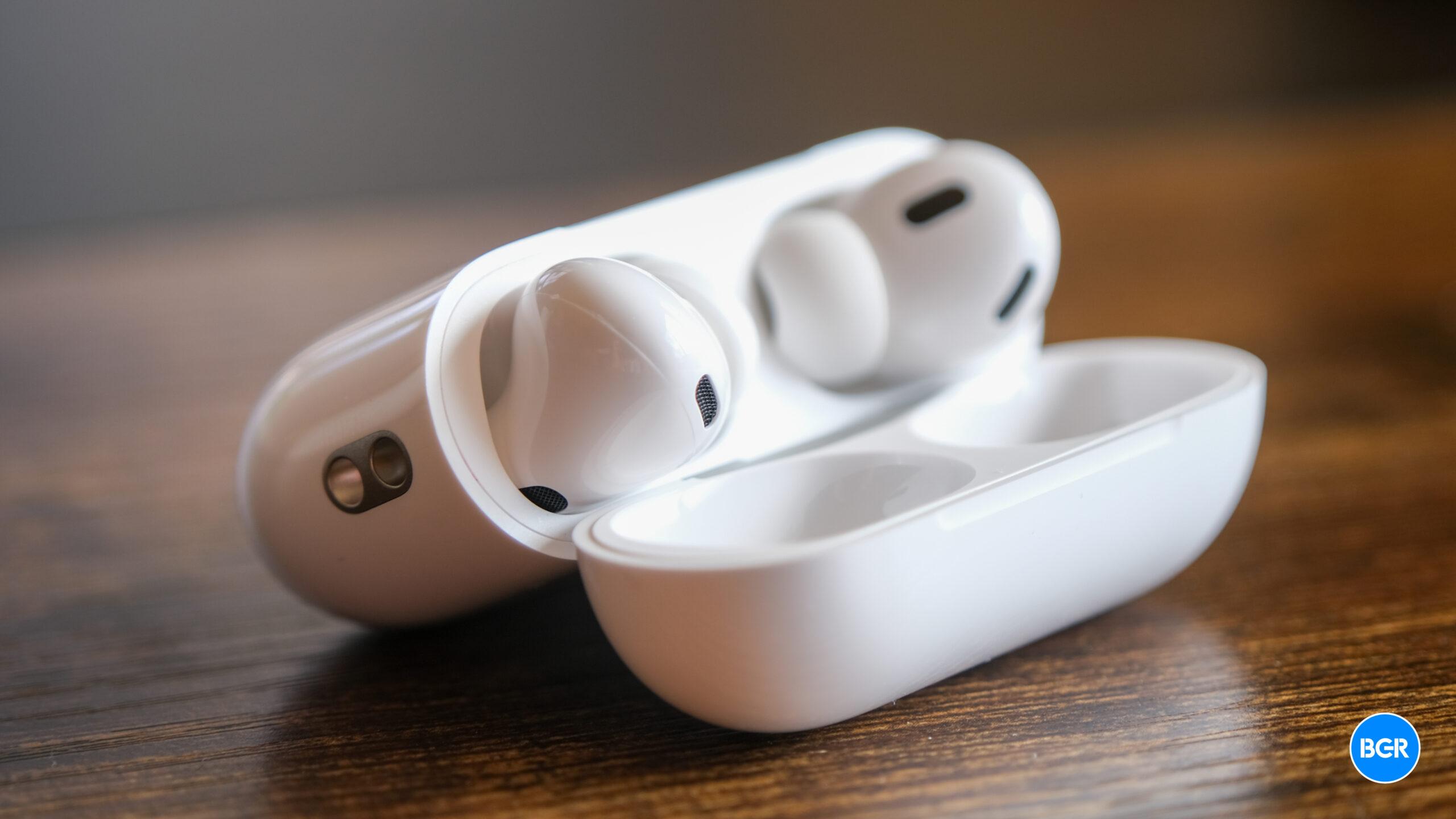
AirPods Pro 3 may be the world’s best earbuds with these 8 rumored features

Apple is expected to release AirPods Pro 3 in late 2025. Three years after the first iteration of AirPods Pro 2 with Lightning port was released, Cupertino is expected to significantly improve its best earbuds. Despite the fact that last year’s AirPods Max update was so disappointing, we expect Apple’s next-gen AirPods Pro to be a much bigger update thanks to several new features and upgrades.

This article covers eight rumored features that should make AirPods Pro 3 an instant hit and potentially the best earbuds on the planet.

Much better ANC: Apple already offers incredible ANC. With its advanced algorithms, the company also offers best-in-class Transparency and Adaptive modes. For the third generation of AirPods Pro, Apple is expected to greatly improve the ANC, and it could build up on the technology available for AirPods 4, which offers ANC even without ear tips.

Improved hearing aid capabilities: AirPods Pro 2 are the first earbuds to offer hearing aid capabilities. It’s only natural to assume that Apple will continue to enhance this feature with upcoming versions of its pro earbuds. In addition, there’s another reason why hearing aid capabilities will be better with this next generation.

Tech. Entertainment. Science. Your inbox.

Sign up for the most interesting tech & entertainment news out there.

By signing up, I agree to the Terms of Use and have reviewed the Privacy Notice.

H3 chip: Apple does a great job with its audio chips. All the way from the W1 chip and its magical features, the company has walked a long path to bring the H2 processor. To this day, Apple keeps adding more features to AirPods Pro 2. It’s only natural to assume that Cupertino will continue to improve the audio quality and the connectivity between AirPods and iPhone while delivering new features, such as better ANC, improved hearing aid capabilities, and so on.

Heart rate measurement: According to Bloomberg‘s Mark Gurman, one of AirPods Pro 3 top features could be heart rate measurement. At the time, the journalist said Apple Watch measurements were more accurate than the prototype AirPods, but not much. This could be perfect for those who don’t like wearing smartwatches all the time. With the Powerbeats Pro 2, we know this feature works without an Apple Watch on, and it’s only active while the user is exercising.

Body temperature: Finally, Apple has also been working on a body temperature sensor for future AirPods. The company may add a camera to help measure the body’s temperature, which could be more accurate than the sensor available with the Apple Watch.

Other tidbits for the upcoming AirPods Pro 3 might include improved battery life, a thinner case (if we consider AirPods 4), more robust water and dust resistance, and so on.

Wrap up

These are the features you should look forward to the most in the upcoming AirPods Pro 3. BGR will let you know once we learn more about this device.

Source

Posted on

Driving licence data could be used for police facial recognition

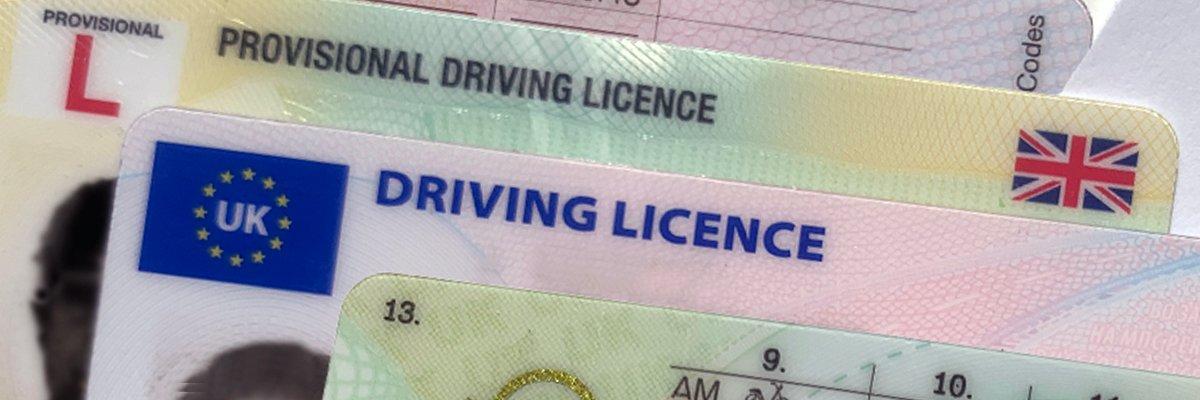
Human rights group Liberty has said the UK government’s proposed Crime and Policing Bill will transform the country’s driving licence database into a de-facto facial recognition database, enabling police to access the biometric information of millions of people who have never committed a crime.

Introduced to Parliament on 25 February 2025, the Home Office-sponsored bill will introduce a range of measures to extend police powers in the UK, including bans on wearing face coverings or using pyrotechnics during protests, and the introduction of “respect orders” to address so-called “anti-social behaviour”.

The Crime and Policing Bill will also enable police to access driving licence information from the Driver and Vehicle Licensing Agency (DVLA), which holds more than 52 million driver records. Access to driving licence information will be controlled by as-yet unspecified regulations to be created by the secretary of state, who will also draft a code of practice about how the information can be made available and used.

The secretary of state will also be obliged to publish an annual report on how driving licence information is being used by police.

While the bill makes no explicit reference to facial recognition technology in the text or supporting documents, the measures are substantively similar to those contained in the previous Conservative government’s Criminal Justice Bill, which then-policing minister Chris Philp said could “allow police and law enforcement, including the NCA [National Crime Agency], to access driving licence records to do a facial recognition search”.

Human rights group Liberty said that although the current Labour government has denied the regulation-making powers contained in the bill’s driving licence information provisions would be used for facial recognition purposes, the proposals – which closely mirror those put forward by the last government – could still enable this invasive use of the technology.

“This would represent a huge step in broadening the use of facial recognition technology away from police databases to everyone with a driving licence,” it said. “Every photo on the DVLA database could be accessed by the police and essentially form a digital police line-up. If this is the intention, then the government should be transparent and invite proper scrutiny rather than sneaking through rights-restricting legislation.”

A Home Office spokesperson told Computer Weekly it was “categorically untrue” that the DVLA database would be accessed by police for facial recognition purposes, stating: “These provisions will have no impact on facial recognition.”

In a written submission to Parliament about the previous government’s attempts to link the DVLA database to facial recognition systems, privacy group Big Brother Watch said it represented “a huge, disproportionate expansion of police surveillance powers that would place the majority of Britons in a digital police line-up, without their consent”.

It added that setting a precedent where police are able to access a non-police database to sift through millions of people’s biometric data “would be deeply concerning” for privacy rights. “In a rights-respecting country, the public would no less expect police forces to access their facial biometrics from the DVLA database than they would expect them to access their DNA biometric from NHS databases,” it said.

Commenting on the proposal in the Crime and Policing Bill, Liberty added that police should never be allowed access to a database containing millions of biometric records of people who are not on a wanted list, have never committed a crime, and did otherwise not consent to the use of their information in this way.

Liberty further added that the proposed code of practice should not be accepted as a safeguard. “There should be primary legislation governing the overall police use of facial recognition. It should not be piecemeal in this way,” it said.

As it stands, the UK has no legislation explicitly covering the police use of facial recognition technologies, although successive governments have repeatedly affirmed it is covered a by “comprehensive legal framework”, which consists of a patchwork of existing legislation.

While there has been limited Parliamentary scrutiny of facial recognition in the form of written questions and answers over the years, there has only been one formal debate on how police are using the technology in Parliament, which was held in November 2024.

This marked the first time MPs openly discussed police use of the tech in the eight years since live facial recognition (LFR) was first deployed by the Metropolitan Police at Notting Hill Carnival in August 2016.

Since that initial deployment, there have been repeated calls from Parliament and civil society for new legal frameworks to govern law enforcement’s use of LFR technology. These include three separate inquiries by the Lords Justice and Home Affairs Committee (JHAC) into shopliftingpolice algorithms and police facial recognition; two of the UK’s former biometrics commissioners, Paul Wiles and Fraser Sampson; an independent legal review by Matthew Ryder QC; the UK’s Equalities and Human Rights Commission; and the House of Commons Science and Technology Committee, which called for a moratorium on LFR as far back as July 2019.

Attempts to link facial recognition systems with UK databases created for other purposes have been ongoing for a number of years.

In October 2023, Philp outlined his intention to give police forces access to the UK’s passport database, claiming it would enhance their facial recognition capabilities to help catch shoplifters and other criminals.

While Philp’s proposals were blasted by human rights and privacy groups, UK regulators also took issue. For example, the then-biometrics and surveillance commissioner of England and Wales, Fraser Sampson, told the BBC it was important for police to avoid giving people the impression they’re on a “digital line-up”.

“The state has large collections of good-quality photographs of a significant proportion of the population – drivers and passport holders being good examples – which were originally required and given as a condition of, say, driving and international travel,” he said.

“If the state routinely runs every photograph against every picture of every suspected incident of crime simply because it can, there is a significant risk of disproportionality and of damaging public trust,” added Sampson.

Scottish biometrics commissioner Brian Plastow also said it would be “egregious” to link the UK’s passport database with facial recognition systems, arguing it would be “unethical and potentially unlawful”.

“The suggestion that images given voluntarily to UK government agencies for a specific purpose by law-abiding citizens to obtain a UK passport or UK driving licence should then be capable of being routinely accessed by the police and ‘bulk washed’ against images from low-level crime scenes is neither proportionate nor strictly necessary and would significantly damage public trust,” he said at the time.

Source

Posted on

Government announces inevitable end to Payments Services Regulator

The government has canned the Payments Services Regulator (PSR) to reduce red tape as part of its Plan for Change. PSR activities will be transitioned to the Financial Conduct Authority (FCA), which will provide “one port of call” to payments system providers rather having to deal with multiple regulators.

In November 2024, a speech given by chancellor of the exchequer Rachel Reeves at Mansion House, London, made the move inevitable, according to fintech industry expert and CEO at The Finanser, Chris Skinner.

He said the decision was announced “tacitly” in November, adding: “The issue was that the PSR was often on a collision course with the FCA, so it got confusing. Therefore, the National Payments Vision determined that the FCA would take precedent on any regulatory matters, which begged the question, ‘Why would you need another regulator with no power?’”

In November, following the Mansion House meeting, Skinner wrote about the UK’s National Payments Vision: “… There are two regulators involved in payments: the FCA and the PSR. The consultation discovered that the two authorities often work separately and are uncoordinated. Decision: the FCA will lead anything that requires payments regulation under their remit, where it collides with the PSR. Basically, all new regulatory changes required in the payments space will be lead by the FCA.”

The government said the announcement “does not result in any immediate changes to the PSRs remit or ongoing programme of work. The regulator will continue to have access to its statutory powers until legislation is passed by Parliament to enact these changes.”

Prime minister Keir Starmer said: “For too long, the previous government hid behind regulators – deferring decisions and allowing regulations to bloat and block meaningful growth.”

The government said the decision “follows complaints from businesses that the regulatory environment was too complex, with payment system firms having to engage with three different regulators, costing them time, money and resource. “

FCA CEO Nikhil Rathi said that the changed payments landscape means “now is the right time to put in place a more streamlined regulatory framework. Doing so is a natural next step, following recent work to improve co-ordination and clarity on regulatory responsibilities”, adding that he welcomes “the deep expertise of PSR colleagues within the FCA”.

The government said: “The entire regulatory landscape will continue to be reviewed and finessed as part of a wider government effort to kickstart economic growth and make regulators work for the country, rather than block progress.”

Skinner added that the PSR’s role was created due to the large and diverse payments sector as a result of fintech. “Regulations were moving to more granularity and, with so many fintech payment services rising in the past decade, it demanded a specific body to oversee the industry.”

He outlined some of the market diversity: “Bear in mind we were talking prepaid cards, contactless payment services and electronic money institutions. Now that market has matured, a dedicated regulator is no longer needed.”

Chancellor Reeves said that “the regulatory system has become burdensome to the point of choking off innovation, investment and growth”, adding that the government would “free businesses from that stranglehold”.

Source

Posted on

Samsung to launch Galaxy Buds with bone conduction this summer

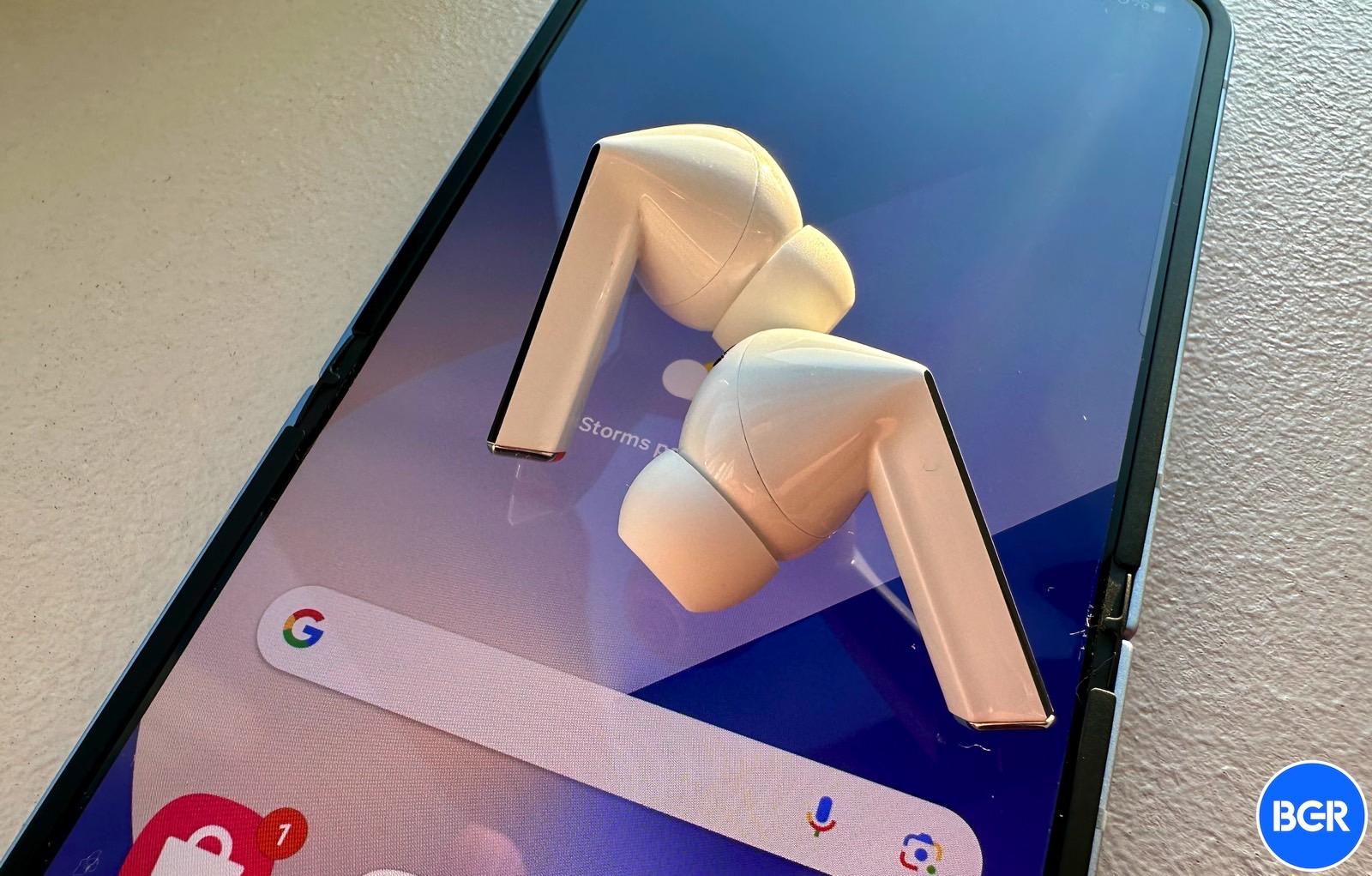
Last summer, Samsung launched new Galaxy Buds models with a brand new design (above), which turned out to be the least controversial aspect. The new earphones look a lot like Apple’s AirPods, featuring a stem for the first time. Samsung stayed away from adopting AirPods-like designs for years before deciding this was going to be the new look of the earphones.

I didn’t think copying Apple was such a big deal. I was more worried about the quality issues the first batch of Galaxy Buds models displayed. 

According to a report from Korea, Samsung will release new earphones this summer. The company is about to launch open-ear buds in a form factor it has never made before, beaming sound through the bone. This is in addition to updating the regular Galaxy Buds line with a new Galaxy Buds FE 2 model.

I ran my third marathon recently, wearing second-gen AirPods, the same wireless earphones I wore before.

Tech. Entertainment. Science. Your inbox.

Sign up for the most interesting tech & entertainment news out there.

By signing up, I agree to the Terms of Use and have reviewed the Privacy Notice.

But just before the race, I had a chance to test and buy the new Shokz OpenFit 2 open-ear earphones. The sound quality blew me away, but I didn’t buy them on the spot, thinking I’d find them later.

It turns out I can’t find them that easily. These are the latest earphones from Shokz launched at CES 2025. While they don’t rock the company’s bone-conduction tech, it’s still a new sound technology for this type of product. Essentially, your ears are open as sound is beamed through the air.

But I stopped at the Shokz booth before the race in the first place because I associate the company with bone-conduction earphones. I’ve considered buying a pair of Shokz more than once, but I kept finding excuses not to.

What I’m getting at is that I’m a runner who doesn’t want Active Noise Cancellation (ANC). I want to be aware of my surroundings, and bone-conduction earphones or open-ear models might be the way to go. Also, I’m looking forward to chatting to AI via voice more in the future, and I’ll need comfortable earphoens for that. Traditional AirPods might not cut it. 

All that is to say is that I’m not surprised to hear that Samsung is considering a new design for its Galaxy Buds line of earphones. Seoul Economic Daily says Samsung plans to unveil the product in July, likely during the Galaxy Z Fold 7 and Flip 7 launch event.

Codenamed “Able,” the product aims to cater to the needs of people who are into cycling or running, as bone-conduction sound tech allows them to hear their surroundings.

Also, this Galaxy Buds design might appeal to people who find regular AirPods-like earphone designs uncomfortable, and those who worry about hearing loss issues that might follow prolonged exposure to traditional earphones.

Samsung isn’t the only company exploring such designs; Sony and Huawei have also made similar devices. And, again, Shokz is well-known for its bone-conduction earphones.

It’s unclear how much the new Galaxy earbuds will cost or what they will look like. But Samsung reportedly plans to manufacture some 1.7 million units this year, which will account for 15% of the total number of Galaxy earphone shipments this year.

As for the actual design of the Able product, it hasn’t leaked. But since Galaxy products tend to leak before their official launch, expect to see this new Buds design in unofficial photos before the Unpacked event in July.

Source