Posted on

Crazy AI app lets you transform a photo into a 3D model

Krea is one of the latest AI tools that promise to revolutionize 3D modeling. By partnering with the top AI video providers, the company lets you create videos with Hailuo, Mini Max, Luma Labs, Runway, Pika Labs, and Kling.

One of Krea’s most interesting features is its ability to generate real-time images guided by 3D models. This feature lets users take an image, convert it into a 3D model, and use it to guide scene generation. What makes this tool so cool is that you can move, manipulate, and rotate the model to change the scene—all in real-time and in a very intuitive way, as spotted by X user Justine Moore.

However, this isn’t the only tool available with Krea’s AI app. You can create real-time styles, change the environment of your images with one click by having perfect light and color consistency, ultra slow-motion in 120fps, animate and fuse images, and even use its enhanced presets to turn your image into an oil painting or let the AI create something completely unique.

Krea focuses on five major features: High-quality generation, Editing, video generation, Instant AI generation, and an Enhancer tool that lets you upscale photos and videos. It’s also important to note that the service allows you to create images with sound, setting it apart from the competition.

Tech. Entertainment. Science. Your inbox.

Sign up for the most interesting tech & entertainment news out there.

By signing up, I agree to the Terms of Use and have reviewed the Privacy Notice.

What’s nice about Krea is that you can take advantage of free daily image generation and access some of its popular tools as long as you are logged on to the platform. The company offers three other paid tiers, Basic, Pro, and Max, with a good discount when you choose the yearly plan.

With the Basic plan, you can create around 720 Flux Images, 36,000 real-time images, 180 enhanced images, three training jobs, and a commercial license.

Source

Posted on

This ‘boring’ new iPhone 17 Air leak is music to my ears

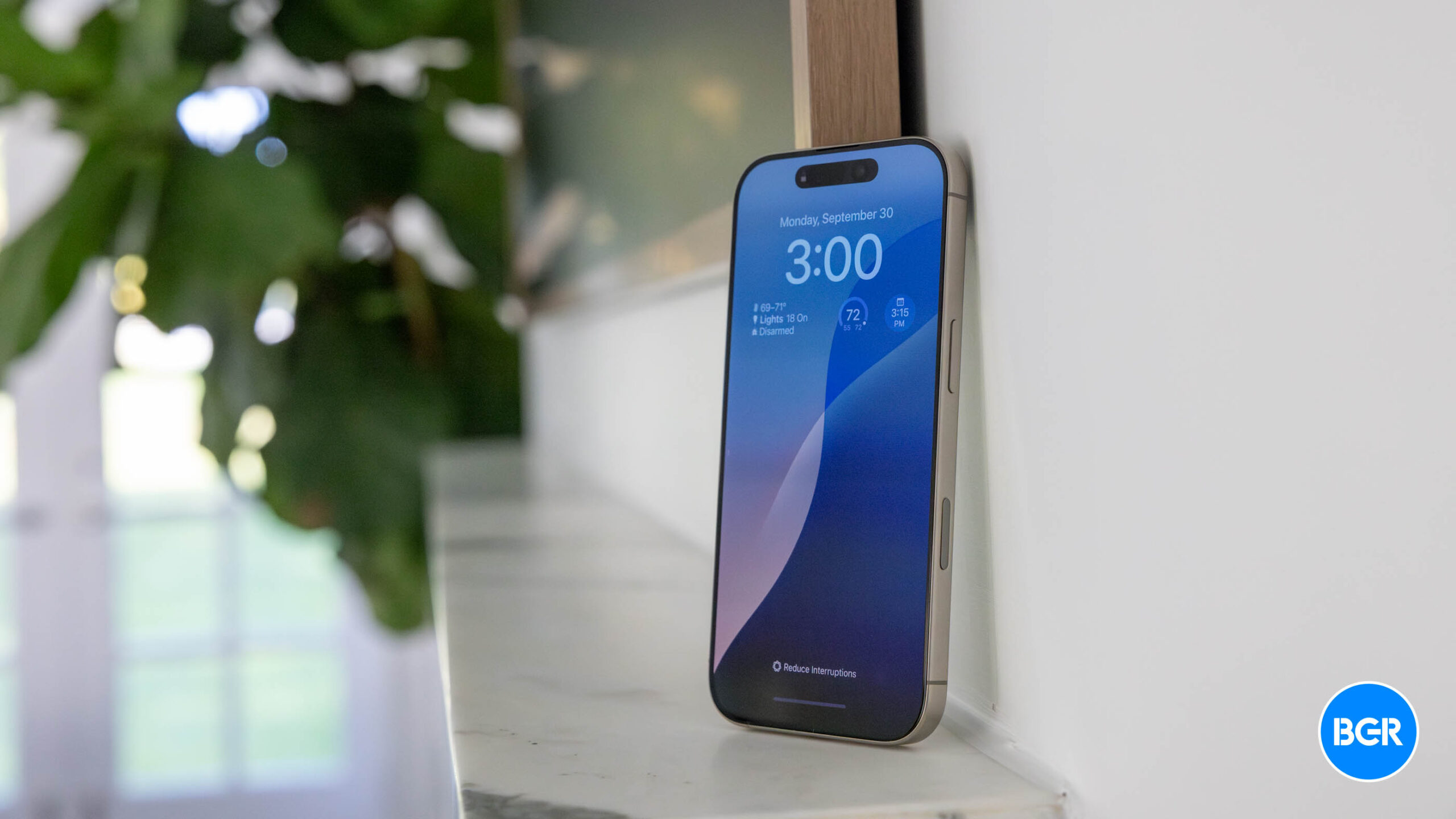
The iPhone 16 Plus was the first large device in my long history as an iPhone user. I wanted the larger display but couldn’t settle for the Plus’s larger footprint. After nearly two months with the handset, I’m convinced that the iPhone 17 Air will be the best option for me once the iPhone 17 hits stores.

I’m ready to make all sorts of compromises to get a large-screen iPhone with a slim profile. I’ll accept a single-lens camera experience, the disappearance of SIM cards in Europe, a less-than-stellar speaker, and even battery life that can’t possibly be as good as the iPhone 16 Plus.

The compromise I’m not going to go for concerns iPhone performance. The iPhone 17 Air should rock the same A19 chip as the base iPhone 17 model. I wouldn’t want Apple to nerf the Air variant in any way by throttling performance to prevent overheating. That’s something Apple could always do, especially considering the brief overheating issues with the iPhone 15 Pro in the first weeks after launch.

That’s why a leak saying every iPhone 17 model will get vapor chambers this year is music to my ears, no matter how boring it might sound.

Tech. Entertainment. Science. Your inbox.

Sign up for the most interesting tech & entertainment news out there.

By signing up, I agree to the Terms of Use and have reviewed the Privacy Notice.

Most iPhone buyers will not care about how the iPhone they’re about to buy handles the heat coming from that fast processor and the battery. They’ll want the brand-new device to “just work” as soon as they take it out of the box.

But then, when the same buyers experience overheating issues with devices like the iPhone 15 Pro, they’ll want it fixed. They’ll want Apple to handle it without impacting the iPhone’s performance.

The iPhone 16 series doesn’t come with cooling issues, or they would have been obvious by now. Overheating was never a thing on the iPhone 16 Plus. Apple did, after all, improve cooling on these iPhones.

Apple didn’t add a vapor cooling chamber to the iPhone 16 models, though it might have such plans for this year’s iPhones. A vapor chamber might move heat more efficiently from the processor to the phone’s exterior.

Galaxy Z Fold 6 features a larger vapor chamber than the Fold 5.Galaxy Z Fold 6 features a larger vapor chamber than the Fold 5. Image source: Chris Smith, BGR

During the Galaxy Z Fold 6 and Flip 6 launch events last summer, Samsung made a point of showcasing the larger vapor chambers inside these devices. Many Android flagships feature vapor chamber cooling.

A report from Ming-Chi Kuo said last August that the iPhone 17 Pro Max would feature a vapor chamber, a first for the iPhone. Fast-forward to mid-January, and MyDrivers now claims that all four iPhone 17 models will get vapor chambers for better cooling.

As with other rumors, this iPhone 17 hardware detail is unconfirmed for now. We’ll need to wait until Apple unveils the phones to see the cooling system in action. Teardowns following the iPhone 17’s release will also give us a look inside the four iPhones.

But the rumor is all the more exciting when you consider the latest iPhone 17 Air reports. The ultra-thin phone might be just 5.5mm thick. Apple will have to squeeze a decent battery in that space, along with all the other components that an iPhone 17 series phone will get. Packing a vapor champer inside such a thin body will be a feat of engineering.

We won’t even have to wait until September to see a vapor chamber inside an ultra-thin flagship phone. The Galaxy S25 Slim will reportedly hit stores this May. The phone will feature the same Snapdragon 8 Elite chip as Samsung’s thicker Galaxy S25 flavors. Since Samsung uses vapor chamber cooling tech in these phones, it’ll probably craft one for the Galaxy S25 Slim to ensure proper cooling.

Source

Posted on

Still worried RTX 5000 GPUs don’t have enough VRAM? Nvidia’s secret weapon is powerful AI texture compression, and it’s calmed some of my fears

  • Nvidia has detailed some clever new RTX Neural Shaders tech
  • This includes Neural Texture Compression to fit more textures into VRAM
  • It helps make sense of why Nvidia chose leaner video RAM loadouts with some RTX 5000 GPUs

Nvidia just unveiled its new RTX 5000 GPUs over at CES 2025, but alongside that revelation came a more under-the-radar – but still crucial – announcement about new tech to help speed up the gaming performance of these graphics cards.

Namely RTX Neural Shaders, which Nvidia describes as “small neural networks” (AI) which are being introduced to the programmable shaders on its next-gen GPUs. (A shader simply refers to a small GPU program that runs on a graphics card, not limited to facilitating shading or lighting effects in a game – but that’s the original derivation of the name).

Nvidia explains in a blog post: “RTX Neural Shaders SDK enables developers to train their game data and shader code on an RTX AI PC and accelerate their neural representations and model weights with Nvidia Tensor Cores at runtime.”

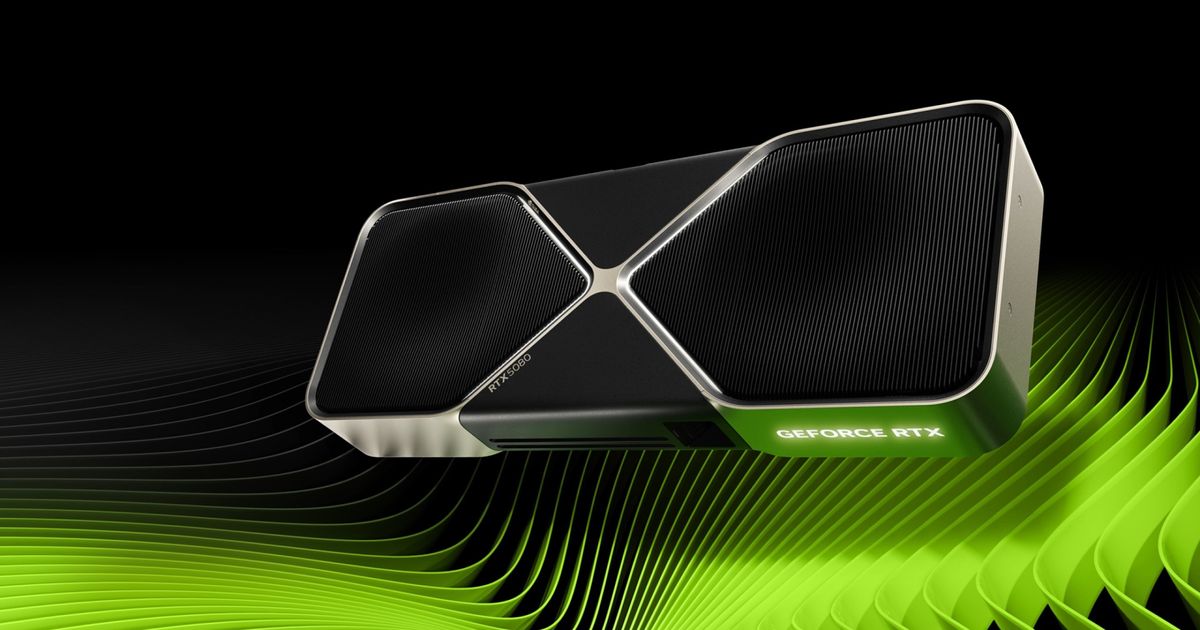
RTX Neural Shaders actually powers a trio of new technologies, but the secret weapon for the new RTX 5000 GPUs as far as VRAM is concerned – and there has been plenty of concern about the amount of on-board video memory being rather shaky – is RTX Neural Texture Compression.

In order to get more out of the available VRAM, RTX Neural Texture Compression uses compression (obviously enough) to fit more game textures into the RAM on the graphics card.

Here’s the key boast from Nvidia: “The neurally compressed textures save up to 7x more VRAM or system memory than traditional block compressed textures at the same visual quality.”

As well as this texture compression wizardry, Nvidia is also bringing in RTX Neural Materials. Team Green notes that this uses AI to “compress complex shader code typically reserved for offline materials and built with multiple layers such as porcelain and silk.” The claim is 5x faster material processing which makes it “possible to render film-quality assets at game-ready frame rates.”

{ window.reliablePageLoad.then(() => { var componentContainer = document.querySelector(“#slice-container-newsletterForm-articleInbodyContent-Sffav3i85W5RvMQUeLk9iJ”); if (componentContainer) { var data = {“layout”:”inbodyContent”,”header”:”Get daily insight, inspiration and deals in your inbox”,”tagline”:”Sign up for breaking news, reviews, opinion, top tech deals, and more.”,”formFooterText”:”By submitting your information you agree to the Terms & Conditions and Privacy Policy and are aged 16 or over.”,”successMessage”:{“body”:”Thank you for signing up. You will receive a confirmation email shortly.”},”failureMessage”:”There was a problem. Please refresh the page and try again.”,”method”:”POST”,”inputs”:[{“type”:”hidden”,”name”:”NAME”},{“type”:”email”,”name”:”MAIL”,”placeholder”:”Your Email Address”,”required”:true},{“type”:”hidden”,”name”:”NEWSLETTER_CODE”,”value”:”XTR-D”},{“type”:”hidden”,”name”:”LANG”,”value”:”EN”},{“type”:”hidden”,”name”:”SOURCE”,”value”:”60″},{“type”:”hidden”,”name”:”COUNTRY”},{“type”:”checkbox”,”name”:”CONTACT_OTHER_BRANDS”,”label”:{“text”:”Contact me with news and offers from other Future brands”}},{“type”:”checkbox”,”name”:”CONTACT_PARTNERS”,”label”:{“text”:”Receive email from us on behalf of our trusted partners or sponsors”}},{“type”:”submit”,”value”:”Sign me up”,”required”:true}],”endpoint”:”https://newsletter-subscribe.futureplc.com/v2/submission/submit”,”analytics”:[{“analyticsType”:”widgetViewed”}],”ariaLabels”:{}}; var triggerHydrate = function() { window.sliceComponents.newsletterForm.hydrate(data, componentContainer); } if (window.lazyObserveElement) { window.lazyObserveElement(componentContainer, triggerHydrate); } else { triggerHydrate(); } } }).catch(err => console.error(‘%c FTE ‘,’background: #9306F9; color: #ffffff’,’Hydration Script has failed for newsletterForm-articleInbodyContent-Sffav3i85W5RvMQUeLk9iJ Slice’, err)); }).catch(err => console.error(‘%c FTE ‘,’background: #9306F9; color: #ffffff’,’Externals script failed to load’, err)); ]]>

Sign up for breaking news, reviews, opinion, top tech deals, and more.

Finally, the third piece of the puzzle here is RTX Neural Radiance Cache which is a method of using AI to improve ray tracing performance (specifically it gives gamers “better path traced indirect lighting and performance”).

Introducing NVIDIA RTX Kit: Transforming Rendering with AI and Path Tracing – YouTube Introducing NVIDIA RTX Kit: Transforming Rendering with AI and Path Tracing - YouTube Watch On

Analysis: Hair today, RTX Hair tomorrow (and much more besides)

As ever, take any press announcement with a good deal of caution, but the mentioned performance boost with the texture compression trick for RTX 5000 graphics cards is potentially huge.

When the 12GB loadout of video RAM for the RTX 5070, and 16GB configuration for the RTX 5080, were aired via the rumor mill some time back, as well as the stinging sense of disappointment that Nvidia was ‘once again skimping on VRAM,’ there was an undercurrent of speculation that the RTX 5000 series could come with some special sauce to better fit textures into the available memory on the next-gen graphics cards.

And that’s exactly what has happened, meaning that while 12GB sounds like a meager allocation for the RTX 5070, it’ll go a lot further thanks to RTX Neural Texture Compression. The catch, of course, is that game developers must use the technology – and 12GB still looks a little shaky in terms of future-proofing, for me anyway.

We’ll also need to test the performance of this AI-driven texture compression and compare the results to Nvidia’s lofty claims, too – but it sounds very promising indeed. And of course it does help make sense of Nvidia’s VRAM decisions, too.

Nvidia RTX Hair shown in Indiana Jones game

(Image credit: Nvidia)

All this comes along with a bunch of other fresh tricks for the RTX 5000 generation, including RTX Neural Faces and the RTX Character Rendering SDK for improved face, hair and skin graphics. Indiana Jones and the Great Circle is getting an update delivering RTX Hair (yes, that’s really its name) which uses “Linear-Swept Sphere rendering [to run] faster, with improved image quality, whilst using less VRAM” compared to past hair rendering methods. (Check out the results in the above image).

That game will also be one of the many titles to benefit from DLSS 4, which is, of course, a key piece of the software side for RTX 5000 GPUs. It includes DLSS Multi Frame Generation (MFG) to further drive frame rates higher by inserting more artificial frames compared to DLSS 3 Frame Generation. (Also note that Nvidia is bringing in Reflex 2 for more input lag reduction – of up to a claimed 75% now – to go alongside MFG and mitigate any added latency therein).

Nvidia also told us that there will be 75 games and apps supporting DLSS 4’s MFG capability when its Blackwell graphics cards are launched at the end of January (the RTX 5090 and 5080 to begin with), a hefty initial helping for buyers of the new GPUs (RTX 5070 models are to follow in February).

It’s worth noting that RTX 4000 owners also get something here in the form of enhanced DLSS frame generation with boosted performance and reduced memory usage – but this isn’t MFG, which is exclusive to the new Blackwell GPUs.

Via Neowin

TechRadar will be extensively covering this year’s CES, and will bring you all of the big announcements as they happen. Head over to our CES 2025 news page for the latest stories and our hands-on verdicts on everything from 8K TVs and foldable displays to new phones, laptops, smart home gadgets, and the latest in AI.

And don’t forget to follow us on TikTok and WhatsApp for the latest from the CES show floor!

You might also like

Source

Posted on

iOS 19 will reportedly feature a completely redesigned Camera app

We’re still waiting to see the final form of iOS 18 as Apple Intelligence continues its slow rollout, but that has not stopped leakers from moving on to Apple’s next big software update. On Friday, Front Page Tech host Jon Prosser shared new details about iOS 19 in his latest video, including a look at the redesigned Camera app reportedly in the works.

Prosser says that he got an advance look at the refreshed Camera app in action, but in order to protect his source at Apple, he wasn’t able to share that video directly. Instead, he and his team recreated the video from scratch, which you can watch below:

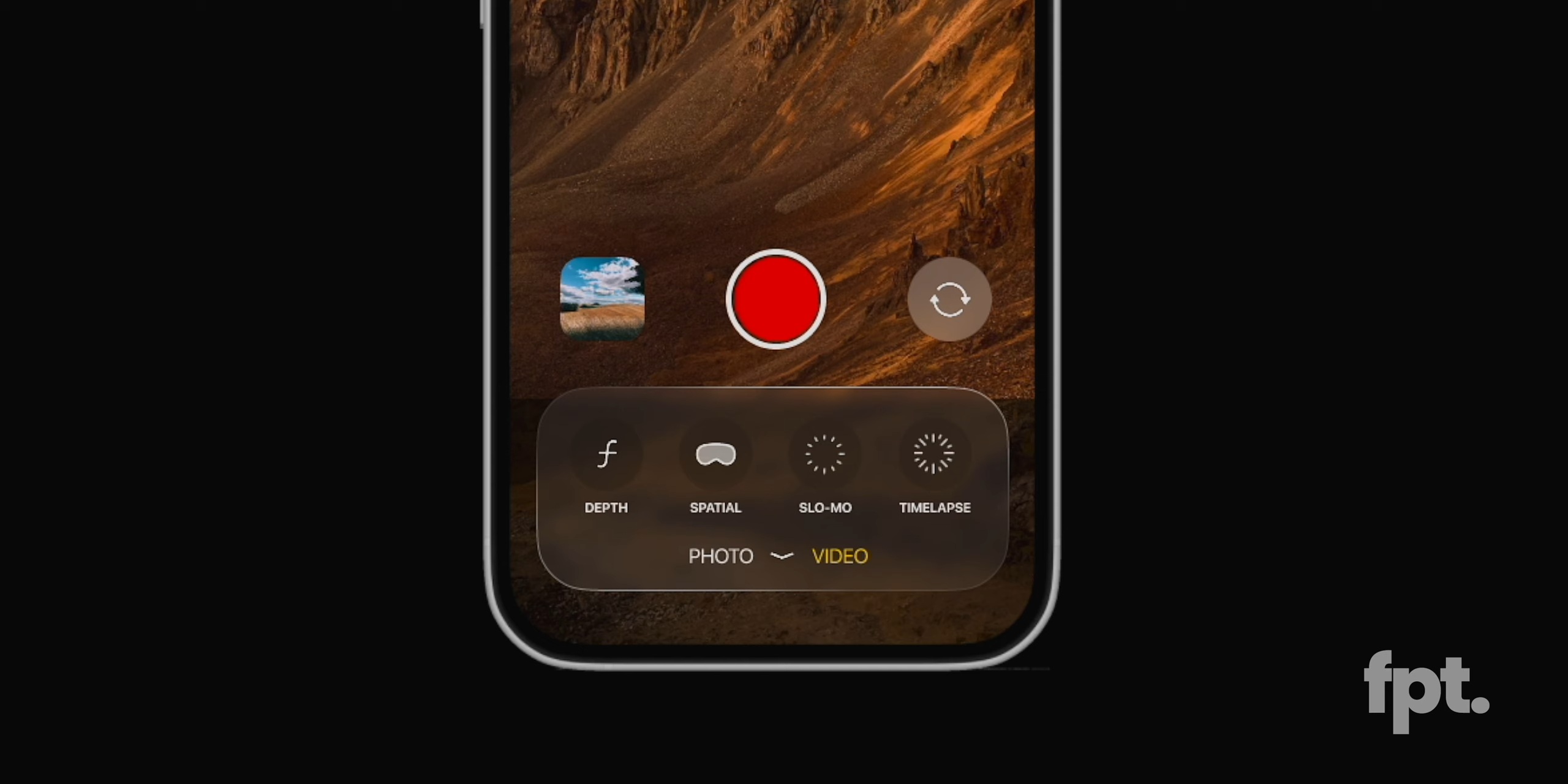
As the video shows, the iOS 19 version of the app is far less busy than the current Camera app. Rather than showing you all your options from the jump, the new app condenses the modes into two menus: Photo and Video. Here’s what each menu has to offer:

  • Photo: Depth, Spatial, Pano, Style, Aspect, Exposure, Timer
  • Video: Depth, Spatial, Slo-mo, Timelapse, Action, Exposure

While the video menu is open at the bottom of the screen, a second menu will appear at the top, giving users the ability to change the resolution and frame rate.

Tech. Entertainment. Science. Your inbox.

Sign up for the most interesting tech & entertainment news out there.

By signing up, I agree to the Terms of Use and have reviewed the Privacy Notice.

Prosser suspects that the Camera app might just be the tip of the iceberg for iOS 19. The visual language seems to mirror that of Apple Vision Pro’s visionOS. He speculates that we’re going to see a full-scale redesign in iOS 19, taking cues from visionOS.

He also admits that there’s a chance these will simply be flourishes in the update as opposed to the foundation of a completely new look for iOS. Major software leaks are hard to come by with Apple, so we might have to wait until September to find out.

Source

Posted on

Nato membership boosts Finnish civil and military tech startups

Finland’s fast-expanding defence sector is witnessing a surge in tech startups chasing new business opportunities on the back of the country’s accession to the North Atlantic Treaty Organisation (Nato) in April 2023.  

The so-called Nato dividend is causing the country’s defence sector to experience accelerated growth as more companies capitalise on membership to innovate, grow sales and pursue new avenues of opportunity.  

Buttressed by Nato membership, Finnish tech startups that offer civil and military services are generating comparatively higher growth rates and stronger investor appeal than more traditional defence companies, said Keith Bonnici, investment director at Suomen Teollisuussijoitus (Tesi), a state-owned agency that takes equity-linked financial positions in tech startups and growth companies.  

“The rise in demand for growth capital among startups is tied to the boom in sales in this sector, as well as the sharp increase in export licences,” he said. “As a result, production needs to keep pace with higher demand. Finland remains competitive in the defence industry domain. Our indigenous players have some of the world’s largest defence contractors as customers, as well as Nato members’ defence forces.”  

A Tesi survey released in September 2024 described 144 of the 368 companies currently operating in Finland’s defence sector as “rapidly growing startups and growth companies”.

“We estimate that the annual revenue growth rate of technology companies that offer civilian and military products is as high as 30% to 40%,” said Bonnici. “This clearly exceeds growth rates being achieved by traditional defence companies. The level of growth we are seeing explains why private equity and venture capital investors favour these dual-use companies. Over one-third of the dual-use firms surveyed are owned by private equity and venture capital investors.” 

The Tesi survey found that venture capital financing was the largest individual source of capital investment for companies offering dual-use defence products during the first three quarters of 2024. Moreover, the survey identified the Finnish state as a significant player in the sector, with state-affiliated companies having invested in over 40 defence industry firms since 2014.

Record sales forecast

Buoyed by the “Nato dividend” and bolstered confidence among dual-product tech startups, Finland’s defence sector is on course to deliver a record surge in export sales by 2030, said Bonnici.    

“Finland’s total defence related exports amounted to €2.6b in 2023,” he added. “Based on the latest data and trends, there is every confidence to believe that total annual exports may well reach the €10bn milestone by 2030.”

Helsinki-based Varjo Technologies has expanded development of dual products to reflect a heightened demand for its virtual reality (VR) pilot flight training wares.

Finland’s new status in Nato has substantially improved its ability to achieve stronger international growth, said chief executive Timo Toikkanen. “Nato membership has created new opportunities to grow sales of our VR flight training products,” he said. “It makes it easier to build a presence in the civilian and defence aerospace sectors.”

The Nato factor came into play for Varjo in August 2024, when the US Federal Aviation Administration (FAA) approved the use of its VR headsets to support helicopter pilot training. VR technology is being more broadly tested by Nato-aligned air forces that view it as a cost-efficient option to supplement or replace traditional pilot training in aircraft and large simulator room environments.  

In advance of certification by the FAA, Varjo’s VR-headset hardware had been previously authorised for dual defence and civilian use by the European Aviation Safety Authority, in connection with Swiss group Loft Dynamics’ helicopter pilot flight simulation training device.

Historically, dual-product startups faced serial hurdles trying to generate significant levels of investor interest from defence-shy private equity funds and venture capital firms, said Toikkanen. “Being a dual-product tech company and supplier to the defence industry is nowadays seen not only as acceptable, but even a good thing from the perspective of investors,” he added.

VR investments

Toikkanen attributed the €34m operating loss reported by Varjo in 2023 to the company’s need to make large upfront investments to develop its fourth-generation VR headset. Varjo is hoping to raise next-stage funding of €8m in 2024–2025.   

The dual-product business opportunities flowing from Nato membership are also boosting sales confidence at Saab, the Nordic region’s largest defence technology group. 

Saab reorganised a number of core units under new leadership after Sweden’s membership of Nato was ratified in March 2024. Sweden’s accession to Nato has enhanced the company’s belief in sustainable growth through technology-led projects and capital investments, said Micael Johansson, Saab’s CEO. “We are moving towards establishing a production presence in Ukraine in collaboration with defence and technology companies there. It may be a year or more before this plan takes shape,” he said.  

Saab is hoping to find technology partners in Ukraine to develop and produce a wide range of defence and security wares, including next-generation sensors to leverage Ukraine’s existing drone capabilities. 

Ukraine is exploring the possibility of partnering Saab to produce a range of high-grade military equipment, including Command, Control, Communications, Computers and Intelligence (C4I) and AI/GPS battle management systems in addition to advanced data fusion technologies.

Saab’s new generation of AI and machine learning (ML) product offerings have attracted interest across the Nato member countries. In September last year, it secured a contract to deliver Near Real Time (NRT) AI/ML models to US cyber security and cloud group ECS Federal.

ECS is deploying Saab’s NRT AI/ML technology as part of its input to the US Department of Defense’s (DoD) Maven Program, which is designed to process imagery and full-motion video from drones and automatically detect potential targets.

Joint defence

The growth path to Nato contracts for dual-product firms in Finland and Sweden was greatly enhanced in September 2024, when Nordic governments launched a Regional Joint Defence Concept.  

The agreement, which is managed by the Nordic Defence Cooperation (Nordefco), will synchronise key areas of military cooperation including capacity building, linked military operations, defence technology development and joint products procurement schemes, on a regional level.

Established in 2009, Nordefco serves as a coordinating agency for cross-border defence cooperation between the five Nordic states.

Regionally, the future growth potential of dual-product and defence tech startups across the Nordics is further boosted by Finland and Sweden’s Limited Partner status in the Nato Innovation Fund (NIF). The NIF is financed by 24 of Nato’s 32 member states.  

Capitalised at €1bn, the NIF primarily invests in deep tech defence and security companies across alliance states, while taking a special investment interest in firms developing AI, ML and space technologies.  

“The Nato Innovation Fund is a hugely influential tool to drive technological innovation and development throughout Sweden’s defence and security industries,” said Pål Jonson, Sweden’s defence minister. “For Sweden, it’s an additional benefit of being part of Nato.”

Source

Posted on

How high do you want your frame rates? Nvidia boasts that RTX 5090 GPU can drive Valorant at over 800 fps with jaw-dropping low latency

  • Nvidia’s Reflex 2 reveal packed a nugget of info about the RTX 5090
  • Team Green shared that the flagship GPU can run Valorant at 800+ fps
  • The graphics card does this with an input lag of under 3ms, too

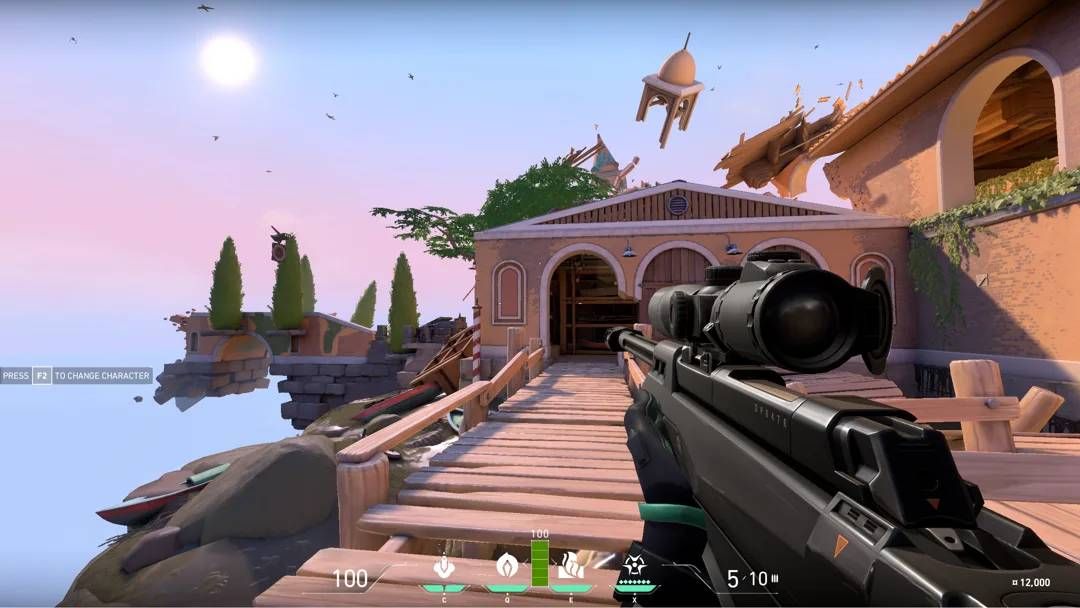
Among Nvidia’s cluster of CES 2025 revelations, including new RTX 5000 graphics cards, there were several nuggets that hugged the GPU ground, flying under the proverbial radar. One of those was neural texture compression which we discussed earlier (it sounds superb), and another was a quick footnote from Team Green in the unveiling of Reflex 2 – and it shows just how fast the RTX 5090 is in Valorant, a popular esports shooter.

Actually, you might have missed the reveal of Reflex 2 itself, which is the sequel to the original Nvidia Reflex tech that’s designed to reduce input lag (mitigating the lag that DLSS Frame Generation, and now DLSS 4’s Multi Frame Generation, hits the gamer with).

Nvidia explored Reflex 2 at length in a blog post, the gist of which is that it now offers an up to 75% reduction in latency (compared to 50% on average for the predecessor technology). It does this by augmenting the low latency mode with a new ‘frame warp’ feature.

TweakTown noticed that later in this post, Nvidia brings up a couple of examples of the latency reduction achieved with Reflex 2, and one of the games highlighted is Valorant.

Here’s what Nvidia tells us: “In Riot Games’ Valorant, a CPU-bottlenecked game that runs blazingly fast, at 800+ fps on the new GeForce RTX 5090, PC latency averages under 3ms using Reflex 2 Frame Warp – one of the lowest latency figures we’ve measured in a first-person shooter.”

So, in a top-end gaming PC (presumably) with an RTX 5090, the graphics card pushes Valorant over 800 frames per second, and does so with an input latency of under 3ms, which is super-speedy.

NVIDIA Reflex 2 | Introducing New Frame Warp Technology – YouTube NVIDIA Reflex 2 | Introducing New Frame Warp Technology - YouTube Watch On

Analysis: How high do you need to go?

Isn’t 800 fps a crazy figure? Well, yeah, it is. That’s partly because Valorant is an undemanding game designed for esports and silky frame rates, which even a rusty old PC can make a decent fist of running. Also, super-high frame rates are generally only chased by pro gamers willing to fork out for a ludicrously expensive gaming PC anyway (the RTX 5090 certainly comes laden with an appropriately weighty price tag).

{ window.reliablePageLoad.then(() => { var componentContainer = document.querySelector(“#slice-container-newsletterForm-articleInbodyContent-5JBtrjFFcDuDy5er4ZxNza”); if (componentContainer) { var data = {“layout”:”inbodyContent”,”header”:”Get daily insight, inspiration and deals in your inbox”,”tagline”:”Sign up for breaking news, reviews, opinion, top tech deals, and more.”,”formFooterText”:”By submitting your information you agree to the Terms & Conditions and Privacy Policy and are aged 16 or over.”,”successMessage”:{“body”:”Thank you for signing up. You will receive a confirmation email shortly.”},”failureMessage”:”There was a problem. Please refresh the page and try again.”,”method”:”POST”,”inputs”:[{“type”:”hidden”,”name”:”NAME”},{“type”:”email”,”name”:”MAIL”,”placeholder”:”Your Email Address”,”required”:true},{“type”:”hidden”,”name”:”NEWSLETTER_CODE”,”value”:”XTR-D”},{“type”:”hidden”,”name”:”LANG”,”value”:”EN”},{“type”:”hidden”,”name”:”SOURCE”,”value”:”60″},{“type”:”hidden”,”name”:”COUNTRY”},{“type”:”checkbox”,”name”:”CONTACT_OTHER_BRANDS”,”label”:{“text”:”Contact me with news and offers from other Future brands”}},{“type”:”checkbox”,”name”:”CONTACT_PARTNERS”,”label”:{“text”:”Receive email from us on behalf of our trusted partners or sponsors”}},{“type”:”submit”,”value”:”Sign me up”,”required”:true}],”endpoint”:”https://newsletter-subscribe.futureplc.com/v2/submission/submit”,”analytics”:[{“analyticsType”:”widgetViewed”}],”ariaLabels”:{}}; var triggerHydrate = function() { window.sliceComponents.newsletterForm.hydrate(data, componentContainer); } if (window.lazyObserveElement) { window.lazyObserveElement(componentContainer, triggerHydrate); } else { triggerHydrate(); } } }).catch(err => console.error(‘%c FTE ‘,’background: #9306F9; color: #ffffff’,’Hydration Script has failed for newsletterForm-articleInbodyContent-5JBtrjFFcDuDy5er4ZxNza Slice’, err)); }).catch(err => console.error(‘%c FTE ‘,’background: #9306F9; color: #ffffff’,’Externals script failed to load’, err)); ]]>

Sign up for breaking news, reviews, opinion, top tech deals, and more.

Indeed, 800 fps far exceeds even the best gaming monitor’s refresh rate among existing models – and even outdoes the ridiculous still-to-be-released 750Hz model (Koorui G7) that popped up at CES 2025.

However, when Nvidia says Valorant exceeds 800 fps, that’s a peak frame rate, not an average – and often it will be below the average (by definition). So, it’s not quite as silly as it sounds (but even a peak of 800 fps is still, naturally enough, massive overkill for most folks).

Interestingly, PC gamers have already shown off Valorant running at jaw-dropping frame rates in the past – actually 1,000 fps plus, in spikes – but that’s on The Range (practice map), and we’re assuming Nvidia’s testing was fully in-game here. Furthermore, seemingly a more recent update has made it more difficult to obtain high fps in Valorant, too (for some players, at least as far as we can tell from reports).

At any rate, what you really need for the ultimate in smoothness is for any given game to never drop below an absolute low frame rate of the maximum speed in Hertz of your high refresh rate monitor, in an ideal situation. Again, though, this is pipe dream stuff for all but the wealthiest PC enthusiasts out there.

You might also like…

Source

Posted on

TikTok could shut down if the Supreme Court doesn’t intervene

We’ve heard a great deal about TikTok potentially closing up shop in the United States over the past several months, but time is nearly up. According to CBS News, TikTok might have to shut down its social media service in the United States on January 19 if the Supreme Court doesn’t overturn or delay a law that would force its sale.

For those who have not been keeping up, the gist of it all is that Congress passed a bill in April 2024 that would force ByteDance, TikTok’s parent company, to either sell the platform or face a nationwide ban. TikTok appealed the decision after President Biden signed the bill into law, but three appellate judges unanimously upheld the law in December.

The US government suggests that the Chinese-based company’s enormous trove of user data threatens national security. TikTok claims “the curation of content on TikTok is a form of speech,” and thus, a ban would be a violation of the First Amendment.

The company’s last chance of avoiding a ban or a sale comes on Friday, as TikTok will have an opportunity to argue its case in front of the Supreme Court.

Tech. Entertainment. Science. Your inbox.

Sign up for the most interesting tech & entertainment news out there.

By signing up, I agree to the Terms of Use and have reviewed the Privacy Notice.

President-elect Donald Trump, after attempting to ban the platform via executive order when he was last in office, has come out in support of the popular video-sharing app. He even filed a brief to the court, explaining that he “opposes banning TikTok in the United States at this juncture, and seeks the ability to resolve the issues at hand through political means once he takes office.” How much stock the Supreme Court puts in this brief remains to be seen.

Unless the Supreme Court does side with TikTok and overturns the Protecting Americans from Foreign Adversary Controlled Applications Act in the next ten days, there’s a very good chance that you won’t be able to download or update the app after January 19.

UPDATE: TikTok reached out to explain that the original CBS News article (which has since been updated) was not an accurate reflection of the company’s plans. TikTok has not said that it will definitively shut down by January 19 if the law goes into effect, but US users might not be able to download or update the app after that date. We’ve updated our article as well.

Source

Posted on

Leaker corroborates details of Apple’s major iPhone 17 Pro camera upgrade

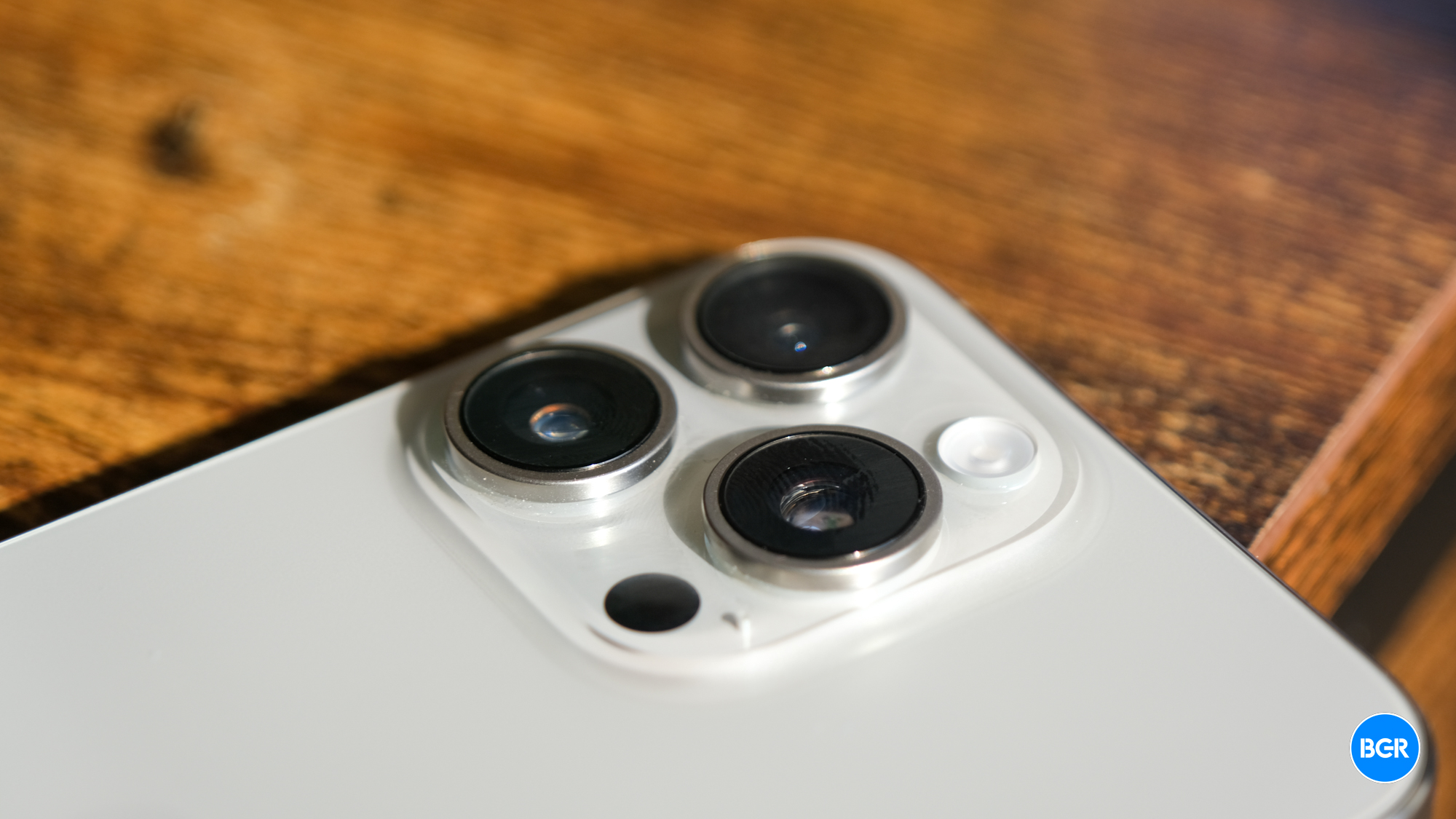
Ahead of the iPhone 17 release later this year, another leak corroborates a well-known rumor that all iPhone 17 Pro models will have the same camera resolution. This time, according to the Weibo account Digital Chat Station (via MacRumors), the upcoming iPhone Pro models will feature a 1/1.3″ 48MP Fusion lens, a 48MP Ultra Wide lens, and an upgraded 48MP Tetraprism telephoto lens.

The leaker says that the main and telephoto cameras of the iPhone 17 Pro models will also feature hybrid glass-plastic lenses. That said, Apple will finally finish its long transition to all lenses supporting 48MP resolution. Besides that, all iPhone 17 Pro models will have a 24MP front camera, a long-overdue upgrade.

These features have all been rumored in the past few months. In June, analyst Ming-Chi Kuo said that the iPhone 17 Pro Max would feature an upgraded 48MP Tetraprism camera, while analyst Jeff Pu wrote in August that all iPhone 17 models would have a 24MP front-facing camera.

With 48MP cameras, Apple could finally unveil upgraded recording modes, such as the long-awaited 8K recording. In addition, it would bring a more seamless experience when switching between the three cameras.

Tech. Entertainment. Science. Your inbox.

Sign up for the most interesting tech & entertainment news out there.

By signing up, I agree to the Terms of Use and have reviewed the Privacy Notice.

iPhone 17 latest rumors

While the iPhone 16 models were an “S” upgrade, Apple is expected to revamp its smartphone lineup with the upcoming iPhone 17. The latest leaks reveal the company wants to ditch the iPhone Plus for a new Air model. While it was expected to be underpowered and overpriced, it seems Apple will experiment with this device with an ultrathin design to introduce it later on the Pro lineup.

With the iPhone 17 Pro, the company is expected to optimize the processors for more challenging Apple Intelligence tasks, and the software will be more mature for those applications. Apple is expected to add more RAM to the Pro models, and the new design should make more people upgrade to these upcoming models.

Source

Posted on

Think Ryzen 9000 CPUs are still a bit pricey? AMD just revealed a cheaper Zen 5 chip that could be perfect for your budget PC build

  • AMD has announced a new Ryzen 5 9600 processor at CES 2025
  • This is a slightly slower version of the already existing Ryzen 5 9600X
  • It has a boost speed that’s 200MHz slower, but it’ll be cheaper – though we don’t have a launch price yet

AMD will doubtless be launching a few fresh Zen 5 processors this year – there are only four models in the Ryzen 9000 range thus far, after all – and CES 2025 has seen the company quietly introduce a new CPU to take the title of the most affordable chip.

This is the Ryzen 5 9600, a slightly tamed version of the existing Ryzen 5 9600X, dropping the ‘X’ from the name.

What does that mean in practice? The Ryzen 9600 is exactly the same as the 9600X in terms of its cores and cache (it’s a 6-core, 12-thread chip), the only difference is slightly reduced clock speeds.

The Ryzen 9600 processor drops the base clock from 3.9GHz to 3.8GHz, and the boost speed is reduced from 5.4GHz to 5.2GHz.

This processor can still be overclocked, it’s worth noting – unlike Intel’s non-K silicon, Ryzen CPUs of the non-X variety can be juiced up with some BIOS tinkering – but obviously don’t expect as much room to push clocks with the vanilla flavor of the 9600.

Sadly, we don’t yet have a release date, and oddly, not even an official price, and it appears AMD is keeping this launch on the down-low for now. That’s possibly a hint that the processor may not arrive in the very near future, but it shouldn’t be too far out now that it’s been officially announced.

AMD Ryzen 5 9000 Series CPU Box

(Image credit: AMD)

Analysis: Coolly cheap (with any luck)

It’s good to see a new value champ for the Ryzen 9000 range, and we hope that AMD doesn’t hang around too long with getting the Ryzen 9600 onto shelves, especially since super-budget Ryzen 3 chips seem to be completely AWOL nowadays. It’ll be a useful option for those looking to build (or buy) a more budget-conscious PC, for sure, particularly as there’ll be some extra value proposition because AMD has put in a further twist here.

{ window.reliablePageLoad.then(() => { var componentContainer = document.querySelector(“#slice-container-newsletterForm-articleInbodyContent-xMmnHSVdtHBCo9eKGtEU77”); if (componentContainer) { var data = {“layout”:”inbodyContent”,”header”:”Get daily insight, inspiration and deals in your inbox”,”tagline”:”Sign up for breaking news, reviews, opinion, top tech deals, and more.”,”formFooterText”:”By submitting your information you agree to the Terms & Conditions and Privacy Policy and are aged 16 or over.”,”successMessage”:{“body”:”Thank you for signing up. You will receive a confirmation email shortly.”},”failureMessage”:”There was a problem. Please refresh the page and try again.”,”method”:”POST”,”inputs”:[{“type”:”hidden”,”name”:”NAME”},{“type”:”email”,”name”:”MAIL”,”placeholder”:”Your Email Address”,”required”:true},{“type”:”hidden”,”name”:”NEWSLETTER_CODE”,”value”:”XTR-D”},{“type”:”hidden”,”name”:”LANG”,”value”:”EN”},{“type”:”hidden”,”name”:”SOURCE”,”value”:”60″},{“type”:”hidden”,”name”:”COUNTRY”},{“type”:”checkbox”,”name”:”CONTACT_OTHER_BRANDS”,”label”:{“text”:”Contact me with news and offers from other Future brands”}},{“type”:”checkbox”,”name”:”CONTACT_PARTNERS”,”label”:{“text”:”Receive email from us on behalf of our trusted partners or sponsors”}},{“type”:”submit”,”value”:”Sign me up”,”required”:true}],”endpoint”:”https://newsletter-subscribe.futureplc.com/v2/submission/submit”,”analytics”:[{“analyticsType”:”widgetViewed”}],”ariaLabels”:{}}; var triggerHydrate = function() { window.sliceComponents.newsletterForm.hydrate(data, componentContainer); } if (window.lazyObserveElement) { window.lazyObserveElement(componentContainer, triggerHydrate); } else { triggerHydrate(); } } }).catch(err => console.error(‘%c FTE ‘,’background: #9306F9; color: #ffffff’,’Hydration Script has failed for newsletterForm-articleInbodyContent-xMmnHSVdtHBCo9eKGtEU77 Slice’, err)); }).catch(err => console.error(‘%c FTE ‘,’background: #9306F9; color: #ffffff’,’Externals script failed to load’, err)); ]]>

Sign up for breaking news, reviews, opinion, top tech deals, and more.

The Ryzen 9600 will come with a Wraith Stealth cooler, saving PC builders a bit of money because they won’t need to buy a separate CPU cooling solution. No other Ryzen 9000 processors come with AMD’s own cooler bundled – gone are the days when every Ryzen chip came packaged with a Wraith air cooler.

As for the pricing and where that could end up, we have to bear in mind that the Ryzen 9600X arrived with an MSRP of $279 / £269.99 / AU$479, so you might think that the vanilla Ryzen 9600 could come in at $229 / £219 / AU$399, maybe? After all, that’s the price at which AMD launched the Ryzen 7600.

However, AMD dropped the price of the 9600X compared to its predecessor, and also given that the 9600X is now at around $220 to $240 at big retailers in the US, the hope is you might be able to pick up the 9600 for closer to $200 or even less – fingers crossed.

This could help generate more goodwill around the Ryzen 9000 series with consumers – as the Zen 5 range got off to a shaky start – and ensure this is a great option for a budget PC build (alongside the new more affordable B840 and B850 AM5 motherboards which also launched at CES 2025).

Via Tom’s Hardware

TechRadar will be extensively covering this year’s CES, and will bring you all of the big announcements as they happen. Head over to our CES 2025 news page for the latest stories and our hands-on verdicts on everything from 8K TVs and foldable displays to new phones, laptops, smart home gadgets, and the latest in AI.

And don’t forget to follow us on TikTok and WhatsApp for the latest from the CES show floor!

You might also like

Source

Posted on

Hearing a mysterious beep from your AirPods Pro? Here’s what it is

If you chose the AirPods Pro over the regular AirPods, it means you want access to some of Apple’s best features for its wireless earphones. That might mean better sound quality, complete with Active Noise Cancellation (ANC) support. Or it might mean taking advantage of the first hearing health features available on AirPods, the Hearing Test and Hearing Aid functionalities that can now be found in iOS 18.

If you own AirPods Pro, you might also have discovered they play chimes here and there that you can’t explain. Apparently, the random beeps are puzzling users, who discussed them online, including on the ATP podcast.

It seems that Apple has updated a support document to explain that the sounds are normal and they help ensure the AirPods work as intended.

It’s a feature related to the AirPods Pro microphones, speakers, and hearing test results. From Apple’s support document:

Tech. Entertainment. Science. Your inbox.

Sign up for the most interesting tech & entertainment news out there.

By signing up, I agree to the Terms of Use and have reviewed the Privacy Notice.

To help ensure that your AirPods microphones and speakers are operating at their best (for example, to help provide high-quality hearing test results), your AirPods may periodically play a quiet chime when they’re in their charging case.

You can hear what the chime sounds like on Mastodon, where Ian Williamson explained the mysterious sound:

Your point about AirPod noises reminded me of a related noise I’ve been meaning to investigate on my AirPods Pro 2, recorded here when I put one AirPod back in the case with the other. You can hear the sad charging noise (overlaid with the case closing snap) but ~15 secs later you can also hear what appears to be a diagnostics sound coming from the AirPods inside the case. It was driving me mad for a while as I kept hearing this sound but couldn’t figure out where it was coming from.

Episode 621 of the ATP Podcast also discusses the AirPods noises right from the start, which prompted MacRumprs to investigate.

Even John Gruber joined in, making some light fun of Apple’s failure to actually address the matter in support documentation:

Years ago, Apple was a successful company and documented how their products work. These days, Apple is struggling financially, and alas can no longer afford to produce something even as simple as an interactive web page with examples of the sounds that AirPods make and explanations of what those sounds mean.

Meanwhile, Apple’s support document explains the Hearing Test and Hearing Aid features, in addition to addressing the mysterious beeps right at the end. You’ll want to check it out in full if you have questions regarding the hearing health features.

Source