Posted on

iOS 18.3 coming soon: New features, release date, AI updates, more

Apple is about to end the beta cycle of iOS 18.3. Unlike previous software updates, which took a lot more time to release, this one will likely be pretty straightforward. In this article, you’ll discover everything new with this future operating system update, its possible release date, and all the devices compatible with it.

Release Date

With iOS 15.3 and iOS 16.3, Apple only seeded two betas before making a Release Candidate version available. In early 2024, the iOS 17.3 beta needed an extra release, as Apple seeded three betas before the Release Candidate version. Apple then released iOS 17.3 in the third week of January.

With iOS 18.3, Apple seeded three betas and a Release Candidate version so far. We expect this software update to be available as soon as January 27. That said, Cupertino has a much bigger iOS 18.4 update coming in April.

iOS 18.3 beta 1 features

The first beta of iOS 18.3 only includes a few new features. Here’s what we know so far:

Tech. Entertainment. Science. Your inbox.

Sign up for the most interesting tech & entertainment news out there.

By signing up, I agree to the Terms of Use and have reviewed the Privacy Notice.

Robot vacuum support: This feature was delayed to 2025. X user Aaron Perris discovered strings in iOS 18.3 beta code that show Apple wants to offer this feature with this next software update. When it’s available, robot vacuum makers will be able to control their vacuums through Apple’s Home app.

Turn off satellite communication: According to Bloomberg’s Mark Gurman, those companies who deploy iPhones through Mobile Device Management will be able to disable satellite communication services. The journalist says this is “designed for defense/space agencies who don’t want employees tapping into it.”

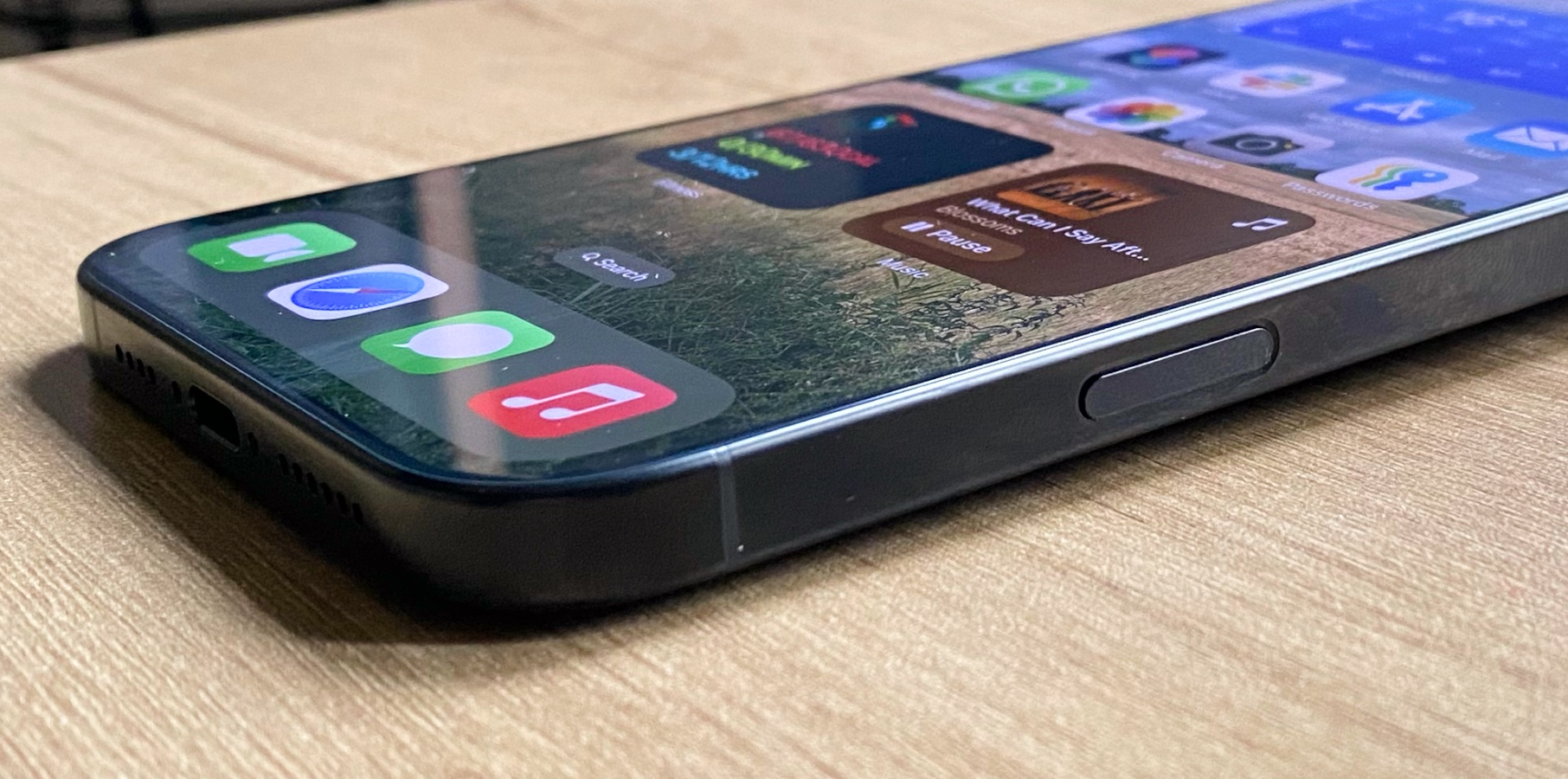
Camera Control icons: Apple has updated the Camera Control icons to the new Dark Mode. This change has been spotted by X user Aaron Perris.

AI Updates? At the moment, it’s unclear what changes Apple Intelligence might have in iOS 18.3. Given how far behind Apple is when it comes to AI, however, it’s possible that Apple will try to slip some new features and improvements into iOS 18.3.

iOS 18.3 beta 2 features

CarPlay featuresImage source: Porsche

Three weeks after Apple seeded the first beta of iOS 18.3, the company released a new build. At first, it doesn’t look like there are new features available with this version. However, 9to5Mac found under-the-hood changes.

CarPlay 2.0: It seems the latest beta keeps adding references to the new CarPlay experience. Apple missed its 2024 deadline, and since iOS 18.2, we’ve seen Cupertino adding new files about this upcoming feature to its software. With the latest iOS 18.3 beta 2, the company added references to “CarPlayHybridInstrument” in the Maps app.

Calculator bug: iOS 18 removed the ability to repeat math operations. However, the latest beta has restored this feature.

iOS 18.3 beta 3 features

As Apple comes close to the public release of this software, the company added a few more tweaks to this upcoming update:

Notification Summary: After complaints that Apple Intelligence was hallucinating while summarizing news headlines, the company decided to turn off summarization for the News category. In addition, Apple now notes that this might happen.

Messages: The iMessage menu now features a new Genmoji toggle, which helps users access this feature faster.

Camera Control tweak: The recently-added AE/AF Lock has been renamed to “Lock Focus and Exposure.”

iOS 18.3 RC Release Notes

These are the release notes of this update:

Notification summaries (All iPhone 16 models, iPhone 15 Pro, iPhone 15 Pro Max)

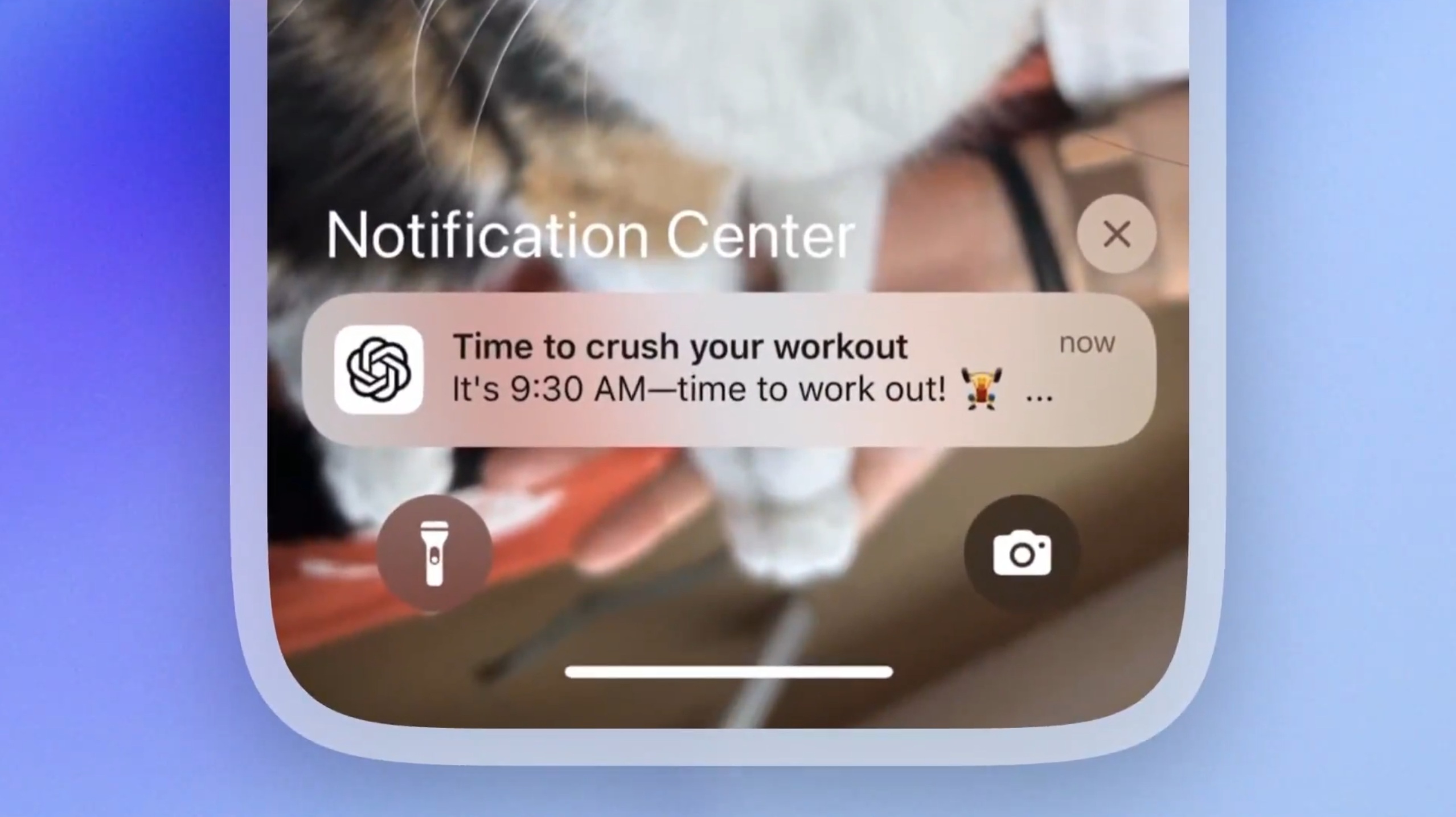
  • Easily manage settings for notification summaries from the Lock Screen
  • Updated style for summarized notifications better distinguishes them from other notifications by using italicized text as well as the glyph
  • Notification summaries for News & Entertainment apps are temporarily unavailable, and users who opt-in will see them again when the feature becomes available

This update includes the following enhancements and bug fixes:

  • Calculator repeats the last mathematical operation when you tap the equals sign again
  • Fixes an issue where the keyboard might disappear when initiating a typed Siri request
  • Resolves an issue where audio playback continues until the song ends even after closing Apple Music

Device compatibility

Image source: José Adorno for BGR

iOS 18.3 is compatible with the following devices:

  • iPhone XR, XS, and XS Max
  • iPhone 11
  • iPhone 11 Pro and 11 Pro Max
  • iPhone SE (2nd gen)
  • iPhone 12 mini and iPhone 12
  • iPhone 12 Pro and iPhone 12 Pro Max
  • iPhone 13 mini and iPhone 13
  • iPhone 13 Pro and iPhone 13 Pro Max
  • iPhone SE (3rd gen)
  • iPhone 14 and iPhone 14 Plus
  • iPhone 14 Pro and iPhone 14 Pro Max
  • iPhone 15 and iPhone 15 Plus
  • iPhone 15 Pro and iPhone 15 Pro Max
  • iPhone 16 and iPhone 16 Plus
  • iPhone 16 Pro and iPhone 16 Pro Max
Source

Posted on

Foodora tests drone and robot deliveries in Sweden

Foodora Norway, the Oslo-based subsidiary of online quick-commerce (Q-commerce) food delivery brand Foodora Group, has partnered with Nordic communications company Tele2 to pilot test home deliveries using robots and drones supported by 5G internet of things (IoT) technology.

The Stockholm metropolitan area was chosen as the test location for the ground robot and drone delivery trials. The Doora robot will be used in the ground tests while the drone trials are being conducted as part of the parallel Foodora Air project.  

A subsidiary of Berlin-based Delivery Hero, Foodora is currently present in Norway, Sweden and Finland, where the company delivers restaurant food, groceries and other consumer goods using cars and bicycles. Foodora also operates in Austria , Hungary and Czechia.

The collaboration with Tele2 forms part of Foodora’s two-year plan to roll out GPS-based robot home deliveries across the Nordic countries by in 2025 and 2026. The ambitious joint venture with Tele2 is focused on self-driving robots and drones connected to 5G and IoT technologies.

Foodora is hoping to roll out commercial Doora ground robot deliveries in Sweden and Norway by year-end 2025, with drone services introduced in 2026.  

Scandinavian countries are lagging behind the US and Finland as regards the development of self-driving robot food delivery services, said Prashant Søegaard, CEO at Foodora Norway. “Our partnership with Tele2 in Sweden will help identify the opportunities, challenges and physical obstacles we face in making Doora work as a viable and popular form of food delivery across Nordic markets,” he added.

In Finland, S-Group and its S-Market supermarket chain partnered with the Tallinn-based Starship Technologies in 2023 to roll out the Starship Robot. The first autonomous S-Market delivery robots (ADRs) became operational in selected towns during December 2023. Monitored in real-time for disruptions to service, the electric-powered Starship ADRs use artificial intelligence (AI) and GPS to plan routes and complete delivery missions.

Mobile app

The Starship Robot platform, over the five-month operating period to 30 May 2024, delivered 150,000 orders to households. Working off S-Market’s dedicated home delivery mobile app, the service had linked to an initial 100 S-Market grocery stores by the end of November.

The platform currently serves 14 towns and cities across Finland , including Helsinki , Tampere and Espoo . S-Group is estimating full-year 2024 deliveries exceeding 400,000 homes.

Additionally, S-Market is recording downloads of over 20,000 per month for the home delivery app, said Tiina Meyer, a senior business developer of retail ecommerce at S-Group.  

“The robot delivery service is a major retailing innovation boosting our grocery business,” she said. “Because of its convenience, it’s hugely popular. Customers appreciate the convenience of this new technology, the speed at which their orders are processed and delivered, the aesthetically pleasing robots, and especially enjoy the music the robots play upon delivery.”

Starship Technologies was incorporated in 2014 by Janus Friis and Ahti Heinla, the two Estonian co-founders of Skype. Headquartered in San Francisco , the company operates engineering subsidiaries in Tallinn and Helsinki .

Foodora’s pilot trials of the ground delivery Doora in Sweden include specific tests related to how the robot navigates pedestrian crossings and curbs, as well as how the robot recognises its surroundings and communicates.

Test and evaluation

The Doora and Foodora Air projects will help to test and evaluate the full potential of the delivery systems when connected to Tele2’s 5G network and IoT technology, said Stefan Trampus, the executive vice-president of Tele2 B2B.

“Within this project, we will be able to use the robot delivery concept to look at other industries and areas of use,” he said. “We can track how GPS and IoT function, and look to optimise solutions. The 5G IoT technology is essential for the drones’ smooth operation. The target is to achieve rapid response times and substantial data transfer capabilities to ensure safe delivery management.”

The Doora ground robot is designed to transport food and other products up to a maximum weight of 20kg. The delivery robot has a top speed of 6km (3.72 miles) per hour and a battery life of eight hours, with a four-hour charge.

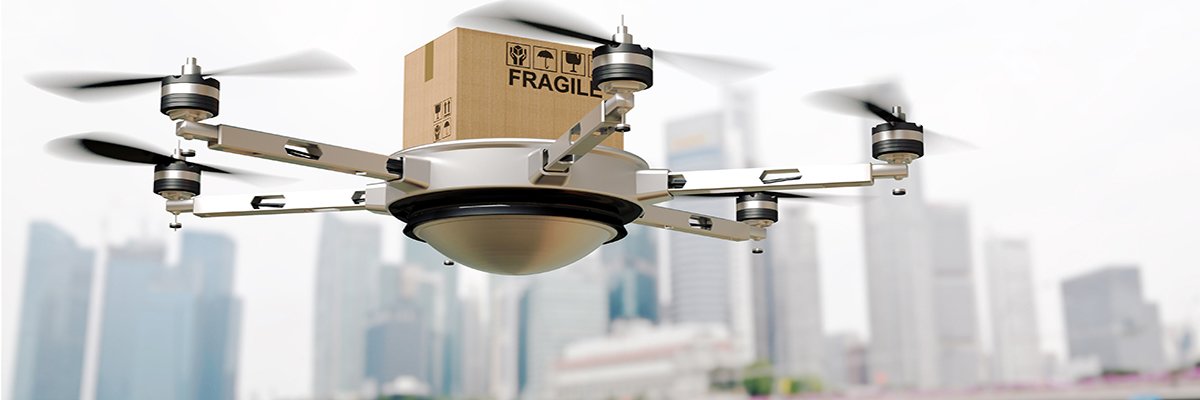
The Foodora Air project’s core focus is on testing the operability of a fleet of battery-powered drones, utilising 5G technology provided by Tele2, to deliver meals from various restaurants located in the Stockholm suburb of Värmdö. The Nimbi drones, developed by Swedish firm Aerit, are integrated into Foodora Air’s technology platform.

The all-weather certified Nimbi drones used by Foodora Air are able to operate within a maximum delivery range of 21km and emit 2g of carbon dioxide per kilometre. The Nimbi has a maximum payload carrying capacity of 4kg (10lb), and features a proprietary winching system that enables package pick-up and drop-off without the need for supporting infrastructure.

As part of the Foodora Air trial, deliveries are being restricted to customers’ properties, including front and back gardens where packages can be safely lowered by cable from airborne drones.

The results, and shared test data, emanating from the Doora robot and Foodora Air trials in Sweden will help to shape how the company rolls out drone and robot-supported delivery services in Norway , said Søegaard. “We are closely following the tests in Sweden and hope to learn from that experience,” he said. “The data we collect from the project and trials will better inform us about the challenges we face in Norway and need to overcome and solve.”

Foodora has opened a dialogue with public and private players to expand robot delivery services across Norway . The first significant hurdle will be to obtain authorisation from the Norwegian Public Roads Administration (Statens Vegvesen), and local municipalities, ahead of launching autonomous robots, and at a later stage, drones, in Norway.

Foodora is hoping to roll out a robot delivery service in Norway during the first half of 2025, in collaboration with Danish autonomous air and ground vehicle firm Holo.

In August, Holo partnered with Foodora Norway to conduct a demonstration test at Fornebu, a suburb of Oslo , using a six-wheeled delivery robot supplied by California-based Cartken. The Cartken robot is equipped with three 5G modems and connectivity to multiple mobile operators to ensure continuous communication to shield against signal drop-off. The Cartken uses a PIN code system enabling customers to unlock and retrieve food and other deliveries.

Holo also collaborated with Posten , Norway ’s state-controlled postal service, on a pilot trial to test electric-powered delivery robot Ottobot. The robot was supplied by New York-based Ottonomy.IO. The test, which was conducted in the Oslo district of Filipstadkaia in November and December 2022, has so far not resulted in a decision by Postern to procure delivery robot units for commercial use.  

The Ottobot pilot test was run as a partnership project with AMOI, Norway ’s largest digital marketplace that connects specialist retailers, including restaurants, with customers ordering home delivery.

Posten has been something of a trailblazer in Norway as regards the testing of ground robot delivery systems. In 2018, the company conducted a pilot trial in Oslo on the Buddy Mobility autonomous parcel delivery robot. However, high operating costs and low demand for the service resulted in Posten shuttering the project in 2019.

Source

Posted on

Apple’s hallucinated AI News summaries were just disabled in iOS 18.3 beta 3

Hallucinations are a part of the early genAI experience. Since the early days of ChatGPT, we have warned that AI will make mistakes and that you should always look for sources and check whether its claims are accurate. As hard as they might have tried, the big tech players were not spared.

Google’s AI Overviews in Search delivered advice on how to put glue on pizza and hallucinate other information, forcing Google to deal with the PR mess that followed and fix the AI before releasing it to a wider audience.

Apple wasn’t spared the hallucination humiliation either, with Apple Intelligence conflating News reports to deliver fake information via the summarization feature for the News app. Apple has decided to pull the feature from the latest iOS 18 beta and deploy the needed fixes.

“With the latest beta software releases of iOS 18.3, iPadOS 18.3, and macOS Sequoia 15.3, Notification summaries for the News & Entertainment category will be temporarily unavailable,” an Apple representative told CNBC.

Tech. Entertainment. Science. Your inbox.

Sign up for the most interesting tech & entertainment news out there.

By signing up, I agree to the Terms of Use and have reviewed the Privacy Notice.

Apple is working on improving the News summarization feature, which will return in a future software update. It’s unclear when the feature will be back, but Apple Intelligence continues to be a top priority for Apple’s software development teams.

As a reminder, iOS 18.4 will bring another set of AI features to iPhone, iPad, and Mac, including the smarter Siri that can control some apps and access more user data on the device to provide more helpful assistance.

Apple Intelligence’s hallucination problems went viral in December when the AI summarized several BBC reports into a single notification that started with “Luigi Mangione shoots himself.” Mangione is the alleged Brian Thompson assassin who did not shoot himself.

Other hallucinations date back to November when the AI might have shown some users The New York Times summaries that claimed Israeli Prime Minister Benjamin Netanyahu had been arrested. That wasn’t the case.

Hallucinating news is a big problem for any AI product, whether Apple Intelligence or ChatGPT. After all, we’ve been worried about AI misleading users with fake information and the manipulation risks that might come from AI products controlled by nefarious actors. Companies like Apple must get any news-related AI features right, especially summarization. Either that or not do it at all.

In addition to disabling Notification Summaries for the News and Entertainment category in iOS 18.3 beta 3, Apple has added a label to the feature noting that summaries can contain errors, as the app is in beta.

Apple made another change to how summaries appear in notifications so you can tell them apart from regular notifications. Starting with iOS 18.3 beta 3, they’ll be italicized.

Finally, Apple Intelligence users who install the latest beta can decide whether to enable or disable summaries for an iPhone app directly from the Lock Screen. Swipe to the left on a Notification Summary to get an options menu that will let you disable them for specific apps. The alternative is going into the Settings app, where you’d have customized the AI summarizations before the new beta.

As an iPhone user in the EU, I still can’t get Apple Intelligence. I couldn’t test it or experience any of the hallucination issues that US iOS 18 beta testers have encountered. Hopefully, the hallucination problem will go away by the time I get my hands on Apple Intelligence on the iPhone.

However, it’s great to see Apple admit the errors and pull the AI summarization feature entirely rather than proceeding with it without a proper fix.

Source

Posted on

Rumors are swirling that OpenAI is on the brink of AGI and ASI

We’ve been waiting for a big ChatGPT upgrade for months now, but OpenAI has yet to announce one. Sure, the company had a monster month of announcements in December. OpenAI took the o1 reasoning model out of beta, making it available to more ChatGPT users. The text-to-video Sora tool is now available to users in certain markets. The o3 reasoning model has also been announced and is currently undergoing testing.

These are just a few of the AI announcements OpenAI made in December, but there’s no word on when the GPT-4o upgrade will drop. Unofficially, reports say that ChatGPT GPT-5, or whatever it ends up being called, is running behind schedule, as OpenAI has had issues training the next-gen AI model. OpenAI isn’t the only AI company experiencing such problems.

Sam Altman has been hyping OpenAI’s accomplishments recently, teasing potential ChatGPT features to come in 2025 while also talking about the larger goals. AGI (artificial general intelligence) is the next big thing, an AI that can tackle any task just like a human would. After AGI, we get to artificial superintelligence (ASI), which is AI that exceeds the capabilities of the human mind.

“We are now confident we know how to build AGI as we have traditionally understood it,” Altman said in a blog post recently, adding that OpenAI is already starting to look at superintelligence development.

Tech. Entertainment. Science. Your inbox.

Sign up for the most interesting tech & entertainment news out there.

By signing up, I agree to the Terms of Use and have reviewed the Privacy Notice.

How close are we to that big AI breakthrough? Some people think the recent excitement that some OpenAI engineers are displaying online suggests that the company is indeed close to some sort of big advancement in AI.

Some AI fans noticed the recent teasers from OpenAI employees, as well as an essay from an AI researcher who goes by the name of “Gwern” online.

Gwern theorized that OpenAI may hold the key to developing AGI and superintelligence. A powerful reasoning model like the o1 or o1 pro can produce the data needed to train more advanced reasoning models.

The essay author in the tweet above also said they’re surprised OpenAI isn’t keeping o1-pro private so they can use it for training o3 and newer models. Eventually, AI models will train themselves, leading to the big AGI and ASI breakthroughs we’re waiting for.

Gwern suggests that OpenAI may already be on the verge of a big breakthrough, or they’ve already done it behind closed doors:

If you’re wondering why OAers are suddenly weirdly, almost euphorically, optimistic on Twitter, watching the improvement from the original 4o model to o3 (and wherever it is now!) may be why. It’s like watching the AlphaGo Elo curves: it just keeps going up… and up… and up… 

There may be a sense that they’ve ‘broken out’ and have finally crossed the last threshold of criticality, from merely cutting-edge Al work, which everyone else will replicate in a few years, to takeoff – cracked intelligence to the point of being recursively self-improving and where o4 or o5 will be able to automate AI R&D and finish off the rest.

This isn’t just about OpenAI being close to the next massive improvement in AI but also the future beyond that. Access to superintelligence will make subsequent AI developments easier and more efficient because an AI mind will handle the next innovations.

Also, in a scenario where OpenAI might be close to AGI and ASI, it would obtain an incredible advantage over competitors. Other AI firms that have not established their own superintelligence will have to develop AI with traditional methods. In contrast, OpenAI would have ASI employing its own discoveries to create better AI, and it’ll do it more efficiently.

This is all speculation at this point, as OpenAI has yet to make any announcements. But it’s all based on the recent hype from Sam Altman and other OpenAI engineers. Of course, they always seem to go out of their way to hype OpenAI’s efforts on social media, so this all could simply be more of the same.

Also, if and when ChatGPT AGI and ASI are reached, don’t expect it to be affordable or even available publicly. At least, not initially. OpenAI rivals might be just as close to AGI and ASI, but they might be more restrained in teasing imminent breakthroughs.

Finally, there’s also the safety aspect to consider. Artificial intelligence, from the current ChatGPT models to AGI and ASI, will have to be aligned with humanity’s interests so it doesn’t develop its own agenda, which could almost certainly endanger our species.

Back to GPT-5, it’ll still be interesting to see what OpenAI does next in terms of ChatGPT upgrades. More news about o3 should come soon. Then, GPT-4o will celebrate its first anniversary this summer. Some sort of upgrade for the base ChatGPT model is surely due soon.

Source

Posted on

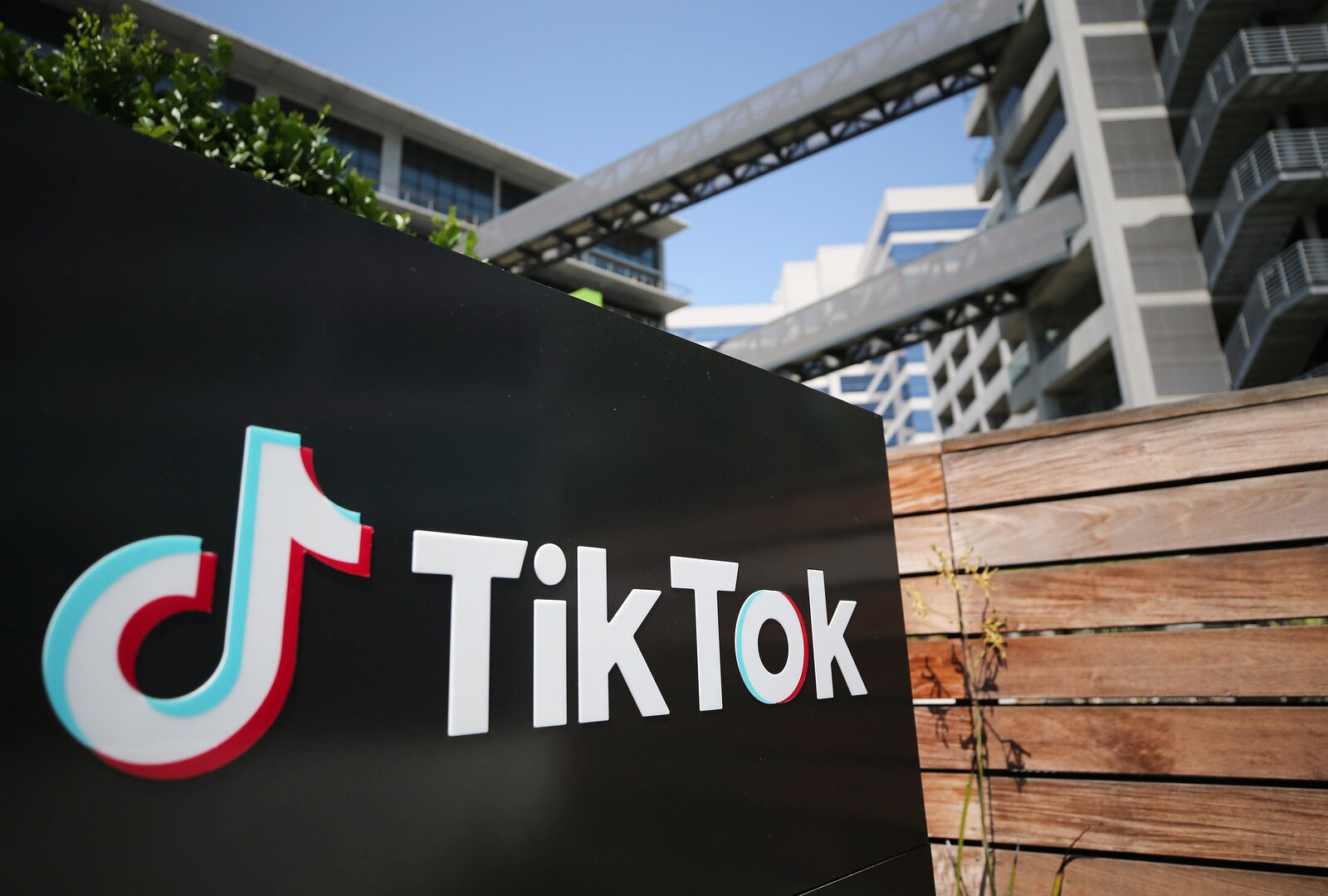
TikTok ban still on track as Supreme Court rejects appeal

On Friday, the Supreme Court rejected an appeal from TikTok and parent company ByteDance, allowing the ban set to take place this weekend to go forward.

The Supreme Court was effectively TikTok’s last chance to sidestep divestiture or a nationwide ban in the United States. The court didn’t find TikTok’s argument that banning its popular video-sharing app would be a violation of the First Amendment compelling.

The Supreme Court did acknowledge that “TikTok offers a distinctive and expansive outlet for expression, means of engagement, and source of community” for 170 million Americans. “But Congress has determined that divestiture is necessary to address its well-supported national security concerns regarding TikTok’s data collection practices and relationship with a foreign adversary,” the justices concluded.

Therefore, the Protecting Americans from Foreign Adversary Controlled Applications Act will go into effect on January 19, which means TikTok and ByteDance have hours to decide whether to cease operations in the US or find a buyer.

Tech. Entertainment. Science. Your inbox.

Sign up for the most interesting tech & entertainment news out there.

By signing up, I agree to the Terms of Use and have reviewed the Privacy Notice.

According to CNN, the Biden administration will leave it up to President-elect Donald Trump to enforce the ban, which Trump now says he wants to reverse.

“Our position on this has been clear,” a Biden official said. “TikTok should continue to operate under American ownership. Given the timing of when [the Protecting Americans from Foreign Adversary Controlled Applications Act] goes into effect over a holiday weekend a day before inauguration, it will be up to the next administration to implement.”

Barring a surprise extension by President Biden, there’s a good chance that TikTok will no longer be accessible in the United States (at least temporarily) as of Sunday.

Source

Posted on

It sure looks like Apple is getting ready to release a HomePod with a display

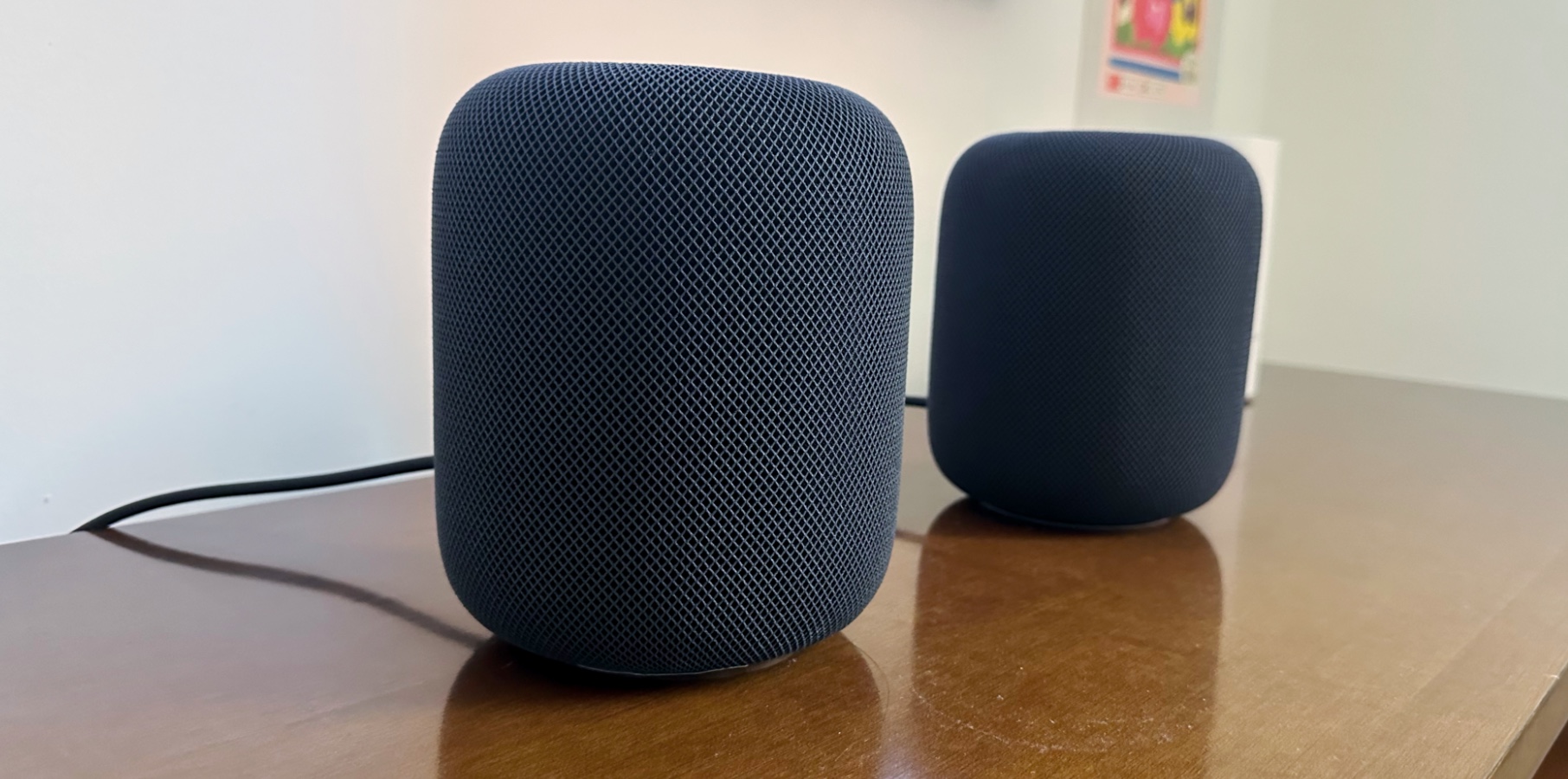
Another rumor suggests Apple’s long-rumored HomePod with a display is launching in 2025. This time, a paywalled report by DigiTimes (via MacRumors) says Tianma Microelectronics will supply the gadget’s 7-inch LCD panel. Taiwan’s Radiant will reportedly handle backlight module production, and BYD will assemble the device.

Rumors about this HomePod with a screen have been floating on the web for years now, especially with conflicting reports about Apple’s upcoming home robot.

Last year, tvOS 17.4 hinted at this device, and Bloomberg’s Mark Gurman said Apple was planning to combine the Apple TV, FaceTime, and HomePod in one system. The journalist said Cupertino also wanted to create a “HomePod with a screen that swivels like a robotic arm.” This HomePod with an iPad-like display could be released as soon as 2026.

In 2023, analyst Ming-Chi Kuo said Apple was readying a HomePod with a screen for the first half of 2024. While he eventually reframed his prediction to 2025, he believed it could feature a 7-inch display with Tianma manufacturing it. “The HomePod, which equips a panel, could enable tighter integration with Apple’s other hardware products, marking a significant shift in the company’s smart home strategy.”

Tech. Entertainment. Science. Your inbox.

Sign up for the most interesting tech & entertainment news out there.

By signing up, I agree to the Terms of Use and have reviewed the Privacy Notice.

Rumors say Apple has been working on several HomePod variants with screens. Two of them are a tabletop device with a robotic arm, and the other is an iPad-like product with a speaker combo and a built-in camera, something like an Amazon Echo Show.

In addition, a HomePod 3 is expected to be released as Apple’s smart home hub. Although reports suggest Apple Intelligence could play a big role in a smart speaker/display device, adding a better A17 Pro or M chip could greatly increase the price of a device most people aren’t willing to buy.

It seems that this product could be revealed in the third quarter of 2025, after the WWDC 2025 keynote. As always, BGR will monitor rumors and reports about this smart speaker and let you know if we learn more.

Source

Posted on

AMD reveals RX 9070 GPUs won’t go on sale until March, which might be too late to prevent Nvidia cleaning up with RTX 5070 models

  • AMD has confirmed RX 9070 models will be on shelves in March 2025
  • This runs against rumors that suggested a late January launch
  • PC gamers aren’t happy, particularly as stock of RDNA 4 graphics cards is rumored to have shipped to retailers already

AMD has confirmed that its RX 9070 graphics cards, the first initial models from the RDNA 4 family, won’t be available until March.

David McAfee, who is VP and GM of Ryzen CPU and Radeon graphics at AMD, posted on X to share the news.

So, the on-sale date for the initial RX 9070 XT and vanilla 9070 GPUs is March, which has put the cat among the GPU pigeons, to say the least, if you take a brief saunter through the replies on X (and other assorted feedback on Reddit).

What’s got folks annoyed? Well, firstly this is disappointing news based on the rumors that AMD was ready to launch these RX 9070 GPUs later in January to take the mid-range fight to Nvidia, getting in ahead of the release of RTX 5070 variants in February.

Or at least that AMD was going to have a big reveal of RX 9070 graphics cards, possibly later this week, which surely won’t happen now. There’s no point having a big announcement late in January if these next-gen GPUs aren’t turning up for what could be the best part of two months from now.

Part of the problem is that a couple of AMD execs have been dropping hints that the RX 9070 announcement ‘won’t be long’ and will be in the ‘near future’ which to me, and clearly others, suggested it’s pretty imminent.

Granted, all AMD has officially said is that RDNA 4 graphics cards will be launched in Q1 2025, and March still fits that, of course. But based on that timeframe, nothing about March marries with the hints of the full reveal being ‘near’ – indeed it couldn’t really be any further away in this initial quarter of 2025.

{ window.reliablePageLoad.then(() => { var componentContainer = document.querySelector(“#slice-container-newsletterForm-articleInbodyContent-sf6a4h3JvdWGBdH7JZpRXo”); if (componentContainer) { var data = {“layout”:”inbodyContent”,”header”:”Get daily insight, inspiration and deals in your inbox”,”tagline”:”Sign up for breaking news, reviews, opinion, top tech deals, and more.”,”formFooterText”:”By submitting your information you agree to the Terms & Conditions and Privacy Policy and are aged 16 or over.”,”successMessage”:{“body”:”Thank you for signing up. You will receive a confirmation email shortly.”},”failureMessage”:”There was a problem. Please refresh the page and try again.”,”method”:”POST”,”inputs”:[{“type”:”hidden”,”name”:”NAME”},{“type”:”email”,”name”:”MAIL”,”placeholder”:”Your Email Address”,”required”:true},{“type”:”hidden”,”name”:”NEWSLETTER_CODE”,”value”:”XTR-D”},{“type”:”hidden”,”name”:”LANG”,”value”:”EN”},{“type”:”hidden”,”name”:”SOURCE”,”value”:”60″},{“type”:”hidden”,”name”:”COUNTRY”},{“type”:”checkbox”,”name”:”CONTACT_OTHER_BRANDS”,”label”:{“text”:”Contact me with news and offers from other Future brands”}},{“type”:”checkbox”,”name”:”CONTACT_PARTNERS”,”label”:{“text”:”Receive email from us on behalf of our trusted partners or sponsors”}},{“type”:”submit”,”value”:”Sign me up”,”required”:true}],”endpoint”:”https://newsletter-subscribe.futureplc.com/v2/submission/submit”,”analytics”:[{“analyticsType”:”widgetViewed”}],”ariaLabels”:{}}; var triggerHydrate = function() { window.sliceComponents.newsletterForm.hydrate(data, componentContainer); } if (window.lazyObserveElement) { window.lazyObserveElement(componentContainer, triggerHydrate); } else { triggerHydrate(); } } }).catch(err => console.error(‘%c FTE ‘,’background: #9306F9; color: #ffffff’,’Hydration Script has failed for newsletterForm-articleInbodyContent-sf6a4h3JvdWGBdH7JZpRXo Slice’, err)); }).catch(err => console.error(‘%c FTE ‘,’background: #9306F9; color: #ffffff’,’Externals script failed to load’, err)); ]]>

Sign up for breaking news, reviews, opinion, top tech deals, and more.

AMD RX 9070 GPU models

(Image credit: AMD / TechPowerup)

Analysis: An unfortunate sense of confusion and chaos

While AMD has not reneged on any of its promises, then, it very much feels like that to some PC gamers. Never mind the theoretically delayed release date, or full reveal, beyond this, why even mention the GPUs at all at CES 2025? Or at least AMD could have made it clear with that teaser that these cards weren’t imminent, which was very much the expectation. (Actually, most folks were, not unreasonably, expecting the full details and unveiling at CES, not a brief glimpse).

Whatever the case, the underlying problem here is that it feels like AMD is bouncing around its RDNA 4 plans, changing directions and generally causing confusion among would-be buyers of the best GPUs as 2025 kicks off. Regardless of what the actual truth is concerning what might be going on behind closed doors at Team Red, based on what we can see, and the rumors flying around, it all feels very chaotic.

We must remember that these are just rumors, but there have been a lot of sightings of RX 9070 models in boxes, ready to go on shelves, at retailers. VideoCardz, which spotted AMD’s post on X, further claims that reviewers have had sample RDNA 4 GPUs even before retailers had them shipped, and so we have all this info bubbling about, causing some bad feeling from gamers.

If stock really is in place now – as it appears to be, with a suitable handful of salt at the ready – why wait? This is where other chatter from behind the scenes comes into play about AMD having unfortunate problems with adjusting launch pricing, after being surprised by where Nvidia pitched its RTX 5070 models (which surprised us all, let’s be honest). And issues therein in dealing with adjusting MSRPs and compensating retailers, although all of that is very much deep into rumor territory.

The trouble is, not a lot else except this scenario makes much sense, and the pieces of the puzzle (curtailed launch, then mostly radio silence following that, save for those mentioned vague hints of a full reveal ‘soon’) seem to fit well enough.

This also leaves AMD in a very weird position. Instead of being able to get in, ahead of the RTX 5070 which turns up in February, Team Red is going to wait until those rival mid-range graphics cards have been out, maybe for a month, so there could be a lot of defectors turning to Team Green. Well, assuming RTX 5070 stock isn’t something of a washout, and that appears to be the main threat to douse Nvidia’s next-gen GPU fire – that there’ll only be a relative trickle of Blackwell graphics cards early in 2025.

I didn’t see the next-gen GPU wars panning out like this, that’s for sure, and maybe AMD really does need to put out a full spec reveal and pricing announcement, sooner rather than later, even if the RDNA 4 on-sale date is March, and this leaves a big gap. Assuming that those MSRPs have even been decided yet, as this would at least allow gamers to know what to expect, perhaps persuading them to not give up and just go RTX 5070 in February, instead of waiting for the RX 9070 GPUs.

However, already there are gamers saying that is forcing them away from a planned next-gen Radeon purchase to Nvidia Blackwell, though how much of that is an initial angry reaction, we shall have to see.

You might also like…

Source

Posted on

Watch Apple Wallet’s awesome new live event ticket experience in action

When Apple introduced iOS 18, one of the experiences the company talked about was Event Tickets with Apple Wallet. Basically, Cupertino wanted to revamp the experience from the moment you add a ticket to the wallet until you leave your concert, match, or other event.

The company describes this feature as follows: “Enjoy a richer fan experience with a beautiful new design and great new features, including support for Live Activities and a smart event guide that combines helpful information about your event with recommendations from your favorite Apple apps.”

As exciting as it seems, I was a bit skeptical at first, mostly because some of these cool in-app features never get adopted (take the Apple Wallet Parcels, for example; it’s so hard actually to track a purchase through that function). However, content creator Brad Canning posted a video highlighting the experience of his first event using the Apple Wallet Event Tickets function.

He attended the Australian Open 2025, which fully supports this new iOS 18 feature. He tells his followers about the experience. As he approaches the venue, the Apple Wallet begins a Live Activity highlighting where he will stay.

Tech. Entertainment. Science. Your inbox.

Sign up for the most interesting tech & entertainment news out there.

By signing up, I agree to the Terms of Use and have reviewed the Privacy Notice.

To access the venue, he put his phone closer to the Ticketmaster terminal and received the ticket validation through NFC. Then, he briefly shows how easy it is to find a friend through the Find My app, a similar experience I covered when I was at a Taylor Swift concert and used the Find My app on the iPhone 15 to locate a friend.

However, expanding the ticket information reveals a new UI that lets him add friends attending the event and then locate them, which is pretty cool. To find his seat, tapping the Live Activity reveals precisely where he needs to be in the arena, thanks to a map.

From there, he can check the city’s weather, open the merch shop, and enjoy an Apple Music playlist curated for the event.

We hope other events soon start to support Apple Wallet’s Event Tickets feature so iPhone users can have an even better experience when attending their favorite concerts, matches, and more.

Source

Posted on

The Data Bill: Considering datacentres’ hunger for power

As the Data Bill continues its legislative journey through the House of Lords, it’s important to also consider where all that data “lives”, including what it costs to house it.

Datacentres, until relatively recently, were a bit of a niche interest, known little outside the technology world. Now, if not everywhere, they are certainly moving into many a community – potentially one near you. Of the many issues we should consider, surely at the top of the list must be how such centres are powered and where that energy is sourced?

For this reason, I put down an amendment to the Data Bill, which says: “Consultation: datacentre power usage. On the day on which this Act is passed, the secretary of state must launch a consultation on the implications of the provisions in this Act for the power usage and energy efficiency of datacentres.”

As I said in the House of Lords debate, “It seems at least curious to have a Data Bill without talking about datacentres in terms of their power usage, their environmental impact…’

This is, rightly, a growing concern. A recent edition of the MIT Technology Review highlighted, “AI emissions [are] set to skyrocket even further”. This “skyrocketing” is seen in a trebling of datacentre emissions since 2018.

The MIT article is based upon a new paper, from teams at the Harvard T.H. Chan School of Public Health and UCLA Fielding School of Public Health, whose research examined 2132 datacentres in the US – representing 78% of all facilities in the country.

It is important for all of us to remember, it’s not just the training of these vast AI models that, particularly in the US, all too often burns coal and fossil fuels – every time we ask a query of any of the models, the power draws on.

Is data growth sustainable?

AI models are moving from mere language to video, music and more and the so need for power more than surges. Also, it’s not just AI, datacentres are the bedrock of so much of what we do, our pictures in the cloud or our work website, all needing that datacentre power.

In the US so much of this power comes from fossil fuels, not least coal due to the location of the centres and that fuel’s ability to deliver to demand all hours, in contrast to renewables. Is any of that sustainable though – both environmentally and energy wise? 

We have a real opportunity in the UK to lead when it comes to datacentre technologies. If the government chooses to, we could also take a positive role when it comes to the power usage, the sustainability and environmental position of these increasingly critical national and global infrastructure.

If the government wants to lead when it comes to green energy, the datacentre question seems very much to be at the centre

It’s far more than a technology question or even simply environmental – in so many senses, it is existential. In short, how do we power our lives? Even if we can generate the renewable energy, there are questions around how to store, how to deploy, how to even get it onto the grid in the first place with current connection constraints.

If the government wants to lead when it comes to green energy, if it wants to lead when it comes to new technologies, the datacentre question seems very much to be, well, at the centre of it.

Currently, power usage effectiveness (PUE) is the accepted measure for datacentre energy efficiency. I’m interested in views as to the effectiveness of this standard. I asked the government, during the debate, about its view of the current PUE standard. Is it something that gives the right measure of confidence to consumers?’

The government promised to write to me with a detailed response on all these issues. It will be good to understand what approach they intend to take on such an important environmental, economic, as well as technological matter. 

In conclusion, it’s abundantly clear that data is far from the “new oil” – rather, it requires multiple supplies of old oil to fuel its flow. We may well, one day, be able to power datacentres through nuclear options and sustainable sources, but even so questions must be asked as to the opportunity cost of using all of that resource against how it may otherwise be deployed. 

Data and the technologies it underpins and enables has such possibilities for our economic, social, and common good. But, as ever, it’s in our human hands – the discourse we drive, the decisions we take and the societies we enable will determine this. Ultimately, positively – we have the power.

Source

Posted on

Microsoft 365 price hike: Are you forced to pay more even if you don’t want AI?

If you thought Microsoft’s forcing Windows 10 users to upgrade to Windows 11 to keep using Microsoft 365 Office apps was bad, you haven’t seen anything yet. Microsoft will further annoy many of its customers by embedding Copilot AI into all Office apps and charging an extra $3 per month for it. Microsoft announced the price hike for the Office 365 apps in a blog post explaining the changes.

Yes, AI development is expensive, and I absolutely agree that we, as end users, have to pay for access. That’s why I’m a ChatGPT Plus subscriber and won’t ditch that $20/month subscription anytime soon. If anything, I’m ready to pay for additional AI products that might improve aspects of my life. Take Apple Intelligence; I’ll keep buying expensive iPhones, iPads, and Macs, which will pay for Apple’s AI.

However, as a Microsoft 365 subscriber who has no interest in Copilot AI at this point, I’m not too thrilled about potentially having to shell out an extra $3 per month for my Family subscription. AI should be optional rather than mandatory in all apps. So, is there a way to keep your current subscription price if you’re like me and you don’t want Copilot AI? Well, it’s complicated.

Microsoft is forcing Copilot AI on millions of users

Microsoft 365 Personal and Family subscribers will get Copilot AI and a new Designer AI image generation app in most markets. This will lead to a price hike of $3 per month in the US, Microsoft’s first price hike for the productivity bundle subscription in 12 years. You’ll have to check your local Microsoft 365 portal to see the price increase in your local market.

Tech. Entertainment. Science. Your inbox.

Sign up for the most interesting tech & entertainment news out there.

By signing up, I agree to the Terms of Use and have reviewed the Privacy Notice.

Microsoft says that most of its 84 million consumer subscribers will have access to Copilot in Office apps whether they want it or not.

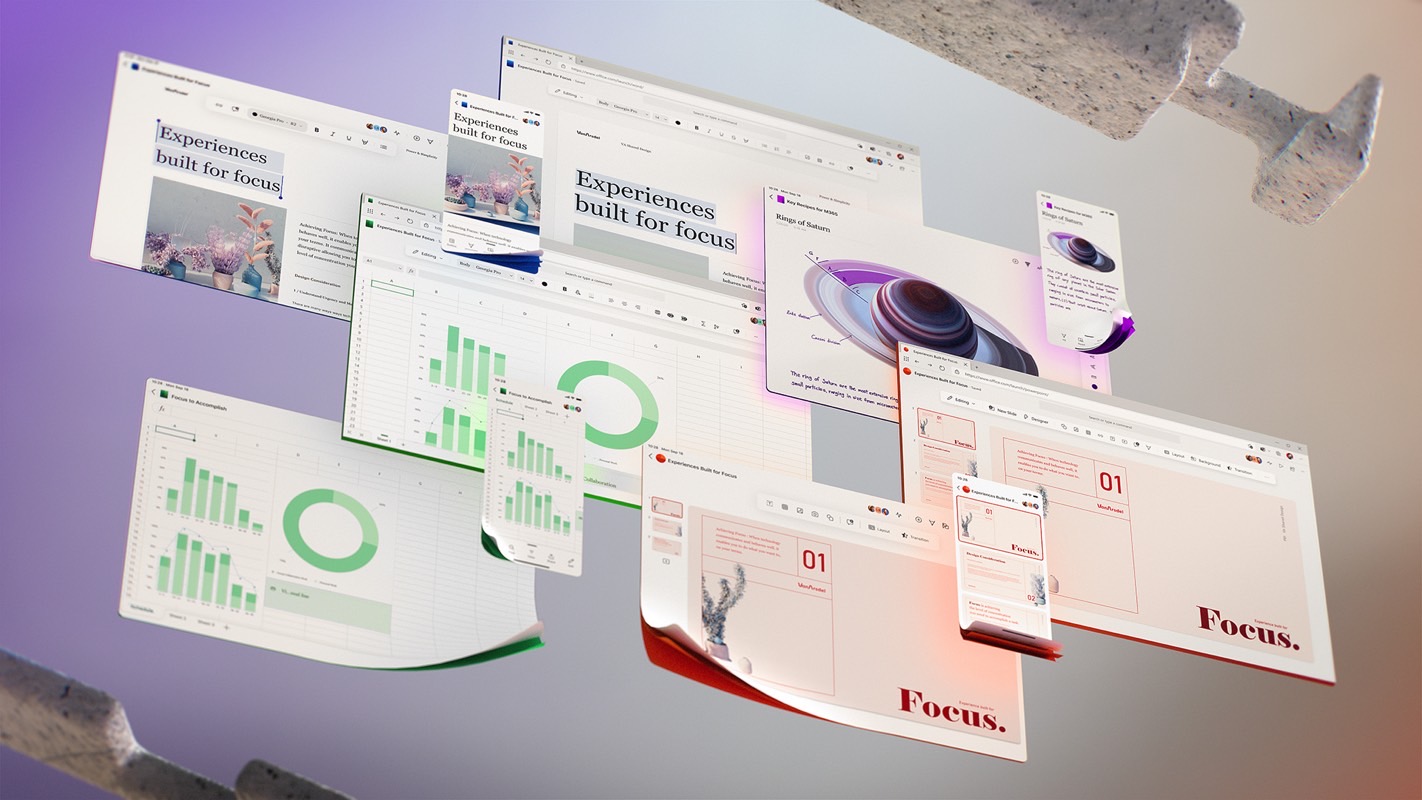
The new Copilot AI integration is separate from the Microsoft Copilot Pro subscription, which costs $20 per month. Copilot will be available in Word, Excel, PowerPoint, Outlook, OneNote, and the new Designer app.

To use the latter, Microsoft 365 Personal and Family subscribers will use AI credits that come with their subscription. The monthly allotment of AI credits applies to all Office apps and should be “enough for most subscribers.”

Let’s appreciate the good things

Microsoft knows that Copilot shouldn’t always be active in Office apps, so it’s giving users the ability to turn it off. That’s good news for students who rely on Office apps for taking notes during class.

Also important here is Microsoft’s commitment to privacy. I might not like the price hike because I don’t plan to use Copilot AI in Office apps anytime soon, but I appreciate the fact that Microsoft will not use any Office app AI data to train its models:

To protect your privacy, we do not use your prompts, responses, or file content (such as Word documents or Excel spreadsheets) when you use Copilot in the Microsoft 365 apps to train our foundation models.

You can opt out, for now

Microsoft is aware that not all Office app users will want access to Copilot AI, so there are ways to opt out and keep your current subscription price. That’s another thing I can appreciate. But there are big caveats here.

First, you have to be an existing Microsoft 365 subscriber to opt out of the Copilot AI price hike. Second, you must enable recurring billing to avoid the price increase. Those who don’t have it enabled, such as myself, won’t be able to stick with the non-AI versions of the apps.

Users with recurring billing can switch to a Basic plan, or they can keep their current plan as it exists today by switching to the new Personal Classic or Family Classic plans “for a limited time.” Once these plan options disappear, you’ll only have access to Copilot AI plans.

In other words, you’ll still be forced to pay for AI you might not want if you miss the opportunity to grab one of these limited-time plans.

Finally, there’s another big issue with the non-AI plans here. Microsoft says it will maintain the Basic and Classic plans “as they exist today,” but you risk not getting new features. For “certain new innovations and features you’ll need a Microsoft 365 Personal and Family subscription,” Microsoft says. Therefore, you’ll need to pay that extra $3 per month, or whatever it converts to in your local currency.

Should you cancel Microsoft 365?

Don’t get me wrong, I don’t think access to Copilot AI is a bad thing. It’s certainly a great tool and much more useful than, say, AI chatbots ruining WhatsApp. As you can see in the examples above, Copilot can be quite helpful in all sorts of instances using Office apps.

However, it should be up to the customer to choose to use AI. There’s no reason for Microsoft not to continue supporting non-AI Office apps in the future other than greed. That’s what it looks like, at least.

Also, since I’ve defended Netflix price hikes in the past, I’d do the same with Microsoft 365 prices if they were to go up.

My first reaction wasn’t to cancel my subscription or opt for the non-Copilot Office experience. I wanted to ask family members in the group if they wanted any built-in AI access. But I can’t even do that, considering that Copilot AI will only be available to me, the subscription owner.

Source