Posted on

iPhone 17 Air could be even slimmer than anticipated

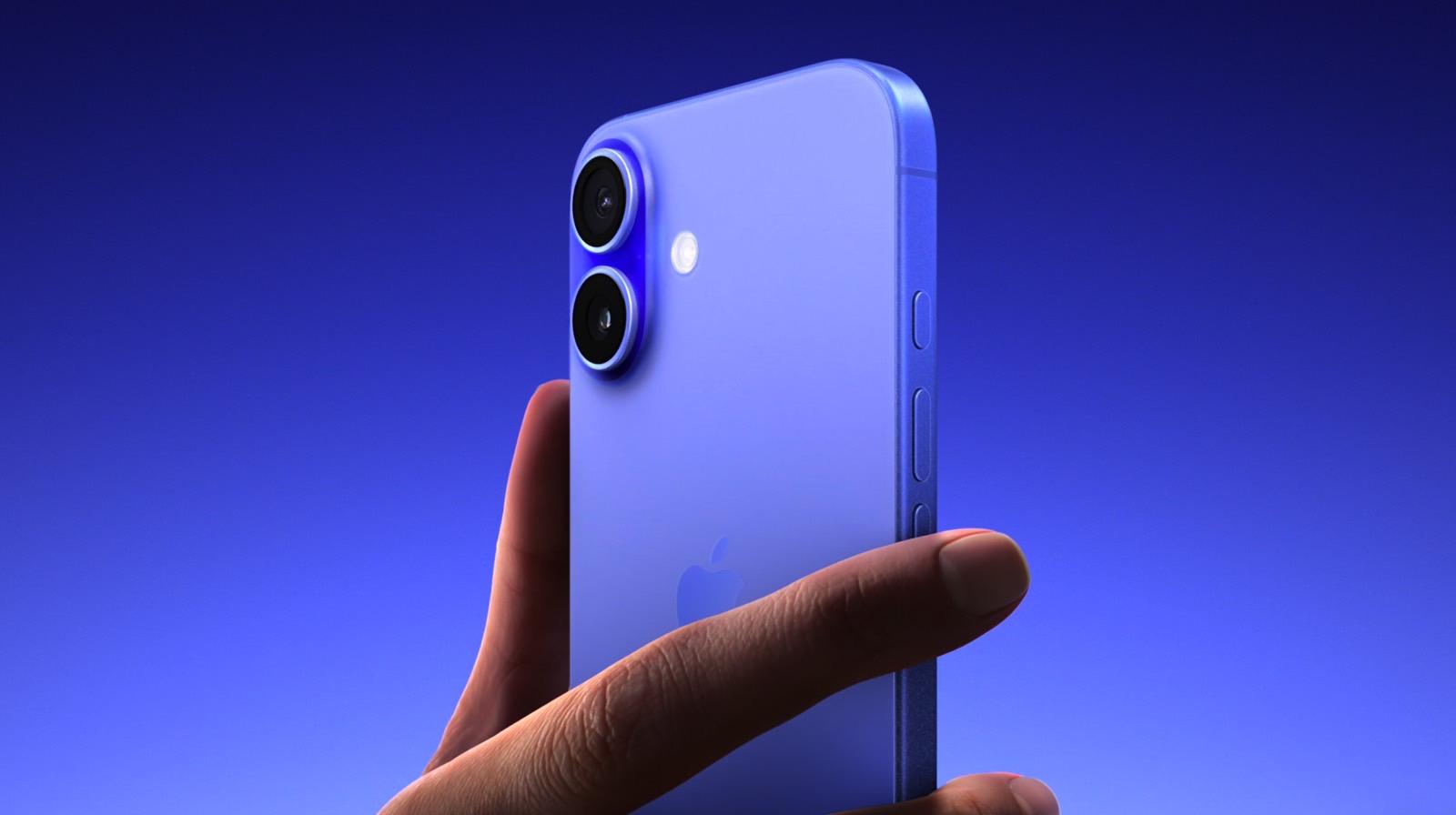
With the iPhone 17 Air expected to replace the Plus model, reports have speculated about one of its key qualities: How thick it will actually be. Just days ago, South Korea’s Sisa Journal said this device would be 6.25mm thick, which would make it the thinnest iPhone ever.

This would make the iPhone 17 Air 20% thinner than the base iPhone 16 models and 25% thinner than the iPhone 16 Pro. However, top insider Ming-Chi Kuo believes Apple could make this device incredibly thin, with the thinnest part being around 5.5mm.

If Cupertino achieves that, this device would be remarkably thin. That being said, the analyst could have been speculating over previously reported information. Other reports suggest that the iPhone 17 Air would be 5mm to 6mm thick.

Still, even if Apple can’t deliver a 5.5mm thick iPhone, it will still be thinner than any other model released so far. In addition to that, Kuo doesn’t believe this iPhone will be responsible for improving Apple’s iPhone sales, even though it’s expected to sell better than the iPhone Plus models.

Tech. Entertainment. Science. Your inbox.

Sign up for the most interesting tech & entertainment news out there.

By signing up, I agree to the Terms of Use and have reviewed the Privacy Notice.

“Although the ultra-thin iPhone 17 may ship in higher volumes than the iPhone Plus, it likely won’t significantly boost iPhone sales overall, partly due to downgraded components paired with a high price and a user experience similar to current models,” says the analyst.

Besides that, the eSIM-only option would make it unavailable in China, one of Apple’s key markets. The Asian country doesn’t offer eSIM-only phones, which could be an issue for Cupertino. Possible shipping momentum challenges and other compromises, such as smaller battery life and a weaker 5G modem, could make users focus on a Pro model instead.

Below, you can learn more about the latest details on the iPhone 17 lineup, including the upcoming iPhone 17 Air.

Source

Posted on

Nvidia RTX 5080 benchmark suggests this will be a mighty laptop GPU, getting PC gamers excited about the RTX 5090 mobile

  • An RTX 5080 mobile benchmark has been shared from Geekbench
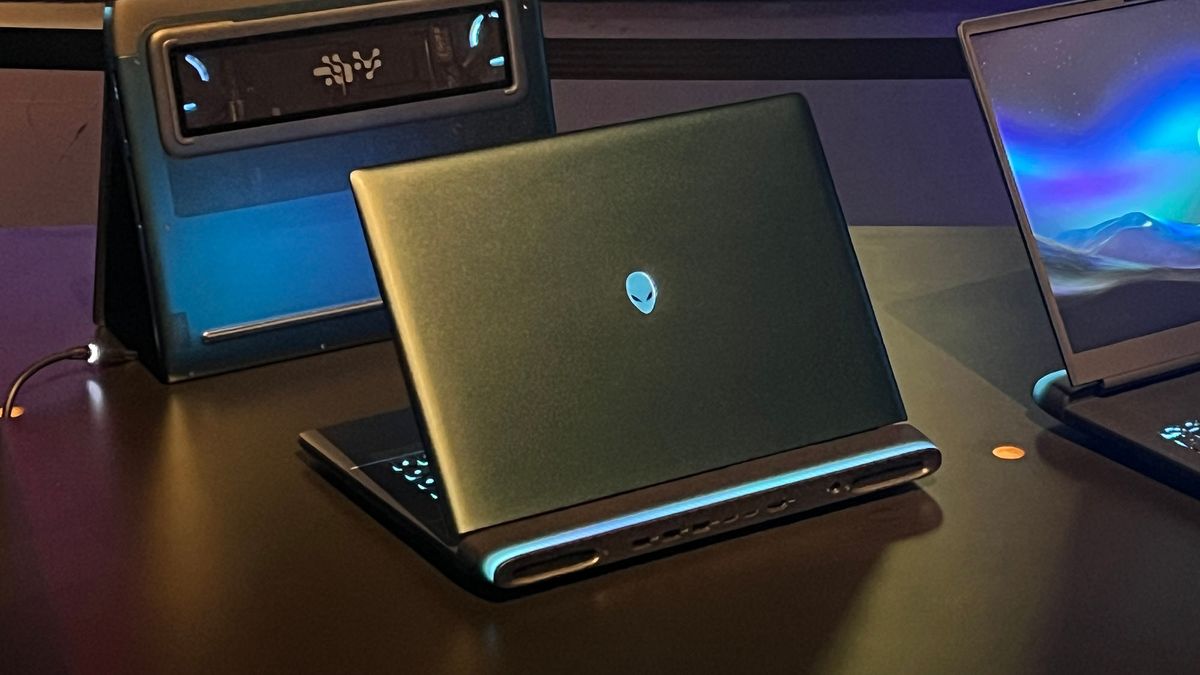
  • This was apparently conducted on an Alienware laptop at CES 2025
  • The result shows a nippy GPU, though it’s been greeted with somewhat mixed reactions

A benchmark has surfaced for the RTX 5080 laptop GPU, the first (unofficial) result we’ve seen for Nvidia’s next-gen mobile parts that were revealed at CES 2025 – although you shouldn’t get too excited about the score achieved (which is certainly the temptation here, as we’ll see).

Why not? Well, firstly it’s just a purported result – that could be some kind of fake – and secondly, the benchmark is from Geekbench, which is hardly the most useful metric for judging the gaming prowess of the RTX 5080.

The test was seemingly run by a rogue actor (hey, let’s throw in a bit of drama, why not?) on the CES 2025 show floor, who had access to an Alienware 18 Area 51 gaming laptop, and managed to get Geekbench going on the device (as noticed by VideoCardz).

The resulting Geekbench score of 190,326 in the OpenCL (graphics) test for the RTX 5080 has been greeted with somewhat mixed reactions.

Render of a new RTX 4000 Max-Q gaming laptop.

(Image credit: Nvidia)

Analysis: RTX 5080 looks promising for gaming laptops

That 190,000 score is around 18% faster than the RTX 4080 laptop GPU, so on the one hand, there’s been some chatter that this feels a bit on the lean side for a generational gain. Especially as some folks have chimed in online to say that their RTX 4080 notebook gets closer to 190,000 than the official Geekbench ranking data suggests.

However, if we stick to those official figures, the RTX 5080 is actually 6% faster than the RTX 4090 laptop GPU (and remember, that last-gen flagship has 25% more CUDA cores than the 5080). The RTX 5080 is also about equal to the RTX 4070 Super on the desktop – which is a lot of power packed into a mobile GPU.

Furthermore, this is (presumably) with pre-release drivers (so performance may be a little lacking due to that), and the clock speed is shown at 1.5GHz in this test, which is low – we’d expect it to be running at nearer 2GHz (with boost). The RTX 4080 mobile could boost to 2GHz, or even higher (up towards 2.2GHz).

{ window.reliablePageLoad.then(() => { var componentContainer = document.querySelector(“#slice-container-newsletterForm-articleInbodyContent-AYNYSdZzBG3Axeer8Qd73A”); if (componentContainer) { var data = {“layout”:”inbodyContent”,”header”:”Get daily insight, inspiration and deals in your inbox”,”tagline”:”Sign up for breaking news, reviews, opinion, top tech deals, and more.”,”formFooterText”:”By submitting your information you agree to the Terms & Conditions and Privacy Policy and are aged 16 or over.”,”successMessage”:{“body”:”Thank you for signing up. You will receive a confirmation email shortly.”},”failureMessage”:”There was a problem. Please refresh the page and try again.”,”method”:”POST”,”inputs”:[{“type”:”hidden”,”name”:”NAME”},{“type”:”email”,”name”:”MAIL”,”placeholder”:”Your Email Address”,”required”:true},{“type”:”hidden”,”name”:”NEWSLETTER_CODE”,”value”:”XTR-D”},{“type”:”hidden”,”name”:”LANG”,”value”:”EN”},{“type”:”hidden”,”name”:”SOURCE”,”value”:”60″},{“type”:”hidden”,”name”:”COUNTRY”},{“type”:”checkbox”,”name”:”CONTACT_OTHER_BRANDS”,”label”:{“text”:”Contact me with news and offers from other Future brands”}},{“type”:”checkbox”,”name”:”CONTACT_PARTNERS”,”label”:{“text”:”Receive email from us on behalf of our trusted partners or sponsors”}},{“type”:”submit”,”value”:”Sign me up”,”required”:true}],”endpoint”:”https://newsletter-subscribe.futureplc.com/v2/submission/submit”,”analytics”:[{“analyticsType”:”widgetViewed”}],”ariaLabels”:{}}; var triggerHydrate = function() { window.sliceComponents.newsletterForm.hydrate(data, componentContainer); } if (window.lazyObserveElement) { window.lazyObserveElement(componentContainer, triggerHydrate); } else { triggerHydrate(); } } }).catch(err => console.error(‘%c FTE ‘,’background: #9306F9; color: #ffffff’,’Hydration Script has failed for newsletterForm-articleInbodyContent-AYNYSdZzBG3Axeer8Qd73A Slice’, err)); }).catch(err => console.error(‘%c FTE ‘,’background: #9306F9; color: #ffffff’,’Externals script failed to load’, err)); ]]>

Sign up for breaking news, reviews, opinion, top tech deals, and more.

Of course, all this bodes well for the performance levels of the new Blackwell laptop flagship, the RTX 5090.

Before we get too carried away with the positivity, though, we need to exercise plenty of skepticism around the purported result – we don’t know much about how this Alienware gaming laptop was configured. And again, remember that Geekbench is far from the best way to put a gaming laptop through its paces (and synthetic tests in general aren’t nearly as useful as real in-game benchmarks).

You might also like

Source

Posted on

Top 10 cyber security stories of 2024

The year 2024 threw up another diverse crop of stories in the world of cyber security, with much to pay attention to, particularly in the realm of artificial intelligence (AI), which continued to dominate the headlines.

This year, we steer away from AI fear, uncertainty and doubt to focus on some of the other big issues, such as data privacy and protection, large scale breaches, and the tricky issues surrounding the security of widely used open source components.

There was also trouble at the mill for cyber security companies themselves, which often found themselves in the headlines, often after the privileged access afforded by their products and services was abused to attack their customers. Ivanti, Microsoft and Okta all make our top 10 this year – and we would be remiss not to mention CrowdStrike.

Here are Computer Weekly’s top 10 cyber security stories of 2024.

1. Leak of 26 billion records may prove to be ‘mother of all breaches’

At the end of January 2024, a data dump comprising 26 billion records and totalling more than 25GB in size was discovered by researchers. Dubbed the largest leak in history, and the “mother of all breaches”, the majority of the data related to Chinese social media platforms, but the likes of Adobe, Dropbox, LinkedIn, MyFitnessPal, Telegram and X were also included.

Much of the data appeared to have been compiled from various smaller leaks, likely a broker who intended to sell it on to others for use in identity theft, phishing attacks and account takeovers.

2. Okta doubles down on cyber in wake of high-profile breaches

In February, identity and access management (IAM) provider Okta announced plans to double its investment in security over the next 12 months and launched a Secure Identity Commitment. This came in the wake of the exploitation of its products and services during a series of cyber attacks during 2023, and earlier.

The company’s leadership said that as a security leader it recognised it needed to work a lot harder to stop ne’er-do-wells from taking advantage of the identity data its customers entrust to it.

3. Widespread Ivanti vulnerabilities make waves

Another cyber company was in the news at the start of 2024, Ivanti, a specialist in asset, identity and supply chain management found a series of vulnerabilities in its Policy Secure network access control (NAC), Ivanti Connect Secure secure socket layer virtual private network (SSL VPN), and Ivanti Neurons for zero-trust access (ZTA) products caused concern at organisations worldwide after being exploited by a threat actor.

The three vulnerabilities in question enabled attackers to access privileged data and obtain elevated access rights on their victims’ systems.

4. Open source alert over intentionally placed backdoor

In April, users of the open source XZ Utils data compression library narrowly avoided falling victim to a major supply chain attack, after evidence of an apparently intentionally placed backdoor in the code was revealed. The malicious code, embedded in versions 5.6.0 and 5.6.1 of the library, enabled unauthorised access to affected Linux distributions.

It later emerged that the dodgy code was placed there by a malicious actor who intentionally worked hard over a long period to gain the trust of the projects’ developers. The security of widely used open source components was to be one of the big themes of the year.

5. Microsoft beefs up cyber initiative after hard-hitting US report

In May, Microsoft doubled down on its Secure Future Initiative (SFI), expanding the programme – which set out to address the software and vulnerability issues frequently exploited by threat actors – in the wake of a damning US government Cyber Safety Review Board (CSRB) report.

Redmond said the rapid evolution of the threat landscape underscored the severity of the threats that face both its own operations and those of its customers, and admitted that given its central role in the world’s IT ecosystem, it had a “critical responsibility” to earn and maintain trust.

6. CrowdStrike update causes worldwide chaos

The biggest IT story of 2024 – arguably – was not strictly speaking a security incident, but appears here since it originated at a security company. On 19 July, IT pros all over the UK and beyond awoke to a fast spreading IT outage downing key systems, originating at cyber firm CrowdStrike after it pushed a flawed rapid response update to key threat detection sensors that caused Windows computers to enter a so-called boot loop.

The extensive disruption caused no major security incidents at the time, but the ramifications continue to this day, with CrowdStrike execs facing legal repercussions and even being called to account for the incident in front of politicians. As with the XZ Utils scare a couple of months previously, the CrowdStrike incident shows again the importance of paying close attention to one’s code.

7. Campaigners call for evidence to reform UK cyber laws

Those who have been following the CyberUp campaign for legal reform over the past few years will know well the difficulties the group has had in convincing Britain’s politicians that the time has come to reform the outdated Computer Misuse Act of 1990, which – thanks to archaic wording in regard to the offence of “unauthorised” access to a computer – puts security professionals in the UK at risk of prosecution simply for doing their jobs.

With Keir Starmer moving into 10 Downing Street, the campaign team seized the opportunity to launch a fresh call for evidence and views during the summer, saying that about a third of UK security firms had experienced monetary losses due to the law, putting at risk £3bn of the sector’s £10.5bn annual contribution to the economy.

8. NCSC celebrates eight years as Horne blows in

In eighth place on the Computer Weekly list, the National Cyber Security Centre celebrated its eighth birthday this year, although its new leader, Richard Horne, who took up the post in October, is only the organisation’s third official CEO.

Eight years may not be a particularly long time – the Brexit referendum was eight years ago – but the cyber security landscape has changed radically in that time, and looking ahead, as the interdependency between security and intelligence would become more critical, and the risks and opportunities of new technologies and more sophisticated threats increase, the NCSC’s work to get better at addressing the security of those technologies and how to use them to the UK’s advantage continues.

 9. Zero-day exploits increasingly sought out by attackers

In November, the NCSC and its US equivalent, CISA, published new annual data revealing that of the 15 most exploited vulnerabilities of 2023, the majority were zero-days compared with less than half in 2022. The trend has continued through 2024, and the NCSC warned that defenders need to dramatically up their game when it comes to vulnerability management and patching.

Among some of the most heavily exploited CVEs were some that are now widely known, including infamous issues in Progress Software’s MOVEit Transfer, Log4Shell and Citrix, many of them dating back years.

10. US TikTok ban imminent after appeal fails

At the end of 2024 came the news that TikTok is likely to be banned in the US in mere weeks after a Washington DC appeal court rejected representations from the China-owned social media platform, which claimed its First Amendment rights were being violated.

Legitimate concerns about the firm’s data protection and privacy practices – and the possibility that the data TikTok holds may be exploited by the Chinese government – lie at the core of the potential ban which would have global ramifications and impact millions of users, influencers and businesses alike.

Somewhat ironically, given he once tried to ban it himself, the platform’s best hope for a reprieve may now lie with president-elect Donald Trump, who will undoubtedly be an impactful force in the cyber security world in 2025.

Source

Posted on

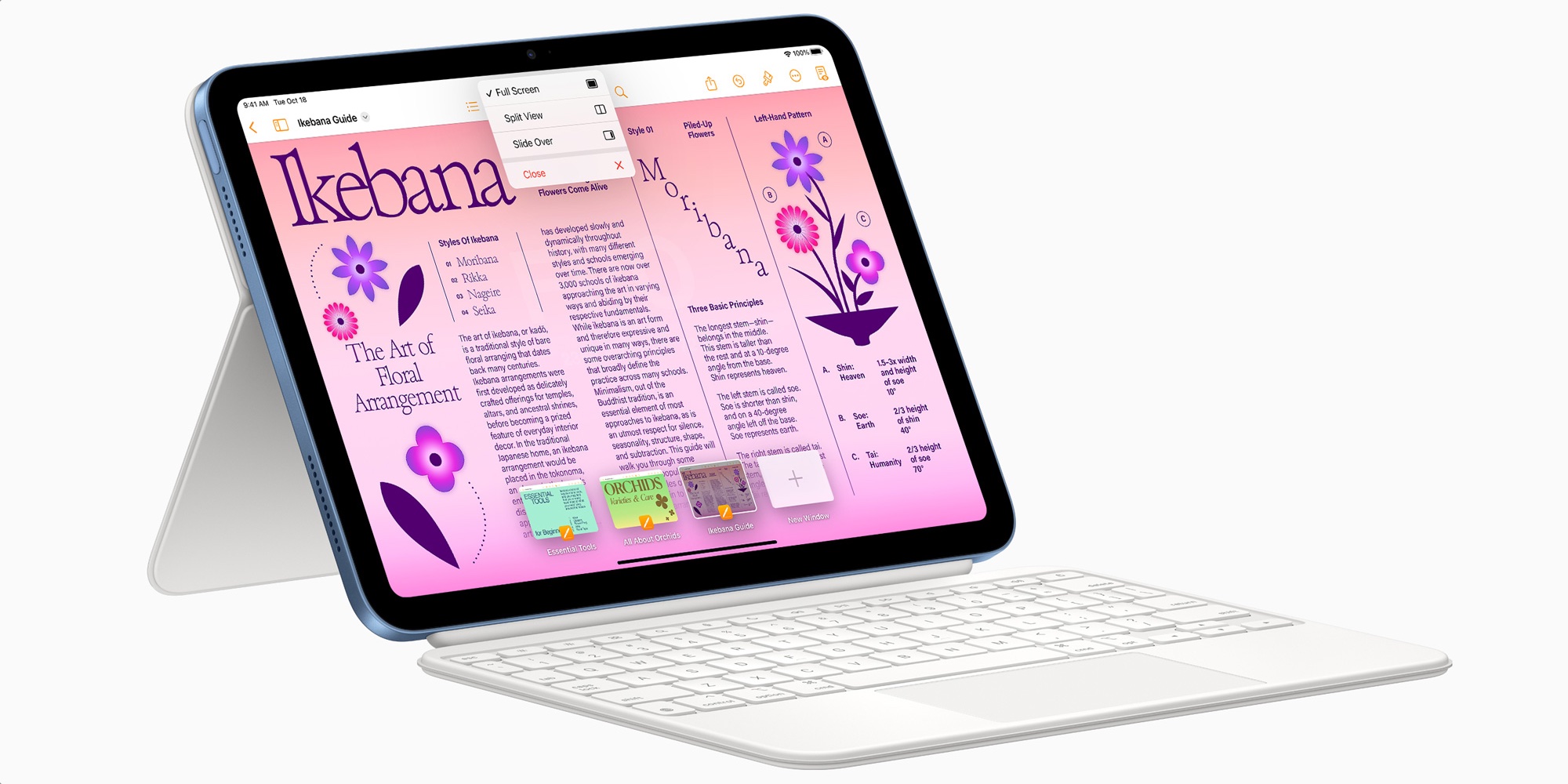
iPad 11 leak may reveal release timing for Apple’s new entry-level tablet

Apple’s upcoming iPad 11 can’t come soon enough. The latest leak says that Cupertino’s entry-level tablet will be released with iPadOS 18.3. While we don’t think this device will be announced alongside iPadOS 18.3, the news suggests that an iPad 11 release is coming before iPadOS 18.4 rolls out in April.

The information comes from a prominent X leaker who prefers not to be named. The device will have two options: Wi-Fi and Wi-Fi + Cellular. So far, leaks on the iPad 11 reveal Apple will bump its specifications to bring Apple Intelligence to the company’s entry-level tablet.

That being said, the iPad 11 will feature 8GB of RAM and, most likely, Apple’s A18 chip. More interestingly, today’s leak reveals that this tablet could have Apple’s upcoming custom 5G modem, which is also expected to be available with the new iPhone SE 4.

Even if Apple keeps the same design, display, and ports, this $349 tablet would be an instant hit. People in school would have a powerful tablet with several capabilities without having to spend a ton of money. In addition, when this tablet is released, Apple Intelligence will be a more reliable platform with even more features.

Tech. Entertainment. Science. Your inbox.

Sign up for the most interesting tech & entertainment news out there.

By signing up, I agree to the Terms of Use and have reviewed the Privacy Notice.

Bloomberg’s Mark Gurman says Apple is also working on a revamped keyboard for the entry-level iPad 11 and the iPad Air, which could be released in mid-2025. This tablet will support the USB-C Apple Pencil.

iPad 11 will likely debut at a spring event

With today’s iPad 11 leak, it makes sense for Apple to release this tablet at a spring event. So far, iPadOS 18.3 is expected to launch in late January. If Cupertino follows the trend, we could see a keynote in March highlighting this entry-level tablet, the new iPhone SE 4, Apple’s 13-inch and 15-inch MacBook Air with the M4 chip, and AirTag 2.

Fortunately, it won’t take long until the company unveils this tablet, which is a top seller for education and those looking for a more reliable device than an entry-level Windows notebook.

Source

Posted on

Apple may be forced discontinue these 3 iPhone models in Europe

In September, Apple released the new iPhone 16 lineup. With that, the company finally stopped selling the 2021 iPhone 13 and only offered customers the following options through its store:

  • iPhone SE 3 (2022)
  • iPhone 14 (2022)
  • iPhone 14 Plus (2022)
  • iPhone 15 (2023)
  • iPhone 15 Plus (2023)
  • iPhone 16 series

However, the French Apple blog iGeneration reports that Apple will discontinue all Lightning iPhone models in Europe at the start of 2025.

Since European legislation requires all smartphones to have a universal USB-C port, the iPhone 14, iPhone 14 Plus, and iPhone SE 3 won’t follow the rule, as they have a Lightning port.

There’s always the possibility that Apple could tweak those smartphones with a USB-C port, as the company has done with the AirPods Max. However, it doesn’t seem Cupertino will follow that path.

Tech. Entertainment. Science. Your inbox.

Sign up for the most interesting tech & entertainment news out there.

By signing up, I agree to the Terms of Use and have reviewed the Privacy Notice.

Of course, a fourth-generation iPhone SE is expected to launch early next year, which means the current generation will soon be discontinued anyway. Besides that, when Apple introduces the iPhone 17 line, it will also stop selling the iPhone 14 and iPhone 14 Plus.

In other words, Apple is set to discontinue all three of these old iPhone models anyway in 2025. Still, if you’re not in Europe, you don’t need to worry about any of this, as Apple will continue to sell them until new models are introduced over the course of the year.

The new iPhone SE 4 is expected to feature a design like the iPhone 14 with a single camera, the A18 processor, and Apple’s new 5G modem. By the second half of 2025, Cupertino is rumored to launch the iPhone 17 lineup, including an all-new iPhone 17 Air, which will be the thinnest iPhone to date with some high-end features but hardware that’s not as good as an iPhone Pro.

BGR reached out to Apple but did not hear back at the time this story was published. We’ll update it if we hear from the company.

Source

Posted on

CMA gives Vodafone-Three merger green light

The UK’s Competitions and Markets Authority (CMA) has cleared the Vodafone-Three merger, subject to legally binding commitments. It’s expected to formally complete in the first half of 2025.

The CMA had previously warned that the proposed merger of Vodafone and Three would likely lead to higher prices and reduced service. The deal is subject to Vodafone-Three delivering a joint network plan, which sets out the network upgrade, integration and improvements the two companies will make to their combined network across the UK over the next eight years.

Vodafone and Three will also need to cap selected mobile tariffs and data plans for three years, which the CMA said would directly protect large numbers of Vodafone-Three customers from short-term price rises in the early years of the network plan. The merged company will also be required to offer pre-set prices and contract terms for wholesale services for three years, to ensure that virtual network providers can obtain competitive terms and conditions as the network plan is rolled out.

The merger of Vodafone and Three is regarded as Vodafone’s response to BT’s 2016 purchase of EE, and the 2021 merger of Virgin Media and O2 to form VMO2.

Margherita Della Valle, Vodafone Group’s CEO, described the combination as being “great for customers, great for competition and great for the country”.

The two companies have committed to investing £11bn to create what they claim is one of Europe’s most advanced 5G networks. The aim is to reach 99% of the population and benefit over 50 million customers. The investment in mobile networking promises better quality, greater reliability and enhanced capacity for handling ever-increasing data demand, according to Vodafone and Three, who see demand for mobile data servers increasing with more widespread adoption of new technology, such as artificial intelligence (AI).

“The CMA’s decision is not a surprise – it has signalled for some time that it was receptive to approving the merger subject to appropriate concessions from the parties,” said Alex Haffner, a competition partner at Fladgate. “Nevertheless, it is noteworthy in that it has permitted a ‘4-3’ merger in the mobile sector on the basis of purely behavioural remedies – over the past decade, a multitude of ‘4-3’ mobile network mergers across Europe have been permitted only on the basis of significant structural remedies being conceded by the merging parties. In doing so, the CMA has displayed a degree of pragmatism, sensing that consumers will ultimately benefit more from competition between three well-resourced mobile operators in the UK market.”

Kester Mann, director of consumer and connectivity at CCS Insight, described the deal as “one of the most significant moments in the history of UK mobile”, heralding the arrival of a new market leader with a combined 29 million customers.

“The CMA’s decision to approve the merger is the right one, and largely strikes a good balance between nurturing competition and encouraging investment,” he said. “It should pave the way for more efficient investments to bring about much-needed improvements to mobile services in the UK.”

However, as Matthew Howett, founder and CEO at Assembly Research, noted, there is still a chance Sky may seek to challenge the decision. He nonetheless said a successful appeal to the CMA’s decision would be hard-fought, expensive and face a high bar. “We expect positive implications overall, not only for investment in, and the quality of, networks (including standalone 5G), but also for the wholesale customers, consumers and businesses that rely on them,” he said.

For Howett, telco regulator Ofcom has a significant new role focused on the oversight of the Vodafone-Three merger. “The regulator seems emboldened to assume these responsibilities,” he said. “Its monitoring will need to be carried out in an agile a way as possible to ensure the merged entity is living up to expectations, and to minimise any risk of circumvention or market distortions that some have warned about.”

Source

Posted on

UK government set to hit target for 85% gigabit broadband coverage in 2025

The government is set to hit its target for 85% of the UK to have full-fibre, gigabit-capable broadband connectivity in 2025, according to the latest figures from industry regulator Ofcom.

The telecoms watchdog said 20.7 million homes can now access full-fibre broadband links if they wish, representing 69% of all households, up from 57% in September 2023. When the numbers for houses with cable network connectivity are included, this means 83% of the country already has gigabit broadband capability.

Northern Ireland is the best-connected region, with 94% of residential properties having full-fibre broadband. Wales lags behind at 74%.

The government’s £5bn Project Gigabit programme was introduced in 2021 with the aim of accelerating the UK’s recovery from Covid-19, prioritising areas with slow connections that would otherwise be left behind in telcos’ commercial plans and giving rural communities access to the fastest internet on the market, so helping to grow the economy.

“It’s a record-breaking year for broadband in the UK, as the roll-out of full fibre continues to steam ahead,” said Natalie Black, networks and communications group director at Ofcom. “Whether you’re running a business, streaming your favourite programmes, or doing Christmas shopping online, it’s more likely than ever that you’ll be able to benefit from a fast and reliable broadband connection.”

However, work remains to be done on encouraging households to take-up gigabit broadband services.

As of July this year, only 35% or 7.5 million households had signed up to receive a full-fibre connection – up from 28% in May 2023. Notably, rural areas are more likely to adopt high-speed connectivity, with over half (52%) of homes signed up, compared with a third (32%) in urban areas.

Take-up of so-called “superfast” broadband – with download speeds of at least 30 Mbit/s – has increased from 72% to 75% of residential and business premises.

Meanwhile, Elon Musk’s Starlink satellite broadband service has signed up 87,000 connections in the UK, mostly in rural areas – up from 42,000 last year.

However, Ofcom said that availability of 5G mobile services remains patchy, with 5G deployed in 42% of sites in urban areas, compared with just 16% of sites in rural areas – although 95% of the country is capable of receiving 5G coverage from at least one mobile operator.

5G roll-out is likely to receive a boost as a result of Vodafone’s acquisition of Three, where the two companies have had to agree to legally binding targets for an £11bn network investment plan to receive regulatory approval for the merger from the Competition and Markets Authority.

One-fifth (21%) of mobile data traffic in the UK now passes over 5G connections. Total monthly mobile traffic has grown by 18% this year to 1069 petabytes, slower than the 25% growth seen between 2022 and 2023.

Recent investments in gigabit broadband capability have seen the full-fibre network extended to properties in rural Yorkshire, Nottinghamshire and West Lincolnshire, and the New Forest area.

Project Gigabit has also led to the growth of new entrants into the broadband infrastructure market to rival the incumbent Openreach, BT’s network delivery arm, and Virgin Media, the main cable provider. City Fibre has won numerous contracts to become a leading rival to Openreach, while smaller alternative networks, or altnets, such as Community Fibre, Toob and MS3, have become competitive in local regions.

Source

Posted on

iPhone 17 Air may ditch these 5 Pro features to achieve its ultra-thin design

Following the report of a redesigned iPhone 17 Pro, The Information‘s Wayne Ma details Apple’s efforts to release the ultra-thin iPhone 17 Air next year. According to the journalist, Cupertino will remove several features to make this innovative iPhone that thin.

Ma reports that iPhone 17 Air prototypes are between 5 and 6 millimeters thick, which could possibly make it thinner than the iPhone 6, released a decade ago. While the iPhone 16 is 7.8mm thick, this could make the iPhone 17 Air as thin as the new M4 iPad Pro.

Unfortunately, not everything is good news. Apple will have to sacrifice several crucial features to achieve this ultra-thin design. For example, The Information says Apple engineers are “finding it hard to fit the battery and thermal materials into the device,” which means Cupertino will likely have to add a smaller battery to this iPhone.

Besides, a major compromise on the iPhone 17 Air might be a single earpiece speaker. According to Ma, “the iPhone will only have a single speaker in its earpiece because there’s no room for a second speaker at the bottom, which is standard in other models.”

Tech. Entertainment. Science. Your inbox.

Sign up for the most interesting tech & entertainment news out there.

By signing up, I agree to the Terms of Use and have reviewed the Privacy Notice.

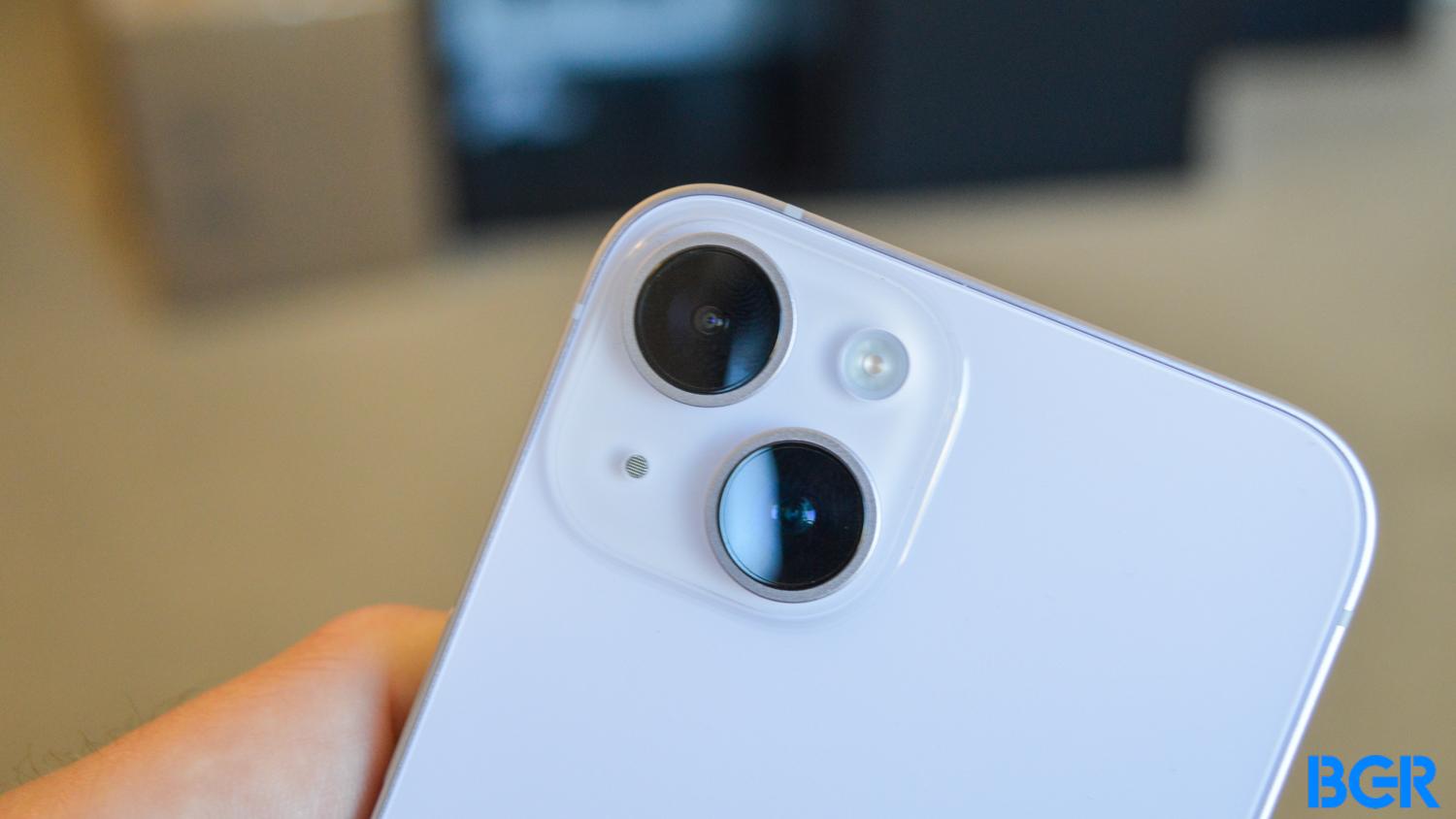
The journalist also confirms another rumored change: the iPhone 17 Air will have a “large, centered camera bump.” That said, forget about one of the iPhone’s most widely-used camera features, the optical zoom.

While Apple’s in-house 5G modem is expected to be available with this iPhone, the chip doesn’t perform as well as Qualcomm’s. The report says it’s more efficient, but it won’t be as fast, and it will lack a feature some US users benefit a lot, the mmWave 5G technology, which Apple’s future processor won’t have.

Finally, Apple engineers couldn’t figure out how to add a physical SIM tray to the iPhone 17 Air. While iPhone users in the US are used to that, Apple will have issues, at least in China, which requires phones to be sold with a SIM card. Without this market, sales of this upcoming iPhone might not be as enticing as they could.

Wrap up

Considering all that, I wonder if these trade-offs are worth it for an all-new iPhone design. I still think Pro users will keep buying Pro phones, while regular iPhone users won’t be enticed to pay extra for this new design. So, who might be this new iPhone for?

Source

Posted on

I want Apple’s iPhone 17 Air, but I have one major concern

I’ve been a fan of the iPhone 17 Air rumor for months now, hoping that Apple will indeed release its thinnest iPhone in years, or perhaps ever. After using the iPhone 16 Plus for nearly two months, I’m convinced I need an iPhone with a large display, but I definitely want it to be a lot thinner.

I’ll probably buy the iPhone 17 Air as soon as it comes out next year, even though I’ll have to accept certain compromises. Considering what Apple did with the ultra-thin M4 iPad Pro, I knew the camera would be the phone’s main compromise. The battery size is another obvious area where Apple will have to make compromises.

But a new report gives us a few additional issues iPhone 17 Air buyers might have to deal with. Among them, there’s a change that could prove to be my biggest concern about buying an ultra-thin iPhone. It’s also something I didn’t see coming: The potential lack of a physical SIM card slot.

Apple stopped selling new iPhones with SIM cards in the US in 2022 when the iPhone 14 series was released. However, international versions of the phones came with the same physical SIM cards as their predecessors. The iPhone 16 models also feature SIM cards in markets like the European Union (EU), where I happen to shop for new iPhones.

Tech. Entertainment. Science. Your inbox.

Sign up for the most interesting tech & entertainment news out there.

By signing up, I agree to the Terms of Use and have reviewed the Privacy Notice.

I never switched to eSIM cards because I never had to. I hoped Apple would take longer to drop physical SIM cards in Europe. Then again, I also understand why removing SIM cards makes sense. eSIM cards might be safer and easier to use. Best of all, they free up space inside the iPhone, which can then be repurposed for the battery. This is exactly what Apple might want to do with an iPhone 17 Air that’s between 5mm and 6mm thick.

But the EU isn’t like the US. It’s a lot easier to manage multiple physical SIMs in Europe, where the mobile market is far more competitive. Roaming charges are almost gone, but some limitations exist. Prepaid plans are quite affordable and a great solution for avoiding potential roaming charges when traveling. Buying prepaid SIM cards is incredibly easy, as is swapping between them.

That’s my biggest issue about a SIM-less iPhone 17 Air in Europe. It’s not that it would be difficult to manage multiple eSIMs on the same phone. The iPhone 16 can store more than eight eSIMs, two of which can be active simultaneously. It’s that carriers might have to make changes to the way they sell prepaid cards in Europe.

It’s also about my convenience, which, yes, is based on habit. I routinely travel with at least one backup phone. That second phone might be something as old as the 2015 iPhone 6s, which doesn’t have eSIM card support. If I were to convert physical SIMs into eSIMs for the iPhone 17 Air, I’d be unable to switch cards between the main phone and the one on mobile hotspot duty.

This is a very specific problem that I have, one I will eventually have to deal with. Whether it’s happening with the iPhone 17 Air or future models, SIM cards are probably going to disappear from EU iPhones sooner rather than later. All 2024 cellular iPads sold in the region only support eSIMs. I just hoped it would be later and that I would have more time to adjust to the iPhone abdandoning physical SIMs.

I don’t care as much about the iPhone 17 Air rocking a single lens on the back, featuring worse battery life than the base model, lacking a speaker on the bottom, or packing Apple’s 5G modem instead of Qualcomm.

Then again, I’m certain I want a thin iPhone. If that means losing the ability to quickly and easily switch SIM cards, so be it.

Source

Posted on

Intel Battlemage GPU spotted in benchmark – chill out, PC gamers, there’s no need to panic over that leaked B580 core count

  • Intel’s Arc B580 GPU has been leaked via a Geekbench result
  • The score itself is meaningless, but it provides key spec details
  • B580’s core count could be lower than A580, but other specs might balance that out

Intel’s Battlemage graphics cards are supposedly set to launch in December if the rumors are right, and we’ve got another nugget suggesting that – a glimpse of the purported spec of the B580.

That Arc Battlemage B580 GPU is purportedly going to be the first of Intel’s 2nd-gen desktop graphics cards out of the door, and VideoCardz noticed that Tomasz Gawroński flagged up a Geekbench result on X.

The benchmark result itself is pretty meaningless – it’s a sample B580 (in theory, we should add – sprinkle seasoning liberally), and the OpenCL score is hardly a useful metric for a gaming graphics card anyway.

The key point here is the specs shown for the B580, which is apparently set to be loaded with 12GB of VRAM and a boost clock running up to 2.85GHz. We also learn that this GPU has 160 Compute Units (CUs).

As VideoCardz points out, this should mean the B580 has 20 Xe2 cores (with 8 CUs per core in theory).

It’s also worth noting that the video memory spec aligns with a previous leak about an ASRock B580 graphics card, which was also shown with 12GB. And at 2.8GHz, the previous clock speed was in the same area as this new leak too.

A pair of Intel Arc Alchemist chips in front of a dark purple background

(Image credit: Intel)

Analysis: Don’t panic over those specs

So how do these specs seem to be shaping up? There’s some consternation from some of those commenting online about the drop in core count compared to the existing Arc A580 GPU – as the A580 has 24 cores versus 20 here.

{ window.reliablePageLoad.then(() => { var componentContainer = document.querySelector(“#slice-container-newsletterForm-articleInbodyContent-fJaNnspVPA5k92t66wMpEP”); if (componentContainer) { var data = {“layout”:”inbodyContent”,”header”:”Get the best Black Friday deals direct to your inbox, plus news, reviews, and more.”,”tagline”:”Sign up to be the first to know about unmissable Black Friday deals on top tech, plus get all your favorite TechRadar content.”,”formFooterText”:”By submitting your information you agree to the Terms & Conditions and Privacy Policy and are aged 16 or over.”,”successMessage”:{“body”:”Thank you for signing up. You will receive a confirmation email shortly.”},”failureMessage”:”There was a problem. Please refresh the page and try again.”,”method”:”POST”,”inputs”:[{“type”:”hidden”,”name”:”NAME”},{“type”:”email”,”name”:”MAIL”,”placeholder”:”Your Email Address”,”required”:true},{“type”:”hidden”,”name”:”NEWSLETTER_CODE”,”value”:”XTR-D”},{“type”:”hidden”,”name”:”LANG”,”value”:”EN”},{“type”:”hidden”,”name”:”SOURCE”,”value”:”60″},{“type”:”hidden”,”name”:”COUNTRY”},{“type”:”checkbox”,”name”:”CONTACT_OTHER_BRANDS”,”label”:{“text”:”Contact me with news and offers from other Future brands”}},{“type”:”checkbox”,”name”:”CONTACT_PARTNERS”,”label”:{“text”:”Receive email from us on behalf of our trusted partners or sponsors”}},{“type”:”submit”,”value”:”Sign me up”,”required”:true}],”endpoint”:”https://newsletter-subscribe.futureplc.com/v2/submission/submit”,”analytics”:[{“analyticsType”:”widgetViewed”}],”ariaLabels”:{}}; var triggerHydrate = function() { window.sliceComponents.newsletterForm.hydrate(data, componentContainer); } if (window.lazyObserveElement) { window.lazyObserveElement(componentContainer, triggerHydrate); } else { triggerHydrate(); } } }).catch(err => console.error(‘%c FTE ‘,’background: #9306F9; color: #ffffff’,’Hydration Script has failed for newsletterForm-articleInbodyContent-fJaNnspVPA5k92t66wMpEP Slice’, err)); }).catch(err => console.error(‘%c FTE ‘,’background: #9306F9; color: #ffffff’,’Externals script failed to load’, err)); ]]>

Sign up to be the first to know about unmissable Black Friday deals on top tech, plus get all your favorite TechRadar content.

However, there’s give and take in these specs. If the core count is dropped to 20 (and it may not be), those are still next-gen Xe2 cores benefiting from a new, faster architecture. On top of that, the boost clock is much faster than the A580 (which is officially clocked at 1.7GHz, although third-party models ran at 2GHz or so – but 2.8GHz is a big leap over that).

Furthermore, you’ve got a more comfortable loadout of VRAM here at 12GB versus 8GB (even though, if the rumors are right, memory bandwidth will be a touch tighter with the B580 versus the A580).

All of this remains speculation, and we should bear in mind two points here. Firstly, the B580 will be appreciably faster than the A580, whatever happens. Intel would look foolish if it was otherwise, obviously enough. And secondly, no matter where the spec comes out, Intel can still attack at the low-end of the GPU market by pricing the B580 to undercut AMD and Nvidia’s budget offerings.

With all these leaks springing up around Battlemage in the past week or two, it seems fairly certain that we will see the B580 unveiled next month – but clearly, we can’t be sure of that (and even if it’s Intel’s intention right now, a last-minute delaying factor could still interfere).

It makes sense that Intel will want to grab the desktop GPU limelight for a while before AMD and Nvidia bring out their big guns (or medium-sized artillery, perhaps, in the case of RDNA 4) at CES 2025 in January as the grapevine insists.

You might also like

Source