Posted on

How the foldable iPhone’s unusual design could support Face ID

A report from Ming-Chi Kuo said a few weeks ago that Apple’s first foldable iPhone will be an iPhone Fold-type device that resembles Samsung’s. The handset will be ultra-thin, which is one reason why Apple will have to abandon Face ID and bring back Touch ID.

The fingerprint sensor would be embedded in a side button similar to the iPad and other foldable phones from competitors, including Fold and Flip models.

I said at the time that the lack of Face ID might be a dealbreaker for me, as the 3D face recognition system plays a huge role in my iPhone experience. Face ID does more for me than just unlocking the phone. I use Face ID in every app that supports it, and thanks to iOS, I can also add Face ID support to any app.

Of course, all of that can happen with Touch ID. I just happen to prefer Face ID over Touch ID and would always choose face recognition over fingerprints.

Tech. Entertainment. Science. Your inbox.

Sign up for the most interesting tech & entertainment news out there.

By signing up, I agree to the Terms of Use and have reviewed the Privacy Notice.

But what if Apple’s unusual design for the foldable iPhone will actually help it bring Face ID to the handset? I’ve had this idea thanks to an unexpected foldable that launched last week, a device with a quirky design that I think heralds the iPhone Fold design.

What’s unusual about the foldable iPhone’s design?

Leaks that predate Kuo’s claims about the foldable iPhone’s revival of Touch ID say the phone will have an unexpected aspect ratio for a Fold-type foldable. The phone will not be as tall as Samsung’s Fold. Also, it should be wider when folded. The result is an unfolded device that looks more like an iPad mini 7.

I already used ChatGPT to determine the dimensions of a foldable iPhone based on screen size leaks, and it all makes sense.

But considering the thickness factor in Kuo’s report, Face ID might not happen. I explained recently why the iPhone 17 Air’s horizontal camera bar needs to happen. It might be related to Face ID components, which could be thicker than the phone.

If the foldable iPhone is even thinner than the iPhone 17 Air, it won’t have room for Face ID. 

Also, there’s another problem. Where do you put the Face ID sensor? On the cover screen or on the inside? The cover screen lets you unlock the device and the apps you use on that display. But you’re likelier to use apps that benefit from Face ID protection on the larger foldable screen.

Meet the Huawei Pura X

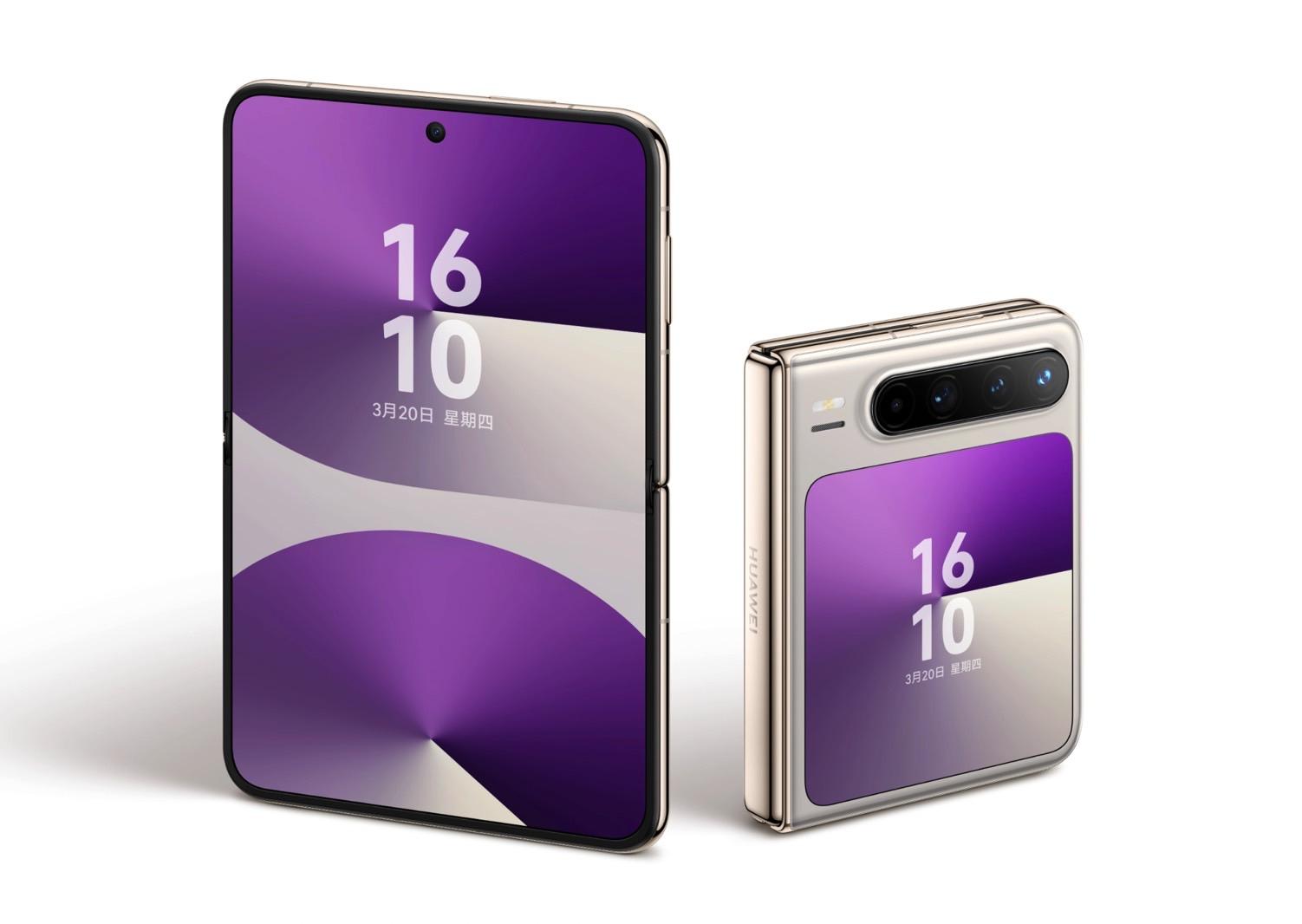
Huawei Pura X folded and unfolded.Huawei Pura X folded and unfolded. Image source: Huawei

Last week, Huawei unveiled the Pura X, a device unlike any other foldable. If anything, the Pura X (seen above) teases the iPhone Fold design.

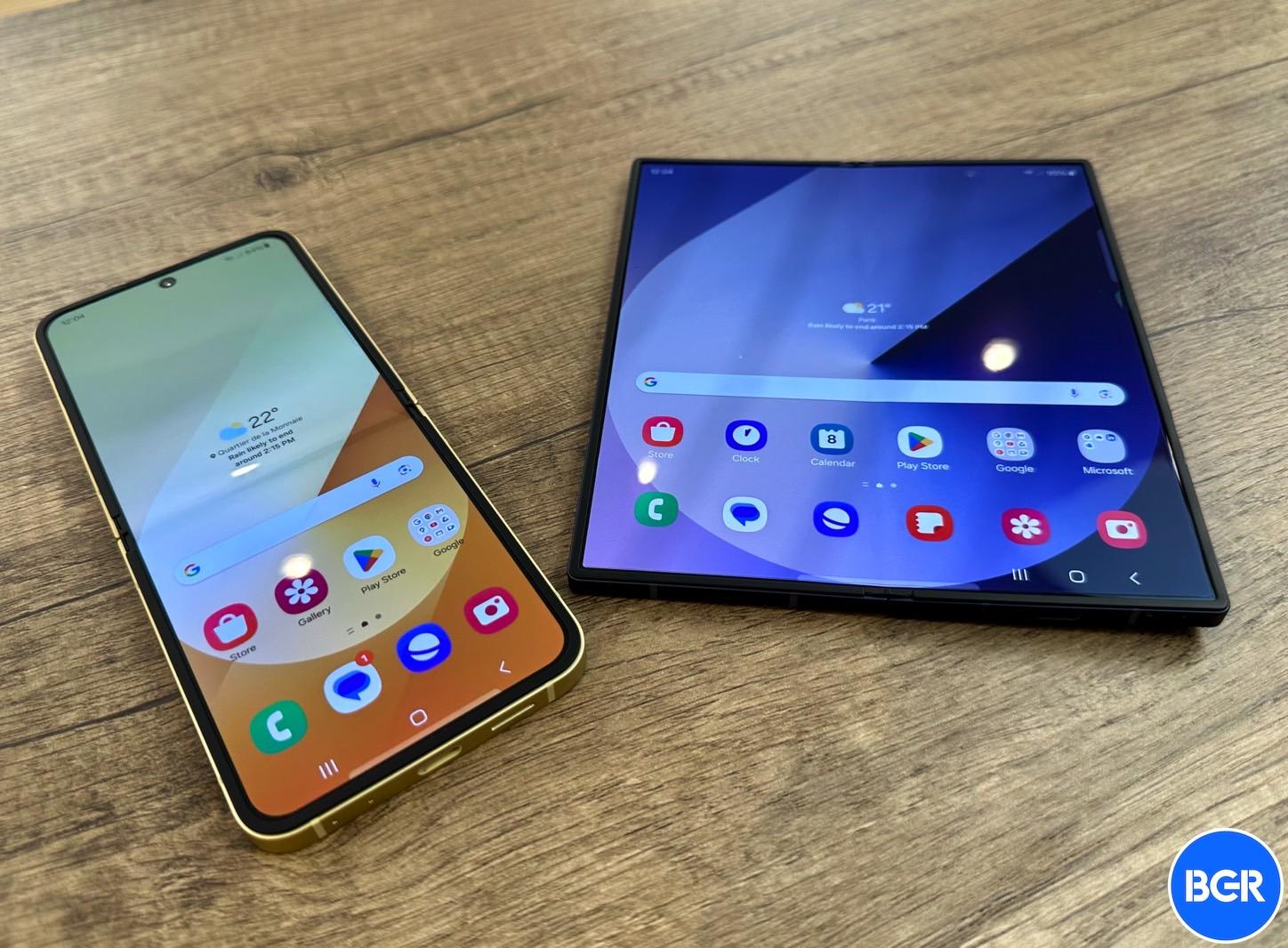
The Pura X folds into a phone about as big as a clamshell foldable. Think Samsung’s Galaxy Z Flip 6. But when it unfolds, you get a tablet experience similar to the Galaxy Z Fold. That’s because this Flip-type device is wider than others. Put differently, You can look at the Pura X as a Fold-type device much shorter than the Galaxy Z Fold.

How does this design help Apple put Face ID on the foldable iPhone? Check out the horizontal camera bar of the Pura X. That’s the phone’s main camera system, which sits on top of the cover screen when the phone is folded, acting as a more advanced selfie camera system than your usual selfie cam.

Unfold the Pura X, and that camera system can be used both vertically and horizontally, depending on how you hold the foldable.

What interests me here is the Pura X’s main camera system always pointing at your face when you take the phone out to use it. If the iPhone Fold has a similar design, it could have an identical main camera placement.

There’s precedent in other foldables

I’m speculating here, but I think Apple could integrate Face ID components into the camera modules that are usually reserved for the back of the iPhone. With an iPhone Fold similar to the Pura X, that camera module would actually sit on the front. As ugly as that protrusion might be on the Pura X, a similar main camera placement would give the foldable iPhone Face ID support.

All of this is speculation at this point, yes. Also, I’d still have a Face ID problem that needs fixing. Unfold the Pura X, and you get a foldable phone with a hole-punch camera at the top. If that’s how the foldable iPhone looks, you can’t also place Face ID at the top of the foldable iPhone.

Therefore, unlocking apps with the screen unfolded remains a problem. 

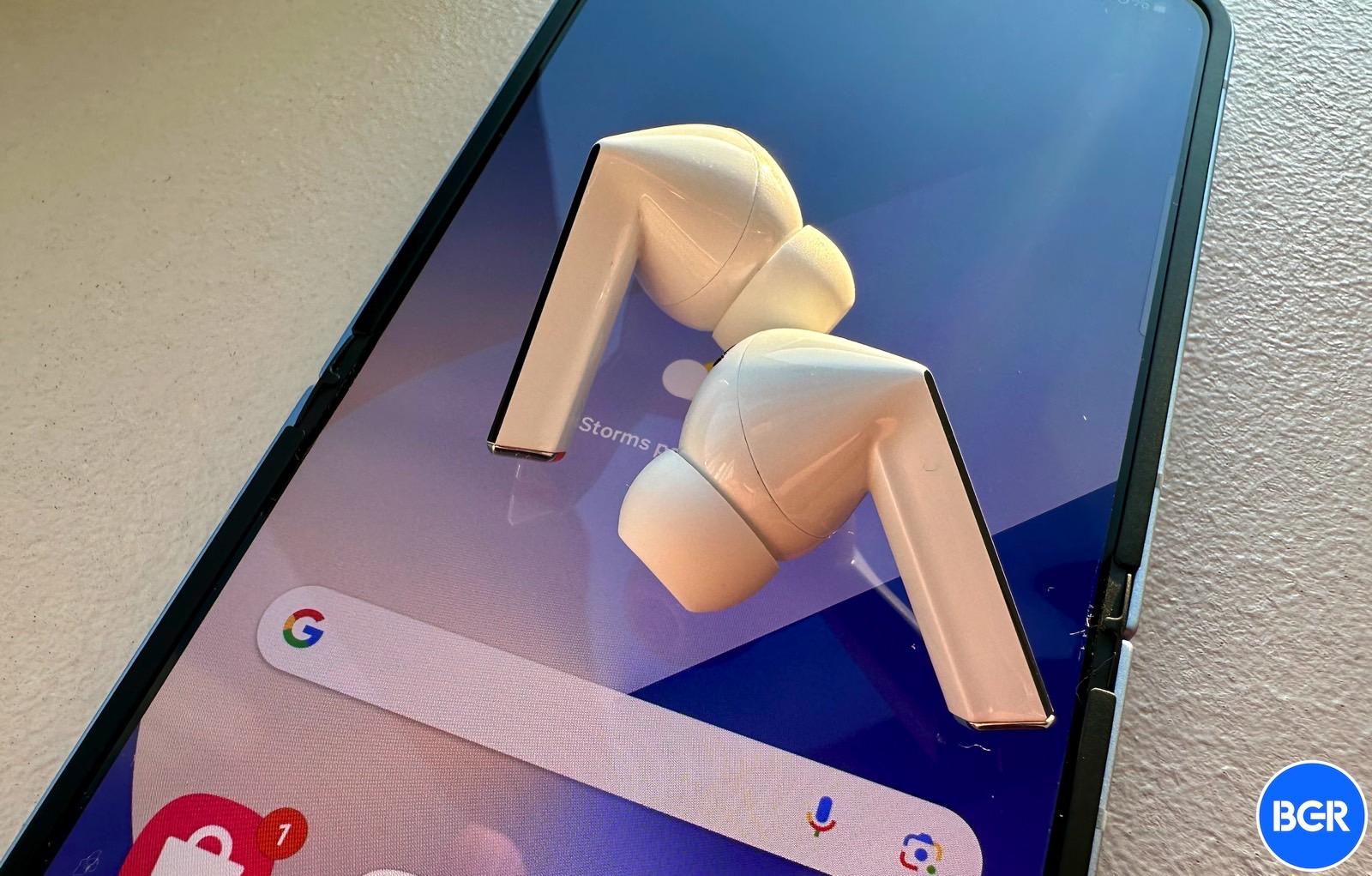
Back to Samsung’s Galaxy Z Flip 6, I’ll tell you that the phone does support face recognition. The system works both with the hole-punch camera and the main camera lens placed atop the cover screen. I’ve used Samsung’s face unlock tech, and it works, even if it’s not as sophisticated as Apple’s.

Galaxy Z Fiip 6's camera supports face recognition scans.Galaxy Z Fiip 6’s camera supports face recognition scans. Image source: Chris Smith, BGR

What I’m getting at is that Apple could get Face ID working on the cover screen by turning the main camera module into a Face ID sensor. When the iPhone is unfolded, Apple could use 2D face unlock for non-sensitive apps or switch to Touch ID.

It all sounds complicated, yes. Using only Touch ID to unlock everything on your phone would be less trouble for users. But I still hope that Face ID will be available on foldable iPhones. Eventually, Face ID components will shrink, and foldable iPhones will support Face ID. But I’d want the tech in a first-gen device as well.

That said, the Pura X doesn’t support 3D face unlock. The Huawei foldable has a side-mounted fingerprint sensor instead.

Rumors say the iPhone Fold will not feature Face ID, but the foldable’s unusual design might make it possible.
Source

Posted on

iPhone Fold might look like this quirky new foldable you probably can’t buy

The first foldable iPhone is coming next year, barring some sort of really unfortunate event. After years of covering countless iPhone rumors, I’m comfortable saying that. We’ve reached a point in the rumor phase that precedes the launch of a big iPhone release where we see an increasing number of leaks from sources all saying the same thing.

Apple is preparing to launch the first foldable iPhone next year. The company has reportedly settled on the Fold-type design we’ve already seen from Samsung, Honor, Google, Oppo (OnePlus), and others. Rumors also say that Apple will deliver an almost crease-less foldable display, a design detail that’s been a priority for the iPhone maker.

Reports have also mentioned the purported screen sizes for the foldable iPhone, saying the handset will feature a 7.75-inch foldable screen and a 5.49-inch external screen. You don’t need schematics or dummy units to realize those measurements make no sense at first glance. They make no sense if you think Apple’s iPhone Fold will look like the Galaxy Z Fold.

That’s what I thought, and I employed ChatGPT to give me the dimensions of an iPhone foldable featuring those two screen sizes. The conclusion was obvious: Apple would work with a different aspect ratio. The iPhone Fold would not be as tall as the Galaxy Z Fold. When open, it would look more like a tablet than a Fold-type device.

Tech. Entertainment. Science. Your inbox.

Sign up for the most interesting tech & entertainment news out there.

By signing up, I agree to the Terms of Use and have reviewed the Privacy Notice.

Reports that followed also said the iPhone Fold will have a different aspect ratio.

Fast-forward to mid-March, and we have a brand new foldable phone launch on our hands. It’s a phone you’ll probably not be able to buy, and you might not even want to get it if it were launched in the States. It’s the Huawei Pura X in the image above. But what’s amazing about this foldable is that it gives us a visual idea of what the foldable iPhone will look like.

The Pura X, launched in China on Thursday, is priced at 7,499 yuan ($1,037). It’s a flagship device running Huawei’s proprietary HarmonyOS 5.

Huawei Pura X: Cover screen and back panel.Huawei Pura X: Cover screen and back panel. Image source: Huawei

Huawei developed this operating system after Trump banned the Chinese company from working with US tech companies during his first term. This forced Huawei to abandon Google’s Android and Qualcomm’s Snapdragon chips, significantly impacting its ability to compete.

The difference between the early versions of Harmony and HarmonyOS 5 is that the latter is Huawei’s brand-new OS that has no trace of Android. That might be a huge dealbreaker for anyone looking to buy the Pura X, even if the foldable was available in the US and other Western markets.

What’s really exciting about the Pura X is the design, which I immediately associated with the foldable iPhone rumors.

Huawei Pura X: Foldable screen looks like a small tablet.Huawei Pura X: Foldable screen looks like a small tablet. Image source: Huawei

Folded, the Pura X features a 3.5-inch cover screen with a triple-camera sensor placed at the top. This screen design suggests we’re looking at a Galaxy Z Flip-style clamshell, but that’s not really so.

Unfold the Pura X, and you get a massive 6.3-inch screen with an unusual 16:10 aspect ratio. The phone has small, symmetrical bezels and a hole-punch camera at the top. You can hold it in portrait mode like a regular candybar (or Flip clamshell) phone.

But that aspect ratio turns the Pura X into a much better tablet than the Galaxy Z Fold 6. The tablet experience makes me think of the iPad mini 6 or 7.

The two iPad mini variants feature the same design. I’ve long fantasized that a foldable iPhone would unfold to look like an iPad mini. The Pura X, combined with the foldable iPhone screen leaks from a few weeks ago, further reinforces my thinking.

The Pura X tablet experience.The Pura X tablet experience. Image source: Huawei
That said, the Pura X is smaller than the iPhone Fold-type phone, considering those rumors. The Pura X is 91.7mm tall when folded. That height becomes the width of the handset when you unfold it.

My ChatGPT calculations told me the foldable iPhone will have a height of 120.4mm to accommodate the 5.49-inch cover and 7.75-inch foldable displays. Both those screens are larger than the Pura X handset.

I’ll also point out that the Pura X design potentially solves one of my big issues with the foldable iPhone. The main camera module’s cover display placement could help Apple make Face ID possible. Some rumors say that Apple will bring back Touch ID for the handset, as Face ID components might not fit in an ultra-thin foldable iPhone.

The Pura X doesn’t seem to have 3D facial recognition support. It does feature a fingerprint sensor on the side button.

Separately, the thickness is another quirk about Huawei’s strange foldable. The phone measures 7.15mm when unfolded or 15.1mm when folded. That’s much thicker than even Samsung’s foldables. The foldable iPhone should be much thinner than that, according to reports.

Source

Posted on

Samsung to launch Galaxy Buds with bone conduction this summer

Last summer, Samsung launched new Galaxy Buds models with a brand new design (above), which turned out to be the least controversial aspect. The new earphones look a lot like Apple’s AirPods, featuring a stem for the first time. Samsung stayed away from adopting AirPods-like designs for years before deciding this was going to be the new look of the earphones.

I didn’t think copying Apple was such a big deal. I was more worried about the quality issues the first batch of Galaxy Buds models displayed. 

According to a report from Korea, Samsung will release new earphones this summer. The company is about to launch open-ear buds in a form factor it has never made before, beaming sound through the bone. This is in addition to updating the regular Galaxy Buds line with a new Galaxy Buds FE 2 model.

I ran my third marathon recently, wearing second-gen AirPods, the same wireless earphones I wore before.

Tech. Entertainment. Science. Your inbox.

Sign up for the most interesting tech & entertainment news out there.

By signing up, I agree to the Terms of Use and have reviewed the Privacy Notice.

But just before the race, I had a chance to test and buy the new Shokz OpenFit 2 open-ear earphones. The sound quality blew me away, but I didn’t buy them on the spot, thinking I’d find them later.

It turns out I can’t find them that easily. These are the latest earphones from Shokz launched at CES 2025. While they don’t rock the company’s bone-conduction tech, it’s still a new sound technology for this type of product. Essentially, your ears are open as sound is beamed through the air.

But I stopped at the Shokz booth before the race in the first place because I associate the company with bone-conduction earphones. I’ve considered buying a pair of Shokz more than once, but I kept finding excuses not to.

What I’m getting at is that I’m a runner who doesn’t want Active Noise Cancellation (ANC). I want to be aware of my surroundings, and bone-conduction earphones or open-ear models might be the way to go. Also, I’m looking forward to chatting to AI via voice more in the future, and I’ll need comfortable earphoens for that. Traditional AirPods might not cut it. 

All that is to say is that I’m not surprised to hear that Samsung is considering a new design for its Galaxy Buds line of earphones. Seoul Economic Daily says Samsung plans to unveil the product in July, likely during the Galaxy Z Fold 7 and Flip 7 launch event.

Codenamed “Able,” the product aims to cater to the needs of people who are into cycling or running, as bone-conduction sound tech allows them to hear their surroundings.

Also, this Galaxy Buds design might appeal to people who find regular AirPods-like earphone designs uncomfortable, and those who worry about hearing loss issues that might follow prolonged exposure to traditional earphones.

Samsung isn’t the only company exploring such designs; Sony and Huawei have also made similar devices. And, again, Shokz is well-known for its bone-conduction earphones.

It’s unclear how much the new Galaxy earbuds will cost or what they will look like. But Samsung reportedly plans to manufacture some 1.7 million units this year, which will account for 15% of the total number of Galaxy earphone shipments this year.

As for the actual design of the Able product, it hasn’t leaked. But since Galaxy products tend to leak before their official launch, expect to see this new Buds design in unofficial photos before the Unpacked event in July.

Source

Posted on

We just learned a key detail about Apple’s foldable iPhone

A Display Supply Chain Consultants (DSCC) report a few days ago claimed that Apple will enter the foldable smartphone market in 2026. The move is expected to turbocharge the foldables market, which will face stagnation next year. Dominated by Samsung and Huawei, the current foldable phone landscape has grown all it can without Apple. According to the report, the foldable iPhone is the holy grail event the market needs.

The claims make some sense, especially as rumors about foldable iPhones and iPads are heating up. Add to that the approaching 20th anniversary of Apple’s first-generation iPhone, and a foldable iPhone might be just the kind of design change Apple needs.

However, the DSCC report didn’t mention what type of design Apple chose. The only viable choices right now are the fold and flip form factors — either a smartphone that becomes a tablet, like the Galaxy Z Fold 6, or a clamshell foldable, like the Galaxy Z Flip 6. Apple could very well embrace both designs, just like Samsung did. Yes, we have double-fold foldables in the wild, but Apple would probably not consider them in the near future, especially if it wants to launch a foldable Mac/iPad in 2028.

Ross Young, the CEO of DSCC and a steady source of iPhone leaks, has answered questions about the type of foldable iPhone design Apple will choose, claiming that Apple is going with an iPhone Fold rather than an iPhone Flip.

Tech. Entertainment. Science. Your inbox.

Sign up for the most interesting tech & entertainment news out there.

By signing up, I agree to the Terms of Use and have reviewed the Privacy Notice.

The comments are buried in an X thread that followed the DSCC report last week. When a user asked whether Apple’s foldable iPhone would be a Flip, Fold, or both, Young answered with one word, “Fold.”

The display analyst then expanded on the comment, saying that Apple is going for a Fold-style “at the moment.”

The same user X user mentioned that most people expect Apple to make a Flip-type of foldable iPhone, asking Ross whether he was sure about Apple’s choice.

That’s when Young said that Apple reportedly canceled the Flip-type design. The foldable iPhone is a “7.x-inch Fold,” he said, adding that he doesn’t want to go into too many details about screen sizes on X.

Samsung also entered the foldable market with a Fold-type device, the ill-fated Galaxy Fold whose original design came with a few critical failures that Samsung had to push back the launch by several months. Samsung perfected the Fold design in subsequent iterations. The first-gen Galaxy Z Flip arrived on the scene a year later.

While I favored the Fold design over the Flip, I changed my mind in recent years. I don’t think I need a tablet in my pocket. It’s clamshell phones like the Motorola Razr and the Galaxy Z Flip that made me dream of a foldable iPhone Flip device.

Take the 6.7-inch iPhone 16 Plus, which I struggled to carry in my pocket for nearly two months. Flip that phone, and it’s a different ball game.

On the other hand, given Apple’s rumored roadmap, an iPhone Fold makes sense. I explained why an iPhone 17 Air design is a key piece of the foldable iPhone puzzle. Also, I told you that Apple’s rumored 6-inch smart display device will pave the way for software interfaces and displays that could very well benefit a foldable iPhone in the future.

If Apple has settled on the Fold design for the first-gen foldable iPhone, we should see more leaks confirming Ross’s claims in the coming year.

Source

Posted on

iPhone 17 Air is real, and Foxconn is already making it

The iPhone 17 Air is another step toward becoming a reality. This time, DigiTimes (via MacRumors) says Foxconn entered the new product introduction phase. Supply chain sources tell the publication that the NPI phase is responsible for bringing this iPhone’s concept to life with design validation and prototype testing.

With that, this device is on schedule to be released in late 2025 alongside the other iPhone 17 lineup, as Foxconn doesn’t seem to be having issues making this product.

A few months ago, the same publication said the Taiwanese company Novatek planned to begin mass production of a new OLED display technology for the iPhone 17 Air. At the time, the claim seemed a bit speculative as Novatek wanted to create a thinner screen tech. However, it seems everything is aligning for this device’s release in the second half of 2025.

Latest iPhone 17 Air rumors

The iPhone 17 Air is expected to be released after years of Apple failing to conquer a more significant market with a variation of the regular iPhone. The company has seen low sales of the iPhone 12 mini, iPhone 13 mini, iPhone 14 Plus, and iPhone 15 Plus. While we need to know how the iPhone 16 Plus will perform, Cupertino seems to be planning a different approach for the iPhone 17.

Tech. Entertainment. Science. Your inbox.

Sign up for the most interesting tech & entertainment news out there.

By signing up, I agree to the Terms of Use and have reviewed the Privacy Notice.

Besides that, rumors so far have hinted at a premium version of the non-Pro iPhone 17. While all models are expected to maintain the same price point, this iPhone 17 Air would cost around $1,299—the most expensive iPhone to date. Despite its ultra-thin form factor, it would have the A19 chip, 8 GB of RAM, and two main cameras.

It is still unknown how Apple will maintain a good battery life with an ultra-thin form factor. However, the company might learn from Huawei’s latest triple-fold phone. It’s important to say that Samsung will likely make competition hard for this rumored Apple phone.

Interestingly, the iPhone 17 Pro models could have 12GB of RAM, the A19 Pro chip with TSMC’s new N3P manufacturing process, and three 48MP primary cameras.

Below, you can learn more about the future iPhone 17.

Source