Posted on

GPU sales have slumped badly as PC gamers wait for next-gen AMD and Nvidia graphics cards – and I don’t blame them

  • GPU sales for Q3 are down almost 8% year-on-year
  • This is normally a strong period for sales of discrete graphics cards
  • It seems that gamers are holding off for RTX 5000 and RDNA 4 GPUs

Normally, this time of year would witness strong sales in the desktop GPU market, but one analyst firm observes that Q3 2024 has seen a distinct drop in buying activity.

This comes from Jon Peddie Research (JPR), which has compiled figures for Q3 sales of ‘graphics add-in boards’ (meaning standalone GPUs that slot into desktop PCs) finding that 8.1 million units were shifted in the quarter.

That’s down 7.9% on the same quarter in 2023, a fairly hefty drop, and it’s also down compared to Q2 2024, with an even larger decrease of 14.5%.

AMD lost a bit more ground here, too, as Nvidia now has 90% of the discrete graphics card market (up from 88% in Q2), with Team Red holding the remaining 10% (down from 12%). Intel Arc products don’t register on the scales for standalone GPUs, sadly for Team Blue – though unsurprisingly it still holds the majority share when it comes to CPU-integrated graphics.

The future also looks gloomy, JPR forecasts, as discrete GPUs are forecast to have a negative compound annual growth rate of -6%, with the market set to shrink further through to 2028.

A trio of Nvidia RTX 40-series Super GPU against a green and black background

(Image credit: Nvidia)

Analysis: Buyers are playing a waiting game

Obviously, this isn’t great news for any of the GPU giants, but AMD will be particularly displeased to see more market share slip away from it – the company is only just clinging onto double digits at this point.

A year ago, Team Red had a 17% share of the market. So, despite some notably successful Radeon GPU launches in recent times – namely the RX 7900 GRE, which in fact tops our list of the best graphics cards, and the RX 7800 XT, a strong mid-range offering that headed up that list when it came out last year – AMD is floundering, at least according to these stats.

{ window.reliablePageLoad.then(() => { var componentContainer = document.querySelector(“#slice-container-newsletterForm-articleInbodyContent-5LYiGr5H6ymd53PNgNAASY”); if (componentContainer) { var data = {“layout”:”inbodyContent”,”header”:”Get daily insight, inspiration and deals in your inbox”,”tagline”:”Sign up for breaking news, reviews, opinion, top tech deals, and more.”,”formFooterText”:”By submitting your information you agree to the Terms & Conditions and Privacy Policy and are aged 16 or over.”,”successMessage”:{“body”:”Thank you for signing up. You will receive a confirmation email shortly.”},”failureMessage”:”There was a problem. Please refresh the page and try again.”,”method”:”POST”,”inputs”:[{“type”:”hidden”,”name”:”NAME”},{“type”:”email”,”name”:”MAIL”,”placeholder”:”Your Email Address”,”required”:true},{“type”:”hidden”,”name”:”NEWSLETTER_CODE”,”value”:”XTR-D”},{“type”:”hidden”,”name”:”LANG”,”value”:”EN”},{“type”:”hidden”,”name”:”SOURCE”,”value”:”60″},{“type”:”hidden”,”name”:”COUNTRY”},{“type”:”checkbox”,”name”:”CONTACT_OTHER_BRANDS”,”label”:{“text”:”Contact me with news and offers from other Future brands”}},{“type”:”checkbox”,”name”:”CONTACT_PARTNERS”,”label”:{“text”:”Receive email from us on behalf of our trusted partners or sponsors”}},{“type”:”submit”,”value”:”Sign me up”,”required”:true}],”endpoint”:”https://newsletter-subscribe.futureplc.com/v2/submission/submit”,”analytics”:[{“analyticsType”:”widgetViewed”}],”ariaLabels”:{}}; var triggerHydrate = function() { window.sliceComponents.newsletterForm.hydrate(data, componentContainer); } if (window.lazyObserveElement) { window.lazyObserveElement(componentContainer, triggerHydrate); } else { triggerHydrate(); } } }).catch(err => console.error(‘%c FTE ‘,’background: #9306F9; color: #ffffff’,’Hydration Script has failed for newsletterForm-articleInbodyContent-5LYiGr5H6ymd53PNgNAASY Slice’, err)); }).catch(err => console.error(‘%c FTE ‘,’background: #9306F9; color: #ffffff’,’Externals script failed to load’, err)); ]]>

Sign up for breaking news, reviews, opinion, top tech deals, and more.

Why are overall GPU sales down in a reversal of the normal picture for the third quarter? That’s surely due to the proximity of next-gen graphics cards from AMD and Nvidia, which are about to launch, in theory, at CES 2025 in both cases.

Gamers are likely holding off for those RTX 5000 GPUs and RDNA 4 GPUs – I know I am, as it just makes sense at this stage of the launch timeframe. Indeed, sales may have been affected earlier this year, too, as would-be buyers may have still been hopeful that these next-gen graphics cards could turn up late in 2024 – along with Intel’s Battlemage desktop GPUs (2nd-gen models that were recently revealed). We’re also likely to see some potential RTX 4000 and RX 7000 price drops when the new cards are revealed, which cash-strapped PC gamers could be waiting for.

A further issue that Jon Peddie points out is that the attach rate of discrete GPUs relative to CPUs in desktop PCs has dropped, meaning that more PCs are shipping with no discrete graphics card, relying on integrated graphics instead. That attach rate fell by 26.9% in Q3 compared to the previous quarter, which again is a shaky sign for GPU makers.

Finally, the reason for the prediction of negative growth through to 2028 is Trump coming into office in the US and imposing import tariffs (particularly on China) that are potentially going to push up the price of PCs and components by a hefty amount.

So those who are waiting for next-gen GPUs in the US might need to move pretty swiftly when these models (hopefully) go on sale early next year, before potentially major price hikes start kicking in for all manner of consumer electronics.

Via Tom’s Hardware

You might also like

Source

Posted on

How to share lost AirTag location with an airline

iOS 18.2 has just been released, and it’s full of Apple Intelligence features. However, there’s one feature available to everyone that might greatly improve their next trip.

The new Share Item Location feature lets iPhone and iPad users share their AirTag or third-party item tracker location with another person or an airline. It was first available as part of the iOS 18.2 beta and is now rolling out to everyone.

According to Apple, over 15 airlines are planning support for this Find My feature: Aer Lingus, Air Canada, Air New Zealand, Austrian Airlines, British Airways, Brussels Airlines, Delta Air Lines, Eurowings, Iberia, KLM Royal Dutch Airlines, Lufthansa, Qantas, Singapore Airlines, Swiss International Air Lines, Turkish Airlines, United, Virgin Atlantic, and Vueling.

Suppose you lose your keychain in a restaurant. You can send the manager a link using Share Item Location, and they can track your AirTag using their iPhone 11 or newer with Precision Find.

Tech. Entertainment. Science. Your inbox.

Sign up for the most interesting tech & entertainment news out there.

By signing up, I agree to the Terms of Use and have reviewed the Privacy Notice.

Additionally, you can already share your AirTag location with friends and family members using the Find My network.

How to share a Lost AirTag using Find My

If you have an AirTag and your iPhone is updated to iOS 18.2, follow the steps below:

  • Open the Find My app and open the “Items” tab.
  • Select the lost AirTag and scroll down the menu.
  • Tap “Show Contact Info” so people can contact you when they find your item.
  • Lastly, tap “Share Item Location” so you can create a link that people can click to see your AirTag location for a limited time.

Apple says the “Show Contact Info” feature lets others hold your AirTag close to the top of their phone to open a website with more information, including your phone number or email address, so they can contact you to let you know they found your device.

Below, you can learn more about the latest iOS 18.2 features.

Source

Posted on

Intel and AMD may have another desktop competitor

  • A new suggestion from a reliable leaker hints at Qualcomm’s new CPU heading to desktop PCs
  • The 2nd-gen Snapdragon X Elite processor codenamed ‘Project Glymur’ was tested with liquid cooling AIO
  • The chip likely be unveiled at CES 2025 in a few weeks

Both Intel and AMD have dominated the desktop PC scene when it comes to providing powerful processors for productivity and gaming – and now, Qualcomm could be joining the party, with 2nd-gen Snapdragon X Elite processors potentially making their way to desktop PCs.

As highlighted by Notebookcheck, reliable leaker Roland Quandt has hinted at Qualcomm’s new processor coming to desktop PCs as the brand is reportedly testing the SC8480XP (Project Glymur chip codename) with a 120 mm liquid cooling AIO. This assumption comes from the fact that AIOs as such being used for gaming desktop configurations, unlike the cooling mechanisms that would be required in lightweight laptops.

With CES 2025 now only weeks away, we could soon see what Qualcomm has to offer and whether Quandt’s prediction is accurate. The 2nd-gen Snapdragon X Elite processors may take advantage of Oryon V3 cores according to Quandt (based on Qualcomm CEO Cristiano Amon’s ‘next-gen’ CPU statements), so there could be a lot to get excited about here.

Qualcomm Snapdragon X Elite

(Image credit: Qualcomm)

Could 2025’s CES event be one of the best in years?

Considering AMD and Nvidia’s presence at CES 2025 and their inevitable reveals of the Radeon RX 8000 series and RTX 5000 series GPUs, Qualcomm’s inclusion could easily make this one of the more interesting CES events in years.

While a potential new Snapdragon X Elite processor for desktop PCs could be beneficial for gamers with tight budgets (especially as a second-gen version of the existing X Elite), it’s still a little too early to suggest this. On laptops such as the Lenovo Yoga 7x Slim, gaming is possible but certainly not comparable to gaming laptops or handheld gaming PCs, and Qualcomm itself has stated that the X Elite chips are not targeted at serious gamers.

Nonetheless, the Yoga 7x Slim and fellow X Elite laptops come without discrete GPUs – for a desktop gaming PC that has a discrete GPU, a new Snapdragon chip could be promising depending on the improvements made with the new processors; potentially adding to the list of surprises I hope to see at CES 2025. Mind you, I don’t want to have to buy a new motherboard…

You might also like…

{ window.reliablePageLoad.then(() => { var componentContainer = document.querySelector(“#slice-container-newsletterForm-articleInbodyContent-NP89AAthSg9prV59t2ChUN”); if (componentContainer) { var data = {“layout”:”inbodyContent”,”header”:”Get daily insight, inspiration and deals in your inbox”,”tagline”:”Sign up for breaking news, reviews, opinion, top tech deals, and more.”,”formFooterText”:”By submitting your information you agree to the Terms & Conditions and Privacy Policy and are aged 16 or over.”,”successMessage”:{“body”:”Thank you for signing up. You will receive a confirmation email shortly.”},”failureMessage”:”There was a problem. Please refresh the page and try again.”,”method”:”POST”,”inputs”:[{“type”:”hidden”,”name”:”NAME”},{“type”:”email”,”name”:”MAIL”,”placeholder”:”Your Email Address”,”required”:true},{“type”:”hidden”,”name”:”NEWSLETTER_CODE”,”value”:”XTR-D”},{“type”:”hidden”,”name”:”LANG”,”value”:”EN”},{“type”:”hidden”,”name”:”SOURCE”,”value”:”60″},{“type”:”hidden”,”name”:”COUNTRY”},{“type”:”checkbox”,”name”:”CONTACT_OTHER_BRANDS”,”label”:{“text”:”Contact me with news and offers from other Future brands”}},{“type”:”checkbox”,”name”:”CONTACT_PARTNERS”,”label”:{“text”:”Receive email from us on behalf of our trusted partners or sponsors”}},{“type”:”submit”,”value”:”Sign me up”,”required”:true}],”endpoint”:”https://newsletter-subscribe.futureplc.com/v2/submission/submit”,”analytics”:[{“analyticsType”:”widgetViewed”}],”ariaLabels”:{}}; var triggerHydrate = function() { window.sliceComponents.newsletterForm.hydrate(data, componentContainer); } if (window.lazyObserveElement) { window.lazyObserveElement(componentContainer, triggerHydrate); } else { triggerHydrate(); } } }).catch(err => console.error(‘%c FTE ‘,’background: #9306F9; color: #ffffff’,’Hydration Script has failed for newsletterForm-articleInbodyContent-NP89AAthSg9prV59t2ChUN Slice’, err)); }).catch(err => console.error(‘%c FTE ‘,’background: #9306F9; color: #ffffff’,’Externals script failed to load’, err)); ]]>

Sign up for breaking news, reviews, opinion, top tech deals, and more.

Source

Posted on

8 iOS 18 features that Apple has delayed to 2025

With the launch of iOS 18.2 just around the corner, Apple has a few more iOS 18 features that have now been delayed until 2025.

As excited as we are about all of the new features Apple is bringing to iOS 18, the wait for many of them has been longer than we expected. With that in mind, here are all the features iPhone owners are going to receive sometime next year:

  • Personal context understanding: With Apple Intelligence’s on-device semantic index, Siri can understand emails, messages, photos, calendar events, files, and more and can provide answers to personal questions.
  • In-app actions: Siri can take hundreds of new actions on your behalf in both first- and third-party apps, such as editing a photo, adding a note, and more.
  • Onscreen awareness: Siri will be able to understand and take action with things on your screen, so when a friend texts you recommending a new coffee shop in the neighborhood, you can ask Siri how long it will take to get there.
  • Apple Intelligence expansion: Apple promises Apple Intelligence support will expand to new countries and languages in 2025, most likely around iOS 18.4.
  • Sketch style: With Image Playground, Apple offers animation and illustration styles. However, the Sketch style will likely be delayed. It’s currently available as an option in Image Wand but not for the Image Playground app.
  • Integration with other LLMs: Currently, Apple only offers support for ChatGPT integration with Writing Tools. In the future, the mobile platform is expected to work with other LLMs, such as Google’s Gemini and more.
  • New emoji: Apple usually releases new emojis a few months after its main iOS release. If the company follows the trend, iOS 18.4 could bring new emojis. These are the possible new additions.
  • Robot vacuum cleaners will be compatible with the Home app, so they can participate in automation and scenes and can be activated by a user’s voice using Siri.

iOS 18.1 Apple Intelligence on iPhone 15 Pro all-new Siri designiOS 18.1 Apple Intelligence on iPhone 15 Pro: The all-new Siri design Image source: José Adorno for BGR
While the robot vacuum cleaners feature will likely be released early in 2025 with iOS 18.3, all of these new features will likely be part of iOS 18.4 in the spring.

That being said, it’s possible that most of the Apple Intelligence features related to Siri could be delayed to iOS 19 and beyond. In a previous newsletter, Bloomberg‘s Mark Gurman wrote:

Tech. Entertainment. Science. Your inbox.

Sign up for the most interesting tech & entertainment news out there.

By signing up, I agree to the Terms of Use and have reviewed the Privacy Notice.

These upcoming upgrades will make Siri easier to use on a day-to-day basis, but it’s not the brain transplant that the service really needs. Siri is still based on an outdated infrastructure — AI models that have been overtaken by the technology used by ChatGPT and Google’s Gemini. Siri hasn’t yet been rebuilt for the generative AI age, even if Apple is trying to create the impression that it has.

Wrap up

iOS 18 still has several delayed features that might take a long time to become available. Below, you can learn more about what features iOS 18.2 will bring.

Source

Posted on

Intel Battlemage GPUs could hit shelves on December 12 – but price rumors are worrying some PC gamers

  • Intel’s B580 and B570 GPUs are rumored for a December 12 launch
  • Team Blue will supposedly reveal them next week on December 3
  • Price rumors hint at $250 MSRP, but don’t get carried away with that idea

Intel’s next-gen Battlemage GPUs are going to be out next month, according to the latest rumor, which gives us a specific release date for the first time – December 12.

VideoCardz claims that the Arc B580 (which has been widely leaked) and B570 desktop graphics cards are in the pipeline, and will be on sale at the same time reviews will apparently be aired, on the mentioned December 12 date.

We will get an announcement from Intel before that, on December 3, according to information VideoCardz has obtained – take all this with a teaspoon of seasoning, naturally.

Intel will supposedly have its own reference boards (or limited edition Arc products, as it calls them) for these GPUs, which will emerge first, and custom graphics cards from third-party partners are going to launch the day after (December 13). This slightly staggered approach to launch is not uncommon these days in the graphics card world.

Meanwhile, fresh buzz on the pricing of the Arc B580 has also emerged, with the usual early retailer listings popping up – some of which are around the $250 mark from US outlets.

Acer Predator BiFrost Arc A770 GPU, pictured against a bright blue and green background.

(Image credit: Acer, Intel)

Analysis: Maintain a keen sense of skepticism

Regarding the price leaks, these are notoriously flaky – and probably placeholder prices – so that part of the latest rumor dump must be regarded with even more caution than the release date-related spillage.

Assuming that the $250 rumor is close to ballpark for a moment, though, it’s coming in on the heavy side compared to the A580, which kicked off with an MSRP of $180 – and this has caused some fretting among some PC gamers out there.

{ window.reliablePageLoad.then(() => { var componentContainer = document.querySelector(“#slice-container-newsletterForm-articleInbodyContent-CvbsAngYZFtzyPs3cW4mfT”); if (componentContainer) { var data = {“layout”:”inbodyContent”,”header”:”Get daily insight, inspiration and deals in your inbox”,”tagline”:”Sign up for breaking news, reviews, opinion, top tech deals, and more.”,”formFooterText”:”By submitting your information you agree to the Terms & Conditions and Privacy Policy and are aged 16 or over.”,”successMessage”:{“body”:”Thank you for signing up. You will receive a confirmation email shortly.”},”failureMessage”:”There was a problem. Please refresh the page and try again.”,”method”:”POST”,”inputs”:[{“type”:”hidden”,”name”:”NAME”},{“type”:”email”,”name”:”MAIL”,”placeholder”:”Your Email Address”,”required”:true},{“type”:”hidden”,”name”:”NEWSLETTER_CODE”,”value”:”XTR-D”},{“type”:”hidden”,”name”:”LANG”,”value”:”EN”},{“type”:”hidden”,”name”:”SOURCE”,”value”:”60″},{“type”:”hidden”,”name”:”COUNTRY”},{“type”:”checkbox”,”name”:”CONTACT_OTHER_BRANDS”,”label”:{“text”:”Contact me with news and offers from other Future brands”}},{“type”:”checkbox”,”name”:”CONTACT_PARTNERS”,”label”:{“text”:”Receive email from us on behalf of our trusted partners or sponsors”}},{“type”:”submit”,”value”:”Sign me up”,”required”:true}],”endpoint”:”https://newsletter-subscribe.futureplc.com/v2/submission/submit”,”analytics”:[{“analyticsType”:”widgetViewed”}],”ariaLabels”:{}}; var triggerHydrate = function() { window.sliceComponents.newsletterForm.hydrate(data, componentContainer); } if (window.lazyObserveElement) { window.lazyObserveElement(componentContainer, triggerHydrate); } else { triggerHydrate(); } } }).catch(err => console.error(‘%c FTE ‘,’background: #9306F9; color: #ffffff’,’Hydration Script has failed for newsletterForm-articleInbodyContent-CvbsAngYZFtzyPs3cW4mfT Slice’, err)); }).catch(err => console.error(‘%c FTE ‘,’background: #9306F9; color: #ffffff’,’Externals script failed to load’, err)); ]]>

Sign up for breaking news, reviews, opinion, top tech deals, and more.

However, what we have to remember is that the B580 is a beefier model, at least if the rumored spec is right, particularly as it’ll purportedly come with 12GB of VRAM (up from 8GB with its predecessor), and seemingly a much faster boost clock. So, in that light, a price increase doesn’t look quite so bad – but with the specs and pricing being just speculation at this point, we’ll reserve judgement for now.

What we really want from Intel, though, is for Battlemage to bring in some truly affordable (sub-$200) GPUs. Although of course they should be coming down the line (fingers crossed).

There’s certainly a whole pile of evidence suggesting there’ll be a December launch for next-gen Battlemage desktop graphics cards, mind you, and it’s looking more and more likely that we could witness a new generation of Arc GPUs as soon as next week.

You might also like

Source

Posted on

Intel confirms Arc desktop GPU launch on December 3, while Battlemage B570 leak hints that it could be a dream budget graphics card

  • Intel has announced an Arc launch event on December 3
  • Teaser video clearly shows a desktop GPU which must be Battlemage
  • B570 GPU spec leak suggests what to expect from the sibling of the B580

Intel has officially confirmed that there’s a big Arc GPU announcement tomorrow, on December 3, which surely must be Battlemage, as rumors have already suggested – and we’ve caught some leaked specs for the purported Arc B570 graphics card, too.

First off, let’s consider that revelation from Intel which arrived on X, with Team Blue noting that it has some “big graphics news” while providing a video giving us more clues as to what this is.

In the video clip, Intel doesn’t directly mention Battlemage, but rather this is a teaser which tells us that an Intel Arc-related announcement is coming on December 3. Given that we see a desktop graphics card from various angles in the video, clearly the revelation is for a desktop product – which can only be Battlemage.

There’s no way a new Alchemist board could be in the works, and anyway, as mentioned, this lines up with the many rumors that a Battlemage unveiling is coming on December 3. Indeed, given the weight of that speculation, perhaps Intel felt at this point it might as well (almost) confirm what’s happening this week.

The rumor mill reckons that we’ll see new Battlemage B580 and B570 graphics cards, and we’ve seen the leaked spec for the B580 already. The B570 remained a mystery, spec-wise, up until now, but as ever, treat this fresh leak with plenty of skepticism.

The leak comes via a tip from a reader of VideoCardz (which also spotted the Intel tweet above) and if correct, the B570 will run with 18 Xe2 cores and 10GB of VRAM (GDDR6) along with a 160-bit memory bus. The boost clock will hit 2.6GHz.

That’s according to a leaked product brief for ASRock’s Arc B570 Challenger OC which looks authentic enough, but as mentioned, season liberally here.

{ window.reliablePageLoad.then(() => { var componentContainer = document.querySelector(“#slice-container-newsletterForm-articleInbodyContent-rQcfSWeC2s9kue67k5XDfM”); if (componentContainer) { var data = {“layout”:”inbodyContent”,”header”:”Get daily insight, inspiration and deals in your inbox”,”tagline”:”Sign up for breaking news, reviews, opinion, top tech deals, and more.”,”formFooterText”:”By submitting your information you agree to the Terms & Conditions and Privacy Policy and are aged 16 or over.”,”successMessage”:{“body”:”Thank you for signing up. You will receive a confirmation email shortly.”},”failureMessage”:”There was a problem. Please refresh the page and try again.”,”method”:”POST”,”inputs”:[{“type”:”hidden”,”name”:”NAME”},{“type”:”email”,”name”:”MAIL”,”placeholder”:”Your Email Address”,”required”:true},{“type”:”hidden”,”name”:”NEWSLETTER_CODE”,”value”:”XTR-D”},{“type”:”hidden”,”name”:”LANG”,”value”:”EN”},{“type”:”hidden”,”name”:”SOURCE”,”value”:”60″},{“type”:”hidden”,”name”:”COUNTRY”},{“type”:”checkbox”,”name”:”CONTACT_OTHER_BRANDS”,”label”:{“text”:”Contact me with news and offers from other Future brands”}},{“type”:”checkbox”,”name”:”CONTACT_PARTNERS”,”label”:{“text”:”Receive email from us on behalf of our trusted partners or sponsors”}},{“type”:”submit”,”value”:”Sign me up”,”required”:true}],”endpoint”:”https://newsletter-subscribe.futureplc.com/v2/submission/submit”,”analytics”:[{“analyticsType”:”widgetViewed”}],”ariaLabels”:{}}; var triggerHydrate = function() { window.sliceComponents.newsletterForm.hydrate(data, componentContainer); } if (window.lazyObserveElement) { window.lazyObserveElement(componentContainer, triggerHydrate); } else { triggerHydrate(); } } }).catch(err => console.error(‘%c FTE ‘,’background: #9306F9; color: #ffffff’,’Hydration Script has failed for newsletterForm-articleInbodyContent-rQcfSWeC2s9kue67k5XDfM Slice’, err)); }).catch(err => console.error(‘%c FTE ‘,’background: #9306F9; color: #ffffff’,’Externals script failed to load’, err)); ]]>

Sign up for breaking news, reviews, opinion, top tech deals, and more.

Intel Arc A7 graphics card

(Image credit: Intel)

Analysis: B500 series spec shootout – with caveats

So, how does that B570 spec compare to the B580, bearing all the usual caveats in mind about both of these being rumored specifications at this point.

In theory, the B580 is going to run with 20 Xe2 cores, so the B570 will drop a pair of cores, and the B580 supposedly has 12GB of VRAM, so the B570 will drop 2GB. Sticking with that theme, the B570 will also be 200MHz slower for its boost clock, and it will have a lesser amount of memory bandwidth to the tune of a near 17% drop.

That will, of course, make for a somewhat less powerful GPU, but the lower-tier B500 series model shouldn’t be too far off the performance of the B580.

What we’re hoping the B570 will provide is a considerably more affordable alternative, if the price rumors about the B580 are correct – namely that it could arrive at around $250 in the US (and proportionate to that elsewhere, of course). If the B570 can sneak under $200, though, with 10GB of VRAM – when Nvidia still insists on 8GB with rival models in this bracket – Intel could have a budget winner on its hands.

And more importantly, PC gamers could have a budget GPU winner on their hands, too – but there’s some road to cover yet, in terms of the accuracy of these leaks, and that big price tag reveal.

You might also like

Source

Posted on

Apple’s first smart display might launch much later than expected

Reports last month said that Apple would introduce a wall-mountable smart display for the home as soon as March 2025. The device would look like an iPad, though it would be smaller than the iPad mini. It would run a new homeOS operating system that would feature elements from watchOS and iOS.

Those reports already gave us an idea of how Apple’s smart display will work, but the software experience might not be ready for a March launch. That’s what Ming-Chi Kuo said in a new note, indicating that the smart display’s release date was postponed to the second half of 2025.

Kuo wrote on Medium that the “display-equiped HomePod” mass production had been delayed multiple times.

Apple supposedly wanted to release it in 2024 but postponed it to the first quarter of 2025. More recently, Apple moved the smart display’s release to after WWDC 2025 or to the third quarter of 2025.

Tech. Entertainment. Science. Your inbox.

Sign up for the most interesting tech & entertainment news out there.

By signing up, I agree to the Terms of Use and have reviewed the Privacy Notice.

“The delay in production is mainly due to software development,” Kuo said without offering specifics.

Kuo did mention some of the smart display’s specs, which are in line with previous reports. The display-equipped Homepod should feature an A18 processor and a 6-inch to 7-inch screen. That A18 chip means the smart display will support Apple Intelligence. Previous reports also said that Apple Intelligence will be available on the device.

Kuo also says the smart display will “emphasize smart home functionalities more.” That’s what other reports have also claimed. The smart display will act as the central hub of the smart home, allowing users to control various features and devices from a single place.

The analyst also reiterated that Apple will make a smart home surveillance camera in 2026. The camera will eventually connect to the smart display wirelessly.

Kuo estimates that Apple will sell about 500,000 units in the second half of 2025. If the smart display becomes popular, annual shipments could reach million-unit levels. In a separate report, Kuo identified BYD Electronic and Tianma Microelectronics as the main beneficiaries of Apple’s orders for the smart display.

The only thing missing from these reports is the price of Apple’s home display. It’ll be interesting to see how much Apple will charge for a device that will essentially be a smaller iPad for the home.

Source

Posted on

New iPad Pro won’t be Apple’s first product with an M5 chip

Apple won’t follow the trend of introducing a brand new chip with its best new iPad models, as it did with the M4 iPad Pro. According to the latest reports, the M5 iPad Pro won’t arrive before late 2025 or even early 2026.

Top insider Ming-Chi Kuo wrote a blog post on Medium saying the M5 iPad Pro is expected to enter mass production in the second half of 2025. “The iPad Pro equipped with the M5 processor is expected to enter mass production in 2H25,” he wrote. “The company’s business momentum in 2H25 is anticipated to benefit significantly from Apple’s new product launches.”

While this might not mean much, Kuo is likely talking about the significant refreshes expected by this time of the year, such as the iPhone, Apple Watch, and possibly a new version of the Apple Vision Pro. That said, users shouldn’t be that worried about their M4 iPad Pro becoming an obsolete product in the near future.

If rumors are accurate, the iPad Pro with the M4 processor could be almost two years old before Apple introduces a new variant. Even when that happens, we don’t expect significant changes. Based on what we’ve heard so far, it seems that the iPad Pro will only get a specs bump with the M5 processor, and the next-generation chip won’t even be such a big deal.

Tech. Entertainment. Science. Your inbox.

Sign up for the most interesting tech & entertainment news out there.

By signing up, I agree to the Terms of Use and have reviewed the Privacy Notice.

Image source: Apple Inc.

While the M4 greatly improves over the M3, Apple has apparently canceled the M5 with the newer 2nm process developed by TSMC due to cost concerns. According to The Elec, the M5 chip will adopt a new System On Integrated Chip technology, which enhances thermal management and reduces electrical leakage.

With that, we could see enhancements in performance and efficiency and a broader focus on Neural Engine tasks for AI and Apple Intelligence. While knowing that Apple has moved on to producing its newer processors, we still have several months with M4 products, including some new ones that need to be unveiled.

When will Apple start introducing new M5 products?

If the company follows the schedule analysts predict, the M5 family won’t be available before the end of next year. Here’s what we expect:

  • Late 2025: Apple should unveil at least new M5 MacBook Pro models with the M5 Pro and M5 Max options; the company could also update the Mac mini and iMac, although it’s unclear at this moment;
  • Late 2025/Early 2026: Apple introduces the M5 iPad Pro;
  • Early 2026/Mid 2026: Cupertino unveils new MacBook Air models with the M5 processor;
  • Mid 2026/Late 2026: Apple expands the M5 chips for the Mac Studio and potentially to Mac Pro, depending on the upgrades expected for this processor.

It’s important to note that bigger changes are expected to start appearing by 2026 or 2027, when Apple will unveil a new OLED display technology for the MacBook Pro, followed by an improved display on the iPad Pro. In the next couple of years, we could also see Apple unveiling its first foldable products as well.

Source

Posted on

Intel announces its new Battlemage graphics cards, and they might just be the 1440p budget champions we’ve been waiting for

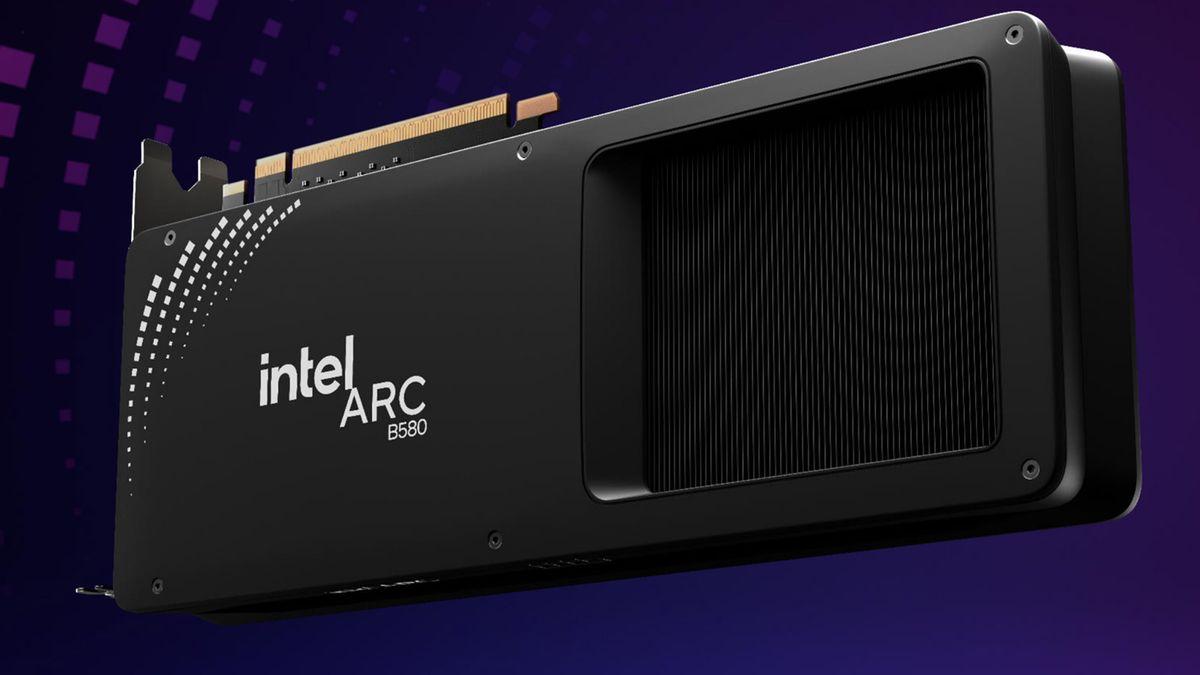
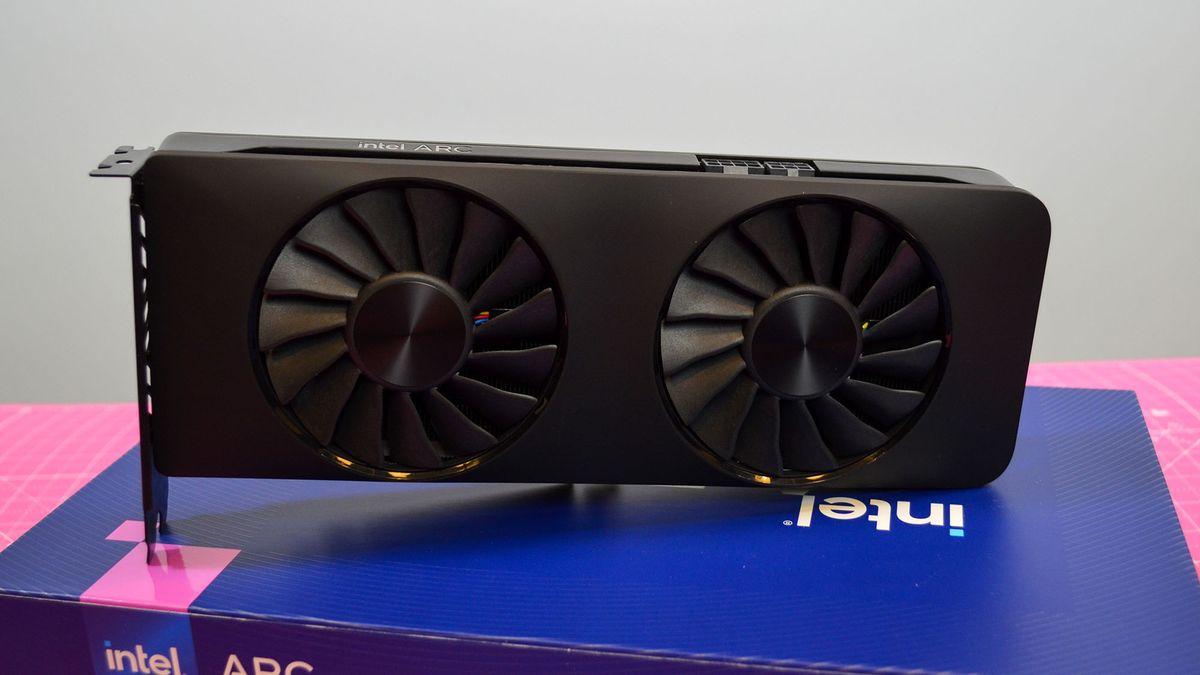
Intel officially announced its latest discrete graphics cards on this week, the Intel Arc B580 and Intel Arc B570, based on its next-gen Xe2 graphics architecture.

Targeting the budget gaming segment, the new flagship Intel Arc B580 GPU features 20 Xe-cores, 20 ray tracing units, 160 XMX AI Engines and 12GB GDDR6 memory with a 192-bit memory interface, specs that could make it a very competitive 1440p graphics card.

The Intel Arc B570, meanwhile, features 18 Xe-cores, 18 ray tracing units, 144 XMX AI Engines, and 10GB GDDR6 memory with a 160-bit memory interface. And while this is less than the Arc B580, it is more memory bandwidth than the Nvidia RTX 4060 Ti and AMD Radeon RX 7600 XT, both of which struggled when it came to 1440p gaming in gaming benchmarks due to their constrained memory bandwidth.

What might be even more compelling for gamers right now, though, is the launch price of the two cards, with the Intel reference cards debuting at $249 (about £195/AU$385) and $219 (about £175/AU$340), respectively, though third-party cards from Acer, ASRock, Gunnir, and others will vary in price.

The Arc B580 will launch first on December 13, 2024, with the Arc B570 going on sale the following month on January 16, 2025.

Swipe to scroll horizontally

Intel Arc B-series graphics card specs

Header Cell – Column 0 Intel Arc B580 Intel Arc B570
Price $249 (about £195/AU$385) $219 (about £175/AU$340)
Xe-cores 20 18
Render Slices 5 5
Ray Tracing Units 20 18
XMX AI Engines 160 144
Graphics clock 2,670Mhz 2,500MHz
Memory 12GB 10GB
Memory Interface 192-bit 160-bit
Memory Bandwidth 456GB/s 380GB/s
Peak TOPS 233 203
Total Board Power 190W 150W
Power Connector 1 x 8-pin 1 x 8-pin
PCIe Interface PCIe 4.0 PCIe 4.0
Media Accelerators AV1, HEVC, AVC, VP9, XAVC-H AV1, HEVC, AVC, VP9, XAVC-H
Display output 3x DisplayPort 2.1, 1x HDMI 2.1 3x DisplayPort 2.1, 1x HDMI 2.1

Intel’s new card might be the RTX 3060 Ti successor we’ve been missing

When it launched a couple of years back, the Nvidia RTX 3060 Ti was a much more powerful card than it had a right to be, especially for it’s initial launch price. It ended up being one of the most popular graphics cards of the entire Nvidia Ampere generation, and so when the RTX 4060 Ti launched last year, fans of the 3060 Ti had high hopes for its successor.

Unfortunately, the RTX 4060 Ti was hamstrung out the gate by a memory interface that made it effectively impossible to process textures at 1440p with any kind of speed or efficiency, even when opting for the variant with the larger 16GB memory pool.

{ window.reliablePageLoad.then(() => { var componentContainer = document.querySelector(“#slice-container-newsletterForm-articleInbodyContent-nG8a8nka92YcKVHyEBsQs4”); if (componentContainer) { var data = {“layout”:”inbodyContent”,”header”:”Get the best Black Friday deals direct to your inbox, plus news, reviews, and more.”,”tagline”:”Sign up to be the first to know about unmissable Black Friday deals on top tech, plus get all your favorite TechRadar content.”,”formFooterText”:”By submitting your information you agree to the Terms & Conditions and Privacy Policy and are aged 16 or over.”,”successMessage”:{“body”:”Thank you for signing up. You will receive a confirmation email shortly.”},”failureMessage”:”There was a problem. Please refresh the page and try again.”,”method”:”POST”,”inputs”:[{“type”:”hidden”,”name”:”NAME”},{“type”:”email”,”name”:”MAIL”,”placeholder”:”Your Email Address”,”required”:true},{“type”:”hidden”,”name”:”NEWSLETTER_CODE”,”value”:”XTR-D”},{“type”:”hidden”,”name”:”LANG”,”value”:”EN”},{“type”:”hidden”,”name”:”SOURCE”,”value”:”60″},{“type”:”hidden”,”name”:”COUNTRY”},{“type”:”checkbox”,”name”:”CONTACT_OTHER_BRANDS”,”label”:{“text”:”Contact me with news and offers from other Future brands”}},{“type”:”checkbox”,”name”:”CONTACT_PARTNERS”,”label”:{“text”:”Receive email from us on behalf of our trusted partners or sponsors”}},{“type”:”submit”,”value”:”Sign me up”,”required”:true}],”endpoint”:”https://newsletter-subscribe.futureplc.com/v2/submission/submit”,”analytics”:[{“analyticsType”:”widgetViewed”}],”ariaLabels”:{}}; var triggerHydrate = function() { window.sliceComponents.newsletterForm.hydrate(data, componentContainer); } if (window.lazyObserveElement) { window.lazyObserveElement(componentContainer, triggerHydrate); } else { triggerHydrate(); } } }).catch(err => console.error(‘%c FTE ‘,’background: #9306F9; color: #ffffff’,’Hydration Script has failed for newsletterForm-articleInbodyContent-nG8a8nka92YcKVHyEBsQs4 Slice’, err)); }).catch(err => console.error(‘%c FTE ‘,’background: #9306F9; color: #ffffff’,’Externals script failed to load’, err)); ]]>

Sign up to be the first to know about unmissable Black Friday deals on top tech, plus get all your favorite TechRadar content.

For $399 (about £315/AU$615) at launch, the card was a disappointment, as this was way too much money to spend on what was effectively a 1080p graphics card, whereas the RTX 3060 Ti, with a memory interface twice as large as the RTX 4060 Ti’s, could easily play games at 1440p with moderate to high settings at respectable framerates.

The only graphics cards to really make a splash in the sub-$400 segment over the past year and a half have been the Nvidia RTX 4060 and AMD RX 7600, and only really because of their pricing after the wild GPU price inflation on some of Nvidia and AMD’s flagship cards. And neither of those cards could handle 1440p gaming.

With the new Intel Arc B580 and Arc B570, however, it’s entirely possible that we might be able to see a new graphics card in the budget segment capable of tackling 1440p, the fastest-growing resolution for PC gaming, where their competitors at this price point cannot.

That’s something that’s been sorely missed these last couple of years, and while we’ll have to test the cards ourselves before we can say for certain, I’ve been impressed with Intel’s Xe2 cores in its Lunar Lake laptops, so I, for one, cannot wait to get my hands of the desktop version to take it for a spin.

You may also like…

Source

Posted on

Intel unleashes XeSS 2 for Arc GPUs with huge changes to speed up PC games, borrowing a few pages from Nvidia’s DLSS playbook

  • Intel has revealed XeSS 2 which follows in the footsteps of DLSS
  • It’s split into XeSS Frame Generation and XeSS Super Resolution
  • There’s also Xe Low Latency to combat input lag, much like Nvidia Reflex

Intel has just unveiled new Battlemage desktop GPUs, and alongside those graphics cards comes a fresh version of XeSS, its upscaling tech to rival Nvidia DLSS and AMD FSR.

Yes, XeSS 2 is here, and Intel is making some big changes with the technology in this sequel. In fact, XeSS 2 is being split into two core components: XeSS Frame Generation and XeSS Super Resolution.

In other words, this is going the same route as Nvidia, when with DLSS 3, Team Green brought in frame generation – which means artificially inserting extra frames into the game, to make it smoother. It’s a separate technology to the actual upscaling component of DLSS 3, and so this is what Intel has done – split XeSS into Super Resolution (upscaling) and Frame Generation (extra frames generated to bolster the frame rate).

On top of that, Intel is introducing Xe Low Latency, which is essentially equivalent to Nvidia Reflex – a complementary tech to reduce input lag which helps to smooth over the lag wrinkles that are a side effect of frame generation.

In terms of support, only Intel’s Alchemist and Battlemage GPUs will get XeSS 2 – not any third-party GPUs – and on the games side, developers will need to code in support for all these new technologies (including frame generation, and low latency). However, we’ve also seen mentions of manually enabling low latency (at the driver level), so we’ll have to see how that shakes out.

On top of this, Intel has deployed a new control panel for its Arc GPUs which will simply be called ‘Intel Graphics Software’ (in much the same vein as Team Green’s new and renamed Nvidia App).

This is billed as an ‘all-in-one hub’ for all your Arc GPU needs, from updating drivers to game optimization, enabling Intel’s tech such as low latency mode, changing display options, monitoring performance (frame rates and GPU status), along with controls for overclocking.

{ window.reliablePageLoad.then(() => { var componentContainer = document.querySelector(“#slice-container-newsletterForm-articleInbodyContent-7x9uwq6VN9mK5TQ4icjQAX”); if (componentContainer) { var data = {“layout”:”inbodyContent”,”header”:”Get the best Black Friday deals direct to your inbox, plus news, reviews, and more.”,”tagline”:”Sign up to be the first to know about unmissable Black Friday deals on top tech, plus get all your favorite TechRadar content.”,”formFooterText”:”By submitting your information you agree to the Terms & Conditions and Privacy Policy and are aged 16 or over.”,”successMessage”:{“body”:”Thank you for signing up. You will receive a confirmation email shortly.”},”failureMessage”:”There was a problem. Please refresh the page and try again.”,”method”:”POST”,”inputs”:[{“type”:”hidden”,”name”:”NAME”},{“type”:”email”,”name”:”MAIL”,”placeholder”:”Your Email Address”,”required”:true},{“type”:”hidden”,”name”:”NEWSLETTER_CODE”,”value”:”XTR-D”},{“type”:”hidden”,”name”:”LANG”,”value”:”EN”},{“type”:”hidden”,”name”:”SOURCE”,”value”:”60″},{“type”:”hidden”,”name”:”COUNTRY”},{“type”:”checkbox”,”name”:”CONTACT_OTHER_BRANDS”,”label”:{“text”:”Contact me with news and offers from other Future brands”}},{“type”:”checkbox”,”name”:”CONTACT_PARTNERS”,”label”:{“text”:”Receive email from us on behalf of our trusted partners or sponsors”}},{“type”:”submit”,”value”:”Sign me up”,”required”:true}],”endpoint”:”https://newsletter-subscribe.futureplc.com/v2/submission/submit”,”analytics”:[{“analyticsType”:”widgetViewed”}],”ariaLabels”:{}}; var triggerHydrate = function() { window.sliceComponents.newsletterForm.hydrate(data, componentContainer); } if (window.lazyObserveElement) { window.lazyObserveElement(componentContainer, triggerHydrate); } else { triggerHydrate(); } } }).catch(err => console.error(‘%c FTE ‘,’background: #9306F9; color: #ffffff’,’Hydration Script has failed for newsletterForm-articleInbodyContent-7x9uwq6VN9mK5TQ4icjQAX Slice’, err)); }).catch(err => console.error(‘%c FTE ‘,’background: #9306F9; color: #ffffff’,’Externals script failed to load’, err)); ]]>

Sign up to be the first to know about unmissable Black Friday deals on top tech, plus get all your favorite TechRadar content.

Hat tip to VideoCardz for picking up on both of these developments.

An Intel Arc B580 Limited Edition graphics card against a purple background

(Image credit: Intel)

Analysis: Keeping pace with upscaling – the future of gaming

There are some major changes here, as we noted at the outset, and aside from all the new tech – implemented very much along the lines of DLSS – there’s also that switch in support for GPUs. Previously XeSS allowed AMD and Nvidia GPUs (or some of them) to use and benefit from the tech, but that’s no longer the case due to frame generation requiring Intel’s own hardware (XMX AI Engines).

Team Blue might work around that in the future, but for now, XeSS 2 will be for Intel Arc graphics cards only.

It’s not really surprising to see Intel moving in the same direction as Nvidia – after all, DLSS is very much regarded as the killer solution for boosting frame rates. What’s good to see with Team Blue is that XeSS 2 also allows for frame generation with older Alchemist graphics cards, whereas with DLSS 3, only RTX 4000 – the very newest Nvidia GPUs – get the frame generation component. (RTX 3000 graphics cards support everything else in DLSS 3, to be fair, including ray reconstruction – but not frame generation).

If Intel is to stay competitive in the GPU space, it’s certainly important that it keeps XeSS up to speed, as upscaling is regarded as a core piece of the future of gaming. More and more games are relying on such technology to achieve smooth frame rates, particularly at the likes of 4K resolution (or its upscaled equivalent, we should say).

We’re seeing upscaling become a key part of consoles – witness the PlayStation Pro 5 with PSSR – and on PCs, what’ll make it even more prevalent is Microsoft’s move with DirectSR, an effort to make it much easier for game developers to use XeSS, DLSS and FSR in their games.

You might also like

Source