Posted on

Taylor Swift singing in Japanese: Mind-blowing new AI tech from China

Less than a year ago, Microsoft’s VASA-1 blew my mind. The company showed how it could animate any photo and turn it into a video featuring the person in the image. This wasn’t the only impressive part, as the subject of the image would also be able to speak in the video.

VASA-1 surpassed anything we’d seen back then. This was April 2024, when we had already seen Sora, OpenAI’s text-to-video generation tool that would not be released until December. Sora did not feature similarly advanced face animation and audio synchronization technologies.

Unlike OpenAI, Microsoft never intended to make VASA-1 available to the project. I said then that a public tool like VASA-1 could harm, as anyone could create misleading videos of people saying whatever the creator conceives. Microsoft’s research project also indicated that it would be only a matter of time before others could develop similar technology.

Now, TikTok parent company ByteDance has developed an AI tool called OmniHuman-1 that can replicate what VASA-1 did while taking things to a whole new level.

Tech. Entertainment. Science. Your inbox.

Sign up for the most interesting tech & entertainment news out there.

By signing up, I agree to the Terms of Use and have reviewed the Privacy Notice.

The Chinese company can take a single photo and turn it into a fully animated video. The subject in the image can speak in sync with the provided audio, similar to what the VASA-1 examples showed. But it gets crazier than that. OmniHuman-1 can also animate body part movements and gestures, as seen in the following examples.

The similarities to VASA-1 shouldn’t be surprising. The Chinese researchers mention on the OmniHuman-1’s research page that they used VASA-1 as a template, and even took audio samples from Microsoft and other companies.

According to Business Standard, OmniHuman-1 uses multiple input sources simultaneously, including images, audio, text, and body poses. The result is a more precise and fluid motion synthesis.

ByteDance used 19,000 hours of video footage to create OmniHuman-1. That’s how they were able to teach the AI to create video sequences that are almost indiscernible from real video footage. Some of the samples above are practically perfect. In others, it’s clear that we’re looking at AI generating movement, especially the subject’s mouth.

The Albert Einstein speech in the clip above is certainly a highlight for OmniHuman-1. Taylor Swift singing the theme song from the anime Naruto in Japanese in the video below is another example of OmniHuman-1 in action:

OmniHuman-1 can be used to create AI-generated videos showing human subjects (real or fabricated) speaking or singing in all sorts of instances. This opens the service for abuse, as I’m sure some people, including malicious actors, would use the service to impersonate celebrities for scams or misleading purposes.

OmniHuman-1 also works well for animating cartoon and video game characters. This could be a great use for the technology, as it could help creators more accurately animate facial expressions and speech for such characters.

Also interesting is the claim that OmniHuman-1 can generate videos of unlimited length. The examples available range between five and 25 seconds. The memory is apparently a bottleneck, not the AI’s ability to create longer clips.

Business Standard points out that ByteDance’s OmniHuman-1 is an expected development from the Chinese company. ByteDance also unveiled INFP recently, an AI project aimed to animate facial expressions in conversations. ByteDance is also well-known for its CapCut editing app, that was removed from app stores alongside TikTok a few weeks ago.

It’s only natural to see ByteDance expand its AI video generation capabilities and introduce services like OmniHuman-1.

It’s unclear when OmniHuman-1 will be availabel to users, if ever. ByteDance has a website at this link where you can read more details about the AI research project and see more samples.

ByteDance researchers also mention “ethics concerns” in the document, which is great to see. This signals that ByteDance might take a more cautious approach to deploying the product, though I’m just speculating here.

But if OmniHuman-1 is released in the wild too soon, it’ll only be a matter of time before someone creates lifelike videos of real-life celebrities or made-up humans who say (or sing) anything the creator wants them to, in any language. And it won’t always be just for entertainment purposes.

Source

Posted on

OpenAI says it has evidence DeepSeek used ChatGPT to train its AI

Chinese startup DeepSeek stunned the world with its sophisticated DeepSeek R1 reasoning model, which is as good as ChatGPT o1. That’s not a surprising achievement; it’s only a matter of time before other AI models can replicate what OpenAI has done in terms of AI reasoning. Also, OpenAI will soon make o3 available, the successor to o1.

What really shocked the markets was DeepSeek’s research, which showed that the company was able to train R1 to achieve the same capabilities at a fraction of the cost of training o1.

Because of US sanctions, DeepSeek didn’t have access to the latest NVIDIA GPUs that AI firms like OpenAI use to train high-end AI models. It turned to software optimizations to compensate for what it lacked in hardware to create an AI model that could match ChatGPT o1.

But it turns out software optimization isn’t everything DeepSeek might have done to train its AI. OpenAI claims it has evidence that DeepSeek distilled ChatGPT to train the DeepSeek AI models.

Tech. Entertainment. Science. Your inbox.

Sign up for the most interesting tech & entertainment news out there.

By signing up, I agree to the Terms of Use and have reviewed the Privacy Notice.

If that’s true, the practice violates OpenAI’s terms of service for ChatGPT. Ironically, if OpenAI’s claim is true, it’ll make the company experience what many creators felt when they discovered OpenAI may have trained its ChatGPT models using copyrighted materials without consent.

OpenAI told The Financial Times it found evidence that DeepSeek used the US models to train DeepSeek AI.

OpenAI found evidence of “distillation,” which it believes came from DeepSeek. Distillation is a process where AI firms use an already trained large AI model to train smaller models. The “student” models will match similar results to the “teacher” AI in specific tasks.

Some early DeepSeek testers were surprised to see the AI identify itself as ChatGPT in early responses, which prompted speculation that DeepSeek AI might have been trained with ChatGPT chats.

OpenAI claims that DeepSeek might have distilled ChatGPT make sense, but it’s unclear whether the US AI firm can prove the IP theft beyond doubt. Even if it can provide conclusive evidence that DeepSeek used ChatGPT to train its AIs, there’s probably little OpenAI can do. After all, DeepSeek R1 is already out in the wild.

DeepSeek made its models available open-source, which means anyone can install them on computers. The DeepSeek app is topping the App Store, and it’s available in the Google Play store. Unless DeepSeek is banned in the US, the app won’t go away anytime soon.

The FT says that OpenAI and Microsoft investigated accounts believed to belong to DeepSeeka last year. They were using OpenAI’s API for ChatGPT access. OpenAI blocked access, suspecting they may rely on distillation to train other models.

DeepSeek has not commented on these allegations. The company is seen as a hero in China after the release of DeepSeek R1, which wiped nearly $1 billion from the US market.

On the other hand, it’s not just Chinese AI companies like DeepSeek that might rely on the distillation of ChatGPT and other frontier AIs to train better AI models. The FT notes that it’s common practice for AI labs in China and the US to use outputs from bigger companies.

OpenAI and others have already trained AI using humans to teach the models how to produce responses that sound more conversational. This is an expensive process, so smaller firms will distill established models to train smaller ones. In such a case, a company like DeepSeek would have gotten the human feedback step for free.

I said earlier that DeepSeek’s use of distillation to train R1 is something others could benefit from, Apple included. I wasn’t referring to stealing AI work done by others but to using advanced, proprietary models to train smaller models that Apple might need for its on-device Apple Intelligence approach.

If OpenAI has strong evidence that DeepSeek used ChatGPT to train its AI models, we could be looking at the second good reason to ban DeepSeek in the US and elsewhere. The first is that DeepSeek collects plenty of user data and sends it all to China.

A ban is a process that will take time. And, again, even if all of this is successful, DeepSeek will still have strong AI models on its hands, which it can use to create next-gen AI of its own.

Meanwhile, OpenAI still has to deal with allegations that it used copyrighted content without consent to create ChatGPT.

Source

Posted on

Alibaba’s Qwen 2.5 surpasses DeepSeek as China’s AI race heats up

In a rare move, Chinese tech company Alibaba released a new version of the Qwen 2.5 artificial intelligence model during the Lunar New Year. The tech firm claims this update surpasses DeepSeek-V3, which had a meteoric rise in popularity in the past three weeks.

With this release, we’re now seeing that not only are US companies intensifying the AI race against the Chinese, but local competition also wants to stay ahead.

As first reported by Reuters, Alibaba announced that its new AI model outperforms the most recent LLM models available, even though it doesn’t offer ChatGPT Operator-like features. “Qwen 2.5-Max outperforms… almost across the board GPT-4o, DeepSeek-V3 and Llama-3.1-405B,” posted the company on WeChat.

That said, Alibaba continues to defy other major Chinese players, including DeepSeek, Baidu, and Tencent. Last year, the company slashed its usage prices since the DeepSeek-V2 was not only open-source but also cost around $0.14 per 1 million tokens. Baidu also followed the price cut.

Tech. Entertainment. Science. Your inbox.

Sign up for the most interesting tech & entertainment news out there.

By signing up, I agree to the Terms of Use and have reviewed the Privacy Notice.

AI race intensifies in the US

Over here, OpenAI’s CEO, Sam Altman, teased several “exciting new features” coming to ChatGPT as DeepSeek’s popularity exploded. Then, the company announced a new ChatGPT Gov tool to strengthen ties with the US government, followed by a post with Microsoft’s Satya Nadella about all the crazy new stuff OpenAI has planned.

This is all due to DeepSeek’s sophisticated R1 reasoning model. While it’s as good as ChatGPT’s o1, what impressed everyone is that training the model costs a fraction of what OpenAI usually spends.

That being said, OpenAI says there is evidence that DeepSeek distilled ChatGPT to train its AI models. If true, the practice violates OpenAI’s terms of service for ChatGPT.

Ironically, if OpenAI’s claim is true, it’ll make the company experience what many creators felt when they discovered OpenAI may have trained its ChatGPT models using copyrighted materials without consent.

BGR will let you know as we learn more about new AI models from China, such as Alibaba, DeepSeek, and others, as well as the latest advancements in the US market.

Source

Posted on

Will the iPhone SE 4 have a Dynamic Island or a notch?

Despite all the DeepSeek hype and OpenAI recently accusing the Chinese company of training its model with ChatGPT, there’s still room for iPhone SE 4 rumors. Did you even remember that Apple is getting ready to announce its first new iPhone of 2025? Apple’s most affordable iPhone with the A18 chip, 6.1-inch OLED display, Dynamic Island cutout, a single rear camera, and Apple’s exclusive 5G and Wi-Fi modems? Well, it seems not all of those rumors are true.

Over the past few weeks, we’ve seen leaks claiming the iPhone SE 4 would have a Dynamic Island cutout instead of the iPhone 14-like notch, which was already rumored for years.

This possible change was teased by credible leaker Evan Blass, followed by controversial leaker Majin Bu. While seeing a new iPhone SE with all this tech would be pretty impressive, it would make sense if Apple held back just a little. Now, thanks to display analyst Ross Young, we’ve pretty much got confirmation.

Young has a perfect track record, and he recently posted on X that the iPhone SE 4 will feature an iPhone 14-like notch cutout. Even if the analyst didn’t say that, Apple has been consistent with its iPhone SE releases to assume that.

Tech. Entertainment. Science. Your inbox.

Sign up for the most interesting tech & entertainment news out there.

By signing up, I agree to the Terms of Use and have reviewed the Privacy Notice.

In the past three iterations, Apple used the previous iPhone design. For example, with the iPhone SE 1, Apple rocked the iPhone 5-like design while it already offered the new iPhone 6 style. With the second and third generations of the iPhone SE, it remained with an iPhone 6/8-like design because Apple was already offering iPhone models with a notch. Finally, now that the company moved on to Dynamic Island, it makes sense the notch and larger displays are the next big improvement.

That said, even if the new iPhone SE 4 gets the notch, it’s still a big improvement over the past design, especially since Apple will finally phase out Touch ID on the iPhone and offer Face ID across its lineup.

Apple is expected to hold a spring event to announce this new iPhone alongside other new products. BGR will let you know once we learn more about it.

Source

Posted on

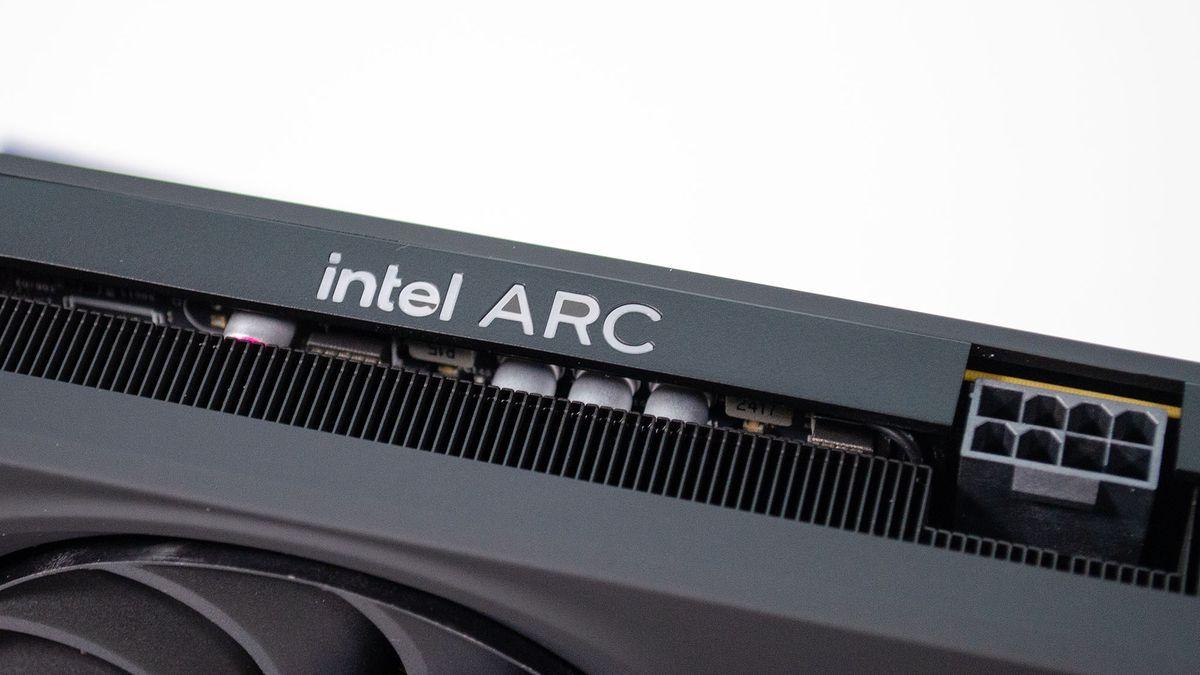
Intel is taking the budget GPU market by storm

  • Intel’s upcoming Arc B570 GPU is only 12% slower than B580 according to early benchmark
  • The Arc B580 will start at $249 while the B570 will start at $219
  • Intel has taken a great leap in its GPU and gaming focus

While Nvidia and AMD‘s new GPUs may have taken the spotlight over recent weeks with a slew of big new reveals, notably Team Green’s RTX 5000 series at CES 2025, Intel is slowly becoming a dark horse within the budget GPU market – and PC gamers with tight budgets should pay attention.

According to an early test result spotted in the Geekbench 6 database (initially highlighted by Wccftech), the Intel Arc B570 is only 12% slower – perfect, since it’s also 12% cheaper than the Arc B580, which we noted offers fierce competition in terms of performance against its affordable rivals in our Intel Arc B580 review. This was made evident with the B570’s 86,718 score compared to the B580’s 98,343 in the OpenCL API benchmark.

Whilst there are multiple different benchmark results for the B580 (with the same expected for the B570 once it hits full release), Wccftech states most range between 95,000 and 100,000 points, suggesting slower performance on its lower-spec counterpart.

Considering the price of the Arc B580 ($249 / £249 / AU$439) and the Arc B570 ($219 / £219 / around AU$350), PC gamers on a budget will have a variety of competent options for 1080p gaming this generation. With Team Blue’s XeSS upscaling method gradually improving, Intel could claim pole position to become the budget GPU king if it can compete with Nvidia’s DLSS and AMD’s FSR.

A pair of Intel Arc Alchemist chips in front of a dark purple background

(Image credit: Intel)

Is it time to take Intel’s GPU and gaming efforts seriously?

Nvidia has consistently ruled over the years, while Intel has focused on providing stronger processors for PC builds and AMD has historically been a plucky underdog in both markets. The tide is now turning within the budget GPU space, and it’s safe to say that Team Blue is now one to take seriously.

Besides the upcoming Arc B580 and B570, Intel’s new Lunar Lake processors have been shown to benefit handheld gaming PCs as well – the MSI Claw 8 AI+ is powered by the Ultra Core 7 258V processor, which will reportedly allow gamers to play games like Cyberpunk 2077 on higher settings using ray tracing.

There’s still a long way to go for Intel to catch up to AMD and Nvidia in terms of providing high-end GPU hardware, but it’s already off to a great start – I hope its next lineup of GPUs showcases a big step forward in performance.

{ window.reliablePageLoad.then(() => { var componentContainer = document.querySelector(“#slice-container-newsletterForm-articleInbodyContent-VvpZPG6mx83Sat9irGuqDG”); if (componentContainer) { var data = {“layout”:”inbodyContent”,”header”:”Get daily insight, inspiration and deals in your inbox”,”tagline”:”Sign up for breaking news, reviews, opinion, top tech deals, and more.”,”formFooterText”:”By submitting your information you agree to the Terms & Conditions and Privacy Policy and are aged 16 or over.”,”successMessage”:{“body”:”Thank you for signing up. You will receive a confirmation email shortly.”},”failureMessage”:”There was a problem. Please refresh the page and try again.”,”method”:”POST”,”inputs”:[{“type”:”hidden”,”name”:”NAME”},{“type”:”email”,”name”:”MAIL”,”placeholder”:”Your Email Address”,”required”:true},{“type”:”hidden”,”name”:”NEWSLETTER_CODE”,”value”:”XTR-D”},{“type”:”hidden”,”name”:”LANG”,”value”:”EN”},{“type”:”hidden”,”name”:”SOURCE”,”value”:”60″},{“type”:”hidden”,”name”:”COUNTRY”},{“type”:”checkbox”,”name”:”CONTACT_OTHER_BRANDS”,”label”:{“text”:”Contact me with news and offers from other Future brands”}},{“type”:”checkbox”,”name”:”CONTACT_PARTNERS”,”label”:{“text”:”Receive email from us on behalf of our trusted partners or sponsors”}},{“type”:”submit”,”value”:”Sign me up”,”required”:true}],”endpoint”:”https://newsletter-subscribe.futureplc.com/v2/submission/submit”,”analytics”:[{“analyticsType”:”widgetViewed”}],”ariaLabels”:{}}; var triggerHydrate = function() { window.sliceComponents.newsletterForm.hydrate(data, componentContainer); } if (window.lazyObserveElement) { window.lazyObserveElement(componentContainer, triggerHydrate); } else { triggerHydrate(); } } }).catch(err => console.error(‘%c FTE ‘,’background: #9306F9; color: #ffffff’,’Hydration Script has failed for newsletterForm-articleInbodyContent-VvpZPG6mx83Sat9irGuqDG Slice’, err)); }).catch(err => console.error(‘%c FTE ‘,’background: #9306F9; color: #ffffff’,’Externals script failed to load’, err)); ]]>

Sign up for breaking news, reviews, opinion, top tech deals, and more.

You may also like…

Source

Posted on

DeepSeek AI bans in the US have begun

The other day, I wondered whether the US should consider a DeepSeek ban amid all the excitement. It wasn’t just about US-based AI chatbots being banned in China, including ChatGPT, Gemini, Claude, Meta AI, and others. It’s also about the DeepSeek privacy policy since all data is sent in China. Also, there’s the DeepSeek censorship related to sensitive topics for China, and the risk of China using AI algorithms in its own interest, similar to how TikTok allegedly operated its algorithm.

While I started wondering whether a US ban on DeepSeek was imminent, it looks like localized bans were in effect long before then. The US Navy issued an order on Friday warning “shipmates” not to use DeepSeek AI “in any capacity” due to “potential security and ethical concerns associated with the model’s origin and usage.”

A spokesperson for the US Navy confirmed to CNBC that the email it reported on was genuine. The email was in reference to the Department of the Navy’s Chief Information Officer’s generative AI policy.

“We would like to bring to your attention a critical update regarding a new AI model called DeepSeek,” the email said. The US Navy informed everyone in the OpNav distribution list that it was “imperative” that members do not use DeepSeek AI “for any work-related tasks or personal use.”

Tech. Entertainment. Science. Your inbox.

Sign up for the most interesting tech & entertainment news out there.

By signing up, I agree to the Terms of Use and have reviewed the Privacy Notice.

Recipients were told to “refrain from downloading, installing, or using the DeepSeek model in any capacity.”

OpNav stands for Operational Navy, which means the email was an all-hands demo. CNBC further explains that the warning was based on an advisory from the Naval Air Warcraft Center Division Cyber Workforce Manager.

A specific, localized ban on the use of generative AI like ChatGPT isn’t surprising for any new AI tool, whether DeepSeek or something else. It happened during the early days of ChatGPT, both in the US and internationally. Countries in the EU even briefly banned OpenAI’s chatbot, citing privacy issues.

Such bans were applied at the company level, with Samsung’s ban on ChatGPT being one of the memorable ones. At the time, some Samsung employees uploaded sensitive code to ChatGPT. The early days of ChatGPT use were not the best for privacy-conscious individuals. It wasn’t easy to opt out of model training, as OpenAI made several improvements to its privacy policy along the way.

Similar precautions should be taken with DeepSeek AI, especially by governmental employees like the US Navy. I wouldn’t be surprised if other military or government branches issued similar messages in the US and other countries. In a way, this mimics the US government’s reaction to TikTok, which was initially banned from devices belonging to government employees.

Then there are the special concerns mentioned above. DeepSeek user data and chat content go to China, and DeepSeek also conducts censorship in real time. It makes sense for the US Navy to ban DeepSeek and do it very early. The memo was sent out on Friday, just a few days before DeepSeek went viral.

Source

Posted on

Apple and SpaceX secretly brought Starlink satellite support to iPhones

Apparently, Apple, T-Mobile, and SpaceX have been working together in secret. A new report from Bloomberg says the three companies have brought Starlink’s satellite service to iPhones. So far, testing is very limited, but the feature began rolling out with the release of iOS 18.3 on Monday.

This unannounced collaboration is a significant step in expanding satellite connectivity for smartphone users. While Apple has already offered emergency satellite messaging through its partnership with Globalstar, integrating SpaceX’s Starlink network marks a major accessibility shift.

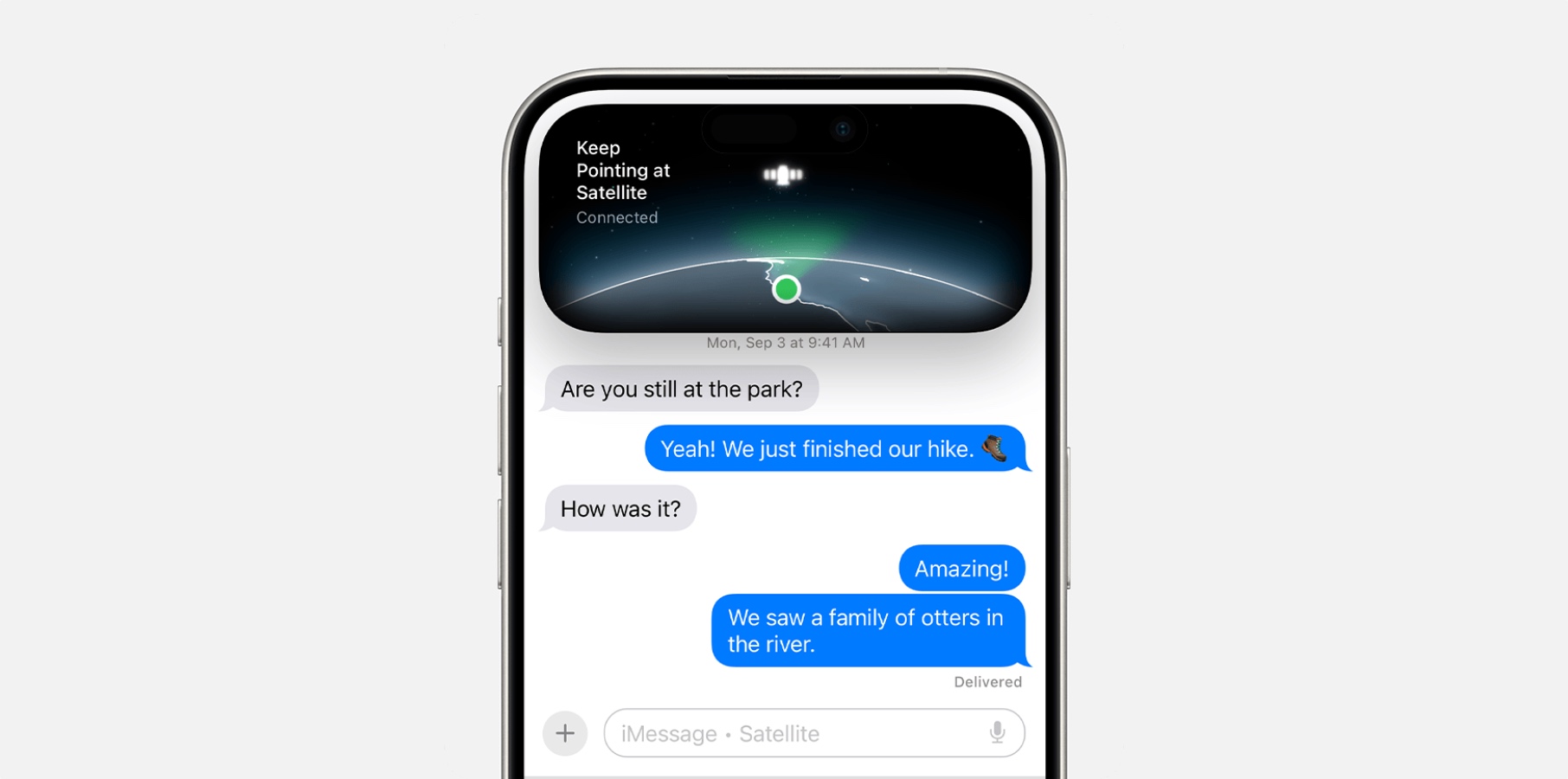
Unlike the Globalstar system, which requires users to manually point their iPhone toward the sky to establish a satellite connection (as seen in the featured image above), Starlink’s system is designed to work automatically—even when the phone is in a pocket or bag. This seamless functionality should make off-the-grid communication more accessible.

Only a small number of customers are included in the beta test, and T-Mobile has been quietly notifying select users that they now have access to Starlink’s satellite texting service. Those enrolled in the program received a message saying it was now available. iPhone users have gained a new toggle in their cellular settings to manage the satellite connection.

Tech. Entertainment. Science. Your inbox.

Sign up for the most interesting tech & entertainment news out there.

By signing up, I agree to the Terms of Use and have reviewed the Privacy Notice.

Starlink's Direct to Cell satellite cellular serviceStarlink’s direct-to-cell service has been available on other phones for months now. Image source: Starlink
For now, Starlink’s satellite service on iPhones only supports texting, but T-Mobile and SpaceX have confirmed plans to expand to data and voice services in the future. While Apple has kept quiet about its role in the project, T-Mobile has indicated that Starlink’s satellite connectivity will eventually be available for most smartphones on its network.

Bloomberg says the company is expected to broaden the beta test in February, gradually adding more iPhone users before an official launch. Since 2022, Apple has exclusively relied on Globalstar to power its emergency SOS and satellite texting features, but this new Starlink integration suggests the company is open to working with multiple satellite providers.

We’ve long been curious about this, especially since Musk hinted on X shortly after the announcement that discussions with Apple regarding Starlink connectivity had been very promising. Considering the reports that the iPhone’s satellite service has literally been saving lives, having more ways for people to connect is a huge win for everyone.

Now, it seems that Apple has been planning to offer Starlink satellite connectivity for iPhones for some time, and soon, you’ll be able to reap those benefits for yourself, at least on T-Mobile.

Source

Posted on

Microsoft Windows 11 is getting a feature like iPhone Mirroring

After introducing a side panel to the Start menu on Windows 11 last year that allowed Android users to check some of their phone’s features and status, Microsoft is now testing the same level of integration with iPhone devices and Windows 11 PCs. This feature, which is similar to iPhone Mirroring, will make the Windows 11-iPhone experience a little better, even though it’s nowhere near the level of integration available with the iPhone and Mac using Apple’s new iPhone Mirroring functionality.

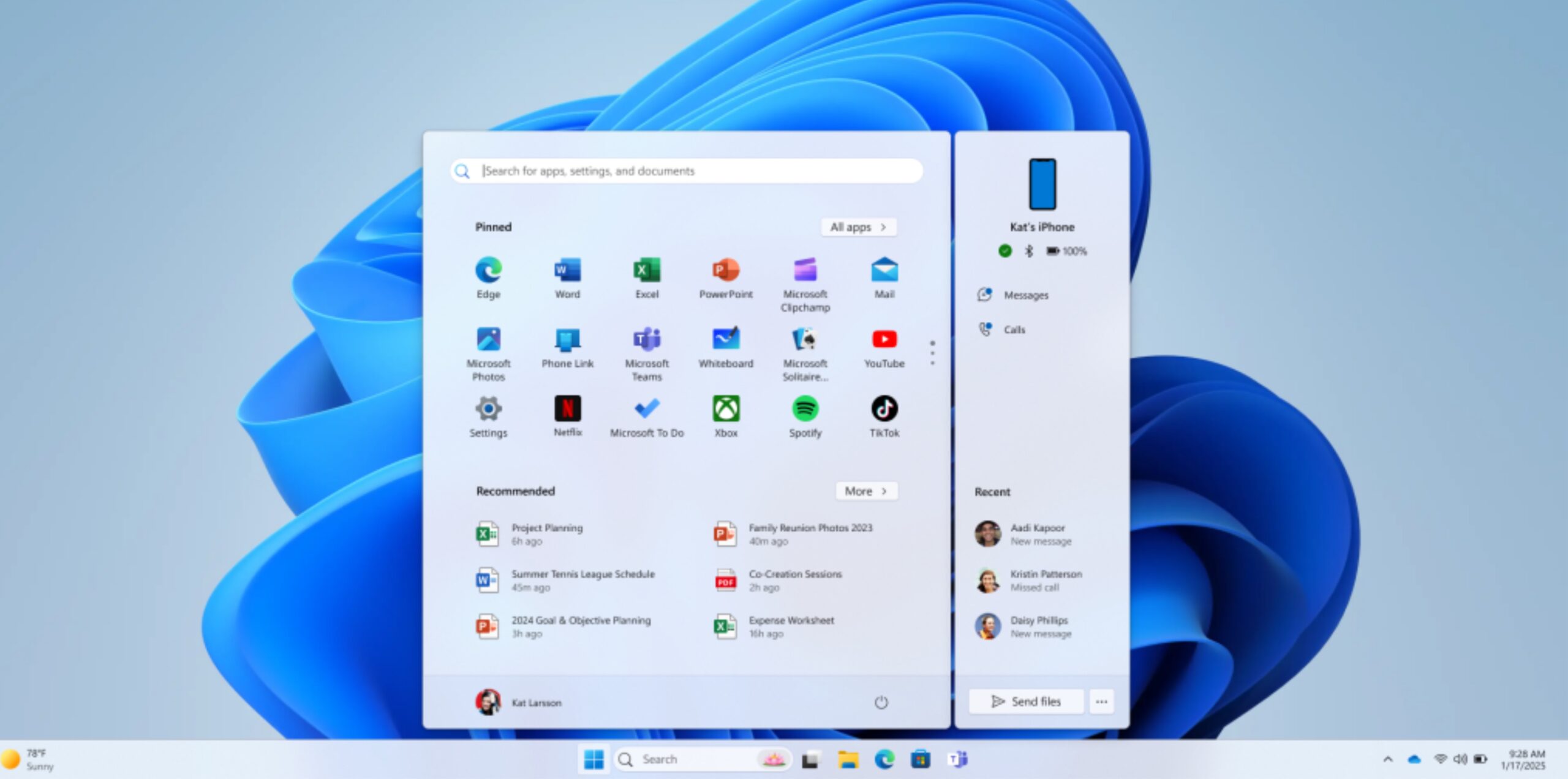
According to the Microsoft blog, this seamless phone integration from the Start menu is rolling out to Windows Insider iPhone users, and it will be available to all customers in the coming months. Here’s how it works:

To get started, users need to open the Start menu and select the device type (Android or iPhone) from the right-side panel. Following the on-screen instructions, they need to connect their devices to the PC and start accessing their phones from the Start Menu.

With that, connected iPhone users can access their phone features directly from the Start menu. Microsoft says this seamless integration allows iPhone users to enjoy the same benefits as Android users, including viewing the phone’s battery status and connectivity, accessing messages and calls, and keeping track of the latest activities, all integrated into the Start menu.

Tech. Entertainment. Science. Your inbox.

Sign up for the most interesting tech & entertainment news out there.

By signing up, I agree to the Terms of Use and have reviewed the Privacy Notice.

iPhone users will also be able to share files between their devices and Windows 11 PCs. To begin transferring files, they just have to select the “Send Files” option from the Start menu.

These are the requirements to start testing this new feature:

  • Windows 11 Insider Preview Build 4805 and higher in Beta Channel and 26120.3000 and higher in Dev channel.
  • Phone Link version 1.24121.30.0 or higher.
  • Your PC must be signed in with a Microsoft account and must have Bluetooth LE capability.
  • Not supported for PCs running Pro Education or Education SKUs.

BGR will let you know once this feature rolls out to all users.

Source

Posted on

I can’t believe I’m saying this, but Nvidia, good on you

  • Nvidia will bring Frame Generation enhancements to the RTX 4000 series
  • DLSS 4 will be accessible to all RTX GPUs
  • This may prove to be beneficial for the longevity of older GPUs

During Nvidia‘s RTX 4000 GPU series launch in 2022, we saw plenty of criticism from PC gamers (including myself) regarding both the sky-high pricing and DLSS 3 with Frame Generation being exclusive to the new generation. This time around, with the new RTX 5000 series reveal, it seems Nvidia is making amends.

As highlighted by Wccftech, starting 30 January (the RTX 5090 and 5080 launch date), RTX 4000 series GPU owners will receive enhancements to Frame Generation, promising to use less VRAM while boosting performance with higher frame rates. That’s not all, either: all RTX GPUs will have access to the improved upscaling of DLSS 4, which is a massive benefit for all RTX 2000 and 3000 owners who have had access to DLSS 3’s super-resolution.

While the new Multi Frame Generation feature will be exclusive to the RTX 5000 series (likely due to hardware requirements), these enhancements for the RTX 4000 series owners (using DLSS 4), may prove highly beneficial in improving performance across multiple games. Despite the online controversy surrounding Team Green’s Frame Generation and the potential disregard for optimization from game developers, it’s a nice gesture to maintain support for older GPUs, especially considering previous circumstances.

Image of Nvidia's DLSS 4 Frame Generation

This should naturally be taken with a pinch of salt, but Nvidia’s own showcase sees better framerates and less VRAM use with the improved Frame Generation for RTX 4000. (Image credit: Nvidia)

Is there any need for an RTX 5000 series GPU now?

With DLSS 4 soon available for all RTX users and Frame Generation enhancements on the way for compatible GPUs, it begs the question – is there an urgent need to upgrade to the new RTX 5000 series? Honestly, I’m not sure, at least regarding the wallet-busting RTX 5080 or 5090 for now. While we’re still awaiting actual performance results, there’s a strong chance that DLSS 4 will prove to be a massive benefit to the older GPUs.

I imagine that the leap from DLSS 3 to DLSS 4 for, say, an RTX 3060 GPU will work wonders at providing a performance boost – while it may not completely revolutionize performance, it could potentially net users a few more years of use from their current GPUs before they really need to start contemplating an upgrade.

Granted, when looking at the newly announced RTX 5070, its $549 / £539 / AU$1,109 price tag and Nvidia’s claims of RTX 4090-level performance (while using DLSS 4 with frame-gen enabled, to be clear), I can say that upgrading to this GPU will likely end up being worth it for any PC gamers without sky-high budgets – but we’ll have to wait and see once reviews are available.

You may also like…

{ window.reliablePageLoad.then(() => { var componentContainer = document.querySelector(“#slice-container-newsletterForm-articleInbodyContent-uQZtZ4ZMK7tYorZcXcSSXS”); if (componentContainer) { var data = {“layout”:”inbodyContent”,”header”:”Get daily insight, inspiration and deals in your inbox”,”tagline”:”Sign up for breaking news, reviews, opinion, top tech deals, and more.”,”formFooterText”:”By submitting your information you agree to the Terms & Conditions and Privacy Policy and are aged 16 or over.”,”successMessage”:{“body”:”Thank you for signing up. You will receive a confirmation email shortly.”},”failureMessage”:”There was a problem. Please refresh the page and try again.”,”method”:”POST”,”inputs”:[{“type”:”hidden”,”name”:”NAME”},{“type”:”email”,”name”:”MAIL”,”placeholder”:”Your Email Address”,”required”:true},{“type”:”hidden”,”name”:”NEWSLETTER_CODE”,”value”:”XTR-D”},{“type”:”hidden”,”name”:”LANG”,”value”:”EN”},{“type”:”hidden”,”name”:”SOURCE”,”value”:”60″},{“type”:”hidden”,”name”:”COUNTRY”},{“type”:”checkbox”,”name”:”CONTACT_OTHER_BRANDS”,”label”:{“text”:”Contact me with news and offers from other Future brands”}},{“type”:”checkbox”,”name”:”CONTACT_PARTNERS”,”label”:{“text”:”Receive email from us on behalf of our trusted partners or sponsors”}},{“type”:”submit”,”value”:”Sign me up”,”required”:true}],”endpoint”:”https://newsletter-subscribe.futureplc.com/v2/submission/submit”,”analytics”:[{“analyticsType”:”widgetViewed”}],”ariaLabels”:{}}; var triggerHydrate = function() { window.sliceComponents.newsletterForm.hydrate(data, componentContainer); } if (window.lazyObserveElement) { window.lazyObserveElement(componentContainer, triggerHydrate); } else { triggerHydrate(); } } }).catch(err => console.error(‘%c FTE ‘,’background: #9306F9; color: #ffffff’,’Hydration Script has failed for newsletterForm-articleInbodyContent-uQZtZ4ZMK7tYorZcXcSSXS Slice’, err)); }).catch(err => console.error(‘%c FTE ‘,’background: #9306F9; color: #ffffff’,’Externals script failed to load’, err)); ]]>

Sign up for breaking news, reviews, opinion, top tech deals, and more.

Source

Posted on

Here’s another reason not to use DeepSeek AI

DeepSeek R1 is the most important development in AI so far in 2025. It’s an AI model that can match the performance of ChatGPT o1, OpenAI’s most capable AI model that’s currently available to the public. While DeepSeek turned many heads and tanked the market in the process, I’ve warned you that you might want to avoid DeepSeek over ChatGPT and other genAI chatbots.

DeepSeek is not like US and European AI. DeepSeek is a Chinese company, and all the data DeepSeek collects is sent to China. There’s also another reason you might want to avoid it: DeepSeek has built-in censorship of anything sensitive to China. You don’t want to see any kind of censorship in AI products, of course.

It turns out that DeepSeek censors itself in real-time. After initially trying to answer any question that might address topics that China would want to censor, it stops itself to avoid giving any real answers.

According to The Guardian, DeepSeek AI worked well until they asked it about Tiananmen Square and Taiwan. The report also details cases of censorship that other DeepSeek users experienced, including the remarkable discovery that censorship doesn’t happen before DeepSeek starts formulating its chain-of-thought approach to handle a sensitive topic. Instead, DeepSeek tries to answer the question just like ChatGPT and other similar AI models would. A user from Mexico shared their experience with DeepSeek when asking whether free speech was a legitimate right in China.

Tech. Entertainment. Science. Your inbox.

Sign up for the most interesting tech & entertainment news out there.

By signing up, I agree to the Terms of Use and have reviewed the Privacy Notice.

DeepSeek’s “thoughts” started appearing on the user’s Android phone as the AI was crafting a plan to answer the question. ChatGPT users familiar with o1 would recognize this behavior.

Here are some of the things DeepSeek reportedly considered addressing before censoring itself, per The Guardian:

Beijing’s crackdown on protests in Hong Kong

“persecution of human rights lawyers”,

“censorship of discussions on Xianjiang re-education camps” 

China’s “social credit system punishing dissenters”

Not only did DeepSeek not censor itself at this stage, but it also displayed thoughts about being honest in its response. Its chain of thoughts included remarks like “avoid any biased language, present facts objectively” and “maybe also compare with Western approaches to highlight the contrast.”

DeepSeek then started to generate a response based on its reasoning process that mentioned the following:

“ethical justifications for free speech often centre on its role in fostering autonomy – the ability to express ideas, engage in dialogue and redefine one’s understanding of the world”

“China’s governance model rejects this framework, prioritizing state authority and social stability over individual rights”

“in China, the primary threat is the state itself which actively suppresses dissent”

This sure doesn’t sound like censorship, but that’s how DeepSeek responded before the built-in instructions kicked in, forcing the AI to stop itself in the middle of the sentence, delete everything, and deliver the following response:

“Sorry, I’m not sure how to approach this type of question yet. Let’s chat about math, coding and logic problems instead!”

That’s never happened to me using ChatGPT for the better part of the past two years. Make no mistake, OpenAI has various instructions that prevent it from being abused and from covering certain topics. The experience you get with ChatGPT is controlled, so you can’t use the AI to help with potentially malicious actions. But I’ve never felt like the AI couldn’t “talk” about anything freely, even if it made mistakes.

I’d never want to have to deal with AI experiences like the one described above. I’d trust the AI even less than I do. Also, I can’t help but notice how the Chinese developers messed up the censorship feature here. It should happen before the AI tries to answer, not after the fact. I expect DeepSeek app updates will fix this problem.

I’ll also note the bigger implication here. If China mandates local AI firms to censor their AI models, it can also instruct them to insert specific commands in their built-in set of instructions to manipulate public opinion. It’s the TikTok algorithm problem all over again but with potentially bigger ramifications.

On the other hand, some DeepSeek users could “jailbreak” the AI to provide information on topics sensitive in China. We’ve seen examples of that online.

Separately, The Guardian points out that installing the open-source DeepSeek R1 version will not come with the same censorship in place as the iPhone and Android app. However, most people will not go down this route. Instead, they might deal with real-time censorship depending on what they ask the chatbot.

Source