Posted on

Apple’s Vision Pro mega software update won’t be enough to help sales

If you forgot about Apple’s long-anticipated Apple Vision Pro release a year ago, you’re not alone. After so much hype for the company’s latest product category in a decade, it has proven so far that a high price point and low app are keeping customers away from Apple’s spatial computer.

In addition, visionOS 2 has been a lackluster update. While it brought a few important missing features, including a new ultra-wide Mac view with visionOS 2.2, these updates have been boring so far… at least until now.

In his Power On newsletter, Bloomberg‘s Mark Gurman says Apple is preparing a major visionOS 2.4 update. It is expected to be available this week in beta, making it the biggest visionOS update so far.

According to the journalist, this will be the upgrade that brings Apple Intelligence to Apple’s spatial computer. Interestingly, Apple could have offered its AI features to Vision Pro from day one, as it has an M2 chip and 16GB of RAM, but it preferred to focus on the iPhone, iPad, and Mac instead.

Tech. Entertainment. Science. Your inbox.

Sign up for the most interesting tech & entertainment news out there.

By signing up, I agree to the Terms of Use and have reviewed the Privacy Notice.

In addition, it seems Apple is preparing a “new spatial content app that collects Vision Pro-optimized media like panoramas” and a new guest user mode that allows setup through an iPhone.

While all these features will make this the biggest software update for visionOS so far, I’m still not convinced it will impact Vision Pro sales or even usage. To me, Apple Intelligence has been an underwhelming experience, and it seems the long-awaited on-screen awareness of Siri will take even longer to land.

That said, the fundamental issues with Vision Pro, including its heaviness, lack of apps, and higher price point, are also still here, and these are all significant deals for most customers.

As always, BGR will keep you informed about Apple’s latest software updates and features.

Source

Posted on

Is ChatGPT ‘the best search product on the web’ with new GPT-4o update?

OpenAI CEO Sam Altman recently addressed the future of ChatGPT, confirming that a GPT-5 upgrade is coming later this year. Before that, we’ll get GPT-4.5, an upgraded model expected to arrive in the coming weeks. Before any of those big upgrades arrive, OpenAI gave GPT-4o an unexpected upgrade that should improve the entire ChatGPT experience. The upgrade might also make ChatGPT Search better than before, with OpenAI Sam Altman calling it the “best search product on the web” over the weekend.

Don’t get too excited too fast, however. This is marketing speak at best. Altman dropped the comment in reply to a question from Aravind Srinivas, the CEO of Perplexity AI, which is an AI search engine that competes against ChatGPT.

“We put out an update to ChatGPT (4o). It is pretty good. It is soon going to get much better, team is cooking,” Altman tweeted out of the blue on Saturday.

Users are saying on social media that the latest ChatGPT update made GPT-4o’s upgrade much better. An X user called the AI’s writing “unbelievably good.” ChatGPT is supposedly “way more human-like, better at writing (emails, scripts, marketing etc) & actually follows style guides, esp with examples,” the tweet reads. “First time a model writes without sounding like slop (even better than Claude).”

Tech. Entertainment. Science. Your inbox.

Sign up for the most interesting tech & entertainment news out there.

By signing up, I agree to the Terms of Use and have reviewed the Privacy Notice.

Altman retweeted these observations to prove his point that GPT-4o has gotten better.

Altman was unusually active on X over the weekend, posting, among other things, visuals from a study that debunks the claims that AI like ChatGPT uses a lot of water.

Sam Altman talking on X about the ChatGPT GPT-4o upgrade including ChatGPT Search.Sam Altman talking about the ChatGPT GPT-4o upgrade, including ChatGPT Search. Image source: X

In this back and forth on X, Altman made the ChatGPT Search claim above that the GPT-4o update makes ChatGPT “the best search product on the web” in response to a question from Srinivas. The Perplexity exec asked what the ChatGPT GPT-4o update was all about.

Interstingly, Perplexity launched its own Deep Research AI agent tool for Perplexity AI just as Sam Altman teased the GPT-4o improvements. We’d probably need an AI model to compare the internet search experience between various products to determine the best search product on the web.

Marketing and banter aside, I use ChatGPT Search a lot during my chats with the AI. It’s not that I invoke ChatGPT Search, but I instruct the chatbot to look for stuff on the web for me. The experience is much better than I’d have ever hoped, and I’m not even taking into account any upgrades the latest GPT-4o upgrade might have brought over.

What seemed impossible when ChatGPT became a viral hit in November 2022 — that an AI chatbot might replace Google Search — is getting closer to becoming a reality.

I had already replaced Google Search by the time ChatGPT Search rolled out. OpenAI’s solution is just part of how I browse the web with a caveat. I rely on ChatGPT Search when giving ChatGPT more complex tasks that a simple search query would not solve. The AI then browses the web for me to answer that question.

AI agents like Operator and Deep Research will only improve this aspect, researching the web for more complex information about various topics. But I’m not sure I need ChatGPT Search to handle all my internet searches, even if Altman’s claims are real and OpenAI improved the search experience significantly.

The good news about this unexpected GPT-4o update is that it should improve your ChatGPT experience at all levels, even if you use the Free chatbot version.

Source

Posted on

When will Apple release M5 Macs?

Apple has a few more M4 Macs to release before moving on computers powered by its next-generation M5 chips. This generation will mark an important milestone for Apple, as the company keeps improving its processors to better perform AI tasks.

While there are only a few rumors about when Apple is expected to release M5 Macs, the picture of what the company could unveil in the next few quarters is taking shape.

M5 will be big for Apple Intelligence

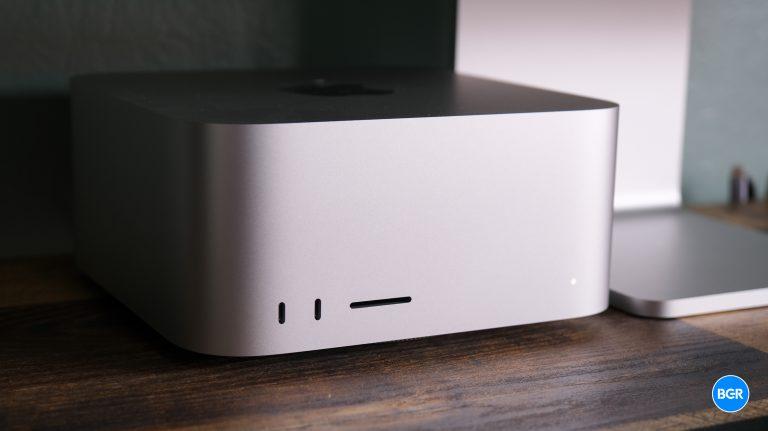
2023 Mac Studio On DeskImage source: Christian de Looper for BGR

Apple reportedly started mass-producing the M5 chip in January. While we’re still many months away from an official release, ET News says the “Apple M5 chip packaging is handled by Taiwan’s ASE, the U.S.’s Amkor, and China’s JCET. Initial mass production has been started by ASE, and mass production with Amkor and JCET will follow suit.”

These companies also add resources to make the high-end M5 Pro, M5 Max, and M5 Ultra chips. While power efficiency has been improved by 5-10% and performance improved by 5% compared to the M4 chip, we need to see them in action to know if the AI processors can fully power Apple Intelligence and other complex tasks.

Tech. Entertainment. Science. Your inbox.

Sign up for the most interesting tech & entertainment news out there.

By signing up, I agree to the Terms of Use and have reviewed the Privacy Notice.

According to The Elec, the M5 chip will feature an enhanced ARM architecture and be manufactured using TSMC’s latest 3-nanometer process technology, an improvement over the M3 and M4 chips. The M5 processor will adopt a new System on Integrated Chip (SoIC) technology, which enhances thermal management and reduces electrical leakage.

With that, we could see enhancements in performance and efficiency and a broader focus on Neural Engine tasks for AI and Apple Intelligence. While we know that Apple has moved on to producing its newer processors, the company will still release a number of new M4-powered devices, including some that have yet to be unveiled.

M5 MacBook and Mac release dates

M4 MacBook Pro keyboardImage source: Christian de Looper for BGR

The M5 Macs aren’t expected to be released before the fall of 2025. Currently, Apple has to launch the M4 MacBook Air, expected by March, then the Mac Studio in mid-2025, and a new Mac Pro by the second half of this year.

With that in mind, this is when we could expect new M5 Macs:

  • MacBook Pro: The M5 MacBook Pro is expected to be released in the second half of 2025, not before the fall; should include M5, M5 Pro, and M5 Max options.
  • MacBook Air: If Apple follows the trend, a new MacBook Air will likely be released by the beginning of 2026, around the first quarter.
  • Mac Studio: Rumors suggest that Apple is planning a new Studio Display, so the company might release a new Mac Studio with the M5 chip as well. This computer could ship with an M5 Ultra chip by mid-2026.

Apple’s schedule for releasing Mac mini, iMac, and Mac Pro updates has been irregular lately. That said, if the company plans to release these Macs, the first two could be available anytime from late 2025 to mid-2026, while the latter could be available from mid-2026 to late 2026.

Source

Posted on

Watch out Nvidia, a Linux leak revealing three new Intel Arc Battlemage GPUs may challenge the RTX 5000 series

  • New Linux leak may have revealed Intel Battlemage GPUs
  • The recent Linux patch had three code numbers
  • If true, this could challenge Nvidia’s 5000 series GPUs

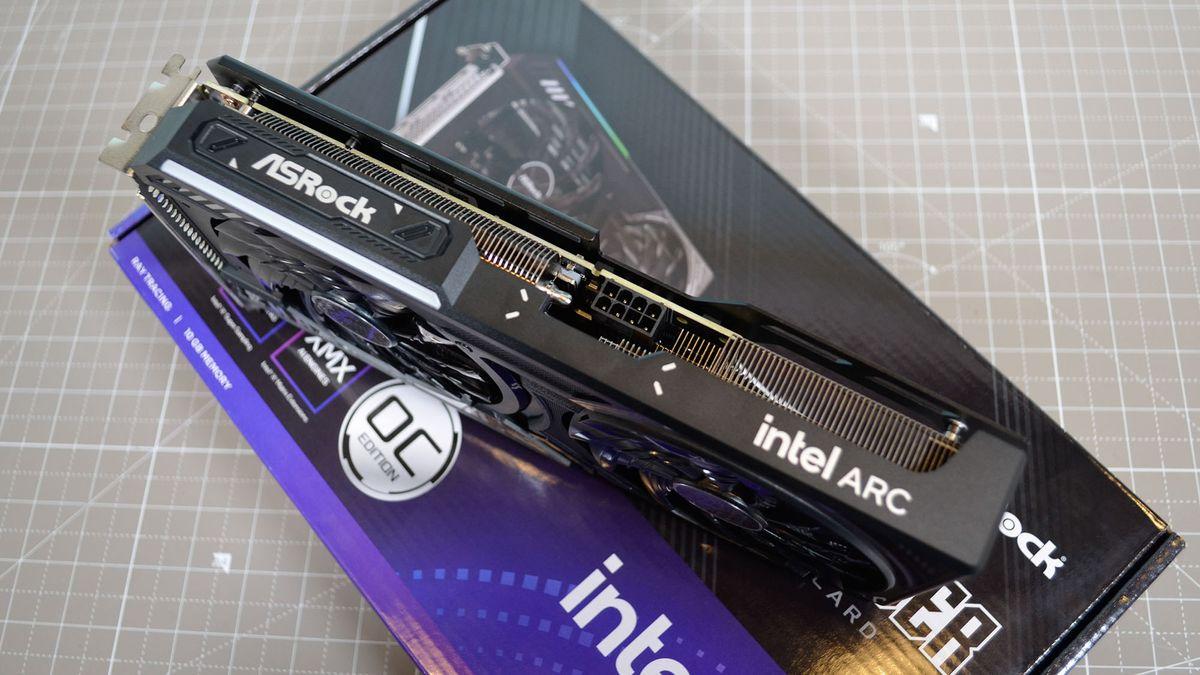
Intel’s upcoming Arc Battlemage graphics cards have gotten plenty of media attention through rumors, reports, and just recently an official reveal from Intel itself. But a recent Linux leak has revealed several new cards, which could possibly pose a threat to Nvidia’s RTX 5000 series.

According to Tomasz Gawroński, a gaming hardware enthusiast on X, the most recent Linux patch may have revealed at least three new Arc Battlemage cards, which could be the anticipated powerful variants. The listing itself shows three code numbers, with the patch notes stating that it’ll “Add 3 new IDs for BMG.” Gawroński interpreted it as Intel adding three new Battlemage IDs in this patch.

Though there hasn’t been anything concrete in the leaked information establishing that these cards are higher-end models, if they are it could absolutely flip the market on its head. Intel’s graphics cards have been competitively priced since the tech giant first entered the market, with the B580 and B570 models proving as such. If Intel were to launch mid-range and high-end cards with that same mindset, this could strike a critical blow against AMD and especially Nvidia.

Of course, that’s if these code numbers turn out to be anything in the long run. This could all be meaningless in the end, which is why it’s important to take this leak with a healthy pinch of salt.

How this could turn the tables on Nvidia

Nvidia’s RTX 5000 series graphics cards managed to buck the expected trend of prices dramatically increasing every new generation. The flagship RTX 5090, for instance, is only a few or so hundred above the RTX 4090’s launch day MSRP, and the RTX 5070 is one-third of the 4090’s price while nearly matching its performance with the use of DLSS.

But even if the Arc Battlemage cards don’t match the performance of the 5000 series or AMD’s RX 9070, a cheaper price point would allow Team Blue to finally gain traction in the mid-range market as it has in the budget space — after all, there are plenty of gamers looking for cards that better fit their more cost efficient PC builds. We already know that the majority of gamers are still at 1080p, with only a chunk at 1440p as their main monitor resolution.

I, for one, truly hope this is the direction Team Blue goes in. As I’ve been saying for quite some time now, Team Green and Team Red need a fire lit under their backsides in terms of offering truly budget graphics cards. And that fire is clearly the threat of real competition.

{ window.reliablePageLoad.then(() => { var componentContainer = document.querySelector(“#slice-container-newsletterForm-articleInbodyContent-KpNDCt3uwDERY8C2XgXMwU”); if (componentContainer) { var data = {“layout”:”inbodyContent”,”header”:”Get daily insight, inspiration and deals in your inbox”,”tagline”:”Sign up for breaking news, reviews, opinion, top tech deals, and more.”,”formFooterText”:”By submitting your information you agree to the Terms & Conditions and Privacy Policy and are aged 16 or over.”,”successMessage”:{“body”:”Thank you for signing up. You will receive a confirmation email shortly.”},”failureMessage”:”There was a problem. Please refresh the page and try again.”,”method”:”POST”,”inputs”:[{“type”:”hidden”,”name”:”NAME”},{“type”:”email”,”name”:”MAIL”,”placeholder”:”Your Email Address”,”required”:true},{“type”:”hidden”,”name”:”NEWSLETTER_CODE”,”value”:”XTR-D”},{“type”:”hidden”,”name”:”LANG”,”value”:”EN”},{“type”:”hidden”,”name”:”SOURCE”,”value”:”60″},{“type”:”hidden”,”name”:”COUNTRY”},{“type”:”checkbox”,”name”:”CONTACT_OTHER_BRANDS”,”label”:{“text”:”Contact me with news and offers from other Future brands”}},{“type”:”checkbox”,”name”:”CONTACT_PARTNERS”,”label”:{“text”:”Receive email from us on behalf of our trusted partners or sponsors”}},{“type”:”submit”,”value”:”Sign me up”,”required”:true}],”endpoint”:”https://newsletter-subscribe.futureplc.com/v2/submission/submit”,”analytics”:[{“analyticsType”:”widgetViewed”}],”ariaLabels”:{}}; var triggerHydrate = function() { window.sliceComponents.newsletterForm.hydrate(data, componentContainer); } if (window.lazyObserveElement) { window.lazyObserveElement(componentContainer, triggerHydrate); } else { triggerHydrate(); } } }).catch(err => console.error(‘%c FTE ‘,’background: #9306F9; color: #ffffff’,’Hydration Script has failed for newsletterForm-articleInbodyContent-KpNDCt3uwDERY8C2XgXMwU Slice’, err)); }).catch(err => console.error(‘%c FTE ‘,’background: #9306F9; color: #ffffff’,’Externals script failed to load’, err)); ]]>

Sign up for breaking news, reviews, opinion, top tech deals, and more.

Source

Posted on

TCS to inject AI and quantum computing into aerospace through French delivery centre

Tata Consultancy Services (TCS) is targeting the next technology revolution in the aerospace sector through a delivery centre that will focus on technologies such as artificial intelligence (AI) and quantum computing.

Based in Toulouse, it is TCS’s fourth IT delivery centre in France. It will start with 50 people, but could increase to 500.

The region of France is a hub for the aerospace sector, home to Airbus, the French space agency and hundreds of companies focused on the sector.

According to Anupam Singhal, president of manufacturing at TCS, the investment could stimulate the growth of TCS’s French operation as a whole.

TCS’s workforce in France currently stands at about 1,700 people after 30 years in the country. In comparison, the UK, with a similar size economy, has 23,000 TCS staff.

The new centre will be focused on the use of technologies such as AI and quantum computing to address the challenges faced by the aerospace and defence industries. It will also give customers access to the knowledge of TCS’s 600,000 global staff.

Industry challenges

Singhal cited the delivery delays being experienced by Boeing as an example of where the latest technologies might be used to assist aerospace manufacturers.

Despite orders for planes being at an all-time high, Singhal pointed to major challenges. “Supply chain resilience has been a big issue, and that’s the reason major suppliers have not been able to deliver the backlog of the demand they have,” he said.

Problems can escalate quickly for manufacturers when the supply chain is disrupted. Singhal gave the example of the Suez Canal blockage, which delayed the delivery of parts coming from suppliers across the world.

He said TCS is using AI to gather information in different formats, such as news reports, and work out what global or local events could impact the supply chain. It then warns the manufacturers if they need to make changes.

“The technology can process information and analyse what the possible impact could be. It can then advise the company, for example, to stock up with more items. The whole idea is that resiliency can be built in,” he said.

“Everything comes out of data, so the ability for us to connect public information with enterprise data – to understand where suppliers are and where items are coming from – means AI can tell the enterprise, ‘Deliveries may get stuck, but you have another supplier which is not affected – maybe you need to put an order into that supplier so your production line is not stopped’.”

Singhal added: “We are not saying it will replace humans, because they are in the loop, but today, all leaders and managers take decisions based on data. By using technology, we can provide a lot more data so that enterprises can make more intelligent decisions. In fact, AI technology can offer two or three possible options and let the customer decide what is the right thing for them.”

Tech for sustainability

While companies across the world talk about their targets for becoming carbon neutral, the aerospace industry is hugely dependent on fossil fuel. Singhal said TCS is working on the use of quantum computing in the design of aircraft to enable manufacturers to dramatically reduce fuel consumption.

“This is being done now with newer aircraft, which are 20% more efficient than older versions,” he said. “The lighter the plane, the lower the amount of fuel it will burn. So we built a quantum computing-based solution where the analysis of material can be done.”

Then there is the use of technology to optimise flight routes based on factors including distance, congestion and weather. “The fact is, every minute a plane is in the air, it’s producing huge amounts of carbon dioxide and airlines are burning money. We can use quantum to devise the optimal flight path so it doesn’t have to be in the air longer than necessary.”

Augmenting human skills

Optimising limited human resources is also a major challenge in a sector that is highly regulated and requires high-level skills.

Singhal said in sectors such as aerospace and defence, it is a challenge to find people with the right level of skills. But technology generally, he said, including AI, can enable less skilled people to perform the work of more highly skilled people.

“Using generative AI and natural language support, a worker can ask, ‘I need to assemble this part – tell me how to go about it’, and there could be a video or instructions for this part,” he added.

When it comes to human skills, TCS said the Toulouse centre will help accelerate recruitment in the region, accessing local talent, engaging in academic partnerships and using existing capabilities in France.

Source

Posted on

Nvidia’s RTX 5080 has dethroned AMD’s RX 7900 XTX at the same price – but good luck finding one

  • Nvidia’s new RTX 5080 GPU performs better than AMD’s Radeon RX 7900 XTX at raw rasterization and ray tracing
  • DLSS 4 performance takes it further, while the RX 7900 XTX only has FSR 3 for now
  • Scalping could leave many people buying AMD GPUs instead

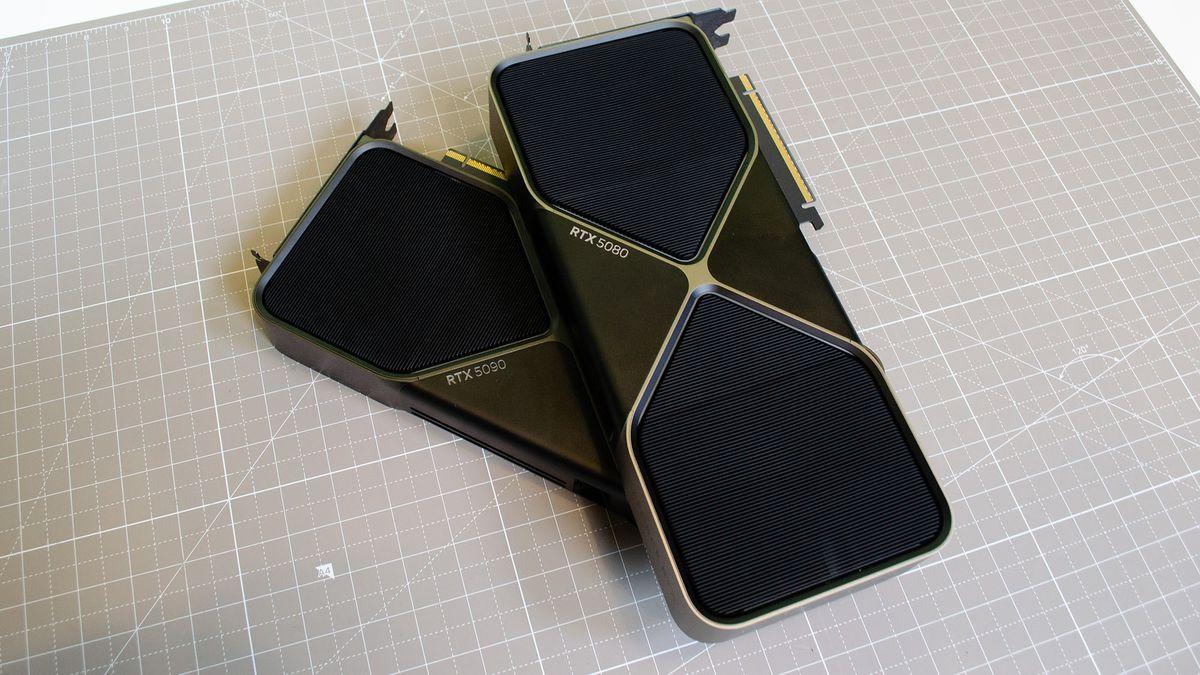
The best of Nvidia‘s RTX 5000 series GPUs are finally here, with the RTX 5090 ($1,999 / £1,939 / AU$4,039) and the RTX 5080 ($999 / £939 / AU$2,019) launching yesterday. With comparisons now out in the wild, it’s clear to see that the RTX 5080 defeats AMD’s Radeon RX 7900 XTX while sitting at the same listed price – although the chances of finding one at that price are slim.

At both raw rasterization and (unsurprisingly) ray tracing performance, Team Green’s RTX 5080 comes out on top against its rivals’ flagship RX 7000 series GPU in several games as evident in Gamer Meld‘s comparison on YouTube (available below). Whilst it isn’t by a huge margin (at least in raw rasterization), it completes the job the previous generation’s RTX 4080 Super set out to do.

Examples of this are notable in Black Myth: Wukong, as the RTX 5080 scored an average frame rate of 42fps versus the RX 7900 XTX’s 32fps at 4K max graphics settings with no upscaling or ray tracing, a 27% performance difference. With RT Overdrive enabled in Cyberpunk 2077 at 4K max graphics settings and upscaling on (performance mode for both), the RTX 5080 had an average of 59.84 fps versus the 7900 XTX’s 30.02 fps.

It’s worth noting that this is while Team Green’s powerhouse GPU was using DLSS 4 and the RX 7900 XTX was using FSR 3 – you could call it an unfair comparison, but Team Red’s FSR 4 will only be available for RDNA 4 GPUs (at least for now), and the GPU in question isn’t one of them. We will have to wait just a little longer for more information on what the new RX 9070 series offers (especially while using FSR 4), and whether this could stack up to Nvidia’s offerings.

RTX 5080 vs RX 7900 XTX! – YouTube RTX 5080 vs RX 7900 XTX! - YouTube Watch On

Unless you’re lucky enough to grab an RTX 5080 FE before scalpers, you likely won’t get it at its listed price

Now, this may be a circumstance where I’d recommend sticking with AMD‘s RX 7900 XTX if you already own the GPU – the RTX 5080 FE would likely be the better option going forward (especially if DLSS 4 is better than FSR 4), but the scalpers will likely be the main obstacle to stop you from purchasing it at reasonable prices.

We’ve seen this happen on numerous occasions with Nvidia’s GPUs and other PC hardware, so expect it to be the same case here. It’ll likely be much worse for those chasing the RTX 5090 with its $1,999 / £1,939 / AU$4,039 price (which I frankly don’t think is worth it if you already own an RTX 4090).

While Nvidia’s RTX 5080 is the stronger GPU, the RX 7900 XTX doesn’t stray too far behind in raw rasterization – ray tracing and upscaling are great don’t get me wrong, but I’ve already stated that this shouldn’t be the deciding factor for a GPU purchase.

{ window.reliablePageLoad.then(() => { var componentContainer = document.querySelector(“#slice-container-newsletterForm-articleInbodyContent-3N2myjJF5GHhXV475rogRC”); if (componentContainer) { var data = {“layout”:”inbodyContent”,”header”:”Get daily insight, inspiration and deals in your inbox”,”tagline”:”Sign up for breaking news, reviews, opinion, top tech deals, and more.”,”formFooterText”:”By submitting your information you agree to the Terms & Conditions and Privacy Policy and are aged 16 or over.”,”successMessage”:{“body”:”Thank you for signing up. You will receive a confirmation email shortly.”},”failureMessage”:”There was a problem. Please refresh the page and try again.”,”method”:”POST”,”inputs”:[{“type”:”hidden”,”name”:”NAME”},{“type”:”email”,”name”:”MAIL”,”placeholder”:”Your Email Address”,”required”:true},{“type”:”hidden”,”name”:”NEWSLETTER_CODE”,”value”:”XTR-D”},{“type”:”hidden”,”name”:”LANG”,”value”:”EN”},{“type”:”hidden”,”name”:”SOURCE”,”value”:”60″},{“type”:”hidden”,”name”:”COUNTRY”},{“type”:”checkbox”,”name”:”CONTACT_OTHER_BRANDS”,”label”:{“text”:”Contact me with news and offers from other Future brands”}},{“type”:”checkbox”,”name”:”CONTACT_PARTNERS”,”label”:{“text”:”Receive email from us on behalf of our trusted partners or sponsors”}},{“type”:”submit”,”value”:”Sign me up”,”required”:true}],”endpoint”:”https://newsletter-subscribe.futureplc.com/v2/submission/submit”,”analytics”:[{“analyticsType”:”widgetViewed”}],”ariaLabels”:{}}; var triggerHydrate = function() { window.sliceComponents.newsletterForm.hydrate(data, componentContainer); } if (window.lazyObserveElement) { window.lazyObserveElement(componentContainer, triggerHydrate); } else { triggerHydrate(); } } }).catch(err => console.error(‘%c FTE ‘,’background: #9306F9; color: #ffffff’,’Hydration Script has failed for newsletterForm-articleInbodyContent-3N2myjJF5GHhXV475rogRC Slice’, err)); }).catch(err => console.error(‘%c FTE ‘,’background: #9306F9; color: #ffffff’,’Externals script failed to load’, err)); ]]>

Sign up for breaking news, reviews, opinion, top tech deals, and more.

Both GPUs are at the same listed price, with third-party options of the RX 7900 XTX at lower prices (since it’s been out for 2 years) so it would be the easy and most affordable option in this case – but once more users catch wind of performance comparisons, you’ll likely see the RX 7900 XTX disappear from online retailers too with low stock. A potential purchase of the RTX 5080 is entirely down to whether you own AMD’s GPU already or a GPU that’s weaker on either Team Red or Team Green’s end.

You may also like…

Source

Posted on

Anthropic is telling candidates not to use AI in job applications

If you want a job at Anthropic, the company behind the powerful AI assistant Claude, you won’t be able to depend on Claude to get you the job.

As spotted by Simon Willson (via 404 Media), job applications for nearly every open position at Anthropic include an intriguing AI policy question.

Basically, the company doesn’t want applicants to use any AI assistants to help fill out their job applications and even asks them to confirm they haven’t:

“While we encourage people to use AI systems during their role to help them work faster and more effectively, please do not use AI assistants during the application process,” Anthropic’s job applications state. “We want to understand your personal interest in Anthropic without mediation through an AI system, and we also want to evaluate your non-AI-assisted communication skills. Please indicate ‘Yes’ if you have read and agree.”

Tech. Entertainment. Science. Your inbox.

Sign up for the most interesting tech & entertainment news out there.

By signing up, I agree to the Terms of Use and have reviewed the Privacy Notice.

The note comes just before a question about why the applicant wants to work for Anthropic and a text box for a potential cover letter, which the company wants you to write yourself.

On one hand, the irony is thick enough to cut with a knife. On the other, it’s weirdly encouraging to see that even one of the leading AI firms still cares about communication skills. After all, even at an AI company, you are going to be working hand in hand with other humans every day. Until Claude and the other AI chatbots can fully replace us, Anthropic wants to ensure that it’s hiring people who are willing and able to work together.

Source

Posted on

Nvidia RTX 5090 and 5080 GPU launch was frustrating and chaotic, leaving many PC gamers disappointed – exactly as the rumors predicted

  • Nvidia’s RTX 5080 and 5090 launch was just as the rumor mill forecast
  • Stock was light and sold out very quickly indeed
  • There were queues, an inevitable clamor for next-gen GPUs, and even chaotic scenes at one Japanese retailer

Nvidia’s RTX 5080 and 5090 graphics cards sold out in very quick fashion, just as the rumors predicted, on launch day yesterday – and there was a fair bit of chaos and clamor surrounding the release of these first Blackwell GPUs.

At the time of writing, the day after launch, everything remains sold out at the big US and UK retailers I’ve just taken a scout round, at least in terms of standalone graphics cards.

Even the seriously pricey third-party RTX 5080 models at the premium end of the spectrum sold out in the blink of an eye.

Yes, the only option to get a Blackwell GPU currently is to buy a full PC with one of the boards in it, where you’re obviously paying a lot of money for a high-end machine with a big markup.

As for the clamor, there were big lines at some retail stores in the US, with folks queuing for their shot at an RTX 5090 days before launch. As VideoCardz reports, there were somewhat chaotic scenes in Japan where, at a shop called PC Koubou, would-be Nvidia GPU buyers ended up scaling the fence of a kindergarten next door (in an effort to get in and purchase a GPU, presumably).

That was one of the stores in Japan where a lottery system was implemented to try and make buying a Blackwell GPU a fair process, but clearly, it went awry here.

All in all, there are accusations of Nvidia making the RTX 5000 a ‘paper launch’ meaning that there was only a very small amount of inventory available on release day.

{ window.reliablePageLoad.then(() => { var componentContainer = document.querySelector(“#slice-container-newsletterForm-articleInbodyContent-rEujMNwbWU9RPknYUV7xQf”); if (componentContainer) { var data = {“layout”:”inbodyContent”,”header”:”Get daily insight, inspiration and deals in your inbox”,”tagline”:”Sign up for breaking news, reviews, opinion, top tech deals, and more.”,”formFooterText”:”By submitting your information you agree to the Terms & Conditions and Privacy Policy and are aged 16 or over.”,”successMessage”:{“body”:”Thank you for signing up. You will receive a confirmation email shortly.”},”failureMessage”:”There was a problem. Please refresh the page and try again.”,”method”:”POST”,”inputs”:[{“type”:”hidden”,”name”:”NAME”},{“type”:”email”,”name”:”MAIL”,”placeholder”:”Your Email Address”,”required”:true},{“type”:”hidden”,”name”:”NEWSLETTER_CODE”,”value”:”XTR-D”},{“type”:”hidden”,”name”:”LANG”,”value”:”EN”},{“type”:”hidden”,”name”:”SOURCE”,”value”:”60″},{“type”:”hidden”,”name”:”COUNTRY”},{“type”:”checkbox”,”name”:”CONTACT_OTHER_BRANDS”,”label”:{“text”:”Contact me with news and offers from other Future brands”}},{“type”:”checkbox”,”name”:”CONTACT_PARTNERS”,”label”:{“text”:”Receive email from us on behalf of our trusted partners or sponsors”}},{“type”:”submit”,”value”:”Sign me up”,”required”:true}],”endpoint”:”https://newsletter-subscribe.futureplc.com/v2/submission/submit”,”analytics”:[{“analyticsType”:”widgetViewed”}],”ariaLabels”:{}}; var triggerHydrate = function() { window.sliceComponents.newsletterForm.hydrate(data, componentContainer); } if (window.lazyObserveElement) { window.lazyObserveElement(componentContainer, triggerHydrate); } else { triggerHydrate(); } } }).catch(err => console.error(‘%c FTE ‘,’background: #9306F9; color: #ffffff’,’Hydration Script has failed for newsletterForm-articleInbodyContent-rEujMNwbWU9RPknYUV7xQf Slice’, err)); }).catch(err => console.error(‘%c FTE ‘,’background: #9306F9; color: #ffffff’,’Externals script failed to load’, err)); ]]>

Sign up for breaking news, reviews, opinion, top tech deals, and more.

As VideoCardz points out, theorizing on Reddit – which we should be particularly careful around – suggests that there were only 250 units of the RTX 5090 at Micro Centers in the US, and just 2,400 or so of the RTX 5080. Certainly, the flagship GPU was predicted to be vanishingly thin on the ground anyway, going by the rumors, but the RTX 5080 was expected to achieve somewhat better stock levels than this rough tally from Reddit suggests.

A masculine hand holding up an Nvidia GeForce RTX 5080 against a green background

(Image credit: Future)

Analysis: Do not feed the scalpers

As mentioned, the only real shot you have currently of getting a Blackwell GPU is buying a full PC, inevitably a very expensive premium model that’s going to run you a few grand. You could, in theory, then replace the RTX 5000 GPU with your own (that you’re upgrading from), and sell the PC second-hand (as nearly new), but that’s potentially a lot of hassle and headaches, so most people won’t consider that option (I certainly wouldn’t).

The other choice, which again, isn’t really any kind of choice, is to buy an RTX 5090 or 5080 on an auction site from a scalper who has seriously jacked up the price. Don’t do this – do not feed the price gougers, whatever you do, please. It’s interesting to see on the likes of eBay that there are a good many more reasonably priced Blackwell listings which are made just to trap bots, and clearly state that they are only a photo of the GPU in the description. (As well as those trying to sell their in-place pre-orders, of course).

Just the usual chaos around the launch of a thin-on-the-ground new generation of GPUs, then. I’d suggest, for now, that you just try to be patient. (Don’t feed the scalpers, did I say that already? Just imagine the collective sweating going on if those listings don’t shift, and they have to keep dropping and dropping prices).

Keep your eyes peeled on our live blogs where TechRadar is still maintaining a watch on all the major retailers – for RTX 5090 graphics cards, and also RTX 5080 GPUs – and we’ll alert you there if any stock comes back in. But for now, the chances of buying an RTX 5090 or 5080 still seem very remote to say the least.

Of course, the attention will soon turn to the launch of RTX 5070 models next month, and how stock will shake out there. And after that, the eyes of gamers will be fixed on what AMD’s doing with RDNA 4 in March. As we know that some RX 9070 graphics cards are already at retailers, hopefully Team Red should have a much better next-gen launch for stock levels than we witnessed with Nvidia yesterday.

You might also like…

Source

Posted on

I saw Nvidia’s new DLSS 4 in action on the RTX 5090 and it’s a true game changer – here’s why

  • DLSS 4 is about to change the game for all RTX GPU users
  • The super resolution performance mode has seen a significant boost in terms of image quality and clarity
  • Frame Generation’s smearing and ghosting has been reduced

After its long-awaited reveal at CES 2025, Nvidia‘s RTX 5090 and 5080 graphics cards have now officially launched, which has opened the gateway to improved performance across numerous games with both more raw power and better Frame Generation over the last RTX 4000 series generation – but from what I’ve seen first hand after sitting down with Team Green at its office in Reading, its biggest enhancements stem from its work on DLSS 4.

DLSS 4 is now available on all RTX GPUs with support for titles like Cyberpunk 2077, Alan Wake 2, and Hogwarts Legacy – but a new feature, DLSS Override, allows users to utilize DLSS 4 and Multi Frame Generation (the latter of which is exclusive to RTX 5000 series GPUs) in games that don’t have native support yet. While that’s great to hear, you might be wondering why DLSS 4 is receiving so much praise from other users (and myself).

A new era of upscaling fidelity

I didn’t personally review the RTX 5090 for TechRadar, but having now seen DLSS 4 in action running on the GPU thanks to Nvidia’s press invite, I can tell you that DLSS 4’s new transformer model is a genuine game changer. With the previous CNN (Convolutional Neural Network) model for older DLSS versions, ghosting and smearing were a big issue and part of the reason many worried about upscaling becoming the quick fix for game developers (which I do still believe is true to a degree) – but with this new transformer model, the likes of DLSS 4’s performance mode is visually on par if not better than DLSS 3’s quality mode (despite having a lower internal resolution).

GIF of Alan Wake 2 using DLSS 4 performance

DLSS 4 performance mode running in Alan Wake 2 on an RTX 5090 with path tracing enabled… trust me, it was magnificent, if you’ll excuse my crappy video quality. (Image credit: Future)

It’s evident in the gif above showing Alan Wake 2 (and in Nvidia’s video below), along with my first tests in Marvel’s Spider-Man 2 on PC despite its current crashing and stability issues (based on current Steam reviews), as results were consistent – for once, I could actually use DLSS performance mode without feeling disgusted by slightly – but noticeably – blurry image quality with flickering and ghosting in every sequence. This is all possible thanks to the new transformer AI model, which significantly enhances image clarity and stability, especially in motion, with Insomniac’s title taking advantage of Nvidia’s ‘ray reconstruction’ feature in this case.

I continuously flicked back and forth between the quality and performance modes, assuming my eyes were playing tricks on me, but believe me, the latter is truly that good.

The same applies to scenarios where Frame Generation for RTX 4000 series GPUs or Multi Frame Generation for RTX 5000 series GPUs is in use – as I said, input lag and ghosting were the two biggest constraints of DLSS 3’s frame-gen, and this has now been addressed with DLSS 4 along with Reflex 2 (which I saw significantly reduced input lag in competitive games like The Finals), which Nvidia confirmed will first be available to RTX 5000 series GPUs before coming to older graphics cards.

DLSS Ray Reconstruction with New Transformer Model | Alan Wake 2 – YouTube DLSS Ray Reconstruction with New Transformer Model | Alan Wake 2 - YouTube Watch On

While the demos showcased to me were with the new generation’s flagship GPU (which is unsurprisingly a powerhouse), this makes the ‘Overdrive’ path tracing preset in Cyberpunk 2077 on RTX 4000 or maybe even 3000 series GPUs possible – those with access to frame-gen will certainly yield even better frame rates, but the transformer super-resolution model set to performance mode will make it playable on GPUs that don’t have access to frame gen, without compromising image quality like the CNN model did.

{ window.reliablePageLoad.then(() => { var componentContainer = document.querySelector(“#slice-container-newsletterForm-articleInbodyContent-ZKJSYgEfftmWTQwYma9NQN”); if (componentContainer) { var data = {“layout”:”inbodyContent”,”header”:”Get daily insight, inspiration and deals in your inbox”,”tagline”:”Sign up for breaking news, reviews, opinion, top tech deals, and more.”,”formFooterText”:”By submitting your information you agree to the Terms & Conditions and Privacy Policy and are aged 16 or over.”,”successMessage”:{“body”:”Thank you for signing up. You will receive a confirmation email shortly.”},”failureMessage”:”There was a problem. Please refresh the page and try again.”,”method”:”POST”,”inputs”:[{“type”:”hidden”,”name”:”NAME”},{“type”:”email”,”name”:”MAIL”,”placeholder”:”Your Email Address”,”required”:true},{“type”:”hidden”,”name”:”NEWSLETTER_CODE”,”value”:”XTR-D”},{“type”:”hidden”,”name”:”LANG”,”value”:”EN”},{“type”:”hidden”,”name”:”SOURCE”,”value”:”60″},{“type”:”hidden”,”name”:”COUNTRY”},{“type”:”checkbox”,”name”:”CONTACT_OTHER_BRANDS”,”label”:{“text”:”Contact me with news and offers from other Future brands”}},{“type”:”checkbox”,”name”:”CONTACT_PARTNERS”,”label”:{“text”:”Receive email from us on behalf of our trusted partners or sponsors”}},{“type”:”submit”,”value”:”Sign me up”,”required”:true}],”endpoint”:”https://newsletter-subscribe.futureplc.com/v2/submission/submit”,”analytics”:[{“analyticsType”:”widgetViewed”}],”ariaLabels”:{}}; var triggerHydrate = function() { window.sliceComponents.newsletterForm.hydrate(data, componentContainer); } if (window.lazyObserveElement) { window.lazyObserveElement(componentContainer, triggerHydrate); } else { triggerHydrate(); } } }).catch(err => console.error(‘%c FTE ‘,’background: #9306F9; color: #ffffff’,’Hydration Script has failed for newsletterForm-articleInbodyContent-ZKJSYgEfftmWTQwYma9NQN Slice’, err)); }).catch(err => console.error(‘%c FTE ‘,’background: #9306F9; color: #ffffff’,’Externals script failed to load’, err)); ]]>

Sign up for breaking news, reviews, opinion, top tech deals, and more.

What does this mean for future PC ports?

Now, considering my stance on concerns about game developers taking their hands off the wheel in terms of game optimization on PC, DLSS 4 has genuinely lightened my worries – at least by a bit. While I’m still absolutely adamant that PC ports should launch without the drastic performance issues found in games like Star Wars Jedi: Survivor, DLSS 4’s performance mode (which has always been great at providing better performance in previous iterations of DLSS) now maintains fantastic image quality with the new transformer model.

In unfortunate cases where games are still poorly optimized, I have a strong feeling that DLSS 4 will work wonders with patching things up where necessary – and with DLSS Override, this can effectively be done with minimal effort on the developer’s part, although manual implementation will still be ideal. It’s especially the case for those who own an RTX 4000 series or 5000 series GPU with access to frame generation (and there’s still a chance frame-gen could come to RTX 3000 GPUs), as the enhancements made to the original Frame Generation model reduce VRAM consumption to boost performance across the board.

I’ve already acknowledged that AI upscaling is most likely the future of gaming – as much as that makes me nervous about game development, Nvidia has done a great job here at potentially helping future cases of bad PC ports, while also catering to older GPUs. In my eyes, that’s worth heaps of praise – keep doing good stuff like this, okay Nvidia?

You may also like…

Source

Posted on

Hoping for new desktop CPUs from Intel this year? I hate to break it to you, but it still very much sounds like they won’t arrive until 2026 with Nova Lake

  • Intel has confirmed its CPU roadmap for the near future
  • Panther Lake is due later in 2025, and Nova Lake in 2026
  • It’s still not made clear if Panther Lake will skip desktop, but it seems likely that next-gen desktop CPUs won’t be here until next year

Intel has confirmed its future CPU plans and how the firm’s intended roadmap will pan out across 2025 and 2026, albeit while leaving question marks over certain specifics.

We got confirmation of existing plans – that Panther Lake is due this year, and Nova Lake next year – but there’s still no certainty over whether we’ll get a new generation of desktop CPUs later in 2025 (in other words, whether Intel will stick to its usual yearly cadence).

As VideoCardz reports, what Intel’s current (interim) co-CEO Michelle Johnston Holthaus revealed during a recent earnings call is that we can expect Team Blue to release Panther Lake silicon, its next generation, in the second half of 2025.

Holthaus then observed: “2026 is even more exciting from a client perspective as Panther Lake achieves meaningful volumes and we introduce our next-generation client family codenamed Nova Lake.

“Both will provide strong performance across the entire PC stack with significantly better cost and margin for us, enhancing our competitive position and reinforcing our value proposition to our partners and customers.”

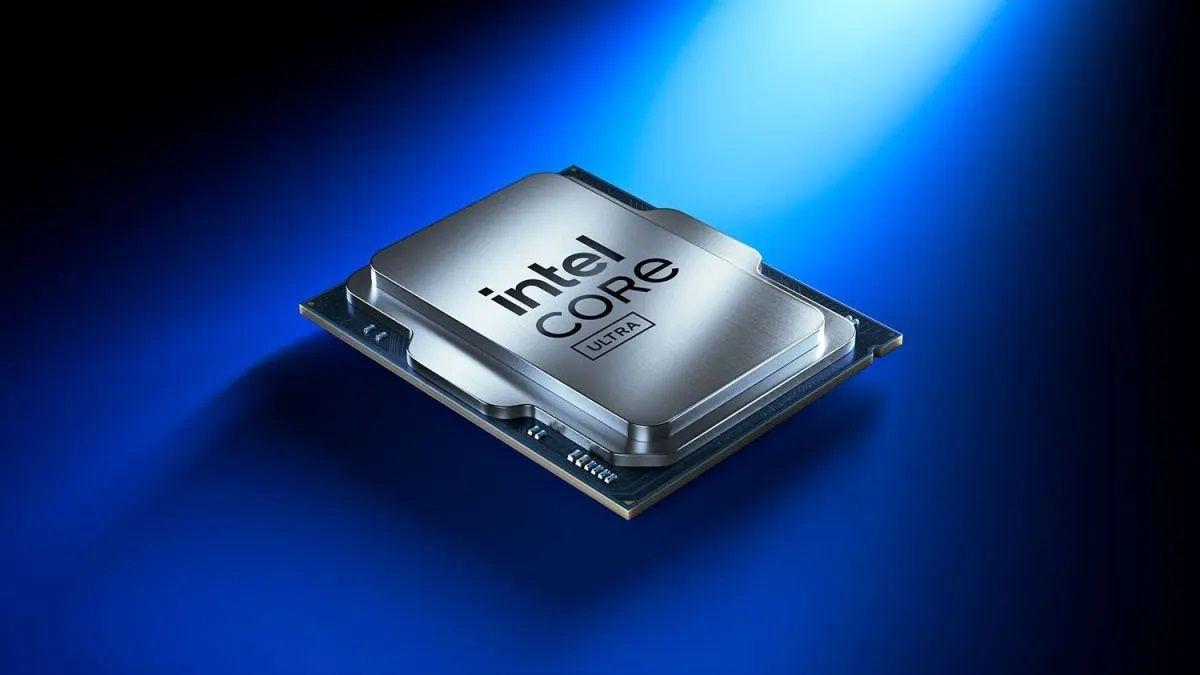
Intel Core Ultra processor

(Image credit: Future / John Loeffler)

Analysis: Form of the Panther

Okay, so next-gen Panther Lake is still due later in 2025, and 2026 will be the year of Nova Lake, the following generation. Good to know, or rather, to have that confirmed again.

The question is: what form will Panther Lake and Nova Lake take, exactly? The current rumor is that Panther Lake will be mobile chips only, meaning just laptops, not desktop PCs. The sightings of next-gen desktop chips via the rumor mill have been confined only to Nova Lake (so far, and it’s getting late in the day now).

{ window.reliablePageLoad.then(() => { var componentContainer = document.querySelector(“#slice-container-newsletterForm-articleInbodyContent-kW2cVihWHwxFWAFGec5Qpk”); if (componentContainer) { var data = {“layout”:”inbodyContent”,”header”:”Get daily insight, inspiration and deals in your inbox”,”tagline”:”Sign up for breaking news, reviews, opinion, top tech deals, and more.”,”formFooterText”:”By submitting your information you agree to the Terms & Conditions and Privacy Policy and are aged 16 or over.”,”successMessage”:{“body”:”Thank you for signing up. You will receive a confirmation email shortly.”},”failureMessage”:”There was a problem. Please refresh the page and try again.”,”method”:”POST”,”inputs”:[{“type”:”hidden”,”name”:”NAME”},{“type”:”email”,”name”:”MAIL”,”placeholder”:”Your Email Address”,”required”:true},{“type”:”hidden”,”name”:”NEWSLETTER_CODE”,”value”:”XTR-D”},{“type”:”hidden”,”name”:”LANG”,”value”:”EN”},{“type”:”hidden”,”name”:”SOURCE”,”value”:”60″},{“type”:”hidden”,”name”:”COUNTRY”},{“type”:”checkbox”,”name”:”CONTACT_OTHER_BRANDS”,”label”:{“text”:”Contact me with news and offers from other Future brands”}},{“type”:”checkbox”,”name”:”CONTACT_PARTNERS”,”label”:{“text”:”Receive email from us on behalf of our trusted partners or sponsors”}},{“type”:”submit”,”value”:”Sign me up”,”required”:true}],”endpoint”:”https://newsletter-subscribe.futureplc.com/v2/submission/submit”,”analytics”:[{“analyticsType”:”widgetViewed”}],”ariaLabels”:{}}; var triggerHydrate = function() { window.sliceComponents.newsletterForm.hydrate(data, componentContainer); } if (window.lazyObserveElement) { window.lazyObserveElement(componentContainer, triggerHydrate); } else { triggerHydrate(); } } }).catch(err => console.error(‘%c FTE ‘,’background: #9306F9; color: #ffffff’,’Hydration Script has failed for newsletterForm-articleInbodyContent-kW2cVihWHwxFWAFGec5Qpk Slice’, err)); }).catch(err => console.error(‘%c FTE ‘,’background: #9306F9; color: #ffffff’,’Externals script failed to load’, err)); ]]>

Sign up for breaking news, reviews, opinion, top tech deals, and more.

Based on what Intel’s co-CEO says here, there’s no specific mention of desktop CPUs, so that isn’t helpful. However, what we do get from Holthaus is an assertion that “both will provide strong performance across the entire PC stack” and the key word here is ‘both’ of course.

The “entire PC stack” means mobile and desktop, the works, and what appears to be stated here is that both Panther Lake and Nova Lake together will cover the entire PC stack between them. This is still true if Panther Lake doesn’t have a desktop incarnation.

Alternatively, you could read this as both Panther Lake and Nova Lake will separately cover the full stack, both desktop and mobile, in their own right – but that doesn’t feel like the intention here. By which I mean, for me, this seems to be a way of phrasing things that’s deliberately ambiguous to gloss over whether or not Panther Lake will have a desktop presence.

Take that for what you will, of course, and we absolutely don’t know for sure. Maybe Intel does have Panther Lake desktop chips in the works, but based on the rumors, it seems relatively unlikely.

Another alternative could be that Panther Lake is laptop only, but Intel could bring out an Arrow Lake Refresh on desktop later this year alongside it, as a stopgap before Nova Lake desktop CPUs in 2026. Remember, that’s what happened with Raptor Lake, and it was a very minor generational bump – but past rumors have claimed Intel is not going to carry out such a refresh with Arrow Lake for desktops.

Ultimately, for now, it seems to me that the likelihood is that Intel’s next-gen desktop silicon won’t be here until 2026 when Nova Lake blazes into town.

You might also like

Source