Posted on

Forget Apple Intelligence, Siri doesn’t even know what month it is

It’s not Apple’s finest hour, as the company is going through one of the most humiliating periods of its recent history. Apple had to admit a few days ago that the smarter Siri it advertised as coming this year to iPhone via Apple Intelligence is delayed indefinitely. It’s unclear how long it’ll take for that Siri upgrade to come to iPhone 16 and other supported devices.

The realization that the smarter Siri in Apple Intelligence is just vaporware prompted plenty of backlash from Apple fans unhappy with how Apple handled the delay.

I said at the time that I still want the Siri vision Apple unveiled at WWDC 2024, but I want Apple to be honest about what it can and can’t do. Yes, Apple is well behind ChatGPT and Gemini, considering this massive setback, but it has time to catch up and deliver the product it advertised. Personal AI assistants are the future of computers, and Apple will eventually get there.

Now that we’re used to the idea of Apple Intelligence being a huge letdown, we can go back to using iPhones as if Apple Intelligence doesn’t exist. Without the smart Siri that should have been here, Apple Intelligence is really nothing to write home about. I’ll continue to ignore it, even though it’s finally available in Europe. It offers nothing I need right now.

Tech. Entertainment. Science. Your inbox.

Sign up for the most interesting tech & entertainment news out there.

By signing up, I agree to the Terms of Use and have reviewed the Privacy Notice.

However, it looks like Siri, available outside of Apple Intelligence, is somehow getting dumber. People have noticed the iPhone assistant can’t answer simple questions like “What month is it?” and that’s bad news for Apple.

Siri was the key iPhone 4s feature that Apple unveiled all the way back in 2011. That was nearly 15 years ago. It was extraordinary, teasing the sort of iPhone functionality that seemed taken out of a sci-fi movie. You could issue simple voice commands to the assistant, and Siri would provide assistance.

Since then, competitors have overtaken Siri’s capabilities, with Amazon’s Alexa and Google’s Google Assistant being two good examples, despite Apple improving its own voice assistant.

In 2025, you’d expect Siri to understand your question when you ask it what month it is and answer it. Or, at least, Siri could start a web search for your query, which is what it used to do in the past when it couldn’t quite catch what you asked.

That’s not the case. Siri says it doesn’t understand your question when you ask it what month it is. Apple enthusiast John Gruber, who made waves last week pointing out the deeply misleading Apple Intelligence Siri development and marketing, found a Reddit thread where multiple users posted their experience asking Siri what month it is.

Gruber says he reproduced Siri’s “I’m sorry, I don’t understand” on his iPhone 16 Pro running iOS 18.4 beta 4. I asked Siri the same question on my iPhone 16 Pro Max and got the same bewildering answer.

Truth be told, I have no idea whether Siri ever knew what month it was. I never asked that question because it’s not something I need assistance with. I usually know what month it is. But a phone voice assistant should, at the very least, know what month it is.

I even tried to text Siri the same question and got the same response. Dumb Siri can’t answer a basic question. It does know the date, so that’s something. But it can’t extract the month from there.

One Reddit user tried to ask, “What month is it currently?” and got the answer, “It is 2025.” My Siri didn’t understand this question either.

This is just embarrassing for Apple, especially in light of the Apple Intelligence fiasco. I can’t wait to see how and when Apple will address these matters publicly.


Source

Posted on

Apple sued over false advertising claims tied to Apple Intelligence

Apple had to come clean a few days ago and reveal that the smart Siri features it demoed at WWDC 2024 would not be available via Apple Intelligence this year. They might hit the iPhone, iPad, and Mac next year. Apple also withdrew that ad featuring Bella Ramsay that advertised the smart Siri features in Apple Intelligence ahead of the iPhone 16 launch.

We all realized the smart Siri Apple envisioned is practically vaporware, a rare event for Apple. The company essentially announced an advanced AI concept at WWDC 2024 that it could not deliver. Apple insiders like John Gruber drew scathing reviews of Apple’s behavior related to Siri, further reinforcing the idea the AI assistant was vaporware.

Since then, we heard of Apple internal meetings over Apple Intelligence, including a purported exec reshuffling that Apple is yet to announce.

Apple didn’t fire anyone over the Siri fiasco, but the company reportedly appointed the Vision Pro boss Mike Rockwell to lead the Siri efforts. Like I said before, I still expect that smart Siri version to be available in Apple Intelligence on iPhone, no matter how long it takes. Apple seems determined to deliver it, too.

Tech. Entertainment. Science. Your inbox.

Sign up for the most interesting tech & entertainment news out there.

By signing up, I agree to the Terms of Use and have reviewed the Privacy Notice.

However, when Apple had to acknowledge the delay of smart Siri, it was clear that lawsuits would follow, particularly after Apple pulled that ad. That first lawsuit is already here, alleging Apple engaged in false advertising to sell the iPhone 16 series.

According to Axios, the Clarkson Law Firm filed the federal lawsuit on Wednesday in U.S. District Court in San Jose. The suit seeks class-action status, asking for unspecified damages for those who bought Apple Intelligence-ready iPhones and other hardware.

The lawsuit has just been filed, and it’ll take some time to settle, but this potential class action already looks like it will cost Apple. After all, Apple received plenty of criticism in the weeks following the iPhone 16 launch for advertising Apple Intelligence features for the new phones that would not be there when buyers received their units.

Apple Intelligence features would roll out in phases, starting with iOS 18.1. The world accepted this outcome, trusting Apple would ship the promised software features. There was no precedent suggesting Apple might run into issues.

That’s what the lawyers point out right from the start.

“Apple’s advertisements saturated the internet, television, and other airwaves to cultivate a clear and reasonable consumer expectation that these transformative features would be available upon the iPhone’s release,” the suit writes.

“This drove unprecedented excitement in the market, even for Apple, as the company knew it would, and as part of Apple’s ongoing effort to convince consumers to upgrade at a premium price and to distinguish itself from competitors deemed to be winning the AI-arms race.”

The lawyers go further, saying that Apple knew the Apple Intelligence features it was demoing were not working.

“But Apple also knew none of it was true. Recently, under mounting pressure from outraged consumers and industry scrutiny, Apple was forced to acknowledge that the heralded Apple Intelligence features, including the Siri enhancements that fueled the greatest consumer excitement, did not exist then and do not exist now,” they say.

As Gruber aptly pointed out a few days ago, Apple clearly knew that the smart Siri features in the WWDC 2024 presentation were not good enough to demo live in front of a large or more limited audience. The absence of the smart Siri feature in the iOS 18.4 beta release further suggested Apple had big problems on its hands.

“Worse, Apple has admitted that if these features ever materialize, it won’t be until 2026—two years after its pervasive marketing campaign built on a lie. 8,” the suit reads. “Against this backdrop, Apple deceived millions of consumers into purchasing new phones they did not need based on features that do not exist, in violation of multiple false advertising and consumer protection laws.”

Unsurprisingly, the lawsuit (available at this link) contains screenshots from the Ramsey commercial and Apple’s website. It also includes claims Apple made about Apple Intelligence and the smart Siri assistant coming to iOS 18.

What happens next? We’ll have to wait a while to see this lawsuit play out. Before we ever get to a settlement, Apple will hold its WWDC 2025 event in a few months, during which it will inevitably have to address the Apple Intelligence mess while unveiling its new software features for the coming year.

Apple will hopefully apologize for the smart Siri delays before WWDC, or at the event. But I can’t blame any iPhone buyer who purchased an iPhone 16 device if they want to join the lawsuit and seek damages from Apple.

Source

Posted on

Claude 3.7 Sonnet AI now supports web search, but only for paid users

Anthropic CEO Dario Amodei said in early January that Claude would get a few upgrades to put it on par with OpenAI’s ChatGPT. He mentioned advanced reasoning support and internet search abilities were in the works for Claude, but didn’t commit to rollout schedules for either feature.

Anthropic released Claude 3.7 Sonnet a few weeks ago, which offered the reasoning features Amodei teased, including an extended thinking mode feature. However, search was not part of the deal, which isn’t ideal. After using ChatGPT with online search support for so long, I can’t imagine going back to genAI experiences that do not involve the ability to look up new information on the internet.

Thankfully, Anthropic added online search support to Claude 3.7 Sonnet, which should further enhance its responses. The feature is limited, as you might expect. You’ll need access to a paid subscription to get it, and you also have to be in the US.

Unlike OpenAI, Claude isn’t launching a search product. When OpenAI did that a few months ago, it led to a big overhaul of the ChatGPT UI. ChatGPT now performs internet searches when you click the Search button, but I never do that. I usually tell the AI to find me specific information, which ChatGPT interprets as having to search the web. The AI complies.

Tech. Entertainment. Science. Your inbox.

Sign up for the most interesting tech & entertainment news out there.

By signing up, I agree to the Terms of Use and have reviewed the Privacy Notice.

Anthropic’s internet search support will work similarly. The AI will know when to search the web for updated information based on how you formulate your prompt. There’s no new internet search button in the composer, at least in the demo the company offers in the blog post.

Like ChatGPT, Claude provides a source for the information it cites so you can check for accuracy. Given that AIs still hallucinate information, you’ll want to check the sources for what Claude says in its responses.

Claude will tell you when it's searching the web.Claude will tell you when it’s searching the web. Image source: Anthropic

Anthropic offers various examples of using Claude with web search, most of them focusing on enterprise customers who might subscribe to Claude. Sales teams, financial analysts, and researchers are the first three categories of Claude users that can benefit from AI web searches.

But the company also mentions shoppers who “can compare product features, prices, and reviews across multiple sources to make more informed purchase decisions” with Claude.

I’ll repeat what I said above. I don’t want to talk to chatbots that can’t access the web for updated information. The training data cutoffs might not be that old, but they aren’t good enough for most of my needs.

To get started with Claude search, you’ll have to toggle on the web search option in your profile, assuming you’re a paying subscriber in the US. Thankfully, Anthropic says support for the free Claude plan and more countries is coming soon.

Claude Pro starts at $20/month, matching the ChatGPT Plus subscription price.

Source

Posted on

Samsung to launch Galaxy Buds with bone conduction this summer

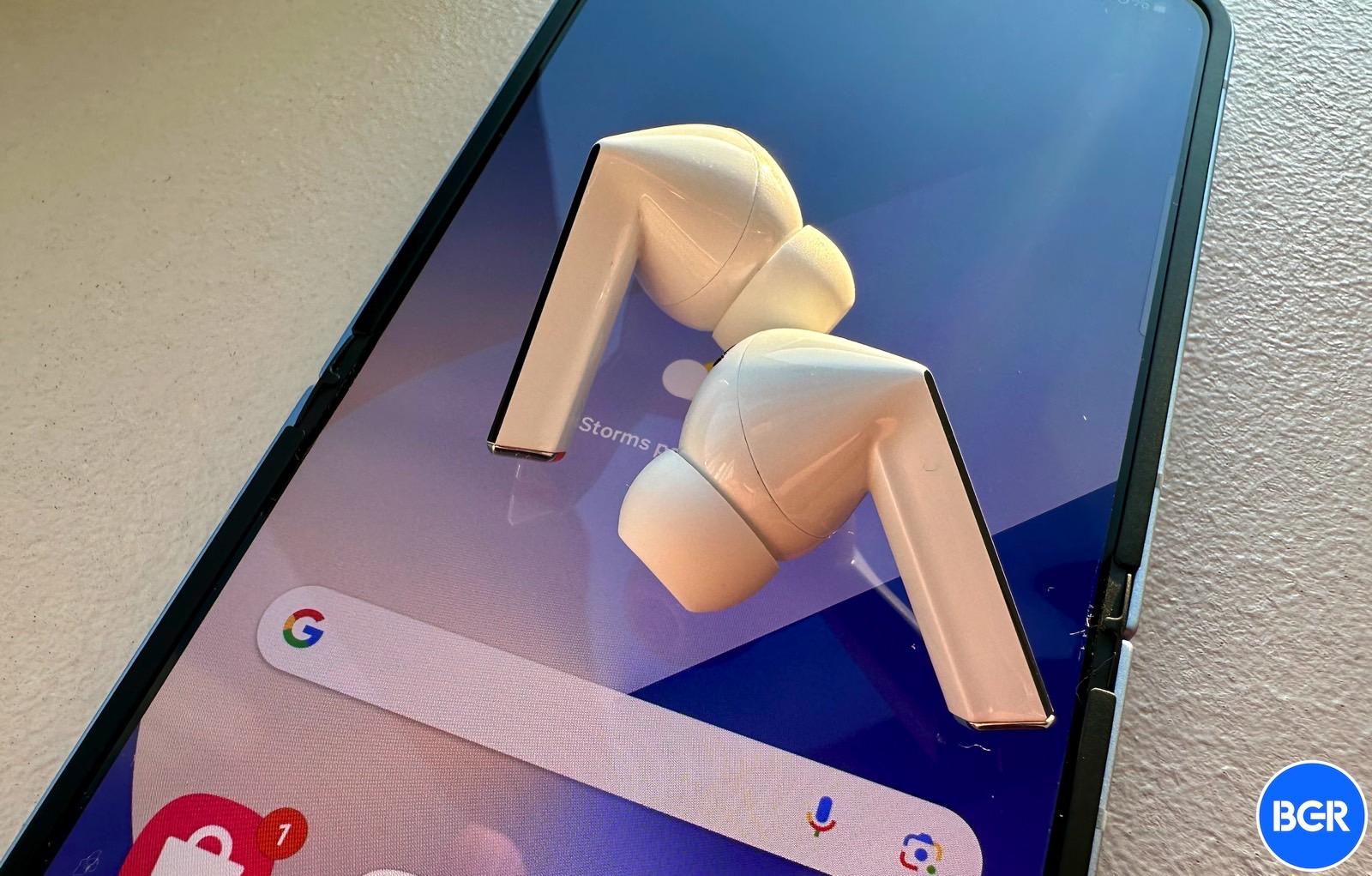
Last summer, Samsung launched new Galaxy Buds models with a brand new design (above), which turned out to be the least controversial aspect. The new earphones look a lot like Apple’s AirPods, featuring a stem for the first time. Samsung stayed away from adopting AirPods-like designs for years before deciding this was going to be the new look of the earphones.

I didn’t think copying Apple was such a big deal. I was more worried about the quality issues the first batch of Galaxy Buds models displayed. 

According to a report from Korea, Samsung will release new earphones this summer. The company is about to launch open-ear buds in a form factor it has never made before, beaming sound through the bone. This is in addition to updating the regular Galaxy Buds line with a new Galaxy Buds FE 2 model.

I ran my third marathon recently, wearing second-gen AirPods, the same wireless earphones I wore before.

Tech. Entertainment. Science. Your inbox.

Sign up for the most interesting tech & entertainment news out there.

By signing up, I agree to the Terms of Use and have reviewed the Privacy Notice.

But just before the race, I had a chance to test and buy the new Shokz OpenFit 2 open-ear earphones. The sound quality blew me away, but I didn’t buy them on the spot, thinking I’d find them later.

It turns out I can’t find them that easily. These are the latest earphones from Shokz launched at CES 2025. While they don’t rock the company’s bone-conduction tech, it’s still a new sound technology for this type of product. Essentially, your ears are open as sound is beamed through the air.

But I stopped at the Shokz booth before the race in the first place because I associate the company with bone-conduction earphones. I’ve considered buying a pair of Shokz more than once, but I kept finding excuses not to.

What I’m getting at is that I’m a runner who doesn’t want Active Noise Cancellation (ANC). I want to be aware of my surroundings, and bone-conduction earphones or open-ear models might be the way to go. Also, I’m looking forward to chatting to AI via voice more in the future, and I’ll need comfortable earphoens for that. Traditional AirPods might not cut it. 

All that is to say is that I’m not surprised to hear that Samsung is considering a new design for its Galaxy Buds line of earphones. Seoul Economic Daily says Samsung plans to unveil the product in July, likely during the Galaxy Z Fold 7 and Flip 7 launch event.

Codenamed “Able,” the product aims to cater to the needs of people who are into cycling or running, as bone-conduction sound tech allows them to hear their surroundings.

Also, this Galaxy Buds design might appeal to people who find regular AirPods-like earphone designs uncomfortable, and those who worry about hearing loss issues that might follow prolonged exposure to traditional earphones.

Samsung isn’t the only company exploring such designs; Sony and Huawei have also made similar devices. And, again, Shokz is well-known for its bone-conduction earphones.

It’s unclear how much the new Galaxy earbuds will cost or what they will look like. But Samsung reportedly plans to manufacture some 1.7 million units this year, which will account for 15% of the total number of Galaxy earphone shipments this year.

As for the actual design of the Able product, it hasn’t leaked. But since Galaxy products tend to leak before their official launch, expect to see this new Buds design in unofficial photos before the Unpacked event in July.

Source

Posted on

iOS 19 will bring live translation to your AirPods

Apple will supposedly give iOS 19 a big design overhaul this year, making the iPhone operating system look more like the visionOS than previous iOS releases.

A major design makeover might just be what Apple needs in light of its recent Apple Intelligence fiasco. The smart Siri assistant Apple promised last summer isn’t coming for at least a year. The best way to make iOS exciting is to give it a new coat of paint. At least that’s something ost iPhone users will care more about than AI features.

But Apple is also readying new features to go along with the redesign, and one interesting AirPods functionality has leaked. Apple plans to bring live translation support to AirPods via the iOS 19 upgrade, and the good news about it is that the feature should work with your existing AirPods.

Also, since I mentioned Apple Intelligence before, live translation is easily something Apple could sell under the iPhone’s AI umbrella of features. It wouldn’t be the only one.

Tech. Entertainment. Science. Your inbox.

Sign up for the most interesting tech & entertainment news out there.

By signing up, I agree to the Terms of Use and have reviewed the Privacy Notice.

Live Translate is one of the first Galaxy AI features that Samsung announced in late 2023. We learned that flagship phones would translate call conversations in real time, on-device, before we saw all the other tricks in the Galaxy AI suite of apps and features.

Samsung updated Live Translate before last summer’s Unpacked event to work on Galaxy phones with foldable displays. Regardless of phone form factor, you do not necessarily need earphones for Live Translate to work.

I wouldn’t be surprised if Apple included live translation in Apple Intelligence because translating live speech as it happens is actually a process that involves AI. Algorithms understand speech, convert it into text, and then translate and turn it back into voice.

We’ll have to wait for Apple to explain how live translation works in iOS 19, but Bloomberg’s Mark Gurman has an example:

The capability will work like this: If an English speaker is hearing someone talk in Spanish, the iPhone will translate the speech and relay it to the user’s AirPods in English. The English speaker’s words, meanwhile, will be translated into Spanish and played back by the iPhone.

That’s a clever use of hardware for both parties in the conversation to be able to chat by voice in real time.

Given that the iPhone will do the actual translation, the feature should work with any existing AirPods model. It should also work with other wireless earphones, assuming Apple wants to expand support to AirPods rivals. But I think Apple would rather keep the feature as an AirPods-only functionality that helps the company further differentiate its earphones from competitors.

The report also notes that Apple is working on new AirPods hardware, including AirPods Pro 3 and a model with built-in cameras for Apple Intelligence.

Source

Posted on

Bad news PC gamers – it seems AMD’s aggressively low price for its Radeon RX 9070 GPU will only be for a limited time

  • Some worldwide retailers have confirmed the RX 9070’s timed MSRP
  • It’s claimed only the first batch of select models will be available for $549
  • Once sold, the new prices could match (or narrow) that of the RX 9070 XT

It’s launch day for AMD‘s RDNA 4 graphics cards, with the RX 9070 and RX 9070 XT now available on store shelves. However, as some online retailers have mentioned already, the former’s respective MSRP ($549) may only apply to the initial batch of the GPUs sold, with future supply seeing a potential price increase.

As spotted by Videocardz, it’s alleged that the RX 9070 will only be sold at its MSRP of $549 for a limited time, as AMD’s partners will be able to set their prices. Swedish retailer Inet.se informed the outlet that the MSRP would only be respected for the first run, as the company evidenced this with its selling of PowerColor Reaper variants, as the prices of a second shipment are reportedly already higher.

The retailer explained how its AMD RX 9070 stock prices will depend on the manufacturer shipping the different cards, outlining that with “Sapphire and Asus it will be just usual” as you’ll be able to buy the GPUs at MSRP until they run out. However, it also said that it will be different with PowerColor. “Our second shipment from PowerColor is already waiting, and we cannot it at MSRP prices”.

To clarify, it says it will sell the first run of PowerColor Reaper RX 9070 cards it has in stock until they are sold out, and then increase prices when it is fulfilling orders from the second batch. “If you receive an order with MSRP price even though the cards are sold out we will of course give you that price, but unfortunately we have no way of continuing to sell cards at MSRP after the first deliveries are sold out”.

This is a problem that seems to impact prospective buyers in the UK as well. Andrew Gibson, Purchasing Manager for Overclockers UK, spoke about the limited amount of RX 9070 stock at MSRP from the retailer. He explained the retailer had around 5,000 cards in total from Sapphire (2,000), PowerColor (1,000), and ASRock (1,000), but that “MSRP is capped quantity of a few hundred, so prices will jump once those are sold through”.

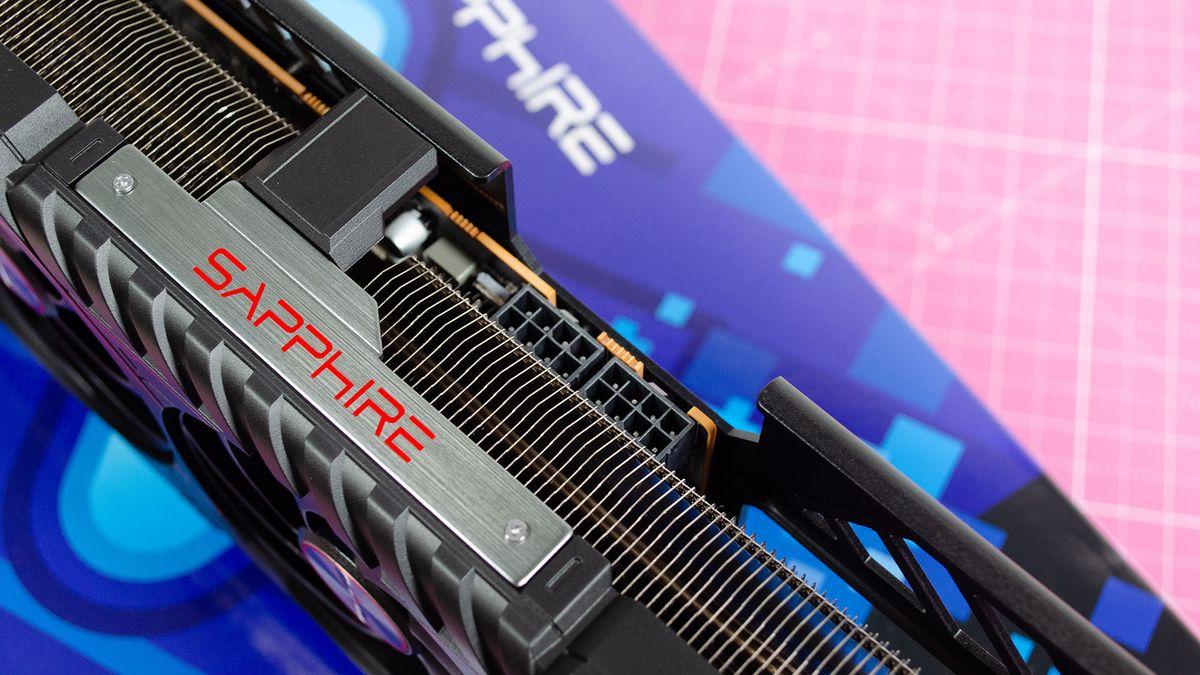
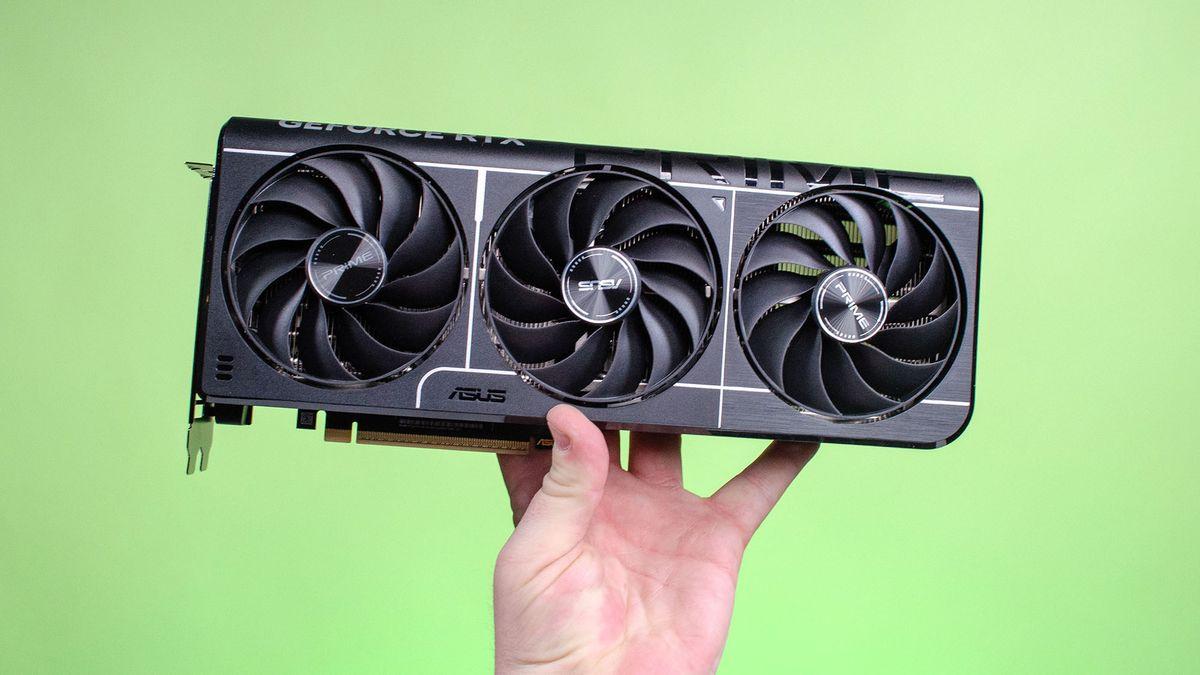
It’s believed that only four different variants of the AMD RX 9070 will be available for its MSRP price: the PowerColor Reaper, Sapphire Pulse, Asus Prime, and XFX Swift, at least for the initial shipment window, as outlined in Sweden and the UK. There’s a possibility that things could be broadened in the US; however, there’s also no guarantee that the prices you’ll see today (and over the next few days) will be as low as what could come shortly if you don’t pull the trigger early.

A wrench in the works for RDNA’s budget performer

Earlier today, we praised the fact that many retailers were (seemingly) flush with options for RX 9070 XT stock on launch day, something that we cannot say for the dismal state of Nvidia‘s RTX 50 series in contrast. However, while availability doesn’t appear to be marred the same way, the fact that the aggressive $549 starting price seems so ephemeral is disappointing, given the overall value proposition.

{ window.reliablePageLoad.then(() => { var componentContainer = document.querySelector(“#slice-container-newsletterForm-articleInbodyContent-j9KvYY9xXDxLRdVVrqVLCU”); if (componentContainer) { var data = {“layout”:”inbodyContent”,”header”:”Get daily insight, inspiration and deals in your inbox”,”tagline”:”Sign up for breaking news, reviews, opinion, top tech deals, and more.”,”formFooterText”:”By submitting your information you agree to the Terms & Conditions and Privacy Policy and are aged 16 or over.”,”successMessage”:{“body”:”Thank you for signing up. You will receive a confirmation email shortly.”},”failureMessage”:”There was a problem. Please refresh the page and try again.”,”method”:”POST”,”inputs”:[{“type”:”hidden”,”name”:”NAME”},{“type”:”email”,”name”:”MAIL”,”placeholder”:”Your Email Address”,”required”:true},{“type”:”hidden”,”name”:”NEWSLETTER_CODE”,”value”:”XTR-D”},{“type”:”hidden”,”name”:”LANG”,”value”:”EN”},{“type”:”hidden”,”name”:”SOURCE”,”value”:”60″},{“type”:”hidden”,”name”:”COUNTRY”},{“type”:”checkbox”,”name”:”CONTACT_OTHER_BRANDS”,”label”:{“text”:”Contact me with news and offers from other Future brands”}},{“type”:”checkbox”,”name”:”CONTACT_PARTNERS”,”label”:{“text”:”Receive email from us on behalf of our trusted partners or sponsors”}},{“type”:”submit”,”value”:”Sign me up”,”required”:true}],”endpoint”:”https://newsletter-subscribe.futureplc.com/v2/submission/submit”,”analytics”:[{“analyticsType”:”widgetViewed”}],”ariaLabels”:{}}; var triggerHydrate = function() { window.sliceComponents.newsletterForm.hydrate(data, componentContainer); } if (window.lazyObserveElement) { window.lazyObserveElement(componentContainer, triggerHydrate); } else { triggerHydrate(); } } }).catch(err => console.error(‘%c FTE ‘,’background: #9306F9; color: #ffffff’,’Hydration Script has failed for newsletterForm-articleInbodyContent-j9KvYY9xXDxLRdVVrqVLCU Slice’, err)); }).catch(err => console.error(‘%c FTE ‘,’background: #9306F9; color: #ffffff’,’Externals script failed to load’, err)); ]]>

Sign up for breaking news, reviews, opinion, top tech deals, and more.

As it stands, the RX 9070 is just $50 cheaper than the (current) RDNA 4 flagship model, the RX 9070 XT, which is available for $599. However, if you’re unable to secure a non-XT model for its recommended retail price, then the overall point of the card in the face of its sibling seems moot by comparison. While stock is flying off the shelves (many of the MSRP models mentioned above are no longer available), you’re prompted to pay extra to get one instead, which is far from ideal.

As such, what’s the point of the RX 9070 if you’re going to have to spend the same money (or more) than purchasing the RX 9070 XT instead? The latter appears more available with retailers such as Best Buy, Newegg, B&H, and Micro Center having stock by comparison. To try to avoid disappointment, we recommend keeping up with our regularly updated dedicated RX 9070 and RX 9070 stock tracker.

You may also like…

Source

Posted on

Nvidia’s 572.70 Game Ready Driver promises a black screen fix

  • Nvidia released a new Game Ready Driver for RTX 5070 support and DLSS 4 updates for some new and current games
  • Users continue to voice frustrations regarding black screen issues after new driver update
  • It may be ideal to hold off on updates until Team Green releases more stable builds

The tables are gradually turning in the battle between Nvidia and AMD in the GPU market, with the former’s RTX 5000 series launch coming with a litany of problems, which AMD is taking full advantage of with its Radeon RX 9000 series launch. While Team Green’s new Game Ready Driver promises a fix for some previous issues, it may be a good idea to stay away from it for the time being.

In a blog released by Nvidia, a new Game Ready Driver (572.70) is available which provides support for its new RTX 5070 GPU, along with DLSS 4 Multi-Frame Generation support for some games. It also suggests a fix for a previous black screen issue when attempting to boot into systems while using DisplayPort.

This issue seemed to be widespread after people installed driver 572.60 – I can corroborate this as booting into Windows 11 resulted in the login screen disappearing, leaving only the mouse cursor. The solution was uninstalling the ‘latest quality update’ in Windows 11‘s recovery mode, and rolling the driver back to 572.47 for stability.

It’s not the first time this has occurred – the driver that introduced DLSS 4 override for RTX GPUs (572.16), reportedly caused Blue Screen of Death errors when gaming, notably in Marvel‘s Spider-Man 2 when activating or adjusting Frame Generation settings.

A hotfix (572.65) was released to address 572.60’s major bug, but the issue remained (according to some Reddit users). Meanwhile, whilst the release notes for the new 572.70 update suggest the black screen issues have been resolved, users are still reporting the same problems, alongside stuttering in games and a black screen bug during the driver’s installation. This isn’t ideal, particularly for those using Team Green’s new RTX 5070 (the driver has been specifically released to support the GPU), and adds to the list of controversies surrounding the new Blackwell GPUs.

Comment from r/nvidia

Comment from r/nvidia

Comment from r/nvidia

An Nvidia GeForce RTX 5080 leaning against its retail packaging with the RTX 5080 logo visible

(Image credit: Future)

Roll back your drivers, and stay away for now

Unless you’re using an RTX 5070, I would suggest you roll back your Nvidia graphics driver as soon as possible – I’ve been using driver 572.47 ever since encountering the black screen booting issue, and haven’t looked back.

Team Green is under fire for several problems regarding its Blackwell GPUs, and I worry that it won’t end anytime soon. The last thing you want to happen is for a future unstable driver to drastically affect your system, and recurring BSoDs, in-game crashes, installation issues and unresponsive black screens are not a great sign in my book.

{ window.reliablePageLoad.then(() => { var componentContainer = document.querySelector(“#slice-container-newsletterForm-articleInbodyContent-BU6f3eAFPAd5KET7SL2mbi”); if (componentContainer) { var data = {“layout”:”inbodyContent”,”header”:”Get daily insight, inspiration and deals in your inbox”,”tagline”:”Sign up for breaking news, reviews, opinion, top tech deals, and more.”,”formFooterText”:”By submitting your information you agree to the Terms & Conditions and Privacy Policy and are aged 16 or over.”,”successMessage”:{“body”:”Thank you for signing up. You will receive a confirmation email shortly.”},”failureMessage”:”There was a problem. Please refresh the page and try again.”,”method”:”POST”,”inputs”:[{“type”:”hidden”,”name”:”NAME”},{“type”:”email”,”name”:”MAIL”,”placeholder”:”Your Email Address”,”required”:true},{“type”:”hidden”,”name”:”NEWSLETTER_CODE”,”value”:”XTR-D”},{“type”:”hidden”,”name”:”LANG”,”value”:”EN”},{“type”:”hidden”,”name”:”SOURCE”,”value”:”60″},{“type”:”hidden”,”name”:”COUNTRY”},{“type”:”checkbox”,”name”:”CONTACT_OTHER_BRANDS”,”label”:{“text”:”Contact me with news and offers from other Future brands”}},{“type”:”checkbox”,”name”:”CONTACT_PARTNERS”,”label”:{“text”:”Receive email from us on behalf of our trusted partners or sponsors”}},{“type”:”submit”,”value”:”Sign me up”,”required”:true}],”endpoint”:”https://newsletter-subscribe.futureplc.com/v2/submission/submit”,”analytics”:[{“analyticsType”:”widgetViewed”}],”ariaLabels”:{}}; var triggerHydrate = function() { window.sliceComponents.newsletterForm.hydrate(data, componentContainer); } if (window.lazyObserveElement) { window.lazyObserveElement(componentContainer, triggerHydrate); } else { triggerHydrate(); } } }).catch(err => console.error(‘%c FTE ‘,’background: #9306F9; color: #ffffff’,’Hydration Script has failed for newsletterForm-articleInbodyContent-BU6f3eAFPAd5KET7SL2mbi Slice’, err)); }).catch(err => console.error(‘%c FTE ‘,’background: #9306F9; color: #ffffff’,’Externals script failed to load’, err)); ]]>

Sign up for breaking news, reviews, opinion, top tech deals, and more.

I must note that all PC configurations aren’t the same, and it’s likely some may not run into any of these issues (which I hope is the case) – but with the consistency of frustrations shared and the similarity between them, I’m willing to stick with what is most stable for now (even if it means losing out on any game enhancements).

I hope that Nvidia can get back to launching stable drivers that don’t further damage its reputation – though bear in mind, drivers may always have one or two issues for a number of users – but until then, I’ll be keeping my system clean of any GPU driver updates.

You may also like…

Source

Posted on

AMD might go for Nvidia’s jugular in Q2 with a faster RX 9070 ‘Extreme’ GPU that could leave the RTX 5070 Ti in the dust

  • AMD is rumored to be planning a faster take on its RX 9070 models
  • This ‘Ultimate Navi 48’ GPU is supposedly being readied for a Q2 release
  • AMD is apparently aiming for a performance level of between the RTX 5070 Ti and RTX 5080

AMD could be releasing a faster take on its RX 9070 GPUs as soon as Q2 2025, according to a fresh rumor.

Moore’s Law is Dead (MLID) has a new video out on YouTube which discusses a range of topics across AMD’s new RDNA 4 GPUs, with the excellent RX 9070 XT and vanilla 9070 having gone on sale yesterday – and part of the chatter here is more reinforcement of what we’ve already heard about the MSRPs of these boards.

Before I get into that, though, the most interesting revelation here (in my book) is that AMD is purportedly set to produce a new RDNA 4 graphics card using the Navi 48 chip – the one RX 9070 models are built on – with the GPU pushed to the absolute max.

According to one of MLID’s sources at a big US retailer, AMD’s graphics card making partners have been briefed on an ‘Ultimate Navi 48’ GPU which could be released in Q2, though I’d guess this would be more towards June than April (as this is the first whisper of such a board).

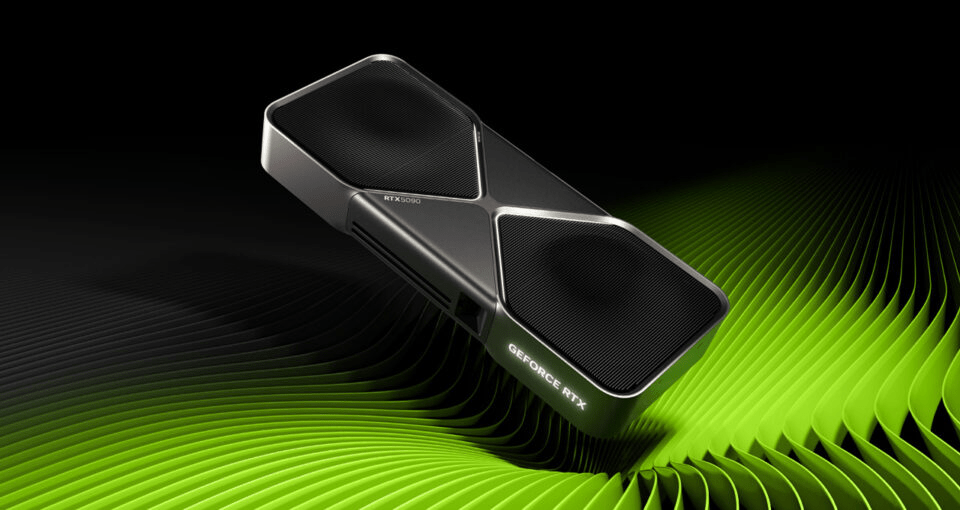
Team Red is apparently shooting for a performance level of between the RTX 5070 Ti and the RTX 5080. Naming-wise, this GPU would presumably be an RX 9070 XTX (or 9070 XT Extreme Edition as MLID suggests).

MLID doesn’t have anything else to share about this theoretical graphics card in terms of how the spec might pan out, so this is an early-stage rumor, for sure.

As mentioned, the YouTuber also talks about the RX 9070 launch supply, which was apparently triple the volume of the entire amount of Blackwell GPUs (all RTX 5000 models) that have arrived so far since the end of January.

{ window.reliablePageLoad.then(() => { var componentContainer = document.querySelector(“#slice-container-newsletterForm-articleInbodyContent-zcAtSDQdWxFisQiUnACfEb”); if (componentContainer) { var data = {“layout”:”inbodyContent”,”header”:”Get daily insight, inspiration and deals in your inbox”,”tagline”:”Sign up for breaking news, reviews, opinion, top tech deals, and more.”,”formFooterText”:”By submitting your information you agree to the Terms & Conditions and Privacy Policy and are aged 16 or over.”,”successMessage”:{“body”:”Thank you for signing up. You will receive a confirmation email shortly.”},”failureMessage”:”There was a problem. Please refresh the page and try again.”,”method”:”POST”,”inputs”:[{“type”:”hidden”,”name”:”NAME”},{“type”:”email”,”name”:”MAIL”,”placeholder”:”Your Email Address”,”required”:true},{“type”:”hidden”,”name”:”NEWSLETTER_CODE”,”value”:”XTR-D”},{“type”:”hidden”,”name”:”LANG”,”value”:”EN”},{“type”:”hidden”,”name”:”SOURCE”,”value”:”60″},{“type”:”hidden”,”name”:”COUNTRY”},{“type”:”checkbox”,”name”:”CONTACT_OTHER_BRANDS”,”label”:{“text”:”Contact me with news and offers from other Future brands”}},{“type”:”checkbox”,”name”:”CONTACT_PARTNERS”,”label”:{“text”:”Receive email from us on behalf of our trusted partners or sponsors”}},{“type”:”submit”,”value”:”Sign me up”,”required”:true}],”endpoint”:”https://newsletter-subscribe.futureplc.com/v2/submission/submit”,”analytics”:[{“analyticsType”:”widgetViewed”}],”ariaLabels”:{}}; var triggerHydrate = function() { window.sliceComponents.newsletterForm.hydrate(data, componentContainer); } if (window.lazyObserveElement) { window.lazyObserveElement(componentContainer, triggerHydrate); } else { triggerHydrate(); } } }).catch(err => console.error(‘%c FTE ‘,’background: #9306F9; color: #ffffff’,’Hydration Script has failed for newsletterForm-articleInbodyContent-zcAtSDQdWxFisQiUnACfEb Slice’, err)); }).catch(err => console.error(‘%c FTE ‘,’background: #9306F9; color: #ffffff’,’Externals script failed to load’, err)); ]]>

Sign up for breaking news, reviews, opinion, top tech deals, and more.

MLID asserts that the supply of RX 9070 boards is going to be more robust than Nvidia’s RTX 5000 models going forward – not just at launch – with one obvious caveat.

That catch is that only a percentage of the entry-level RDNA 4 graphics cards were sold at MSRP, and as we saw yesterday, once that initial batch was gone, those baseline boards got a fair bit more expensive.

If you’re hoping to grab one of AMD’s new graphics cards, don’t forget, we’re here to give you a leg up with securing your purchase courtesy of our guide on where to buy the RX 9070 XT and RX 9070.

RX 9070 XT & RTX 5070 Launch Analysis | AMD RDNA 4 Supply Leak – YouTube RX 9070 XT & RTX 5070 Launch Analysis | AMD RDNA 4 Supply Leak - YouTube Watch On

Analysis: An explosive Q2 beckons – and AMD is clearly off to a better start than Nvidia

Presumably with the supposed RX 9070 XTX, or Extreme Edition, we’d be looking at beefed up clock speeds, and possibly more VRAM (perhaps with the memory notched up on the speed front, too, MLID speculates). Whatever the case, however AMD might go with the spec, the intention is clear enough – to produce a GPU that would be roughly equivalent to a (theoretical) RTX 5070 Ti Super, or thereabouts.

What’s also planned for Q2 officially, as announced by AMD at the RX 9070 reveal at the end of February, is the debut of RX 9060 models, bringing more wallet-friendly fodder to the GPU world. So, in theory there’s plenty to look forward to as we head into Q2 which starts in only a few weeks.

As for the RX 9070 launch, from what I saw, stock did appear to be present in reasonable quantities – even if MSRP-level graphics cards sold out quite quickly (but not in the blink of an eye).

Is it fair that there aren’t any MSRP boards left now, because AMD is only willing to subsidize a limited number of RX 9070 graphics cards to get them at that price level for the on-sale day, so the recommended launch price is technically correct?

Well, it’s not an ideal situation, of course. We’re told by MLID that the entry-level price for the RX 9070 XT is likely to be around $670 going forward in the US, and looking at UK pricing now, entry-level 9070 XT boards are actually in stock, but they’re now 10% over the MSRP (roughly the same as that expected US price).

However, as MLID points out, at least a 10% hike isn’t terrible – when the 9070 XT looks good value in the first place, certainly – and there is still stock available in the UK at least (not in the US, mind, that I can see at the time of writing).

With restocking expected to be more robust, too, with AMD’s RDNA 4 graphics cards, this is at least a lot better than the situation with Nvidia’s RTX 5000 GPUs. That said, it’d be difficult to imagine a launch scenario much worse than Blackwell has been, sadly.

Team Red has done okay here, then, on balance, but it remains disappointing to me that the MSRP of RX 9070 models has proved to be something of an illusion spell cast by AMD. Still, with some Black Friday or Prime Day magic, those asking prices may well return later this year…

You might also like…

Source

Posted on

Budget gamers rejoice as Nvidia RTX 5050 and RTX 5060 are rumored to launch in April

  • The RTX 5050 and RTX 5060 are rumored to launch in April 2025
  • It’s believed the MSRP of the former could be $299, matching the RTX 3050
  • Claims are circulating that there will be three variants of RTX 5060 available

The Nvidia RTX 5050 and RTX 5060 are rumored to launch next month, based on the latest rumors circulating online.

According to WCCF Tech, the two mainstream Blackwell RTX 50 series graphics cards will be released soon, following the midrange RTX 5070, which launched earlier this week.

It’s believed that the RTX 5050 will use the PG162 PCB with 8GB GDDR7 VRAM and a 145W TDP. Its pricing is expected to fall within the range of $199 to $249, depending on the manufacturer. This would position it alongside other entry-level graphics cards on the market, such as the Intel Arc B580 from December 2024, which we praised with a five-star score in our review.

April could also see the launches of both the RTX 5060 and the RTX 5060 Ti, with the former launching at the end of the month and the latter claimed to be coming earlier. It is rumored that both GPUs will utilize 8GB GDDR7 VRAM (with the Ti supposedly having a 16GB option), with the RTX 5060 expected to retail from $299, but this is unconfirmed at this time, and so far few concrete details are known about the hardware inside the two budget offerings.

Additionally, alleged industry insider MEGAsizeGPU has claimed that the RTX 5060 family could be announced 10 days from now to hit the shelves “a month later”. This backs up WCCFTech’s information about a launch coming sooner rather than later, and it’s certainly believable considering the trajectory we’ve typically seen in Nvidia’s graphics card launches. Historically, the 90 and 80-class cards come first, with 70-class and mainstream offerings following closely behind.

While unconfirmed, TechPowerUp claims that the RTX 5060 will be built on the GB206 graphics processor with 4,608 cores, 144 Texture Mapping Units, and a 128-bit memory bus combined with its 8GB GDDR7 VRAM. In contrast, this source claims the RTX 5060 Ti’s 16GB variant will be otherwise identical, save for double the VRAM. It’s likely a placeholder until an official reveal and tech specs are announced, however, it gives us a rough idea of how they could stack up to the company’s best graphics cards on the market.

A return for Nvidia’s 50-class dedicated graphics cards

Should these rumors be true, then we will be seeing the return of the 50-class graphics cards for the first time since January 2022 with the desktop RTX 3050. While far from gaming powerhouses, these affordable cards have (traditionally) given wallet-conscious gamers a way to keep up with today’s demanding games in 1080p, even featuring some light ray tracing functionality.

{ window.reliablePageLoad.then(() => { var componentContainer = document.querySelector(“#slice-container-newsletterForm-articleInbodyContent-TuStSqqZkvwvNnNVVxnUs5”); if (componentContainer) { var data = {“layout”:”inbodyContent”,”header”:”Get daily insight, inspiration and deals in your inbox”,”tagline”:”Sign up for breaking news, reviews, opinion, top tech deals, and more.”,”formFooterText”:”By submitting your information you agree to the Terms & Conditions and Privacy Policy and are aged 16 or over.”,”successMessage”:{“body”:”Thank you for signing up. You will receive a confirmation email shortly.”},”failureMessage”:”There was a problem. Please refresh the page and try again.”,”method”:”POST”,”inputs”:[{“type”:”hidden”,”name”:”NAME”},{“type”:”email”,”name”:”MAIL”,”placeholder”:”Your Email Address”,”required”:true},{“type”:”hidden”,”name”:”NEWSLETTER_CODE”,”value”:”XTR-D”},{“type”:”hidden”,”name”:”LANG”,”value”:”EN”},{“type”:”hidden”,”name”:”SOURCE”,”value”:”60″},{“type”:”hidden”,”name”:”COUNTRY”},{“type”:”checkbox”,”name”:”CONTACT_OTHER_BRANDS”,”label”:{“text”:”Contact me with news and offers from other Future brands”}},{“type”:”checkbox”,”name”:”CONTACT_PARTNERS”,”label”:{“text”:”Receive email from us on behalf of our trusted partners or sponsors”}},{“type”:”submit”,”value”:”Sign me up”,”required”:true}],”endpoint”:”https://newsletter-subscribe.futureplc.com/v2/submission/submit”,”analytics”:[{“analyticsType”:”widgetViewed”}],”ariaLabels”:{}}; var triggerHydrate = function() { window.sliceComponents.newsletterForm.hydrate(data, componentContainer); } if (window.lazyObserveElement) { window.lazyObserveElement(componentContainer, triggerHydrate); } else { triggerHydrate(); } } }).catch(err => console.error(‘%c FTE ‘,’background: #9306F9; color: #ffffff’,’Hydration Script has failed for newsletterForm-articleInbodyContent-TuStSqqZkvwvNnNVVxnUs5 Slice’, err)); }).catch(err => console.error(‘%c FTE ‘,’background: #9306F9; color: #ffffff’,’Externals script failed to load’, err)); ]]>

Sign up for breaking news, reviews, opinion, top tech deals, and more.

While there technically was an RTX 4050 GPU, it was solely used as a graphics solution inside cheap gaming laptops and never saw a release as a dedicated graphics card. The RTX 4060 was the mainstream leader of Nvidia’s previous gen, starting at $299. Depending on the MSRPs of the RTX 5050 and RTX 5060, we could see a disparity in price similar to the difference between AMD‘s RX 9070 ($549) and 9070 XT ($599).

At a time when it looks as though Nvidia is solely focused on pushing the goal posts in terms of both price and performance, the addition of a 50-class and three 60-class versions of Blackwell could make DLSS 4 (and Multi Frame Generation) far easier to access for those who don’t want to pay out $600 or more at the minimum.

Performance of these cards are unlikely to be groundbreaking, but if upscaling from 720p to 1080p for the RTX 5050 and 1080p to 1440p with MFG, we could see the perennially popular RTX 3060 12GB and RTX 4060 finally dethroned from their top spots in the Steam Hardware Survey.

You may also like…

Source

Posted on

AMD officially announces price and release date for Ryzen 9 9900X3D and 9950X3D processors

  • Both the AMD Ryzen 9900X3D and 9950X3D are releasing on March 12, 2025
  • The respective MSRPs for both CPUs are $599 and $699, similar to previous gen
  • The former features a 120W TDP whereas the latter uses a 170W TDP instead

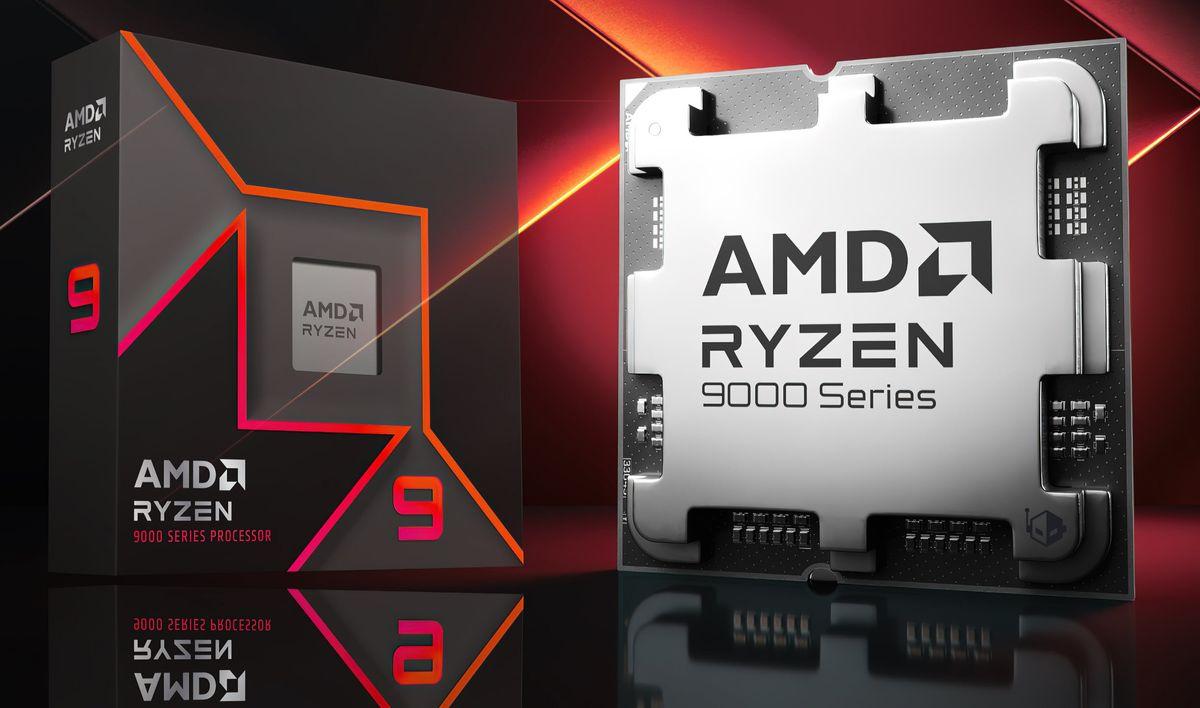
Several months after first being announced at CES 2025, AMD has now officially confirmed the price and release date for its Ryzen 9 9900X3D and 9950X3D processors. They’re billed as the “world’s best processor for gaming and content creation”.

Both the Ryzen 9 9900X3D and 9950X3D processors will be available starting March 12, 2025. The former carries an MSRP of $599, with the latter available for $699, being the two most expensive (and high-performance) chips from the company.

On the technical side of things, the Ryzen 9 9950X3D is confirmed to feature 16 cores (32 threads) with a base clock speed of 4.3 GHz and a boost clock of up to 5.7 GHz. There’s 144 MB of second-generation 3D V-cache stacked onboard with a 170W TDP.

In contrast, the secondary processor, the AMD Ryzen 9 9900X3D, features 12 cores (24 threads) with a base clock speed of 4.4 GHz and a boost clock of up to 5.5 GHz and 128MB of 3D V-cache pool available. Unlike the flagship model, this processor features the lower 120W TDP of the Ryzen 9 9900X (and cheaper Ryzen 7 9800X3D), which debuted back in August and November 2024.

As with all Ryzen 7000 and Ryzen 9000 processors, the 9900X3D and 9950X3D are built on the AM5 platform, meaning you’ll need a compatible motherboard. Similarly, these chips are built exclusively for DDR5 RAM and have PCIe 5.0 compatibility out of the box. If you’re thinking of upgrading from an older AM4 platform, then you’ll have to do more than just swap out the chips.

Regardless of which of the two new processors you choose from, you’re going to want to invest in one of the best CPU coolers in 2025 to keep those core temperatures down whether you’re gaming, rendering projects, or more. This is particularly true for the Ryzen 9950X3D with its 170W TDP, matching that of the non-3D variants, something we had not seen up until this point.

With a higher thermal design power comes increased heat along with the performance. We recommend a dedicated AIO with a large radiator attached (such as 240mm or 360mm) with a PC case with sufficient airflow and fans inside the computer case.

{ window.reliablePageLoad.then(() => { var componentContainer = document.querySelector(“#slice-container-newsletterForm-articleInbodyContent-V54UzRS2yxwbp54tsay6PE”); if (componentContainer) { var data = {“layout”:”inbodyContent”,”header”:”Get daily insight, inspiration and deals in your inbox”,”tagline”:”Sign up for breaking news, reviews, opinion, top tech deals, and more.”,”formFooterText”:”By submitting your information you agree to the Terms & Conditions and Privacy Policy and are aged 16 or over.”,”successMessage”:{“body”:”Thank you for signing up. You will receive a confirmation email shortly.”},”failureMessage”:”There was a problem. Please refresh the page and try again.”,”method”:”POST”,”inputs”:[{“type”:”hidden”,”name”:”NAME”},{“type”:”email”,”name”:”MAIL”,”placeholder”:”Your Email Address”,”required”:true},{“type”:”hidden”,”name”:”NEWSLETTER_CODE”,”value”:”XTR-D”},{“type”:”hidden”,”name”:”LANG”,”value”:”EN”},{“type”:”hidden”,”name”:”SOURCE”,”value”:”60″},{“type”:”hidden”,”name”:”COUNTRY”},{“type”:”checkbox”,”name”:”CONTACT_OTHER_BRANDS”,”label”:{“text”:”Contact me with news and offers from other Future brands”}},{“type”:”checkbox”,”name”:”CONTACT_PARTNERS”,”label”:{“text”:”Receive email from us on behalf of our trusted partners or sponsors”}},{“type”:”submit”,”value”:”Sign me up”,”required”:true}],”endpoint”:”https://newsletter-subscribe.futureplc.com/v2/submission/submit”,”analytics”:[{“analyticsType”:”widgetViewed”}],”ariaLabels”:{}}; var triggerHydrate = function() { window.sliceComponents.newsletterForm.hydrate(data, componentContainer); } if (window.lazyObserveElement) { window.lazyObserveElement(componentContainer, triggerHydrate); } else { triggerHydrate(); } } }).catch(err => console.error(‘%c FTE ‘,’background: #9306F9; color: #ffffff’,’Hydration Script has failed for newsletterForm-articleInbodyContent-V54UzRS2yxwbp54tsay6PE Slice’, err)); }).catch(err => console.error(‘%c FTE ‘,’background: #9306F9; color: #ffffff’,’Externals script failed to load’, err)); ]]>

Sign up for breaking news, reviews, opinion, top tech deals, and more.

Leading CPU options, provided you’ve got the cash to spend

While both the AMD Ryzen 9900X3D and 9950X3D processors are expensive, the company has made the smart decision to keep the prices consistent with the previous generation versions (7900X3D and 7950X3D) from 2023. Whether the generational performance gains are strong enough to consider investing in is something that we’ll only know after thorough testing, but those considering upgrading from AM4 should notice sweeping benefits.

How AMD’s second-generation 3D V-cache works is by having a dedicated pool of L3 memory stacked onto the chip which acts as a short-term (but incredibly fast) resource for the processor to access immediate data, for higher gaming framerates and lower rendering times than what’s seen from processors without a surplus of L3 cache / V-cache. By having frequently accessed data so close to the CPU cores, there’s less of a delay between processes and higher performance as a result.

With that said, AMD chipsets with a higher TDP can (usually) outperform the lower TDP 3D options when it comes to productivity and synthetic performance. However, gamers and content creators will notice the edge in performance thanks to the 3D V-cache. It’s a curious (but welcome) decision to see the Ryzen 9 9900X3D and 9950X3D with identical TDPs to their non-3D counterparts. We could, therefore, see improved performance across the board.

You may also like…

Source