Posted on

Data bill aims to boost police and NHS productivity

Thank you for joining!

Access your Pro+ Content below.

5 November 2024

Data bill aims to boost police and NHS productivity

  • Share this item with your network:

In this week’s Computer Weekly, the government’s new data bill promises to improve productivity and efficiency for the NHS and police, but will it ensure privacy as well? We talk to Dell’s global CTO about how the IT giant sees the AI boom playing out. And we examine which industries stand to benefit most from the collaboration opportunities of virtual reality. Read the issue now.

Source

Posted on

Apple’s hotly anticipated iPhone SE 4 might not launch as soon as we hoped

The iPhone SE 4 isn’t even out, yet I can’t stop recommending this unreleased Apple product. That’s because all rumors paint the same picture of this mid-range iPhone that’s supposed to hit stores next year. If you’re not buying the iPhone 16 but want a new iPhone, the iPhone SE 4 is probably for you.

The iPhone SE 4 will deliver flagship performance comparable to the iPhone 16 since Apple wants it to run Apple Intelligence. The only real compromises concern the design and camera. Apple will recycle the iPhone 14 design for this model, and you’ll get only one camera on the back instead of two or three.

But if you consider the likely price of the iPhone SE 4 — $499 — it should be an instant hit.

The good news is that the iPhone SE 4 should launch soon. All reports say the phone is coming in early 2025. But it won’t be as early as you might have hoped, with a more recent report indicating the handset won’t hit stores until March 2025.

Tech. Entertainment. Science. Your inbox.

Sign up for the most interesting tech & entertainment news out there.

By signing up, I agree to the Terms of Use and have reviewed the Privacy Notice.

Korean website AjuNews says that LG Innotek will provide the 48-megapixel camera module for the iPhone SE 4. It’s currently testing the component, and LG will reportedly start mass-producing the camera module next month.

The report notes that LG Innotek usually supplies camera modules three months before the launch of a new product. With manufacturing expected to start in December, the iPhone SE 4 should get a March 2025 release date.

While some iPhone fans might have hoped for an earlier launch, the March window makes sense for Apple. Previous iPhone SE variants were launched around that time each year.

I’ll add that an iPhone SE 4 specs and price leak also recently offered a March 2025 release window. But that might have been an educated guess based on Apple’s iPhone SE release history. The report from Korea says that LG is a confirmed camera supplier for the upcoming iPhone model. The iPhone SE 4 camera will be produced at a factory in Vietnam.

The report notes that the LG camera will feature a 48-megapixel sensor, which should be a big upgrade over the iPhone SE 3’s camera. It’s probably the same sensor Apple uses in the iPhone 16 series.

AjuNews provides the same story about the iPhone SE 4 that other leaks have offered. The iPhone SE 4 should support Apple Intelligence, which implies the handset should feature the same hardware as the iPhone 15 Pros or iPhone 16 phones. These are the only handsets that can run Apple Intelligence right now.

The A18 is the chip that makes the most sense for the iPhone SE 4. It’s the processor that powers the iPhone 16 and 16 Plus, and it’s more energy efficient and cheaper than the A17 Pro that powers the iPhone 15 Pros. Whatever silicon Apple goes for, the company will pair it with 8GB of RAM, the minimum amount of memory Apple Intelligence needs.

The report doesn’t mention a precise release date for the iPhone SE 4, nor should we expect one yet. But other rumors say that Apple will launch several new products next quarter. The list includes the M4 MacBook Air, a new iPad Air, and new accessories. Seeing all these products come out around the same time would make sense.

Source

Posted on

Nakivo aims at VMware refugees tempted by Proxmox

Backup software vendor Nakivo has added Microsoft 365 cloud-to-cloud backup, support for backups of Proxmox virtualisation environments, and cloud as a target for NAS backups in the latest version – v11 – of its Backup & Replication product.

Support for data protection of Microsoft 365 environments brings Nakivo into line with numerous backup suppliers that protect data in the main cloud services. Here, they are capitalising on the fact that the hyperscaler cloud providers do no more than rudimentary protection of customer data.

Sergei Serdyuk, product management vice-president at Nakivo, said: “Microsoft’s business model is that you are responsible for your data and they are responsible for their infrastructure. So, if you accidentally delete something, you are responsible. What we have launched allows customers to put their data somewhere it can be recovered from and they can set up a repository where they want.”

This extends Nakivo’s cloud backup capabilities from its existing EC2 support. Serdyuk said other cloud platforms would be added, but would not say when.

Meanwhile, Nakivo added support for agentless backups in the open source Proxmox virtualisation environment. According to Serdyuk, around one third (33%) of its customers – mostly small to medium-sized enterprises (SMEs) – who responded to an internal survey said that they planned to migrate to Proxmox and away from VMware.

The background to this is the Broadcom purchase of VMware and subsequent licensing changes and reported cost rises, said Serdyuk.

“Broadcom acquired VMware and changed the licensing model from perpetual to subscription,” said Serdyuk. “Customers have reported increased costs as a result and so many are looking elsewhere. Proxmox is free, or comes with inexpensive support, and is suited to SMEs. As a virtualisation platform, it can displace VMware. We also see a smaller percentage migrate to Nutanix and Hyper-V.”

Prominent backup product maker Veeam – which made its name providing backup for VMware – started to offer Proxmox during the summer, in a move seen as a key moment for those considering moving away from VMware. That move is seen as potentially unlocking migration to Proxmox because it removes the barrier to protecting those environments.

Nakivo has also added backup of NAS devices to cloud targets. According to Serdyuk, this necessitated the company developing a way to make file data suitable for S3 storage.

“Most cloud vendors claim S3 compatibility [for file data], but there have needed to be some tweaks to work with the API,” he said. “So, there has been some fine-tuning to work with file data – block data is easier – because when we copy file data to S3, the whole file needs to be transformed to work in the cloud.”

Version 11 also saw the addition of backup from NetApp Storage Snapshots for FAS and AFF arrays to allow customers to backup VMware VMs on these devices from storage snapshots. Federated repository capability allows customers to create a scalable storage pool from multiple locations, with failover to useable capacity elsewhere should first choice storage in the pool fail.

Nakivo now offers a tenant overview dashboard for service provider customers that allows them to manage tenant activity, performance and resource metrics from a single screen.

Nakivo was founded in 2012 and started out by specialising in VM backup. Its version 1.0 offered VMware support and installation on Windows.

It now supports workloads in VMware, Microsoft Hyper-V, Nutanix, Windows and Linux, and in the cloud in Amazon EC2 and Microsoft 365.

It supports use cases that range from SMEs, to large enterprises and managed service providers (MSPs), with deployment possible on NAS, Windows and Linux, as well as in a virtual appliance or from an Amazon instance in the cloud. It can restore with granularity that ranges from single files to entire sites.

Version 10.9 of Backup & Replication software added ransomware malware scanning, as well as bare metal recovery and recovery from tape directly to virtual machine (VM).

Source

Posted on

CarPlay just got one of my favorite Apple apps

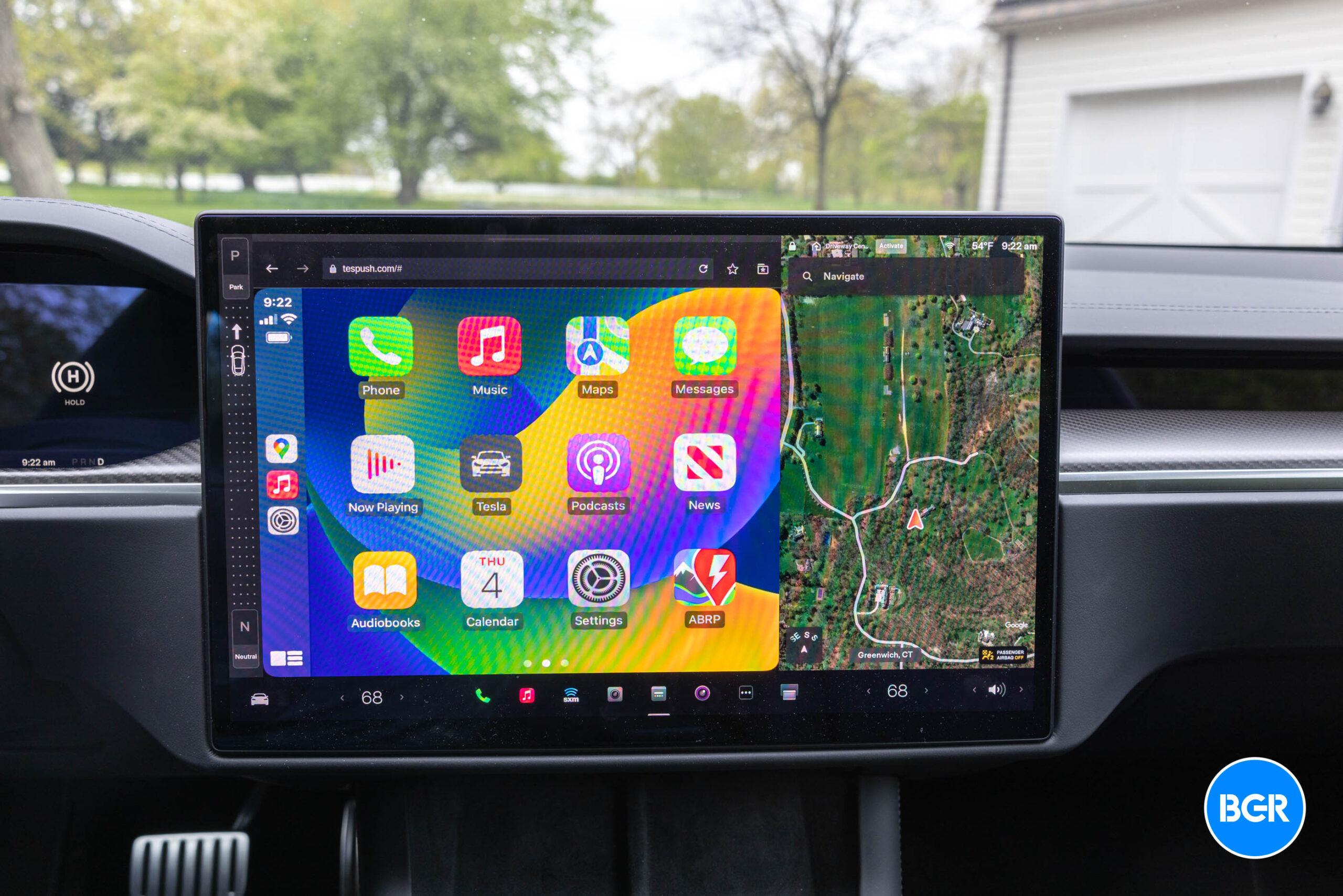
CarPlay just got even more useful, as one of my favorite Apple apps has been added. Starting today, CarPlay users can take advantage of Apple Music Classical, Apple’s music streaming service for classical songs.

According to the app’s release notes, this update adds “support for CarPlay and Siri, plus stability and performance enhancements.” This is the first major expansion since Apple added support for Android on May 30.

Apple Music Classical is a service based on Primephonic, a classical music streaming service the company bought in 2021. After two years of development, the company released its own version of the app, which has a similar look to Apple Music but with new tweaks and a focus on this specific genre of music.

With it, you can access the world’s largest classical music catalog. Search by composer, work, conductor, and more to quickly find any recording. Explore composers, periods, instruments, and more through curated playlists and composer biographies. Get detailed information about what you are listening to.

Tech. Entertainment. Science. Your inbox.

Sign up for the most interesting tech & entertainment news out there.

By signing up, I agree to the Terms of Use and have reviewed the Privacy Notice.

Apple Music ClassicalImage source: Apple Inc.

The service has the largest classical library with over 100 million songs and the world’s largest catalog of classical music — more than 5 million tracks and 1.2 million recordings. It features:

  • 20K+ composers;
  • 115K+ unique classical workers listed;
  • 350+ movements available.

It is available in Lossless and Hi-Res Lossless up to 24 bits. Spatial Audio with Dolby Atmos is also supported. That said, CarPlay users can also take advantage of songs in Spatial Audio, thanks to the iOS 18 update. The latest version brought these three new features:

  • Spatial Audio: Drivers can now listen to Spatial Audio songs and albums available in Apple Music and third-party apps while connected to CarPlay. Vehicles with multichannel audio capabilities can enable an immersive sound experience. Spatial Audio with support for Dolby Atmos can also be implemented in compatible vehicles.
  • Announced Notifications support: Announce Notifications can read aloud your notification summaries when using AirPods or CarPlay.
  • Accessibility: Color Filters, Bold Text, Voice Control, and Sound Recognition accessibility settings are now available in CarPlay in IOS 18, providing a consistent experience between the iPhone and the vehicle.

Apple Music Classical is available as part of an active Apple Music subscription, whether it’s a standalone subscription or part of Apple One.

Source

Posted on

Gartner Symposium: Why ServiceNow wants to be seen as the AI platform for business transformation

ServiceNow and Rimini Street have expanded their partnership to enable organisations to use older enterprise resource planning (ERP) systems as a starting point for enterprise artificial intelligence (AI) initiatives.

Using a single architecture and single data model from ServiceNow with Rimini Street’s third-party enterprise software support, the offering is being positioned as a way to enable organisations to innovate across procurement, finance, supply chain, HR, customer service and IT.

The partnership with Rimini Street represents a major step in the company’s strategy to evolve from case management to delivering AI-enabled workflow management that can coordinate and orchestrate systems of record in business, and also improve by learning from the data these systems hold.

During a presentation at the Gartner Symposium in Barcelona, Hartmut Mueller, chief transformation officer at ServiceNow, described the company’s platform as “connecting all systems of record and connecting [their] metrics to the value stream”.

In other words, if an AI can learn from the data held in traditional enterprise systems, it can figure out how to improve the business processes these applications power.

AI without new enterprise systems

Business and IT leaders need to justify the cost of new platform investments, and this is where the partnership with Rimini Street has been positioned.

Speaking to Computer Weekly during the Gartner conference, Eric Helmer, chief technology officer at Rimini Street, said that in the past, the chief information officer (CIO) role has traditionally been back-office. “People were expected to keep the lights on, run the business of IT and firefight,” he said. “The new role of the CIO is in the front office.” This implies their actions have a direct impact on the organisation’s bottom line.

“Today’s CIOs are expected to be the ideas people, and they are expected to figure out things like artificial intelligence and come up with revolutionary ideas that will be game-changers for the business,” he added.

However, as Gartner warned at the start of the annual European conference, it’s easy to lose a lot of money on misguided AI initiatives. A Gartner survey of 300 CIOs conducted in July found that 90% believe managing costs is limiting the value they can get from AI. Moreover, as every enterprise software provider AI-enables their products, Gartner expects a large proportion of IT budgets are likely to be spent on these products. 

But ServiceNow, in collaboration with Rimini Street, is trying to offer a different approach, which relies on the third-party support provider’s track record in keeping ERP systems from the major providers running, even after mainstream support has officially ended. These older systems of records remain useful, if not essential, data sources for machine learning to improve ServiceNow’s understanding of how the business operates.

Helmer said the partnership with ServiceNow helps IT departments make more use of existing enterprise IT assets. “If the value of an ERP system for AI is the data it contains, then the version of ERP you run becomes irrelevant because you already have the data,” he said.

While ServiceNow is often seen as a company specialising in case management, Helmer said it has a raft of tools focused on IT modernisation, which sit on top of existing IT assets. These, he said, can be used to modernise the user interface, automate workflows, and run AI and predictive analytics. “GenAI capabilities can be achieved in a matter of months, instead of years,” he claimed, since the ERP system does not have to be upgraded to the latest AI-capable version first.

Bill McDermott, chairman and chief executive officer at ServiceNow, described the enterprise systems deployed in businesses as 20th-century systems that hundred progress. “ServiceNow’s partnership with Rimini Street gives customers a more unified, intelligent platform to maximise their existing software investments, for faster paths to transformation,” he said.

The fact that ServiceNow can be applied to manage business processes just as it’s used in case management offers a way, according to Helmer, to route and automate workflows between various line-of-business applications, which means IT leaders do not need to go through the cost and disruption of an enterprise application modernisation programme to get the benefits of AI.

Switching software maintenance to third-party support has traditionally been regarded as something only a few brave IT leaders embark on.

Being a premier sponsor at the Gartner Symposium, alongside the likes of AWS, PWC and SAP among others, is perhaps an indication of where ServiceNow sees itself in the corporate IT landscape. If it’s successful at offering an AI platform for running and optimising business processes, there may well be a compelling reason not to upgrade to the latest AI-enabled enterprise system and rely, instead, on third-party support of an existing ERP system.

Source

Posted on

visionOS 2.2 beta 2 now available with wider Mac Virtual Display

A week after releasing visionOS 2.2 beta 1 to developers, Apple has now seeded its second testing version. Unlike the tame visionOS 2.1 update, this new build brings a long-awaited feature: wider Mac Virtual Display options.

Mac Virtual Display is one of the OG features of Apple Vision Pro. However, with new wide and ultrawide modes, the spatial computer offers a more immersive experience.

Here’s what this feature is all about:

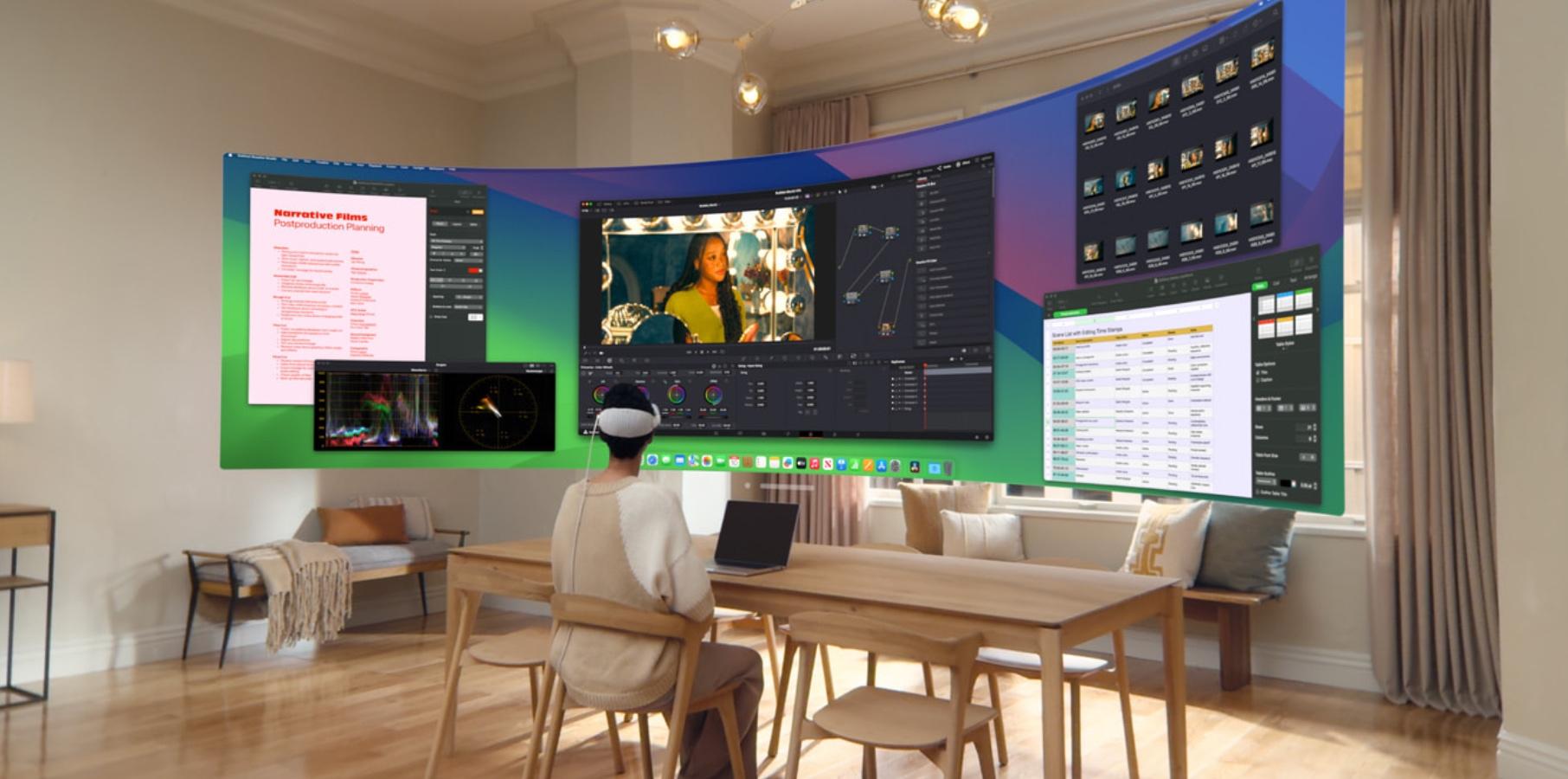
Using Mac Virtual Display is like having an expandable, ultrawide screen that wraps around you. It’s the equivalent of having two 4K displays sitting side by side — everything looks astoundingly sharp and incredibly detailed.

Now, with an ultrawide view, Apple says it feels like you have two physical 4K displays sitting side by side on a desk, except you don’t have something limiting the two displays. This Apple Vision Pro feature is perfect for anyone multitasking on a Mac, and it feels better than having several windows floating around.

Tech. Entertainment. Science. Your inbox.

Sign up for the most interesting tech & entertainment news out there.

By signing up, I agree to the Terms of Use and have reviewed the Privacy Notice.

With this feature, you can open several apps at once and visualize them before you with Vision Pro’s incredible displays. Not only will this boost productivity, but it will also make this spatial computer a more compelling upgrade than two Studio Displays, as you can use it for more than just mirroring your Mac once you finish working.

Apple is expected to expand Mac Visual Display in early December when visionOS 2.2 is expected to be released to all users. While rumors about a new Vision Pro are contradictory, the latest reports expect Apple to update this product next year with a more capable processor, most likely the M5.

However, a revamped interaction is still a few years away. Alongside visionOS 2.2 beta 2, Apple has seeded the second testing versions of watchOS 11.2 and tvOS 18.2.

Below, you can learn more about visionOS and other Vision Pro features.

Source

Posted on

User-centric security should be core to cloud IAM practice

Cyber attacks, phishing, and ransomware incidents are predominantly user-facilitated threats; their success is reliant on a human interaction. Relying solely on the next generation of technology to solve this issue is misguided; we cannot address a human problem with technology alone.

Security must shift to a more people-centric approach, as it is ultimately the individuals who require access, whose identities must be managed, and who need to be authenticated and it’s the people who are currently enabling the failures, even when that is inadvertent. We must recognise that this is fundamentally a people challenge, not merely a technological one. By prioritising human factors in our security strategy, we can build a more effective and resilient posture towards cyber attacks, phishing and ransomware.

This challenge isn’t new; it may seem so because we’re framing it as IT-centric. In reality, identity and access management (IAM) has been a fundamental practice for centuries, rooted in the principles of least privilege and need to know. What we often overlook is the importance of understanding our underlying information assets and identifying who truly needs access to them. By facilitating that access in a seamless manner, we enhance user experience while maintaining security. If we restructured our information assets to be more logical, user-friendly, and aligned with business functions, we could significantly improve our ability to manage access effectively.

Training and awareness continue to be neglected and underfunded, while technology receives a bigger share of attention and budget. Numerous reports, surveys, and presentations from security industry leaders consistently emphasise that effective training is crucial for enhancing our resilience against attacks. It’s time to prioritise investment in training and awareness, recognising them as vital components of a robust security strategy.

Technologies play a supportive role in combating these attacks but they ultimately depend on individuals to make the right choices. To build an effective defence, we must empower well-trained, security-conscious personnel who are backed by the right technology. Instead of having IT impose access restrictions arbitrarily, let’s engage our teams in identifying their access needs. By prioritising collaboration and understanding, we can create a security framework that truly protects both our people and our organisation.

Additionally, we must recognise that overly restrictive security practices can drive individuals toward risky behaviours, especially when they struggle to perform their jobs effectively. Just as laws differ in their approach, security policies should not mirror a Napoleonic framework, where users are limited to only what they are explicitly permitted to do. Instead, we should embrace a model that empowers users to fulfil their roles while maintaining security. It’s essential for security teams to collaborate with employees to identify solutions that enable safe and effective job performance, fostering a culture of trust and responsibility.

Shifting away from rigid rules is essential for progress, but it’s understandable that security professionals may feel hesitant, as clear-cut rules can be a comfort for some. User-centric security should be the future for genuine resilience.

Source

Posted on

Gartner Symposium: IT leaders urged to do reps like Arnie

Doing reps, reps and more reps is the key to success, according to the Terminator and former governor of California, Arnold Schwarzenegger. Although he was referring to bodybuilding, Schwarzenegger is a big fan of repeatedly practising a task to master it.

Schwarzenegger was the special guest on the second day of the Gartner Symposium in Barcelona, and was invited to discuss how his life experiences can be applied to the world of IT. His advice applies to all aspects of life, and for the audience of IT decision-makers gathered at the Gartner keynote, reps applied to IT leadership.

Given one of his most famous roles as the killer robot in the James Cameron film The Terminator, Schwarzenegger said: “You know, people are worried about artificial intelligence, but I’m more worried about basic stupidity.”

In his book, Be useful, Schwarzenegger offers seven tools for life. He told the IT leaders gathered at the Gartner Symposium discovered how these “tools” could be applied to their own lives.

Schwarzenegger said a lot of what he learned in sport could also be applied on the movie set. “The more often you rehearse the scene, the better you get.”

Returning to his role as the Terminator, Schwarzenegger said he had wanted to play the part of Kyle Reese, the protagonist who would ultimately kill the machine, but during a lunch discussion, he listened to the film director explain why he would make the perfect Terminator.

“He [Cameron] said, ‘you should be the Terminator’, and I said, ‘no, no, no, no, no … I think he [the Terminator] only has 27 lines’. But he said, ‘this is going to be huge’.”

Cameron explained to Schwarzenegger that the Terminator would be the number one villain and the number one hero at the same time. “I didn’t talk anymore, I just listened. Three days later, I called him and said I would play the Terminator role.”

Schwarzenegger urged delegates to listen. “From talking, you never learn anything,” he said.

Another topic covered in the book is the importance of having good mentors, with Schwarzenegger recalling: “I had so many wonderful mentors that inspired me.”

Other life hacks covered in Be useful include having a strong vision, knowing when to say no, and having a good sense of comical timing. “Humour is so much part of our lives,” added Schwarzenegger.

Source

Posted on

iOS 18.2 just made the iPhone 16’s Camera Control even better

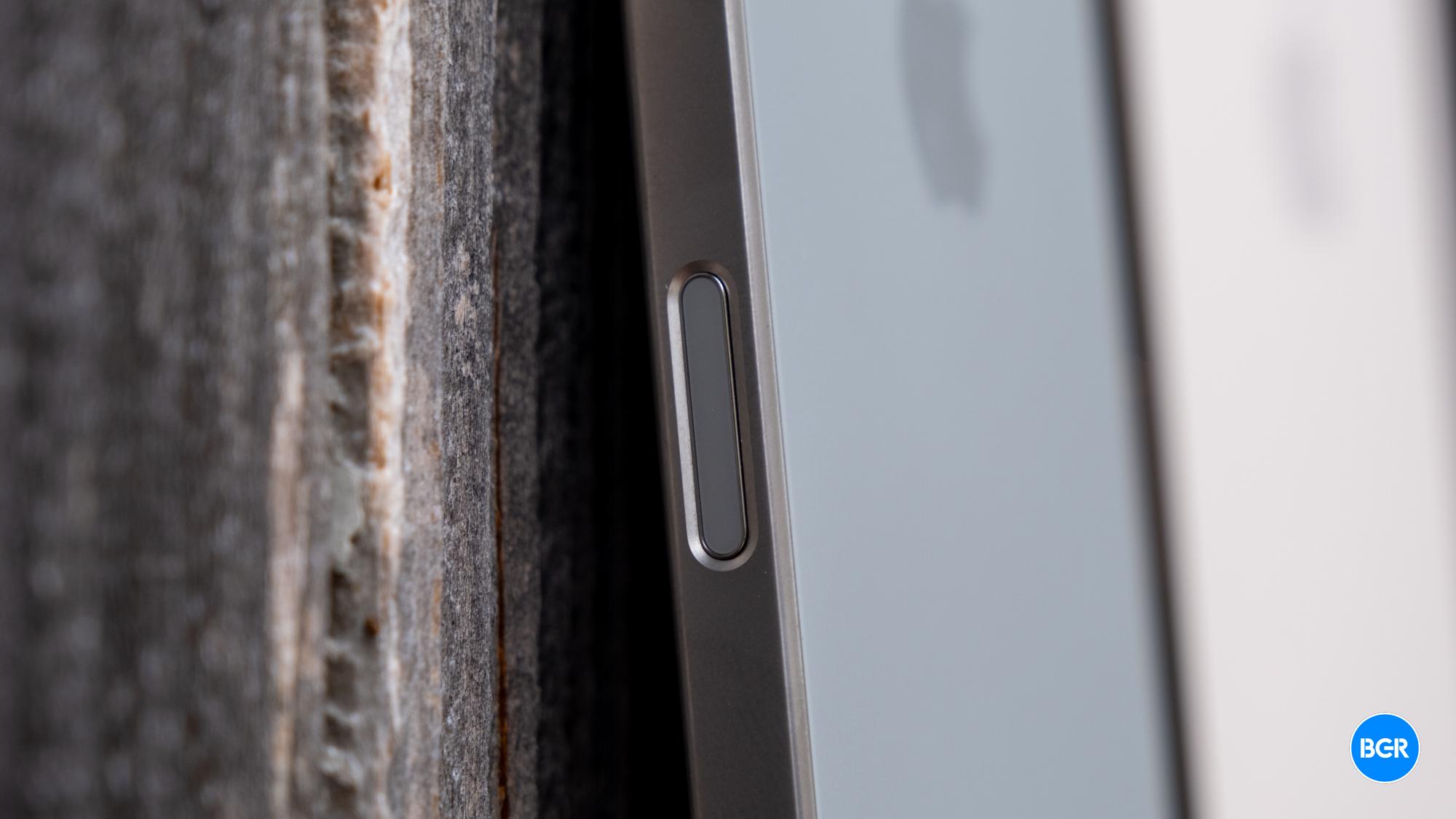
I had been looking forward to the iPhone 16’s Camera Control button ever since it first popped up in early rumors. After over a month with the iPhone 16 Plus, however, the Camera Control turned out to be a somewhat large disappointment for this longtime iPhone user. The button works as intended. It opens the camera app faster than before. It just doesn’t work well for me. I hold the iPhone in my left hand, so there’s no convenient way to reach the button. My protective case makes it even harder than it should be.

I’d love it if Apple made radical changes to the iPhone’s buttons that would let me swap the location of the Camera Control button with a unified Volume button. That’s not going to happen anytime soon, but Apple is working to make the Camera Control better in the meantime. A new “Require Screen On” option that just appeared in iOS 18.2 beta 3 is one way Apple is improving this feature.

Go to the iPhone 16’s Settings app, tap Display & Brightness, and look for the new Require Screen On toggle at the bottom. That is, after you install iOS 18.2 beta 3, of course.

The new toggle is enabled by default, which matches the current behavior of the Camera Control button. If the iPhone 16 screen is off and you press the button, the display will turn on. A second press will invoke the camera, and a third press will let you take photos.

Tech. Entertainment. Science. Your inbox.

Sign up for the most interesting tech & entertainment news out there.

By signing up, I agree to the Terms of Use and have reviewed the Privacy Notice.

If you disable the Require Screen On setting, you can open the camera even when your screen is off. This might be something some content creators want. They’d get even faster access to the camera, which will help them capture photos and videos immediately.

The obvious downside is that you might get accidental Control Center taps after disabling the feature, especially if you’re not using a case.

Using the Camera Control button to take a photo on the iPhone 16 and 16 Plus.Using the Camera Control button to take a photo on the iPhone 16 and 16 Plus. Image source: Apple Inc.

On the other hand, if you have Raise to Wake enabled from the same Display & Brightness menu, you don’t need to disable the new Require Screen On setting. Simply raising the phone to take a photo or record a video will turn on the screen, so your Camera Control press will bring up the camera on the first press. The next photo or video recording will then be just one tap away.

Separately, Require Screen On should also let you turn on Visual Intelligence faster than before. That’s Apple’s equivalent to Google Lens, which lets Apple Intelligence see what’s around you to provide contextual information.

If you’re not on the iOS 18.2 beta, you’ll have to wait a few weeks to see the Require Screen On appear in the iPhone 16’s Settings app. As for other iPhone versions that can run iOS 18.2, you won’t see the setting because your iPhone lacks a dedicated camera button.

Source

Posted on

Nvidia’s rumored CPU could pack integrated GPU to rival RTX 4070 mobile – should AMD and Intel start to worry now?

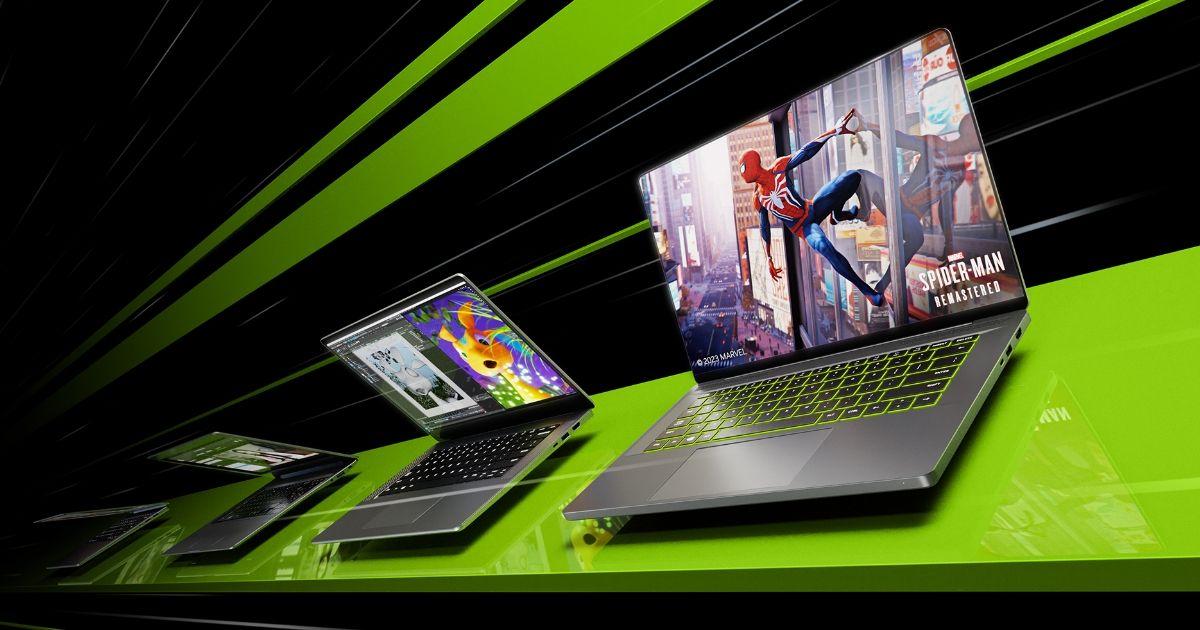
  • Nvidia APU rumored to equal RTX 4070 laptop GPU in performance
  • Laptops are already being made with the APU, including from Alienware
  • The Arm-based APU could outgun AMD’s Strix Halo by miles for efficiency

Nvidia’s apparent plan to make an Arm-based CPU for PCs – in conjunction with MediaTek – raised some eyebrows, certainly, and now we’re hearing a bit more about how powerful said APU from Team Green might be in terms of its integrated graphics.

For the uninitiated, an APU is an all-in-one chip (packing a processor, alongside an integrated GPU and NPU) and with a powerful enough graphics solution, these can make for a great engine for thin-and-light gaming laptops, dispensing with the need to have a separate graphics card in the chassis. (They’re also ideal for PC gaming handhelds, too).

Moore’s Law is Dead (MLID) has some fresh info on Nvidia’s rumored Arm-based SoC, namely that said integrated graphics will match the RTX 4070 laptop GPU (with the chip running at around 65W).

MLID further notes that laptop makers are already working with Nvidia to realize this APU, and there’s a rumored deal with Alienware on the boil.

We could see new entrants bursting onto our best gaming laptop list powered by the Nvidia APU as soon as the end of 2025, or the leaker still believes that’s a possibility – though we may realistically be waiting until 2026.

It is, after all, a big move for Nvidia, and one that Team Green and its partners will want to get right.

PS5 Pro Review, Nvidia APU Performance Leak, AMD RDNA 4, XBOX Future | NX Gamer | Broken Silicon 283 – YouTube PS5 Pro Review, Nvidia APU Performance Leak, AMD RDNA 4, XBOX Future | NX Gamer | Broken Silicon 283 - YouTube Watch On

Analysis: The battle against a Halo product

If you recall, AMD also has powerful APUs on the cards, and is closer to launch than Nvidia – in fact, Team Red is expected to reveal new Strix Halo chips at CES 2025 (alongside a whole heap of other goodies).

{ window.reliablePageLoad.then(() => { var componentContainer = document.querySelector(“#slice-container-newsletterForm-articleInbodyContent-ZpcEZKJdQ5A7Pqu5VzCBub”); if (componentContainer) { var data = {“layout”:”inbodyContent”,”header”:”Get the best Black Friday deals direct to your inbox, plus news, reviews, and more.”,”tagline”:”Sign up to be the first to know about unmissable Black Friday deals on top tech, plus get all your favorite TechRadar content.”,”formFooterText”:”By submitting your information you agree to the Terms & Conditions and Privacy Policy and are aged 16 or over.”,”successMessage”:{“body”:”Thank you for signing up. You will receive a confirmation email shortly.”},”failureMessage”:”There was a problem. Please refresh the page and try again.”,”method”:”POST”,”inputs”:[{“type”:”hidden”,”name”:”NAME”},{“type”:”email”,”name”:”MAIL”,”placeholder”:”Your Email Address”,”required”:true},{“type”:”hidden”,”name”:”NEWSLETTER_CODE”,”value”:”XTR-D”},{“type”:”hidden”,”name”:”LANG”,”value”:”EN”},{“type”:”hidden”,”name”:”SOURCE”,”value”:”60″},{“type”:”hidden”,”name”:”COUNTRY”},{“type”:”checkbox”,”name”:”CONTACT_OTHER_BRANDS”,”label”:{“text”:”Contact me with news and offers from other Future brands”}},{“type”:”checkbox”,”name”:”CONTACT_PARTNERS”,”label”:{“text”:”Receive email from us on behalf of our trusted partners or sponsors”}},{“type”:”submit”,”value”:”Sign me up”,”required”:true}],”endpoint”:”https://newsletter-subscribe.futureplc.com/v2/submission/submit”,”analytics”:[{“analyticsType”:”widgetViewed”}],”ariaLabels”:{}}; var triggerHydrate = function() { window.sliceComponents.newsletterForm.hydrate(data, componentContainer); } if (window.lazyObserveElement) { window.lazyObserveElement(componentContainer, triggerHydrate); } else { triggerHydrate(); } } }).catch(err => console.error(‘%c FTE ‘,’background: #9306F9; color: #ffffff’,’Hydration Script has failed for newsletterForm-articleInbodyContent-ZpcEZKJdQ5A7Pqu5VzCBub Slice’, err)); }).catch(err => console.error(‘%c FTE ‘,’background: #9306F9; color: #ffffff’,’Externals script failed to load’, err)); ]]>

Sign up to be the first to know about unmissable Black Friday deals on top tech, plus get all your favorite TechRadar content.

Interestingly, the Strix Halo flagship APU has also been strongly rumored to have seriously peppy integrated graphics, and comparisons have been drawn to the discrete RTX 4070 laptop GPU here, as well – or that Team Red’s top chip might even be slightly more powerful.

Still, in Nvidia’s favor, it’s not clear if that flagship APU will serve gaming laptops, or just workstations, as we’ve discussed in the past. And even if the Nvidia APU is a bit behind in terms of the performance of its integrated GPU, it’s targeting much better efficiency. (Strix Halo rumors point to 120W for the flagship, and as we see here, 65W is mentioned for Nvidia’s effort – that kind of power difference is huge in the world of portables).

We can also expect a seriously powerful NPU from Nvidia, and AMD Strix Halo for that matter.

What’s going to be the problematic area for Nvidia is that its APU is Arm-based, so will run Windows on Arm with its inherent drawbacks, as seen with current Snapdragon SoCs. Whereas AMD’s Strix Halo is a traditional x86 chip and won’t have any compatibility (or performance overhead) worries – though come 2026, the picture for Arm chips in that respect may have changed a great deal. Microsoft is certainly betting on that, and Nvidia too, no doubt – if this rumor is right.

More competition in the mobile CPU arena will be a prospect that Intel isn’t keen on. Team Blue has a big business in producing laptop CPUs, an area it continues to be strong in despite all the woes around its desktop processors. Is that going to change with Nvidia’s entry into the laptop CPU market? It’s not what Intel needs right now, that’s for sure.

Via TweakTown

You might also like…

Source