Posted on

Apple reportedly started M5 mass production ahead of 2025 Mac releases

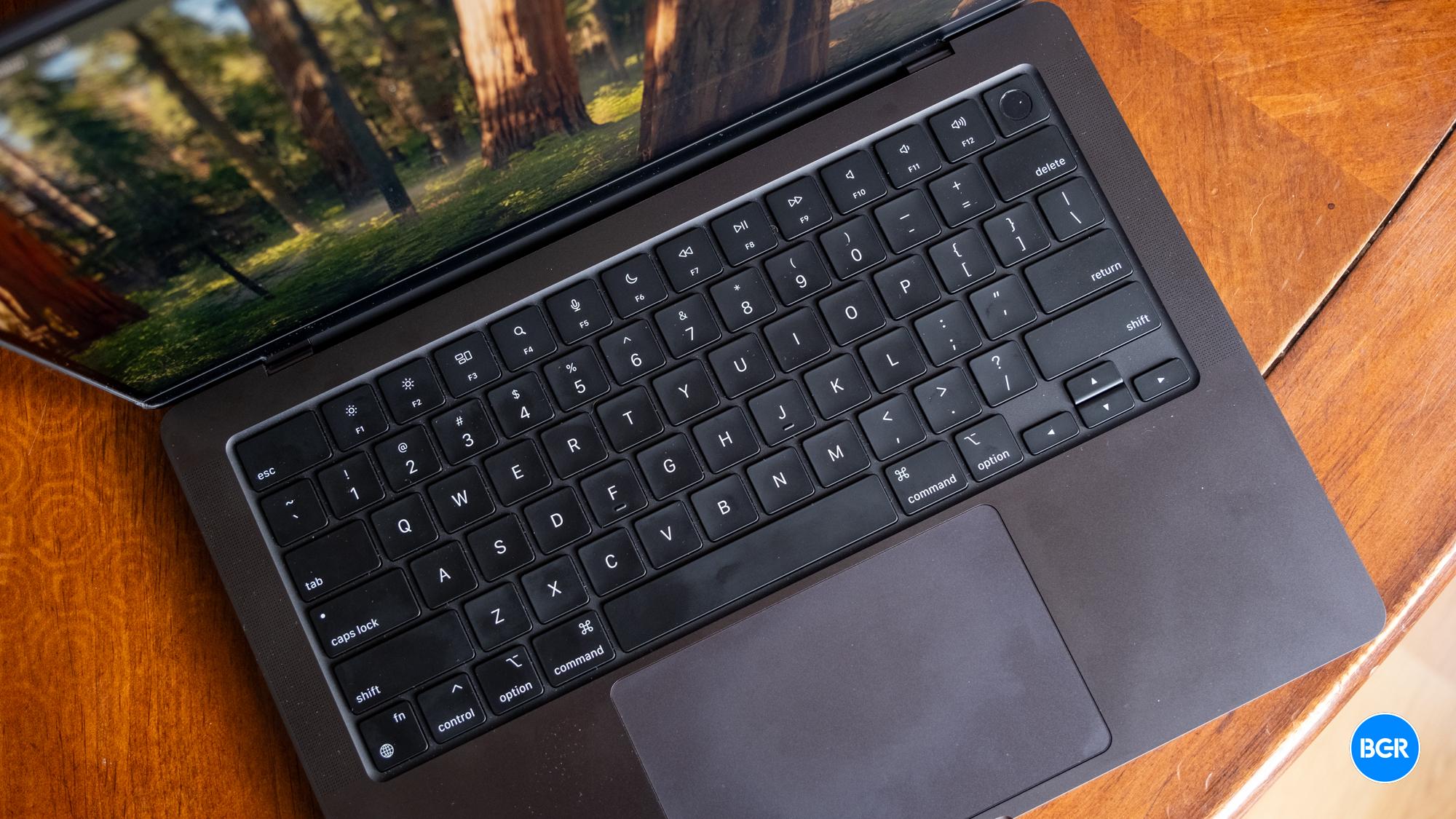
A few months after Apple ordered TSMC to start the production development of the M5 chip, ET News reports that mass production for this upcoming processor has now begun. According to the publication, mass production for the M5 chip, which is expected to power new Macs, iPads, and Apple Vision Pro, started in January. ET News writes: “Apple M5 chip packaging is handled by Taiwan’s ASE, the U.S.’s Amkor, and China’s JCET. Initial mass production has been started by ASE, and mass production with Amkor and JCET will follow suit.”

These companies also add resources to make the high-end M5 Pro, M5 Max, and M5 Ultra chips. While power efficiency has been improved by 5-10% and performance improved by 5% compared to the M4 chip, this is yet Apple’s new tackle on AI processors to power Apple Intelligence and other complex tasks.

While the M5 mass production has already started, Apple has yet to release its M4 MacBook Air models. They’re expected to be released in the first half of 2025, in addition to the M4 Ultra chip with the Mac Studio, which is scheduled for mid-2025. Finally, a new Mac Pro could also be in the works for late 2025. If that turns out to be accurate, this release could coincide with the first M5 products.

So far, the first Apple products we expect to unveil with the M5 chip are the iPad Pro, the MacBook Pro, and the Apple Vision Pro. Still, none of them should debut before fall 2025.

Tech. Entertainment. Science. Your inbox.

Sign up for the most interesting tech & entertainment news out there.

By signing up, I agree to the Terms of Use and have reviewed the Privacy Notice.

That being said, we still have plenty of time with M4 products. Also, it doesn’t seem Apple plans a major revamp for its products with the M5 chip. According to rumors, Cupertino could start tweaking the design of some of its Macs by 2026 when it plans to ditch the miniLED display for a new OLED technology.

Below, you can learn more about when to expect new M4 Macs.

Source

Posted on

When will Apple start beta testing iOS 18.4?

Now that iOS 18.3 has been available for almost two weeks now, we’re all wondering what the release date of iOS 18.4 beta 1 will be. Unlike the previous version, iOS 18.4 is expected to be one of the most important updates of the iOS 18 cycle. That said, here’s what we know about iOS 18.4 and when Apple could start beta testing it.

iOS 18.4 beta 1 release date based on previous x.4 updates

It’s been almost ten days since Apple released iOS 18.3. In the past, this is how long Apple has taken to start beta testing an x.4 update after releasing an x.3 update:

  • iOS 17.4: 3 days
  • iOS 16.4: 24 days
  • iOS 15.4: 1 day
  • iOS 14.4: 2 days

With iOS 13.4, Apple took an incredible 57 days to start beta testing it. However, you shouldn’t have to worry about waiting that long, as the company promised Apple Intelligence would expand to more languages in April, confirming iOS 18.4 will launch by then.

In addition, iOS 16.4 wasn’t a very notable update, with the most impressive features being new emoji and Crash Detection optimization. With that in mind, there wasn’t a good reason for the company to delay the start of its beta testing.

Tech. Entertainment. Science. Your inbox.

Sign up for the most interesting tech & entertainment news out there.

By signing up, I agree to the Terms of Use and have reviewed the Privacy Notice.

That said, BGR has reason to believe Apple could seed iOS 18.4 beta 1 any day now. While previous x.4 betas had two to five builds, it’s possible that Apple will spend longer testing this upcoming version, as it has important in store for iOS as a whole.

iPhone 16Image source: José Adorno for BGR

These are the most important features we hope Apple adds in iOS 18.4

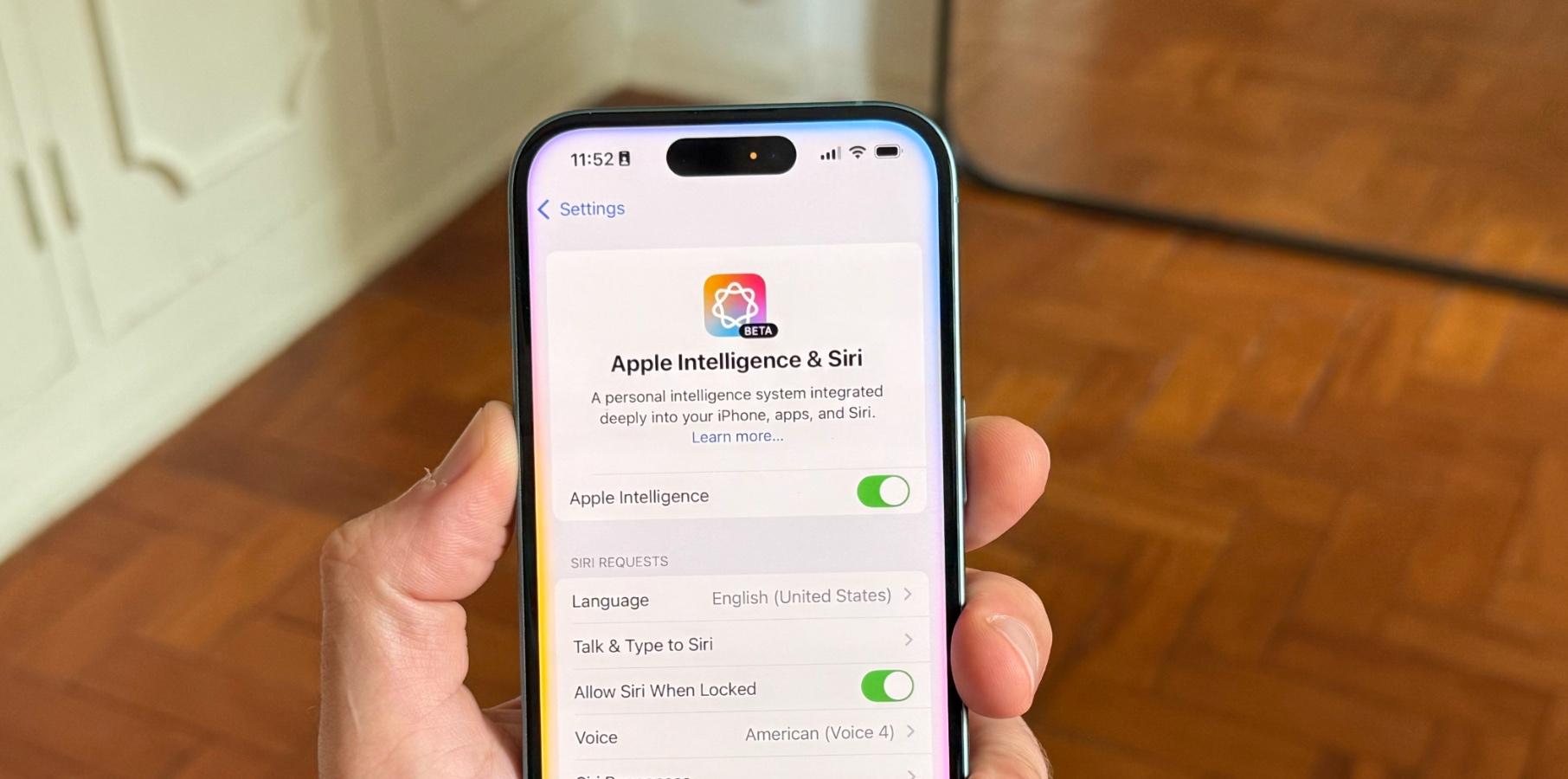
Unlike the previous versions, iOS 18.4 is expected to open the path for a truly competitive Siri, a personal assistant that can finally understand context and look through your messages and apps to find precisely what you need. While it’s unclear if these features will be ready in iOS 18.4 beta 1, the company will likely start adding these Apple Intelligence improvements over the coming months.

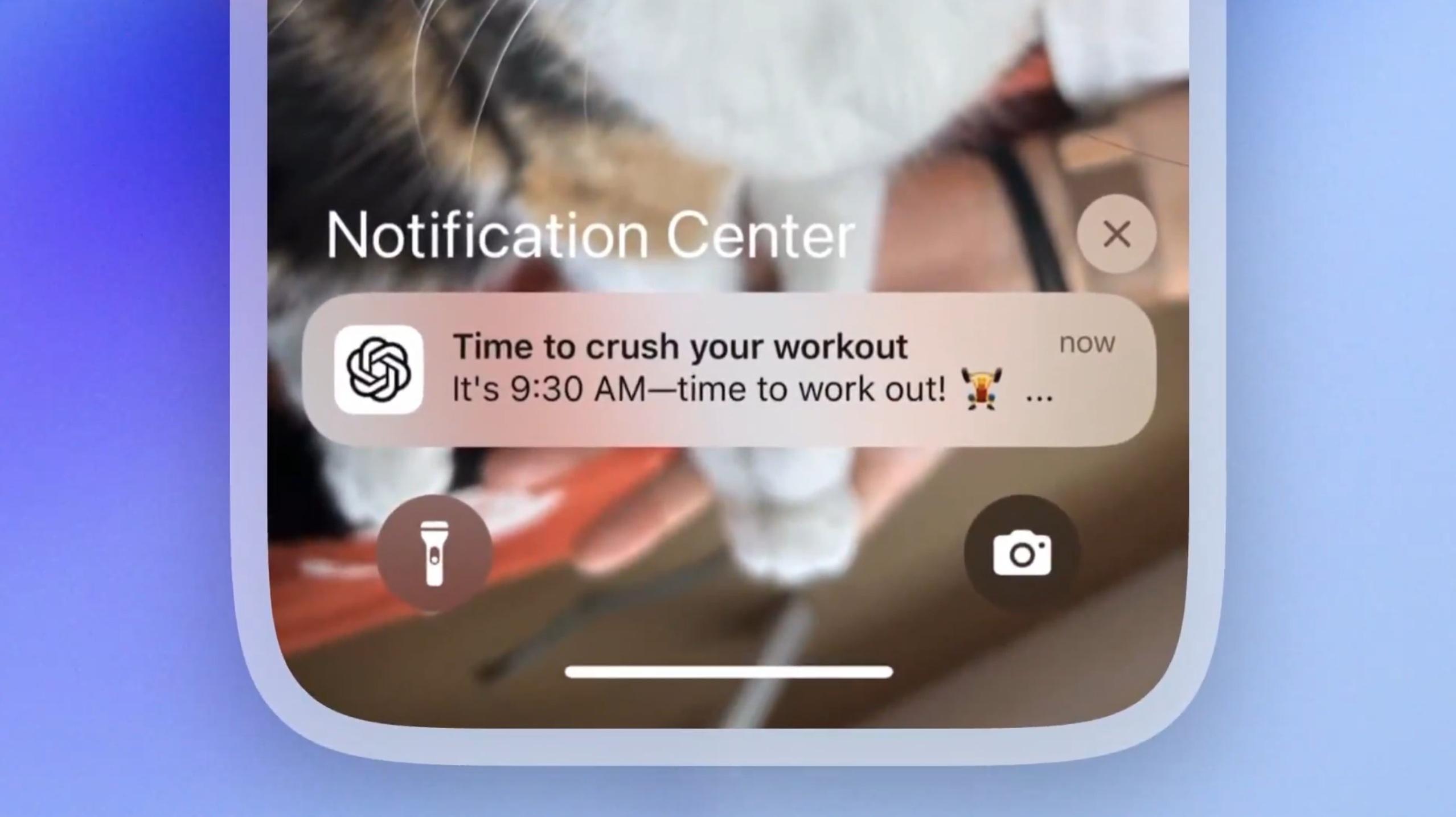
In this update, Apple says its AI platform will support Chinese, English (India), English (Singapore), French, German, Italian, Japanese, Korean, Portuguese, Spanish, and Vietnamese. Apple is also expected to offer other minor features, such as creating images in Image Playground in Sketch style and a better display of Priority Notifications across Apple and third-party apps. Finally, new emojis might be available with this update.

Source

Posted on

OpenAI says it has evidence DeepSeek used ChatGPT to train its AI

Chinese startup DeepSeek stunned the world with its sophisticated DeepSeek R1 reasoning model, which is as good as ChatGPT o1. That’s not a surprising achievement; it’s only a matter of time before other AI models can replicate what OpenAI has done in terms of AI reasoning. Also, OpenAI will soon make o3 available, the successor to o1.

What really shocked the markets was DeepSeek’s research, which showed that the company was able to train R1 to achieve the same capabilities at a fraction of the cost of training o1.

Because of US sanctions, DeepSeek didn’t have access to the latest NVIDIA GPUs that AI firms like OpenAI use to train high-end AI models. It turned to software optimizations to compensate for what it lacked in hardware to create an AI model that could match ChatGPT o1.

But it turns out software optimization isn’t everything DeepSeek might have done to train its AI. OpenAI claims it has evidence that DeepSeek distilled ChatGPT to train the DeepSeek AI models.

Tech. Entertainment. Science. Your inbox.

Sign up for the most interesting tech & entertainment news out there.

By signing up, I agree to the Terms of Use and have reviewed the Privacy Notice.

If that’s true, the practice violates OpenAI’s terms of service for ChatGPT. Ironically, if OpenAI’s claim is true, it’ll make the company experience what many creators felt when they discovered OpenAI may have trained its ChatGPT models using copyrighted materials without consent.

OpenAI told The Financial Times it found evidence that DeepSeek used the US models to train DeepSeek AI.

OpenAI found evidence of “distillation,” which it believes came from DeepSeek. Distillation is a process where AI firms use an already trained large AI model to train smaller models. The “student” models will match similar results to the “teacher” AI in specific tasks.

Some early DeepSeek testers were surprised to see the AI identify itself as ChatGPT in early responses, which prompted speculation that DeepSeek AI might have been trained with ChatGPT chats.

OpenAI claims that DeepSeek might have distilled ChatGPT make sense, but it’s unclear whether the US AI firm can prove the IP theft beyond doubt. Even if it can provide conclusive evidence that DeepSeek used ChatGPT to train its AIs, there’s probably little OpenAI can do. After all, DeepSeek R1 is already out in the wild.

DeepSeek made its models available open-source, which means anyone can install them on computers. The DeepSeek app is topping the App Store, and it’s available in the Google Play store. Unless DeepSeek is banned in the US, the app won’t go away anytime soon.

The FT says that OpenAI and Microsoft investigated accounts believed to belong to DeepSeeka last year. They were using OpenAI’s API for ChatGPT access. OpenAI blocked access, suspecting they may rely on distillation to train other models.

DeepSeek has not commented on these allegations. The company is seen as a hero in China after the release of DeepSeek R1, which wiped nearly $1 billion from the US market.

On the other hand, it’s not just Chinese AI companies like DeepSeek that might rely on the distillation of ChatGPT and other frontier AIs to train better AI models. The FT notes that it’s common practice for AI labs in China and the US to use outputs from bigger companies.

OpenAI and others have already trained AI using humans to teach the models how to produce responses that sound more conversational. This is an expensive process, so smaller firms will distill established models to train smaller ones. In such a case, a company like DeepSeek would have gotten the human feedback step for free.

I said earlier that DeepSeek’s use of distillation to train R1 is something others could benefit from, Apple included. I wasn’t referring to stealing AI work done by others but to using advanced, proprietary models to train smaller models that Apple might need for its on-device Apple Intelligence approach.

If OpenAI has strong evidence that DeepSeek used ChatGPT to train its AI models, we could be looking at the second good reason to ban DeepSeek in the US and elsewhere. The first is that DeepSeek collects plenty of user data and sends it all to China.

A ban is a process that will take time. And, again, even if all of this is successful, DeepSeek will still have strong AI models on its hands, which it can use to create next-gen AI of its own.

Meanwhile, OpenAI still has to deal with allegations that it used copyrighted content without consent to create ChatGPT.

Source

Posted on

Intel is taking the budget GPU market by storm

  • Intel’s upcoming Arc B570 GPU is only 12% slower than B580 according to early benchmark
  • The Arc B580 will start at $249 while the B570 will start at $219
  • Intel has taken a great leap in its GPU and gaming focus

While Nvidia and AMD‘s new GPUs may have taken the spotlight over recent weeks with a slew of big new reveals, notably Team Green’s RTX 5000 series at CES 2025, Intel is slowly becoming a dark horse within the budget GPU market – and PC gamers with tight budgets should pay attention.

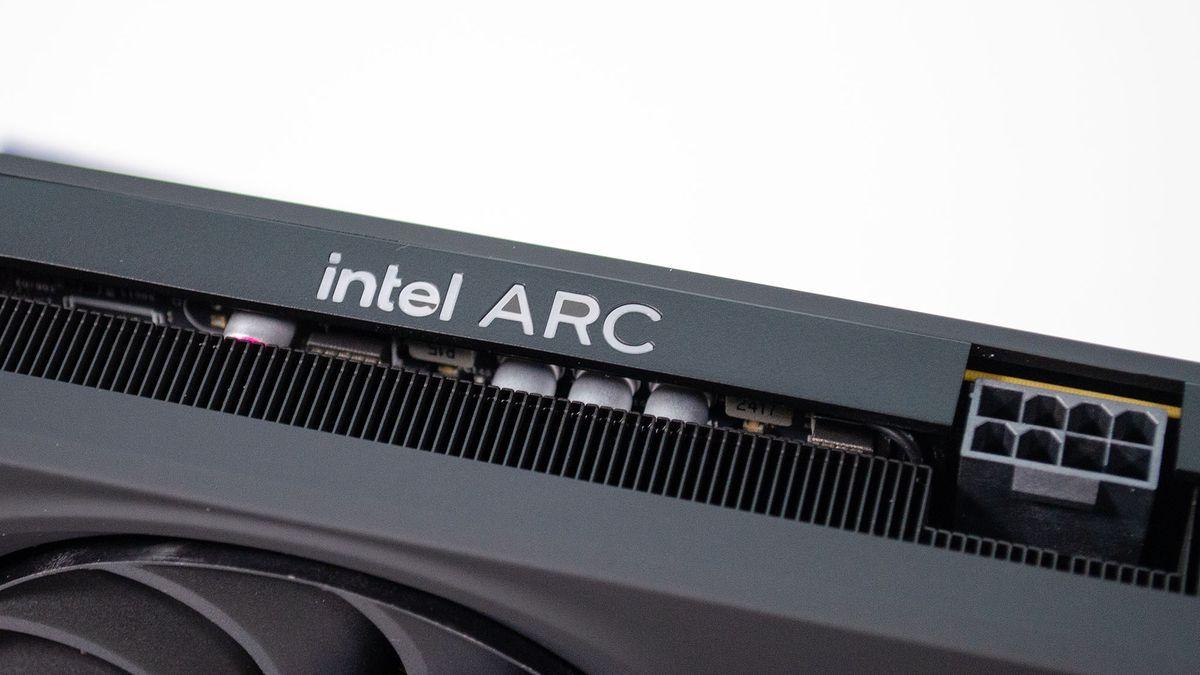
According to an early test result spotted in the Geekbench 6 database (initially highlighted by Wccftech), the Intel Arc B570 is only 12% slower – perfect, since it’s also 12% cheaper than the Arc B580, which we noted offers fierce competition in terms of performance against its affordable rivals in our Intel Arc B580 review. This was made evident with the B570’s 86,718 score compared to the B580’s 98,343 in the OpenCL API benchmark.

Whilst there are multiple different benchmark results for the B580 (with the same expected for the B570 once it hits full release), Wccftech states most range between 95,000 and 100,000 points, suggesting slower performance on its lower-spec counterpart.

Considering the price of the Arc B580 ($249 / £249 / AU$439) and the Arc B570 ($219 / £219 / around AU$350), PC gamers on a budget will have a variety of competent options for 1080p gaming this generation. With Team Blue’s XeSS upscaling method gradually improving, Intel could claim pole position to become the budget GPU king if it can compete with Nvidia’s DLSS and AMD’s FSR.

A pair of Intel Arc Alchemist chips in front of a dark purple background

(Image credit: Intel)

Is it time to take Intel’s GPU and gaming efforts seriously?

Nvidia has consistently ruled over the years, while Intel has focused on providing stronger processors for PC builds and AMD has historically been a plucky underdog in both markets. The tide is now turning within the budget GPU space, and it’s safe to say that Team Blue is now one to take seriously.

Besides the upcoming Arc B580 and B570, Intel’s new Lunar Lake processors have been shown to benefit handheld gaming PCs as well – the MSI Claw 8 AI+ is powered by the Ultra Core 7 258V processor, which will reportedly allow gamers to play games like Cyberpunk 2077 on higher settings using ray tracing.

There’s still a long way to go for Intel to catch up to AMD and Nvidia in terms of providing high-end GPU hardware, but it’s already off to a great start – I hope its next lineup of GPUs showcases a big step forward in performance.

{ window.reliablePageLoad.then(() => { var componentContainer = document.querySelector(“#slice-container-newsletterForm-articleInbodyContent-VvpZPG6mx83Sat9irGuqDG”); if (componentContainer) { var data = {“layout”:”inbodyContent”,”header”:”Get daily insight, inspiration and deals in your inbox”,”tagline”:”Sign up for breaking news, reviews, opinion, top tech deals, and more.”,”formFooterText”:”By submitting your information you agree to the Terms & Conditions and Privacy Policy and are aged 16 or over.”,”successMessage”:{“body”:”Thank you for signing up. You will receive a confirmation email shortly.”},”failureMessage”:”There was a problem. Please refresh the page and try again.”,”method”:”POST”,”inputs”:[{“type”:”hidden”,”name”:”NAME”},{“type”:”email”,”name”:”MAIL”,”placeholder”:”Your Email Address”,”required”:true},{“type”:”hidden”,”name”:”NEWSLETTER_CODE”,”value”:”XTR-D”},{“type”:”hidden”,”name”:”LANG”,”value”:”EN”},{“type”:”hidden”,”name”:”SOURCE”,”value”:”60″},{“type”:”hidden”,”name”:”COUNTRY”},{“type”:”checkbox”,”name”:”CONTACT_OTHER_BRANDS”,”label”:{“text”:”Contact me with news and offers from other Future brands”}},{“type”:”checkbox”,”name”:”CONTACT_PARTNERS”,”label”:{“text”:”Receive email from us on behalf of our trusted partners or sponsors”}},{“type”:”submit”,”value”:”Sign me up”,”required”:true}],”endpoint”:”https://newsletter-subscribe.futureplc.com/v2/submission/submit”,”analytics”:[{“analyticsType”:”widgetViewed”}],”ariaLabels”:{}}; var triggerHydrate = function() { window.sliceComponents.newsletterForm.hydrate(data, componentContainer); } if (window.lazyObserveElement) { window.lazyObserveElement(componentContainer, triggerHydrate); } else { triggerHydrate(); } } }).catch(err => console.error(‘%c FTE ‘,’background: #9306F9; color: #ffffff’,’Hydration Script has failed for newsletterForm-articleInbodyContent-VvpZPG6mx83Sat9irGuqDG Slice’, err)); }).catch(err => console.error(‘%c FTE ‘,’background: #9306F9; color: #ffffff’,’Externals script failed to load’, err)); ]]>

Sign up for breaking news, reviews, opinion, top tech deals, and more.

You may also like…

Source

Posted on

iOS 18.3 coming soon: New features, release date, AI updates, more

Apple is about to end the beta cycle of iOS 18.3. Unlike previous software updates, which took a lot more time to release, this one will likely be pretty straightforward. In this article, you’ll discover everything new with this future operating system update, its possible release date, and all the devices compatible with it.

Release Date

With iOS 15.3 and iOS 16.3, Apple only seeded two betas before making a Release Candidate version available. In early 2024, the iOS 17.3 beta needed an extra release, as Apple seeded three betas before the Release Candidate version. Apple then released iOS 17.3 in the third week of January.

With iOS 18.3, Apple seeded three betas and a Release Candidate version so far. We expect this software update to be available as soon as January 27. That said, Cupertino has a much bigger iOS 18.4 update coming in April.

iOS 18.3 beta 1 features

The first beta of iOS 18.3 only includes a few new features. Here’s what we know so far:

Tech. Entertainment. Science. Your inbox.

Sign up for the most interesting tech & entertainment news out there.

By signing up, I agree to the Terms of Use and have reviewed the Privacy Notice.

Robot vacuum support: This feature was delayed to 2025. X user Aaron Perris discovered strings in iOS 18.3 beta code that show Apple wants to offer this feature with this next software update. When it’s available, robot vacuum makers will be able to control their vacuums through Apple’s Home app.

Turn off satellite communication: According to Bloomberg’s Mark Gurman, those companies who deploy iPhones through Mobile Device Management will be able to disable satellite communication services. The journalist says this is “designed for defense/space agencies who don’t want employees tapping into it.”

Camera Control icons: Apple has updated the Camera Control icons to the new Dark Mode. This change has been spotted by X user Aaron Perris.

AI Updates? At the moment, it’s unclear what changes Apple Intelligence might have in iOS 18.3. Given how far behind Apple is when it comes to AI, however, it’s possible that Apple will try to slip some new features and improvements into iOS 18.3.

iOS 18.3 beta 2 features

CarPlay featuresImage source: Porsche

Three weeks after Apple seeded the first beta of iOS 18.3, the company released a new build. At first, it doesn’t look like there are new features available with this version. However, 9to5Mac found under-the-hood changes.

CarPlay 2.0: It seems the latest beta keeps adding references to the new CarPlay experience. Apple missed its 2024 deadline, and since iOS 18.2, we’ve seen Cupertino adding new files about this upcoming feature to its software. With the latest iOS 18.3 beta 2, the company added references to “CarPlayHybridInstrument” in the Maps app.

Calculator bug: iOS 18 removed the ability to repeat math operations. However, the latest beta has restored this feature.

iOS 18.3 beta 3 features

As Apple comes close to the public release of this software, the company added a few more tweaks to this upcoming update:

Notification Summary: After complaints that Apple Intelligence was hallucinating while summarizing news headlines, the company decided to turn off summarization for the News category. In addition, Apple now notes that this might happen.

Messages: The iMessage menu now features a new Genmoji toggle, which helps users access this feature faster.

Camera Control tweak: The recently-added AE/AF Lock has been renamed to “Lock Focus and Exposure.”

iOS 18.3 RC Release Notes

These are the release notes of this update:

Notification summaries (All iPhone 16 models, iPhone 15 Pro, iPhone 15 Pro Max)

  • Easily manage settings for notification summaries from the Lock Screen
  • Updated style for summarized notifications better distinguishes them from other notifications by using italicized text as well as the glyph
  • Notification summaries for News & Entertainment apps are temporarily unavailable, and users who opt-in will see them again when the feature becomes available

This update includes the following enhancements and bug fixes:

  • Calculator repeats the last mathematical operation when you tap the equals sign again
  • Fixes an issue where the keyboard might disappear when initiating a typed Siri request
  • Resolves an issue where audio playback continues until the song ends even after closing Apple Music

Device compatibility

Image source: José Adorno for BGR

iOS 18.3 is compatible with the following devices:

  • iPhone XR, XS, and XS Max
  • iPhone 11
  • iPhone 11 Pro and 11 Pro Max
  • iPhone SE (2nd gen)
  • iPhone 12 mini and iPhone 12
  • iPhone 12 Pro and iPhone 12 Pro Max
  • iPhone 13 mini and iPhone 13
  • iPhone 13 Pro and iPhone 13 Pro Max
  • iPhone SE (3rd gen)
  • iPhone 14 and iPhone 14 Plus
  • iPhone 14 Pro and iPhone 14 Pro Max
  • iPhone 15 and iPhone 15 Plus
  • iPhone 15 Pro and iPhone 15 Pro Max
  • iPhone 16 and iPhone 16 Plus
  • iPhone 16 Pro and iPhone 16 Pro Max

Source

Posted on

Apple’s hallucinated AI News summaries were just disabled in iOS 18.3 beta 3

Hallucinations are a part of the early genAI experience. Since the early days of ChatGPT, we have warned that AI will make mistakes and that you should always look for sources and check whether its claims are accurate. As hard as they might have tried, the big tech players were not spared.

Google’s AI Overviews in Search delivered advice on how to put glue on pizza and hallucinate other information, forcing Google to deal with the PR mess that followed and fix the AI before releasing it to a wider audience.

Apple wasn’t spared the hallucination humiliation either, with Apple Intelligence conflating News reports to deliver fake information via the summarization feature for the News app. Apple has decided to pull the feature from the latest iOS 18 beta and deploy the needed fixes.

“With the latest beta software releases of iOS 18.3, iPadOS 18.3, and macOS Sequoia 15.3, Notification summaries for the News & Entertainment category will be temporarily unavailable,” an Apple representative told CNBC.

Tech. Entertainment. Science. Your inbox.

Sign up for the most interesting tech & entertainment news out there.

By signing up, I agree to the Terms of Use and have reviewed the Privacy Notice.

Apple is working on improving the News summarization feature, which will return in a future software update. It’s unclear when the feature will be back, but Apple Intelligence continues to be a top priority for Apple’s software development teams.

As a reminder, iOS 18.4 will bring another set of AI features to iPhone, iPad, and Mac, including the smarter Siri that can control some apps and access more user data on the device to provide more helpful assistance.

Apple Intelligence’s hallucination problems went viral in December when the AI summarized several BBC reports into a single notification that started with “Luigi Mangione shoots himself.” Mangione is the alleged Brian Thompson assassin who did not shoot himself.

Other hallucinations date back to November when the AI might have shown some users The New York Times summaries that claimed Israeli Prime Minister Benjamin Netanyahu had been arrested. That wasn’t the case.

Hallucinating news is a big problem for any AI product, whether Apple Intelligence or ChatGPT. After all, we’ve been worried about AI misleading users with fake information and the manipulation risks that might come from AI products controlled by nefarious actors. Companies like Apple must get any news-related AI features right, especially summarization. Either that or not do it at all.

In addition to disabling Notification Summaries for the News and Entertainment category in iOS 18.3 beta 3, Apple has added a label to the feature noting that summaries can contain errors, as the app is in beta.

Apple made another change to how summaries appear in notifications so you can tell them apart from regular notifications. Starting with iOS 18.3 beta 3, they’ll be italicized.

Finally, Apple Intelligence users who install the latest beta can decide whether to enable or disable summaries for an iPhone app directly from the Lock Screen. Swipe to the left on a Notification Summary to get an options menu that will let you disable them for specific apps. The alternative is going into the Settings app, where you’d have customized the AI summarizations before the new beta.

As an iPhone user in the EU, I still can’t get Apple Intelligence. I couldn’t test it or experience any of the hallucination issues that US iOS 18 beta testers have encountered. Hopefully, the hallucination problem will go away by the time I get my hands on Apple Intelligence on the iPhone.

However, it’s great to see Apple admit the errors and pull the AI summarization feature entirely rather than proceeding with it without a proper fix.

Source

Posted on

US Treasury incident a clear warning on supply chain security in 2025

A major state-sponsored cyber incident that targeted the United States Department of the Treasury in the weeks prior to Christmas 2024 appears to have begun as the result of a compromise at a third-party tech support supplier, serving as a warning on the precarious security and vulnerable nature of technology supply chains for IT firms and their customers alike.

The cyber attack was allegedly the work of an undisclosed China-backed advanced persistent threat (APT) actor and, according to The Washington Post, it targeted among other things the Office of Foreign Assets Control (OFAC), a department of the Treasury that administers and enforces foreign sanctions against individuals, organisations and countries.

Due to its involvement in sanctions and enforcement actions against malicious cyber actors – it has played a key role in multinational operations against financially motivated ransomware gangs – OFAC presents a very obvious target for threat actors.

In a letter to senators Sherrod Brown and Tim Scott, who sit on the Committee on Banking, Housing and Urban Affairs – a copy of which has been reviewed by Computer Weekly – Treasury assistant secretary for management, Aditi Hardikar, confirmed the department was notified by a third-party software services provider that it had been compromised on 8 December 2024.

The organisation in question, BeyondTrust, said the APT gained access to a key that it was using to secure a cloud-based remote tech support service.

“With access to the stolen key, the threat actor was able override the service’s security, remotely access certain Treasury DO user workstations, and access certain unclassified documents maintained by those users,” wrote Hardikar.

“Treasury has been working with the Cybersecurity and Infrastructure Security Agency (CISA), the Federal Bureau of Investigation (FBI), the Intelligence Community, and third-party forensic investigators to fully characterise the incident and determine its overall impact.

“Based on available indicators, the incident has been attributed to a China state-sponsored APT  actor. The compromised BeyondTrust service has been taken offline and at this time there is no evidence indicating the threat actor has continued access to Treasury information,” wrote Hardikar.

The Chinese authorities have denied the Americans’ allegations, with a spokesperson for Beijing’s embassy in Washington DC describing them as “irrational” and part of a “smear campaign”.

BeyondTrust vulnerabilities

The tech firm at the centre of the incident, BeyondTrust, is a US-based supplier with roots dating back to the mid-1980s. It specialises in privileged identity management and privileged access management (PIM/PAM), privileged remoter access and vulnerability management services. It claims more than 20,000 customers in 100 countries, including the likes of tech firms such as Axians and ServiceNow.

It is also particularly well-used in the public sector, with multiple customers in local government, healthcare and utilities, including a number of NHS bodies in the UK.

In a statement posted to its website, BeyondTrust said it identified an incident impacting a “limited number” of Remote Support SaaS customers that arose through the compromise of an application programming interface (API) key. It revoked the key immediately on concluding a root cause analysis into a remote support SaaS technical issue on 5 December 2024, and began notifying affected users, including the Treasury.

It has since identified two specific vulnerabilities within the Remote Support and Privileged Remote Access product lines – one of critical severity and one of medium severity. These have been assigned designations CVE-2024-12356 and CVE-2024-12686 respectively. Both have been patched for both cloud-hosted and on-prem versions as of 18 December 2024.

According to BeyondTrust, the issues are both command injection vulnerabilities that, successfully exploited, enable an unauthenticated remote attacker to execute operating system commands in the context of the site user.

A BeyondTrust spokesperson told Computer Weekly: “BeyondTrust previously identified and took measures to address a security incident in early December 2024 that involved the Remote Support product. BeyondTrust notified the limited number of customers who were involved, and it has been working to support those customers since then. No other BeyondTrust products were involved. Law enforcement was notified and BeyondTrust has been supporting the investigative efforts.”

Security supply chain still a big issue in 2025

With this incident, BeyondTrust unfortunately becomes the latest in a long-line of cyber security specialists to find themselves making headlines after the compromise of products and solutions designed to keep end-users safe.

Avishai Avivi, CISO at SafeBreach, a supplier of breach and attack simulation tools, explained how the breach likely unfolded. “BeyondTrust, unironically, provides a secure method for IT support personnel to provide remote support to end users,” he said. “This method involves establishing a trusted connection between the support person and the end-user.

“This trusted connection punches through traditional perimeter security controls and gives the support person full access and control over the end-user workstation. Once inside, the support person can send documents back over that secure channel or masquerade as the end-user and send the same documents directly.

“The security controls protecting the US Treasury network have no way of knowing something nefarious is happening, as the trusted connection is, well, trusted.

“Was there something that the US Treasury could have done to prevent this? The sad answer appears to be yes. Again, referring to the technical information BeyondTrust provided, the system administrators at the US Treasury, or the vendor likely to provide support services, failed to configure trusted locations from which the support agents could connect. We refer to this as IP whitelisting [allowlisting].

“This failure is a critical risk with any such service [and] the same issue led to notable breaches in 2023 and 2024. This oversight is why we urge all service vendors, especially trusted ICT vendors, to follow the CISA Secure-by-Default guidance.”

Source

Posted on

It sure looks like Apple is getting ready to release a HomePod with a display

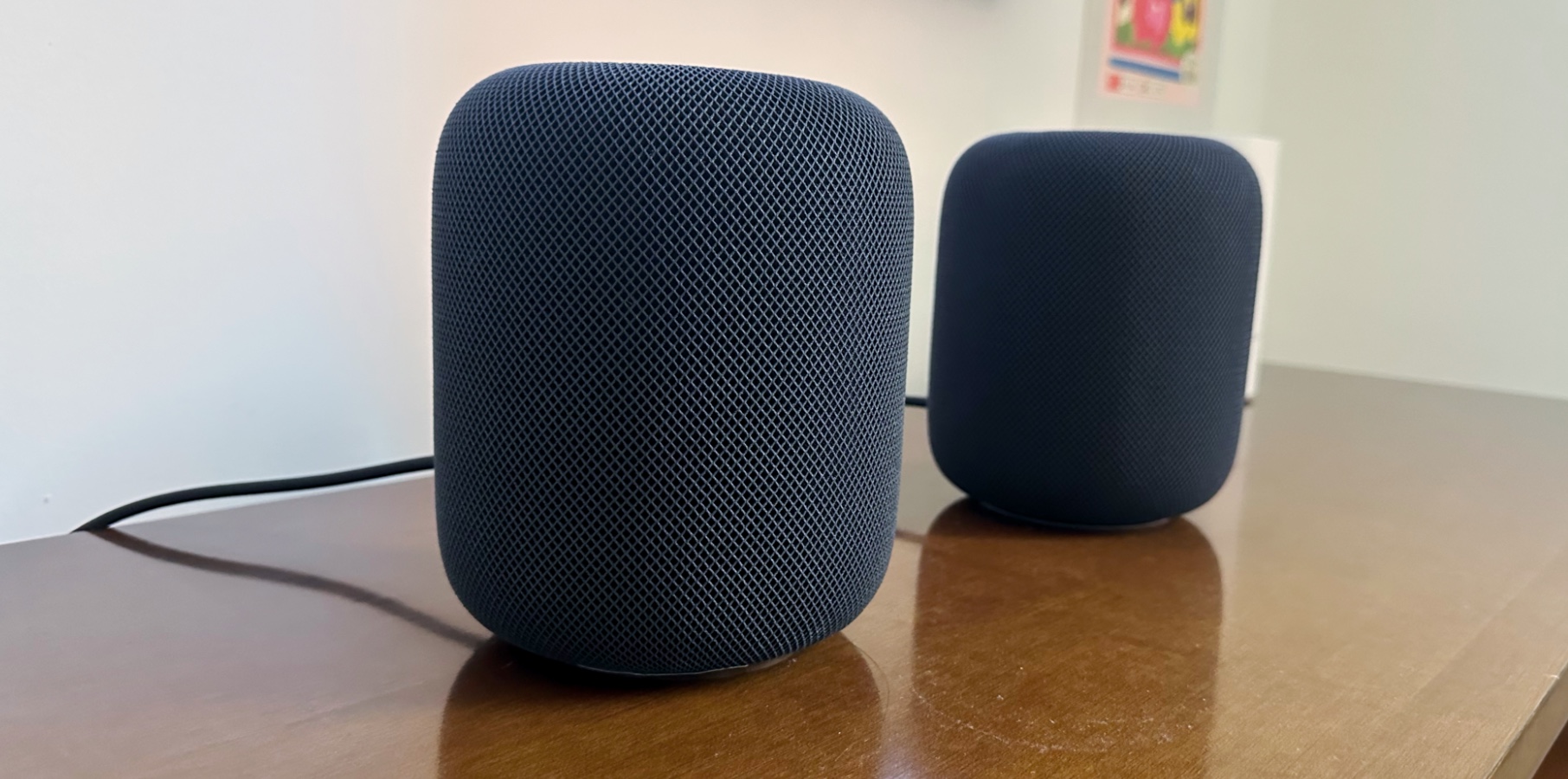
Another rumor suggests Apple’s long-rumored HomePod with a display is launching in 2025. This time, a paywalled report by DigiTimes (via MacRumors) says Tianma Microelectronics will supply the gadget’s 7-inch LCD panel. Taiwan’s Radiant will reportedly handle backlight module production, and BYD will assemble the device.

Rumors about this HomePod with a screen have been floating on the web for years now, especially with conflicting reports about Apple’s upcoming home robot.

Last year, tvOS 17.4 hinted at this device, and Bloomberg’s Mark Gurman said Apple was planning to combine the Apple TV, FaceTime, and HomePod in one system. The journalist said Cupertino also wanted to create a “HomePod with a screen that swivels like a robotic arm.” This HomePod with an iPad-like display could be released as soon as 2026.

In 2023, analyst Ming-Chi Kuo said Apple was readying a HomePod with a screen for the first half of 2024. While he eventually reframed his prediction to 2025, he believed it could feature a 7-inch display with Tianma manufacturing it. “The HomePod, which equips a panel, could enable tighter integration with Apple’s other hardware products, marking a significant shift in the company’s smart home strategy.”

Tech. Entertainment. Science. Your inbox.

Sign up for the most interesting tech & entertainment news out there.

By signing up, I agree to the Terms of Use and have reviewed the Privacy Notice.

Rumors say Apple has been working on several HomePod variants with screens. Two of them are a tabletop device with a robotic arm, and the other is an iPad-like product with a speaker combo and a built-in camera, something like an Amazon Echo Show.

In addition, a HomePod 3 is expected to be released as Apple’s smart home hub. Although reports suggest Apple Intelligence could play a big role in a smart speaker/display device, adding a better A17 Pro or M chip could greatly increase the price of a device most people aren’t willing to buy.

It seems that this product could be revealed in the third quarter of 2025, after the WWDC 2025 keynote. As always, BGR will monitor rumors and reports about this smart speaker and let you know if we learn more.

Source

Posted on

G.Skill DDR5 RAM is overclocked to a blazing 12,054MT/s with no liquid nitrogen needed – just air cooling

  • G.Skill Trident Z5 DDR5 was overclocked to 6027MHz or 12,054MT/s
  • That was achieved using just air cooling, with no need for liquid nitrogen
  • There is, however, a catch (of sorts) in how the CPU was configured

G.Skill has again been setting records with its DDR5 RAM, this time with a seriously impressive overclock that doesn’t use any exotic cooling.

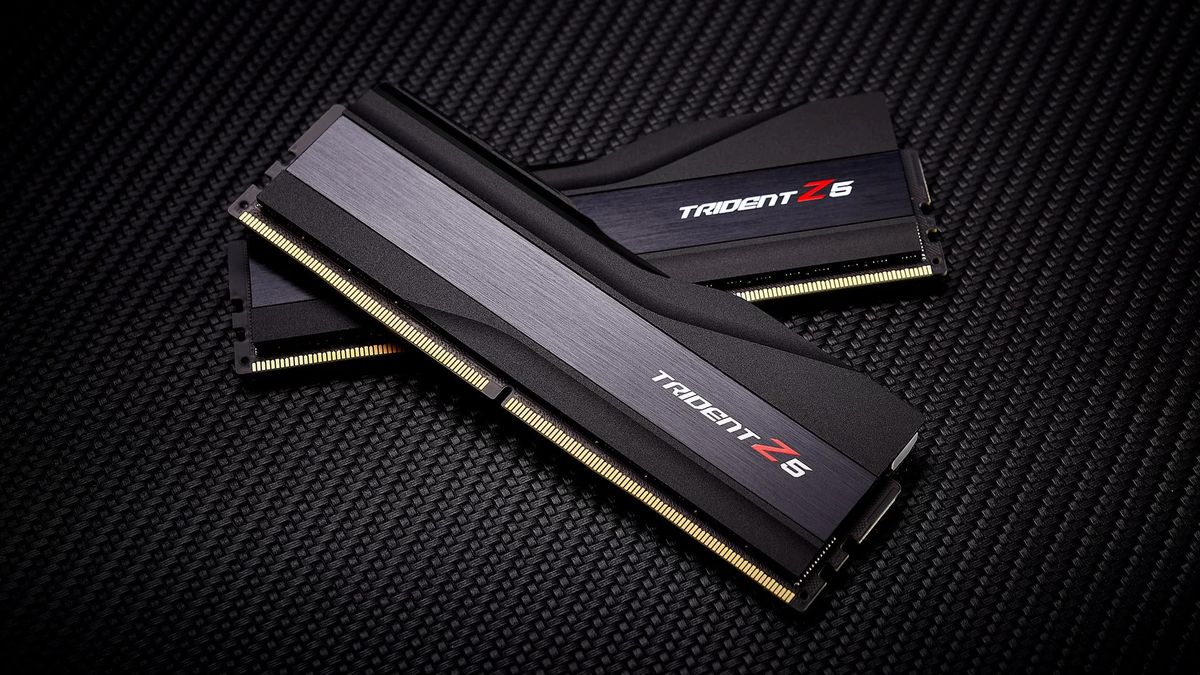
This feat was achieved using G.Skill Trident Z5 DDR5 by an expert overclocker from Indonesia, a certain ‘speed.fastest,’ who managed to crank the RAM up to 6027MHz (or 12,054MT/s).

That isn’t a DDR5 world record, going by HWBot’s rankings – in fact it’s 16th place in the global rankings (at the time of writing) – but all the faster speeds attained used the likes of liquid nitrogen cooling.

The key point here is that just air cooling was used, with a fan pointing at the memory (and water cooling for the CPU). In other words, this was a normal PC (well, almost – it was normal in terms of the components, but not the configuration, and we’ll come back to that in a moment).

As G.Skill tells us: “Previously, reaching the DDR5-12000 milestone required a more extreme cooling method, such as liquid nitrogen or dry ice. These incredible achievements with air cooling demonstrate the amazing overclock potential of modern hardware.”

The record was achieved with a single 24GB stick of RAM from a Trident Z5 DDR5-8000 CL38 2 x 24GB kit. Speed.fastest ran that memory module in a PC with an Intel Core Ultra 9 285K processor and an Asus ROG Maximus Z890 Apex motherboard.

A separate attempt from another overclocker, this time it was ‘saltycroissant’ based in Canada, reached 12,050MT/s, again on air cooling, with the same RAM module (in an ASRock Z890 Taichi OCF motherboard this time).

{ window.reliablePageLoad.then(() => { var componentContainer = document.querySelector(“#slice-container-newsletterForm-articleInbodyContent-gJE9GZ7RVqX7bu5vXtHvZ4”); if (componentContainer) { var data = {“layout”:”inbodyContent”,”header”:”Get daily insight, inspiration and deals in your inbox”,”tagline”:”Sign up for breaking news, reviews, opinion, top tech deals, and more.”,”formFooterText”:”By submitting your information you agree to the Terms & Conditions and Privacy Policy and are aged 16 or over.”,”successMessage”:{“body”:”Thank you for signing up. You will receive a confirmation email shortly.”},”failureMessage”:”There was a problem. Please refresh the page and try again.”,”method”:”POST”,”inputs”:[{“type”:”hidden”,”name”:”NAME”},{“type”:”email”,”name”:”MAIL”,”placeholder”:”Your Email Address”,”required”:true},{“type”:”hidden”,”name”:”NEWSLETTER_CODE”,”value”:”XTR-D”},{“type”:”hidden”,”name”:”LANG”,”value”:”EN”},{“type”:”hidden”,”name”:”SOURCE”,”value”:”60″},{“type”:”hidden”,”name”:”COUNTRY”},{“type”:”checkbox”,”name”:”CONTACT_OTHER_BRANDS”,”label”:{“text”:”Contact me with news and offers from other Future brands”}},{“type”:”checkbox”,”name”:”CONTACT_PARTNERS”,”label”:{“text”:”Receive email from us on behalf of our trusted partners or sponsors”}},{“type”:”submit”,”value”:”Sign me up”,”required”:true}],”endpoint”:”https://newsletter-subscribe.futureplc.com/v2/submission/submit”,”analytics”:[{“analyticsType”:”widgetViewed”}],”ariaLabels”:{}}; var triggerHydrate = function() { window.sliceComponents.newsletterForm.hydrate(data, componentContainer); } if (window.lazyObserveElement) { window.lazyObserveElement(componentContainer, triggerHydrate); } else { triggerHydrate(); } } }).catch(err => console.error(‘%c FTE ‘,’background: #9306F9; color: #ffffff’,’Hydration Script has failed for newsletterForm-articleInbodyContent-gJE9GZ7RVqX7bu5vXtHvZ4 Slice’, err)); }).catch(err => console.error(‘%c FTE ‘,’background: #9306F9; color: #ffffff’,’Externals script failed to load’, err)); ]]>

Sign up for breaking news, reviews, opinion, top tech deals, and more.

PC Gamer looking happy

(Image credit: Shutterstock)

Analysis: Still impractical, but very cool

In case you were thinking of trying this at home, or getting somewhere up towards this level, as VideoCardz points out, while this is air cooling and nothing fancy is used to juice up the DDR5 to incredible speeds, there is a catch. Namely that the CPU is running just a single core at 400MHz, which obviously wouldn’t be any good in any real-world use scenario.

So, while there’s no exotic cooling needed, this still remains an achievement which isn’t useful in a practical sense – save for showing the general overclocking potential of DDR5 in an Arrow Lake system, which remains seriously impressive. Team Blue certainly has a win on its hands in that respect, even if the Arrow Lake launch has been, shall we say, less than ideal (especially given the backdrop of previous-gen instability issues).

You may also like…

Source

Posted on

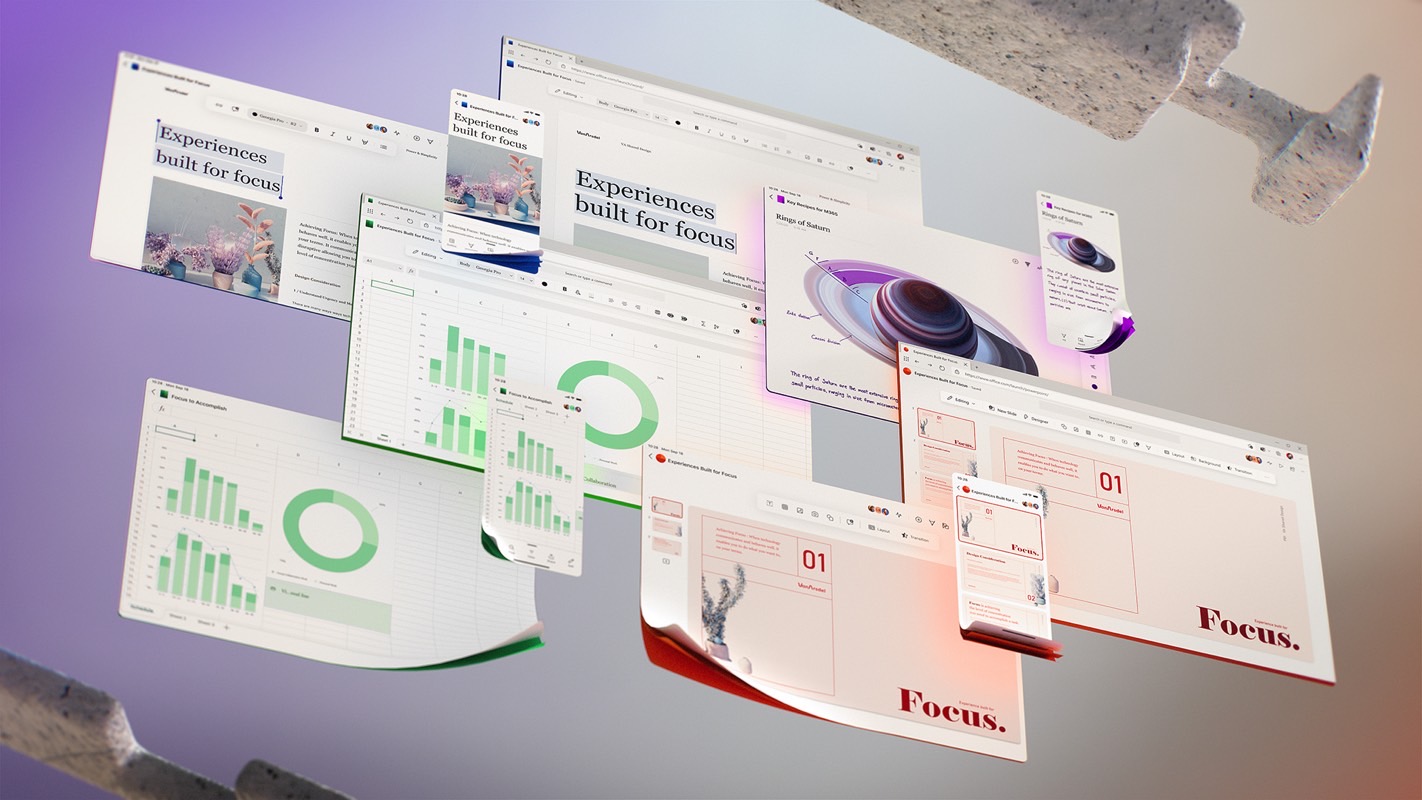
Microsoft 365 price hike: Are you forced to pay more even if you don’t want AI?

If you thought Microsoft’s forcing Windows 10 users to upgrade to Windows 11 to keep using Microsoft 365 Office apps was bad, you haven’t seen anything yet. Microsoft will further annoy many of its customers by embedding Copilot AI into all Office apps and charging an extra $3 per month for it. Microsoft announced the price hike for the Office 365 apps in a blog post explaining the changes.

Yes, AI development is expensive, and I absolutely agree that we, as end users, have to pay for access. That’s why I’m a ChatGPT Plus subscriber and won’t ditch that $20/month subscription anytime soon. If anything, I’m ready to pay for additional AI products that might improve aspects of my life. Take Apple Intelligence; I’ll keep buying expensive iPhones, iPads, and Macs, which will pay for Apple’s AI.

However, as a Microsoft 365 subscriber who has no interest in Copilot AI at this point, I’m not too thrilled about potentially having to shell out an extra $3 per month for my Family subscription. AI should be optional rather than mandatory in all apps. So, is there a way to keep your current subscription price if you’re like me and you don’t want Copilot AI? Well, it’s complicated.

Microsoft is forcing Copilot AI on millions of users

Microsoft 365 Personal and Family subscribers will get Copilot AI and a new Designer AI image generation app in most markets. This will lead to a price hike of $3 per month in the US, Microsoft’s first price hike for the productivity bundle subscription in 12 years. You’ll have to check your local Microsoft 365 portal to see the price increase in your local market.

Tech. Entertainment. Science. Your inbox.

Sign up for the most interesting tech & entertainment news out there.

By signing up, I agree to the Terms of Use and have reviewed the Privacy Notice.

Microsoft says that most of its 84 million consumer subscribers will have access to Copilot in Office apps whether they want it or not.

The new Copilot AI integration is separate from the Microsoft Copilot Pro subscription, which costs $20 per month. Copilot will be available in Word, Excel, PowerPoint, Outlook, OneNote, and the new Designer app.

To use the latter, Microsoft 365 Personal and Family subscribers will use AI credits that come with their subscription. The monthly allotment of AI credits applies to all Office apps and should be “enough for most subscribers.”

Let’s appreciate the good things

Microsoft knows that Copilot shouldn’t always be active in Office apps, so it’s giving users the ability to turn it off. That’s good news for students who rely on Office apps for taking notes during class.

Also important here is Microsoft’s commitment to privacy. I might not like the price hike because I don’t plan to use Copilot AI in Office apps anytime soon, but I appreciate the fact that Microsoft will not use any Office app AI data to train its models:

To protect your privacy, we do not use your prompts, responses, or file content (such as Word documents or Excel spreadsheets) when you use Copilot in the Microsoft 365 apps to train our foundation models.

You can opt out, for now

Microsoft is aware that not all Office app users will want access to Copilot AI, so there are ways to opt out and keep your current subscription price. That’s another thing I can appreciate. But there are big caveats here.

First, you have to be an existing Microsoft 365 subscriber to opt out of the Copilot AI price hike. Second, you must enable recurring billing to avoid the price increase. Those who don’t have it enabled, such as myself, won’t be able to stick with the non-AI versions of the apps.

Users with recurring billing can switch to a Basic plan, or they can keep their current plan as it exists today by switching to the new Personal Classic or Family Classic plans “for a limited time.” Once these plan options disappear, you’ll only have access to Copilot AI plans.

In other words, you’ll still be forced to pay for AI you might not want if you miss the opportunity to grab one of these limited-time plans.

Finally, there’s another big issue with the non-AI plans here. Microsoft says it will maintain the Basic and Classic plans “as they exist today,” but you risk not getting new features. For “certain new innovations and features you’ll need a Microsoft 365 Personal and Family subscription,” Microsoft says. Therefore, you’ll need to pay that extra $3 per month, or whatever it converts to in your local currency.

Should you cancel Microsoft 365?

Don’t get me wrong, I don’t think access to Copilot AI is a bad thing. It’s certainly a great tool and much more useful than, say, AI chatbots ruining WhatsApp. As you can see in the examples above, Copilot can be quite helpful in all sorts of instances using Office apps.

However, it should be up to the customer to choose to use AI. There’s no reason for Microsoft not to continue supporting non-AI Office apps in the future other than greed. That’s what it looks like, at least.

Also, since I’ve defended Netflix price hikes in the past, I’d do the same with Microsoft 365 prices if they were to go up.

My first reaction wasn’t to cancel my subscription or opt for the non-Copilot Office experience. I wanted to ask family members in the group if they wanted any built-in AI access. But I can’t even do that, considering that Copilot AI will only be available to me, the subscription owner.

Source