Posted on

Why CISOs should build stronger bonds with the legal function in 2025

For chief information security officers (CISOs) still looking to set some professional goals for the New Year, or to expand on a list they’ve already compiled, consider strengthening the relationship with your organisation’s legal function.

You may well have already spent a great deal of time building bridges with company lawyers. After all, it’s now a significant aspect of the modern CISO role, according to the 2024 Global CISO Organisation and Compensation Survey from executive recruitment firm Heidrick & Struggles, a poll of over 400 CISOs worldwide. 

When asked which functions they spend most time working and consulting with, the top two responses offered by respondents involved other IT professionals, with network, cloud and engineering groups in first place, and software development and product development/engineering in second place. In third place was legal, compliance and risk – way ahead of finance, HR or the board of directors. 

In 2025, the links between cyber security and legal teams need to be closer than ever, because around the world, the IT security function – and the people who lead it – are increasingly the target of new regulations and sharp government scrutiny.

Legal challenges

Regulatory changes and uncertainty place huge stress on cyber professionals. Even where rules are clear, the volume is increasing and the burden of compliance growing heavier. Any company operating on an international basis faces a wide range of country-specific regulations that may well contradict each other, or at least include requirements that don’t clearly align. 

In the EU, companies face the EU AI Act, NIS2 and the Digital Operational Resilience Act (DORA). The incoming administration in the United States could propose significant changes to current regulations, too. And every organisation already faces strict PII mandates when it comes to how the personal information of customers, suppliers and partners is stored and managed. 

All this makes it a real struggle for IT security teams to figure out how to best implement regulations in their organisation. Their colleagues in the legal department will be their best allies in helping them to navigate this minefield. 

Lawyers can help a CISO and their team to develop a stronger and deeper understanding of how and where rules apply to their specific organisation and where they do not, for example. The scope of coverage of a regulation can be a pretty subtle matter and legal expertise is often needed to analyse it effectively and accurately. 

Another significant task – and another area of potential conflict between different regulations – is identifying communication and reporting requirements, and figuring out the different schedules and types of information that need reporting. Here, the IT security and legal functions need to work on effective procedures and ensure they are communicated clearly to the appropriate personnel. 

Mutual benefits

But this is not a one-way street. The legal function may have an important role to play as an advisor to cyber security, but the CISO isn’t just a passive consumer of the information offered. While regulations typically have good intent, sometimes wording or proposed implementation is not as effective as it should be. The CISO must be able to spot the gaps and contradictions and consult with legal teams on how best to tackle them. 

Working together, cyber security and legal teams can also define and implement best practices; for example, they might adopt the ‘three lines of defence’ model, most commonly seen in the financial services sector. 

In this model, Level One defence is provided by the frontline employees performing the day-to-day work. Level Two is provided by managers responsible for those teams, monitoring their work to ensure it meets predefined standards. Finally, Level Three defence is provided by internal and external auditors – those responsible for ‘watching the watchers’. By marshalling resources into these three lines of defence, organisations from any industry sector can achieve new levels of visibility and accountability. 

Another area in which the CISO can be a big help to their legal counterpart is in technological understanding. It’s no secret that technology evolves much faster than the time it takes to write regulations and get them agreed and implemented. As a result, it’s not uncommon to see regulations put in place that simply don’t know how to deal with new technologies. That was certainly true with cloud technology, and it’s increasingly the case with artificial intelligence (AI) approaches. There is much here that a CISO can offer in terms of advice to their organisation’s chief legal counsel. 

This can be an enormously valuable relationship. The CISO and the chief legal counsel, after all, have much in common. Both perform a crucial and complex function, the goal of which is to protect their organisations from threats. Both are deeply concerned with building resilience through policies, procedures and employee education. And both need to plan ahead when it comes to mitigating new risks to their organisation. Above all, both are crucial to good corporate governance and smooth-running operations.

In 2025, my advice to CISOs is to continue building on these firm foundations. 
Source

Posted on

Still worried RTX 5000 GPUs don’t have enough VRAM? Nvidia’s secret weapon is powerful AI texture compression, and it’s calmed some of my fears

  • Nvidia has detailed some clever new RTX Neural Shaders tech
  • This includes Neural Texture Compression to fit more textures into VRAM
  • It helps make sense of why Nvidia chose leaner video RAM loadouts with some RTX 5000 GPUs

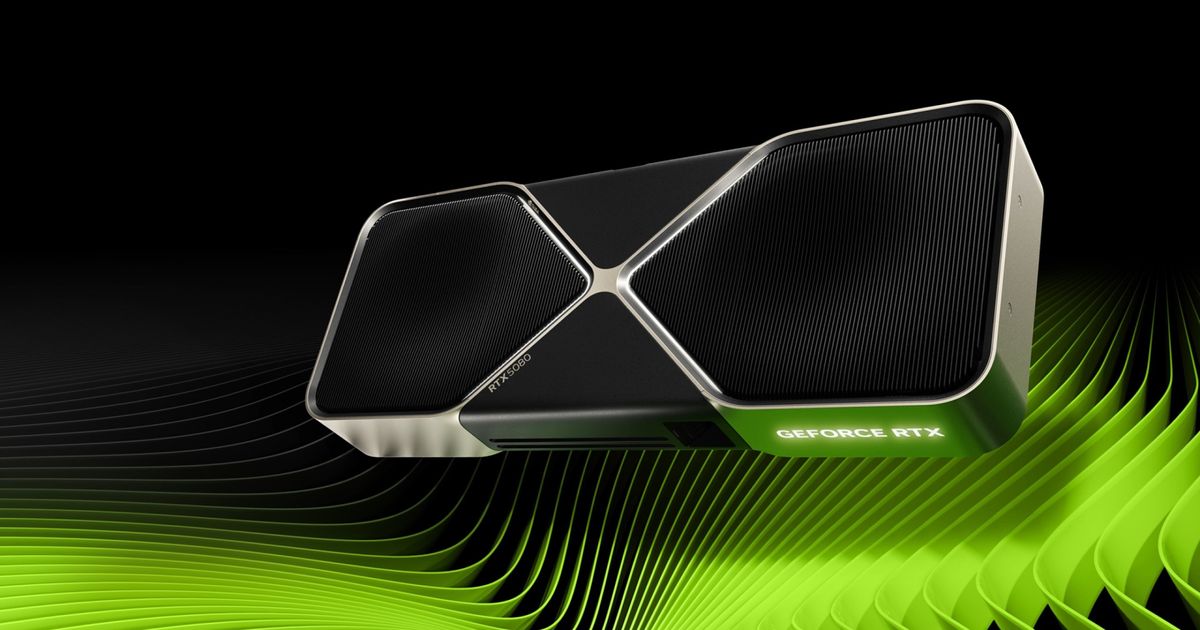
Nvidia just unveiled its new RTX 5000 GPUs over at CES 2025, but alongside that revelation came a more under-the-radar – but still crucial – announcement about new tech to help speed up the gaming performance of these graphics cards.

Namely RTX Neural Shaders, which Nvidia describes as “small neural networks” (AI) which are being introduced to the programmable shaders on its next-gen GPUs. (A shader simply refers to a small GPU program that runs on a graphics card, not limited to facilitating shading or lighting effects in a game – but that’s the original derivation of the name).

Nvidia explains in a blog post: “RTX Neural Shaders SDK enables developers to train their game data and shader code on an RTX AI PC and accelerate their neural representations and model weights with Nvidia Tensor Cores at runtime.”

RTX Neural Shaders actually powers a trio of new technologies, but the secret weapon for the new RTX 5000 GPUs as far as VRAM is concerned – and there has been plenty of concern about the amount of on-board video memory being rather shaky – is RTX Neural Texture Compression.

In order to get more out of the available VRAM, RTX Neural Texture Compression uses compression (obviously enough) to fit more game textures into the RAM on the graphics card.

Here’s the key boast from Nvidia: “The neurally compressed textures save up to 7x more VRAM or system memory than traditional block compressed textures at the same visual quality.”

As well as this texture compression wizardry, Nvidia is also bringing in RTX Neural Materials. Team Green notes that this uses AI to “compress complex shader code typically reserved for offline materials and built with multiple layers such as porcelain and silk.” The claim is 5x faster material processing which makes it “possible to render film-quality assets at game-ready frame rates.”

{ window.reliablePageLoad.then(() => { var componentContainer = document.querySelector(“#slice-container-newsletterForm-articleInbodyContent-Sffav3i85W5RvMQUeLk9iJ”); if (componentContainer) { var data = {“layout”:”inbodyContent”,”header”:”Get daily insight, inspiration and deals in your inbox”,”tagline”:”Sign up for breaking news, reviews, opinion, top tech deals, and more.”,”formFooterText”:”By submitting your information you agree to the Terms & Conditions and Privacy Policy and are aged 16 or over.”,”successMessage”:{“body”:”Thank you for signing up. You will receive a confirmation email shortly.”},”failureMessage”:”There was a problem. Please refresh the page and try again.”,”method”:”POST”,”inputs”:[{“type”:”hidden”,”name”:”NAME”},{“type”:”email”,”name”:”MAIL”,”placeholder”:”Your Email Address”,”required”:true},{“type”:”hidden”,”name”:”NEWSLETTER_CODE”,”value”:”XTR-D”},{“type”:”hidden”,”name”:”LANG”,”value”:”EN”},{“type”:”hidden”,”name”:”SOURCE”,”value”:”60″},{“type”:”hidden”,”name”:”COUNTRY”},{“type”:”checkbox”,”name”:”CONTACT_OTHER_BRANDS”,”label”:{“text”:”Contact me with news and offers from other Future brands”}},{“type”:”checkbox”,”name”:”CONTACT_PARTNERS”,”label”:{“text”:”Receive email from us on behalf of our trusted partners or sponsors”}},{“type”:”submit”,”value”:”Sign me up”,”required”:true}],”endpoint”:”https://newsletter-subscribe.futureplc.com/v2/submission/submit”,”analytics”:[{“analyticsType”:”widgetViewed”}],”ariaLabels”:{}}; var triggerHydrate = function() { window.sliceComponents.newsletterForm.hydrate(data, componentContainer); } if (window.lazyObserveElement) { window.lazyObserveElement(componentContainer, triggerHydrate); } else { triggerHydrate(); } } }).catch(err => console.error(‘%c FTE ‘,’background: #9306F9; color: #ffffff’,’Hydration Script has failed for newsletterForm-articleInbodyContent-Sffav3i85W5RvMQUeLk9iJ Slice’, err)); }).catch(err => console.error(‘%c FTE ‘,’background: #9306F9; color: #ffffff’,’Externals script failed to load’, err)); ]]>

Sign up for breaking news, reviews, opinion, top tech deals, and more.

Finally, the third piece of the puzzle here is RTX Neural Radiance Cache which is a method of using AI to improve ray tracing performance (specifically it gives gamers “better path traced indirect lighting and performance”).

Introducing NVIDIA RTX Kit: Transforming Rendering with AI and Path Tracing – YouTube Introducing NVIDIA RTX Kit: Transforming Rendering with AI and Path Tracing - YouTube Watch On

Analysis: Hair today, RTX Hair tomorrow (and much more besides)

As ever, take any press announcement with a good deal of caution, but the mentioned performance boost with the texture compression trick for RTX 5000 graphics cards is potentially huge.

When the 12GB loadout of video RAM for the RTX 5070, and 16GB configuration for the RTX 5080, were aired via the rumor mill some time back, as well as the stinging sense of disappointment that Nvidia was ‘once again skimping on VRAM,’ there was an undercurrent of speculation that the RTX 5000 series could come with some special sauce to better fit textures into the available memory on the next-gen graphics cards.

And that’s exactly what has happened, meaning that while 12GB sounds like a meager allocation for the RTX 5070, it’ll go a lot further thanks to RTX Neural Texture Compression. The catch, of course, is that game developers must use the technology – and 12GB still looks a little shaky in terms of future-proofing, for me anyway.

We’ll also need to test the performance of this AI-driven texture compression and compare the results to Nvidia’s lofty claims, too – but it sounds very promising indeed. And of course it does help make sense of Nvidia’s VRAM decisions, too.

Nvidia RTX Hair shown in Indiana Jones game

(Image credit: Nvidia)

All this comes along with a bunch of other fresh tricks for the RTX 5000 generation, including RTX Neural Faces and the RTX Character Rendering SDK for improved face, hair and skin graphics. Indiana Jones and the Great Circle is getting an update delivering RTX Hair (yes, that’s really its name) which uses “Linear-Swept Sphere rendering [to run] faster, with improved image quality, whilst using less VRAM” compared to past hair rendering methods. (Check out the results in the above image).

That game will also be one of the many titles to benefit from DLSS 4, which is, of course, a key piece of the software side for RTX 5000 GPUs. It includes DLSS Multi Frame Generation (MFG) to further drive frame rates higher by inserting more artificial frames compared to DLSS 3 Frame Generation. (Also note that Nvidia is bringing in Reflex 2 for more input lag reduction – of up to a claimed 75% now – to go alongside MFG and mitigate any added latency therein).

Nvidia also told us that there will be 75 games and apps supporting DLSS 4’s MFG capability when its Blackwell graphics cards are launched at the end of January (the RTX 5090 and 5080 to begin with), a hefty initial helping for buyers of the new GPUs (RTX 5070 models are to follow in February).

It’s worth noting that RTX 4000 owners also get something here in the form of enhanced DLSS frame generation with boosted performance and reduced memory usage – but this isn’t MFG, which is exclusive to the new Blackwell GPUs.

Via Neowin

TechRadar will be extensively covering this year’s CES, and will bring you all of the big announcements as they happen. Head over to our CES 2025 news page for the latest stories and our hands-on verdicts on everything from 8K TVs and foldable displays to new phones, laptops, smart home gadgets, and the latest in AI.

And don’t forget to follow us on TikTok and WhatsApp for the latest from the CES show floor!

You might also like

Source

Posted on

Nato membership boosts Finnish civil and military tech startups

Finland’s fast-expanding defence sector is witnessing a surge in tech startups chasing new business opportunities on the back of the country’s accession to the North Atlantic Treaty Organisation (Nato) in April 2023.  

The so-called Nato dividend is causing the country’s defence sector to experience accelerated growth as more companies capitalise on membership to innovate, grow sales and pursue new avenues of opportunity.  

Buttressed by Nato membership, Finnish tech startups that offer civil and military services are generating comparatively higher growth rates and stronger investor appeal than more traditional defence companies, said Keith Bonnici, investment director at Suomen Teollisuussijoitus (Tesi), a state-owned agency that takes equity-linked financial positions in tech startups and growth companies.  

“The rise in demand for growth capital among startups is tied to the boom in sales in this sector, as well as the sharp increase in export licences,” he said. “As a result, production needs to keep pace with higher demand. Finland remains competitive in the defence industry domain. Our indigenous players have some of the world’s largest defence contractors as customers, as well as Nato members’ defence forces.”  

A Tesi survey released in September 2024 described 144 of the 368 companies currently operating in Finland’s defence sector as “rapidly growing startups and growth companies”.

“We estimate that the annual revenue growth rate of technology companies that offer civilian and military products is as high as 30% to 40%,” said Bonnici. “This clearly exceeds growth rates being achieved by traditional defence companies. The level of growth we are seeing explains why private equity and venture capital investors favour these dual-use companies. Over one-third of the dual-use firms surveyed are owned by private equity and venture capital investors.” 

The Tesi survey found that venture capital financing was the largest individual source of capital investment for companies offering dual-use defence products during the first three quarters of 2024. Moreover, the survey identified the Finnish state as a significant player in the sector, with state-affiliated companies having invested in over 40 defence industry firms since 2014.

Record sales forecast

Buoyed by the “Nato dividend” and bolstered confidence among dual-product tech startups, Finland’s defence sector is on course to deliver a record surge in export sales by 2030, said Bonnici.    

“Finland’s total defence related exports amounted to €2.6b in 2023,” he added. “Based on the latest data and trends, there is every confidence to believe that total annual exports may well reach the €10bn milestone by 2030.”

Helsinki-based Varjo Technologies has expanded development of dual products to reflect a heightened demand for its virtual reality (VR) pilot flight training wares.

Finland’s new status in Nato has substantially improved its ability to achieve stronger international growth, said chief executive Timo Toikkanen. “Nato membership has created new opportunities to grow sales of our VR flight training products,” he said. “It makes it easier to build a presence in the civilian and defence aerospace sectors.”

The Nato factor came into play for Varjo in August 2024, when the US Federal Aviation Administration (FAA) approved the use of its VR headsets to support helicopter pilot training. VR technology is being more broadly tested by Nato-aligned air forces that view it as a cost-efficient option to supplement or replace traditional pilot training in aircraft and large simulator room environments.  

In advance of certification by the FAA, Varjo’s VR-headset hardware had been previously authorised for dual defence and civilian use by the European Aviation Safety Authority, in connection with Swiss group Loft Dynamics’ helicopter pilot flight simulation training device.

Historically, dual-product startups faced serial hurdles trying to generate significant levels of investor interest from defence-shy private equity funds and venture capital firms, said Toikkanen. “Being a dual-product tech company and supplier to the defence industry is nowadays seen not only as acceptable, but even a good thing from the perspective of investors,” he added.

VR investments

Toikkanen attributed the €34m operating loss reported by Varjo in 2023 to the company’s need to make large upfront investments to develop its fourth-generation VR headset. Varjo is hoping to raise next-stage funding of €8m in 2024–2025.   

The dual-product business opportunities flowing from Nato membership are also boosting sales confidence at Saab, the Nordic region’s largest defence technology group. 

Saab reorganised a number of core units under new leadership after Sweden’s membership of Nato was ratified in March 2024. Sweden’s accession to Nato has enhanced the company’s belief in sustainable growth through technology-led projects and capital investments, said Micael Johansson, Saab’s CEO. “We are moving towards establishing a production presence in Ukraine in collaboration with defence and technology companies there. It may be a year or more before this plan takes shape,” he said.  

Saab is hoping to find technology partners in Ukraine to develop and produce a wide range of defence and security wares, including next-generation sensors to leverage Ukraine’s existing drone capabilities. 

Ukraine is exploring the possibility of partnering Saab to produce a range of high-grade military equipment, including Command, Control, Communications, Computers and Intelligence (C4I) and AI/GPS battle management systems in addition to advanced data fusion technologies.

Saab’s new generation of AI and machine learning (ML) product offerings have attracted interest across the Nato member countries. In September last year, it secured a contract to deliver Near Real Time (NRT) AI/ML models to US cyber security and cloud group ECS Federal.

ECS is deploying Saab’s NRT AI/ML technology as part of its input to the US Department of Defense’s (DoD) Maven Program, which is designed to process imagery and full-motion video from drones and automatically detect potential targets.

Joint defence

The growth path to Nato contracts for dual-product firms in Finland and Sweden was greatly enhanced in September 2024, when Nordic governments launched a Regional Joint Defence Concept.  

The agreement, which is managed by the Nordic Defence Cooperation (Nordefco), will synchronise key areas of military cooperation including capacity building, linked military operations, defence technology development and joint products procurement schemes, on a regional level.

Established in 2009, Nordefco serves as a coordinating agency for cross-border defence cooperation between the five Nordic states.

Regionally, the future growth potential of dual-product and defence tech startups across the Nordics is further boosted by Finland and Sweden’s Limited Partner status in the Nato Innovation Fund (NIF). The NIF is financed by 24 of Nato’s 32 member states.  

Capitalised at €1bn, the NIF primarily invests in deep tech defence and security companies across alliance states, while taking a special investment interest in firms developing AI, ML and space technologies.  

“The Nato Innovation Fund is a hugely influential tool to drive technological innovation and development throughout Sweden’s defence and security industries,” said Pål Jonson, Sweden’s defence minister. “For Sweden, it’s an additional benefit of being part of Nato.”

Source

Posted on

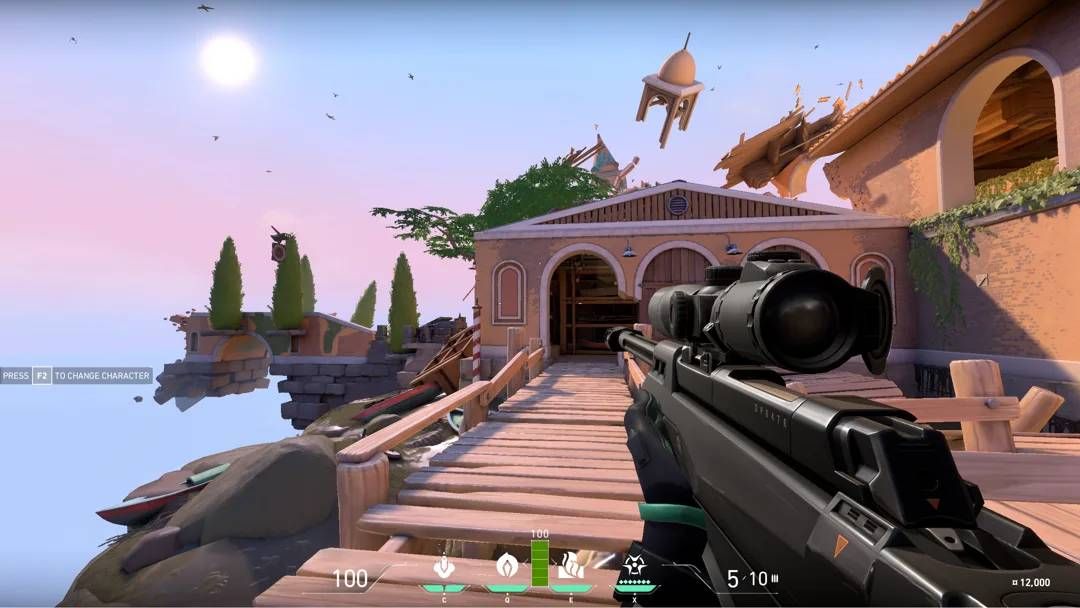
How high do you want your frame rates? Nvidia boasts that RTX 5090 GPU can drive Valorant at over 800 fps with jaw-dropping low latency

  • Nvidia’s Reflex 2 reveal packed a nugget of info about the RTX 5090
  • Team Green shared that the flagship GPU can run Valorant at 800+ fps
  • The graphics card does this with an input lag of under 3ms, too

Among Nvidia’s cluster of CES 2025 revelations, including new RTX 5000 graphics cards, there were several nuggets that hugged the GPU ground, flying under the proverbial radar. One of those was neural texture compression which we discussed earlier (it sounds superb), and another was a quick footnote from Team Green in the unveiling of Reflex 2 – and it shows just how fast the RTX 5090 is in Valorant, a popular esports shooter.

Actually, you might have missed the reveal of Reflex 2 itself, which is the sequel to the original Nvidia Reflex tech that’s designed to reduce input lag (mitigating the lag that DLSS Frame Generation, and now DLSS 4’s Multi Frame Generation, hits the gamer with).

Nvidia explored Reflex 2 at length in a blog post, the gist of which is that it now offers an up to 75% reduction in latency (compared to 50% on average for the predecessor technology). It does this by augmenting the low latency mode with a new ‘frame warp’ feature.

TweakTown noticed that later in this post, Nvidia brings up a couple of examples of the latency reduction achieved with Reflex 2, and one of the games highlighted is Valorant.

Here’s what Nvidia tells us: “In Riot Games’ Valorant, a CPU-bottlenecked game that runs blazingly fast, at 800+ fps on the new GeForce RTX 5090, PC latency averages under 3ms using Reflex 2 Frame Warp – one of the lowest latency figures we’ve measured in a first-person shooter.”

So, in a top-end gaming PC (presumably) with an RTX 5090, the graphics card pushes Valorant over 800 frames per second, and does so with an input latency of under 3ms, which is super-speedy.

NVIDIA Reflex 2 | Introducing New Frame Warp Technology – YouTube NVIDIA Reflex 2 | Introducing New Frame Warp Technology - YouTube Watch On

Analysis: How high do you need to go?

Isn’t 800 fps a crazy figure? Well, yeah, it is. That’s partly because Valorant is an undemanding game designed for esports and silky frame rates, which even a rusty old PC can make a decent fist of running. Also, super-high frame rates are generally only chased by pro gamers willing to fork out for a ludicrously expensive gaming PC anyway (the RTX 5090 certainly comes laden with an appropriately weighty price tag).

{ window.reliablePageLoad.then(() => { var componentContainer = document.querySelector(“#slice-container-newsletterForm-articleInbodyContent-5JBtrjFFcDuDy5er4ZxNza”); if (componentContainer) { var data = {“layout”:”inbodyContent”,”header”:”Get daily insight, inspiration and deals in your inbox”,”tagline”:”Sign up for breaking news, reviews, opinion, top tech deals, and more.”,”formFooterText”:”By submitting your information you agree to the Terms & Conditions and Privacy Policy and are aged 16 or over.”,”successMessage”:{“body”:”Thank you for signing up. You will receive a confirmation email shortly.”},”failureMessage”:”There was a problem. Please refresh the page and try again.”,”method”:”POST”,”inputs”:[{“type”:”hidden”,”name”:”NAME”},{“type”:”email”,”name”:”MAIL”,”placeholder”:”Your Email Address”,”required”:true},{“type”:”hidden”,”name”:”NEWSLETTER_CODE”,”value”:”XTR-D”},{“type”:”hidden”,”name”:”LANG”,”value”:”EN”},{“type”:”hidden”,”name”:”SOURCE”,”value”:”60″},{“type”:”hidden”,”name”:”COUNTRY”},{“type”:”checkbox”,”name”:”CONTACT_OTHER_BRANDS”,”label”:{“text”:”Contact me with news and offers from other Future brands”}},{“type”:”checkbox”,”name”:”CONTACT_PARTNERS”,”label”:{“text”:”Receive email from us on behalf of our trusted partners or sponsors”}},{“type”:”submit”,”value”:”Sign me up”,”required”:true}],”endpoint”:”https://newsletter-subscribe.futureplc.com/v2/submission/submit”,”analytics”:[{“analyticsType”:”widgetViewed”}],”ariaLabels”:{}}; var triggerHydrate = function() { window.sliceComponents.newsletterForm.hydrate(data, componentContainer); } if (window.lazyObserveElement) { window.lazyObserveElement(componentContainer, triggerHydrate); } else { triggerHydrate(); } } }).catch(err => console.error(‘%c FTE ‘,’background: #9306F9; color: #ffffff’,’Hydration Script has failed for newsletterForm-articleInbodyContent-5JBtrjFFcDuDy5er4ZxNza Slice’, err)); }).catch(err => console.error(‘%c FTE ‘,’background: #9306F9; color: #ffffff’,’Externals script failed to load’, err)); ]]>

Sign up for breaking news, reviews, opinion, top tech deals, and more.

Indeed, 800 fps far exceeds even the best gaming monitor’s refresh rate among existing models – and even outdoes the ridiculous still-to-be-released 750Hz model (Koorui G7) that popped up at CES 2025.

However, when Nvidia says Valorant exceeds 800 fps, that’s a peak frame rate, not an average – and often it will be below the average (by definition). So, it’s not quite as silly as it sounds (but even a peak of 800 fps is still, naturally enough, massive overkill for most folks).

Interestingly, PC gamers have already shown off Valorant running at jaw-dropping frame rates in the past – actually 1,000 fps plus, in spikes – but that’s on The Range (practice map), and we’re assuming Nvidia’s testing was fully in-game here. Furthermore, seemingly a more recent update has made it more difficult to obtain high fps in Valorant, too (for some players, at least as far as we can tell from reports).

At any rate, what you really need for the ultimate in smoothness is for any given game to never drop below an absolute low frame rate of the maximum speed in Hertz of your high refresh rate monitor, in an ideal situation. Again, though, this is pipe dream stuff for all but the wealthiest PC enthusiasts out there.

You might also like…

Source

Posted on

GenAI demand fuels record sales of datacentre hardware and software in 2024

Demand for generative artificial intelligence (AI) services is being cited as the reason why spending on datacentre hardware and software hit a record high in 2024.

According to figures from IT analyst Synergy Research Group, total spending in the datacentre hardware and software market was up 34% year-on-year during 2024, as a result of hyperscale providers and private enterprises looking to kit out AI-ready server farms.

John Dinsdale, chief analyst at Synergy Research Group, said this trend had led to more investment in graphics processing units (GPUs), which had in turn “lit a fire under a market” that was already “chugging along nicely”.

As a result, the datacentre hardware and software market enjoyed record growth rates in 2024, with total sales in excess of $280bn, which he described as unprecedented.

“While the ongoing success of public cloud has been the main driving force behind datacentre investments for well over a decade now, no one imagined a 2024 market for datacentre gear reaching over $280bn,” said Dinsdale.

These figures are based on actual sales data from the first three quarters of 2024, combined with Synergy’s own fourth quarter forecast data for the datacentre hardware and software market.

The Synergy data shows that sales of datacentre kit to public cloud providers were up 50% in 2024, while the amount of spend attributed to enterprises was also up 21% year-on-year. “In recent years, growth in the enterprise sector has been rather anaemic, [and] for over 10 years now, cloud providers have increasingly driven the market for datacentre gear – and Synergy’s five-year forecast shows there will be no letup in this trend,” said Dinsdale.

Public cloud providers now account for more than half of the spend (55%) in the datacentre hardware and software market, Dinsdale continued, up from 20% 10 years ago. “Our forecast shows it reaching almost 65% five years from now,” he added.

Around 85% of the spend in this market is generated by the sale of servers, storage and networking kit, confirmed Synergy, while the remaining 15% comes from sales of cloud management, security and virtualisation software.

One notable trend, called out by Synergy, is how prominently Nvidia now features among the roll-call of datacentre hardware providers, thanks in no small part to the fact its GPU technology is being sold directly to both hyperscalers and enterprises.

“Excluding original design manufacturers, Dell is the overall leader in the server and storage segment, with Inspur being a clear leader in server sales to public cloud providers,” said Synergy, in its research note.

“Cisco is the leader in the networking segment, while Microsoft features prominently in the rankings due to its position in server operating systems and virtualisation applications. Nvidia now features heavily as a supplier both to other system vendors and directly to service providers.”

Source

Posted on

Think Ryzen 9000 CPUs are still a bit pricey? AMD just revealed a cheaper Zen 5 chip that could be perfect for your budget PC build

  • AMD has announced a new Ryzen 5 9600 processor at CES 2025
  • This is a slightly slower version of the already existing Ryzen 5 9600X
  • It has a boost speed that’s 200MHz slower, but it’ll be cheaper – though we don’t have a launch price yet

AMD will doubtless be launching a few fresh Zen 5 processors this year – there are only four models in the Ryzen 9000 range thus far, after all – and CES 2025 has seen the company quietly introduce a new CPU to take the title of the most affordable chip.

This is the Ryzen 5 9600, a slightly tamed version of the existing Ryzen 5 9600X, dropping the ‘X’ from the name.

What does that mean in practice? The Ryzen 9600 is exactly the same as the 9600X in terms of its cores and cache (it’s a 6-core, 12-thread chip), the only difference is slightly reduced clock speeds.

The Ryzen 9600 processor drops the base clock from 3.9GHz to 3.8GHz, and the boost speed is reduced from 5.4GHz to 5.2GHz.

This processor can still be overclocked, it’s worth noting – unlike Intel’s non-K silicon, Ryzen CPUs of the non-X variety can be juiced up with some BIOS tinkering – but obviously don’t expect as much room to push clocks with the vanilla flavor of the 9600.

Sadly, we don’t yet have a release date, and oddly, not even an official price, and it appears AMD is keeping this launch on the down-low for now. That’s possibly a hint that the processor may not arrive in the very near future, but it shouldn’t be too far out now that it’s been officially announced.

AMD Ryzen 5 9000 Series CPU Box

(Image credit: AMD)

Analysis: Coolly cheap (with any luck)

It’s good to see a new value champ for the Ryzen 9000 range, and we hope that AMD doesn’t hang around too long with getting the Ryzen 9600 onto shelves, especially since super-budget Ryzen 3 chips seem to be completely AWOL nowadays. It’ll be a useful option for those looking to build (or buy) a more budget-conscious PC, for sure, particularly as there’ll be some extra value proposition because AMD has put in a further twist here.

{ window.reliablePageLoad.then(() => { var componentContainer = document.querySelector(“#slice-container-newsletterForm-articleInbodyContent-xMmnHSVdtHBCo9eKGtEU77”); if (componentContainer) { var data = {“layout”:”inbodyContent”,”header”:”Get daily insight, inspiration and deals in your inbox”,”tagline”:”Sign up for breaking news, reviews, opinion, top tech deals, and more.”,”formFooterText”:”By submitting your information you agree to the Terms & Conditions and Privacy Policy and are aged 16 or over.”,”successMessage”:{“body”:”Thank you for signing up. You will receive a confirmation email shortly.”},”failureMessage”:”There was a problem. Please refresh the page and try again.”,”method”:”POST”,”inputs”:[{“type”:”hidden”,”name”:”NAME”},{“type”:”email”,”name”:”MAIL”,”placeholder”:”Your Email Address”,”required”:true},{“type”:”hidden”,”name”:”NEWSLETTER_CODE”,”value”:”XTR-D”},{“type”:”hidden”,”name”:”LANG”,”value”:”EN”},{“type”:”hidden”,”name”:”SOURCE”,”value”:”60″},{“type”:”hidden”,”name”:”COUNTRY”},{“type”:”checkbox”,”name”:”CONTACT_OTHER_BRANDS”,”label”:{“text”:”Contact me with news and offers from other Future brands”}},{“type”:”checkbox”,”name”:”CONTACT_PARTNERS”,”label”:{“text”:”Receive email from us on behalf of our trusted partners or sponsors”}},{“type”:”submit”,”value”:”Sign me up”,”required”:true}],”endpoint”:”https://newsletter-subscribe.futureplc.com/v2/submission/submit”,”analytics”:[{“analyticsType”:”widgetViewed”}],”ariaLabels”:{}}; var triggerHydrate = function() { window.sliceComponents.newsletterForm.hydrate(data, componentContainer); } if (window.lazyObserveElement) { window.lazyObserveElement(componentContainer, triggerHydrate); } else { triggerHydrate(); } } }).catch(err => console.error(‘%c FTE ‘,’background: #9306F9; color: #ffffff’,’Hydration Script has failed for newsletterForm-articleInbodyContent-xMmnHSVdtHBCo9eKGtEU77 Slice’, err)); }).catch(err => console.error(‘%c FTE ‘,’background: #9306F9; color: #ffffff’,’Externals script failed to load’, err)); ]]>

Sign up for breaking news, reviews, opinion, top tech deals, and more.

The Ryzen 9600 will come with a Wraith Stealth cooler, saving PC builders a bit of money because they won’t need to buy a separate CPU cooling solution. No other Ryzen 9000 processors come with AMD’s own cooler bundled – gone are the days when every Ryzen chip came packaged with a Wraith air cooler.

As for the pricing and where that could end up, we have to bear in mind that the Ryzen 9600X arrived with an MSRP of $279 / £269.99 / AU$479, so you might think that the vanilla Ryzen 9600 could come in at $229 / £219 / AU$399, maybe? After all, that’s the price at which AMD launched the Ryzen 7600.

However, AMD dropped the price of the 9600X compared to its predecessor, and also given that the 9600X is now at around $220 to $240 at big retailers in the US, the hope is you might be able to pick up the 9600 for closer to $200 or even less – fingers crossed.

This could help generate more goodwill around the Ryzen 9000 series with consumers – as the Zen 5 range got off to a shaky start – and ensure this is a great option for a budget PC build (alongside the new more affordable B840 and B850 AM5 motherboards which also launched at CES 2025).

Via Tom’s Hardware

TechRadar will be extensively covering this year’s CES, and will bring you all of the big announcements as they happen. Head over to our CES 2025 news page for the latest stories and our hands-on verdicts on everything from 8K TVs and foldable displays to new phones, laptops, smart home gadgets, and the latest in AI.

And don’t forget to follow us on TikTok and WhatsApp for the latest from the CES show floor!

You might also like

Source

Posted on

Maybe AMD’s Radeon RX 9070 series GPUs aren’t midrange after all

  • AMD’s Radeon RX 9070 scores a 99fps average in Black Ops 6 at native 4K
  • Early benchmark was done in rig using the new Ryzen 9950X3D
  • FSR 4 could provide a massive frame rate boost based on this benchmark

While AMD made it clear that it wouldn’t focus on high-end GPUs this generation but instead target the midrange space, a new benchmark using the Radeon RX 9070 GPU in Call of Duty Black Ops 6 suggests otherwise.

Discovered by IGN, Call of Duty Black Ops 6 maintains an average of 99fps (pictured below) at 4K on the Extreme preset without using FSR 3.1 or the new FSR 4 AI-powered upscaling method.

IGN states that Nvidia’s RTX 4080 Super (notably not a midrange GPU) achieves ‘around 129fps’ using the same graphics settings at the 4K resolution, but with DLSS Quality resolution upscaling enabled – I can corroborate this as a 4080 Super user myself, suggesting that AMD’s RDNA 4 GPU may pack a bigger punch than anticipated.

Since these are early benchmark results in a system that uses Team Red’s newly announced Ryzen 9 9950X3D processor with early alpha drivers, much more remains to be unveiled regarding the RX 9070’s performance capabilities. So far, it’s shaping up to be a strong GPU choice in terms of raw power and performance across demanding games.

IGN image of Black Ops 6 Radeon RX 9070 benchmark

Pretty impressive results if you ask me… (Image credit: IGN)

Was AMD lowering our expectations for its new GPUs because of Nvidia’s Blackwell offerings?

It’s safe to say that we all anticipated a complete Nvidia domination over AMD in the GPU department leading up to CES 2025. The new RTX 5000 series lineup is slated to outperform Team Red’s RX 9060 and 9070 GPUs (especially using DLSS 4 and Multi Frame Generation), but this Black Ops 6 benchmark has left me believing that AMD intentionally misled us.

Knowing that Nvidia would most likely take the lead, it wouldn’t surprise me if AMD pushed the ‘midrange’ narrative beforehand to undersell its new GPUs and soften the blow of a visible CES defeat against its main rival. The Radeon RX 9060 and 9070 might not be considered high-end, but these early results tell a different story. It feels a little wild to call a GPU ‘midrange’ and then watch it close in on 100fps at 4K in a recent release with zero upscaling methods at work.

While it’s massively disappointing to hear that FSR 4 will be exclusive to the RX 9070 series (at least for now), Team Red could stand in a better position if the new upscaling tool competes closely with DLSS 4 and the new RDNA 4 GPUs are sensibly priced – as AMD’s own ‘midrange’ label would suggest.

{ window.reliablePageLoad.then(() => { var componentContainer = document.querySelector(“#slice-container-newsletterForm-articleInbodyContent-FDQforzRqrWuSHT87iNPYf”); if (componentContainer) { var data = {“layout”:”inbodyContent”,”header”:”Get daily insight, inspiration and deals in your inbox”,”tagline”:”Sign up for breaking news, reviews, opinion, top tech deals, and more.”,”formFooterText”:”By submitting your information you agree to the Terms & Conditions and Privacy Policy and are aged 16 or over.”,”successMessage”:{“body”:”Thank you for signing up. You will receive a confirmation email shortly.”},”failureMessage”:”There was a problem. Please refresh the page and try again.”,”method”:”POST”,”inputs”:[{“type”:”hidden”,”name”:”NAME”},{“type”:”email”,”name”:”MAIL”,”placeholder”:”Your Email Address”,”required”:true},{“type”:”hidden”,”name”:”NEWSLETTER_CODE”,”value”:”XTR-D”},{“type”:”hidden”,”name”:”LANG”,”value”:”EN”},{“type”:”hidden”,”name”:”SOURCE”,”value”:”60″},{“type”:”hidden”,”name”:”COUNTRY”},{“type”:”checkbox”,”name”:”CONTACT_OTHER_BRANDS”,”label”:{“text”:”Contact me with news and offers from other Future brands”}},{“type”:”checkbox”,”name”:”CONTACT_PARTNERS”,”label”:{“text”:”Receive email from us on behalf of our trusted partners or sponsors”}},{“type”:”submit”,”value”:”Sign me up”,”required”:true}],”endpoint”:”https://newsletter-subscribe.futureplc.com/v2/submission/submit”,”analytics”:[{“analyticsType”:”widgetViewed”}],”ariaLabels”:{}}; var triggerHydrate = function() { window.sliceComponents.newsletterForm.hydrate(data, componentContainer); } if (window.lazyObserveElement) { window.lazyObserveElement(componentContainer, triggerHydrate); } else { triggerHydrate(); } } }).catch(err => console.error(‘%c FTE ‘,’background: #9306F9; color: #ffffff’,’Hydration Script has failed for newsletterForm-articleInbodyContent-FDQforzRqrWuSHT87iNPYf Slice’, err)); }).catch(err => console.error(‘%c FTE ‘,’background: #9306F9; color: #ffffff’,’Externals script failed to load’, err)); ]]>

Sign up for breaking news, reviews, opinion, top tech deals, and more.

You may also like…

Source

Posted on

AMD and Nvidia could be set for epic GPU showdown with RX 9070 and 9070 XT going on sale at the same time as the RTX 5080

  • B&H Photo accidentally posted early listings of RDNA 4 graphics cards
  • RX 9070 and RX 9070 XT were given a pre-order date of January 23
  • That’d suggest an on sale date at the end of January, when Nvidia’s RTX 5080 (and 5090) hit the shelves

AMD’s next-gen RDNA 4 graphics cards, which were revealed (in a rather fleeting manner) at CES 2025, might be available sooner than you thought – on pre-order at least, if the date accidentally posted by a US retailers turns out to be correct.

B&H Photo apparently put up early listings for some Asus RX 9070 and RX 9070 XT graphics cards (TUF and Prime models), all of which came with a pre-order date of January 23.

Those listings have now been removed, but not before they were screenshotted by one of the regular hardware leakers on X, @momomo_us (hat tip to VideoCardz).

So, it appears that we might be able to reserve these much-awaited RDNA 4 graphics cards in just two weeks, presumably ahead of a release which would come maybe a week or so after.

An AMD Radeon RX 7900 GRE from PowerColor on a desk with its retail packaging

(Image credit: Future / John Loeffler)

Analysis: Battle of the next-gen desktop GPUs

Interestingly, another recent rumor on the RX 9070’s release date came from graphics card maker XFX, which has some kind of either announcement or launch of these GPUs planned for January 24. One way or another, then, it seems that something’s going to happen with RDNA 4 as we get to the final week of January.

It feels like this might be the official revelation of the full spec and price details (which weren’t shared at CES 2025), ahead of the on-shelf availability (which is why B&H has it as pre-orders going live). Obviously take all this with a large helping of salt, and indeed there’s a difference in the dates – January 23 or 24 – which casts further doubt on these rumors. True, the XFX rumors comes from its middle east division, but the time difference between that and the 9am ET pre-order kick-off B&H had down is still on the same day (just).

We’ll just have to wait and see, but it wouldn’t be a surprise if AMD was planning to kick off RDNA 4 and have these graphics cards on the shelves late in January, because Nvidia’s RTX 5090 and 5080 go on sale come January 30. So, the dates fall in place for what might be a big next-gen GPU showdown – of sorts.

{ window.reliablePageLoad.then(() => { var componentContainer = document.querySelector(“#slice-container-newsletterForm-articleInbodyContent-SzwApmHBHoKM9ZtEV9ZRFi”); if (componentContainer) { var data = {“layout”:”inbodyContent”,”header”:”Get daily insight, inspiration and deals in your inbox”,”tagline”:”Sign up for breaking news, reviews, opinion, top tech deals, and more.”,”formFooterText”:”By submitting your information you agree to the Terms & Conditions and Privacy Policy and are aged 16 or over.”,”successMessage”:{“body”:”Thank you for signing up. You will receive a confirmation email shortly.”},”failureMessage”:”There was a problem. Please refresh the page and try again.”,”method”:”POST”,”inputs”:[{“type”:”hidden”,”name”:”NAME”},{“type”:”email”,”name”:”MAIL”,”placeholder”:”Your Email Address”,”required”:true},{“type”:”hidden”,”name”:”NEWSLETTER_CODE”,”value”:”XTR-D”},{“type”:”hidden”,”name”:”LANG”,”value”:”EN”},{“type”:”hidden”,”name”:”SOURCE”,”value”:”60″},{“type”:”hidden”,”name”:”COUNTRY”},{“type”:”checkbox”,”name”:”CONTACT_OTHER_BRANDS”,”label”:{“text”:”Contact me with news and offers from other Future brands”}},{“type”:”checkbox”,”name”:”CONTACT_PARTNERS”,”label”:{“text”:”Receive email from us on behalf of our trusted partners or sponsors”}},{“type”:”submit”,”value”:”Sign me up”,”required”:true}],”endpoint”:”https://newsletter-subscribe.futureplc.com/v2/submission/submit”,”analytics”:[{“analyticsType”:”widgetViewed”}],”ariaLabels”:{}}; var triggerHydrate = function() { window.sliceComponents.newsletterForm.hydrate(data, componentContainer); } if (window.lazyObserveElement) { window.lazyObserveElement(componentContainer, triggerHydrate); } else { triggerHydrate(); } } }).catch(err => console.error(‘%c FTE ‘,’background: #9306F9; color: #ffffff’,’Hydration Script has failed for newsletterForm-articleInbodyContent-SzwApmHBHoKM9ZtEV9ZRFi Slice’, err)); }).catch(err => console.error(‘%c FTE ‘,’background: #9306F9; color: #ffffff’,’Externals script failed to load’, err)); ]]>

Sign up for breaking news, reviews, opinion, top tech deals, and more.

As you might be aware, the RX 9070 models aren’t going to compete with Nvidia’s RTX 5080 (and certainly not the 5090), so how is this a ‘showdown’ exactly? Well, the reality is that the RTX 5080 is going to be way too pricey for most consumers, even though the $999 MSRP was more affordable than expected. (Yes, some folks were thinking it’d easily be $1,199, maybe more – though third-party boards will inevitably land more in this territory, as most of them will be a fair bit pricier than the Founders Edition at Nvidia’s MSRP).

What we’ll have, then, is a situation where in theory AMD can come in with way more affordable next-gen GPUs, grabbing the interest of would-be buyers, scooping up more sales with RDNA 4 as folks realize just how pricey RTX 5080 GPUs will be – when Nvidia’s $999 Founders Edition inevitably sells out in a flash – potentially winning the showdown in this way.

You might also like

Source

Posted on

Galaxy S25 price leak sparks concern about imminent hikes

Now that CES 2025 has come and gone, the next big event in the tech world is Samsung’s Galaxy Unpacked event on January 22nd. Samsung will unveil the Galaxy S25 lineup at the show, including a Galaxy S25 Slim variant.

The ultra-thin phone might hit stores in just a few months, but that’s hopefully not the only surprise Samsung has prepared for fans. Rumors say Samsung will unveil its Android XR-based AI-infused smart glasses at the show. We certainly expect to see the Vision Pro rival, Project Moohan, unveiled officially. Samsung might also announce a new Galaxy Ring 2 model.

But Unpacked might also bring some unexpectedly bad news: Price hikes for the three (well, four) Galaxy S25 models, the show’s stars.

We saw warnings a few weeks ago that at least one of the three main Galaxy S25 versions could cost more than last year’s model. Now, a new report from Europe suggests price hikes might be in order for all three models, which will be available in stores by February.

Tech. Entertainment. Science. Your inbox.

Sign up for the most interesting tech & entertainment news out there.

By signing up, I agree to the Terms of Use and have reviewed the Privacy Notice.

Reports from Korea detailed in mid-December the two factors that might force Samsung to raise prices for the Galaxy S25 models. First, there was the political turmoil in Korea that impacted the dollar-won exchange. Then there’s the Snapdragon 8 Elite processor, the high-end chip that will power all Galaxy S25 models, that’s significantly more expensive than its predecessor.

The report singled out the Galaxy S25 Ultra as the likely model to get a higher price tag than the Galaxy S24 Ultra.

A month later, Italian blog SmartWorld says that a local store in Italy has already set up placeholder pages for the Galaxy S25 phones that will go on sale after Unpacked.

The store listed prices for all three Galaxy S25 versions and their respective memory options, indicating that price hikes will be in order. According to this information, the Galaxy S25, S25 Plus, and S25 Ultra will cost at least €50 more than their predecessors.

While that might seem troubling, I’ll say there’s nothing official about these prices. That’s a point the Italian blog makes. Maybe it’s just placeholder information waiting to be edited once Unpacked drops. SmartWorld also says that well-known inside Roland Quandt said in December that the Galaxy S25 European prices would match last year’s models.

If the price hikes are real, they might not reflect Samsung’s plans worldwide. It’s unclear in which markets Samsung will raise prices for the Galaxy S25. After all, a €50 hike isn’t as big as expected. If it translates to a $50 price hike in the US, you can offset it by simply registering to preorder a Galaxy S25 flavor. Registration will give you $50 in Samsung credit.

On the other hand, European prices also factor in VAT. The actual price hike might be lower when you remove the tax.

I’ll also remind you that Samsung and its carrier partners will run plenty of promos during the preorder period to make the Galaxy S25 price more palatable. One already leaked: free Gemini Advanced access for up to a year. That’s a subscription that usually costs $20/month. It offers plenty of cloud storage in addition to Google’s best AI model.

Finally, a recent rumor says that Samsung wants to launch a hardware subscription plan soon for devices like the Galaxy S25. While it will be available only in certain markets initially, a hardware subscription plan might make the Galaxy S25 a lot easier on the wallet.

As for the Galaxy S25 Slim, the handset doesn’t have a predecessor, so we can’t predict how much it’ll cost. But I don’t expect it to be more affordable than the base Galaxy S25 model. The ultra-thin phone will still run on the same high-end Snapdragon chip as the rest of them.

Source

Posted on

Black mothers seek ‘total agency’ over perinatal healthcare data

A group of black women in Birmingham have initiated a community-led research project that aims to give black mothers “total agency” over how their perinatal healthcare data is gathered, interpreted and ultimately used.

Drawn from Maternity Engagement Action (MEA) – an organisation that provides safe spaces and leadership for black women throughout pregnancy, birth and early motherhood – the women came together over their shared concern about the significant challenges faced by black women when seeking reproductive healthcare.

Through a process of qualitative data gathering – entailing discussions, surveys, workshops, trainings and meetings – the women developed a participatory, community-focused approach to black perinatal healthcare, culminating in the launch of MEA’s See Me, Hear Me campaign.

“We want policy-makers to see the benefits of community-led research and community driven data and use it in policy development. For there to be real change to the current statistics that black women are 3.7 times more likely to die than white women during perinatal period we need data from the community affected,” they said.

“Our vision is to work collaboratively with research bodies and the black perinatal community to create a model where the intersectional voices of black maternal women are centred, included and amplified in creating and implementing solutions to the issue of black maternal mortality and morbidity.”

Ultimately, the initiative aims to shift from the current top-down approach that defines black perinatal healthcare, to one where community data and input drives systemic change in ways that better meet the needs of local women instead.

Inequitable outcomes

Initially motivated by media reports that black women were five times more likely to die from pregnancy and childbirth than their white counterparts during the pandemic, the women started to speak about their own traumatic experiences of seeking perinatal support within Birmingham’s public health system.

In recounting their stories to one another, a number of common experiences emerged. This included facing a lack of continuity and consistency in their care, undermining black women’s agency and resulting in staff making assumptions about their birth plans; receiving less quality time with caregivers; being regularly denied pain relief when it’s requested; not being believed when they raise an issue; and being coerced into unwanted medical interventions, such as C-sections or inductions.

Speaking with Computer Weekly, Tamanda Walker – a sociologist and founder of community-focused research organisation Roots & Rigour – said it was common for women to feel like they were being passed from one part of the service to the next without any say in their treatment, leaving them feeling powerless in the face of it.

“Many of the women involved were making the very basic point that if they encounter trouble and raise it during the perinatal period, they often don’t feel seen or heard by medical professionals,” she said, adding that in one case, a woman with a prior mental health condition had to bite her tongue because any expression of distress was perceived as an indication of her mental health problem.

“That was exacerbated for her because she came from a poorer background, so her fear was, ‘If I show too much distress, my children will be taken away, because I’m already known to social services’, all the while she’s struggling in this labour situation and isn’t being heard.”

In an attempt to reverse these “unjust and inequitable” healthcare outcomes for pregnant black women, the group collated their experiences into a qualitative data set to use as the basis for further analysis and action. The entire process has been documented in a report published by the MEA.

The research process

Walker initially connected with the campaign at the Black Thrive Birmingham (BTB) Community Assembly in March 2022, an event focused on exploring how black-led research and data initiatives can put power directly in the hands of black communities.

She said the event largely revolved around exploring what it would mean for black communities to own their own data and interpret it for themselves, as well as what it would mean for them to be in a position where they had the power to design solutions in collaboration with the health system to ensure needs were better met.

Walker added this led to two years of work that involved the women from MEA gathering their own data on the experiences of local women who had gone through the health system: “One of the benefits has been, rather than women holding their own single stories in isolation, feeling as if they’re the only ones experiencing these problems, they’ve come together to look at how their stories map onto each other, and to see that they’re not alone and that there are numerous people going through these same experiences.”

She added while the datafication of people’s lives often risks reducing complex experiences to “objective outputs” – ultimately taking power away from people who are represented by that data and “putting it in the hands of who will make those decisions for them and without them” – melding the data already held by the healthcare system with the qualitative data generated by the campaign “gives people the power to tell their own stories”.

As it developed, the See Me, Hear Me campaign partnered with Connected By Data’s Catalysing community campaign initiative, which seeks to act as an startup-style accelerator for organisations or groups looking to leverage data in their social change efforts.

“Over that six-month programme, they incubated us, they did some upskilling for community organisations in understanding what data is, how you might think about a data cycle within community campaigning and organising, how you might design data work that’s about social change or certain kinds of interventions, and use that to add rigour and credibility to the change one’s pushing for,” said Walker.

“What I’ve found in my experience is that when community members that I work with – and I work with quite a lot of them beyond this – hear the words ‘research and data’, they’re like, ‘That’s complicated, that’s not for me’. As soon as you sit down and get them to tell their stories and get them to click that their story is a kind of data, a load of pennies start dropping, and a load of things become possible.

“It’s just about making what can feel like quite complex topics accessible to people, so that they have an understanding of how they can influence and shape their own realities.”

Next steps

Walker noted that because the See Me, Hear Me group were only able to gather a small data sample, the next step is undertaking work to expand the qualitative data set and match it with existing NHS systems data.

“One of the problems we have is that the system isn’t always collecting data, and they’re not always collecting data on ethnicity or more in depth qualitative data about the experiences of women in general, but black women in particular,” she said, adding that the plan is to build relationships with the local health system, and negotiate data sharing agreements so that the campaign can make sense of that data themselves.

“We need to know if ethnicity data is even collected, and then how we marry that with the qualitative data we’ve collected. If there isn’t appropriate collecting of that data…then we need to…work together and think about how we can use that data to drive change together.”

Walker added that this qualitative, community-led approach will only become more important with the further proliferation of artificial intelligence (AI) systems in healthcare settings, given their propensity to reproduce existing social biases.

“We know AI reproduces bias if it’s being used in diagnostics or other things. Some of the problems we identified in the current system was a lack of continuity and a lack of human empathy to it, so what does it mean to exist in a world where those kinds of changes might occur and we might be left behind?”

She added that while AI is great at crunching numbers, “there’s something about interpreting that data which is intimately tied to who you are, your position, and your power in society that needs to be unpacked”. She noted that the technology should be used to free up people’s capacity “to do the actual caring, the human piece of the exercise, rather than become the whole exercise”.

Through her organisation Roots & Rigour, Walker said she is already involved in other projects that are taking a similar community data approach to other issues that affect black communities in the UK, including around disproportionality in the rate of stop and search, and the health risks associated with commercially available black hair products.

“The idea is to think about how can we secure funding to develop these – and we want to build up to a national level the ones that are successful [so] you can begin to get a bigger picture and story of what’s going on.”

Source