Posted on

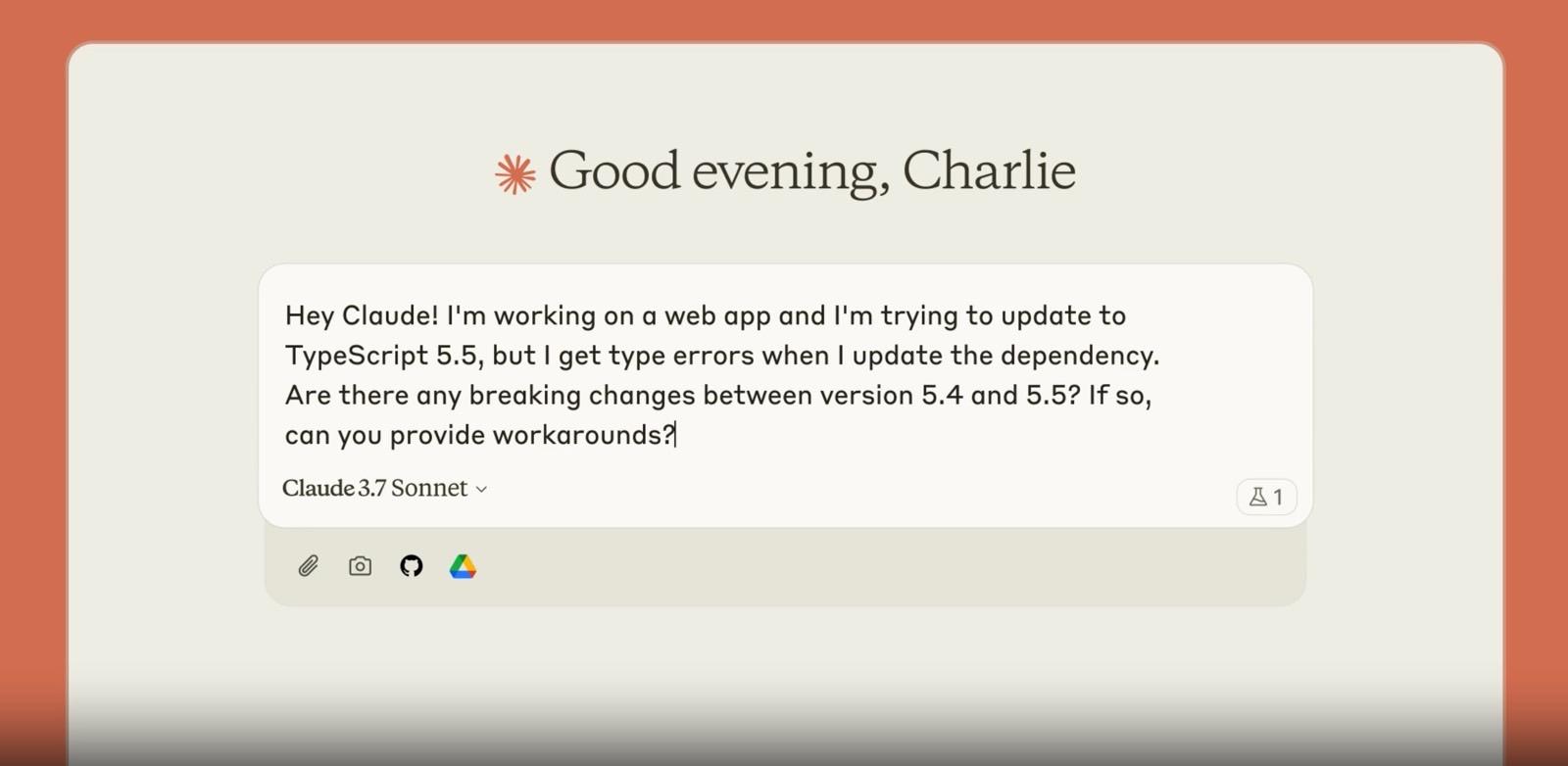
Claude 3.7 Sonnet AI now supports web search, but only for paid users

Anthropic CEO Dario Amodei said in early January that Claude would get a few upgrades to put it on par with OpenAI’s ChatGPT. He mentioned advanced reasoning support and internet search abilities were in the works for Claude, but didn’t commit to rollout schedules for either feature.

Anthropic released Claude 3.7 Sonnet a few weeks ago, which offered the reasoning features Amodei teased, including an extended thinking mode feature. However, search was not part of the deal, which isn’t ideal. After using ChatGPT with online search support for so long, I can’t imagine going back to genAI experiences that do not involve the ability to look up new information on the internet.

Thankfully, Anthropic added online search support to Claude 3.7 Sonnet, which should further enhance its responses. The feature is limited, as you might expect. You’ll need access to a paid subscription to get it, and you also have to be in the US.

Unlike OpenAI, Claude isn’t launching a search product. When OpenAI did that a few months ago, it led to a big overhaul of the ChatGPT UI. ChatGPT now performs internet searches when you click the Search button, but I never do that. I usually tell the AI to find me specific information, which ChatGPT interprets as having to search the web. The AI complies.

Tech. Entertainment. Science. Your inbox.

Sign up for the most interesting tech & entertainment news out there.

By signing up, I agree to the Terms of Use and have reviewed the Privacy Notice.

Anthropic’s internet search support will work similarly. The AI will know when to search the web for updated information based on how you formulate your prompt. There’s no new internet search button in the composer, at least in the demo the company offers in the blog post.

Like ChatGPT, Claude provides a source for the information it cites so you can check for accuracy. Given that AIs still hallucinate information, you’ll want to check the sources for what Claude says in its responses.

Claude will tell you when it's searching the web.Claude will tell you when it’s searching the web. Image source: Anthropic

Anthropic offers various examples of using Claude with web search, most of them focusing on enterprise customers who might subscribe to Claude. Sales teams, financial analysts, and researchers are the first three categories of Claude users that can benefit from AI web searches.

But the company also mentions shoppers who “can compare product features, prices, and reviews across multiple sources to make more informed purchase decisions” with Claude.

I’ll repeat what I said above. I don’t want to talk to chatbots that can’t access the web for updated information. The training data cutoffs might not be that old, but they aren’t good enough for most of my needs.

To get started with Claude search, you’ll have to toggle on the web search option in your profile, assuming you’re a paying subscriber in the US. Thankfully, Anthropic says support for the free Claude plan and more countries is coming soon.

Claude Pro starts at $20/month, matching the ChatGPT Plus subscription price.

Source

Posted on

IR35 reforms: HMRC’s assessment of private sector impacts called into question

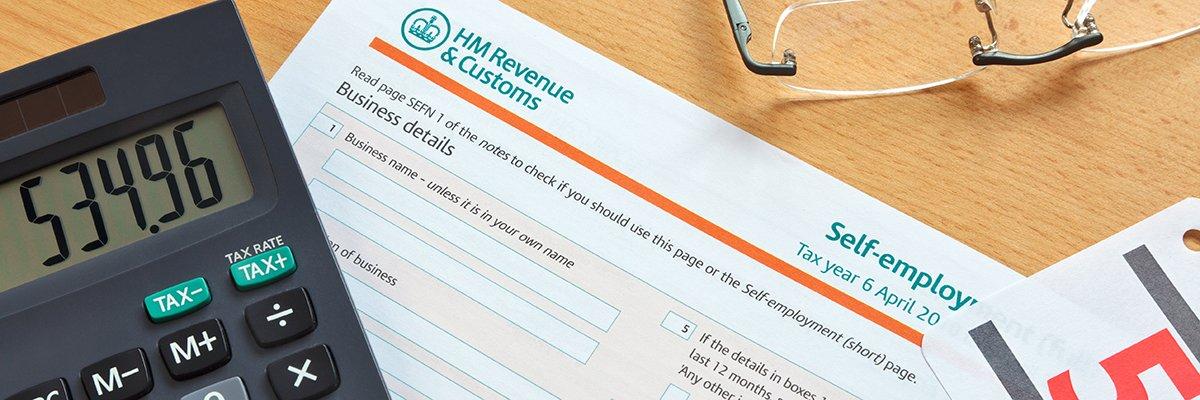
The news that HM Revenue & Customs (HMRC) has collected £1bn more in tax than expected from the 2021 private sector roll-out of the IR35 reforms should not be considered a sign of the initiative’s success, IT contractor market stakeholders claim.

The government tax collection agency published figures in late February 2025 about the impact caused by extending the IR35 reforms to the private sector in April 2021, in terms of how many workers were affected by the changes and how much additional tax HMRC raised by introducing them.

The reforms, introduced as part of HMRC’s ongoing clampdown on disguised employment, were originally rolled out to the public sector from April 2017, and saw contractors cede responsibility to the end-client organisations engaging them for determining whether their work means they should be taxed like an employee (inside IR35) or in the same way as an off-payroll worker (outside IR35).

Several years later, the government announced plans to extend the reforms to medium to large private sector businesses, which – following a 12-month delay due to the Covid-19 coronavirus pandemic – occurred in April 2021.

According to HMRC’s figures, around 120,000 individuals who were providing services through their own limited companies or person service companies (PSCs) were “likely to have been affected” by extending the reforms to the private sector in April 2021.

This includes contractors who may have had their engagements classified as inside IR35 as a result of the changes, and individuals who may have opted to provide their services through an umbrella company since April 2021, confirmed HMRC.

It is worth noting that HMRC originally forecast that the reforms would affect 170,000 individuals, according to a document published on 3 April 2020 that outlined the government’s rationale for rolling out the reforms and the projected benefits the move would generate.

That same 2020 document also predicted the reforms would generate an additional £2.395bn in unpaid tax, generated over the course of three tax years spanning 2020/21 to 2022/23.

However, HMRC’s February 2025 impact assessment data shows the reforms generated £1.8bn more than projected across the three tax years spanning 2021-2023, despite 50,000 people fewer than expected finding themselves in-scope of the private sector reforms.

The discrepancies in the figures have raised eyebrows among contracting market stakeholders, including Dave Chaplin, CEO of contracting authority ContractorCalculator, who told Computer Weekly that HMRC’s calculations simply do not add up.

“It’s implausible that 50,000 fewer people could generate 75% more tax revenue. The 120,000 figure seems significantly underestimated,” he said.

“If the original projection of £2.4bn was based on 170,000 people, that equals £14,088 per person. Using this same rate, achieving the new projection of £4.2bn would require 298,121 people – not 120,000.”

It’s implausible that 50,000 fewer people could generate 75% more tax revenue. The 120,000 figure seems significantly underestimated Dave Chaplin, ContractorCalculator

Chaplin continued: “The only reasonable conclusion is that HMRC’s figure of 120,000 affected individuals is incorrect. Our calculations indicate 58% of the original PSC population (510,000) was affected – not the claimed 23%, which is more than double HMRC’s estimate.”

Speaking to Computer Weekly, Andy Chamberlain, director of policy at the Association of Independent Professionals and the Self-Employed (IPSE), said there were a couple of different ways that HMRC’s figures could be interpreted.

For one, the fact the reforms have raised £1bn more than expected suggests that in its quest to improve the private sector’s IR35 compliance, what it has actually achieved appears to be a sizeable “overcompliance” with the rules.

“[This is] where individuals were forced onto payroll even though they were genuinely in-business and in ‘outside IR35’ roles,” he said.

In the lead-up to both the public and private sector IR35 reforms being rolled out, Computer Weekly reported on numerous instances whereby organisations tried to fast-track their compliance with the reforms in several ways.

Some sought to reduce the additional administrative burden the reforms put on them by declaring all the contractors they engaged as working inside IR35.

Other organisations side-stepped the reforms by issuing blanket hiring bans on off-payroll workers. This led to many insisting the contractors they engaged could only continue to provide services to them if they did so through an umbrella company, as the IR35 rules do not apply to umbrella employees.

“Some that were forced into umbrellas were able to put their rates up, so the gross pay, and therefore the tax take, was higher,” continued Chamberlain.

Computer Weekly contacted HMRC to ask if it could give an account as to why more tax has been generated than expected from fewer than anticipated affected individuals, but the government department did not directly answer the question.

It is an issue, however, that HMRC appears to address in its February 2025 impact report with the acknowledgment that there has been a “small change” in its “initial estimates of the numbers of workers affected and the additional tax revenues generated” due to “newer data becoming available” and “improvements in [HMRC’s] methodology”.

Either way, Chaplin described the HMRC data discrepancies as “concerning” because it shows its data is “unreliable” and yet these numbers are what the department is holding up as proof the reforms have had the desired result.

“[This data] further undermines confidence in the official narrative and suggests policy decisions were based on flawed information rather than accurate assessments of the freelance market’s reality,” he said.

HMRC further revealed in its private sector IR35 impact assessment that the reforms may have partly contributed to a downturn in the number of new PSCs being created, which suggests the reforms may have put some people off becoming self-employed.

“We estimate around 45,000 fewer new PSCs formed around the time of the reform, up until the end of March 2022, compared to what we might have expected to happen based on historical trends,” said HMRC.

“These workers may have instead chosen to work in a different way, and we expect they will have remained, or started, working as employees.”

The way Chaplin sees it, HMRC’s data suggests the reforms have “stripped a quarter of legitimate freelancers of their self-employment status” and have “unnecessarily restricted the flexible workforce precisely when economic growth demands their contributions most”.

He added: “I think we can rightfully conclude that HMRC’s models and research should be taken with the annual output of a salt refinery – that is, with extreme scepticism.”

Source

Posted on

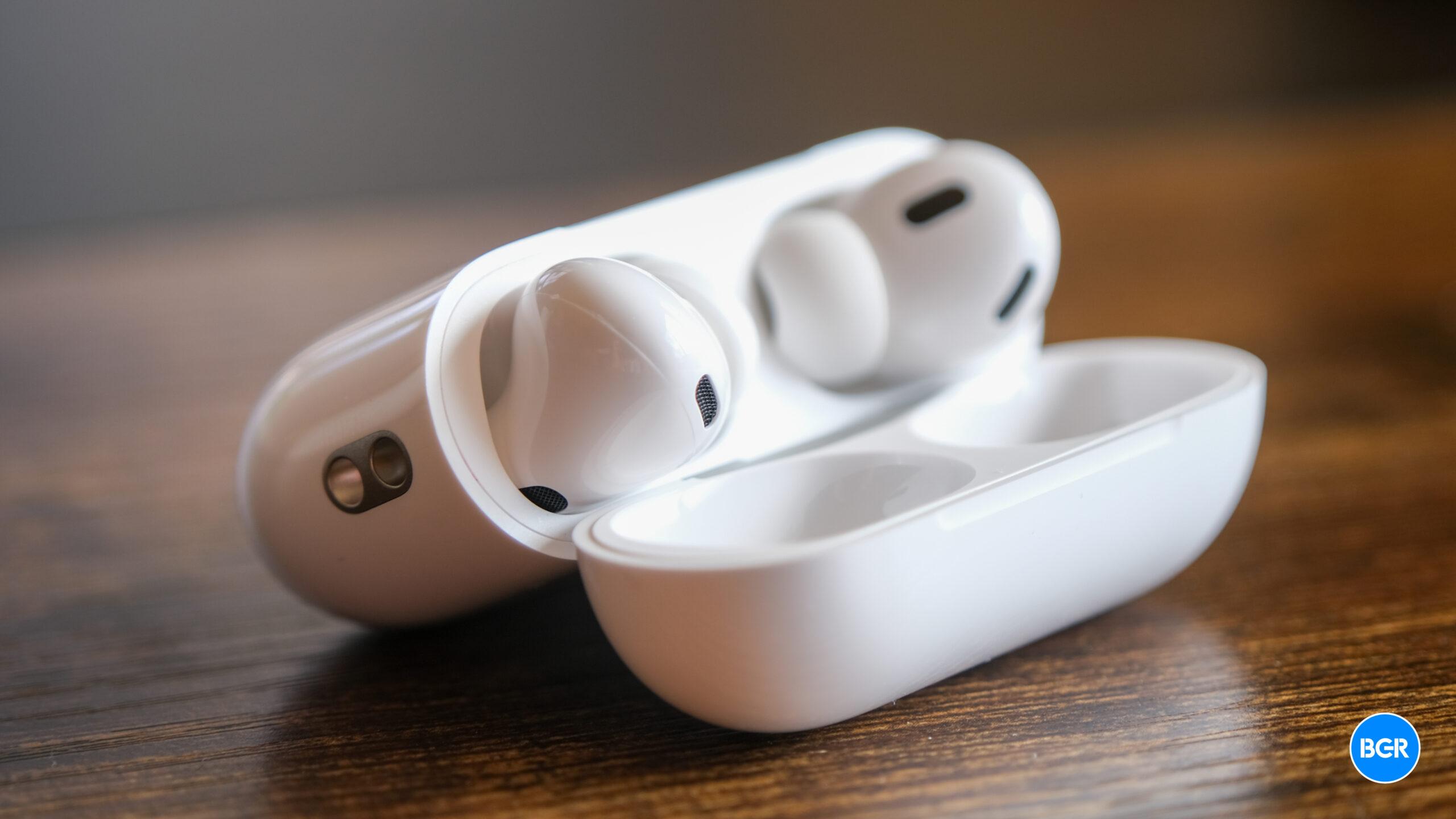
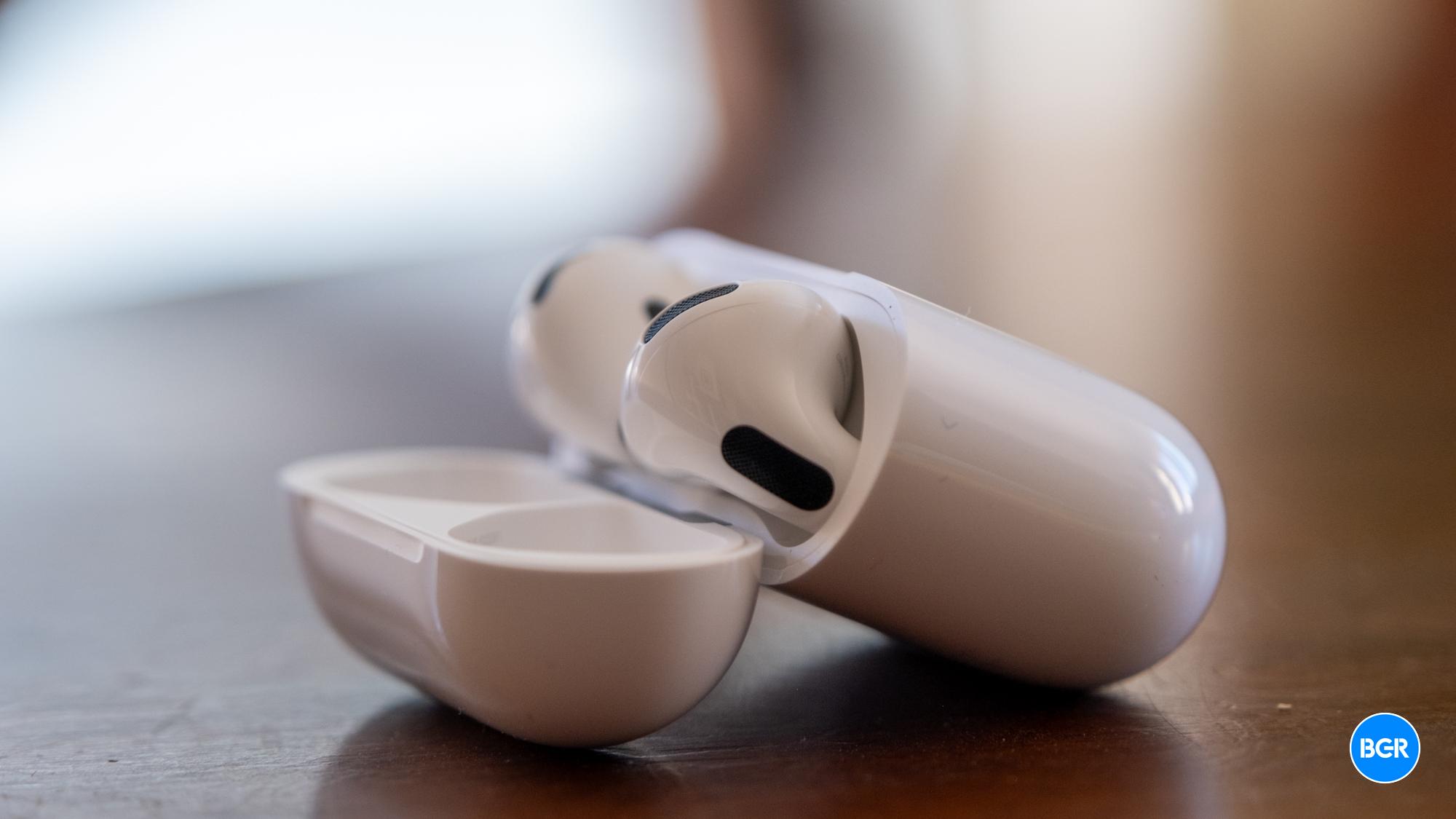
AirPods Pro 3 may be the world’s best earbuds with these 8 rumored features

Apple is expected to release AirPods Pro 3 in late 2025. Three years after the first iteration of AirPods Pro 2 with Lightning port was released, Cupertino is expected to significantly improve its best earbuds. Despite the fact that last year’s AirPods Max update was so disappointing, we expect Apple’s next-gen AirPods Pro to be a much bigger update thanks to several new features and upgrades.

This article covers eight rumored features that should make AirPods Pro 3 an instant hit and potentially the best earbuds on the planet.

Much better ANC: Apple already offers incredible ANC. With its advanced algorithms, the company also offers best-in-class Transparency and Adaptive modes. For the third generation of AirPods Pro, Apple is expected to greatly improve the ANC, and it could build up on the technology available for AirPods 4, which offers ANC even without ear tips.

Improved hearing aid capabilities: AirPods Pro 2 are the first earbuds to offer hearing aid capabilities. It’s only natural to assume that Apple will continue to enhance this feature with upcoming versions of its pro earbuds. In addition, there’s another reason why hearing aid capabilities will be better with this next generation.

Tech. Entertainment. Science. Your inbox.

Sign up for the most interesting tech & entertainment news out there.

By signing up, I agree to the Terms of Use and have reviewed the Privacy Notice.

H3 chip: Apple does a great job with its audio chips. All the way from the W1 chip and its magical features, the company has walked a long path to bring the H2 processor. To this day, Apple keeps adding more features to AirPods Pro 2. It’s only natural to assume that Cupertino will continue to improve the audio quality and the connectivity between AirPods and iPhone while delivering new features, such as better ANC, improved hearing aid capabilities, and so on.

Heart rate measurement: According to Bloomberg‘s Mark Gurman, one of AirPods Pro 3 top features could be heart rate measurement. At the time, the journalist said Apple Watch measurements were more accurate than the prototype AirPods, but not much. This could be perfect for those who don’t like wearing smartwatches all the time. With the Powerbeats Pro 2, we know this feature works without an Apple Watch on, and it’s only active while the user is exercising.

Body temperature: Finally, Apple has also been working on a body temperature sensor for future AirPods. The company may add a camera to help measure the body’s temperature, which could be more accurate than the sensor available with the Apple Watch.

Other tidbits for the upcoming AirPods Pro 3 might include improved battery life, a thinner case (if we consider AirPods 4), more robust water and dust resistance, and so on.

Wrap up

These are the features you should look forward to the most in the upcoming AirPods Pro 3. BGR will let you know once we learn more about this device.

Source

Posted on

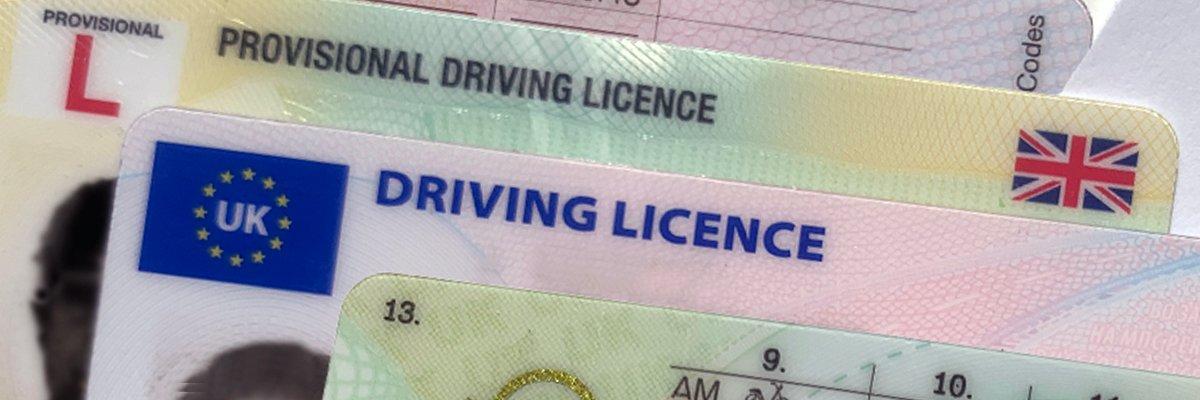
Driving licence data could be used for police facial recognition

Human rights group Liberty has said the UK government’s proposed Crime and Policing Bill will transform the country’s driving licence database into a de-facto facial recognition database, enabling police to access the biometric information of millions of people who have never committed a crime.

Introduced to Parliament on 25 February 2025, the Home Office-sponsored bill will introduce a range of measures to extend police powers in the UK, including bans on wearing face coverings or using pyrotechnics during protests, and the introduction of “respect orders” to address so-called “anti-social behaviour”.

The Crime and Policing Bill will also enable police to access driving licence information from the Driver and Vehicle Licensing Agency (DVLA), which holds more than 52 million driver records. Access to driving licence information will be controlled by as-yet unspecified regulations to be created by the secretary of state, who will also draft a code of practice about how the information can be made available and used.

The secretary of state will also be obliged to publish an annual report on how driving licence information is being used by police.

While the bill makes no explicit reference to facial recognition technology in the text or supporting documents, the measures are substantively similar to those contained in the previous Conservative government’s Criminal Justice Bill, which then-policing minister Chris Philp said could “allow police and law enforcement, including the NCA [National Crime Agency], to access driving licence records to do a facial recognition search”.

Human rights group Liberty said that although the current Labour government has denied the regulation-making powers contained in the bill’s driving licence information provisions would be used for facial recognition purposes, the proposals – which closely mirror those put forward by the last government – could still enable this invasive use of the technology.

“This would represent a huge step in broadening the use of facial recognition technology away from police databases to everyone with a driving licence,” it said. “Every photo on the DVLA database could be accessed by the police and essentially form a digital police line-up. If this is the intention, then the government should be transparent and invite proper scrutiny rather than sneaking through rights-restricting legislation.”

A Home Office spokesperson told Computer Weekly it was “categorically untrue” that the DVLA database would be accessed by police for facial recognition purposes, stating: “These provisions will have no impact on facial recognition.”

In a written submission to Parliament about the previous government’s attempts to link the DVLA database to facial recognition systems, privacy group Big Brother Watch said it represented “a huge, disproportionate expansion of police surveillance powers that would place the majority of Britons in a digital police line-up, without their consent”.

It added that setting a precedent where police are able to access a non-police database to sift through millions of people’s biometric data “would be deeply concerning” for privacy rights. “In a rights-respecting country, the public would no less expect police forces to access their facial biometrics from the DVLA database than they would expect them to access their DNA biometric from NHS databases,” it said.

Commenting on the proposal in the Crime and Policing Bill, Liberty added that police should never be allowed access to a database containing millions of biometric records of people who are not on a wanted list, have never committed a crime, and did otherwise not consent to the use of their information in this way.

Liberty further added that the proposed code of practice should not be accepted as a safeguard. “There should be primary legislation governing the overall police use of facial recognition. It should not be piecemeal in this way,” it said.

As it stands, the UK has no legislation explicitly covering the police use of facial recognition technologies, although successive governments have repeatedly affirmed it is covered a by “comprehensive legal framework”, which consists of a patchwork of existing legislation.

While there has been limited Parliamentary scrutiny of facial recognition in the form of written questions and answers over the years, there has only been one formal debate on how police are using the technology in Parliament, which was held in November 2024.

This marked the first time MPs openly discussed police use of the tech in the eight years since live facial recognition (LFR) was first deployed by the Metropolitan Police at Notting Hill Carnival in August 2016.

Since that initial deployment, there have been repeated calls from Parliament and civil society for new legal frameworks to govern law enforcement’s use of LFR technology. These include three separate inquiries by the Lords Justice and Home Affairs Committee (JHAC) into shopliftingpolice algorithms and police facial recognition; two of the UK’s former biometrics commissioners, Paul Wiles and Fraser Sampson; an independent legal review by Matthew Ryder QC; the UK’s Equalities and Human Rights Commission; and the House of Commons Science and Technology Committee, which called for a moratorium on LFR as far back as July 2019.

Attempts to link facial recognition systems with UK databases created for other purposes have been ongoing for a number of years.

In October 2023, Philp outlined his intention to give police forces access to the UK’s passport database, claiming it would enhance their facial recognition capabilities to help catch shoplifters and other criminals.

While Philp’s proposals were blasted by human rights and privacy groups, UK regulators also took issue. For example, the then-biometrics and surveillance commissioner of England and Wales, Fraser Sampson, told the BBC it was important for police to avoid giving people the impression they’re on a “digital line-up”.

“The state has large collections of good-quality photographs of a significant proportion of the population – drivers and passport holders being good examples – which were originally required and given as a condition of, say, driving and international travel,” he said.

“If the state routinely runs every photograph against every picture of every suspected incident of crime simply because it can, there is a significant risk of disproportionality and of damaging public trust,” added Sampson.

Scottish biometrics commissioner Brian Plastow also said it would be “egregious” to link the UK’s passport database with facial recognition systems, arguing it would be “unethical and potentially unlawful”.

“The suggestion that images given voluntarily to UK government agencies for a specific purpose by law-abiding citizens to obtain a UK passport or UK driving licence should then be capable of being routinely accessed by the police and ‘bulk washed’ against images from low-level crime scenes is neither proportionate nor strictly necessary and would significantly damage public trust,” he said at the time.

Source

Posted on

Government announces inevitable end to Payments Services Regulator

The government has canned the Payments Services Regulator (PSR) to reduce red tape as part of its Plan for Change. PSR activities will be transitioned to the Financial Conduct Authority (FCA), which will provide “one port of call” to payments system providers rather having to deal with multiple regulators.

In November 2024, a speech given by chancellor of the exchequer Rachel Reeves at Mansion House, London, made the move inevitable, according to fintech industry expert and CEO at The Finanser, Chris Skinner.

He said the decision was announced “tacitly” in November, adding: “The issue was that the PSR was often on a collision course with the FCA, so it got confusing. Therefore, the National Payments Vision determined that the FCA would take precedent on any regulatory matters, which begged the question, ‘Why would you need another regulator with no power?’”

In November, following the Mansion House meeting, Skinner wrote about the UK’s National Payments Vision: “… There are two regulators involved in payments: the FCA and the PSR. The consultation discovered that the two authorities often work separately and are uncoordinated. Decision: the FCA will lead anything that requires payments regulation under their remit, where it collides with the PSR. Basically, all new regulatory changes required in the payments space will be lead by the FCA.”

The government said the announcement “does not result in any immediate changes to the PSRs remit or ongoing programme of work. The regulator will continue to have access to its statutory powers until legislation is passed by Parliament to enact these changes.”

Prime minister Keir Starmer said: “For too long, the previous government hid behind regulators – deferring decisions and allowing regulations to bloat and block meaningful growth.”

The government said the decision “follows complaints from businesses that the regulatory environment was too complex, with payment system firms having to engage with three different regulators, costing them time, money and resource. “

FCA CEO Nikhil Rathi said that the changed payments landscape means “now is the right time to put in place a more streamlined regulatory framework. Doing so is a natural next step, following recent work to improve co-ordination and clarity on regulatory responsibilities”, adding that he welcomes “the deep expertise of PSR colleagues within the FCA”.

The government said: “The entire regulatory landscape will continue to be reviewed and finessed as part of a wider government effort to kickstart economic growth and make regulators work for the country, rather than block progress.”

Skinner added that the PSR’s role was created due to the large and diverse payments sector as a result of fintech. “Regulations were moving to more granularity and, with so many fintech payment services rising in the past decade, it demanded a specific body to oversee the industry.”

He outlined some of the market diversity: “Bear in mind we were talking prepaid cards, contactless payment services and electronic money institutions. Now that market has matured, a dedicated regulator is no longer needed.”

Chancellor Reeves said that “the regulatory system has become burdensome to the point of choking off innovation, investment and growth”, adding that the government would “free businesses from that stranglehold”.

Source

Posted on

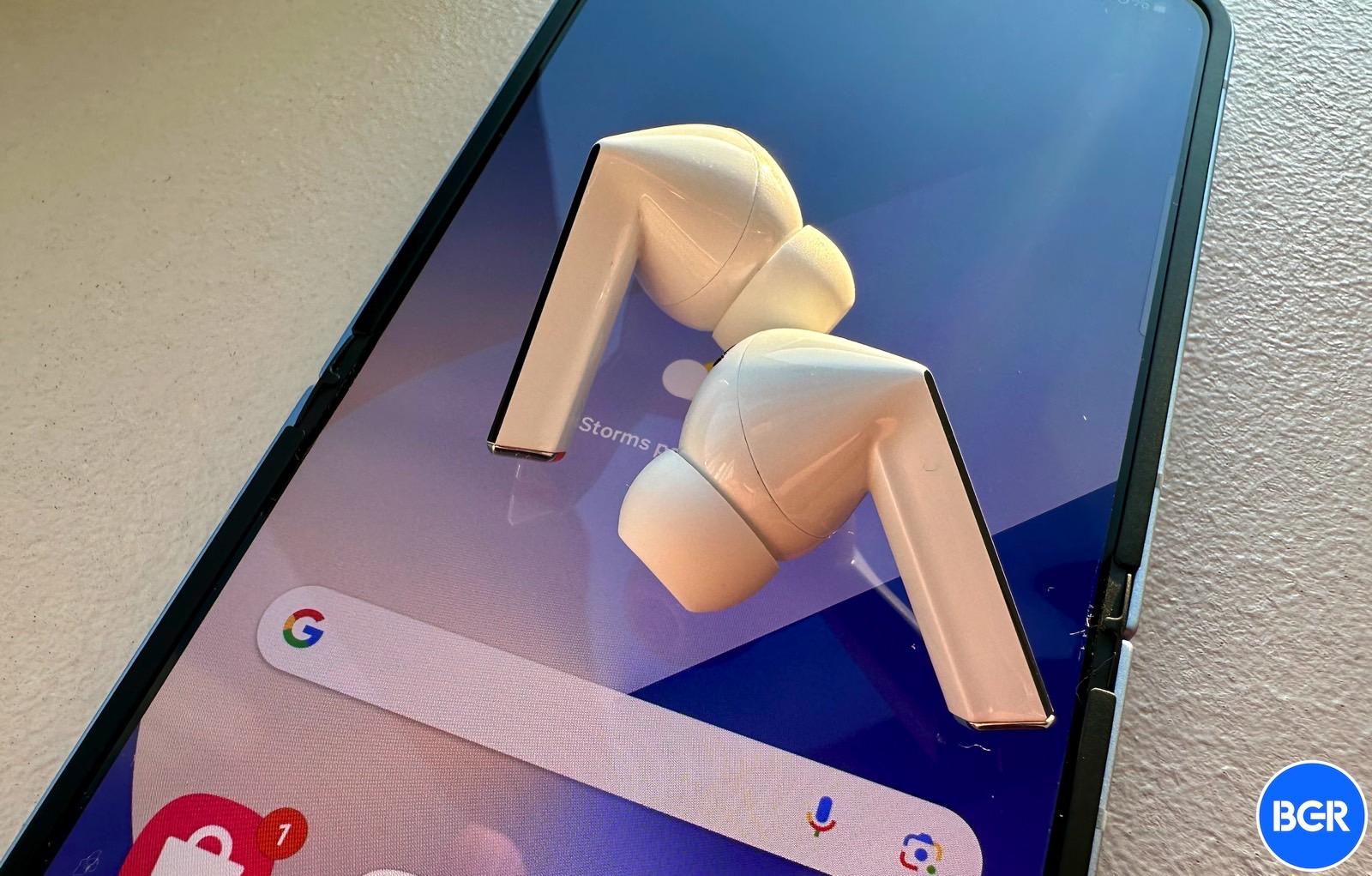
Samsung to launch Galaxy Buds with bone conduction this summer

Last summer, Samsung launched new Galaxy Buds models with a brand new design (above), which turned out to be the least controversial aspect. The new earphones look a lot like Apple’s AirPods, featuring a stem for the first time. Samsung stayed away from adopting AirPods-like designs for years before deciding this was going to be the new look of the earphones.

I didn’t think copying Apple was such a big deal. I was more worried about the quality issues the first batch of Galaxy Buds models displayed. 

According to a report from Korea, Samsung will release new earphones this summer. The company is about to launch open-ear buds in a form factor it has never made before, beaming sound through the bone. This is in addition to updating the regular Galaxy Buds line with a new Galaxy Buds FE 2 model.

I ran my third marathon recently, wearing second-gen AirPods, the same wireless earphones I wore before.

Tech. Entertainment. Science. Your inbox.

Sign up for the most interesting tech & entertainment news out there.

By signing up, I agree to the Terms of Use and have reviewed the Privacy Notice.

But just before the race, I had a chance to test and buy the new Shokz OpenFit 2 open-ear earphones. The sound quality blew me away, but I didn’t buy them on the spot, thinking I’d find them later.

It turns out I can’t find them that easily. These are the latest earphones from Shokz launched at CES 2025. While they don’t rock the company’s bone-conduction tech, it’s still a new sound technology for this type of product. Essentially, your ears are open as sound is beamed through the air.

But I stopped at the Shokz booth before the race in the first place because I associate the company with bone-conduction earphones. I’ve considered buying a pair of Shokz more than once, but I kept finding excuses not to.

What I’m getting at is that I’m a runner who doesn’t want Active Noise Cancellation (ANC). I want to be aware of my surroundings, and bone-conduction earphones or open-ear models might be the way to go. Also, I’m looking forward to chatting to AI via voice more in the future, and I’ll need comfortable earphoens for that. Traditional AirPods might not cut it. 

All that is to say is that I’m not surprised to hear that Samsung is considering a new design for its Galaxy Buds line of earphones. Seoul Economic Daily says Samsung plans to unveil the product in July, likely during the Galaxy Z Fold 7 and Flip 7 launch event.

Codenamed “Able,” the product aims to cater to the needs of people who are into cycling or running, as bone-conduction sound tech allows them to hear their surroundings.

Also, this Galaxy Buds design might appeal to people who find regular AirPods-like earphone designs uncomfortable, and those who worry about hearing loss issues that might follow prolonged exposure to traditional earphones.

Samsung isn’t the only company exploring such designs; Sony and Huawei have also made similar devices. And, again, Shokz is well-known for its bone-conduction earphones.

It’s unclear how much the new Galaxy earbuds will cost or what they will look like. But Samsung reportedly plans to manufacture some 1.7 million units this year, which will account for 15% of the total number of Galaxy earphone shipments this year.

As for the actual design of the Able product, it hasn’t leaked. But since Galaxy products tend to leak before their official launch, expect to see this new Buds design in unofficial photos before the Unpacked event in July.

Source

Posted on

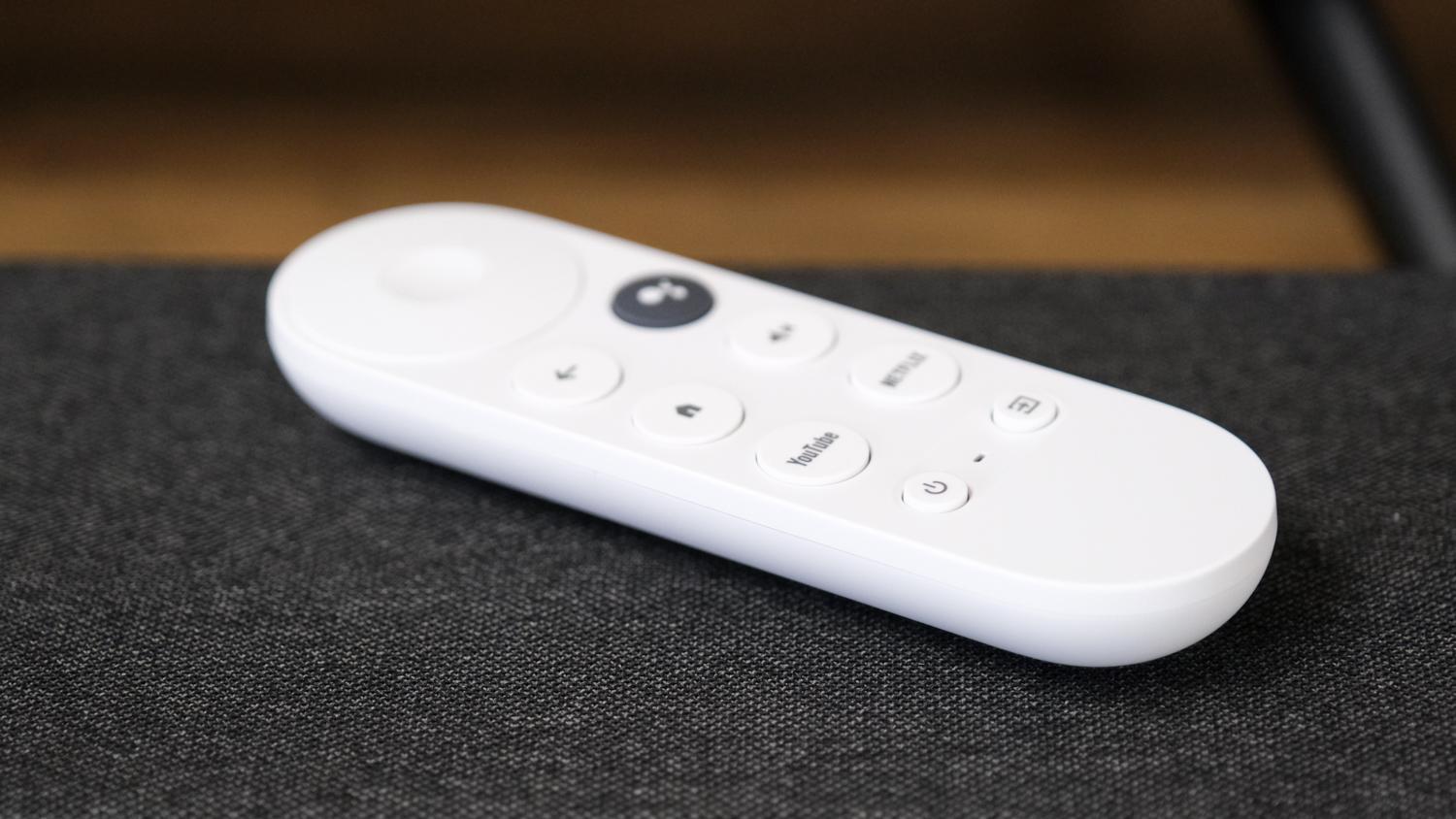
Google has started rolling out a fix for all the broken Chromecasts

Google started rolling out a fix for its broken second-generation Chromecast and Chromecast Audio devices on Thursday. The issue temporarily bricked thousands of streaming dongles due to an expired license earlier this week.

Here’s what the Google support team said on the Google Nest Community forum:

Hey everyone, thank you for your patience while we work to resolve this issue. Here’s the latest:

We have started to roll out a fix for the problem with Chromecast (2nd gen) and Chromecast Audio devices, which will be completed over the next few days. Your device must be connected to receive the update.

If you performed a factory reset during initial troubleshooting, you may still be experiencing an issue where you cannot re-setup your device. We are working to resolve this as soon as possible. Please continue to check the Community page here for updates and next steps.

We’ll update this post again when Google shares more updates.

[The original article follows below.]

Tech. Entertainment. Science. Your inbox.

Sign up for the most interesting tech & entertainment news out there.

By signing up, I agree to the Terms of Use and have reviewed the Privacy Notice.

Last year, Chromecast joined the Google Graveyard as the company ended production of the streaming dongles. The streaming devices themselves are still usable (for now), but this week, thousands of Chromecast second-gen and Chromecast Audio owners discovered that their TV streaming dongles had suddenly stopped working. Thankfully, they haven’t been turned off for good, as Google acknowledged the issue and began working on a fix.

Anyone who tried to connect their phone to the 10-year-old Chromecast models this week saw an error message indicating that it was an untrusted device or couldn’t be authenticated. While some users suspected that Google was quietly bricking the aging dongles, it turns out that it’s actually a technical problem involving the firmware.

As explained by a Reddit user in a busy thread (via Ars Technica), Google built a certificate into the 2015 Chromecast models that expired on March 9, 2025. That just so happens to be exactly when all of these Chromecast users started running into trouble.

In a post on the Google Nest Community forums, Google confirmed finding “an emerging issue impacting Chromecast 2nd gen and Chromecast Audio devices” and said that a fix is coming. In the meantime, the company tells users not to factory reset their devices.

“Do not factory reset your device – we will keep you all updated when the fix rolls out,” warns Google in a message. “If you have already factory reset your device, we will provide instructions to set your device back up as soon as possible.”

Whether Google will continue to support these older streaming media players for the long haul remains to be seen, but at the very least, the company is committed to solving this problem. Be sure to check the Google Nest Community thread for updates.

Source

Posted on

iOS 19 will bring live translation to your AirPods

Apple will supposedly give iOS 19 a big design overhaul this year, making the iPhone operating system look more like the visionOS than previous iOS releases.

A major design makeover might just be what Apple needs in light of its recent Apple Intelligence fiasco. The smart Siri assistant Apple promised last summer isn’t coming for at least a year. The best way to make iOS exciting is to give it a new coat of paint. At least that’s something ost iPhone users will care more about than AI features.

But Apple is also readying new features to go along with the redesign, and one interesting AirPods functionality has leaked. Apple plans to bring live translation support to AirPods via the iOS 19 upgrade, and the good news about it is that the feature should work with your existing AirPods.

Also, since I mentioned Apple Intelligence before, live translation is easily something Apple could sell under the iPhone’s AI umbrella of features. It wouldn’t be the only one.

Tech. Entertainment. Science. Your inbox.

Sign up for the most interesting tech & entertainment news out there.

By signing up, I agree to the Terms of Use and have reviewed the Privacy Notice.

Live Translate is one of the first Galaxy AI features that Samsung announced in late 2023. We learned that flagship phones would translate call conversations in real time, on-device, before we saw all the other tricks in the Galaxy AI suite of apps and features.

Samsung updated Live Translate before last summer’s Unpacked event to work on Galaxy phones with foldable displays. Regardless of phone form factor, you do not necessarily need earphones for Live Translate to work.

I wouldn’t be surprised if Apple included live translation in Apple Intelligence because translating live speech as it happens is actually a process that involves AI. Algorithms understand speech, convert it into text, and then translate and turn it back into voice.

We’ll have to wait for Apple to explain how live translation works in iOS 19, but Bloomberg’s Mark Gurman has an example:

The capability will work like this: If an English speaker is hearing someone talk in Spanish, the iPhone will translate the speech and relay it to the user’s AirPods in English. The English speaker’s words, meanwhile, will be translated into Spanish and played back by the iPhone.

That’s a clever use of hardware for both parties in the conversation to be able to chat by voice in real time.

Given that the iPhone will do the actual translation, the feature should work with any existing AirPods model. It should also work with other wireless earphones, assuming Apple wants to expand support to AirPods rivals. But I think Apple would rather keep the feature as an AirPods-only functionality that helps the company further differentiate its earphones from competitors.

The report also notes that Apple is working on new AirPods hardware, including AirPods Pro 3 and a model with built-in cameras for Apple Intelligence.

Source

Posted on

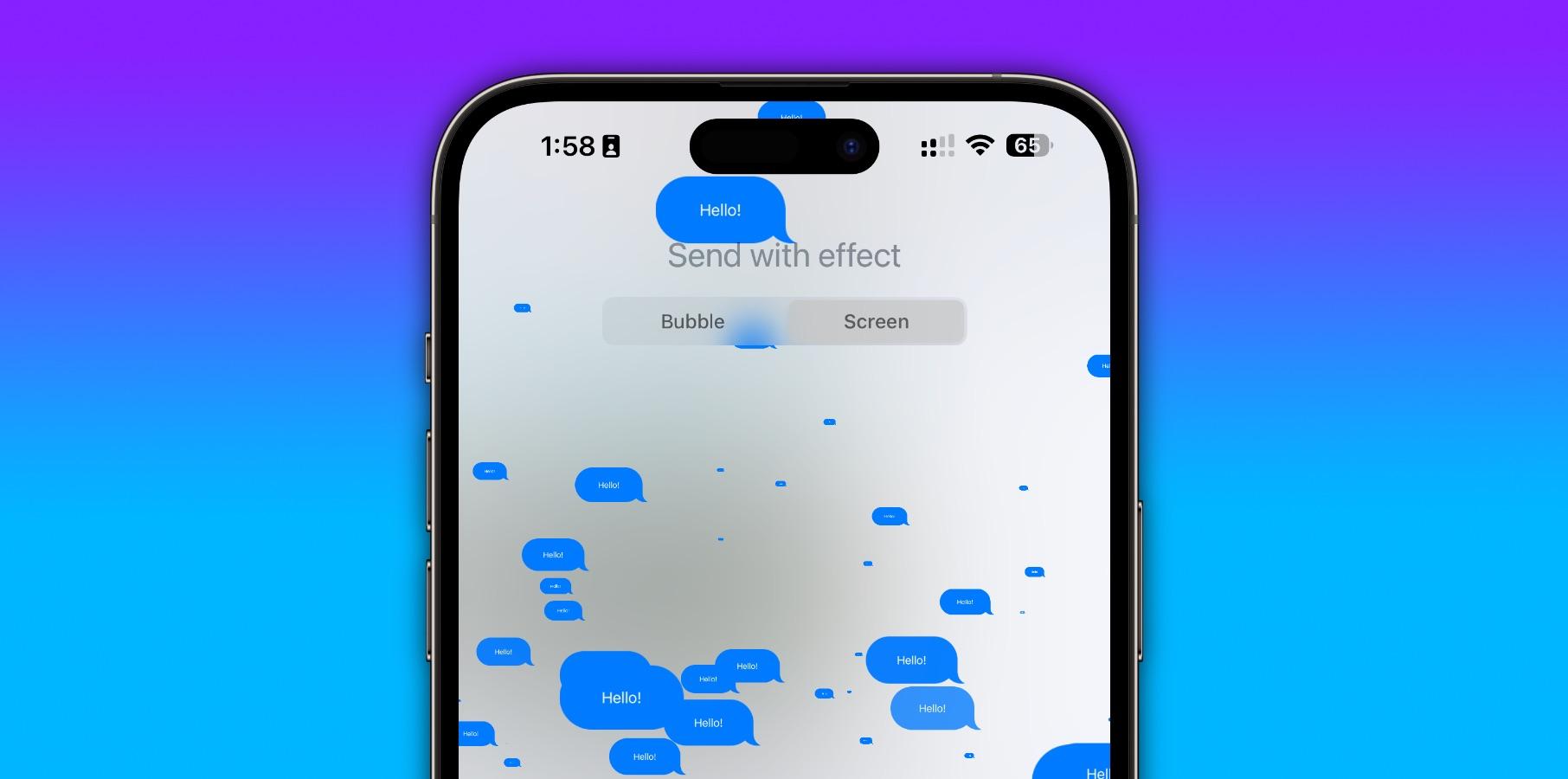
RCS on iPhone will finally get end-to-end encryption

Apple brought RCS support to the iPhone’s Messages app with the iOS 18 update last September, effectively putting an end to the bubble wars. The green bubbles did not disappear from the iPhone all of a sudden, but iPhone and Android users could message each other using a much richer standard than SMS. The green bubble remained in place so that users could tell them apart from iMessage messages (the blue bubbles).

As I said more than once, I wasn’t necessarily a fan of getting RCS support on my iPhone and that it wouldn’t change my texting habits. Half a year later, this still holds true. I don’t really use RCS to talk to any of my friends and family who are Android users. WhatsApp is the chat app that bridges the two operating systems. WhatsApp is also the favorite chat app for some iPhone users in my group.

I want to use chat apps that offer end-to-end encryption, and both iMessage and WhatsApp satisfy that need. Strong encryption is key for strong security and privacy, and RCS didn’t support that on the iPhone. 

Why do we need strong encryption? Because hackers are always working to intercept your data. Just remember last fall’s China hack of major US telecoms, when law enforcement officials advised everyone to rely on encrypted chat and voice apps while they dealt with the threat. RCS on iPhone did not qualify as a secure chat app at the time.

Tech. Entertainment. Science. Your inbox.

Sign up for the most interesting tech & entertainment news out there.

By signing up, I agree to the Terms of Use and have reviewed the Privacy Notice.

Fast-forward to Friday, and Apple announced that end-to-end encryption is coming to RCS on the iPhone. That’s terrific news. We knew encryption was in the works, and I’m not surprised to see it happen.

The GSMA published a blog post to announce the new features coming to RCS. The iPhone is getting end-to-end encryption RCS messages via the Messaging Layer Security (MLS) protocol:

Most notably, the new specifications define how to apply MLS within the context of RCS. These procedures ensure that messages and other content such as files remain confidential and secure as they travel between clients. That means that RCS will be the first large-scale messaging service to support interoperable E2EE between client implementations from different providers. Together with other unique security features, such as SIM-based authentication, E2EE will provide RCS users with the highest level of privacy and security for stronger protection from scams, fraud, and other security and privacy threats.

The GSMA also announced a new RCS Universal Profile 3.0 that brings other new features. Users will be able to talk to businesses over RCS “through a richer deep link format and includes additional smaller enhancements such as improved codecs for audio messaging and easier management of subscriptions with business messaging senders.”

That said, strong encryption isn’t available right away on iPhones. Apple still has to implement the new profile, and that will happen in the future via software updates. Apple confirmed it all to 9to5Mac:

End-to-end encryption is a powerful privacy and security technology that iMessage has supported since the beginning, and now we are pleased to have helped lead a cross industry effort to bring end-to-end encryption to the RCS Universal Profile published by the GSMA. We will add support for end-to-end encrypted RCS messages to iOS, iPadOS, macOS, and watchOS in future software updates.

Source

Posted on

iPhone 16e reportedly has a Bluetooth audio problem that can’t be fixed

New iPhone hardware might launch with functionality issues that need to be ironed out via subsequent software updates, assuming software can provide fixes. The same goes for Android products. Hearing that the iPhone 16e has a Bluetooth issue where the audio cuts out briefly while music is playing should not be that surprising. However, the iPhone 16e isn’t exactly a new iPhone, is it? It has the same design as every other iPhone with a notch that has been released since the iPhone 12.

Apple also recycled many of the internal components to make this device. Even the iPhone 16’s A18 chip and the 8GB of RAM inside the iPhone 16e aren’t new-new. Therefore, other internal components, including the Bluetooth chip, shouldn’t be brand new.

The only completely new iPhone 16e components might be the new battery, which gives the handset the best battery life in 6.1-inch iPhones, and the C1 modem.

With all that in mind, one shouldn’t expect Bluetooth audio connectivity issues with the iPhone 16e. But it turns out that several iPhone 16e owners have encountered Bluetooth disconnects, and Apple doesn’t know how to fix them for the time being. It doesn’t seem like a hardware issue, so exchanging your iPhone 16e for a new one might not fix it.

Tech. Entertainment. Science. Your inbox.

Sign up for the most interesting tech & entertainment news out there.

By signing up, I agree to the Terms of Use and have reviewed the Privacy Notice.

Some iPhone 16e owners suspect the device has issues handling multiple Bluetooth connections, like an Apple Watch and AirPods. That’s actually a nightmare scenario for this longtime iPhone user. I run a lot, and I wear the Apple Watch to track my workouts while AirPods handle the entertainment.

As is often the case with issues concerning new devices, affected users took to social media and forums to complain. A discussion on Apple forums is particularly interesting, as an iPhone 16e owner details their issues with the Bluetooth audio and their experience with Apple support.

After talking to UK/Europe support, the user was escalated to Apple’s US support, and they had him perform a diagnostic test on the iPhone 16e to figure out why the Bluetooth audio stops:

Then they had me install a profile on my iPhone which logged the Bluetooth and Wifi signals / exchanges in a diagnostic report, which ran for about 20 minutes, whilst I reproduced the issue and noted down the time (to the second) of whenever the audio stutters. This was done with data over Wifi, and data over 5G. Then they phoned me up again, the logs were packaged up, and sent through. All they could do was tell me the data and timestamps etc. were going to be looked at by engineering and they would contact me back if they wanted me to run more test…

The same person said the update to iOS 18.3.2, which dropped earlier this week, did not fix the problem.

A different person found that using an Oura ring might impact the Bluetooth audio on the iPhone 16e. Closing the app completely seems to fix the problem:

Yes, I have the same problem, too. I found a couple of reddit threads with people experiencing the same issue. In my case it appears that the stuttering is related to having another Bluetooth connection (an Oura smart ring). If I close the Oura app, so it’s not running in the background, the audio appears to work OK, but it’s early days and I’m still investigating. Do you have multiple Bluetooth connections other than the headphones? I hope it’s not a hardware issue with the phone.

Over on Reddit, a Fitbit user said that closing the Fitbit app didn’t work, but they removed the wearable from the iPhone 16e, and the Bluetooth audio was fixed.

Obviously, these aren’t acceptable fixes. Again, Apple is selling us devices that are connected via Bluetooth to the iPhone, whether it’s Apple Watch models, AirPods, or Beats earphones. Apple wants iPhone users to buy both the Apple Watch and AirPods, so both should stay connected to the iPhone at the same time.

Even if you use non-Apple wearables and wireless earphones, you should be able to mix and match products without experiencing Bluetooth audio issues.

It’s unclear how widespread the iPhone 16e Bluetooth audio problem is, but Apple is certainly aware of it. Hopefully, a permanent fix will be available soon.

Source