Posted on

tvOS 18.2 beta 3 now available with Snoopy screen savers

Apple just released tvOS 18.2 beta 3. After a tame tvOS 18.1 update, this new version is finally adding some of the delayed features announced at WWDC 2024.

For example, tvOS 18.2 beta 3 now supports the new 21:9 aspect ratio, which is perfect for Apple TVs connected to projectors. The company has also added a few other options, such as 2.37:1, 2.39:1, 2.40:1, DCI 4K, and 32:9. They are available under Apple TV’s Audio and Video settings.

Besides that, Apple finally added the Snoopy screen savers to tvOS. References about this feature coming with tvOS 18.2 were already spotted by MacRumors a few weeks ago. According to the publication, Apple is working on four categories of screen savers, including Snoopy, TV and Movies, Music, and Soundscapes.

tvOS 18 best featureImage source: Apple Inc.

While MacRumors got an early look at some of those screensavers, Apple said we’ll see the Snoopy and TV and Movies screen savers “later this year.” The Music and Soundscapes options are new and will likely be added alongside the previously announced options.

Tech. Entertainment. Science. Your inbox.

Sign up for the most interesting tech & entertainment news out there.

By signing up, I agree to the Terms of Use and have reviewed the Privacy Notice.

Finally, another feature that might soon be available with tvOS 18.2 beta is robot vacuum cleaner integration with the Home app. It’s unclear which robot vacuums will support this feature, even though Apple says this feature is still coming in 2024.

Apple is expected to release tvOS 18.2 by early December; this means the beta testing of the upcoming software update won’t last for very long, and we should have around three new builds before the official version is out.

After many tvOS 18 features have made their debut, I can’t wait for my Apple TV to get support for these other new capabilities. The new screen savers will make a nice addition, while the 21:9 aspect ratio will be perfect for using XGIMI’s new Horizon S Max projector, which was recently reviewed by BGR.

Source

Posted on

visionOS 2.2 beta 3 now available to Apple Vision Pro users

A week after releasing visionOS 2.2 beta 2 to developers, Apple has now seeded its third testing version. Unlike the tame visionOS 2.1 update, this new build brings a long-awaited feature: wider Mac Virtual Display options.

Mac Virtual Display is one of the OG features of Apple Vision Pro. However, with new wide and ultrawide modes, the spatial computer offers a more immersive experience.

Here’s what this feature is all about:

Using Mac Virtual Display is like having an expandable, ultrawide screen that wraps around you. It’s the equivalent of having two 4K displays sitting side by side — everything looks astoundingly sharp and incredibly detailed.

Now, with an ultrawide view, Apple says it feels like you have two physical 4K displays sitting side by side on a desk, except you don’t have something limiting the two displays. This Apple Vision Pro feature is perfect for anyone multitasking on a Mac, and it feels better than having several windows floating around.

Tech. Entertainment. Science. Your inbox.

Sign up for the most interesting tech & entertainment news out there.

By signing up, I agree to the Terms of Use and have reviewed the Privacy Notice.

With this feature, you can open several apps at once and visualize them before you with Vision Pro’s incredible displays. Not only will this boost productivity, but it will also make this spatial computer a more compelling upgrade than two Studio Displays, as you can use it for more than just mirroring your Mac once you finish working.

Apple is expected to expand Mac Visual Display in early December when visionOS 2.2 is expected to be released to all users. While rumors about a new Vision Pro are contradictory, the latest reports expect Apple to update this product next year with a more capable processor, most likely the M5.

However, a revamped interaction is still a few years away. Alongside visionOS 2.2 beta 3, Apple has seeded the third testing versions of watchOS 11.2 and tvOS 18.2.

Below, you can learn more about visionOS and other Vision Pro features.

Source

Posted on

Samsung is developing Gemini AI-powered XR glasses, and we might’ve already seen them

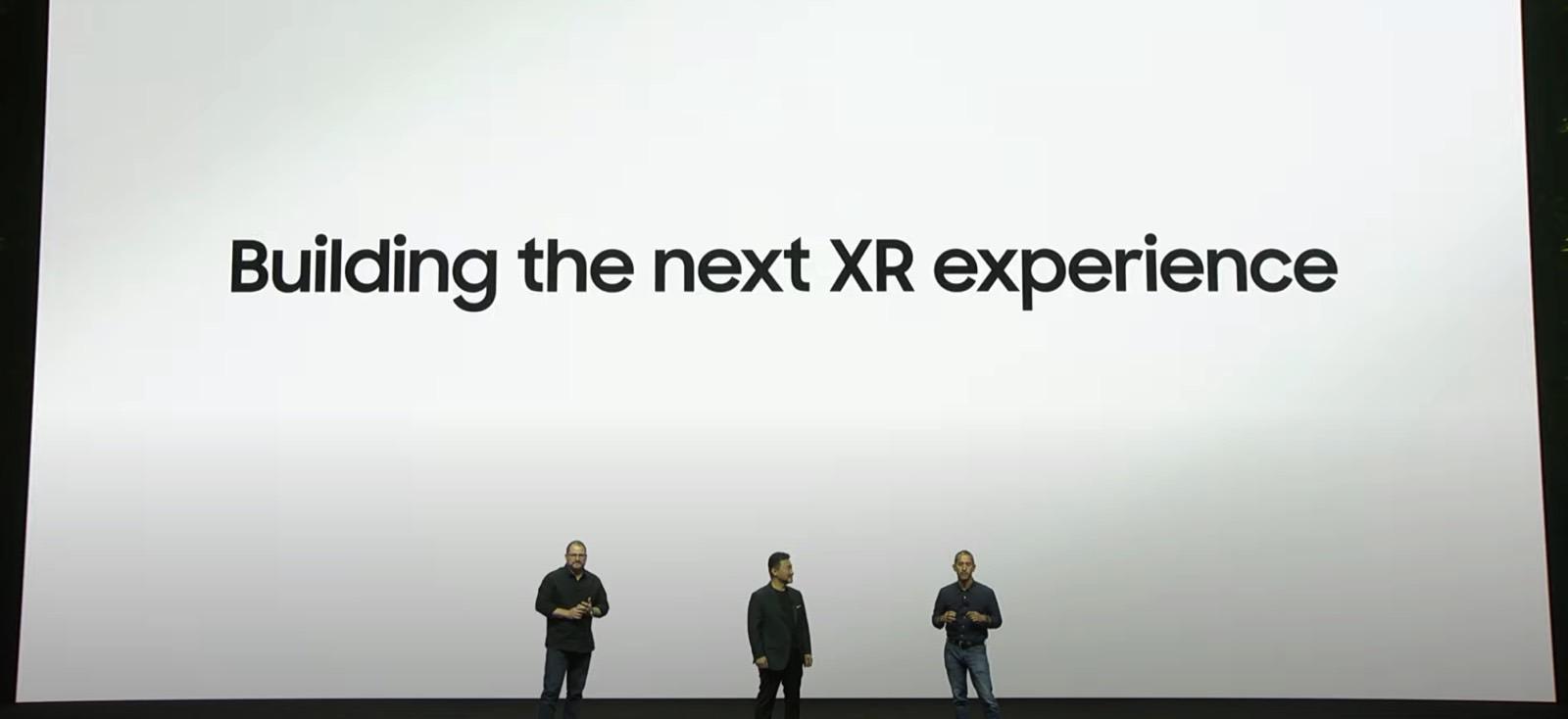
Remember when Samsung invited Google and Qualcomm to announce the “next XR experience“? I know I do because it happened in early February 2023, during the Galaxy S23 event. At the time, the web was filled with rumors about Apple’s mixed reality device, which would launch as the Vision Pro. Apple’s spatial computer dropped a few months after that teaser from Samsung, Google, and Qualcomm. It was immediately clear that the Vision Pro was so sophisticated that Samsung couldn’t possibly launch a rival anytime soon. 

Nearly two years later, that Samsung XR headset still doesn’t exist. But Samsung has been teasing it again recently, saying the device should be unveiled at some point next year.

While Samsung never detailed the specs and features of the XR device, a new leak may give us an idea of what Samsung is working on. Unsurprisingly, Samsung isn’t building a Vision Pro rival. Instead, it’s doing something that might be more useful to most people. The first Samsung XR device will apparently be a pair of glasses with Gemini AI at the core. And it turns out that we might have seen it already during Google’s Project Astra demo at I/O 2024.

Samsung had this to say about the unnamed XR headset a few weeks ago during its most recent quarterly earnings report:

Tech. Entertainment. Science. Your inbox.

Sign up for the most interesting tech & entertainment news out there.

By signing up, I agree to the Terms of Use and have reviewed the Privacy Notice.

We plan to contribute to the expansion of the Samsung Health ecosystem through the Galaxy Ring launched this year and to strengthen the connectivity experience between our products, such as the XR (eXtended Reality) device scheduled to be launched in the future.

I wouldn’t be surprised if Samsung brought the XR headset to the Galaxy S25 Unpacked launch event that’s supposed to happen in mid-January. Samsung could then keep teasing the XR glasses before giving them a summer 2025 launch. That’s what Samsung did with the Galaxy Ring last year.

A report from the Korean site Maeil Business Newspaper said a few days ago that Samsung will release smart glasses with built-in AI in the third quarter of 2025. Google and Qualcomm are named as Samsung’s partners. That means this is the “next XR experience” that Samsung teased nearly two years ago.

Meta Rayban SunglassesRay-Ban Meta smart glasses. Image source: Jonathan S. Geller

Samsung will manufacture some 500,000 units, according to a report from Chinese research company Wellsen XR.

In terms of specs, the Samsung XR headset will rely on Qualcomm’s AR1 chip as the main CPU and an auxiliary NXP chip. The headset will feature a 12-megapixel camera sporting a Sony IMX681 CMOS image sensor. The wearable will feature a 155 mAh battery and weigh 50 grams.

Gemini will be preinstalled, which is hardly a surprise. If Google is involved, that’s what Google can bring to the table. We’ve already seen Meta make great use of smart glasses for Meta AI features. Apple is also looking into creating smart glasses of its own.

The Samsung product will also support mobile payments via a QR code scanning feature. It’ll also recognize hand gestures.

As 9to5Google points out, the Samsung XR glasses feature an almost identical battery to the Ray-Ban Meta glasses, and they are almost similar in weight. This suggests that the Samsung XR device can’t possibly incorporate a screen. The reports from Asia make no mention of one.

All this suggests Samsung’s “next XR experience” device is more of a Ray-Ban Meta clone than a Vision Pro rival. That’s enough to give you an idea of what the glasses would look like. But I’ll also remind you of Google’s impressive Project Astra demo from I/O 2024.

OpenAI hosted an unexpected ChatGPT event in early May to introduce GPT-4o and Advanced Voice Mode. OpenAI’s demos showed the chatbot’s ability to handle multimodal inputs, including a new conversational voice mode that sounded like a real conversation between people.

Google used the smart glasses on the right to demo Project Astra (Gemini Live) at I/O 2024.Google used the smart glasses on the right to demo Project Astra (Gemini Live) at I/O 2024. Image source: Google

OpenAI stole Google’s thunder by a few days. Google’s Project Astra showed the same AI abilities for Gemini that OpenAI had just demoed for ChatGPT. Google used two devices to demo Project Astra: an unnamed Pixel device and an unnamed XR headset. The person talking to Gemini switched between them halfway through the demo.

The glasses are visible above, by the red apple. The clip at the end of this post will give you an even better look.

There’s no way to prove those are Samsung XR smart glasses. But I’d speculate that’s what it is. We’re looking at a prototype unit with Gemini preloaded.

Part of Project Astra became a reality rather quickly. That’s the Gemini Live conversational AI experience available on Pixel phones and other places. That’s all the more reason to indicate the smart glasses by the red apple are happening. Samsung is the likely partner in this endeavor.

Source

Posted on

AMD’s Ryzen chips appear to be wiping the floor with Intel – but the best-selling CPUs right now might surprise you

  • Intel’s top-selling CPU is a lowly number 13 in Amazon rankings
  • Team Blue is doing better in the Newegg CPU chart, but still not well
  • This may reflect fallout from Intel’s recent fumbles with chip instability and the rocky Arrow Lake launch

AMD is totally cleaning up in the world of desktop processors, with Intel lagging way behind its rival now, at least going by Amazon’s rankings of the bestselling CPUs.

As you may be aware, Amazon keeps track of the bestsellers across its entire range of tech (and other) products, and the top processor list is currently dominated by AMD, with Team Red now holding the entire top 10.

In fact, the first Intel CPU you’ll see is the Intel Core i5-13600KF at number 13, so the top 12 processors are from AMD (at the time of writing, anyway). Granted, Intel does have numbers 14, 15, 17, and 18 as well, notably with older CPUs from the 13th-gen and 14th-gen ranges, with no Core Ultra 200S (Arrow Lake) chips to be seen in the top 20 – or indeed in the top 100.

Are those chips simply too fresh to the market, then? Well, AMD’s Ryzen 9800X3D is also very new on the scene and is ranked at the number four spot, in fact, it’s been so popular that at the time of writing it’s sold out of stock.

What are AMD’s top chips by sales, then? At number one we have the AMD Ryzen 5700X, the mainstay from two generations ago which is still selling strongly, followed by its more affordable sibling, the 5600X.

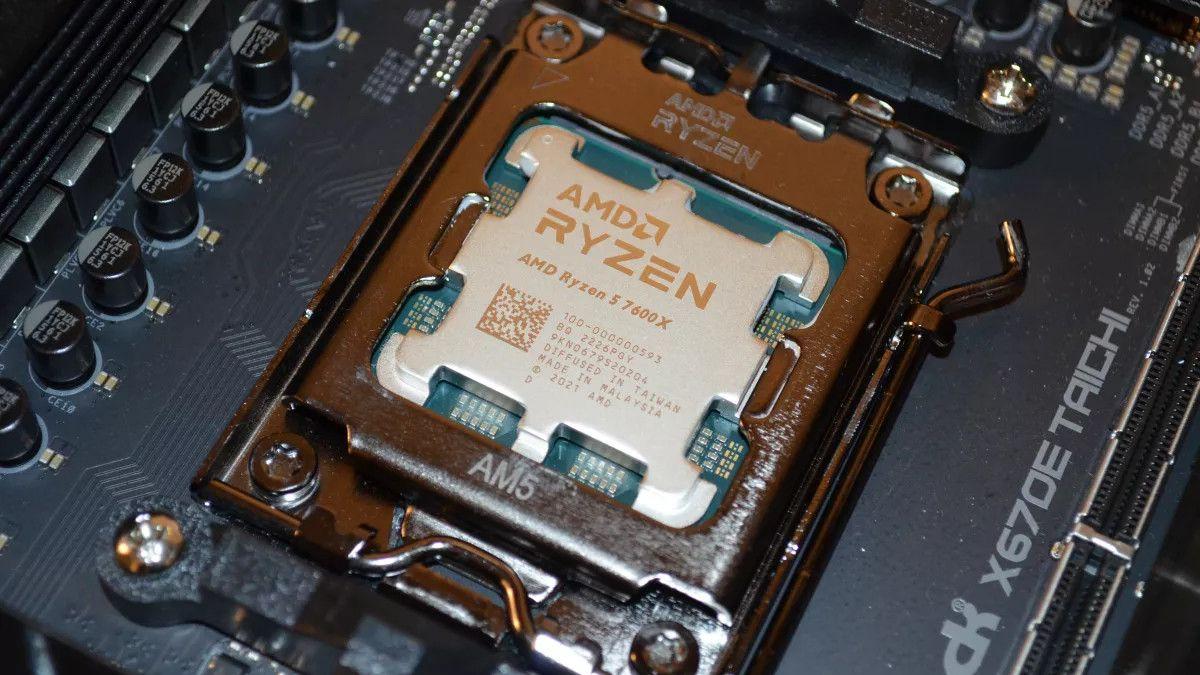
The AMD Ryzen 7800X3D is in third place, followed by the 9800X3D as mentioned, and then the Ryzen 7600X is in fifth. It makes sense to see the 7800X3D in a strong position; it’s now the cheaper alternative to the next-gen 9800X3D, while remaining a strong choice of CPU for serious PC gamers.

An AMD Ryzen 7 7800X3D on top of its retail packaging

(Image credit: Future/John Loeffler)

Analysis: Processing advantage AMD

This represents a very clear picture of how AMD has pulled ahead in the CPU arena, albeit it is just one retailer – though a huge retail player, of course.

{ window.reliablePageLoad.then(() => { var componentContainer = document.querySelector(“#slice-container-newsletterForm-articleInbodyContent-8dK52bhBoHdW4eWepDqKeT”); if (componentContainer) { var data = {“layout”:”inbodyContent”,”header”:”Get the best Black Friday deals direct to your inbox, plus news, reviews, and more.”,”tagline”:”Sign up to be the first to know about unmissable Black Friday deals on top tech, plus get all your favorite TechRadar content.”,”formFooterText”:”By submitting your information you agree to the Terms & Conditions and Privacy Policy and are aged 16 or over.”,”successMessage”:{“body”:”Thank you for signing up. You will receive a confirmation email shortly.”},”failureMessage”:”There was a problem. Please refresh the page and try again.”,”method”:”POST”,”inputs”:[{“type”:”hidden”,”name”:”NAME”},{“type”:”email”,”name”:”MAIL”,”placeholder”:”Your Email Address”,”required”:true},{“type”:”hidden”,”name”:”NEWSLETTER_CODE”,”value”:”XTR-D”},{“type”:”hidden”,”name”:”LANG”,”value”:”EN”},{“type”:”hidden”,”name”:”SOURCE”,”value”:”60″},{“type”:”hidden”,”name”:”COUNTRY”},{“type”:”checkbox”,”name”:”CONTACT_OTHER_BRANDS”,”label”:{“text”:”Contact me with news and offers from other Future brands”}},{“type”:”checkbox”,”name”:”CONTACT_PARTNERS”,”label”:{“text”:”Receive email from us on behalf of our trusted partners or sponsors”}},{“type”:”submit”,”value”:”Sign me up”,”required”:true}],”endpoint”:”https://newsletter-subscribe.futureplc.com/v2/submission/submit”,”analytics”:[{“analyticsType”:”widgetViewed”}],”ariaLabels”:{}}; var triggerHydrate = function() { window.sliceComponents.newsletterForm.hydrate(data, componentContainer); } if (window.lazyObserveElement) { window.lazyObserveElement(componentContainer, triggerHydrate); } else { triggerHydrate(); } } }).catch(err => console.error(‘%c FTE ‘,’background: #9306F9; color: #ffffff’,’Hydration Script has failed for newsletterForm-articleInbodyContent-8dK52bhBoHdW4eWepDqKeT Slice’, err)); }).catch(err => console.error(‘%c FTE ‘,’background: #9306F9; color: #ffffff’,’Externals script failed to load’, err)); ]]>

Sign up to be the first to know about unmissable Black Friday deals on top tech, plus get all your favorite TechRadar content.

If you look at Newegg, which also keeps a regularly updated CPU ranking, this isn’t quite as heavily weighted towards AMD, but Team Red is clearly winning. In this case, Intel does have chips at numbers five through to eight, and 14, plus 20, but the rest of the top 20 is entirely AMD (again, that’s correct at the time of writing, though the processors may have shuffled around a bit by the time you’re reading this).

It’s much the same story as Amazon with the bestselling Ryzen chips, though the top seller is actually the Ryzen 9800X3D in this case (even though it has sold out – stock is still a big issue for would-be buyers), followed by the Ryzen 7600X (with a nice discount as you might guess). For Intel, the 14700K and 14900K are the top offerings – you won’t find an Arrow Lake CPU until number 39, where the flagship 285K currently resides.

Are we particularly surprised at this development? Well, not really, although the grip AMD has on the market at Amazon is pretty eye-opening. But given recent history in the world of CPUs, with Intel having a nightmarish time with its 14th-gen and 13th-gen silicon suffering serious instability problems, and Arrow Lake having a wobbly launch too, it’s pretty much a given that AMD is going to capitalize on these missteps.

Even if Ryzen 9000 also received a rather lukewarm reception, albeit the Ryzen 9800X3D has turned that around as a gaming powerhouse chip – the problem with that new 3D V-Cache CPU is that it’s out of stock everywhere, as noted.

Via Tom’s Hardware

You might also like

Source

Posted on

ChatGPT’s search engine might end your dependence on Google

I’ve been a ChatGPT Plus user for about a year, and I think the $20/month subscription is worth it to access some of OpenAI’s best ChatGPT features. One of them is the newly released ChatGPT Search product that competes directly against Google Search. It’s probably the AI product some people at Google have been dreading all along when ChatGPT went viral in late 2022.

I can’t say that I needed ChatGPT Search that much since ChatGPT Plus already searches the web during prompts. Also, I haven’t turned ChatGPT Search into my default search engine, and I say that as someone who has ditched Google Search long before generative AI chatbots were all the rage.

But I appreciate what OpenAI has done with the ChatGPT interface now that ChatGPT Search is an actual product. Whenever ChatGPT has to search the web to answer my prompts, it now displays sources by default. Not only that, but the UI gets a new tab where I see multiple sources that I can visit to double check the chatbot’s accuracy.

Remember that I’ve been telling you for nearly two years that ChatGPT and its kind are prone to hallucinations. That is inventing things that aren’t factually correct. Google’s big Search fumble with AI Overviews will always come to mind. That genAI product thought putting glue on pizza was safe because it couldn’t discern irony in things it read on Reddit during training.

Tech. Entertainment. Science. Your inbox.

Sign up for the most interesting tech & entertainment news out there.

By signing up, I agree to the Terms of Use and have reviewed the Privacy Notice.

From the early days of Custom Instructions on ChatGPT, I instructed the chatbot to give me sources for all the claims it makes in its answer. That experience has been mostly good. That’s because ChatGPT would routinely serve links that would not work. Those pages were no longer available for me to read.

By moving forward with the ChatGPT Search project, OpenAI also had to improve that aspect of the user experience. The user would have to get links to search results, similar to how Google Search works.

If you use ChatGPT Search to search the web, you’ll always get sources at the end of the answer. Here’s one such example: I searched for “Spider-Man 4 release date.” Notice the Sources button at the end of the prompt and the links after each paragraph:

A ChatGPT Search will always display a Sources button at the end.A ChatGPT Search will always display a Sources button at the end. Image source: Chris Smith, BGR

Click that button, and a vertical Citations menu opens on the right-hand side containing multiple links that tackle the topic:

Press the Sources button, and you get a new menu with links on the right side.Press the Sources button, and you get a new menu with links on the right side. Image source: Chris Smith, BGR

But I just said that I don’t use ChatGPT Search that much. That is, I don’t press that Search button (seen in blue above).

Instead, I use ChatGPT GPT-4o most of the time to find answers to my questions. This is actually what made me realize the ChatGPT Plus experience has improved so much thanks to ChatGPT Search.

I looked at recent rumors about Spider-Man 4 earlier today and wanted to refresh some information. I went to ChatGPT with some questions. The chatbot answered them by performing an online search, though I didn’t go through ChatGPT Search specifically. Notice there’s no blue button active in the prompt bar:

A regular chat with ChatGPT Plus will also show the same Sources button and the menu on the right.A regular chat with ChatGPT Plus will also show the same Sources button and the menu on the right. Image source: Chris Smith, BGR

However, OpenAI gives me the same Sources tab at the end of the response. A click on it opens the same new Search Results menu on the right, giving me access to plenty of search answers.

This will make fact-checking ChatGPT answers even easier than before. ChatGPT Plus users would have access to sources for the claims ChatGPT makes. The chatbot will probably continue to hallucinate. But you’ll be able to verify the information without providing Custom Instructions that make ChatGPT show links to sources. ChatGPT does it all by default.

OpenAI rolled out these UI updates only a few days ago, but I haven’t really paid attention to them. I would click on links from ChatGPT Plus, which would open in other browser tabs before the new menu appeared. In fact, I performed the “Spider-Man 4 release date” ChatGPT Search I first showed you only after noticing the Search Results menu in a regular chat with ChatGPT GPT-4o.

If I were still using Google Search, these new ChatGPT Plus and ChatGPT Search features would be enough to have me consider ditching it. While I still use DuckDuckGo for other searches and Google Maps for specific store and business information, I might actually give ChatGPT Search more screen time than before.

I’ll also note that ChatGPT users on the Free tier will not get access to internet search features inside prompts and will not have ChatGPT Search available separately. All of the above applies to paid ChatGPT tiers for now.

Source

Posted on

Nvidia rumored to be winding down production of RTX 4000 GPUs ahead of next-gen launches – which could mean some tempting Black Friday bargains

  • Nvidia is said to be halting production of mid-to-higher-end Lovelace GPUs
  • That means the RTX 4080 Super, RTX 4070, 4070 Super, and 4070 Ti Super
  • Next-gen successors are expected to arrive soon for those GPUs

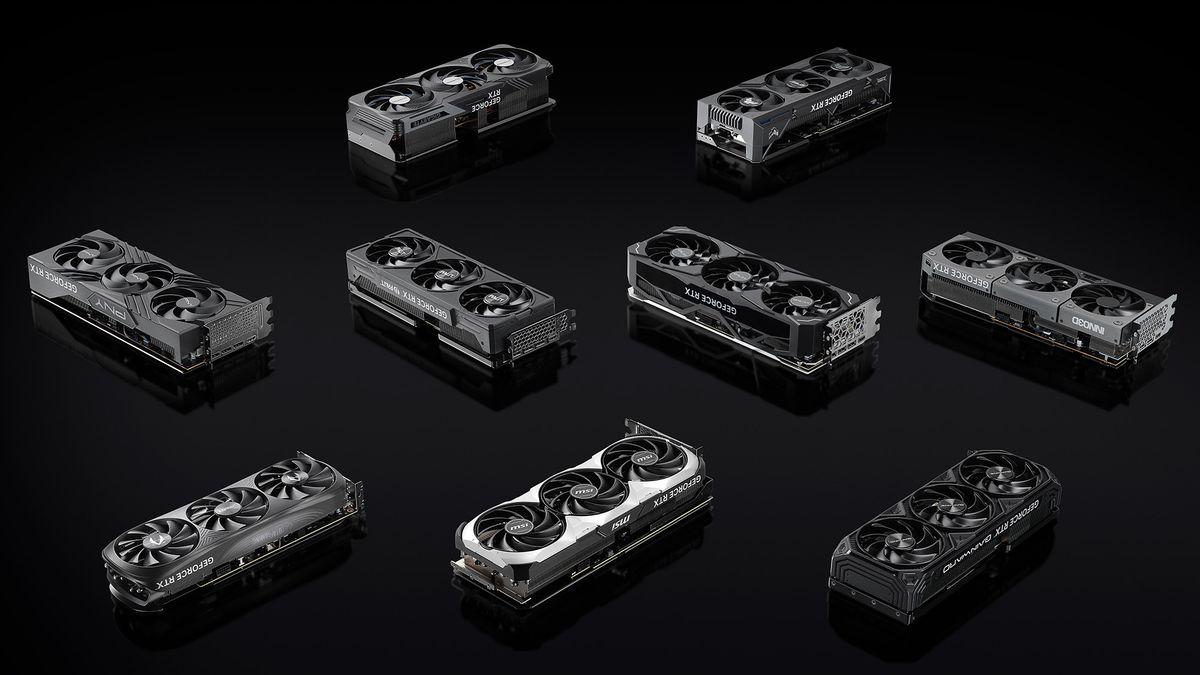
Nvidia is rumored to be winding down production of most of the firm’s RTX 4000 GPUs, ahead of the launch of next-gen RTX 5000 models.

This isn’t the first time we’ve heard such speculation, and once again it originates from the Board Channels forums over in China (as noticed by Japanese tech blog Gazlog, via VideoCardz). As ever, we’d add more than a little seasoning to these theories.

We’re told that the Nvidia RTX 4080 Super is discontinued as of this month (November), and existing stock is all that’s left to be sold – and that inventory could sell through by the close of December (or certainly January 2025).

With the RTX 5080 arriving in early January, the rumors reckon, that could potentially leave a gap of a month between existing RTX 4080 Super models selling out, and the next-gen replacement arriving.

Apparently, the RTX 4070 Ti Super is in much the same boat, and while there’s a small supply of chips left, that won’t last beyond November. This means that the 4070 Ti Super could sell out in a similar timeframe to the 4080 Super.

It’s a rather different story with the RTX 4070 and 4070 Super, though, which will get a supply of chips from Nvidia to board makers through to the close of 2024. Don’t expect anything but a limited supply, and hence production, of these graphics cards, though, which could run dry in January 2025, possibly lasting a bit longer.

The RTX 4060 isn’t mentioned, so the supply isn’t being run down by Nvidia by all accounts – not yet anyway.

{ window.reliablePageLoad.then(() => { var componentContainer = document.querySelector(“#slice-container-newsletterForm-articleInbodyContent-6sQURM29uwAMh3pZyt44kT”); if (componentContainer) { var data = {“layout”:”inbodyContent”,”header”:”Get the best Black Friday deals direct to your inbox, plus news, reviews, and more.”,”tagline”:”Sign up to be the first to know about unmissable Black Friday deals on top tech, plus get all your favorite TechRadar content.”,”formFooterText”:”By submitting your information you agree to the Terms & Conditions and Privacy Policy and are aged 16 or over.”,”successMessage”:{“body”:”Thank you for signing up. You will receive a confirmation email shortly.”},”failureMessage”:”There was a problem. Please refresh the page and try again.”,”method”:”POST”,”inputs”:[{“type”:”hidden”,”name”:”NAME”},{“type”:”email”,”name”:”MAIL”,”placeholder”:”Your Email Address”,”required”:true},{“type”:”hidden”,”name”:”NEWSLETTER_CODE”,”value”:”XTR-D”},{“type”:”hidden”,”name”:”LANG”,”value”:”EN”},{“type”:”hidden”,”name”:”SOURCE”,”value”:”60″},{“type”:”hidden”,”name”:”COUNTRY”},{“type”:”checkbox”,”name”:”CONTACT_OTHER_BRANDS”,”label”:{“text”:”Contact me with news and offers from other Future brands”}},{“type”:”checkbox”,”name”:”CONTACT_PARTNERS”,”label”:{“text”:”Receive email from us on behalf of our trusted partners or sponsors”}},{“type”:”submit”,”value”:”Sign me up”,”required”:true}],”endpoint”:”https://newsletter-subscribe.futureplc.com/v2/submission/submit”,”analytics”:[{“analyticsType”:”widgetViewed”}],”ariaLabels”:{}}; var triggerHydrate = function() { window.sliceComponents.newsletterForm.hydrate(data, componentContainer); } if (window.lazyObserveElement) { window.lazyObserveElement(componentContainer, triggerHydrate); } else { triggerHydrate(); } } }).catch(err => console.error(‘%c FTE ‘,’background: #9306F9; color: #ffffff’,’Hydration Script has failed for newsletterForm-articleInbodyContent-6sQURM29uwAMh3pZyt44kT Slice’, err)); }).catch(err => console.error(‘%c FTE ‘,’background: #9306F9; color: #ffffff’,’Externals script failed to load’, err)); ]]>

Sign up to be the first to know about unmissable Black Friday deals on top tech, plus get all your favorite TechRadar content.

An Nvidia RTX 4070 Super on a purple deskmat on a desk

(Image credit: Future / John Loeffler)

Analysis: A hopeful sign of some top-notch deals

This does make sense based on next-gen rumors, with Nvidia expected to be readying an RTX 5090, 5080, and 5070 for launch early next year (or maybe even late in 2024). So, leaving the RTX 4060 alone would be the plan if there isn’t going to be an RTX 5060 for some time yet.

This sort of speculation has to be treated very carefully, mind, as we’ve had all sorts of chatter along these lines in recent times. In fact, we’ve been hearing about Nvidia slowing down the assembly lines since August 2024, and more recent revelations have also suggested that Team Green is now in the ‘final stage of inventory clearance’ for the RTX 4000 range. Save for the RTX 4060 as noted, though even that had a pause in its production, if the rumors are right.

There are a mix of theories coming through, then, but all add up to the broad conclusion that Nvidia is looking to halt Lovelace production and move full speed ahead with RTX 5000 models.

While it might seem obvious to wait for these next-gen graphics cards to arrive at this point – and see how they shake out, performance and price-wise – retailers are also aware of this, and the need to shift existing Nvidia RTX 4000 stock as the transition to RTX 5000 begins.

What this means is we might see some excellent Black Friday bargains on Lovelace GPUs, and perhaps deeper graphics card discounts than normal at the higher end of the spectrum with Nvidia. Fingers crossed, and we’ll keep you up to date on all the best Black Friday deals, whether they pertain to GPUs or otherwise.

You might also like

Source

Posted on

Overcoming the cyber paradox: Shrinking budgets – growing threats

Recent years have seen a general cost-cutting in organisations caused by economic pressures. Many organisations have seen a fall in customer demand due to the cost-of-living crisis, as well as inflationary pressures affecting costs. Higher interest rates, increasing organisations’ cost of capital, are another factor.

There’s also a sense of fatigue associated with spending on cyber security. Businesses’ spending on cyber has been increasing year-on-year for a sustained period of time, and a tendency has crept in for organisations to feel that, by now, they have done the necessary investing required to protect themselves, even though the reality is that the cyber threat landscape is ever-intensifying and regulatory pressures are mounting.

Lastly, we’ve seen a ‘platformisation’ of cyber software, with the big suppliers creating cohesive, unified cyber solutions. This encourages CISOs to embrace economies of scale in their spending, allowing them to do ‘more with less’. This has led to reductions in spending on single-use-case software solutions.

All of these factors combined are contributing to a flatlining of cyber budgets over the past 12 to 18 months in many organisations.

What makes organisations feel security is a worthwhile ‘cut’?

In this area, spending is highly correlated to compliance – often more than risk appetite. Compliance drives action, and this leads to a situation where if the organisation feels compliance has been achieved, the spend begins to plateau as the sense of urgency around cyber dissipates.

Some sectors are pushing hard on compliance, for example DORA for financial services in EMEIA and NIS2 for critical infrastructure in the European Union (EU). Spending on cyber security is more robust in these sectors, commensurate with the demands of these regulatory frameworks, but in sectors where regulation is less onerous, the spend is measurably flattening.

How can CISOs and security leaders lobby to maintain their budgets?

This is where a shift in perspective is badly needed. The case needs to be made that spending on cyber is a value investment – not just a risk management cost. Organisations need to start regarding cyber as an enabling ecosystem which unlocks value in multiple ways. It can enable AI implementation right across the organisation, for one thing. It can help enable acquisitions, for another. Creating a strong platform can also differentiate the organisation in the eyes of customers. All this contributes tangible value.

This is an important shift in mindset, from a perspective that views cyber only as a cost to one that understands it as an enabling infrastructure that links directly to the value generated by the products and services it underpins.

This new perspective should enable businesses to consider that, instead of relying solely on central funding for cyber, they can allocate to cyber a share of their budgets for new initiatives – on the basis that an optimal cyber infrastructure is a necessary condition of the initiative’s success.

It’s also useful to quantify the effectiveness of cyber spend, using Cyber Risk Quantification to demonstrate the tangible link between risk reduction and spend.

How can CISOs and security leaders increase their budgets?

One of the main things cyber can enable is AI, and this is becoming the fastest-moving – and fastest-growing – change catalyst in the whole landscape. There is no doubt that AI is a cyber threat multiplier, allowing cyber criminals to become better at what they do: better malware, better phishing, and so on.

This means that the custodians of business need to become better, too. And that’s going to require ongoing investment, and an ongoing evolution of the tools and solutions we implement, to enable organisations to try and keep up with the criminals.

As cyber criminals avail themselves of AI to create more effective cyber-attacks, organisations are going to need to fight AI with AI.  It is important to look at opportunities to automate cyber defence, especially in key use cases around Threat Detection and Response, Automated Testing and User Access Rights management. 

EY’s research shows that one of the key indicators of organisations who perform best in cyber security is that they consistently adopt emerging technology – especially automation – quickly. Companies who can ingrain that technology-friendly approach are the ones that suffer the least from being attacked.

The threat outlook for 2025

The existing big threats – ransomware, phishing and supply chain attacks – will all continue, and will continue to grow in sophistication. Alongside that, we expect to see more targeting of Operational Technology (OT), as well as the Internet of Things (IoT).

It’s reasonable to expect that the fast growth of AI implementation across organisations and sectors will produce new vulnerabilities, and that as a result, more data breaches will occur as an inevitable aspect of this fast pace of change.

Finally, the other key development will be the way cyber criminals are themselves utilising and deploying AI. The intensity of malware attacks is likely to increase, as attackers weaponise GenAI. The pace of development is capable of being equally effective on both sides of the battle, which is precisely why organisations cannot afford to be complacent.

Richard Watson is global and APAC cyber security consulting lead at EY

Source

Posted on

iPhone 17 Air will be the thinnest iPhone ever made, new rumor claims

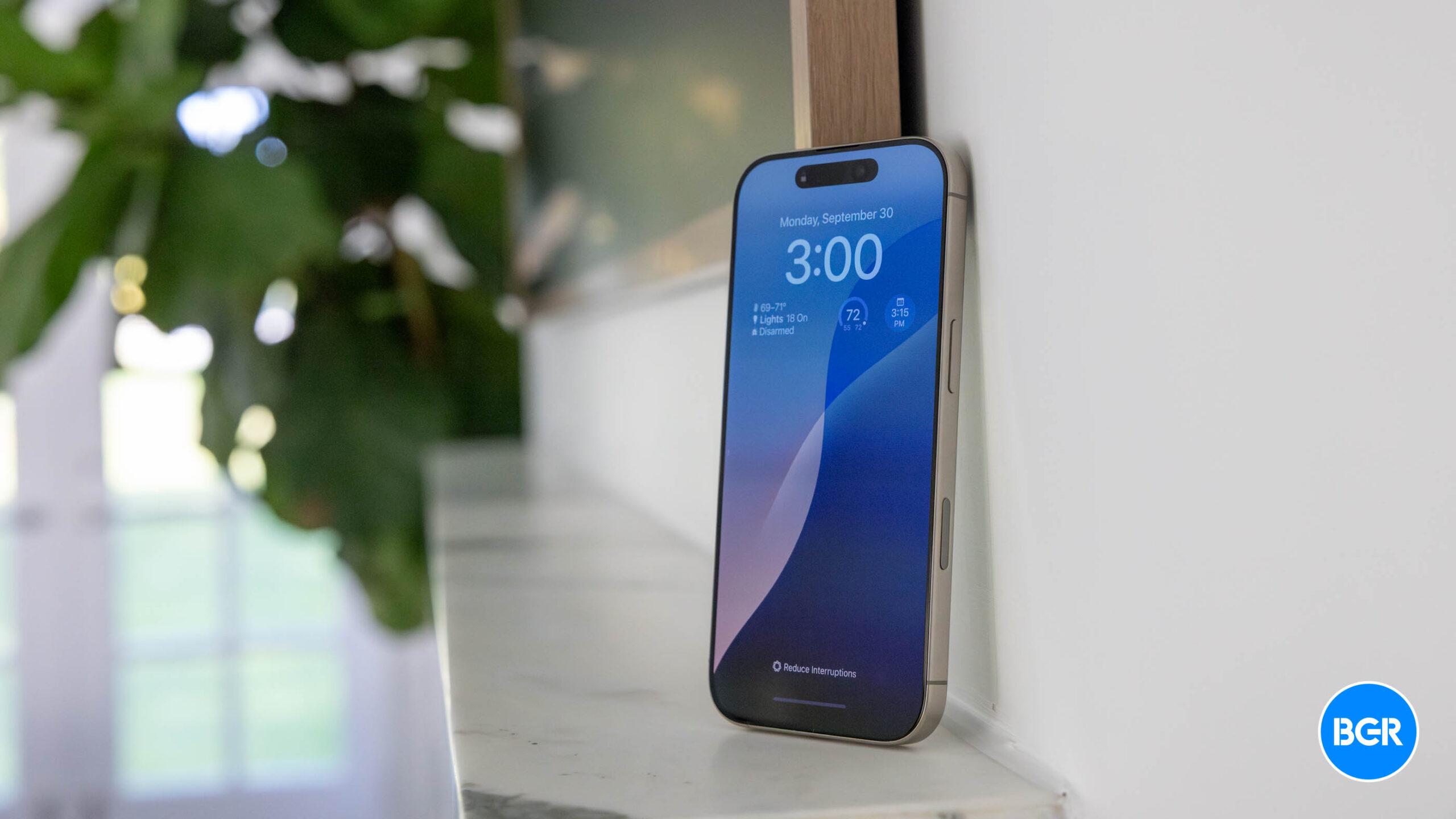
Last week, we wrote about how Apple’s rumored “iPhone 17 Air” doesn’t need to break records to be a worthwhile experiment. That said, it would undoubtedly draw quite a crowd if Apple could make it thinner than any other iPhone, and according to a reliable source, that’s still in the cards for the ultra-slim iPhone 17.

In a research note released this week, Apple analyst Jeff Pu appeared to corroborate the recent rumor which suggested the iPhone 17 Air would be the thinnest iPhone yet.

“We agreed with the recent chatter of [a] 6mm thickness ultra-slim design of the iPhone 17 Slim model,” he wrote in the note seen by MacRumors. This is in line with a blog post from yeux1122, which said that “the industry expects the slim model to be around 6mm.”

MacRumors points out that the thinnest iPhone to date is the iPhone 6, with a width of 6.9mm. Every model prior to the iPhone 6 was between 7.6mm and 12.3mm thick, while newer models measure in between 7.1mm and 8.3mm thick.

Tech. Entertainment. Science. Your inbox.

Sign up for the most interesting tech & entertainment news out there.

By signing up, I agree to the Terms of Use and have reviewed the Privacy Notice.

None of these phones are as slim as the 13-inch iPad Pro that launched this year, which is just 5.1mm thick. That’s the thinnest portable device Apple has put out into the world, and based on the latest reports, the iPhone 17 Air (or iPhone 17 Slim, as Pu calls it in his research note) is not likely to top it when it launches in September 2025.

There’s still plenty we don’t know about the iPhone 17 lineup, but other rumors have suggested that the ultra-slim model will feature a 6.6-inch display, an A19 chip, a Dynamic Island, a single rear camera, and a 5G model designed and built by Apple.

Source

Posted on

Underfunded, under pressure: We must act to support cyber teams

Cyber resilience has dominated headlines this year as major outages impacting people, businesses, and public services hit the headlines.

But what about the cyber security professionals working behind the scenes? Although they often receive little media attention, the importance of their role in safeguarding day-to-day life has never been clearer. As AI technologies become more integrated across businesses and cyber threats grow increasingly sophisticated, demands on cybersecurity teams are higher than ever.

The key question remains: are businesses doing enough to support them?

Cyber attacks aren’t going away – and cyber teams are feeling the strain 

New research from ISACA’s latest State of Cybersecurity report reveals that 41% of cyber security professionals say they are experiencing more cyber attacks this year than last. This is a growing issue which will only worsen if businesses do not act immediately. Indeed, not only are attacks increasing in number, but also in complexity. GenAI technologies are becoming more accessible, allowing bad actors to make their attacks harder to detect by more accurately simulating real human speech patterns and behaviours.

And cyber security professionals are feeling the strain. 68% of those surveyed report that their role is more stressful now than a year ago, with 79% attributing this rise to the increasingly complex threat landscape. With a worrying 58% of professionals expecting to experience an attack within the next year, it is no longer a matter of if businesses are going to be attacked, but rather when. Organisations must invest in their workforce to ensure they have the people with the right skills and expertise needed to combat these escalating threats and protect people and assets. 

Yet cyber teams are underskilled, underfunded, and stressed 

Despite this imminent threat to businesses, not enough organisations are making it a priority. Over half (52%) of professionals say that their organisations’ cyber security budget is underfunded, leaving them vulnerable to attacks. This is especially concerning because businesses do not exist within a vacuum — as we have seen in cases such as the CrowdStrike outage, weakness in one organisation can put entire digital ecosystems and supply chains at risk. 

The issue of chronic underfunding is directly impacting staffing of cyber security professionals, too. 53% report that employees are leaving positions due to poor financial incentives, which is why a further 61% say that their organisations’ teams are understaffed. It is imperative that businesses take action by financially prioritising their cyber security teams as only these crucial investments can improve retention and fix the understaffing crisis. Without doing so, professionals’ stress levels will continue to increase and they will be ill-prepared to tackle mounting external threats. 

Job role criteria is holding the cyber industry back

In addition to the problem of retaining staff, cyber security teams are also struggling to recruit. 19% of professionals say that their organisation has unfilled and open entry-level positions available, rising to almost half (48%) having unfilled open positions which require experience, a university degree, or other credentials. These numbers are concerning and suggest that businesses must take a broader approach to recruitment by diversifying the types of candidates they are considering and then offering sufficient training. 

Our research shows that this will not only help with numbers of staff, but that it will have a positive impact on the quality of teams, too. When surveyed, over half (52%) of professionals highlighted soft skills as those most lacking amongst their current peers. If businesses choose to recruit staff from a wider pool, this skills gap can be effectively addressed, increasing the overall strength and efficacy of their teams. When enthusiastic candidates with the right soft skills are recruited, they can receive training to become adept cyber professionals while bringing an additional wealth of knowledge to the role. 

Among these soft skills, communication stands out, with 54% of respondents identifying it as an area of concern. This is a critical issue for the cyber security field, as effective communication enables professionals to advocate for themselves within their organisations and externally, strengthening the visibility of cyber security’s value and enhancing public understanding. Given the data on underfunding, it’s evident that businesses often overlook cyber security, so it is vital to diversify employee skills and help integrate cyber security more closely into daily operations. 

Hire beyond the traditional cyber security professional 

When looking for candidates, businesses must invest in encouraging candidates from a wide range of backgrounds, including those who have developed these soft skills in another field and are now looking to make a career change. If applicants show a willingness and aptitude to learn, financial backing must be provided to allow them to upskill within the role. Training must also be offered to current employees to upskill them and ensure they have the knowledge and skills to match hackers, especially as new emerging technologies exacerbate the tactics used by these groups.

Investing in the ongoing professional development of new and existing employees isn’t just a strategy, it’s a necessity in closing the cyber skills gap. As external threats continue to worsen, businesses must adopt this proactive approach to build a resilient, future-ready workforce that stands as the first line of defence in protecting people and assets. 

Chris Dimitriadis is global chief strategy officer at ISACA

Source

Posted on

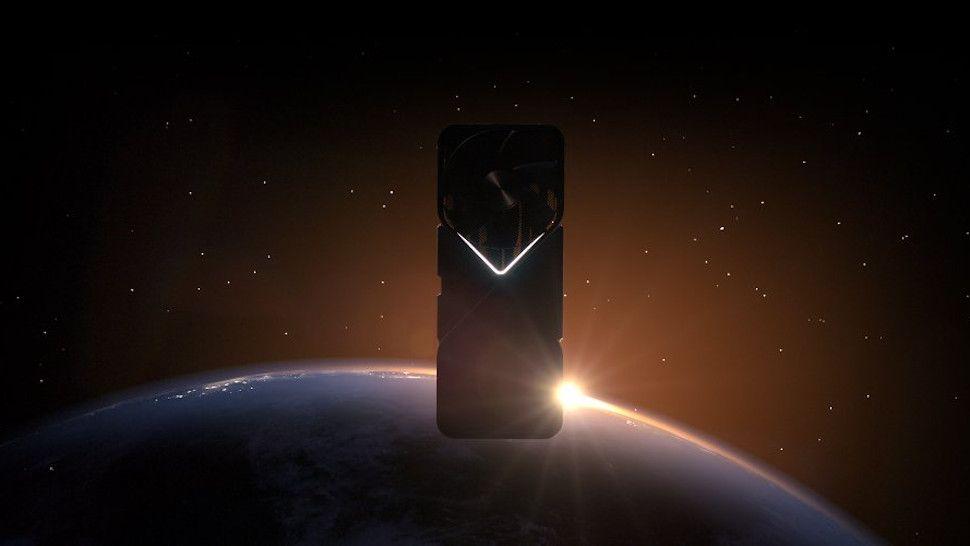
Nvidia fans, it’s time to get excited

  • Auras Technology expects Nvidia’s RTX 5000 series to dominate the GPU market
  • Focus among suppliers anticipated to shift towards next-gen GPUs
  • A reveal or teaser could be weeks away

Considering the rumors and supposed leaks of RTX 5000 series GPUs, it’s no surprise that Nvidia’s next-gen GPUs are the current hot topic among PC gamers. Now, a Taiwanese cooling supplier has given us more reasons to get excited about Team Green’s upcoming launch.

Auras Technology manufactures cooling components for discrete GPUs as well as notebooks, motherboards, and servers, and its CEO Yu-Shen Lin has just claimed that Nvidia’s Blackwell GPUs could “seize the markets starting in December” (as revealed by DigiTimes). Lin expects the RTX 5000 series to launch with high levels of interest and demand, similar to what we saw previously with the RTX 4000 series launch.

The official reveal of Team Green’s next-gen GPUs could be closer than ever, with CEO Jensen Huang’s appearance at CES 2025 already confirmed – this will take place in January 2025 with Nvidia’s fierce rivals, AMD, also making an appearance. Team Red isn’t anticipated to compete within the high-end GPU market with a narrowed focus on mid-range, adding further credence to Lin’s expectation of Nvidia dominance.

This latest news corroborates earlier reports suggesting that Nvidia’s production of RTX 5000 series GPUs has stepped up – along with other suppliers, Auras Technology is anticipated to shift priorities toward the new GPU range.

Will this help with the inevitable high demand for the RTX 5000 series?

There is no doubt that the RTX 5000 series GPUs will be highly sought-after once it launches, especially if DLSS 3’s successor delivers major enhancements (though I personally will be upset if Nvidia’s ‘DLSS 4’ is exclusive to owners of a 5000-series card). It’s no secret that the next-gen GPUs will be driven by AI, and this could easily draw more attention from PC gamers looking for greater GPU performance.

Scalping has been an issue surrounding PC hardware, particularly for Nvidia fans – while suppliers’ current preparation for the new GPUs could help with the expected high demand, there’s only so much that can be done to prevent third-party sellers from taking advantage of the situation.

If the purported price of the RTX 5090 (a hefty $2,500, around £2000 / AU$3900) holds any truth, we could see the worst examples of scalping within the PC hardware market yet. Fingers crossed it isn’t too rough…

{ window.reliablePageLoad.then(() => { var componentContainer = document.querySelector(“#slice-container-newsletterForm-articleInbodyContent-ahKgx46e5qfjU6cwVybwSn”); if (componentContainer) { var data = {“layout”:”inbodyContent”,”header”:”Get the best Black Friday deals direct to your inbox, plus news, reviews, and more.”,”tagline”:”Sign up to be the first to know about unmissable Black Friday deals on top tech, plus get all your favorite TechRadar content.”,”formFooterText”:”By submitting your information you agree to the Terms & Conditions and Privacy Policy and are aged 16 or over.”,”successMessage”:{“body”:”Thank you for signing up. You will receive a confirmation email shortly.”},”failureMessage”:”There was a problem. Please refresh the page and try again.”,”method”:”POST”,”inputs”:[{“type”:”hidden”,”name”:”NAME”},{“type”:”email”,”name”:”MAIL”,”placeholder”:”Your Email Address”,”required”:true},{“type”:”hidden”,”name”:”NEWSLETTER_CODE”,”value”:”XTR-D”},{“type”:”hidden”,”name”:”LANG”,”value”:”EN”},{“type”:”hidden”,”name”:”SOURCE”,”value”:”60″},{“type”:”hidden”,”name”:”COUNTRY”},{“type”:”checkbox”,”name”:”CONTACT_OTHER_BRANDS”,”label”:{“text”:”Contact me with news and offers from other Future brands”}},{“type”:”checkbox”,”name”:”CONTACT_PARTNERS”,”label”:{“text”:”Receive email from us on behalf of our trusted partners or sponsors”}},{“type”:”submit”,”value”:”Sign me up”,”required”:true}],”endpoint”:”https://newsletter-subscribe.futureplc.com/v2/submission/submit”,”analytics”:[{“analyticsType”:”widgetViewed”}],”ariaLabels”:{}}; var triggerHydrate = function() { window.sliceComponents.newsletterForm.hydrate(data, componentContainer); } if (window.lazyObserveElement) { window.lazyObserveElement(componentContainer, triggerHydrate); } else { triggerHydrate(); } } }).catch(err => console.error(‘%c FTE ‘,’background: #9306F9; color: #ffffff’,’Hydration Script has failed for newsletterForm-articleInbodyContent-ahKgx46e5qfjU6cwVybwSn Slice’, err)); }).catch(err => console.error(‘%c FTE ‘,’background: #9306F9; color: #ffffff’,’Externals script failed to load’, err)); ]]>

Sign up to be the first to know about unmissable Black Friday deals on top tech, plus get all your favorite TechRadar content.

You might also like…

Source