Posted on

AWS offers Hackney Council ‘minimum 22%’ discount on cloud services through OGVA 2.0

Hackney Council has committed to growing its annual usage of Amazon Web Services’ (AWS) cloud platform by 8% a year over the next three years to secure a “minimum 22%” discount on the public cloud giant’s services, Computer Weekly understands.

The local authority’s latest cloud hosting deal with AWS went live on 1 November 2024, after Hackney Council secured permission from the Cabinet Procurement and Insourcing Committee (CPIC) to re-sign the public cloud giant to host its core cloud services for another 36 months. The contract award notice for the deal confirms it has a maximum value of £3m.

Computer Weekly has received a copy of a 15-page document, created in July 2024, which details the reasons why the CPIC should recommend green-lighting a council proposal to award the three-year contract to AWS with a total value of £2.95m.

As detailed in the document, the council has been an AWS user since 2019, but use of its technology has accelerated at a “faster pace than was anticipated” in the wake of the ransomware attack Hackney Council suffered in October 2020.

“The cyber attack of 2020 demonstrated the importance of [moving to the cloud] as the services that had already migrated to the cloud were protected from the attack,” the document stated.

“Our investments in recovery [from the ransomware attack] have brought forward migration to the cloud… [with] almost all of the council’s systems now provided through the cloud.”

The council’s “accelerated transition to the cloud” has seen the value of its cloud contracts increase from just over £1m to approximately £2.85m, which included “one-off costs related to data recovery work” as a direct result of the 2020 cyber attack.

However, as detailed in the document, the council has been working to streamline its cloud estate by decommissioning services that are no longer being used, and ensuring the resources that remain in use are “right-sized”.

The document continued: “We have seen our cloud usage stabilise over the past year and are continuing to actively look for opportunities to cut the costs of running the estate, including reducing consumption-based usage costs and paying for known product usage in advance to secure discounts.”

On this point, the document states the council is set to benefit from the committed spend discount scheme the UK government has in place with AWS, known as the One Government Value Agreement (OGVA) 2.0, through this proposed deal.

“[This] gives the council access to discounted pricing subject to agreeing to contractual commitment value based on our spend over the previous 12-month period,” the document stated.

“This value has been calculated and the annual commitment for the contract will be £909,800 in the first year, £982,600 in the second and £1,061,100 in the third … the total contract value over the three-year term will be £2,953,500.”

Additionally, the OGVA 2.0 agreement will also allow the council to “further offset the value of the contract” with a minimum of 22% discount on AWS’s standard pricing model, which should bring the estimated “actual spend” for the three-year contract down to £2.3m.

“These costs and savings figures are based on our current projected spend and growth as required by the One Government Value Agreement stipulations,” the document stated.

“As part of the agreement we will be committed to an annual usage growth of 8% but we will in turn benefit from a minimum of 22% savings year-on-year on the standard pricing model for the resources we use.”

Computer Weekly asked Hackney Council to confirm if it was benefiting from the discount terms set out in the document now the contract has gone live, but a spokesperson for the local authority said: “The council is not in a position to confirm the terms of the agreement.”

Computer Weekly also contacted AWS to clarify if the 22% minimum discount and 8% usage commitment outlined in the document are typical of the discounts available to public sector buyers through OGVA 2.0. AWS, however, declined to comment.

The OGVA 2.0 agreement was quietly launched by AWS in December 2023, with government procurement chiefs at the Crown Commercial Service (CCS) claiming the agreement will deliver sizeable financial benefits to public sector IT buyers through the discounts it offers.

However, no details about the exact level of discount users will benefit from have previously been made public, as contract award notices for OGVA G-Cloud deals are typically heavily redacted.

On this point, details about an 18% baseline discount offered through the first iteration of the OGVA agreement only emerged after an unredacted contract award notice was published in error on the government’s Contract Finder website.  

Incidentally, preferential pricing schemes like OGVA are one of several areas the UK Competition and Markets Authority is looking into as part of its ongoing antitrust investigation focused on the UK cloud infrastructure market as it seeks to determine if the use of committed spend discounts could be harming the sector’s competitiveness.

Source

Posted on

Innovation, insight and influence: the CISO playbook for 2025 and beyond

As 2024 comes to a close and we reach the midpoint of a decade that might generously be described as having so far been ‘turbulent’, I’d like to inject a note of positivity regarding the outlook for the second half of the 2020s. 

Before you dismiss me as naïve or irrationally optimistic, please hear me out. I’m not claiming that the cyber security threats facing CISOs and their teams aren’t extremely problematic. On the contrary, threat actors are adopting AI to mount more complex and sophisticated attacks. This is a trend we can expect to continue in the second half of the 2020s. 

But this is exactly why we cyber security professionals cannot afford to be immobilised by fear, uncertainty and doubt. To borrow a line from the Frank Herbert sci-fi epic Dune, “Fear is the mind killer.” And the broader business community must avoid paralysis too. What’s clear is, the nature of today’s threat landscape demands a united front.

To help allay fear, cyber security professionals can create a robust plan and a playbook of strategies that we can be confident will service us well. With that in mind, I’d like to propose that CISOs and their teams focus on continuing to build three key attributes in 2025 and beyond: innovation, insight and influence. 

Innovation is vital

Innovation is a vital element of the CISO playbook for 2025 and beyond. In the next five years, all analysis points to an escalation of cyber security threats driven by artificial intelligence (AI), and I firmly believe we must fight fire with fire. In other words, just as malicious actors have been quick to master and weaponise AI to conduct their attacks, AI can help cyber security teams build robust defences. 

Cyber criminals are already using AI to automate attacks, to identify vulnerabilities in corporate systems, and to create attacks that are more likely to evade detection. In response, cyber security teams should be using AI to proactively patch any points of weakness, to spot suspicious anomalies in traffic flows and user behaviours, and to stop them in their tracks. AI provides the bridge between security data and actionable knowledge at scale. 

In short, smart cyber security teams will get AI working for them. They will tap into its analytic powers and automation capabilities to craft proactive and adaptive strategies that reduce their reliance on traditional rules-based detection and manual effort.  

Insight matters

Insight matters because we need to recognise and acknowledge that cyber threats are changing. Ransomware, phishing, zero-day exploits haven’t gone away – but increasingly, cyber security teams must also consider their approach to deepfake attacks, based on fraudulent but highly convincing images and multimedia files purporting to relate to real people. 

The use of deepfakes by malicious actors is on the rise. In February 2024, Hong Kong police authorities reported that a finance worker at a multinational firm was tricked into paying out $25m to fraudsters who use deepfake technology to pose as the company’s own chief financial officer in a video conference call. The firm was later revealed to be engineering giant Arup

In May, Mark Read, the CEO of the world’s largest advertising company WPP, became the target of an elaborate deepfake scam, in which fraudsters created a WhatsApp account with a publicly available image of Read and used it to set up a Microsoft Teams meeting that appeared to be with him and another senior WPP executive. In this case, the attempt to solicit money and personal data was unsuccessful. 

Other firms will be targeted, as the underlying technology becomes more accessible and affordable for threat actors. According to IT market analyst company Gartner, by 2026, almost one-third of organisations (30%) will consider their current authentication or digital ID tooling inadequate to fight deepfakes. 

With that in mind, during 2025, IT security teams must step up and play an instrumental role in helping to counter this kind of sophisticated social engineering attack, by educating executives and employees on the risk, training them to spot deepfakes, and putting advanced AI and machine learning capabilities to work on identifying and deterring them. 

Security influencers

Finally, CISOs must continue to engage more broadly with business to understand its priorities. The CISO’s expertise and opinions must directly impact business strategy and they are important interlocutors in boardroom discussions about organisational risk. 

Today’s CISO is more frequently involved in strategic conversations and needs a sound understanding of overall business priorities in order to build programmes that manage risk exposure effectively. In short, the role is expanding significantly as cyber attacks become an ever-more complex and prominent part of the overall enterprise risk picture. 

This trend will see CISOs working more closely than ever with other senior executives, including those involved in overseeing finance, legal, HR and operations, as well as with those at the very top of the corporate hierarchy. A recent survey from Deloitte Global, for example, shows that one in five businesses worldwide now has the CISO report directly to the CEO, rather than the chief information officer.

According to the report’s authors: “Today CISOs are not only protectors against outside threats, but key players helping their organisation find success by integrating cyber considerations in the strategic decision-making process.”

I couldn’t agree more. Innovation, insight and influence are just three elements of my own strategy for 2025 and beyond – others include inclusivity and imagination – but I believe they will go a long way in helping us to face the future with determination and a positive mindset.

Source

Posted on

iOS 19 will reportedly work on every iPhone that supports iOS 18

Reports in the past few weeks claimed that Apple’s main focus remains Apple Intelligence. The company was working on the now-released iOS 18.2, which brings ChatGPT integration to the iPhone and iPad, and iOS 18.4, which will deliver a smarter Siri.

Those reports said work on iOS 19 had been delayed. Therefore, some iOS 19 Apple Intelligence features might see delays similar to what happened this year.

As for the non-AI features in iOS 19, I said at the time that I expect Apple to ship novelties in next year’s operating system. After all, Apple Intelligence will only work on the iPhone 17, iPhone 16, and the iPhone 15 Pros.

While we’re yet to find out the big non-AI features of iOS 19, there is good news for iPhone owners that use older models. A leak says that all the models that can run iOS 18 will also run iOS 19 next year. The only compatibility change will impact the iPad, as certain models will lose support for iOS 19.

Tech. Entertainment. Science. Your inbox.

Sign up for the most interesting tech & entertainment news out there.

By signing up, I agree to the Terms of Use and have reviewed the Privacy Notice.

French blog iPhoneSoft learned from a purported source inside Apple that development work on iOS 19 had not started for this particular person. That’s a first for the leaker compared to previous years. Instead, they’re supposedly working on iOS 18.x updates and visionOS.

This person reportedly learned the iPhone models that will run iOS 19 next year, telling the blog that all the iPhones compatible with iOS 18 will also support the next OS upgrade. iPhoneSoft listed all the iPhones that will support iOS 19 next year, including the unreleased iPhone 17 and iPhone SE 4 models:

  • iPhone 17, 17 Air, 17 Pro, 17 Pro Max (2025)
  • iPhone 16, 16 Plus, 16 Pro, 16 Pro Max (2024)
  • iPhone 15, 15 Plus, 15 Pro, 15 Pro Max (2023)
  • iPhone 14, 14 Plus, 14 Pro, 14 Pro Max (2022)
  • iPhone 13, 13 Mini, 13 Pro, 13 Pro Max (2021)
  • iPhone 12, 12 Mini, 12 Pro, 12 Pro Max (2020)
  • iPhone 11, 11 Pro, 11 Pro Max (2019)
  • iPhone XS / XS Max (2018)
  • iPhone XR (2018)
  • iPhone SE (4th generation) (2025)
  • iPhone SE (3rd generation) (2022)
  • iPhone SE (2nd generation) (2020)

Regarding iPadOS 19, Apple will stop models for some older iPads that can still run iPadOS 18. You’ll need an iPad with an A12 chip or later to run iPadOS 19 next year. Here’s the list of supported iPads: 

  • iPad mini (5th generation or later)
  • iPad (8th generation or later)
  • iPad Air (3rd generation or later)
  • iPad Pro (2018 or later)

While these early iOS 19 and iPadOS 19 compatibility claims make sense, there’s no way to confirm any of them. Apple will hold its WWDC 2025 event next June. We’ll see plenty of iOS rumors by then, which will shed further light on the features Apple might be working with and the devices that will support them.

Source

Posted on

Next-gen HomePod and Apple TV could become AirPort update we’ve been waiting for

A couple of weeks ago, Bloomberg‘s Mark Gurman reported that upcoming Apple TV and HomePod mini devices are coming in 2025 with a bigger new feature: Apple’s custom-designed Wi-Fi and Bluetooth chip. According to the report, the codenamed Proxima chip will be available with the new Apple TV, HomePod mini, and iPhone 17 models, and a new iteration of this processor will be available on iPad and Mac devices in 2026. He says the custom-designed chip will support Wi-Fi 6E and help “synchronize data more quickly.”

This change could benefit Apple’s creation of thinner devices and new wearable technology, as ultimately, the company wants to integrate the Wi-Fi and Bluetooth chip with a cellular modem and the core processor on its devices.

However, this custom Wi-Fi chip could provide even greater news for those waiting for a new AirPort iteration – which is not in the works.

In his latest Power On newsletter, Bloomberg‘s Mark Gurman gives another tidbit about this future Proxima Wi-Fi chip, which is “so sophisticated that it could theoretically turn a home device like an Apple TV box or HomePod with a wireless access point.”

Tech. Entertainment. Science. Your inbox.

Sign up for the most interesting tech & entertainment news out there.

By signing up, I agree to the Terms of Use and have reviewed the Privacy Notice.

While the journalist doesn’t believe this will be a “main selling point of the devices,” they could add this feature. Users could improve the range of their Wi-Fi through these wireless access points.

However, it’s important to note that while Apple’s custom Wi-Fi chip could theoretically turn a home device with a WAP, it’s possible that Cupertino never turns this feature on. With the HomePod mini, the company took a long time to add smoke detection and in-house weather, even though the capabilities were inside the device since day one.

The future Apple TV is expected to feature Apple’s A18 chip and this new Wi-Fi chip. It’s unclear what improvements Cupertino is working on in the future HomePod mini, even though a more powerful sound with more noticeable bass would be a great addition.

BGR will let you know once we learn more about these devices.

Source

Posted on

Norton VPN Plus is so much more than just a VPN, and it’s 54% off

This is a sponsored article. All content and opinions expressed within belong to the author.

There was a time not long ago when you could install basic antivirus software on your PC and then rest assured that you’d be protected. In 2024, however, that’s no longer the case. Sure, you still need antivirus software to protect your computer from viruses and malware. But antivirus is just one part of a much bigger equation.

If you want to ensure that you and your family are fully protected from online threats, you should also be using a VPN. If you’re a savvy user, you probably already know that. What you might not realize, though, is that one of the best VPN services out there comes from the same trusted company you might already be using for antivirus software. It’s called Norton VPN Plus, and we’re going to tell you all about what sets it apart from other VPNs.

For those unaware, VPN stands for “Virtual Private Network.” We don’t need to get too deep in the weeds here, but it’s important to understand what a VPN does.

A VPN service connects your computer, smartphone, or tablet to an intermediate secure server that acts as a go-between for everything you do online. Instead of transferring data directly from the sites you visit, everything passes through the VPN server first. Here’s the most important bit: All of the data that is transferred between your device and the VPN server is fully encrypted.

Tech. Entertainment. Science. Your inbox.

Sign up for the most interesting tech & entertainment news out there.

By signing up, I agree to the Terms of Use and have reviewed the Privacy Notice.

What does that mean in practice? It means that your privacy is protected because it’s much more difficult or even impossible to track what you do online. As an added bonus, it means you can often get around regional restrictions by connecting to a VPN server in a different country.

Many of our readers likely already knew all that. But what you may not be fully aware of is that not all VPNs are created equal. Our favorite VPN service here at BGR is Norton VPN Plus, and there are several key reasons why that’s the case.

Norton VPN Plus isn’t just a VPN

First and foremost, Norton’s VPN service is outstanding.

You get lightning-fast data connections with an average data transfer rate of more than 300 Mbps. That’s probably an order of magnitude faster than it needs to be for 99% of what you do online. To put that speed in perspective, you need an average of about 5 Mbps to stream Full HD 1080p video, and between 15 Mbps and 25 Mbps to stream Ultra HD 4K video.

Also important is how secure Norton VPN Plus is. It goes without saying that Norton is a leading cybersecurity company, and it has one of the most robust and secure VPN networks in the world. Also, you and your entire family are all covered. Norton VPN Plus includes protection for up to 5 computers, smartphones, and tablets, while Norton VPN Ultimate covers up to 10 devices.

On top of all that, it’s crucial to keep in mind that Norton VPN Plus isn’t just a VPN service — it’s so much more.

In addition to VPN, you also get:

  • Full-ledged antivirus, including Norton’s 100% Virus Protection Promise
  • Block scams, malware, and hacking
  • Password manager to create, store, and share passwords between your devices
  • Block annoying targeted ads
  • Dark web monitoring so you’re notified if your info is leaked
  • 10GB of secure cloud storage for your Windows PC files (or 50GB with Norton VPN Ultimate)
  • Parental controls, screentime limits, unfit content blocking, and the ability to pinpoint your children’s Android/iOS device locations (Ultimate plan only)

With all that in mind, it seems crazy to pick a different VPN service when Norton VPN Plus offers all these services. Plus, they’re all backed by one of the top cybersecurity brands on the planet.

Save over 50%

If you’re reading all this and you get the feeling that Norton VPN Plus might be cost-prohibitive, prepare to be pleasantly surprised.

Norton is offering a first-year discount that slashes 54% off your first year of Norton VPN Plus. That means you’ll pay just $49.99, which works out to $4.17 per month. How crazy is that?!

Or, if you want the best of the best, Norton VPN Ultimate is currently 53% off at $59.99 for the first year. That works out to $5 per month for a comprehensive online security suite with everything you need to keep you and your family safe.

Norton VPN Plus is worth every penny and more at its full price. With these deals, you’d have to be nuts to pass it up.

Source

Posted on

AMD in 2024: year in review

What sort of 2024 did AMD experience? This year was quiet in some respects for Team Red – with not much activity in the GPU space, save for one notable exception – but there was more happening on the CPU front, although the introduction of new Zen 5 processors proved controversial.

New laptop chips for Copilot+ PCs and a fresh X3D offering were definite highlights, so without any further preamble, let’s dig into what was good, bad, or indifferent for AMD in 2024.

AMD CPU with Ryzen 9000 Series label

(Image credit: AMD)

Vanilla Ryzen 9000 CPUs fizzled upon launch

This year we received new Ryzen processors, although the launch of these Zen 5 chips was pushed back a month from July to August – a delay which some regarded as ominous at the time. Those more pessimistic mutterings turned into something of an online outcry when the Ryzen 9000 range did eventually arrive, with the PC community seemingly quick to label the new processors a flop.

That’s a harsh conclusion to jump to, perhaps, although it’s undeniable that Ryzen 9000 did not meet the expectations of would-be CPU buyers, particularly for gaming performance, where uplifts were widely reported to be closer to 5% than the 10% AMD was touting prerelease (which is where the ‘Zen 5%’ joke comes from). The better news is that Ryzen 9000 swiftly received better performance thanks to fine-tuning work in Windows 11 24H2 – though crucially, Ryzen 7000 chips got close to the same (major) uplift.

Following rather shaky reviews of the mainstream Ryzen 9700X and 9600X offerings, sales appeared to flag out of the gate – partly due to Ryzen 7000 chips still being around with pretty deep discounts applied, making them comparatively more tempting.

So, the flak AMD caught from a gaming angle wasn’t good at all here, but Team Red did have a couple of things in its favor. Its desktop CPU rival, Intel, spent the whole of 2024 dealing with way worse issues than a lukewarm reception around gaming prowess – with Team Blue’s 13th and 14th-gen processors being plagued by nasty instability issues (that were eventually fixed). On top of that, Intel’s new Core Ultra 200S (Arrow Lake) desktop CPUs fared just as badly as Ryzen 9000 – actually, worse – out of the gate in terms of gaming performance.

That gave AMD some breathing room, and then Team Red shot back with a powerful volley to entice PC gamers in terms of a swift launch of its new 3D V-Cache processors.

{ window.reliablePageLoad.then(() => { var componentContainer = document.querySelector(“#slice-container-newsletterForm-articleInbodyContent-qPnV8YUS5mb3WiyePpf48N”); if (componentContainer) { var data = {“layout”:”inbodyContent”,”header”:”Get daily insight, inspiration and deals in your inbox”,”tagline”:”Sign up for breaking news, reviews, opinion, top tech deals, and more.”,”formFooterText”:”By submitting your information you agree to the Terms & Conditions and Privacy Policy and are aged 16 or over.”,”successMessage”:{“body”:”Thank you for signing up. You will receive a confirmation email shortly.”},”failureMessage”:”There was a problem. Please refresh the page and try again.”,”method”:”POST”,”inputs”:[{“type”:”hidden”,”name”:”NAME”},{“type”:”email”,”name”:”MAIL”,”placeholder”:”Your Email Address”,”required”:true},{“type”:”hidden”,”name”:”NEWSLETTER_CODE”,”value”:”XTR-D”},{“type”:”hidden”,”name”:”LANG”,”value”:”EN”},{“type”:”hidden”,”name”:”SOURCE”,”value”:”60″},{“type”:”hidden”,”name”:”COUNTRY”},{“type”:”checkbox”,”name”:”CONTACT_OTHER_BRANDS”,”label”:{“text”:”Contact me with news and offers from other Future brands”}},{“type”:”checkbox”,”name”:”CONTACT_PARTNERS”,”label”:{“text”:”Receive email from us on behalf of our trusted partners or sponsors”}},{“type”:”submit”,”value”:”Sign me up”,”required”:true}],”endpoint”:”https://newsletter-subscribe.futureplc.com/v2/submission/submit”,”analytics”:[{“analyticsType”:”widgetViewed”}],”ariaLabels”:{}}; var triggerHydrate = function() { window.sliceComponents.newsletterForm.hydrate(data, componentContainer); } if (window.lazyObserveElement) { window.lazyObserveElement(componentContainer, triggerHydrate); } else { triggerHydrate(); } } }).catch(err => console.error(‘%c FTE ‘,’background: #9306F9; color: #ffffff’,’Hydration Script has failed for newsletterForm-articleInbodyContent-qPnV8YUS5mb3WiyePpf48N Slice’, err)); }).catch(err => console.error(‘%c FTE ‘,’background: #9306F9; color: #ffffff’,’Externals script failed to load’, err)); ]]>

Sign up for breaking news, reviews, opinion, top tech deals, and more.

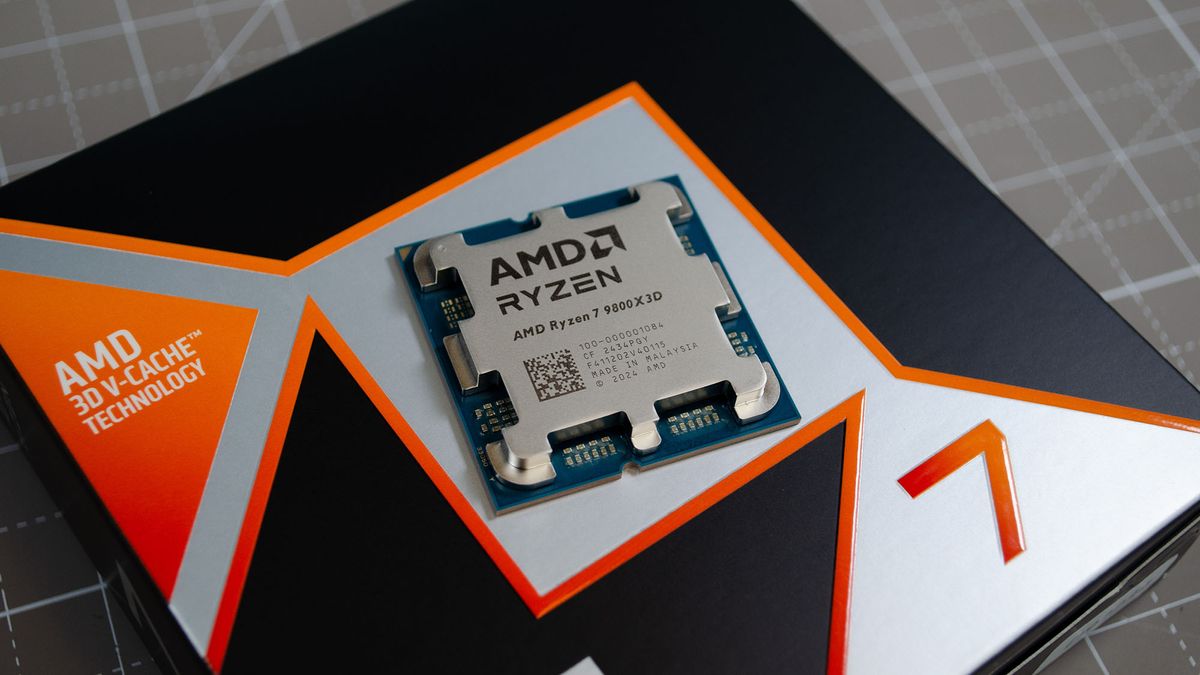
An AMD Ryzen 7 9800X3D in a masculine hand

(Image credit: Future / John Loeffler)

Ryzen 9800X3D to the rescue

Last year, we saw the introduction of 3D V-Cache for Zen 4 CPUs, and the Ryzen 7800X3D caught fire as the most popular gaming CPU out there. While normally AMD takes some time to push out X3D chips for any given generation, with Zen 5, these gaming-focused processors arrived very swiftly. Indeed, the Ryzen 9800X3D debuted in the first week of November, only a few months after Ryzen 9000 chips.

You could argue that this hasty appearance was pushed through to take away the bad taste from Ryzen 9000, and indeed the Ryzen 9800X3D did exactly that for PC gamers. As we found in our review, this CPU is seriously pepped up (with the ability to be overclocked for the first time, too), and an excellent gaming chip – we called it the best processor release of 2024, in fact.

The sticking point for the 9800X3D was the slightly hiked MSRP, along with the initial stock selling out very quickly, a situation compounded by scalping woes. Still, this clearly was the piece of silicon AMD needed to get out of the door to recover its CPU reputation, and really take the fight to Intel.

Also, i’s worth noting that we were treated to a welcome wallet-friendly last-gen offering from AMD, the Ryzen 7600X3D, as a budget gaming CPU (and a great fit for small form-factor builds) – but as a Micro Center exclusive in the US (again).

An ASRock Steel Series Radeon RX 7900 GRE on a desk

(Image credit: Future / John Loeffler)

GPU disappointment – with a big saving grace

AMD was a hive of activity with graphics cards last year, filling out the RDNA 3 series with various models of GPU, from the lower-end RX 7600, through the mid-range territory with the RX 7700 XT and 7800 XT. Before that in 2022, we only had high-end models with the RDNA 3 family.

To say this year was a bit of a contrast is an understatement. At the very start of 2024, we did get a new RX 7600 XT, the pepped-up take on the most wallet-friendly RDNA 3 GPU, but it was a modest upgrade, not all that compelling in the value stakes, and overall it didn’t stand up well compared to its Nvidia rival (the RTX 4060).

We were hoping for some new entrants at the true budget end of the GPU market in 2024, below the RX 7600, but the rumored RX 7400 and 7300 never showed. (Although bizarrely, we did get some milking of ancient low-end Radeon GPUs).

We were also hoping for RDNA 4 with even more eagerness, of course, but that didn’t happen either. Despite the rumor mill firmly believing these next-gen graphics cards could debut later in 2024, they didn’t – and the grapevine now has a Q1 2025 launch predicted. Overall, the no-show from RDNA 4 – which is rumored to top out at the mid-range, with an RX 8700 XT flagship in theory – was one of the biggest disappointments in the PC sphere for us in 2024.

What we did get, though, was a rocket-powered rabbit – a Golden Rabbit Edition, or GRE, version of the RX 7900, to be precise. Now, this was a GPU that was launched in China in the middle of 2023, but it was only released globally in February 2024. At that point, the RX 7900 GRE stormed our list of the best GPUs and stole the top position, arguably being the best entry-level option for 4K gaming.

So, it wasn’t a complete washout for Team Red after all, particularly when you consider that the RX 7800 XT also topped our best GPU list when it emerged last year. The GRE was the only thing that was GRE-at (sorry) about 2024 for AMD’s GPUs, though.

An AMD Ryzen AI 300 series chip against a stylized background

(Image credit: AMD)

Ryzen AI 300 bursts onto the scene to take on Qualcomm Snapdragon X

As you doubtless noticed, 2024 was the year that Copilot+ PCs launched, and the only chips powering these AI laptops were Qualcomm’s Snapdragon X SoCs to begin with.

AMD and Intel weren’t that far behind with CPUs that had a beefy enough NPU to qualify as the engine of a Copilot+ PC, though, and Team Red’s Ryzen AI 300 (x86) processors (also known as Strix Point) arrived in laptops starting from July 2024. However, the available models were very thin on the ground to begin with, and indeed the amount of choice with Strix Point notebooks remains limited even as this year draws to a close.

Ryzen AI 300 proved to be strong for AI, and also general performance and mobile gaming, too, easily matching Qualcomm’s effort – with the advantage of having none of the compatibility issues that the Arm-based Snapdragon X CPUs have as baggage.

That said, Intel also debuted Lunar Lake mobile (x86) processors for Copilot+ PCs in 2024, and these also proved to be very strong CPUs – and a match for Ryzen AI 300 in many respects. In short, two great x86 alternatives to Qualcomm Snapdragon X-powered Copilot+ PCs emerged in 2024, albeit we need more laptops packing this silicon.

An AMD Radeon RX 7900 GRE from PowerColor on a desk with its retail packaging

(Image credit: Future / John Loeffler)

Concluding thoughts

Other notable happenings for AMD in 2024 included the release of FSR 3.1 – which remains lagging behind Nvidia DLSS, although maybe AI will fix that – and an eye-opening achievement in outgunning Intel in the data center arena in terms of overall revenue.

While the launch of Ryzen 9000 CPUs caused some wobbles, we have to remember that these aren’t bad chips by any means – they just didn’t meet (gaming) expectations, and didn’t seem all that great value compared to previous-gen processors (at heavily cut prices) which are still very much on shelves (for the time being).

Ryzen 9000’s time will doubtless come, and at any rate, AMD recovered suitably with the Ryzen 9800X3D – and wasn’t exactly under pressure from Intel, either, as Team Blue had bigger worries than the criticisms Team Red faced.

GPU launches were thin on the ground from AMD, and rather disappointing – save for that RX 7900 GRE – and RDNA 4 failing to appear this year was a further source of some dismay.

Unfortunately, 2024 also saw AMD implement major layoffs, with the company making no bones about an increasing focus on the world of AI, where plentiful profits are to be made.

Is that increased leaning into AI anything to do with pushing back RDNA 4 graphics cards, perhaps? We don’t know that, and wouldn’t get carried away with any paranoia around AMD deprioritizing consumer GPUs yet – it’s probably more to do with market conditions and selling through current-gen RDNA 3 stock. Furthermore, you could apply that line of worried thinking to Nvidia equally, with next-gen Blackwell gaming GPUs also failing to turn up this year, and perhaps set to launch in the shadow of much bigger potential AI profits.

You might also like

Source

Posted on

Got an Intel Core Ultra 200S CPU? These are the patches you need to help gaming performance – with one more update coming in January 2025

  • Intel has issued a full and detailed report on Arrow Lake’s subpar performance
  • Five separate problems were highlighted, four of which are now fixed
  • You’ll need to update your BIOS and Windows 11 to get those fixes

Intel has finished its deep-dive investigation into problems with its Core Ultra 200S processors, and has presented the full results – with most of the issues now fixed, and one remaining remedy to be taken in January 2025.

As you may recall, these Arrow Lake desktop CPUs, launched in October, disappointed with their initial performance – particularly for PC games – and Intel subsequently admitted that Core Ultra 200S CPUs weren’t performing as well as expected, but that fixes were in the pipeline.

We were promised cures for a “series of multifactor issues” in fact, and now we have the full lowdown on those gremlins in the silicon works.

In a lengthy blog post, coined a ‘field update’ (part one of two), Intel observed that: “Editorial conclusions on gaming performance were more polarized, with noteworthy statistical variation from one article to the next. These results were inconsistent with our internal testing.”

Team Blue then says “we have determined that there are five distinct topics that could alter performance or functionality,” before going on to list those areas. They are as follows:

  • A missing Performance & Power Management (PPM) package
  • Intel Application Performance Optimizer (APO) could not take effect
  • BSODs when attempting to launch game titles utilizing the Easy Anti-Cheat service
  • Select performance settings misconfigured on reviewer or early enabling BIOSes
  • New BIOS performance optimizations

All of these issues have been ‘root caused’ – meaning Intel has got to the bottom of why they’re happening – and the first four have been resolved by updates that are already out there.

To get the benefit of these solutions, you need to avail yourself of two main updates. Firstly, update Windows 11 to build 26100.2314 (or newer), which is the November cumulative update for the 24H2 version. (We presume that the 23H2 update for the same month will also work – but Team Blue doesn’t mention this, so that isn’t clear). This will deal with issues number one and two as listed above.

{ window.reliablePageLoad.then(() => { var componentContainer = document.querySelector(“#slice-container-newsletterForm-articleInbodyContent-Jft9z9XLXPXMSG8VGZsEig”); if (componentContainer) { var data = {“layout”:”inbodyContent”,”header”:”Get daily insight, inspiration and deals in your inbox”,”tagline”:”Sign up for breaking news, reviews, opinion, top tech deals, and more.”,”formFooterText”:”By submitting your information you agree to the Terms & Conditions and Privacy Policy and are aged 16 or over.”,”successMessage”:{“body”:”Thank you for signing up. You will receive a confirmation email shortly.”},”failureMessage”:”There was a problem. Please refresh the page and try again.”,”method”:”POST”,”inputs”:[{“type”:”hidden”,”name”:”NAME”},{“type”:”email”,”name”:”MAIL”,”placeholder”:”Your Email Address”,”required”:true},{“type”:”hidden”,”name”:”NEWSLETTER_CODE”,”value”:”XTR-D”},{“type”:”hidden”,”name”:”LANG”,”value”:”EN”},{“type”:”hidden”,”name”:”SOURCE”,”value”:”60″},{“type”:”hidden”,”name”:”COUNTRY”},{“type”:”checkbox”,”name”:”CONTACT_OTHER_BRANDS”,”label”:{“text”:”Contact me with news and offers from other Future brands”}},{“type”:”checkbox”,”name”:”CONTACT_PARTNERS”,”label”:{“text”:”Receive email from us on behalf of our trusted partners or sponsors”}},{“type”:”submit”,”value”:”Sign me up”,”required”:true}],”endpoint”:”https://newsletter-subscribe.futureplc.com/v2/submission/submit”,”analytics”:[{“analyticsType”:”widgetViewed”}],”ariaLabels”:{}}; var triggerHydrate = function() { window.sliceComponents.newsletterForm.hydrate(data, componentContainer); } if (window.lazyObserveElement) { window.lazyObserveElement(componentContainer, triggerHydrate); } else { triggerHydrate(); } } }).catch(err => console.error(‘%c FTE ‘,’background: #9306F9; color: #ffffff’,’Hydration Script has failed for newsletterForm-articleInbodyContent-Jft9z9XLXPXMSG8VGZsEig Slice’, err)); }).catch(err => console.error(‘%c FTE ‘,’background: #9306F9; color: #ffffff’,’Externals script failed to load’, err)); ]]>

Sign up for breaking news, reviews, opinion, top tech deals, and more.

Secondly, you need to get the latest BIOS update for your motherboard, which cures problem number four. As for issue three, that’s resolved by an Easy Anti-Cheat driver update (that’ll be piped through with the game that uses this anti-cheat system, which has been problematic with Arrow Lake on Windows 11 24H2).

The final problem, number five, is the one that’ll be fixed in January 2025 with a new BIOS update, which will provide a further performance uptick.

Intel Arrow Lake Performance Update Details

(Image credit: Intel)

Analysis: Initial double-digit boost, then a single-digit follow-up

As Intel notes, you might just want to wait until next month anyway, then do your BIOS update and grab the fixes for issues four and five in one fell swoop.

Whereas the exact gaming (and app) performance increase you get will depend on your exact mix of PC components and system configuration – as ever – it seems to be the case that the first BIOS update (for problem four) is going to give you at least a boost of a few percent, or perhaps a double-digit uplift (up to 14% in theory, a pretty wide range). The second patch (for problem five, coming in January) is likely to provide a “modest performance improvement in the single-digit range,” we’re told.

So, both of these BIOS updates will likely provide a similar uplift of around 5% or so, maybe a bit more, but if you get lucky – or unlucky depending on how you look at it – you’ll get an even bigger boost (because your system was more hamstrung by these issues in the first place).

We should also point out that fix number two is for Intel APO (Application Performance Optimization) tech, so only a small number of games will benefit from that (those that support APO).

Intel has been commendably transparent in this process, and in revealing the detailed results of its investigation – as the company promised it would. So, that’s a definite tick for Team Blue, and hopefully any Arrow Lake gaming sluggishness will be pretty much ironed out by the time we get to the end of January 2025.

Via VideoCardz

You might also like…

Source

Posted on

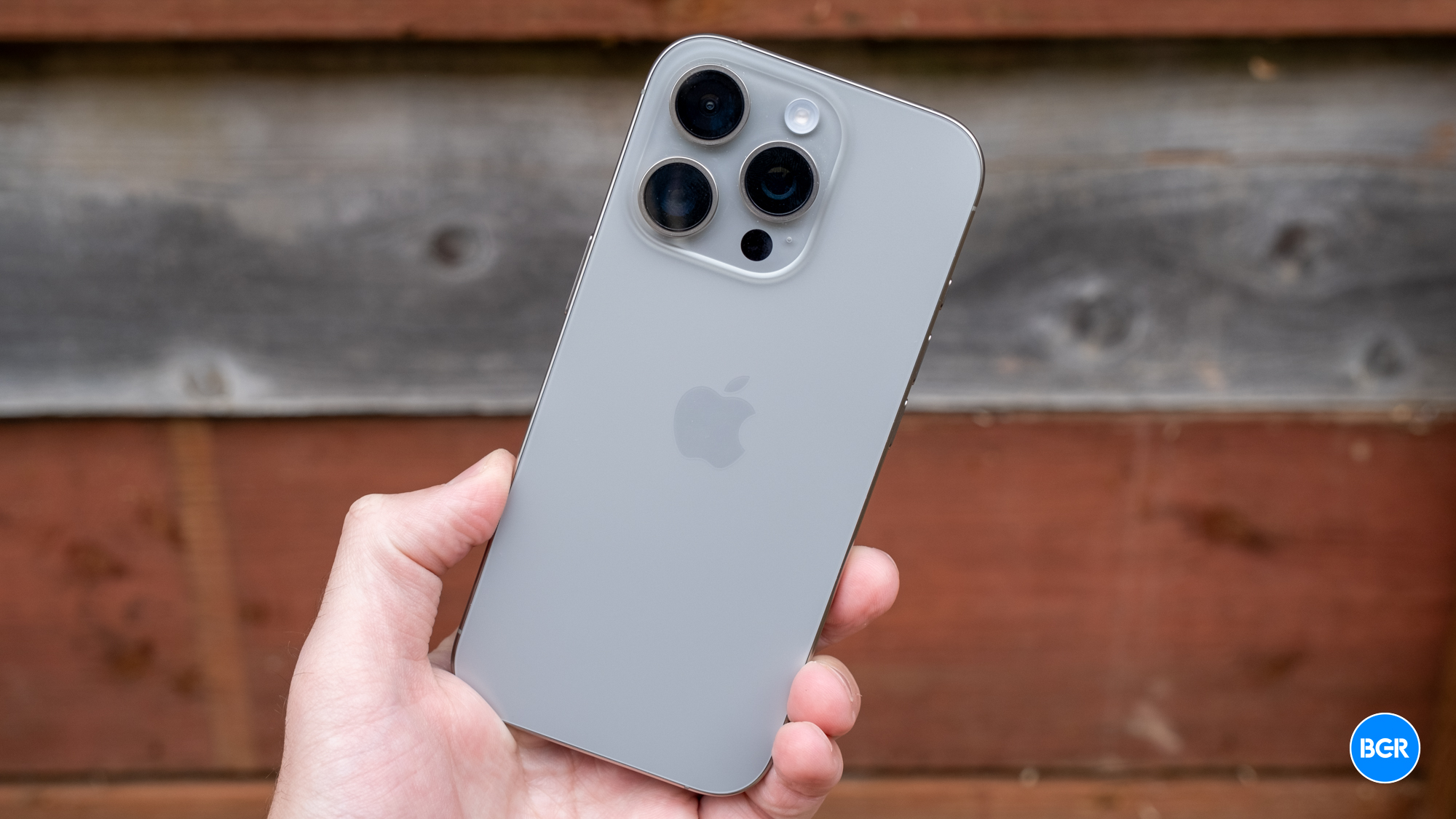
iPhone 18 Pro details and M5 Mac release date both might’ve leaked

In a blog post on Medium, Apple insider Ming-Chi Kuo revealed interesting details about Apple’s future iPhone 18 and M5 Mac releases. According to the analyst, BE Semiconductor will drastically benefit from Apple’s upcoming products as the company has business with Apple’s manufacturers.

Kuo says that the iPhone 18 Pro’s wide camera will be upgraded to variable aperture in 2026, and BESI is the supplier of assembly equipment for aperture blades, a critical component of this upgrade. Last month, Kuo already revealed that Apple planned to add this change to the iPhone.

At the time, the analyst wrote that the “2026 high-end iPhone 18” will feature a wide camera lens with a variable aperture, “significantly enhancing the user photography experience.” The insider, known for his generally accurate predictions about unreleased iPhones, probably refers to the iPhone 18 Pro or iPhone 18 Pro Max. Apple has introduced new camera features with the iPhone Pro Max model before making them available to other models.

Apple wouldn’t be the first smartphone vendor to adopt cameras with variable apertures. Earlier this year, we saw similar features from phones like the Xiaomi 14 Ultra and the Honor Magic 6 Pro. Before that, Samsung phones like the Galaxy S9 and S10 featured cameras with variable apertures.

Tech. Entertainment. Science. Your inbox.

Sign up for the most interesting tech & entertainment news out there.

By signing up, I agree to the Terms of Use and have reviewed the Privacy Notice.

Besides the iPhone 18 Pro improvements, the analyst also leaked information about Apple’s upcoming M5 chips. According to him, the M5 processors will adopt TSMC’s N3P node, which is known as the third generation of the 3nm process. With that, mass production for upcoming chips is expected in this timeline:

  • Base-model M5: 1H25
  • M5 Pro and M5 Max: 2H25
  • M5 Ultra: 1H26

That said, Apple will likely unveil M5 Macs by the second half of 2025, as it still has some M4 Macs to unveil throughout 2025.

In addition, the analyst says Apple will continue to build out it’s Private Cloud Compute infrastructure by producing high-end M5 chips, which will be better suited for AI inferencing. Previously, rumors revealed Apple wanted to ask other companies to create specific chips for its PCC infrastructure starting in 2026.

BGR will let you know once we learn more about future Apple products.

Source

Posted on

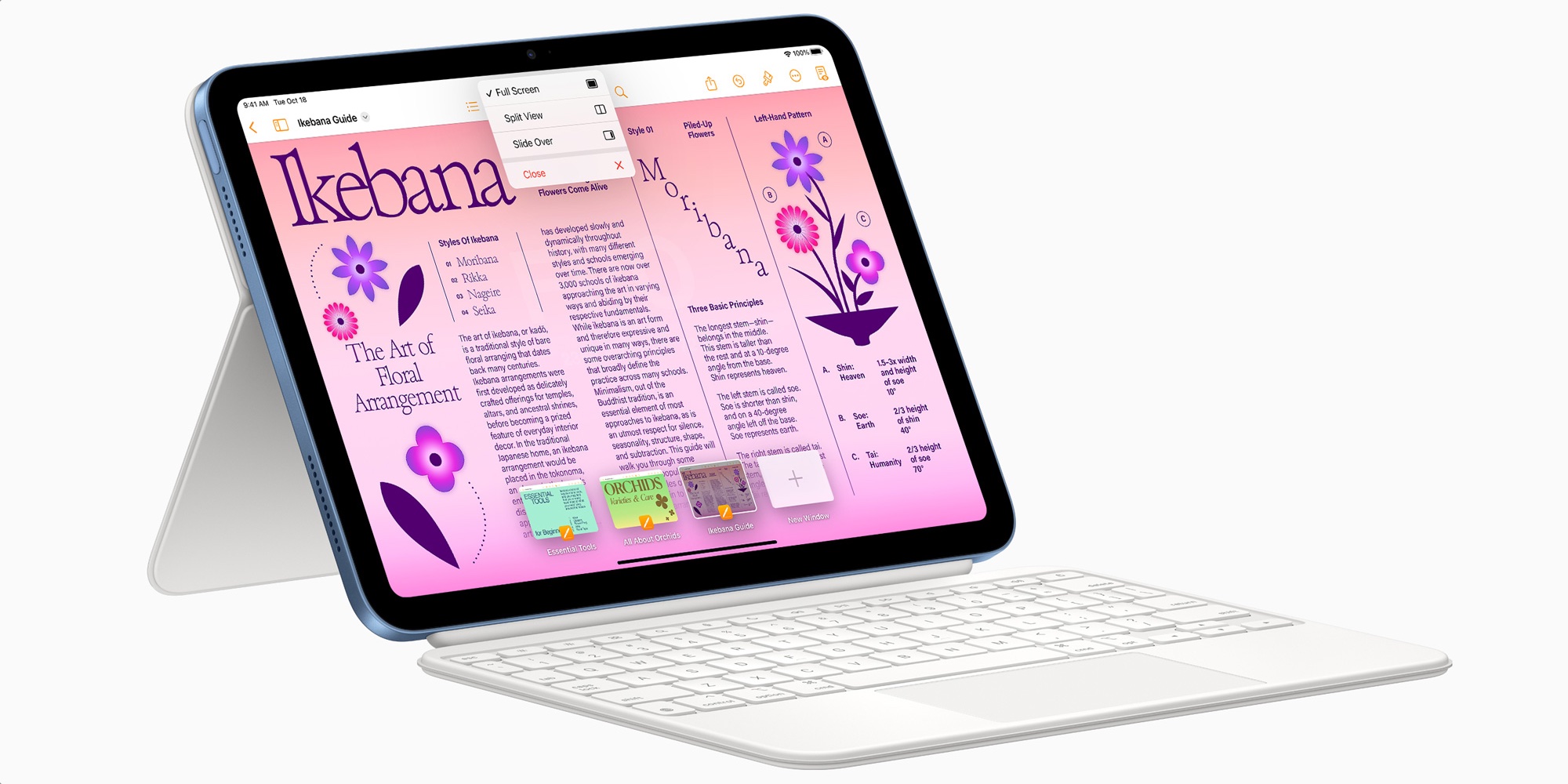
iPad 11 leak may reveal release timing for Apple’s new entry-level tablet

Apple’s upcoming iPad 11 can’t come soon enough. The latest leak says that Cupertino’s entry-level tablet will be released with iPadOS 18.3. While we don’t think this device will be announced alongside iPadOS 18.3, the news suggests that an iPad 11 release is coming before iPadOS 18.4 rolls out in April.

The information comes from a prominent X leaker who prefers not to be named. The device will have two options: Wi-Fi and Wi-Fi + Cellular. So far, leaks on the iPad 11 reveal Apple will bump its specifications to bring Apple Intelligence to the company’s entry-level tablet.

That being said, the iPad 11 will feature 8GB of RAM and, most likely, Apple’s A18 chip. More interestingly, today’s leak reveals that this tablet could have Apple’s upcoming custom 5G modem, which is also expected to be available with the new iPhone SE 4.

Even if Apple keeps the same design, display, and ports, this $349 tablet would be an instant hit. People in school would have a powerful tablet with several capabilities without having to spend a ton of money. In addition, when this tablet is released, Apple Intelligence will be a more reliable platform with even more features.

Tech. Entertainment. Science. Your inbox.

Sign up for the most interesting tech & entertainment news out there.

By signing up, I agree to the Terms of Use and have reviewed the Privacy Notice.

Bloomberg’s Mark Gurman says Apple is also working on a revamped keyboard for the entry-level iPad 11 and the iPad Air, which could be released in mid-2025. This tablet will support the USB-C Apple Pencil.

iPad 11 will likely debut at a spring event

With today’s iPad 11 leak, it makes sense for Apple to release this tablet at a spring event. So far, iPadOS 18.3 is expected to launch in late January. If Cupertino follows the trend, we could see a keynote in March highlighting this entry-level tablet, the new iPhone SE 4, Apple’s 13-inch and 15-inch MacBook Air with the M4 chip, and AirTag 2.

Fortunately, it won’t take long until the company unveils this tablet, which is a top seller for education and those looking for a more reliable device than an entry-level Windows notebook.

Source

Posted on

The Data Bill: It’s time to cyber up

In the latest deliberations on the Data Use and Access Bill in the House of Lords, I set out two amendments to offer well overdue updating to the Computer Misuse Act (CMA) of 1990. In preparing for committee stage of the bill I remain incredibly grateful to everyone involved with the CyberUp campaign, their analysis and commentary always so perfectly on point.

I hardly think I need to rehearse the backdrop to the CMA, many people will be well aware of the act and its shortcomings. Curiously, in the intervening thirty-four and a half years, despite seismic changes in our society and technologies – crucially, including the rise of cyber security threats – the act remains unamended.

Having said that though, I’ve tempted myself a little as it is the case that the act was originally drafted to protect telephone exchanges in 1990, when only 0.5% of the population had access to the internet. 

The CMA was the UK’s first computer crime law and came about following an attack on Prestel in the mid-1980s. Anyone under the age of 40 is probably wondering what Prestel was – a forerunner of internet-based online services launched by the Post Office in 1979 – which only serves to make the point.

Significant change

My amendments to the new Data Bill seek to achieve a very clear and materially significant change, to enable cyber security professionals to do what we have asked of them without the legislation tying at least one hand behind their back.

Thirty-four years on, the CMA still governs how we tackle cyber criminals. As it is currently written, the act inadvertently criminalises legitimate cyber security research. This includes a large proportion of vulnerability research and threat intelligence activities which are critical in protecting the UK from increasingly sophisticated cyber attacks. 

Fundamentally, it restricts cyber security researchers from conducting essential work to protect the UK, including critical national infrastructure. While improving data access is a positive move, it is equally crucial to modernise cyber security laws to protect not just the data but also the systems that underpin it.

The wording of my amendments in full is:

Data use: definition of unauthorised access to computer programs or data

In section 17 of the Computer Misuse Act 1990, at the end of subsection (5) insert—

“c) they do not reasonably believe that the person entitled to control access of the kind in question to the program or data would have consented to that access if they had known about the access and the circumstances of it, including the reasons for seeking it, and

(d) they are not empowered by an enactment, by a rule of law, or by order of a court or tribunal to access of the kind in question to the program or data.

Data use: defences to charges under the Computer Misuse Act 1990

(1) The Computer Misuse Act 1990 is amended as follows.

(2) In section 1, after subsection (3) insert—

(4) It is a defence to a charge under subsection (1) to prove that—

(a) the person’s actions were necessary for the detection or prevention of crime, or

(b) the person’s actions were justified as being in the public interest.

(3) In section 3, after subsection (6) insert—

(7) It is a defence to a charge under subsection (1) in relation to an act carried out for the intention in subsection (2)(b) or (c) to prove that—

(a) the person’s actions were necessary for the detection or prevention

of crime, or

(b) the person’s actions were justified as being in the public interest.

As I said in the debate, don’t take my word for it, the National Cyber Security Centre acknowledged the widening gap between the risks facing the UK and its ability to mitigate them in its 2024 annual review, clearly stating that “updating this out-of-date legislation is a crucial step in closing this gap”.

Statutory defence

Introducing a statutory defence would provide legal clarity and protection for ethical cyber security professionals undertaking legitimate vulnerability research and threat intelligence activities. Such a defence would align the UK with best practices internationally, ensuring that we keep pace with nations like the US and EU, which are moving to safeguard ethical cyber security work.

To put some numbers to this, there have been nine million instances of cyber crime against UK businesses and charities since May 2021, according to the Department for Science, Innovation and Technology’s 2024 cyber breaches survey, published April 2024. Half of businesses and 32% of charities suffered a cyber breach or attack last year, with £2.4bn estimated increased revenue potential post-update for the sector.

Analysis based on CyberUp’s recent industry report suggests that 60% of respondents said the CMA is a barrier to their work in threat intelligence and vulnerability research, and 80% believed the UK was at a competitive disadvantage due to the CMA.

Concluding my remarks, I asked whether the minister would be able to provide an update on the work to reform the Computer Misuse Act? I also asked her whether she believed that my amendments as drafted would provide the legal protection that we seek and, if so, why the government would not bring them into force via the means of the Data Bill.

The minister’s answers to both questions were largely the same – we must wait, the amendments are “premature”, there was not consensus among those who responded to last year’s consultation on the matter so the path forward must continue with no timeline or sense of when this most pressing of issues will be resolved.

If the government needs some public support to increase its pace on this project, how about the fact that two-thirds of UK adults are inclined to support a change in the law to allow cyber security professionals to carry out research to prevent cyber attacks?

There is also support for such a statutory change from the excellent report of the then chief scientific advisor, Patrick Vallance, earlier this year which concluded that, “Amending the CMA to include a statutory public interest defence that would provide stronger legal protections for cyber security researchers and professionals”.

Other nations have already led in this area, not least France and the Netherlands. Belgium, Germany and Malta are currently amending their legal frameworks to this end. As I stated in the debate, it’s time to pass these amendments, it’s time to afford our cyber security professionals the safety they need to do the self-same thing for us, all of us. As has been the case for far too long – it’s time to CyberUp.  

Source