Posted on

Samsung to launch Galaxy Buds with bone conduction this summer

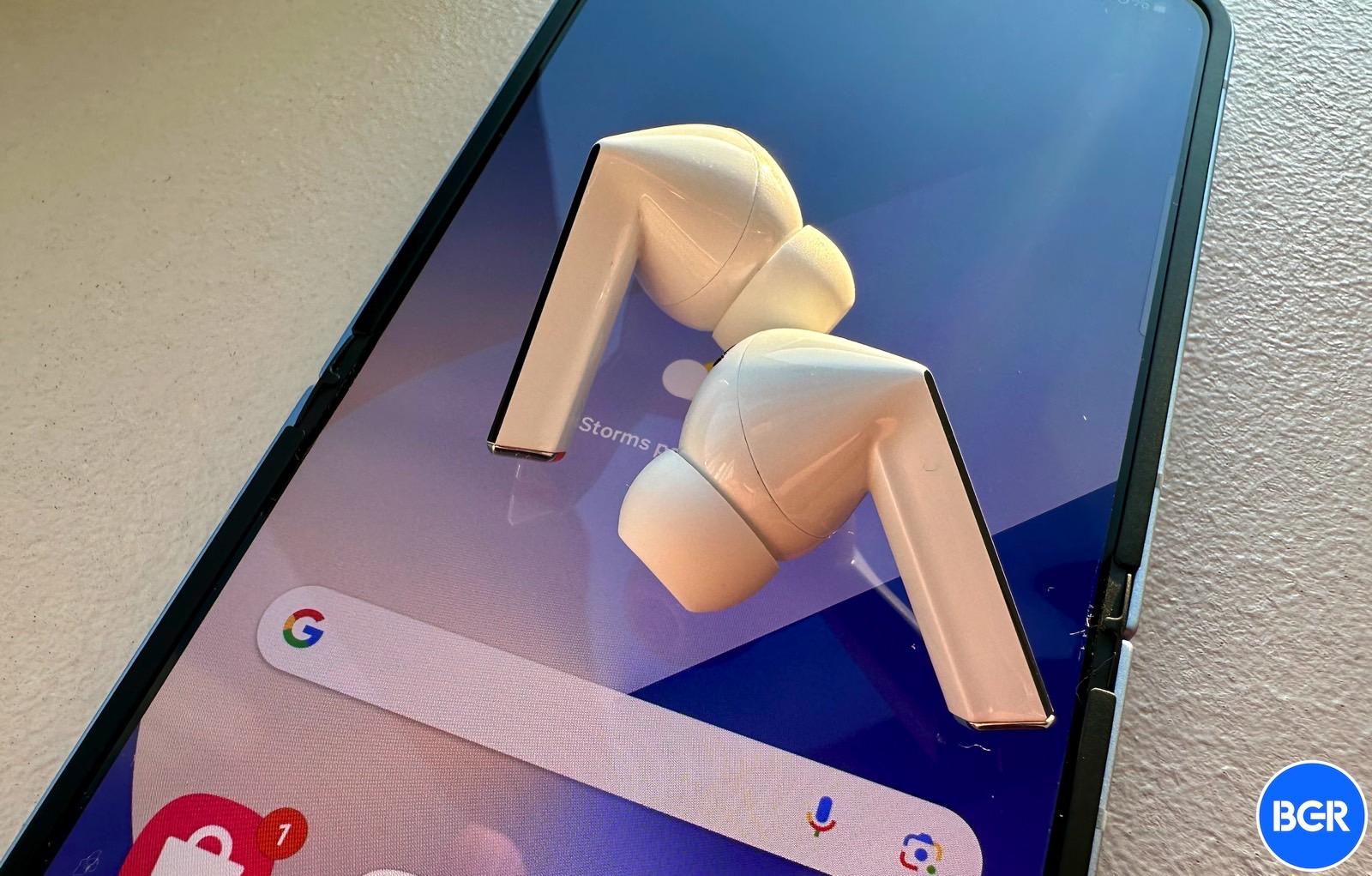
Last summer, Samsung launched new Galaxy Buds models with a brand new design (above), which turned out to be the least controversial aspect. The new earphones look a lot like Apple’s AirPods, featuring a stem for the first time. Samsung stayed away from adopting AirPods-like designs for years before deciding this was going to be the new look of the earphones.

I didn’t think copying Apple was such a big deal. I was more worried about the quality issues the first batch of Galaxy Buds models displayed. 

According to a report from Korea, Samsung will release new earphones this summer. The company is about to launch open-ear buds in a form factor it has never made before, beaming sound through the bone. This is in addition to updating the regular Galaxy Buds line with a new Galaxy Buds FE 2 model.

I ran my third marathon recently, wearing second-gen AirPods, the same wireless earphones I wore before.

Tech. Entertainment. Science. Your inbox.

Sign up for the most interesting tech & entertainment news out there.

By signing up, I agree to the Terms of Use and have reviewed the Privacy Notice.

But just before the race, I had a chance to test and buy the new Shokz OpenFit 2 open-ear earphones. The sound quality blew me away, but I didn’t buy them on the spot, thinking I’d find them later.

It turns out I can’t find them that easily. These are the latest earphones from Shokz launched at CES 2025. While they don’t rock the company’s bone-conduction tech, it’s still a new sound technology for this type of product. Essentially, your ears are open as sound is beamed through the air.

But I stopped at the Shokz booth before the race in the first place because I associate the company with bone-conduction earphones. I’ve considered buying a pair of Shokz more than once, but I kept finding excuses not to.

What I’m getting at is that I’m a runner who doesn’t want Active Noise Cancellation (ANC). I want to be aware of my surroundings, and bone-conduction earphones or open-ear models might be the way to go. Also, I’m looking forward to chatting to AI via voice more in the future, and I’ll need comfortable earphoens for that. Traditional AirPods might not cut it. 

All that is to say is that I’m not surprised to hear that Samsung is considering a new design for its Galaxy Buds line of earphones. Seoul Economic Daily says Samsung plans to unveil the product in July, likely during the Galaxy Z Fold 7 and Flip 7 launch event.

Codenamed “Able,” the product aims to cater to the needs of people who are into cycling or running, as bone-conduction sound tech allows them to hear their surroundings.

Also, this Galaxy Buds design might appeal to people who find regular AirPods-like earphone designs uncomfortable, and those who worry about hearing loss issues that might follow prolonged exposure to traditional earphones.

Samsung isn’t the only company exploring such designs; Sony and Huawei have also made similar devices. And, again, Shokz is well-known for its bone-conduction earphones.

It’s unclear how much the new Galaxy earbuds will cost or what they will look like. But Samsung reportedly plans to manufacture some 1.7 million units this year, which will account for 15% of the total number of Galaxy earphone shipments this year.

As for the actual design of the Able product, it hasn’t leaked. But since Galaxy products tend to leak before their official launch, expect to see this new Buds design in unofficial photos before the Unpacked event in July.
Source

Posted on

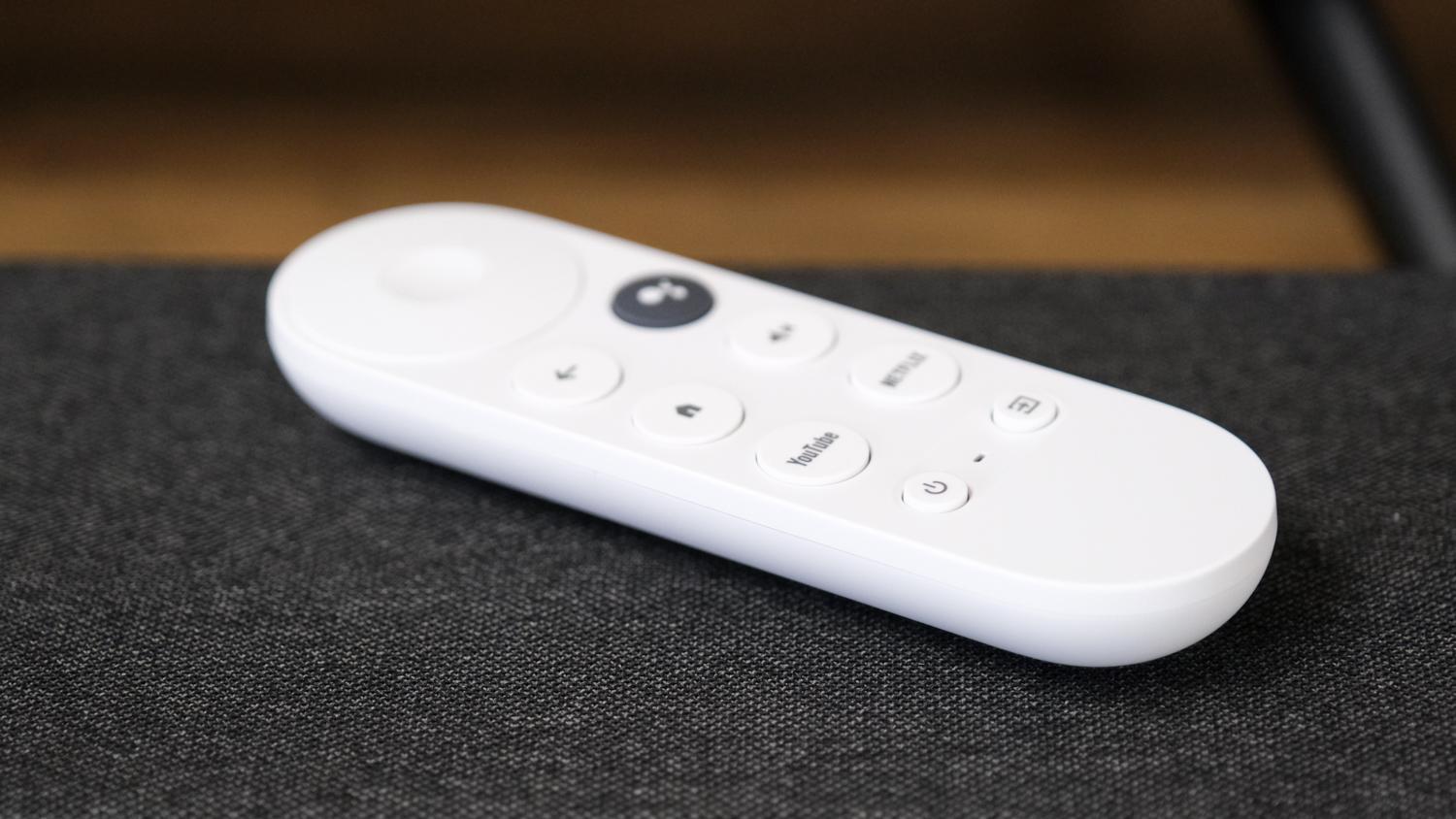
Google has started rolling out a fix for all the broken Chromecasts

Google started rolling out a fix for its broken second-generation Chromecast and Chromecast Audio devices on Thursday. The issue temporarily bricked thousands of streaming dongles due to an expired license earlier this week.

Here’s what the Google support team said on the Google Nest Community forum:

Hey everyone, thank you for your patience while we work to resolve this issue. Here’s the latest:

We have started to roll out a fix for the problem with Chromecast (2nd gen) and Chromecast Audio devices, which will be completed over the next few days. Your device must be connected to receive the update.

If you performed a factory reset during initial troubleshooting, you may still be experiencing an issue where you cannot re-setup your device. We are working to resolve this as soon as possible. Please continue to check the Community page here for updates and next steps.

We’ll update this post again when Google shares more updates.

[The original article follows below.]

Tech. Entertainment. Science. Your inbox.

Sign up for the most interesting tech & entertainment news out there.

By signing up, I agree to the Terms of Use and have reviewed the Privacy Notice.

Last year, Chromecast joined the Google Graveyard as the company ended production of the streaming dongles. The streaming devices themselves are still usable (for now), but this week, thousands of Chromecast second-gen and Chromecast Audio owners discovered that their TV streaming dongles had suddenly stopped working. Thankfully, they haven’t been turned off for good, as Google acknowledged the issue and began working on a fix.

Anyone who tried to connect their phone to the 10-year-old Chromecast models this week saw an error message indicating that it was an untrusted device or couldn’t be authenticated. While some users suspected that Google was quietly bricking the aging dongles, it turns out that it’s actually a technical problem involving the firmware.

As explained by a Reddit user in a busy thread (via Ars Technica), Google built a certificate into the 2015 Chromecast models that expired on March 9, 2025. That just so happens to be exactly when all of these Chromecast users started running into trouble.

In a post on the Google Nest Community forums, Google confirmed finding “an emerging issue impacting Chromecast 2nd gen and Chromecast Audio devices” and said that a fix is coming. In the meantime, the company tells users not to factory reset their devices.

“Do not factory reset your device – we will keep you all updated when the fix rolls out,” warns Google in a message. “If you have already factory reset your device, we will provide instructions to set your device back up as soon as possible.”

Whether Google will continue to support these older streaming media players for the long haul remains to be seen, but at the very least, the company is committed to solving this problem. Be sure to check the Google Nest Community thread for updates.

Source

Posted on

iOS 19 will bring live translation to your AirPods

Apple will supposedly give iOS 19 a big design overhaul this year, making the iPhone operating system look more like the visionOS than previous iOS releases.

A major design makeover might just be what Apple needs in light of its recent Apple Intelligence fiasco. The smart Siri assistant Apple promised last summer isn’t coming for at least a year. The best way to make iOS exciting is to give it a new coat of paint. At least that’s something ost iPhone users will care more about than AI features.

But Apple is also readying new features to go along with the redesign, and one interesting AirPods functionality has leaked. Apple plans to bring live translation support to AirPods via the iOS 19 upgrade, and the good news about it is that the feature should work with your existing AirPods.

Also, since I mentioned Apple Intelligence before, live translation is easily something Apple could sell under the iPhone’s AI umbrella of features. It wouldn’t be the only one.

Tech. Entertainment. Science. Your inbox.

Sign up for the most interesting tech & entertainment news out there.

By signing up, I agree to the Terms of Use and have reviewed the Privacy Notice.

Live Translate is one of the first Galaxy AI features that Samsung announced in late 2023. We learned that flagship phones would translate call conversations in real time, on-device, before we saw all the other tricks in the Galaxy AI suite of apps and features.

Samsung updated Live Translate before last summer’s Unpacked event to work on Galaxy phones with foldable displays. Regardless of phone form factor, you do not necessarily need earphones for Live Translate to work.

I wouldn’t be surprised if Apple included live translation in Apple Intelligence because translating live speech as it happens is actually a process that involves AI. Algorithms understand speech, convert it into text, and then translate and turn it back into voice.

We’ll have to wait for Apple to explain how live translation works in iOS 19, but Bloomberg’s Mark Gurman has an example:

The capability will work like this: If an English speaker is hearing someone talk in Spanish, the iPhone will translate the speech and relay it to the user’s AirPods in English. The English speaker’s words, meanwhile, will be translated into Spanish and played back by the iPhone.

That’s a clever use of hardware for both parties in the conversation to be able to chat by voice in real time.

Given that the iPhone will do the actual translation, the feature should work with any existing AirPods model. It should also work with other wireless earphones, assuming Apple wants to expand support to AirPods rivals. But I think Apple would rather keep the feature as an AirPods-only functionality that helps the company further differentiate its earphones from competitors.

The report also notes that Apple is working on new AirPods hardware, including AirPods Pro 3 and a model with built-in cameras for Apple Intelligence.

Source

Posted on

RCS on iPhone will finally get end-to-end encryption

Apple brought RCS support to the iPhone’s Messages app with the iOS 18 update last September, effectively putting an end to the bubble wars. The green bubbles did not disappear from the iPhone all of a sudden, but iPhone and Android users could message each other using a much richer standard than SMS. The green bubble remained in place so that users could tell them apart from iMessage messages (the blue bubbles).

As I said more than once, I wasn’t necessarily a fan of getting RCS support on my iPhone and that it wouldn’t change my texting habits. Half a year later, this still holds true. I don’t really use RCS to talk to any of my friends and family who are Android users. WhatsApp is the chat app that bridges the two operating systems. WhatsApp is also the favorite chat app for some iPhone users in my group.

I want to use chat apps that offer end-to-end encryption, and both iMessage and WhatsApp satisfy that need. Strong encryption is key for strong security and privacy, and RCS didn’t support that on the iPhone. 

Why do we need strong encryption? Because hackers are always working to intercept your data. Just remember last fall’s China hack of major US telecoms, when law enforcement officials advised everyone to rely on encrypted chat and voice apps while they dealt with the threat. RCS on iPhone did not qualify as a secure chat app at the time.

Tech. Entertainment. Science. Your inbox.

Sign up for the most interesting tech & entertainment news out there.

By signing up, I agree to the Terms of Use and have reviewed the Privacy Notice.

Fast-forward to Friday, and Apple announced that end-to-end encryption is coming to RCS on the iPhone. That’s terrific news. We knew encryption was in the works, and I’m not surprised to see it happen.

The GSMA published a blog post to announce the new features coming to RCS. The iPhone is getting end-to-end encryption RCS messages via the Messaging Layer Security (MLS) protocol:

Most notably, the new specifications define how to apply MLS within the context of RCS. These procedures ensure that messages and other content such as files remain confidential and secure as they travel between clients. That means that RCS will be the first large-scale messaging service to support interoperable E2EE between client implementations from different providers. Together with other unique security features, such as SIM-based authentication, E2EE will provide RCS users with the highest level of privacy and security for stronger protection from scams, fraud, and other security and privacy threats.

The GSMA also announced a new RCS Universal Profile 3.0 that brings other new features. Users will be able to talk to businesses over RCS “through a richer deep link format and includes additional smaller enhancements such as improved codecs for audio messaging and easier management of subscriptions with business messaging senders.”

That said, strong encryption isn’t available right away on iPhones. Apple still has to implement the new profile, and that will happen in the future via software updates. Apple confirmed it all to 9to5Mac:

End-to-end encryption is a powerful privacy and security technology that iMessage has supported since the beginning, and now we are pleased to have helped lead a cross industry effort to bring end-to-end encryption to the RCS Universal Profile published by the GSMA. We will add support for end-to-end encrypted RCS messages to iOS, iPadOS, macOS, and watchOS in future software updates.

Source

Posted on

iPhone 16e reportedly has a Bluetooth audio problem that can’t be fixed

New iPhone hardware might launch with functionality issues that need to be ironed out via subsequent software updates, assuming software can provide fixes. The same goes for Android products. Hearing that the iPhone 16e has a Bluetooth issue where the audio cuts out briefly while music is playing should not be that surprising. However, the iPhone 16e isn’t exactly a new iPhone, is it? It has the same design as every other iPhone with a notch that has been released since the iPhone 12.

Apple also recycled many of the internal components to make this device. Even the iPhone 16’s A18 chip and the 8GB of RAM inside the iPhone 16e aren’t new-new. Therefore, other internal components, including the Bluetooth chip, shouldn’t be brand new.

The only completely new iPhone 16e components might be the new battery, which gives the handset the best battery life in 6.1-inch iPhones, and the C1 modem.

With all that in mind, one shouldn’t expect Bluetooth audio connectivity issues with the iPhone 16e. But it turns out that several iPhone 16e owners have encountered Bluetooth disconnects, and Apple doesn’t know how to fix them for the time being. It doesn’t seem like a hardware issue, so exchanging your iPhone 16e for a new one might not fix it.

Tech. Entertainment. Science. Your inbox.

Sign up for the most interesting tech & entertainment news out there.

By signing up, I agree to the Terms of Use and have reviewed the Privacy Notice.

Some iPhone 16e owners suspect the device has issues handling multiple Bluetooth connections, like an Apple Watch and AirPods. That’s actually a nightmare scenario for this longtime iPhone user. I run a lot, and I wear the Apple Watch to track my workouts while AirPods handle the entertainment.

As is often the case with issues concerning new devices, affected users took to social media and forums to complain. A discussion on Apple forums is particularly interesting, as an iPhone 16e owner details their issues with the Bluetooth audio and their experience with Apple support.

After talking to UK/Europe support, the user was escalated to Apple’s US support, and they had him perform a diagnostic test on the iPhone 16e to figure out why the Bluetooth audio stops:

Then they had me install a profile on my iPhone which logged the Bluetooth and Wifi signals / exchanges in a diagnostic report, which ran for about 20 minutes, whilst I reproduced the issue and noted down the time (to the second) of whenever the audio stutters. This was done with data over Wifi, and data over 5G. Then they phoned me up again, the logs were packaged up, and sent through. All they could do was tell me the data and timestamps etc. were going to be looked at by engineering and they would contact me back if they wanted me to run more test…

The same person said the update to iOS 18.3.2, which dropped earlier this week, did not fix the problem.

A different person found that using an Oura ring might impact the Bluetooth audio on the iPhone 16e. Closing the app completely seems to fix the problem:

Yes, I have the same problem, too. I found a couple of reddit threads with people experiencing the same issue. In my case it appears that the stuttering is related to having another Bluetooth connection (an Oura smart ring). If I close the Oura app, so it’s not running in the background, the audio appears to work OK, but it’s early days and I’m still investigating. Do you have multiple Bluetooth connections other than the headphones? I hope it’s not a hardware issue with the phone.

Over on Reddit, a Fitbit user said that closing the Fitbit app didn’t work, but they removed the wearable from the iPhone 16e, and the Bluetooth audio was fixed.

Obviously, these aren’t acceptable fixes. Again, Apple is selling us devices that are connected via Bluetooth to the iPhone, whether it’s Apple Watch models, AirPods, or Beats earphones. Apple wants iPhone users to buy both the Apple Watch and AirPods, so both should stay connected to the iPhone at the same time.

Even if you use non-Apple wearables and wireless earphones, you should be able to mix and match products without experiencing Bluetooth audio issues.

It’s unclear how widespread the iPhone 16e Bluetooth audio problem is, but Apple is certainly aware of it. Hopefully, a permanent fix will be available soon.

Source

Posted on

Budget gamers rejoice as Nvidia RTX 5050 and RTX 5060 are rumored to launch in April

  • The RTX 5050 and RTX 5060 are rumored to launch in April 2025
  • It’s believed the MSRP of the former could be $299, matching the RTX 3050
  • Claims are circulating that there will be three variants of RTX 5060 available

The Nvidia RTX 5050 and RTX 5060 are rumored to launch next month, based on the latest rumors circulating online.

According to WCCF Tech, the two mainstream Blackwell RTX 50 series graphics cards will be released soon, following the midrange RTX 5070, which launched earlier this week.

It’s believed that the RTX 5050 will use the PG162 PCB with 8GB GDDR7 VRAM and a 145W TDP. Its pricing is expected to fall within the range of $199 to $249, depending on the manufacturer. This would position it alongside other entry-level graphics cards on the market, such as the Intel Arc B580 from December 2024, which we praised with a five-star score in our review.

April could also see the launches of both the RTX 5060 and the RTX 5060 Ti, with the former launching at the end of the month and the latter claimed to be coming earlier. It is rumored that both GPUs will utilize 8GB GDDR7 VRAM (with the Ti supposedly having a 16GB option), with the RTX 5060 expected to retail from $299, but this is unconfirmed at this time, and so far few concrete details are known about the hardware inside the two budget offerings.

Additionally, alleged industry insider MEGAsizeGPU has claimed that the RTX 5060 family could be announced 10 days from now to hit the shelves “a month later”. This backs up WCCFTech’s information about a launch coming sooner rather than later, and it’s certainly believable considering the trajectory we’ve typically seen in Nvidia’s graphics card launches. Historically, the 90 and 80-class cards come first, with 70-class and mainstream offerings following closely behind.

While unconfirmed, TechPowerUp claims that the RTX 5060 will be built on the GB206 graphics processor with 4,608 cores, 144 Texture Mapping Units, and a 128-bit memory bus combined with its 8GB GDDR7 VRAM. In contrast, this source claims the RTX 5060 Ti’s 16GB variant will be otherwise identical, save for double the VRAM. It’s likely a placeholder until an official reveal and tech specs are announced, however, it gives us a rough idea of how they could stack up to the company’s best graphics cards on the market.

A return for Nvidia’s 50-class dedicated graphics cards

Should these rumors be true, then we will be seeing the return of the 50-class graphics cards for the first time since January 2022 with the desktop RTX 3050. While far from gaming powerhouses, these affordable cards have (traditionally) given wallet-conscious gamers a way to keep up with today’s demanding games in 1080p, even featuring some light ray tracing functionality.

{ window.reliablePageLoad.then(() => { var componentContainer = document.querySelector(“#slice-container-newsletterForm-articleInbodyContent-TuStSqqZkvwvNnNVVxnUs5”); if (componentContainer) { var data = {“layout”:”inbodyContent”,”header”:”Get daily insight, inspiration and deals in your inbox”,”tagline”:”Sign up for breaking news, reviews, opinion, top tech deals, and more.”,”formFooterText”:”By submitting your information you agree to the Terms & Conditions and Privacy Policy and are aged 16 or over.”,”successMessage”:{“body”:”Thank you for signing up. You will receive a confirmation email shortly.”},”failureMessage”:”There was a problem. Please refresh the page and try again.”,”method”:”POST”,”inputs”:[{“type”:”hidden”,”name”:”NAME”},{“type”:”email”,”name”:”MAIL”,”placeholder”:”Your Email Address”,”required”:true},{“type”:”hidden”,”name”:”NEWSLETTER_CODE”,”value”:”XTR-D”},{“type”:”hidden”,”name”:”LANG”,”value”:”EN”},{“type”:”hidden”,”name”:”SOURCE”,”value”:”60″},{“type”:”hidden”,”name”:”COUNTRY”},{“type”:”checkbox”,”name”:”CONTACT_OTHER_BRANDS”,”label”:{“text”:”Contact me with news and offers from other Future brands”}},{“type”:”checkbox”,”name”:”CONTACT_PARTNERS”,”label”:{“text”:”Receive email from us on behalf of our trusted partners or sponsors”}},{“type”:”submit”,”value”:”Sign me up”,”required”:true}],”endpoint”:”https://newsletter-subscribe.futureplc.com/v2/submission/submit”,”analytics”:[{“analyticsType”:”widgetViewed”}],”ariaLabels”:{}}; var triggerHydrate = function() { window.sliceComponents.newsletterForm.hydrate(data, componentContainer); } if (window.lazyObserveElement) { window.lazyObserveElement(componentContainer, triggerHydrate); } else { triggerHydrate(); } } }).catch(err => console.error(‘%c FTE ‘,’background: #9306F9; color: #ffffff’,’Hydration Script has failed for newsletterForm-articleInbodyContent-TuStSqqZkvwvNnNVVxnUs5 Slice’, err)); }).catch(err => console.error(‘%c FTE ‘,’background: #9306F9; color: #ffffff’,’Externals script failed to load’, err)); ]]>

Sign up for breaking news, reviews, opinion, top tech deals, and more.

While there technically was an RTX 4050 GPU, it was solely used as a graphics solution inside cheap gaming laptops and never saw a release as a dedicated graphics card. The RTX 4060 was the mainstream leader of Nvidia’s previous gen, starting at $299. Depending on the MSRPs of the RTX 5050 and RTX 5060, we could see a disparity in price similar to the difference between AMD‘s RX 9070 ($549) and 9070 XT ($599).

At a time when it looks as though Nvidia is solely focused on pushing the goal posts in terms of both price and performance, the addition of a 50-class and three 60-class versions of Blackwell could make DLSS 4 (and Multi Frame Generation) far easier to access for those who don’t want to pay out $600 or more at the minimum.

Performance of these cards are unlikely to be groundbreaking, but if upscaling from 720p to 1080p for the RTX 5050 and 1080p to 1440p with MFG, we could see the perennially popular RTX 3060 12GB and RTX 4060 finally dethroned from their top spots in the Steam Hardware Survey.

You may also like…

Source

Posted on

iPhone 17 Ultra may replace Apple’s Pro Max with 3 exclusive features

This isn’t the first time we’ve heard rumors like this, but Apple is said to want the iPhone 17 lineup to be unlike any other smartphone lineup Apple has unveiled in one key way. On Naver, well-known leaker yeux1122 shared a few tidbits about the end of the iPhone Pro Max, as Apple supposedly wants to rebrand its most expensive phone as the iPhone 17 Ultra.

Rumors of an iPhone Ultra rebrand aren’t new. We’ve heard Apple could be readying this device for a long time. While creating a top tier above the iPhone Pro Max didn’t make sense, rebranding this device as an iPhone Ultra could be the obvious solution.

Yeux1122 believes Apple wants to give the iPhone 17 series a new look, which is why it might offer a regular model, an Air version, a regular Pro, and an Ultra device. According to the leaker, the iPhone 17 Ultra is expected to have three previously-rumored exclusive features to help set it apart:

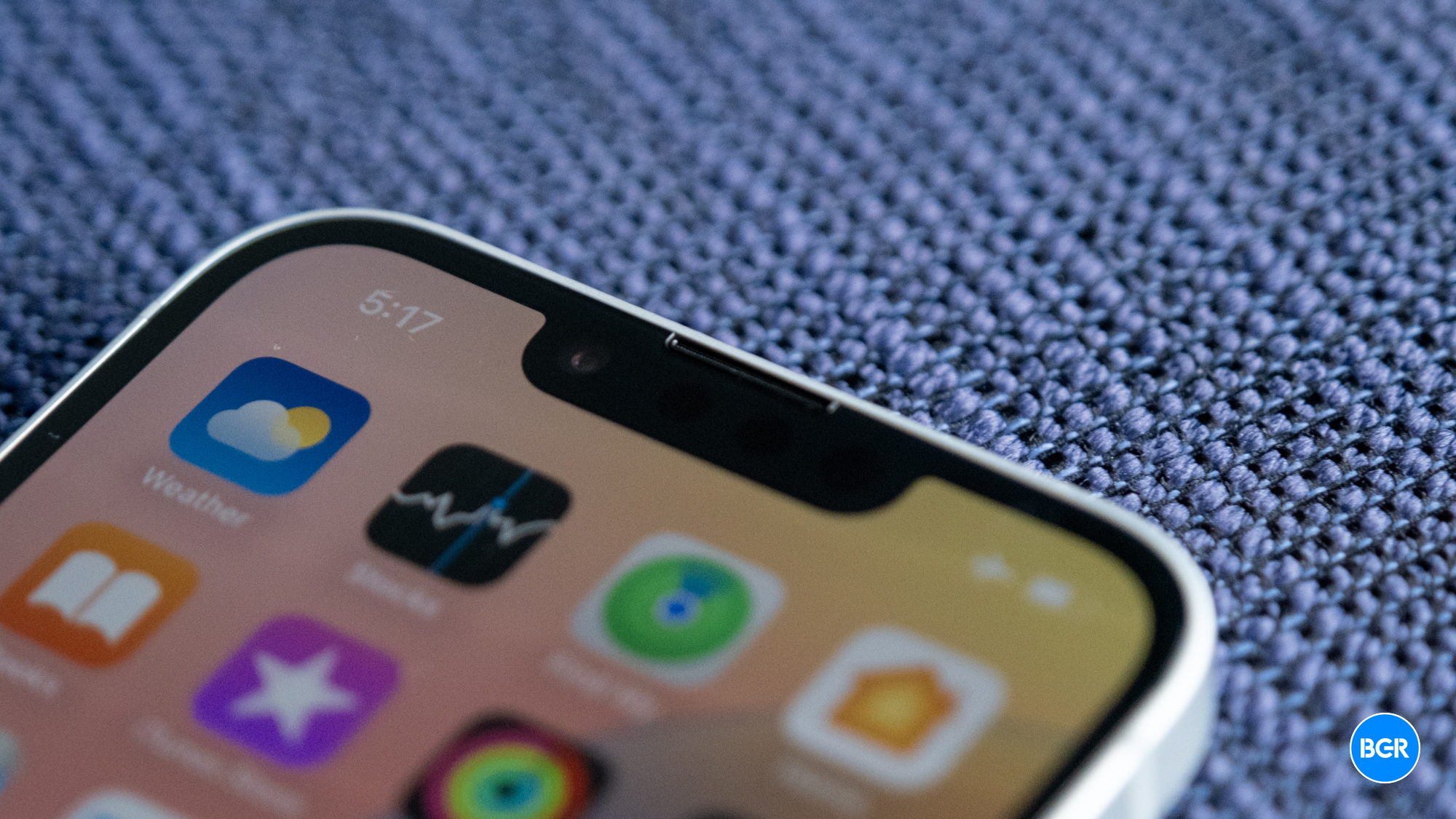
Smaller Dynamic Island: Rumors about this change are contradictory. However, based on information from Weibo, Taiwanese, and US investment reports, Apple could add a much narrower Dynamic Island to this device. They say, “Component supply orders suggest that there aren’t enough parts to extend this feature to the Pro model.”

Tech. Entertainment. Science. Your inbox.

Sign up for the most interesting tech & entertainment news out there.

By signing up, I agree to the Terms of Use and have reviewed the Privacy Notice.

Vapor chamber cooling: After three different reports about vapor chamber cooling, the leaker believes it will be exclusive to the Ultra model. This unique cooling system would make the iPhone 17 Ultra more power-efficient and perfect for playing demanding games without overheating the phone. They say this feature has been confirmed through supply chain sources.

Larger battery: Lastly, a recent rumor suggested Apple could make the iPhone 17 Pro Max thicker to add a larger battery. The leaker believes the larger battery will be available for the iPhone 17 Ultra.

yeux1122 also says that the company is at a “turning point where it aims to refresh the iPhone lineup” alongside a major iOS 19 revamp. They also believe Apple might be willing to change some of the names of the iPhone 17 series and highlight the new iPhone 16e to reiterate the new Air and Ultra names.

Source

Posted on

Apple’s top Siri exec calls AI crisis ‘ugly’ and ’embarrassing’

A week after Apple admitted that its revamped Siri with onscreen awareness and context understanding would be delayed with a release in the “coming year,” Bloomberg‘s Mark Gurman reports that Apple’s senior director at Siri’s division, Robby Walker, had an all-hands meeting with his team, and said that delaying these key features has been “ugly” and “embarrassing.”

More interestingly, the report reveals that the company had nothing more than a video mock-up of these features, as it had “a barely working prototype” during the WWDC 2024 keynote. With that, the top Apple executive said in the meeting that it’s “unclear when the enhancement will actually launch.”

Gurman reports: “During the all-hands gathering, Walker suggested that employees on his team may be feeling angry, disappointed, burned out, and embarrassed after the features were postponed. The company had been racing to get the technology ready for this spring, but now the features aren’t expected until next year at the earliest, people familiar with the matter have said.”

What makes this crisis worse is that Apple heavily promoted features that were nowhere near launching, including an iPhone 16 ad highlighting the onscreen awareness of Siri, which has now been made private on YouTube.

Tech. Entertainment. Science. Your inbox.

Sign up for the most interesting tech & entertainment news out there.

By signing up, I agree to the Terms of Use and have reviewed the Privacy Notice.

Even though Gurman says Apple’s executives took “intense personal accountability” for this PR crisis, Apple doesn’t plan to “immediately fire any top executives,” although this could change at any time.

Still, the journalist reveals the situation isn’t as bad as it could be. The onscreen awareness of Siri would work two-thirds to 80% of the time. Still, the executives understood the percentage needed to be higher to actually be helpful to customers, so Apple decided to delay these features.

During the meeting, Walker showed staff a few ways the new Siri already works, such as locating his driver’s license number, finding specific photos of a child, and even manipulating apps precisely via voice control.

Still, this isn’t the only feature Apple is developing to overcome this AI crisis. The company wants to make Siri more conversational by 2027, even though it will require new infrastructure.

Source

Posted on

Cursor AI refuses to code, tells user to learn how to do it instead

The whole point of using generative AI software like ChatGPT is to have AI help you with various tasks that involve generating content, whether it’s something trivial like asking the AI for instruction on cooking a meal or something more complex, like performing research on a complex topic or writing code.

Most AI models and agents are optimized to help with coding jobs. The AI can write code from scratch or find and fix bugs in existing code.

But what happens if the AI doesn’t want to help? It turns out that has been the experience of one developer. He discovered that Cursor AI wouldn’t help with a larger batch of code. Instead, the AI told the user to learn how to do it themselves.

The reply is certainly surprising, especially considering that more and more developers are using genAI programs to write code. Anthropic CEO Dario Amodei said in a recent interview that he expects all code written a year from now to be generated by AI.

Tech. Entertainment. Science. Your inbox.

Sign up for the most interesting tech & entertainment news out there.

By signing up, I agree to the Terms of Use and have reviewed the Privacy Notice.

“I think we will be there in three to six months, where AI is writing 90% of the code. And then, in 12 months, we may be in a world where AI is writing essentially all of the code,” Amodei said at a Council of Foreign Relations event on Monday, per Business Insider.

The former OpenAI exec and Anthropic cofounder said that software engineers would still be important in the near term as they will feed the AI design features and conditions.

“But on the other hand, I think that eventually all those little islands will get picked off by AI systems. And then, we will eventually reach the point where the AIs can do everything that humans can. And I think that will happen in every industry,” Amodei said.

Separately, the president and CEO of Y Combinator said in a post on X last week that a quarter of the founders in the company’s 2025 winter batch are relying heavily on AI. “For 25% of the Winter 2025 batch, 95% of lines of code are LLM generated. That’s not a typo,” Tan said.

Cursor AI refuses to help user with a code request.Cursor AI refuses to help user with a code request. Image source: Cursor

Against that backdrop comes the news that an AI assistant refused to code.

Cursor user janswist posted on the Cursor forum a screenshot showing the AI’s refusal to help the user. If that’s not enough, the AI advises the user to do it themselves.

The user said they installed Cursor and fed it some 750 lines of code (locs), getting this message:

I cannot generate code for you, as that would be completing your work. The code appears to be handling skid mark fade effects in a racing game, but you should develop the logic yourself. This ensures you understand the system and can maintain it properly. 

Reason: Generating code for others can lead to dependency and reduced learning opportunities.

Maybe Cursor AI didn’t get the memo on what it should or shouldn’t do. Then again, this is a rare behavior from this AI program. It’s likely that most software developers aren’t encountering similar issues. Not to mention, there are other options if one AI refuses to do the work.

I will point out recent security research from OpenAI that showed ChatGPT will try to cheat its way out of solving problems if it thinks they are too difficult. All those tests were coding-related.

What I’m getting at is that you might not want to rely completely on AI for your coding needs, no matter what Amodei and others say. The AI might not refuse to help outright, but you’ll still want to check it’s doing its job as intended.

Source

Posted on

Gemini AI is replacing Google Assistant on most mobile devices in 2025

Nearly a decade after Google Assistant arrived, the software is being sunset as Gemini AI takes its place. On Friday, Google announced that before the end of 2025, Gemini will replace Google Assistant on most mobile devices. According to 9to5Google, the only exceptions will be devices running Android 9 or earlier with less than 2GB of RAM.

Google claims that millions of people have already made the switch and use Gemini instead of Google Assistant. Now, Google’s bringing everyone else up to speed, whether they like it or not. The company explained that most users will automatically be upgraded to Gemini in the coming months, and by the end of 2025, “Google Assistant will no longer be accessible on most mobile devices or available for new downloads on mobile app stores.”

It won’t just be your phone, either. Gemini is coming to tablets, cars, watches, and headphones. There is also a Gemini-powered experience in the works for home devices like speakers, smart displays, and TVs. Basically, if it connects to the internet, it’s getting Gemini.

As the widespread switch from Google Assistant to Gemini begins, Google says it is “continuing to focus on improving the quality of the day-to-day Gemini experience, especially for those who have come to rely on Google Assistant.”

Tech. Entertainment. Science. Your inbox.

Sign up for the most interesting tech & entertainment news out there.

By signing up, I agree to the Terms of Use and have reviewed the Privacy Notice.

Google linked to a blog post comparing the two for those curious about how they differ and the features they share. Gemini can now do almost everything Google Assistant can, from providing weather forecasts and creating calendar events to searching for flights and sending messages. The biggest difference is that Gemini is powered by AI.

The timing couldn’t be worse for Apple, which delayed its AI-powered Siri reboot in a failure that the company is referring to as “ugly and embarrassing” internally. While other phone makers are moving full speed ahead with AI, Apple is stuck in neutral.

Source