Posted on

Apple Watch Series 10 just dropped to $299 and you need one in your life

As a longtime user of most of Apple’s products, I have to say that I’ve been less impressed with the company’s recent updates. Yes, each new iteration of an iPhone or MacBook obviously refines and improves upon the last. But lately, it seems like Apple is focused mainly on trying to catch up in the AI wars, and other things are falling through the cracks.

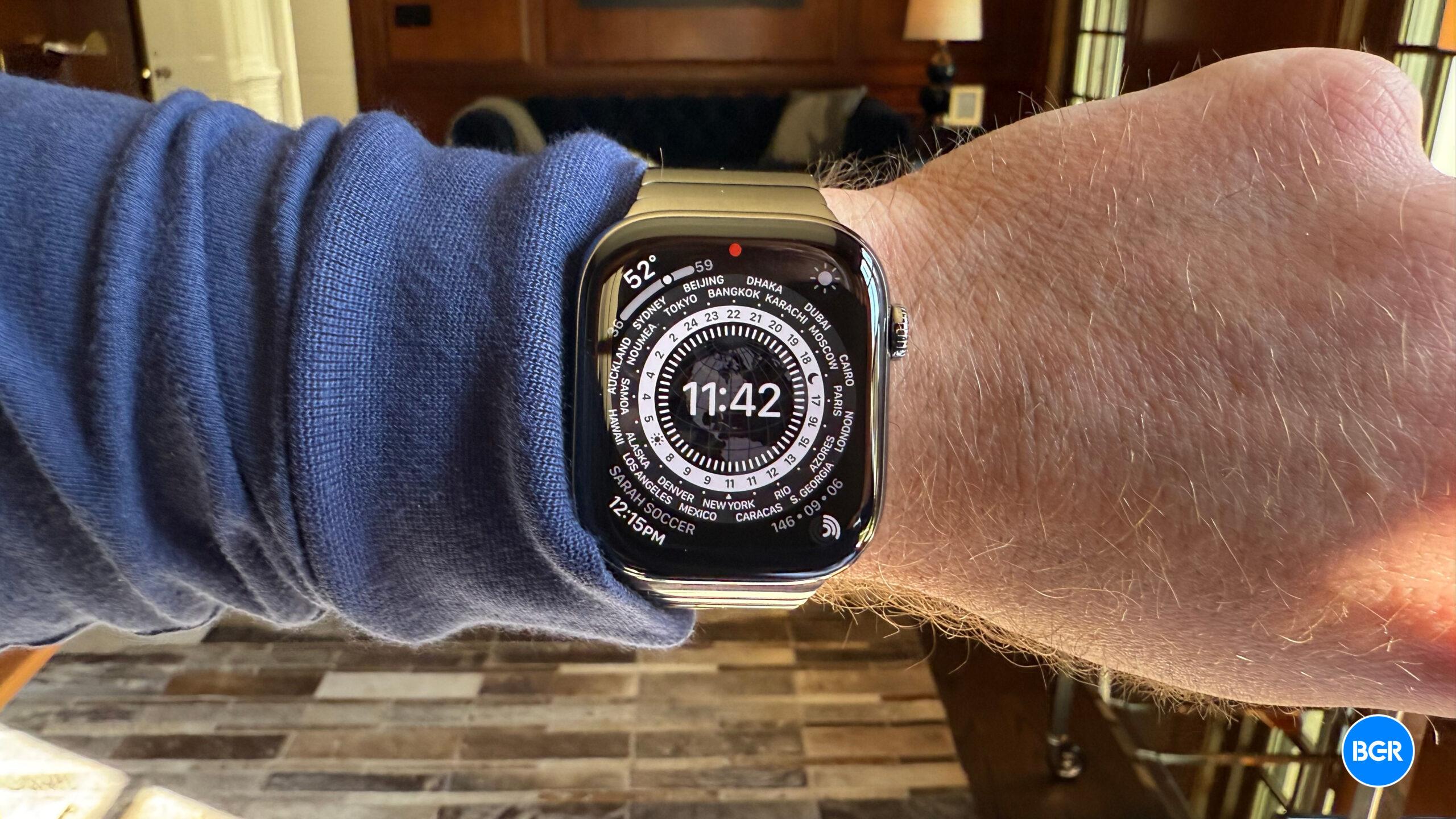
Despite all that, there was one update released last year that I was pretty impressed with — the Apple Watch Series 10. It’s not a massive update with tons of new features, and it’s still missing the pulse oximetry feature that Apple was forced to remove in the US. However, it features a thinner design that’s so much sleeker on the wrist, plus larger displays with narrower bezels around them. It’s absolutely gorgeous, and it’s currently on sale starting at just $299. If ever there was a time to upgrade to a Series 10 model, it’s right now while it’s on sale at all-time low prices.

Amazon Logo See Pricing Amazon Logo See Pricing Amazon Logo See Pricing Amazon Logo See Pricing

The Apple Watch Series 10 is the model that I personally use. To be frank, I have tested dozens of other smartwatch models, and I wouldn’t consider using any of them over the Series 10. With or without a blood oxygen sensor like the older models have, it’s easily the best smartwatch for most Apple users.

Tech. Entertainment. Science. Your inbox.

Sign up for the most interesting tech & entertainment news out there.

By signing up, I agree to the Terms of Use and have reviewed the Privacy Notice.

The only other model that piques my interest is the Apple Watch Ultra 2, which is a fantastic upgrade from Apple’s regular smartwatch models. But it’s also massive, and it’s way too big for my wrist. If you’re interested in the Apple Watch Ultra 2, you should know that it’s currently on sale with a $67 discount if you want the black titanium model. That’s not the best deal I’ve seen, but it’s still a pretty solid bargain.

As for the Series 10 model, it appeals to a much wider range of users. It also comes in two sizes that look great on just about any wrist size. You can read BGR’s in-depth Apple Watch Series 10 review to learn all about what makes this model so impressive.

One of my favorite features is the enhanced sleep tracking that’s bolstered by Apple’s newer temperature sensor. I have issues falling asleep and staying asleep, so it’s great to get some insights into which sleep aids work best when I try new ones. The good news is that Apple’s sleep tracking still works great for me, even without pulse oximetry.

On top of that, the new design with a larger screen is so sleek. I love how thin the Series 10 is on my wrist. Also, believe it or not, the bigger 46mm model actually has a larger display than the Ultra 2, even though the Ultra 2’s overall footprint is bigger. That’s how narrow the bezels are on Apple’s latest model!

Amazon Logo See Pricing Amazon Logo See Pricing

There are plenty of other great features on the Apple Watch Series 10, of course. It’s not Apple’s biggest update ever, but it definitely refines much of what made the Series 8 and Series 9 models so impressive.

Just like I stated earlier, prices start at just $299 right now, and most of Apple’s different colorways are on sale. Also, the 46mm GPS version is on sale starting at $329 instead of $429. Those are both all-time low prices.

If you want cellular connectivity in addition to GPS, prices start at $399 instead of $499 for the 41mm Cellular + GPS Apple Watch Series 10. Again, that’s the lowest price ever for this SKU.

Amazon Logo See Pricing Amazon Logo See Pricing

Be sure to visit our extensive guide for all the best Apple Watch deals on other models, including previous-generation Apple Watches that are on sale with deep discounts.

Source

Posted on

US Congress demands UK lifts gag on Apple encryption order

US lawmakers have hit out at the Home Office for “attempting to gag” US companies by preventing them from telling Congress whether they have been subject to secret UK orders requiring them to hand over their users’ data.

In an unprecedented intervention, five lawmakers from both sides of the US political divide, led by senator Ron Wyden, have written to the UK’s Investigatory Powers Tribunal (IPT) accusing the British government of undermining Congressional oversight and restricting the free speech of US companies.

Their letter comes as the IPT is preparing to hear closed-door arguments from Apple, which is challenging a notice requiring it to extend UK law enforcement’s existing access to encrypted data stored by customers on the Apple iCloud service anywhere in the world to users of Apple’s Advanced Data Protection (ADP) who choose to hold encryption keys privately on their own devices.

British media organisations, including the BBC, The Times, Financial Times, Reuters, The Guardian, The Telegraph and Computer Weekly, have also filed legal submissions with the IPT today, arguing that there is an important public interest in hearing arguments over the UK’s demands against Apple in a public court.

In the Congressional letter, five US senators and congressmen complained to the Investigatory Powers Tribunal that the secrecy surrounding the orders – known as Technical Capability Notices (TCNs) – are impairing Congress’s power and duty to conduct oversight on matters of national security.

The letter disclosed that Apple and Google have informed Congress that were they to have received Technical Capability Notices, they would be barred by UK law from disclosing it to US lawmakers. The UK embassy has also failed to respond to US requests about potential demands by the UK to other US companies.

“By attempting to gag US companies and prohibit them from answering questions from Congress, the UK is both violating the free speech rights of US companies and impairing Congress’s power and duty to conduct oversight on matters of national security,” the lawmakers wrote.

“The UK’s attempted gag has already restricted US companies from engaging in speech that is constitutionally protected under US law and necessary for ongoing Congressional oversight,” they added.

The letter has been signed by democrats senator Ron Wyden from Oregon, who has campaigned for healthcare and the environment; Alex Padilla from California, who is chairman of the Senate Judiciary Subcommittee on Immigration; and Zoe Loefgren, an advocate for digital rights from California.

By attempting to gag US companies and prohibit them from answering questions from Congress, the UK is both violating the free speech rights of US companies and impairing Congress’s power and duty to conduct oversight on matters of national security Congressional letter to the Investigatory Powers Tribunal

Republicans Andy Bigg from Arizona, chair of the House Judiciary Subcommittee on Crime and Federal Government Surveillance and a vocal trump supporter; and Warren Davidson for Ohio, a member of House Financial Services Committee and a former US soldier, have also signed.

Their unified complaint calls on the IPT to apply principles of open justice to the hearing scheduled for Friday, and for all subsequent proceedings in Apple’s appeal against the Technical Capability Notice. 

The lawmakers note that the existence of the TCN has been widely reported and commented on, which makes any argument for closed hearings to keep the existence of the notice secret “unsustainable”.

The existence of the notice has also been confirmed by Apple’s public decision to withdraw its advanced encryption option, known as Advanced Data Protection, for all UK users. Apple would not have done this “unless it felt compelled to do so by a request to insert a backdoor”.

Holding public hearings would allow lawmakers to hear expert evidence from cyber security specialists, civil society representatives and experts on US-UK data flows, enabling the IPT to reach a well-informed decision over the lawfulness of the notice, they said.

Serious concerns over national security 

The lawmakers argue that the UK’s demands against Apple raise “serious concerns which directly impact national security” and therefore warrant public debate. 

As Computer Weekly previously reported, Tulsi Gabbard, the director of national intelligence, stated in a letter to Congress that the UK’s demands would be “a clear and egregious violation of American’s privacy and civil liberties, and open up a serious vulnerability for cyber exploitation by adversarial actors”.

President Donald Trump confirmed in an interview with The Spectator that he had raised the Apple TCN with prime minister Keir Starmer during his visit to Washington, comparing the UK’s actions to the conduct of China.

Chinese exploited US ‘lawful access’

The lawmakers point out that the security of US technology products against surveillance by foreign governments is an important topic for ongoing Congressional oversight following a spate of hacks against the communications of senior US government officials.

China exploited US lawful interception systems in 2023 to reportedly tap the phone calls of Trump and vice-president JD Vance, and to steal millions of phone records after gaining access to major US carriers in the “Salt Typhoon” attack.

In April 2024, hackers stole phone records of “nearly all” AT&T customers, including records of members of the president’s family, the then vice-president, Kamala Harris, and the wife of the now secretary of state, Marco Rubio, in the “snowflake” incident.

And in 2003, China stole more than 60,000 emails from the department of state and compromised the email accounts of US officials and politicians after hacking into Microsoft-hosted US government email accounts.

“The common link between these incidents is that sensitive government data held by third-party companies was not properly secured and subsequently accessed by hackers … most importantly, the Salt Typhoon incident reportedly involved compromising ‘lawful intercept’ systems of the kind that it appears Apple has been ordered to build,” the letter states.

“Given the significant technical complexity of this issue, as well as the important national security harms that will result from weakening cyber security defences, it is imperative that the UK’s technical demands of Apple – and of any other US companies – be subjected to robust, public analysis and debate by cyber security,” the lawmakers wrote.

Vital for US cyber security experts to comment

“Secret court hearings featuring intelligence agencies and a handful of individuals approved by them do not enable robust challenges on highly technical matters. Moreover, given the potential impact on US national security, it is vital that American cyber security experts be permitted to analyse and comment on the security of what is proposed.”

The Home Office’s shocking order to Apple to break encryption represents a huge attack on privacy rights and is unprecedented in any democracy Rebecca Vincent, Big Brother Watch

The lawmakers invited the tribunal to permit US companies to discuss the technical demands they have received under the UK’s Investigatory Powers Act with Congress. The IPT should “invite robust public debate by independent cyber security experts before deciding the merits of the reported challenge that Apple has brought”, they said.

Separately, civil society groups Big Brother Watch, Index on Censorship and Open Rights Group have written to the president of the Investigatory Powers Tribunal, the Rt Hon Lord Justice Singh, calling for the case to be made public.

They argue that the case implicates the privacy rights of millions of British citizens who use Apple’s technology, and those of its overseas customers.

There is a “significant public interest in knowing when and on what basis the UK government believes that it can compel a private company to undermine the privacy and security of its customers”, according to the letter.

Big Brother Watch interim director Rebecca Vincent said the tribunal hearing must not take place in secret. “The Home Office’s shocking order to Apple to break encryption represents a huge attack on privacy rights and is unprecedented in any democracy,” she said.

Index on Censorship CEO Jemimah Steinfeld said breaking encryption would do away with our rights to privacy, make us far less safe and secure online, and challenge the very notion of the UK as a democracy. “With such high stakes, we demand to know what could possibly justify this. We need answers, not more secrecy,” she said.

Open Rights Group executive director Jim Killock said: “If the UK wants to claim the right to make all of Apple’s users more likely to be hacked and blackmailed, then they should argue for that in an open court.”

Source

Posted on

Apple’s big AI-powered Siri upgrade was just delayed to 2026

The long-anticipated personalized Siri allegedly coming with iOS 18.4 has now been delayed to 2026. To Daring Fireball, Apple’s spokeswoman Jacqueline Roy said the more personalized Siri experience powered by Apple Intelligence will take longer to be released.

Here’s what she said: “Siri helps our users find what they need and get things done quickly, and in just the past six months, we’ve made Siri more conversational, introduced new features like type to Siri and product knowledge, and added an integration with ChatGPT. We’ve also been working on a more personalized Siri, giving it more awareness of your personal context, as well as the ability to take action for you within and across your apps. It’s going to take us longer than we thought to deliver on these features, and we anticipate rolling them out in the coming year.”

Bloomberg‘s Mark Gurman had already teased that some of the more personalized Siri features for Apple Intelligence could have been delayed. At the time, the journalist said that the most impressive functions could launch as soon as 2027.

In his Power On newsletter, he revealed that it’s going to take at least two extra years before Apple Intelligence gets somewhat similar to the capabilities OpenAI’s ChatGPT, Google’s Gemini, and Microsoft’s Copilot can deliver today—and, honestly, for at least a year now.

Tech. Entertainment. Science. Your inbox.

Sign up for the most interesting tech & entertainment news out there.

By signing up, I agree to the Terms of Use and have reviewed the Privacy Notice.

According to the journalist, Apple has a long schedule to finally revamp Siri and make it an essential part of the Apple Intelligence platform. This is what you can expect:

  • iOS 18.4: Expected for early April, Apple is expanding the languages available with Apple Intelligence;
  • iOS 18.5: Expected for May, Gurman expected Apple to make Siri tap user data to make it more personalized, but this might have now been scrapped to 2026;
  • iOS 19.4: Expected around April-May of 2026, Siri is getting a new architecture that can operate legacy Siri commands while handling more advanced queries in the same flow;
  • iOS 20: Believe it or not, Gurman’s forecast goes up until 2027, when Apple might be finally able to fix Siri and deliver the LLM Siri, which was technically supposed to be revealed this June.

That said, Apple Intelligence will take much longer to become useful. With that in mind, we now wonder what Apple will do to improve its AI platform.

Source

Posted on

Apple’s iPhone batterygate lawsuit in the UK gets a dramatic new chapter

The iPhone batterygate lawsuit in the UK somehow still hasn’t been fully settled. Three years after consumer rights activist Justin Gutmann filed a case about Apple intentionally throttling iPhone batteries and making the devices slower, the company will have to defend itself in court or pay out $1 billion to UK consumers who suffered from this issue.

In a statement sent to AppleInsider, Gutmann says the UK Court of Appeal just ruled this process: “[The UK] Court of Appeal has given the go-ahead for the so-called ‘Batterygate’ lawsuit — a collective action brought on behalf of millions of UK users, which accuses Apple of intentionally ‘throttling’ iPhone batteries,” says the statement. “Apple will now be forced to defend itself in court after it tried but failed to get the 853 million pounds [$1.1 billion] claim thrown out.”

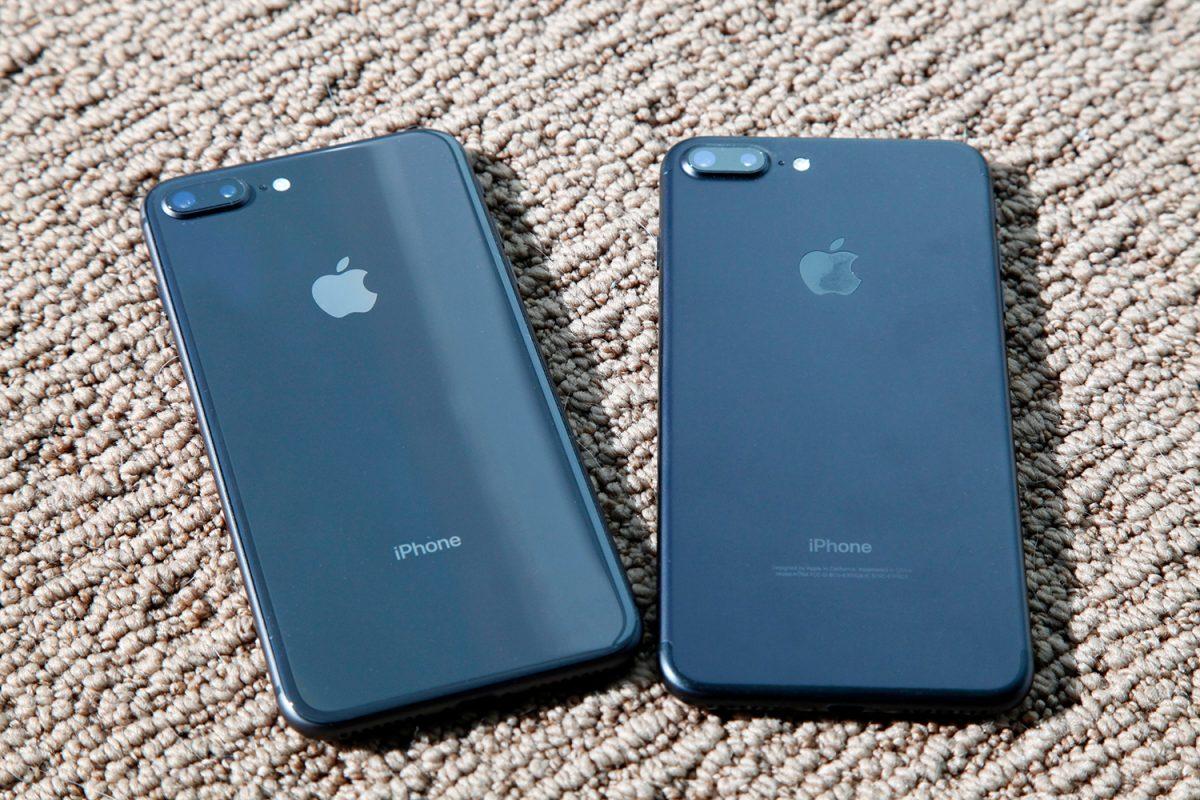
The activist says approximately 24 million users, including iPhone 6, iPhone 6 Plus, iPhone 6s, iPhone 6s Plus, iPhone SE, iPhone 7, and iPhone 7 Plus owners, had their iPhones “throttled.” Interestingly, around the time people started complaining about this batterygate, Apple issued an apology in 2017 and reduced iPhone battery replacements from 65 pounds to 25 pounds until December 2018, and in the US, it cut to $29.

Still, Gutmann and the UK Court of Appeal understand this hasn’t been enough. UK iPhone users who had these phones can enroll in the public batterygate lawsuit, although they cannot sue Apple on their own. They can enroll in the claim until June 7 through this website.

Tech. Entertainment. Science. Your inbox.

Sign up for the most interesting tech & entertainment news out there.

By signing up, I agree to the Terms of Use and have reviewed the Privacy Notice.

Apple took these measures after the batterygate scandal

After the issue with iPhones throttling due to degraded battery life, Apple started taking action by letting iPhone users know their battery usage percentage, using the iPhone at maximum capacity even if the battery isn’t in the best condition and more.

In the past years, Apple has started offering to limit the charging limit to a certain amount, counting the battery’s cycle, when it was built, when it was first used, and so on.

Even though Apple had a “good reason” to start slowing down older iPhones, at least now new iPhone owners are empowered with all the details about their device’s battery and how to take care the most of it, such as smart charging capabilities that keep the iPhone at 80% during the night.

Still, the company now has to defend itself from the batterygate, and we’ll let you know when it does.

Source

Posted on

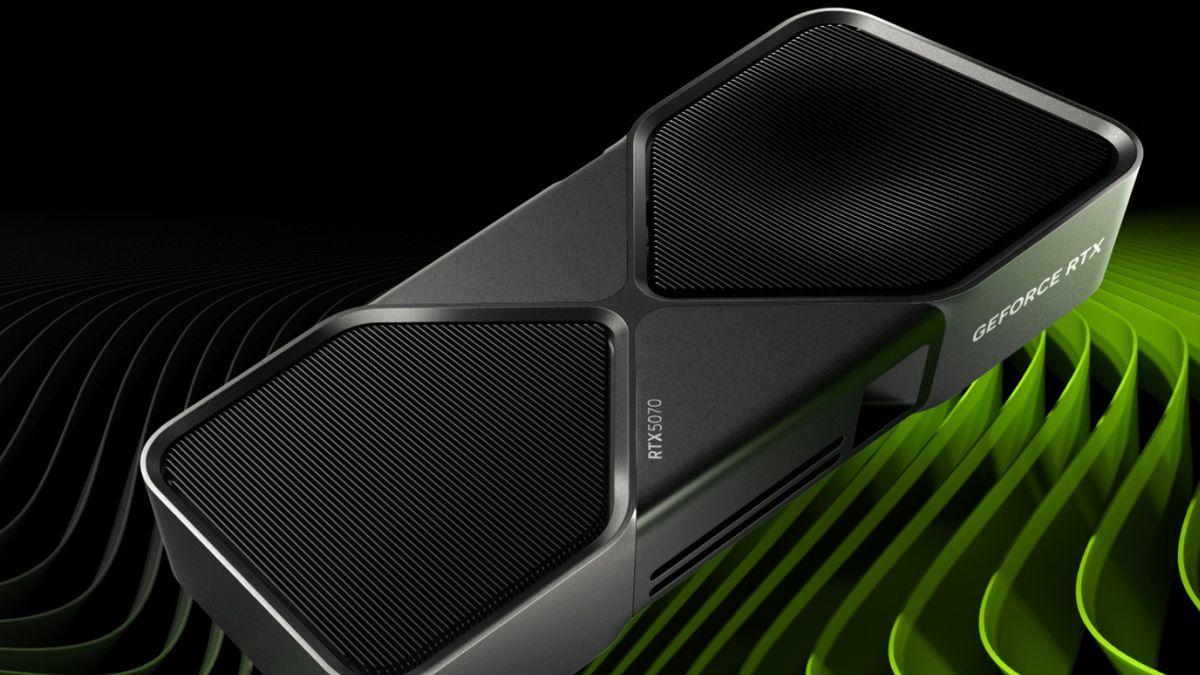
Nvidia RTX 5070 and 5060 GPUs rumored to be delayed to March and April respectively, and stock could be every bit as dire as the RTX 5090 and 5080

  • Nvidia RTX 5070 and 5060 GPUs are rumored to be delayed by a month
  • This means that in theory the RTX 5070 may not arrive until March, and the RTX 5060 in April
  • Expect these GPUs to “sell out instantly” according to the source of this rumor

Update: Nvidia has now officially announced that the RTX 5070 Ti GPU is out on February 20, but RTX 5070 is delayed to March 6. The RTX 5070 delay is less than some rumors had suggested.

Nvidia’s RTX 5060 and 5070 graphics cards might suffer issues with stock, as the RTX 5080 and 5090 have already experienced – and they could end up delayed as a result of a lack of production capacity.

TweakTown noticed a post on X from regular leaker, Ming-Chi Kuo, who’s normally big on Apple and phone-related rumors, but also has fingers in other hardware pies.

Kuo acknowledges the current dire situation for supply with the RTX 5090 and RTX 5080 – GPUs that use the GB202 and GB203 Blackwell chips – and indicates that ongoing struggles with supply will push back the mass production of the RTX 5070 and RTX 5060.

Now, as far as those two still unreleased graphics cards go, we know that Nvidia’s RTX 5070 models are due in February, so this is an assertion of a delay for the vanilla 5070 graphics card to March.

We haven’t officially heard anything about the RTX 5060, on the other hand – not even its existence – but the GPU has been rumored for March previously, and Kuo is now claiming that these models will be pushed back to April. Pass the seasoning at this point, as ever with these kinds of rumors.

Angry PC gamer sitting at a gaming desktop PC and losing

(Image credit: Friends Stock / Shutterstock)

Analysis: Doom and gloom part… erm, I’ve lost count

On the face of it, this really isn’t good news for those – like myself – who are keenly awaiting the arrival of more affordable graphics cards from Nvidia’s next-gen range. The RTX 5080 is effectively out of my price bracket – especially given how asking prices have turned out in reality, thanks to super-lean stock levels – and so it’s the RTX 5070 models I’m really interested in.

{ window.reliablePageLoad.then(() => { var componentContainer = document.querySelector(“#slice-container-newsletterForm-articleInbodyContent-79zSoiB9gxdufV35NZVbNg”); if (componentContainer) { var data = {“layout”:”inbodyContent”,”header”:”Get daily insight, inspiration and deals in your inbox”,”tagline”:”Sign up for breaking news, reviews, opinion, top tech deals, and more.”,”formFooterText”:”By submitting your information you agree to the Terms & Conditions and Privacy Policy and are aged 16 or over.”,”successMessage”:{“body”:”Thank you for signing up. You will receive a confirmation email shortly.”},”failureMessage”:”There was a problem. Please refresh the page and try again.”,”method”:”POST”,”inputs”:[{“type”:”hidden”,”name”:”NAME”},{“type”:”email”,”name”:”MAIL”,”placeholder”:”Your Email Address”,”required”:true},{“type”:”hidden”,”name”:”NEWSLETTER_CODE”,”value”:”XTR-D”},{“type”:”hidden”,”name”:”LANG”,”value”:”EN”},{“type”:”hidden”,”name”:”SOURCE”,”value”:”60″},{“type”:”hidden”,”name”:”COUNTRY”},{“type”:”checkbox”,”name”:”CONTACT_OTHER_BRANDS”,”label”:{“text”:”Contact me with news and offers from other Future brands”}},{“type”:”checkbox”,”name”:”CONTACT_PARTNERS”,”label”:{“text”:”Receive email from us on behalf of our trusted partners or sponsors”}},{“type”:”submit”,”value”:”Sign me up”,”required”:true}],”endpoint”:”https://newsletter-subscribe.futureplc.com/v2/submission/submit”,”analytics”:[{“analyticsType”:”widgetViewed”}],”ariaLabels”:{}}; var triggerHydrate = function() { window.sliceComponents.newsletterForm.hydrate(data, componentContainer); } if (window.lazyObserveElement) { window.lazyObserveElement(componentContainer, triggerHydrate); } else { triggerHydrate(); } } }).catch(err => console.error(‘%c FTE ‘,’background: #9306F9; color: #ffffff’,’Hydration Script has failed for newsletterForm-articleInbodyContent-79zSoiB9gxdufV35NZVbNg Slice’, err)); }).catch(err => console.error(‘%c FTE ‘,’background: #9306F9; color: #ffffff’,’Externals script failed to load’, err)); ]]>

Sign up for breaking news, reviews, opinion, top tech deals, and more.

The glimmer of hope, such as it is, comes with the RTX 5070 Ti being rumored to still be on track for February. Review embargoes are purportedly in place, and various spillage suggests a launch on February 20, which is only a week away now. But there’s a distinct lack of any talk of the RTX 5070 vanilla flavor on the rumor mill, which does indeed suggest that it might be on the back burner in some way.

On top of that, we’ve already heard a couple of rumors of a delay to March for the RTX 5070, and we can add this fresh speculation here to the growing pile.

Adding all this up, talk of a delay certainly makes some sense, and if Nvidia is struggling – to the point that “limited supply means these two cards [RTX 5070 and 5060] will sell out instantly even if production stays on schedule” according to Kuo – well, that’s not looking too clever now, is it?

It sounds like a recipe for delays, and more price gouging and stock washouts, particularly considering the RTX 5070, and certainly the RTX 5060, are going to be the targets of a lot more would-be buyers considering they’re at the more affordable end of the Blackwell spectrum. I’m also concerned about what we’re now hearing about the pricing of the RTX 5070 Ti, to boot.

While we must be careful not to get overly gloomy about these inbound launches from Nvidia, it’s getting increasingly difficult to avoid doing so, as all the rumors are slanted towards the negative side of what might be, rather than anything remotely positive.

Although we do have AMD’s RDNA 4 launch to look forward to, of course, in March, and maybe Nvidia could be leaving the door open for Team Red to spark the beginning of what might be quite a GPU comeback here. I guess stranger things have happened, and don’t forget Intel either – Battlemage could have a ship in the mid-range seas, too.

You might also like…

Source

Posted on

Apple’s M3 Ultra jaw-dropping performance revealed in early benchmark test

Apple’s most powerful chip ever is the M3 Ultra, which is currently exclusive to the 2025 Mac Studio. With up to an 80-core GPU, twice what’s available on the M4 Max, this chipset is a beast for graphics performance. However, how much better is it really than the M4 Max and the previous M2 Ultra?

In a Geekbench 6 result that surfaced on the web and that was spotted by MacRumors, the top-end M3 Ultra with an 80-core GPU had a Metal score of 259,668, up from 222,582 with the M2 Ultra processor with a 76-core GPU. If you do the maths, it gives up to 16% faster graphic performance than the previous iteration.

While the result may vary a little, the 16-inch MacBook Pro with M4 Max and a 40-core GPU has a Metal score of 187,460, which means the graphic performance between the M4 Max Mac Studio and M3 Ultra Mac Studio could be around 38%.

A CPU performance test revealed that the M3 Ultra is up to 10% faster than the M4 chip, so users upgrading to this more expensive Mac should know that the M3 Ultra’s benefits lie in the GPU performance.

Tech. Entertainment. Science. Your inbox.

Sign up for the most interesting tech & entertainment news out there.

By signing up, I agree to the Terms of Use and have reviewed the Privacy Notice.

Apple says this chip has been built using the company’s “innovative UltraFusion packaging architecture, which links two M3 Max dies over 10,000 high-speed connections that offer low latency and high bandwidth.”

Officially, Cupertino states the M3 Ultra provides the most performance of any Mac chip while still delivering “exceptional power efficiency” thanks to its silicon. It features up to a 32-core CPU with 24 performance cores and eight efficiency cores, up to 1.5x the performance of the M2 Ultra and 1.8x of the M1 Ultra. Its GPU makes it perform up to 2x faster than the M2 Ultra and 2.6x faster than the M1 Ultra.

Apple says the M3 Ultra provides the most performance of any Mac chip while still delivering exceptional power efficiency thanks to its silicon. It features up to a 32-core CPU with 24 performance cores and eight efficiency cores, up to 1.5x the performance of the M2 Ultra and 1.8x of the M1 Ultra. It also has the largest GPU in any Apple chip, with up to 80 graphics cores, making it up to 2x faster performance than the M2 Ultra and 2.6x than the M1 Ultra.

The new Mac Studio starts with 96GB of RAM, but thanks to the M3 Ultra chip, this is the first Apple Silicon Mac to feature up to 512GB of RAM. Apple says this spec removes limitations for ”pro workloads that demand large amounts of graphics memory like 3D rendering, visual effects, and AI.”

The M3 Ultra Mac Studio will be available in stores starting March 12.

Source

Posted on

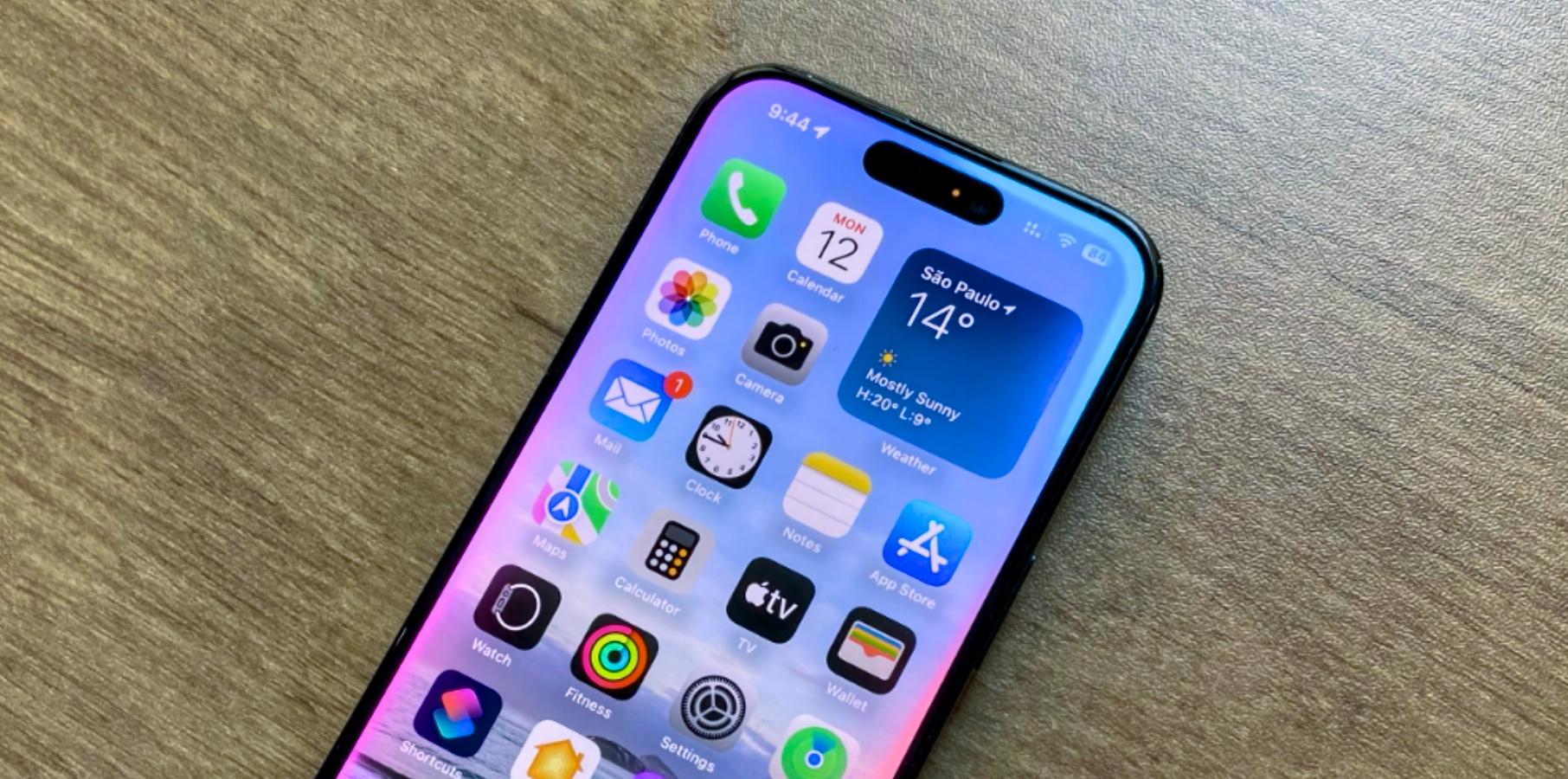
iOS 18.4: New features, release date, AI updates, more

After waiting almost a month, Apple finally started beta testing iOS 18.4. This is one of the most important updates of the iOS 18 cycle so far. Here’s everything you need to know about iOS 18.4, including all of its features, the expected release date, and a major Apple Intelligence upgrade that Apple has planned for this release.

Release Date

Unlike other software updates, Apple already teased that iOS 18.4 will be available in April. With the iPhone 16e announcement, the company said this version would launch early that month.

Apple Intelligence upgrades

iOS 18.1 Apple Intelligence on iPhone 15 Pro all-new Siri designImage source: José Adorno for BGR

With iOS 18.4 beta 1, Apple added several new Apple Intelligence features:

New languages: Apple adds Chinese, French, German, Italian, Brazilian Portuguese, Spanish, Japanese, Korean, and localized English for Singapore and India.

Tech. Entertainment. Science. Your inbox.

Sign up for the most interesting tech & entertainment news out there.

By signing up, I agree to the Terms of Use and have reviewed the Privacy Notice.

Image Playground: The long-awaited Sketch style is now available alongside the Animation and Illustration options.

Genmoji: Apple tweaked the Genmoji icon on the keyboard, as it now reads “Genmoji.”

Mail Categorization: Apple added Mail Categorization to iPad users with iPadOS 18.4 beta 1.

iOS 18.4 beta 1 features

The first iOS 18.4 beta includes several new features. These are the most important:

Apple News+ Food: This update will bring a new Food section to Apple News. Subscribers can access recipes, tips for healthy eating, restaurants, and more.

Vision Pro app: With iOS 18.4, Apple Vision Pro will get its own iPhone app. It will help you download apps, visionOS content, tips, and information and even set up Guest Mode.

Apple Maps change: You can now set a Preferred Language to get directions instead of the one you use on your iPhone.

Ambient music: iOS 18.4 adds new Control Center toggles for Ambient Music, including Chill, Productivity, Sleep, and Wellbeing.

CarPlay update: Cars with bigger screens now get three rows of apps displayed.

iOS 18.4 beta 2 features

New emojis launch with iOS 18.2Image source: José Adorno for BGR

The second iOS 18.4 beta includes several new features. These are the most important:

New emoji: Apple finally added the seven emojis teased by the Unicode Consortium last year. Still, they’re not as fun as you’d expect.

Visual Intelligence: Apple added the Visual Intelligence feature to the Action Button while also adding support for the iPhone 15 Pro and iPhone 16e.

Control Center: The Control Center now displays an Apple Intelligence section with three options: Talk to Siri, Type to Siri, and Visual Intelligence.

Apple Vision Pro app: If you have an Apple Vision Pro, iOS 18.4 beta 2 adds the already-announced Vision Pro app.

App Store: The latest beta lets you pause an app download from the App Store.

iPhone support: iPhone 12 and iPhone 16e users can now join the iOS 18.4 beta testing.

Device compatibility

Image source: José Adorno for BGR

iOS 18.3 is compatible with the following devices:

  • iPhone XR, XS, and XS Max
  • iPhone 11
  • iPhone 11 Pro and 11 Pro Max
  • iPhone SE (2nd gen)
  • iPhone 12 mini and iPhone 12
  • iPhone 12 Pro and iPhone 12 Pro Max
  • iPhone 13 mini and iPhone 13
  • iPhone 13 Pro and iPhone 13 Pro Max
  • iPhone SE (3rd gen)
  • iPhone 14 and iPhone 14 Plus
  • iPhone 14 Pro and iPhone 14 Pro Max
  • iPhone 15 and iPhone 15 Plus
  • iPhone 15 Pro and iPhone 15 Pro Max
  • iPhone 16 and iPhone 16 Plus
  • iPhone 16 Pro and iPhone 16 Pro Max
  • iPhone 16e

Source

Posted on

Galaxy S25 Edge specs leak teases an amazing ultra-thin phone

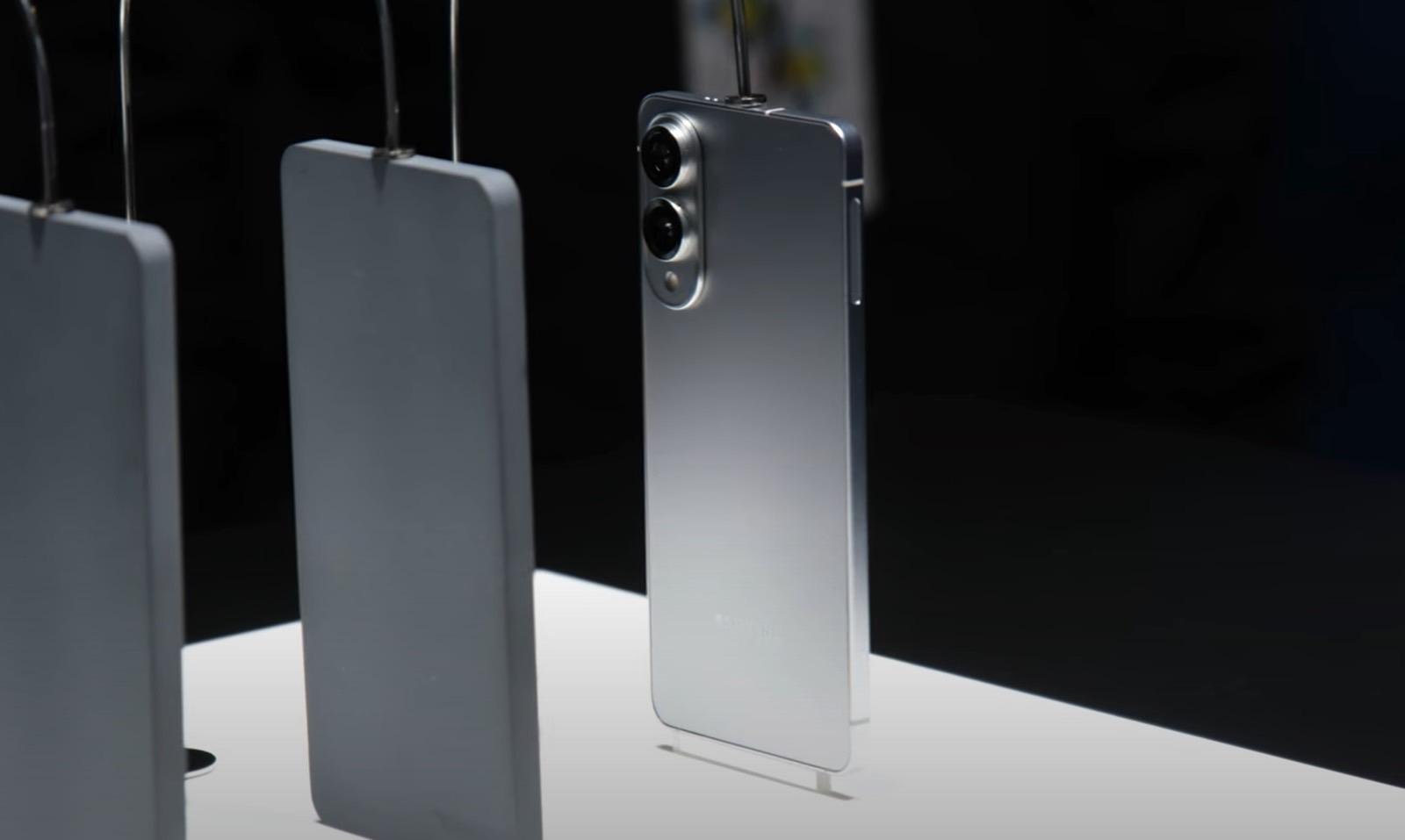
People in attendance at the Galaxy S25 Unpacked event last month might’ve been surprised by the product Samsung used to open the show: the new ultra-thin Galaxy S25 Edge. Then, during the hands-on experience, people crowded the Galaxy S25 Edge tables to take photos of the sleek new phone that Samsung teased briefly on stage.

Despite not being launched officially, the Galaxy S25 Edge was the big star of the show, and I’m not surprised. It can’t be just me who is interested in an ultra-thin flagship phone. I’m already looking forward to buying the iPhone 17 Air that Apple is expected to introduce this year. That’s the iPhone model that supposedly inspired Samsung to rush and unveil the Galaxy S25 Edge before Apple shows off its super-thin handset in September.

Samsung did not reveal Galaxy S25 Edge specs details at the show. While we speculated the handset would have high-end hardware like the rest of the Galaxy S25 series, we didn’t get actual confirmation at the event.

Now, someone posted on YouTube a very early hands-on video showing the Galaxy S25 Edge in action, complete with specs. The video was quickly pulled, but it confirmed leaks saying that the handset will rock high-end hardware despite being so thin.

Tech. Entertainment. Science. Your inbox.

Sign up for the most interesting tech & entertainment news out there.

By signing up, I agree to the Terms of Use and have reviewed the Privacy Notice.

According to SamMobile, which was among those quick enough to see the video before it was removed, the Galaxy S25 Edge is under 6mm thin. This seems to confirm rumors pointing to a profile of 5.84mm. Comparatively, the base Galaxy S25 model is 7.2mm thick.

The same YouTuber also provided the main hardware specs for the Galaxy S25 Edge units they tested. The phone features the Snapdragon 8 Elite chip, 12GB of RAM, 256GB of storage, and a 4,000 mAh battery.

The specs app the YouTuber used also provided purported camera details, suggesting the phone has three 12-megapixel cameras. However, the Galaxy S25 Edge only features two cameras on the back.

SamMobile explained that the app used to collect specs details usually messes up camera hardware, as the app looks at the default resolution of photos. The Galaxy S25 is rumored to feature a 200-megapixel main sensor rather than a 12-megapixel camera.

Camera specs aside, the rest of the hardware specs tell an impressive story. The Galaxy S25 Edge will apparently feature specs on par with the thicker Galaxy S25 phones.

All three Galaxy S25 models pack the same Snapdragon 8 Elite chip and pack at least 12GB of RAM. The list includes the Galaxy S25 Ultra, the best Galaxy S25 flavor you can buy.

Samsung Galaxy S25+ blue backSamsung Galaxy S25 Plus in blue back. Image source: Christian de Looper for BGR
The base Galaxy S25 model, which we’ve called maybe the most minor update in history, starts at 128GB of storage. The Galaxy S25 Plus model above starts at 256GB of storage.

More interesting is the Galaxy S25 Edge battery claim. At 4,000 mAh, the battery is as big as the Galaxy S25’s battery pack. However, given the phone’s nimble profile, the Galaxy S25 Edge battery has to be thinner and taller.

It’s unclear what compromises Samsung might have made to reduce the Galaxy S25 Edge’s thickness. The Snapdragon 8 Elite chip might be underclocked compared to the regular version. The phone’s thickness might have impacted the cooling system and other internal components. 

The battery might match the Galaxy S25’s size, but the phone should have a larger screen, which will inevitably consume more energy.

Even if the specs aren’t confirmed for the camera, we know the handset will feature two lenses instead of three.

That said, I’m cautiously optimistic about the Galaxy S25 Edge. The phone will have high-end specs in an ultra-thin body.

Samsung’s confidence in its ability to pull off a high-end ultra-thin Galaxy S phone makes me even more excited about the iPhone 17 Air. Remember that Samsung would have never made an ultra-thin Galaxy S phone without Apple first making a slim iPhone.

With March approaching, we’re getting closer to the Galaxy S25 Edge launch event. Samsung only teased the handset in January, but the ultra-thin phone should be launched in the second quarter.

Source

Posted on

How Apple plans to fix the biggest design flaw of foldable phones

Apple will supposedly launch its first foldable iPhone in 2026, a phone we’ve been calling the iPhone Fold on account of its presumed design. The phone will fold like a book, which is the design Samsung first used for a foldable of its own, called the Galaxy Z Fold. Since then, many Chinese smartphone vendors released Fold-type phones.

When the iPhone Fold arrives, Apple might do something that Samsung and other Chinese companies haven’t really been able to do. Apple might release a foldable phone with an almost perfect foldable screen. That is, the foldable display might be creaseless, with Apple having reportedly spared no expense to fix this foldable phone design compromise. 

That’s according to a report from Korea that claims Apple will finalize its supply chain for the first-gen iPhone Fold this year, with component manufacturing to start by the end of the year.

Apple’s purported manufacturing plans for the iPhone Fold come from ETNews. The Korean outlet has learned that supplier selection is imminent, as Apple managed to improve the display crease significantly. By April, Apple should have chosen the suppliers that would manufacture key iPhone Fold components.

Tech. Entertainment. Science. Your inbox.

Sign up for the most interesting tech & entertainment news out there.

By signing up, I agree to the Terms of Use and have reviewed the Privacy Notice.

This development suggests that Apple will indeed release a foldable iPhone next year, matching claims from other recent rumors.

Samsung will be the sole manufacturer of that nearly creaseless display. Apple reportedly worked only with Samsung since last year. Apparently, it’s only Samsung Display that managed to deliver a screen that matches Apple’s needs.

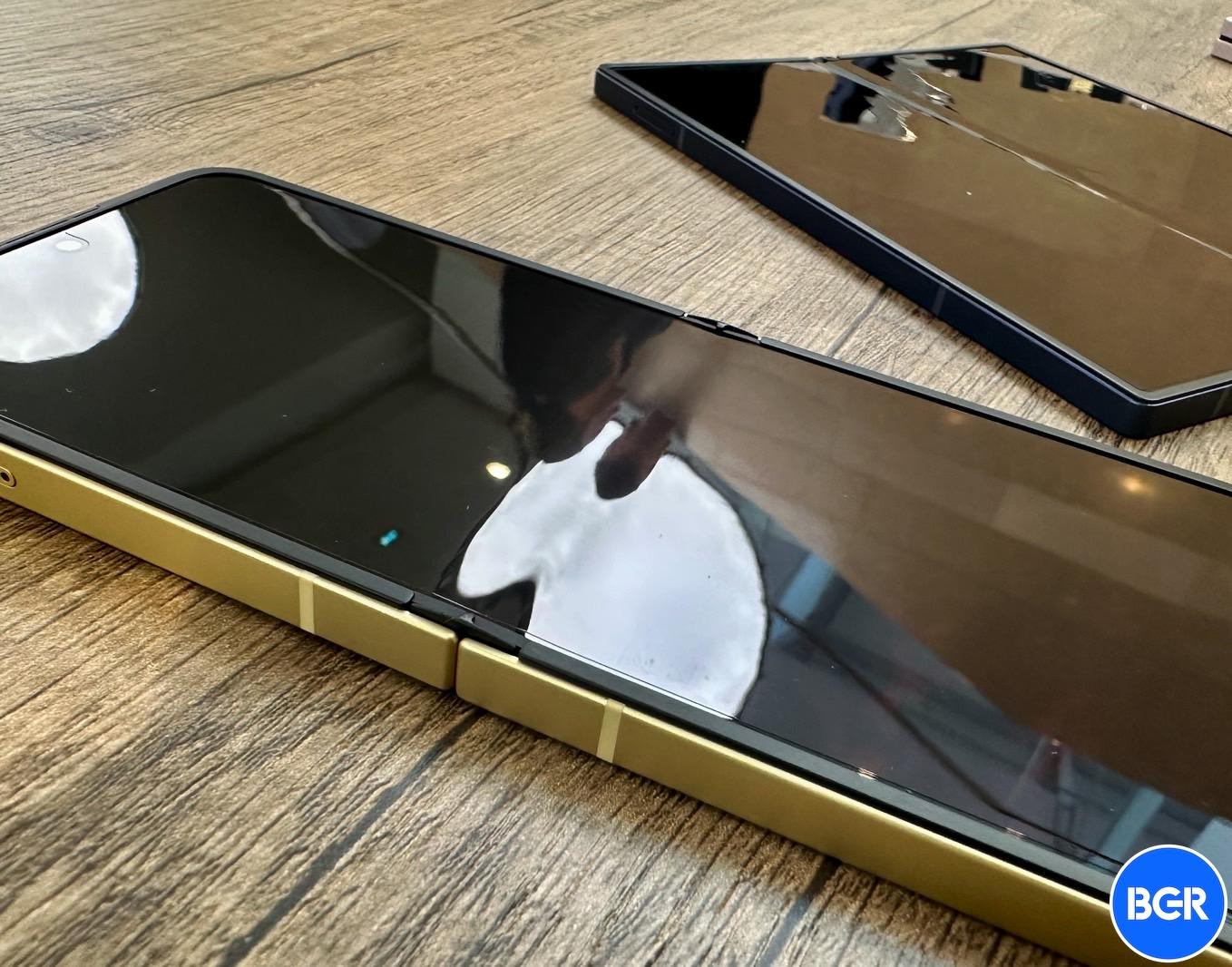
Galaxy Z Fold 6 crease.Galaxy Z Fold 6 has a large crease. Image source: Chris Smith, BGR

That means Samsung might be the first company to significantly improve the foldable display crease. As a reminder, the Galaxy Z Fold SE has a significantly reduced crease. The upcoming Galaxy Z Fold 7 should be based on the same design. It’s unclear, however, if Samsung is using the same innovations on its own phones.

Unsurprisingly, Apple had strict technical requirements from Samsung on how to fix the display crease.

“Apple has made the decision to eliminate creases completely, regardless of cost, in order to differentiate their foldable phone from existing models,” an insider told the outlet. “It is understood that they have successfully achieved this by using new materials that prevent creases from forming on the display.” It’s unclear what these materials are.

The report provides another interesting detail about the iPhone Fold design. Fixing the crease doesn’t mean fixing only the foldable screen. It also means looking at how the screen connects to the hinge below it and the ultra-thin glass at the top. 

Apparently, Apple has found a way to prevent creasing by looking at the problem holistically. The report also says Apple has encouraged cooperation between the various parts suppliers.

Samsung will provide the foldable OLED panel for the iPhone Fold. Amphenol, which manufactures hinges for MacBook Pros, has been tapped to make the iPhone Fold’s hinge.

Apple will reportedly use Corning cover screens, likely for the external display. The foldable screen will get ultra-thin glass covers, similar to Samsung’s Galaxy Z Fold models. Samsung might provide UTG tech, though Apple is reportedly working with other components.

A foldable display with no crease will surely offer Apple an advantage over rivals next year. That’s assuming Samsung and others won’t come up with almost creaseless foldable phone screens themselves. It’s not just the Galaxy Z Fold SE that might feature a smaller crease. The recently launched Oppo Find N5 also supposedly features a smaller crease.

The crease might not be the only thing that sets the iPhone Fold apart. Recent reports from China have revealed the purported screen sizes for the foldable iPhone. They suggest the phone will be much shorter than the Galaxy Z Fold 6. When opened, this phone would look a lot like an iPad mini.

Source

Posted on

Apple’s leaked Face ID doorbell might use MagSafe and integrate with AirPods Pro 3

After teasing that AirTag 2 might be released soon, leaker Kosutami on X hints at a new smart home product: a MagSafe-compatible doorbell. In a few posts, the leaker wrote, “There’s something Apple ringing on your door,” followed by, “More hint: MagSafe on your door, it rings.”

They also say, “You can hear from next-generation AirPods Pro.” While all those hints lack more details, Bloomberg recently reported that a Face ID doorbell could be coming soon.

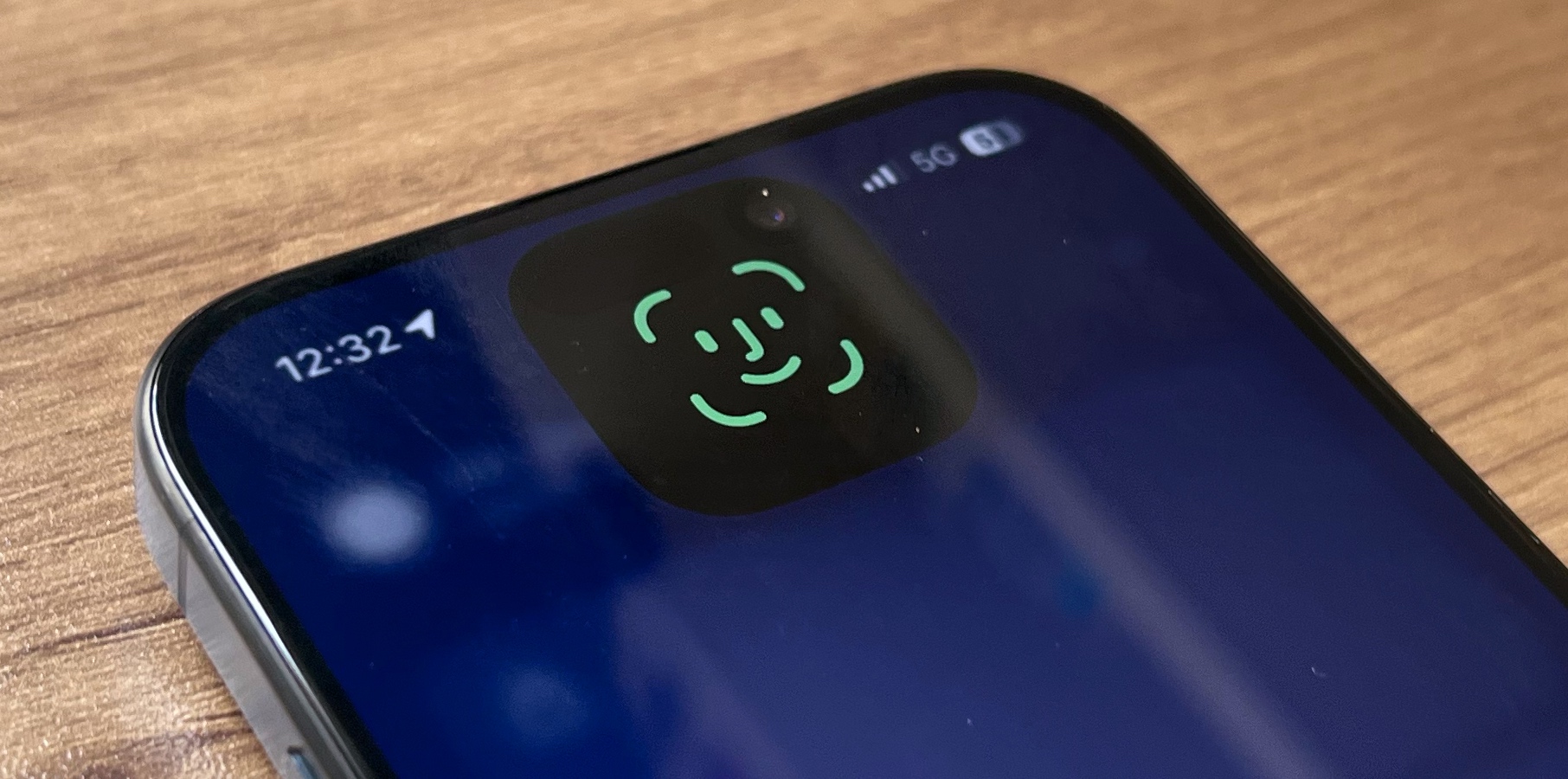
While it’s unclear when or even if Apple will launch the doorbell, a Face ID doorbell would change how home security works. It would be even cooler than smart locks that let you unlock the door with an iPhone or a wearable. The door would recognize your face and let you in as easily as unlocking your iPhone with Face ID.

A video doorbell with Face ID support seems like the kind of product that Apple would have to develop in this context. It would leverage some of Apple’s best features, including the secure 3D authentication algorithm and the strong privacy and security of Apple’s ecosystem. Gurman says the doorbell would protect consumer data using Apple’s upcoming Proxima chipset and its secure enclave feature.

Tech. Entertainment. Science. Your inbox.

Sign up for the most interesting tech & entertainment news out there.

By signing up, I agree to the Terms of Use and have reviewed the Privacy Notice.

The work on the Face ID doorbell is said to be in the early stages. If Apple decides to proceed with it, it might launch the product before the end of 2025. Gurman also says Apple may decide against selling the product under its own brand and partner with Logitech or Belkin.

If that turns out to be accurate, Kosutami gives us another hint that it might support MagSafe. Interestingly enough is the fact that it could integrate with AirPods Pro 3. Rumors so far are still vague despite the imminent support of heart rate measuring. Still, with Apple focusing on the hearing aid market and greatly improving its H-series chips, it’s possible that the perfect smart home ecosystem would announce when someone knocked at your door if you’re wearing AirPods.

Despite Gurman’s report, we still have to wait and see if Kosutami or another leak will give us more details on Apple’s future smart home projects. That said, the company has been working on several new smart home devices.

Source