Posted on

iOS 18.4 might not have the big Siri upgrade we expected

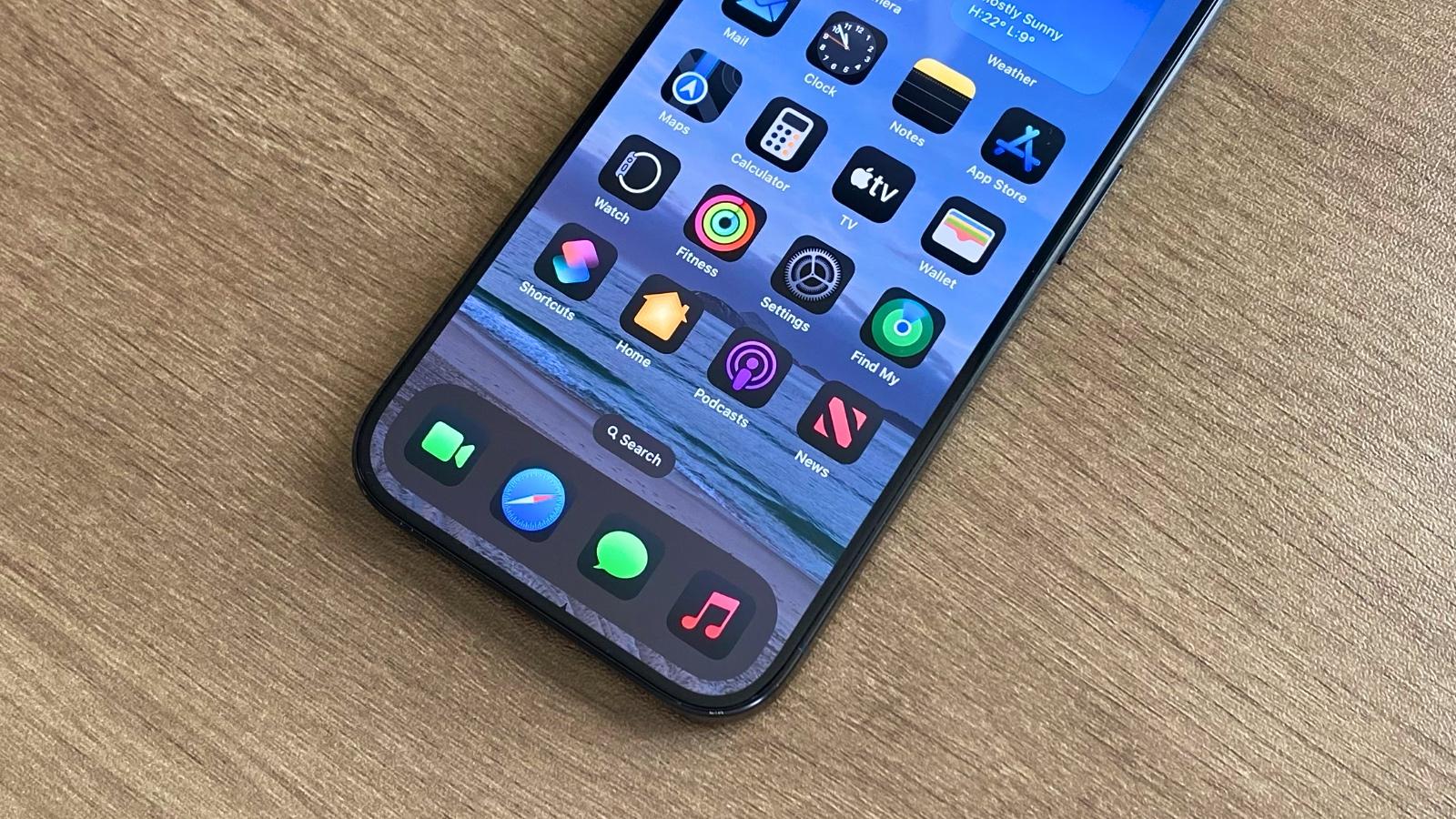
Apple was reportedly planning to introduce an AI-powered upgrade for Siri in iOS 18.4, but that might no longer be in the cards for the company. Bloomberg’s Mark Gurman reports that due to numerous engineering problems and software bugs involving the AI-enhanced Siri, Apple might have to delay the launch to a future update.

Sources told Bloomberg that Apple “is still racing to finish the software” internally. They say that employees testing Siri haven’t been able to consistently get the new features to work. While iOS 18.4 isn’t expected to be released to the public until April, the first beta software could roll out as early as next week, adding even more pressure.

Therefore, Apple has some choices to make. One option is to delay the Siri upgrade altogether and wait for iOS 18.5, which could arrive as early as May. Another option is to ship the upgrade but deactivate all the features that don’t work yet. That obviously would not be an ideal solution, but at least Apple could say that it shipped the new Siri on time.

New features in the works include the ability to sort through personal data to answer questions and take actions, understand context based on what’s on the screen, and perform significantly more actions within both first-party and third-party apps.

Tech. Entertainment. Science. Your inbox.

Sign up for the most interesting tech & entertainment news out there.

By signing up, I agree to the Terms of Use and have reviewed the Privacy Notice.

“Users have been waiting for other Apple Intelligence features, beyond the new Siri,” Gurman pointed out in his Friday report. “That includes AI sorting of mail messages on the iPad and Mac, a priority notifications interface for highlighting important alerts, and a sketch style in the Image Playground app for creating images.”

Whether or not Apple can get the new Siri up and running by April, it’s clear that the company is struggling to catch up with rivals in the fast-paced AI world.

Source

Posted on

Galaxy S25 Ultra vs. iPhone 16 Pro Max real-life battery test: Almost indentical

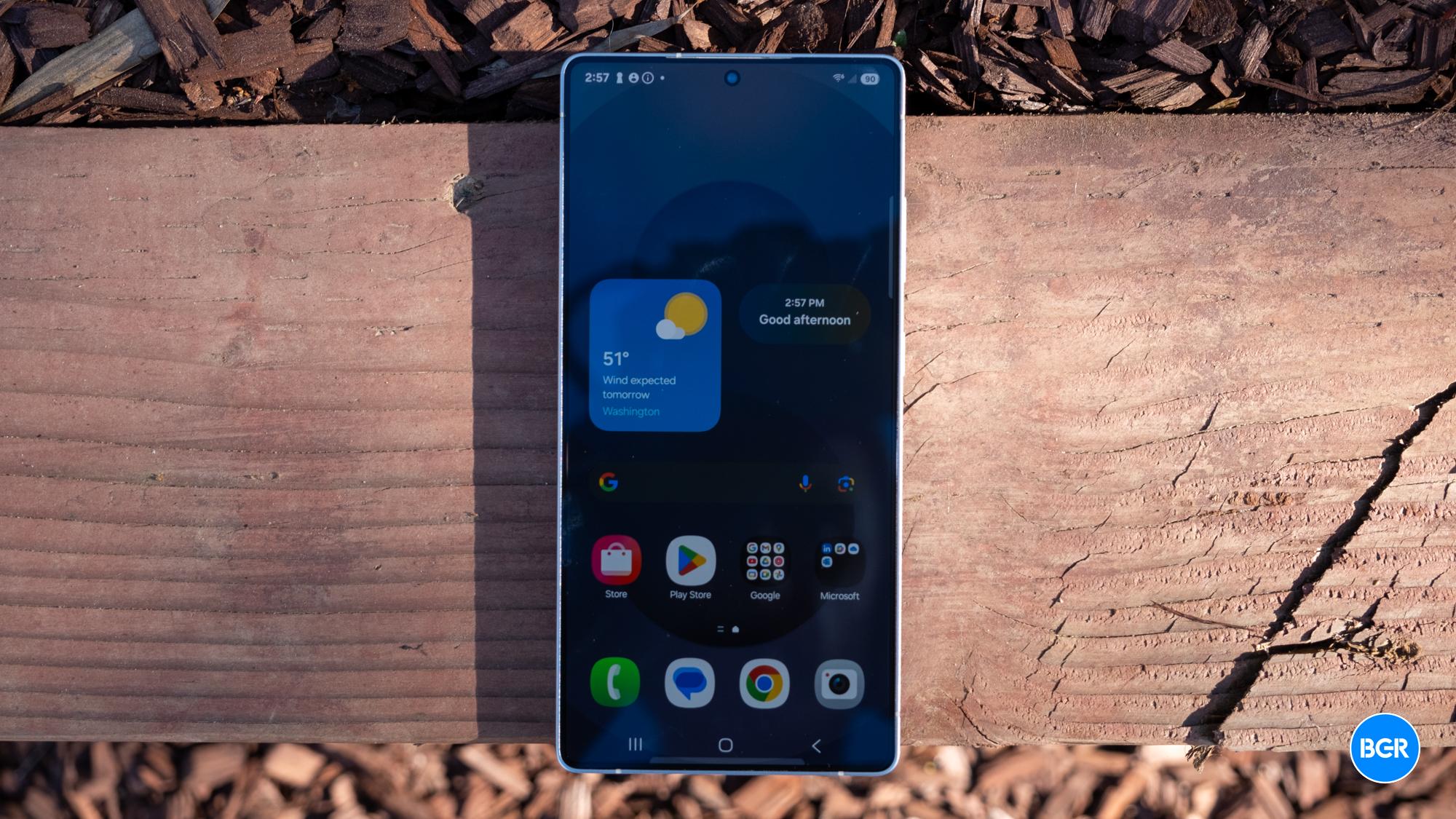
Apple’s iPhone 16 delivers great battery life, as we’ve seen in various tests and reviews performed after Apple unveiled the phone in September. The iPhone 16 Pro Max, which rocks the largest battery capacity of the four models, also delivers the best battery life.

Now that the Galaxy S25 phones are out, the obvious battery life comparisons have started to drop, comparing Samsung’s latest phones against the latest iPhones. The most obvious contest is between the Galaxy S25 Ultra and the iPhone 16 Pro Max the phones with the largest battery packs of their respective series.

A few months ago, we saw battery life comparisons between the Galaxy S24 Ultra and the iPhone 16 Pro Max, with each phone coming out on top.

One of the more objective comparisons, offering a test meant to mimic the real-life use of a smartphone, came from the YouTube channel PhoneBuff. The iPhone 16 Pro Max won that battle by nearly an hour of extra life, though the Galaxy S24 Ultra put up a great fight.

Tech. Entertainment. Science. Your inbox.

Sign up for the most interesting tech & entertainment news out there.

By signing up, I agree to the Terms of Use and have reviewed the Privacy Notice.

Fast-forward to mid-February, and we have a similar battery life test featuring the Galaxy S25 Ultra and the iPhone 16 Pro Max. Apple’s handset won the contest, but by only a few minutes.

Ahead of the Galaxy S25 launch event, we knew the Snapdragon 8 Elite chip did tremendously well in battery life tests. This prompted me to speculate the ultra-thin Galaxy S25 Edge will feature great battery life despite rocking a smaller battery. While we’re yet to see the Edge in the wild, we know the Galaxy S25 Ultra can offer great battery life.

We noted in our Galaxy S25 Ultra review that battery life seems to have improved for the Galaxy S25 Ultra. The phone can easily last up to two days with light use. The Snapdragon 8 Elite, a custom version for the Galaxy S25 Ultra, delivers better performance than its predecessor and improved efficiency gains. The Galaxy S25 phones also feature vapor chambers to help cool the processor off.

We already saw that processor in action in a speed test from the same YouTuber, where the Galaxy S25 Ultra crushed the iPhone 16 Pro Max in a way I didn’t think possible.

Galaxy S25 Ultra vs. iPhone 16 Pro Max battery life test results.Galaxy S25 Ultra vs. iPhone 16 Pro Max battery life test results. Image source: YouTube

The processor’s efficiencies must be the reason the Galaxy S25 Ultra does so well in the battery life test PhoneBuff posted on YouTube.

Like the speed test, the battery life battle features a robot programmed to navigate apps in a specific order to mimic real-life use. The robot went through phone calls, texting, internet browsing, social apps, games, music, video streaming, and even navigation apps to replicate what we normally do on phones.

The battery life test also included a standby period to account for battery depletion when the handset is not used.

The iPhone 16 Pro Max won the battery life duel with 28 hours and 1 minute, while the Galaxy S25 Ultra died after 27 hours and 50 minutes. The advantage of the iPhone dropped significantly compared to the Galaxy S24 Ultra. The iPhone’s performance is impressive, considering it actually has a smaller battery than the Galaxy S25 Ultra.

However, it’s clear the Snapdragon 8 Elite chip is responsible for the phone’s battery life gains. After all, Samsung used the same 5,000 mAh battery for both the Galaxy S24 Ultra and the S25 Ultra.

The only other thing that’s different is the operating system. The Galaxy S25 Ultra runs Android 15 (One UI 7) out of the box, while the S24 Ultra rocked Android 14. One UI 7 is still too new. Additional optimizations might improve battery life down the road. But even so, the Galaxy S25 phones should deliver better batery life than its predecessors, especially the Ultra.

The battery life test follows in full below:

Source

Posted on

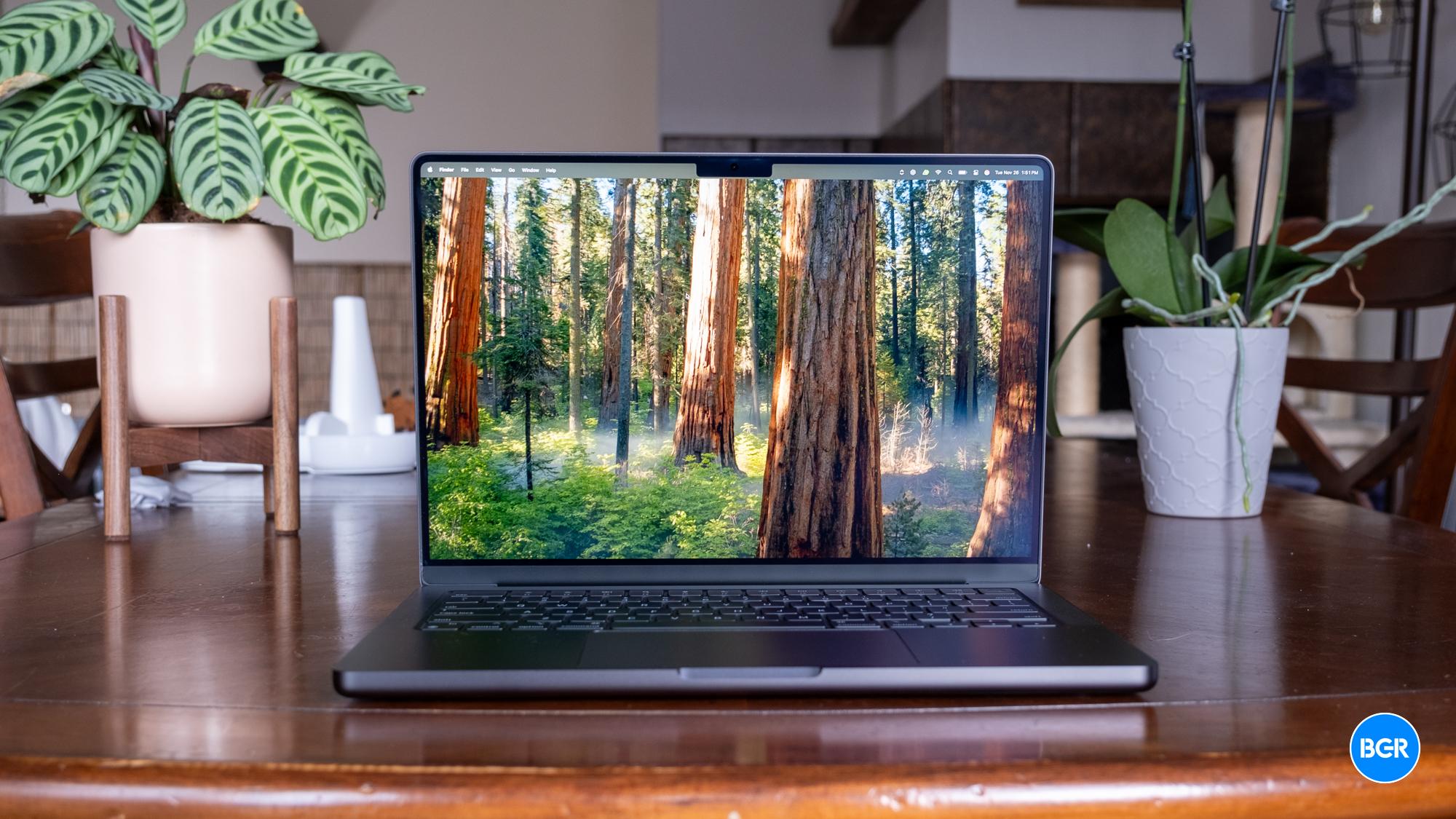
We might finally know when the M4 MacBook Air will launch

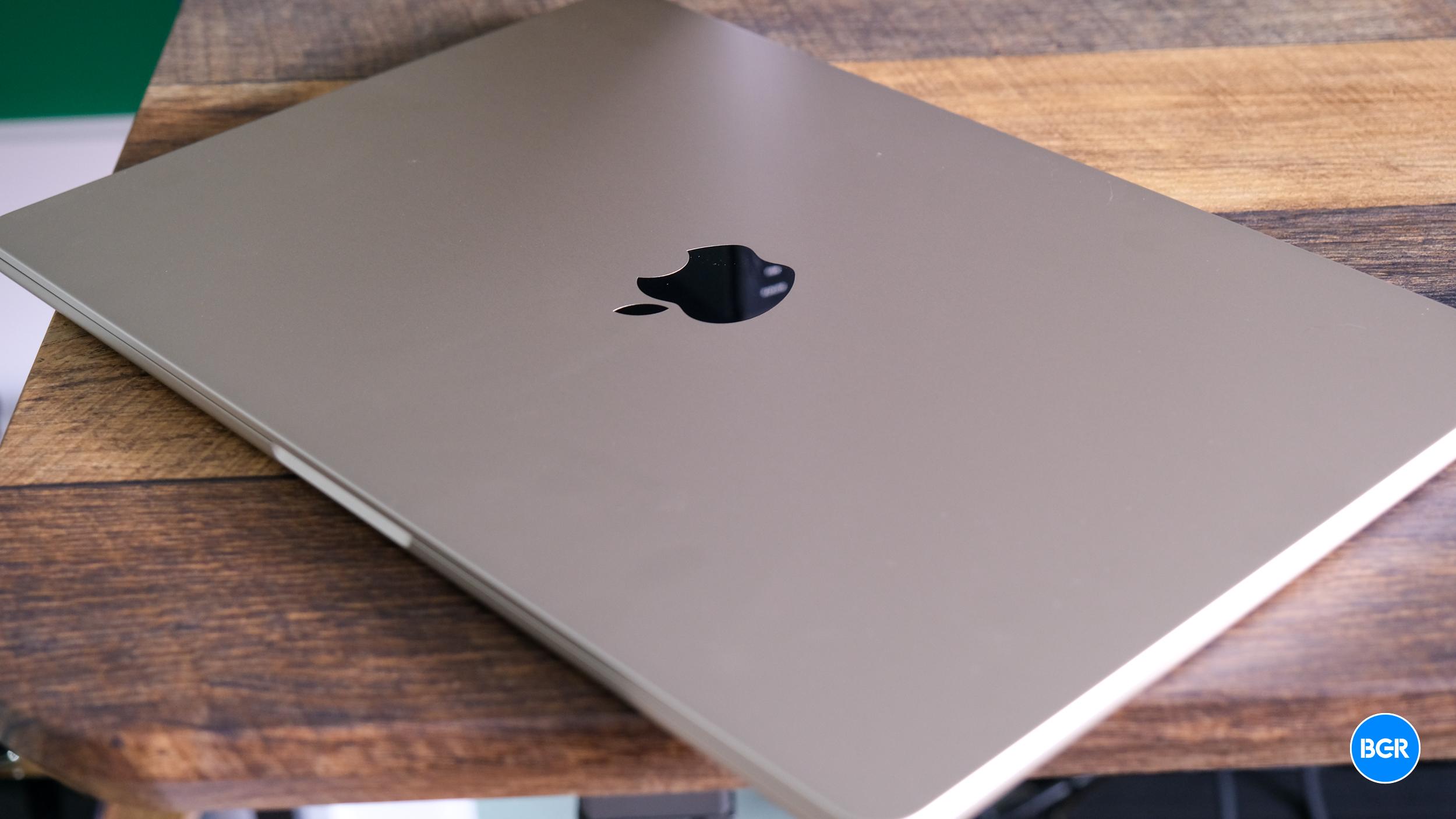
The M4 MacBook Air was expected to be Apple’s first launch of 2025. However, the company seems to have other plans, as the new iPhone SE will likely be the first release from Cupertino this year.

Still, Bloomberg‘s Mark Gurman has reported that the M4 MacBook Air could launch anytime. After saying this machine could have been available as soon as the last week of January and then correcting his report to “within the next few weeks,” the journalist wrote in his Power On newsletter that this laptop will be available by March “at the latest.”

While “within the next few weeks” is still accurate, as February won’t last much longer, Apple might be holding up this release to coincide with other products. Previously, a top Mac executive said the company would release new computers “as soon as they were ready.”

Even though Gurman has been inaccurate about the M4 MacBook launch date, we’ve seen evidence that this might happen soon. For example, inventory for the M3 MacBook Air has been dwindling. In addition, the company revealed on its macOS beta code that these laptops exist. This is why we believe the company might want to wait at least a year to release a new iteration of its MacBook Air models.

Tech. Entertainment. Science. Your inbox.

Sign up for the most interesting tech & entertainment news out there.

By signing up, I agree to the Terms of Use and have reviewed the Privacy Notice.

That said, customers won’t have to wait that long. After all, WWDC 2025 is in June, and Apple might have other Macs to unveil, such as the long-rumored Mac Studio with M4 Ultra processor. A redesigned Mac Pro can be teased at the conference, as it happened previously.

Despite the new chip, which is a great improvement over the M3 processor, the new MacBook Air could have the new 12MP Ultrawide camera, which has been available on the latest MacBook Pro and iMac models.

We don’t expect this laptop to have other design tweaks or improved specs. Still, the M4 MacBook Air will likely have the best battery of any Apple laptop. Currently, the most power-efficient MacBook is the base-model MacBook Pro.

BGR will let you know once Apple releases its new Macs.

Source

Posted on

There won’t be an iPhone SE 4 because Apple isn’t calling it that

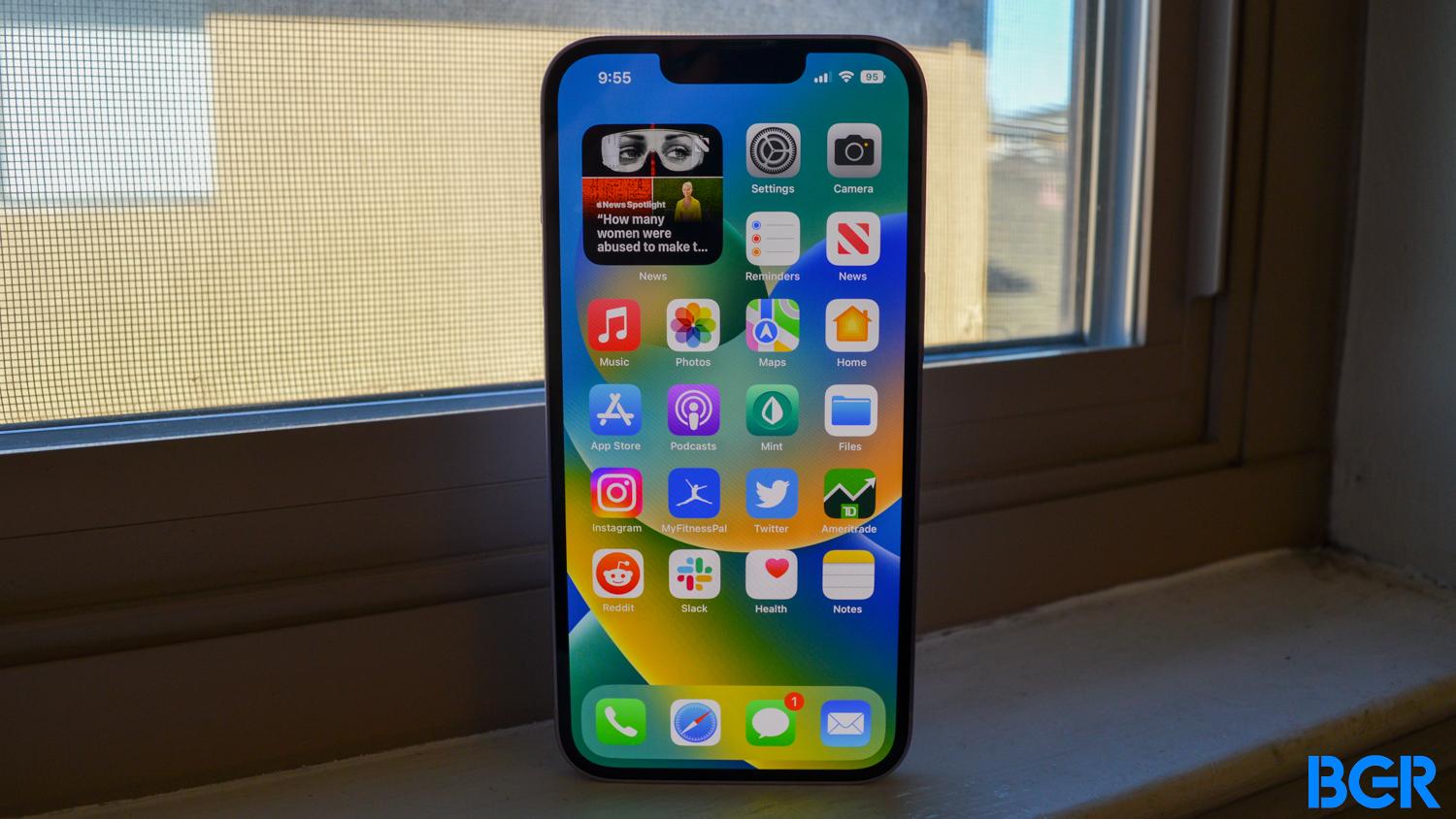
Tim Cook teased the “newest member of the family” last week on X, seemingly confirming what the leaks have been saying. The iPhone SE 4, Apple’s cheapest new iPhone, will be unveiled on February 14th. It should generate plenty of interest in the coming months.

Cook might not have named the product launching this week, but the iPhone SE 4 is the only Apple product that makes sense to get a mid-February launch. iPhone sales were down in the December quarter, and while Apple reported record revenue for the period, it couldn’t have liked the drop in iPhone sales.

The iPhone did the worst in China, one of Apple’s most important markets. A $500 iPhone SE 4 that looks like an iPhone 14 and behaves like the iPhone 16 and 16 Plus is a device many buyers should consider. Launching the handset as soon as possible makes the most sense.

Speaking of names, there might not be an iPhone SE 4 in Apple’s lineup come Wednesday. Technically, Apple would call it the iPhone SE (4th generation) if it were to use that name. But Apple is expected to coin a new marketing term for this special breed of iPhone rather than rely on a product name that might hurt the phone.

Tech. Entertainment. Science. Your inbox.

Sign up for the most interesting tech & entertainment news out there.

By signing up, I agree to the Terms of Use and have reviewed the Privacy Notice.

A few weeks ago, rumors said the iPhone SE 4 would be known as the iPhone 16E. At the time, I said the name fits much better for a phone that will essentially be one of the best iPhones you can buy right now.

The iPhone SE 4 will offer better performance than the iPhone 14 and iPhone 15, devices Apple still stells. The handset will rock iPhone 16-grade hardware so it can run Apple Intelligence features. That means an A18 chip paired with 8GB of RAM.

Apple has made obvious compromises to keep the price at around $500. The display has a notch instead of a Dynamic Island at the top, and the rear camera has a single lens. Also, Apple will introduce its own 5G modem with the iPhone SE 4, which should help it save money.

All that makes the iPhone SE 4 a more interesting handset than the previous-gen iPhone SE models. Those devices always featured high-end hardware on par with the same-year flagships. For example, the iPhone SE 3 matches the power of the iPhone 13 and 13 mini. Some of the previous iPhone SE models sold very well, too. But the iPhone SE name is synonymous with a phone with huge bezels and a Touch ID button. That name could hurt the iPhone SE 4 sales.

Mark Gurman, who said in previous weeks that the iPhone SE 4 was imminent, mentioned the name change in his latest Power On newsletter. However, he didn’t confirm the previously leaked iPhone 16E moniker.

The Bloomberg reporter said that Cook’s teaser, the “newest member of the family,” may indicate that the iPhone SE 4 will get a new name. In turn, Apple will market it as a new addition to its lineups. “Given how drastic the overhaul is to the iPhone SE, a new name makes complete sense,” Gurman concluded.

I’ve been thinking that way ever since the iPhone 16E rumor. The phone deserves a new name to set it apart from the iPhone SE of the past.

I can also see a scenario where Apple discontinues the iPhone 14 and 14 Plus come Wednesday. Once the $500 iPhone SE 4 launches, there’s no reason to buy the $599 iPhone 14, which can’t support Apple Intelligence. Not to mention that the iPhone 14 models aren’t available in Europe anymore, as they come with Lightning ports instead of USB-C.

There’s no point in manufacturing the iPhone 14 now that the iPhone SE 4 is coming out, no matter what name the latter gets. It’s all speculation for now, but we’ll cross that bridge come Wednesday, when Apple will refresh its iPhone lineup.

Source

Posted on

Apple’s Vision Pro mega software update won’t be enough to help sales

If you forgot about Apple’s long-anticipated Apple Vision Pro release a year ago, you’re not alone. After so much hype for the company’s latest product category in a decade, it has proven so far that a high price point and low app are keeping customers away from Apple’s spatial computer.

In addition, visionOS 2 has been a lackluster update. While it brought a few important missing features, including a new ultra-wide Mac view with visionOS 2.2, these updates have been boring so far… at least until now.

In his Power On newsletter, Bloomberg‘s Mark Gurman says Apple is preparing a major visionOS 2.4 update. It is expected to be available this week in beta, making it the biggest visionOS update so far.

According to the journalist, this will be the upgrade that brings Apple Intelligence to Apple’s spatial computer. Interestingly, Apple could have offered its AI features to Vision Pro from day one, as it has an M2 chip and 16GB of RAM, but it preferred to focus on the iPhone, iPad, and Mac instead.

Tech. Entertainment. Science. Your inbox.

Sign up for the most interesting tech & entertainment news out there.

By signing up, I agree to the Terms of Use and have reviewed the Privacy Notice.

In addition, it seems Apple is preparing a “new spatial content app that collects Vision Pro-optimized media like panoramas” and a new guest user mode that allows setup through an iPhone.

While all these features will make this the biggest software update for visionOS so far, I’m still not convinced it will impact Vision Pro sales or even usage. To me, Apple Intelligence has been an underwhelming experience, and it seems the long-awaited on-screen awareness of Siri will take even longer to land.

That said, the fundamental issues with Vision Pro, including its heaviness, lack of apps, and higher price point, are also still here, and these are all significant deals for most customers.

As always, BGR will keep you informed about Apple’s latest software updates and features.

Source

Posted on

When will Apple release M5 Macs?

Apple has a few more M4 Macs to release before moving on computers powered by its next-generation M5 chips. This generation will mark an important milestone for Apple, as the company keeps improving its processors to better perform AI tasks.

While there are only a few rumors about when Apple is expected to release M5 Macs, the picture of what the company could unveil in the next few quarters is taking shape.

M5 will be big for Apple Intelligence

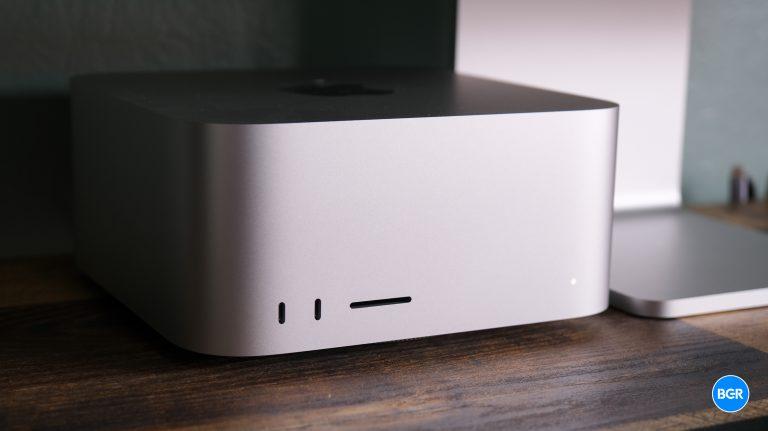
2023 Mac Studio On DeskImage source: Christian de Looper for BGR

Apple reportedly started mass-producing the M5 chip in January. While we’re still many months away from an official release, ET News says the “Apple M5 chip packaging is handled by Taiwan’s ASE, the U.S.’s Amkor, and China’s JCET. Initial mass production has been started by ASE, and mass production with Amkor and JCET will follow suit.”

These companies also add resources to make the high-end M5 Pro, M5 Max, and M5 Ultra chips. While power efficiency has been improved by 5-10% and performance improved by 5% compared to the M4 chip, we need to see them in action to know if the AI processors can fully power Apple Intelligence and other complex tasks.

Tech. Entertainment. Science. Your inbox.

Sign up for the most interesting tech & entertainment news out there.

By signing up, I agree to the Terms of Use and have reviewed the Privacy Notice.

According to The Elec, the M5 chip will feature an enhanced ARM architecture and be manufactured using TSMC’s latest 3-nanometer process technology, an improvement over the M3 and M4 chips. The M5 processor will adopt a new System on Integrated Chip (SoIC) technology, which enhances thermal management and reduces electrical leakage.

With that, we could see enhancements in performance and efficiency and a broader focus on Neural Engine tasks for AI and Apple Intelligence. While we know that Apple has moved on to producing its newer processors, the company will still release a number of new M4-powered devices, including some that have yet to be unveiled.

M5 MacBook and Mac release dates

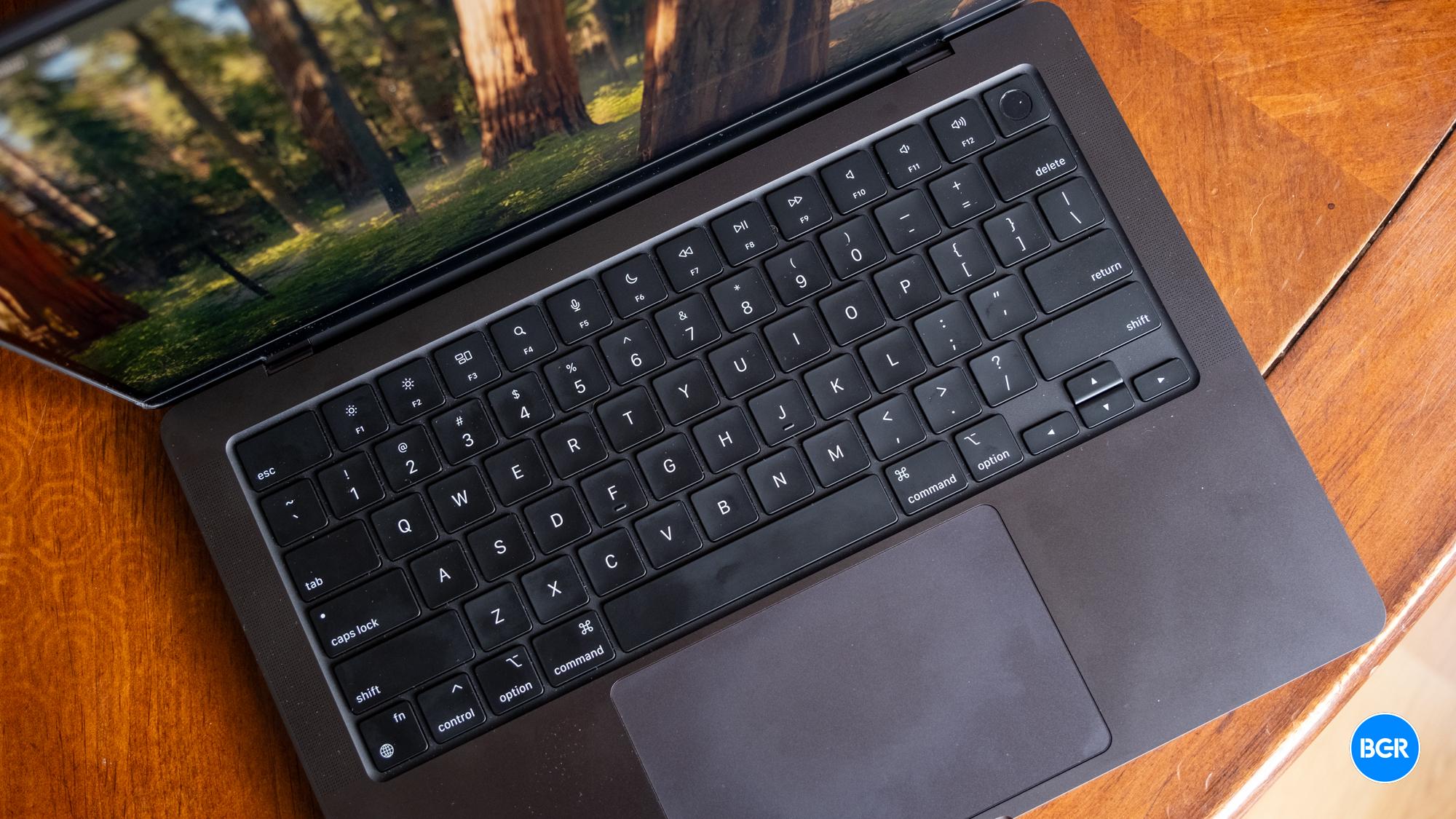
M4 MacBook Pro keyboardImage source: Christian de Looper for BGR

The M5 Macs aren’t expected to be released before the fall of 2025. Currently, Apple has to launch the M4 MacBook Air, expected by March, then the Mac Studio in mid-2025, and a new Mac Pro by the second half of this year.

With that in mind, this is when we could expect new M5 Macs:

  • MacBook Pro: The M5 MacBook Pro is expected to be released in the second half of 2025, not before the fall; should include M5, M5 Pro, and M5 Max options.
  • MacBook Air: If Apple follows the trend, a new MacBook Air will likely be released by the beginning of 2026, around the first quarter.
  • Mac Studio: Rumors suggest that Apple is planning a new Studio Display, so the company might release a new Mac Studio with the M5 chip as well. This computer could ship with an M5 Ultra chip by mid-2026.

Apple’s schedule for releasing Mac mini, iMac, and Mac Pro updates has been irregular lately. That said, if the company plans to release these Macs, the first two could be available anytime from late 2025 to mid-2026, while the latter could be available from mid-2026 to late 2026.

Source

Posted on

Apple’s App Store is under investigation in China

The European Union forced Apple last year to open the App Store under the Digital Markets Act (DMA) work. iPhone users in the EU can install third-party app marketplaces, use third-party payment systems, and sideload apps as a result. Apple and the EU are still fighting over the DMA implementations.

As an iPhone user in the EU myself, I haven’t even bothered trying to take advantage of what the DMA does for me. I don’t want access to third-party apps or payment systems, and I’ll never sideload apps.

However, I said that Apple’s war on preserving the old ways of the App Store is doing more damage than good. Apple should open the App Store similarly in other markets and let every iPhone user and developer deal with the consequences. Most people will not change a thing.

The alternative is for more jurisdictions to investigate the App Store practices. Some of them can then pass laws with similar effects to the DMA.

Tech. Entertainment. Science. Your inbox.

Sign up for the most interesting tech & entertainment news out there.

By signing up, I agree to the Terms of Use and have reviewed the Privacy Notice.

China is the newest addition to the list of countries investigating Apple’s App Store practices. The government started a probe before President Trump took office, but the investigation is making the news now, in the middle of another phase of the US-China trade war. Earlier this week, China announced a formal probe into Google right after the new US tariffs on China came into effect.

The investigation into Apple isn’t as advanced, Bloomberg reports. The State Administration for Market Regulation (SAMR) is currently examining Apple’s App Store practices.

People familiar with the proceedings informed the paper that the agency has spoken with Apple officials and app developers since last year. It’s looking at Apple’s 30% fee on in-app purchases and the ban on third-party app stores and payment systems.

The agency won’t necessarily go after Apple if the conversations go well. But changes to the App Store might have to happen.

The report notes that Chinese regulators share the same concerns as other watchdogs investigating Apple’s App Store policies.

People familiar with the probe told Bloomberg that regulators believe Apple may be charging Chinese developers unreasonably high fees. Also, the unavailability of third-party app stores and payment systems on the iPhone impacts competition and hurts consumers.

The same sources said that the government may launch a formal investigation if Apple resists making changes to the App Store.

This sounds like Apple will be encouraged to open the App Store in China just like it did in the EU, but without a legal framework like the DMA in place to force Apple’s hand.

Then again, the DMA already forced Apple to develop all the tools it would need to open the App Store in other jurisdictions. Apple could probably open the iPhone in China just as easily as it did in the EU once it reaches some sort of deal with the Chinese regulator.

It’s all speculation, however. We’re looking at entirely different conditions here. Apple manufactures many of its products in China, and the government will probably want to keep Apple happy to some extent.

On the other hand, iPhone sales aren’t doing that great in China, which is a huge market for any smartphone vendor, especially Apple. The iPhone maker might want to use third-party app stores and payment systems to generate positive buzz around the iPhone.

Then there’s the US-China trade war the Trump administration reignited. Going after big tech firms like Google and Apple might be part of China’s strategy to reach a compromise.

But even without these complexities, the App Store issues would still linger. Some app developers want to pay lower fees to Apple. Others want to deploy third-party app stores and payment systems. Apple wants to keep in place the current practices and fees, as it believes its way of policing the App Store is in the consumer’s interest.

Unlike the EU’s DMA, there are no deadlines here. It’s unclear how the informal investigation will proceed, how long it will take, and when to expect App Store changes in the country.

Source

Posted on

Apple Invites and Sports apps could hint at major iOS 19 redesign

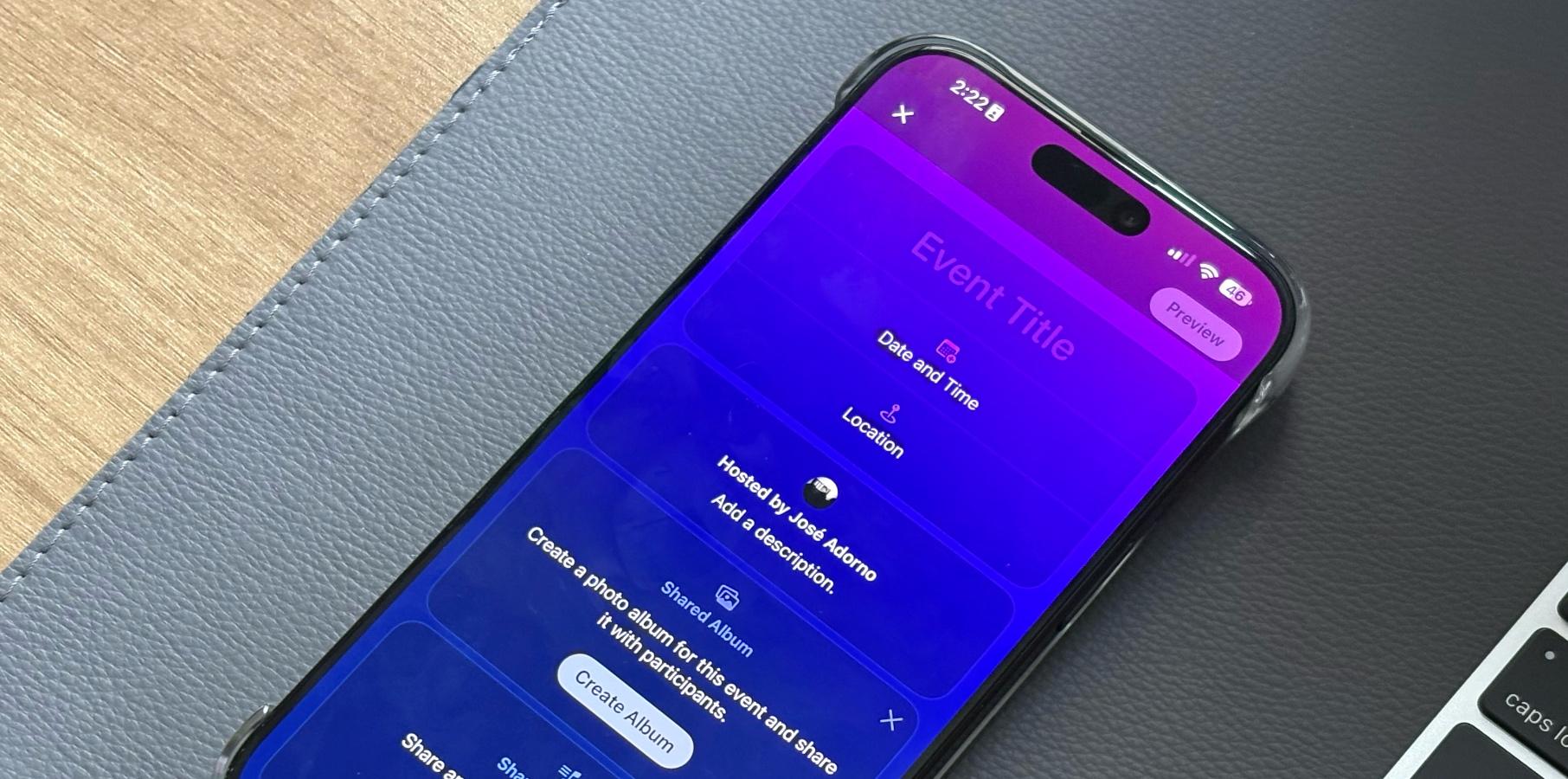
This past year, Apple released two new apps: Apple Invites and Apple Sports. Besides that, with iOS 18, the company unveiled two unique UIs for the Action Button and the iMessage menu. With all that in mind, some iPhone users think Apple might be preparing a big iOS 19 redesign, and they might be correct.

Before iOS 18 was introduced, there was an ongoing rumor that Apple was planning a visionOS-like redesign for this software update. While it didn’t happen, it’s only natural that this rumor might be passed to iOS 19.

In January, Front Page Tech also suggested iOS 19 might get a redesign inspired by visionOS, especially the Camera app, which several users find more confusing than ever. With several layers of interaction, some have suggested Apple might need to make the Camera app simple again, and redesigning it with the visionOS UI might be a possibility.

On social media, one X user shared several screenshots of the Apple Invites app and asked, “Does this mean iOS 19 is getting a UI redesign?” Another was more confident: “iOS 19 is redesign year. I’m calling it.”

Tech. Entertainment. Science. Your inbox.

Sign up for the most interesting tech & entertainment news out there.

By signing up, I agree to the Terms of Use and have reviewed the Privacy Notice.

So far, it’s unclear if Apple plans to redesign iOS 19. Since the significant iOS 7 overhaul, Apple has been cautious enough to make slight changes over the updates. While the company hasn’t completely overhauled its system at once, the iPhone operating system is far different from what it was a decade ago.

Apple Sports appImage source: Apple Inc.

Still, that didn’t stop Apple from revamping the Control Center and the Home Screen with customizable widgets, tinted icons, and so on.

Users have been asking for a visionOS-inspired iOS update as Apple has prioritized rounder cards, glassy effects, and other UI changes previously unavailable on iOS. In addition, with less exciting iPhone updates, Apple needs to make the software stand out so upgrading becomes more enticing. Otherwise, the company might have its Samsung Galaxy S25 moment, with the same smartphone with a few software tweaks as new features.

Wrap up

BGR has a comprehensive iOS 19 guide. We’ll keep updating it as we learn more about this future software update, which is expected to be announced at WWDC 2025 around June.

Source

Posted on

Apple reportedly started M5 mass production ahead of 2025 Mac releases

A few months after Apple ordered TSMC to start the production development of the M5 chip, ET News reports that mass production for this upcoming processor has now begun. According to the publication, mass production for the M5 chip, which is expected to power new Macs, iPads, and Apple Vision Pro, started in January. ET News writes: “Apple M5 chip packaging is handled by Taiwan’s ASE, the U.S.’s Amkor, and China’s JCET. Initial mass production has been started by ASE, and mass production with Amkor and JCET will follow suit.”

These companies also add resources to make the high-end M5 Pro, M5 Max, and M5 Ultra chips. While power efficiency has been improved by 5-10% and performance improved by 5% compared to the M4 chip, this is yet Apple’s new tackle on AI processors to power Apple Intelligence and other complex tasks.

While the M5 mass production has already started, Apple has yet to release its M4 MacBook Air models. They’re expected to be released in the first half of 2025, in addition to the M4 Ultra chip with the Mac Studio, which is scheduled for mid-2025. Finally, a new Mac Pro could also be in the works for late 2025. If that turns out to be accurate, this release could coincide with the first M5 products.

So far, the first Apple products we expect to unveil with the M5 chip are the iPad Pro, the MacBook Pro, and the Apple Vision Pro. Still, none of them should debut before fall 2025.

Tech. Entertainment. Science. Your inbox.

Sign up for the most interesting tech & entertainment news out there.

By signing up, I agree to the Terms of Use and have reviewed the Privacy Notice.

That being said, we still have plenty of time with M4 products. Also, it doesn’t seem Apple plans a major revamp for its products with the M5 chip. According to rumors, Cupertino could start tweaking the design of some of its Macs by 2026 when it plans to ditch the miniLED display for a new OLED technology.

Below, you can learn more about when to expect new M4 Macs.

Source

Posted on

North Korean hackers created new macOS malware disguised as popular app installers

Another day, another macOS malware is trying to actively exploit your Mac. This time, North Korean hackers are using fake job offers hidden in updates to popular apps like Zoom and Google Chrome to invade your Mac.

As security researchers from SentinelLabs (via AppleInsider) reported, North Korean hackers are pushing the macOS Ferret family of malware. Even though Apple has successfully prevented some of these viruses with the on-device malware tool XProtect, caution is still recommended.

This is not the first time someone has tried to install malware on people’s Macs using the “Contagious Interview campaign” method. Basically, targets are asked to go on an interview through a link that shows an error message and a request to install or update some required software, such as Zoom or Google Chrome. After all, who hasn’t tried to join a call only to have Zoom or WebEx ask for an update?

Thankfully, the macOS 15.3 update added a few new security improvements to prevent this malware from infecting your Mac. However, some of the Ferret viruses can still bypass Apple’s security.

Tech. Entertainment. Science. Your inbox.

Sign up for the most interesting tech & entertainment news out there.

By signing up, I agree to the Terms of Use and have reviewed the Privacy Notice.

The researchers from SentinelLabs write: “The ‘Contagious Interview’ campaign and the FERRET family of malware represent an ongoing and active campaign, with threat actors pivoting from signed applications to functionally similar unsigned versions as required. Diverse tactics help the threat actors deliver malware to a variety of targets in the developer community, both in targeted efforts and what appears to be more ‘scatter gun’ approaches via social media and code sharing sites like Github.”

How do you protect yourself from this macOS malware threat?

The best way to protect yourself from this macOS malware threat is to ensure you have the official apps downloaded on your Mac. For example, instead of taking web Zoom calls, make sure to always have them on your Mac app. The same is worth it for WebEx. For Google Chrome, don’t forget to check updates through the browser itself. In addition, having the latest macOS update can guarantee you’re protected against the latest threats as well.

Keep checking BGR for the latest macOS malware trying to exploit your Mac and more.

Source