Posted on

When will Apple start beta testing iOS 18.4?

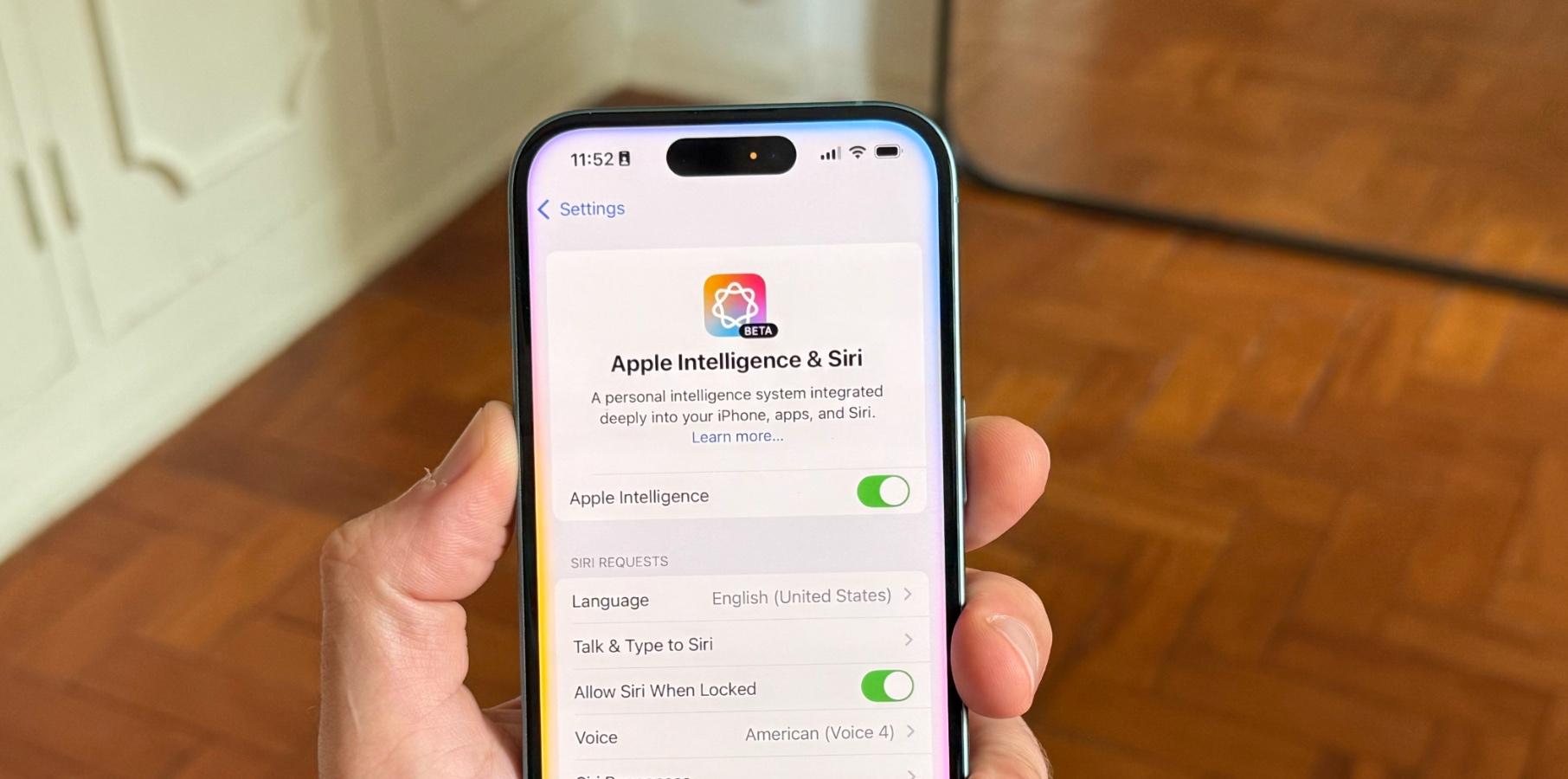
Now that iOS 18.3 has been available for almost two weeks now, we’re all wondering what the release date of iOS 18.4 beta 1 will be. Unlike the previous version, iOS 18.4 is expected to be one of the most important updates of the iOS 18 cycle. That said, here’s what we know about iOS 18.4 and when Apple could start beta testing it.

iOS 18.4 beta 1 release date based on previous x.4 updates

It’s been almost ten days since Apple released iOS 18.3. In the past, this is how long Apple has taken to start beta testing an x.4 update after releasing an x.3 update:

  • iOS 17.4: 3 days
  • iOS 16.4: 24 days
  • iOS 15.4: 1 day
  • iOS 14.4: 2 days

With iOS 13.4, Apple took an incredible 57 days to start beta testing it. However, you shouldn’t have to worry about waiting that long, as the company promised Apple Intelligence would expand to more languages in April, confirming iOS 18.4 will launch by then.

In addition, iOS 16.4 wasn’t a very notable update, with the most impressive features being new emoji and Crash Detection optimization. With that in mind, there wasn’t a good reason for the company to delay the start of its beta testing.

Tech. Entertainment. Science. Your inbox.

Sign up for the most interesting tech & entertainment news out there.

By signing up, I agree to the Terms of Use and have reviewed the Privacy Notice.

That said, BGR has reason to believe Apple could seed iOS 18.4 beta 1 any day now. While previous x.4 betas had two to five builds, it’s possible that Apple will spend longer testing this upcoming version, as it has important in store for iOS as a whole.

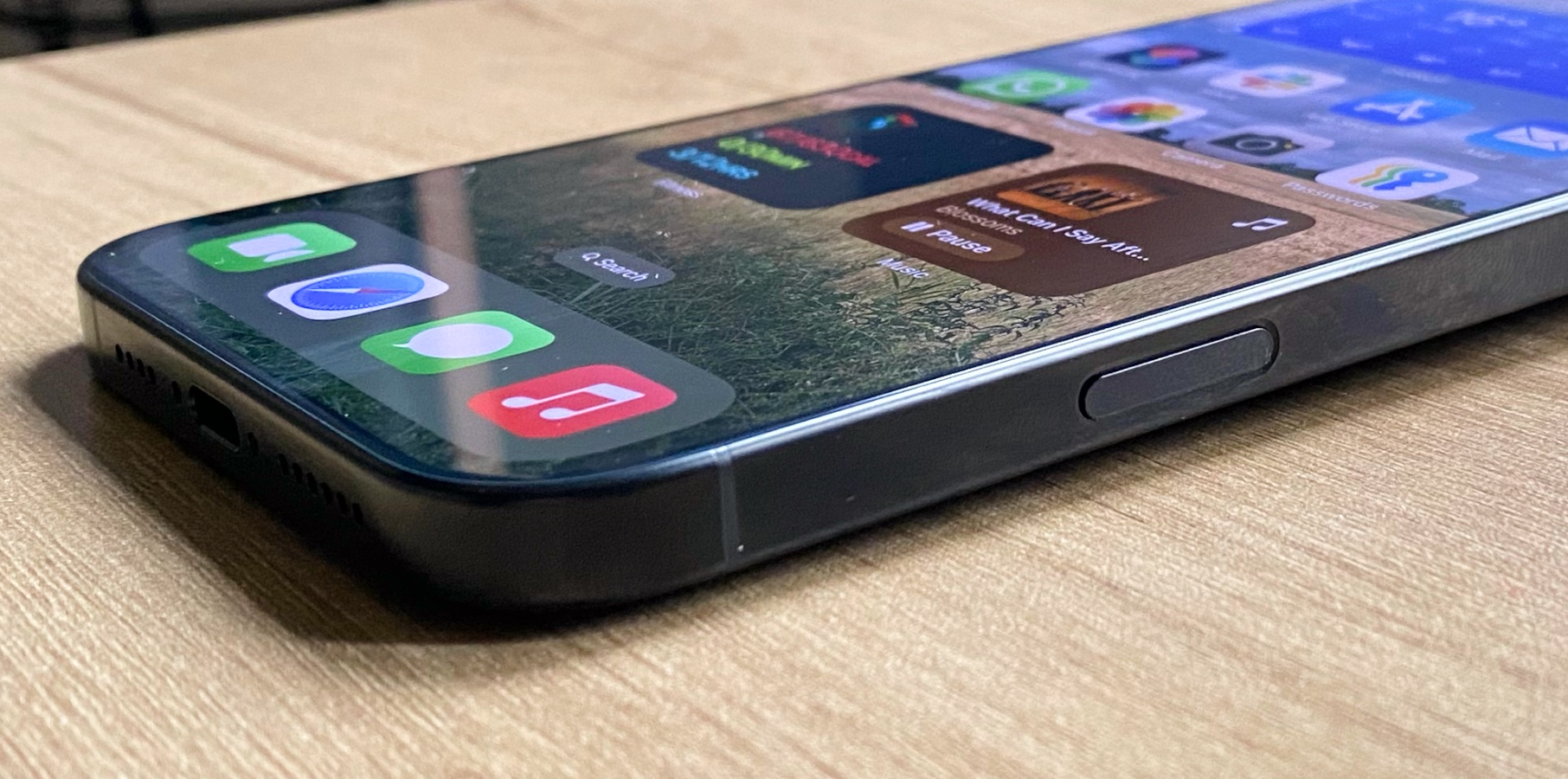
iPhone 16Image source: José Adorno for BGR

These are the most important features we hope Apple adds in iOS 18.4

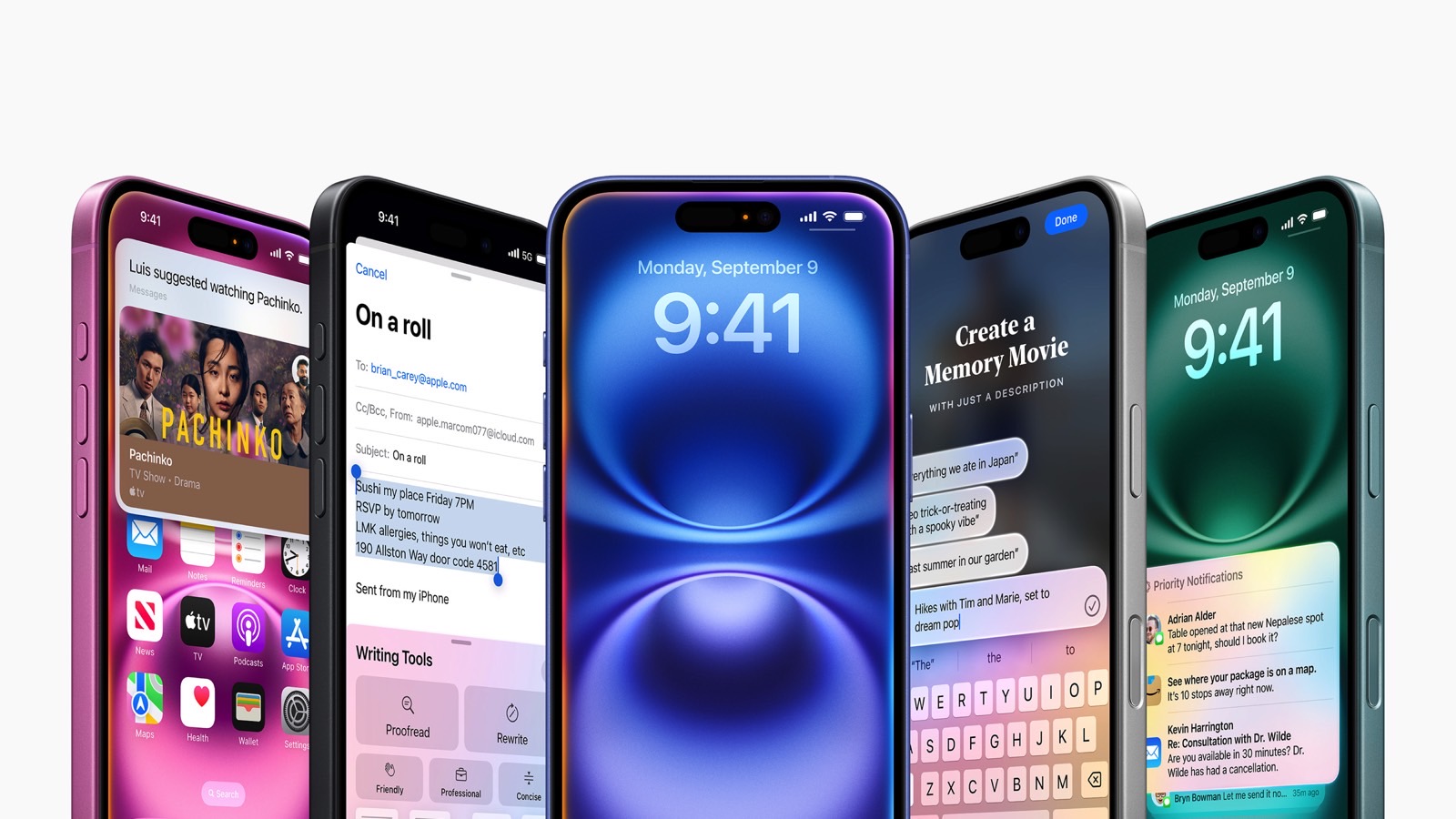
Unlike the previous versions, iOS 18.4 is expected to open the path for a truly competitive Siri, a personal assistant that can finally understand context and look through your messages and apps to find precisely what you need. While it’s unclear if these features will be ready in iOS 18.4 beta 1, the company will likely start adding these Apple Intelligence improvements over the coming months.

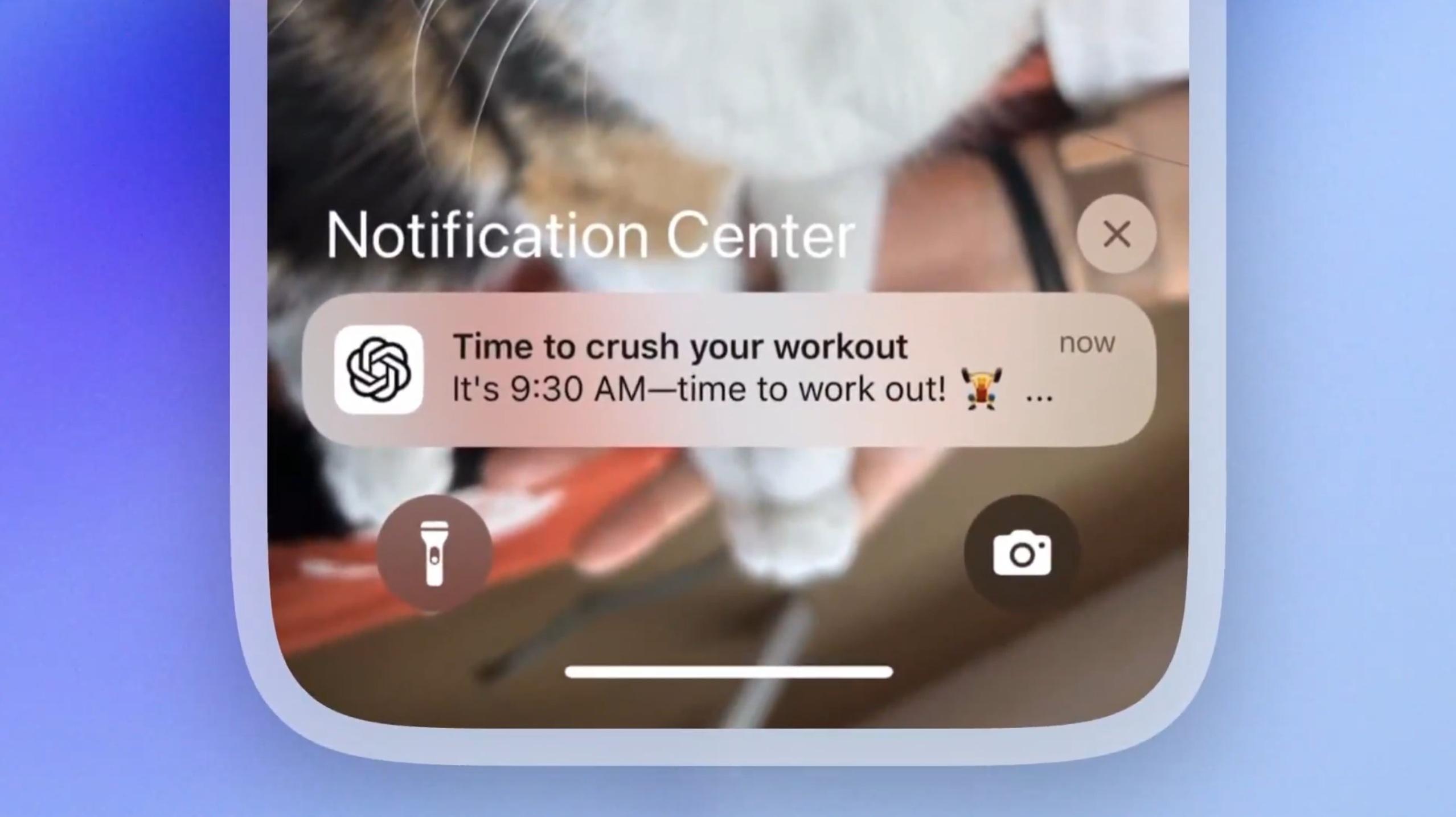
In this update, Apple says its AI platform will support Chinese, English (India), English (Singapore), French, German, Italian, Japanese, Korean, Portuguese, Spanish, and Vietnamese. Apple is also expected to offer other minor features, such as creating images in Image Playground in Sketch style and a better display of Priority Notifications across Apple and third-party apps. Finally, new emojis might be available with this update.

Source

Posted on

DeepSeek: Welcome to US artificial intelligence’s Sputnik moment

Following last weekend’s introduction of the latest large language model (LLM) from DeepSeek, ChatGPT’s new artificial intelligence (AI) rival has topped the Apple App Store for iPhone downloads.

The DeepSeek R1 LLM is open source and uses reasoning combined with what the company calls “cold start data”, which means that rather than trawling the internet and social media sites to amass vast quantities of machine learning data, it relies instead on reinforced learning to improve accuracy.

On its GitHub page, the developers of DeepSeek describe R1 as a large-scale reinforcement learning on the base model. “We directly apply reinforcement learning to the base model without relying on supervised fine-tuning as a preliminary step,” it says. “This approach allows the model to explore chain-of-thought for solving complex problems.”

An estimated 2.1 million searches for DeepSeek were recorded over the weekend, with at least 1.6 million of these on Sunday 26 January alone. This is 12.3% of ChatGPT’s 13 million searches in the same timeframe.

Along with taking a different approach to ChatGPT, the interest in DeepSeek is also being driven by competitive pricing and the fact that the code is open source.

While OpenAI, the maker of ChatGPT, charges $2.50 per million input tokens for its GPT-4o model, DeepSeek is priced at $0.14 per million input tokens in situations where the AI engine is able to draw on previously cached information. Non-cached inputs are priced at $0.55 per million tokens.

The extent of interest in the AI from the Chinese firm resulted in turmoil in the valuation of tech stocks in the US. Reuters reported that Nvidia saw its share price drop 17%, which effectively wiped $593bn off its market valuation.

Wake-up call

In a speech on Monday, US president Donald Trump described DeepSeek as a wake-up call for the US tech sector.

Among the numerous subjects Trump spoke about in his speech to Republican party members of Congress were the executive orders revoking the AI regulations introduced under former president Joe Biden. “We don’t want to have any future president ever sabotage our economy with out-of-control regulations,” he said. “Last week I signed an order revoking Joe Biden’s destructive artificial intelligence regulations so that AI companies can once again focus on being the best, not just being the most woke.”

He then referenced DeepSeek as he continued talking about why deregulation is important for AI in the US. “Today and over the last couple of days I’ve been reading about China and [one Chinese company] in particular coming up with a faster method of AI and a much less expensive method. Hopefully the release of DeepSeek AI from a Chinese company should be a wake-up call for our industries that we need to be laser-focused on competing to win.”

DeepSeek’s developers have been able to combine cutting-edge algorithms to slash the energy demands of AI training and deployment. In his speech, Trump described what DeepSeek had achieved as “good”, since companies aiming to develop AI applications that use DeepSeek do not have to spend as much money compared with rival LLMs. “I view that as a positive, as an asset,” he added.
 
Commenting on what the rise of DeepSeek has meant to financial markets, Charu Chanana, chief investment strategist at investment platform Saxo, pointed out that DeepSeek took only two months to develop and less than $6m to build, using reduced-capability chips from Nvidia. This is significant given that the Biden administration banned the export of high-end Nvidia graphics processors (GPUs) to China in 2023.

“US tech companies are trading at premium valuations, with major AI players like Nvidia, Microsoft and Alphabet commanding forward P/E [price to earnings] multiples far above historical averages,” she said. “With these stocks priced for perfection, even minor disruptions, such as DeepSeek proving advanced AI can be built without top-tier chips, could weigh heavily on share prices. For Nvidia, in particular, its role as a key supplier of AI chips makes it vulnerable if demand for its high-end products wanes.”

The idea of lower-cost and more energy-efficient AI coming from DeepSeek appears to have an immediate impact both on the US tech giants and the energy sector, which has been banking on the growth of AI-fuelled power consumption.

“DeepSeek’s breakthrough signals a shift toward efficiency in AI, which will redefine both energy and AI markets,” said Nigel Green, the CEO of global financial advisory giant DeVere Group. “The opportunities for investors willing to act now are enormous.

“This challenges the assumption that AI’s growth is tied to ever-increasing energy consumption. While the market is reacting to short-term uncertainty, efficiency-driven AI models will expand adoption into new markets and industries. This means more widespread use, deeper integration and, ultimately, sustained demand for energy solutions.”

Arguably, it’s the fact that DeepSeek has been able to achieve results using inferior hardware and offer its LLM at a highly competitive price that is set to change every organisation’s approach to AI: it doesn’t necessarily require throwing vast amounts of costly GPUs at the hardware and having to recoup these costs by charging end users a premium.

“By developing cutting-edge generative AI models without relying on the latest, most expensive hardware, DeepSeek has demonstrated that agility and strategy can outpace raw computational power,” said Kjell Carlsson, head of AI strategy at Domino Data Lab. “Their achievements also highlight the vulnerability of incumbents in the generative AI space – proving that open-source innovation continues to be a powerful equaliser, enabling challengers to match and even surpass established players years into the revolution.”

What all this means is that DeepSeek signifies Chinese competition to Silicon Valley’s existing AI models and is a demonstration of how the pace of AI development is pushing boundaries and lowering costs. 

Source

Posted on

OpenAI says it has evidence DeepSeek used ChatGPT to train its AI

Chinese startup DeepSeek stunned the world with its sophisticated DeepSeek R1 reasoning model, which is as good as ChatGPT o1. That’s not a surprising achievement; it’s only a matter of time before other AI models can replicate what OpenAI has done in terms of AI reasoning. Also, OpenAI will soon make o3 available, the successor to o1.

What really shocked the markets was DeepSeek’s research, which showed that the company was able to train R1 to achieve the same capabilities at a fraction of the cost of training o1.

Because of US sanctions, DeepSeek didn’t have access to the latest NVIDIA GPUs that AI firms like OpenAI use to train high-end AI models. It turned to software optimizations to compensate for what it lacked in hardware to create an AI model that could match ChatGPT o1.

But it turns out software optimization isn’t everything DeepSeek might have done to train its AI. OpenAI claims it has evidence that DeepSeek distilled ChatGPT to train the DeepSeek AI models.

Tech. Entertainment. Science. Your inbox.

Sign up for the most interesting tech & entertainment news out there.

By signing up, I agree to the Terms of Use and have reviewed the Privacy Notice.

If that’s true, the practice violates OpenAI’s terms of service for ChatGPT. Ironically, if OpenAI’s claim is true, it’ll make the company experience what many creators felt when they discovered OpenAI may have trained its ChatGPT models using copyrighted materials without consent.

OpenAI told The Financial Times it found evidence that DeepSeek used the US models to train DeepSeek AI.

OpenAI found evidence of “distillation,” which it believes came from DeepSeek. Distillation is a process where AI firms use an already trained large AI model to train smaller models. The “student” models will match similar results to the “teacher” AI in specific tasks.

Some early DeepSeek testers were surprised to see the AI identify itself as ChatGPT in early responses, which prompted speculation that DeepSeek AI might have been trained with ChatGPT chats.

OpenAI claims that DeepSeek might have distilled ChatGPT make sense, but it’s unclear whether the US AI firm can prove the IP theft beyond doubt. Even if it can provide conclusive evidence that DeepSeek used ChatGPT to train its AIs, there’s probably little OpenAI can do. After all, DeepSeek R1 is already out in the wild.

DeepSeek made its models available open-source, which means anyone can install them on computers. The DeepSeek app is topping the App Store, and it’s available in the Google Play store. Unless DeepSeek is banned in the US, the app won’t go away anytime soon.

The FT says that OpenAI and Microsoft investigated accounts believed to belong to DeepSeeka last year. They were using OpenAI’s API for ChatGPT access. OpenAI blocked access, suspecting they may rely on distillation to train other models.

DeepSeek has not commented on these allegations. The company is seen as a hero in China after the release of DeepSeek R1, which wiped nearly $1 billion from the US market.

On the other hand, it’s not just Chinese AI companies like DeepSeek that might rely on the distillation of ChatGPT and other frontier AIs to train better AI models. The FT notes that it’s common practice for AI labs in China and the US to use outputs from bigger companies.

OpenAI and others have already trained AI using humans to teach the models how to produce responses that sound more conversational. This is an expensive process, so smaller firms will distill established models to train smaller ones. In such a case, a company like DeepSeek would have gotten the human feedback step for free.

I said earlier that DeepSeek’s use of distillation to train R1 is something others could benefit from, Apple included. I wasn’t referring to stealing AI work done by others but to using advanced, proprietary models to train smaller models that Apple might need for its on-device Apple Intelligence approach.

If OpenAI has strong evidence that DeepSeek used ChatGPT to train its AI models, we could be looking at the second good reason to ban DeepSeek in the US and elsewhere. The first is that DeepSeek collects plenty of user data and sends it all to China.

A ban is a process that will take time. And, again, even if all of this is successful, DeepSeek will still have strong AI models on its hands, which it can use to create next-gen AI of its own.

Meanwhile, OpenAI still has to deal with allegations that it used copyrighted content without consent to create ChatGPT.

Source

Posted on

Will the iPhone SE 4 have a Dynamic Island or a notch?

Despite all the DeepSeek hype and OpenAI recently accusing the Chinese company of training its model with ChatGPT, there’s still room for iPhone SE 4 rumors. Did you even remember that Apple is getting ready to announce its first new iPhone of 2025? Apple’s most affordable iPhone with the A18 chip, 6.1-inch OLED display, Dynamic Island cutout, a single rear camera, and Apple’s exclusive 5G and Wi-Fi modems? Well, it seems not all of those rumors are true.

Over the past few weeks, we’ve seen leaks claiming the iPhone SE 4 would have a Dynamic Island cutout instead of the iPhone 14-like notch, which was already rumored for years.

This possible change was teased by credible leaker Evan Blass, followed by controversial leaker Majin Bu. While seeing a new iPhone SE with all this tech would be pretty impressive, it would make sense if Apple held back just a little. Now, thanks to display analyst Ross Young, we’ve pretty much got confirmation.

Young has a perfect track record, and he recently posted on X that the iPhone SE 4 will feature an iPhone 14-like notch cutout. Even if the analyst didn’t say that, Apple has been consistent with its iPhone SE releases to assume that.

Tech. Entertainment. Science. Your inbox.

Sign up for the most interesting tech & entertainment news out there.

By signing up, I agree to the Terms of Use and have reviewed the Privacy Notice.

In the past three iterations, Apple used the previous iPhone design. For example, with the iPhone SE 1, Apple rocked the iPhone 5-like design while it already offered the new iPhone 6 style. With the second and third generations of the iPhone SE, it remained with an iPhone 6/8-like design because Apple was already offering iPhone models with a notch. Finally, now that the company moved on to Dynamic Island, it makes sense the notch and larger displays are the next big improvement.

That said, even if the new iPhone SE 4 gets the notch, it’s still a big improvement over the past design, especially since Apple will finally phase out Touch ID on the iPhone and offer Face ID across its lineup.

Apple is expected to hold a spring event to announce this new iPhone alongside other new products. BGR will let you know once we learn more about it.

Source

Posted on

Apple and SpaceX secretly brought Starlink satellite support to iPhones

Apparently, Apple, T-Mobile, and SpaceX have been working together in secret. A new report from Bloomberg says the three companies have brought Starlink’s satellite service to iPhones. So far, testing is very limited, but the feature began rolling out with the release of iOS 18.3 on Monday.

This unannounced collaboration is a significant step in expanding satellite connectivity for smartphone users. While Apple has already offered emergency satellite messaging through its partnership with Globalstar, integrating SpaceX’s Starlink network marks a major accessibility shift.

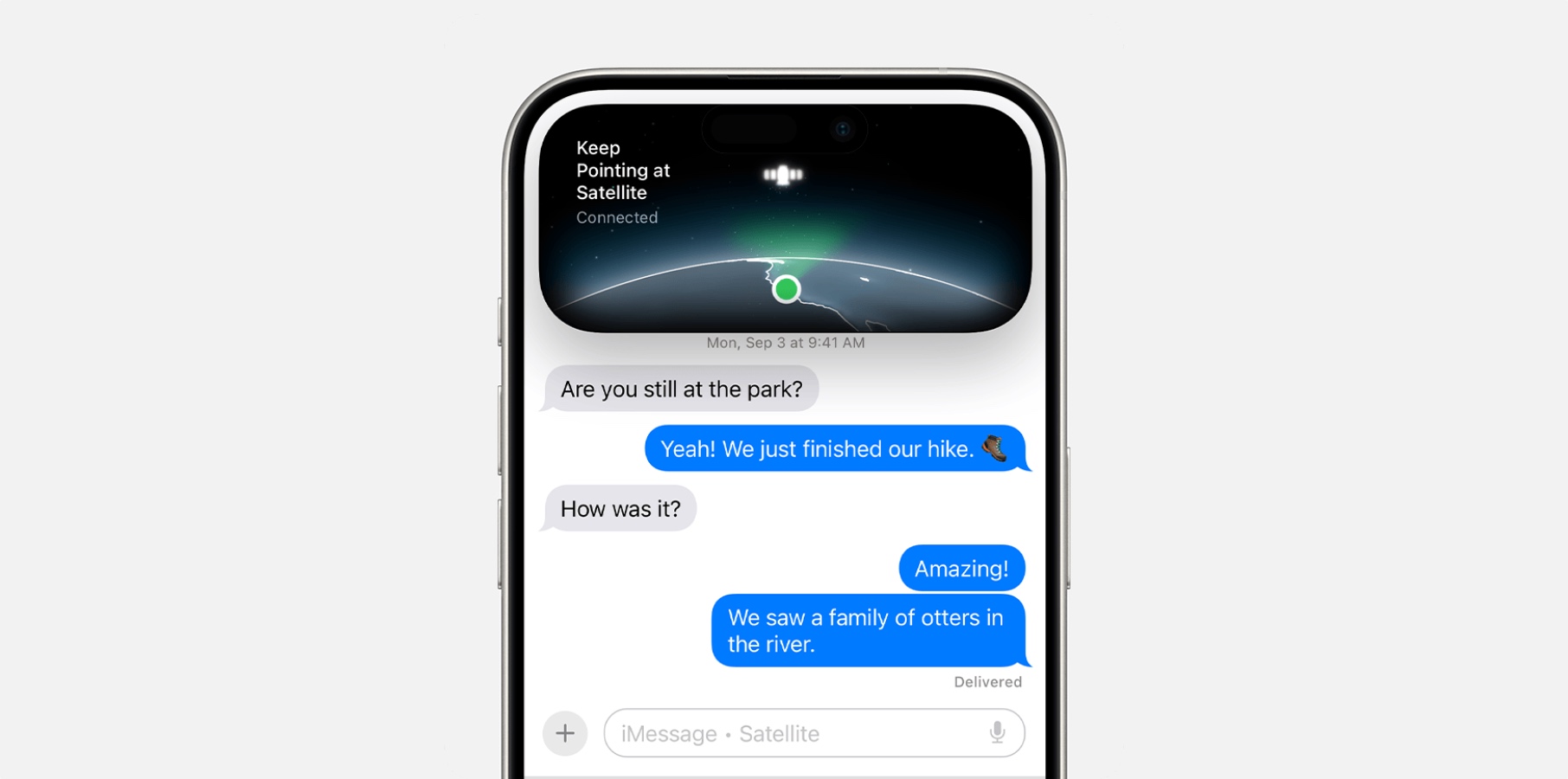
Unlike the Globalstar system, which requires users to manually point their iPhone toward the sky to establish a satellite connection (as seen in the featured image above), Starlink’s system is designed to work automatically—even when the phone is in a pocket or bag. This seamless functionality should make off-the-grid communication more accessible.

Only a small number of customers are included in the beta test, and T-Mobile has been quietly notifying select users that they now have access to Starlink’s satellite texting service. Those enrolled in the program received a message saying it was now available. iPhone users have gained a new toggle in their cellular settings to manage the satellite connection.

Tech. Entertainment. Science. Your inbox.

Sign up for the most interesting tech & entertainment news out there.

By signing up, I agree to the Terms of Use and have reviewed the Privacy Notice.

Starlink's Direct to Cell satellite cellular serviceStarlink’s direct-to-cell service has been available on other phones for months now. Image source: Starlink

For now, Starlink’s satellite service on iPhones only supports texting, but T-Mobile and SpaceX have confirmed plans to expand to data and voice services in the future. While Apple has kept quiet about its role in the project, T-Mobile has indicated that Starlink’s satellite connectivity will eventually be available for most smartphones on its network.

Bloomberg says the company is expected to broaden the beta test in February, gradually adding more iPhone users before an official launch. Since 2022, Apple has exclusively relied on Globalstar to power its emergency SOS and satellite texting features, but this new Starlink integration suggests the company is open to working with multiple satellite providers.

We’ve long been curious about this, especially since Musk hinted on X shortly after the announcement that discussions with Apple regarding Starlink connectivity had been very promising. Considering the reports that the iPhone’s satellite service has literally been saving lives, having more ways for people to connect is a huge win for everyone.

Now, it seems that Apple has been planning to offer Starlink satellite connectivity for iPhones for some time, and soon, you’ll be able to reap those benefits for yourself, at least on T-Mobile.

Source

Posted on

Microsoft Windows 11 is getting a feature like iPhone Mirroring

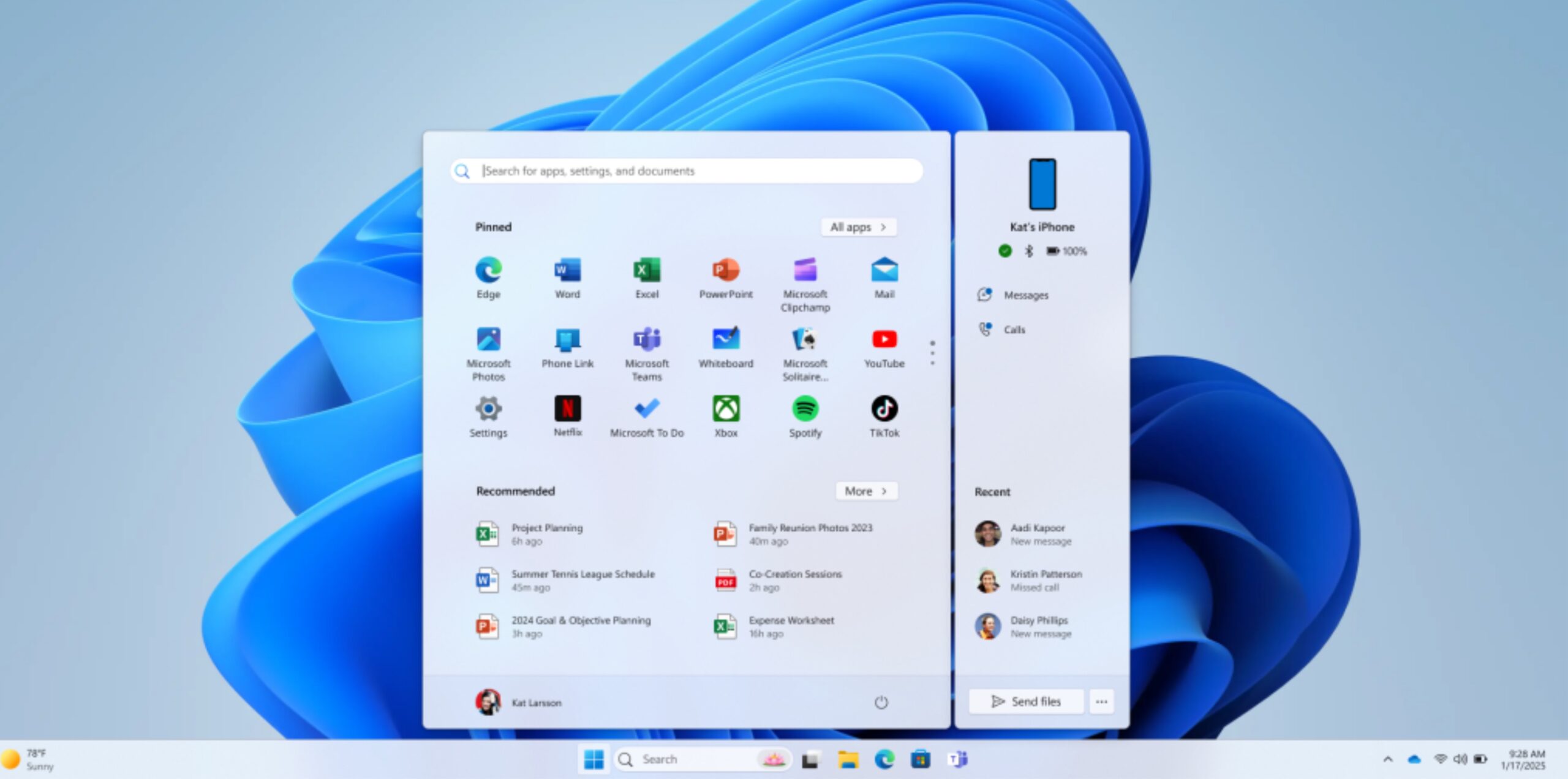
After introducing a side panel to the Start menu on Windows 11 last year that allowed Android users to check some of their phone’s features and status, Microsoft is now testing the same level of integration with iPhone devices and Windows 11 PCs. This feature, which is similar to iPhone Mirroring, will make the Windows 11-iPhone experience a little better, even though it’s nowhere near the level of integration available with the iPhone and Mac using Apple’s new iPhone Mirroring functionality.

According to the Microsoft blog, this seamless phone integration from the Start menu is rolling out to Windows Insider iPhone users, and it will be available to all customers in the coming months. Here’s how it works:

To get started, users need to open the Start menu and select the device type (Android or iPhone) from the right-side panel. Following the on-screen instructions, they need to connect their devices to the PC and start accessing their phones from the Start Menu.

With that, connected iPhone users can access their phone features directly from the Start menu. Microsoft says this seamless integration allows iPhone users to enjoy the same benefits as Android users, including viewing the phone’s battery status and connectivity, accessing messages and calls, and keeping track of the latest activities, all integrated into the Start menu.

Tech. Entertainment. Science. Your inbox.

Sign up for the most interesting tech & entertainment news out there.

By signing up, I agree to the Terms of Use and have reviewed the Privacy Notice.

iPhone users will also be able to share files between their devices and Windows 11 PCs. To begin transferring files, they just have to select the “Send Files” option from the Start menu.

These are the requirements to start testing this new feature:

  • Windows 11 Insider Preview Build 4805 and higher in Beta Channel and 26120.3000 and higher in Dev channel.
  • Phone Link version 1.24121.30.0 or higher.
  • Your PC must be signed in with a Microsoft account and must have Bluetooth LE capability.
  • Not supported for PCs running Pro Education or Education SKUs.

BGR will let you know once this feature rolls out to all users.

Source

Posted on

EU law could usher in transformative change to digital ecosystems

In October 2024, the European Commission (EC) published its Digital fairness fitness check report as part of a continued effort to evaluate the effectiveness of European Union (EU) legislation with consumer protection laws.

Specifically, it evaluated the efficacy of the Unfair Commercial Practices Directive, the Consumer Rights Directive, and the Unfair Contract Terms Directive.

The report revealed these existing laws “have only partially achieved the objectives of providing a high level of consumer protection”, with harmful commercial practices online costing EU consumers at least €7.9bn per year, and further drew attention to the power and information imbalances between businesses and consumers online. Now, its findings are being used to shape the latest development in tech policy in Europe, the Digital Fairness Act (DFA).

Following the report, president of the European Commission Ursula von der Leyen wrote to Michael McGrath, the EU’s commissioner for consumer protection, to urge his successor to develop a Digital Fairness Act.

The mission letter outlined five core problematic practices in consumer-facing apps and online platforms today; including “dark patterns”, addictive design, personalised targeting features, problematic commercial practices of social media influencers, and features that make it excessively difficult to cancel digital subscriptions. 

Recent legislation such as the UK’s Online Safety Act and the EU’s Digital Services Act (DSA) have aimed to address some of the illegal and harmful online practices that persist online, but a Digital Fairness Act could potentially tackle some of the more pervasive technological tools that have been adopted by tech companies and digital platforms to persuade and engage consumers.

For example, a study conducted by the EC in 2022 found that 97% of the most popular websites and apps used by EU consumers use at least one dark pattern, which are manipulative interface designs and functionalities which undermine informed consent and mislead users.

Similarly, the European Consumer Organisation’s (BEUC) consumer survey in September 2023 revealed that the majority of consumers feel personal data analysis and monetisation is unfair (60%), and less than half (43%) do not feel fully in control of the decisions they make or the content they are shown online.

With the DFA currently in its proposal phase, civil society organisations and campaigners are putting forward their suggestions to the European Commission. Many civil society organisations across Europe are hopeful that the act will tackle some of the most exploitative techniques that have been fundamental to the tech industry’s growth, and which they believe are responsible for many of the harms that digital users face today. 

Fairness by design

European Digital Rights (EDRi) is the largest European network of organisations defending rights and freedoms online, and are working on a position paper with their members on the DFA. They hope that the act will address exploitative practices often employed by Big Tech and ad tech intermediaries, which they say “exploit users’ vulnerabilities, undermine their autonomy, and disproportionately impact marginalised communities”.

One area of focus they have for the DFA is to ensure it adopts a rights-centred approach that recognises digital users not just as consumers, but as people with broader individual and collective rights.

“A core assumption underpinning this approach is that vulnerability is inherent to the digital realm as we know it today, driven by an imbalance of power and significant information asymmetries,” says Itxaso Dominguez, a policy adviser at EDRi.

To address these challenges, EDRi are advocating for embedding principles of “fairness by design” and “fairness by default” into the act. They hope this will ensure that fairness and respect for fundamental rights are integral to the development and operation of digital platforms and services, rather than optional considerations. 

Superrr Lab, an organisation advocating for just digital futures, recently published a position paper titled Digital fairness – shaping consumer protection in a just and future-proof way.

They too echo the desire for fairness by design and by default to be enshrined in the act: “The DFA will be most effective in truly enhancing digital rights if it addresses the root-causes of power imbalances in the digital realm. Consumers are humans with rights beyond markets and consumer protection law, and an effective DFA, should be shaped accordingly to ensure true digital fairness – in the sense of no discriminatory practices and opportunities for participation.”

The addictive nature of social media platforms is another digital design feature that the act could address, and an area where there is increasing public scrutiny, particularly in relation to its effects on children and young people’s mental wellbeing. Challenging this feature through policy could potentially address one of the main tenets of the industry’s extractive business model. 

“Commissioner for justice Michael McGrath has said it plainly: ‘They want to keep people online constantly, including our children, and this is how to get money from advertising’,” Rosie Morgan-Stuart, campaign and policy consultant for People Vs Big Tech, said. “Meanwhile, the evidence of harm is mounting. Binding rules are clearly needed, given the severity of the risks and Big Tech’s repeated refusal to prioritise safety over profit.”

Enforcement and real accountability

Better enforcement is another core ambition for the DFA. The Digital fairness fitness check report drew attention to the pervasive non-compliance popular among tech companies and social media platforms, and the need for real accountability. Earlier in 2024, the European Commission opened proceedings against Meta, Alphabet and Apple over their failure to effectively comply with their obligations under the existing Digital Markets Act (DMA).

“To make a real difference, the Digital Fairness Act needs to set out clear rules that are easy to understand, to apply and – if necessary – to enforce. Unfortunately, current EU law does not provide sufficient legal certainty in relation to unfair commercial practices online and therefore does not adequately protect consumers,” says Urs Buscke, senior legal officer at BEUC.

EDRi echo the need for more robust enforcement mechanisms and the prohibition of manipulative practices outright, rather than relying on voluntary compliance mechanisms, which have historically failed.

Aside from voluntary compliance mechanisms, gaps in enforcement have also persisted due to the fact that the existing directives covered by the fitness check do not contain any reporting obligations.

An ambitious digital future: breaking up Big Tech

Some believe the DFA could potentially break up the monopolies within the tech industry seen across some of the Very Large Online Platforms (VLOPs), which the DSA defines as platforms or search engines that have more than 45 million users per month in the EU. Instead, they advocate for a digital ecosystem that allows independent, third-party content curation and moderation services. 

“Unbundling the social networks could address many of the harms connected to addictive design and predatory data surveillance by providing consumers with a marketplace of options for recommender systems and other content curation tools,” says Katarzyna Szymielewicz, co-founder of freedom and privacy NGO Panoptykon Foundation. “This would also address the problematic nature of relying on VLOPs themselves as the arbiters of quality and credibility in ranking algorithms.”

On 16 January 2025, 18 former European presidents and prime ministers wrote to Von der Leyen urging the EC to pursue a structural breaking up of Google’s services to restore competition and end Google’s monopoly. 

“Forced breakups are do-able and have a long and distinguished record through modern history – from John D. Rockefeller’s Standard Oil in 1911, to Germany’s gigantic IG Farben conglomerate after the Second World War, to AT&T in 1982,” says Claire Godfrey, executive director of Balanced Economy Project.

“They’ve just fallen out of favour. The US has proposed a break up of Google to fix the search monopoly, and the EU is in a position to support the US and break the tech giant’s monopoly over digital advertising. It needs the political will and courage more than anything.”

Despite the challenges, many of those Computer Weekly spoke with said the DFA could potentially result in transformative changes to the modern digital ecosystem. “The Digital Fairness Act offers a rare opportunity to set a global precedent, ensuring that fairness, transparency and accountability are embedded into the foundations of the digital ecosystem,” says Dominguez.

But this will only happen if policymakers strive to be bold. As Kim Van Spaarentak, GroenLinks MEP, urges: “We don’t have to accept the status quo. We can still fix our online environments if we dare to be ambitious enough. Alternatives are perfectly possible.

“If ethical design becomes the standard, the online space can be a fantastic place for knowledge-sharing, community forming and creativity. But whether the EU dares to go far enough is the big question for the next few years.”

Source

Posted on

iOS 18.3 coming soon: New features, release date, AI updates, more

Apple is about to end the beta cycle of iOS 18.3. Unlike previous software updates, which took a lot more time to release, this one will likely be pretty straightforward. In this article, you’ll discover everything new with this future operating system update, its possible release date, and all the devices compatible with it.

Release Date

With iOS 15.3 and iOS 16.3, Apple only seeded two betas before making a Release Candidate version available. In early 2024, the iOS 17.3 beta needed an extra release, as Apple seeded three betas before the Release Candidate version. Apple then released iOS 17.3 in the third week of January.

With iOS 18.3, Apple seeded three betas and a Release Candidate version so far. We expect this software update to be available as soon as January 27. That said, Cupertino has a much bigger iOS 18.4 update coming in April.

iOS 18.3 beta 1 features

The first beta of iOS 18.3 only includes a few new features. Here’s what we know so far:

Tech. Entertainment. Science. Your inbox.

Sign up for the most interesting tech & entertainment news out there.

By signing up, I agree to the Terms of Use and have reviewed the Privacy Notice.

Robot vacuum support: This feature was delayed to 2025. X user Aaron Perris discovered strings in iOS 18.3 beta code that show Apple wants to offer this feature with this next software update. When it’s available, robot vacuum makers will be able to control their vacuums through Apple’s Home app.

Turn off satellite communication: According to Bloomberg’s Mark Gurman, those companies who deploy iPhones through Mobile Device Management will be able to disable satellite communication services. The journalist says this is “designed for defense/space agencies who don’t want employees tapping into it.”

Camera Control icons: Apple has updated the Camera Control icons to the new Dark Mode. This change has been spotted by X user Aaron Perris.

AI Updates? At the moment, it’s unclear what changes Apple Intelligence might have in iOS 18.3. Given how far behind Apple is when it comes to AI, however, it’s possible that Apple will try to slip some new features and improvements into iOS 18.3.

iOS 18.3 beta 2 features

CarPlay featuresImage source: Porsche

Three weeks after Apple seeded the first beta of iOS 18.3, the company released a new build. At first, it doesn’t look like there are new features available with this version. However, 9to5Mac found under-the-hood changes.

CarPlay 2.0: It seems the latest beta keeps adding references to the new CarPlay experience. Apple missed its 2024 deadline, and since iOS 18.2, we’ve seen Cupertino adding new files about this upcoming feature to its software. With the latest iOS 18.3 beta 2, the company added references to “CarPlayHybridInstrument” in the Maps app.

Calculator bug: iOS 18 removed the ability to repeat math operations. However, the latest beta has restored this feature.

iOS 18.3 beta 3 features

As Apple comes close to the public release of this software, the company added a few more tweaks to this upcoming update:

Notification Summary: After complaints that Apple Intelligence was hallucinating while summarizing news headlines, the company decided to turn off summarization for the News category. In addition, Apple now notes that this might happen.

Messages: The iMessage menu now features a new Genmoji toggle, which helps users access this feature faster.

Camera Control tweak: The recently-added AE/AF Lock has been renamed to “Lock Focus and Exposure.”

iOS 18.3 RC Release Notes

These are the release notes of this update:

Notification summaries (All iPhone 16 models, iPhone 15 Pro, iPhone 15 Pro Max)

  • Easily manage settings for notification summaries from the Lock Screen
  • Updated style for summarized notifications better distinguishes them from other notifications by using italicized text as well as the glyph
  • Notification summaries for News & Entertainment apps are temporarily unavailable, and users who opt-in will see them again when the feature becomes available

This update includes the following enhancements and bug fixes:

  • Calculator repeats the last mathematical operation when you tap the equals sign again
  • Fixes an issue where the keyboard might disappear when initiating a typed Siri request
  • Resolves an issue where audio playback continues until the song ends even after closing Apple Music

Device compatibility

Image source: José Adorno for BGR

iOS 18.3 is compatible with the following devices:

  • iPhone XR, XS, and XS Max
  • iPhone 11
  • iPhone 11 Pro and 11 Pro Max
  • iPhone SE (2nd gen)
  • iPhone 12 mini and iPhone 12
  • iPhone 12 Pro and iPhone 12 Pro Max
  • iPhone 13 mini and iPhone 13
  • iPhone 13 Pro and iPhone 13 Pro Max
  • iPhone SE (3rd gen)
  • iPhone 14 and iPhone 14 Plus
  • iPhone 14 Pro and iPhone 14 Pro Max
  • iPhone 15 and iPhone 15 Plus
  • iPhone 15 Pro and iPhone 15 Pro Max
  • iPhone 16 and iPhone 16 Plus
  • iPhone 16 Pro and iPhone 16 Pro Max

Source

Posted on

Apple’s hallucinated AI News summaries were just disabled in iOS 18.3 beta 3

Hallucinations are a part of the early genAI experience. Since the early days of ChatGPT, we have warned that AI will make mistakes and that you should always look for sources and check whether its claims are accurate. As hard as they might have tried, the big tech players were not spared.

Google’s AI Overviews in Search delivered advice on how to put glue on pizza and hallucinate other information, forcing Google to deal with the PR mess that followed and fix the AI before releasing it to a wider audience.

Apple wasn’t spared the hallucination humiliation either, with Apple Intelligence conflating News reports to deliver fake information via the summarization feature for the News app. Apple has decided to pull the feature from the latest iOS 18 beta and deploy the needed fixes.

“With the latest beta software releases of iOS 18.3, iPadOS 18.3, and macOS Sequoia 15.3, Notification summaries for the News & Entertainment category will be temporarily unavailable,” an Apple representative told CNBC.

Tech. Entertainment. Science. Your inbox.

Sign up for the most interesting tech & entertainment news out there.

By signing up, I agree to the Terms of Use and have reviewed the Privacy Notice.

Apple is working on improving the News summarization feature, which will return in a future software update. It’s unclear when the feature will be back, but Apple Intelligence continues to be a top priority for Apple’s software development teams.

As a reminder, iOS 18.4 will bring another set of AI features to iPhone, iPad, and Mac, including the smarter Siri that can control some apps and access more user data on the device to provide more helpful assistance.

Apple Intelligence’s hallucination problems went viral in December when the AI summarized several BBC reports into a single notification that started with “Luigi Mangione shoots himself.” Mangione is the alleged Brian Thompson assassin who did not shoot himself.

Other hallucinations date back to November when the AI might have shown some users The New York Times summaries that claimed Israeli Prime Minister Benjamin Netanyahu had been arrested. That wasn’t the case.

Hallucinating news is a big problem for any AI product, whether Apple Intelligence or ChatGPT. After all, we’ve been worried about AI misleading users with fake information and the manipulation risks that might come from AI products controlled by nefarious actors. Companies like Apple must get any news-related AI features right, especially summarization. Either that or not do it at all.

In addition to disabling Notification Summaries for the News and Entertainment category in iOS 18.3 beta 3, Apple has added a label to the feature noting that summaries can contain errors, as the app is in beta.

Apple made another change to how summaries appear in notifications so you can tell them apart from regular notifications. Starting with iOS 18.3 beta 3, they’ll be italicized.

Finally, Apple Intelligence users who install the latest beta can decide whether to enable or disable summaries for an iPhone app directly from the Lock Screen. Swipe to the left on a Notification Summary to get an options menu that will let you disable them for specific apps. The alternative is going into the Settings app, where you’d have customized the AI summarizations before the new beta.

As an iPhone user in the EU, I still can’t get Apple Intelligence. I couldn’t test it or experience any of the hallucination issues that US iOS 18 beta testers have encountered. Hopefully, the hallucination problem will go away by the time I get my hands on Apple Intelligence on the iPhone.

However, it’s great to see Apple admit the errors and pull the AI summarization feature entirely rather than proceeding with it without a proper fix.

Source

Posted on

It sure looks like Apple is getting ready to release a HomePod with a display

Another rumor suggests Apple’s long-rumored HomePod with a display is launching in 2025. This time, a paywalled report by DigiTimes (via MacRumors) says Tianma Microelectronics will supply the gadget’s 7-inch LCD panel. Taiwan’s Radiant will reportedly handle backlight module production, and BYD will assemble the device.

Rumors about this HomePod with a screen have been floating on the web for years now, especially with conflicting reports about Apple’s upcoming home robot.

Last year, tvOS 17.4 hinted at this device, and Bloomberg’s Mark Gurman said Apple was planning to combine the Apple TV, FaceTime, and HomePod in one system. The journalist said Cupertino also wanted to create a “HomePod with a screen that swivels like a robotic arm.” This HomePod with an iPad-like display could be released as soon as 2026.

In 2023, analyst Ming-Chi Kuo said Apple was readying a HomePod with a screen for the first half of 2024. While he eventually reframed his prediction to 2025, he believed it could feature a 7-inch display with Tianma manufacturing it. “The HomePod, which equips a panel, could enable tighter integration with Apple’s other hardware products, marking a significant shift in the company’s smart home strategy.”

Tech. Entertainment. Science. Your inbox.

Sign up for the most interesting tech & entertainment news out there.

By signing up, I agree to the Terms of Use and have reviewed the Privacy Notice.

Rumors say Apple has been working on several HomePod variants with screens. Two of them are a tabletop device with a robotic arm, and the other is an iPad-like product with a speaker combo and a built-in camera, something like an Amazon Echo Show.

In addition, a HomePod 3 is expected to be released as Apple’s smart home hub. Although reports suggest Apple Intelligence could play a big role in a smart speaker/display device, adding a better A17 Pro or M chip could greatly increase the price of a device most people aren’t willing to buy.

It seems that this product could be revealed in the third quarter of 2025, after the WWDC 2025 keynote. As always, BGR will monitor rumors and reports about this smart speaker and let you know if we learn more.

Source