Posted on

Watch Apple Wallet’s awesome new live event ticket experience in action

When Apple introduced iOS 18, one of the experiences the company talked about was Event Tickets with Apple Wallet. Basically, Cupertino wanted to revamp the experience from the moment you add a ticket to the wallet until you leave your concert, match, or other event.

The company describes this feature as follows: “Enjoy a richer fan experience with a beautiful new design and great new features, including support for Live Activities and a smart event guide that combines helpful information about your event with recommendations from your favorite Apple apps.”

As exciting as it seems, I was a bit skeptical at first, mostly because some of these cool in-app features never get adopted (take the Apple Wallet Parcels, for example; it’s so hard actually to track a purchase through that function). However, content creator Brad Canning posted a video highlighting the experience of his first event using the Apple Wallet Event Tickets function.

He attended the Australian Open 2025, which fully supports this new iOS 18 feature. He tells his followers about the experience. As he approaches the venue, the Apple Wallet begins a Live Activity highlighting where he will stay.

Tech. Entertainment. Science. Your inbox.

Sign up for the most interesting tech & entertainment news out there.

By signing up, I agree to the Terms of Use and have reviewed the Privacy Notice.

To access the venue, he put his phone closer to the Ticketmaster terminal and received the ticket validation through NFC. Then, he briefly shows how easy it is to find a friend through the Find My app, a similar experience I covered when I was at a Taylor Swift concert and used the Find My app on the iPhone 15 to locate a friend.

However, expanding the ticket information reveals a new UI that lets him add friends attending the event and then locate them, which is pretty cool. To find his seat, tapping the Live Activity reveals precisely where he needs to be in the arena, thanks to a map.

From there, he can check the city’s weather, open the merch shop, and enjoy an Apple Music playlist curated for the event.

We hope other events soon start to support Apple Wallet’s Event Tickets feature so iPhone users can have an even better experience when attending their favorite concerts, matches, and more.

Source

Posted on

Microsoft 365 price hike: Are you forced to pay more even if you don’t want AI?

If you thought Microsoft’s forcing Windows 10 users to upgrade to Windows 11 to keep using Microsoft 365 Office apps was bad, you haven’t seen anything yet. Microsoft will further annoy many of its customers by embedding Copilot AI into all Office apps and charging an extra $3 per month for it. Microsoft announced the price hike for the Office 365 apps in a blog post explaining the changes.

Yes, AI development is expensive, and I absolutely agree that we, as end users, have to pay for access. That’s why I’m a ChatGPT Plus subscriber and won’t ditch that $20/month subscription anytime soon. If anything, I’m ready to pay for additional AI products that might improve aspects of my life. Take Apple Intelligence; I’ll keep buying expensive iPhones, iPads, and Macs, which will pay for Apple’s AI.

However, as a Microsoft 365 subscriber who has no interest in Copilot AI at this point, I’m not too thrilled about potentially having to shell out an extra $3 per month for my Family subscription. AI should be optional rather than mandatory in all apps. So, is there a way to keep your current subscription price if you’re like me and you don’t want Copilot AI? Well, it’s complicated.

Microsoft is forcing Copilot AI on millions of users

Microsoft 365 Personal and Family subscribers will get Copilot AI and a new Designer AI image generation app in most markets. This will lead to a price hike of $3 per month in the US, Microsoft’s first price hike for the productivity bundle subscription in 12 years. You’ll have to check your local Microsoft 365 portal to see the price increase in your local market.

Tech. Entertainment. Science. Your inbox.

Sign up for the most interesting tech & entertainment news out there.

By signing up, I agree to the Terms of Use and have reviewed the Privacy Notice.

Microsoft says that most of its 84 million consumer subscribers will have access to Copilot in Office apps whether they want it or not.

The new Copilot AI integration is separate from the Microsoft Copilot Pro subscription, which costs $20 per month. Copilot will be available in Word, Excel, PowerPoint, Outlook, OneNote, and the new Designer app.

To use the latter, Microsoft 365 Personal and Family subscribers will use AI credits that come with their subscription. The monthly allotment of AI credits applies to all Office apps and should be “enough for most subscribers.”

Let’s appreciate the good things

Microsoft knows that Copilot shouldn’t always be active in Office apps, so it’s giving users the ability to turn it off. That’s good news for students who rely on Office apps for taking notes during class.

Also important here is Microsoft’s commitment to privacy. I might not like the price hike because I don’t plan to use Copilot AI in Office apps anytime soon, but I appreciate the fact that Microsoft will not use any Office app AI data to train its models:

To protect your privacy, we do not use your prompts, responses, or file content (such as Word documents or Excel spreadsheets) when you use Copilot in the Microsoft 365 apps to train our foundation models.

You can opt out, for now

Microsoft is aware that not all Office app users will want access to Copilot AI, so there are ways to opt out and keep your current subscription price. That’s another thing I can appreciate. But there are big caveats here.

First, you have to be an existing Microsoft 365 subscriber to opt out of the Copilot AI price hike. Second, you must enable recurring billing to avoid the price increase. Those who don’t have it enabled, such as myself, won’t be able to stick with the non-AI versions of the apps.

Users with recurring billing can switch to a Basic plan, or they can keep their current plan as it exists today by switching to the new Personal Classic or Family Classic plans “for a limited time.” Once these plan options disappear, you’ll only have access to Copilot AI plans.

In other words, you’ll still be forced to pay for AI you might not want if you miss the opportunity to grab one of these limited-time plans.

Finally, there’s another big issue with the non-AI plans here. Microsoft says it will maintain the Basic and Classic plans “as they exist today,” but you risk not getting new features. For “certain new innovations and features you’ll need a Microsoft 365 Personal and Family subscription,” Microsoft says. Therefore, you’ll need to pay that extra $3 per month, or whatever it converts to in your local currency.

Should you cancel Microsoft 365?

Don’t get me wrong, I don’t think access to Copilot AI is a bad thing. It’s certainly a great tool and much more useful than, say, AI chatbots ruining WhatsApp. As you can see in the examples above, Copilot can be quite helpful in all sorts of instances using Office apps.

However, it should be up to the customer to choose to use AI. There’s no reason for Microsoft not to continue supporting non-AI Office apps in the future other than greed. That’s what it looks like, at least.

Also, since I’ve defended Netflix price hikes in the past, I’d do the same with Microsoft 365 prices if they were to go up.

My first reaction wasn’t to cancel my subscription or opt for the non-Copilot Office experience. I wanted to ask family members in the group if they wanted any built-in AI access. But I can’t even do that, considering that Copilot AI will only be available to me, the subscription owner.

Source

Posted on

Nvidia unveils new GeForce RTX 5090, RTX 5080, RTX 5070 Ti, and RTX 5070 graphics cards at CES 2025

  • Nvidia’s RTX 5000 series cards have been announced
  • RTX 5090 costs $1,999 / £1,999 / AU$4,039
  • 5090 and 5080 go on sale January 30

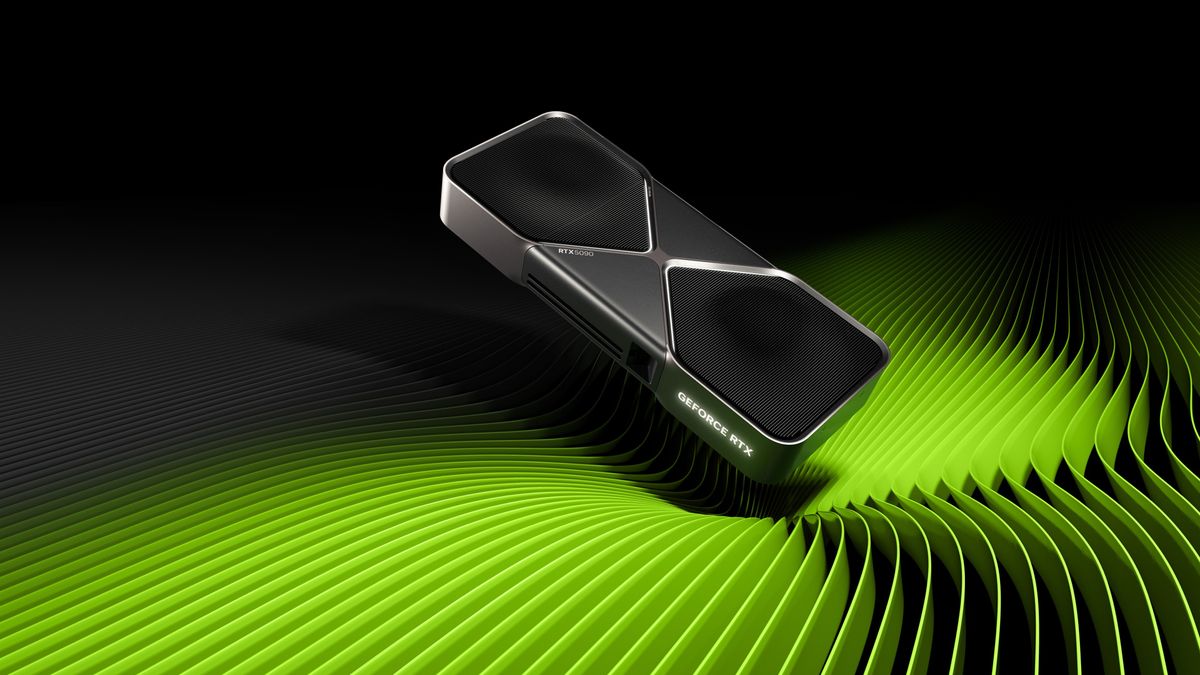
After months of speculation and anticipation, Nvidia finally lifted the cover off its latest lineup of consumer graphics cards, the Nvidia GeForce RTX 5000 series, starting with the flagship RTX 5090.

Nvidia CEO Jensen Huang made the announcement at a packed arena at Las Vegas’s Mandalay Bay resort and casino, a headline event that topped off a day of major reveals from rivals AMD and Intel at CES 2025.

However, the Nvidia RTX 5000 series graphics cards were always going to steal the show, no matter what anyone else announced, so Huang naturally had the limelight on Monday night as he unveiled our first definitive look at the RTX 5090 – amongst other new GPUs and fancy AI features.

Meet Nvidia’s new flagship GPU, the Nvidia Tita— I mean the Nvidia RTX 5090

It might not be called the Nvidia Titan RTX, but the RTX 5090 might as well be, given the specs on offer and its downright scandalous MSRP of $1,999 (£1,999 / AU$4,039) – not a generational price bump from the RTX 4090, granted, but still a ludicrous amount of money for an ostensibly ‘consumer’ graphics card.

With an astounding 92 billion transistors, next-gen Tensor Cores and Ray Tracing Cores, and more than double the AI processing speed of the 4090, the RTX 5090 will unquestionably be the most powerful consumer graphics card on the planet, and it won’t even be close.

Pair the GPU specs with 32GB of shiny new GDDR7 VRAM on a massive 512-bit memory bus and PCIe 5.0 x16 interface, it has an astonishing 1792 GB/s of memory bandwidth, with a memory speed upwards of 23.8 Gbps.

An Nvidia Blackwell GPU die render.

(Image credit: Nvidia)

Given its specs, not only will this graphics card absolutely blow through native 4K gaming (without upscaling) at the highest settings (including ray tracing), it’s arguably the first real 8K graphics card given the amount of VRAM it has and its memory bandwidth, two key specs that allow a graphics card to process the substantially larger 8K texture files needed for gaming at that resolution.

{ window.reliablePageLoad.then(() => { var componentContainer = document.querySelector(“#slice-container-newsletterForm-articleInbodyContent-TfGrT9wxDQfRSFGMn3gKX9”); if (componentContainer) { var data = {“layout”:”inbodyContent”,”header”:”Get daily insight, inspiration and deals in your inbox”,”tagline”:”Sign up for breaking news, reviews, opinion, top tech deals, and more.”,”formFooterText”:”By submitting your information you agree to the Terms & Conditions and Privacy Policy and are aged 16 or over.”,”successMessage”:{“body”:”Thank you for signing up. You will receive a confirmation email shortly.”},”failureMessage”:”There was a problem. Please refresh the page and try again.”,”method”:”POST”,”inputs”:[{“type”:”hidden”,”name”:”NAME”},{“type”:”email”,”name”:”MAIL”,”placeholder”:”Your Email Address”,”required”:true},{“type”:”hidden”,”name”:”NEWSLETTER_CODE”,”value”:”XTR-D”},{“type”:”hidden”,”name”:”LANG”,”value”:”EN”},{“type”:”hidden”,”name”:”SOURCE”,”value”:”60″},{“type”:”hidden”,”name”:”COUNTRY”},{“type”:”checkbox”,”name”:”CONTACT_OTHER_BRANDS”,”label”:{“text”:”Contact me with news and offers from other Future brands”}},{“type”:”checkbox”,”name”:”CONTACT_PARTNERS”,”label”:{“text”:”Receive email from us on behalf of our trusted partners or sponsors”}},{“type”:”submit”,”value”:”Sign me up”,”required”:true}],”endpoint”:”https://newsletter-subscribe.futureplc.com/v2/submission/submit”,”analytics”:[{“analyticsType”:”widgetViewed”}],”ariaLabels”:{}}; var triggerHydrate = function() { window.sliceComponents.newsletterForm.hydrate(data, componentContainer); } if (window.lazyObserveElement) { window.lazyObserveElement(componentContainer, triggerHydrate); } else { triggerHydrate(); } } }).catch(err => console.error(‘%c FTE ‘,’background: #9306F9; color: #ffffff’,’Hydration Script has failed for newsletterForm-articleInbodyContent-TfGrT9wxDQfRSFGMn3gKX9 Slice’, err)); }).catch(err => console.error(‘%c FTE ‘,’background: #9306F9; color: #ffffff’,’Externals script failed to load’, err)); ]]>

Sign up for breaking news, reviews, opinion, top tech deals, and more.

Of course, few games even support 8K resolution, much less have developers and artists effectively wasting their time on texture files so large that only a rare few will ever see them as intended. But there’s no doubt that if 8K gaming ever becomes a thing, the RTX 5090 will be more than ready to meet the challenge.

Of course, that doesn’t really address the fact that this is no longer a gaming GPU— not anymore, and not at this price. And if (well, when) scalpers get involved, it’s going to be far worse.

After all, we called the $1,199 price tag on the flagship RTX 2080 Ti ‘almost obscene’ in our review three GPU generations ago. With no generational price drop from the already wildly expensive RTX 4090, it’s not hard to argue that the RTX 5090 is purely a professional workstation GPU, meant to process raw 4K video streams or render lengthy 3D generated sequences at Pixar or some other animation studio. As fun as it might be, this is not a graphics card meant to play Wolfenstein 3D.

The Nvidia GeForce RTX 5090 is set to go on sale for $1,999 on January 30.

The Nvidia GeForce RTX 5080 will launch alongside the 5090

In a move that has been telegraphed for a while, the Nvidia GeForce RTX 5080 will also be part of the first wave of Nvidia’s new graphics cards to hit store shelves later this month.

The Nvidia RTX 5080 GPU on a green background.

(Image credit: Nvidia)

The RTX 5080 looks to be almost exactly half of the RTX 5090 in terms of specs. Although Nvidia has yet to release a comprehensive spec sheet for the new GPUs – a strange move, though likely one designed to avoid distracting from all the new AI features – we know that the 5080 has 1,801 AI TOPS (trillion operations per second), a little under half the RTX 5090’s 3,352.

It also has new GDDR7 VRAM as well, with a pool of 16GB on a 256-bit memory bus for 960 GB/s of memory bandwidth – again, basically half the specs of the 5090’s VRAM. Its memory speed is a blazing fast 30 Gbps, which helps make up for the narrower memory bus.

The card will go on January 21st with an MSRP of $999 (expected £999 / AU$2,019), which again matches the launch price of the previous-gen RTX 4080.

Nvidia RTX 5070 and RTX 5070 Ti also unveiled – but you’ll have to wait

The Nvidia RTX 5070 and 5070 Ti also debuted on Monday night, likely an effort from Nvidia to reassure gamers that they haven’t forgotten about the midrange market – especially with its main rival AMD refocusing to target the budget and midrange space exclusively with its new GPUs.

Again, we don’t have the breadth of specs we’d hoped to see at this point, but we do know that the RTX 5070 Ti offers 1,406 AI TOPS while the RTX 5070 has 988 TOPS. As a rough point of comparison, Apple‘s new M4 chip caps out at around 38 TOPS – so a dedicated GPU is arguably still a necessity for serious AI workloads.

Over on the VRAM front, the RTX 5070 Ti’s memory profile is nearly identical to the RTX 5080, with 16GB GDDR7, a memory speed of 28 Gbps on a 256-bit bus, and a memory bandwidth of 896 GB/s, making it more than ready for 4K gaming. Meanwhile, the RTX 5070 has 12GB of GDDR7 at 672 GB/sec – still faster than the RTX 4070, though the same base amount of VRAM.

A selection of third-party RTX 5000 GPUs.

(Image credit: Nvidia)

The Nvidia GeForce RTX 5070 and 5070 Ti will go on sale in February – date to be confirmed – with respective retail prices of $549 (£549 / AU$1,509) and $749 (£749 / AU$1,109). This is actually quite pleasing to see, since the RTX 4070 retailed at $599 – meaning we finally have a generational price drop from Nvidia.

DLSS 4, Reflex 2, and more

In addition to the new hardware, Nvidia also showcased a selection of upgraded AI features debuting with the ‘Blackwell’ RTX 5000 generation of graphics cards.

Chief among these, of course, was DLSS 4 – the latest update to Nvidia’s resolution upscaling software, which allows for better framerates in-game by rendering the game at a lower resolution and upscaling it to a target resolution (say, 1080p to 4K) using AI.

DLSS 4 will also feature ‘Multi Frame Generation’, an improved version of the Frame Generation tech seen in the RTX 4000 generation, which uses AI to extrapolate and produce additional frames and ‘insert’ them between ordinary rendered frames to boost framerate. Unfortunately for users on older GPUs, only the regular DLSS 4 upscaling will be available on older cards; Multi Frame-Gen will be exclusive to RTX 5000 cards.

We’re also getting Nvidia Reflex 2, a new version of the Reflex software for reducing input latency in games. Reflex 2 will feature ‘Frame Warp’, which aims to proactively insert generated frames by reading mouse input before it even reaches the display – this can reportedly reduce input latency by as much as 75%.

RTX 5000 is also bringing AI powers to shader tech with new RTX Neural Shaders. This uses small AI networks in the GPU’s programmable shader units to deliver ‘film-quality’ shading and lighting in-game. ‘RTX Neural Faces’, along with new RTX tech for hair and skin rendering and animation, promises to deliver more realistic humans than ever before.

Lastly, we can expect to see more of Nvidia ACE with this generation of RTX GPUs – the improved AI capabilities of the Blackwell generation mean that projects like Nvidia’s (slightly creepy) AI NPC tech can be implemented on a wider level, with ACE-powered characters planned to appear in a handful of titles including PUBG: Battlegrounds and InZOI.

You might also like…

Source

Posted on

This ‘boring’ new iPhone 17 Air leak is music to my ears

The iPhone 16 Plus was the first large device in my long history as an iPhone user. I wanted the larger display but couldn’t settle for the Plus’s larger footprint. After nearly two months with the handset, I’m convinced that the iPhone 17 Air will be the best option for me once the iPhone 17 hits stores.

I’m ready to make all sorts of compromises to get a large-screen iPhone with a slim profile. I’ll accept a single-lens camera experience, the disappearance of SIM cards in Europe, a less-than-stellar speaker, and even battery life that can’t possibly be as good as the iPhone 16 Plus.

The compromise I’m not going to go for concerns iPhone performance. The iPhone 17 Air should rock the same A19 chip as the base iPhone 17 model. I wouldn’t want Apple to nerf the Air variant in any way by throttling performance to prevent overheating. That’s something Apple could always do, especially considering the brief overheating issues with the iPhone 15 Pro in the first weeks after launch.

That’s why a leak saying every iPhone 17 model will get vapor chambers this year is music to my ears, no matter how boring it might sound.

Tech. Entertainment. Science. Your inbox.

Sign up for the most interesting tech & entertainment news out there.

By signing up, I agree to the Terms of Use and have reviewed the Privacy Notice.

Most iPhone buyers will not care about how the iPhone they’re about to buy handles the heat coming from that fast processor and the battery. They’ll want the brand-new device to “just work” as soon as they take it out of the box.

But then, when the same buyers experience overheating issues with devices like the iPhone 15 Pro, they’ll want it fixed. They’ll want Apple to handle it without impacting the iPhone’s performance.

The iPhone 16 series doesn’t come with cooling issues, or they would have been obvious by now. Overheating was never a thing on the iPhone 16 Plus. Apple did, after all, improve cooling on these iPhones.

Apple didn’t add a vapor cooling chamber to the iPhone 16 models, though it might have such plans for this year’s iPhones. A vapor chamber might move heat more efficiently from the processor to the phone’s exterior.

Galaxy Z Fold 6 features a larger vapor chamber than the Fold 5.Galaxy Z Fold 6 features a larger vapor chamber than the Fold 5. Image source: Chris Smith, BGR
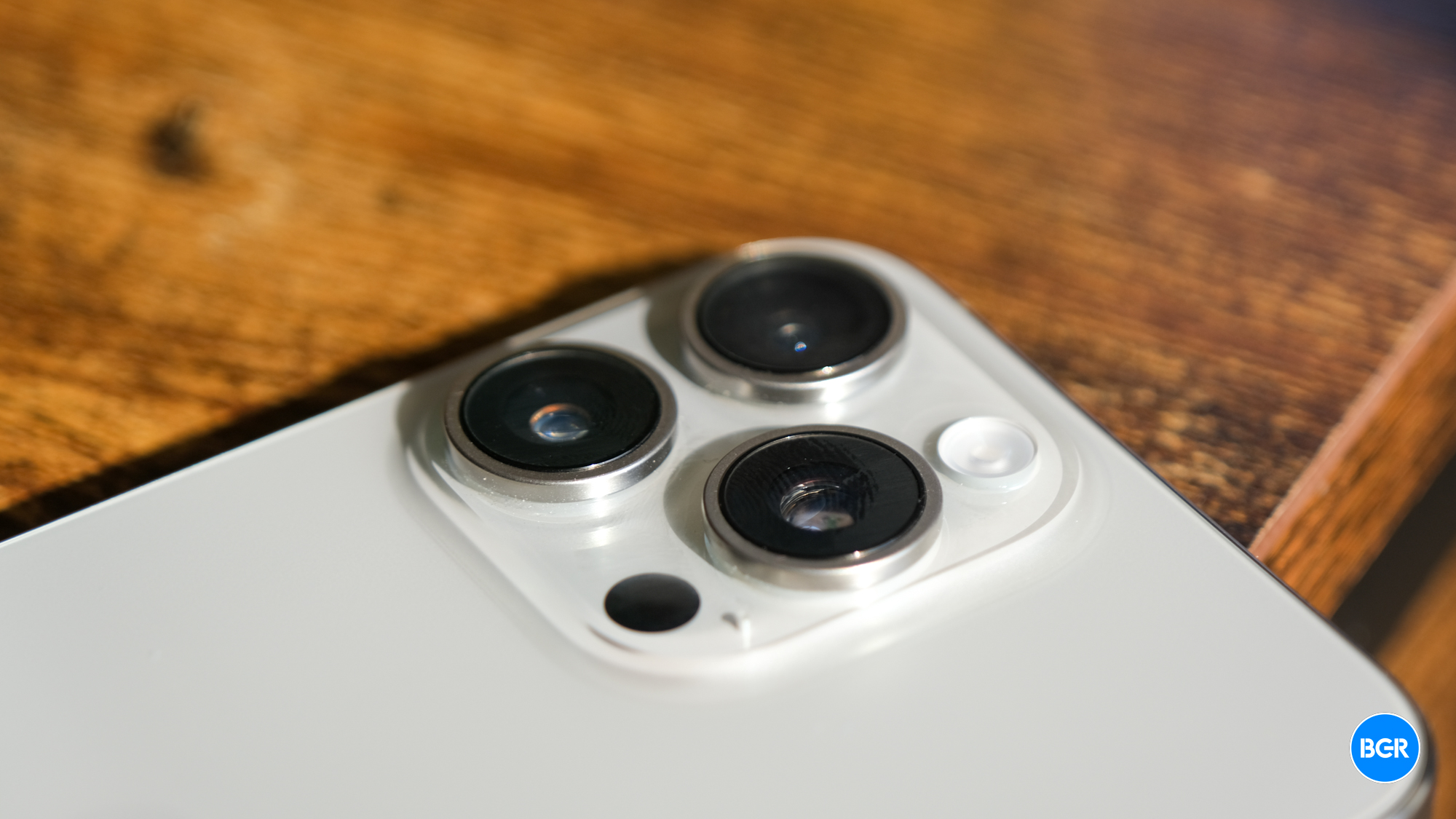
During the Galaxy Z Fold 6 and Flip 6 launch events last summer, Samsung made a point of showcasing the larger vapor chambers inside these devices. Many Android flagships feature vapor chamber cooling.

A report from Ming-Chi Kuo said last August that the iPhone 17 Pro Max would feature a vapor chamber, a first for the iPhone. Fast-forward to mid-January, and MyDrivers now claims that all four iPhone 17 models will get vapor chambers for better cooling.

As with other rumors, this iPhone 17 hardware detail is unconfirmed for now. We’ll need to wait until Apple unveils the phones to see the cooling system in action. Teardowns following the iPhone 17’s release will also give us a look inside the four iPhones.

But the rumor is all the more exciting when you consider the latest iPhone 17 Air reports. The ultra-thin phone might be just 5.5mm thick. Apple will have to squeeze a decent battery in that space, along with all the other components that an iPhone 17 series phone will get. Packing a vapor champer inside such a thin body will be a feat of engineering.

We won’t even have to wait until September to see a vapor chamber inside an ultra-thin flagship phone. The Galaxy S25 Slim will reportedly hit stores this May. The phone will feature the same Snapdragon 8 Elite chip as Samsung’s thicker Galaxy S25 flavors. Since Samsung uses vapor chamber cooling tech in these phones, it’ll probably craft one for the Galaxy S25 Slim to ensure proper cooling.

Source

Posted on

iOS 19 will reportedly feature a completely redesigned Camera app

We’re still waiting to see the final form of iOS 18 as Apple Intelligence continues its slow rollout, but that has not stopped leakers from moving on to Apple’s next big software update. On Friday, Front Page Tech host Jon Prosser shared new details about iOS 19 in his latest video, including a look at the redesigned Camera app reportedly in the works.

Prosser says that he got an advance look at the refreshed Camera app in action, but in order to protect his source at Apple, he wasn’t able to share that video directly. Instead, he and his team recreated the video from scratch, which you can watch below:

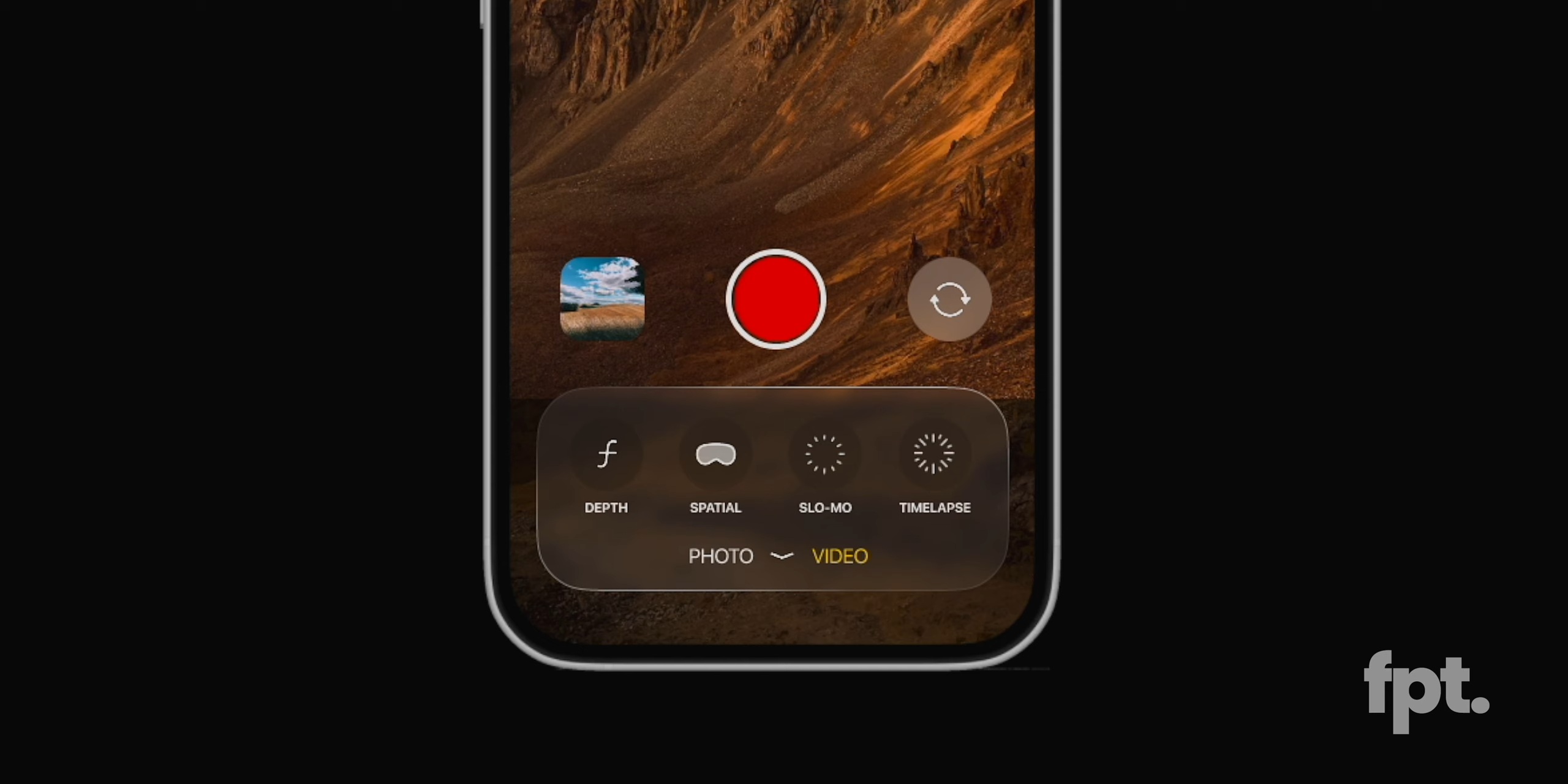
As the video shows, the iOS 19 version of the app is far less busy than the current Camera app. Rather than showing you all your options from the jump, the new app condenses the modes into two menus: Photo and Video. Here’s what each menu has to offer:

  • Photo: Depth, Spatial, Pano, Style, Aspect, Exposure, Timer
  • Video: Depth, Spatial, Slo-mo, Timelapse, Action, Exposure

While the video menu is open at the bottom of the screen, a second menu will appear at the top, giving users the ability to change the resolution and frame rate.

Tech. Entertainment. Science. Your inbox.

Sign up for the most interesting tech & entertainment news out there.

By signing up, I agree to the Terms of Use and have reviewed the Privacy Notice.

Prosser suspects that the Camera app might just be the tip of the iceberg for iOS 19. The visual language seems to mirror that of Apple Vision Pro’s visionOS. He speculates that we’re going to see a full-scale redesign in iOS 19, taking cues from visionOS.

He also admits that there’s a chance these will simply be flourishes in the update as opposed to the foundation of a completely new look for iOS. Major software leaks are hard to come by with Apple, so we might have to wait until September to find out.

Source

Posted on

Leaker corroborates details of Apple’s major iPhone 17 Pro camera upgrade

Ahead of the iPhone 17 release later this year, another leak corroborates a well-known rumor that all iPhone 17 Pro models will have the same camera resolution. This time, according to the Weibo account Digital Chat Station (via MacRumors), the upcoming iPhone Pro models will feature a 1/1.3″ 48MP Fusion lens, a 48MP Ultra Wide lens, and an upgraded 48MP Tetraprism telephoto lens.

The leaker says that the main and telephoto cameras of the iPhone 17 Pro models will also feature hybrid glass-plastic lenses. That said, Apple will finally finish its long transition to all lenses supporting 48MP resolution. Besides that, all iPhone 17 Pro models will have a 24MP front camera, a long-overdue upgrade.

These features have all been rumored in the past few months. In June, analyst Ming-Chi Kuo said that the iPhone 17 Pro Max would feature an upgraded 48MP Tetraprism camera, while analyst Jeff Pu wrote in August that all iPhone 17 models would have a 24MP front-facing camera.

With 48MP cameras, Apple could finally unveil upgraded recording modes, such as the long-awaited 8K recording. In addition, it would bring a more seamless experience when switching between the three cameras.

Tech. Entertainment. Science. Your inbox.

Sign up for the most interesting tech & entertainment news out there.

By signing up, I agree to the Terms of Use and have reviewed the Privacy Notice.

iPhone 17 latest rumors

While the iPhone 16 models were an “S” upgrade, Apple is expected to revamp its smartphone lineup with the upcoming iPhone 17. The latest leaks reveal the company wants to ditch the iPhone Plus for a new Air model. While it was expected to be underpowered and overpriced, it seems Apple will experiment with this device with an ultrathin design to introduce it later on the Pro lineup.

With the iPhone 17 Pro, the company is expected to optimize the processors for more challenging Apple Intelligence tasks, and the software will be more mature for those applications. Apple is expected to add more RAM to the Pro models, and the new design should make more people upgrade to these upcoming models.

Source

Posted on

Hearing a mysterious beep from your AirPods Pro? Here’s what it is

If you chose the AirPods Pro over the regular AirPods, it means you want access to some of Apple’s best features for its wireless earphones. That might mean better sound quality, complete with Active Noise Cancellation (ANC) support. Or it might mean taking advantage of the first hearing health features available on AirPods, the Hearing Test and Hearing Aid functionalities that can now be found in iOS 18.

If you own AirPods Pro, you might also have discovered they play chimes here and there that you can’t explain. Apparently, the random beeps are puzzling users, who discussed them online, including on the ATP podcast.

It seems that Apple has updated a support document to explain that the sounds are normal and they help ensure the AirPods work as intended.

It’s a feature related to the AirPods Pro microphones, speakers, and hearing test results. From Apple’s support document:

Tech. Entertainment. Science. Your inbox.

Sign up for the most interesting tech & entertainment news out there.

By signing up, I agree to the Terms of Use and have reviewed the Privacy Notice.

To help ensure that your AirPods microphones and speakers are operating at their best (for example, to help provide high-quality hearing test results), your AirPods may periodically play a quiet chime when they’re in their charging case.

You can hear what the chime sounds like on Mastodon, where Ian Williamson explained the mysterious sound:

Your point about AirPod noises reminded me of a related noise I’ve been meaning to investigate on my AirPods Pro 2, recorded here when I put one AirPod back in the case with the other. You can hear the sad charging noise (overlaid with the case closing snap) but ~15 secs later you can also hear what appears to be a diagnostics sound coming from the AirPods inside the case. It was driving me mad for a while as I kept hearing this sound but couldn’t figure out where it was coming from.

Episode 621 of the ATP Podcast also discusses the AirPods noises right from the start, which prompted MacRumprs to investigate.

Even John Gruber joined in, making some light fun of Apple’s failure to actually address the matter in support documentation:

Years ago, Apple was a successful company and documented how their products work. These days, Apple is struggling financially, and alas can no longer afford to produce something even as simple as an interactive web page with examples of the sounds that AirPods make and explanations of what those sounds mean.

Meanwhile, Apple’s support document explains the Hearing Test and Hearing Aid features, in addition to addressing the mysterious beeps right at the end. You’ll want to check it out in full if you have questions regarding the hearing health features.

Source

Posted on

Top insider says foldable iPhone will enter mass production this year

Alongside the imminent release of the iPhone SE 4 and the launch of a new iPhone 17 Air later this year, it seems Apple is busier than usual with its smartphone lineup.

According to top insider Ming-Chi Kuo, the company plans to start mass production of the foldable iPhone in the second half of 2025. Currently, this device is in “the planning stage.” As already pointed out by my colleague Chris Smith, the release of the iPhone 17 Air will be crucial for this upcoming foldable device.

Since Apple is preparing an ultra-thin device, the company will take advantage of that technology (and compromises, such as being eSIM-only) to produce the long-awaited foldable iPhone.

Apple could be readying the iPhone Fold for 2026 or 2027

The Information believes Apple started this project around 2020, and it won’t take long until the company reveals it. The Korean outlet The Elec learned that Apple is considering a 2026 or 2027 release date for a foldable device about the same size as the iPad mini.

Tech. Entertainment. Science. Your inbox.

Sign up for the most interesting tech & entertainment news out there.

By signing up, I agree to the Terms of Use and have reviewed the Privacy Notice.

The report doesn’t call it a phone. Previous rumors said that Apple’s first foldable device might be a tablet rather than an iPhone

While The Information believes a 2026 release makes more senseThe Elec points out that 2027 would mark the 20th anniversary of the iPhone and the 10th anniversary of the first iPhone with an OLED panel. The latter isn’t really a cause for celebration. The 2017 iPhone X had to be different because Apple celebrated the handset’s 10th anniversary. And the OLED screen allowed Apple to make an all-screen display in addition to the TrueDepth system.

Other analysts also claim this device will likely launch between 2026 and 2027. That said, we’ll still have to wait a little longer, as Apple’s focus is now on the future iPhone 17 models, which you can learn more about below.

Source

Posted on

Samsung’s Galaxy S25 Slim specs leaked from an early benchmark test

Samsung will unveil the Galaxy S25 in less than two weeks at its first Unpacked press event of the year. Rumors say the keynote will deliver at least one surprise in the form of an ultra-thin Galaxy S25 Slim phone. The handset will be introduced at Unpacked, but it might not ship for several months. Development of the phone might be running behind compared to the regular Galaxy S25 variants.

Samsung reportedly decided to make the Galaxy S25 Slim after it became clear that Apple plans to launch an ultra-slim iPhone 17 Air handset this fall. Coming out with the Galaxy S25 Slim before Apple unveils the thinner iPhone 17 variant could be in Samsung’s favor, at least from a marketing perspective.

A new discovery seems to back up rumors that the Galaxy S25 Slim was added to the Galaxy S25 lineup later than usual. The first purported Geekbench 6 benchmark leaked for the handset, confirming some of its specs in the process.

Found by leaker Jukanlosreve, the Geekbench 6 test for the Galaxy S25 Slim is available at this link.

Tech. Entertainment. Science. Your inbox.

Sign up for the most interesting tech & entertainment news out there.

By signing up, I agree to the Terms of Use and have reviewed the Privacy Notice.

At the time of this writing, two such tests were available on Geekbench for the same phone. It’s a Samsung phone with model number SM-S937U. The Galaxy S25 Slim name doesn’t appear anywhere in the identifiers, of course. But we’ve seen that codename in previous Galaxy S25 Slim rumors.

Leaked Galaxy S25 Slim Geekbech 6 benchmark test.Leaked Galaxy S25 Slim Geekbech 6 benchmark test. Image source: Geekbench
Regarding performance, we’re looking at single-core scores of around 3,000 and multi-core scores of almost 7,000 points. While the single-core test nearly matches the Galaxy S25 Ultra’s early tests that leaked in early November, the multi-score performance lags by about 3,000 points.

This indicates we’re looking at an early test or that Samsung will have to throttle performance on the thinner phone to prevent overheating. While I’m speculating, ultra-thin handsets will come with compromises.

Despite the performance differences there’s good news here. The Galaxy S25 Slim will share some of the most important specs with the Galaxy S25 Ultra. The phone in the benchmark test above runs on the same Qualcomm chip as the one in the Galaxy S25 Ultra tests. They’re identical, down to the clock speeds. It means the Galaxy S25 Slim will pack the Snapdragon 8 Elite chip.

That’s great news for buyers looking for an ultra-thin flagship phone. I say that as an iPhone user looking forward to the iPhone 17 Air. I know the handset should be as powerful as the base iPhone 17 because that’s how Apple does things.

The benchmark test above indicates that Samsung will take a similar approach. The Galaxy S25 Slim will not feature a less powerful chip than the rest of the Galaxy S25 line. That is, Samsung won’t try to cut costs. It also implies the Galaxy S25 Slim won’t be more affordable, as the Elite processor is an expensive component.

The test also reveals another detail about the Galaxy S25 Slim’s specs. The phone will feature 12GB of RAM, while the Ultra will pack 16GB of RAM. However, I don’t expect memory to be a problem on a phone like the Galaxy S25 Slim.

Source

Posted on

iPhone 17 Air could be even slimmer than anticipated

With the iPhone 17 Air expected to replace the Plus model, reports have speculated about one of its key qualities: How thick it will actually be. Just days ago, South Korea’s Sisa Journal said this device would be 6.25mm thick, which would make it the thinnest iPhone ever.

This would make the iPhone 17 Air 20% thinner than the base iPhone 16 models and 25% thinner than the iPhone 16 Pro. However, top insider Ming-Chi Kuo believes Apple could make this device incredibly thin, with the thinnest part being around 5.5mm.

If Cupertino achieves that, this device would be remarkably thin. That being said, the analyst could have been speculating over previously reported information. Other reports suggest that the iPhone 17 Air would be 5mm to 6mm thick.

Still, even if Apple can’t deliver a 5.5mm thick iPhone, it will still be thinner than any other model released so far. In addition to that, Kuo doesn’t believe this iPhone will be responsible for improving Apple’s iPhone sales, even though it’s expected to sell better than the iPhone Plus models.

Tech. Entertainment. Science. Your inbox.

Sign up for the most interesting tech & entertainment news out there.

By signing up, I agree to the Terms of Use and have reviewed the Privacy Notice.

“Although the ultra-thin iPhone 17 may ship in higher volumes than the iPhone Plus, it likely won’t significantly boost iPhone sales overall, partly due to downgraded components paired with a high price and a user experience similar to current models,” says the analyst.

Besides that, the eSIM-only option would make it unavailable in China, one of Apple’s key markets. The Asian country doesn’t offer eSIM-only phones, which could be an issue for Cupertino. Possible shipping momentum challenges and other compromises, such as smaller battery life and a weaker 5G modem, could make users focus on a Pro model instead.

Below, you can learn more about the latest details on the iPhone 17 lineup, including the upcoming iPhone 17 Air.

Source